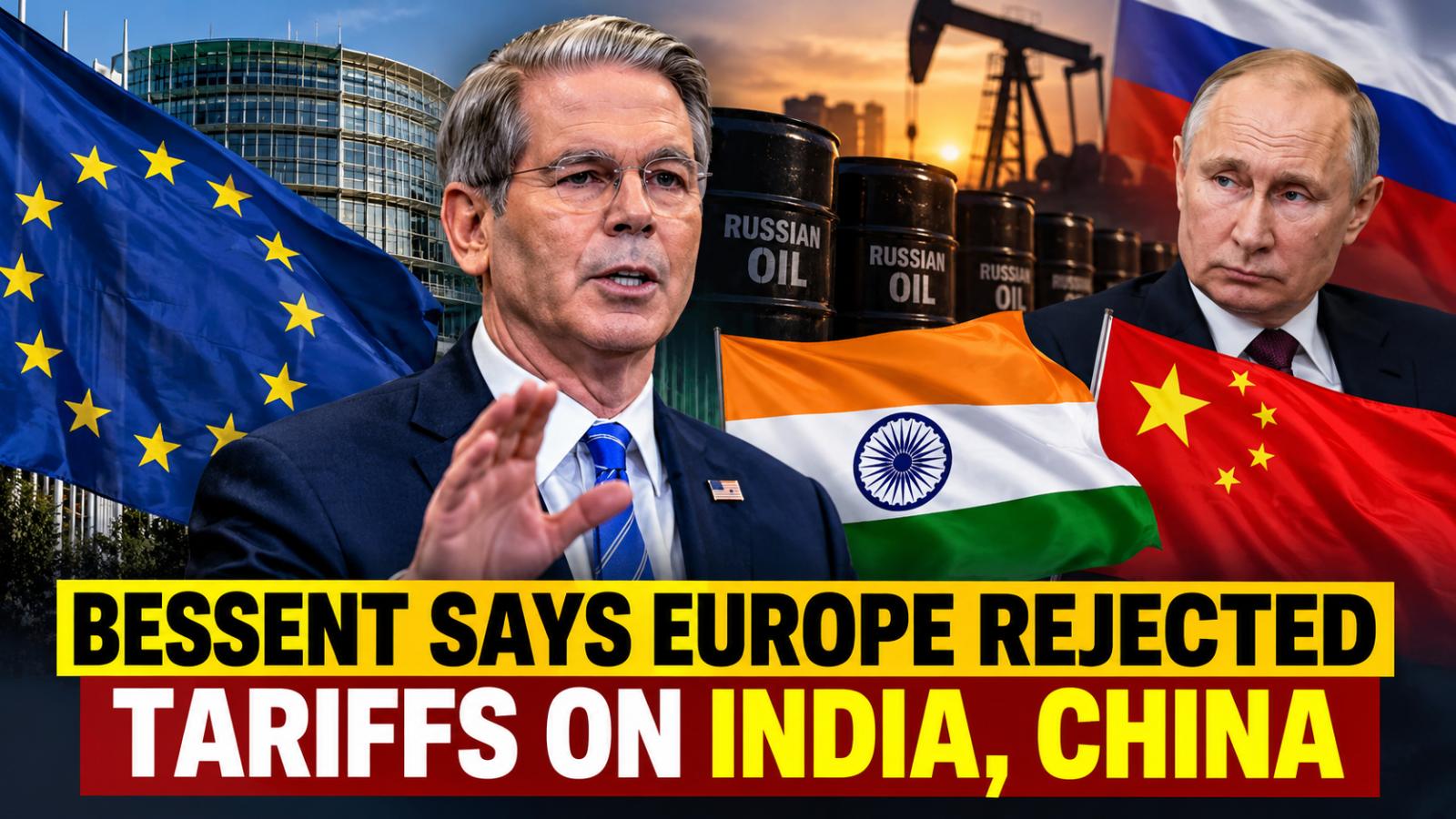
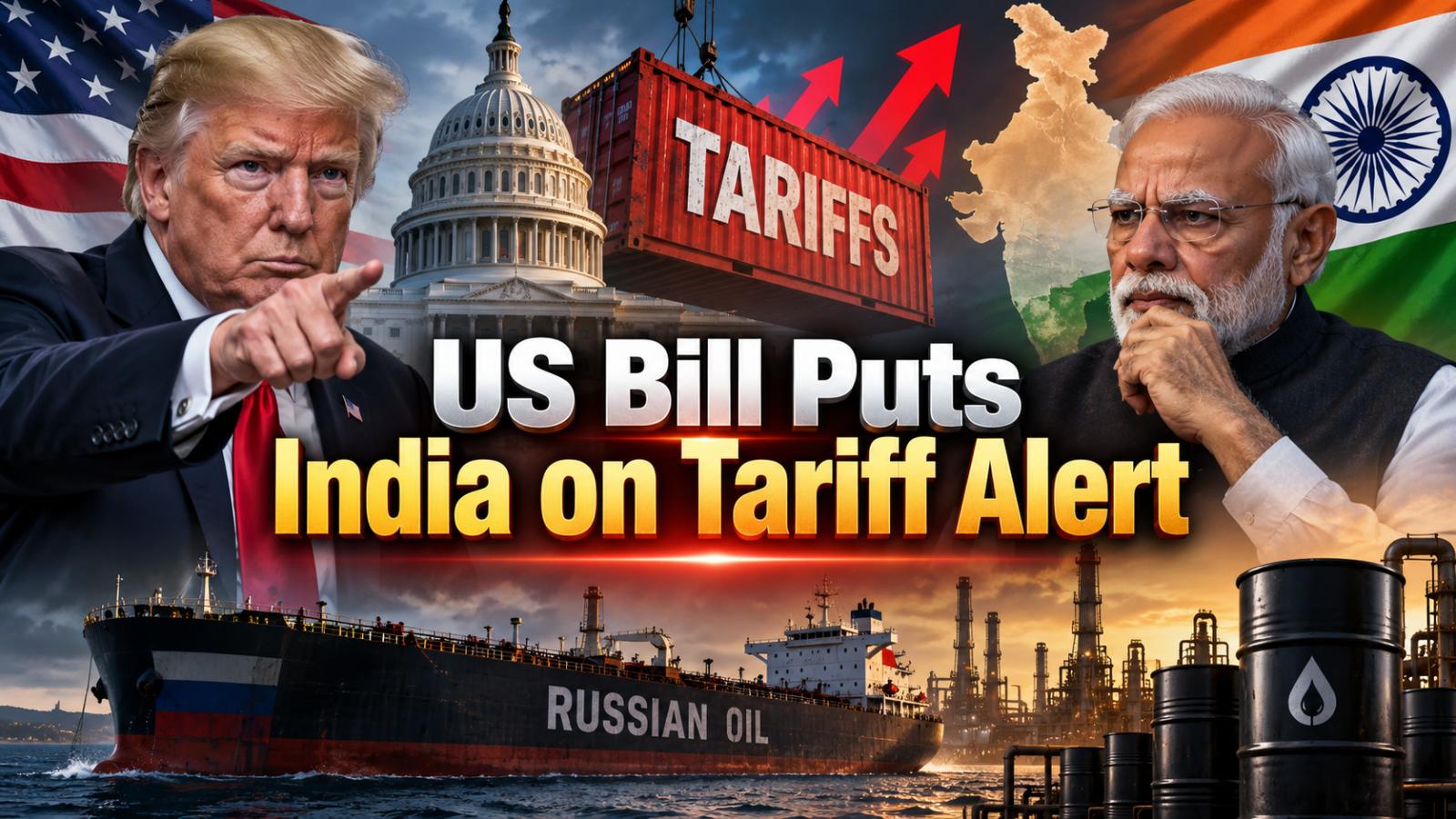
Bessent says Europe rejected tariffs on India, China over Russian oil, arguing that Washington should not carry the economic burden of tougher action against Moscow alone. The Treasury secretary also criticised European Russian energy imports as Trump begins a 60-day review of sanctions and tariff options.
Europe rejected secondary tariffs
US Treasury Secretary Scott Bessent says European allies declined an American request earlier this
Bessent says Europe rejected tariffs on India, China over Russian oil, arguing that Washington should not carry the economic burden of tougher action against Moscow alone. The Treasury secretary also criticised European Russian energy imports as Trump begins a 60-day review of sanctions and tariff options.
Europe rejected secondary tariffs
US Treasury Secretary Scott Bessent says European allies declined an American request earlier this
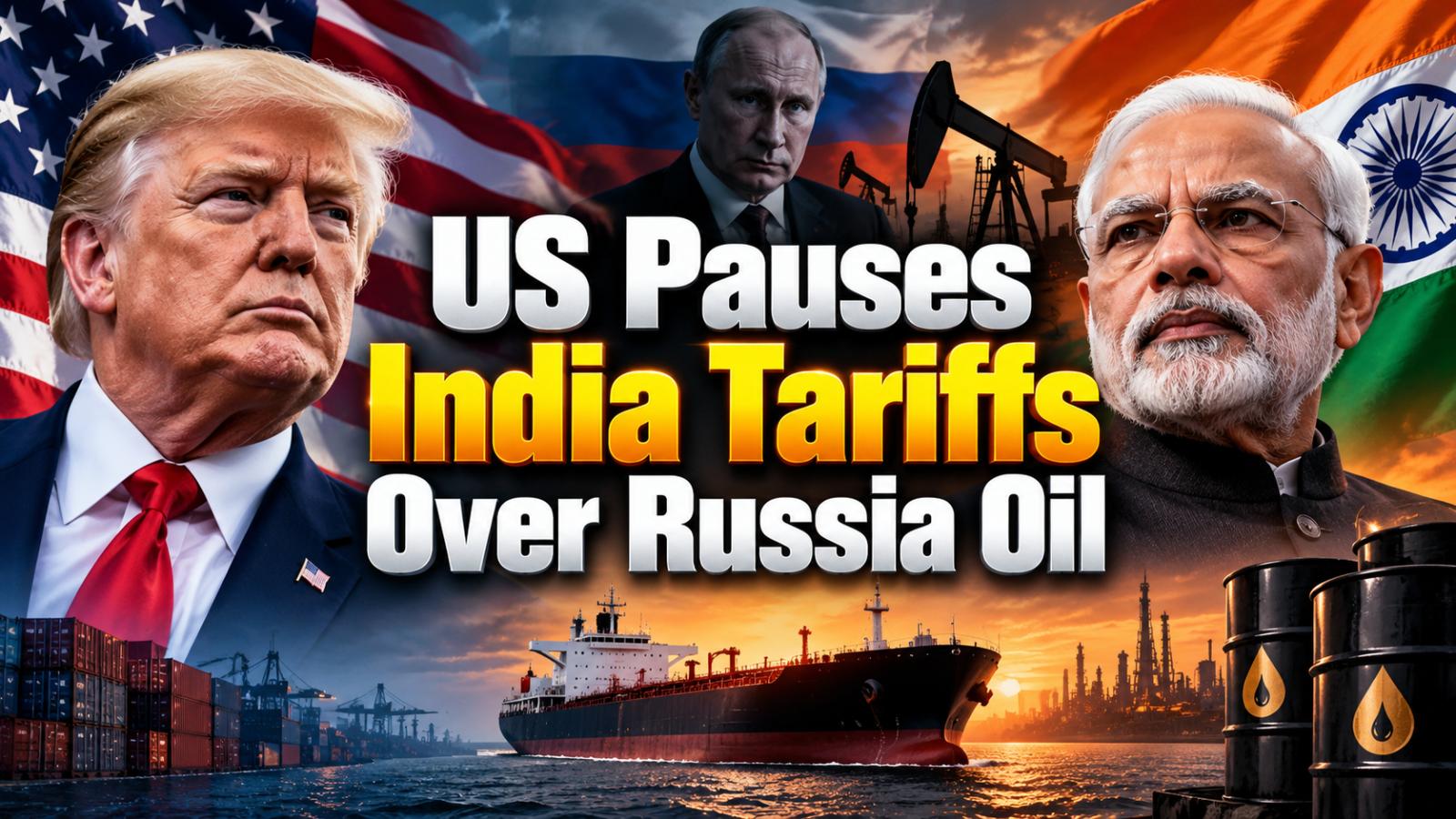
US reviews Russia sanctions waiver as India tariffs remain paused, giving New Delhi temporary relief from possible duties tied to Russian energy purchases. Marco Rubio says Washington will use a 60-day period to assess economic effects as India continues diversifying its crude supplies.
Russia sanctions waiver review
The Trump administration is reviewing how to apply a new sanctions law targeting Russia and major buyers of Russian energy
US reviews Russia sanctions waiver as India tariffs remain paused, giving New Delhi temporary relief from possible duties tied to Russian energy purchases. Marco Rubio says Washington will use a 60-day period to assess economic effects as India continues diversifying its crude supplies.
Russia sanctions waiver review
The Trump administration is reviewing how to apply a new sanctions law targeting Russia and major buyers of Russian energy
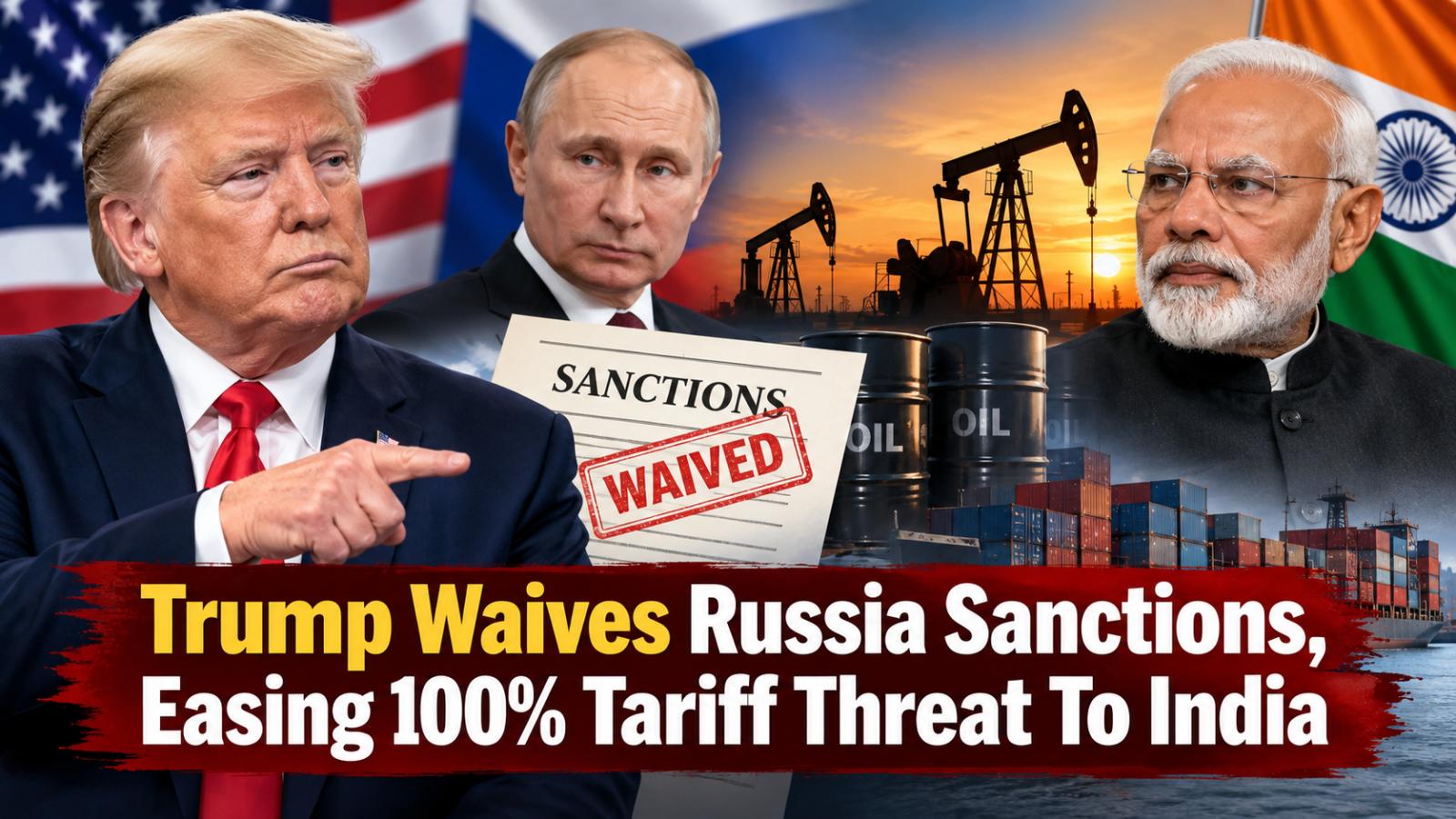
Trump waives Russia sanctions under the Graham Act, easing the immediate 100% tariff threat to India. The decision gives Indian exporters relief while keeping Russian oil purchases under review, and the US could restore duties later.
US President Donald Trump has temporarily suspended several Russia-related sanctions and tariffs, providing immediate relief to India and China just before the measures were scheduled to take effect. The decision, announce
Trump waives Russia sanctions under the Graham Act, easing the immediate 100% tariff threat to India. The decision gives Indian exporters relief while keeping Russian oil purchases under review, and the US could restore duties later.
US President Donald Trump has temporarily suspended several Russia-related sanctions and tariffs, providing immediate relief to India and China just before the measures were scheduled to take effect. The decision, announce
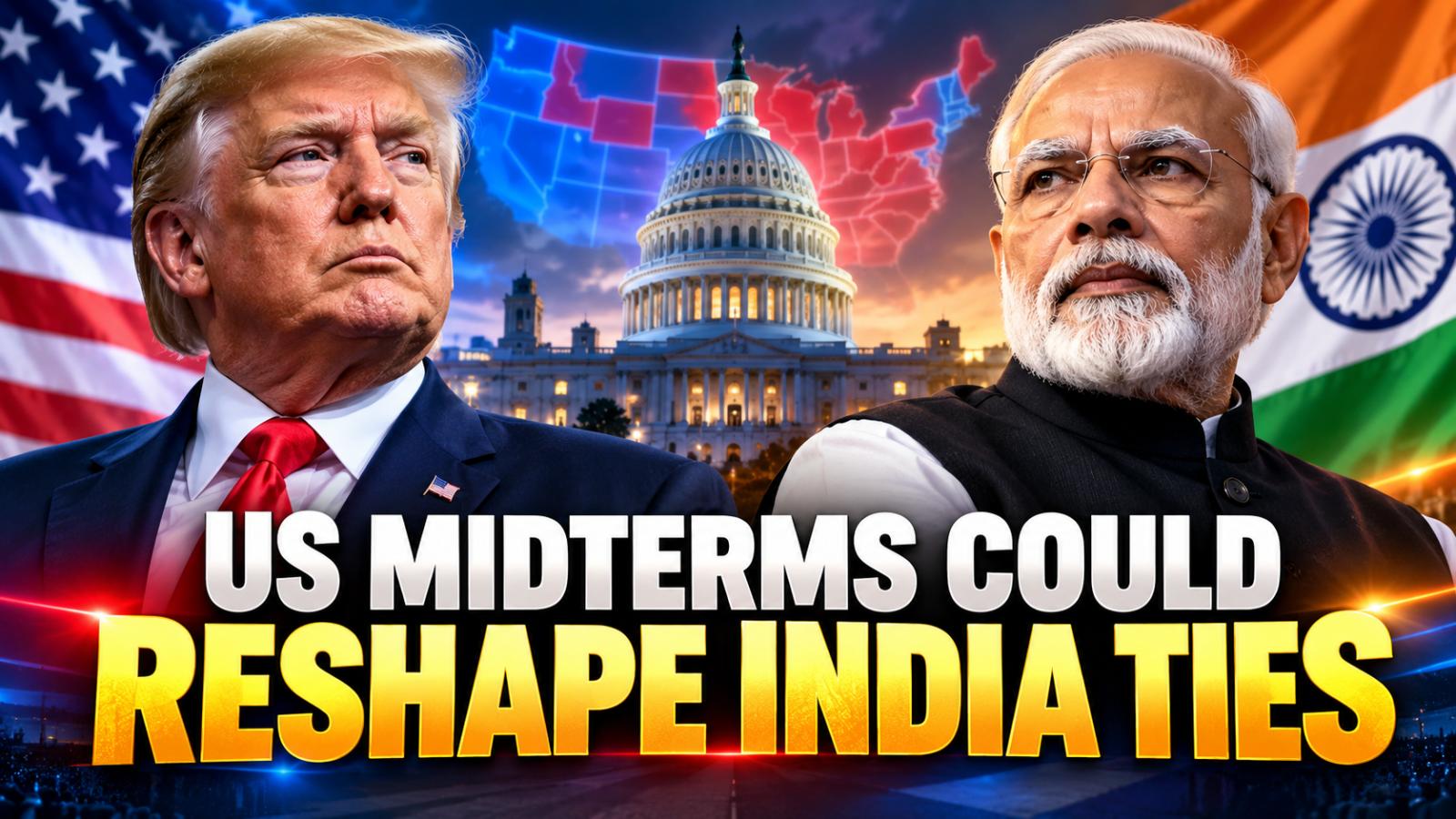
The US midterms impact India well beyond American domestic politics. A Democratic House could limit parts of President Donald Trump’s agenda, while India ties, Trump tariffs, Russia oil sanctions and Washington’s China strategy continue to shape New Delhi’s choices.
Dem House
The November 3 midterm elections could produce a divided Congress at a sensitive time for India-US relations. Decision Desk HQ’s October 4 forecast gives De
The US midterms impact India well beyond American domestic politics. A Democratic House could limit parts of President Donald Trump’s agenda, while India ties, Trump tariffs, Russia oil sanctions and Washington’s China strategy continue to shape New Delhi’s choices.
Dem House
The November 3 midterm elections could produce a divided Congress at a sensitive time for India-US relations. Decision Desk HQ’s October 4 forecast gives De
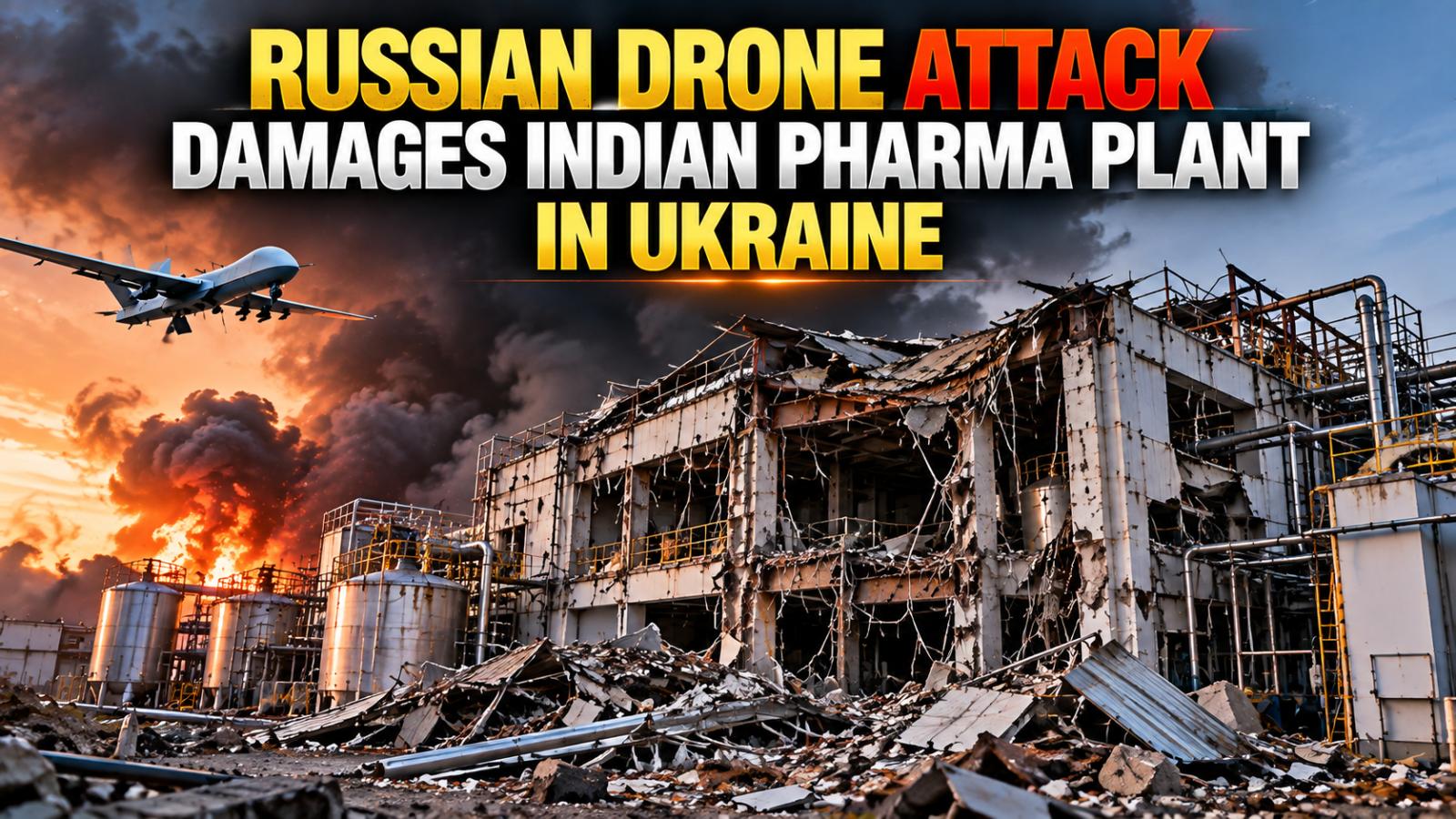
A pharmaceutical facility owned by India’s Kusum Group was severely damaged in a Russian drone attack in Sumy, Ukraine. The strike reportedly killed one person and left several others injured.
The main building of the plant was largely destroyed in the attack, with preliminary losses estimated at around ₹400 crore.
Ukrainian President Volodymyr Zelensky expressed condolences over the loss of life and acknowledged the damage caused by the strike.
The incident
A pharmaceutical facility owned by India’s Kusum Group was severely damaged in a Russian drone attack in Sumy, Ukraine. The strike reportedly killed one person and left several others injured.
The main building of the plant was largely destroyed in the attack, with preliminary losses estimated at around ₹400 crore.
Ukrainian President Volodymyr Zelensky expressed condolences over the loss of life and acknowledged the damage caused by the strike.
The incident
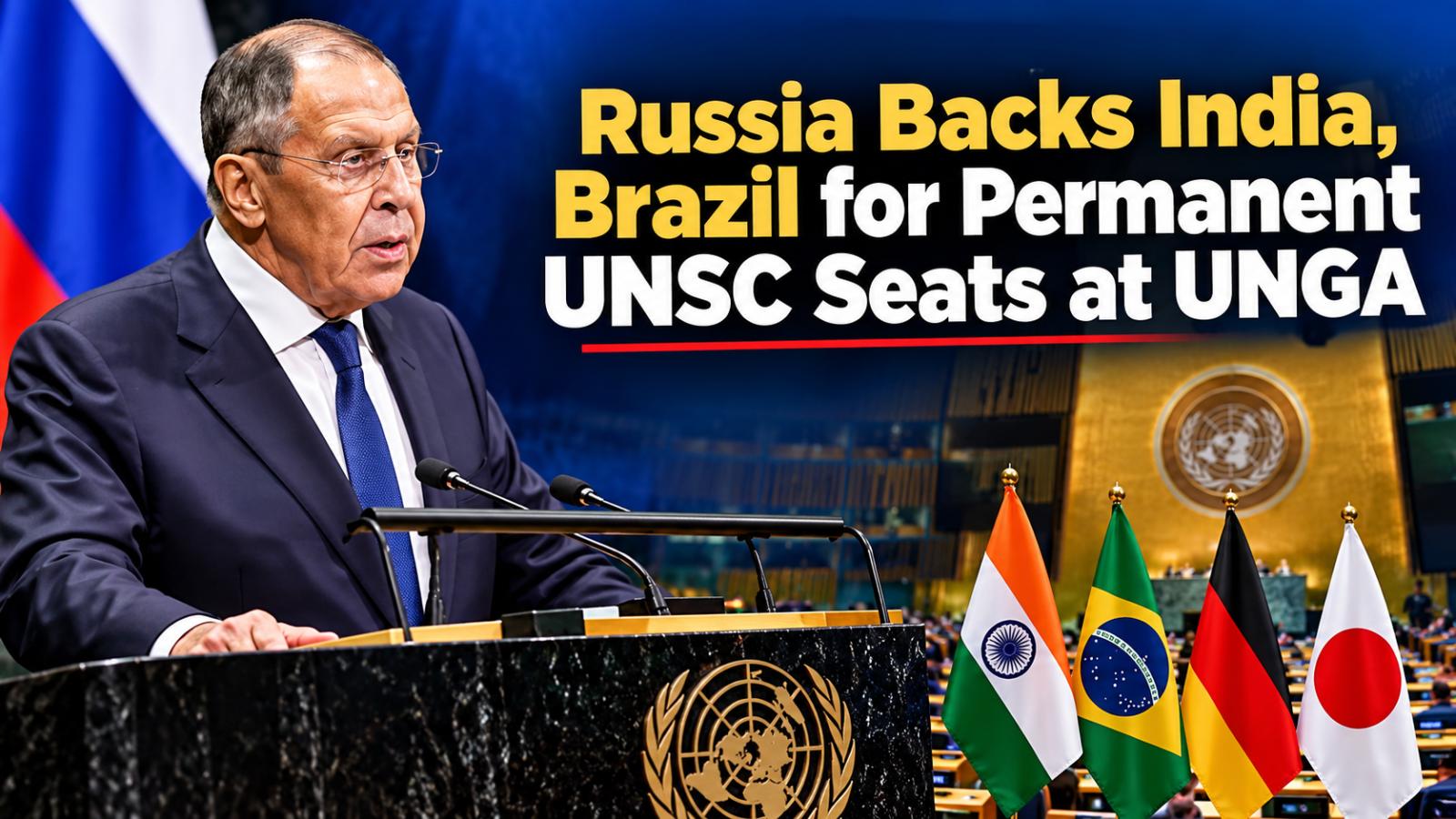
Russia backs India for a permanent UNSC seat as Sergey Lavrov renews Moscow’s support for India and Brazil at the UNGA. The move sharpens the UNSC reform debate, highlighting G4 differences and calls for stronger Global South representation.
Russia backs India UNSC bid at UN General Assembly
Russia has renewed its support for India becoming a permanent member of the United Nations Security
Russia backs India for a permanent UNSC seat as Sergey Lavrov renews Moscow’s support for India and Brazil at the UNGA. The move sharpens the UNSC reform debate, highlighting G4 differences and calls for stronger Global South representation.
Russia backs India UNSC bid at UN General Assembly
Russia has renewed its support for India becoming a permanent member of the United Nations Security
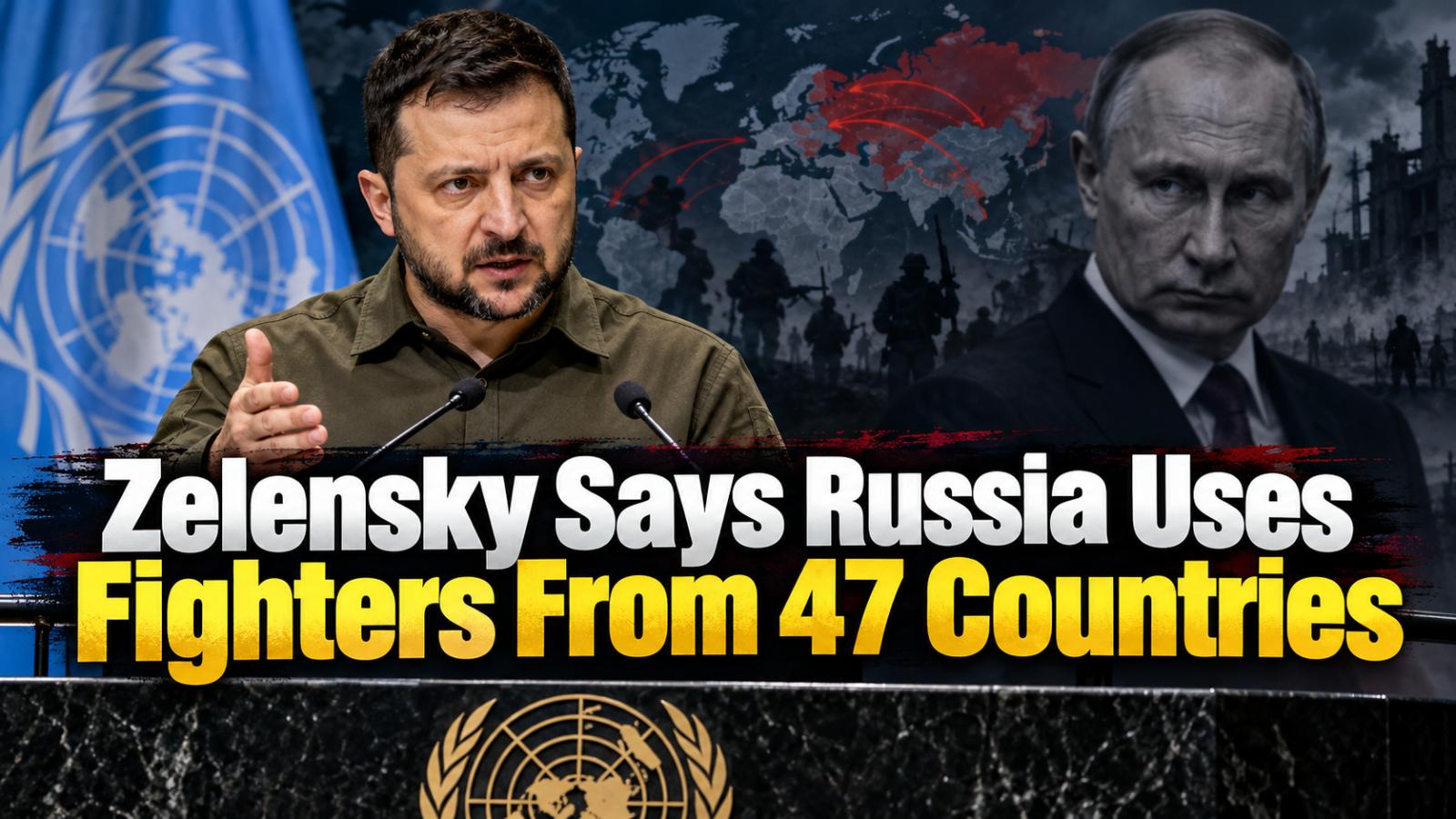
Ukrainian President Volodymyr Zelensky has accused Russia of using citizens from 47 countries in its war against Ukraine, naming India, Ghana, Nepal and several other nations during an address to the United Nations General Assembly on September 23, 2026. Zelensky also focused on foreign recruitment, North Korea, expanding drone partnerships, possible winter attacks and efforts to reduce Russian war revenue.
Recruitment raises concerns over foreign fighters
Ukrainian President Volodymyr Zelensky has accused Russia of using citizens from 47 countries in its war against Ukraine, naming India, Ghana, Nepal and several other nations during an address to the United Nations General Assembly on September 23, 2026. Zelensky also focused on foreign recruitment, North Korea, expanding drone partnerships, possible winter attacks and efforts to reduce Russian war revenue.
Recruitment raises concerns over foreign fighters
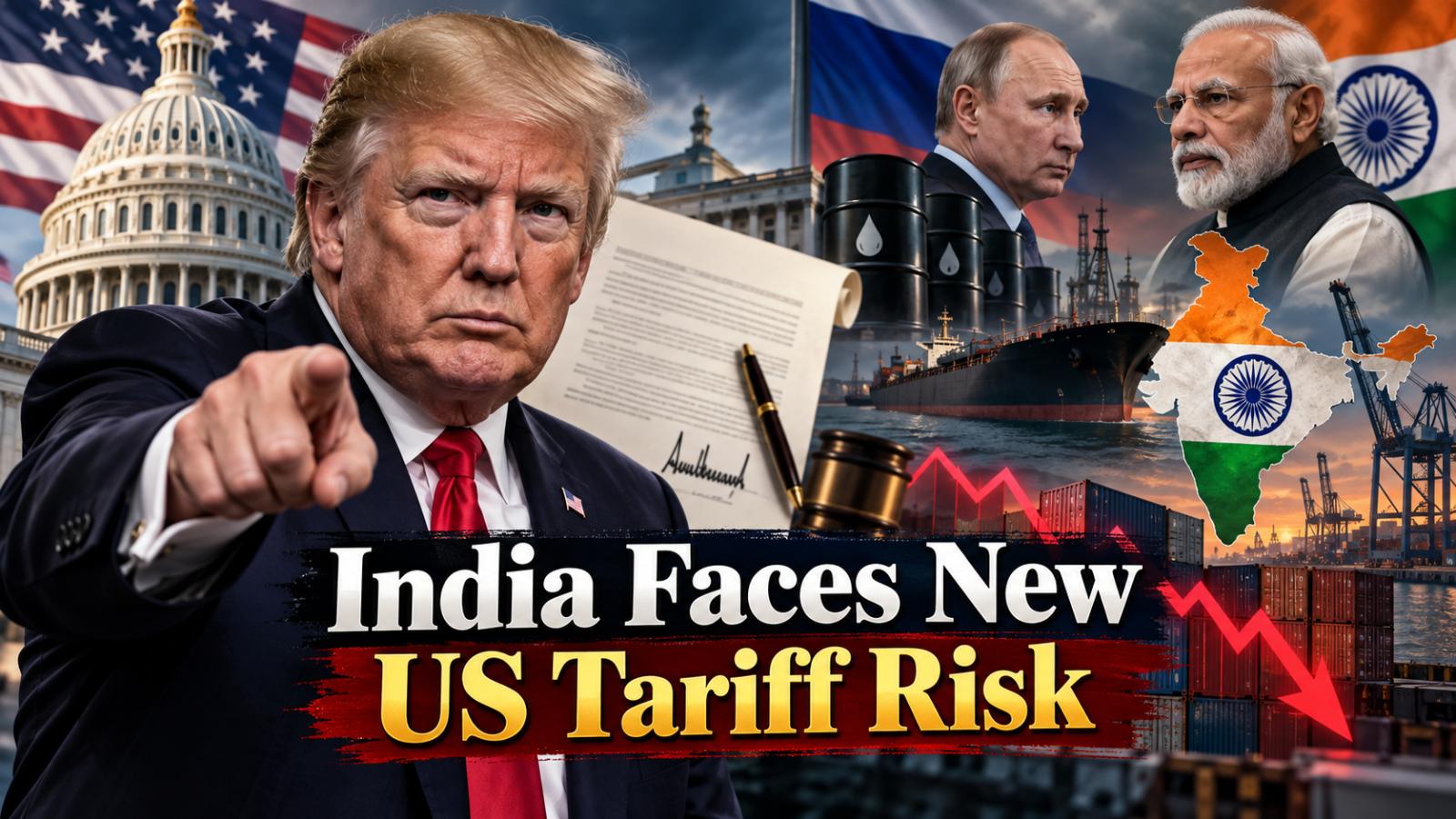
US President Donald Trump has signed a sweeping Russia sanctions law that gives Washington new authority to impose targeted tariffs of up to 100% on major buyers of Russian oil and natural gas, placing India under renewed trade scrutiny.
The White House confirmed that Trump signed H.R. 5334, the Lindsey O. Graham Sanctioning Russia and Iran Act of 2026, on September 18. The administration said the law expands statutory sanctions, tariffs a
US President Donald Trump has signed a sweeping Russia sanctions law that gives Washington new authority to impose targeted tariffs of up to 100% on major buyers of Russian oil and natural gas, placing India under renewed trade scrutiny.
The White House confirmed that Trump signed H.R. 5334, the Lindsey O. Graham Sanctioning Russia and Iran Act of 2026, on September 18. The administration said the law expands statutory sanctions, tariffs a
The Russia sanctions bill has raised fresh concerns for India and other major buyers of Russian energy, with the legislation giving President Donald Trump authority to impose tariffs of up to 100% under specified conditions. The move comes as India-Russia ties remain strong in energy and strategic cooperation.
Russia sanctions bill clears US House
The US House of Representatives has passed the
The Russia sanctions bill has raised fresh concerns for India and other major buyers of Russian energy, with the legislation giving President Donald Trump authority to impose tariffs of up to 100% under specified conditions. The move comes as India-Russia ties remain strong in energy and strategic cooperation.
Russia sanctions bill clears US House
The US House of Representatives has passed the
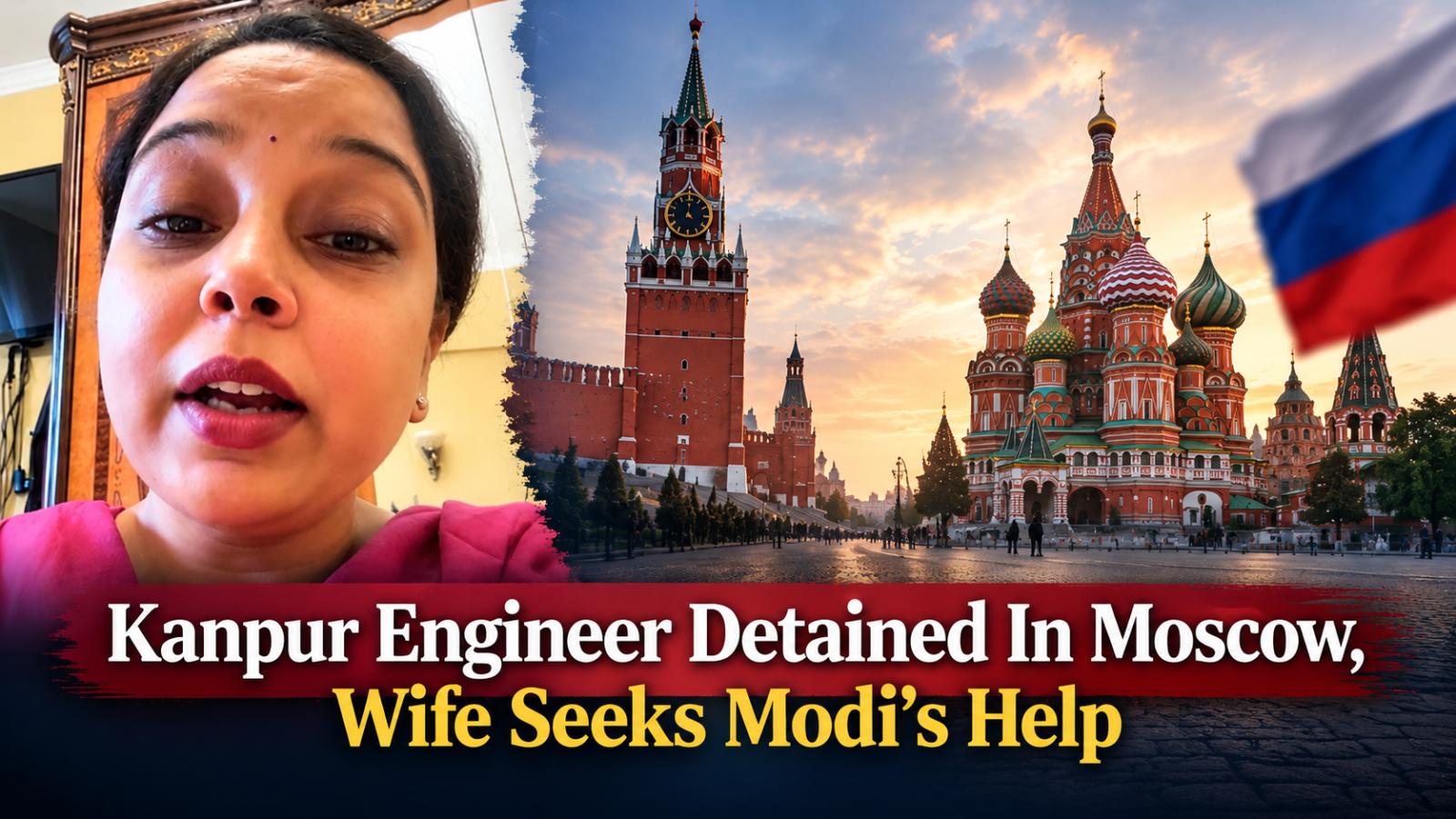
The case of a Kanpur engineer detained in Moscow has raised concern after his wife alleged that he may be facing pressure to join the Russian army. Chandan Gupta had travelled to Russia on a work visa, while his wife Sneha Gupta has appealed to PM Modi, Yogi Adityanath and Indian authorities for urgent intervention and his safe return.
Wife Alleges Russian Army Pressure After Moscow Detention
A
The case of a Kanpur engineer detained in Moscow has raised concern after his wife alleged that he may be facing pressure to join the Russian army. Chandan Gupta had travelled to Russia on a work visa, while his wife Sneha Gupta has appealed to PM Modi, Yogi Adityanath and Indian authorities for urgent intervention and his safe return.
Wife Alleges Russian Army Pressure After Moscow Detention
A
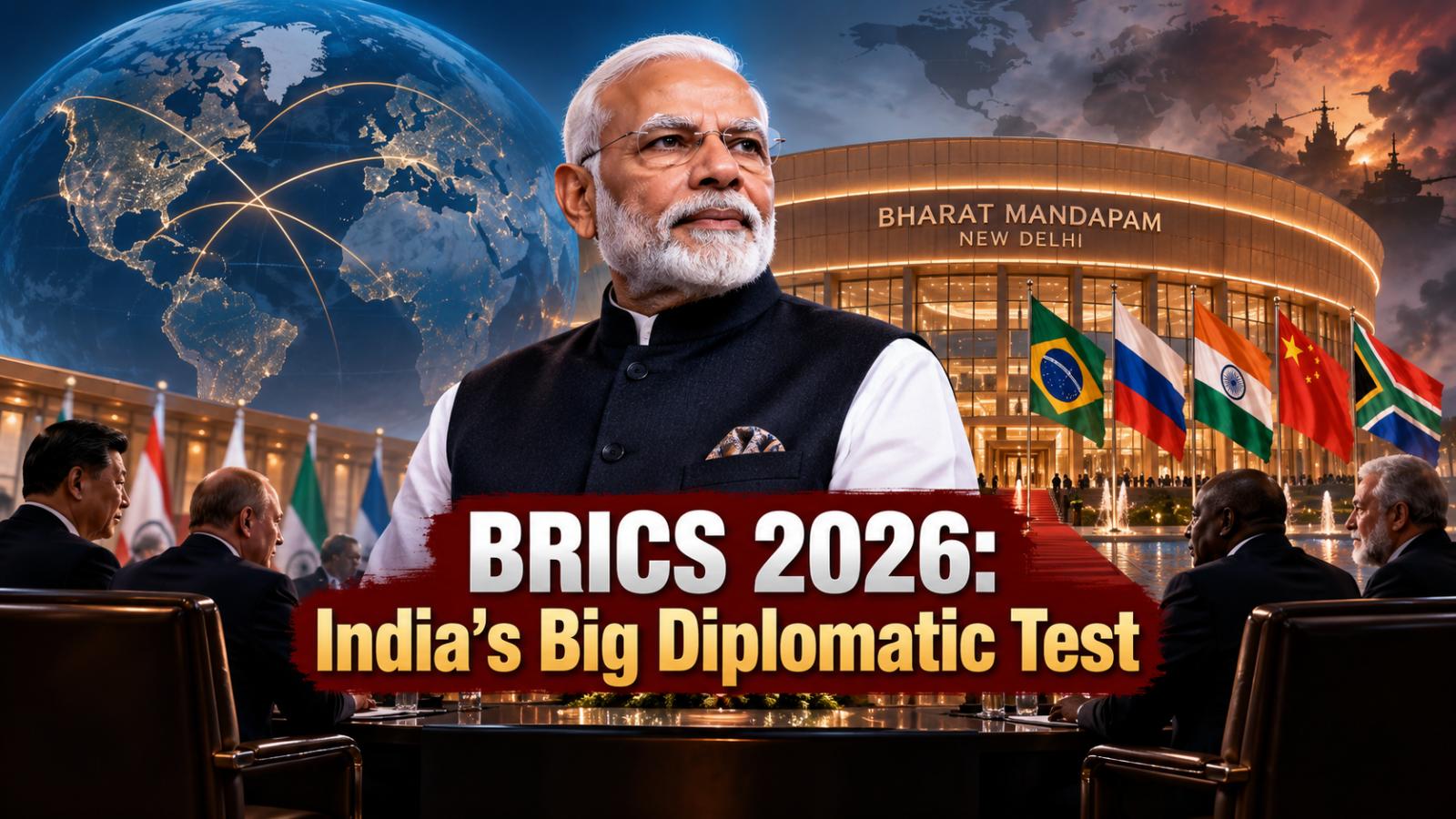
BRICS Summit 2026 arrives at a moment of unusual geopolitical pressure, placing India's chairmanship under a global spotlight. Wars, tariff threats, energy risks and India-China tensions will test New Delhi's ability to preserve BRICS unity while protecting strategic autonomy.
SCO 2026 Sets the Stage for BRICS
India will host the 18th BRICS Summit at Bharat Mandapam in New Delhi on September 12
BRICS Summit 2026 arrives at a moment of unusual geopolitical pressure, placing India's chairmanship under a global spotlight. Wars, tariff threats, energy risks and India-China tensions will test New Delhi's ability to preserve BRICS unity while protecting strategic autonomy.
SCO 2026 Sets the Stage for BRICS
India will host the 18th BRICS Summit at Bharat Mandapam in New Delhi on September 12
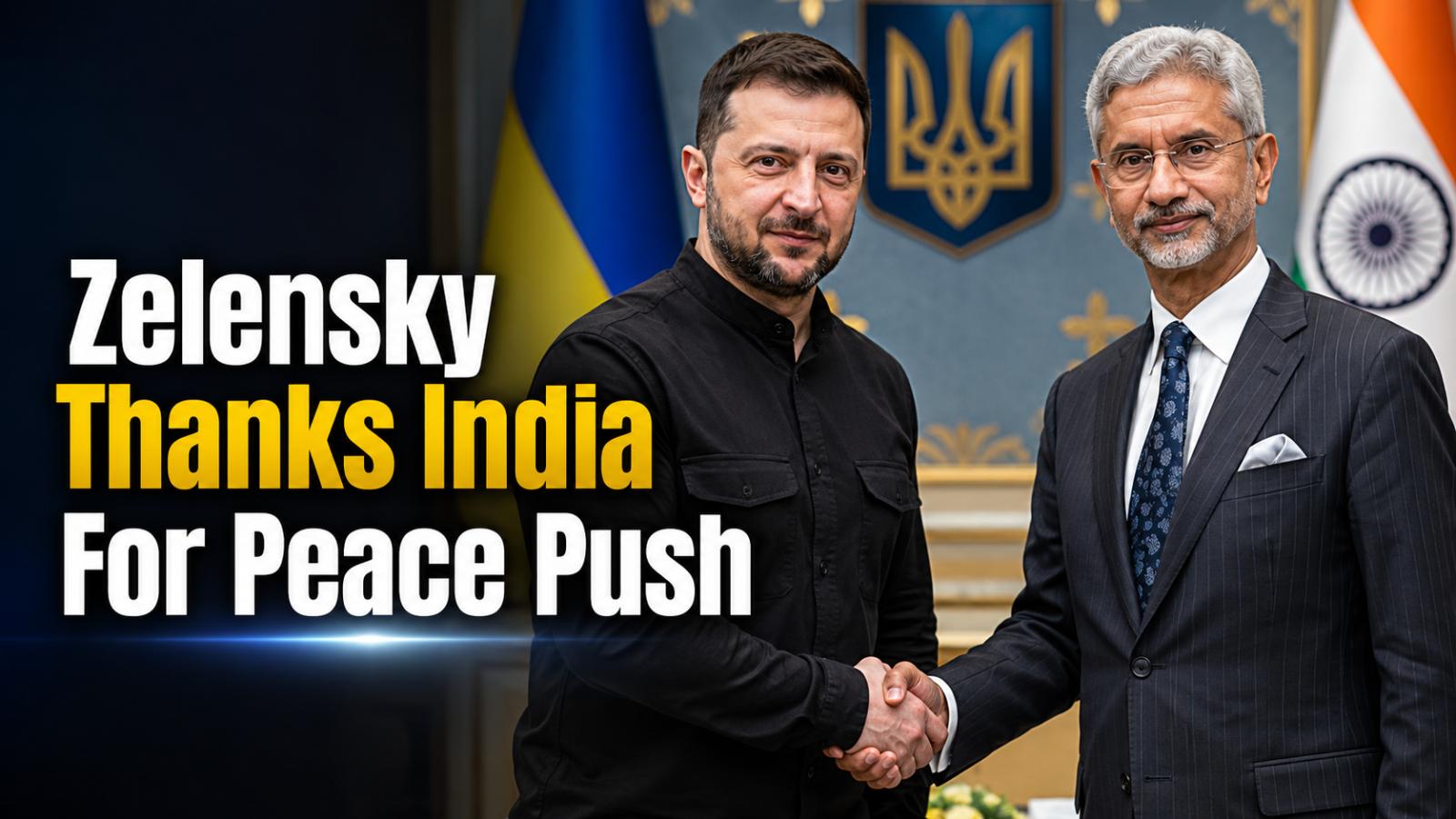
Ukrainian President Volodymyr Zelensky has thanked India for supporting efforts to end the Russia-Ukraine war after meeting External Affairs Minister S Jaishankar in Kyiv. Their talks covered possible paths to peace, Black Sea shipping security and wider India-Ukraine cooperation.
Zelensky thanks India for Ukraine peace efforts
Zelensky met Jaishankar in Kyiv on September 3 during what the Ukra
Ukrainian President Volodymyr Zelensky has thanked India for supporting efforts to end the Russia-Ukraine war after meeting External Affairs Minister S Jaishankar in Kyiv. Their talks covered possible paths to peace, Black Sea shipping security and wider India-Ukraine cooperation.
Zelensky thanks India for Ukraine peace efforts
Zelensky met Jaishankar in Kyiv on September 3 during what the Ukra
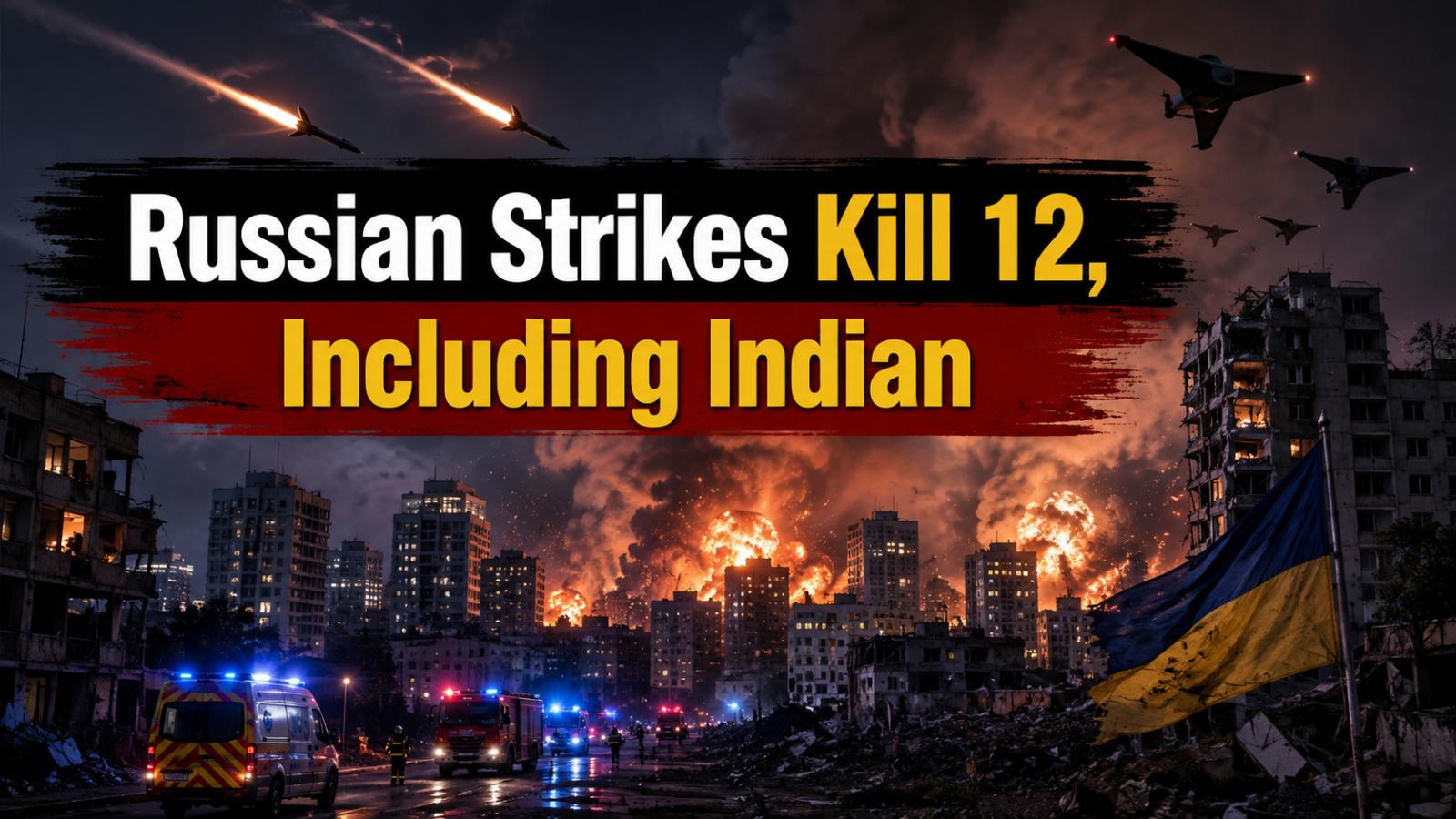
Russian strikes on Ukraine killed at least 12 people, including an Indian national, as Moscow launched another wave of missiles and drones against Kyiv and several other regions. Residential areas, railway facilities and civilian infrastructure were damaged, renewing calls from President Volodymyr Zelenskyy for stronger air-defence support.
Kyiv Attack Kills Indian National
An Indian citizen was among those killed in the latest attacks around Kyiv. The deceased was identified by Indian community sources as 40-year-old Sudarshan Bhabhilala from Gujarat. He reportedly suffered a severe head injury during the Russian attack.
India’s embassy in Kyiv said it was deeply saddened by the death and was assisting the family with the repatriation of his remains. Another Indian national, Ganesh Kalleda from Telangana, was reported injured.
The deaths came during a prolonged Russian assault on Kyiv and surrounding areas involving ballistic missiles, drones and other weapons. Ukrainian authorities said several civilian and railway locations were hit.
Odesa and Border Infrastructure Hit
The attacks extended beyond the capital. Zelenskyy said Russian strikes affected Odesa and surrounding areas, while Kyiv, Kherson, Donetsk, Zaporizhzhia, Kharkiv, Chernihiv, Zhytomyr, Sumy and Dnipro regions also faced attacks.
Ukraine also reported damage to railway, energy and export infrastructure. Zelenskyy’s office said Russia had intensified attacks since August and was increasingly targeting infrastructure that supports everyday civilian life.
Ukraine has accused Russia of deliberately attacking civilian targets. Moscow, however, has repeatedly said its strikes are aimed at military and military-linked infrastructure.
Ukraine Seeks More Air Defence
The scale and frequency of the latest attacks have renewed pressure on Ukraine’s air-defence system. Ukrainian officials say the country needs more Patriot interceptors and other systems capable of stopping ballistic missiles and increasingly fast drones.
Recent Russian attacks have combined conventional missiles with large numbers of unmanned aircraft, placing heavy pressure on Ukraine’s existing interceptor stocks. Western air-defence assistance therefore remains one of Kyiv’s most urgent military priorities.
Modi Putin Peace Message
The renewed violence came shortly after Prime Minister Narendra Modi met Russian President Vladimir Putin on the sidelines of the SCO Summit in Bishkek on August 31.
According to India’s Prime Minister’s Office, Modi reiterated that dialogue and diplomacy were the way forward for resolving conflicts. The two leaders also discussed the Black Sea conflict and its wider impact on maritime trade and Indian seafarers.
Modi has continued to position India in favour of a negotiated settlement while maintaining its strategic partnership with Moscow.
Indians in Russian Army
The Ukraine war has also created a separate concern for New Delhi involving Indians recruited into the Russian armed forces.
Foreign Secretary Vikram Misri said 227 Indian nationals had been recruited into the Russian military. Of them, 139 had been discharged while 51 had died. India remains in talks with Moscow to secure the release and repatriation of those still serving.
The latest death of an Indian civilian in Ukraine adds another human dimension to the conflict for India. As Russian missile and drone attacks continue, New Delhi now faces both the task of assisting citizens affected inside Ukraine and pursuing the return of Indians still linked to Russia’s military.
Russian strikes on Ukraine killed at least 12 people, including an Indian national, as Moscow launched another wave of missiles and drones against Kyiv and several other regions. Residential areas, railway facilities and civilian infrastructure were damaged, renewing calls from President Volodymyr Zelenskyy for stronger air-defence support.
Kyiv Attack Kills Indian National
An Indian citizen was among those killed in the latest attacks around Kyiv. The deceased was identified by Indian community sources as 40-year-old Sudarshan Bhabhilala from Gujarat. He reportedly suffered a severe head injury during the Russian attack.
India’s embassy in Kyiv said it was deeply saddened by the death and was assisting the family with the repatriation of his remains. Another Indian national, Ganesh Kalleda from Telangana, was reported injured.
The deaths came during a prolonged Russian assault on Kyiv and surrounding areas involving ballistic missiles, drones and other weapons. Ukrainian authorities said several civilian and railway locations were hit.
Odesa and Border Infrastructure Hit
The attacks extended beyond the capital. Zelenskyy said Russian strikes affected Odesa and surrounding areas, while Kyiv, Kherson, Donetsk, Zaporizhzhia, Kharkiv, Chernihiv, Zhytomyr, Sumy and Dnipro regions also faced attacks.
Ukraine also reported damage to railway, energy and export infrastructure. Zelenskyy’s office said Russia had intensified attacks since August and was increasingly targeting infrastructure that supports everyday civilian life.
Ukraine has accused Russia of deliberately attacking civilian targets. Moscow, however, has repeatedly said its strikes are aimed at military and military-linked infrastructure.
Ukraine Seeks More Air Defence
The scale and frequency of the latest attacks have renewed pressure on Ukraine’s air-defence system. Ukrainian officials say the country needs more Patriot interceptors and other systems capable of stopping ballistic missiles and increasingly fast drones.
Recent Russian attacks have combined conventional missiles with large numbers of unmanned aircraft, placing heavy pressure on Ukraine’s existing interceptor stocks. Western air-defence assistance therefore remains one of Kyiv’s most urgent military priorities.
Modi Putin Peace Message
The renewed violence came shortly after Prime Minister Narendra Modi met Russian President Vladimir Putin on the sidelines of the SCO Summit in Bishkek on August 31.
According to India’s Prime Minister’s Office, Modi reiterated that dialogue and diplomacy were the way forward for resolving conflicts. The two leaders also discussed the Black Sea conflict and its wider impact on maritime trade and Indian seafarers.
Modi has continued to position India in favour of a negotiated settlement while maintaining its strategic partnership with Moscow.
Indians in Russian Army
The Ukraine war has also created a separate concern for New Delhi involving Indians recruited into the Russian armed forces.
Foreign Secretary Vikram Misri said 227 Indian nationals had been recruited into the Russian military. Of them, 139 had been discharged while 51 had died. India remains in talks with Moscow to secure the release and repatriation of those still serving.
The latest death of an Indian civilian in Ukraine adds another human dimension to the conflict for India. As Russian missile and drone attacks continue, New Delhi now faces both the task of assisting citizens affected inside Ukraine and pursuing the return of Indians still linked to Russia’s military.
A new Pew Research Center survey shows the India-Pakistan threat perception remains deeply rooted. Rivalry, China’s role, Russia ties, mistrust and public opinion reveal how decades of tension continue to shape South Asia despite major changes in the global order.
Rivalry
India and Pakistan continue to see each other as their biggest geopolitical threat nearly eight decades after Partition. A
A new Pew Research Center survey shows the India-Pakistan threat perception remains deeply rooted. Rivalry, China’s role, Russia ties, mistrust and public opinion reveal how decades of tension continue to shape South Asia despite major changes in the global order.
Rivalry
India and Pakistan continue to see each other as their biggest geopolitical threat nearly eight decades after Partition. A
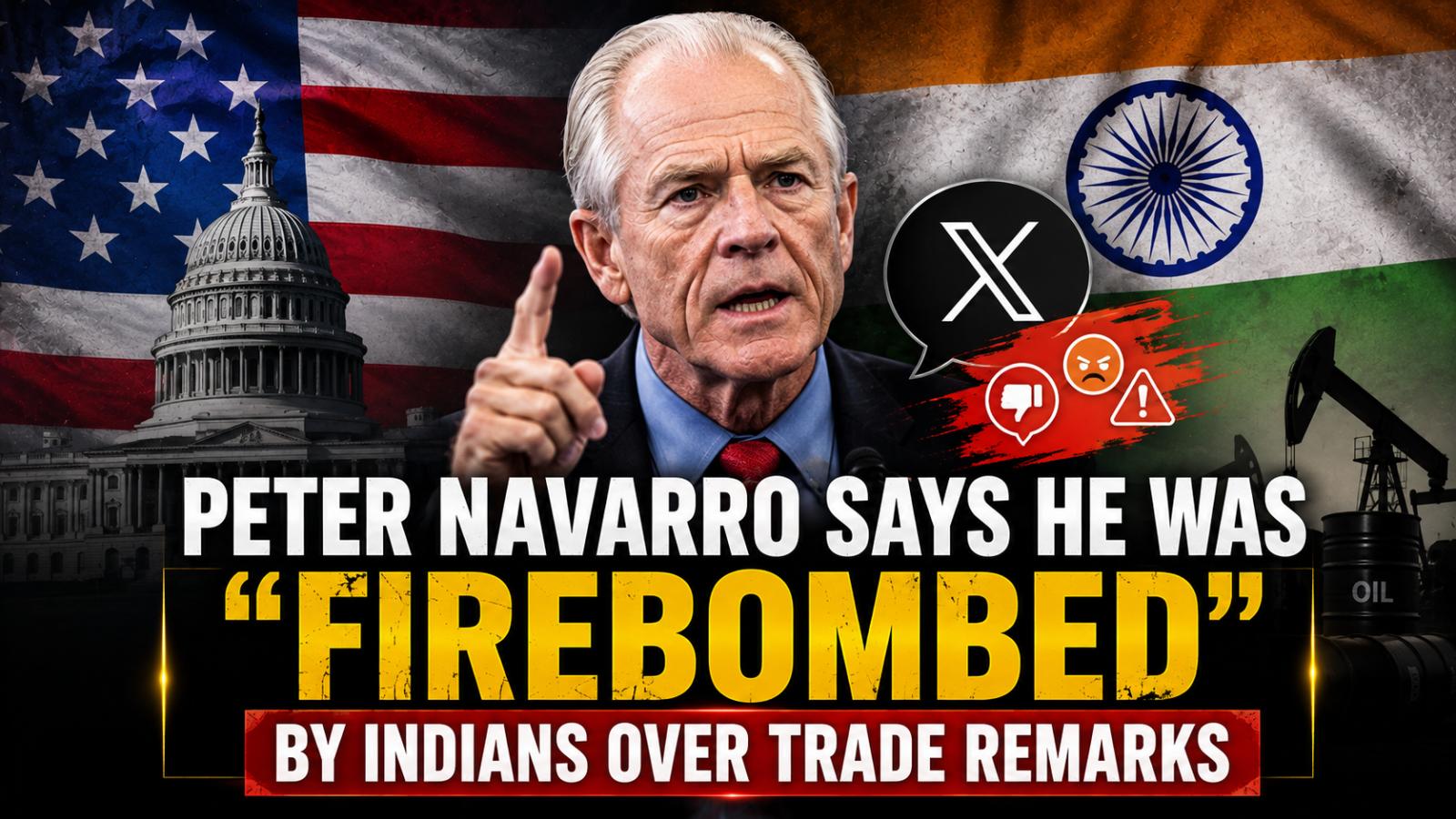
White House trade adviser Peter Navarro has again put US-India trade tensions in the spotlight after saying he was “firebombed” online by Indians over his criticism of New Delhi's tariff policies and purchases of Russian oil. His latest comments revive a controversy that began last year but come as Washington and New Delhi continue trying to manage their broader strategic and economic relationship.
India backlash follows Navarro's trade criticism
White House trade adviser Peter Navarro has again put US-India trade tensions in the spotlight after saying he was “firebombed” online by Indians over his criticism of New Delhi's tariff policies and purchases of Russian oil. His latest comments revive a controversy that began last year but come as Washington and New Delhi continue trying to manage their broader strategic and economic relationship.
India backlash follows Navarro's trade criticism
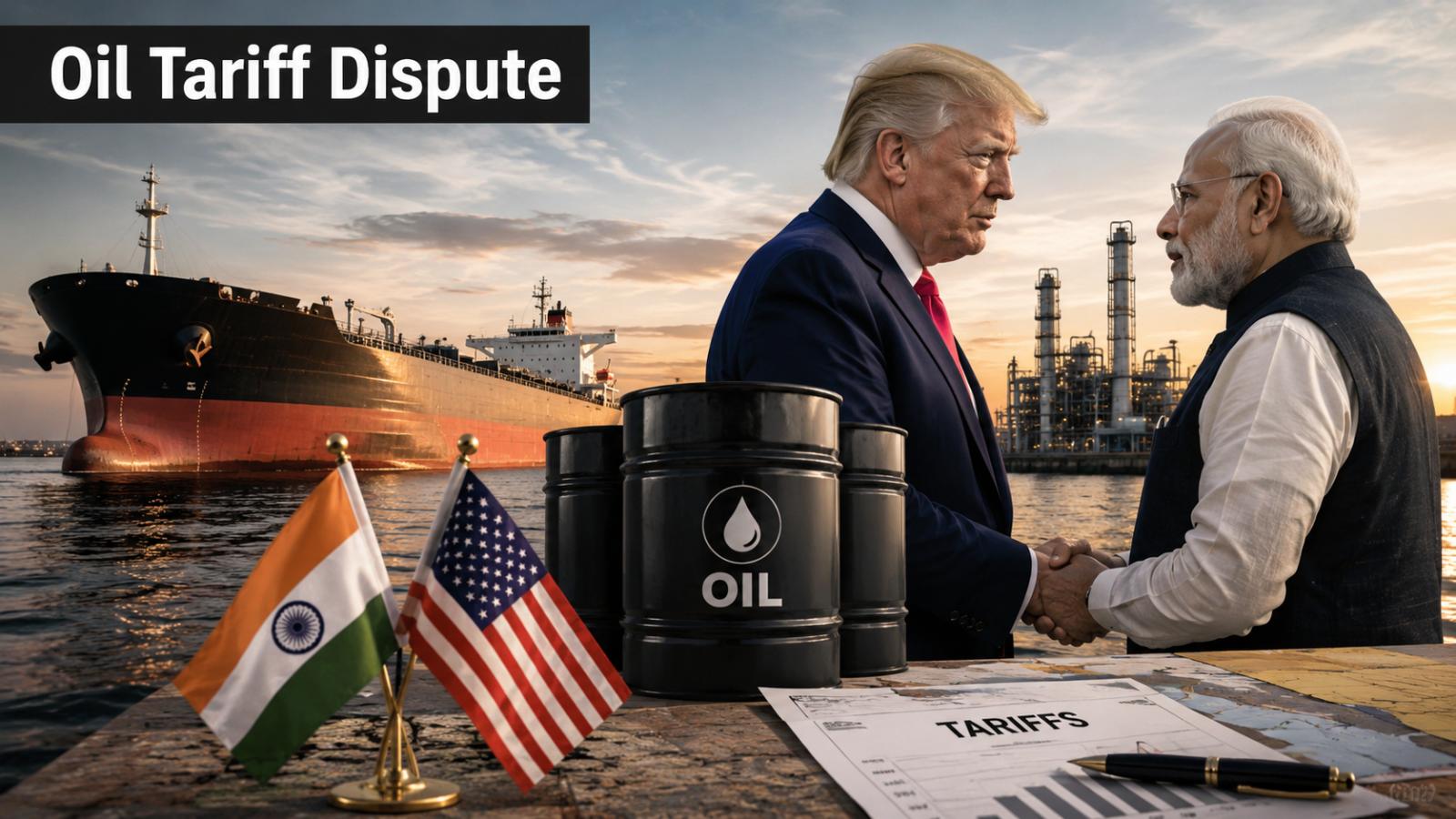
Peter Navarro says Donald Trump and Narendra Modi can manage the Russian oil tariff dispute as Congress advances a sanctions package targeting major Russian energy buyers. The Senate passed the bill 86-11, while an identical House companion was introduced on August 11, 2026.
A bipartisan U.S. sanctions push targeting major buyers of Russian energy is putting renewed pressure on India-U.S. trade ties, but White House Senior
Peter Navarro says Donald Trump and Narendra Modi can manage the Russian oil tariff dispute as Congress advances a sanctions package targeting major Russian energy buyers. The Senate passed the bill 86-11, while an identical House companion was introduced on August 11, 2026.
A bipartisan U.S. sanctions push targeting major buyers of Russian energy is putting renewed pressure on India-U.S. trade ties, but White House Senior
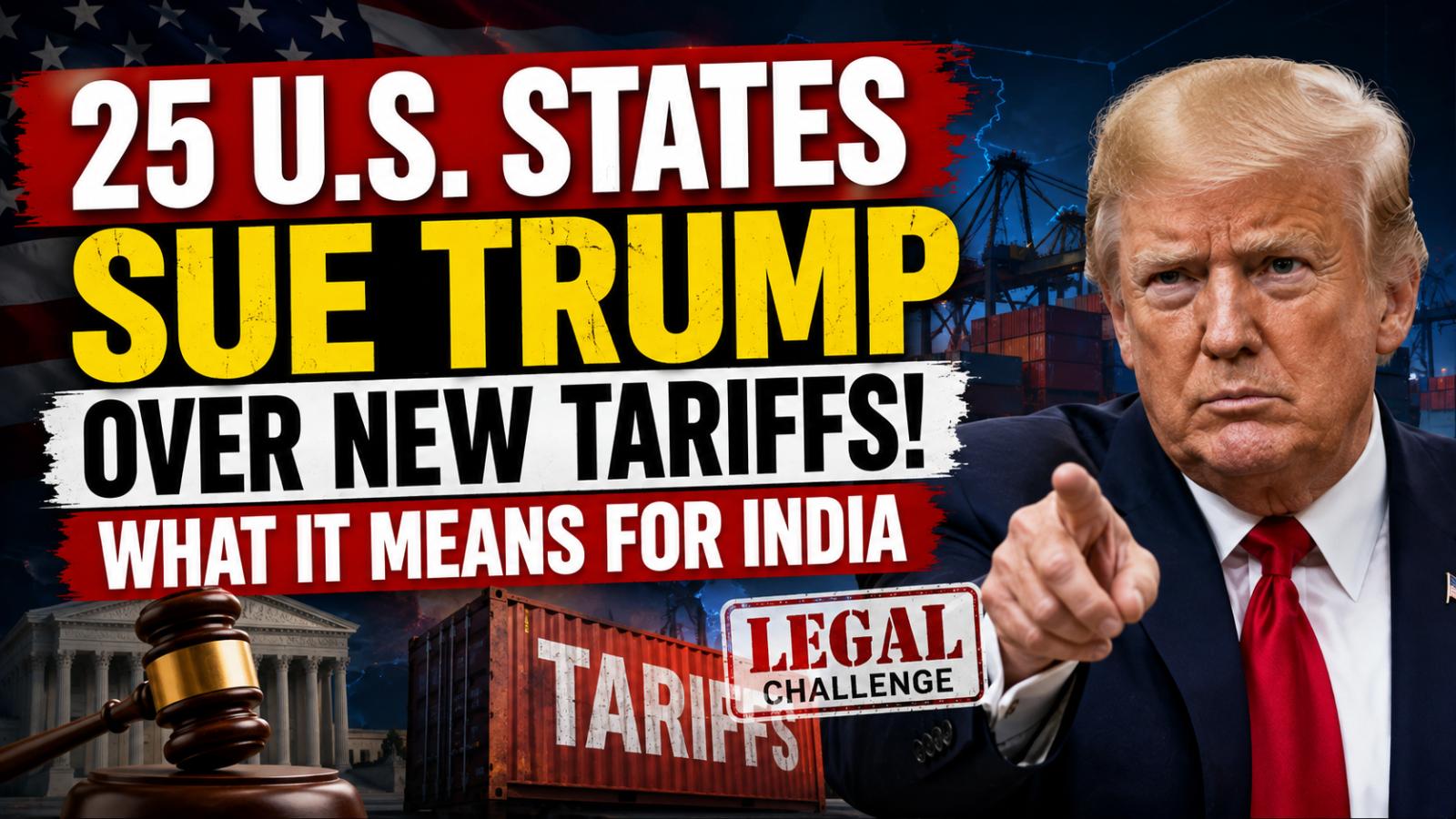
The Trump tariff lawsuit filed by 25 US states challenges new forced-labour duties on 60 trading partners. The case questions the administration’s use of Section 301 and could affect import costs, India-US trade talks and future sanctions tied to Russian energy.
25 States Sue Trump Over New Tariffs
A coalition of 25 US states sued the Trump administration on Monday, August 3, seeking to block
The Trump tariff lawsuit filed by 25 US states challenges new forced-labour duties on 60 trading partners. The case questions the administration’s use of Section 301 and could affect import costs, India-US trade talks and future sanctions tied to Russian energy.
25 States Sue Trump Over New Tariffs
A coalition of 25 US states sued the Trump administration on Monday, August 3, seeking to block
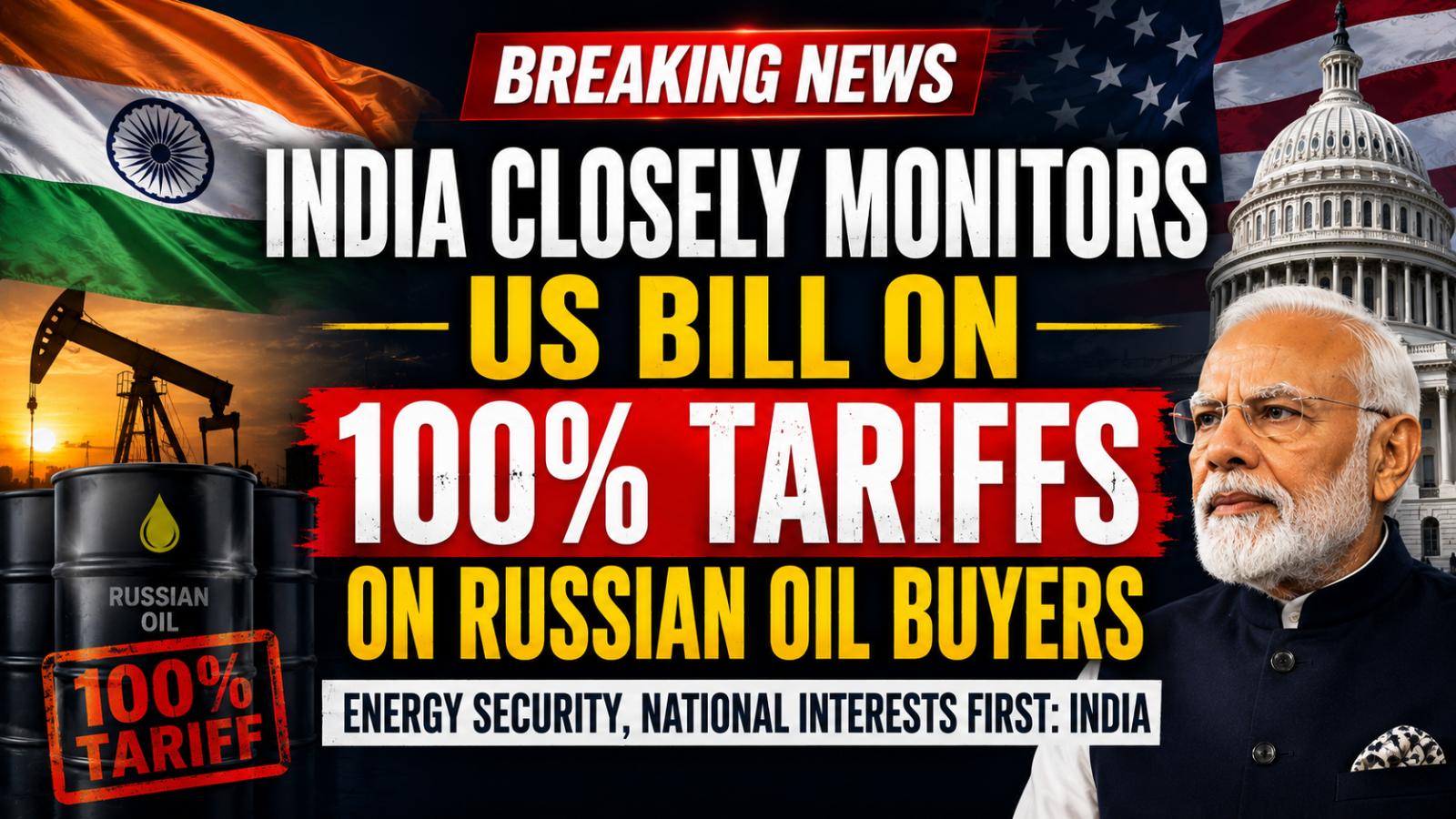
India is closely monitoring a proposed US law that could impose tariffs of up to 100 per cent on countries purchasing significant quantities of Russian oil and gas. The legislation, which has cleared the US Senate, is part of Washington’s broader effort to increase economic pressure on Moscow while discouraging continued purchases of Russian energy.
India Energy Security Remains the Government’s Priority
Speaking during the
India is closely monitoring a proposed US law that could impose tariffs of up to 100 per cent on countries purchasing significant quantities of Russian oil and gas. The legislation, which has cleared the US Senate, is part of Washington’s broader effort to increase economic pressure on Moscow while discouraging continued purchases of Russian energy.
India Energy Security Remains the Government’s Priority
Speaking during the
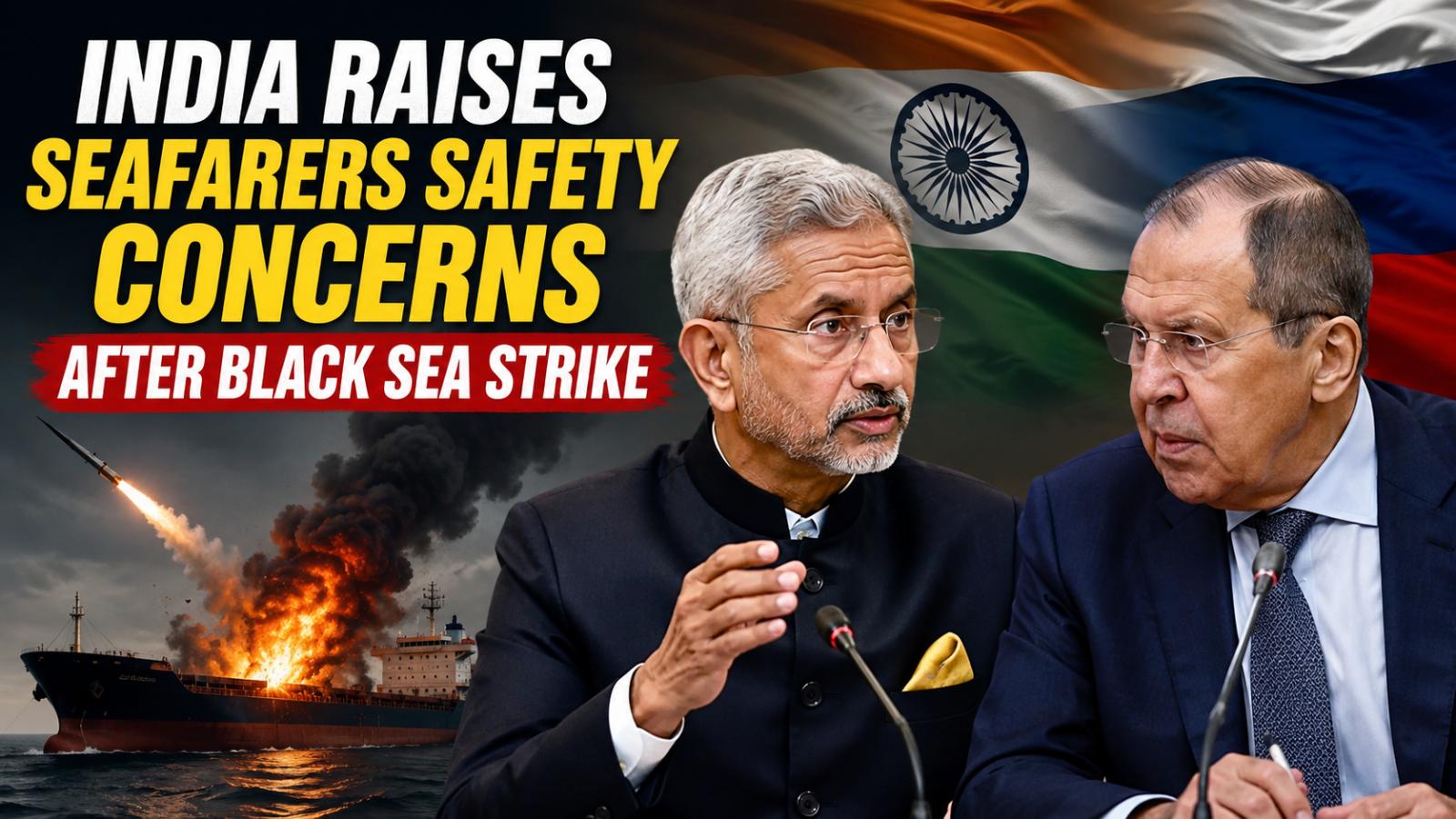
India has strongly raised concerns over the safety of its merchant seafarers after four Indian crew members were killed in a Russian missile strike on a cargo vessel in the Black Sea. External Affairs Minister S. Jaishankar discussed the issue with Russian Foreign Minister Sergey Lavrov during their bilateral meeting on the sidelines of the ASEAN Foreign Ministers' Meeting in Manila. The discussion highlighted India's demand for better protection of civilian merchant mar
India has strongly raised concerns over the safety of its merchant seafarers after four Indian crew members were killed in a Russian missile strike on a cargo vessel in the Black Sea. External Affairs Minister S. Jaishankar discussed the issue with Russian Foreign Minister Sergey Lavrov during their bilateral meeting on the sidelines of the ASEAN Foreign Ministers' Meeting in Manila. The discussion highlighted India's demand for better protection of civilian merchant mar
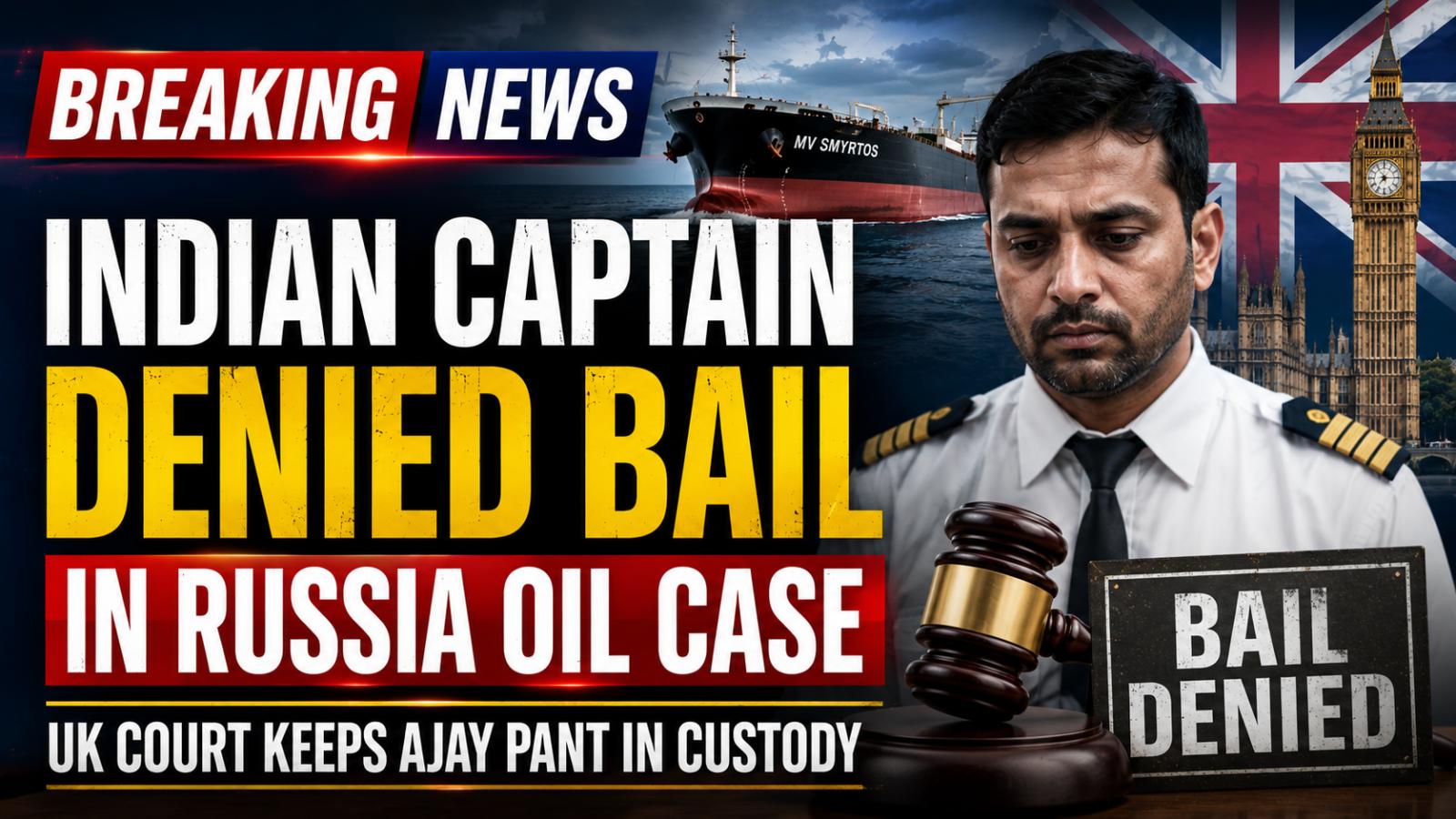
An Indian merchant navy captain denied UK bail remains in custody after being accused of breaching British sanctions linked to transporting Russian oil. The case centres on the interception of the MV Smyrtos and raises questions about sanctions enforcement and the responsibilities of ship masters.
Indian Merchant Navy Captain Denied UK Bail in Russia Oil Case
An Indian merchant navy captain denied UK bail remains in custody after being accused of breaching British sanctions linked to transporting Russian oil. The case centres on the interception of the MV Smyrtos and raises questions about sanctions enforcement and the responsibilities of ship masters.
Indian Merchant Navy Captain Denied UK Bail in Russia Oil Case