Anthropic, OpenAI and Nvidia Increase H-1B Hiring
Anthropic, OpenAI and Nvidia increased their use of the H-1B program during the second quarter of U.S. fiscal year 2026, even as several larger technology companies reduced certified labor applications. The shift illustrates how aggressively leading artificial intelligence companies are competing for specialized engineers, researchers and infrastructure workers from the global talent pool. AI Companies Increase H-1B Hiring Anthropic recorded 59
Anthropic, OpenAI and Nvidia Increase H-1B Hiring
Anthropic, OpenAI and Nvidia increased their use of the H-1B program during the second quarter of U.S. fiscal year 2026, even as several larger technology companies reduced certified labor applications. The shift illustrates how aggressively leading artificial intelligence companies are competing for specialized engineers, researchers and infrastructure workers from the global talent pool. AI Companies Increase H-1B Hiring Anthropic recorded 59
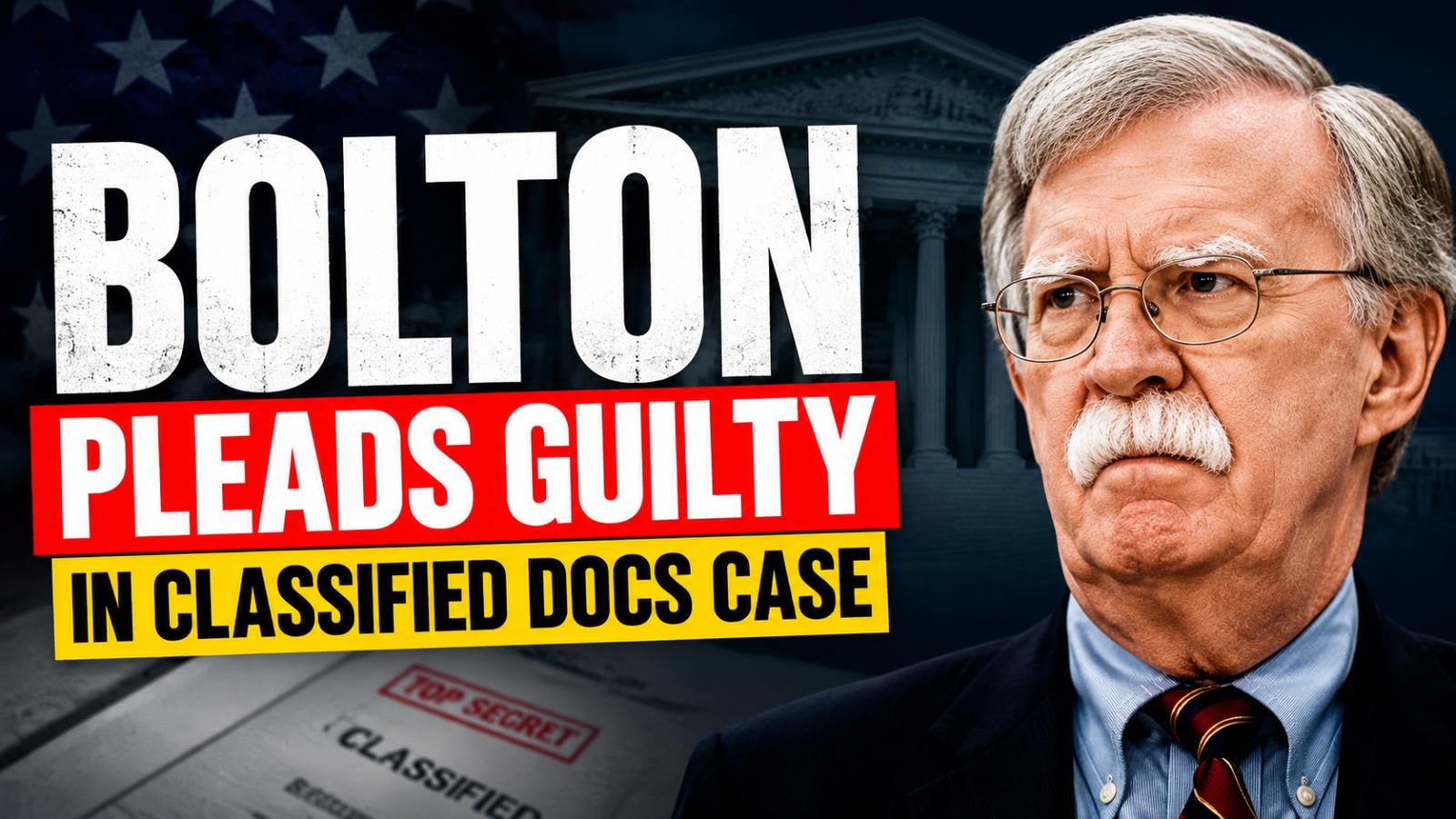
Ex US adviser Bolton admits guilt in illegal retention of secret files
Bolton pleads guilty in classified documents case John Bolton pleaded guilty in a federal court to unlawfully retaining classified materials, concluding a high-profile legal proceeding involving sensitive national security records. The admission came under a plea agreement with federal prosecutors after an earlier denial of the charges. When questioned by the judge, Bo
Ex US adviser Bolton admits guilt in illegal retention of secret files
Bolton pleads guilty in classified documents case John Bolton pleaded guilty in a federal court to unlawfully retaining classified materials, concluding a high-profile legal proceeding involving sensitive national security records. The admission came under a plea agreement with federal prosecutors after an earlier denial of the charges. When questioned by the judge, Bo
Anthropic H-1B Filings Show AI Base Salaries as High as $1.38 Million
Anthropic salaries reached as high as $1.38 million in newly disclosed federal H-1B visa filings, illustrating how aggressively artificial intelligence companies are competing for specialized technical workers in the United States. The records cover nearly 80 Anthropic positions certified during the first half of US fiscal year 2026. They show fixed annual base salaries offered to foreign workers sponsored through the H-1B program. Bonuses, stock awards and other benefits are not in
Anthropic H-1B Filings Show AI Base Salaries as High as $1.38 Million
Anthropic salaries reached as high as $1.38 million in newly disclosed federal H-1B visa filings, illustrating how aggressively artificial intelligence companies are competing for specialized technical workers in the United States. The records cover nearly 80 Anthropic positions certified during the first half of US fiscal year 2026. They show fixed annual base salaries offered to foreign workers sponsored through the H-1B program. Bonuses, stock awards and other benefits are not in
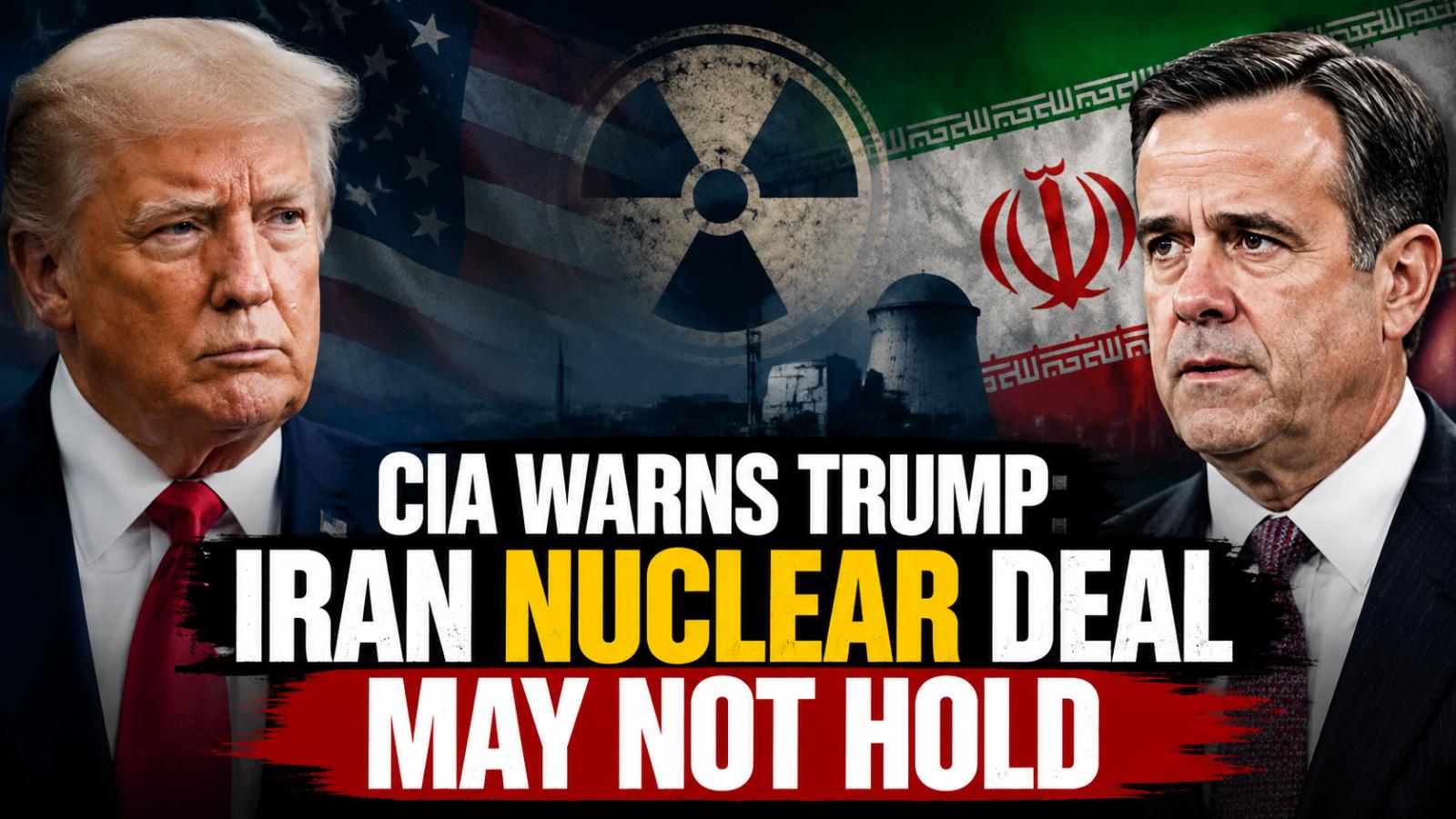
CIA raises concerns over Iran nuclear deal enforcement risks
US intelligence officials have reportedly raised fresh concerns over the durability of a recently discussed nuclear understanding with Iran, warning that the framework may not be strong enough to ensure long-term compliance. The assessment, attributed to CIA Director John Ratcliffe, suggests that while the agreement is designed to reduce immediate tensions, its enforcement structure could leave significant gaps in verification and oversight.
CIA raises concerns over Iran nuclear deal enforcement risks
US intelligence officials have reportedly raised fresh concerns over the durability of a recently discussed nuclear understanding with Iran, warning that the framework may not be strong enough to ensure long-term compliance. The assessment, attributed to CIA Director John Ratcliffe, suggests that while the agreement is designed to reduce immediate tensions, its enforcement structure could leave significant gaps in verification and oversight.
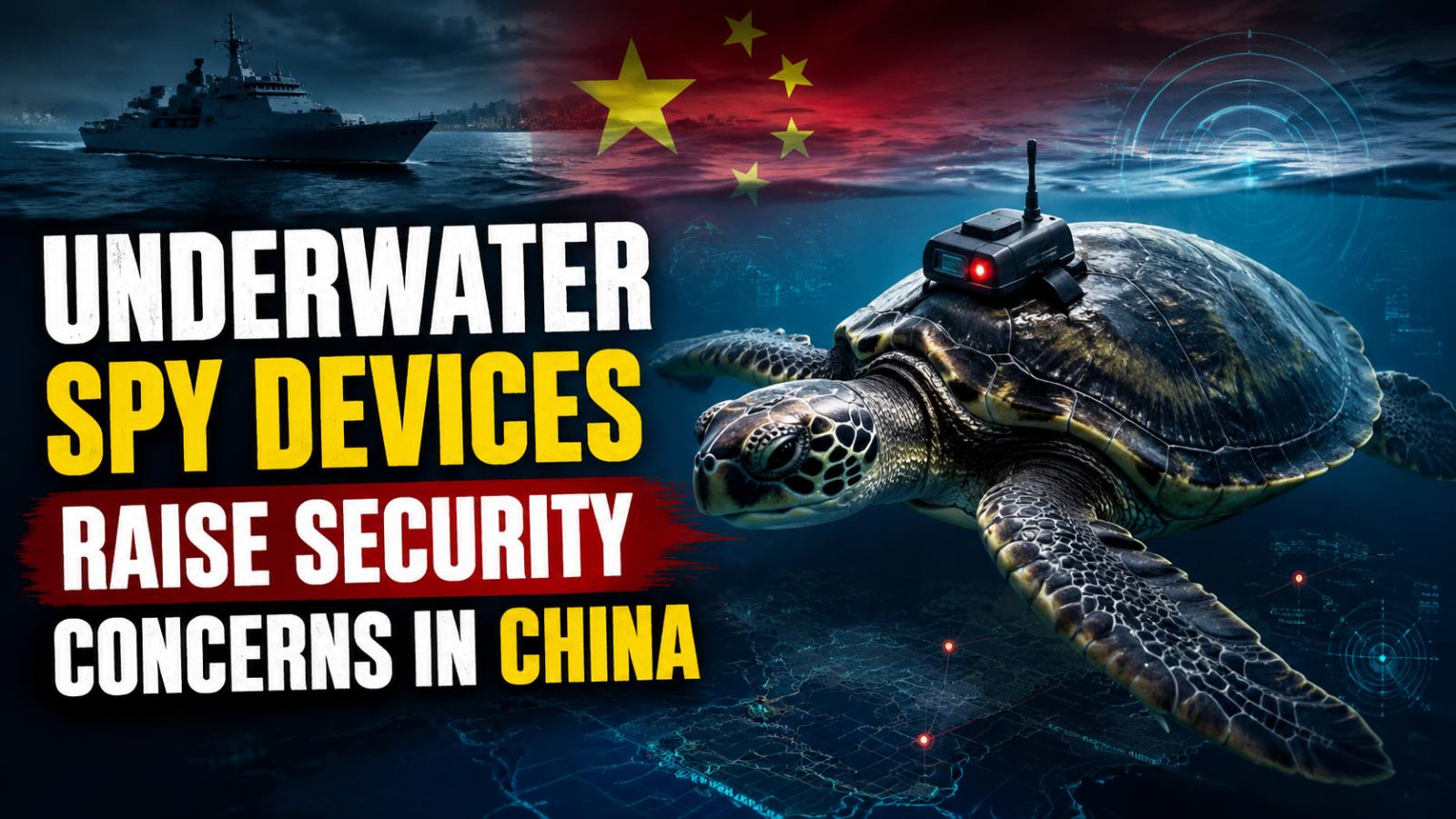
China marine surveillance claims raise coastal security debate
Reports emerging from Chinese security authorities have triggered discussion over the growing use of advanced underwater monitoring systems along coastal regions. The claims suggest that various marine-based platforms, including sensor-equipped aquatic life and autonomous devices, may be collecting detailed ocean data near sensitive shoreline zones. This includes measurements such as temperature shifts, salinity levels, and underwater current behavior, which can collectively reveal patterns of coastal activity. How ocean data becomes strategically sensitive Even basic environmental data, when collected continuously and processed at scale, can create highly detailed digital maps of underwater geography. These maps may outline seabed structures, shipping lanes, and depth variations close to ports. Security analysts note that such information, if accessed by external actors, could potentially be used to study movement patterns of naval or commercial vessels and identify infrastructure vulnerabilities without direct physical intrusion. Expanding role of autonomous maritime technology Modern ocean monitoring has moved far beyond traditional ship-based surveys. Technologies such as wave gliders, drifting sensor buoys, and autonomous underwater vehicles are now widely used for scientific research and environmental tracking. However, the same systems can also be adapted for intelligence collection, depending on their configuration and intent. This overlap between civilian research tools and security applications is creating growing uncertainty in how maritime technology is regulated and interpreted. Security implications and policy response Authorities have reportedly increased attention toward unusual devices and foreign-operated equipment in coastal waters. Guidance has been issued to local maritime workers to report unidentified floating or submerged objects that appear out of place. The situation reflects a broader global trend where environmental monitoring technologies are increasingly viewed through a security lens. As multiple nations expand their ocean data capabilities, the line between scientific exploration and strategic surveillance continues to blur, raising new challenges for coastal defense planning and international maritime trust.
China marine surveillance claims raise coastal security debate
Reports emerging from Chinese security authorities have triggered discussion over the growing use of advanced underwater monitoring systems along coastal regions. The claims suggest that various marine-based platforms, including sensor-equipped aquatic life and autonomous devices, may be collecting detailed ocean data near sensitive shoreline zones. This includes measurements such as temperature shifts, salinity levels, and underwater current behavior, which can collectively reveal patterns of coastal activity. How ocean data becomes strategically sensitive Even basic environmental data, when collected continuously and processed at scale, can create highly detailed digital maps of underwater geography. These maps may outline seabed structures, shipping lanes, and depth variations close to ports. Security analysts note that such information, if accessed by external actors, could potentially be used to study movement patterns of naval or commercial vessels and identify infrastructure vulnerabilities without direct physical intrusion. Expanding role of autonomous maritime technology Modern ocean monitoring has moved far beyond traditional ship-based surveys. Technologies such as wave gliders, drifting sensor buoys, and autonomous underwater vehicles are now widely used for scientific research and environmental tracking. However, the same systems can also be adapted for intelligence collection, depending on their configuration and intent. This overlap between civilian research tools and security applications is creating growing uncertainty in how maritime technology is regulated and interpreted. Security implications and policy response Authorities have reportedly increased attention toward unusual devices and foreign-operated equipment in coastal waters. Guidance has been issued to local maritime workers to report unidentified floating or submerged objects that appear out of place. The situation reflects a broader global trend where environmental monitoring technologies are increasingly viewed through a security lens. As multiple nations expand their ocean data capabilities, the line between scientific exploration and strategic surveillance continues to blur, raising new challenges for coastal defense planning and international maritime trust.
Apple Siri AI Privacy Features Debut at WWDC 2026
Apple Siri AI privacy features became one of the biggest announcements at WWDC 2026, as Apple outlined a major upgrade to its voice assistant and a broader Apple Intelligence push. Apple previewed the new Siri AI during its Worldwide Developers Conference keynote at Apple Park in Cupertino, California, at 10:00 AM PDT on Monday, June 8, 2026. The update is designed to make Siri more conversational, more aware of personal context and more useful across Apple devices.
Apple Siri AI Privacy Features Debut at WWDC 2026
Apple Siri AI privacy features became one of the biggest announcements at WWDC 2026, as Apple outlined a major upgrade to its voice assistant and a broader Apple Intelligence push. Apple previewed the new Siri AI during its Worldwide Developers Conference keynote at Apple Park in Cupertino, California, at 10:00 AM PDT on Monday, June 8, 2026. The update is designed to make Siri more conversational, more aware of personal context and more useful across Apple devices.
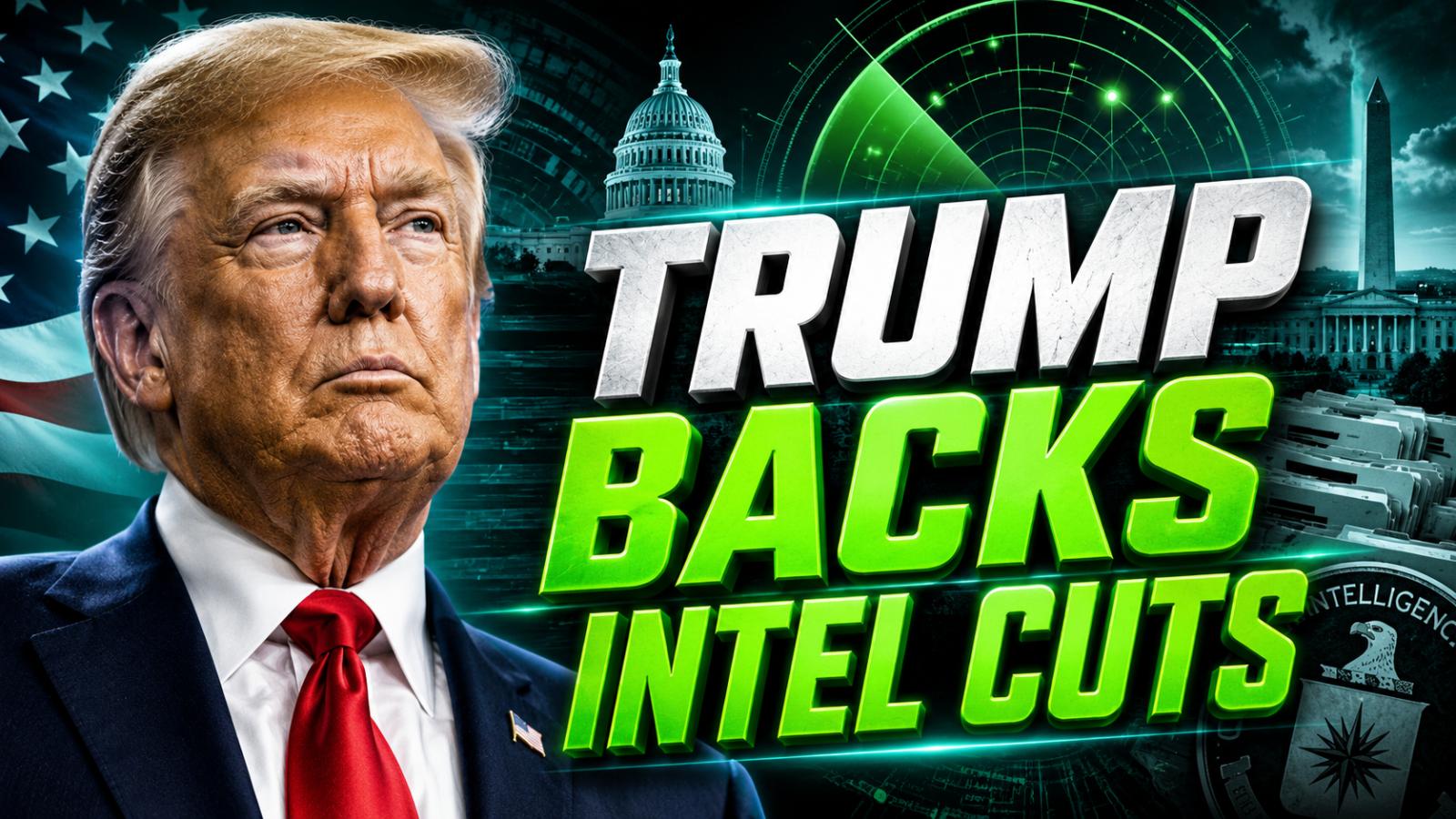
Trump Pushes Federal Workforce Overhaul
Trump Supports Cuts At Intelligence Office US President Donald Trump said he would support staff reductions within the Office of the Director of National Intelligence, defending his decision to name Bill Pulte as acting director despite questions about Pulte’s limited intelligence background. Speaking aboard Air Force One, Trump said he would not object if Pulte reduced the size of the office, arguing that
Trump Pushes Federal Workforce Overhaul
Trump Supports Cuts At Intelligence Office US President Donald Trump said he would support staff reductions within the Office of the Director of National Intelligence, defending his decision to name Bill Pulte as acting director despite questions about Pulte’s limited intelligence background. Speaking aboard Air Force One, Trump said he would not object if Pulte reduced the size of the office, arguing that
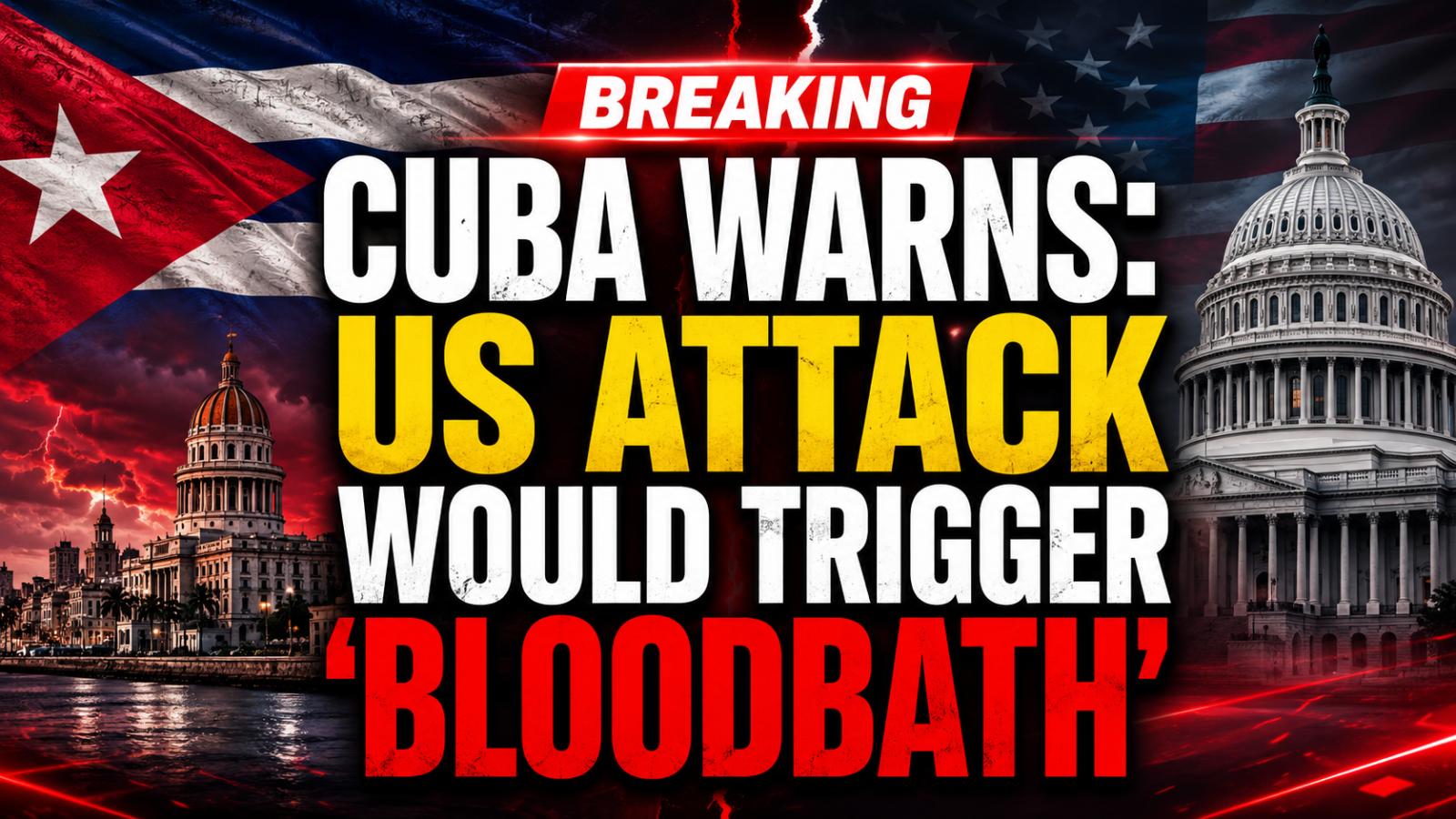
US-Cuba Tensions Rise After New Sanctions Target Havana Officials
Cuba Warns Against Military Action As US Pressure Grows Cuba’s leadership warned that any military action by the United States would bring severe consequences, as tensions between Havana and Washington escalated following new US sanctions targeting Cuba’s intelligence apparatus and senior officials. President Miguel Diaz-Canel said the country does not pose a threat to the United States or any other nation, but insisted
US-Cuba Tensions Rise After New Sanctions Target Havana Officials
Cuba Warns Against Military Action As US Pressure Grows Cuba’s leadership warned that any military action by the United States would bring severe consequences, as tensions between Havana and Washington escalated following new US sanctions targeting Cuba’s intelligence apparatus and senior officials. President Miguel Diaz-Canel said the country does not pose a threat to the United States or any other nation, but insisted
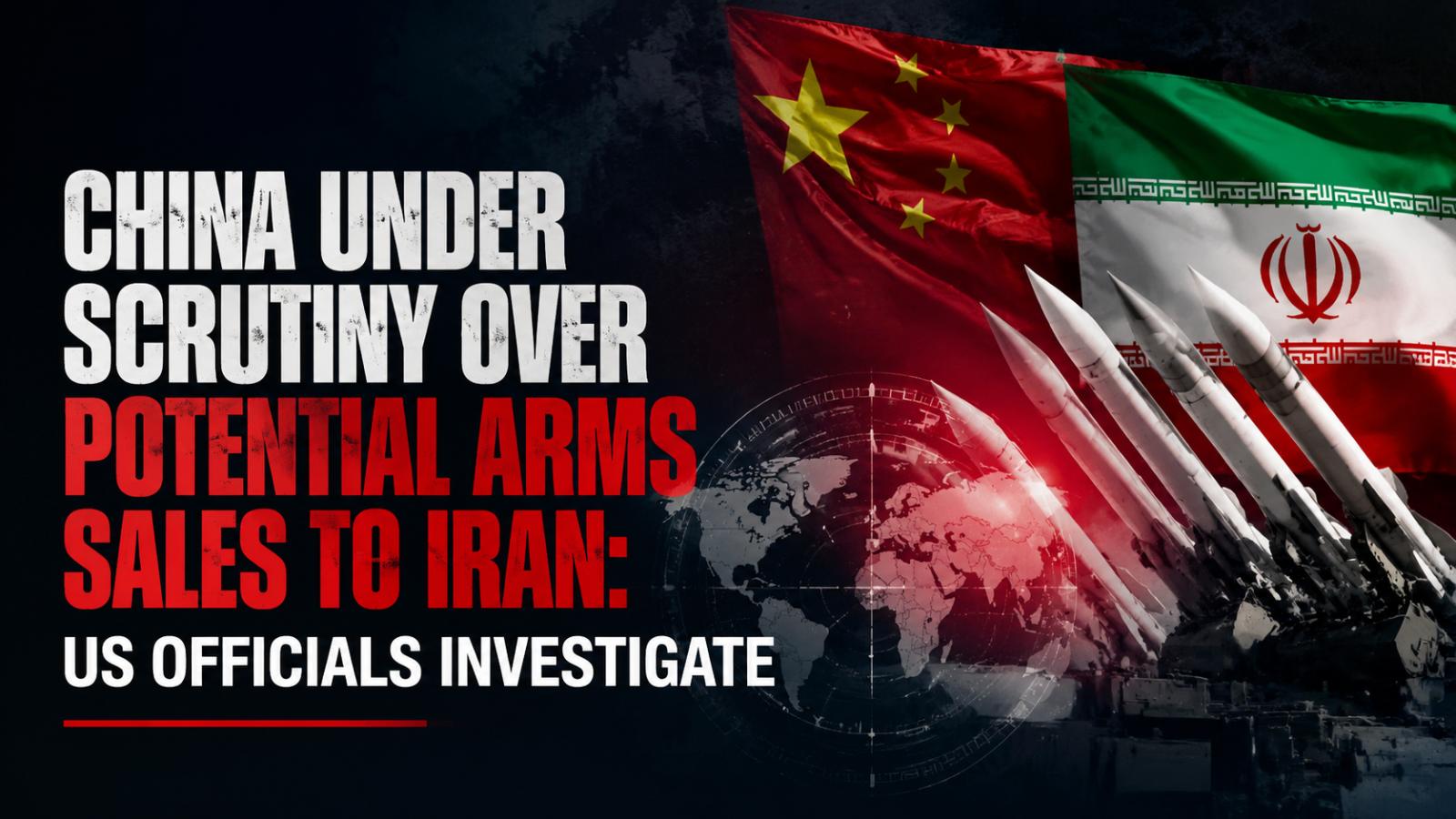
US Investigates Possible Chinese Arms Sales to Iran Amid Middle East Tensions
Amid rising tensions in the Middle East, US intelligence agencies are investigating whether China has been supplying military support to Iran. Sources familiar with the ongoing probe suggest that Chinese companies may have been negotiating arms transfers with Iranian officials. These weapons, believed to be funneled through third-party nations, are reportedly being used to mask their origin. However, it remains uncertain if any shipments have been completed or whether China’s government has given its official approval. This investigation unfolds as President Donald Trump is scheduled to meet with Chinese President Xi Jinping in Beijing, where the topic of military cooperation is expected to be high on the agenda. US officials are pushing for a strong stance, as reports suggest that China might have provided Iran with sophisticated military equipment, including shoulder-fired anti-aircraft missile systems known as MANPADS. These missiles could target low-flying aircraft, which would be a major security threat in the region. How is the US responding? The United States has called on China to end any military support to Iran, stressing that such actions are unacceptable, especially with ongoing diplomatic efforts to stabilize relations. Despite attempts to smooth over tensions with China, the US administration has been vocal about its concerns, citing intelligence reports that point to a potential arms shipment route passing through an African nation. So far, there is no clear evidence that any weapons have been successfully transferred. Has China already provided military aid to Iran? While the situation remains ambiguous, reports indicate that China has been providing Iran with other forms of assistance, such as intelligence support and satellite surveillance technology. These resources have significantly boosted Iran’s ability to monitor US military positions in the region. Furthermore, China is believed to have supplied dual-use technology, including semiconductors and sensors, which have both civilian and military applications. These components are often harder to trace, raising concerns that China may be covertly aiding Iran’s military capabilities. What does China gain from supporting Iran? China has strategic interests in maintaining a strong partnership with Iran. As one of Iran's top economic allies, China imports a significant portion of Iran's oil, with estimates suggesting that 80% of Iranian oil exports are bound for China. Beijing’s involvement in the region is also driven by its need to safeguard energy shipments that pass through the Strait of Hormuz, a critical maritime trade route. With the ongoing conflict affecting global shipping, China’s role in ensuring the stability of this region has become more crucial. However, the uncertainty surrounding the Middle East conflict is putting pressure on China, as well as on the broader global market. As the investigation into possible Chinese arms sales to Iran continues, the US is maintaining its vigilance, closely monitoring China’s actions in the Middle East. The growing influence of these geopolitical dynamics on the region’s stability suggests that the US will keep up its scrutiny of China’s role in Iran’s military affairs, especially as tensions continue to rise in this strategic part of the world.
US Investigates Possible Chinese Arms Sales to Iran Amid Middle East Tensions
Amid rising tensions in the Middle East, US intelligence agencies are investigating whether China has been supplying military support to Iran. Sources familiar with the ongoing probe suggest that Chinese companies may have been negotiating arms transfers with Iranian officials. These weapons, believed to be funneled through third-party nations, are reportedly being used to mask their origin. However, it remains uncertain if any shipments have been completed or whether China’s government has given its official approval. This investigation unfolds as President Donald Trump is scheduled to meet with Chinese President Xi Jinping in Beijing, where the topic of military cooperation is expected to be high on the agenda. US officials are pushing for a strong stance, as reports suggest that China might have provided Iran with sophisticated military equipment, including shoulder-fired anti-aircraft missile systems known as MANPADS. These missiles could target low-flying aircraft, which would be a major security threat in the region. How is the US responding? The United States has called on China to end any military support to Iran, stressing that such actions are unacceptable, especially with ongoing diplomatic efforts to stabilize relations. Despite attempts to smooth over tensions with China, the US administration has been vocal about its concerns, citing intelligence reports that point to a potential arms shipment route passing through an African nation. So far, there is no clear evidence that any weapons have been successfully transferred. Has China already provided military aid to Iran? While the situation remains ambiguous, reports indicate that China has been providing Iran with other forms of assistance, such as intelligence support and satellite surveillance technology. These resources have significantly boosted Iran’s ability to monitor US military positions in the region. Furthermore, China is believed to have supplied dual-use technology, including semiconductors and sensors, which have both civilian and military applications. These components are often harder to trace, raising concerns that China may be covertly aiding Iran’s military capabilities. What does China gain from supporting Iran? China has strategic interests in maintaining a strong partnership with Iran. As one of Iran's top economic allies, China imports a significant portion of Iran's oil, with estimates suggesting that 80% of Iranian oil exports are bound for China. Beijing’s involvement in the region is also driven by its need to safeguard energy shipments that pass through the Strait of Hormuz, a critical maritime trade route. With the ongoing conflict affecting global shipping, China’s role in ensuring the stability of this region has become more crucial. However, the uncertainty surrounding the Middle East conflict is putting pressure on China, as well as on the broader global market. As the investigation into possible Chinese arms sales to Iran continues, the US is maintaining its vigilance, closely monitoring China’s actions in the Middle East. The growing influence of these geopolitical dynamics on the region’s stability suggests that the US will keep up its scrutiny of China’s role in Iran’s military affairs, especially as tensions continue to rise in this strategic part of the world.
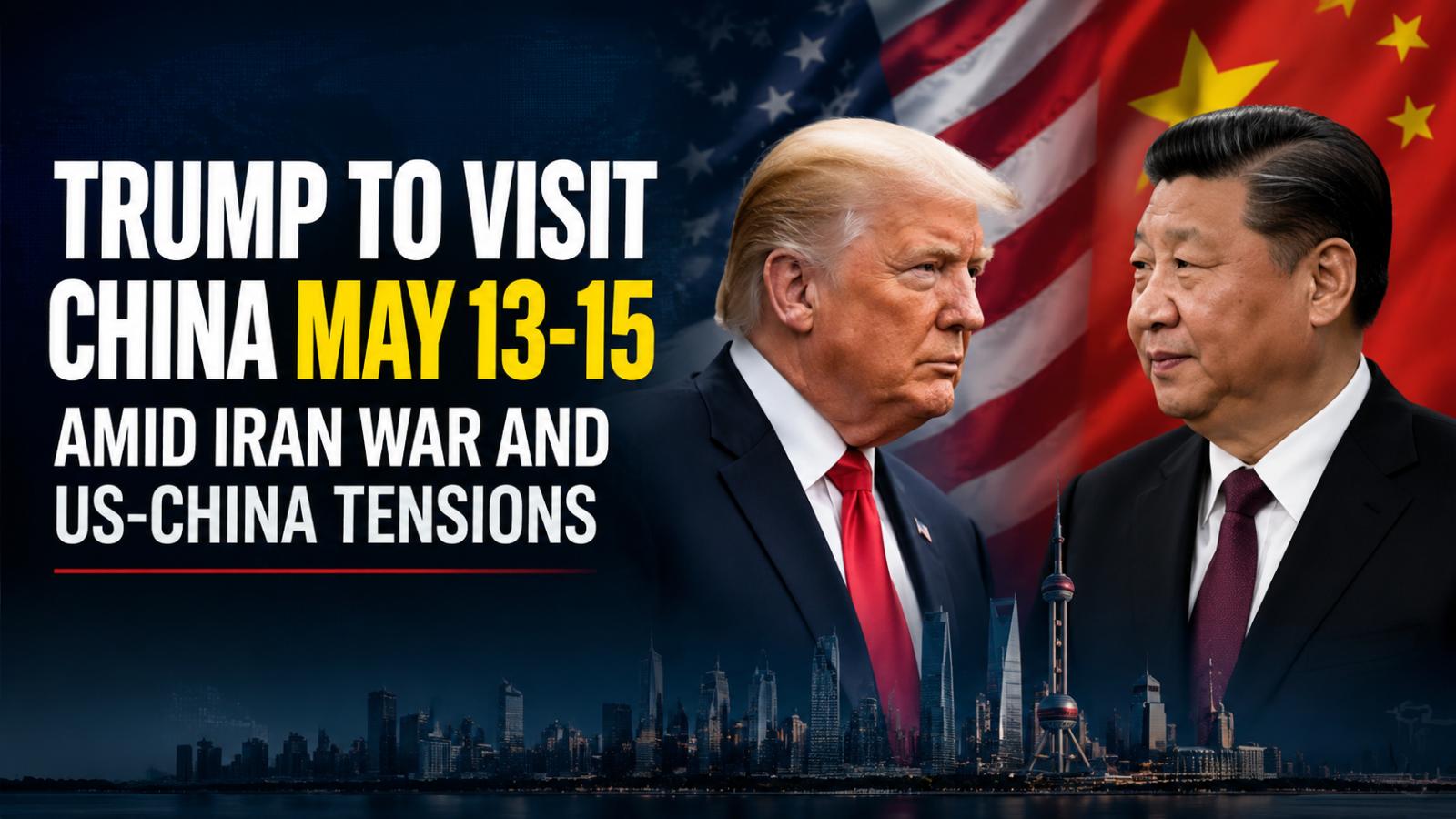
Trump-Xi summit: Key issues, trade talks, and Iran conflict to be addressed
US President Donald Trump is set to visit China from May 13 to 15, marking the first visit to the country by an American president in nearly nine years. The invitation comes from Chinese President Xi Jinping amid growing tensions between the two nations over issues such as trade, technology, and defense. This visit comes at a critical time for global politics, with the ongoing Iran conflict impacting both economic stability and energy prices. The timing of Trump’s visit coincides with a volatile situation in the Strait of Hormuz, where a dual blockade has significantly disrupted global oil trade, driving up energy prices. These disruptions have the potential to harm global economic growth, as the Strait is a vital shipping route for the world’s oil supply. Trump’s administration has placed significant pressure on Iran over its nuclear program, and in recent remarks, he stated that the US would “finish the job” if Iran did not agree to the terms aimed at halting the conflict. While tensions remain high, the US continues to press for a diplomatic resolution to the situation, with President Trump asserting that Iran must meet specific demands regarding its nuclear ambitions. Despite these pressures, Trump maintains that the US does not need China’s assistance to resolve the issue, suggesting that the conflict could be settled with or without China’s involvement. Iran, for its part, has signaled its intention to pursue peace, with chief negotiator Mohammad Bagher Ghalibaf issuing an ultimatum to the US. According to Ghalibaf, Washington must accept Iran’s recent peace proposal or face further failure in negotiations. He emphasized that there was no alternative but to acknowledge the rights of the Iranian people as outlined in Tehran’s 14-point proposal. Beyond the Iran conflict, the upcoming Trump-Xi summit is expected to address several key issues affecting US-China relations. Trade discussions will likely focus on extending a temporary truce in the ongoing trade dispute, particularly concerning rare earth minerals. Both leaders are expected to explore agreements related to Boeing aircraft purchases, as well as expanding trade and investment ties. Additionally, China is anticipated to announce purchases in the US agricultural and energy sectors. Another significant topic of discussion will be Taiwan, with Xi expressing frustration over the US’s continued support for the island nation, which China claims as part of its territory. Trump’s administration has reiterated its commitment to Taiwan, despite escalating military activities in the region by China. The summit will also cover the rapid development of artificial intelligence (AI) in both countries, with US officials highlighting concerns about the potential military and economic implications of AI advancements. With both nations at the forefront of technological innovation, there is a growing need for open communication to avoid misunderstandings or potential conflicts arising from the use of AI. This high-stakes summit between the US and China is poised to shape the future of global trade, energy security, and technological development, with both sides seeking to manage their differences while addressing urgent geopolitical challenges. As the world watches, the outcome of these talks could have far-reaching implications for international relations.
Trump-Xi summit: Key issues, trade talks, and Iran conflict to be addressed
US President Donald Trump is set to visit China from May 13 to 15, marking the first visit to the country by an American president in nearly nine years. The invitation comes from Chinese President Xi Jinping amid growing tensions between the two nations over issues such as trade, technology, and defense. This visit comes at a critical time for global politics, with the ongoing Iran conflict impacting both economic stability and energy prices. The timing of Trump’s visit coincides with a volatile situation in the Strait of Hormuz, where a dual blockade has significantly disrupted global oil trade, driving up energy prices. These disruptions have the potential to harm global economic growth, as the Strait is a vital shipping route for the world’s oil supply. Trump’s administration has placed significant pressure on Iran over its nuclear program, and in recent remarks, he stated that the US would “finish the job” if Iran did not agree to the terms aimed at halting the conflict. While tensions remain high, the US continues to press for a diplomatic resolution to the situation, with President Trump asserting that Iran must meet specific demands regarding its nuclear ambitions. Despite these pressures, Trump maintains that the US does not need China’s assistance to resolve the issue, suggesting that the conflict could be settled with or without China’s involvement. Iran, for its part, has signaled its intention to pursue peace, with chief negotiator Mohammad Bagher Ghalibaf issuing an ultimatum to the US. According to Ghalibaf, Washington must accept Iran’s recent peace proposal or face further failure in negotiations. He emphasized that there was no alternative but to acknowledge the rights of the Iranian people as outlined in Tehran’s 14-point proposal. Beyond the Iran conflict, the upcoming Trump-Xi summit is expected to address several key issues affecting US-China relations. Trade discussions will likely focus on extending a temporary truce in the ongoing trade dispute, particularly concerning rare earth minerals. Both leaders are expected to explore agreements related to Boeing aircraft purchases, as well as expanding trade and investment ties. Additionally, China is anticipated to announce purchases in the US agricultural and energy sectors. Another significant topic of discussion will be Taiwan, with Xi expressing frustration over the US’s continued support for the island nation, which China claims as part of its territory. Trump’s administration has reiterated its commitment to Taiwan, despite escalating military activities in the region by China. The summit will also cover the rapid development of artificial intelligence (AI) in both countries, with US officials highlighting concerns about the potential military and economic implications of AI advancements. With both nations at the forefront of technological innovation, there is a growing need for open communication to avoid misunderstandings or potential conflicts arising from the use of AI. This high-stakes summit between the US and China is poised to shape the future of global trade, energy security, and technological development, with both sides seeking to manage their differences while addressing urgent geopolitical challenges. As the world watches, the outcome of these talks could have far-reaching implications for international relations.
Apple $250M Siri AI Settlement: iPhone Users May Get Up to $95 — Who Qualifies?
Apple $250M Settlement: Who Could Get Paid? Apple has agreed to a $250 million settlement over claims it misled buyers about Siri AI and Apple Intelligence features. Eligible U.S. iPhone users may receive $25 to $95 per device if the deal gets court approval. Why Apple Is Facing Payout Claims The class-action lawsuit accused Apple of promoting advanced Siri AI features during the iPhone 16 launch cycle before some tools were
Apple $250M Siri AI Settlement: iPhone Users May Get Up to $95 — Who Qualifies?
Apple $250M Settlement: Who Could Get Paid? Apple has agreed to a $250 million settlement over claims it misled buyers about Siri AI and Apple Intelligence features. Eligible U.S. iPhone users may receive $25 to $95 per device if the deal gets court approval. Why Apple Is Facing Payout Claims The class-action lawsuit accused Apple of promoting advanced Siri AI features during the iPhone 16 launch cycle before some tools were
Micron Options Boom: AI Chip Rally Pulls Traders Into Semis
Micron Options Volume Explodes as AI Chip Rally Heats Up Micron options volume surged Tuesday as traders piled into semiconductor stocks, betting the AI chip rally still has room to run despite stretched valuations and rising volatility. By midday Chicago time, options tied to Micron Technology had drawn more than $2.8 billion in premium activity, outpacing major index ETF flows and putting MU stock at the center of Wall Street’s latest AI trade.
Micron Options Boom: AI Chip Rally Pulls Traders Into Semis
Micron Options Volume Explodes as AI Chip Rally Heats Up Micron options volume surged Tuesday as traders piled into semiconductor stocks, betting the AI chip rally still has room to run despite stretched valuations and rising volatility. By midday Chicago time, options tied to Micron Technology had drawn more than $2.8 billion in premium activity, outpacing major index ETF flows and putting MU stock at the center of Wall Street’s latest AI trade.
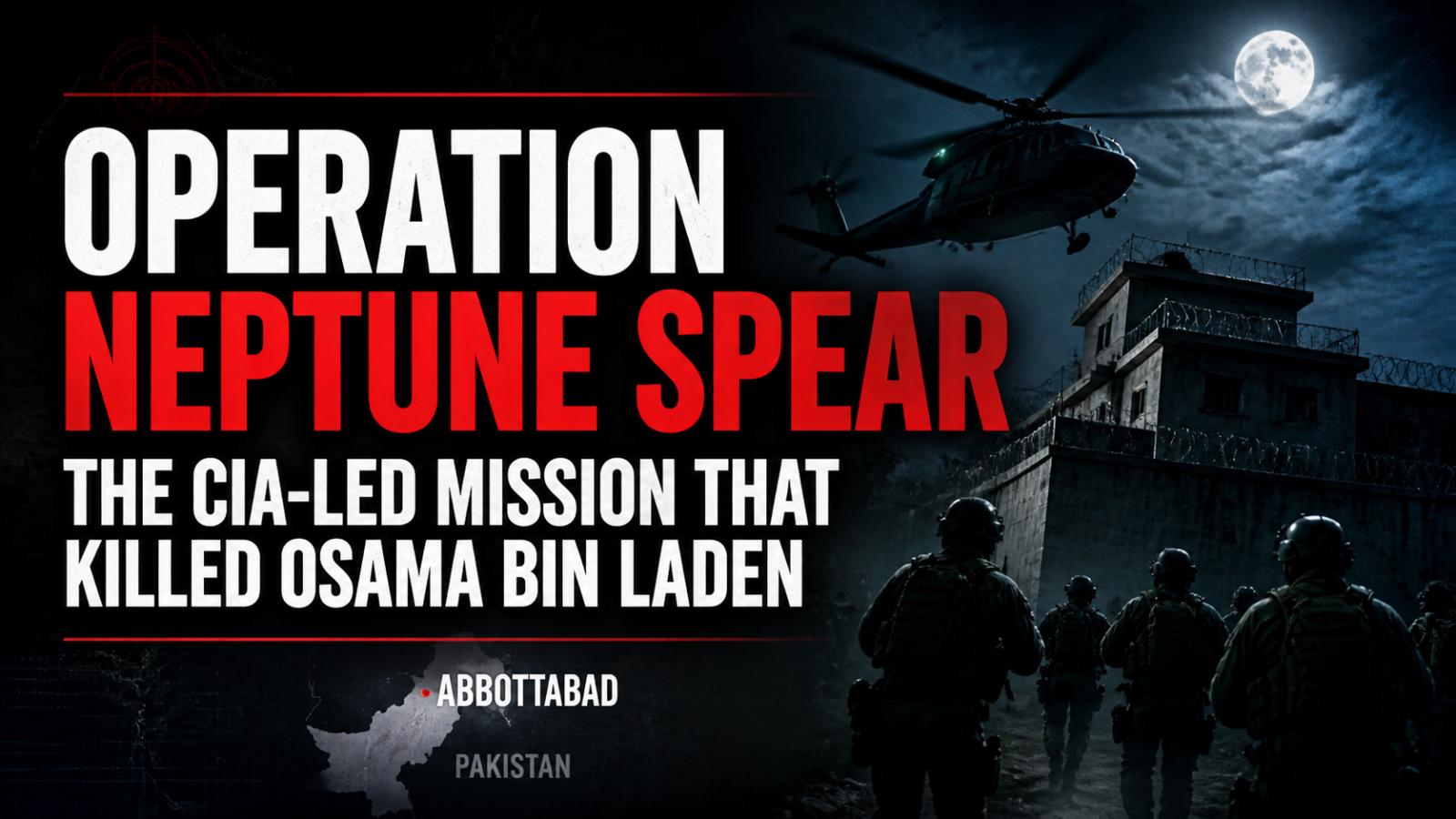
Operation Neptune Spear: Inside the raid that killed Osama bin Laden
The world’s most wanted man: Osama bin Laden On May 2, 2011, Osama bin Laden, the world’s most wanted terrorist, was killed in a CIA-led operation called Operation Neptune Spear. After nearly a decade of intensive intelligence work, Bin Laden’s hideout in Abbottabad, Pakistan, was pinpointed, marking a major victory in the war on terror. The mission, involving a covert night
Operation Neptune Spear: Inside the raid that killed Osama bin Laden
The world’s most wanted man: Osama bin Laden On May 2, 2011, Osama bin Laden, the world’s most wanted terrorist, was killed in a CIA-led operation called Operation Neptune Spear. After nearly a decade of intensive intelligence work, Bin Laden’s hideout in Abbottabad, Pakistan, was pinpointed, marking a major victory in the war on terror. The mission, involving a covert night
Ajit Doval’s covert operations reveal the discipline behind intelligence work
Ajit Doval’s reported deep-cover operations are widely regarded as a study in psychological resilience rather than physical confrontation. Operating within hostile environments, including extended periods in Pakistan, his work required a high degree of composure, adaptability, and continuous situational awareness. Public discussions often reference cities such as Lahore, though specific operational details remain classified. The available accounts suggest that Doval functioned under an assu
Ajit Doval’s covert operations reveal the discipline behind intelligence work
Ajit Doval’s reported deep-cover operations are widely regarded as a study in psychological resilience rather than physical confrontation. Operating within hostile environments, including extended periods in Pakistan, his work required a high degree of composure, adaptability, and continuous situational awareness. Public discussions often reference cities such as Lahore, though specific operational details remain classified. The available accounts suggest that Doval functioned under an assu
Why did Intel shares surge over 20%? AI demand and leadership changes drive rebound
Strong market reaction to earnings and AI momentum Shares of Intel surged more than 20% during trading hours on Friday, reflecting renewed investor confidence driven by rising artificial intelligence demand and stronger-than-expected financial results. By early afternoon, the stock had climbed approximately 22%, putting it on track for its best single-day performance in d
Why did Intel shares surge over 20%? AI demand and leadership changes drive rebound
Strong market reaction to earnings and AI momentum Shares of Intel surged more than 20% during trading hours on Friday, reflecting renewed investor confidence driven by rising artificial intelligence demand and stronger-than-expected financial results. By early afternoon, the stock had climbed approximately 22%, putting it on track for its best single-day performance in d
Ajit Doval’s covert operations reveal the discipline behind intelligence work
Ajit Doval’s reported deep-cover operations are widely regarded as a study in psychological resilience rather than physical confrontation. Operating within hostile environments, including extended periods in Pakistan, his work required a high degree of composure, adaptability, and continuous situational awareness. Public discussions often reference cities such as Lahore, though specific operational details remain classified. The available accounts suggest that Doval functioned under an assu
Ajit Doval’s covert operations reveal the discipline behind intelligence work
Ajit Doval’s reported deep-cover operations are widely regarded as a study in psychological resilience rather than physical confrontation. Operating within hostile environments, including extended periods in Pakistan, his work required a high degree of composure, adaptability, and continuous situational awareness. Public discussions often reference cities such as Lahore, though specific operational details remain classified. The available accounts suggest that Doval functioned under an assu
Ajit Doval’s journey from IPS officer to covert intelligence operative
Ajit Doval began his professional journey as an officer in the Indian Police Service in 1968, serving in the Kerala cadre. Over time, he developed a reputation for managing insurgency-related challenges and complex law-and-order situations, which required a combination of tactical decision-making and psychological resilience. Rather than following a conventional policing career, he later transitioned into the Intelligence Bureau, moving into a domain where operational visibility is minimal but strategic impact is significant. During the 1970s, Doval was reportedly assigned to a deep-cover intelligence mission in Pakistan, marking a critical phase in his career. The assignment extended over several years, demanding a sustained and disciplined approach to undercover work. To function effectively, he assumed a complete alternate identity, integrating into local society through language proficiency, cultural understanding, and adherence to social and religious practices. This level of immersion was essential for maintaining credibility and avoiding suspicion in a sensitive environment. Operating in a foreign and potentially hostile setting required the development of a consistent personal narrative and the ability to establish relationships without drawing attention. Such assignments are typically conducted without direct support, placing significant responsibility on the individual operative. The risks associated with exposure are severe, emphasizing the need for precision, restraint, and continuous situational awareness. Intelligence gathering in these conditions often involves incremental efforts, where accurate information is collected over time rather than through rapid or visible actions. The nature of such operations differs considerably from their portrayal in popular media. While films like Dhurandhar often depict espionage through fast-paced sequences and overt action, real-world intelligence work is characterized by patience, discretion, and long-term commitment. Doval’s reported experiences reflect the complexities of covert operations, where outcomes are rarely visible and details remain largely classified, underscoring the contrast between cinematic representation and operational reality.
Ajit Doval’s journey from IPS officer to covert intelligence operative
Ajit Doval began his professional journey as an officer in the Indian Police Service in 1968, serving in the Kerala cadre. Over time, he developed a reputation for managing insurgency-related challenges and complex law-and-order situations, which required a combination of tactical decision-making and psychological resilience. Rather than following a conventional policing career, he later transitioned into the Intelligence Bureau, moving into a domain where operational visibility is minimal but strategic impact is significant. During the 1970s, Doval was reportedly assigned to a deep-cover intelligence mission in Pakistan, marking a critical phase in his career. The assignment extended over several years, demanding a sustained and disciplined approach to undercover work. To function effectively, he assumed a complete alternate identity, integrating into local society through language proficiency, cultural understanding, and adherence to social and religious practices. This level of immersion was essential for maintaining credibility and avoiding suspicion in a sensitive environment. Operating in a foreign and potentially hostile setting required the development of a consistent personal narrative and the ability to establish relationships without drawing attention. Such assignments are typically conducted without direct support, placing significant responsibility on the individual operative. The risks associated with exposure are severe, emphasizing the need for precision, restraint, and continuous situational awareness. Intelligence gathering in these conditions often involves incremental efforts, where accurate information is collected over time rather than through rapid or visible actions. The nature of such operations differs considerably from their portrayal in popular media. While films like Dhurandhar often depict espionage through fast-paced sequences and overt action, real-world intelligence work is characterized by patience, discretion, and long-term commitment. Doval’s reported experiences reflect the complexities of covert operations, where outcomes are rarely visible and details remain largely classified, underscoring the contrast between cinematic representation and operational reality.
Trump signs short-term surveillance extension, delaying Section 702 clash
U.S. President Donald Trump on Saturday, April 27, 2026, signed a short-term measure extending a controversial surveillance program under Section 702 of the Foreign Intelligence Surveillance Act until April 30, preventing its imminent expiration while postponing a broader legislative showdown in Congress.
Trump signs short-term surveillance extension, delaying Section 702 clash
U.S. President Donald Trump on Saturday, April 27, 2026, signed a short-term measure extending a controversial surveillance program under Section 702 of the Foreign Intelligence Surveillance Act until April 30, preventing its imminent expiration while postponing a broader legislative showdown in Congress.
Raghav Chadha's Z Security Cover Upgraded by Centre Amid Growing Tensions with AAP
Raghav Chadha, Rajya Sabha MP from the Aam Aadmi Party (AAP), has been granted Z category security by the Union Ministry of Home Affairs following a threat assessment. The decision comes after the Punjab government, led by AAP, withdrew his earlier Z+ security cover, sparking political controversy. According to sources, the Intelligence Bureau's report highlighted the need for enhanced security for Chadha, which prompted the Centre to step in, assigning paramilitary forces to provide protecti
Raghav Chadha's Z Security Cover Upgraded by Centre Amid Growing Tensions with AAP
Raghav Chadha, Rajya Sabha MP from the Aam Aadmi Party (AAP), has been granted Z category security by the Union Ministry of Home Affairs following a threat assessment. The decision comes after the Punjab government, led by AAP, withdrew his earlier Z+ security cover, sparking political controversy. According to sources, the Intelligence Bureau's report highlighted the need for enhanced security for Chadha, which prompted the Centre to step in, assigning paramilitary forces to provide protecti
China-linked cyber operation breached US House staff email systems
Chinese intelligence services have penetrated email systems used by staff members working for key committees in the United States House of Representatives, according to officials familiar with the matter, marking one of the most significant congressional cyber intrusions disclosed in recent years. The operation, known internally as Salt Typhoon, is described as part of a long-running cyber-espionage campaign attributed to China’s Ministry of State Security. Sources with knowledge of the investigation said the breach affected email accounts used by congressional staff supporting the House China Committee, as well as aides associated with the Foreign Affairs Committee, the Intelligence Committee, and the Armed Services Committee. The unauthorized access was discovered in December, prompting federal authorities to begin a broader review of congressional digital security practices and potential exposure of sensitive communications. Officials emphasized that the compromised accounts belonged to staffers rather than elected lawmakers, and it remains unclear whether the personal email accounts of members of Congress were accessed during the intrusion. Nonetheless, the targeting of committees responsible for national security, foreign policy, and intelligence oversight has raised concerns about the scale and intent of the operation. Investigators are continuing to assess what data may have been viewed or extracted and whether the intrusion enabled further access to internal government systems. Salt Typhoon is believed to be part of a sustained cyber campaign that has targeted US communications infrastructure for several years. According to individuals familiar with the operation, the tools and methods linked to the campaign have allowed Chinese intelligence to exploit vulnerabilities in telecommunications networks, providing access to unencrypted phone calls, text messages, and voicemail traffic across the United States. In certain circumstances, the same infrastructure has reportedly been used to gain entry into email systems. Security officials have also indicated that communications involving senior US government figures may have been intercepted as part of this broader effort, underscoring the persistent nature of the threat. While the full scope of the intercepted material has not been publicly detailed, authorities view the campaign as a strategic intelligence-gathering effort rather than a short-term or isolated attack. The incident highlights ongoing challenges facing US institutions as foreign intelligence agencies increasingly rely on cyber tools to collect information. Lawmakers and security experts have repeatedly warned that congressional offices, which often operate with limited technical resources compared with executive branch agencies, can present attractive targets for sophisticated adversaries seeking insight into policy deliberations and legislative priorities. Federal agencies responsible for cybersecurity and counterintelligence are coordinating with congressional officials to strengthen defenses, review access controls, and improve monitoring of digital systems. The breach is expected to intensify calls for additional investment in cybersecurity protections for legislative offices and for closer cooperation between Congress and national security agencies in responding to advanced cyber threats. As investigations continue, officials have stressed that the episode serves as a reminder of the evolving nature of cyber espionage and the need for constant vigilance in protecting sensitive government communications.


China-linked cyber operation breached US House staff email systems
Chinese intelligence services have penetrated email systems used by staff members working for key committees in the United States House of Representatives, according to officials familiar with the matter, marking one of the most significant congressional cyber intrusions disclosed in recent years. The operation, known internally as Salt Typhoon, is described as part of a long-running cyber-espionage campaign attributed to China’s Ministry of State Security. Sources with knowledge of the investigation said the breach affected email accounts used by congressional staff supporting the House China Committee, as well as aides associated with the Foreign Affairs Committee, the Intelligence Committee, and the Armed Services Committee. The unauthorized access was discovered in December, prompting federal authorities to begin a broader review of congressional digital security practices and potential exposure of sensitive communications. Officials emphasized that the compromised accounts belonged to staffers rather than elected lawmakers, and it remains unclear whether the personal email accounts of members of Congress were accessed during the intrusion. Nonetheless, the targeting of committees responsible for national security, foreign policy, and intelligence oversight has raised concerns about the scale and intent of the operation. Investigators are continuing to assess what data may have been viewed or extracted and whether the intrusion enabled further access to internal government systems. Salt Typhoon is believed to be part of a sustained cyber campaign that has targeted US communications infrastructure for several years. According to individuals familiar with the operation, the tools and methods linked to the campaign have allowed Chinese intelligence to exploit vulnerabilities in telecommunications networks, providing access to unencrypted phone calls, text messages, and voicemail traffic across the United States. In certain circumstances, the same infrastructure has reportedly been used to gain entry into email systems. Security officials have also indicated that communications involving senior US government figures may have been intercepted as part of this broader effort, underscoring the persistent nature of the threat. While the full scope of the intercepted material has not been publicly detailed, authorities view the campaign as a strategic intelligence-gathering effort rather than a short-term or isolated attack. The incident highlights ongoing challenges facing US institutions as foreign intelligence agencies increasingly rely on cyber tools to collect information. Lawmakers and security experts have repeatedly warned that congressional offices, which often operate with limited technical resources compared with executive branch agencies, can present attractive targets for sophisticated adversaries seeking insight into policy deliberations and legislative priorities. Federal agencies responsible for cybersecurity and counterintelligence are coordinating with congressional officials to strengthen defenses, review access controls, and improve monitoring of digital systems. The breach is expected to intensify calls for additional investment in cybersecurity protections for legislative offices and for closer cooperation between Congress and national security agencies in responding to advanced cyber threats. As investigations continue, officials have stressed that the episode serves as a reminder of the evolving nature of cyber espionage and the need for constant vigilance in protecting sensitive government communications.