Trump Accuses Media of Treason
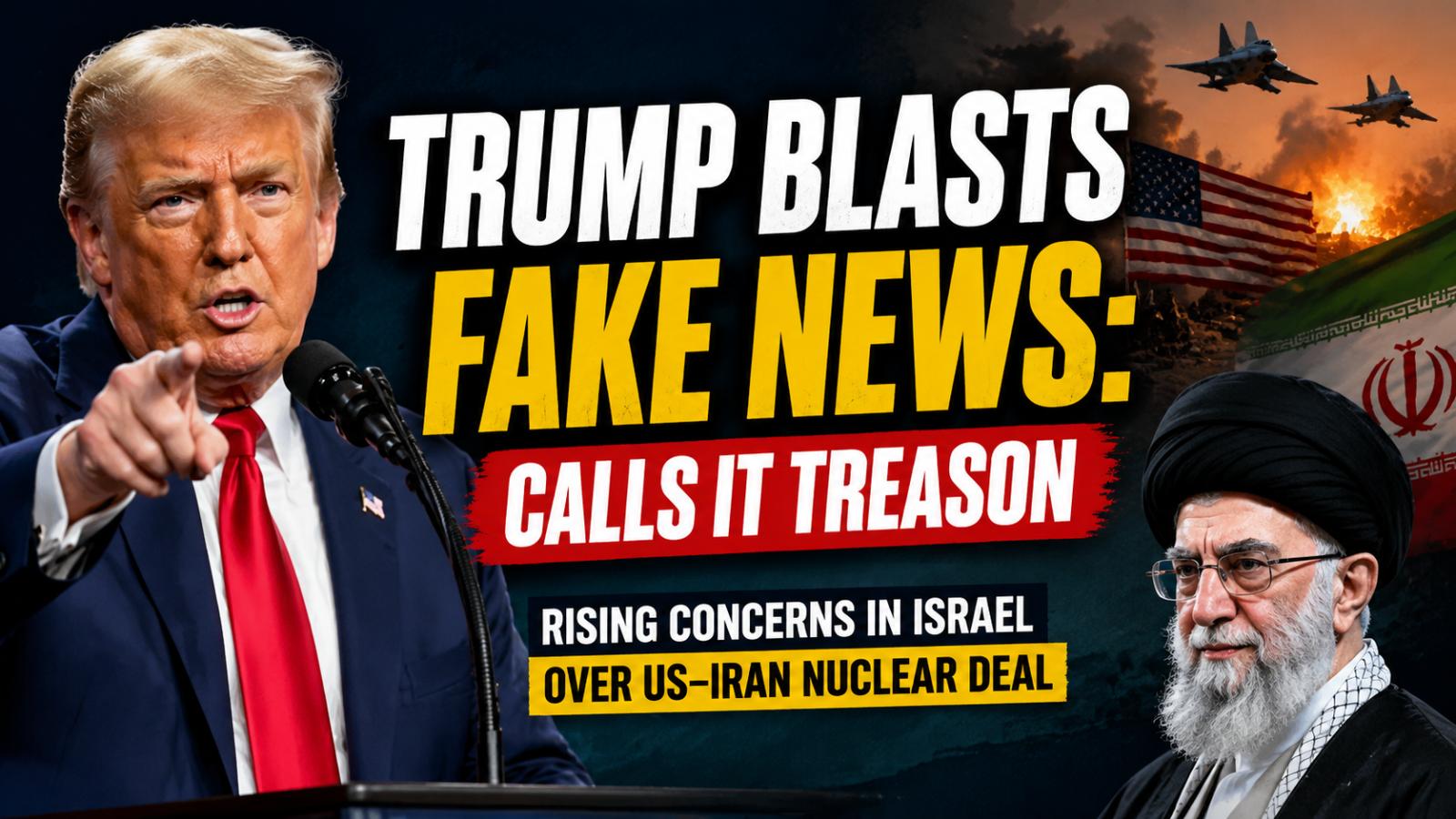
On May 12, President Donald Trump expressed outrage over media reports suggesting that Iran is “doing well” militarily in its ongoing conflict with the United States. In a social media post during his flight to China, Trump accused the media of committing treason by spreading false and misleading information. “When the Fake News says that the Iranian enemy is doing well, Militarily, against us, it’s virtual TRE
Trump Accuses Media of Treason
On May 12, President Donald Trump expressed outrage over media reports suggesting that Iran is “doing well” militarily in its ongoing conflict with the United States. In a social media post during his flight to China, Trump accused the media of committing treason by spreading false and misleading information. “When the Fake News says that the Iranian enemy is doing well, Militarily, against us, it’s virtual TRE
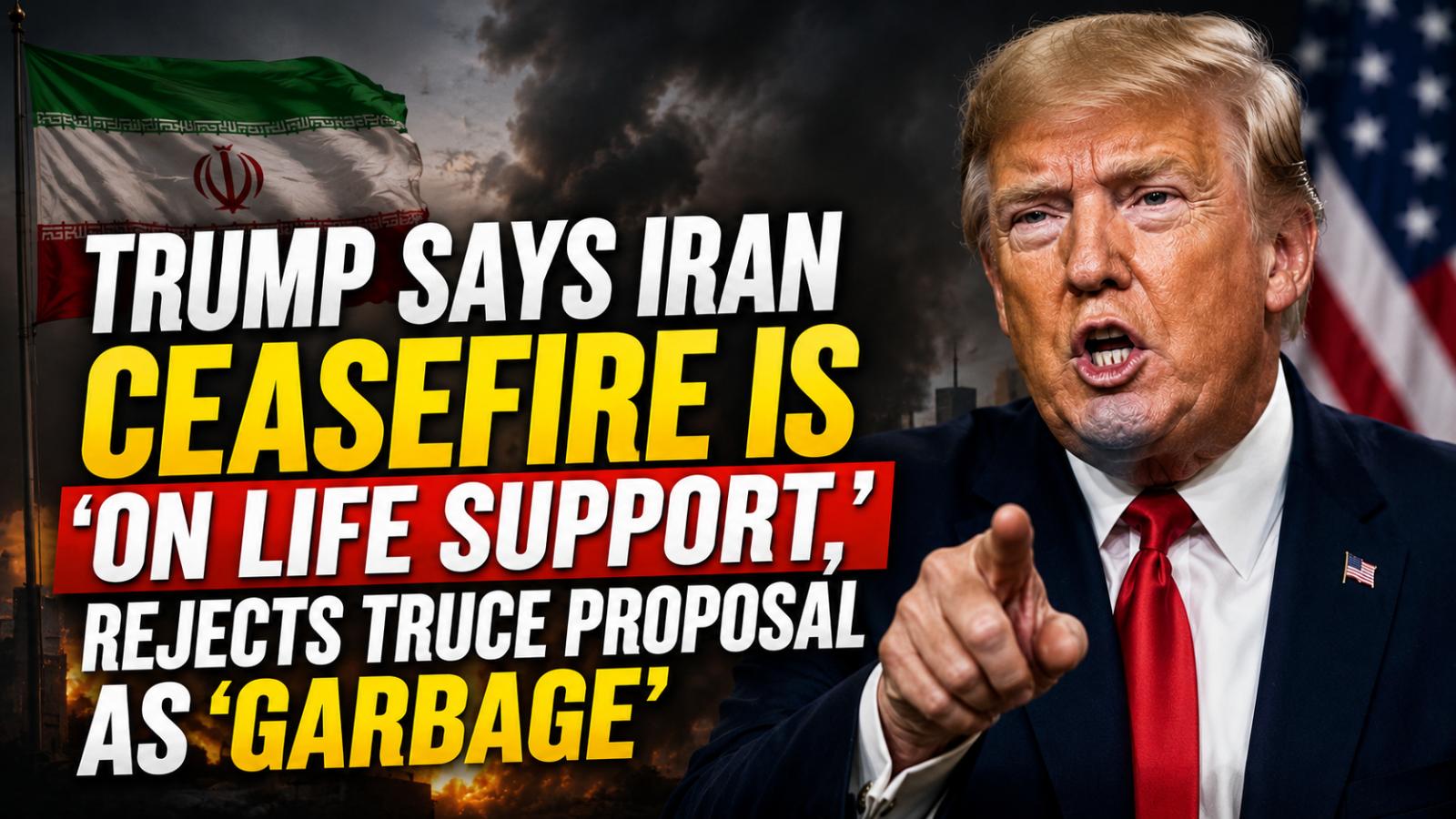
President Donald Trump said the Iran ceasefire is close to collapse after rejecting Tehran’s latest truce proposal, deepening uncertainty over US-Iran tensions and Middle East stability.
Speaking on Monday, May 11, 2026, Trump called Iran’s response unacceptable and said the ceasefire was on “massive life support.” His remarks signaled that Washington is not ready to ease pressure unless Tehran accepts stricter terms on security and nuclear activity.
Why T
President Donald Trump said the Iran ceasefire is close to collapse after rejecting Tehran’s latest truce proposal, deepening uncertainty over US-Iran tensions and Middle East stability.
Speaking on Monday, May 11, 2026, Trump called Iran’s response unacceptable and said the ceasefire was on “massive life support.” His remarks signaled that Washington is not ready to ease pressure unless Tehran accepts stricter terms on security and nuclear activity.
Why T
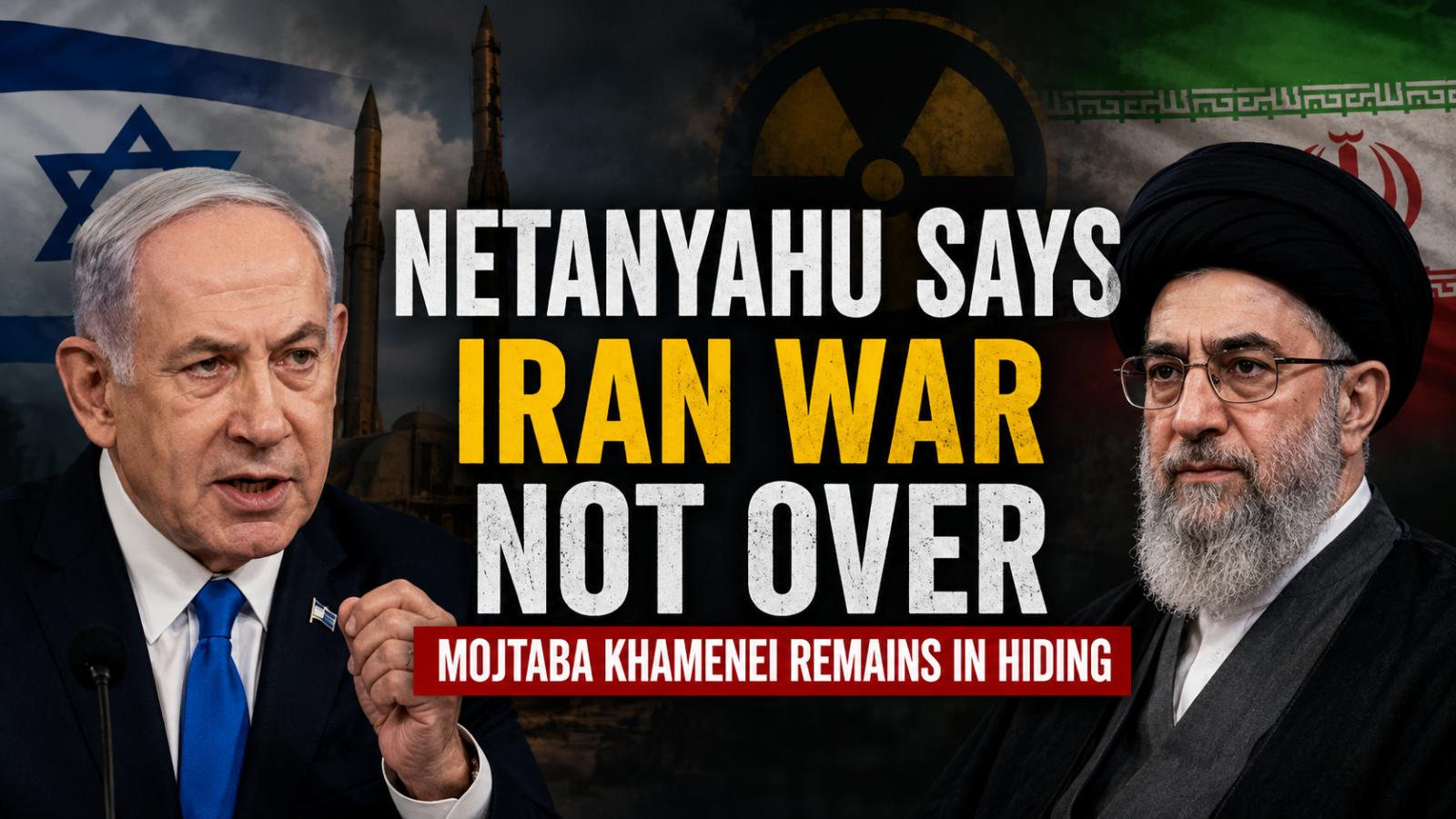
Israeli Prime Minister Benjamin Netanyahu said Iran’s conflict with Israel is still ongoing and warned that Tehran’s nuclear program continues to remain a major concern. Netanyahu also claimed that Iran’s Supreme Leader Mojtaba Khamenei is alive and believed to be hiding in a secret bunker after taking power following the reported death of Ali Khamenei during a US-Israeli airstrike. Netanyahu said Iran still possesses enriched uranium and nuclear facilities that must be dismantled befor
Israeli Prime Minister Benjamin Netanyahu said Iran’s conflict with Israel is still ongoing and warned that Tehran’s nuclear program continues to remain a major concern. Netanyahu also claimed that Iran’s Supreme Leader Mojtaba Khamenei is alive and believed to be hiding in a secret bunker after taking power following the reported death of Ali Khamenei during a US-Israeli airstrike. Netanyahu said Iran still possesses enriched uranium and nuclear facilities that must be dismantled befor
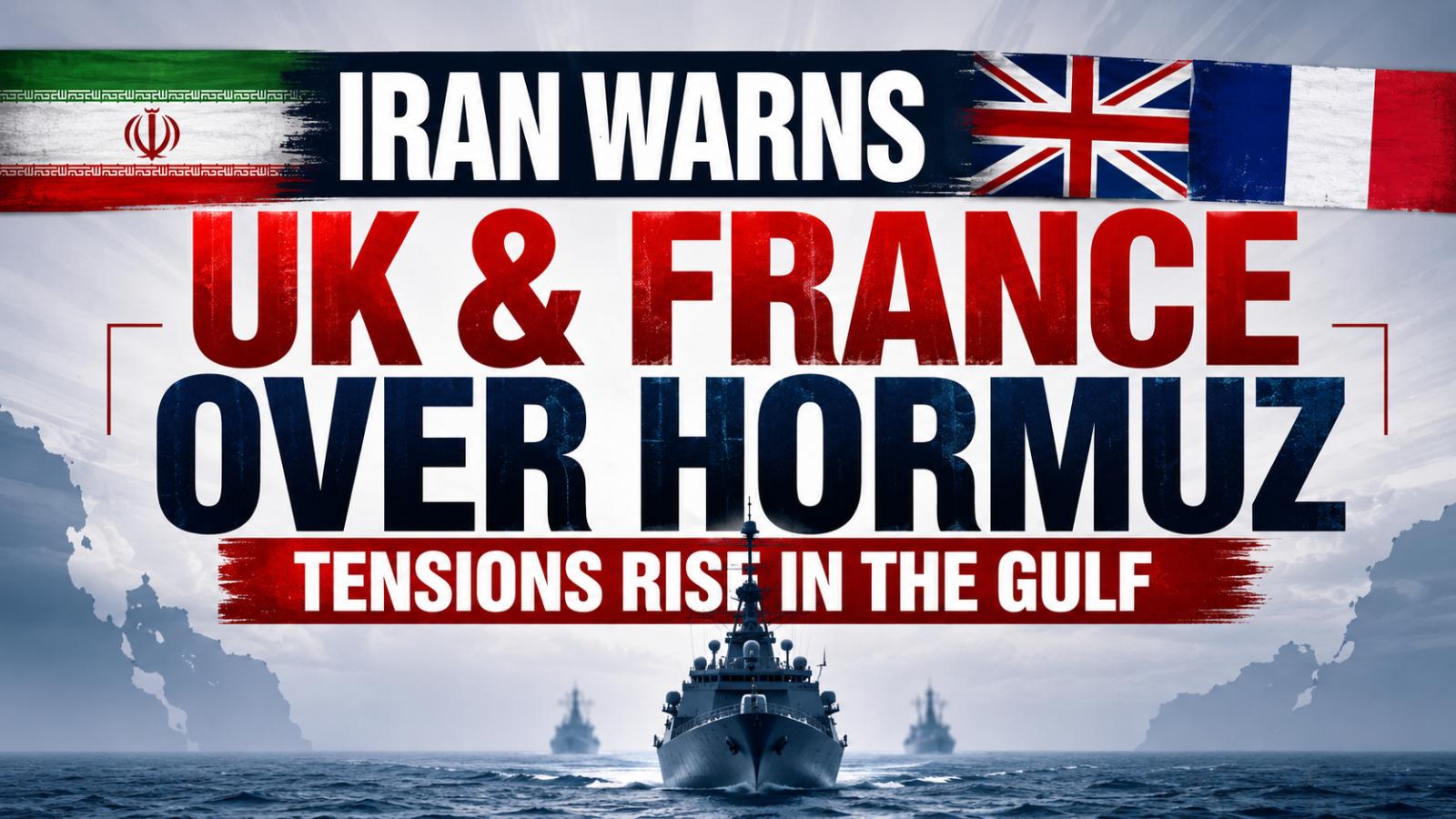
Iran on Sunday warned Britain and France against deploying warships to the Strait of Hormuz, escalating tensions around one of the world’s most critical maritime trade routes. Iranian Deputy Foreign Minister Kazem Gharibabadi said Tehran would respond immediately and decisively if foreign powers attempted to interfere in the security of the strategic waterway. His remarks came after reports that both Britain and France had sent vessels toward the Gulf region amid ongoing concerns over marit
Iran on Sunday warned Britain and France against deploying warships to the Strait of Hormuz, escalating tensions around one of the world’s most critical maritime trade routes. Iranian Deputy Foreign Minister Kazem Gharibabadi said Tehran would respond immediately and decisively if foreign powers attempted to interfere in the security of the strategic waterway. His remarks came after reports that both Britain and France had sent vessels toward the Gulf region amid ongoing concerns over marit
US Sanctions Target Iran Military Supply Network
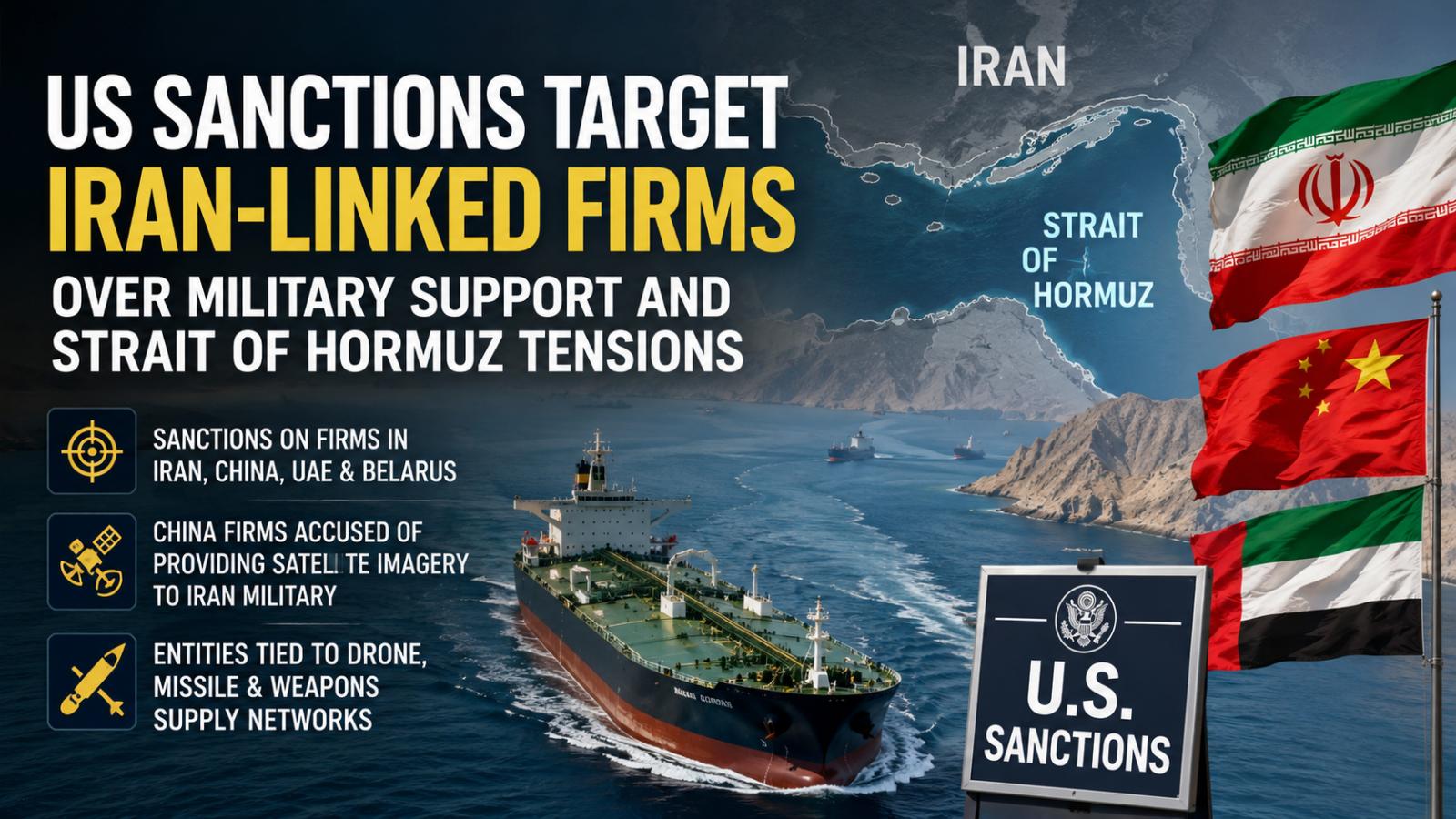
The United States has imposed new sanctions on companies and individuals accused of helping Iran’s military programs, including drone, missile and satellite-support networks.
Officials said the penalties target entities linked to Iran, China, Belarus and the United Arab Emirates, widening Washington’s pressure campaign as tensions continue around the Strait of Hormuz.
China Firms Acc
US Sanctions Target Iran Military Supply Network
The United States has imposed new sanctions on companies and individuals accused of helping Iran’s military programs, including drone, missile and satellite-support networks.
Officials said the penalties target entities linked to Iran, China, Belarus and the United Arab Emirates, widening Washington’s pressure campaign as tensions continue around the Strait of Hormuz.
China Firms Acc
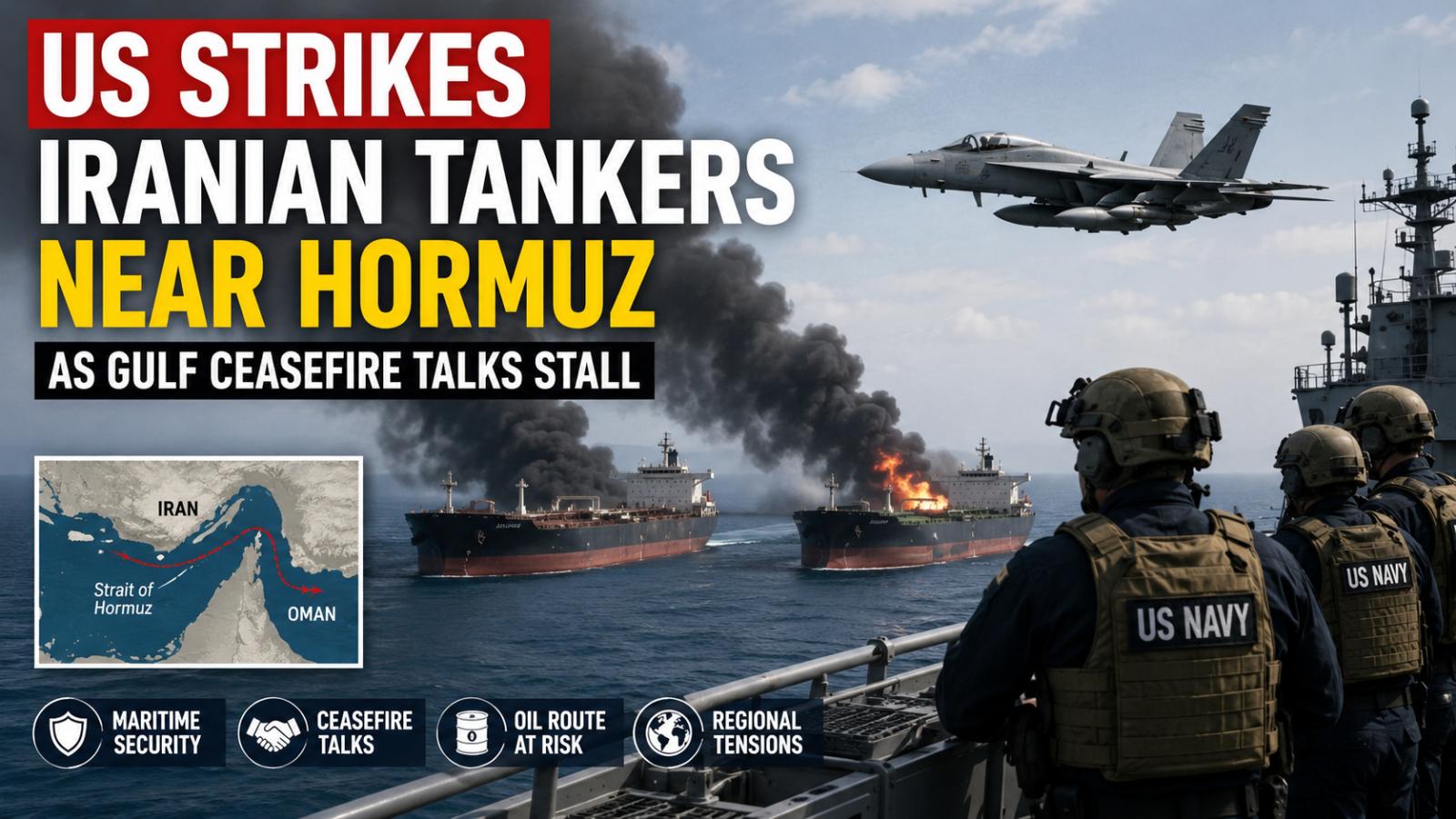
US-Iran Hormuz Tanker Strike Deepens Gulf Crisis
US forces struck two Iranian tankers near the Strait of Hormuz on May 8, 2026, as fragile Gulf ceasefire talks stalled. The move has raised fresh fears over oil shipping, regional security and the next step in Washington-Tehran diplomacy.
What Happened Near the Strait of Hormuz?
US Central Command said American forces d
US-Iran Hormuz Tanker Strike Deepens Gulf Crisis
US forces struck two Iranian tankers near the Strait of Hormuz on May 8, 2026, as fragile Gulf ceasefire talks stalled. The move has raised fresh fears over oil shipping, regional security and the next step in Washington-Tehran diplomacy.
What Happened Near the Strait of Hormuz?
US Central Command said American forces d
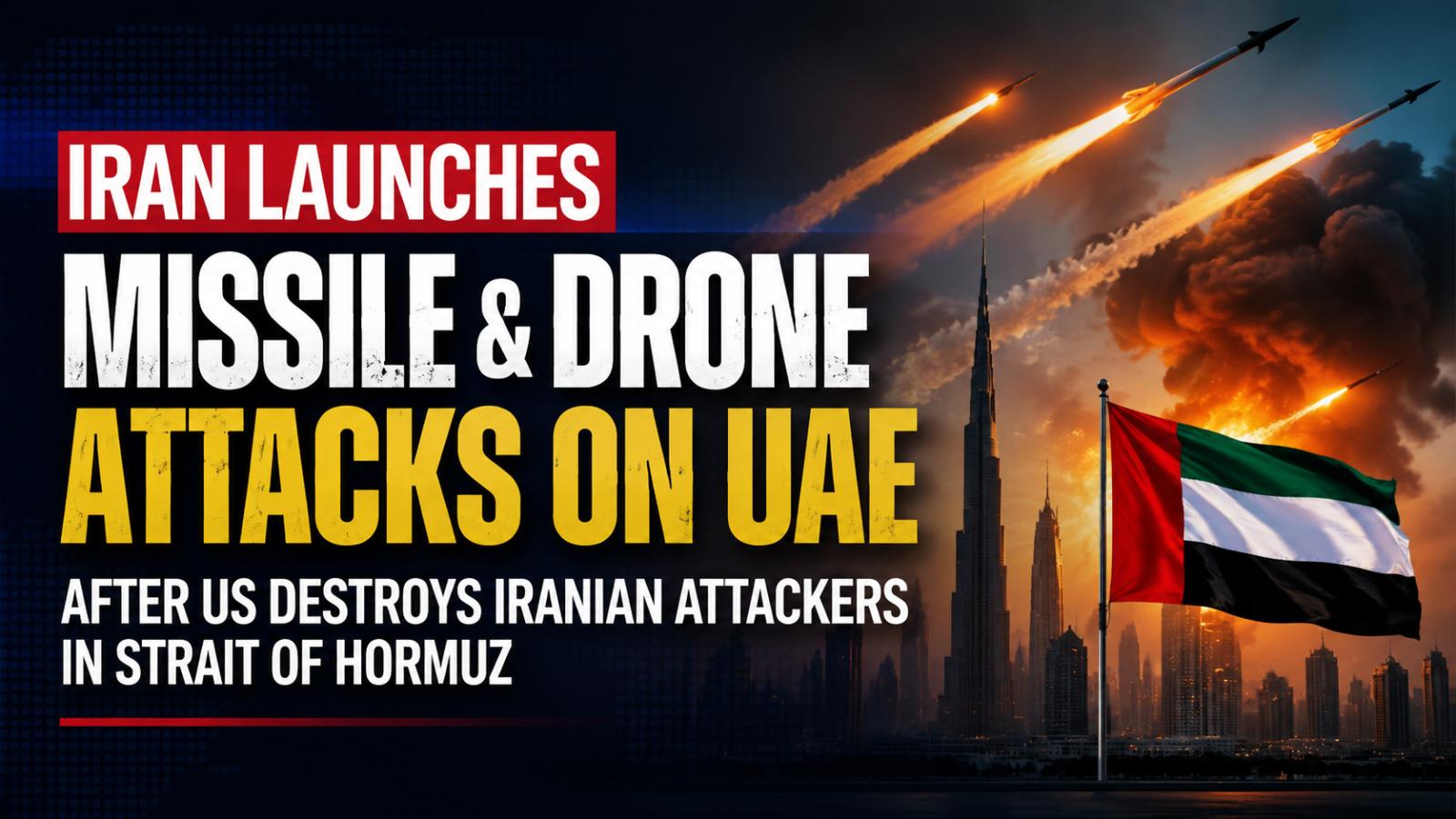
On May 8, Iran launched missile and drone attacks targeting the United Arab Emirates (UAE), hours after American forces destroyed Iranian attackers targeting US Navy destroyers in the Strait of Hormuz. The UAE Ministry of Defense confirmed that the country’s air defense systems were actively engaging the incoming threats. The attack prompted authorities to issue a public advisory, urging the public not to approach, photograph, or touch any debris from the successful interceptions.
On May 8, Iran launched missile and drone attacks targeting the United Arab Emirates (UAE), hours after American forces destroyed Iranian attackers targeting US Navy destroyers in the Strait of Hormuz. The UAE Ministry of Defense confirmed that the country’s air defense systems were actively engaging the incoming threats. The attack prompted authorities to issue a public advisory, urging the public not to approach, photograph, or touch any debris from the successful interceptions.
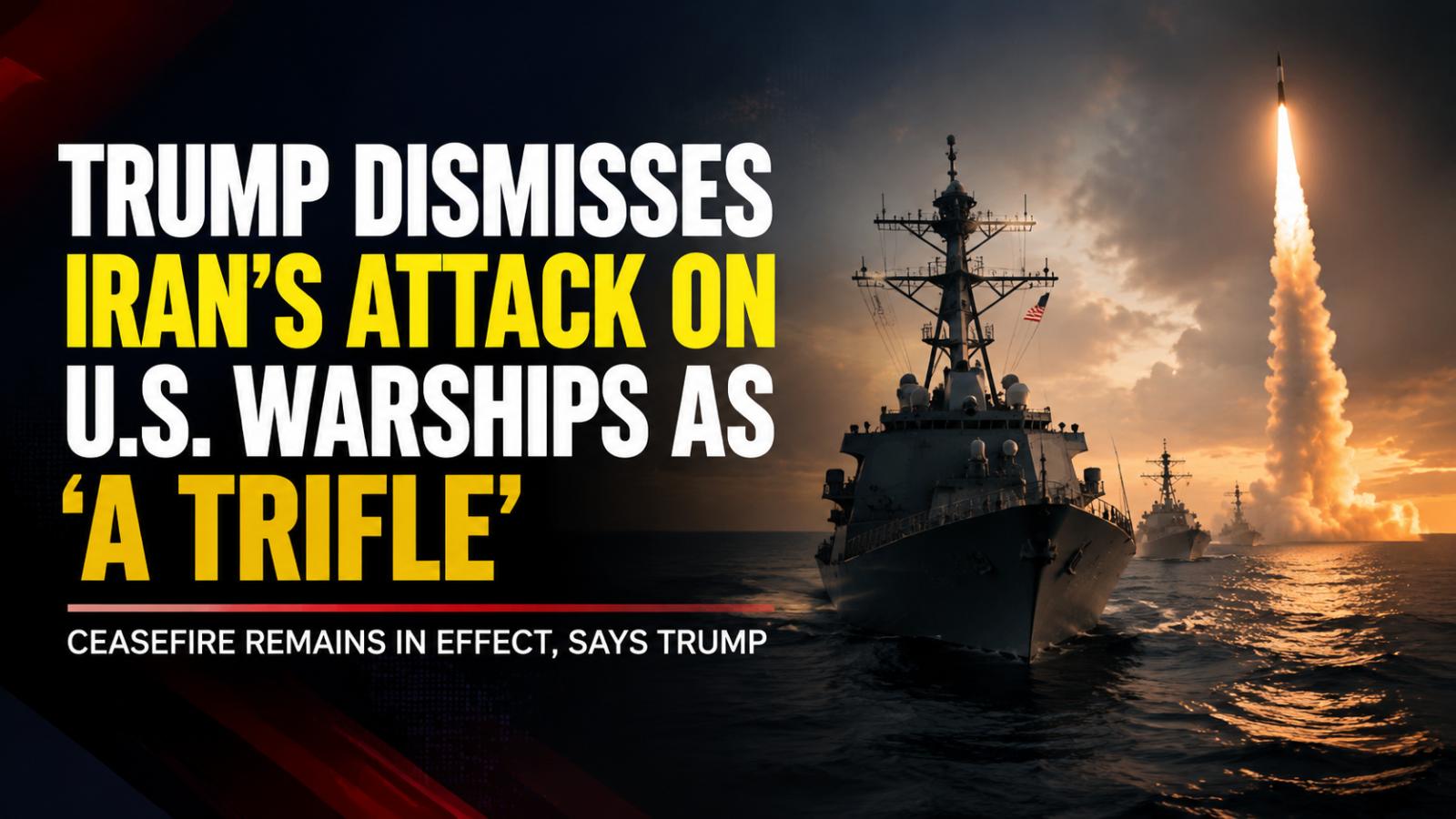
On May 7, 2026, President Donald Trump responded dismissively to recent Iranian attacks on three American warships, calling the incident "a trifle" and maintaining that the ceasefire between the two nations remained intact. During a visit to the Lincoln Memorial Reflecting Pool renovations, Trump told reporters, "They trifled with us today. We blew them away. They trifled. I call that a trifle." Despite the missile and drone strikes launched by Iranian forces, Trump assured the press that the
On May 7, 2026, President Donald Trump responded dismissively to recent Iranian attacks on three American warships, calling the incident "a trifle" and maintaining that the ceasefire between the two nations remained intact. During a visit to the Lincoln Memorial Reflecting Pool renovations, Trump told reporters, "They trifled with us today. We blew them away. They trifled. I call that a trifle." Despite the missile and drone strikes launched by Iranian forces, Trump assured the press that the
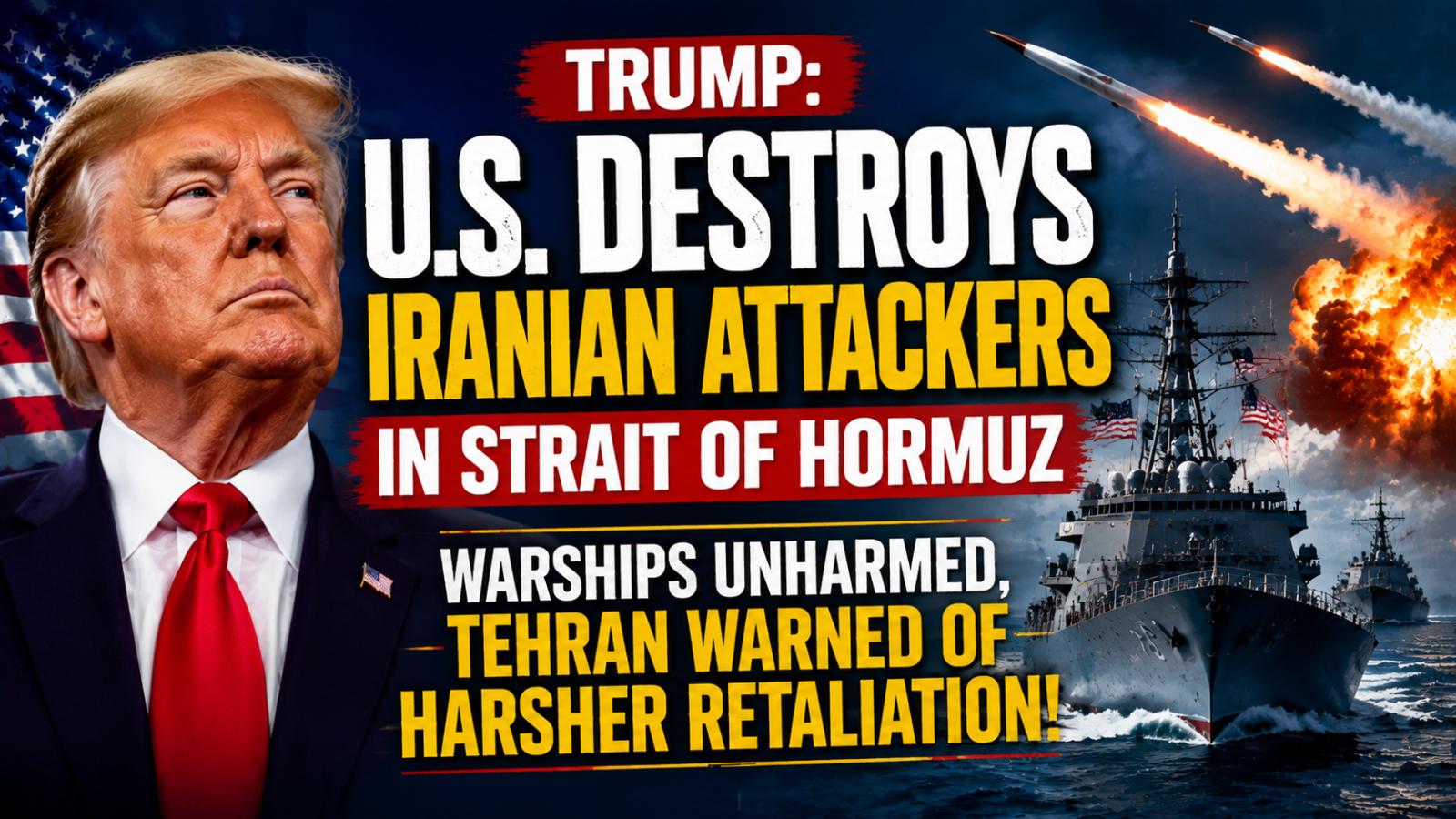
On May 7, President Donald Trump claimed that U.S. forces successfully destroyed Iranian attackers targeting three U.S. Navy destroyers as they transited the Strait of Hormuz. Trump, in a post on Truth Social, reported that the American destroyers were under fire but sustained no damage. He further stated that the Iranian attackers, along with several small boats used by the attackers, were completely destroyed. According to Trump, Iranian missiles fired at the U.S. destroyers were easi
On May 7, President Donald Trump claimed that U.S. forces successfully destroyed Iranian attackers targeting three U.S. Navy destroyers as they transited the Strait of Hormuz. Trump, in a post on Truth Social, reported that the American destroyers were under fire but sustained no damage. He further stated that the Iranian attackers, along with several small boats used by the attackers, were completely destroyed. According to Trump, Iranian missiles fired at the U.S. destroyers were easi
In a dramatic escalation of tensions in the Middle East, Iran's central military command has accused the United States of violating a ceasefire agreement by launching attacks on vessels in the Strait of Hormuz. According to a statement from the Khatam Al Anbiya headquarters, Iranian forces retaliated by targeting U.S. military ships. The statement, broadcasted on Iranian state television, claimed that the U.S. had attacked an Iranian oil tanker traveling from Iran's Jask region toward t
In a dramatic escalation of tensions in the Middle East, Iran's central military command has accused the United States of violating a ceasefire agreement by launching attacks on vessels in the Strait of Hormuz. According to a statement from the Khatam Al Anbiya headquarters, Iranian forces retaliated by targeting U.S. military ships. The statement, broadcasted on Iranian state television, claimed that the U.S. had attacked an Iranian oil tanker traveling from Iran's Jask region toward t
Chinese Tanker Attack Near Strait of Hormuz Raises Global Oil Fears
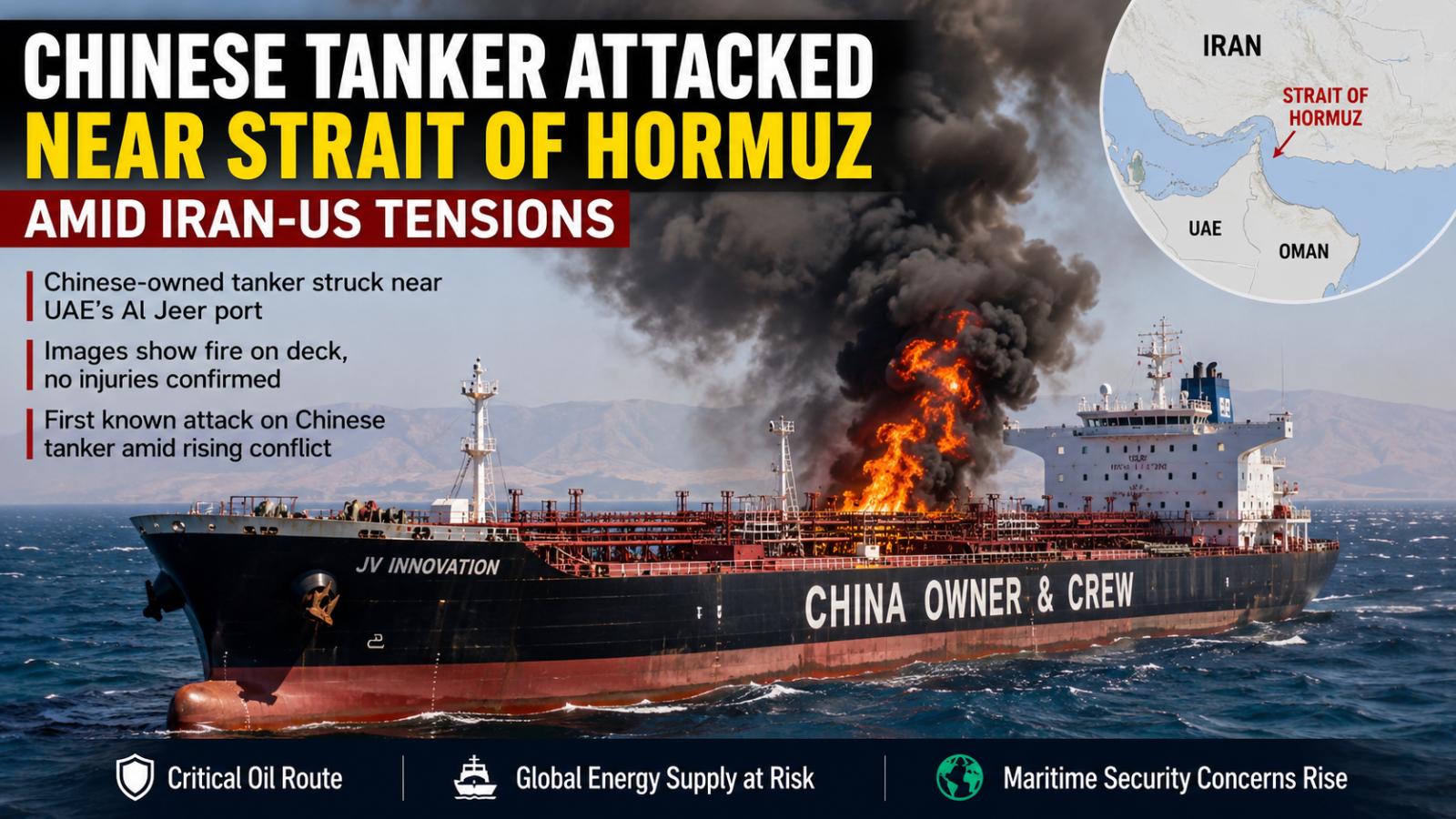
A Chinese-owned oil tanker was attacked near the Strait of Hormuz, intensifying fears over oil shipping safety as Iran-US tensions deepen across Gulf waters.
The vessel, identified in reports as JV Innovation, was reportedly hit off UAE’s Al Jeer port on May 4, with images showing flames on deck and markings reading “CHINA OWNER & CREW.”
Chinese Tanker Attack Near Strait of Hormuz Raises Global Oil Fears
A Chinese-owned oil tanker was attacked near the Strait of Hormuz, intensifying fears over oil shipping safety as Iran-US tensions deepen across Gulf waters.
The vessel, identified in reports as JV Innovation, was reportedly hit off UAE’s Al Jeer port on May 4, with images showing flames on deck and markings reading “CHINA OWNER & CREW.”
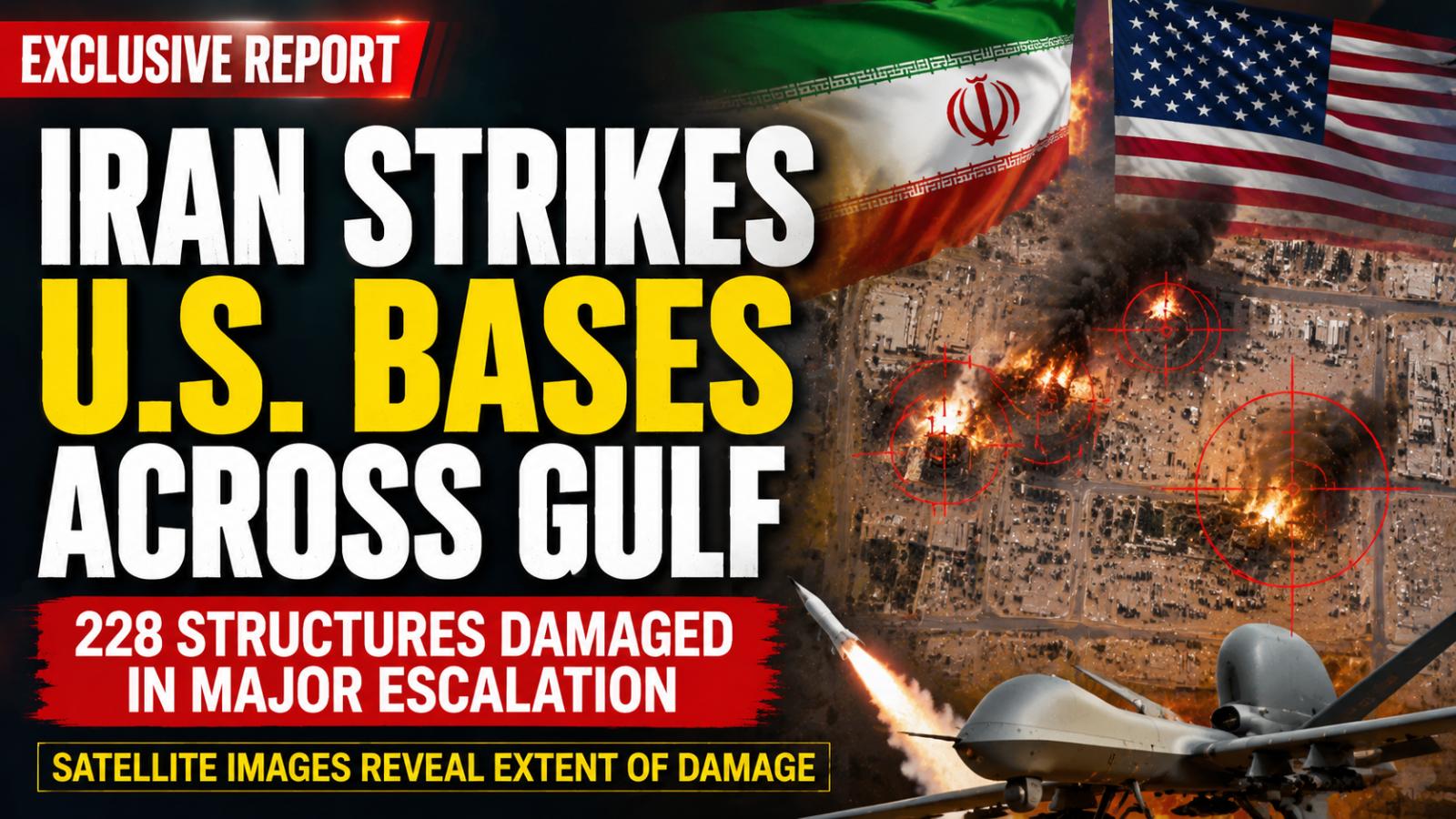
The Washington Post has reported, based on satellite imagery analysis, that Iranian airstrikes have severely damaged or destroyed at least 228 structures and pieces of equipment at U.S. military sites across the Gulf region since the conflict began on February 28. This number far exceeds the figures acknowledged by the U.S. government. The strikes affected 15 U.S. military sites in Kuwait, Bahrain, Qatar, Saudi Arabia, Jordan, and the UAE.
Satellite images from Iranian state-affiliated media, along with 109 images from the EU's Copernicus satellite system and commercial sources, provided evidence of the scale of the damage. The investigation uncovered damage to 217 structures and 11 pieces of equipment, including hangars, barracks, fuel depots, aircraft, radar systems, and air defense equipment. In total, seven U.S. service members were killed in attacks on regional bases, six in Kuwait and one in Saudi Arabia, while more than 400 troops were injured by late April. Of the injured, 12 sustained serious injuries.
More than half of the documented damage occurred at the U.S. 5th Fleet headquarters in Bahrain and major U.S. facilities in Kuwait. Iranian forces targeted critical infrastructure, including fuel bladders and Patriot missile defense systems at Ali al-Salem Air Base in Kuwait. Attacks also hit barracks, power infrastructure, and operational facilities at Camp Arifjan and Camp Buehring in Kuwait. Other U.S. sites, such as Al-Udeid Air Base in Qatar and naval facilities in Bahrain, saw significant damage to satellite communications infrastructure.
Iran’s airstrikes have demonstrated a higher degree of precision than expected. Mark Cancian of the Center for Strategic and International Studies noted that "there are no random craters indicating misses," suggesting that the attacks were highly targeted.
This precision has placed considerable strain on U.S.-made defense systems in the Gulf. Between February 28 and April 8, U.S. forces used at least 190 THAAD interceptors, nearly 53% of their pre-war inventory, and 1,060 Patriot interceptors, about 43% of their pre-war stock. Despite these efforts, U.S. air defenses have struggled to cope with modern drone warfare, where one-way attack drones are difficult to intercept yet highly accurate.
The strikes have forced U.S. commanders to relocate personnel from bases at risk, with some U.S. officials describing the damage at the Naval Support Activity Bahrain as “extensive.” Personnel from the site have been relocated to MacDill Air Force Base in Tampa, Florida. The U.S. Central Command declined to provide further counter-assessments, citing the need for a complete evaluation after the conflict ends.
This extensive damage underscores the ongoing challenges faced by U.S. forces in the Gulf and highlights the evolving nature of modern warfare.
The Washington Post has reported, based on satellite imagery analysis, that Iranian airstrikes have severely damaged or destroyed at least 228 structures and pieces of equipment at U.S. military sites across the Gulf region since the conflict began on February 28. This number far exceeds the figures acknowledged by the U.S. government. The strikes affected 15 U.S. military sites in Kuwait, Bahrain, Qatar, Saudi Arabia, Jordan, and the UAE.
Satellite images from Iranian state-affiliated media, along with 109 images from the EU's Copernicus satellite system and commercial sources, provided evidence of the scale of the damage. The investigation uncovered damage to 217 structures and 11 pieces of equipment, including hangars, barracks, fuel depots, aircraft, radar systems, and air defense equipment. In total, seven U.S. service members were killed in attacks on regional bases, six in Kuwait and one in Saudi Arabia, while more than 400 troops were injured by late April. Of the injured, 12 sustained serious injuries.
More than half of the documented damage occurred at the U.S. 5th Fleet headquarters in Bahrain and major U.S. facilities in Kuwait. Iranian forces targeted critical infrastructure, including fuel bladders and Patriot missile defense systems at Ali al-Salem Air Base in Kuwait. Attacks also hit barracks, power infrastructure, and operational facilities at Camp Arifjan and Camp Buehring in Kuwait. Other U.S. sites, such as Al-Udeid Air Base in Qatar and naval facilities in Bahrain, saw significant damage to satellite communications infrastructure.
Iran’s airstrikes have demonstrated a higher degree of precision than expected. Mark Cancian of the Center for Strategic and International Studies noted that "there are no random craters indicating misses," suggesting that the attacks were highly targeted.
This precision has placed considerable strain on U.S.-made defense systems in the Gulf. Between February 28 and April 8, U.S. forces used at least 190 THAAD interceptors, nearly 53% of their pre-war inventory, and 1,060 Patriot interceptors, about 43% of their pre-war stock. Despite these efforts, U.S. air defenses have struggled to cope with modern drone warfare, where one-way attack drones are difficult to intercept yet highly accurate.
The strikes have forced U.S. commanders to relocate personnel from bases at risk, with some U.S. officials describing the damage at the Naval Support Activity Bahrain as “extensive.” Personnel from the site have been relocated to MacDill Air Force Base in Tampa, Florida. The U.S. Central Command declined to provide further counter-assessments, citing the need for a complete evaluation after the conflict ends.
This extensive damage underscores the ongoing challenges faced by U.S. forces in the Gulf and highlights the evolving nature of modern warfare.
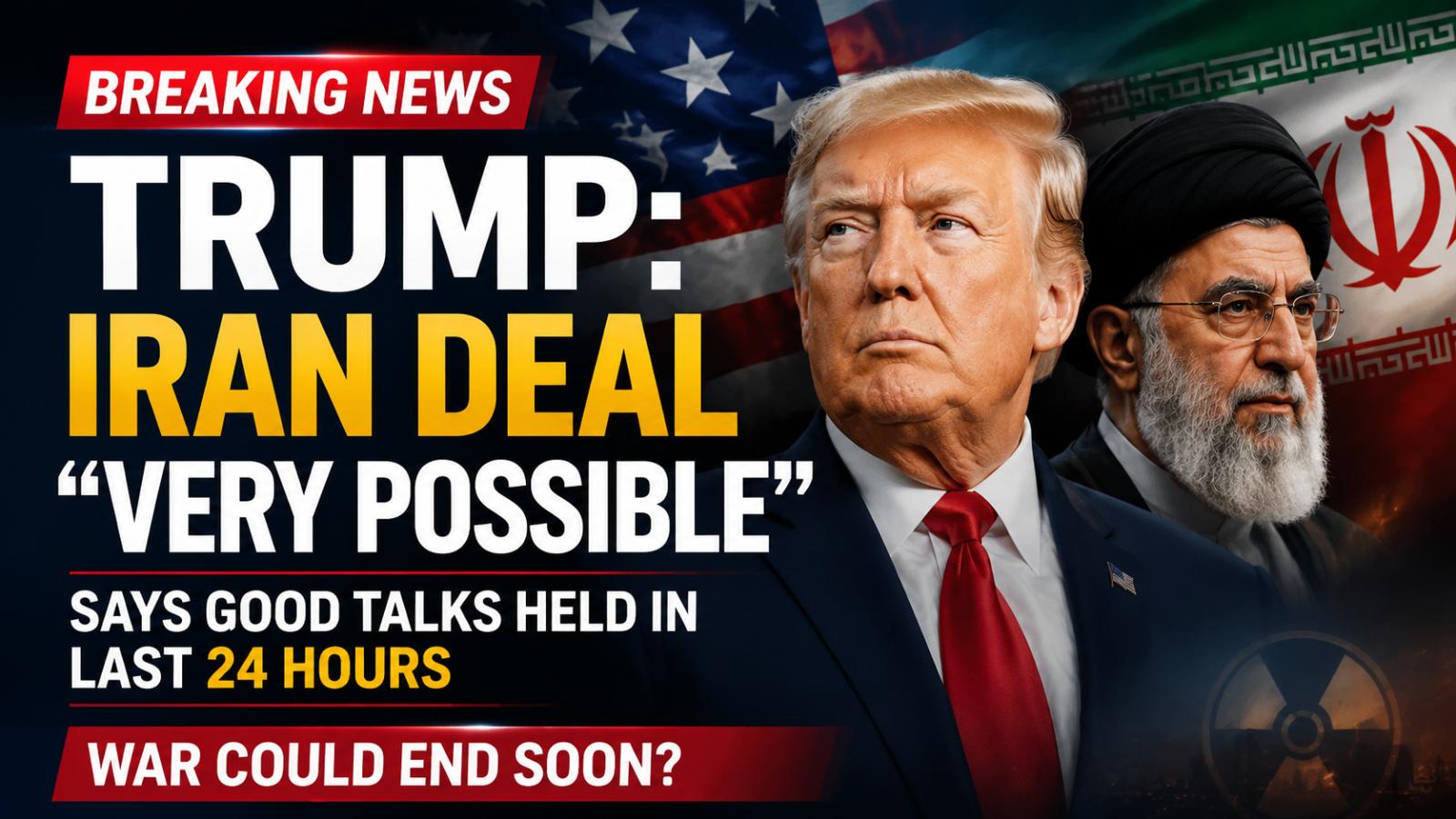
President Donald Trump stated on May 6 that he has been involved in "good talks" with Iran over the past 24 hours and suggested that a deal to end the ongoing war between the two countries is "very possible." Trump emphasized that the discussions centered on Iran's nuclear program, which remains a critical point of concern for the United States. The president stated, “Iran cannot have a nuclear weapon, and they won’t.” He added that this is a point the Iranian government has already agreed to, alongside other key terms.
Trump's statements come after a recent warning to Iran that the United States would escalate its military action if a deal is not reached. "If they don’t agree, the bombing starts, and it will be, sadly, at a much higher level and intensity than it was before,” Trump wrote in a post on Truth Social on May 6. This aggressive stance reflects the president’s resolve to prevent Iran from advancing its nuclear capabilities.
In the wake of these talks, Israeli political officials have indicated that there are signs of progress in negotiations between Trump and Iranian Foreign Minister Abbas Araghchi. According to sources, Israel sees this as an opportunity for diplomatic progress. However, the Israeli officials also warned that internal divisions within Iran’s leadership could potentially jeopardize the long-term stability of any agreement.
As of now, the future of US-Iran relations remains uncertain, but Trump’s recent comments suggest that both sides are exploring avenues for negotiation. If a deal is reached, it could have significant implications for regional stability, particularly regarding the security of the Strait of Hormuz. This strategic waterway has long been a focal point of tensions in the Middle East due to its role in global oil shipments. The president’s assurance that the Hormuz Strait would be “OPEN TO ALL, including Iran” if an agreement is reached suggests that economic and geopolitical interests are also being considered alongside security concerns.
While the talks between Trump and Iran hold promise, the situation remains volatile. Both the US and Iranian governments face internal and external pressures that could complicate efforts to reach a lasting peace agreement. With the threat of military action still on the table, the world watches closely as the two nations navigate these delicate negotiations.
President Donald Trump stated on May 6 that he has been involved in "good talks" with Iran over the past 24 hours and suggested that a deal to end the ongoing war between the two countries is "very possible." Trump emphasized that the discussions centered on Iran's nuclear program, which remains a critical point of concern for the United States. The president stated, “Iran cannot have a nuclear weapon, and they won’t.” He added that this is a point the Iranian government has already agreed to, alongside other key terms.
Trump's statements come after a recent warning to Iran that the United States would escalate its military action if a deal is not reached. "If they don’t agree, the bombing starts, and it will be, sadly, at a much higher level and intensity than it was before,” Trump wrote in a post on Truth Social on May 6. This aggressive stance reflects the president’s resolve to prevent Iran from advancing its nuclear capabilities.
In the wake of these talks, Israeli political officials have indicated that there are signs of progress in negotiations between Trump and Iranian Foreign Minister Abbas Araghchi. According to sources, Israel sees this as an opportunity for diplomatic progress. However, the Israeli officials also warned that internal divisions within Iran’s leadership could potentially jeopardize the long-term stability of any agreement.
As of now, the future of US-Iran relations remains uncertain, but Trump’s recent comments suggest that both sides are exploring avenues for negotiation. If a deal is reached, it could have significant implications for regional stability, particularly regarding the security of the Strait of Hormuz. This strategic waterway has long been a focal point of tensions in the Middle East due to its role in global oil shipments. The president’s assurance that the Hormuz Strait would be “OPEN TO ALL, including Iran” if an agreement is reached suggests that economic and geopolitical interests are also being considered alongside security concerns.
While the talks between Trump and Iran hold promise, the situation remains volatile. Both the US and Iranian governments face internal and external pressures that could complicate efforts to reach a lasting peace agreement. With the threat of military action still on the table, the world watches closely as the two nations navigate these delicate negotiations.
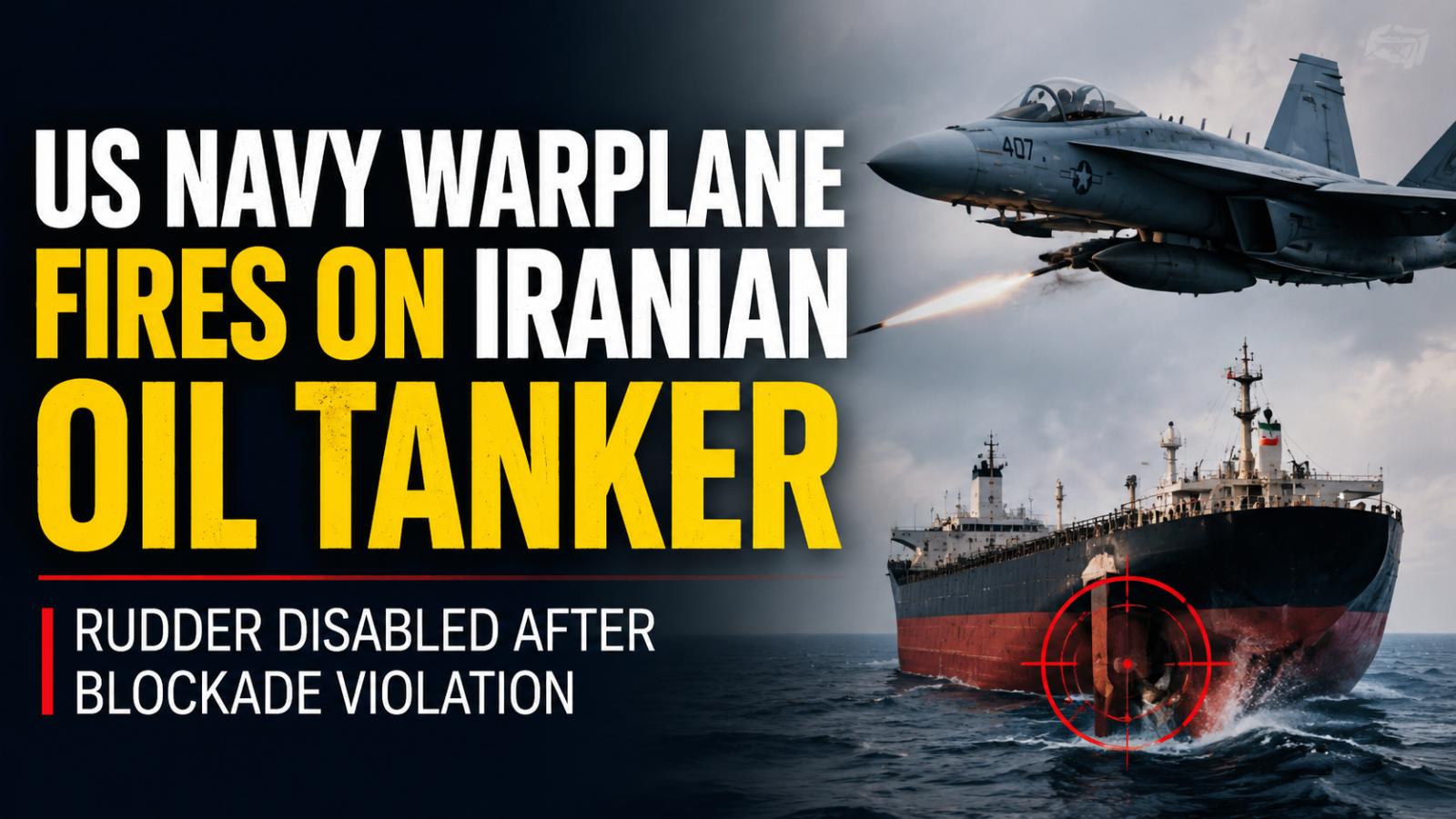
On May 6, the US military announced that a US Navy warplane disabled an Iranian oil tanker after it attempted to breach Washington’s blockade on Iranian ports. This marks the second time US forces have fired on a vessel accused of violating the blockade, which has been in place since April 13. The Iranian-flagged vessel, M/T Hasna, was reportedly not carrying any cargo when it was warned by US forces. When the crew failed to respond, a US F/A-18 Super Hornet opened fire, disabling the tanke
On May 6, the US military announced that a US Navy warplane disabled an Iranian oil tanker after it attempted to breach Washington’s blockade on Iranian ports. This marks the second time US forces have fired on a vessel accused of violating the blockade, which has been in place since April 13. The Iranian-flagged vessel, M/T Hasna, was reportedly not carrying any cargo when it was warned by US forces. When the crew failed to respond, a US F/A-18 Super Hornet opened fire, disabling the tanke
Pentagon Rejects Iran Dolphin Weapon Claims
The Pentagon has dismissed claims that Iran is training explosive dolphins, confirming there is no credible evidence of such a program. Officials addressed the rumors as tensions in the Strait of Hormuz continue to escalate.
Speaking on May 6, 2026, U.S. Defense Secretary Pete Hegseth said reports of “kamikaze dolphins” are unfounded. “Iran does not have such capabilities,” he stated, r
Pentagon Rejects Iran Dolphin Weapon Claims
The Pentagon has dismissed claims that Iran is training explosive dolphins, confirming there is no credible evidence of such a program. Officials addressed the rumors as tensions in the Strait of Hormuz continue to escalate.
Speaking on May 6, 2026, U.S. Defense Secretary Pete Hegseth said reports of “kamikaze dolphins” are unfounded. “Iran does not have such capabilities,” he stated, r
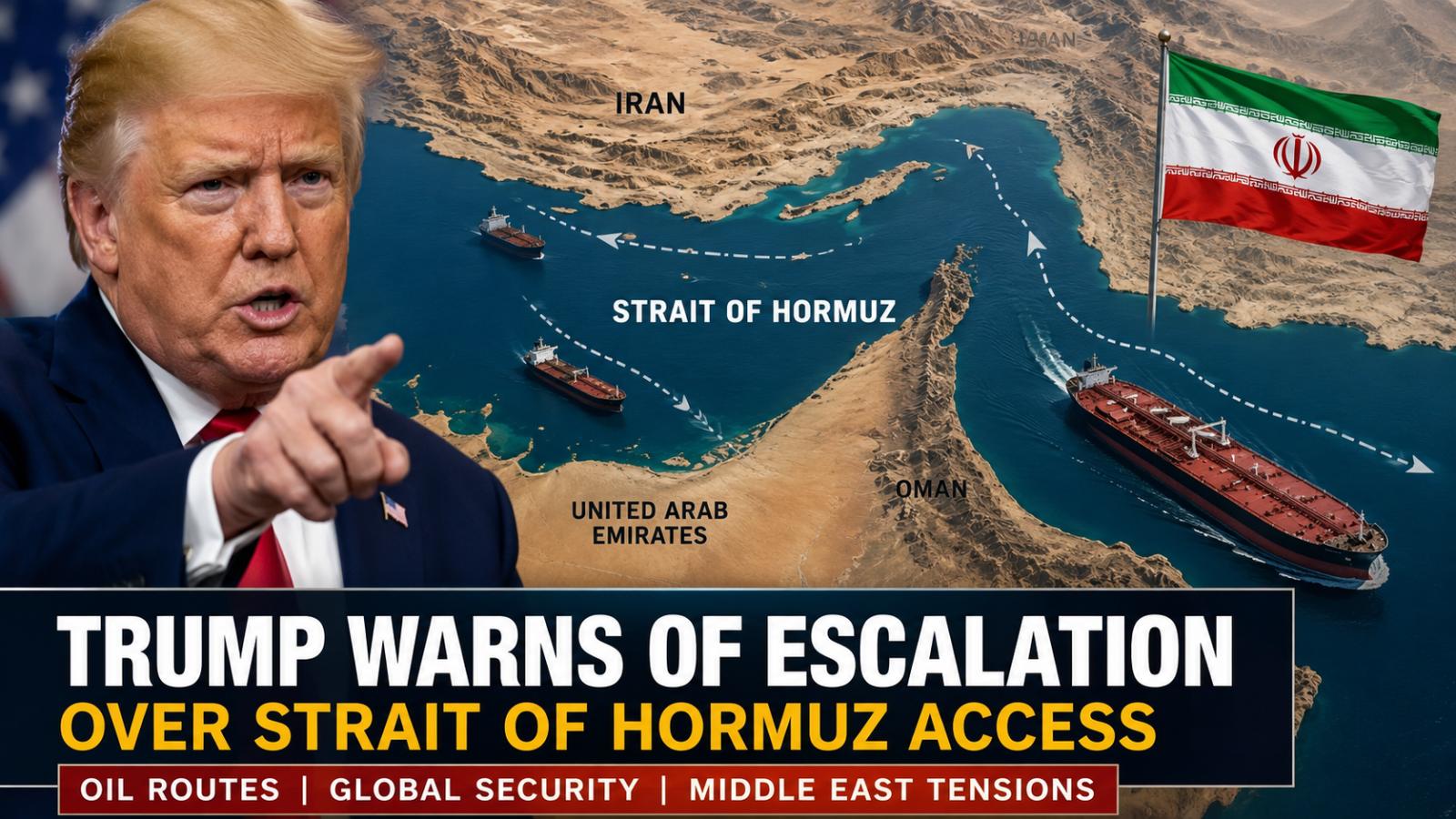
U.S. President Donald Trump on Wednesday warned Iran that any move to restrict access to the Strait of Hormuz could trigger a stronger U.S. military response, according to a statement posted on Truth Social. Trump said tensions could ease if Tehran ensures open maritime access for all nations, describing it as a condition previously understood between the sides.
He added that failure to comply would lead to “significantly intensified” action, signaling a potential shift toward a more aggressive U.S. stance in the region. The Strait of Hormuz is one of the world’s most critical oil transit routes, carrying a large share of global crude shipments. Any disruption could affect energy markets and international shipping security.
Trump’s remarks come amid ongoing uncertainty in the Middle East, where regional rivalries and strategic interests continue to drive tensions. No immediate response from Iranian officials was reported. Analysts say heightened rhetoric around the waterway often fuels volatility in oil prices and raises the risk of military escalation in the Gulf.
U.S. President Donald Trump on Wednesday warned Iran that any move to restrict access to the Strait of Hormuz could trigger a stronger U.S. military response, according to a statement posted on Truth Social. Trump said tensions could ease if Tehran ensures open maritime access for all nations, describing it as a condition previously understood between the sides.
He added that failure to comply would lead to “significantly intensified” action, signaling a potential shift toward a more aggressive U.S. stance in the region. The Strait of Hormuz is one of the world’s most critical oil transit routes, carrying a large share of global crude shipments. Any disruption could affect energy markets and international shipping security.
Trump’s remarks come amid ongoing uncertainty in the Middle East, where regional rivalries and strategic interests continue to drive tensions. No immediate response from Iranian officials was reported. Analysts say heightened rhetoric around the waterway often fuels volatility in oil prices and raises the risk of military escalation in the Gulf.
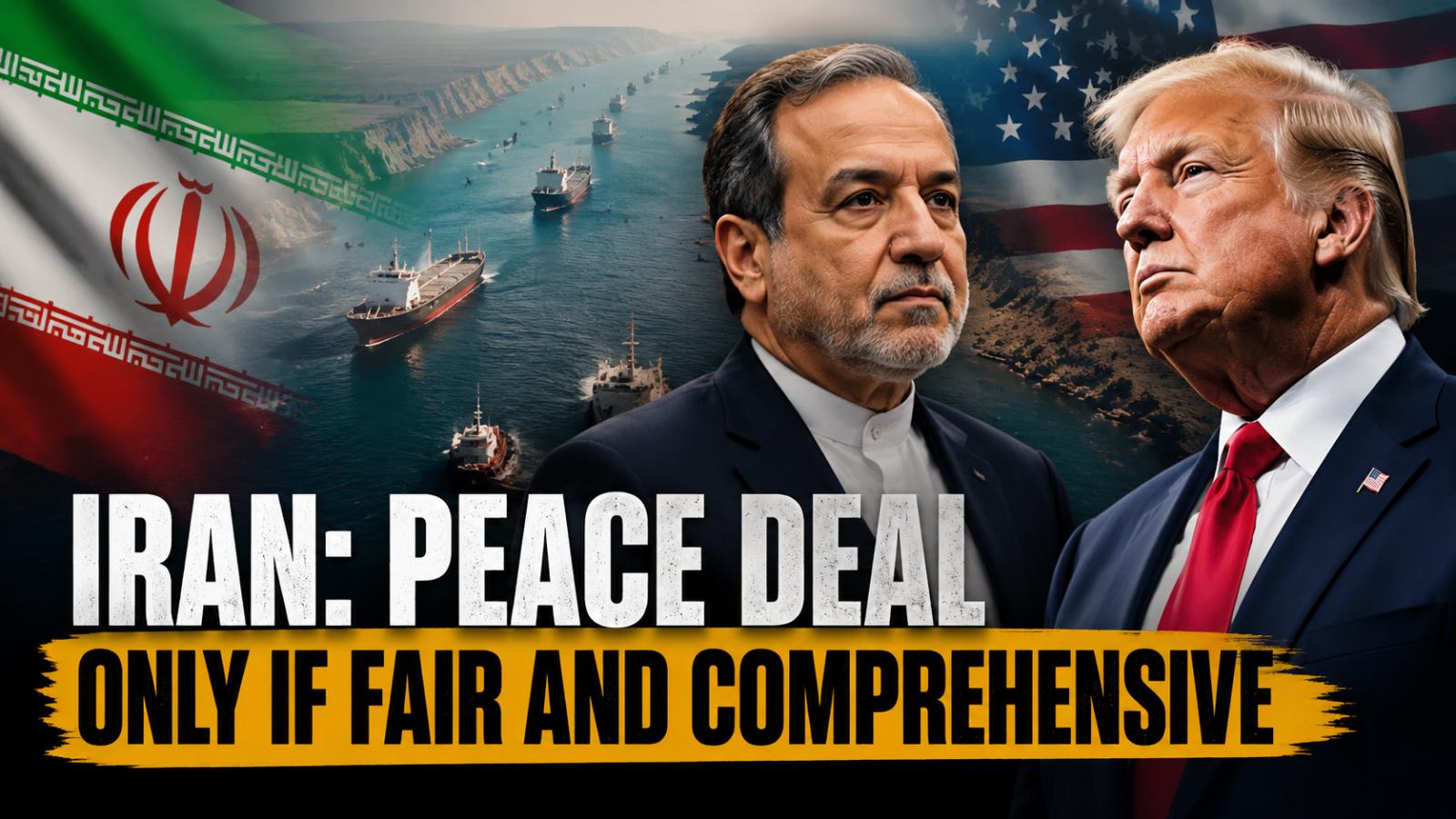
On Wednesday, May 6, Iran made it clear that it would only accept a peace deal with the United States if the agreement is "fair and comprehensive." This statement follows a recent pause in the U.S. naval operation, 'Project Freedom,' which was aimed at reopening the crucial Strait of Hormuz. The operation, which began just days earlier, failed to restore marine traffic through the vital waterway. Iran's response, however, has been one of defiance, with the country carrying out new strikes on
On Wednesday, May 6, Iran made it clear that it would only accept a peace deal with the United States if the agreement is "fair and comprehensive." This statement follows a recent pause in the U.S. naval operation, 'Project Freedom,' which was aimed at reopening the crucial Strait of Hormuz. The operation, which began just days earlier, failed to restore marine traffic through the vital waterway. Iran's response, however, has been one of defiance, with the country carrying out new strikes on
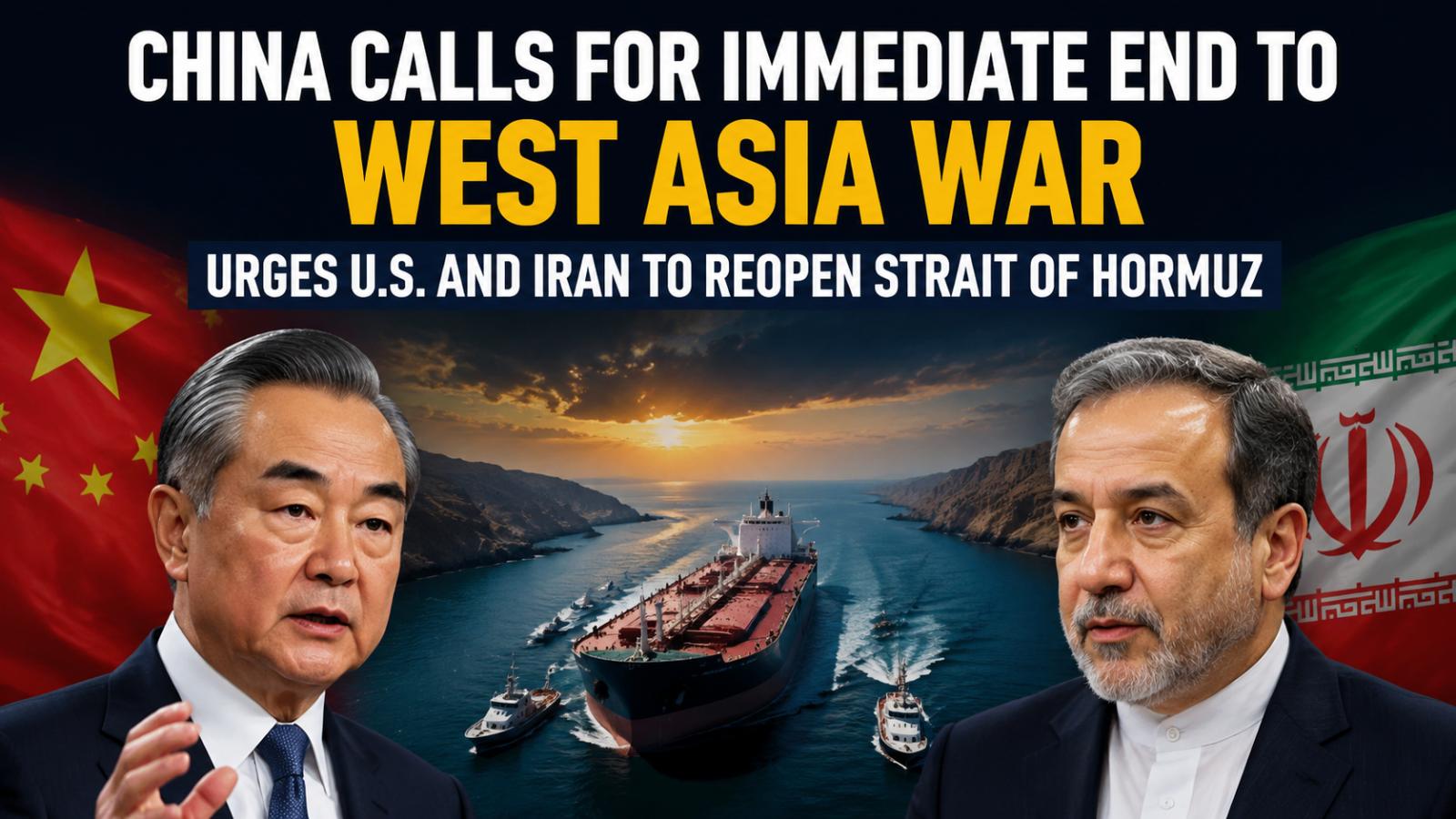
Chinese Foreign Minister Wang Yi has called for an immediate and complete end to the ongoing conflict in West Asia. During a high-level meeting with Iran’s Foreign Minister Seyed Abbas Araghchi in Beijing, Wang stressed the importance of achieving a comprehensive ceasefire without any delay. He also urged both the United States and Iran to reopen the Strait of Hormuz "as soon as possible" to help stabilize global energy markets, which have been severely impacted by the conflict.
A
Chinese Foreign Minister Wang Yi has called for an immediate and complete end to the ongoing conflict in West Asia. During a high-level meeting with Iran’s Foreign Minister Seyed Abbas Araghchi in Beijing, Wang stressed the importance of achieving a comprehensive ceasefire without any delay. He also urged both the United States and Iran to reopen the Strait of Hormuz "as soon as possible" to help stabilize global energy markets, which have been severely impacted by the conflict.
A
Iran Tightens Control Over Strait of Hormuz Shipping
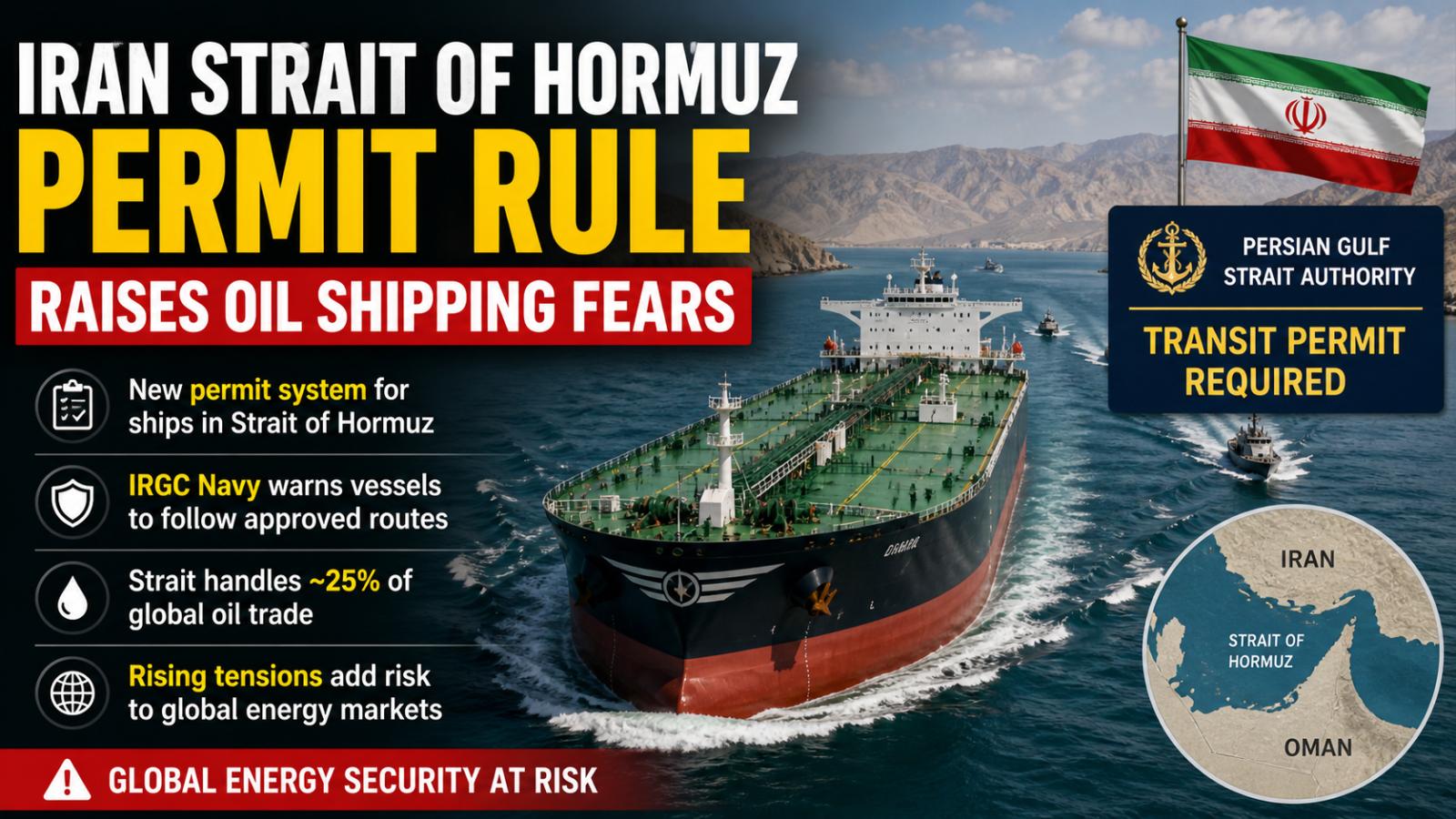
Iran has introduced a new Strait of Hormuz permit system, requiring ships to follow official transit instructions before entering one of the world’s most vital oil routes. The move raises fresh concerns for global energy markets, as the Strait of Hormuz carries a major share of seaborne oil trade and remains a flashpoint in rising US-Iran tensions.
What Iran’s New Permit Rule Means
Iran Tightens Control Over Strait of Hormuz Shipping
Iran has introduced a new Strait of Hormuz permit system, requiring ships to follow official transit instructions before entering one of the world’s most vital oil routes. The move raises fresh concerns for global energy markets, as the Strait of Hormuz carries a major share of seaborne oil trade and remains a flashpoint in rising US-Iran tensions.
What Iran’s New Permit Rule Means
Trump Iran Conflict Deepens After Oval Office Remarks
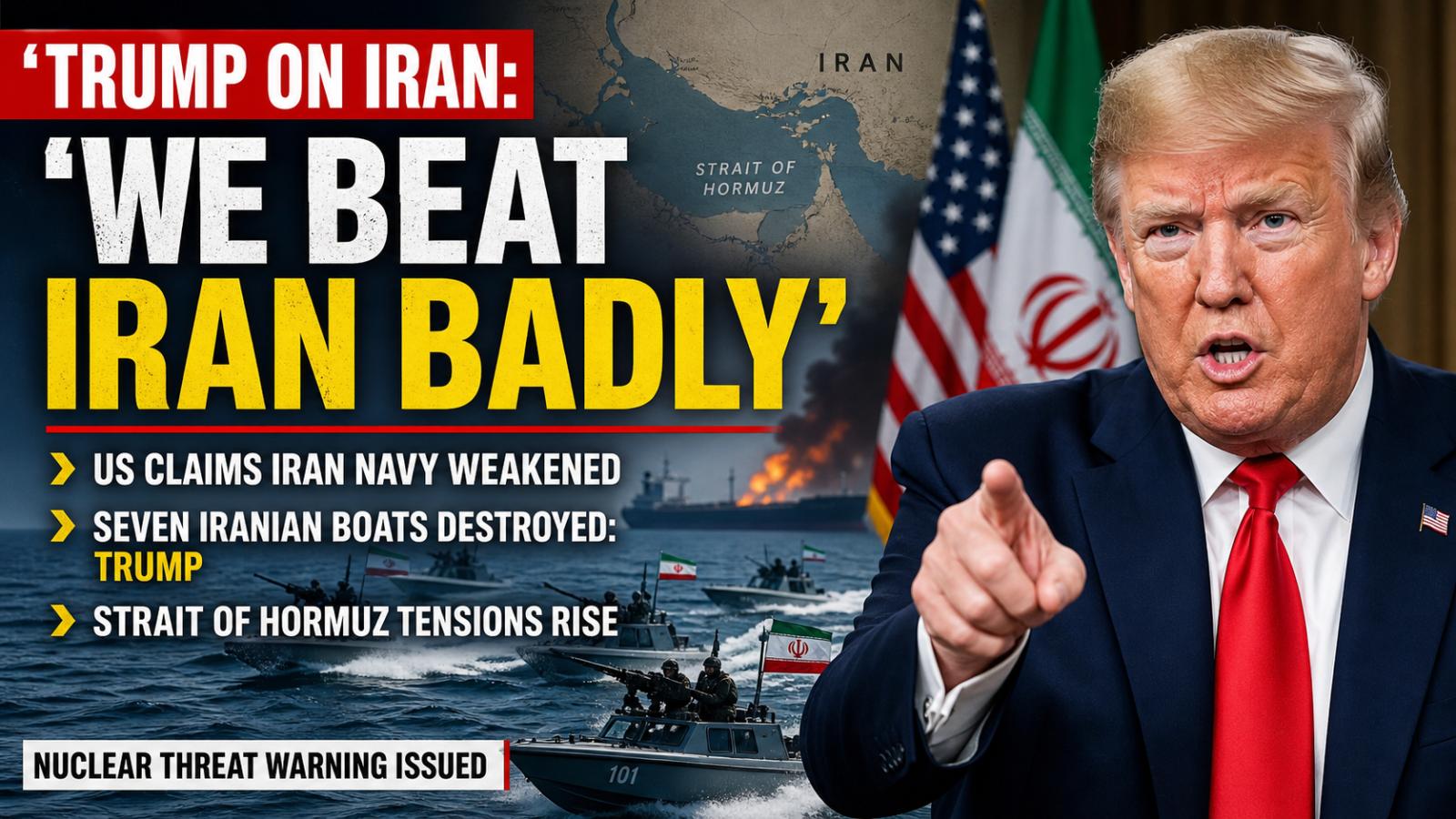
Donald Trump said the United States has “beaten Iran badly,” claiming U.S. military action weakened Iran’s navy and reduced the risk of Tehran developing a nuclear weapon. Speaking from the Oval Office, Trump described the confrontation as a “skirmish,” but his remarks added fresh urgency to rising U.S.-Iran tensions in the Gulf region.
US Claims Iran Navy Severely Weakened
Trump Iran Conflict Deepens After Oval Office Remarks
Donald Trump said the United States has “beaten Iran badly,” claiming U.S. military action weakened Iran’s navy and reduced the risk of Tehran developing a nuclear weapon. Speaking from the Oval Office, Trump described the confrontation as a “skirmish,” but his remarks added fresh urgency to rising U.S.-Iran tensions in the Gulf region.
US Claims Iran Navy Severely Weakened