UN meeting turns tense over Gaza report allegations dispute
A United Nations discussion intended to review conflict-related sexual violence and child protection issues turned sharply contentious in New York, as disagreements over a Gaza-focused report escalated between Israel’s delegation and senior UN officials. What began as a policy review quickly shifted into a direct diplomatic exchange over credibility, methodology, and political framing of the findings. Dispute over credibility of conflict data The tension intensified when Israel’s representative, Danny Danon, challenged the validity of a UN monitoring report that documented violations affecting children in multiple conflict zones, including Gaza. He argued that the findings reflected institutional bias and selective interpretation of incidents involving Israeli forces and related actors. His remarks prompted immediate pushback from UN officials present in the session. Sharp exchange between diplomats and UN officials UN representative Vanessa Frazier responded by rejecting the criticism of the report’s integrity, stressing that the data was compiled through established verification mechanisms used in conflict monitoring worldwide. She objected to what she described as personal accusations directed at UN personnel, which further escalated the exchange. The discussion momentarily lost procedural focus as both sides defended their positions more forcefully. Findings highlight scale of child impact in conflict zones The report at the center of the debate outlined thousands of grave violations affecting children across active conflict regions during the year. It attributed a significant portion of documented incidents to multiple parties operating in high-intensity zones, while also calling attention to the broader deterioration of child safety in war-affected areas. UN Secretary-General António Guterres has previously expressed concern over rising figures and warned that persistent patterns of violations could trigger stronger international accountability measures. Broader diplomatic divide over accountability frameworks The confrontation reflects a continuing divide between Israel and United Nations institutions regarding how conflict data is collected, interpreted, and publicly presented. Israel has consistently rejected allegations of bias in UN reporting, while UN bodies maintain that standardized monitoring systems are essential for documenting humanitarian conditions in active war zones. The latest exchange underscores how reporting on civilian harm has become a recurring point of friction in international diplomacy, particularly in relation to Gaza.
UN meeting turns tense over Gaza report allegations dispute
A United Nations discussion intended to review conflict-related sexual violence and child protection issues turned sharply contentious in New York, as disagreements over a Gaza-focused report escalated between Israel’s delegation and senior UN officials. What began as a policy review quickly shifted into a direct diplomatic exchange over credibility, methodology, and political framing of the findings. Dispute over credibility of conflict data The tension intensified when Israel’s representative, Danny Danon, challenged the validity of a UN monitoring report that documented violations affecting children in multiple conflict zones, including Gaza. He argued that the findings reflected institutional bias and selective interpretation of incidents involving Israeli forces and related actors. His remarks prompted immediate pushback from UN officials present in the session. Sharp exchange between diplomats and UN officials UN representative Vanessa Frazier responded by rejecting the criticism of the report’s integrity, stressing that the data was compiled through established verification mechanisms used in conflict monitoring worldwide. She objected to what she described as personal accusations directed at UN personnel, which further escalated the exchange. The discussion momentarily lost procedural focus as both sides defended their positions more forcefully. Findings highlight scale of child impact in conflict zones The report at the center of the debate outlined thousands of grave violations affecting children across active conflict regions during the year. It attributed a significant portion of documented incidents to multiple parties operating in high-intensity zones, while also calling attention to the broader deterioration of child safety in war-affected areas. UN Secretary-General António Guterres has previously expressed concern over rising figures and warned that persistent patterns of violations could trigger stronger international accountability measures. Broader diplomatic divide over accountability frameworks The confrontation reflects a continuing divide between Israel and United Nations institutions regarding how conflict data is collected, interpreted, and publicly presented. Israel has consistently rejected allegations of bias in UN reporting, while UN bodies maintain that standardized monitoring systems are essential for documenting humanitarian conditions in active war zones. The latest exchange underscores how reporting on civilian harm has become a recurring point of friction in international diplomacy, particularly in relation to Gaza.
Us Iran diplomatic framework signed at Versailles sparks debate
A high-level diplomatic engagement involving the United States and Iran, held in Versailles, has triggered widespread discussion across international policy circles. The meeting, attended by senior representatives including Donald Trump and Emmanuel Macron, focused on a proposed framework addressing Iran’s nuclear activities, sanctions policy, and regional stability concerns. Rather than being presented as a finalized agreement, officials described the discussions as an early-stag
Us Iran diplomatic framework signed at Versailles sparks debate
A high-level diplomatic engagement involving the United States and Iran, held in Versailles, has triggered widespread discussion across international policy circles. The meeting, attended by senior representatives including Donald Trump and Emmanuel Macron, focused on a proposed framework addressing Iran’s nuclear activities, sanctions policy, and regional stability concerns. Rather than being presented as a finalized agreement, officials described the discussions as an early-stag
US lifts Iran naval blockade after MoU deal
US ends maritime restrictions on Iranian ports The US military lifted its naval blockade on Iranian ports on Thursday, June 19, ending more than two months of restrictions on vessels travelling to and from the Islamic Republic. The move followed the signing of a Memorandum of Understanding between US President Donald Trump and Iranian President Masoud Pezeshkian, marking a major shift in maritime activity around the Gulf region.
US lifts Iran naval blockade after MoU deal
US ends maritime restrictions on Iranian ports The US military lifted its naval blockade on Iranian ports on Thursday, June 19, ending more than two months of restrictions on vessels travelling to and from the Islamic Republic. The move followed the signing of a Memorandum of Understanding between US President Donald Trump and Iranian President Masoud Pezeshkian, marking a major shift in maritime activity around the Gulf region.
US VP Vance tells Israel to “wake up” amid Iran agreement disputes
US VP Vance Confronts Israeli Critics on Iran Deal US Vice President JD Vance delivered a sharp warning to Israeli cabinet ministers on Thursday, June 18,2026 regarding their public criticisms of the US-Iran agreement. Speaking at a White House briefing, Vance underscored that the United States remains Israel’s primary ally and cautioned that attacking Washington could undermine national interests. Alleged Misreading of US Support Vance em
US VP Vance tells Israel to “wake up” amid Iran agreement disputes
US VP Vance Confronts Israeli Critics on Iran Deal US Vice President JD Vance delivered a sharp warning to Israeli cabinet ministers on Thursday, June 18,2026 regarding their public criticisms of the US-Iran agreement. Speaking at a White House briefing, Vance underscored that the United States remains Israel’s primary ally and cautioned that attacking Washington could undermine national interests. Alleged Misreading of US Support Vance em
G7 summit backs Ukraine, supports US–Iran deal and global AI rules
G7 Summit Focuses on Global Security and Economic Stability The three-day G7 summit in Évian, France brought together world leaders to address key global challenges including the Ukraine war, the US–Iran agreement, artificial intelligence governance, migration pressures, and economic stability. The meeting took place amid ongoing geopolitical tensions, particularly in West Asia, where differing views amo
G7 summit backs Ukraine, supports US–Iran deal and global AI rules
G7 Summit Focuses on Global Security and Economic Stability The three-day G7 summit in Évian, France brought together world leaders to address key global challenges including the Ukraine war, the US–Iran agreement, artificial intelligence governance, migration pressures, and economic stability. The meeting took place amid ongoing geopolitical tensions, particularly in West Asia, where differing views amo
Oil prices fall after US-Iran deal eases Hormuz tensions
Oil Markets Fall After US-Iran Interim Agreement Global oil prices slipped in early trading on Thursday,June 18,2026 following the announcement of an interim agreement between the United States and Iran aimed at ending the conflict in the Middle East. The development has eased immediate concerns over supply disruptions through one of the world’s most critical energy corridors, the Strait of Hormuz.
Oil prices fall after US-Iran deal eases Hormuz tensions
Oil Markets Fall After US-Iran Interim Agreement Global oil prices slipped in early trading on Thursday,June 18,2026 following the announcement of an interim agreement between the United States and Iran aimed at ending the conflict in the Middle East. The development has eased immediate concerns over supply disruptions through one of the world’s most critical energy corridors, the Strait of Hormuz.
Trump-Pezeshkian MoU ends conflict with Hormuz reopening plan
US-Iran Memorandum Sets Framework to End Conflict A new US-Iran memorandum of understanding aimed at ending the Middle East conflict will lead to the immediate reopening of the Strait of Hormuz and the lifting of the US blockade on Iranian ports, according to Pakistan Prime Minister Shehbaz Sharif. The announcement was made in a post on social media, where he confirmed that the agreement had entered into force with immediate effect. Sharif Says Agreement Signed at Highest Level Sharif stated that the memorandum was signed by the presidents of both the United States and Iran and formally endorsed through mediation efforts led by Pakistan. He described the development as a significant diplomatic breakthrough, emphasizing that both sides had committed to resolving tensions through negotiation rather than continued military confrontation. According to Sharif, the agreement outlines immediate steps that include reopening critical maritime routes and easing restrictions on Iranian shipping access. He added that the signing reflects a mutual intent to stabilize regional security and restore trade flows through key waterways. Role of Mediation and International Support The Pakistani prime minister also highlighted the role of mediators and international stakeholders involved in facilitating the agreement. He thanked officials from both negotiating teams, noting contributions from US political figures as well as Iranian leadership representatives involved in the talks. Qatar is also expected to support follow-up diplomatic processes as implementation discussions progress. Sharif further confirmed that a formal ceremony is planned in Switzerland, where participating parties will mark the agreement and initiate technical-level discussions on its execution. The meeting is expected to focus on practical mechanisms for reopening maritime routes and ensuring compliance with the memorandum’s provisions. Strait of Hormuz Central to Agreement At the center of the agreement is the Strait of Hormuz, one of the world’s most strategic energy corridors. The memorandum reportedly includes provisions ensuring its immediate reopening, which would restore oil and commercial shipping movement across the Gulf region. The US is also expected to begin lifting its blockade on Iranian ports in line with the phased implementation of the deal. Diplomatic Phase of Conflict Resolution Begins Officials involved in the process described the agreement as the beginning of a broader diplomatic phase aimed at reducing tensions and preventing future escalation. The next stage will focus on technical implementation, verification measures, and continued dialogue between the two sides. While details of enforcement and long-term guarantees remain limited, the memorandum signals a shift from military confrontation toward structured negotiation, with regional and international actors playing a key role in maintaining stability.
Trump-Pezeshkian MoU ends conflict with Hormuz reopening plan
US-Iran Memorandum Sets Framework to End Conflict A new US-Iran memorandum of understanding aimed at ending the Middle East conflict will lead to the immediate reopening of the Strait of Hormuz and the lifting of the US blockade on Iranian ports, according to Pakistan Prime Minister Shehbaz Sharif. The announcement was made in a post on social media, where he confirmed that the agreement had entered into force with immediate effect. Sharif Says Agreement Signed at Highest Level Sharif stated that the memorandum was signed by the presidents of both the United States and Iran and formally endorsed through mediation efforts led by Pakistan. He described the development as a significant diplomatic breakthrough, emphasizing that both sides had committed to resolving tensions through negotiation rather than continued military confrontation. According to Sharif, the agreement outlines immediate steps that include reopening critical maritime routes and easing restrictions on Iranian shipping access. He added that the signing reflects a mutual intent to stabilize regional security and restore trade flows through key waterways. Role of Mediation and International Support The Pakistani prime minister also highlighted the role of mediators and international stakeholders involved in facilitating the agreement. He thanked officials from both negotiating teams, noting contributions from US political figures as well as Iranian leadership representatives involved in the talks. Qatar is also expected to support follow-up diplomatic processes as implementation discussions progress. Sharif further confirmed that a formal ceremony is planned in Switzerland, where participating parties will mark the agreement and initiate technical-level discussions on its execution. The meeting is expected to focus on practical mechanisms for reopening maritime routes and ensuring compliance with the memorandum’s provisions. Strait of Hormuz Central to Agreement At the center of the agreement is the Strait of Hormuz, one of the world’s most strategic energy corridors. The memorandum reportedly includes provisions ensuring its immediate reopening, which would restore oil and commercial shipping movement across the Gulf region. The US is also expected to begin lifting its blockade on Iranian ports in line with the phased implementation of the deal. Diplomatic Phase of Conflict Resolution Begins Officials involved in the process described the agreement as the beginning of a broader diplomatic phase aimed at reducing tensions and preventing future escalation. The next stage will focus on technical implementation, verification measures, and continued dialogue between the two sides. While details of enforcement and long-term guarantees remain limited, the memorandum signals a shift from military confrontation toward structured negotiation, with regional and international actors playing a key role in maintaining stability.
US-Iran sign deal to end conflict and restart Hormuz shipping route
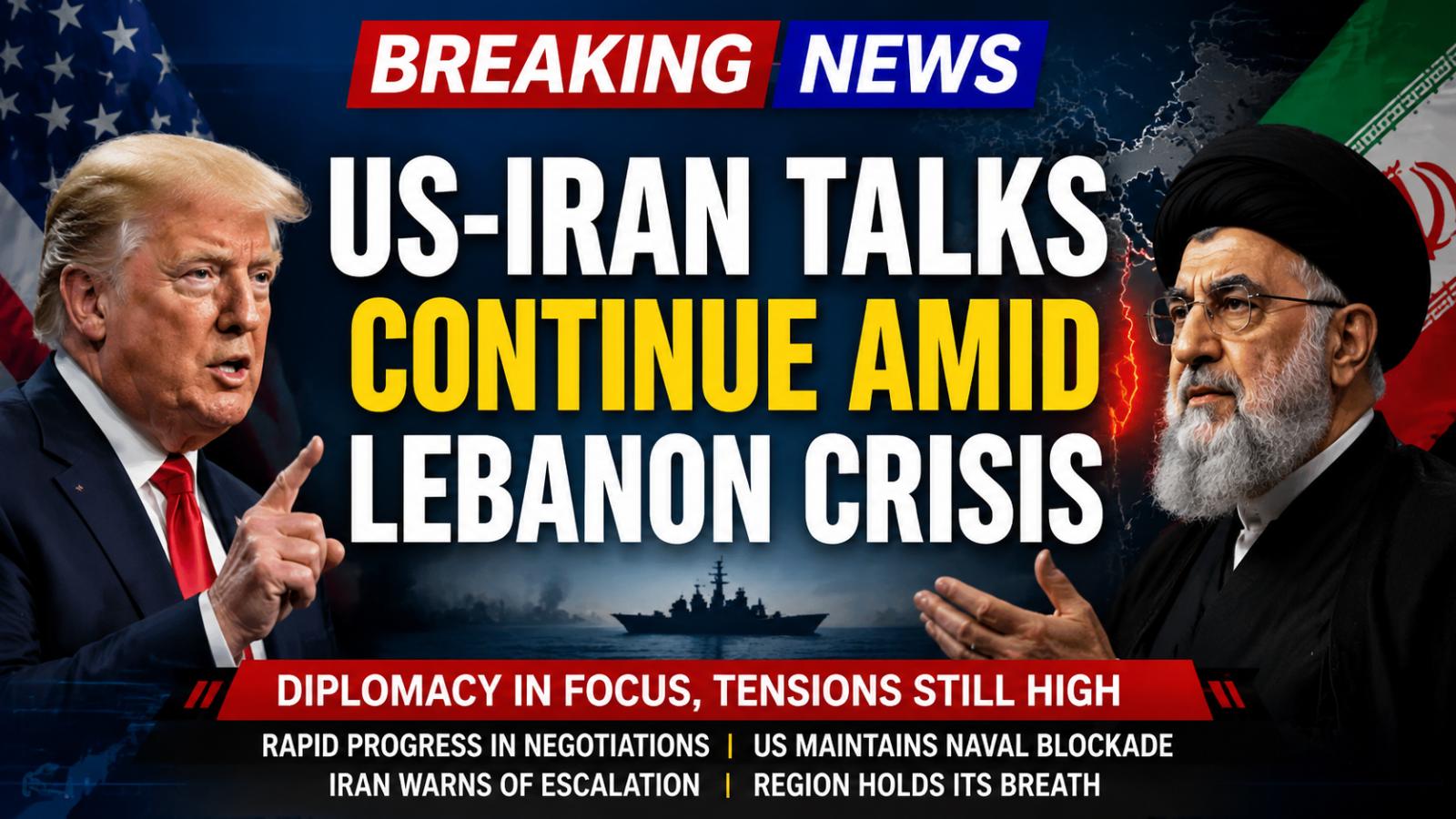
US-Iran Agreement Marks Shift Toward Diplomatic Resolution US President Donald Trump and Iranian President Masoud Pezeshkian have signed a memorandum of understanding aimed at ending months of conflict between Washington and Tehran. The agreement is designed to ease tensions across the Middle East and establish a structured pathway toward renewed diplomatic engagement between the two nations.

US-Iran sign deal to end conflict and restart Hormuz shipping route
US-Iran Agreement Marks Shift Toward Diplomatic Resolution US President Donald Trump and Iranian President Masoud Pezeshkian have signed a memorandum of understanding aimed at ending months of conflict between Washington and Tehran. The agreement is designed to ease tensions across the Middle East and establish a structured pathway toward renewed diplomatic engagement between the two nations.

Trump says US and Iran could sign agreement within 48 hours amid G7 talks
Trump Signals Imminent US–Iran Agreement US President Donald Trump has stated that Washington and Tehran could finalize and sign an agreement within the next 48 hours, signaling that negotiations aimed at ending nearly four months of conflict are approaching a critical conclusion. Speaking to reporters in Paris during the G7 summit in France, Trump said the deal could be signed “tomorrow, maybe the next
Trump says US and Iran could sign agreement within 48 hours amid G7 talks
Trump Signals Imminent US–Iran Agreement US President Donald Trump has stated that Washington and Tehran could finalize and sign an agreement within the next 48 hours, signaling that negotiations aimed at ending nearly four months of conflict are approaching a critical conclusion. Speaking to reporters in Paris during the G7 summit in France, Trump said the deal could be signed “tomorrow, maybe the next
Iran Signals New Strait of Hormuz Fee After US Deal Dispute
Iran Reaffirms Post-Deal Position on Strait of Hormuz Iran has indicated that it will proceed with plans to impose charges on vessels passing through the Strait of Hormuz after the 60-day fee-free period outlined in its memorandum of understanding with the United States. The announcement comes amid growing uncertainty over the interpretation of the recently signed agreement aimed at stabilising maritime mov
Iran Signals New Strait of Hormuz Fee After US Deal Dispute
Iran Reaffirms Post-Deal Position on Strait of Hormuz Iran has indicated that it will proceed with plans to impose charges on vessels passing through the Strait of Hormuz after the 60-day fee-free period outlined in its memorandum of understanding with the United States. The announcement comes amid growing uncertainty over the interpretation of the recently signed agreement aimed at stabilising maritime mov
US intelligence says Iran may control Strait of Hormuz leverage after conflict
US Intelligence Flags Iran’s Strategic Leverage in Strait of Hormuz US intelligence agencies have assessed that Iran has gained significant leverage over the Strait of Hormuz following the recent conflict involving the United States and Israel, according to reports citing multiple sources. The assessment suggests that Tehran now holds the capability to disrupt or restrict movement through one of the world??
US intelligence says Iran may control Strait of Hormuz leverage after conflict
US Intelligence Flags Iran’s Strategic Leverage in Strait of Hormuz US intelligence agencies have assessed that Iran has gained significant leverage over the Strait of Hormuz following the recent conflict involving the United States and Israel, according to reports citing multiple sources. The assessment suggests that Tehran now holds the capability to disrupt or restrict movement through one of the world??
CIA raises concerns over Iran nuclear deal enforcement risks
US intelligence officials have reportedly raised fresh concerns over the durability of a recently discussed nuclear understanding with Iran, warning that the framework may not be strong enough to ensure long-term compliance. The assessment, attributed to CIA Director John Ratcliffe, suggests that while the agreement is designed to reduce immediate tensions, its enforcement structure could leave significant gaps in verification and oversight.
CIA raises concerns over Iran nuclear deal enforcement risks
US intelligence officials have reportedly raised fresh concerns over the durability of a recently discussed nuclear understanding with Iran, warning that the framework may not be strong enough to ensure long-term compliance. The assessment, attributed to CIA Director John Ratcliffe, suggests that while the agreement is designed to reduce immediate tensions, its enforcement structure could leave significant gaps in verification and oversight.
US Iran nuclear talks stall over uranium and inspections
Talks between the United States and Iran remain unsettled as both sides continue to disagree on how far uranium enrichment should be restricted and how compliance should be verified. Washington is pressing for tighter monitoring and clearer limits on enrichment activities, while Tehran insists that any restrictions must respect its sovereign control over its nuclear programme. The gap between both positions is preventing movement toward a structured agreement.
US Iran nuclear talks stall over uranium and inspections
Talks between the United States and Iran remain unsettled as both sides continue to disagree on how far uranium enrichment should be restricted and how compliance should be verified. Washington is pressing for tighter monitoring and clearer limits on enrichment activities, while Tehran insists that any restrictions must respect its sovereign control over its nuclear programme. The gap between both positions is preventing movement toward a structured agreement.
Israel to Keep Troops in Gaza, Lebanon and Syria
Netanyahu Defends Iran Campaign Israeli Prime Minister Benjamin Netanyahu said the joint US-Israeli military campaign against Iran had protected Israel from what he described as the danger of nuclear annihilation. Speaking after Washington and Tehran announced a preliminary agreement to halt the regional war, Netanyahu said Israel and the United States had removed an immediate Iranian nuclear threat and created a credible military deterrent for future negotiations. He said Iran would not be allowed to obtain nuclear weapons “with or without a deal,” while insisting that Israel would retain the ability to act if it judged the threat unresolved. Security Zones To Remain Netanyahu also said Israeli forces would remain in security zones in Gaza, Lebanon and Syria for as long as his government considered necessary. He argued that those buffer areas were created to protect Israel’s borders after years of threats from Iran-backed groups and other armed factions. His position comes as the US-Iran agreement seeks to reduce fighting across the region, including in Lebanon, where Hezbollah and Israeli forces have been involved in continued hostilities. The statement signals that Israel may not automatically withdraw from territory it currently controls even if broader diplomacy moves forward. Iran Deal Raises Tensions The US-Iran agreement has created political pressure inside Israel, with critics warning that the deal may leave major issues unresolved, including Iran’s missile program and support for regional armed groups. Netanyahu has avoided directly rejecting the diplomatic track, but he has stressed that Israel is not bound to accept security risks it considers unacceptable. The gap between Washington’s push for de-escalation and Israel’s insistence on military freedom of action could become a major test for future Middle East diplomacy. Netanyahu Confirms Election Run Netanyahu also confirmed that he plans to run in Israel’s upcoming elections. His announcement comes as he faces criticism from opposition parties over the handling of the war, the fate of hostages, continued military operations and the political cost of the Iran campaign. Despite domestic pressure and a continuing corruption trial, Netanyahu said he intends to seek another term. His remarks show that the Iran campaign, the US-Iran deal and Israel’s security zones are likely to become central issues in the election debate.



Israel to Keep Troops in Gaza, Lebanon and Syria
Netanyahu Defends Iran Campaign Israeli Prime Minister Benjamin Netanyahu said the joint US-Israeli military campaign against Iran had protected Israel from what he described as the danger of nuclear annihilation. Speaking after Washington and Tehran announced a preliminary agreement to halt the regional war, Netanyahu said Israel and the United States had removed an immediate Iranian nuclear threat and created a credible military deterrent for future negotiations. He said Iran would not be allowed to obtain nuclear weapons “with or without a deal,” while insisting that Israel would retain the ability to act if it judged the threat unresolved. Security Zones To Remain Netanyahu also said Israeli forces would remain in security zones in Gaza, Lebanon and Syria for as long as his government considered necessary. He argued that those buffer areas were created to protect Israel’s borders after years of threats from Iran-backed groups and other armed factions. His position comes as the US-Iran agreement seeks to reduce fighting across the region, including in Lebanon, where Hezbollah and Israeli forces have been involved in continued hostilities. The statement signals that Israel may not automatically withdraw from territory it currently controls even if broader diplomacy moves forward. Iran Deal Raises Tensions The US-Iran agreement has created political pressure inside Israel, with critics warning that the deal may leave major issues unresolved, including Iran’s missile program and support for regional armed groups. Netanyahu has avoided directly rejecting the diplomatic track, but he has stressed that Israel is not bound to accept security risks it considers unacceptable. The gap between Washington’s push for de-escalation and Israel’s insistence on military freedom of action could become a major test for future Middle East diplomacy. Netanyahu Confirms Election Run Netanyahu also confirmed that he plans to run in Israel’s upcoming elections. His announcement comes as he faces criticism from opposition parties over the handling of the war, the fate of hostages, continued military operations and the political cost of the Iran campaign. Despite domestic pressure and a continuing corruption trial, Netanyahu said he intends to seek another term. His remarks show that the Iran campaign, the US-Iran deal and Israel’s security zones are likely to become central issues in the election debate.


US-Iran Talks Linked to $12 Billion Asset Release
The United States will release $12 billion in frozen Iranian assets before negotiations begin on a final agreement, according to Iranian reports citing details of a proposed memorandum of understanding between Washington and Tehran. Iran said talks with the United States would take place within two months of the immediate halt to hostilities announced on Monday, June 15. The reported asset release is being framed as an early confidence-building step before both sides move toward a broader set
US-Iran Talks Linked to $12 Billion Asset Release
The United States will release $12 billion in frozen Iranian assets before negotiations begin on a final agreement, according to Iranian reports citing details of a proposed memorandum of understanding between Washington and Tehran. Iran said talks with the United States would take place within two months of the immediate halt to hostilities announced on Monday, June 15. The reported asset release is being framed as an early confidence-building step before both sides move toward a broader set
Iran Claims Victory After US-Iran Peace Agreement
Iran’s military declared victory over the United States and Israel on Monday after Washington and Tehran announced a peace agreement intended to end more than three months of conflict across the Middle East. In a statement broadcast by Iranian state television, Iran’s armed forces claimed that their campaign had forced their adversaries to accept defeat, framing the agreement as proof of Tehran’s strength rather than a compromise. The declaration came as both sides moved to present the
Iran Claims Victory After US-Iran Peace Agreement
Iran’s military declared victory over the United States and Israel on Monday after Washington and Tehran announced a peace agreement intended to end more than three months of conflict across the Middle East. In a statement broadcast by Iranian state television, Iran’s armed forces claimed that their campaign had forced their adversaries to accept defeat, framing the agreement as proof of Tehran’s strength rather than a compromise. The declaration came as both sides moved to present the
G7 Summit Sidelines Become Key Stage for Global Deals
As leaders gather for the 52nd G7 Summit in Évian-les-Bains, France, from June 15 to 17, much of the real diplomatic movement is expected to happen away from the formal summit sessions. The official agenda provides a platform for cooperation on global economic and security challenges, but the highest-impact conversations often take place in smaller bilateral meetings where leaders can speak directly, test compromises and address urgent national priorities without the limits of public stateme
G7 Summit Sidelines Become Key Stage for Global Deals
As leaders gather for the 52nd G7 Summit in Évian-les-Bains, France, from June 15 to 17, much of the real diplomatic movement is expected to happen away from the formal summit sessions. The official agenda provides a platform for cooperation on global economic and security challenges, but the highest-impact conversations often take place in smaller bilateral meetings where leaders can speak directly, test compromises and address urgent national priorities without the limits of public stateme
Israel Says Troops Will Stay in Gaza, Lebanon and Syria
Israel Reaffirms Security Zone Policy Israeli Defence Minister Israel Katz said Israel will not withdraw from security zones it currently controls in Gaza, Lebanon and Syria, signaling that any future regional agreement involving Iran and the United States may not automatically lead to Israeli troop pullbacks. In a statement posted Friday, June 13,2026 Katz said Israel’s security doctrine remains focused o
Israel Says Troops Will Stay in Gaza, Lebanon and Syria
Israel Reaffirms Security Zone Policy Israeli Defence Minister Israel Katz said Israel will not withdraw from security zones it currently controls in Gaza, Lebanon and Syria, signaling that any future regional agreement involving Iran and the United States may not automatically lead to Israeli troop pullbacks. In a statement posted Friday, June 13,2026 Katz said Israel’s security doctrine remains focused o
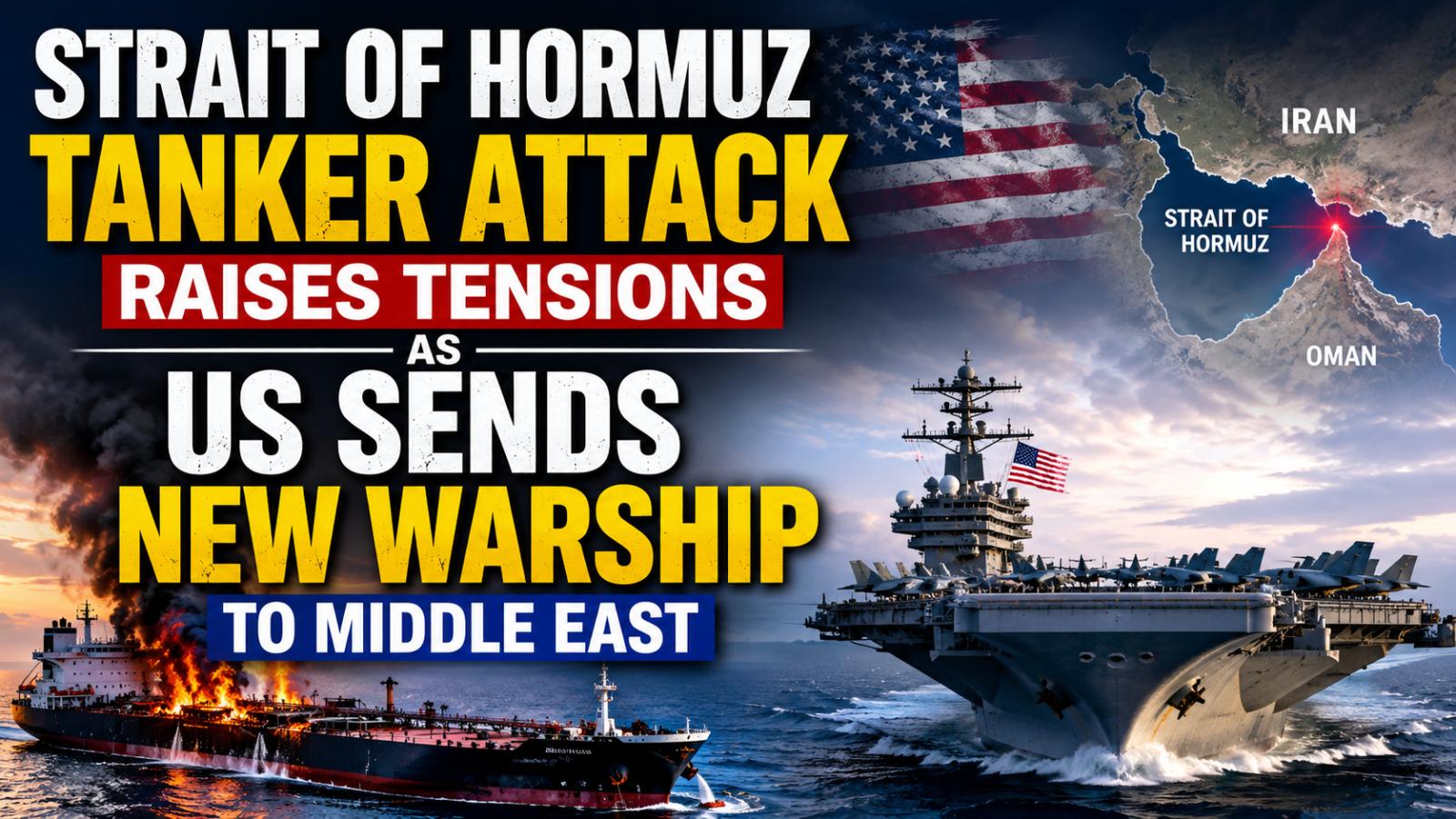
US Says Iranian Drones Targeted Ships in Hormuz
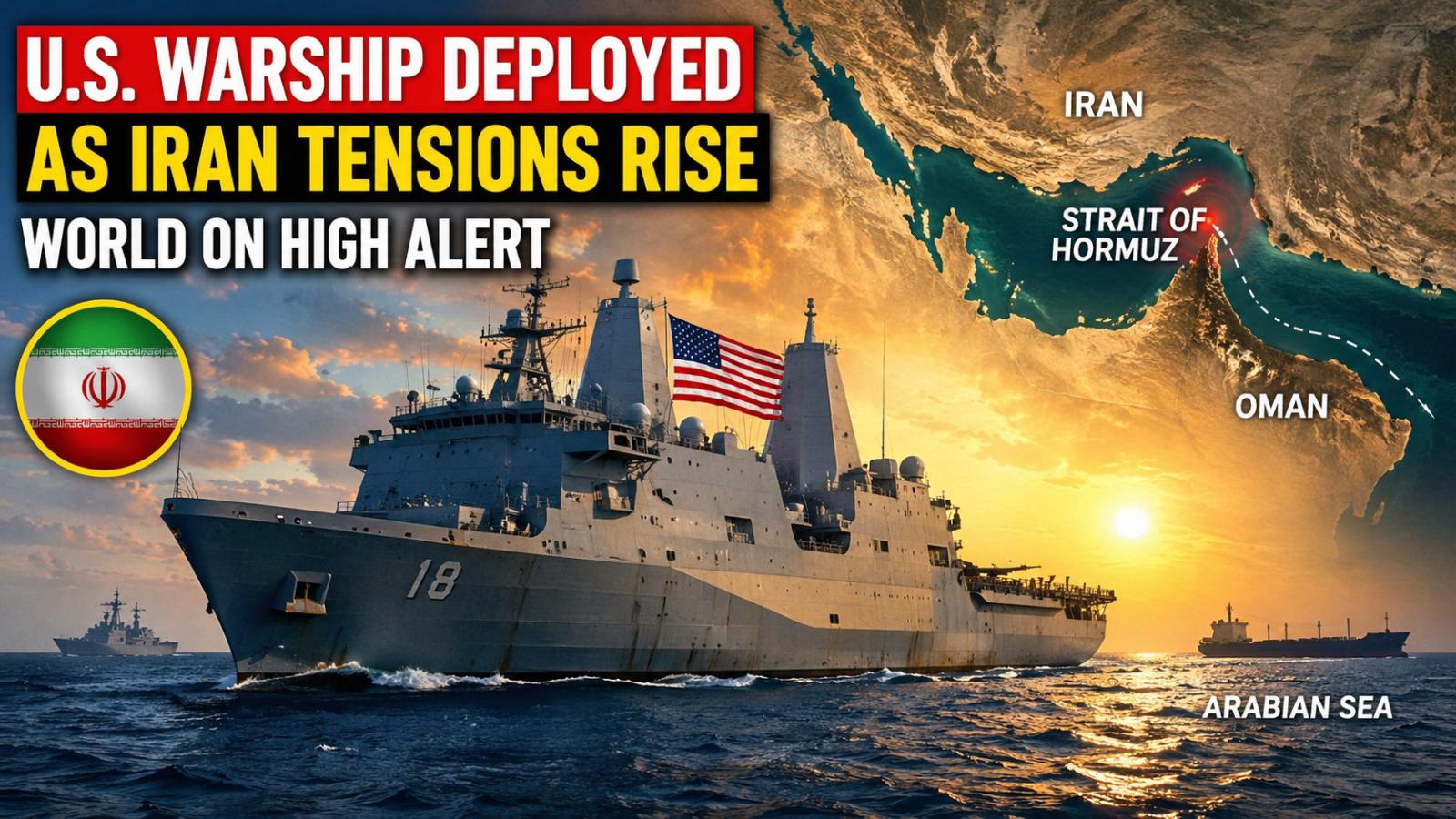
US Forces Intercept Iranian Drones The United States said its forces intercepted and destroyed multiple Iranian one-way attack drones launched toward commercial ships moving through the Strait of Hormuz, one of the world’s most closely watched maritime routes. US Central Command said the drones were aimed at vessels transiting the waterway and that American forces downed them in recent hours. CENTCOM also sa
US Says Iranian Drones Targeted Ships in Hormuz
US Forces Intercept Iranian Drones The United States said its forces intercepted and destroyed multiple Iranian one-way attack drones launched toward commercial ships moving through the Strait of Hormuz, one of the world’s most closely watched maritime routes. US Central Command said the drones were aimed at vessels transiting the waterway and that American forces downed them in recent hours. CENTCOM also sa
US deportation flight to CAR raises legal concerns
Deportation flight reaches Central African Republic A U.S. deportation flight carrying migrants from several countries, including Iran, Afghanistan, Turkey and Georgia, landed in the Central African Republic, bringing renewed attention to the Trump administration’s use of third-country deportations. The aircraft reportedly departed from Alexandria, Louisiana, stopped in Ghana and later arrived in Bangui, the capital of the Central African R
US deportation flight to CAR raises legal concerns
Deportation flight reaches Central African Republic A U.S. deportation flight carrying migrants from several countries, including Iran, Afghanistan, Turkey and Georgia, landed in the Central African Republic, bringing renewed attention to the Trump administration’s use of third-country deportations. The aircraft reportedly departed from Alexandria, Louisiana, stopped in Ghana and later arrived in Bangui, the capital of the Central African R