4.9-Magnitude Earthquake Hits Southern Iran, No Major Damage
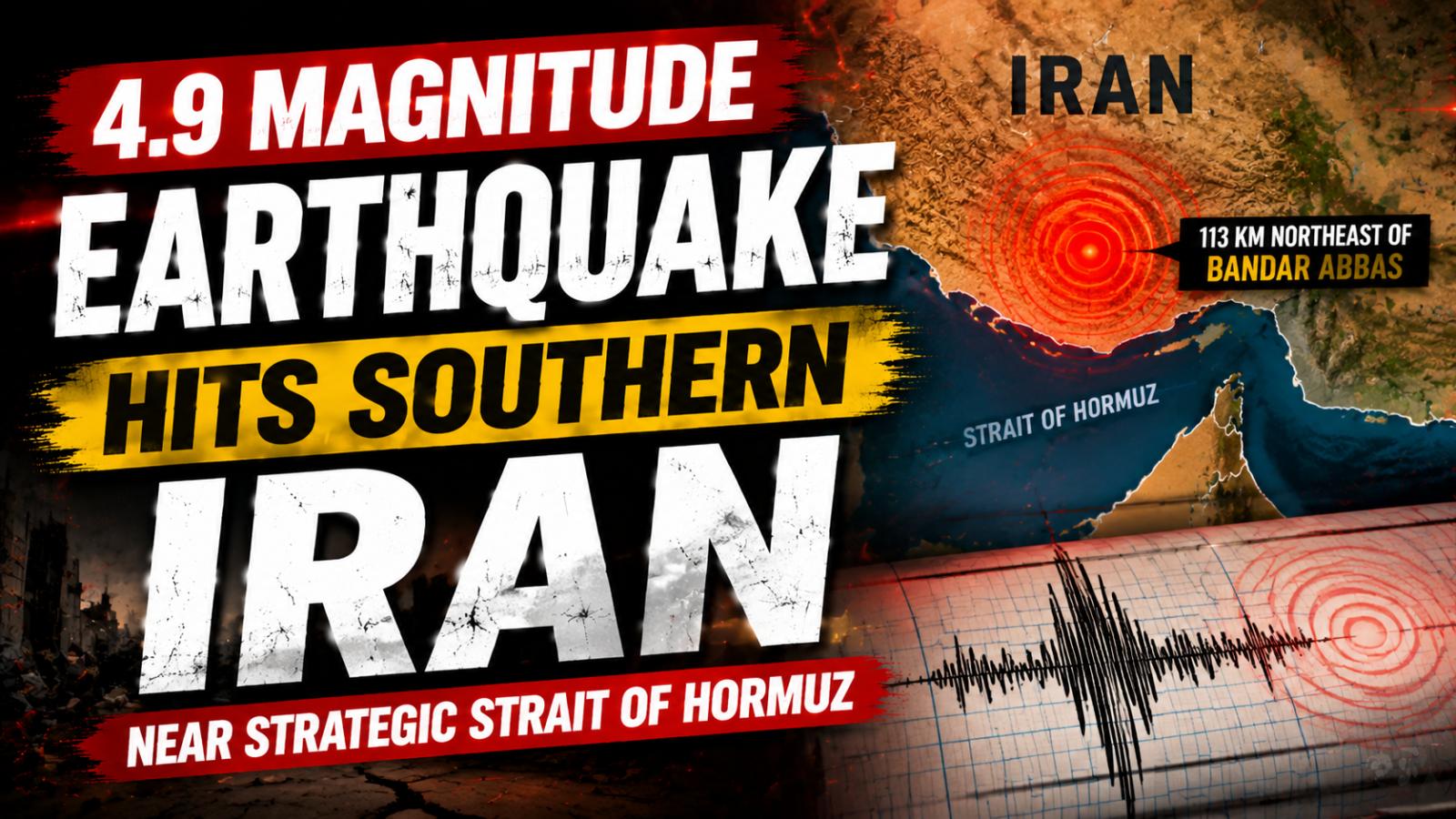
Moderate Earthquake Hits Southern Iran Southern Iran experienced a 4.9-magnitude earthquake early Tuesday, June 9, shaking parts of Hormozgan province. According to Iranian state media, the epicenter was located approximately 113 km northeast of Bandar Abbas, near the water area of the port in the north of the Strait of Hormuz. Initial reports indicate no fatalities or major structural damage, and emergency
4.9-Magnitude Earthquake Hits Southern Iran, No Major Damage
Moderate Earthquake Hits Southern Iran Southern Iran experienced a 4.9-magnitude earthquake early Tuesday, June 9, shaking parts of Hormozgan province. According to Iranian state media, the epicenter was located approximately 113 km northeast of Bandar Abbas, near the water area of the port in the north of the Strait of Hormuz. Initial reports indicate no fatalities or major structural damage, and emergency
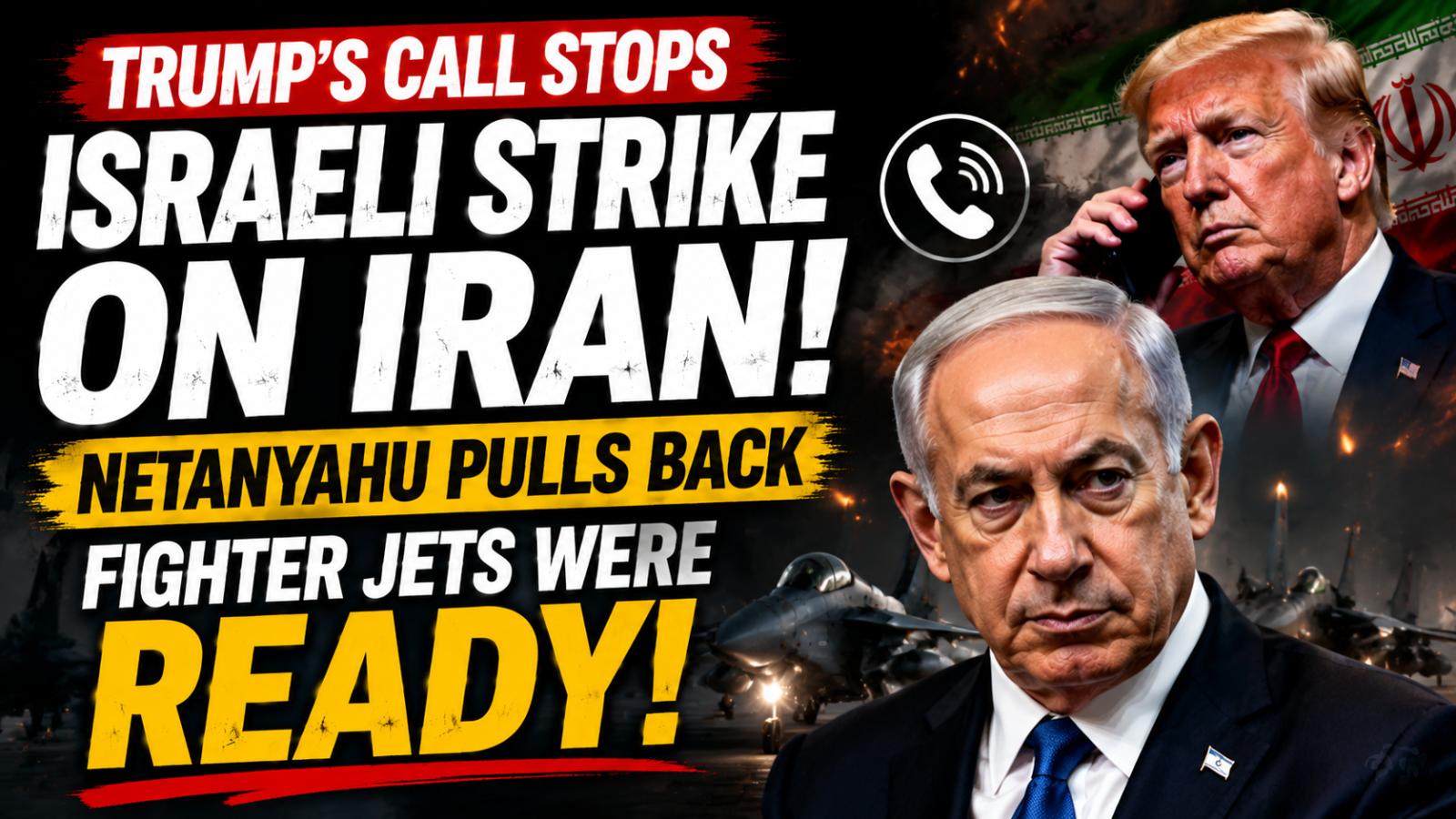
Netanyahu Halts Massive Strike on Iran After Trump Call
Netanyahu Halts Planned Strike on Iran Israeli Prime Minister Benjamin Netanyahu reportedly called off a large-scale strike on Iran after a direct call from US President Donald Trump. The planned operation involved fighter jets poised on the runway, ready to target Iranian military and economic facilities. According to sources, Netanyahu justified the decision by emphasizing the strategic alignment with Was
Netanyahu Halts Massive Strike on Iran After Trump Call
Netanyahu Halts Planned Strike on Iran Israeli Prime Minister Benjamin Netanyahu reportedly called off a large-scale strike on Iran after a direct call from US President Donald Trump. The planned operation involved fighter jets poised on the runway, ready to target Iranian military and economic facilities. According to sources, Netanyahu justified the decision by emphasizing the strategic alignment with Was
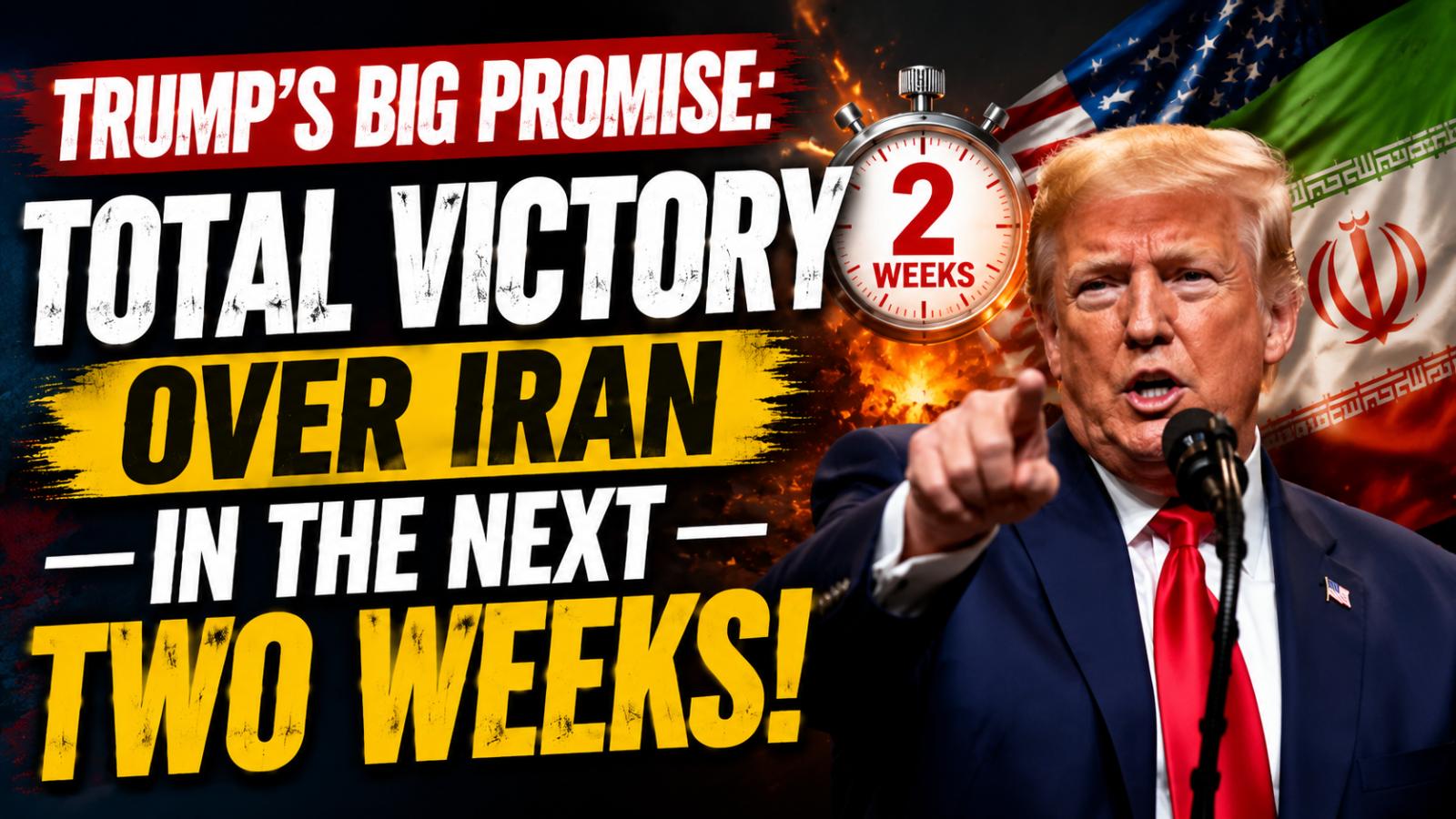
Trump Declares “Total Victory” Over Iran in Two Weeks
Trump Declares Total Victory Over Iran US President Donald Trump announced on Monday, June 8, that he will declare “total victory” over Iran within the next two weeks. Speaking at a tele-rally supporting Senator Lindsey Graham ahead of South Carolina’s primary vote, Trump emphasized that the US continues to negotiate with Iran over its nuclear capabilities. He stated that Tehran is “willing to give u
Trump Declares “Total Victory” Over Iran in Two Weeks
Trump Declares Total Victory Over Iran US President Donald Trump announced on Monday, June 8, that he will declare “total victory” over Iran within the next two weeks. Speaking at a tele-rally supporting Senator Lindsey Graham ahead of South Carolina’s primary vote, Trump emphasized that the US continues to negotiate with Iran over its nuclear capabilities. He stated that Tehran is “willing to give u
Israeli Strikes Kill 14 in Southern Lebanon Amid Tensions
IDF Intercepts Suspicious Target From Yemen Israel's military reported on Tuesday, June 9, that it intercepted a suspicious aerial object launched from Yemen near the southern city of Eilat. No injuries were reported in the incident, which the Israel Defence Forces said concluded without further escalation. The interception occurred amid heightened tensions in the region following ongoing retaliatory strike
Israeli Strikes Kill 14 in Southern Lebanon Amid Tensions
IDF Intercepts Suspicious Target From Yemen Israel's military reported on Tuesday, June 9, that it intercepted a suspicious aerial object launched from Yemen near the southern city of Eilat. No injuries were reported in the incident, which the Israel Defence Forces said concluded without further escalation. The interception occurred amid heightened tensions in the region following ongoing retaliatory strike
Iran Football Team Honors Minab Victims With Pins
Iran Players Commemorate Minab Tragedy Iran's World Cup team made headlines upon arrival in Tijuana, Mexico, when players were seen wearing gold-colored lapel pins marked with the number "168." The pins were a solemn tribute to the 168 children killed at the Shajareh Tayyebeh girls' primary school in Minab, following US and Israeli strikes on February 28, 2026. Images of the team were shared by Iran’s emba
Iran Football Team Honors Minab Victims With Pins
Iran Players Commemorate Minab Tragedy Iran's World Cup team made headlines upon arrival in Tijuana, Mexico, when players were seen wearing gold-colored lapel pins marked with the number "168." The pins were a solemn tribute to the 168 children killed at the Shajareh Tayyebeh girls' primary school in Minab, following US and Israeli strikes on February 28, 2026. Images of the team were shared by Iran’s emba
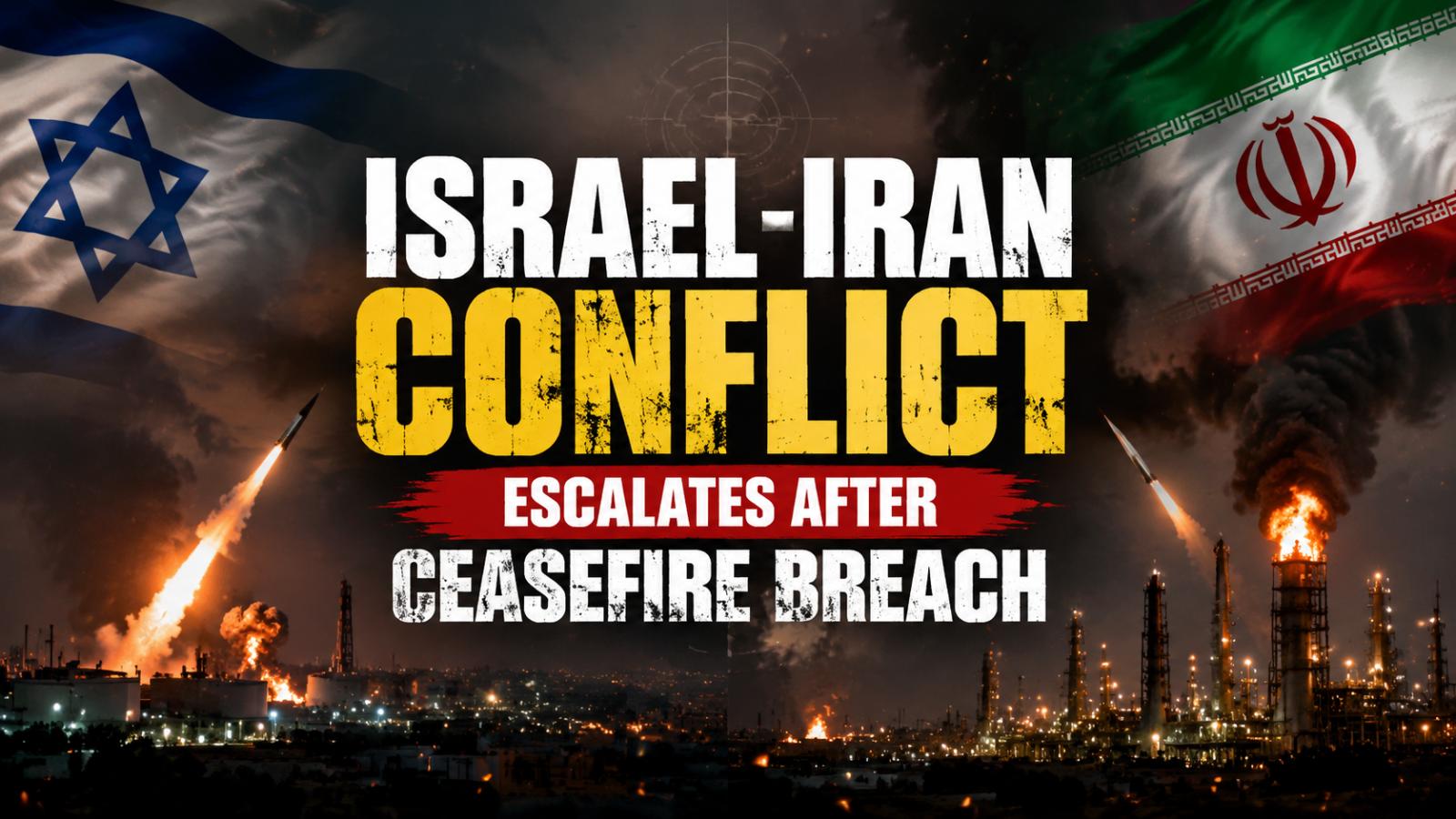
Israel-Iran Tensions Spike After Ceasefire Break, Strikes Exchange
The fragile calm between Israel and Iran shattered as both nations launched attacks targeting key infrastructure. For the first time since their April ceasefire, strikes on petrochemical and industrial sites in Mahshahr and Haifa have escalated tensions in the Middle East. International observers are warning of broader consequences for regional security and global energy supply. Mahshahr and Haifa Facilities Hit
Israel-Iran Tensions Spike After Ceasefire Break, Strikes Exchange
The fragile calm between Israel and Iran shattered as both nations launched attacks targeting key infrastructure. For the first time since their April ceasefire, strikes on petrochemical and industrial sites in Mahshahr and Haifa have escalated tensions in the Middle East. International observers are warning of broader consequences for regional security and global energy supply. Mahshahr and Haifa Facilities Hit
Trump Says Netanyahu Must Accept Iran Deal
Trump Says He Controls Iran Deal US President Donald Trump said Israeli Prime Minister Benjamin Netanyahu would have “no choice” but to accept any agreement Washington reaches with Iran, signaling a visible strain in US-Israel coordination during the latest West Asia crisis. In an interview, Trump said he “calls the shots” on the negotiations and argued that Netanyahu does not control the outcome of
Trump Says Netanyahu Must Accept Iran Deal
Trump Says He Controls Iran Deal US President Donald Trump said Israeli Prime Minister Benjamin Netanyahu would have “no choice” but to accept any agreement Washington reaches with Iran, signaling a visible strain in US-Israel coordination during the latest West Asia crisis. In an interview, Trump said he “calls the shots” on the negotiations and argued that Netanyahu does not control the outcome of
Iran-Israel Escalation Deepens After Missile Strike
Explosions Reported Across Iranian Cities Explosions were reported in Tehran, Tabriz and Isfahan on Monday, June 8, as tensions between Iran and Israel escalated after a new exchange of military attacks. Iranian state-linked reports said blasts were heard in several major cities, while Israel’s military later said it had struck military targets in western and central Iran. Details on damage and casualties were not immediately clear, and early reports from both sides remained limited. The latest strikes came shortly after Iran said it launched ballistic missiles toward Israel’s Ramat David air base in northern Israel. Israel Says It Hit Military Targets The Israel Defense Forces said the strikes inside Iran targeted military sites, framing the operation as a response to Iran’s missile attack. Israel said its defenses intercepted the missiles fired from Iran, while Iranian officials described their earlier strike as retaliation for an attack in Beirut. The sequence of claims and counterclaims has heightened fears that the conflict could move beyond limited exchanges and become a broader regional confrontation. The situation remains fluid, and neither side’s full battlefield assessment has been independently confirmed. Trump Had Urged Israel Not To Retaliate The escalation took place despite US President Donald Trump urging Israeli Prime Minister Benjamin Netanyahu not to retaliate against Iran. Washington has been trying to limit the risk of a wider West Asia conflict while talks involving Iran remain under pressure. Trump’s appeal showed concern that another round of strikes could complicate diplomacy and pull more actors into the crisis. However, Israel’s reported response suggests its leadership is prioritizing deterrence after Iran’s missile attack, even as the United States pushes for restraint. Regional Conflict Risk Grows The latest developments have placed renewed pressure on diplomatic channels and regional security planning. Iran has framed its actions as a response to attacks linked to Beirut, while Israel says it is targeting military infrastructure inside Iran. For US audiences, the central issue is whether this remains a controlled exchange or becomes a wider regional war involving Iran, Israel, Lebanon and US interests in the region. With explosions reported in multiple Iranian cities and Israel confirming strikes, the risk of further retaliation remains high.
Iran-Israel Escalation Deepens After Missile Strike
Explosions Reported Across Iranian Cities Explosions were reported in Tehran, Tabriz and Isfahan on Monday, June 8, as tensions between Iran and Israel escalated after a new exchange of military attacks. Iranian state-linked reports said blasts were heard in several major cities, while Israel’s military later said it had struck military targets in western and central Iran. Details on damage and casualties were not immediately clear, and early reports from both sides remained limited. The latest strikes came shortly after Iran said it launched ballistic missiles toward Israel’s Ramat David air base in northern Israel. Israel Says It Hit Military Targets The Israel Defense Forces said the strikes inside Iran targeted military sites, framing the operation as a response to Iran’s missile attack. Israel said its defenses intercepted the missiles fired from Iran, while Iranian officials described their earlier strike as retaliation for an attack in Beirut. The sequence of claims and counterclaims has heightened fears that the conflict could move beyond limited exchanges and become a broader regional confrontation. The situation remains fluid, and neither side’s full battlefield assessment has been independently confirmed. Trump Had Urged Israel Not To Retaliate The escalation took place despite US President Donald Trump urging Israeli Prime Minister Benjamin Netanyahu not to retaliate against Iran. Washington has been trying to limit the risk of a wider West Asia conflict while talks involving Iran remain under pressure. Trump’s appeal showed concern that another round of strikes could complicate diplomacy and pull more actors into the crisis. However, Israel’s reported response suggests its leadership is prioritizing deterrence after Iran’s missile attack, even as the United States pushes for restraint. Regional Conflict Risk Grows The latest developments have placed renewed pressure on diplomatic channels and regional security planning. Iran has framed its actions as a response to attacks linked to Beirut, while Israel says it is targeting military infrastructure inside Iran. For US audiences, the central issue is whether this remains a controlled exchange or becomes a wider regional war involving Iran, Israel, Lebanon and US interests in the region. With explosions reported in multiple Iranian cities and Israel confirming strikes, the risk of further retaliation remains high.
Iran Fires Missiles At Israeli Air Base
Iran Targets Ramat David Air Base Iran said it launched a major ballistic missile strike on Israel’s Ramat David air base in northern Israel on Sunday, June 7, describing the attack as a response to an earlier strike in Beirut. Iran’s Islamic Revolutionary Guard Corps said the operation was meant as a warning, signaling that Tehran may continue to respond if it believes its regional interests or allies
Iran Fires Missiles At Israeli Air Base
Iran Targets Ramat David Air Base Iran said it launched a major ballistic missile strike on Israel’s Ramat David air base in northern Israel on Sunday, June 7, describing the attack as a response to an earlier strike in Beirut. Iran’s Islamic Revolutionary Guard Corps said the operation was meant as a warning, signaling that Tehran may continue to respond if it believes its regional interests or allies
Iran Dismisses Trump Khamenei Meeting as Unrealistic Amid US Talks
Iranian Foreign Minister Abbas Araghchi has dismissed the idea of a future Trump Khamenei meeting, saying expectations of such a high-level encounter are not realistic under current conditions. The remarks came after U.S. President Donald Trump said he would like to meet Iran’s Supreme Leader, Mojtaba Khamenei, if ongoing contacts between Washington and Tehran lead to progress. Iran Pushes Back on Trump Khamenei Meeting Speaking in an intervi
Iran Dismisses Trump Khamenei Meeting as Unrealistic Amid US Talks
Iranian Foreign Minister Abbas Araghchi has dismissed the idea of a future Trump Khamenei meeting, saying expectations of such a high-level encounter are not realistic under current conditions. The remarks came after U.S. President Donald Trump said he would like to meet Iran’s Supreme Leader, Mojtaba Khamenei, if ongoing contacts between Washington and Tehran lead to progress. Iran Pushes Back on Trump Khamenei Meeting Speaking in an intervi
Iran Missile Attacks on Kuwait and Bahrain Raise Gulf Security Fears
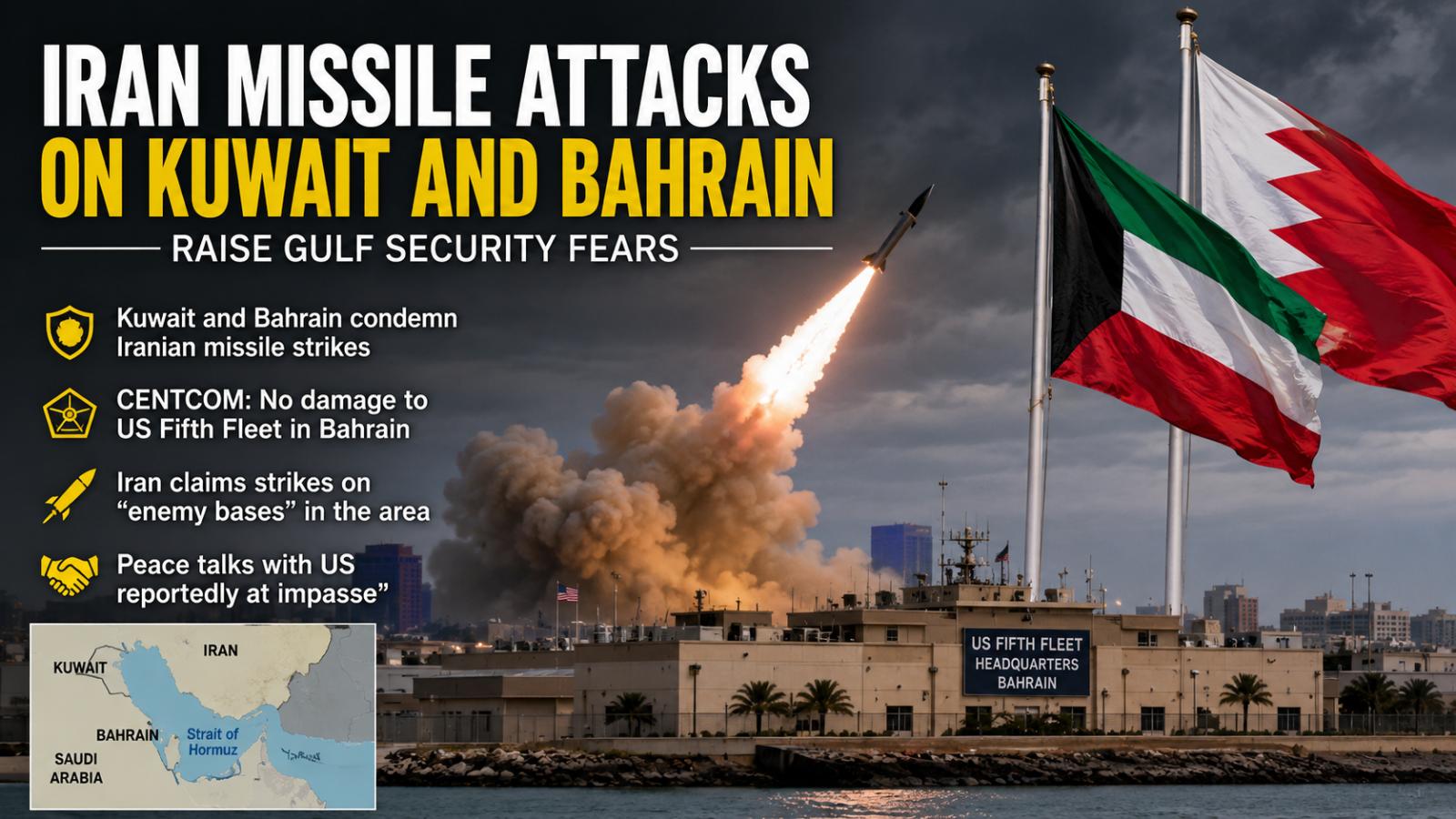
Iran missile attacks on Kuwait and Bahrain have increased concern across the Gulf after both governments condemned the strikes as violations of sovereignty and threats to regional stability. Kuwait’s Foreign Ministry, in a statement dated only as Saturday in the source material, said the attacks posed a direct threat to the lives of citizens and residents. Bahrain also condemned the strikes, calling them blatant aggression and a violation of sovereignty. Iran Mi
Iran Missile Attacks on Kuwait and Bahrain Raise Gulf Security Fears
Iran missile attacks on Kuwait and Bahrain have increased concern across the Gulf after both governments condemned the strikes as violations of sovereignty and threats to regional stability. Kuwait’s Foreign Ministry, in a statement dated only as Saturday in the source material, said the attacks posed a direct threat to the lives of citizens and residents. Bahrain also condemned the strikes, calling them blatant aggression and a violation of sovereignty. Iran Mi
Pakistan Denies Iran Nuclear Claim as Ishaq Dar-Marco Rubio Talks Draw Attention
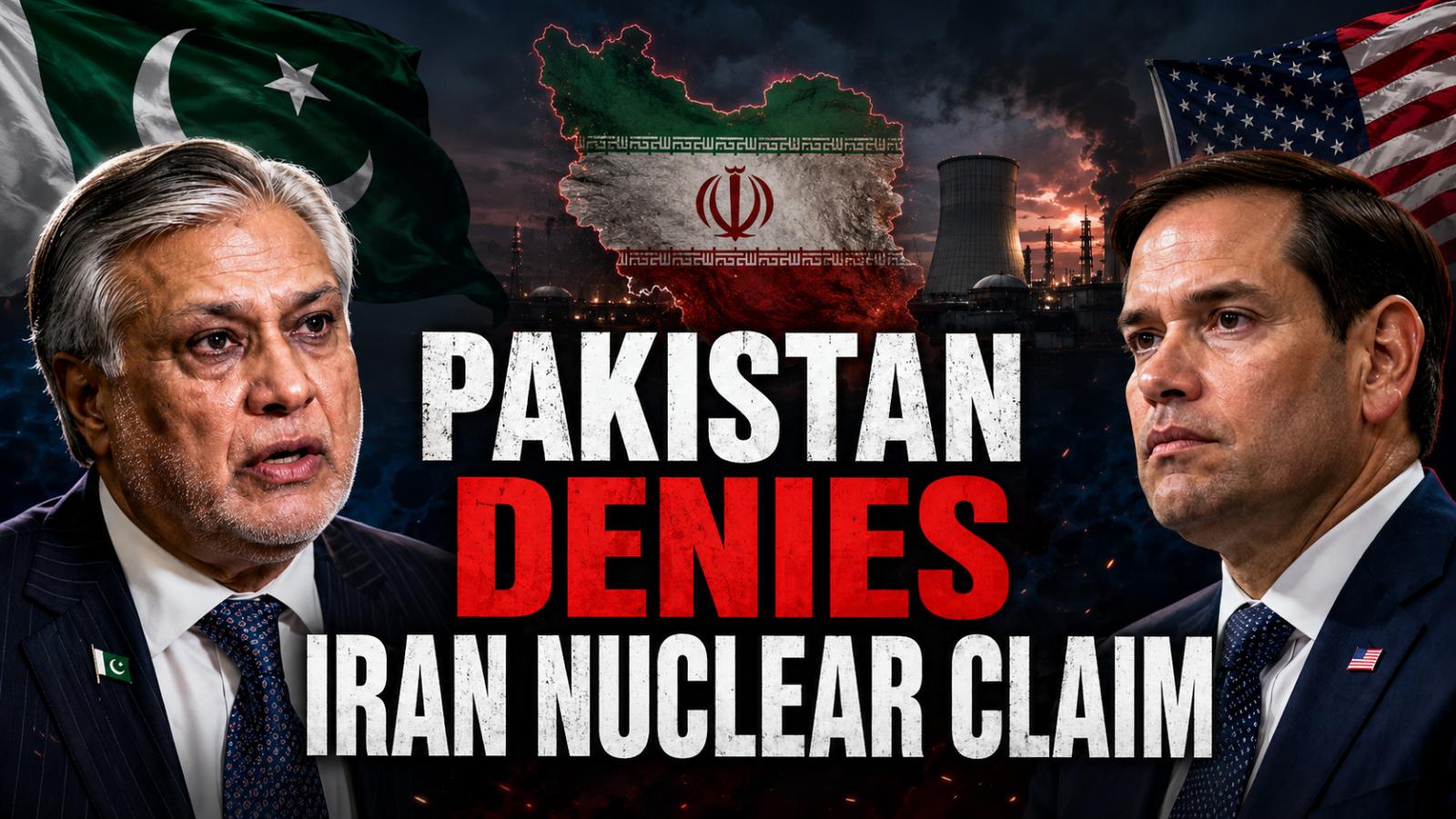
A new controversy over an Iran nuclear claim has placed Pakistan-US discussions under fresh attention. The issue began after former CIA analyst Larry Johnson alleged that Pakistan’s Deputy Prime Minister and Foreign Minister Ishaq Dar passed a sensitive “nuclear alert” message to US Secretary of State Marco Rubio. According to the claim, the message was linked to a possible major development in Iran’s nuclear position. Pakistan, however, has firmly denied the allegation and said no secret or confidential report about Iran’s nuclear activity was shared with the United States. Pakistan Rejects Secret Report Allegation The claim has brought renewed focus to the May 29 meeting between Ishaq Dar and Marco Rubio. While the official discussion was described as part of regular bilateral engagement, Johnson’s remarks turned the meeting into a wider debate involving Iran, Pakistan, the United States and regional security. Pakistan’s Foreign Office rejected the reports as baseless and speculative. It made clear that Islamabad did not hand over any secret nuclear document or intelligence report to Washington. This denial is important because the allegation involves a highly sensitive subject. Any suggestion of secret nuclear communication between Pakistan and the United States can quickly create diplomatic pressure, especially when Iran and Israel tensions are already high. Larry Johnson’s Claim Raises Questions Larry Johnson claimed that Iranian President Masoud Pezeshkian had informed Pakistan Prime Minister Shehbaz Sharif about Iran’s nuclear position. He further suggested that Tehran may be close to either declaring itself a nuclear power or showing its capability through a possible internal test. These are serious claims, but they remain unverified. So far, Iran, Pakistan and the United States have not confirmed any plan for a nuclear test or public nuclear declaration by Tehran. For readers, the key point is simple: Pakistan’s denial is official. Johnson’s claim is not officially proven. Iran’s Nuclear Doctrine Back in Debate The controversy has also revived discussion around Iran’s nuclear doctrine. Tehran has long maintained that nuclear weapons and weapons of mass destruction are forbidden under a religious decree associated with its leadership. This position is often described as Iran’s religious and political justification for not building nuclear weapons. However, some analysts believe Iran’s doctrine could change if regional threats increase. Others argue that there is still no clear evidence of Iran deciding to build, test or stockpile nuclear weapons. Because of this uncertainty, even an unconfirmed Iran nuclear claim can create serious concern among governments and security analysts. Why the Claim Matters for Regional Security ? The timing of the claim is sensitive. US-Iran talks, Israel-Iran tensions and Middle East security concerns are already under global attention. Any report suggesting that Iran may shift its nuclear position can increase fear in the region. Johnson also suggested that sensitive communication may have been allowed through a channel that Western and Israeli intelligence could detect. That claim too remains unproven and should be treated with caution. In geopolitics, even speculation can have consequences. A single unverified claim can affect diplomatic language, security planning and public debate. What Is Confirmed So Far ? At this stage, the confirmed fact is Pakistan’s denial. Islamabad has rejected the idea that it shared any confidential Iran nuclear report with the United States. There is no official confirmation from Iran about a nuclear test. There is no public confirmation from Washington that it received such a report from Pakistan. There is also no verified statement proving that Tehran is preparing to declare itself a nuclear power. The issue remains important because it touches three sensitive areas: Iran’s nuclear policy, Pakistan-US diplomatic communication and regional security fears.
Pakistan Denies Iran Nuclear Claim as Ishaq Dar-Marco Rubio Talks Draw Attention
A new controversy over an Iran nuclear claim has placed Pakistan-US discussions under fresh attention. The issue began after former CIA analyst Larry Johnson alleged that Pakistan’s Deputy Prime Minister and Foreign Minister Ishaq Dar passed a sensitive “nuclear alert” message to US Secretary of State Marco Rubio. According to the claim, the message was linked to a possible major development in Iran’s nuclear position. Pakistan, however, has firmly denied the allegation and said no secret or confidential report about Iran’s nuclear activity was shared with the United States. Pakistan Rejects Secret Report Allegation The claim has brought renewed focus to the May 29 meeting between Ishaq Dar and Marco Rubio. While the official discussion was described as part of regular bilateral engagement, Johnson’s remarks turned the meeting into a wider debate involving Iran, Pakistan, the United States and regional security. Pakistan’s Foreign Office rejected the reports as baseless and speculative. It made clear that Islamabad did not hand over any secret nuclear document or intelligence report to Washington. This denial is important because the allegation involves a highly sensitive subject. Any suggestion of secret nuclear communication between Pakistan and the United States can quickly create diplomatic pressure, especially when Iran and Israel tensions are already high. Larry Johnson’s Claim Raises Questions Larry Johnson claimed that Iranian President Masoud Pezeshkian had informed Pakistan Prime Minister Shehbaz Sharif about Iran’s nuclear position. He further suggested that Tehran may be close to either declaring itself a nuclear power or showing its capability through a possible internal test. These are serious claims, but they remain unverified. So far, Iran, Pakistan and the United States have not confirmed any plan for a nuclear test or public nuclear declaration by Tehran. For readers, the key point is simple: Pakistan’s denial is official. Johnson’s claim is not officially proven. Iran’s Nuclear Doctrine Back in Debate The controversy has also revived discussion around Iran’s nuclear doctrine. Tehran has long maintained that nuclear weapons and weapons of mass destruction are forbidden under a religious decree associated with its leadership. This position is often described as Iran’s religious and political justification for not building nuclear weapons. However, some analysts believe Iran’s doctrine could change if regional threats increase. Others argue that there is still no clear evidence of Iran deciding to build, test or stockpile nuclear weapons. Because of this uncertainty, even an unconfirmed Iran nuclear claim can create serious concern among governments and security analysts. Why the Claim Matters for Regional Security ? The timing of the claim is sensitive. US-Iran talks, Israel-Iran tensions and Middle East security concerns are already under global attention. Any report suggesting that Iran may shift its nuclear position can increase fear in the region. Johnson also suggested that sensitive communication may have been allowed through a channel that Western and Israeli intelligence could detect. That claim too remains unproven and should be treated with caution. In geopolitics, even speculation can have consequences. A single unverified claim can affect diplomatic language, security planning and public debate. What Is Confirmed So Far ? At this stage, the confirmed fact is Pakistan’s denial. Islamabad has rejected the idea that it shared any confidential Iran nuclear report with the United States. There is no official confirmation from Iran about a nuclear test. There is no public confirmation from Washington that it received such a report from Pakistan. There is also no verified statement proving that Tehran is preparing to declare itself a nuclear power. The issue remains important because it touches three sensitive areas: Iran’s nuclear policy, Pakistan-US diplomatic communication and regional security fears.
US Approves $1.98B Kuwait Arms Deal
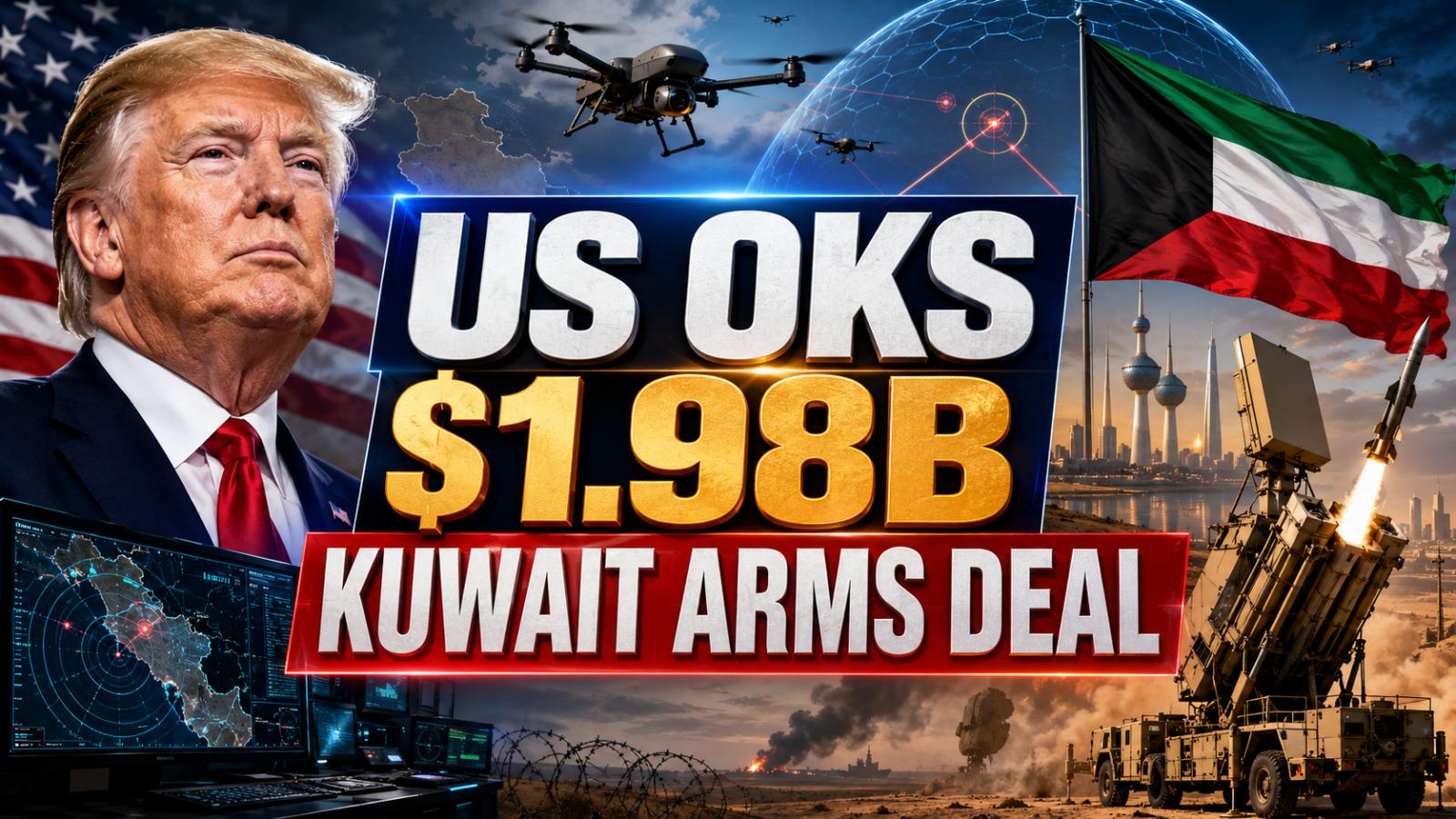
US Clears Major Defense Sale To Kuwait The United States has approved a proposed $1.98 billion arms sale to Kuwait, a package centered on advanced counter-drone systems and related defense equipment. The State Department said the sale is intended to strengthen Kuwait’s ability to respond to current and future threats, particularly unmanned aerial systems that could endanger military sites, civilian infrastr
US Approves $1.98B Kuwait Arms Deal
US Clears Major Defense Sale To Kuwait The United States has approved a proposed $1.98 billion arms sale to Kuwait, a package centered on advanced counter-drone systems and related defense equipment. The State Department said the sale is intended to strengthen Kuwait’s ability to respond to current and future threats, particularly unmanned aerial systems that could endanger military sites, civilian infrastr
Gulf Tensions Rise As Missiles Target Region
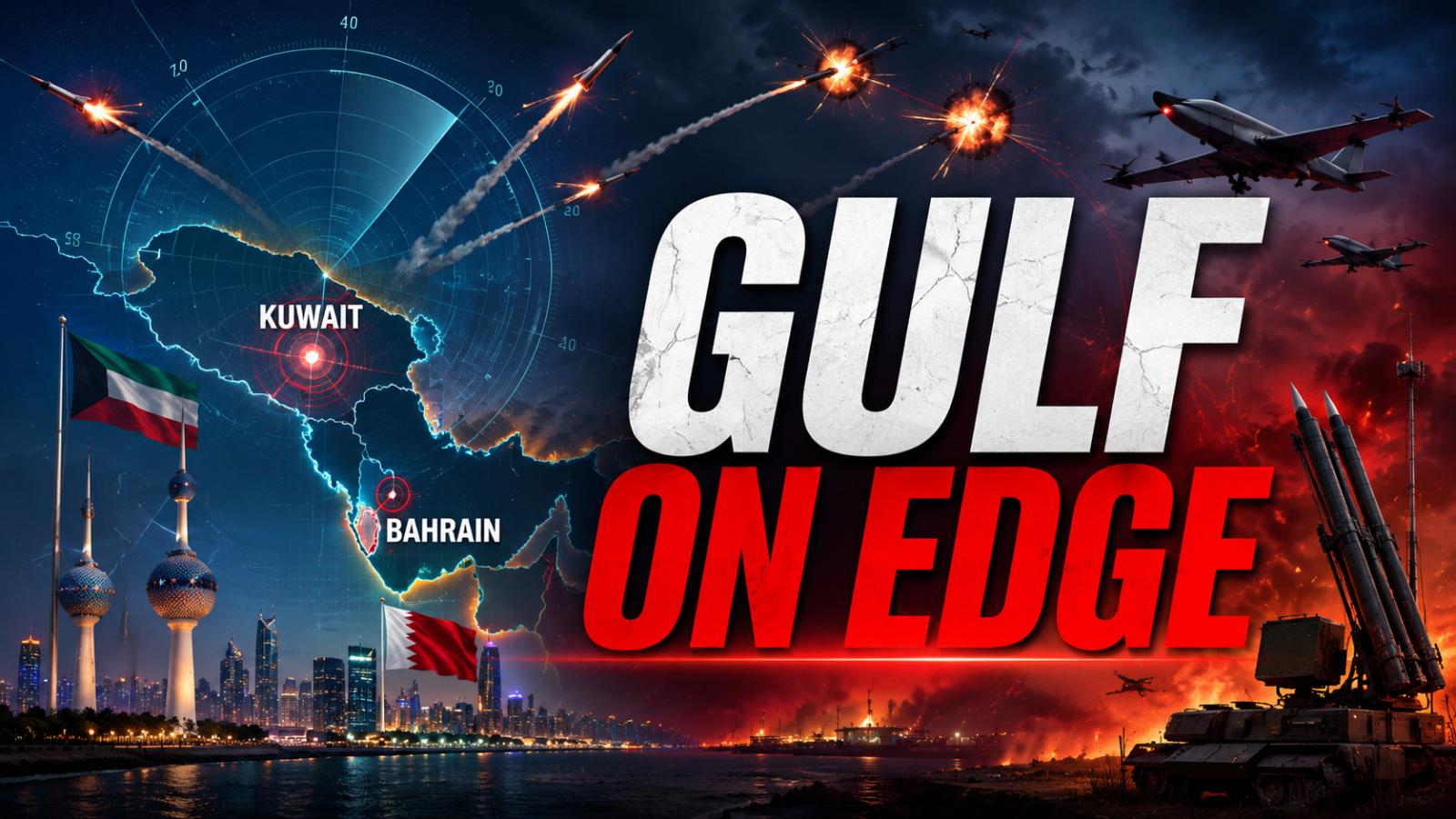
Gulf States Raise Security Alerts Tensions in the Gulf rose again as Kuwait said its air defense systems were responding to hostile missile and drone threats, while Bahrain sounded warning sirens and urged residents to remain calm and move to safe locations. Kuwait’s military said explosions heard in the area were linked to air defense interceptions, but it did not immediately identify the source of the in
Gulf Tensions Rise As Missiles Target Region
Gulf States Raise Security Alerts Tensions in the Gulf rose again as Kuwait said its air defense systems were responding to hostile missile and drone threats, while Bahrain sounded warning sirens and urged residents to remain calm and move to safe locations. Kuwait’s military said explosions heard in the area were linked to air defense interceptions, but it did not immediately identify the source of the in
Trump Says Iran Still Has War Capacity
Trump Says Iran Conflict Is Moving Fast US President Donald Trump said Friday, June 5th that his administration is “moving very fast” in its handling of the Iran conflict, while acknowledging that Tehran still retains part of its military capacity. Speaking about the war, now in its third month, Trump again compared the timeline with the Vietnam War and argued that the current campaign remains far shorter than past American military engagements. Trump
Trump Says Iran Still Has War Capacity
Trump Says Iran Conflict Is Moving Fast US President Donald Trump said Friday, June 5th that his administration is “moving very fast” in its handling of the Iran conflict, while acknowledging that Tehran still retains part of its military capacity. Speaking about the war, now in its third month, Trump again compared the timeline with the Vietnam War and argued that the current campaign remains far shorter than past American military engagements. Trump
US President Open to Meeting Iran’s Mojtaba Amid Tensions
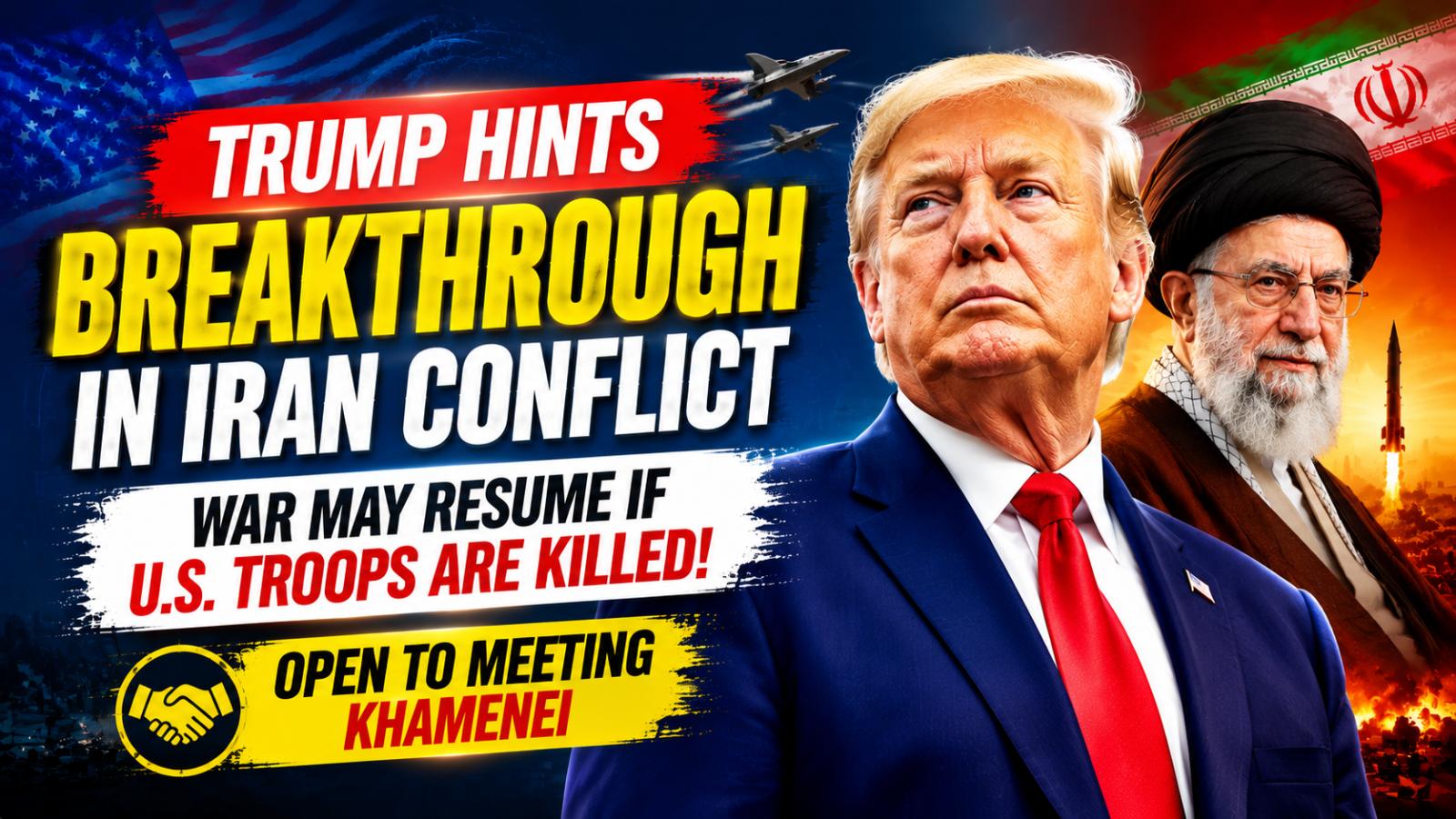
Trump Hints at Potential Iran Conflict US President Donald Trump on Thursday, June 5, indicated that breakthroughs in the Iran conflict might be near but warned that the killing of American troops would constitute a red line potentially restarting the war. Speaking from the Oval Office, Trump said he could meet Iran’s Mojtaba Khamenei under a diplomatic agreement, despite tensions between Washington and Te
US President Open to Meeting Iran’s Mojtaba Amid Tensions
Trump Hints at Potential Iran Conflict US President Donald Trump on Thursday, June 5, indicated that breakthroughs in the Iran conflict might be near but warned that the killing of American troops would constitute a red line potentially restarting the war. Speaking from the Oval Office, Trump said he could meet Iran’s Mojtaba Khamenei under a diplomatic agreement, despite tensions between Washington and Te
Kuwait Airport Drone Attack: Iran Denies Role, CENTCOM Rejects Claim
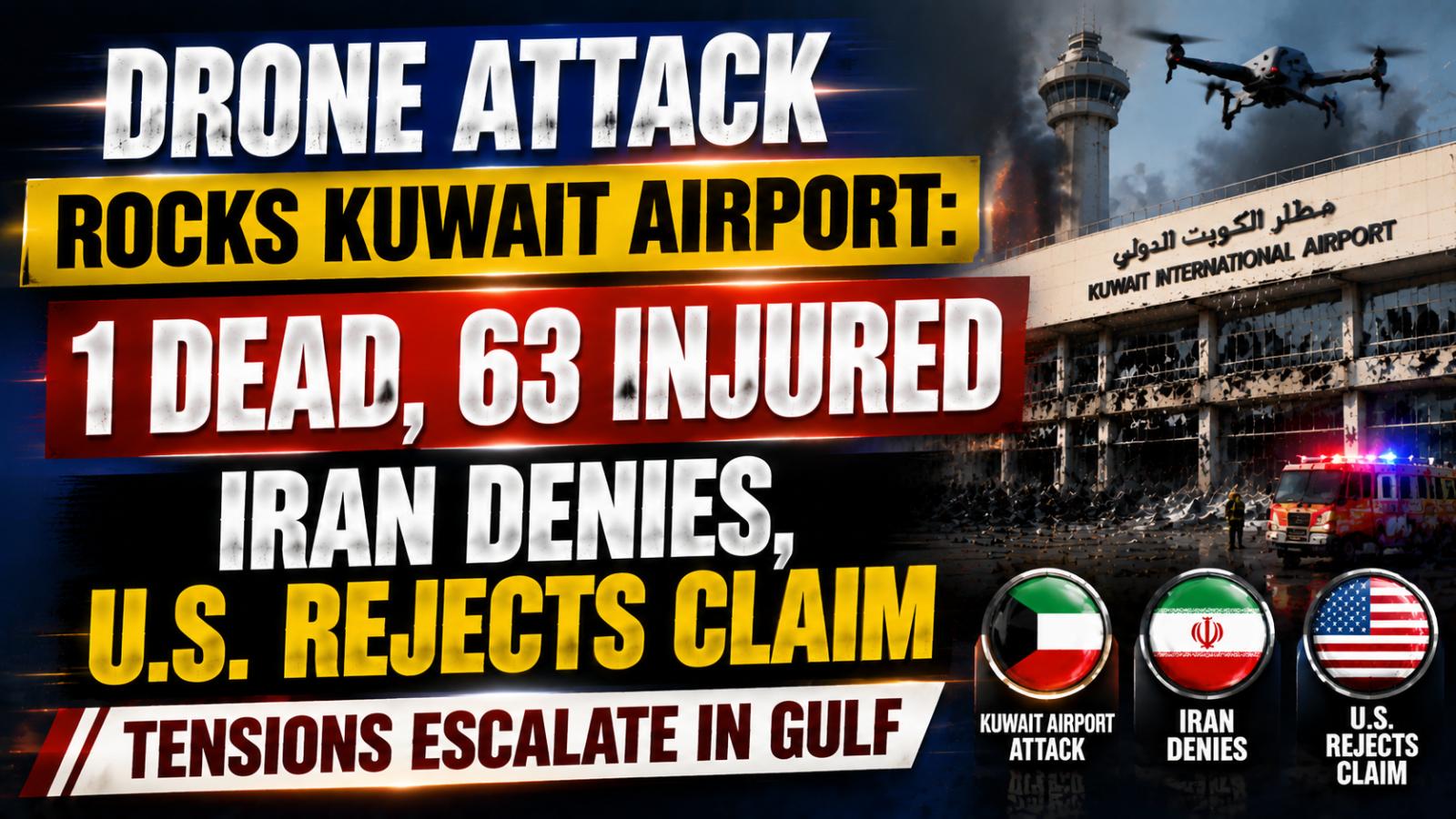
Immediate Aftermath and Casualties Kuwait’s Civil Aviation Authority released CCTV footage on June 4 showing the chaos following a drone strike on Terminal 1 at Kuwait International Airport. The attack killed an Indian national and injured 63 others, forcing the temporary closure of the airport. Officials described this as the first deadly strike in the Gulf since the April 8 ceasefire. The incident follows US military strikes on
Kuwait Airport Drone Attack: Iran Denies Role, CENTCOM Rejects Claim
Immediate Aftermath and Casualties Kuwait’s Civil Aviation Authority released CCTV footage on June 4 showing the chaos following a drone strike on Terminal 1 at Kuwait International Airport. The attack killed an Indian national and injured 63 others, forcing the temporary closure of the airport. Officials described this as the first deadly strike in the Gulf since the April 8 ceasefire. The incident follows US military strikes on
US House Votes to End Iran War Amid Trump Tensions
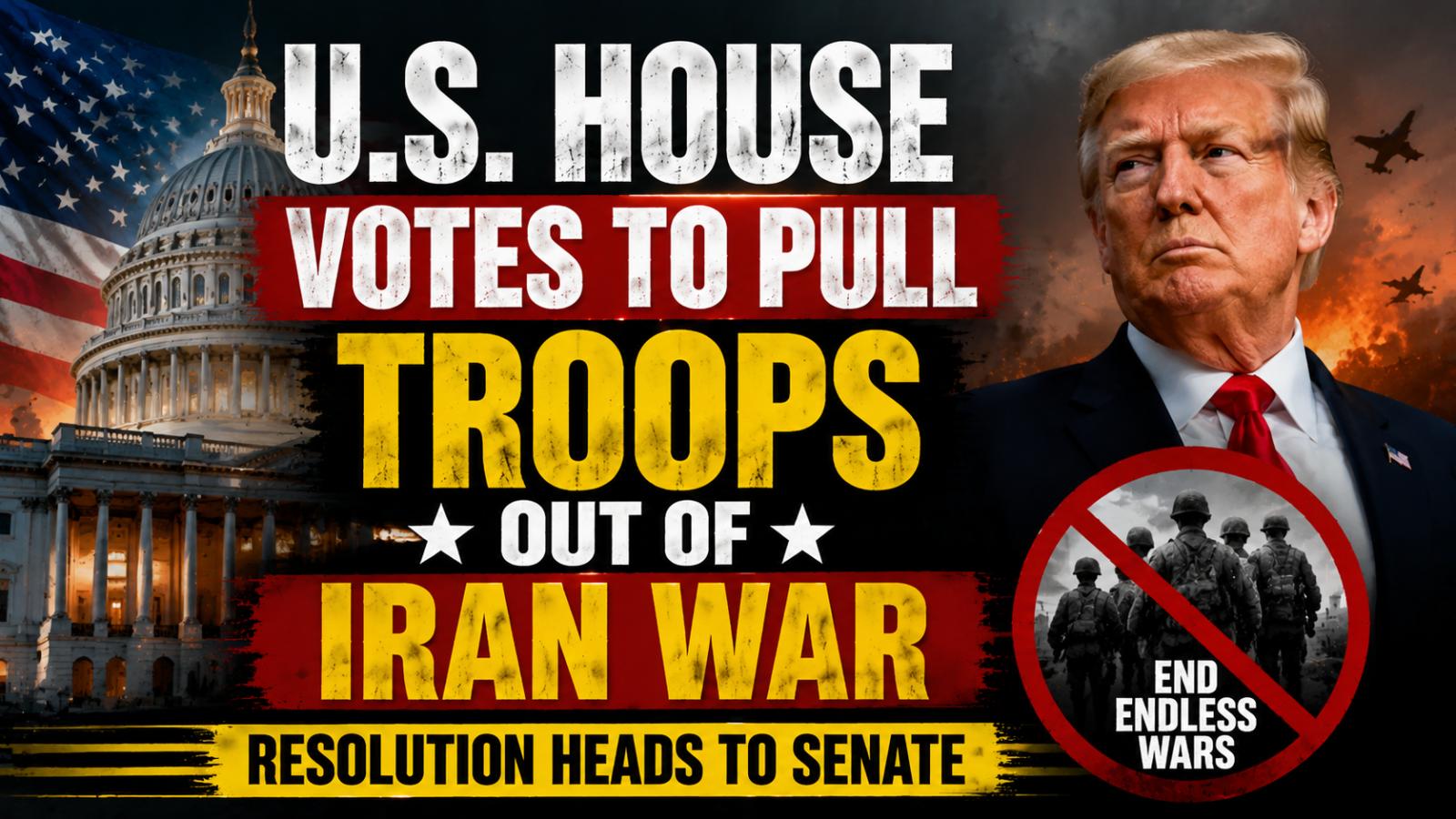
US House Approves Resolution to End Iran War The US House of Representatives on Wednesday, June 4, passed a resolution ordering the withdrawal of American troops from Iran, marking a rare bipartisan move in the Republican-controlled chamber. Four Republican members joined Democrats in backing the measure, which passed 215-208 and now moves to the Senate for debate. The resolution, part of the War Powers Resolution framework, seeks t
US House Votes to End Iran War Amid Trump Tensions
US House Approves Resolution to End Iran War The US House of Representatives on Wednesday, June 4, passed a resolution ordering the withdrawal of American troops from Iran, marking a rare bipartisan move in the Republican-controlled chamber. Four Republican members joined Democrats in backing the measure, which passed 215-208 and now moves to the Senate for debate. The resolution, part of the War Powers Resolution framework, seeks t
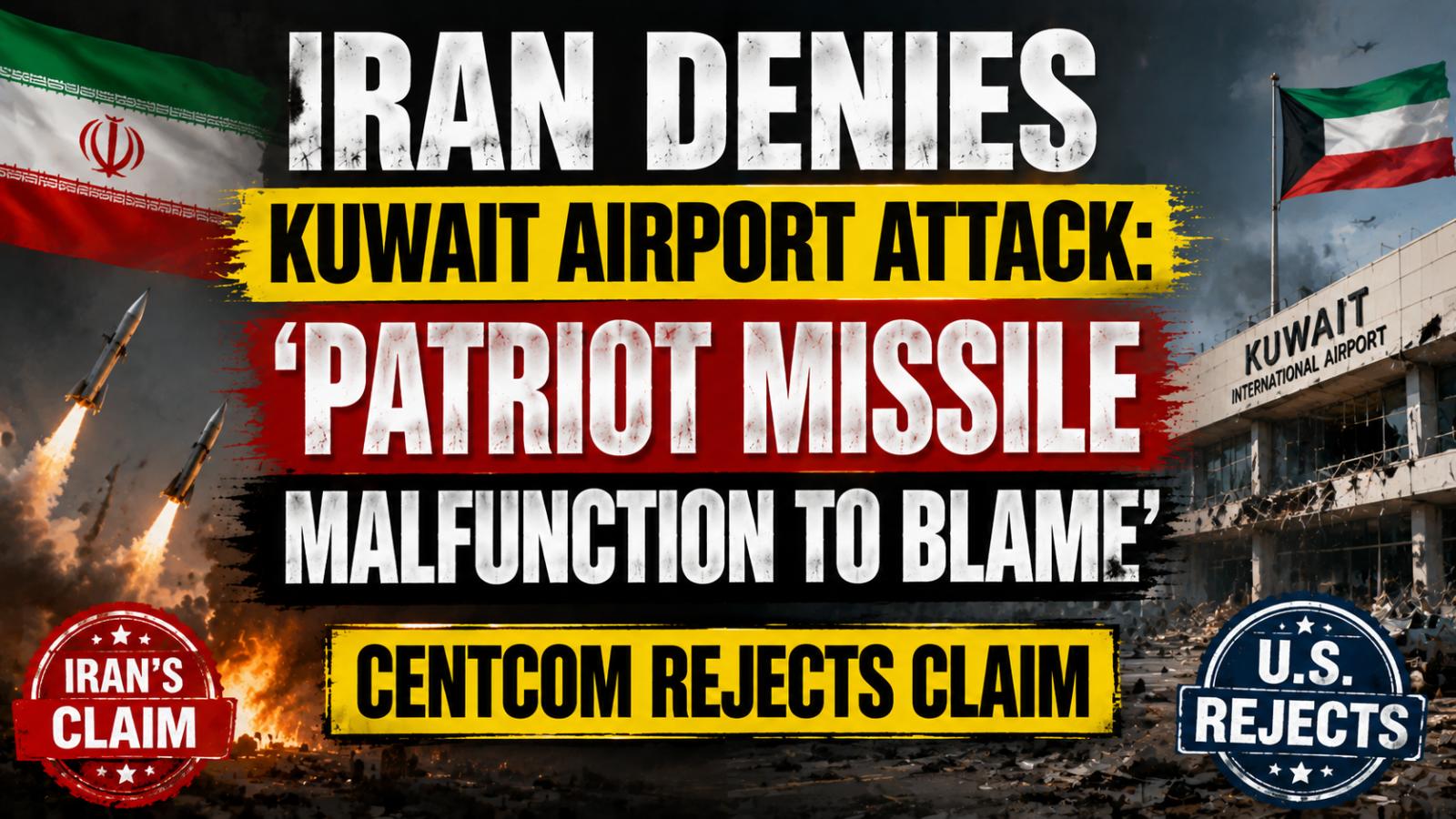
Iran Denies Kuwait Airport Attack, Blames Patriot Missile Malfunction
Iran Denies Responsibility Iran’s Islamic Revolutionary Guard Corps (IRGC) has categorically denied involvement in the recent attack on Kuwait International Airport. The IRGC stated that the damage resulted from a malfunction in the US-made Patriot missile defence system, which failed to intercept incoming projectiles. According to a spokesperson, the Aerospace Force did not target the civilian airport, and the terminal was struck accidentally by malfunctioning defensive systems. The incident caused extensive damage to Passenger Terminal 1 (T1), killed one individual—a citizen of India—and injured 63 others. Kuwaiti authorities immediately closed national airspace, suspended commercial operations, and diverted incoming flights. Regional Criticism and Concerns Former Qatari Prime Minister Sheikh Hamad bin Jassim bin Jaber Al Thani strongly criticized Iran’s military activities against Gulf countries, labeling them as "astonishing" and "unjustifiable." While emphasizing Qatar’s intent to maintain constructive relations with Tehran, he stressed that Gulf states should adopt a coordinated stance to ensure regional stability. Al Thani questioned the rationale behind recent attacks on Bahrain and Kuwait and highlighted the importance of unified diplomatic and security measures in the face of escalating threats. US Response and CENTCOM Statement The United States Central Command (CENTCOM) rejected Iran’s claim, asserting that Tehran deliberately targeted Kuwait’s civilian airport. Officials described the attack as “unjustified” and stressed the potential threat to civilian safety in the region. CENTCOM continues to monitor developments and coordinate with Gulf partners to prevent further escalation. The conflicting accounts between Tehran and Washington underline growing tensions in the Middle East, highlighting the need for diplomatic engagement to avoid a wider regional conflict. Strategic and Political Implications The dispute underscores the fragility of security in the Gulf amid Iran’s military expansion and the broader geopolitical rivalries in the region. The use of defensive missile systems such as the Patriot has drawn scrutiny for its reliability and effectiveness in high-tension scenarios. Analysts note that the incident may influence future negotiations between Gulf countries and Iran and could prompt stronger regional defense cooperation. Both civilian safety and military escalation remain pressing concerns as authorities assess the implications of the incident. International Repercussions The attack has drawn global attention to the volatility of the Gulf region, with multiple countries urging restraint. International observers have called for transparent investigations into the incident and emphasized the importance of maintaining airspace security to prevent further civilian casualties. The events highlight the intersection of military technology, regional politics, and civilian safety, reinforcing the need for carefully coordinated responses to avoid unintended consequences in densely populated areas.



Iran Denies Kuwait Airport Attack, Blames Patriot Missile Malfunction
Iran Denies Responsibility Iran’s Islamic Revolutionary Guard Corps (IRGC) has categorically denied involvement in the recent attack on Kuwait International Airport. The IRGC stated that the damage resulted from a malfunction in the US-made Patriot missile defence system, which failed to intercept incoming projectiles. According to a spokesperson, the Aerospace Force did not target the civilian airport, and the terminal was struck accidentally by malfunctioning defensive systems. The incident caused extensive damage to Passenger Terminal 1 (T1), killed one individual—a citizen of India—and injured 63 others. Kuwaiti authorities immediately closed national airspace, suspended commercial operations, and diverted incoming flights. Regional Criticism and Concerns Former Qatari Prime Minister Sheikh Hamad bin Jassim bin Jaber Al Thani strongly criticized Iran’s military activities against Gulf countries, labeling them as "astonishing" and "unjustifiable." While emphasizing Qatar’s intent to maintain constructive relations with Tehran, he stressed that Gulf states should adopt a coordinated stance to ensure regional stability. Al Thani questioned the rationale behind recent attacks on Bahrain and Kuwait and highlighted the importance of unified diplomatic and security measures in the face of escalating threats. US Response and CENTCOM Statement The United States Central Command (CENTCOM) rejected Iran’s claim, asserting that Tehran deliberately targeted Kuwait’s civilian airport. Officials described the attack as “unjustified” and stressed the potential threat to civilian safety in the region. CENTCOM continues to monitor developments and coordinate with Gulf partners to prevent further escalation. The conflicting accounts between Tehran and Washington underline growing tensions in the Middle East, highlighting the need for diplomatic engagement to avoid a wider regional conflict. Strategic and Political Implications The dispute underscores the fragility of security in the Gulf amid Iran’s military expansion and the broader geopolitical rivalries in the region. The use of defensive missile systems such as the Patriot has drawn scrutiny for its reliability and effectiveness in high-tension scenarios. Analysts note that the incident may influence future negotiations between Gulf countries and Iran and could prompt stronger regional defense cooperation. Both civilian safety and military escalation remain pressing concerns as authorities assess the implications of the incident. International Repercussions The attack has drawn global attention to the volatility of the Gulf region, with multiple countries urging restraint. International observers have called for transparent investigations into the incident and emphasized the importance of maintaining airspace security to prevent further civilian casualties. The events highlight the intersection of military technology, regional politics, and civilian safety, reinforcing the need for carefully coordinated responses to avoid unintended consequences in densely populated areas.
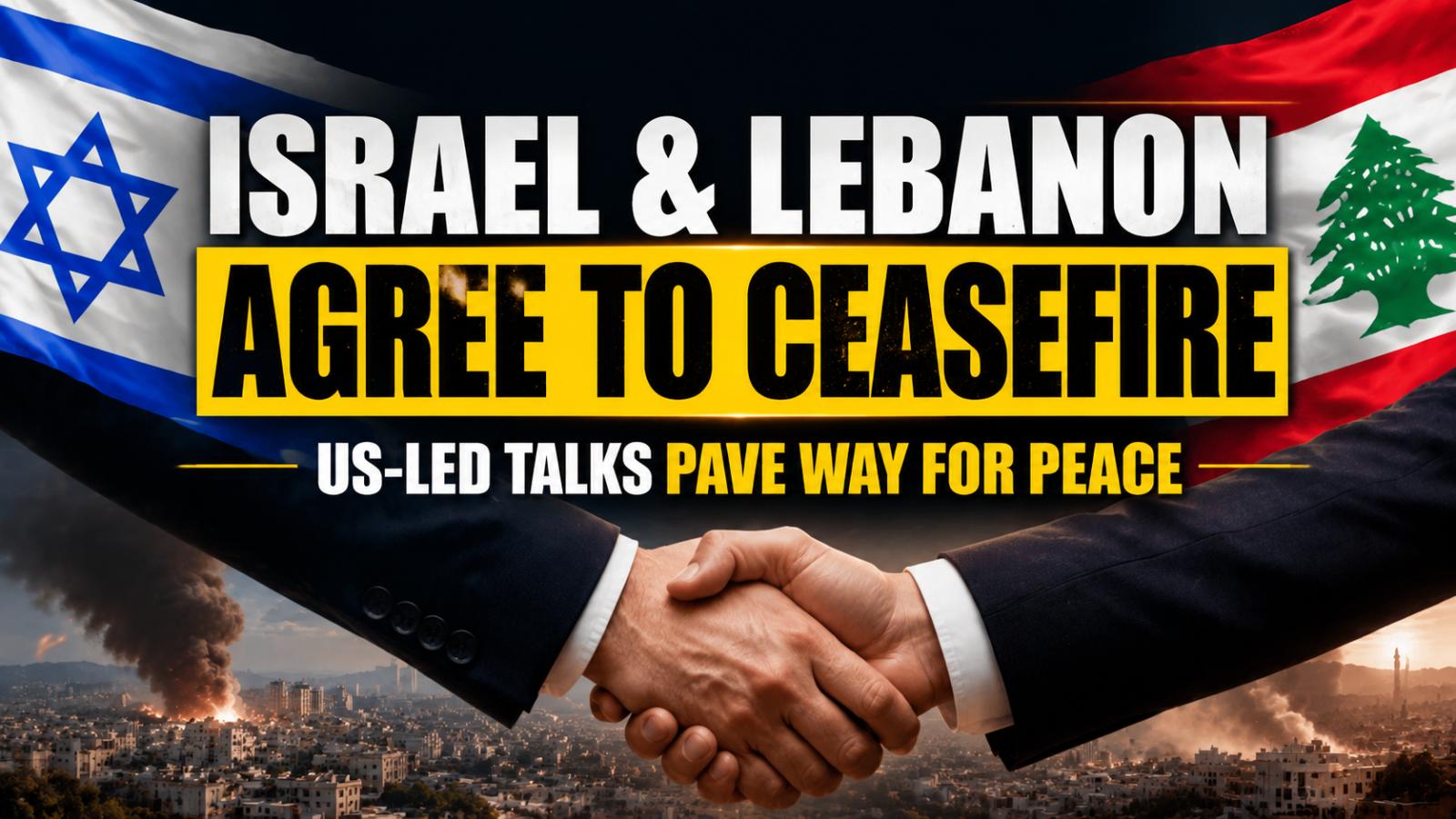
Israel and Lebanon Agree to Ceasefire After US Talks
Israel and Lebanon Agree to Ceasefire After US-Led Talks Israel and Lebanon have reached an agreement to work towards a ceasefire following US-led negotiations in Washington on June 4. The ceasefire is contingent on a “complete cessation” of hostilities by Iran-backed Hezbollah, according to a joint statement issued by the United States, Israel, and Lebanon. The deal also requires the evacuation of all H
Israel and Lebanon Agree to Ceasefire After US Talks
Israel and Lebanon Agree to Ceasefire After US-Led Talks Israel and Lebanon have reached an agreement to work towards a ceasefire following US-led negotiations in Washington on June 4. The ceasefire is contingent on a “complete cessation” of hostilities by Iran-backed Hezbollah, according to a joint statement issued by the United States, Israel, and Lebanon. The deal also requires the evacuation of all H