US-Iran Ceasefire Efforts on the Brink: Will a 45-Day Truce Hold?
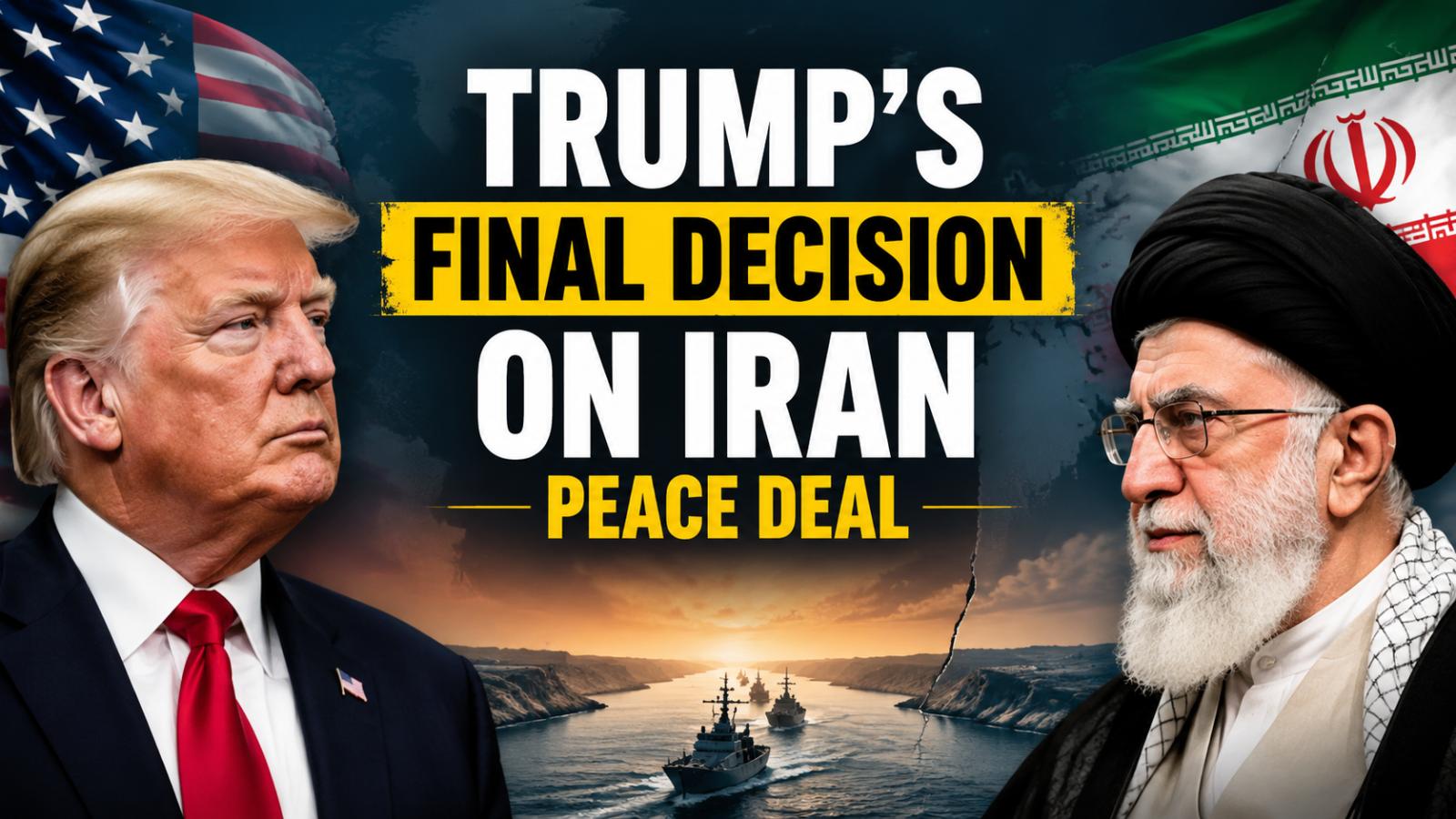
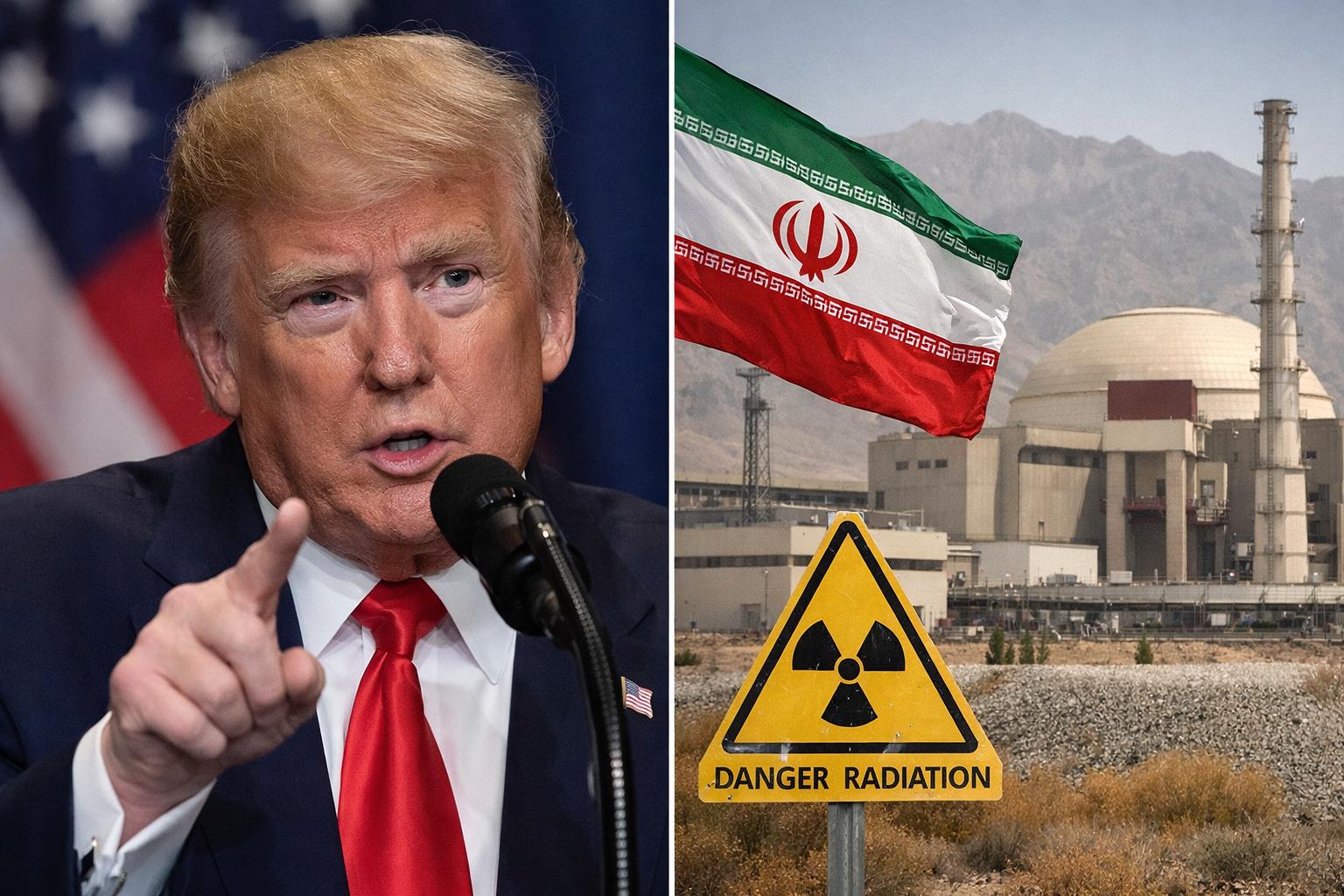
The ongoing conflict between the United States and Iran has reached a critical juncture, with efforts to negotiate a 45-day ceasefire pushing towards a narrow window for a breakthrough. Sources involved in the discussions reveal that while negotiations continue, the chances of a deal within the next 48 hours are slim. This ceasefire is seen as a last-ditch effort to avoid large-scale military strikes on Iranian infrastructure, which could trigger retaliatory attacks on vital energy and water
US-Iran Ceasefire Efforts on the Brink: Will a 45-Day Truce Hold?
The ongoing conflict between the United States and Iran has reached a critical juncture, with efforts to negotiate a 45-day ceasefire pushing towards a narrow window for a breakthrough. Sources involved in the discussions reveal that while negotiations continue, the chances of a deal within the next 48 hours are slim. This ceasefire is seen as a last-ditch effort to avoid large-scale military strikes on Iranian infrastructure, which could trigger retaliatory attacks on vital energy and water
White House Blasts Iran Leaders, Claims Their Deaths Tied to Failed Talks
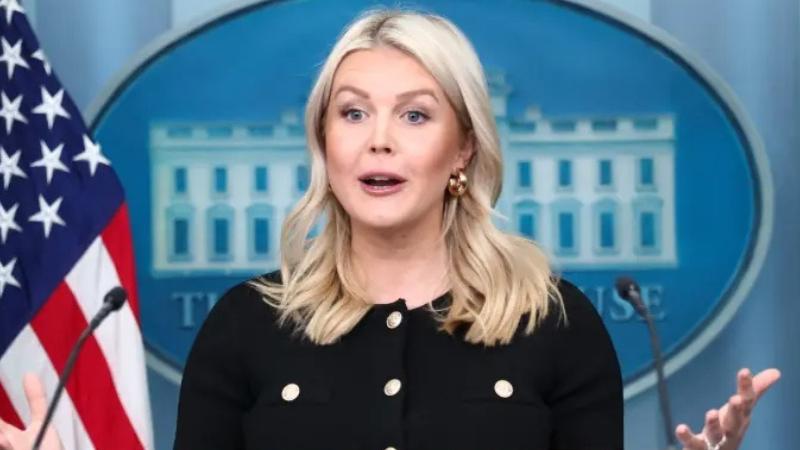
The White House has stirred up fresh controversy amidst the ongoing conflict with Iran by linking the deaths of senior Iranian leaders to failed negotiations with the United States. During a recent briefing, White House Press Secretary Karoline Leavitt claimed that these leaders were eliminated due to misleading the US government during talks aimed at ending the war. Leavitt’s explosive remarks suggested that these leaders had "strung" the US along in negotiations under the previous Trump a
White House Blasts Iran Leaders, Claims Their Deaths Tied to Failed Talks
The White House has stirred up fresh controversy amidst the ongoing conflict with Iran by linking the deaths of senior Iranian leaders to failed negotiations with the United States. During a recent briefing, White House Press Secretary Karoline Leavitt claimed that these leaders were eliminated due to misleading the US government during talks aimed at ending the war. Leavitt’s explosive remarks suggested that these leaders had "strung" the US along in negotiations under the previous Trump a
UN diplomat resigns, warns of nuclear risk in Iran tensions
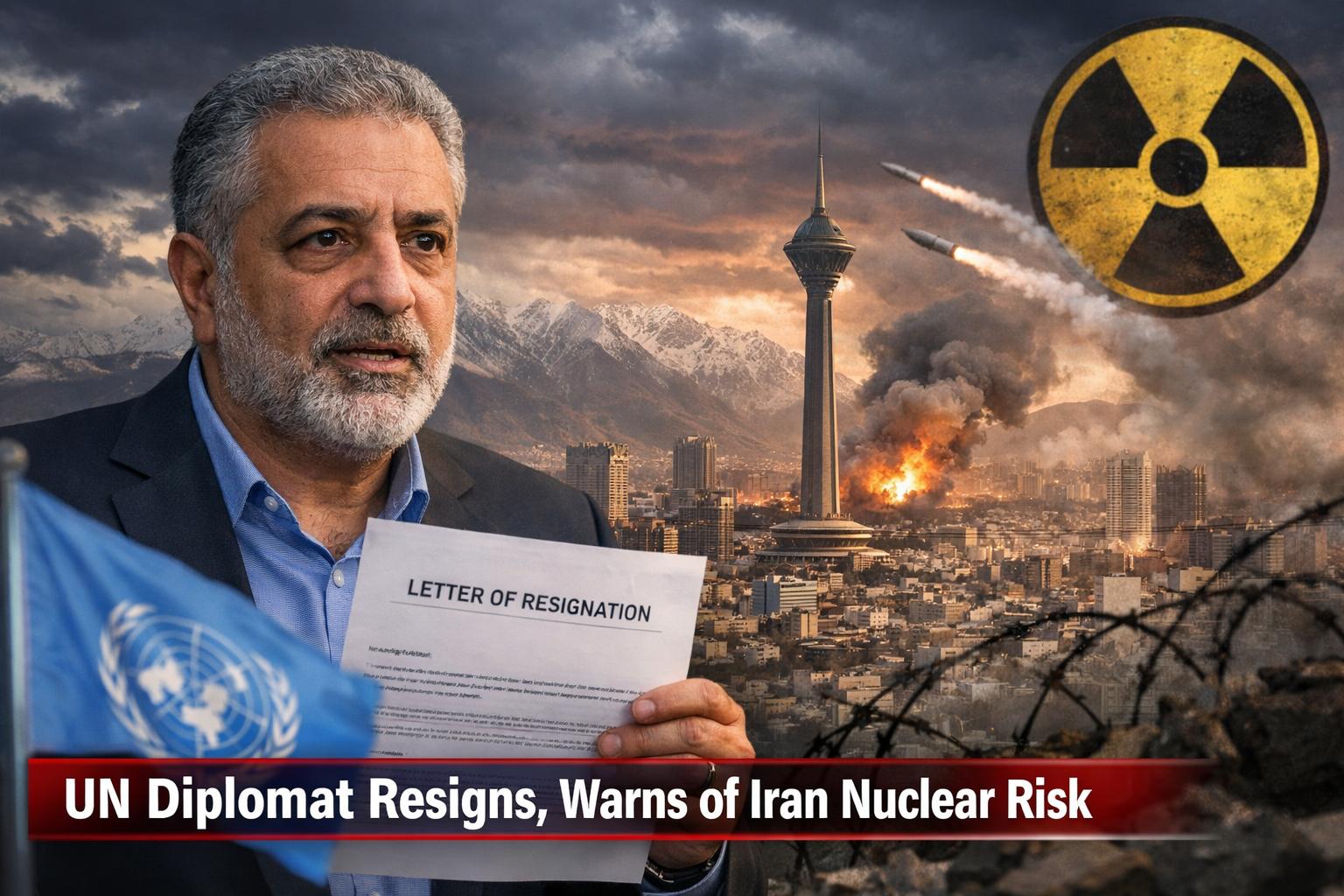
A diplomat associated with the United Nations has resigned, warning of a potential nuclear escalation tied to rising tensions involving Iran. Mohammad Safa announced his decision in a public statement shared on social media, accompanied by a resignation letter outlining his concerns. A timeline of Safa’s resignation has emerged through media reports and his own public statements. His resignation letter is dated March 27, 2026, indicating when the decision was formally made. He later publi
UN diplomat resigns, warns of nuclear risk in Iran tensions
A diplomat associated with the United Nations has resigned, warning of a potential nuclear escalation tied to rising tensions involving Iran. Mohammad Safa announced his decision in a public statement shared on social media, accompanied by a resignation letter outlining his concerns. A timeline of Safa’s resignation has emerged through media reports and his own public statements. His resignation letter is dated March 27, 2026, indicating when the decision was formally made. He later publi
US–Israel–Iran War | Israel confirms strikes on Iran nuclear sites in Yazd and Arak
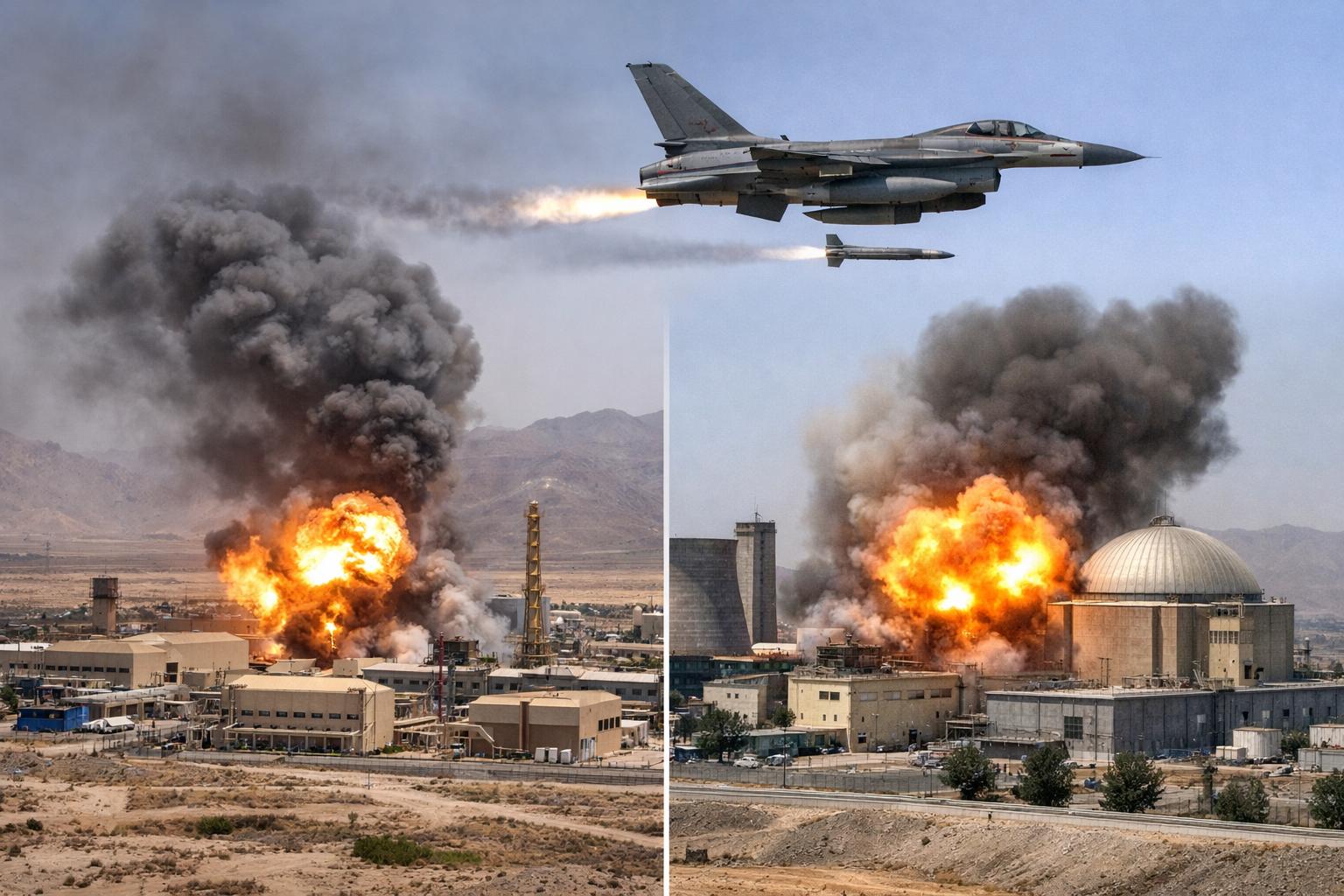
Israel confirmed it carried out coordinated airstrikes on nuclear-related facilities in central Iran on Friday, March 27, 2026, targeting a uranium processing site in Yazd and a heavy water plant in Arak, according to official military statements. The strikes mark a significant escalation in ongoing efforts to disrupt Iran’s nuclear program amid heightened regional tensions. The Israel Defense Forces (IDF) said the operation in Yazd focused on a uranium extraction facility described as cri
US–Israel–Iran War | Israel confirms strikes on Iran nuclear sites in Yazd and Arak
Israel confirmed it carried out coordinated airstrikes on nuclear-related facilities in central Iran on Friday, March 27, 2026, targeting a uranium processing site in Yazd and a heavy water plant in Arak, according to official military statements. The strikes mark a significant escalation in ongoing efforts to disrupt Iran’s nuclear program amid heightened regional tensions. The Israel Defense Forces (IDF) said the operation in Yazd focused on a uranium extraction facility described as cri
US–Israel–Iran War |Trump says Iran agrees to never develop nuclear weapons amid ongoing conflict
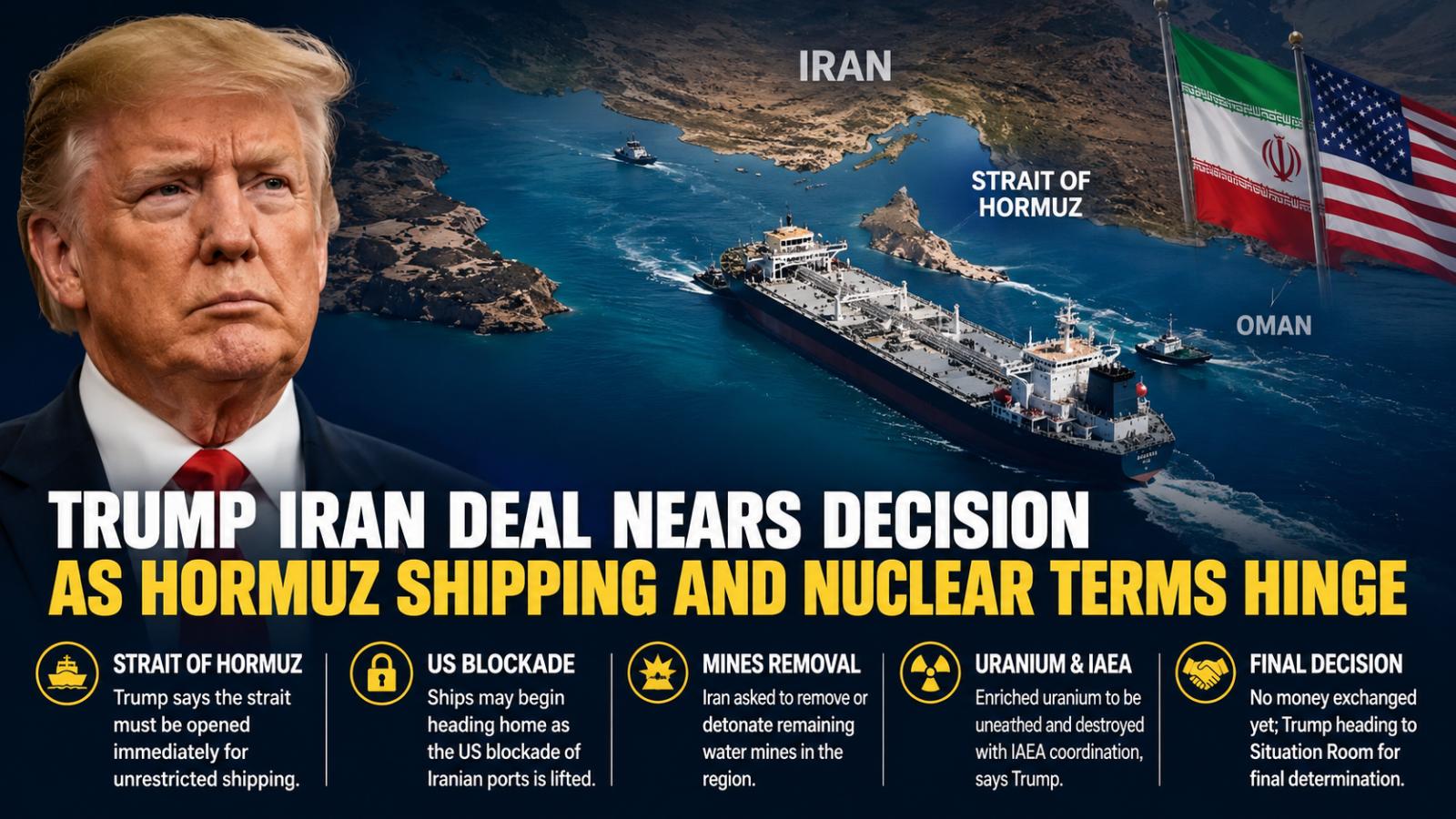
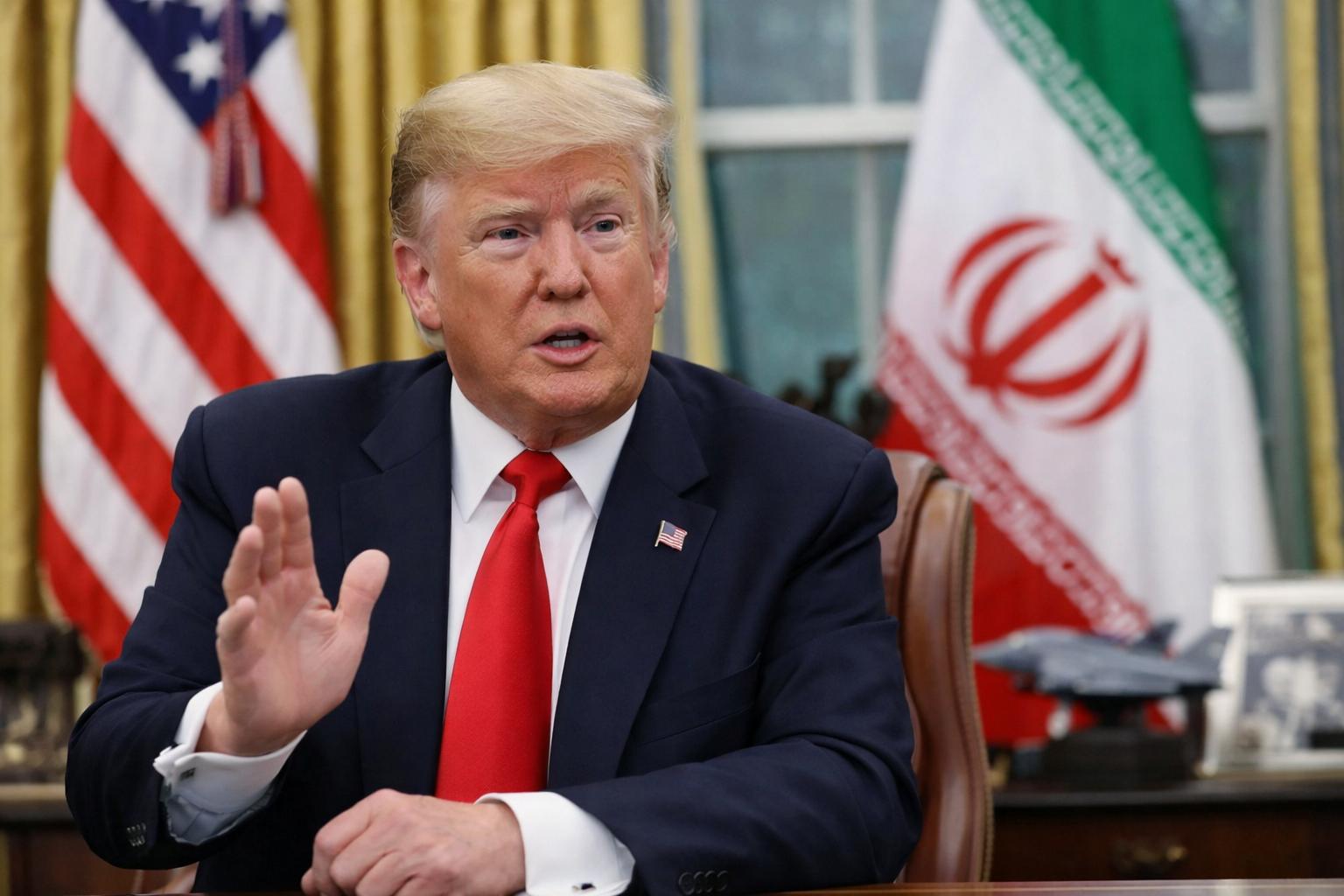
US President Donald Trump has stated that Iran has agreed to never develop nuclear weapons, describing the development as a sign of progress in ongoing diplomatic engagement between the two countries. His remarks come at a time when tensions in the Middle East remain high, with regional conflict continuing to shape the broader geopolitical landscape. Speaking to reporters at the Oval Office, Trump adopted an optimistic tone, indicating that backchannel communicati
US–Israel–Iran War |Trump says Iran agrees to never develop nuclear weapons amid ongoing conflict
US President Donald Trump has stated that Iran has agreed to never develop nuclear weapons, describing the development as a sign of progress in ongoing diplomatic engagement between the two countries. His remarks come at a time when tensions in the Middle East remain high, with regional conflict continuing to shape the broader geopolitical landscape. Speaking to reporters at the Oval Office, Trump adopted an optimistic tone, indicating that backchannel communicati
US-Israel strike on Iran followed urgent call between Netanyahu and Trump
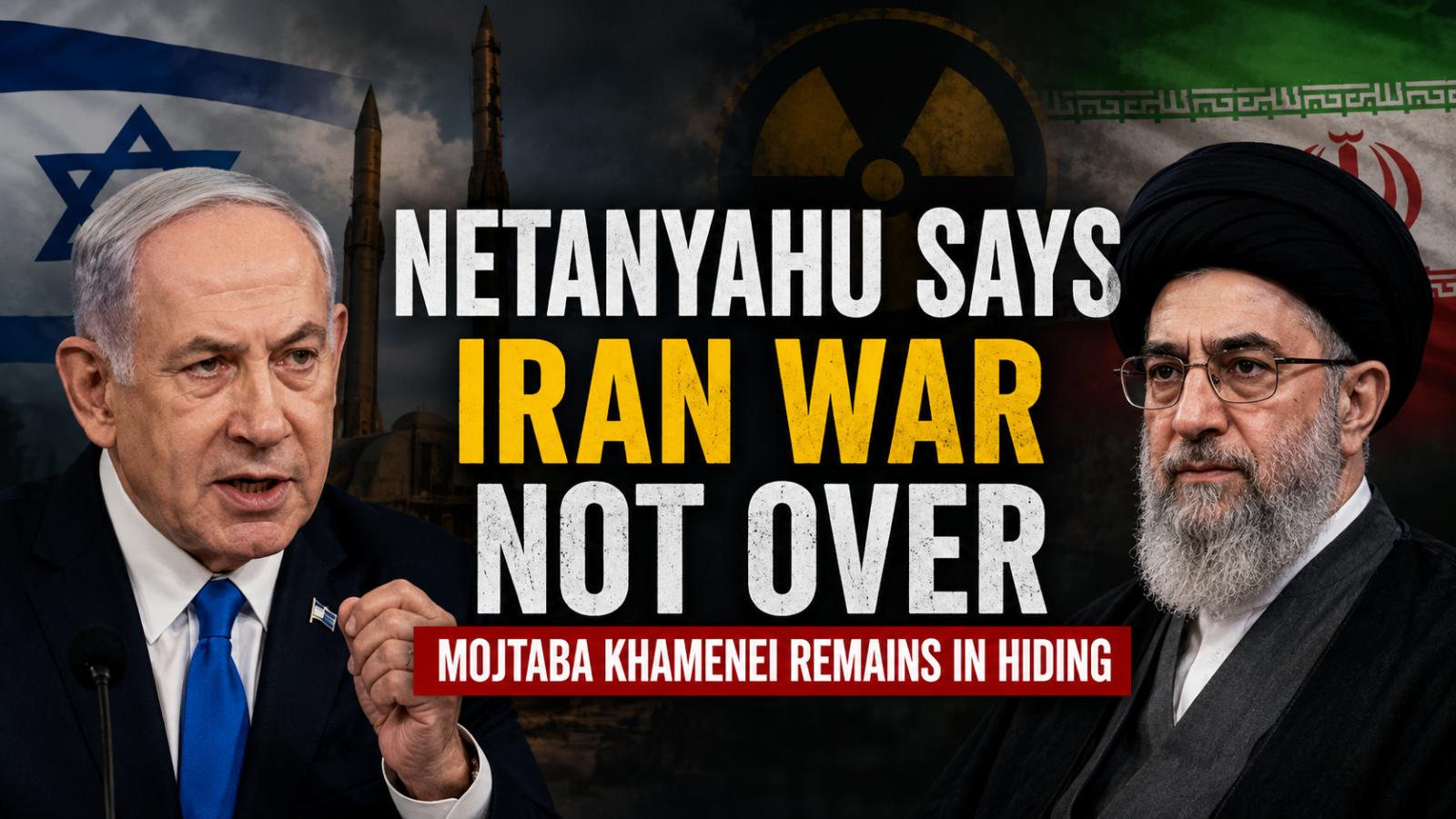
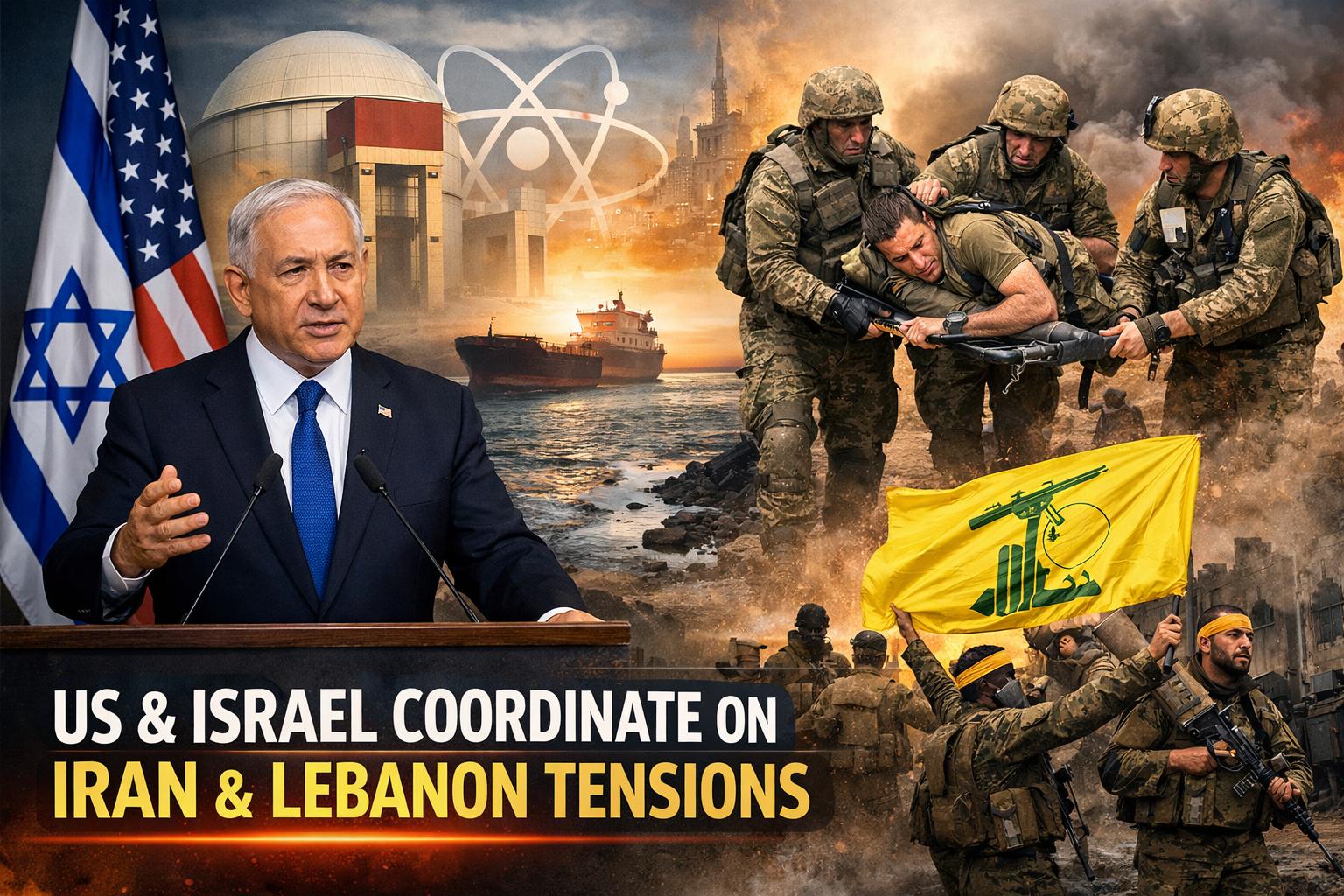
Less than 48 hours before a joint US-Israeli military operation targeting Iran, Israeli Prime Minister Benjamin Netanyahu made a final appeal to US President Donald Trump, urging swift action as intelligence indicated a narrowing operational window. According to officials, briefings suggested that Iran’s Supreme Leader Ayatollah Ali Khamenei and senior leadership were expected to gather in Tehran, presenting what was described as a rare strategic opportunity. Updated intelligence reportedly showed the meeting had been moved earlier, intensifying the urgency of the decision. Although Trump had already approved military action in principle, the exact timing and scale remained under review. Netanyahu’s call was seen as a decisive moment, reinforcing arguments that delays could result in a missed opportunity. The operation followed months of escalating tensions and unsuccessful diplomatic efforts aimed at addressing Iran’s nuclear programme, which had reached a stalemate. Earlier military actions in June, involving strikes on Iranian nuclear and missile infrastructure, had already heightened hostilities. While US forces later joined Israeli operations in a 12-day campaign, Israeli officials continued to push for a more comprehensive response. Strategic discussions, including high-level meetings, focused on Iran’s advancing missile capabilities and perceived regional threat. Additional geopolitical developments influenced Washington’s approach, including a successful US-backed operation in Venezuela and widespread unrest within Iran, which was met with force by security agencies. US officials had anticipated escalation, warning that any Israeli action could provoke retaliation against American assets and allies in the region. The coordinated strikes began on February 28 after Trump gave final approval. The White House stated that the objective was to weaken Iran’s military infrastructure, curb its missile capabilities, and prevent nuclear weapon development. Trump later announced that Khamenei had been killed during the operation. The aftermath saw immediate retaliation from Iran, disruptions in key shipping routes, and a surge in global oil prices. Reports indicated significant casualties, including Iranian civilians and US personnel. Despite expectations of political change, intelligence assessments had warned that leadership shifts might not moderate Iran’s stance. Khamenei’s son, Mojtaba Khamenei, has since assumed leadership, while security forces continue to maintain control. Both leaders have defended their roles in the decision, with Trump asserting sole responsibility and Netanyahu denying claims of influencing US involvement. However, accounts suggest that the combination of intelligence updates and diplomatic pressure played a critical role in shaping a decision that has significantly altered regional dynamics.
US-Israel strike on Iran followed urgent call between Netanyahu and Trump
Less than 48 hours before a joint US-Israeli military operation targeting Iran, Israeli Prime Minister Benjamin Netanyahu made a final appeal to US President Donald Trump, urging swift action as intelligence indicated a narrowing operational window. According to officials, briefings suggested that Iran’s Supreme Leader Ayatollah Ali Khamenei and senior leadership were expected to gather in Tehran, presenting what was described as a rare strategic opportunity. Updated intelligence reportedly showed the meeting had been moved earlier, intensifying the urgency of the decision. Although Trump had already approved military action in principle, the exact timing and scale remained under review. Netanyahu’s call was seen as a decisive moment, reinforcing arguments that delays could result in a missed opportunity. The operation followed months of escalating tensions and unsuccessful diplomatic efforts aimed at addressing Iran’s nuclear programme, which had reached a stalemate. Earlier military actions in June, involving strikes on Iranian nuclear and missile infrastructure, had already heightened hostilities. While US forces later joined Israeli operations in a 12-day campaign, Israeli officials continued to push for a more comprehensive response. Strategic discussions, including high-level meetings, focused on Iran’s advancing missile capabilities and perceived regional threat. Additional geopolitical developments influenced Washington’s approach, including a successful US-backed operation in Venezuela and widespread unrest within Iran, which was met with force by security agencies. US officials had anticipated escalation, warning that any Israeli action could provoke retaliation against American assets and allies in the region. The coordinated strikes began on February 28 after Trump gave final approval. The White House stated that the objective was to weaken Iran’s military infrastructure, curb its missile capabilities, and prevent nuclear weapon development. Trump later announced that Khamenei had been killed during the operation. The aftermath saw immediate retaliation from Iran, disruptions in key shipping routes, and a surge in global oil prices. Reports indicated significant casualties, including Iranian civilians and US personnel. Despite expectations of political change, intelligence assessments had warned that leadership shifts might not moderate Iran’s stance. Khamenei’s son, Mojtaba Khamenei, has since assumed leadership, while security forces continue to maintain control. Both leaders have defended their roles in the decision, with Trump asserting sole responsibility and Netanyahu denying claims of influencing US involvement. However, accounts suggest that the combination of intelligence updates and diplomatic pressure played a critical role in shaping a decision that has significantly altered regional dynamics.
US and Israel launch strikes on Iran, raising fears of wider West Asia conflict
The United States and Israel carried out a coordinated military operation against Iran on February 28, marking a sharp escalation in West Asia tensions and raising concerns about a wider regional conflict. Officials familiar with the development said the strikes were aimed at key military and political targets, including locations linked to Iran’s leadership and nuclear programme. Iranian authorities later responded with missile attacks targeting Israeli territory and facilities used by US for
US and Israel launch strikes on Iran, raising fears of wider West Asia conflict
The United States and Israel carried out a coordinated military operation against Iran on February 28, marking a sharp escalation in West Asia tensions and raising concerns about a wider regional conflict. Officials familiar with the development said the strikes were aimed at key military and political targets, including locations linked to Iran’s leadership and nuclear programme. Iranian authorities later responded with missile attacks targeting Israeli territory and facilities used by US for
US-Israel strike on Iran after Geneva nuclear talks collapse sparks regional crisis
The collapse of the Geneva nuclear talks on February 26, 2026, marked a decisive setback in months of diplomatic efforts aimed at resolving the long-running dispute over Iran’s nuclear program. Mediators had earlier indicated that progress was being made, but negotiations ultimately failed after both sides refused to compromise on core demands. Officials confirmed that technical-level discussions were scheduled to continue in Vienna, though the situation deteriorated rapidly following milit

US-Israel strike on Iran after Geneva nuclear talks collapse sparks regional crisis
The collapse of the Geneva nuclear talks on February 26, 2026, marked a decisive setback in months of diplomatic efforts aimed at resolving the long-running dispute over Iran’s nuclear program. Mediators had earlier indicated that progress was being made, but negotiations ultimately failed after both sides refused to compromise on core demands. Officials confirmed that technical-level discussions were scheduled to continue in Vienna, though the situation deteriorated rapidly following milit

IAEA denied access to Iran nuclear sites after June conflict
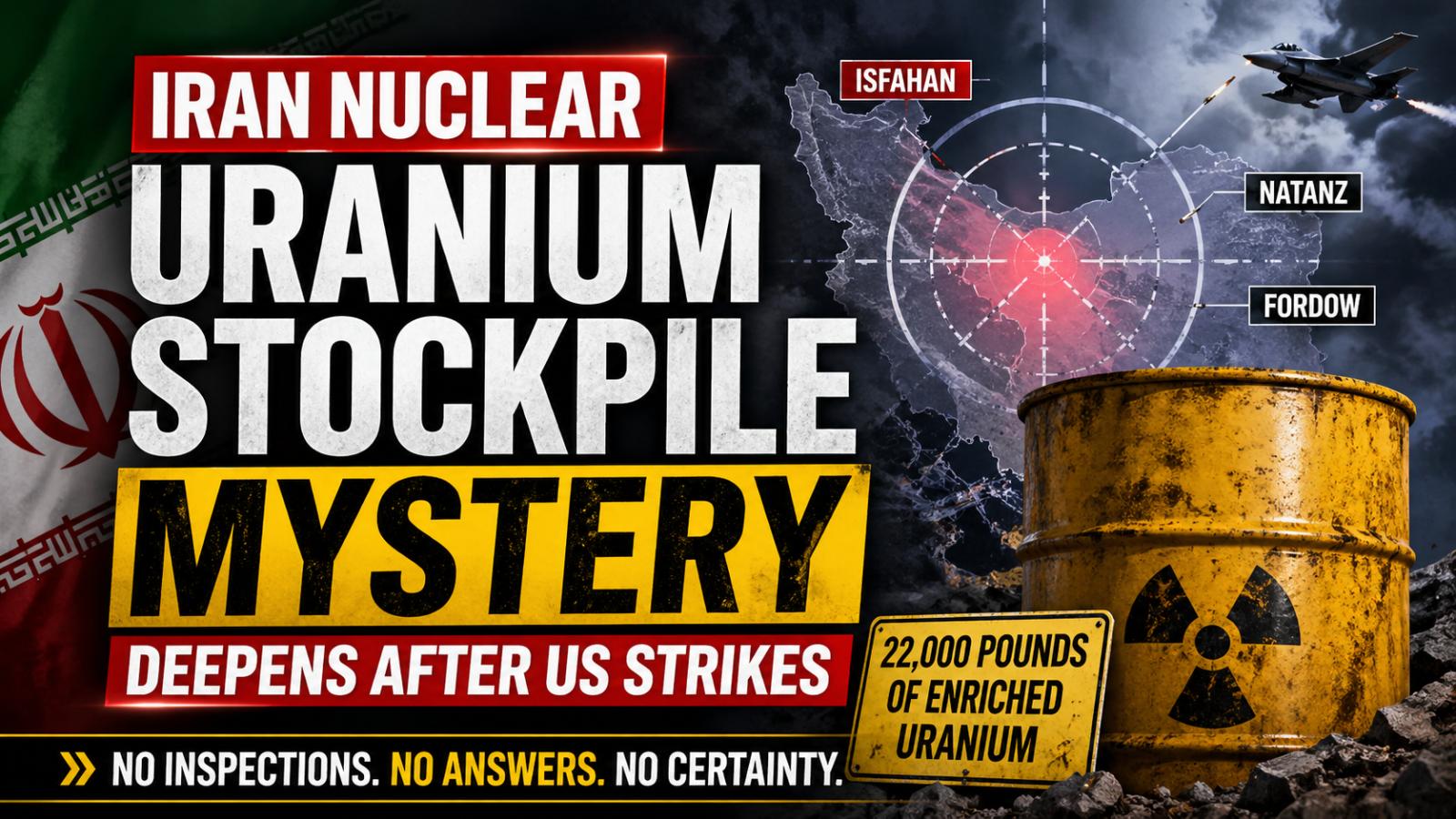
Iran has denied inspectors from the International Atomic Energy Agency access to several nuclear sites struck during a 12-day conflict involving Israel and the United States in June, according to a confidential report circulated among member states. The development has left the UN watchdog unable to verify the status of Tehran’s uranium enrichment activities or confirm the size and location of its enriched uranium stockpile. In its latest assessment, the Vienna-based nuclear monit
IAEA denied access to Iran nuclear sites after June conflict
Iran has denied inspectors from the International Atomic Energy Agency access to several nuclear sites struck during a 12-day conflict involving Israel and the United States in June, according to a confidential report circulated among member states. The development has left the UN watchdog unable to verify the status of Tehran’s uranium enrichment activities or confirm the size and location of its enriched uranium stockpile. In its latest assessment, the Vienna-based nuclear monit
Trump considering limited military strike on Iran amid stalled nuclear talks
US President Donald Trump has said he is considering a limited military strike on Iran if ongoing negotiations over Tehran’s nuclear programme fail to result in a final agreement, raising fresh concerns about escalating tensions in the Middle East. The remarks followed a second round of high-level talks in Geneva that concluded without a comprehensive deal, despite what officials described as a technical breakthrough in certain areas of discussion. While negotiators appeared to narrow differen
Trump considering limited military strike on Iran amid stalled nuclear talks
US President Donald Trump has said he is considering a limited military strike on Iran if ongoing negotiations over Tehran’s nuclear programme fail to result in a final agreement, raising fresh concerns about escalating tensions in the Middle East. The remarks followed a second round of high-level talks in Geneva that concluded without a comprehensive deal, despite what officials described as a technical breakthrough in certain areas of discussion. While negotiators appeared to narrow differen
Trump announces $10 billion US pledge to Gaza peace board
President Donald Trump on Thursday announced that the United States will contribute $10 billion to the newly formed Board of Peace, a central element of his 20-point plan aimed at stabilising and rebuilding Gaza. Speaking at the board’s inaugural meeting in Washington, Trump told representatives from nearly 50 countries that the United States intended to play a leading financial role in the initiative, though questions remain about how the funding will be sourced amid the administration’s
Trump announces $10 billion US pledge to Gaza peace board
President Donald Trump on Thursday announced that the United States will contribute $10 billion to the newly formed Board of Peace, a central element of his 20-point plan aimed at stabilising and rebuilding Gaza. Speaking at the board’s inaugural meeting in Washington, Trump told representatives from nearly 50 countries that the United States intended to play a leading financial role in the initiative, though questions remain about how the funding will be sourced amid the administration’s
IAEA chief warns of urgency in US-Iran nuclear deal talks
The head of the International Atomic Energy Agency (IAEA), Rafael Grossi, has issued a stark warning about the narrowing window for diplomacy between the United States and Iran, emphasizing the urgent need for an agreement to prevent further military escalation. His remarks come as concerns grow over Iran’s enriched nuclear material, which he said remains largely intact despite US strikes on key facilities last year. Speaking in an interview with French broadcaster TF1, Grossi stressed tha
IAEA chief warns of urgency in US-Iran nuclear deal talks
The head of the International Atomic Energy Agency (IAEA), Rafael Grossi, has issued a stark warning about the narrowing window for diplomacy between the United States and Iran, emphasizing the urgent need for an agreement to prevent further military escalation. His remarks come as concerns grow over Iran’s enriched nuclear material, which he said remains largely intact despite US strikes on key facilities last year. Speaking in an interview with French broadcaster TF1, Grossi stressed tha
US raises security concerns over UK’s Diego Garcia plans
US President Donald Trump on Wednesday publicly criticized British Prime Minister Keir Starmer over the United Kingdom’s handling of the strategically important island of Diego Garcia, warning that London could be making a significant strategic error. In a post on Truth Social dated February 18, Trump said he had advised Starmer that entering into a 100-year lease arrangement concerning Diego Garcia was a “big mistake.” The island, located in the Indian Ocean and part of the Chagos Arc
US raises security concerns over UK’s Diego Garcia plans
US President Donald Trump on Wednesday publicly criticized British Prime Minister Keir Starmer over the United Kingdom’s handling of the strategically important island of Diego Garcia, warning that London could be making a significant strategic error. In a post on Truth Social dated February 18, Trump said he had advised Starmer that entering into a 100-year lease arrangement concerning Diego Garcia was a “big mistake.” The island, located in the Indian Ocean and part of the Chagos Arc
Iran says it is open to nuclear verification after US talks in Geneva
Iran has indicated it is prepared to allow verification of its nuclear activities following the conclusion of a second round of US-Iran negotiations mediated by Oman. Speaking on Tuesday, February 17, Iranian President Masoud Pezeshkian reiterated that Tehran has no intention of developing atomic weapons and expressed openness to international scrutiny aimed at confirming that position. In remarks reported after the Geneva talks, Pezeshkian stated that Iran’s stance on nuclear weapons rema
Iran says it is open to nuclear verification after US talks in Geneva
Iran has indicated it is prepared to allow verification of its nuclear activities following the conclusion of a second round of US-Iran negotiations mediated by Oman. Speaking on Tuesday, February 17, Iranian President Masoud Pezeshkian reiterated that Tehran has no intention of developing atomic weapons and expressed openness to international scrutiny aimed at confirming that position. In remarks reported after the Geneva talks, Pezeshkian stated that Iran’s stance on nuclear weapons rema
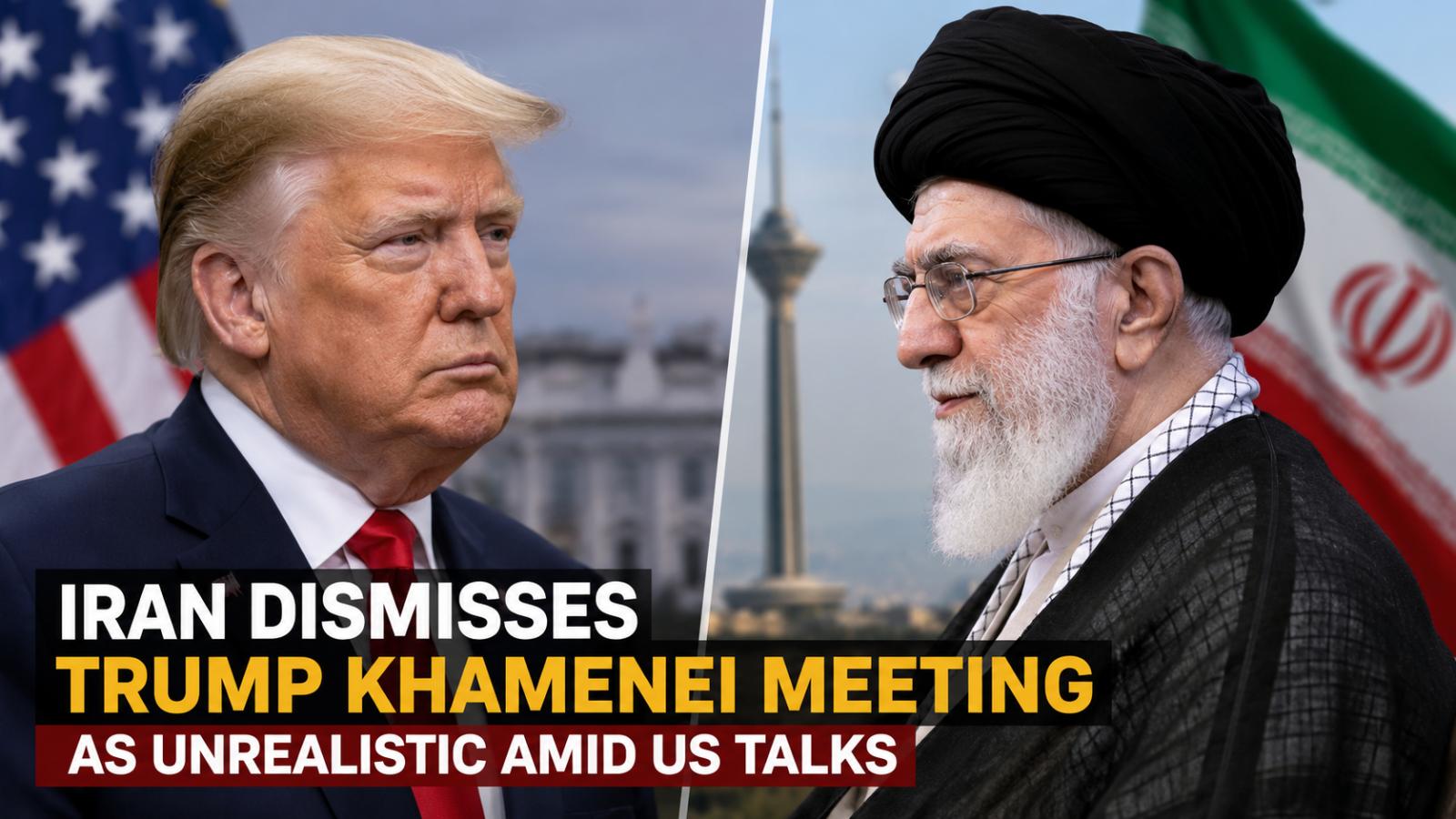
Trump and Khamenei exchange sharp warnings ahead of nuclear talks
Tensions between the United States and Iran intensified this week as both sides exchanged sharp rhetoric ahead of renewed diplomatic efforts over Tehran’s nuclear program. Former US President Donald Trump highlighted America’s military strength while Iran’s Supreme Leader Ali Khamenei issued a pointed warning, underscoring the fragile atmosphere surrounding the latest round of nuclear deal talks. The war of words escalated even before the second round of negotiations, which were mediat
Trump and Khamenei exchange sharp warnings ahead of nuclear talks
Tensions between the United States and Iran intensified this week as both sides exchanged sharp rhetoric ahead of renewed diplomatic efforts over Tehran’s nuclear program. Former US President Donald Trump highlighted America’s military strength while Iran’s Supreme Leader Ali Khamenei issued a pointed warning, underscoring the fragile atmosphere surrounding the latest round of nuclear deal talks. The war of words escalated even before the second round of negotiations, which were mediat
US and Iran hold second round of nuclear talks in Geneva
The second round of talks between the United States and Iran concluded in Geneva on Tuesday, with both sides signaling cautious optimism about the path forward. The Geneva meet, facilitated through Oman mediation, comes at a sensitive moment in US Iran relations, with diplomatic and military signals unfolding simultaneously across the Middle East. Speaking at the Conference on Disarmament, Iran FM Abbas Araghchi described the latest engagement as a potential turning point. He said a
US and Iran hold second round of nuclear talks in Geneva
The second round of talks between the United States and Iran concluded in Geneva on Tuesday, with both sides signaling cautious optimism about the path forward. The Geneva meet, facilitated through Oman mediation, comes at a sensitive moment in US Iran relations, with diplomatic and military signals unfolding simultaneously across the Middle East. Speaking at the Conference on Disarmament, Iran FM Abbas Araghchi described the latest engagement as a potential turning point. He said a
Satellite images show Iran fortifying underground site near Natanz nuclear facility
Fresh satellite imagery indicates that Iran is strengthening an underground complex near its main nuclear installation at Natanz, a development that analysts say could complicate diplomatic efforts and heighten regional security concerns. The activity has been observed at a mountainous site known as Pickaxe Mountain, located roughly 1.6 kilometres south of the uranium enrichment facility in central Iran, and appears to involve new concrete structures and expanded tunnel protections. The construction comes at a time of renewed friction between Tehran and Washington. Former US president Donald Trump has repeatedly warned of possible military action if Iran does not reach an agreement over its nuclear programme, while Iranian officials have vowed to respond to any strike. The exchange of threats has added to fears of escalation across West Asia, where US forces have increased their presence and longstanding rivalries continue to shape the strategic landscape. Images reviewed by analysts from the Institute for Science and International Security, a Washington-based think tank that tracks nuclear proliferation risks, show what appears to be fresh concrete poured over at least one tunnel entrance. Equipment consistent with a boom pump used for concrete delivery is visible at the site, suggesting active reinforcement work. Nearby, rock and soil appear to have been cleared and levelled, and additional concrete-reinforced structures have been erected close to the entrances. Researchers who have monitored the area for several years say the scale of excavation and the amount of construction material suggest the site could support more than routine maintenance. The depth of the tunnels, estimated to be between 79 and 100 metres underground, may offer significant protection from aerial attacks and surveillance, potentially making the facility more resilient than other known installations. Such characteristics have drawn scrutiny from non-proliferation experts, who view hardened underground sites as capable of hosting sensitive operations such as centrifuge assembly or uranium enrichment. Iran has previously said that Pickaxe Mountain could be used for manufacturing and assembling centrifuges, devices required for nuclear fuel production. Tehran maintains that its nuclear activities are intended solely for peaceful purposes, including energy generation and medical research, and has repeatedly denied pursuing a nuclear weapon. However, the limited access granted to international inspectors has raised questions among watchdog groups and foreign governments about transparency and compliance. The site was not among those reportedly targeted during earlier US strikes on Iranian nuclear infrastructure, which officials described at the time as severely damaging key facilities. Analysts now suggest that any reconstruction of centrifuge capacity in protected locations like Pickaxe Mountain could allow Iran to restore or expand operations more quickly if other sites are disrupted. International observers emphasize that the situation underscores the importance of oversight by the International Atomic Energy Agency. Experts argue that greater disclosure and inspections are essential to clarify the purpose of the new construction and to reduce the risk of miscalculation. Without verifiable information, they warn, suspicion could deepen and diplomatic efforts may face additional obstacles. As tensions persist, the developments at Pickaxe Mountain have become another focal point in the broader debate over Iran’s nuclear ambitions, regional stability, and the fragile balance between deterrence and diplomacy.
Satellite images show Iran fortifying underground site near Natanz nuclear facility
Fresh satellite imagery indicates that Iran is strengthening an underground complex near its main nuclear installation at Natanz, a development that analysts say could complicate diplomatic efforts and heighten regional security concerns. The activity has been observed at a mountainous site known as Pickaxe Mountain, located roughly 1.6 kilometres south of the uranium enrichment facility in central Iran, and appears to involve new concrete structures and expanded tunnel protections. The construction comes at a time of renewed friction between Tehran and Washington. Former US president Donald Trump has repeatedly warned of possible military action if Iran does not reach an agreement over its nuclear programme, while Iranian officials have vowed to respond to any strike. The exchange of threats has added to fears of escalation across West Asia, where US forces have increased their presence and longstanding rivalries continue to shape the strategic landscape. Images reviewed by analysts from the Institute for Science and International Security, a Washington-based think tank that tracks nuclear proliferation risks, show what appears to be fresh concrete poured over at least one tunnel entrance. Equipment consistent with a boom pump used for concrete delivery is visible at the site, suggesting active reinforcement work. Nearby, rock and soil appear to have been cleared and levelled, and additional concrete-reinforced structures have been erected close to the entrances. Researchers who have monitored the area for several years say the scale of excavation and the amount of construction material suggest the site could support more than routine maintenance. The depth of the tunnels, estimated to be between 79 and 100 metres underground, may offer significant protection from aerial attacks and surveillance, potentially making the facility more resilient than other known installations. Such characteristics have drawn scrutiny from non-proliferation experts, who view hardened underground sites as capable of hosting sensitive operations such as centrifuge assembly or uranium enrichment. Iran has previously said that Pickaxe Mountain could be used for manufacturing and assembling centrifuges, devices required for nuclear fuel production. Tehran maintains that its nuclear activities are intended solely for peaceful purposes, including energy generation and medical research, and has repeatedly denied pursuing a nuclear weapon. However, the limited access granted to international inspectors has raised questions among watchdog groups and foreign governments about transparency and compliance. The site was not among those reportedly targeted during earlier US strikes on Iranian nuclear infrastructure, which officials described at the time as severely damaging key facilities. Analysts now suggest that any reconstruction of centrifuge capacity in protected locations like Pickaxe Mountain could allow Iran to restore or expand operations more quickly if other sites are disrupted. International observers emphasize that the situation underscores the importance of oversight by the International Atomic Energy Agency. Experts argue that greater disclosure and inspections are essential to clarify the purpose of the new construction and to reduce the risk of miscalculation. Without verifiable information, they warn, suspicion could deepen and diplomatic efforts may face additional obstacles. As tensions persist, the developments at Pickaxe Mountain have become another focal point in the broader debate over Iran’s nuclear ambitions, regional stability, and the fragile balance between deterrence and diplomacy.
Trump warns Iran of consequences if nuclear deal talks fail
US President Donald Trump met Israeli Prime Minister Benjamin Netanyahu on Wednesday to discuss a range of strategic issues, with the Iran nuclear deal emerging as a central topic of conversation. The meeting, held amid heightened regional tensions, underscored ongoing diplomatic efforts and disagreements surrounding Tehran’s nuclear programme and its broader military capabilities. Following the talks, Trump took to Truth Social to reiterate his administration’s position on nego
Trump warns Iran of consequences if nuclear deal talks fail
US President Donald Trump met Israeli Prime Minister Benjamin Netanyahu on Wednesday to discuss a range of strategic issues, with the Iran nuclear deal emerging as a central topic of conversation. The meeting, held amid heightened regional tensions, underscored ongoing diplomatic efforts and disagreements surrounding Tehran’s nuclear programme and its broader military capabilities. Following the talks, Trump took to Truth Social to reiterate his administration’s position on nego
White House Pushes Nobel Prize For Trump Citing India Pakistan Ceasefire And Global Peace
US President Donald Trump has once again asserted that his leadership has been instrumental in ending several major global conflicts, including the long-standing tensions between India and Pakistan. In a recent post on his social media account, Trump defended his record in response to criticism from radio host Charlamagne Tha God, insisting that the host knew nothing about his achievements on the world stage. Trump highlighted what he described as significant
White House Pushes Nobel Prize For Trump Citing India Pakistan Ceasefire And Global Peace
US President Donald Trump has once again asserted that his leadership has been instrumental in ending several major global conflicts, including the long-standing tensions between India and Pakistan. In a recent post on his social media account, Trump defended his record in response to criticism from radio host Charlamagne Tha God, insisting that the host knew nothing about his achievements on the world stage. Trump highlighted what he described as significant
Tulsi Gabbard backs Trump on Iran strikes, cites intel confirming nuclear facility destruction
Tulsi Gabbard, currently serving as the United States Director of National Intelligence, has voiced strong support for President Donald Trump’s assertions regarding the recent military strikes on Iranian nuclear facilities. Amid ongoing speculation about the effectiveness of the operation, Gabbard publicly affirmed that intelligence assessments now confirm the destruction of Iran’s most critical nuclear infrastructure. In a recent online statement, Gabbard echoed Trump
Tulsi Gabbard backs Trump on Iran strikes, cites intel confirming nuclear facility destruction
Tulsi Gabbard, currently serving as the United States Director of National Intelligence, has voiced strong support for President Donald Trump’s assertions regarding the recent military strikes on Iranian nuclear facilities. Amid ongoing speculation about the effectiveness of the operation, Gabbard publicly affirmed that intelligence assessments now confirm the destruction of Iran’s most critical nuclear infrastructure. In a recent online statement, Gabbard echoed Trump