Macron Condemns Violence in Lebanon
French President Emmanuel Macron on Sunday, May 31, denounced the ongoing escalation in southern Lebanon, stating that the intensifying conflict cannot be justified. Macron called for an urgent end to the violence and emphasized the importance of diplomacy, urging the United States and Iran to quickly reach an agreement to prevent further regional escalation. In a message
Macron Condemns Violence in Lebanon
French President Emmanuel Macron on Sunday, May 31, denounced the ongoing escalation in southern Lebanon, stating that the intensifying conflict cannot be justified. Macron called for an urgent end to the violence and emphasized the importance of diplomacy, urging the United States and Iran to quickly reach an agreement to prevent further regional escalation. In a message
US Targets Hezbollah-Linked Figures
The United States imposed sanctions on nine individuals linked to Hezbollah on Thursday,May 21,2026 accusing them of obstructing the peace process in Lebanon as Israeli airstrikes continued in the country’s south despite an active ceasefire. US officials said Hezbollah must be fully disarmed and accused the group’s network of enabling violence while undermining efforts toward lasting
US Targets Hezbollah-Linked Figures
The United States imposed sanctions on nine individuals linked to Hezbollah on Thursday,May 21,2026 accusing them of obstructing the peace process in Lebanon as Israeli airstrikes continued in the country’s south despite an active ceasefire. US officials said Hezbollah must be fully disarmed and accused the group’s network of enabling violence while undermining efforts toward lasting
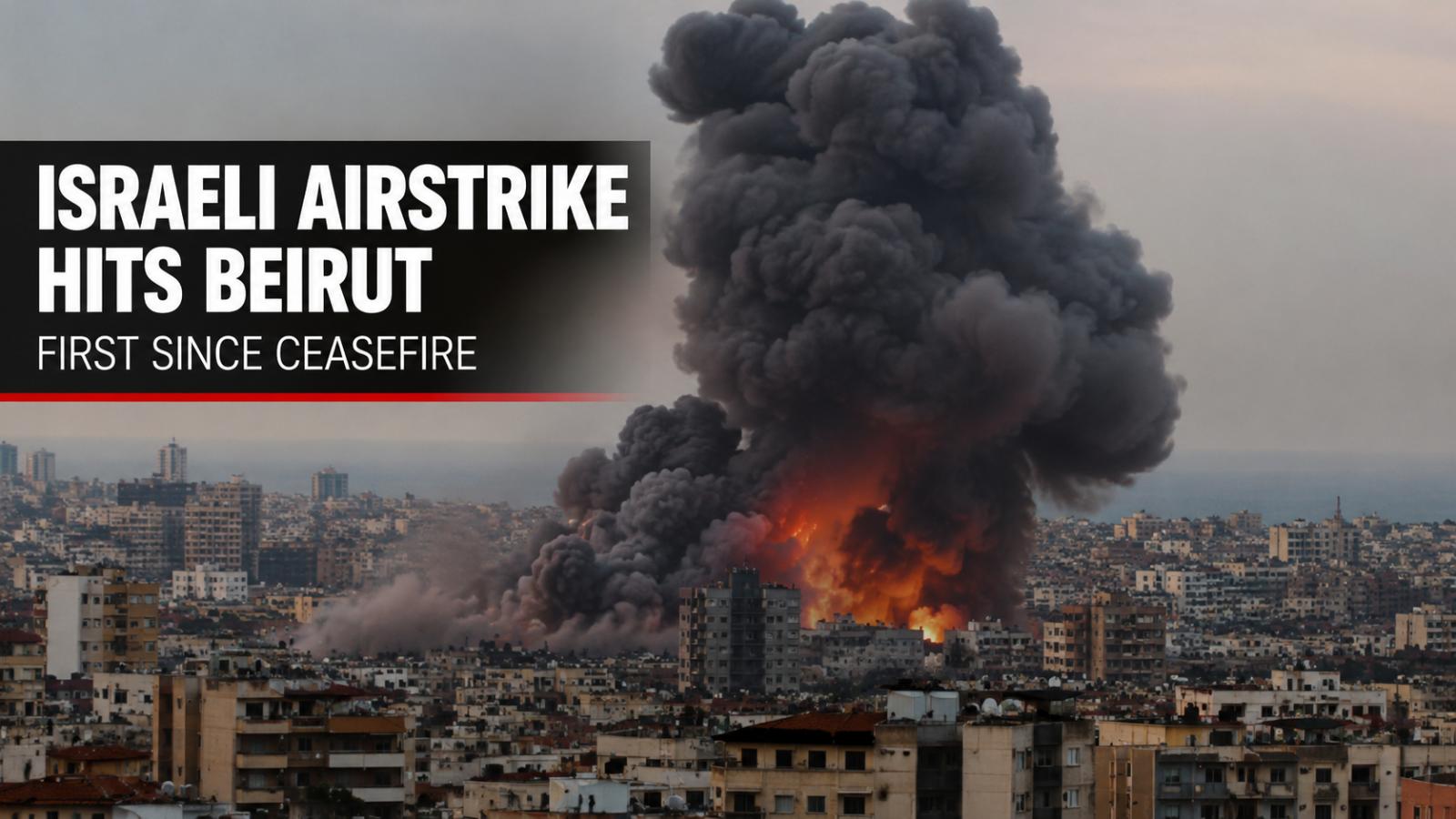
Israeli forces killed a senior Hezbollah commander in an airstrike in Beirut on May 6, Israeli Prime Minister Benjamin Netanyahu said on Thursday, marking the first strike on the Lebanese capital since an April ceasefire.
The Israeli military said the target was a commander from Hezbollah’s elite Radwan unit, struck in Beirut’s southern suburbs, an area known for Hezbollah presence. The military did not name the individual.
Hezbollah had not confirmed the death as of Thursday, leaving the claim unverified.
Netanyahu said the operation was part of Israel’s ongoing efforts to counter threats, warning that those involved in attacks against Israel would be targeted.
The strike was announced jointly by Netanyahu and Defence Minister Israel Katz a day earlier, amid rising tensions despite the ceasefire agreement reached in April.
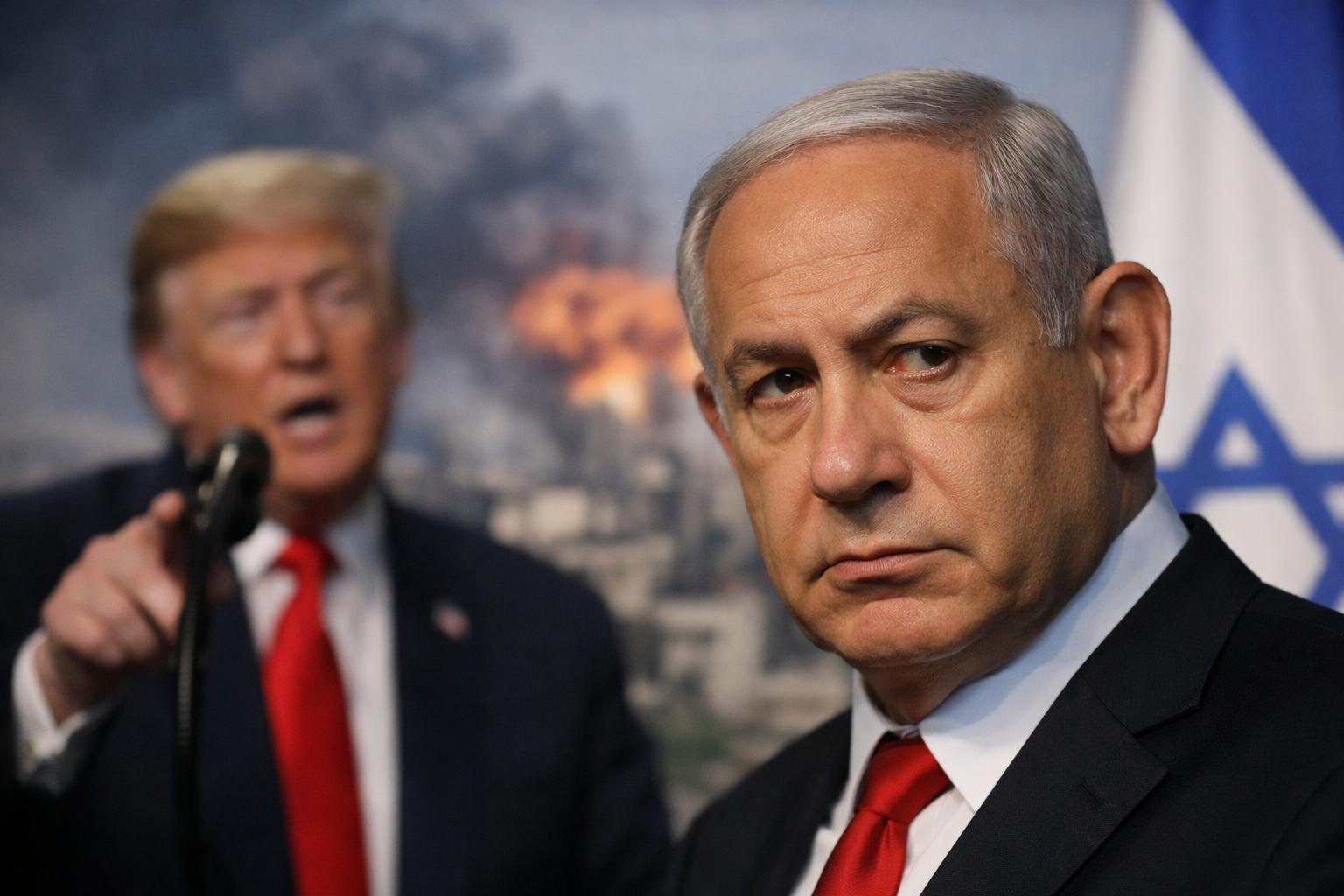
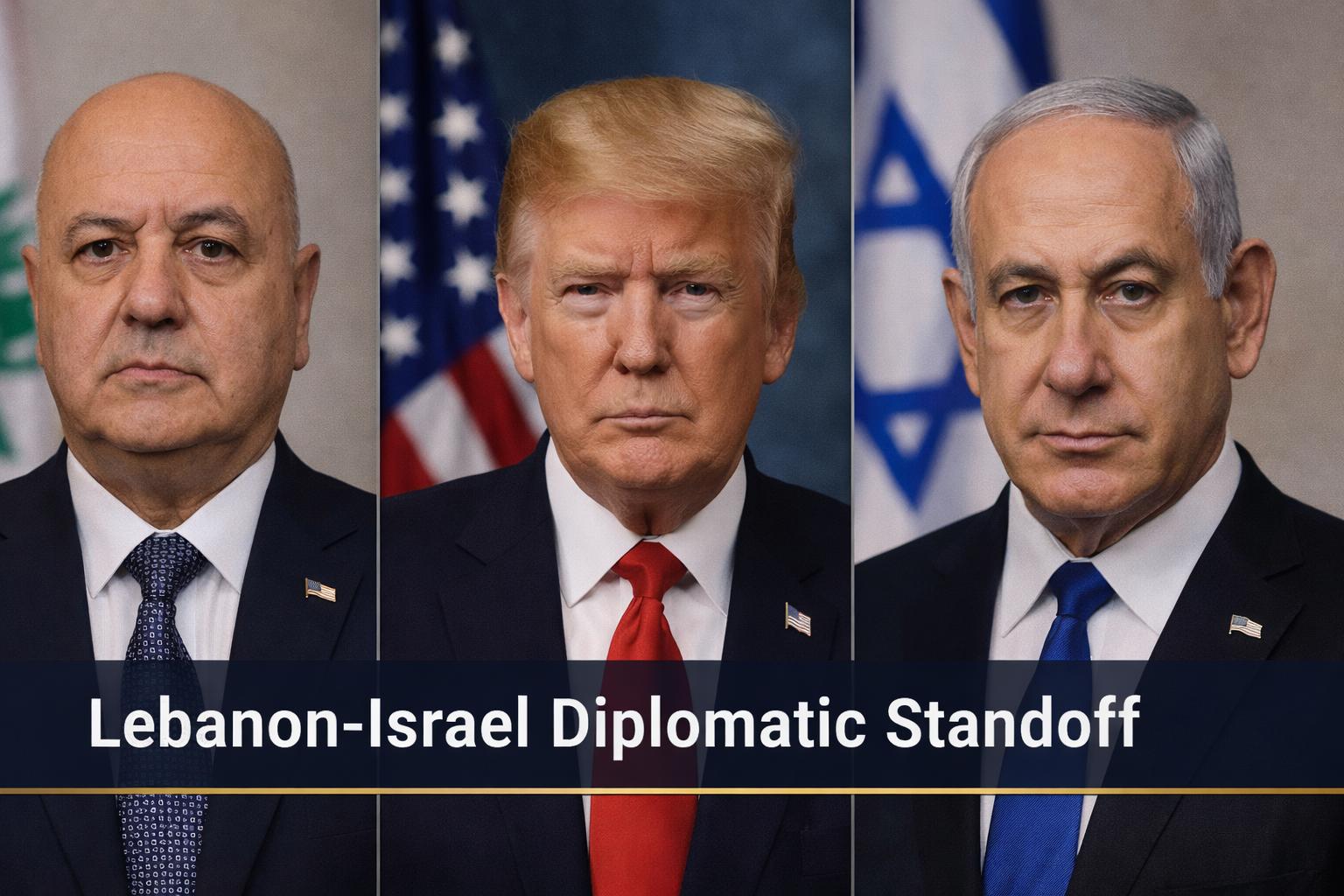
The development comes as diplomatic efforts continue, including attempts by the administration of Donald Trump to facilitate talks between Israel and Lebanon. Lebanese President Joseph Aoun has said negotiations depend on Israel halting military actions.
The incident highlights the fragility of the ceasefire and raises concerns of renewed escalation along the Israel-Lebanon front.
Israeli forces killed a senior Hezbollah commander in an airstrike in Beirut on May 6, Israeli Prime Minister Benjamin Netanyahu said on Thursday, marking the first strike on the Lebanese capital since an April ceasefire.
The Israeli military said the target was a commander from Hezbollah’s elite Radwan unit, struck in Beirut’s southern suburbs, an area known for Hezbollah presence. The military did not name the individual.
Hezbollah had not confirmed the death as of Thursday, leaving the claim unverified.
Netanyahu said the operation was part of Israel’s ongoing efforts to counter threats, warning that those involved in attacks against Israel would be targeted.
The strike was announced jointly by Netanyahu and Defence Minister Israel Katz a day earlier, amid rising tensions despite the ceasefire agreement reached in April.
The development comes as diplomatic efforts continue, including attempts by the administration of Donald Trump to facilitate talks between Israel and Lebanon. Lebanese President Joseph Aoun has said negotiations depend on Israel halting military actions.
The incident highlights the fragility of the ceasefire and raises concerns of renewed escalation along the Israel-Lebanon front.
Israel strikes Hezbollah targets after rocket fire from Lebanon as tensions persist despite a truce extension, while diplomatic efforts and US energy measures reflect widening regional impact.
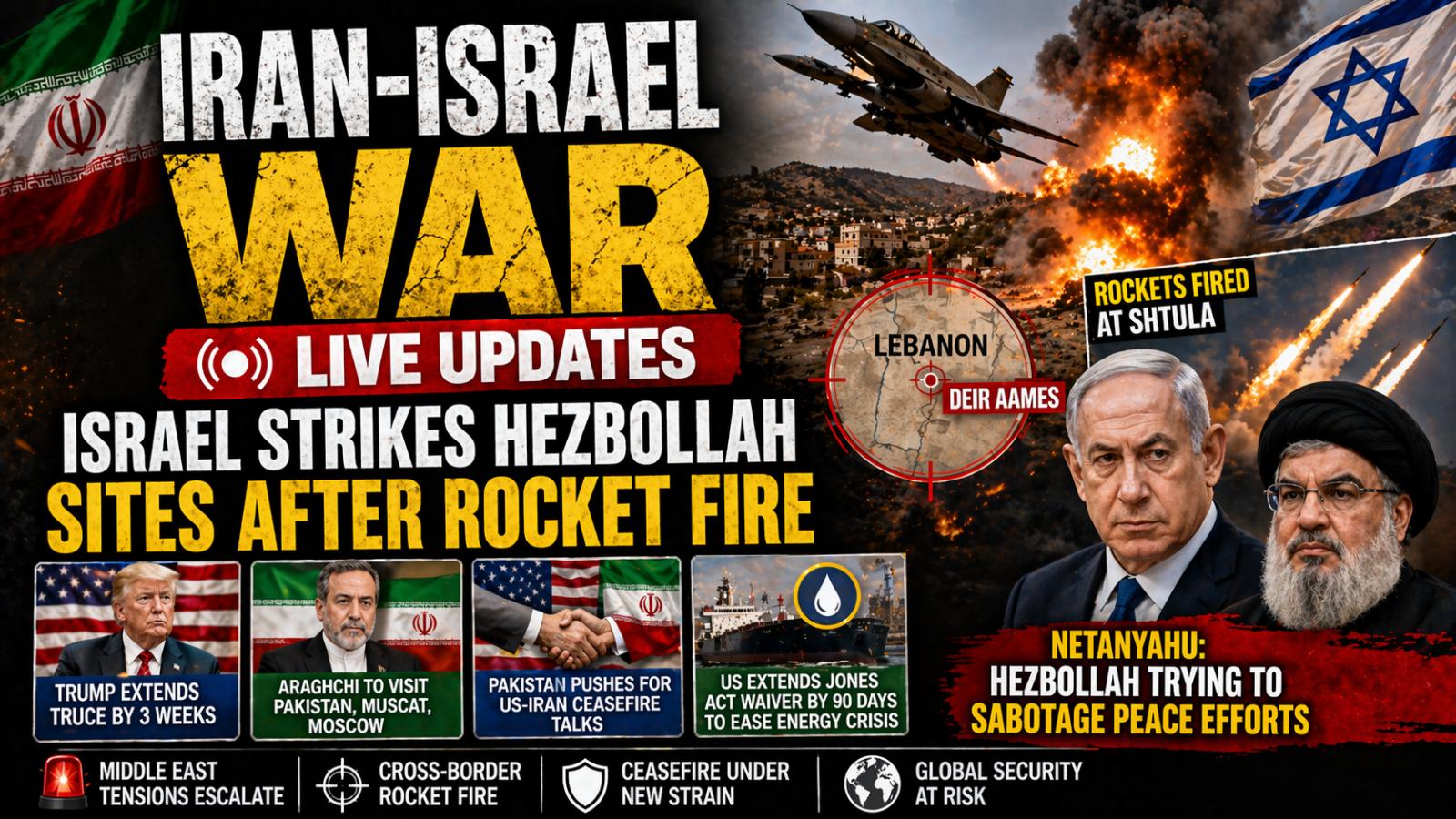
Iran-Israel war live updates: Israel strikes Hezbollah sites after rocket fire as regional tensions escalated on Friday, April 24, 2026, with the Israeli military confirming strikes on Hezbollah-linked locations in southern Lebanon following cross-border rocket launches.
The Israeli military stated that it targeted sites near the town of Deir Aames after rockets were fired toward the Israeli town of Shtula a day earlier. Deir Aames lies outside the designated border buffer zone that Israeli forces have continued to occupy even after a 10-day ceasefire agreement implemented the previous week. Earlier on Friday, April 24, 2026, the military issued evacuation warnings urging residents to leave the area before the strikes.
The renewed hostilities come despite diplomatic efforts to maintain calm. U.S. President Donald Trump announced on Thursday, April 23, 2026, a three-week extension of the Israel-Hezbollah truce. However, both sides have continued intermittent exchanges of fire, raising concerns about the durability of the ceasefire.
Israeli Prime Minister Benjamin Netanyahu accused Hezbollah of undermining peace efforts, stating on Friday, April 24, 2026, that the group was attempting to “sabotage” negotiations aimed at reaching a long-term agreement between Israel and Lebanon. His remarks marked his first public comments following the truce extension.
Meanwhile, diplomatic activity continued across the region. Iranian Foreign Minister Abbas Araghchi said his upcoming visits to Islamabad, Muscat, and Moscow are intended to coordinate with regional partners and discuss evolving developments. While he did not directly address potential talks with the United States, officials in Pakistan have recently intensified efforts to facilitate renewed ceasefire negotiations between Washington and Tehran.
In Washington, the White House announced an extension of a waiver to the Jones Act by 90 days on Friday, April 24, 2026. The measure is designed to ease domestic energy supply pressures amid disruptions linked to the broader West Asia conflict. Officials said the extension would help maintain the flow of oil and natural gas within the United States by allowing greater flexibility in maritime transport.
The combination of military actions, diplomatic outreach, and economic measures underscores the widening impact of the conflict, with regional instability continuing to influence global security and energy markets.
Israel strikes Hezbollah targets after rocket fire from Lebanon as tensions persist despite a truce extension, while diplomatic efforts and US energy measures reflect widening regional impact.
Iran-Israel war live updates: Israel strikes Hezbollah sites after rocket fire as regional tensions escalated on Friday, April 24, 2026, with the Israeli military confirming strikes on Hezbollah-linked locations in southern Lebanon following cross-border rocket launches.
The Israeli military stated that it targeted sites near the town of Deir Aames after rockets were fired toward the Israeli town of Shtula a day earlier. Deir Aames lies outside the designated border buffer zone that Israeli forces have continued to occupy even after a 10-day ceasefire agreement implemented the previous week. Earlier on Friday, April 24, 2026, the military issued evacuation warnings urging residents to leave the area before the strikes.
The renewed hostilities come despite diplomatic efforts to maintain calm. U.S. President Donald Trump announced on Thursday, April 23, 2026, a three-week extension of the Israel-Hezbollah truce. However, both sides have continued intermittent exchanges of fire, raising concerns about the durability of the ceasefire.
Israeli Prime Minister Benjamin Netanyahu accused Hezbollah of undermining peace efforts, stating on Friday, April 24, 2026, that the group was attempting to “sabotage” negotiations aimed at reaching a long-term agreement between Israel and Lebanon. His remarks marked his first public comments following the truce extension.
Meanwhile, diplomatic activity continued across the region. Iranian Foreign Minister Abbas Araghchi said his upcoming visits to Islamabad, Muscat, and Moscow are intended to coordinate with regional partners and discuss evolving developments. While he did not directly address potential talks with the United States, officials in Pakistan have recently intensified efforts to facilitate renewed ceasefire negotiations between Washington and Tehran.
In Washington, the White House announced an extension of a waiver to the Jones Act by 90 days on Friday, April 24, 2026. The measure is designed to ease domestic energy supply pressures amid disruptions linked to the broader West Asia conflict. Officials said the extension would help maintain the flow of oil and natural gas within the United States by allowing greater flexibility in maritime transport.
The combination of military actions, diplomatic outreach, and economic measures underscores the widening impact of the conflict, with regional instability continuing to influence global security and energy markets.
A cease-fire between Israel and Lebanon, pressed forward by Donald Trump, is drawing sharp criticism within Israel, where Prime Minister Benjamin Netanyahu faces mounting political pressure over the decision to halt military operations against
A cease-fire between Israel and Lebanon, pressed forward by Donald Trump, is drawing sharp criticism within Israel, where Prime Minister Benjamin Netanyahu faces mounting political pressure over the decision to halt military operations against
Lebanese President Joseph Aoun declined to engage in direct talks with Israeli Prime Minister Benjamin Netanyahu, despite indications from U.S. President Donald Trump that discussions between the two leaders were im
Lebanese President Joseph Aoun declined to engage in direct talks with Israeli Prime Minister Benjamin Netanyahu, despite indications from U.S. President Donald Trump that discussions between the two leaders were im
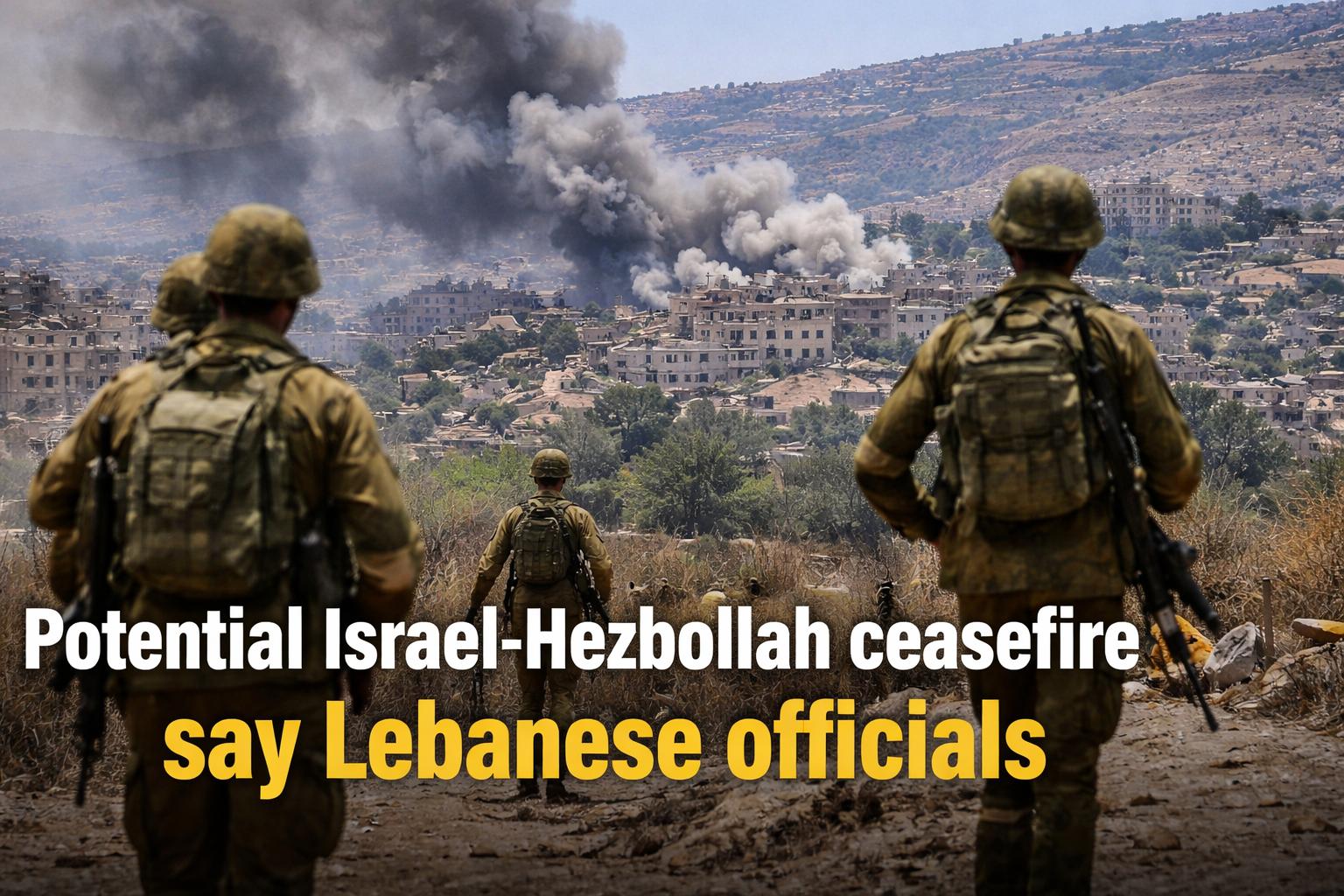
Reports indicate that a ceasefire between Israel and Hezbollah could be announced within days, according to Lebanese officials. The ceasefire is expected to come after Israeli ground forces complete their mission to capture the southern Lebanese town of Bint Jbeil, a stronghold of Hezbollah. Israeli Prime Minister Benjamin Netanyahu confirmed on April 15 that Israeli troops were “about to defeat” Hezbollah in the area.
The potential truce marks a complex and pivotal moment in th
Reports indicate that a ceasefire between Israel and Hezbollah could be announced within days, according to Lebanese officials. The ceasefire is expected to come after Israeli ground forces complete their mission to capture the southern Lebanese town of Bint Jbeil, a stronghold of Hezbollah. Israeli Prime Minister Benjamin Netanyahu confirmed on April 15 that Israeli troops were “about to defeat” Hezbollah in the area.
The potential truce marks a complex and pivotal moment in th
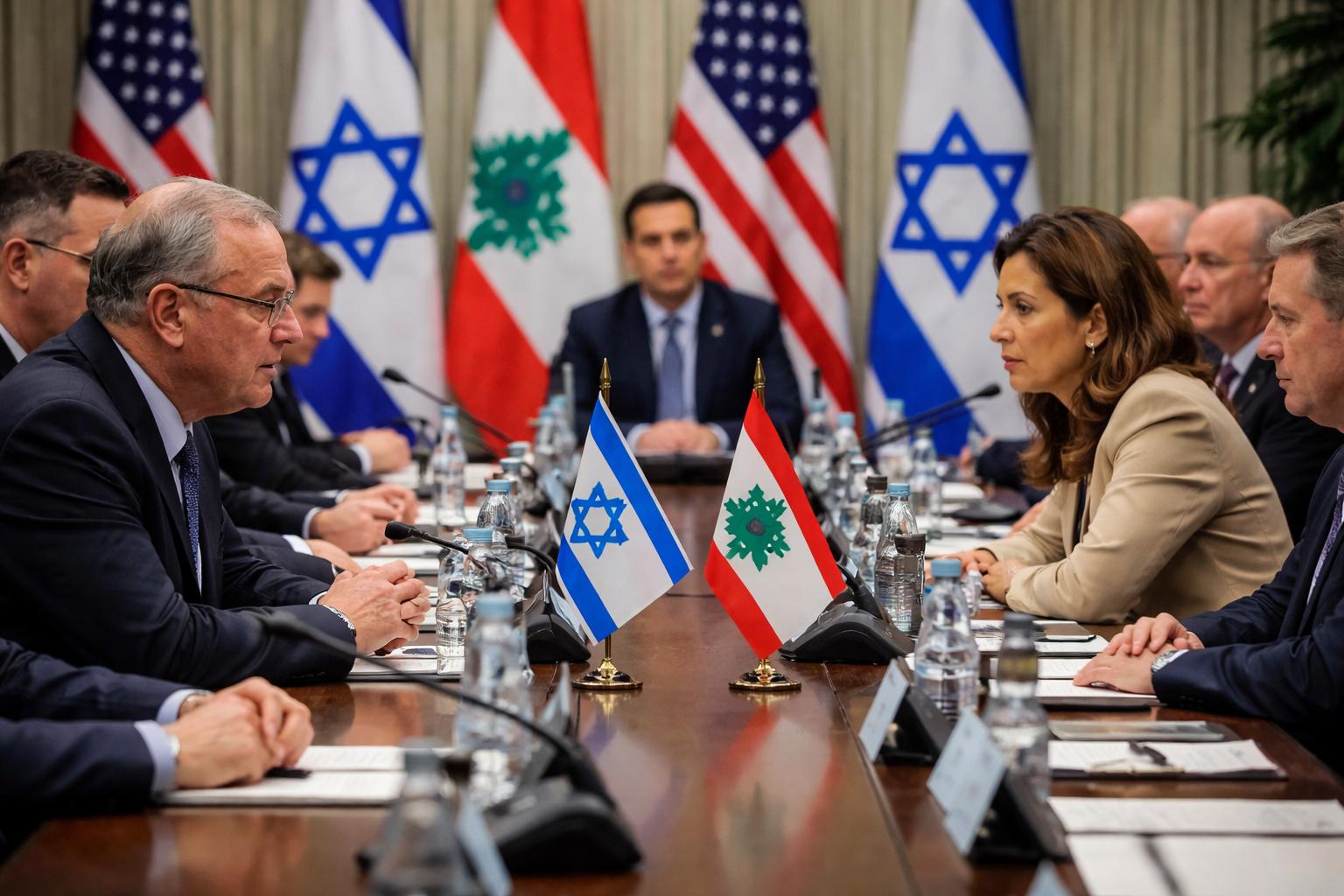
Israeli and Lebanese officials held more than two hours of direct talks in Washington, D.C., on Tuesday, April 14, 2026, marking the first such high-level engagement between the two countries in decades as fighting between Israel and the Iran-backed Hezbollah group continues to escalate.
The meeting, hosted by U.S. Secretary of State Marco Rubio, comes amid a fragile regional environment shaped by ongoing hostilities in Lebanon and broader tensions involving Iran. Rubio described the talks as a long-term diplomatic effort rather than an immediate solution, emphasizing that deeply rooted issues between the two sides would take time to resolve.
Israeli Ambassador Yechiel Leiter said the discussions reflect a shared objective of reducing Hezbollah’s influence in Lebanon, which Israel views as an extension of Iranian power in the region. Lebanese Ambassador Nada Hamadeh Moawad participated in the talks, though public comments from the Lebanese side remained limited immediately afterward.
The talks are notable given that Israel and Lebanon do not maintain formal diplomatic relations and have been technically at war for decades. Despite this, U.S. officials have pushed for dialogue as part of a broader effort to stabilize the region and prevent further escalation tied to the ongoing conflict with Iran and its allies.
The diplomatic engagement comes as Israeli military operations continue across southern Lebanon. The conflict intensified after Hezbollah launched rocket attacks on northern Israel on Sunday, March 2, 2026, prompting a large-scale Israeli response that has included airstrikes and ground operations.
Hezbollah, which is not part of the negotiations and opposes direct talks with Israel, has continued its military activities during the diplomatic effort. The group’s rejection of the talks highlights internal divisions within Lebanon, where the government has limited control over Hezbollah’s armed wing.
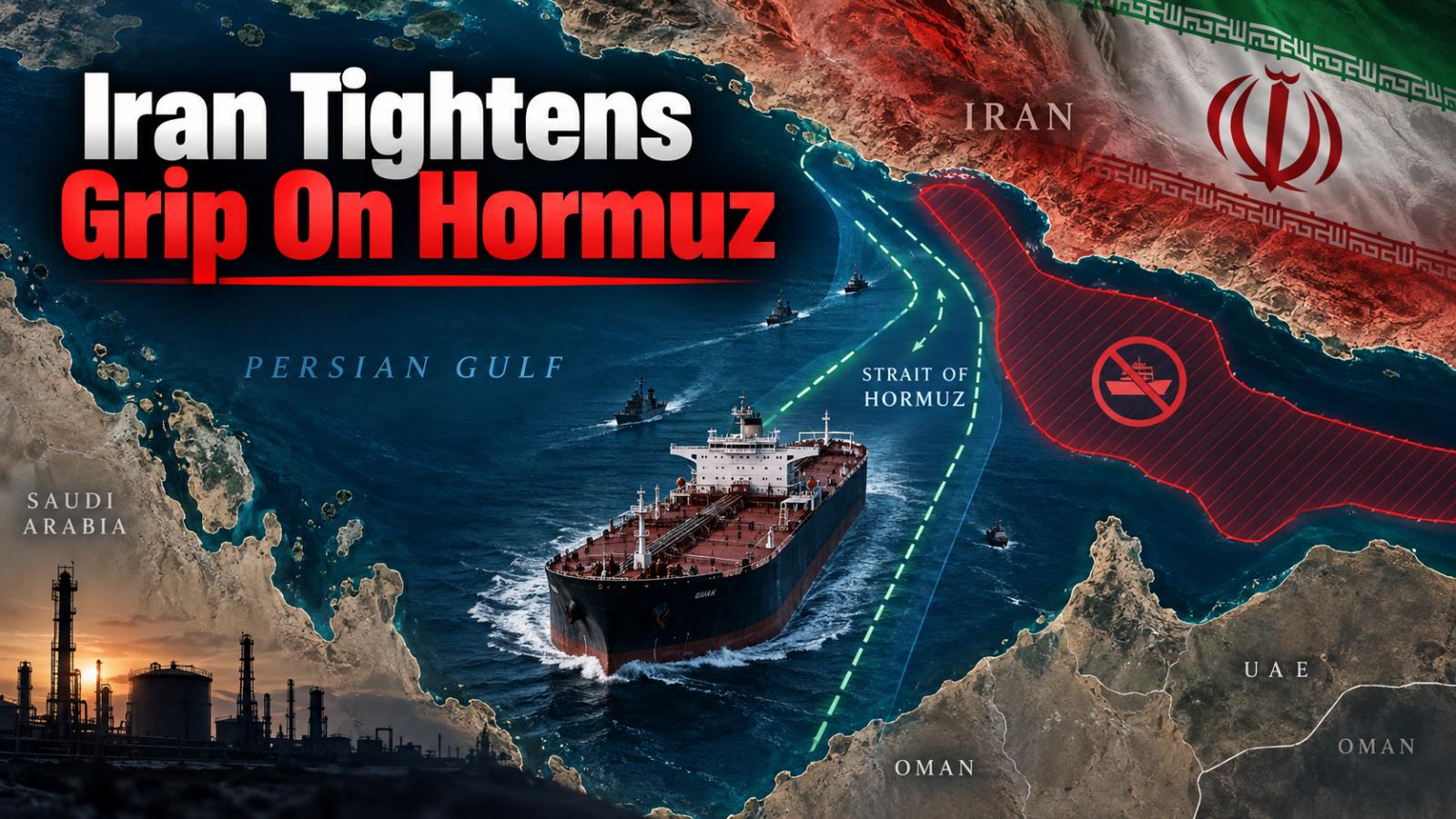
Beyond the immediate conflict, the situation has broader global implications. Tensions surrounding Iran, including disputes over its nuclear program and control of the Strait of Hormuz, have raised concerns about disruptions to global energy supplies. Analysts warn that instability in the region could affect oil markets and contribute to economic uncertainty worldwide.
While no immediate breakthroughs are expected, officials describe the Washington meeting as a significant first step toward potential de-escalation, even as violence on the ground and political divisions continue to complicate the path forward.
Israeli and Lebanese officials held more than two hours of direct talks in Washington, D.C., on Tuesday, April 14, 2026, marking the first such high-level engagement between the two countries in decades as fighting between Israel and the Iran-backed Hezbollah group continues to escalate.
The meeting, hosted by U.S. Secretary of State Marco Rubio, comes amid a fragile regional environment shaped by ongoing hostilities in Lebanon and broader tensions involving Iran. Rubio described the talks as a long-term diplomatic effort rather than an immediate solution, emphasizing that deeply rooted issues between the two sides would take time to resolve.
Israeli Ambassador Yechiel Leiter said the discussions reflect a shared objective of reducing Hezbollah’s influence in Lebanon, which Israel views as an extension of Iranian power in the region. Lebanese Ambassador Nada Hamadeh Moawad participated in the talks, though public comments from the Lebanese side remained limited immediately afterward.
The talks are notable given that Israel and Lebanon do not maintain formal diplomatic relations and have been technically at war for decades. Despite this, U.S. officials have pushed for dialogue as part of a broader effort to stabilize the region and prevent further escalation tied to the ongoing conflict with Iran and its allies.
The diplomatic engagement comes as Israeli military operations continue across southern Lebanon. The conflict intensified after Hezbollah launched rocket attacks on northern Israel on Sunday, March 2, 2026, prompting a large-scale Israeli response that has included airstrikes and ground operations.
Hezbollah, which is not part of the negotiations and opposes direct talks with Israel, has continued its military activities during the diplomatic effort. The group’s rejection of the talks highlights internal divisions within Lebanon, where the government has limited control over Hezbollah’s armed wing.
Beyond the immediate conflict, the situation has broader global implications. Tensions surrounding Iran, including disputes over its nuclear program and control of the Strait of Hormuz, have raised concerns about disruptions to global energy supplies. Analysts warn that instability in the region could affect oil markets and contribute to economic uncertainty worldwide.
While no immediate breakthroughs are expected, officials describe the Washington meeting as a significant first step toward potential de-escalation, even as violence on the ground and political divisions continue to complicate the path forward.
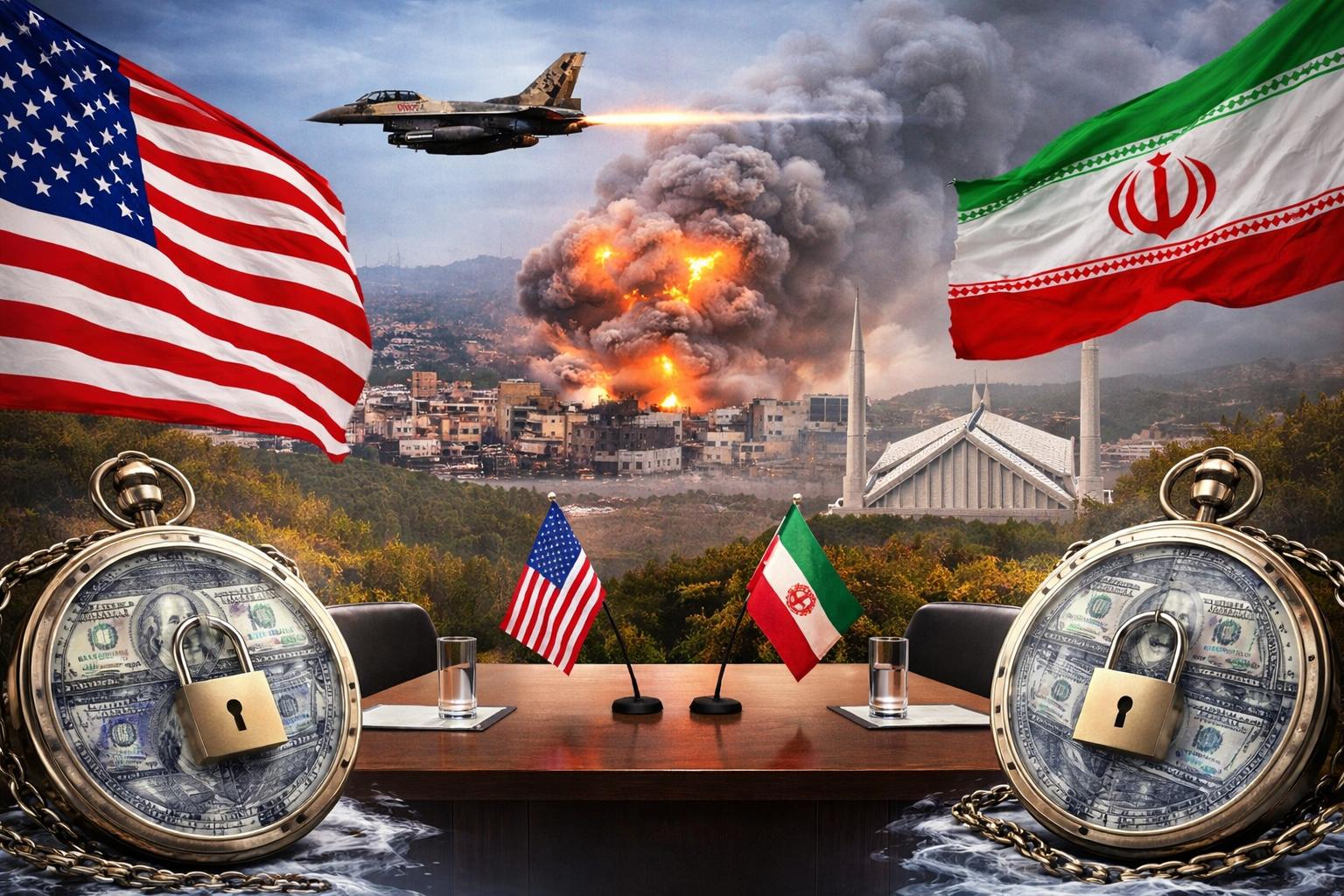
Tensions in the Middle East continue to rise as the United States and Iran failed to reach an agreement after long peace talks held in Pakistan.
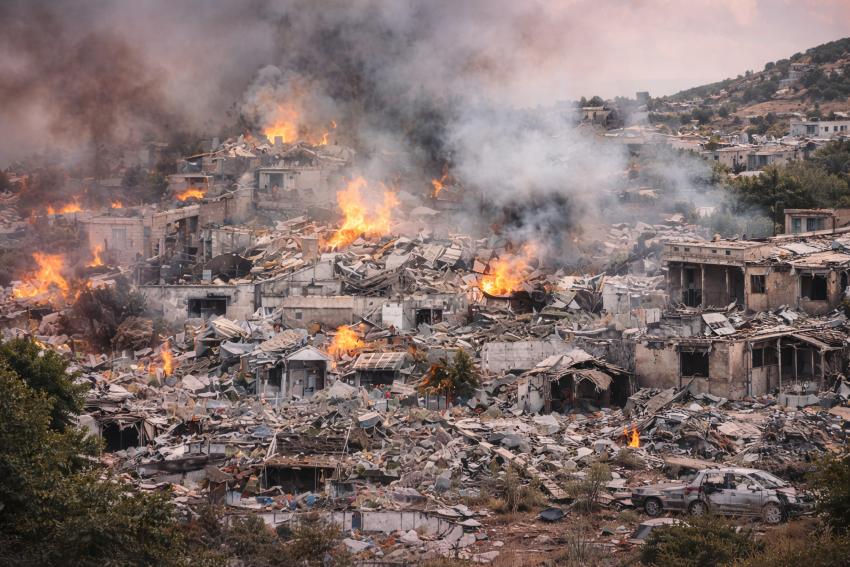
At the same time, concerns are growing over the situation in southern Lebanon, where reports suggest large-scale destruction in several villages along the Israel-Lebanon border.
According to reports, Israeli military operations have led to the demolition of villages such as Taybeh, Naqoura, and Deir Seryan. Videos circulating onli
Tensions in the Middle East continue to rise as the United States and Iran failed to reach an agreement after long peace talks held in Pakistan.
At the same time, concerns are growing over the situation in southern Lebanon, where reports suggest large-scale destruction in several villages along the Israel-Lebanon border.
According to reports, Israeli military operations have led to the demolition of villages such as Taybeh, Naqoura, and Deir Seryan. Videos circulating onli
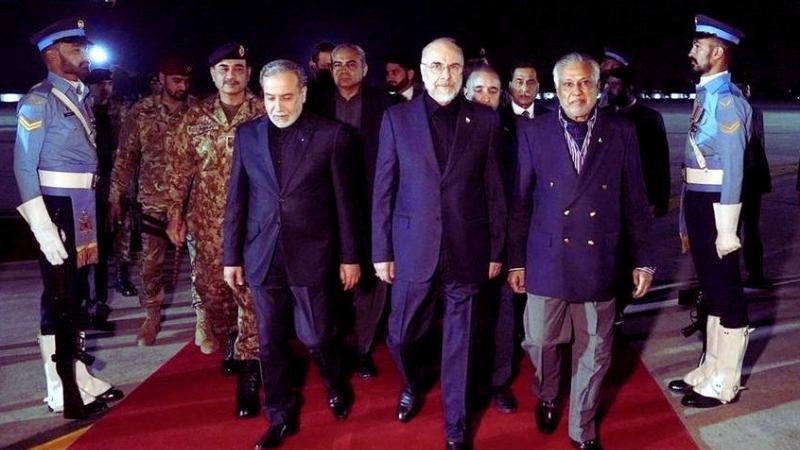
In a crucial development, an Iranian delegation led by Parliament Speaker Mohammad Baqer Qalibaf arrived in Islamabad on Friday, signaling the start of high-stakes negotiations with the United States. Iran has set clear preconditions for any progress in the talks, demanding that the US meet certain security and economic requirements, particularly addressing regional issues and lifting sanctions.
The delegation includes a wide range of senior political, military, and economic officia
In a crucial development, an Iranian delegation led by Parliament Speaker Mohammad Baqer Qalibaf arrived in Islamabad on Friday, signaling the start of high-stakes negotiations with the United States. Iran has set clear preconditions for any progress in the talks, demanding that the US meet certain security and economic requirements, particularly addressing regional issues and lifting sanctions.
The delegation includes a wide range of senior political, military, and economic officia
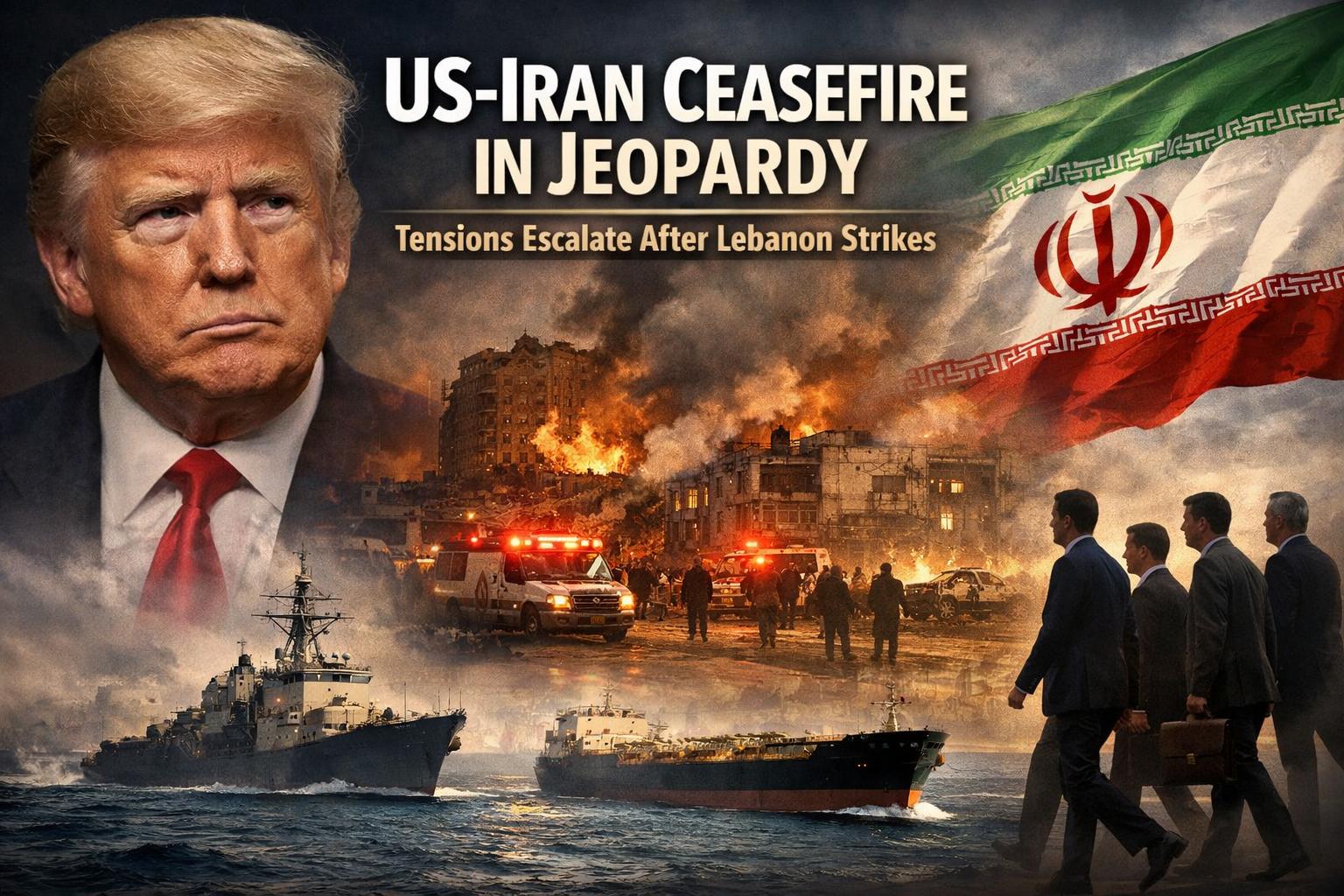
A fragile two-week ceasefire between the United States and Iran is facing renewed uncertainty after Israel launched military strikes targeting Lebanon, a key regional ally of Tehran. The escalation has raised concerns about the stability of the agreement, which was brokered with diplomatic involvement from Pakistan and was expected to ease tensions across parts of the Middle East.
Iranian officials have maintained that the ceasefire framework extended beyond bilateral commitments and
A fragile two-week ceasefire between the United States and Iran is facing renewed uncertainty after Israel launched military strikes targeting Lebanon, a key regional ally of Tehran. The escalation has raised concerns about the stability of the agreement, which was brokered with diplomatic involvement from Pakistan and was expected to ease tensions across parts of the Middle East.
Iranian officials have maintained that the ceasefire framework extended beyond bilateral commitments and
Delegations from the United States and Iran are scheduled to meet in Islamabad on Saturday, though the planned talks face significant uncertainty amid escalating regional tensions and unresolved preconditions set by Tehran. The negotiations come at a time when a fragile two-week ceasefire is already under strain, particularly due to renewed violence in Lebanon.
On Friday, April 10, 2026, Iran’s parliament speaker
Delegations from the United States and Iran are scheduled to meet in Islamabad on Saturday, though the planned talks face significant uncertainty amid escalating regional tensions and unresolved preconditions set by Tehran. The negotiations come at a time when a fragile two-week ceasefire is already under strain, particularly due to renewed violence in Lebanon.
On Friday, April 10, 2026, Iran’s parliament speaker
A fragile ceasefire between the United States and Iran is facing renewed uncertainty after escalating regional tensions and conflicting interpretations of the agreement. President Donald Trump issued a warning to Tehran, signaling that U.S. military assets remain on standby if the terms of what he describe
A fragile ceasefire between the United States and Iran is facing renewed uncertainty after escalating regional tensions and conflicting interpretations of the agreement. President Donald Trump issued a warning to Tehran, signaling that U.S. military assets remain on standby if the terms of what he describe
On April 8, 2026, Pakistan secured a major diplomatic win by mediating the US-Iran ceasefire, but within hours, the deal was under strain as Israel launched large airstrikes on Lebanon, an Iranian ally, killing hundreds. The confusion centered around Lebanon’s inclusion in the ceasefire agreement, with Pakistan's interpretation putting it in the heart of the storm. While Pakistani Prime Minister Shehbaz Sharif's announcement claimed that the ceasefire applied to "everywhere, including Leban
On April 8, 2026, Pakistan secured a major diplomatic win by mediating the US-Iran ceasefire, but within hours, the deal was under strain as Israel launched large airstrikes on Lebanon, an Iranian ally, killing hundreds. The confusion centered around Lebanon’s inclusion in the ceasefire agreement, with Pakistan's interpretation putting it in the heart of the storm. While Pakistani Prime Minister Shehbaz Sharif's announcement claimed that the ceasefire applied to "everywhere, including Leban
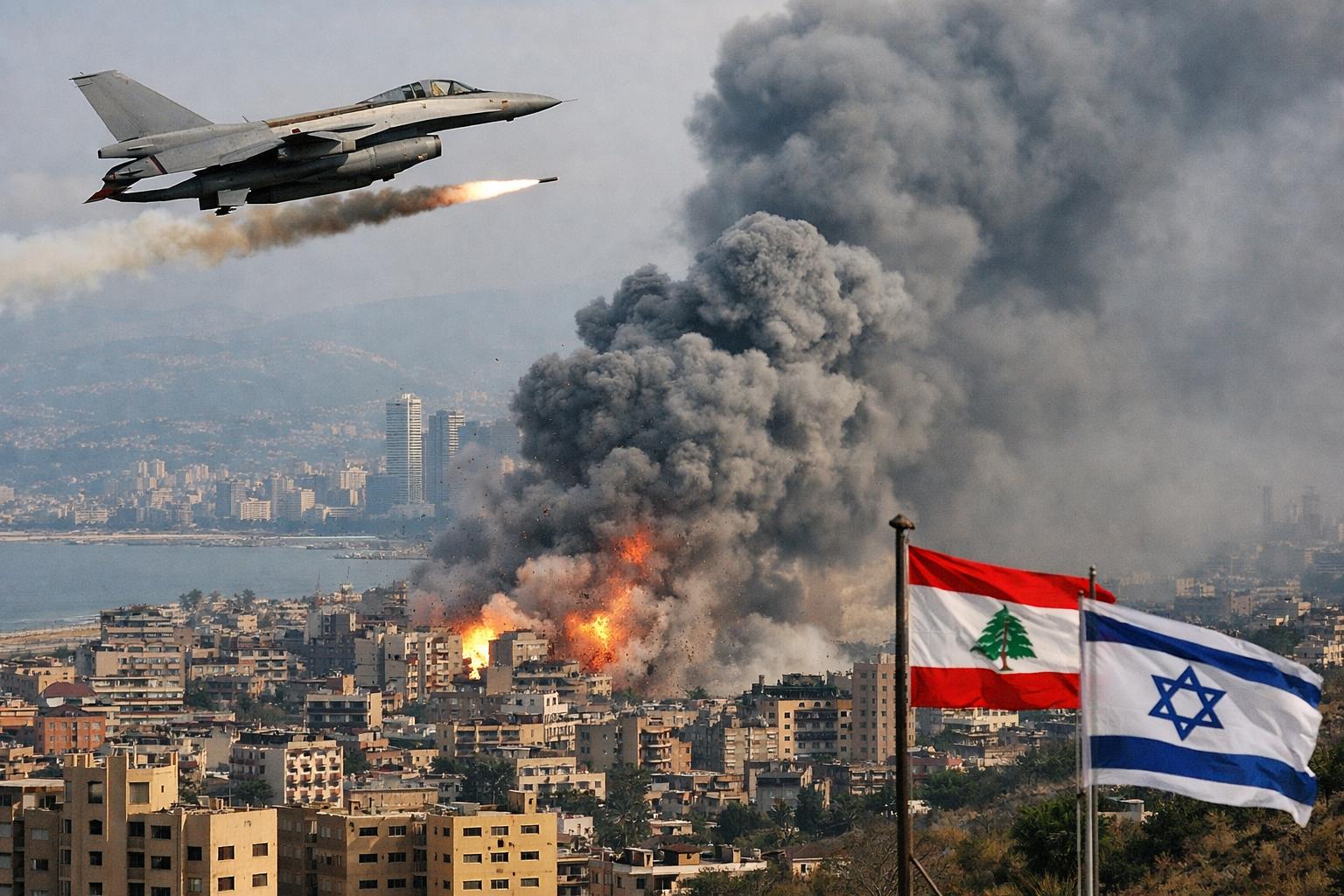
Israel has continued its relentless air strikes on Lebanon despite a two-week truce between the United States and Iran. The truce, which covered various issues like sanctions and aerial attacks, did not include Lebanon, where Israel's military has intensified operations. On 8th April 2026, Israel launched the heaviest strikes on Lebanon in recent weeks, targeting over 100 Hezbollah command centers and military sites in Beirut. The attacks caused widespread panic in the capital, reminding many
Israel has continued its relentless air strikes on Lebanon despite a two-week truce between the United States and Iran. The truce, which covered various issues like sanctions and aerial attacks, did not include Lebanon, where Israel's military has intensified operations. On 8th April 2026, Israel launched the heaviest strikes on Lebanon in recent weeks, targeting over 100 Hezbollah command centers and military sites in Beirut. The attacks caused widespread panic in the capital, reminding many
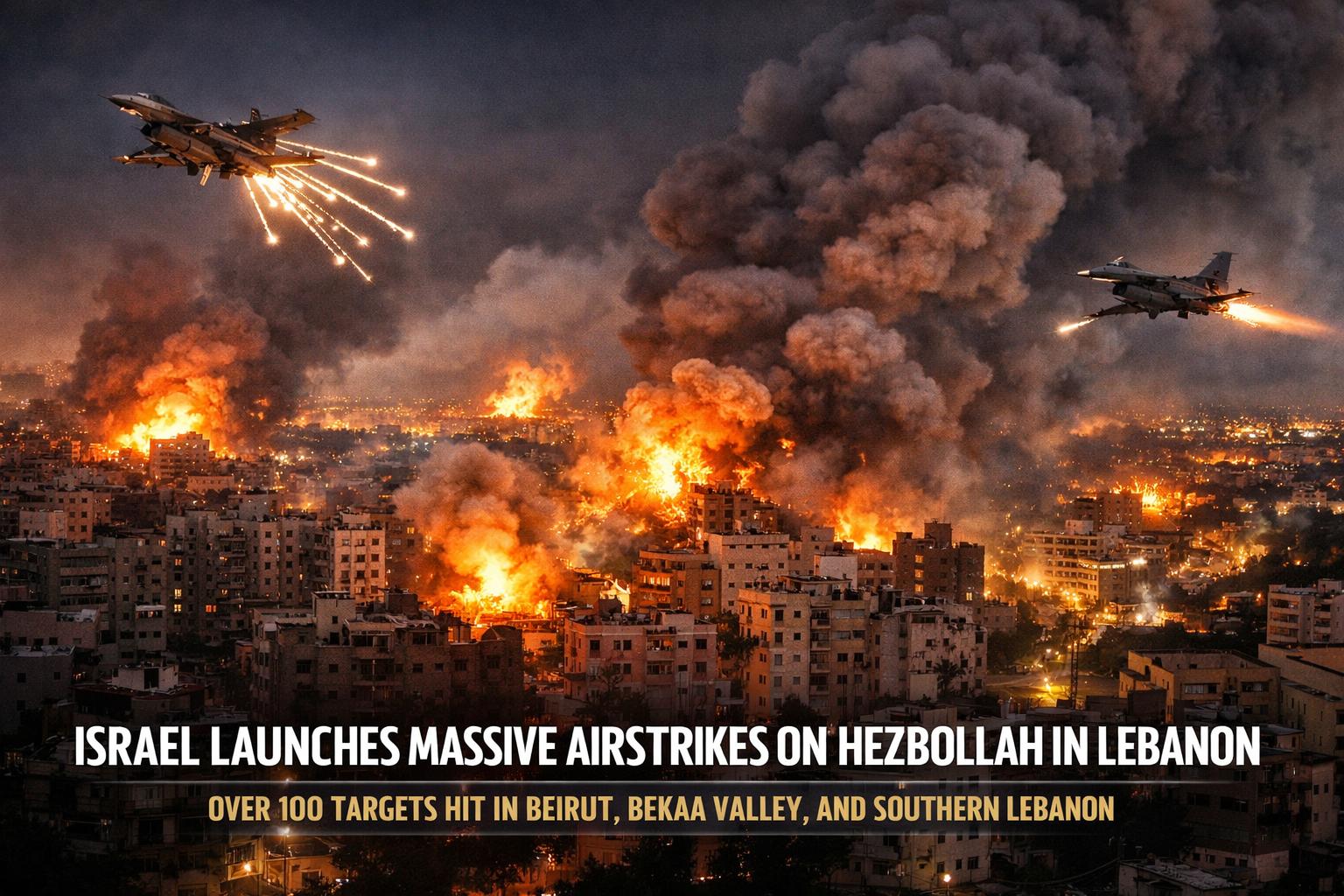
On Wednesday, April 8, 2026, the Israeli military launched a large-scale wave of airstrikes across Lebanon, targeting more than 100 sites linked to Hezbollah within a 10-minute operation. Israel described the strikes as the largest military action in this ongoing conflict, focusing on command centers and military infrastructure in the southern suburbs of Beirut, southern Lebanon, and the eastern Bekaa Valley.
The attacks occurred hours after the office of the Israeli Prime Minister cl
On Wednesday, April 8, 2026, the Israeli military launched a large-scale wave of airstrikes across Lebanon, targeting more than 100 sites linked to Hezbollah within a 10-minute operation. Israel described the strikes as the largest military action in this ongoing conflict, focusing on command centers and military infrastructure in the southern suburbs of Beirut, southern Lebanon, and the eastern Bekaa Valley.
The attacks occurred hours after the office of the Israeli Prime Minister cl
The Israeli military said it has killed approximately 1,000 Hezbollah operatives in Lebanon as hostilities intensify in parallel with escalating tensions involving Iran. The Israel Defense Forces (IDF) stated that the casualties include hundreds of members from Hezbollah’s elite Radwan Force, a key unit within the Iran-backed group.
The announcement was made as cross-border exchanges between Israel and Hezbollah continue to increase in frequency and intensity. According to the IDF, Hezbollah launched around 130 rockets into Israeli territory over the previous 24-hour period. Israeli defense systems intercepted the majority of the projectiles, while others landed in open areas. However, several rockets struck populated areas, causing property damage and leaving multiple individuals with minor injuries.
The developments were reported at 8:59 PM IST on Thursday, April 2, 2026. The situation reflects a broader escalation across the Middle East, with tensions extending beyond Israel and Lebanon.
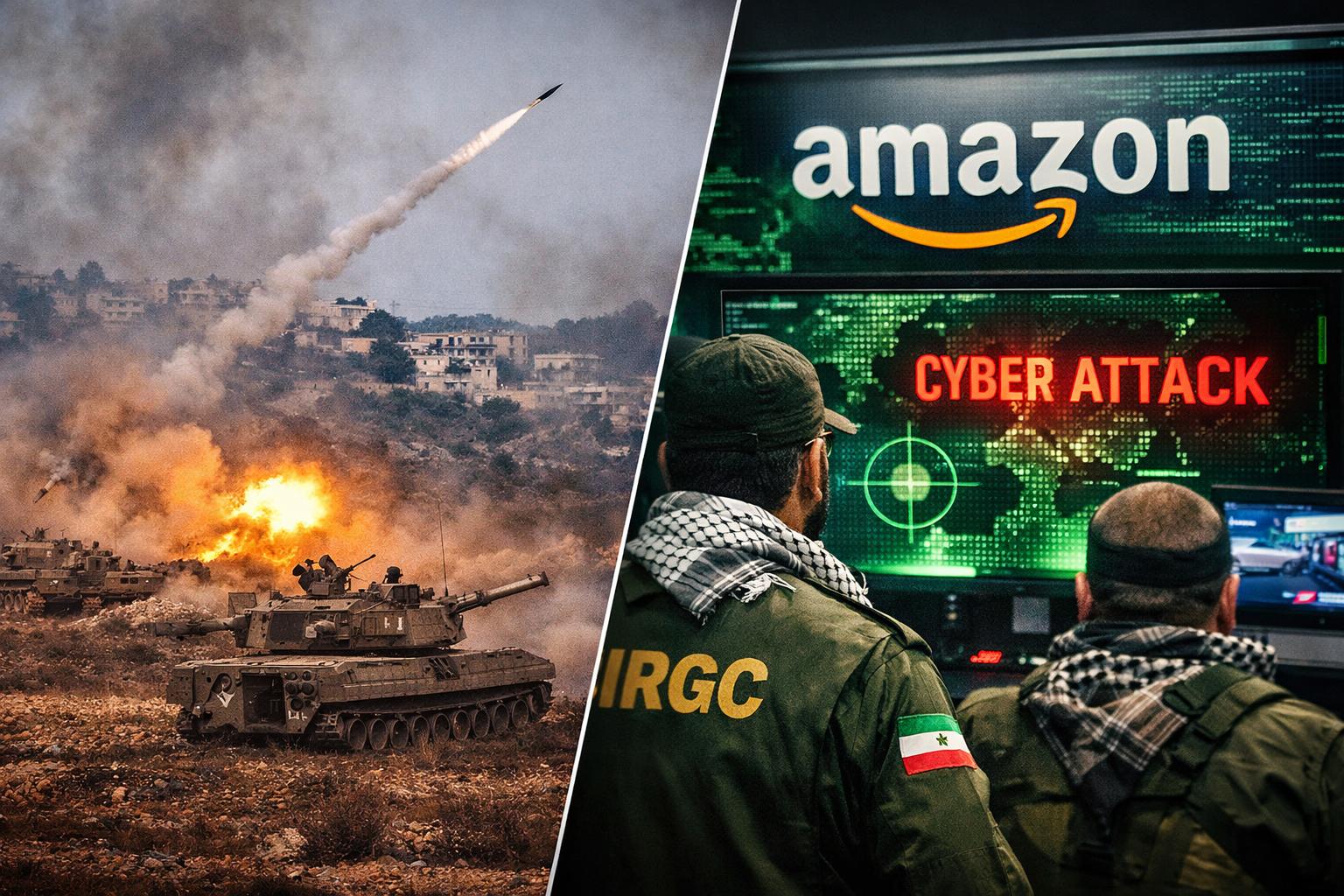
In a separate development, Iran’s Islamic Revolutionary Guard Corps (IRGC) claimed responsibility for an attack targeting an Amazon cloud computing facility in Bahrain. The claim was reported by Iranian state-affiliated media, which described the operation as part of the third phase of what it called the “90th wave” of Operation True Promise 4.
The reported cyber or infrastructure-related strike comes amid heightened rhetoric from Iran. On Wednesday, April 1, 2026, the IRGC warned that it could target multiple major international companies, including Microsoft, Google, Apple, Intel, IBM, Tesla, and Boeing, citing their regional presence.
These overlapping developments underscore the widening scope of the conflict, raising concerns about regional stability and the potential for broader international implications. While Israel continues military operations against Hezbollah, Iran’s actions and warnings suggest an expanding dimension that could involve both conventional and cyber domains.
The Israeli military said it has killed approximately 1,000 Hezbollah operatives in Lebanon as hostilities intensify in parallel with escalating tensions involving Iran. The Israel Defense Forces (IDF) stated that the casualties include hundreds of members from Hezbollah’s elite Radwan Force, a key unit within the Iran-backed group.
The announcement was made as cross-border exchanges between Israel and Hezbollah continue to increase in frequency and intensity. According to the IDF, Hezbollah launched around 130 rockets into Israeli territory over the previous 24-hour period. Israeli defense systems intercepted the majority of the projectiles, while others landed in open areas. However, several rockets struck populated areas, causing property damage and leaving multiple individuals with minor injuries.
The developments were reported at 8:59 PM IST on Thursday, April 2, 2026. The situation reflects a broader escalation across the Middle East, with tensions extending beyond Israel and Lebanon.
In a separate development, Iran’s Islamic Revolutionary Guard Corps (IRGC) claimed responsibility for an attack targeting an Amazon cloud computing facility in Bahrain. The claim was reported by Iranian state-affiliated media, which described the operation as part of the third phase of what it called the “90th wave” of Operation True Promise 4.
The reported cyber or infrastructure-related strike comes amid heightened rhetoric from Iran. On Wednesday, April 1, 2026, the IRGC warned that it could target multiple major international companies, including Microsoft, Google, Apple, Intel, IBM, Tesla, and Boeing, citing their regional presence.
These overlapping developments underscore the widening scope of the conflict, raising concerns about regional stability and the potential for broader international implications. While Israel continues military operations against Hezbollah, Iran’s actions and warnings suggest an expanding dimension that could involve both conventional and cyber domains.
Washington: Tensions across West Asia have escalated sharply, with the United States issuing a strong warning to Iran to accept defeat or face significantly intensified military consequences. US officials indicated that further retaliation from Tehran could trigger a broader response, signaling a potential widening of the conflict. Iran, however, has dismissed the possibility of negotiations, reaffirming its intent to continue retaliatory strikes amid ongoing hostilities.
Military exchang
Washington: Tensions across West Asia have escalated sharply, with the United States issuing a strong warning to Iran to accept defeat or face significantly intensified military consequences. US officials indicated that further retaliation from Tehran could trigger a broader response, signaling a potential widening of the conflict. Iran, however, has dismissed the possibility of negotiations, reaffirming its intent to continue retaliatory strikes amid ongoing hostilities.
Military exchang
The ongoing conflict involving the United States, Israel, and Iran is nearing the one-month mark, with hostilities continuing to escalate across multiple fronts. Despite renewed claims of diplomatic engagement, military operations remain active, contributing to rising casualties and increasing uncertainty across the region.
US President Donald Trump recently stated that discussions with Iran are ongoing, suggesting the possibility of a diplomatic breakthrough. However, Iranian authorities have dismissed such claims, describing reports of negotiations as misleading and intended to influence global oil and financial markets. The conflicting narratives have further complicated the geopolitical landscape, as both sides continue to pursue military strategies alongside public statements on diplomacy.
Recent strikes have intensified within Iran, including an attack in southern Tehran that resulted in at least 12 fatalities and left 28 others injured. These developments underscore the continued volatility within Iranian territory, as Israeli and US operations target strategic locations amid the broader confrontation.
In response, Iran and its ally Hezbollah have launched a fresh wave of missile attacks targeting Israeli cities, including Tel Aviv and areas in the north. The strikes have caused civilian casualties, with at least one reported death and multiple injuries. Israel has simultaneously expanded its military operations in southern Lebanon, following indications of a plan to establish control up to the Litani River. Reports indicate that at least 33 people have been killed in recent bombardments in the region.
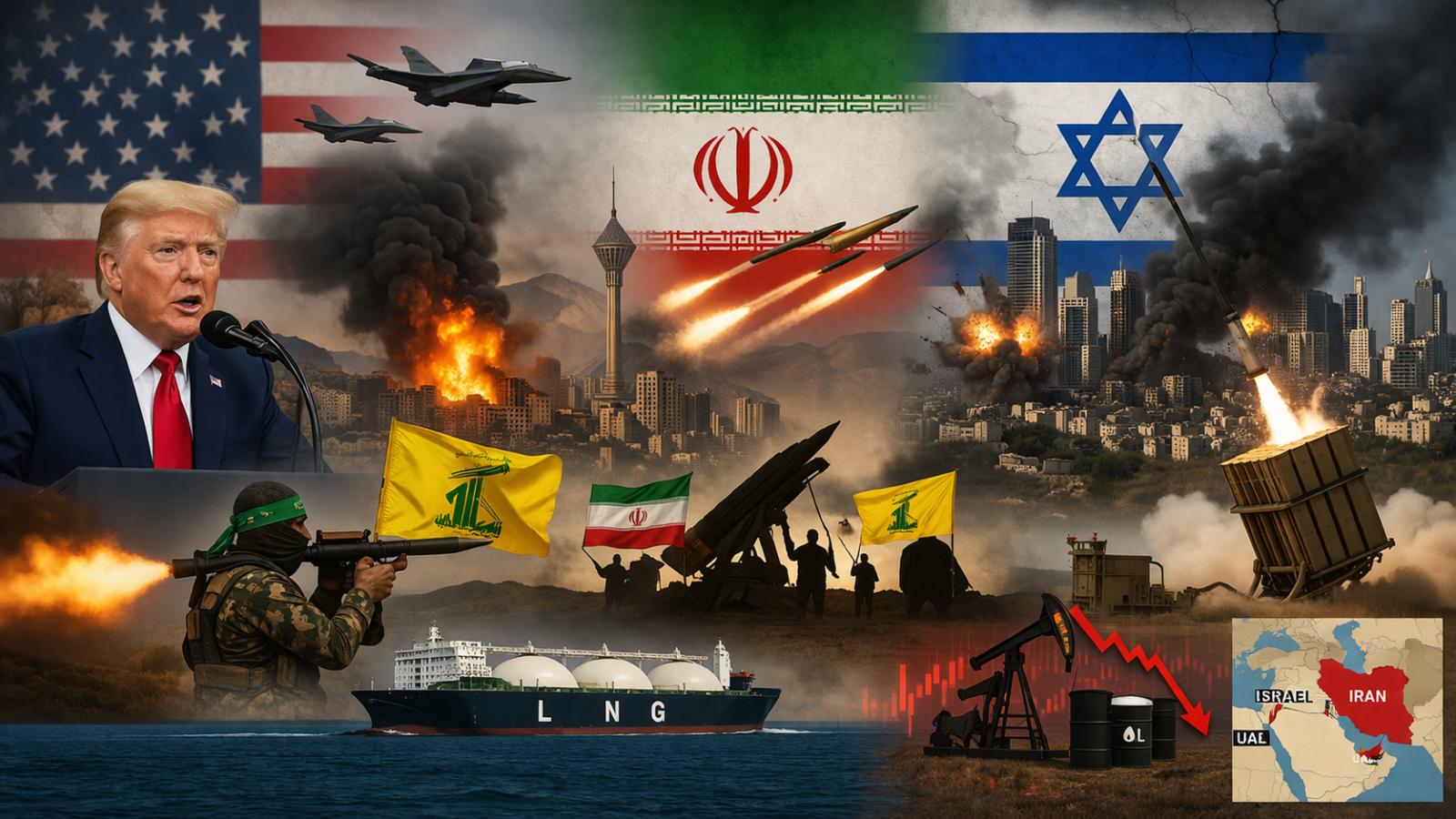
The conflict has also extended beyond immediate battle zones, affecting regional stability and international economic interests. The United Arab Emirates confirmed that a Moroccan national working with its armed forces in Bahrain was killed during an Iranian attack, with additional personnel reported injured. Meanwhile, QatarEnergy has declared force majeure on several liquefied natural gas contracts, impacting supply agreements with countries including Italy, Belgium, South Korea, and China.
As military actions continue alongside disputed diplomatic signals, the conflict is increasingly influencing global energy markets and geopolitical dynamics, raising concerns about further escalation and broader economic consequences.
The ongoing conflict involving the United States, Israel, and Iran is nearing the one-month mark, with hostilities continuing to escalate across multiple fronts. Despite renewed claims of diplomatic engagement, military operations remain active, contributing to rising casualties and increasing uncertainty across the region.
US President Donald Trump recently stated that discussions with Iran are ongoing, suggesting the possibility of a diplomatic breakthrough. However, Iranian authorities have dismissed such claims, describing reports of negotiations as misleading and intended to influence global oil and financial markets. The conflicting narratives have further complicated the geopolitical landscape, as both sides continue to pursue military strategies alongside public statements on diplomacy.
Recent strikes have intensified within Iran, including an attack in southern Tehran that resulted in at least 12 fatalities and left 28 others injured. These developments underscore the continued volatility within Iranian territory, as Israeli and US operations target strategic locations amid the broader confrontation.
In response, Iran and its ally Hezbollah have launched a fresh wave of missile attacks targeting Israeli cities, including Tel Aviv and areas in the north. The strikes have caused civilian casualties, with at least one reported death and multiple injuries. Israel has simultaneously expanded its military operations in southern Lebanon, following indications of a plan to establish control up to the Litani River. Reports indicate that at least 33 people have been killed in recent bombardments in the region.
The conflict has also extended beyond immediate battle zones, affecting regional stability and international economic interests. The United Arab Emirates confirmed that a Moroccan national working with its armed forces in Bahrain was killed during an Iranian attack, with additional personnel reported injured. Meanwhile, QatarEnergy has declared force majeure on several liquefied natural gas contracts, impacting supply agreements with countries including Italy, Belgium, South Korea, and China.
As military actions continue alongside disputed diplomatic signals, the conflict is increasingly influencing global energy markets and geopolitical dynamics, raising concerns about further escalation and broader economic consequences.
The conflict in West Asia has entered its third week, with hostilities intensifying across multiple fronts and raising concerns about a broader regional escalation. Israeli President Isaac Herzog called on European nations to support Israel’s ongoing campaign against Hezbollah, as Israeli forces continued ground operations in southern Lebanon. The situation in Lebanon deteriorated further after Hezbollah launched attacks on Israel earlier this month, following the reported killing of Iran’s
The conflict in West Asia has entered its third week, with hostilities intensifying across multiple fronts and raising concerns about a broader regional escalation. Israeli President Isaac Herzog called on European nations to support Israel’s ongoing campaign against Hezbollah, as Israeli forces continued ground operations in southern Lebanon. The situation in Lebanon deteriorated further after Hezbollah launched attacks on Israel earlier this month, following the reported killing of Iran’s