








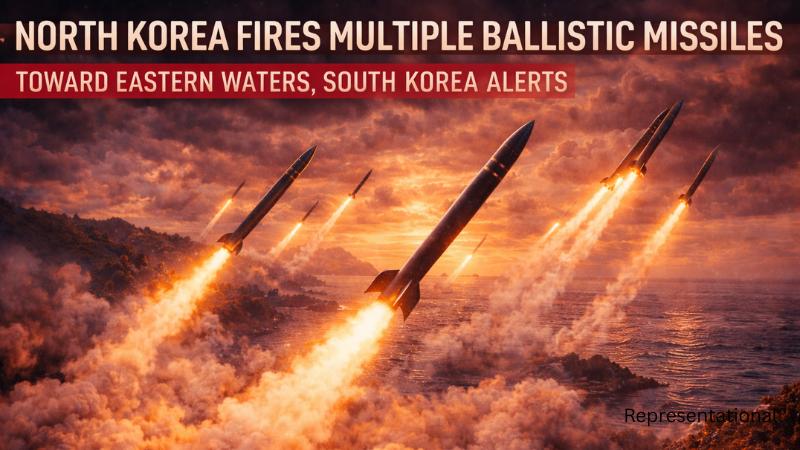
North Korea Fires Multiple Ballistic Missiles Toward Eastern Waters, South Korea Alerts
Tensions on the Korean Peninsula have escalated once again after North Korea launched multiple ballistic missiles toward its eastern waters, according to officials from South Korea. The launches, which were detected and tracked by South Korea’s military, have raised fresh concerns over regional security
North Korea Fires Multiple Ballistic Missiles Toward Eastern Waters, South Korea Alerts
Tensions on the Korean Peninsula have escalated once again after North Korea launched multiple ballistic missiles toward its eastern waters, according to officials from South Korea. The launches, which were detected and tracked by South Korea’s military, have raised fresh concerns over regional security
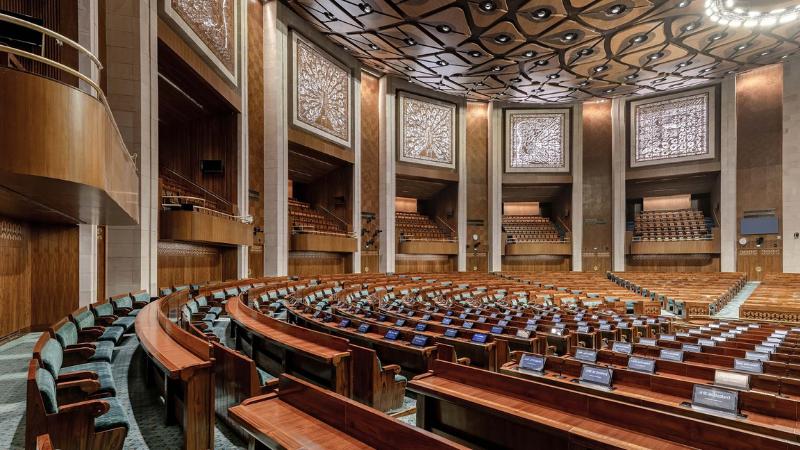
The Hidden Limits of Delimitation Science and India’s Fertility Debate
The debate around delimitation and fertility trends in India has long been presented as a matter of data, numbers, and scientific calculation. However, beneath the surface lies a far more complex reality that statistics alone often fail to fully capture. While policymakers and scholars rely heavily on demographic data to redraw constituencies and assess population changes, the lived experiences and political consequences of these decisions extend far beyond what the numbers suggest. Delimitation, the process of redrawing electoral boundaries based on population, is intended to ensure fair representation. On paper, it appears straightforward: regions with higher populations should have more representation. However, this principle becomes contentious when viewed in the context of India’s diverse demographic patterns. States that have successfully controlled population growth through effective policies may find themselves disadvantaged in terms of political representation, while those with higher fertility rates could gain more seats. This creates a paradox where success in population control might translate into reduced political influence. The science behind fertility rates also presents limitations. While data can indicate trends such as declining birth rates or regional disparities, it cannot fully explain the social, cultural, and economic factors driving these changes. Fertility decisions are influenced by education, access to healthcare, urbanization, and shifting societal values. These nuances are often overlooked when discussions are framed purely in statistical terms. As a result, policies based solely on numerical analysis risk missing the deeper context that shapes population behavior. Understanding The Limits Of Data Scholarly research on delimitation and fertility often lags behind the political realities experienced on the ground. While academics strive to build models and frameworks to explain these phenomena, their findings can take time to reflect the rapidly evolving dynamics of Indian society. Political leaders and citizens, on the other hand, often develop intuitive understandings of these issues based on direct experience. This gap between theory and reality highlights the limitations of relying exclusively on scientific approaches. Moreover, the use of census data as the primary basis for delimitation introduces its own challenges. Census figures provide a snapshot of population distribution at a specific point in time, but they cannot account for migration patterns, economic shifts, or sudden demographic changes. In a country as vast and diverse as India, these factors can significantly alter the ground reality within a short period. As a result, decisions based on outdated or incomplete data may fail to achieve the intended goal of equitable representation. Balancing Representation And Fairness The intersection of delimitation and fertility trends raises important questions about fairness and equity in governance. Should representation be based purely on population numbers, or should it also consider the efforts made by certain regions to control population growth? This dilemma underscores the need for a more nuanced approach that goes beyond traditional metrics. Policymakers must recognize that demographic data is only one piece of the puzzle. A holistic understanding of social, economic, and cultural factors is essential to create policies that are both fair and effective. This may involve exploring alternative methods of representation or introducing safeguards to ensure that states are not penalized for successful population control measures. Ultimately, the science of delimitation and fertility provides valuable insights, but it is not a complete solution. To address the challenges posed by these issues, India must move beyond numbers and embrace a more comprehensive perspective that reflects the complexity of its society. Only then can the country achieve a balance between representation, fairness, and sustainable development.
The Hidden Limits of Delimitation Science and India’s Fertility Debate
The debate around delimitation and fertility trends in India has long been presented as a matter of data, numbers, and scientific calculation. However, beneath the surface lies a far more complex reality that statistics alone often fail to fully capture. While policymakers and scholars rely heavily on demographic data to redraw constituencies and assess population changes, the lived experiences and political consequences of these decisions extend far beyond what the numbers suggest. Delimitation, the process of redrawing electoral boundaries based on population, is intended to ensure fair representation. On paper, it appears straightforward: regions with higher populations should have more representation. However, this principle becomes contentious when viewed in the context of India’s diverse demographic patterns. States that have successfully controlled population growth through effective policies may find themselves disadvantaged in terms of political representation, while those with higher fertility rates could gain more seats. This creates a paradox where success in population control might translate into reduced political influence. The science behind fertility rates also presents limitations. While data can indicate trends such as declining birth rates or regional disparities, it cannot fully explain the social, cultural, and economic factors driving these changes. Fertility decisions are influenced by education, access to healthcare, urbanization, and shifting societal values. These nuances are often overlooked when discussions are framed purely in statistical terms. As a result, policies based solely on numerical analysis risk missing the deeper context that shapes population behavior. Understanding The Limits Of Data Scholarly research on delimitation and fertility often lags behind the political realities experienced on the ground. While academics strive to build models and frameworks to explain these phenomena, their findings can take time to reflect the rapidly evolving dynamics of Indian society. Political leaders and citizens, on the other hand, often develop intuitive understandings of these issues based on direct experience. This gap between theory and reality highlights the limitations of relying exclusively on scientific approaches. Moreover, the use of census data as the primary basis for delimitation introduces its own challenges. Census figures provide a snapshot of population distribution at a specific point in time, but they cannot account for migration patterns, economic shifts, or sudden demographic changes. In a country as vast and diverse as India, these factors can significantly alter the ground reality within a short period. As a result, decisions based on outdated or incomplete data may fail to achieve the intended goal of equitable representation. Balancing Representation And Fairness The intersection of delimitation and fertility trends raises important questions about fairness and equity in governance. Should representation be based purely on population numbers, or should it also consider the efforts made by certain regions to control population growth? This dilemma underscores the need for a more nuanced approach that goes beyond traditional metrics. Policymakers must recognize that demographic data is only one piece of the puzzle. A holistic understanding of social, economic, and cultural factors is essential to create policies that are both fair and effective. This may involve exploring alternative methods of representation or introducing safeguards to ensure that states are not penalized for successful population control measures. Ultimately, the science of delimitation and fertility provides valuable insights, but it is not a complete solution. To address the challenges posed by these issues, India must move beyond numbers and embrace a more comprehensive perspective that reflects the complexity of its society. Only then can the country achieve a balance between representation, fairness, and sustainable development.

California refund debit cards near expiration leave millions unclaimed
Millions of debit cards issued under California’s Middle Class Tax Refund program in 2022 are set to expire on April 30, leaving hundreds of millions of dollars at risk of going unclaimed, according to state records. The looming deadline has raised concerns for consumers who may still have unused balances but face difficulties accessing their funds. Data from the California Franchise Tax Board shows that only 43% of the distributed cards have been fully used, while approximately 10% have never been activated. That translates to roughly 960,000 cards still holding an estimated $400 million that could revert to the state if not claimed before the expiration date. Some cardholders report unexpected issues when attempting to use their remaining balances. In certain cases, cards that initially worked were later declined despite having available funds. Attempts to withdraw money at banks have also been unsuccessful for some users, with reports indicating that accounts were inaccessible or cards had been deactivated without clear explanation. Consumers have described ongoing challenges in resolving these problems through customer service channels. Calls to the program’s card provider, Money Network, have sometimes resulted in long wait times or difficulty reaching assistance. The company’s parent, Fiserv, said in a statement that it is implementing program changes in accordance with California requirements and the Better for Families Act. State officials note that some cards may be deactivated or funds frozen due to fraud prevention measures. They advise cardholders experiencing issues to contact customer service directly during weekday business hours, from 8:00 AM to 5:00 PM. Assistance will only be available through April 30. With the deadline approaching, officials are urging residents to check for unused cards and confirm balances as soon as possible. Any remaining funds not accessed before expiration could be returned to state lawmakers, underscoring the importance of prompt action for those who may still be eligible to use the money.
California refund debit cards near expiration leave millions unclaimed
Millions of debit cards issued under California’s Middle Class Tax Refund program in 2022 are set to expire on April 30, leaving hundreds of millions of dollars at risk of going unclaimed, according to state records. The looming deadline has raised concerns for consumers who may still have unused balances but face difficulties accessing their funds. Data from the California Franchise Tax Board shows that only 43% of the distributed cards have been fully used, while approximately 10% have never been activated. That translates to roughly 960,000 cards still holding an estimated $400 million that could revert to the state if not claimed before the expiration date. Some cardholders report unexpected issues when attempting to use their remaining balances. In certain cases, cards that initially worked were later declined despite having available funds. Attempts to withdraw money at banks have also been unsuccessful for some users, with reports indicating that accounts were inaccessible or cards had been deactivated without clear explanation. Consumers have described ongoing challenges in resolving these problems through customer service channels. Calls to the program’s card provider, Money Network, have sometimes resulted in long wait times or difficulty reaching assistance. The company’s parent, Fiserv, said in a statement that it is implementing program changes in accordance with California requirements and the Better for Families Act. State officials note that some cards may be deactivated or funds frozen due to fraud prevention measures. They advise cardholders experiencing issues to contact customer service directly during weekday business hours, from 8:00 AM to 5:00 PM. Assistance will only be available through April 30. With the deadline approaching, officials are urging residents to check for unused cards and confirm balances as soon as possible. Any remaining funds not accessed before expiration could be returned to state lawmakers, underscoring the importance of prompt action for those who may still be eligible to use the money.

Obama meets NYC mayor Mamdani during Bronx visit focused on early education
Former U.S. President
Obama meets NYC mayor Mamdani during Bronx visit focused on early education
Former U.S. President
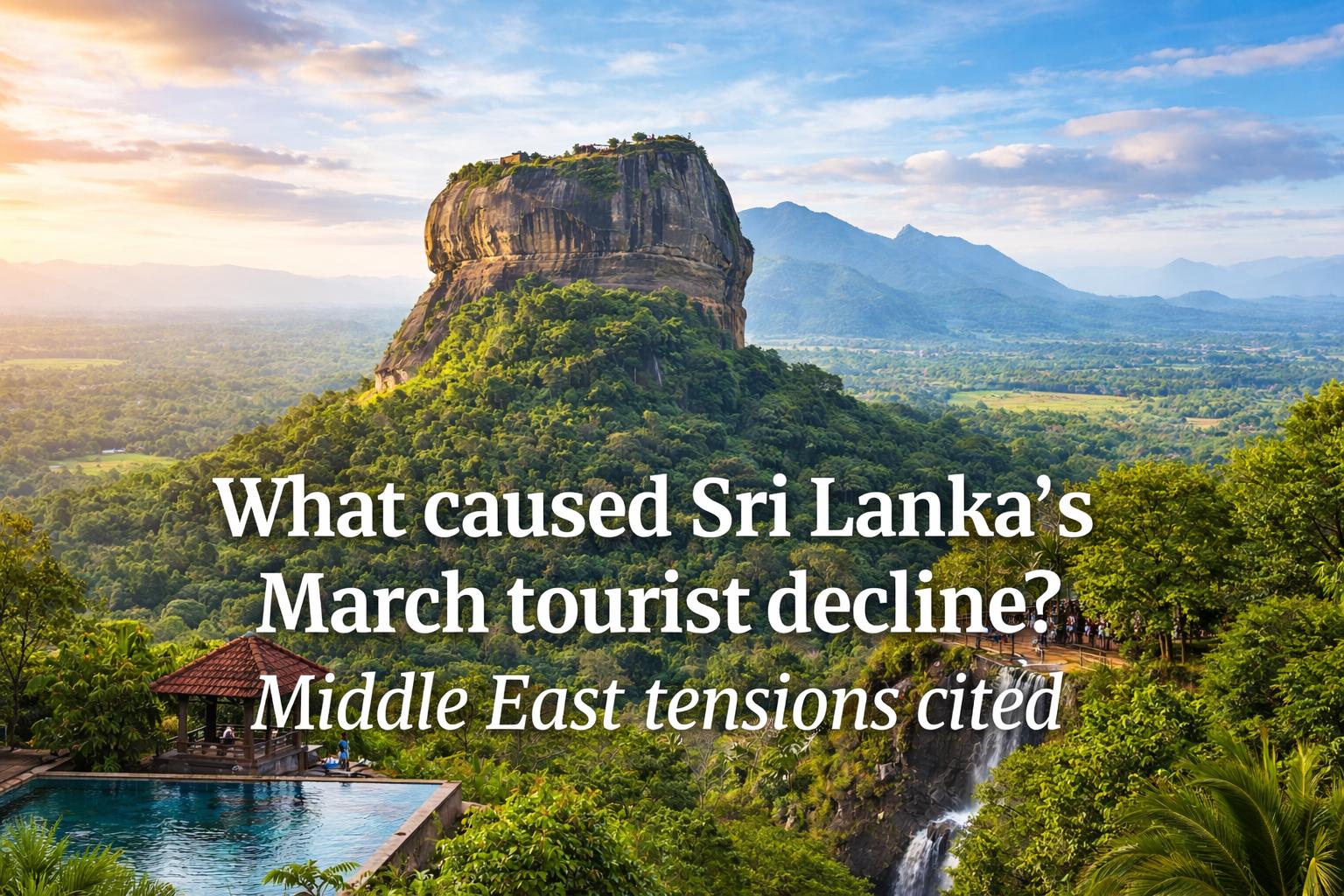
How did conflict affect Sri Lanka tourism? March arrivals fall sharply
Colombo — Tourist arrivals to Sri Lanka fell sig
How did conflict affect Sri Lanka tourism? March arrivals fall sharply
Colombo — Tourist arrivals to Sri Lanka fell sig
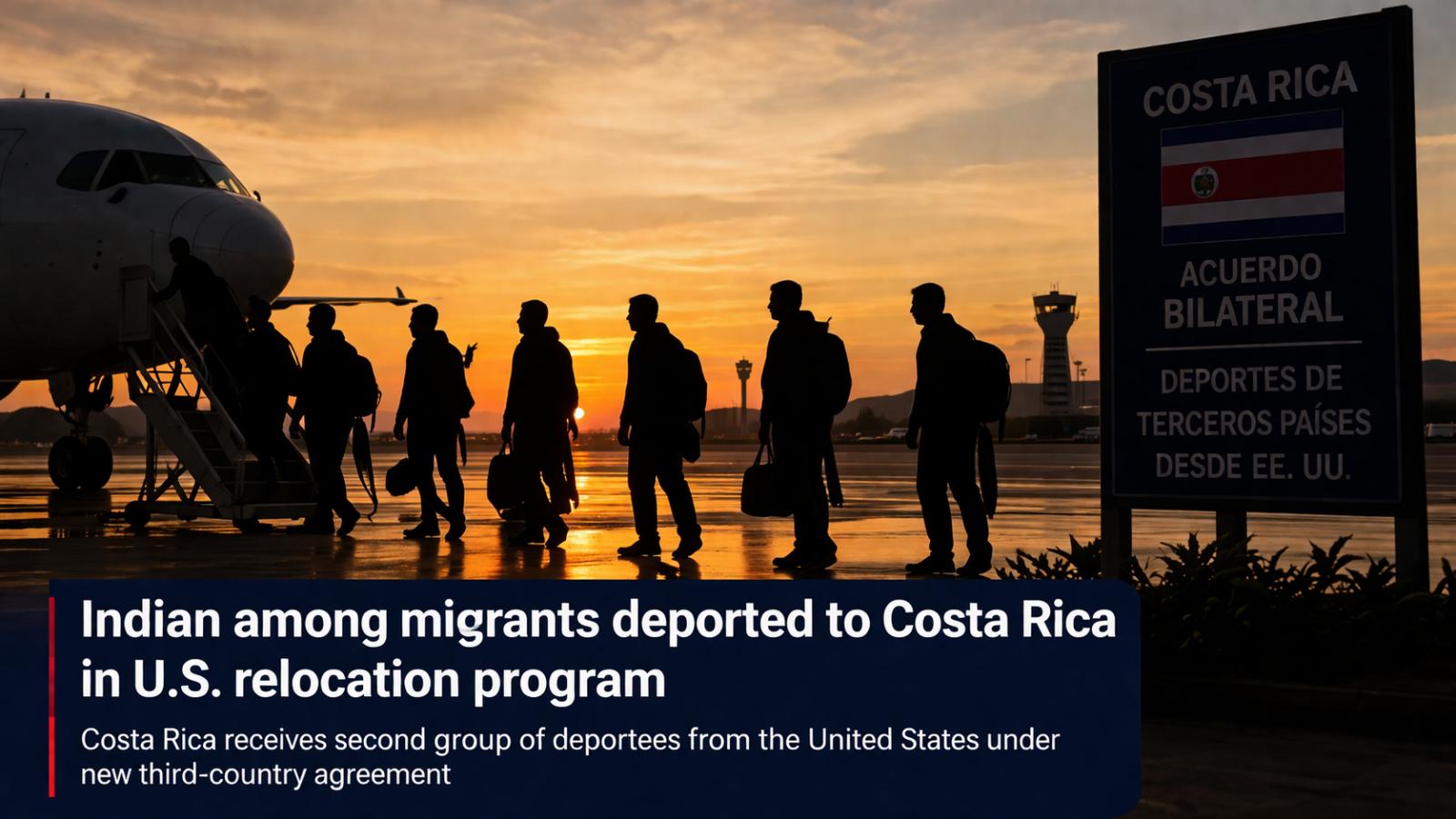
Indian among deportees sent to Costa Rica under U.S. third-country policy
Costa Rica received a second group of migrants deported from the United States on Friday as part of a bilateral agreement that allows the Central American nation to accept third-country nationals expelled under U.S. immigration policy. The group notably included one Indian national among deportees from multiple countries, underscoring the global scope of the program. Under the agreement, signed in March by Costa Rican President Rodrigo Chaves and U.S. Special Envoy Kristi Noem, Costa
Indian among deportees sent to Costa Rica under U.S. third-country policy
Costa Rica received a second group of migrants deported from the United States on Friday as part of a bilateral agreement that allows the Central American nation to accept third-country nationals expelled under U.S. immigration policy. The group notably included one Indian national among deportees from multiple countries, underscoring the global scope of the program. Under the agreement, signed in March by Costa Rican President Rodrigo Chaves and U.S. Special Envoy Kristi Noem, Costa
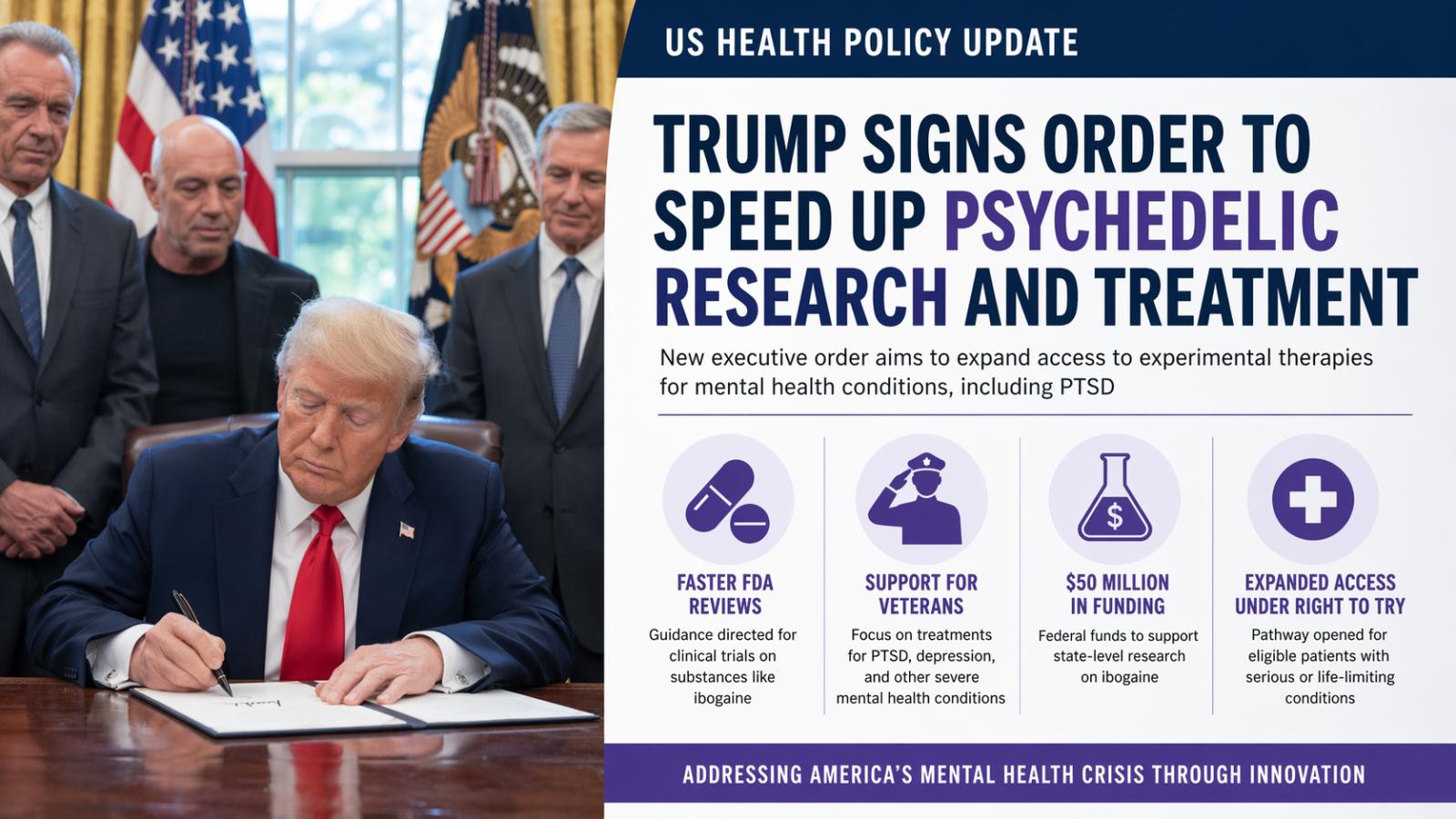
Why is the US expanding psychedelic research? Focus on mental health crisis
U.S. President Donald Trump announced a sweeping policy shift on Saturday, April 18, aimed at accelerating access to medical research and treatments involving psychedelic drugs. The executive order, signed in the Oval Office, directs the US Food and Drug Administration to expedite the review process for substances such as ibogaine, which some veteran advocacy groups say may help treat post-traumatic stress disorder. The signing event included federal health officials, advocates, and podcaster Joe Rogan, highlighting growing public and institutional interest in alternative mental health therapies. Focus on veterans and severe mental illness treatment Trump said the initiative is designed to “dramatically accelerate access” to experimental therapies that have shown potential in addressing severe mental health conditions. He emphasized that these treatments could be particularly impactful for U.S. military veterans suffering from PTSD and depression. The order instructs federal agencies to reduce administrative barriers, enhance data sharing between the FDA and the Department of Veterans Affairs, and streamline the process for rescheduling psychedelic substances once they receive regulatory approval. Funding and expanded access under Right to Try law As part of the initiative, the federal government will allocate $50 million to support state-level research on ibogaine. The administration is also expanding pathways for patients with critical conditions to access experimental treatments under the Right to Try law enacted during Trump’s first term. Officials said this approach could allow certain patients to receive psychedelic-based therapies before full FDA approval, provided safety protocols are followed. Health officials cite urgency of mental health crisis Health and Human Services Secretary Robert F Kennedy Jr. described the executive order as a decisive step in addressing what he called one of the nation’s most pressing public health challenges. He said the policy would remove legal and regulatory barriers that have historically limited research into psychedelic treatments. Kennedy added that the changes aim to enable scientists, clinicians, and researchers to better study these substances and, where appropriate, develop safe therapeutic protocols for their use in treating mental health conditions.
Why is the US expanding psychedelic research? Focus on mental health crisis
U.S. President Donald Trump announced a sweeping policy shift on Saturday, April 18, aimed at accelerating access to medical research and treatments involving psychedelic drugs. The executive order, signed in the Oval Office, directs the US Food and Drug Administration to expedite the review process for substances such as ibogaine, which some veteran advocacy groups say may help treat post-traumatic stress disorder. The signing event included federal health officials, advocates, and podcaster Joe Rogan, highlighting growing public and institutional interest in alternative mental health therapies. Focus on veterans and severe mental illness treatment Trump said the initiative is designed to “dramatically accelerate access” to experimental therapies that have shown potential in addressing severe mental health conditions. He emphasized that these treatments could be particularly impactful for U.S. military veterans suffering from PTSD and depression. The order instructs federal agencies to reduce administrative barriers, enhance data sharing between the FDA and the Department of Veterans Affairs, and streamline the process for rescheduling psychedelic substances once they receive regulatory approval. Funding and expanded access under Right to Try law As part of the initiative, the federal government will allocate $50 million to support state-level research on ibogaine. The administration is also expanding pathways for patients with critical conditions to access experimental treatments under the Right to Try law enacted during Trump’s first term. Officials said this approach could allow certain patients to receive psychedelic-based therapies before full FDA approval, provided safety protocols are followed. Health officials cite urgency of mental health crisis Health and Human Services Secretary Robert F Kennedy Jr. described the executive order as a decisive step in addressing what he called one of the nation’s most pressing public health challenges. He said the policy would remove legal and regulatory barriers that have historically limited research into psychedelic treatments. Kennedy added that the changes aim to enable scientists, clinicians, and researchers to better study these substances and, where appropriate, develop safe therapeutic protocols for their use in treating mental health conditions.
How Iran’s affordable drones are challenging America’s expensive interceptors
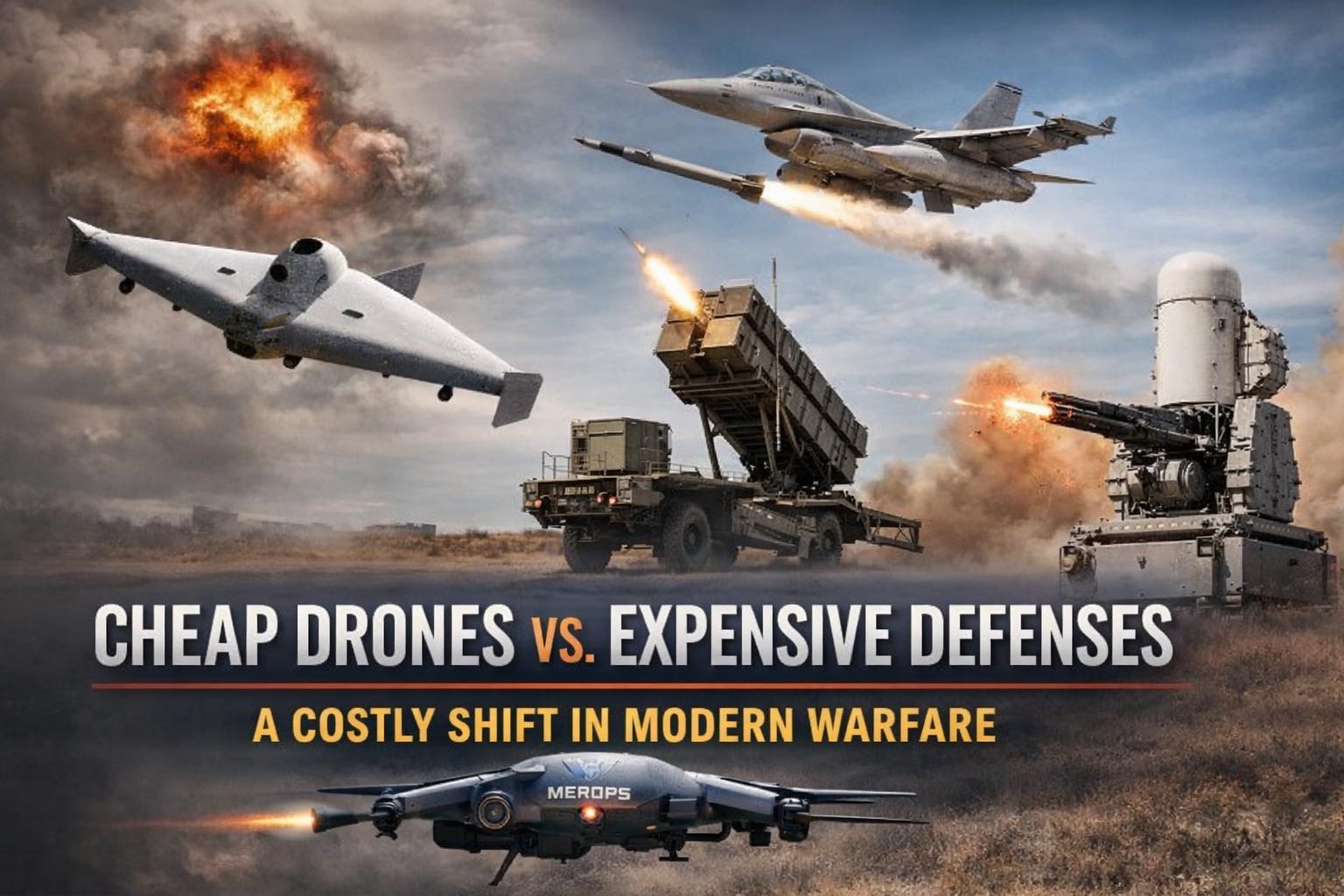
One of the most striking lessons from the war with Iran is how a relatively low-cost adversary has exposed vulnerabilities in U.S. defense strategy. Iran has demonstrated both a willingness to go on the offensive and an ability to leverage inexpensive drone technology at scale. These drones, often built with commercial-grade components, cost roughly $35,000 each—far less than the high-end interceptors used to destroy them. This imbalance has forced the United States and its allies to confront a new reality: modern warfare is no longer dominated solely by precision and sophistication, but also by affordability and volume. Cheap drones had already reshaped the battlefield in Ukraine, and Iran has now applied similar tactics in the Middle East, exploiting a long-standing gap in U.S. defense investments that favored fewer, more expensive systems over scalable solutions. Why are U.S. defenses struggling with cost efficiency? Because interceptors far exceed drone prices The financial mismatch is stark. In just the first six days of the conflict, the U.S. spent $11.3 billion, with estimates later rising to between $25 billion and $35 billion. A significant portion of that cost comes from interceptor missiles used to shoot down relatively inexpensive drones. Despite years of Pentagon focus on counter-drone capabilities, experts like Michael C. Horowitz note that there has been little urgency to scale affordable solutions. The result is a defense strategy where each engagement can cost far more than the threat itself—an unsustainable model in prolonged conflicts. How do air-based defenses work against drones? By using early detection and precision strikes—when available In an ideal scenario, airborne early warning systems detect drones hundreds of miles away. Fighter jets such as the F-16 Fighting Falcon are then deployed to intercept them using relatively cheaper rocket systems like APKWS II. This method is among the most cost-efficient, but it depends heavily on maintaining constant air patrols and intact detection systems. Iran has targeted these early warning assets, limiting their effectiveness and reducing the availability of this optimal defense approach. What role do ground and naval systems play? They offer range and reliability but at a steep price When air defenses are unavailable, the U.S. relies on ground- and sea-based systems. These include: Short-range systems like the Coyote, designed specifically for drones and relatively cost-effective—but in short supply. Naval destroyers using radar and SM-2 interceptors, which are powerful but expensive and designed for larger threats. The Patriot missile system, capable of intercepting drones from long distances using costly PAC-3 missiles. These systems were originally built to counter high-end threats like ballistic missiles, not swarms of cheap drones. As a result, they are often overkill—both technologically and financially—for the task at hand. Still, their use can be justified when defending high-value assets, such as billion-dollar radar installations or critical military infrastructure. What are the emerging solutions to counter drones? AI interceptors and lasers show promise but remain unproven New approaches aim to fix the cost imbalance. AI-powered interceptor drones, such as the Merops system developed by a company founded by Eric Schmidt, represent a potential shift toward cheaper, scalable defenses. These systems have been tested in collaboration with Ukrainian forces experienced in countering Iranian drones. The U.S. has already sent thousands of these units to the Middle East and begun training troops, though it remains unclear whether they have been deployed in combat. Meanwhile, the Pentagon has invested heavily in directed energy weapons—lasers that could cost as little as $3 per shot and reach targets up to 12 miles away. However, these systems have yet to be fielded in real-world combat. Why is ammunition depletion a growing concern? Because stockpiles may run out faster than they can be replaced Beyond cost, a more immediate concern is supply. Experts warn that interceptor stockpiles are being depleted at an alarming rate. As Tom Karako explains, the issue is not just affordability but availability: the U.S. risks running out of munitions before it can replenish them. This highlights a deeper strategic challenge. Modern conflicts—defined by mass-produced, low-cost threats—require not just advanced technology, but also sustainable production and scalable defense systems.
How Iran’s affordable drones are challenging America’s expensive interceptors
One of the most striking lessons from the war with Iran is how a relatively low-cost adversary has exposed vulnerabilities in U.S. defense strategy. Iran has demonstrated both a willingness to go on the offensive and an ability to leverage inexpensive drone technology at scale. These drones, often built with commercial-grade components, cost roughly $35,000 each—far less than the high-end interceptors used to destroy them. This imbalance has forced the United States and its allies to confront a new reality: modern warfare is no longer dominated solely by precision and sophistication, but also by affordability and volume. Cheap drones had already reshaped the battlefield in Ukraine, and Iran has now applied similar tactics in the Middle East, exploiting a long-standing gap in U.S. defense investments that favored fewer, more expensive systems over scalable solutions. Why are U.S. defenses struggling with cost efficiency? Because interceptors far exceed drone prices The financial mismatch is stark. In just the first six days of the conflict, the U.S. spent $11.3 billion, with estimates later rising to between $25 billion and $35 billion. A significant portion of that cost comes from interceptor missiles used to shoot down relatively inexpensive drones. Despite years of Pentagon focus on counter-drone capabilities, experts like Michael C. Horowitz note that there has been little urgency to scale affordable solutions. The result is a defense strategy where each engagement can cost far more than the threat itself—an unsustainable model in prolonged conflicts. How do air-based defenses work against drones? By using early detection and precision strikes—when available In an ideal scenario, airborne early warning systems detect drones hundreds of miles away. Fighter jets such as the F-16 Fighting Falcon are then deployed to intercept them using relatively cheaper rocket systems like APKWS II. This method is among the most cost-efficient, but it depends heavily on maintaining constant air patrols and intact detection systems. Iran has targeted these early warning assets, limiting their effectiveness and reducing the availability of this optimal defense approach. What role do ground and naval systems play? They offer range and reliability but at a steep price When air defenses are unavailable, the U.S. relies on ground- and sea-based systems. These include: Short-range systems like the Coyote, designed specifically for drones and relatively cost-effective—but in short supply. Naval destroyers using radar and SM-2 interceptors, which are powerful but expensive and designed for larger threats. The Patriot missile system, capable of intercepting drones from long distances using costly PAC-3 missiles. These systems were originally built to counter high-end threats like ballistic missiles, not swarms of cheap drones. As a result, they are often overkill—both technologically and financially—for the task at hand. Still, their use can be justified when defending high-value assets, such as billion-dollar radar installations or critical military infrastructure. What are the emerging solutions to counter drones? AI interceptors and lasers show promise but remain unproven New approaches aim to fix the cost imbalance. AI-powered interceptor drones, such as the Merops system developed by a company founded by Eric Schmidt, represent a potential shift toward cheaper, scalable defenses. These systems have been tested in collaboration with Ukrainian forces experienced in countering Iranian drones. The U.S. has already sent thousands of these units to the Middle East and begun training troops, though it remains unclear whether they have been deployed in combat. Meanwhile, the Pentagon has invested heavily in directed energy weapons—lasers that could cost as little as $3 per shot and reach targets up to 12 miles away. However, these systems have yet to be fielded in real-world combat. Why is ammunition depletion a growing concern? Because stockpiles may run out faster than they can be replaced Beyond cost, a more immediate concern is supply. Experts warn that interceptor stockpiles are being depleted at an alarming rate. As Tom Karako explains, the issue is not just affordability but availability: the U.S. risks running out of munitions before it can replenish them. This highlights a deeper strategic challenge. Modern conflicts—defined by mass-produced, low-cost threats—require not just advanced technology, but also sustainable production and scalable defense systems.
Strait of Hormuz crisis deepens: Iran may prioritize paid shipping access amid rising tensions
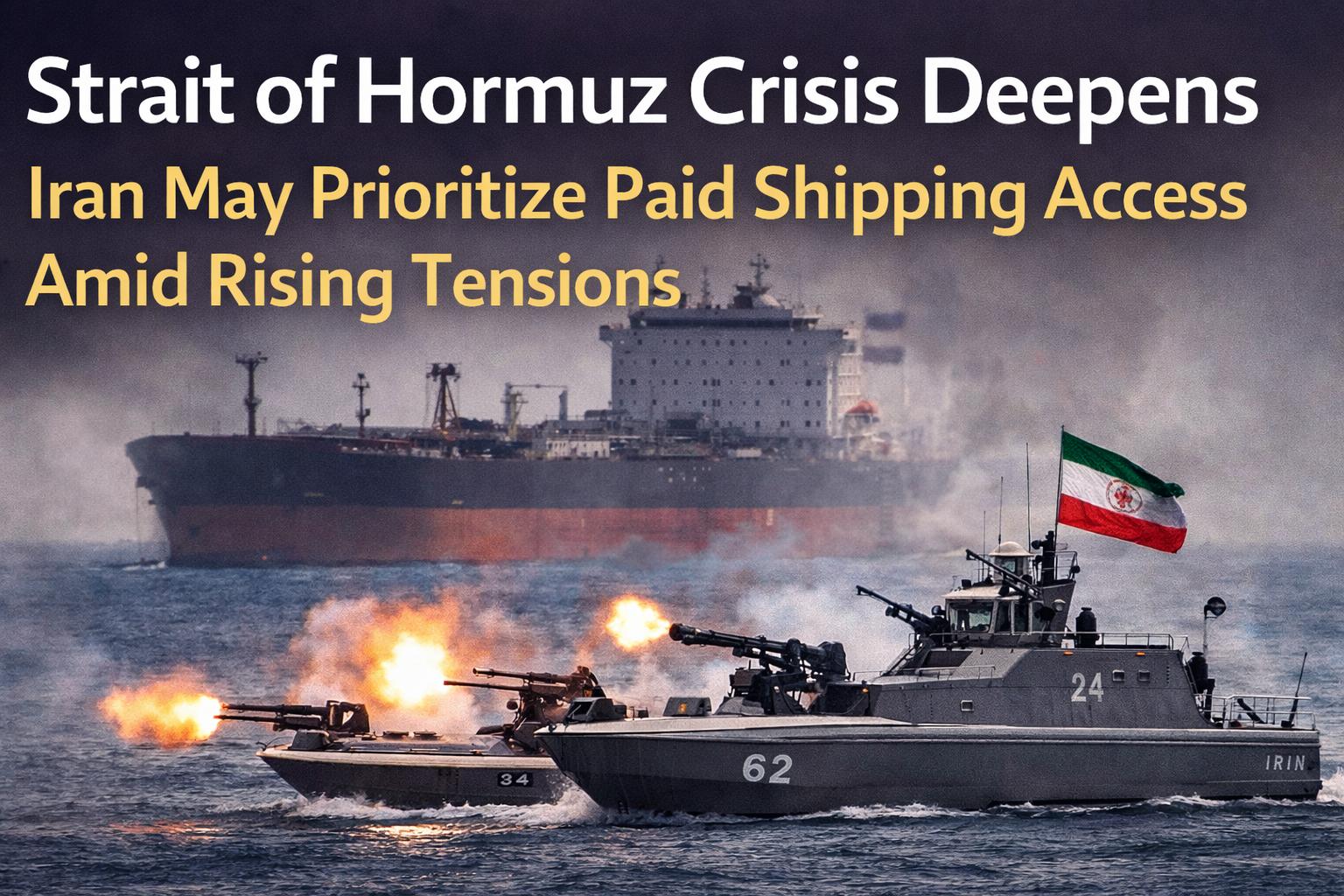
Strait of Hormuz crisis intensifies amid shipping threats and stalled diplomacy The Strait of Hormuz crisis has escalated sharply as Iran appears to tighten its control over the strategic waterway, raising concerns about global oil supply and maritime security. Reports suggest Tehran may prioritize passage for select vessels, while tensions with the United States continue to grow.The
Strait of Hormuz crisis deepens: Iran may prioritize paid shipping access amid rising tensions
Strait of Hormuz crisis intensifies amid shipping threats and stalled diplomacy The Strait of Hormuz crisis has escalated sharply as Iran appears to tighten its control over the strategic waterway, raising concerns about global oil supply and maritime security. Reports suggest Tehran may prioritize passage for select vessels, while tensions with the United States continue to grow.The
Gunman kills five in Kyiv supermarket siege, attacker shot dead
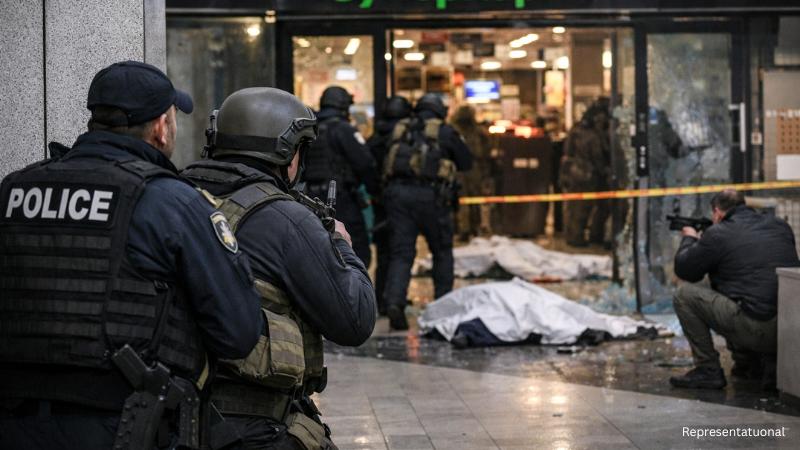
A gunman opened fire in Kyiv, killing five people and injuring several others, according to Ukrainian officials. The incident unfolded on Saturday when the attacker entered a supermarket and began shooting, triggering a large-scale police response and a tense hostage situation. Authorities confirmed that the suspect was later killed during a coordinated operation inside the store. Ukraine’s Interior Minister Ihor Klymenko said the gunman had taken hostages and fired at responding officers during the standoff, complicating efforts to safely resolve the situation. Police ultimately neutralized the attacker while attempting to detain him. Ukrainian President Volodymyr Zelenskyy confirmed the death toll and said officials were working to establish all circumstances surrounding the attack. He extended condolences to the victims’ families and emphasized that a full investigation is underway. Live broadcast footage from the scene showed armed police units taking cover inside the shopping complex as gunfire echoed. Civilians in the area were quickly evacuated as emergency responders secured the perimeter and moved to contain the threat. Officials reported that at least 10 people were hospitalized with injuries and trauma following the attack. Four hostages were rescued during the operation and are receiving support. Investigators from the National Police of Ukraine and the Security Service of Ukraine are continuing to examine the incident. Authorities said verified updates will be released as more details become available.
Gunman kills five in Kyiv supermarket siege, attacker shot dead
A gunman opened fire in Kyiv, killing five people and injuring several others, according to Ukrainian officials. The incident unfolded on Saturday when the attacker entered a supermarket and began shooting, triggering a large-scale police response and a tense hostage situation. Authorities confirmed that the suspect was later killed during a coordinated operation inside the store. Ukraine’s Interior Minister Ihor Klymenko said the gunman had taken hostages and fired at responding officers during the standoff, complicating efforts to safely resolve the situation. Police ultimately neutralized the attacker while attempting to detain him. Ukrainian President Volodymyr Zelenskyy confirmed the death toll and said officials were working to establish all circumstances surrounding the attack. He extended condolences to the victims’ families and emphasized that a full investigation is underway. Live broadcast footage from the scene showed armed police units taking cover inside the shopping complex as gunfire echoed. Civilians in the area were quickly evacuated as emergency responders secured the perimeter and moved to contain the threat. Officials reported that at least 10 people were hospitalized with injuries and trauma following the attack. Four hostages were rescued during the operation and are receiving support. Investigators from the National Police of Ukraine and the Security Service of Ukraine are continuing to examine the incident. Authorities said verified updates will be released as more details become available.
Iran rift exposed after firing on Indian ships in Strait of Hormuz
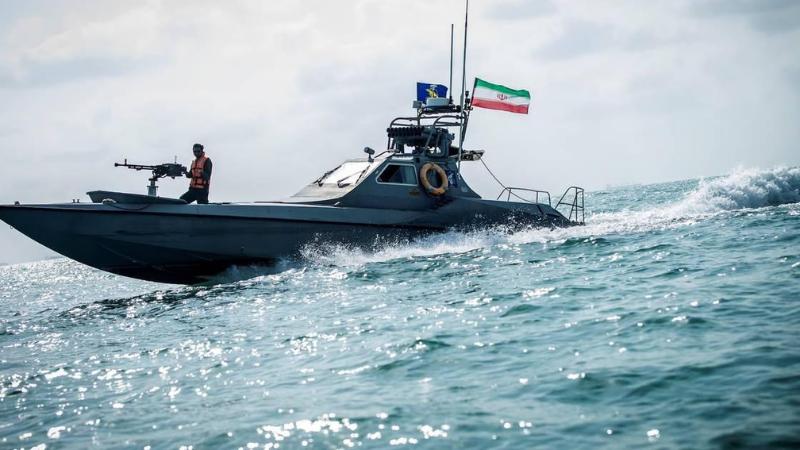
Tensions within Iran’s leadership structure came
Iran rift exposed after firing on Indian ships in Strait of Hormuz
Tensions within Iran’s leadership structure came
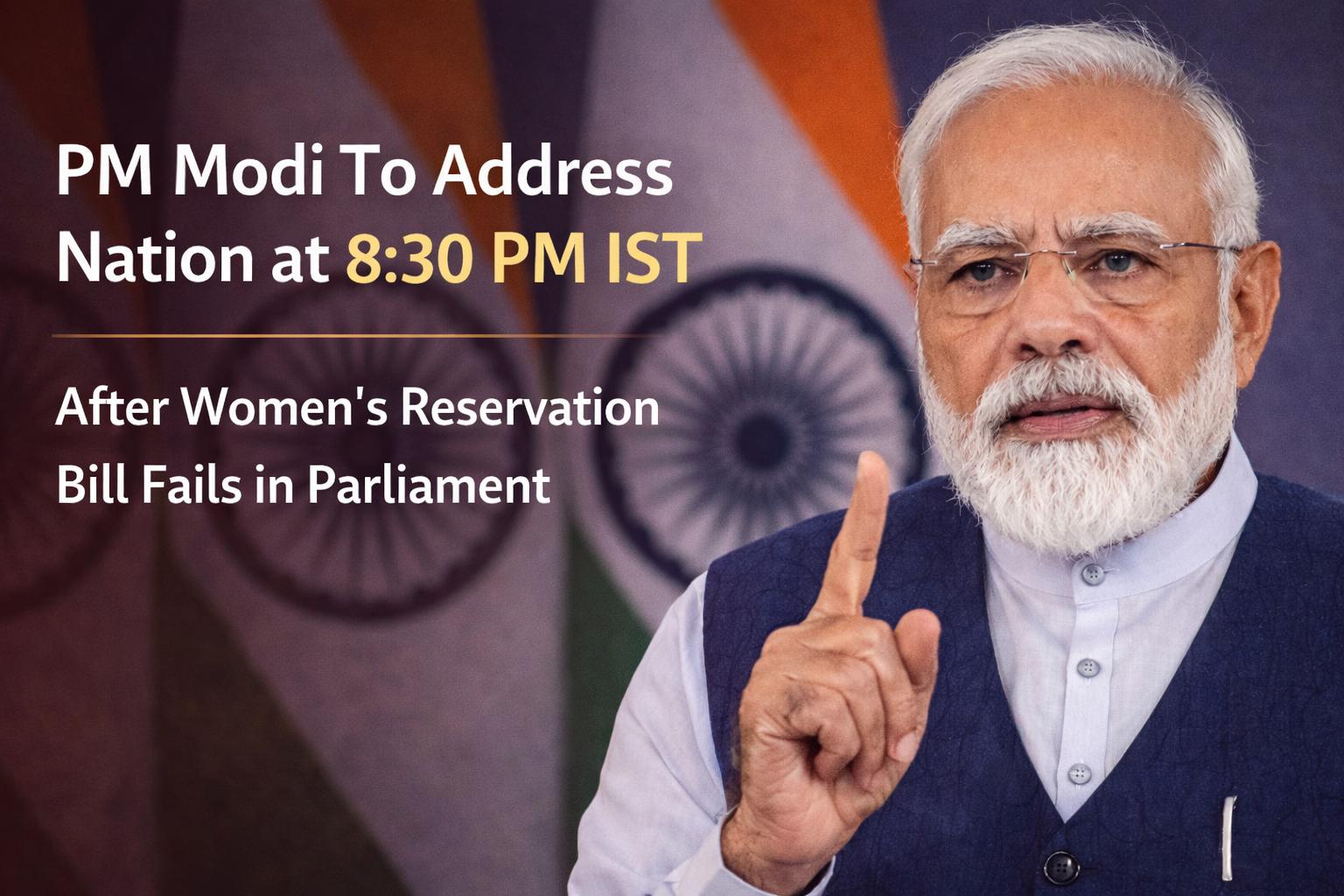
PM Modi will address the nation at 8:30 PM IST on Tuesday, April 18, 2026, fueling speculation after the women’s reservation bill failed in Parliament amid political tensions.
Prime Minister Narendra Modi is set to deliver a national address at 8:30 PM, prompting widespread speculation about the topic. The announcement comes at a politically sensitive moment, just a day after the women’s reservation bill failed to secure approval in Parliament. Why PM Modi is addressing the nation today While officials have not confirmed the subject of the speech, the timing has drawn attention. The Prime Minister reportedly di
PM Modi will address the nation at 8:30 PM IST on Tuesday, April 18, 2026, fueling speculation after the women’s reservation bill failed in Parliament amid political tensions.
Prime Minister Narendra Modi is set to deliver a national address at 8:30 PM, prompting widespread speculation about the topic. The announcement comes at a politically sensitive moment, just a day after the women’s reservation bill failed to secure approval in Parliament. Why PM Modi is addressing the nation today While officials have not confirmed the subject of the speech, the timing has drawn attention. The Prime Minister reportedly di
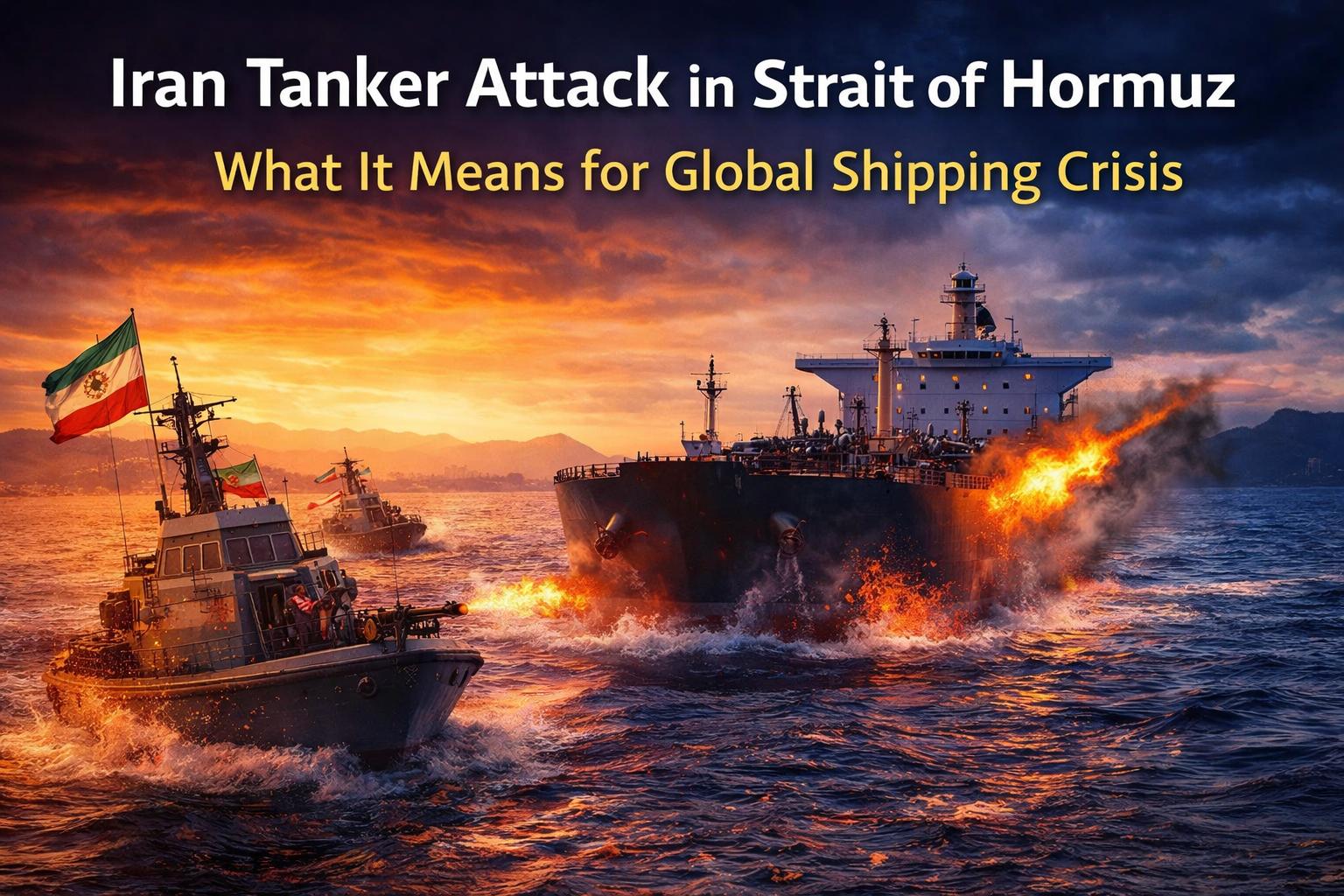
Iran fires on tanker in Strait of Hormuz: What the renewed shipping crisis means for global oil
Iran tanker attack Strait of Hormuz signals renewed crisis in global shipping Tensions in the Middle East escalated sharply after an Iran tanker attack in the Strait of Hormuz, raising fresh concerns about global oil supply and maritime safety. The incident comes as Iran reimposed restrictions on one of the world’s most critical shipping routes, just a day after signals of reope
Iran fires on tanker in Strait of Hormuz: What the renewed shipping crisis means for global oil
Iran tanker attack Strait of Hormuz signals renewed crisis in global shipping Tensions in the Middle East escalated sharply after an Iran tanker attack in the Strait of Hormuz, raising fresh concerns about global oil supply and maritime safety. The incident comes as Iran reimposed restrictions on one of the world’s most critical shipping routes, just a day after signals of reope
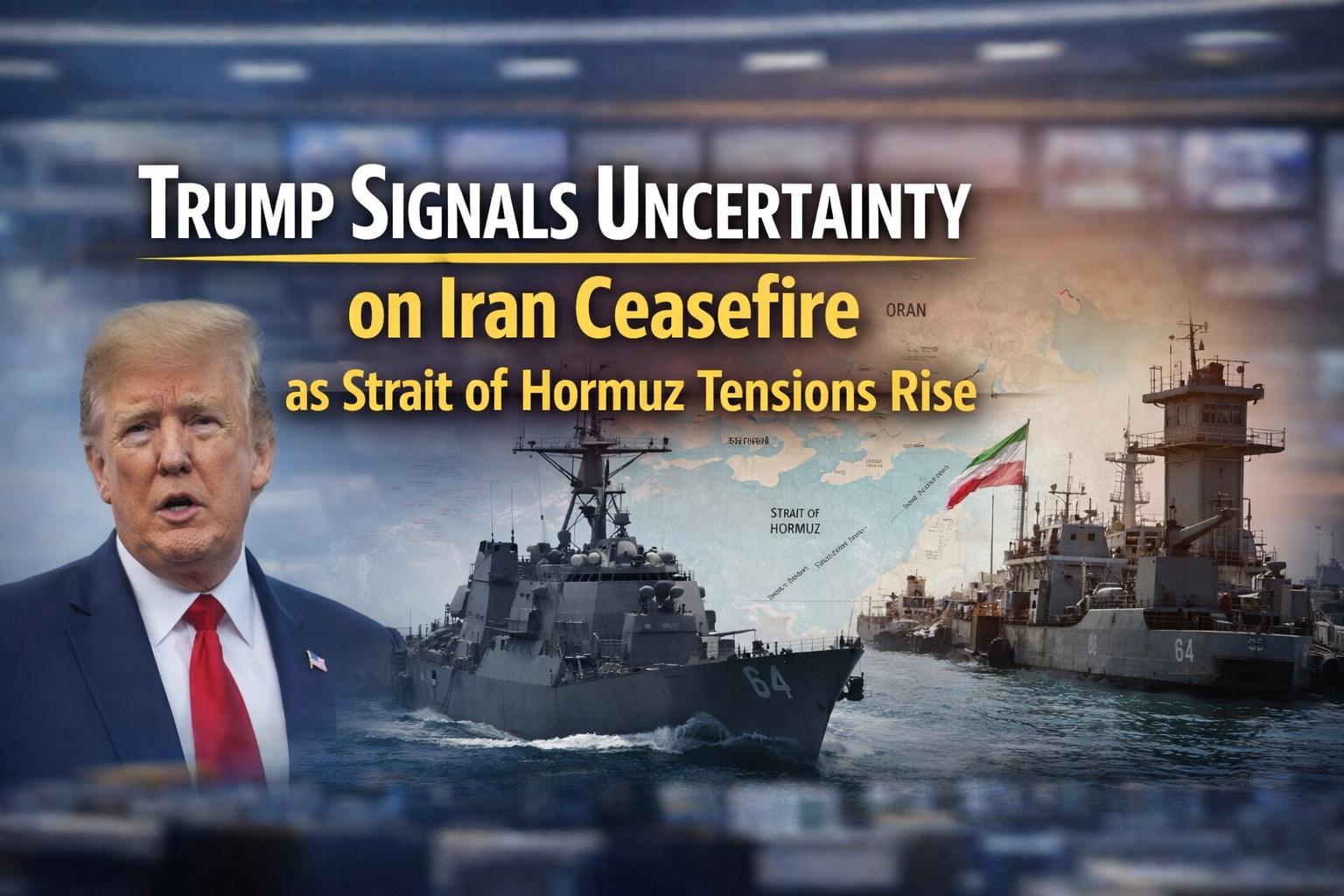
US-Iran Standoff Deepens with Blockade and Hormuz Threats
Donald Trump indicated that the United States may not extend its ceasefire with Iran, as tensions continue to rise over maritime security and regional control. Speaking to reporters, he said the naval blockade of Iranian ports would remain in place regardless of whether the ceasefire expires, signaling a f
US-Iran Standoff Deepens with Blockade and Hormuz Threats
Donald Trump indicated that the United States may not extend its ceasefire with Iran, as tensions continue to rise over maritime security and regional control. Speaking to reporters, he said the naval blockade of Iranian ports would remain in place regardless of whether the ceasefire expires, signaling a f
Trump signals Iran ceasefire may end, hints at deal and White House celebration
U.S. President Donald Trump signaled both optimism and uncertainty regarding ongoing tensions with Iran, stating that a potential agreement could end hostilities while warning that military action may resume if negotiations fail. Speaking aboard Air Force One at 09:05 AM IST on Saturday, April 18, 2026, Trump said he would host a celebratory gathering at the White House if the conflict concludes throug
Trump signals Iran ceasefire may end, hints at deal and White House celebration
U.S. President Donald Trump signaled both optimism and uncertainty regarding ongoing tensions with Iran, stating that a potential agreement could end hostilities while warning that military action may resume if negotiations fail. Speaking aboard Air Force One at 09:05 AM IST on Saturday, April 18, 2026, Trump said he would host a celebratory gathering at the White House if the conflict concludes throug
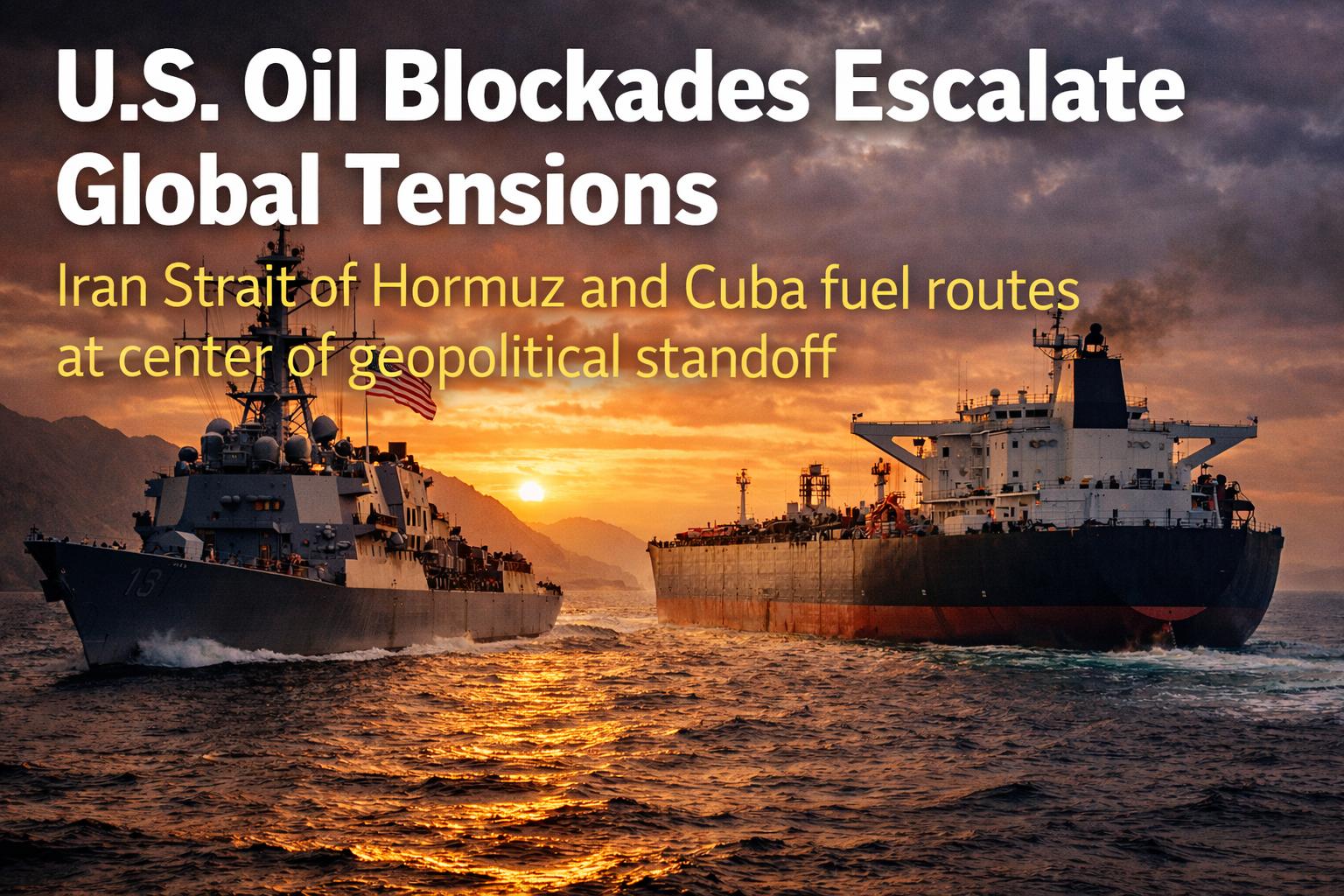
How are U.S. oil blockades impacting global tensions? They raise risks with China and Russia
The United States has intensified its use of energy shipments as a foreign policy tool, launching parallel efforts aimed at Iran in the Middle East and Cuba in the Caribbean. Under President Donald Trump, a naval blockade targeting Iranian vessels in and around the Strait of Hormuz began on Monday, marking a significant escalation despite a ceasefire agreement reached on April 7 between regional actors. At the same time, Washington has imposed a de facto fuel blockade on Cuba, warn
How are U.S. oil blockades impacting global tensions? They raise risks with China and Russia
The United States has intensified its use of energy shipments as a foreign policy tool, launching parallel efforts aimed at Iran in the Middle East and Cuba in the Caribbean. Under President Donald Trump, a naval blockade targeting Iranian vessels in and around the Strait of Hormuz began on Monday, marking a significant escalation despite a ceasefire agreement reached on April 7 between regional actors. At the same time, Washington has imposed a de facto fuel blockade on Cuba, warn
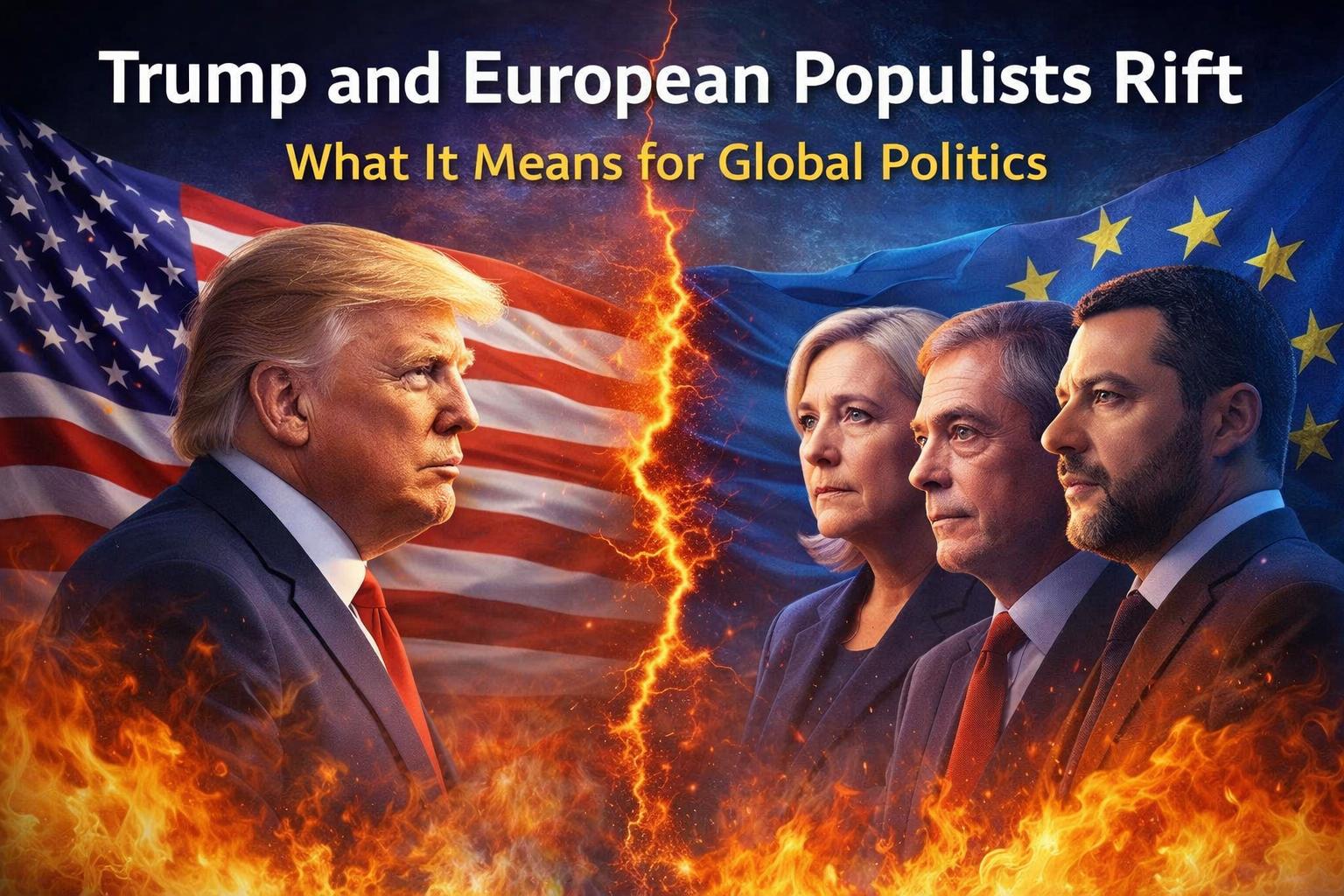
Trump and European populists divide: What the growing rift means for global politics
Trump European populist rift deepens over war and policy tensions The relationship between former U.S. President Donald Trump and Europe’s nationalist leaders is showing signs of strain, raising questions about the future of global political alliances. Once seen as natural allies, the growing divide reflects disagreements over foreign policy, particularly the Iran conflict, and shifting public opinion across Europe. European leaders step back from Trump alliances In recent months, several prominent European populist figures who once openly supported Trump have begun to distance themselves. Leaders across the United Kingdom, France, Germany, and Italy are reconsidering their alignment as criticism of U.S. actions abroad intensifies. Policies linked to military interventions and controversial rhetoric have sparked backlash among European voters. This has put pressure on nationalist leaders who had previously embraced Trump’s political style and agenda. In some cases, declining poll numbers suggest that close ties to Trump are becoming a political liability. Why this political shift matters globally The evolving rift highlights a broader shift in global politics. For years, Trump’s “America First” approach aligned with European nationalist movements advocating for stricter borders and reduced international cooperation. Now, disagreements over foreign interventions and economic consequences—such as rising fuel prices—are changing that dynamic. European leaders must balance domestic public opinion with their political alliances, especially as voters express concerns about economic stability and international conflicts. This shift could weaken transatlantic cooperation among right-leaning political movements and reshape political strategies across the continent. From strong alignment to growing tensions Initially, Trump’s leadership energized nationalist parties across Europe. His stance on immigration, trade, and sovereignty resonated with leaders seeking similar policies in their own countries. However, recent developments—including military actions and disputes with global institutions—have exposed differences. Some European leaders have criticized these moves as inconsistent with their own national interests, while others worry about long-term geopolitical consequences. Public opinion has also played a major role. Surveys across Europe indicate high levels of skepticism toward Trump’s policies, forcing politicians to adjust their positions ahead of elections. What happens next for US-Europe political ties Looking ahead, the relationship between Trump-aligned politics and European populism may continue to evolve. Analysts suggest that nationalist leaders will increasingly focus on domestic priorities rather than relying on alignment with U.S. leadership. Future elections across Europe will likely test whether distancing from Trump helps these leaders regain public support. At the same time, ongoing global conflicts and economic pressures could further influence political strategies. A turning point in global populist politics The growing divide between Trump and European populists marks a significant moment in international politics. What was once a strong ideological partnership is now facing real challenges. As political landscapes shift, leaders on both sides of the Atlantic will need to adapt. The outcome of this rift could redefine alliances, influence elections, and shape the future direction of populist movements worldwide.
Trump and European populists divide: What the growing rift means for global politics
Trump European populist rift deepens over war and policy tensions The relationship between former U.S. President Donald Trump and Europe’s nationalist leaders is showing signs of strain, raising questions about the future of global political alliances. Once seen as natural allies, the growing divide reflects disagreements over foreign policy, particularly the Iran conflict, and shifting public opinion across Europe. European leaders step back from Trump alliances In recent months, several prominent European populist figures who once openly supported Trump have begun to distance themselves. Leaders across the United Kingdom, France, Germany, and Italy are reconsidering their alignment as criticism of U.S. actions abroad intensifies. Policies linked to military interventions and controversial rhetoric have sparked backlash among European voters. This has put pressure on nationalist leaders who had previously embraced Trump’s political style and agenda. In some cases, declining poll numbers suggest that close ties to Trump are becoming a political liability. Why this political shift matters globally The evolving rift highlights a broader shift in global politics. For years, Trump’s “America First” approach aligned with European nationalist movements advocating for stricter borders and reduced international cooperation. Now, disagreements over foreign interventions and economic consequences—such as rising fuel prices—are changing that dynamic. European leaders must balance domestic public opinion with their political alliances, especially as voters express concerns about economic stability and international conflicts. This shift could weaken transatlantic cooperation among right-leaning political movements and reshape political strategies across the continent. From strong alignment to growing tensions Initially, Trump’s leadership energized nationalist parties across Europe. His stance on immigration, trade, and sovereignty resonated with leaders seeking similar policies in their own countries. However, recent developments—including military actions and disputes with global institutions—have exposed differences. Some European leaders have criticized these moves as inconsistent with their own national interests, while others worry about long-term geopolitical consequences. Public opinion has also played a major role. Surveys across Europe indicate high levels of skepticism toward Trump’s policies, forcing politicians to adjust their positions ahead of elections. What happens next for US-Europe political ties Looking ahead, the relationship between Trump-aligned politics and European populism may continue to evolve. Analysts suggest that nationalist leaders will increasingly focus on domestic priorities rather than relying on alignment with U.S. leadership. Future elections across Europe will likely test whether distancing from Trump helps these leaders regain public support. At the same time, ongoing global conflicts and economic pressures could further influence political strategies. A turning point in global populist politics The growing divide between Trump and European populists marks a significant moment in international politics. What was once a strong ideological partnership is now facing real challenges. As political landscapes shift, leaders on both sides of the Atlantic will need to adapt. The outcome of this rift could redefine alliances, influence elections, and shape the future direction of populist movements worldwide.
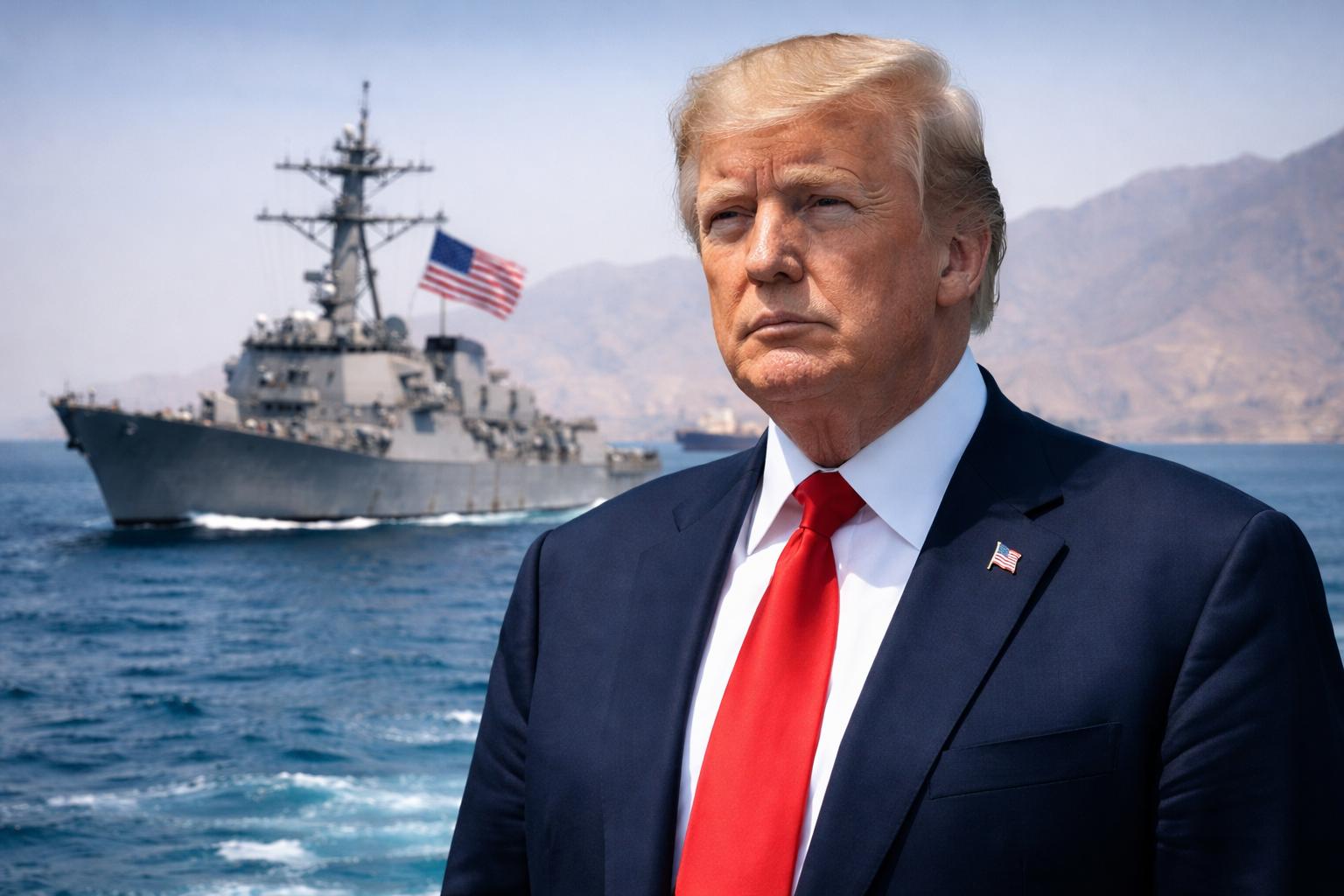
Trump confirms Iran blockade despite Strait of Hormuz reopening
U.S. President Donald Trump said the United States will continue its naval blockade targeting Iran, even after the Strait of Hormuz was reopened for commercial passage. The statement underscores that the broader conflict involving the United States, Iran, and Israel remains unresolved. In a public message, Trump acknowledged Iran’s move to reopen the strategic waterway, a critical route
Trump confirms Iran blockade despite Strait of Hormuz reopening
U.S. President Donald Trump said the United States will continue its naval blockade targeting Iran, even after the Strait of Hormuz was reopened for commercial passage. The statement underscores that the broader conflict involving the United States, Iran, and Israel remains unresolved. In a public message, Trump acknowledged Iran’s move to reopen the strategic waterway, a critical route
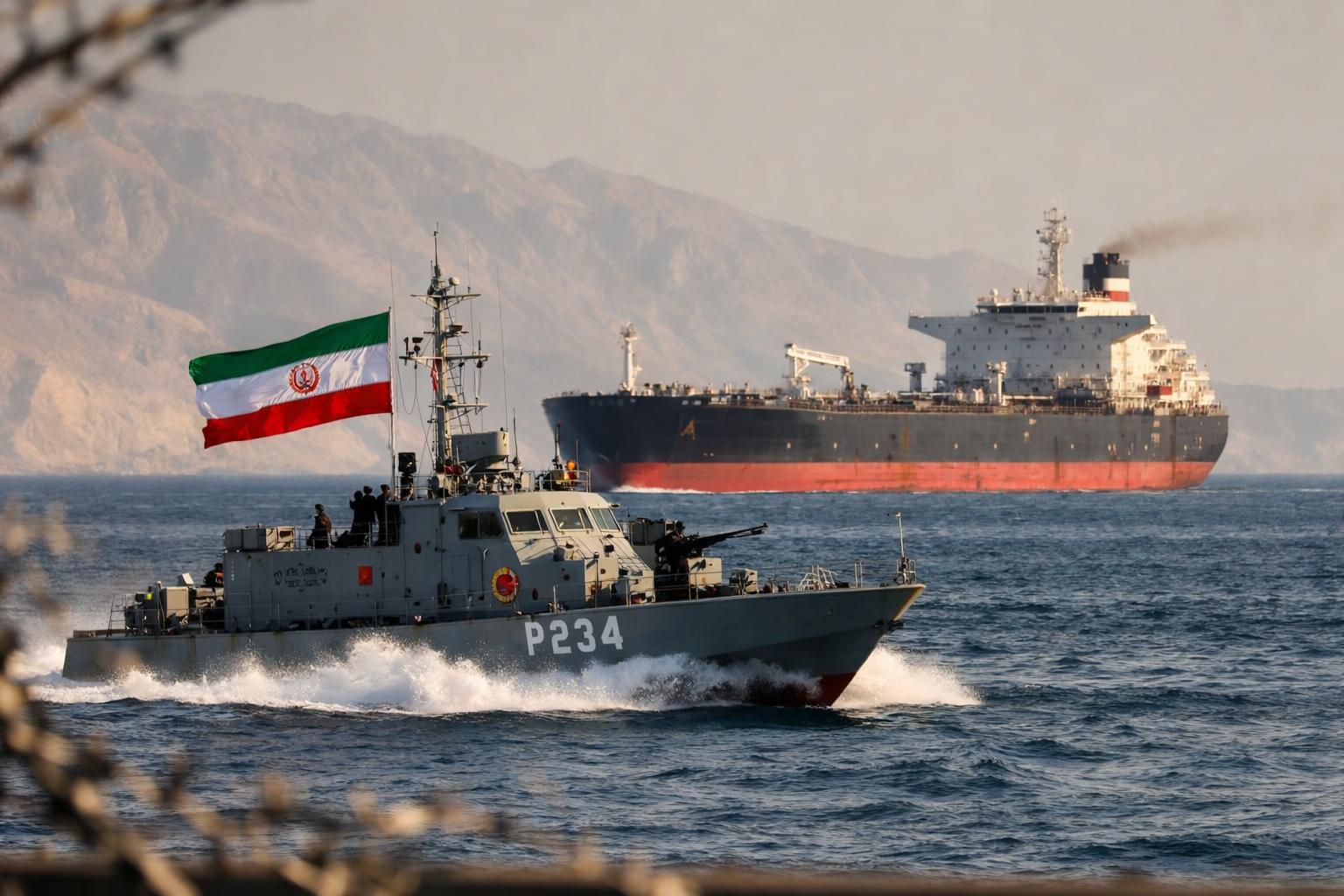
Strait of Hormuz reopens after Lebanon cease-fire, Iran says
The Strait of Hormuz has reopened to commercial maritime traffic following a cease-fire agreement in Lebanon, according to Seyed Abbas Araghchi, who spoke on Friday. The senior Iranian official stated that the strategically critical waterway is now “completely open” for all commercial vessels, signaling a potential easing of tensions that had disrupted global shipping flows. Despite the
Strait of Hormuz reopens after Lebanon cease-fire, Iran says
The Strait of Hormuz has reopened to commercial maritime traffic following a cease-fire agreement in Lebanon, according to Seyed Abbas Araghchi, who spoke on Friday. The senior Iranian official stated that the strategically critical waterway is now “completely open” for all commercial vessels, signaling a potential easing of tensions that had disrupted global shipping flows. Despite the
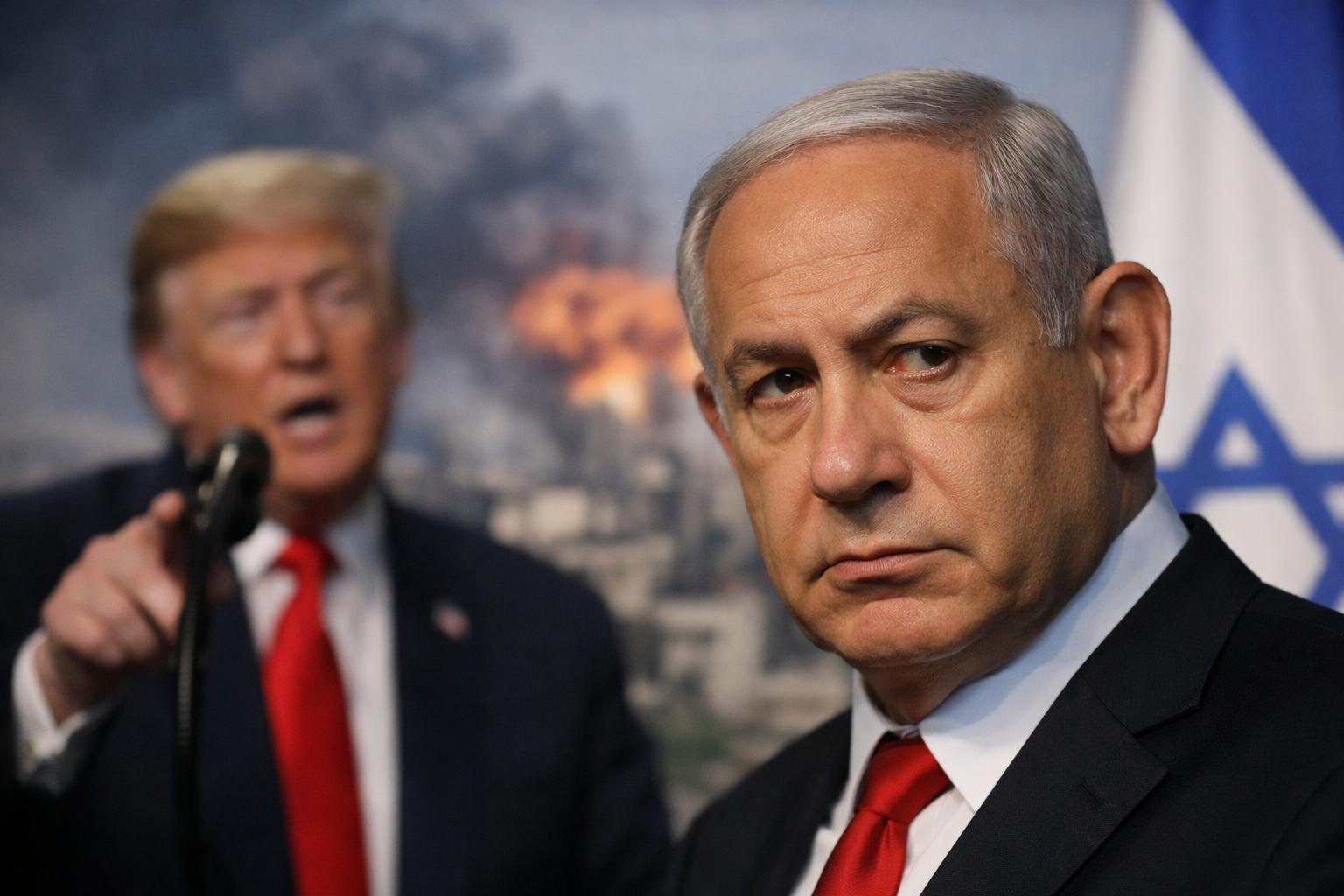
Trump-backed cease-fire in Lebanon puts Netanyahu under pressure at home
A cease-fire between Israel and Lebanon, pressed forward by Donald Trump, is drawing sharp criticism within Israel, where Prime Minister Benjamin Netanyahu faces mounting political pressure over the decision to halt military operations against
Trump-backed cease-fire in Lebanon puts Netanyahu under pressure at home
A cease-fire between Israel and Lebanon, pressed forward by Donald Trump, is drawing sharp criticism within Israel, where Prime Minister Benjamin Netanyahu faces mounting political pressure over the decision to halt military operations against










