US Iran talks in Switzerland focus on Qatar, Pakistan role
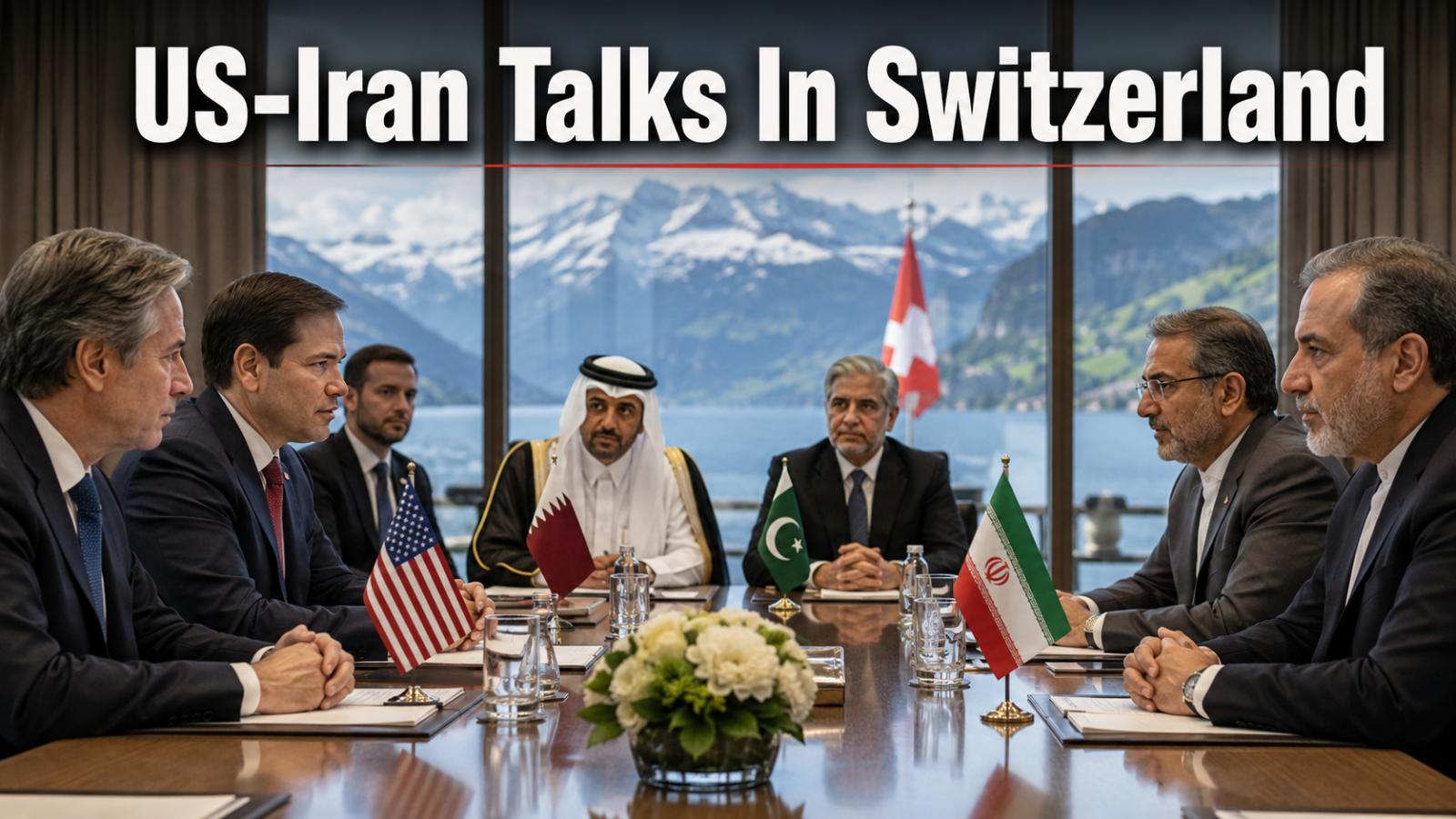
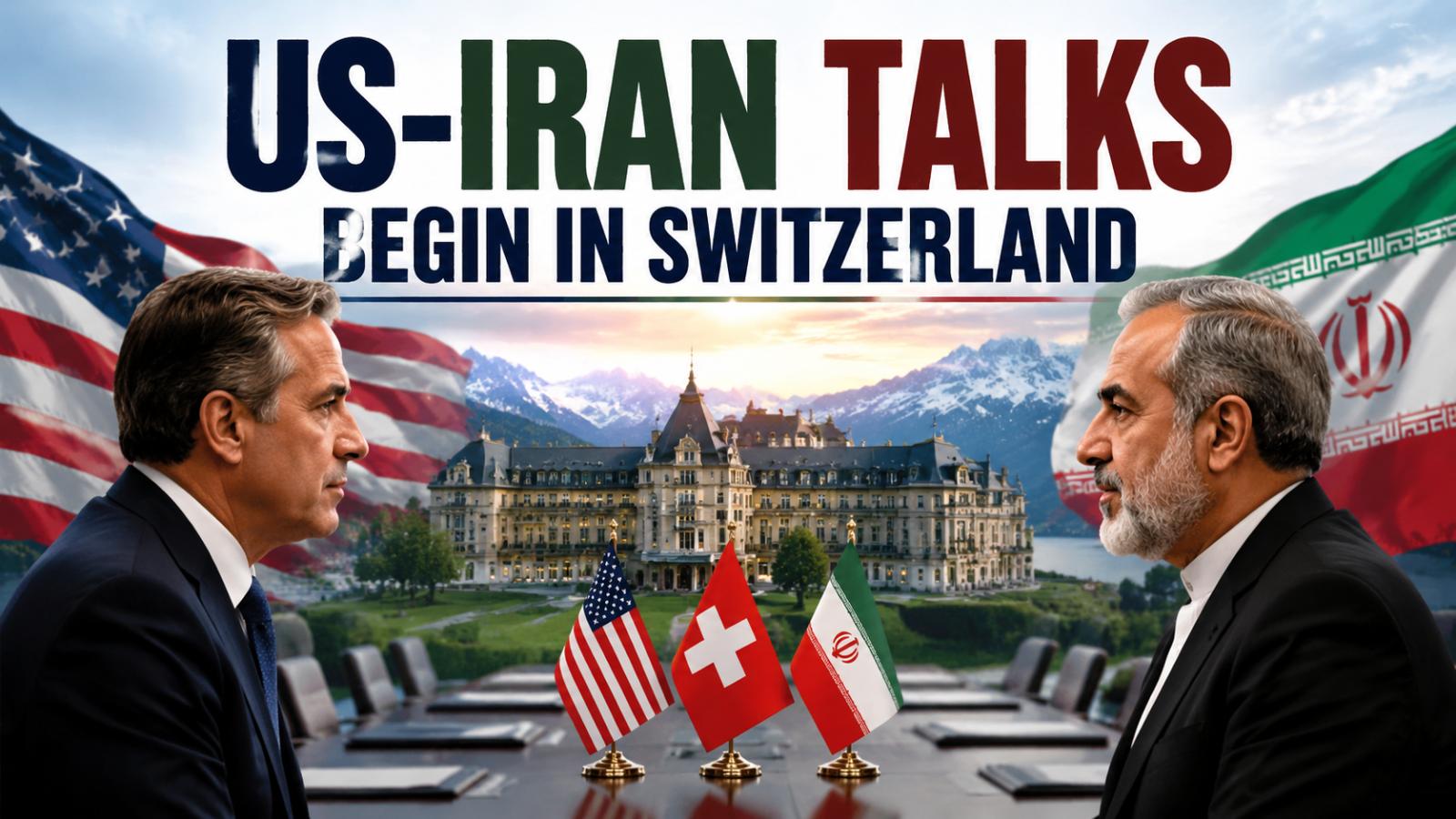
US Iran peace talks in Switzerland have drawn fresh attention as Qatar and Pakistan take a more visible role in efforts to reduce regional tensions. The discussions, held near Lake Lucerne, brought together senior representatives linked to Washington, Tehran, Doha and Islamabad at a time when the Middle East remains under pressure from nuclear concerns, shipping risks and ceasefire disputes. The talks are being watched closely because they
US Iran talks in Switzerland focus on Qatar, Pakistan role
US Iran peace talks in Switzerland have drawn fresh attention as Qatar and Pakistan take a more visible role in efforts to reduce regional tensions. The discussions, held near Lake Lucerne, brought together senior representatives linked to Washington, Tehran, Doha and Islamabad at a time when the Middle East remains under pressure from nuclear concerns, shipping risks and ceasefire disputes. The talks are being watched closely because they
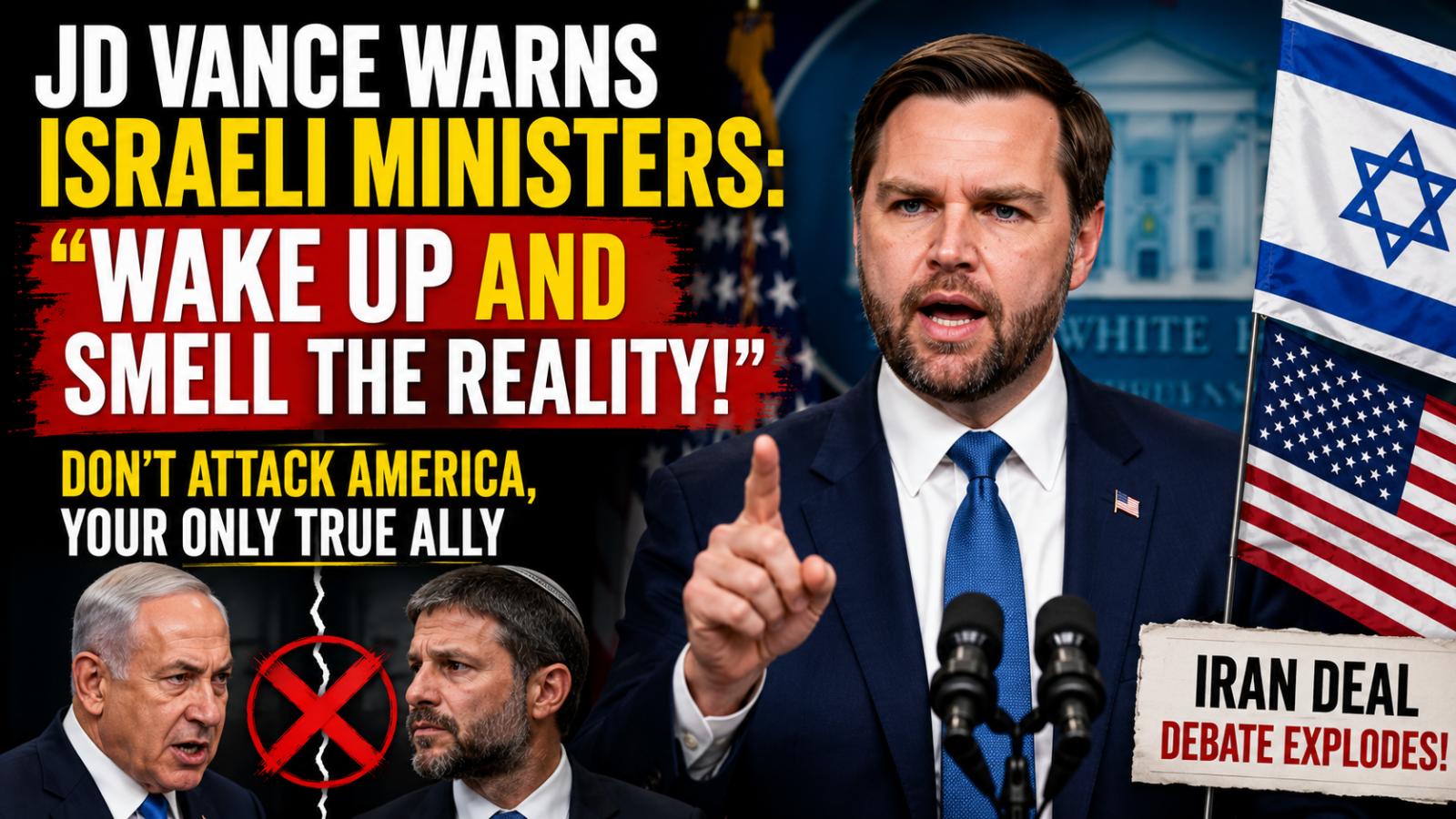
US VP Vance tells Israel to “wake up” amid Iran agreement disputes
US VP Vance Confronts Israeli Critics on Iran Deal US Vice President JD Vance delivered a sharp warning to Israeli cabinet ministers on Thursday, June 18,2026 regarding their public criticisms of the US-Iran agreement. Speaking at a White House briefing, Vance underscored that the United States remains Israel’s primary ally and cautioned that attacking Washington could undermine national interests. Alleged Misreading of US Support Vance em
US VP Vance tells Israel to “wake up” amid Iran agreement disputes
US VP Vance Confronts Israeli Critics on Iran Deal US Vice President JD Vance delivered a sharp warning to Israeli cabinet ministers on Thursday, June 18,2026 regarding their public criticisms of the US-Iran agreement. Speaking at a White House briefing, Vance underscored that the United States remains Israel’s primary ally and cautioned that attacking Washington could undermine national interests. Alleged Misreading of US Support Vance em
US Iran talks signal cautious diplomatic reset
A new round of communication between the United States and Iran has drawn international attention, with both sides indicating a willingness to reopen structured dialogue after a prolonged period of tension. The engagement is being described by officials as an early-stage memorandum-style understanding aimed at reducing immediate escalation risks rather than finalizing a comprehensive agreement. While no detailed treaty framework has been released, the move signals a shift toward man
US Iran talks signal cautious diplomatic reset
A new round of communication between the United States and Iran has drawn international attention, with both sides indicating a willingness to reopen structured dialogue after a prolonged period of tension. The engagement is being described by officials as an early-stage memorandum-style understanding aimed at reducing immediate escalation risks rather than finalizing a comprehensive agreement. While no detailed treaty framework has been released, the move signals a shift toward man
Switzerland hosts US Iran ceasefire talks with mediators
US and Iran have entered early-stage mediated discussions in Switzerland, with the Bürgenstock resort emerging as the selected venue for indirect engagement. The talks are being described by diplomatic sources as exploratory in nature, focusing on reducing regional tensions and testing the feasibility of a broader ceasefire framework. While no final agreement has been confirmed, the engagement signals renewed diplomatic activity after months of escalation concerns in the Middle East. Switzerland positions itself as neutral facilitator Switzerland is hosting the meeting in a neutral capacity, offering logistical support for dialogue between the two sides along with participating mediators. Officials familiar with the arrangement indicate that the format is structured to keep discussions indirect, with Pakistan and Qatar reportedly assisting in communication channels. The goal at this stage is not a binding treaty but a structured conversation on de-escalation pathways. Ceasefire framework and maritime concerns under discussion A key focus of the discussions is believed to be a proposed framework aimed at reducing military tensions and stabilizing critical maritime routes, including the Strait of Hormuz. Trade security and energy transport remain central concerns, given the strategic importance of the passage for global oil movement. However, details remain fluid, and no side has publicly confirmed acceptance of any structured agreement. Diverging interpretations of diplomatic progress Despite reports of engagement, there is no unified position on the status or timing of the talks. Iranian representatives have suggested that discussions remain under internal review following earlier diplomatic exchanges, while US-linked sources describe continued exploratory coordination. This gap in interpretation highlights the fragile and uncertain nature of the process, where messaging remains inconsistent across stakeholders. What the next phase depends on The outcome of these discussions will largely depend on whether both sides can align on verification mechanisms and phased de-escalation steps. Observers note that even incremental progress could reduce regional risk, but breakdowns in coordination could stall momentum quickly. For now, the Switzerland-hosted engagement represents an early diplomatic opening rather than a finalized peace roadmap.
Switzerland hosts US Iran ceasefire talks with mediators
US and Iran have entered early-stage mediated discussions in Switzerland, with the Bürgenstock resort emerging as the selected venue for indirect engagement. The talks are being described by diplomatic sources as exploratory in nature, focusing on reducing regional tensions and testing the feasibility of a broader ceasefire framework. While no final agreement has been confirmed, the engagement signals renewed diplomatic activity after months of escalation concerns in the Middle East. Switzerland positions itself as neutral facilitator Switzerland is hosting the meeting in a neutral capacity, offering logistical support for dialogue between the two sides along with participating mediators. Officials familiar with the arrangement indicate that the format is structured to keep discussions indirect, with Pakistan and Qatar reportedly assisting in communication channels. The goal at this stage is not a binding treaty but a structured conversation on de-escalation pathways. Ceasefire framework and maritime concerns under discussion A key focus of the discussions is believed to be a proposed framework aimed at reducing military tensions and stabilizing critical maritime routes, including the Strait of Hormuz. Trade security and energy transport remain central concerns, given the strategic importance of the passage for global oil movement. However, details remain fluid, and no side has publicly confirmed acceptance of any structured agreement. Diverging interpretations of diplomatic progress Despite reports of engagement, there is no unified position on the status or timing of the talks. Iranian representatives have suggested that discussions remain under internal review following earlier diplomatic exchanges, while US-linked sources describe continued exploratory coordination. This gap in interpretation highlights the fragile and uncertain nature of the process, where messaging remains inconsistent across stakeholders. What the next phase depends on The outcome of these discussions will largely depend on whether both sides can align on verification mechanisms and phased de-escalation steps. Observers note that even incremental progress could reduce regional risk, but breakdowns in coordination could stall momentum quickly. For now, the Switzerland-hosted engagement represents an early diplomatic opening rather than a finalized peace roadmap.
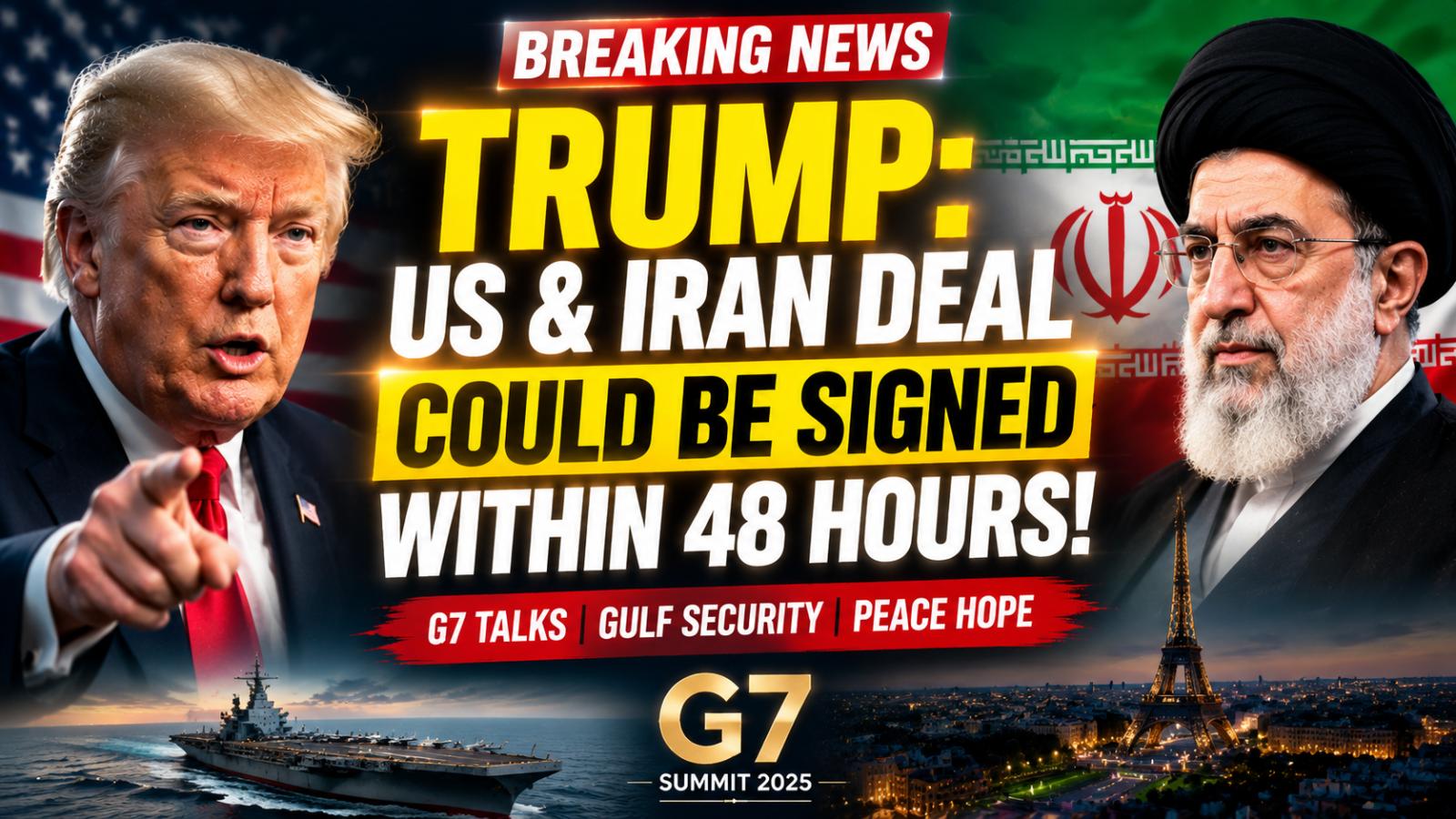
Trump says US and Iran could sign agreement within 48 hours amid G7 talks
Trump Signals Imminent US–Iran Agreement US President Donald Trump has stated that Washington and Tehran could finalize and sign an agreement within the next 48 hours, signaling that negotiations aimed at ending nearly four months of conflict are approaching a critical conclusion. Speaking to reporters in Paris during the G7 summit in France, Trump said the deal could be signed “tomorrow, maybe the next

Trump says US and Iran could sign agreement within 48 hours amid G7 talks
Trump Signals Imminent US–Iran Agreement US President Donald Trump has stated that Washington and Tehran could finalize and sign an agreement within the next 48 hours, signaling that negotiations aimed at ending nearly four months of conflict are approaching a critical conclusion. Speaking to reporters in Paris during the G7 summit in France, Trump said the deal could be signed “tomorrow, maybe the next
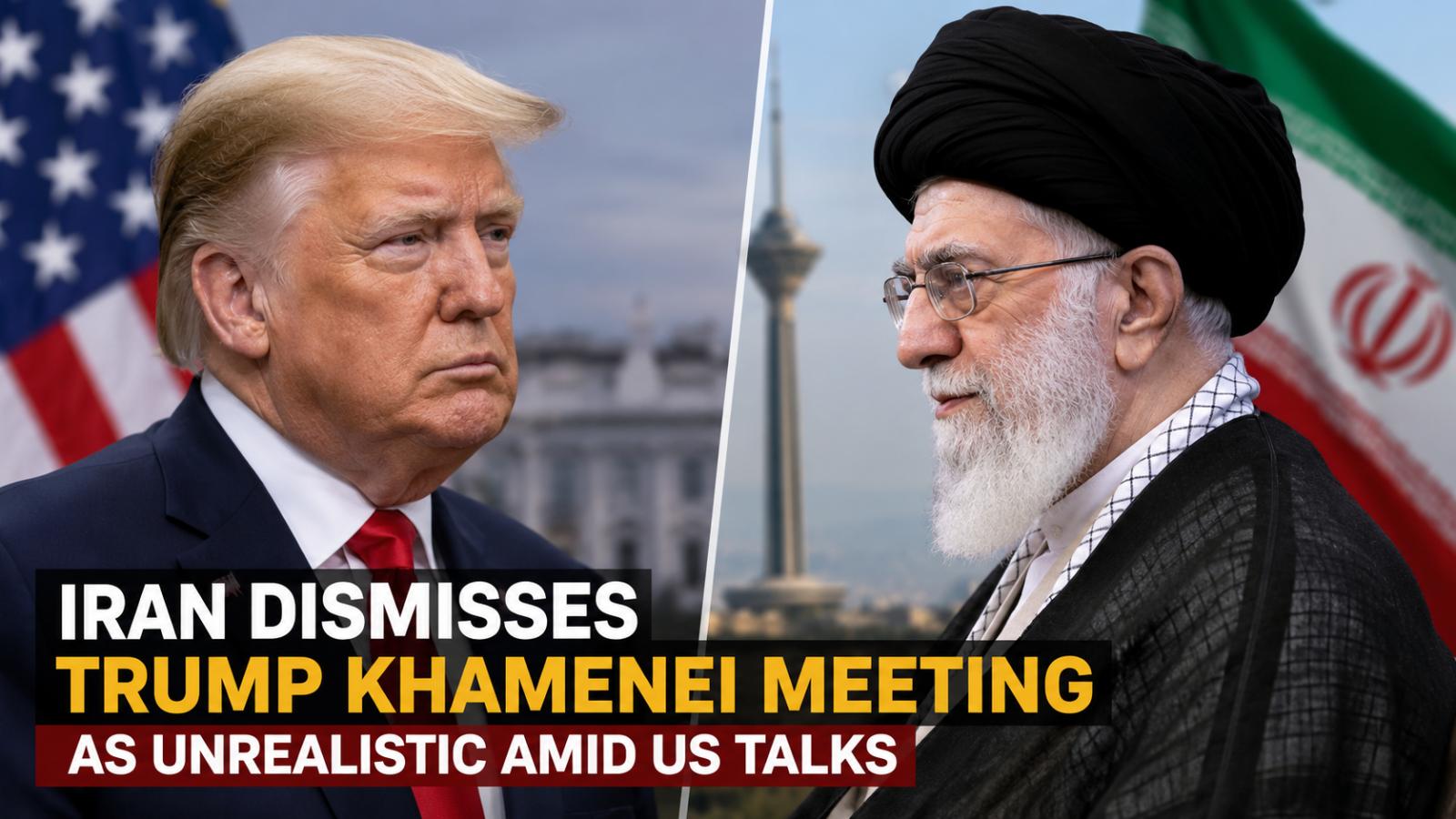
Iran Dismisses Trump Khamenei Meeting as Unrealistic Amid US Talks
Iranian Foreign Minister Abbas Araghchi has dismissed the idea of a future Trump Khamenei meeting, saying expectations of such a high-level encounter are not realistic under current conditions. The remarks came after U.S. President Donald Trump said he would like to meet Iran’s Supreme Leader, Mojtaba Khamenei, if ongoing contacts between Washington and Tehran lead to progress. Iran Pushes Back on Trump Khamenei Meeting Speaking in an intervi
Iran Dismisses Trump Khamenei Meeting as Unrealistic Amid US Talks
Iranian Foreign Minister Abbas Araghchi has dismissed the idea of a future Trump Khamenei meeting, saying expectations of such a high-level encounter are not realistic under current conditions. The remarks came after U.S. President Donald Trump said he would like to meet Iran’s Supreme Leader, Mojtaba Khamenei, if ongoing contacts between Washington and Tehran lead to progress. Iran Pushes Back on Trump Khamenei Meeting Speaking in an intervi
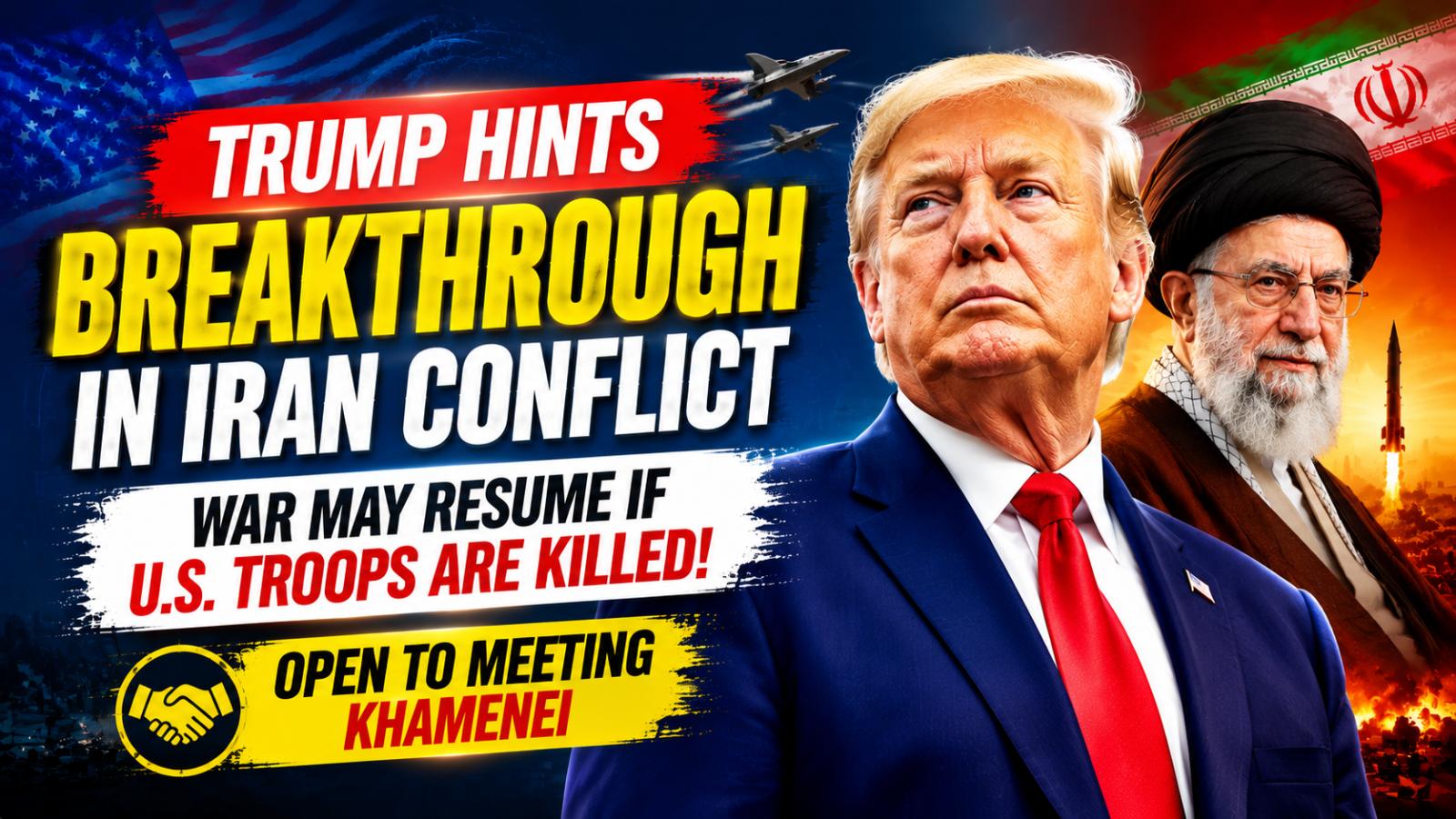
US President Open to Meeting Iran’s Mojtaba Amid Tensions
Trump Hints at Potential Iran Conflict US President Donald Trump on Thursday, June 5, indicated that breakthroughs in the Iran conflict might be near but warned that the killing of American troops would constitute a red line potentially restarting the war. Speaking from the Oval Office, Trump said he could meet Iran’s Mojtaba Khamenei under a diplomatic agreement, despite tensions between Washington and Te
US President Open to Meeting Iran’s Mojtaba Amid Tensions
Trump Hints at Potential Iran Conflict US President Donald Trump on Thursday, June 5, indicated that breakthroughs in the Iran conflict might be near but warned that the killing of American troops would constitute a red line potentially restarting the war. Speaking from the Oval Office, Trump said he could meet Iran’s Mojtaba Khamenei under a diplomatic agreement, despite tensions between Washington and Te
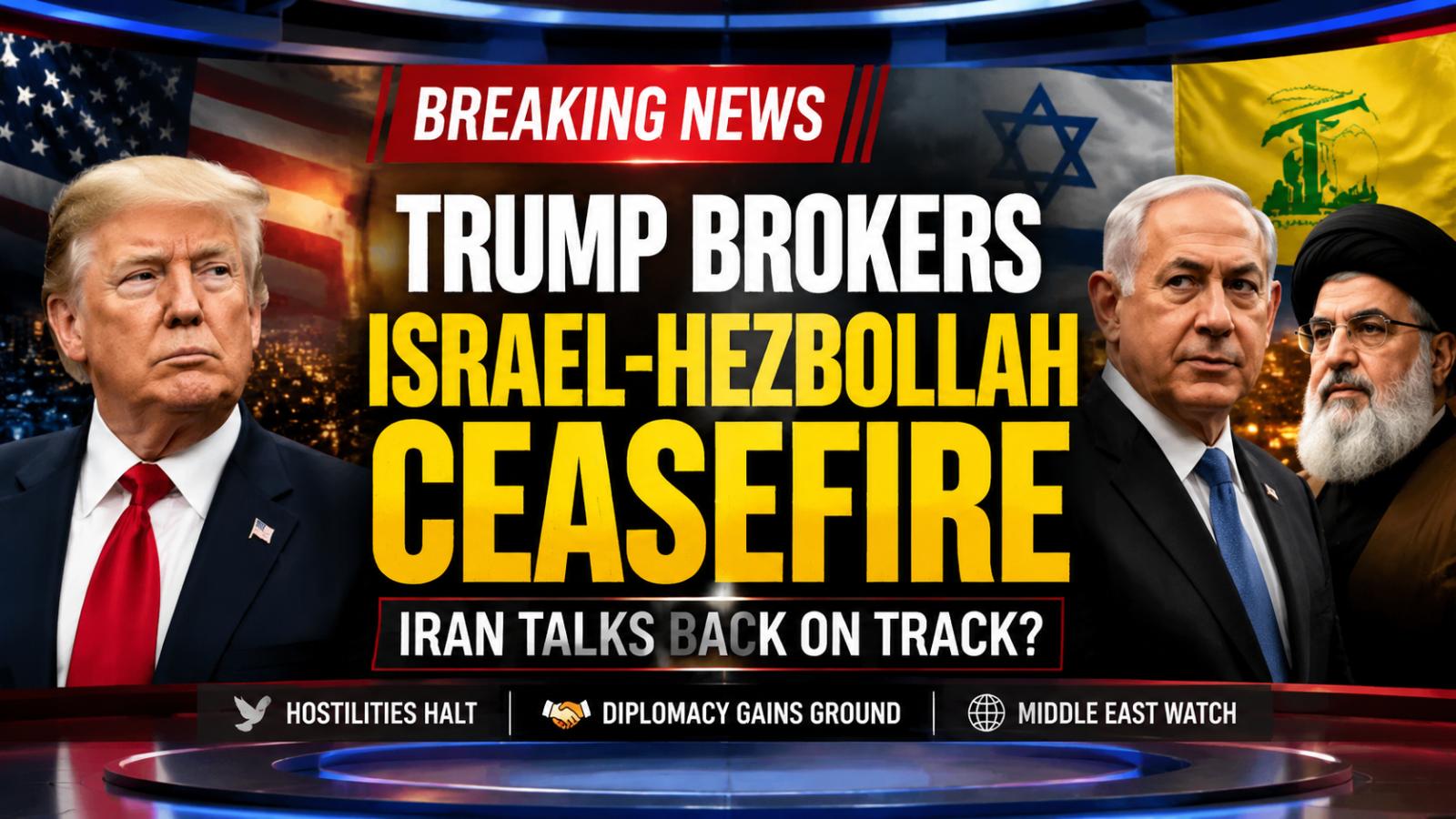
Trump mediates Israel-Hezbollah ceasefire as Iran talks resume
US President Donald Trump confirmed that Israel and Hezbollah have agreed to temporarily halt attacks, creating a window for possible peace talks in Lebanon. The president highlighted his direct involvement, including discussions with Israeli Prime Minister Benjamin Netanyahu and indirect communication with Hezbollah through intermediaries. Trump emphasized the ceasefire on his social media, noting that both sides have agreed to suspend operations against each other, while urging ho
Trump mediates Israel-Hezbollah ceasefire as Iran talks resume
US President Donald Trump confirmed that Israel and Hezbollah have agreed to temporarily halt attacks, creating a window for possible peace talks in Lebanon. The president highlighted his direct involvement, including discussions with Israeli Prime Minister Benjamin Netanyahu and indirect communication with Hezbollah through intermediaries. Trump emphasized the ceasefire on his social media, noting that both sides have agreed to suspend operations against each other, while urging ho
Trump brokers Israel-Hezbollah ceasefire via Pakistan mediation
A significant step toward peace emerged as Israel and Hezbollah agreed to halt hostilities, following active diplomacy from the U.S. and Pakistan. President Trump confirmed discussions with Israeli Prime Minister Netanyahu and Hezbollah representatives, resulting in mutual commitments to stop attacks. Iran Encourages Pakistan’s Mediation Role Iran requested Pakistan to continue its diplomatic i
Trump brokers Israel-Hezbollah ceasefire via Pakistan mediation
A significant step toward peace emerged as Israel and Hezbollah agreed to halt hostilities, following active diplomacy from the U.S. and Pakistan. President Trump confirmed discussions with Israeli Prime Minister Netanyahu and Hezbollah representatives, resulting in mutual commitments to stop attacks. Iran Encourages Pakistan’s Mediation Role Iran requested Pakistan to continue its diplomatic i
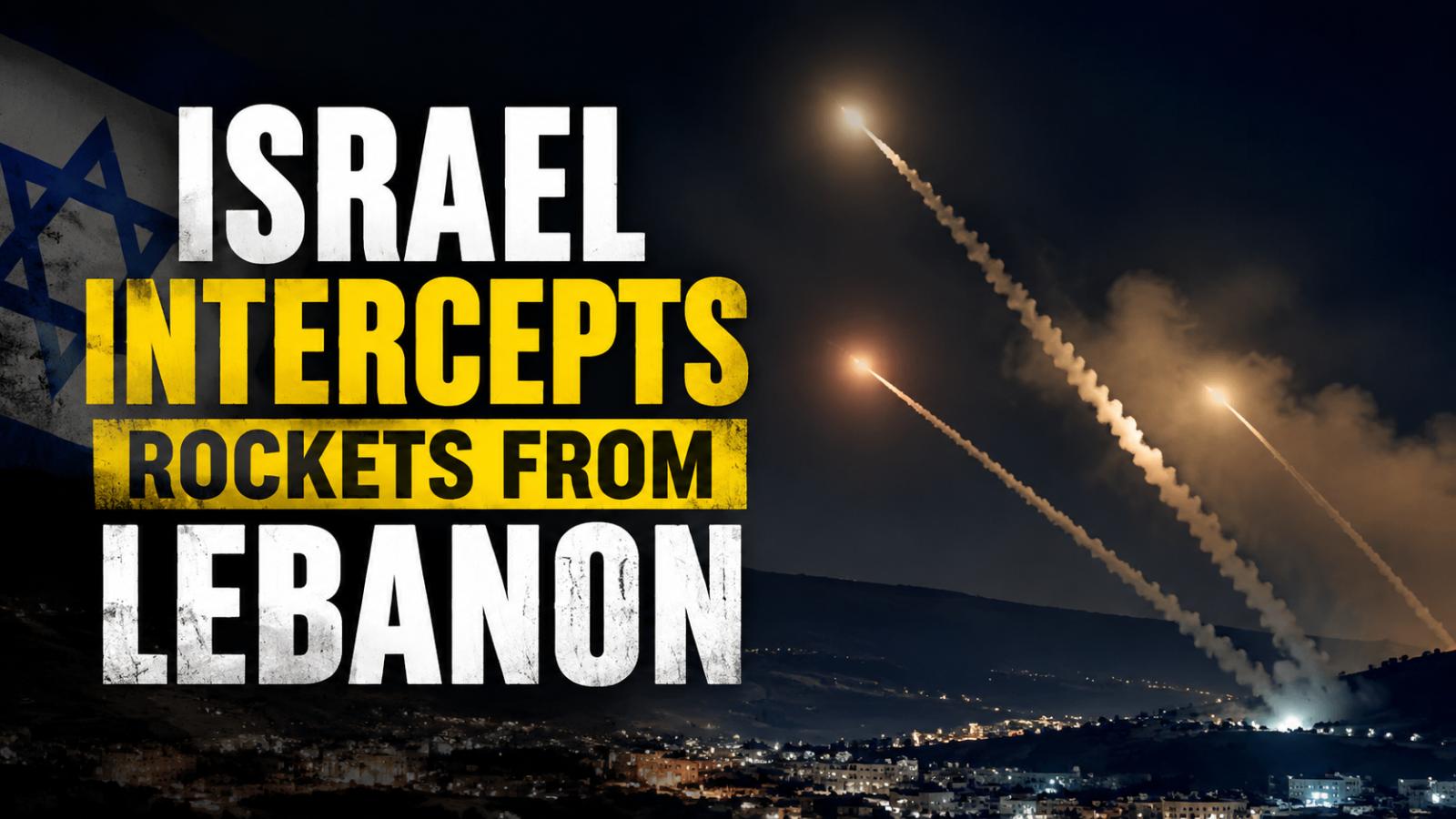
Israel Intercepts Rockets from Lebanon as Tensions Rise on Northern Border
Israeli defense forces successfully intercepted two rockets launched from Lebanon early Tuesday morning. Air raid sirens sounded across communities in northern Israel, prompting residents to seek immediate shelter. The Israeli Air Force quickly neutralized the threats, while officials reported a suspicious aerial object landing within Israeli territory. No injuries or property damage occurred, but the incident highlights the persistent security challenges along the northern border.
Israel Intercepts Rockets from Lebanon as Tensions Rise on Northern Border
Israeli defense forces successfully intercepted two rockets launched from Lebanon early Tuesday morning. Air raid sirens sounded across communities in northern Israel, prompting residents to seek immediate shelter. The Israeli Air Force quickly neutralized the threats, while officials reported a suspicious aerial object landing within Israeli territory. No injuries or property damage occurred, but the incident highlights the persistent security challenges along the northern border.
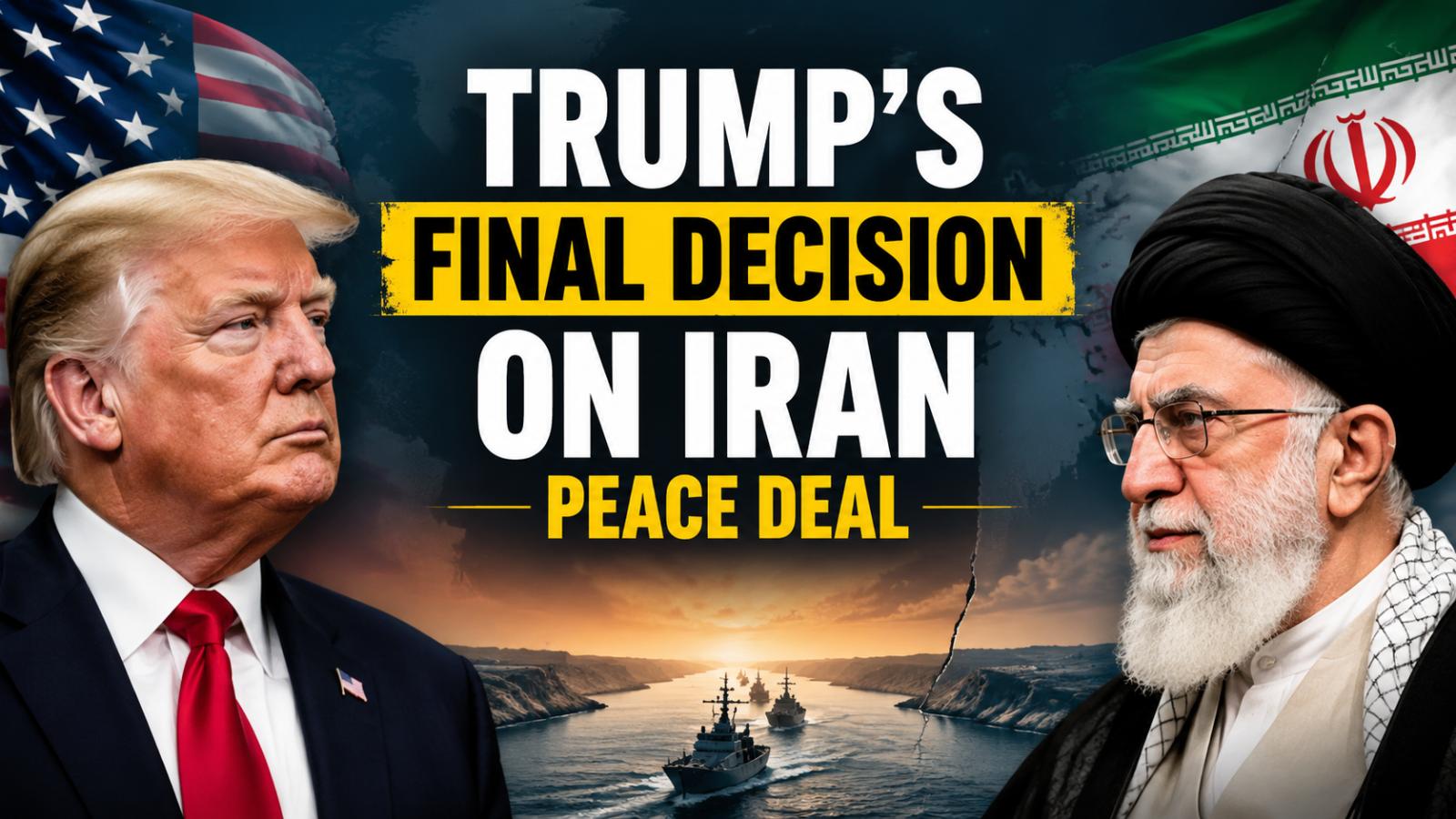
Trump Finalizes Iran Peace Deal Terms Amid Rising Tensions
United States President Donald Trump has declared his final terms for a potential peace agreement with Iran. The proposal emphasizes strict nuclear compliance and guarantees for uninterrupted shipping through the strategic Hormuz Strait. This announcement has sparked strong reactions from Iranian officials, signaling potential hurdles in diplomatic negotiations. Iran Responds to US Demands
Trump Finalizes Iran Peace Deal Terms Amid Rising Tensions
United States President Donald Trump has declared his final terms for a potential peace agreement with Iran. The proposal emphasizes strict nuclear compliance and guarantees for uninterrupted shipping through the strategic Hormuz Strait. This announcement has sparked strong reactions from Iranian officials, signaling potential hurdles in diplomatic negotiations. Iran Responds to US Demands
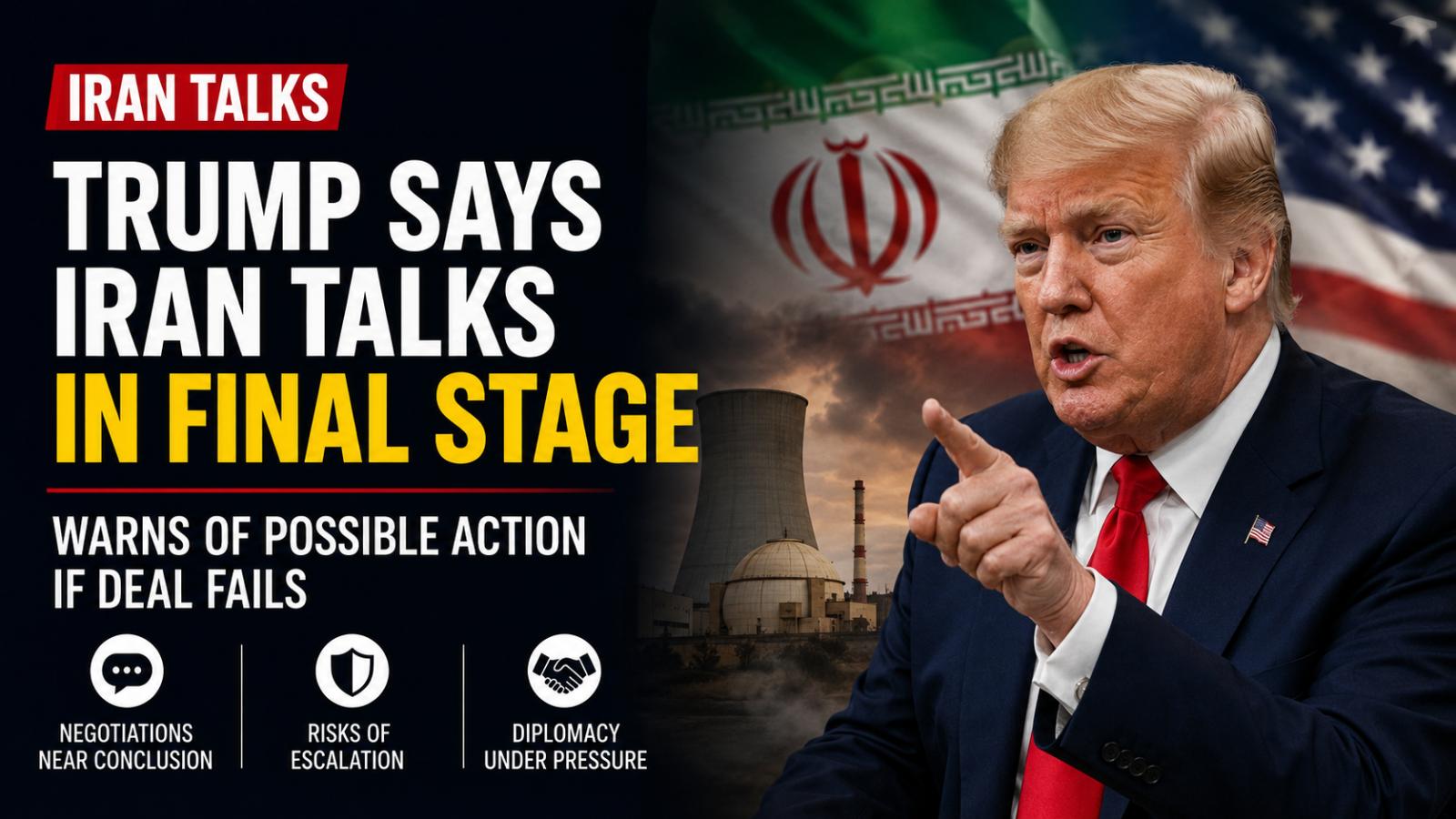
Trump Says Iran Nuclear Talks Near Final Stage as Risks Rise
Iran nuclear talks are nearing a critical stage as US President Donald Trump warns that Washington may take tougher action if diplomacy fails. Trump said in Washington, DC, on Wednesday, May 20, 2026, that the United States is close to either securing a deal with Iran or moving toward further steps if no agreement is reached. Iran Nuclear Talks Enter Final Stage Speaking to reporter
Trump Says Iran Nuclear Talks Near Final Stage as Risks Rise
Iran nuclear talks are nearing a critical stage as US President Donald Trump warns that Washington may take tougher action if diplomacy fails. Trump said in Washington, DC, on Wednesday, May 20, 2026, that the United States is close to either securing a deal with Iran or moving toward further steps if no agreement is reached. Iran Nuclear Talks Enter Final Stage Speaking to reporter
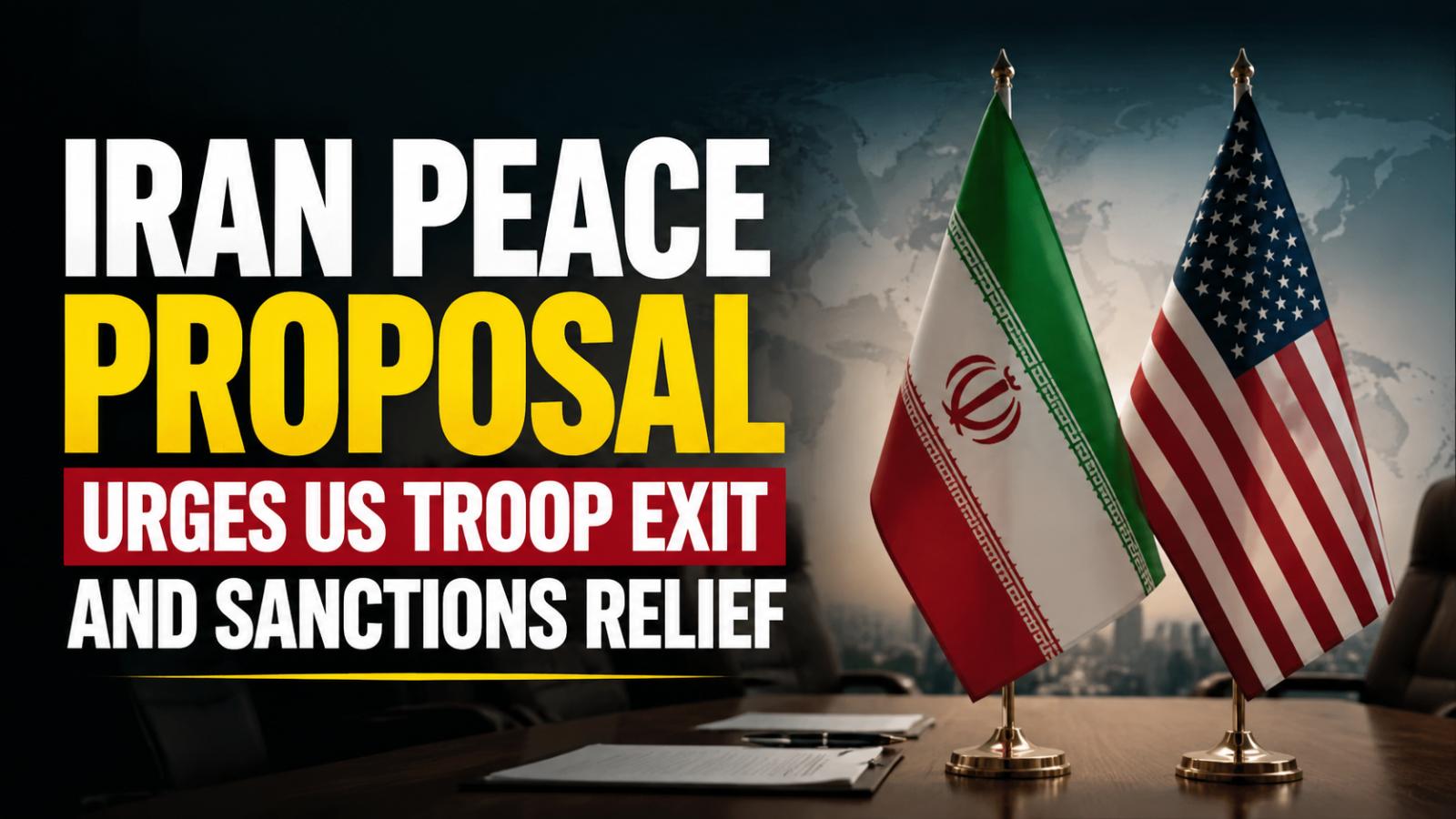
Iran Peace Proposal: US Troop Exit, Lebanon Ceasefire, Sanctions Lift
Iran has presented a comprehensive peace plan to the United States, aiming to end hostilities in Lebanon and across the region. The proposal calls for the withdrawal of US forces near Iranian borders, reparations for conflict damages, lifting of economic sanctions, release of frozen funds, and the removal of the US naval blockade from Iranian ports. Deputy Foreign Minister Kazem Gharibabadi highlighted that Tehran’s plan is designed to foster lasting peace in West Asia through diplomacy and
Iran Peace Proposal: US Troop Exit, Lebanon Ceasefire, Sanctions Lift
Iran has presented a comprehensive peace plan to the United States, aiming to end hostilities in Lebanon and across the region. The proposal calls for the withdrawal of US forces near Iranian borders, reparations for conflict damages, lifting of economic sanctions, release of frozen funds, and the removal of the US naval blockade from Iranian ports. Deputy Foreign Minister Kazem Gharibabadi highlighted that Tehran’s plan is designed to foster lasting peace in West Asia through diplomacy and
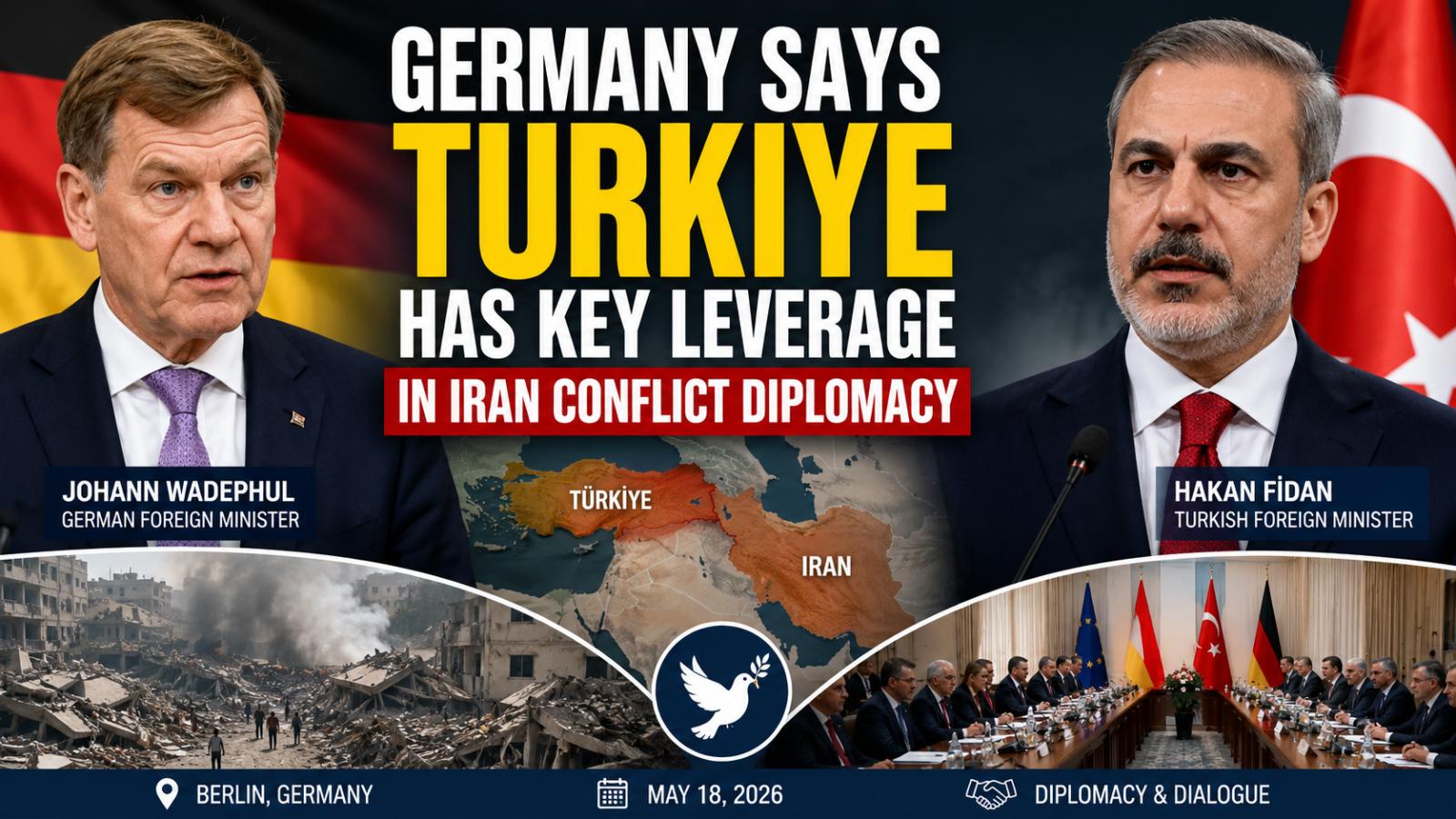
Germany Says Turkiye Has Key Leverage in Iran Conflict Diplomacy
Germany says Turkiye has key leverage in Iran conflict diplomacy, pointing to Ankara’s strategic location, economic strength and political influence across several crisis zones. German Foreign Minister Johann Wadephul made the remarks during a press conference in Berlin alongside Turkish Foreign Minister Hakan Fidan, saying Turkiye can play an important role in developments linked to the Iran conflict and the war in Ukraine. Turkiye’s Regional
Germany Says Turkiye Has Key Leverage in Iran Conflict Diplomacy
Germany says Turkiye has key leverage in Iran conflict diplomacy, pointing to Ankara’s strategic location, economic strength and political influence across several crisis zones. German Foreign Minister Johann Wadephul made the remarks during a press conference in Berlin alongside Turkish Foreign Minister Hakan Fidan, saying Turkiye can play an important role in developments linked to the Iran conflict and the war in Ukraine. Turkiye’s Regional
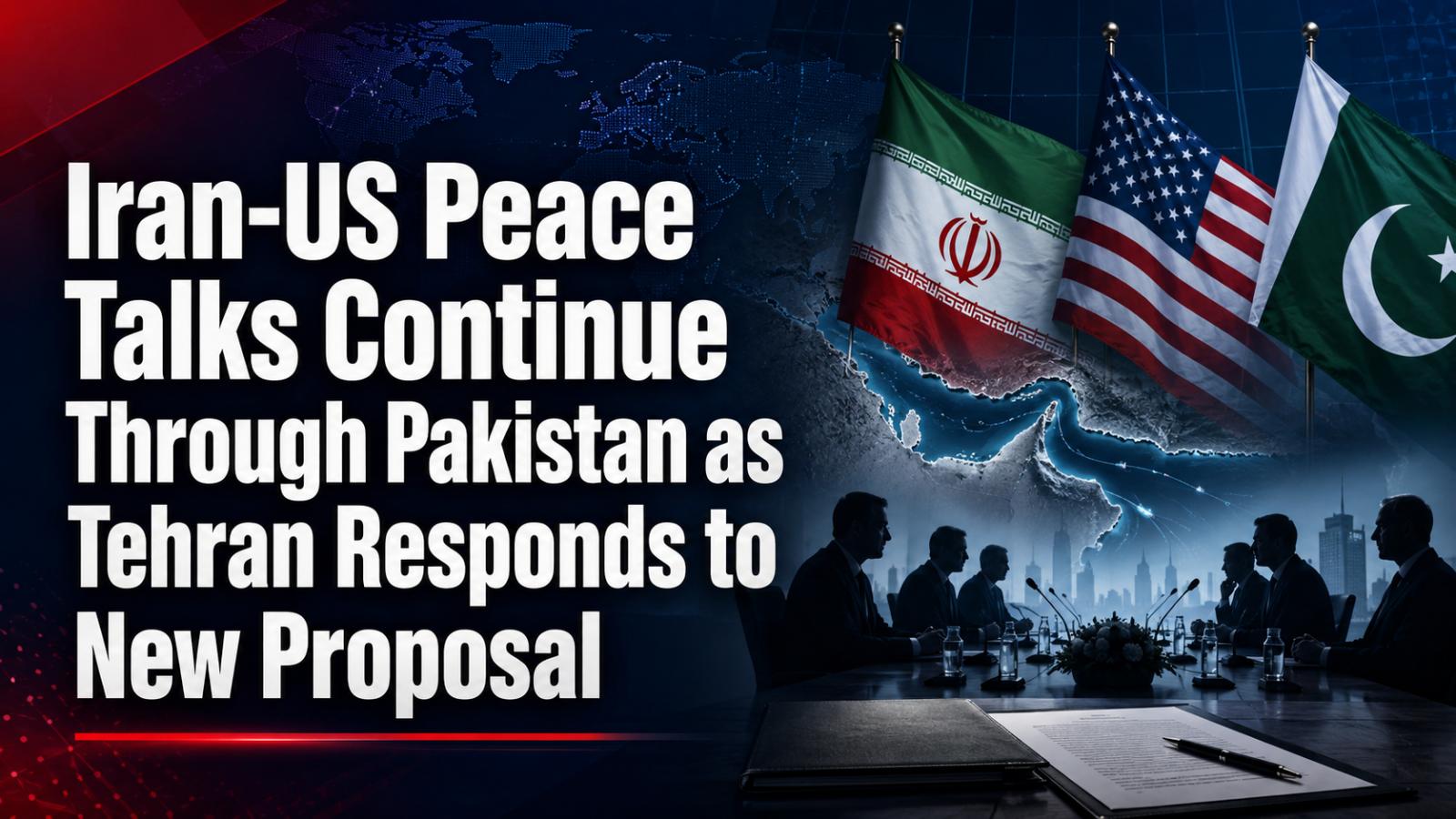
Iran-US Peace Talks Continue Through Pakistan as Tehran Responds to New Proposal
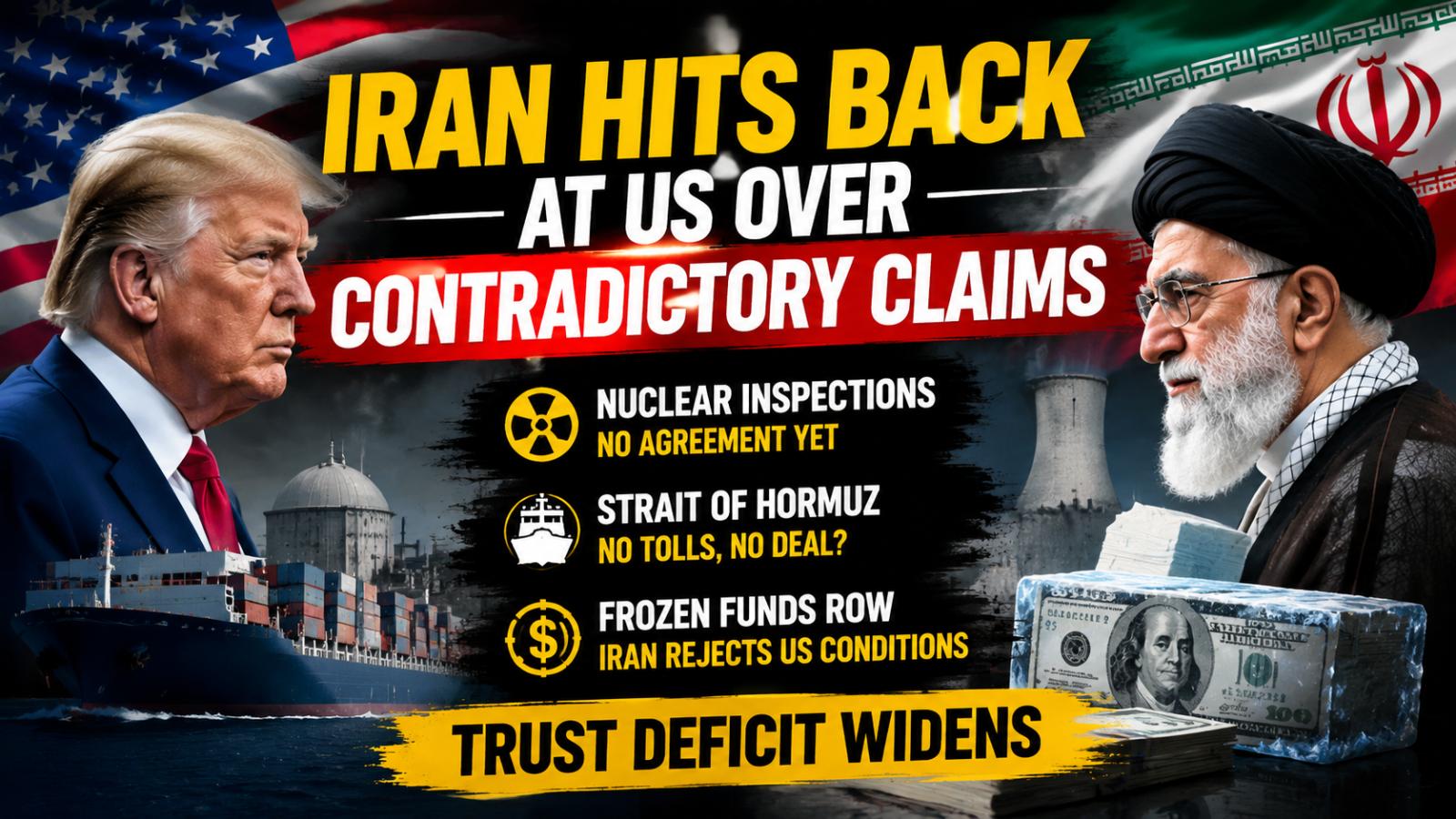
Iran-US peace talks are continuing through Pakistan as Tehran and Washington remain divided over sanctions, nuclear activity, frozen Iranian assets, war damages and the Strait of Hormuz. Iran has responded to a new proposal aimed at ending the conflict, while Pakistan continues to play the role of mediator between the two sides. The diplomatic effort comes at a sensitive time. Tensions remain high in the region, and both countries are under pressure to avoid another round of escalat
Iran-US Peace Talks Continue Through Pakistan as Tehran Responds to New Proposal
Iran-US peace talks are continuing through Pakistan as Tehran and Washington remain divided over sanctions, nuclear activity, frozen Iranian assets, war damages and the Strait of Hormuz. Iran has responded to a new proposal aimed at ending the conflict, while Pakistan continues to play the role of mediator between the two sides. The diplomatic effort comes at a sensitive time. Tensions remain high in the region, and both countries are under pressure to avoid another round of escalat
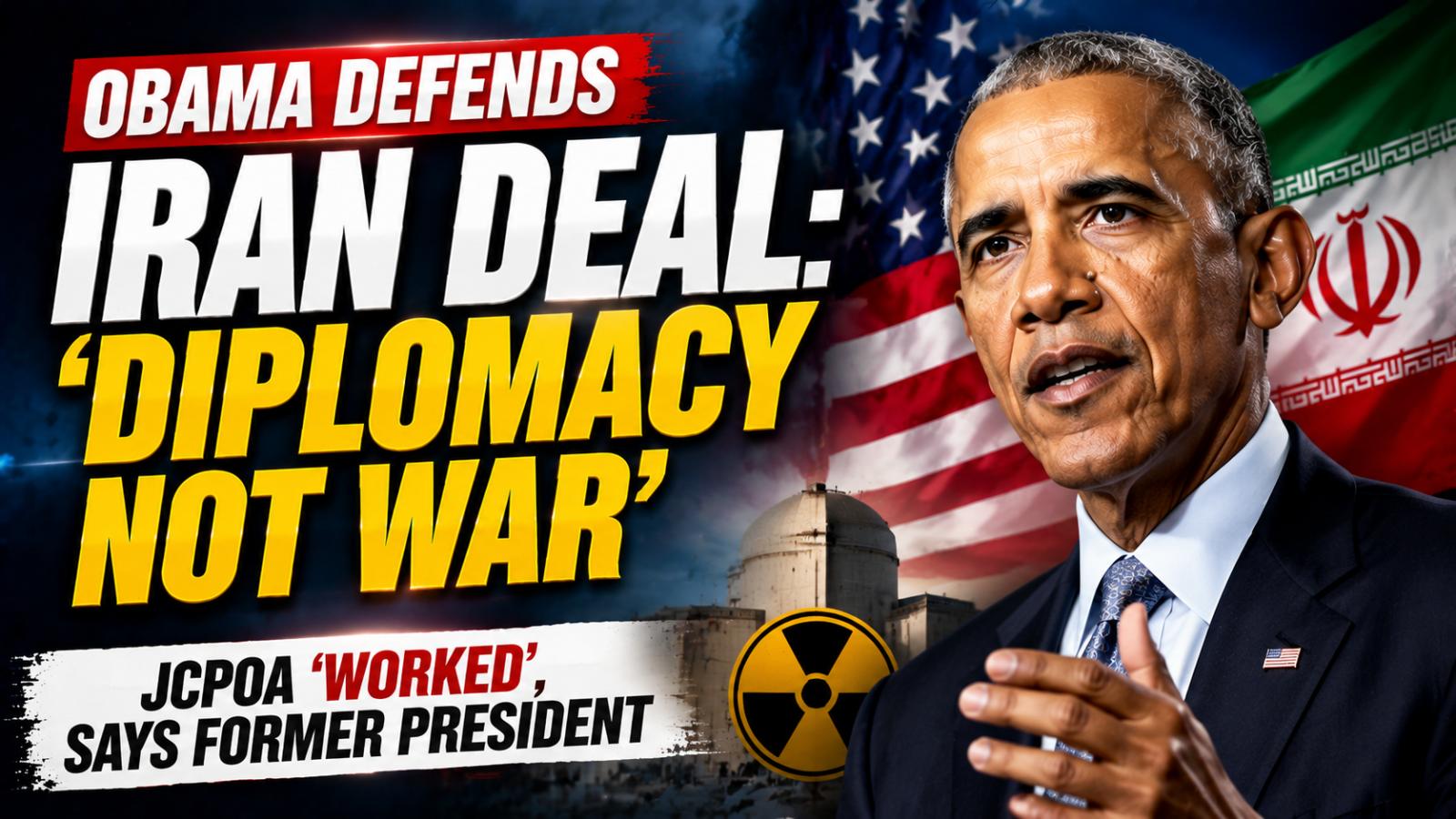
Obama Defends Diplomacy with Iran on Nuclear Deal
Obama Highlights JCPOA Success President Barack Obama spoke on The Late Show with Stephen Colbert about his administration’s efforts to curb Iran’s nuclear ambitions through diplomacy. He pointed to the 2015 Joint Comprehensive Plan of Action (JCPOA), asserting that the agreement successfully restricted Iran’s enriched uranium stockpile without resorting to military action. Obama explained that the deal included stric
Obama Defends Diplomacy with Iran on Nuclear Deal
Obama Highlights JCPOA Success President Barack Obama spoke on The Late Show with Stephen Colbert about his administration’s efforts to curb Iran’s nuclear ambitions through diplomacy. He pointed to the 2015 Joint Comprehensive Plan of Action (JCPOA), asserting that the agreement successfully restricted Iran’s enriched uranium stockpile without resorting to military action. Obama explained that the deal included stric
US Senator Lindsey Graham Warns Pakistan Over Iran Claims
Questions surrounding Pakistan’s role as a neutral mediator in the Iran-US negotiations have intensified following claims that Tehran may have parked military and surveillance aircraft at a Pakistani airbase during ongoing diplomatic discussions. The allegations have triggered political reactions in Washington and renewed scrutiny over Islamabad’s balancing act between the United States, Iran, China, and regional security interests. US Senator Lindsey Graham, a close ally of Pre
US Senator Lindsey Graham Warns Pakistan Over Iran Claims
Questions surrounding Pakistan’s role as a neutral mediator in the Iran-US negotiations have intensified following claims that Tehran may have parked military and surveillance aircraft at a Pakistani airbase during ongoing diplomatic discussions. The allegations have triggered political reactions in Washington and renewed scrutiny over Islamabad’s balancing act between the United States, Iran, China, and regional security interests. US Senator Lindsey Graham, a close ally of Pre
Iran Supreme Leader Mojtaba Khamenei Meets President Pezeshkian for First Time — What It Reveals About Iran’s Power Shift
Iran Leadership Transition: First Meeting Confirmed Iran’s new supreme leader Mojtaba Khamenei has held his first known in-person meeting with President Masoud Pezeshkian, signaling stability in Iran’s leadership transition. Pezeshkian confirmed the two-and-a-half-hour discussion, describing it as “constructive and based on trust,” offering the clearest sign yet of internal unity after months of uncertainty.
Iran Supreme Leader Mojtaba Khamenei Meets President Pezeshkian for First Time — What It Reveals About Iran’s Power Shift
Iran Leadership Transition: First Meeting Confirmed Iran’s new supreme leader Mojtaba Khamenei has held his first known in-person meeting with President Masoud Pezeshkian, signaling stability in Iran’s leadership transition. Pezeshkian confirmed the two-and-a-half-hour discussion, describing it as “constructive and based on trust,” offering the clearest sign yet of internal unity after months of uncertainty.
Trump confident of deal with Iran to end war, nuclear weapon discussions ongoing
President Donald Trump stated on May 6 that he has been involved in "good talks" with Iran over the past 24 hours and suggested that a deal to end the ongoing war between the two countries is "very possible." Trump emphasized that the discussions centered on Iran's nuclear program, which remains a critical point of concern for the United States. The president stated, “Iran cannot have a nuclear weapon, and they won’t.” He added that this is a point the Iranian government has already agreed to, alongside other key terms. Trump's statements come after a recent warning to Iran that the United States would escalate its military action if a deal is not reached. "If they don’t agree, the bombing starts, and it will be, sadly, at a much higher level and intensity than it was before,” Trump wrote in a post on Truth Social on May 6. This aggressive stance reflects the president’s resolve to prevent Iran from advancing its nuclear capabilities. In the wake of these talks, Israeli political officials have indicated that there are signs of progress in negotiations between Trump and Iranian Foreign Minister Abbas Araghchi. According to sources, Israel sees this as an opportunity for diplomatic progress. However, the Israeli officials also warned that internal divisions within Iran’s leadership could potentially jeopardize the long-term stability of any agreement. As of now, the future of US-Iran relations remains uncertain, but Trump’s recent comments suggest that both sides are exploring avenues for negotiation. If a deal is reached, it could have significant implications for regional stability, particularly regarding the security of the Strait of Hormuz. This strategic waterway has long been a focal point of tensions in the Middle East due to its role in global oil shipments. The president’s assurance that the Hormuz Strait would be “OPEN TO ALL, including Iran” if an agreement is reached suggests that economic and geopolitical interests are also being considered alongside security concerns. While the talks between Trump and Iran hold promise, the situation remains volatile. Both the US and Iranian governments face internal and external pressures that could complicate efforts to reach a lasting peace agreement. With the threat of military action still on the table, the world watches closely as the two nations navigate these delicate negotiations.
Trump confident of deal with Iran to end war, nuclear weapon discussions ongoing
President Donald Trump stated on May 6 that he has been involved in "good talks" with Iran over the past 24 hours and suggested that a deal to end the ongoing war between the two countries is "very possible." Trump emphasized that the discussions centered on Iran's nuclear program, which remains a critical point of concern for the United States. The president stated, “Iran cannot have a nuclear weapon, and they won’t.” He added that this is a point the Iranian government has already agreed to, alongside other key terms. Trump's statements come after a recent warning to Iran that the United States would escalate its military action if a deal is not reached. "If they don’t agree, the bombing starts, and it will be, sadly, at a much higher level and intensity than it was before,” Trump wrote in a post on Truth Social on May 6. This aggressive stance reflects the president’s resolve to prevent Iran from advancing its nuclear capabilities. In the wake of these talks, Israeli political officials have indicated that there are signs of progress in negotiations between Trump and Iranian Foreign Minister Abbas Araghchi. According to sources, Israel sees this as an opportunity for diplomatic progress. However, the Israeli officials also warned that internal divisions within Iran’s leadership could potentially jeopardize the long-term stability of any agreement. As of now, the future of US-Iran relations remains uncertain, but Trump’s recent comments suggest that both sides are exploring avenues for negotiation. If a deal is reached, it could have significant implications for regional stability, particularly regarding the security of the Strait of Hormuz. This strategic waterway has long been a focal point of tensions in the Middle East due to its role in global oil shipments. The president’s assurance that the Hormuz Strait would be “OPEN TO ALL, including Iran” if an agreement is reached suggests that economic and geopolitical interests are also being considered alongside security concerns. While the talks between Trump and Iran hold promise, the situation remains volatile. Both the US and Iranian governments face internal and external pressures that could complicate efforts to reach a lasting peace agreement. With the threat of military action still on the table, the world watches closely as the two nations navigate these delicate negotiations.
Trump and Pope Leo XIV clash again over Iran’s nuclear stance
The feud between US President Donald Trump and Pope Leo XIV has flared up once again. The latest clash revolves around Trump’s repeated claims that the Pope supports Iran’s right to develop nuclear weapons. This accusation has been vigorously denied by the Vatican, with Pope Leo XIV offering a sharp rebuke. The Pope emphasized his long-standing position on nuclear disarmament and global peace, making it clear that his message remains consistent despite the President's accusations. Trump’s Accusations Against the Pope In an interview with Hugh Hewitt of Salem News Channel, President Trump reiterated his controversial claim that Pope Leo XIV condones Iran's nuclear ambitions. Trump said, "The pope would rather talk about the fact that it’s OK for Iran to have a nuclear weapon, and I don’t think that’s very good." He continued, "I think he's endangering a lot of Catholics, and a lot of people, but I guess if it’s up to the pope, he thinks it’s just fine for Iran to have a nuclear weapon." This repeated assertion has been a part of Trump's rhetoric, even though the Pope has never publicly supported such a view. Pope Leo XIV's Rejection of the Claim Without directly naming Trump, Pope Leo XIV responded firmly, rejecting the accusations. "If anyone wants to criticise me for proclaiming the Gospel, let them do so truthfully," he said in a statement. The Pope's message was unequivocal: the mission of the Church is to preach peace, and it has always opposed the proliferation of nuclear weapons. He reminded the world that the Catholic Church has long advocated for a world free from nuclear threats. The Pope has been vocal about the need for diplomacy over conflict, urging political leaders to engage in dialogue rather than pursue rearmament. The Pope’s remarks were a clear message to those who misinterpret his calls for peace. The Catholic Church has continuously voiced its opposition to nuclear weapons, and Pope Leo XIV reaffirmed that stance, urging global leaders to focus on peaceful solutions to international conflicts. A Notable Timing: Rubio’s Visit to the Vatican The timing of this ongoing dispute is particularly interesting, as US Secretary of State Marco Rubio is scheduled to visit Rome this week. Rubio will meet with Pope Leo XIV on Thursday to discuss a range of topics, including the situation in the Middle East. The State Department has positioned this visit as an opportunity to explore mutual interests and discuss pressing global issues. However, with the current tensions surrounding Iran and nuclear weapons, this meeting is likely to be complicated by the feud between Trump and the Pope. Pope Leo XIV's Message for Global Peace Despite the political tensions, Pope Leo XIV has remained focused on his core message: peace. The Pope has consistently called for a world free from the threat of nuclear weapons, advocating for leaders to sit at the table of dialogue and diplomacy. His call for peace was reiterated during a recent gathering at St. Peter’s Basilica, where he urged Catholics to prioritize dialogue over violence. In his remarks, Pope Leo XIV urged global leaders to focus on diplomacy and avoid the path of rearmament. He emphasized the importance of peaceful negotiations, saying, "It is time for peace! Sit at the table of dialogue and mediation, not at the table where rearmament is planned, and deadly actions are decided." This sentiment reflects the Pope’s long-standing commitment to nuclear disarmament and peaceful resolutions to international disputes. As the tension between Trump and the Pope continues to unfold, the world will be watching closely. The clash underscores the ongoing challenges in navigating political and religious divides, especially when it comes to sensitive issues like nuclear weapons and international peace. However, Pope Leo XIV’s commitment to peace and diplomacy remains unwavering, and his stance continues to influence global discussions on nuclear disarmament.
Trump and Pope Leo XIV clash again over Iran’s nuclear stance
The feud between US President Donald Trump and Pope Leo XIV has flared up once again. The latest clash revolves around Trump’s repeated claims that the Pope supports Iran’s right to develop nuclear weapons. This accusation has been vigorously denied by the Vatican, with Pope Leo XIV offering a sharp rebuke. The Pope emphasized his long-standing position on nuclear disarmament and global peace, making it clear that his message remains consistent despite the President's accusations. Trump’s Accusations Against the Pope In an interview with Hugh Hewitt of Salem News Channel, President Trump reiterated his controversial claim that Pope Leo XIV condones Iran's nuclear ambitions. Trump said, "The pope would rather talk about the fact that it’s OK for Iran to have a nuclear weapon, and I don’t think that’s very good." He continued, "I think he's endangering a lot of Catholics, and a lot of people, but I guess if it’s up to the pope, he thinks it’s just fine for Iran to have a nuclear weapon." This repeated assertion has been a part of Trump's rhetoric, even though the Pope has never publicly supported such a view. Pope Leo XIV's Rejection of the Claim Without directly naming Trump, Pope Leo XIV responded firmly, rejecting the accusations. "If anyone wants to criticise me for proclaiming the Gospel, let them do so truthfully," he said in a statement. The Pope's message was unequivocal: the mission of the Church is to preach peace, and it has always opposed the proliferation of nuclear weapons. He reminded the world that the Catholic Church has long advocated for a world free from nuclear threats. The Pope has been vocal about the need for diplomacy over conflict, urging political leaders to engage in dialogue rather than pursue rearmament. The Pope’s remarks were a clear message to those who misinterpret his calls for peace. The Catholic Church has continuously voiced its opposition to nuclear weapons, and Pope Leo XIV reaffirmed that stance, urging global leaders to focus on peaceful solutions to international conflicts. A Notable Timing: Rubio’s Visit to the Vatican The timing of this ongoing dispute is particularly interesting, as US Secretary of State Marco Rubio is scheduled to visit Rome this week. Rubio will meet with Pope Leo XIV on Thursday to discuss a range of topics, including the situation in the Middle East. The State Department has positioned this visit as an opportunity to explore mutual interests and discuss pressing global issues. However, with the current tensions surrounding Iran and nuclear weapons, this meeting is likely to be complicated by the feud between Trump and the Pope. Pope Leo XIV's Message for Global Peace Despite the political tensions, Pope Leo XIV has remained focused on his core message: peace. The Pope has consistently called for a world free from the threat of nuclear weapons, advocating for leaders to sit at the table of dialogue and diplomacy. His call for peace was reiterated during a recent gathering at St. Peter’s Basilica, where he urged Catholics to prioritize dialogue over violence. In his remarks, Pope Leo XIV urged global leaders to focus on diplomacy and avoid the path of rearmament. He emphasized the importance of peaceful negotiations, saying, "It is time for peace! Sit at the table of dialogue and mediation, not at the table where rearmament is planned, and deadly actions are decided." This sentiment reflects the Pope’s long-standing commitment to nuclear disarmament and peaceful resolutions to international disputes. As the tension between Trump and the Pope continues to unfold, the world will be watching closely. The clash underscores the ongoing challenges in navigating political and religious divides, especially when it comes to sensitive issues like nuclear weapons and international peace. However, Pope Leo XIV’s commitment to peace and diplomacy remains unwavering, and his stance continues to influence global discussions on nuclear disarmament.