


















#military-aircraft
F-35B Crash Near MCAS Miramar, Pilot Ejects Safely
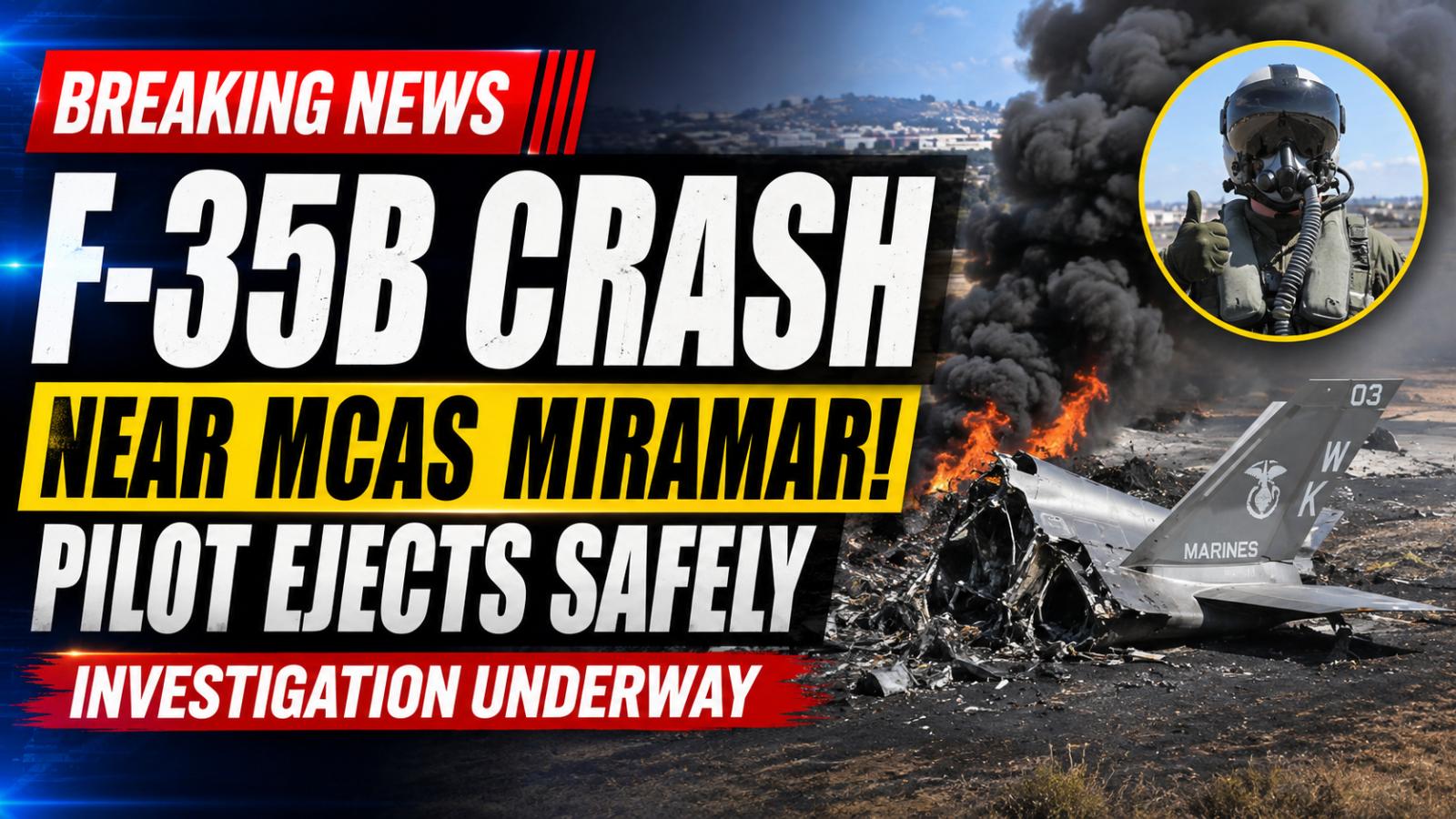
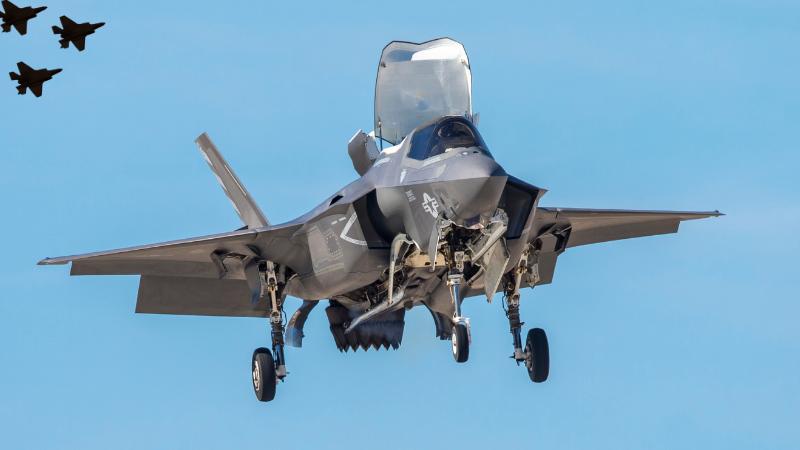
A US Marine Corps F-35B crash near MCAS Miramar in San Diego sparked a vegetation fire on Friday, July 31, 2026. The pilot ejected moments before impact and was taken to a medical facility in stable condition as military officials began investigating the accident. Pilot Ejects Safely Before Impact The F-35B went down near the flight line at Marine Corps Air Station Miramar at approximately 10 a
F-35B Crash Near MCAS Miramar, Pilot Ejects Safely
A US Marine Corps F-35B crash near MCAS Miramar in San Diego sparked a vegetation fire on Friday, July 31, 2026. The pilot ejected moments before impact and was taken to a medical facility in stable condition as military officials began investigating the accident. Pilot Ejects Safely Before Impact The F-35B went down near the flight line at Marine Corps Air Station Miramar at approximately 10 a
B-52 drag chute system and landing braking explained
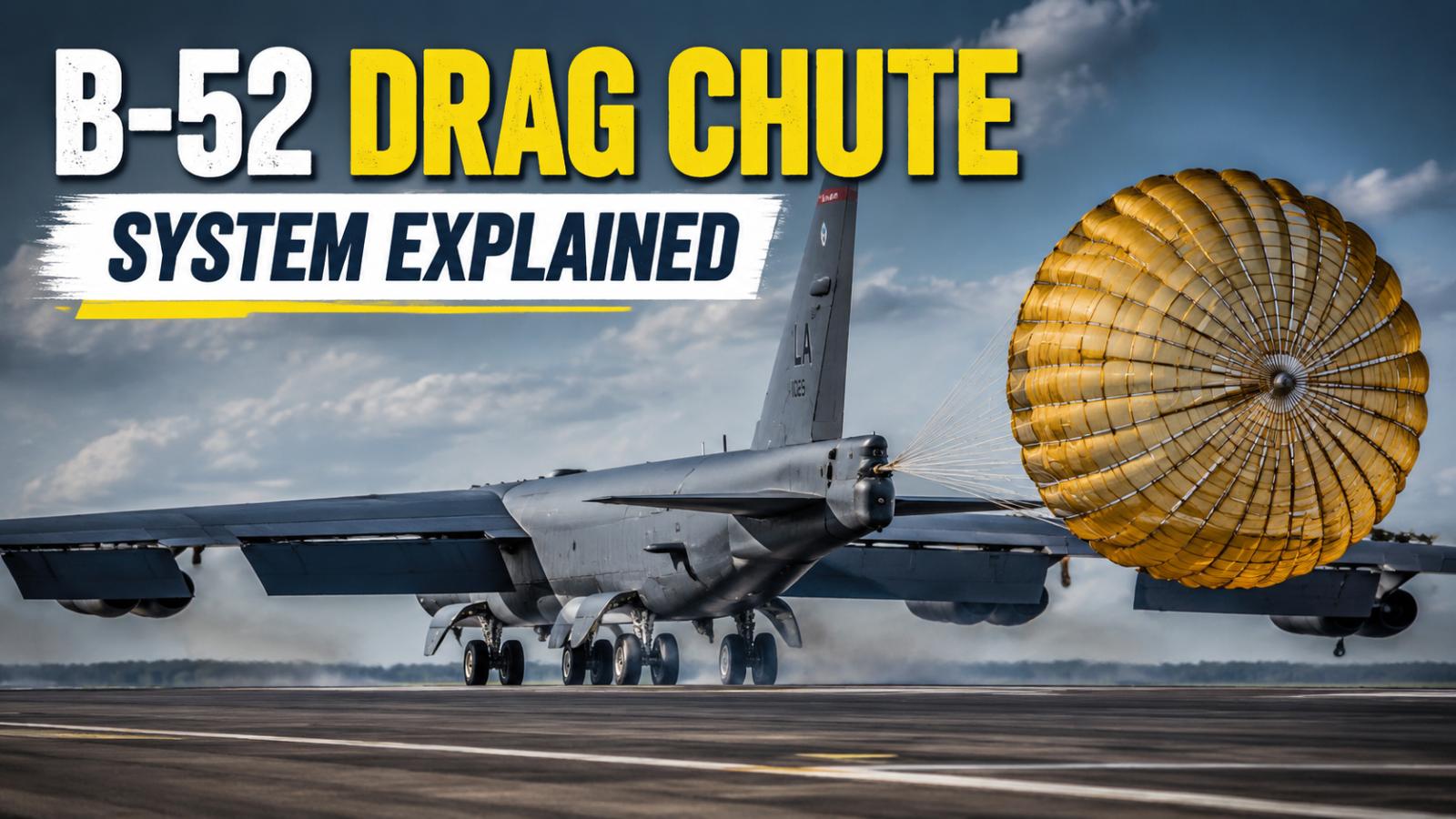
The B-52 Stratofortress relies on a drag chute to help slow the aircraft immediately after touchdown. Instead of depending only on wheel brakes, the system deploys a parachute from the rear of the aircraft that creates strong air resistance. This resistance reduces speed quickly and stabilizes the landing rollout, especially important for such a large and heavy bomber. Why the aircraft needs extra braking support A fully loaded B-52 carries enormous mass and lands at high speeds, which naturally generates extreme heat and stress on its wheel braking system. If only standard brakes were used, stopping distance would increase significantly and brake components could overheat or wear out rapidly. The drag chute reduces this burden by absorbing a portion of the kinetic energy during rollout. How the system is activated during landing Once the aircraft touches down and is stable on the runway, the crew initiates the drag chute deployment. A small pilot chute is released first, which pulls out the main parachute from its housing in the tail section. As it inflates, it creates immediate drag force that slows the aircraft even before full brake pressure is applied on the wheels. Impact on runway distance and safety The chute significantly shortens the distance required to bring the bomber to a safe stop. This becomes especially valuable on wet, icy, or short runways where braking efficiency is reduced. By lowering reliance on friction-based braking alone, the system improves safety margins and allows more flexible landing operations in different environments. Operational use in real conditions In practice, crews often rely on the drag chute as a standard part of landing procedures because it protects the braking system and enhances control. It is particularly important during adverse weather conditions or high-weight landings. Ground teams then recover and repack the chute after use for the next mission. A system built for rapid nuclear response... Why the system is still relevant today Despite being designed decades ago, the drag chute remains an effective and simple solution to a complex problem: stopping a very heavy aircraft safely in limited runway space. Its continued use highlights how practical engineering solutions can stay valuable long after the aircraft itself enters modern service cycles.
B-52 drag chute system and landing braking explained
The B-52 Stratofortress relies on a drag chute to help slow the aircraft immediately after touchdown. Instead of depending only on wheel brakes, the system deploys a parachute from the rear of the aircraft that creates strong air resistance. This resistance reduces speed quickly and stabilizes the landing rollout, especially important for such a large and heavy bomber. Why the aircraft needs extra braking support A fully loaded B-52 carries enormous mass and lands at high speeds, which naturally generates extreme heat and stress on its wheel braking system. If only standard brakes were used, stopping distance would increase significantly and brake components could overheat or wear out rapidly. The drag chute reduces this burden by absorbing a portion of the kinetic energy during rollout. How the system is activated during landing Once the aircraft touches down and is stable on the runway, the crew initiates the drag chute deployment. A small pilot chute is released first, which pulls out the main parachute from its housing in the tail section. As it inflates, it creates immediate drag force that slows the aircraft even before full brake pressure is applied on the wheels. Impact on runway distance and safety The chute significantly shortens the distance required to bring the bomber to a safe stop. This becomes especially valuable on wet, icy, or short runways where braking efficiency is reduced. By lowering reliance on friction-based braking alone, the system improves safety margins and allows more flexible landing operations in different environments. Operational use in real conditions In practice, crews often rely on the drag chute as a standard part of landing procedures because it protects the braking system and enhances control. It is particularly important during adverse weather conditions or high-weight landings. Ground teams then recover and repack the chute after use for the next mission. A system built for rapid nuclear response... Why the system is still relevant today Despite being designed decades ago, the drag chute remains an effective and simple solution to a complex problem: stopping a very heavy aircraft safely in limited runway space. Its continued use highlights how practical engineering solutions can stay valuable long after the aircraft itself enters modern service cycles.
Why Is the B-52 Called the BUFF? Nickname Meaning Explained
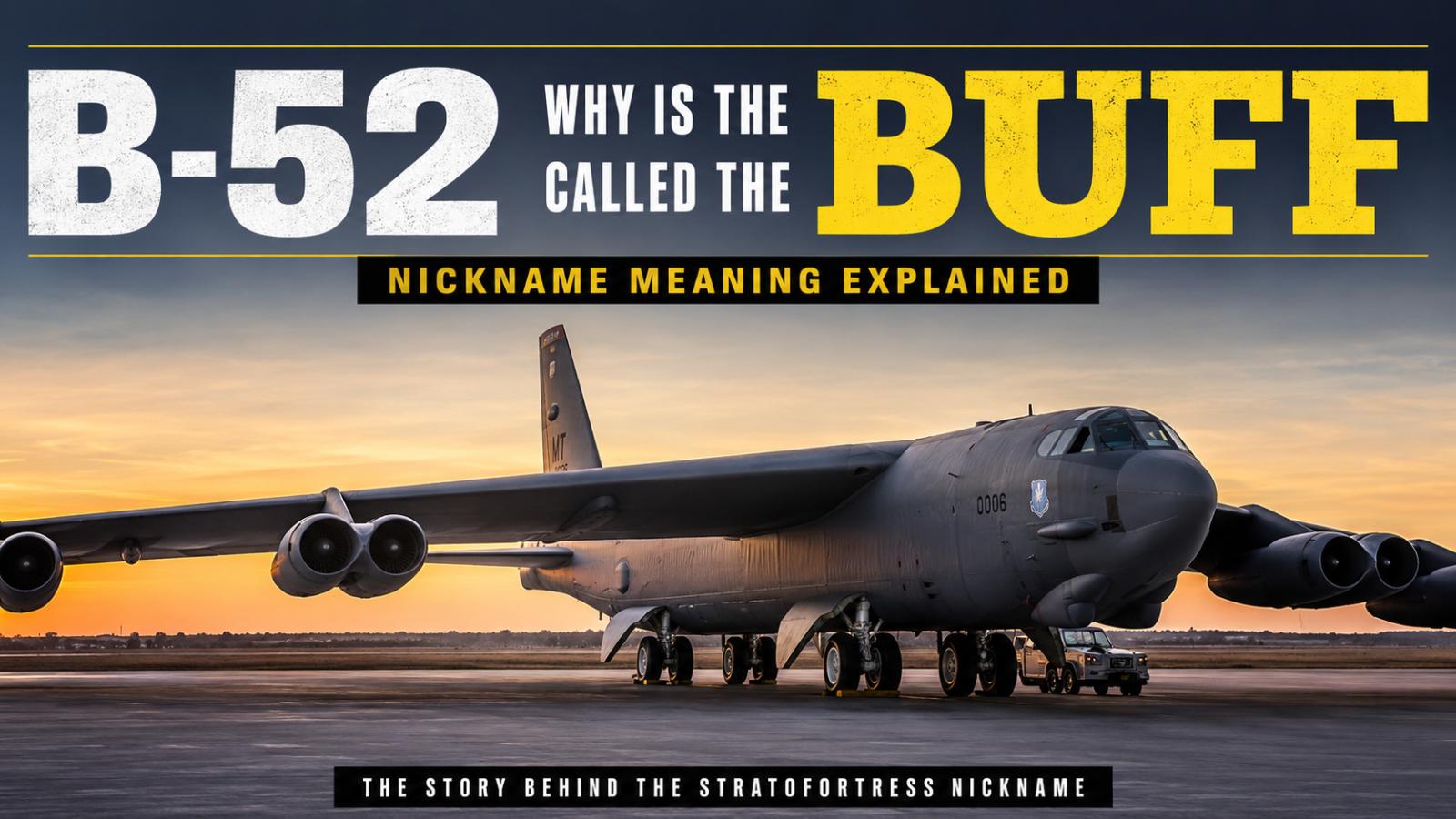
Why is the B-52 called the BUFF? The nickname is an informal Air Force term for the Boeing B-52 Stratofortress, reflecting the bomber’s immense size, unconventional appearance and decades of service. B-52 BUFF Meaning and Origin Boeing gave the long-range bomber the official name Stratofortress, suggesting strength and high-altitude power. Aircrews and maintainers instead embraced BUFF, commonly presented in public as “Big Ugly Fat Fellow.” Inside
Why Is the B-52 Called the BUFF? Nickname Meaning Explained
Why is the B-52 called the BUFF? The nickname is an informal Air Force term for the Boeing B-52 Stratofortress, reflecting the bomber’s immense size, unconventional appearance and decades of service. B-52 BUFF Meaning and Origin Boeing gave the long-range bomber the official name Stratofortress, suggesting strength and high-altitude power. Aircrews and maintainers instead embraced BUFF, commonly presented in public as “Big Ugly Fat Fellow.” Inside
IAF AN-32 Meets With Accident At Assam Airbase
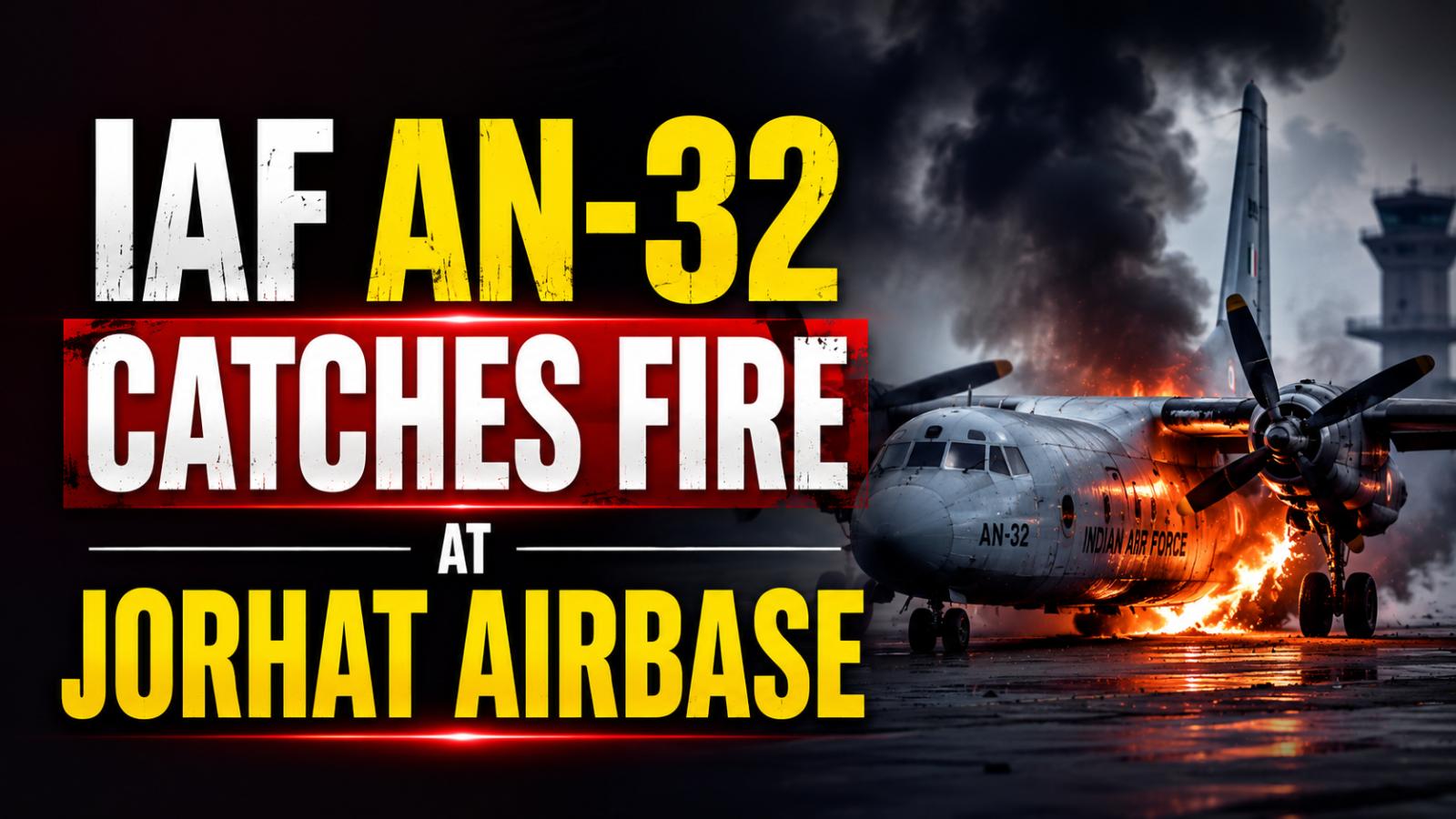
An Indian Air Force AN-32 transport aircraft met with an accident at Air Force Station Jorhat in Assam on Saturday, triggering an emergency response inside the military facility. Initial reports said the aircraft may have caught fire after landing, but officials have not yet confirmed the exact cause of the incident. The Indian Air Force issued a brief statement confirming the accident. It said an AN-32 aircraft of the IAF met with an acci
IAF AN-32 Meets With Accident At Assam Airbase
An Indian Air Force AN-32 transport aircraft met with an accident at Air Force Station Jorhat in Assam on Saturday, triggering an emergency response inside the military facility. Initial reports said the aircraft may have caught fire after landing, but officials have not yet confirmed the exact cause of the incident. The Indian Air Force issued a brief statement confirming the accident. It said an AN-32 aircraft of the IAF met with an acci
Satellite images fuel concerns over Pakistan's role in US-Iran diplomacy
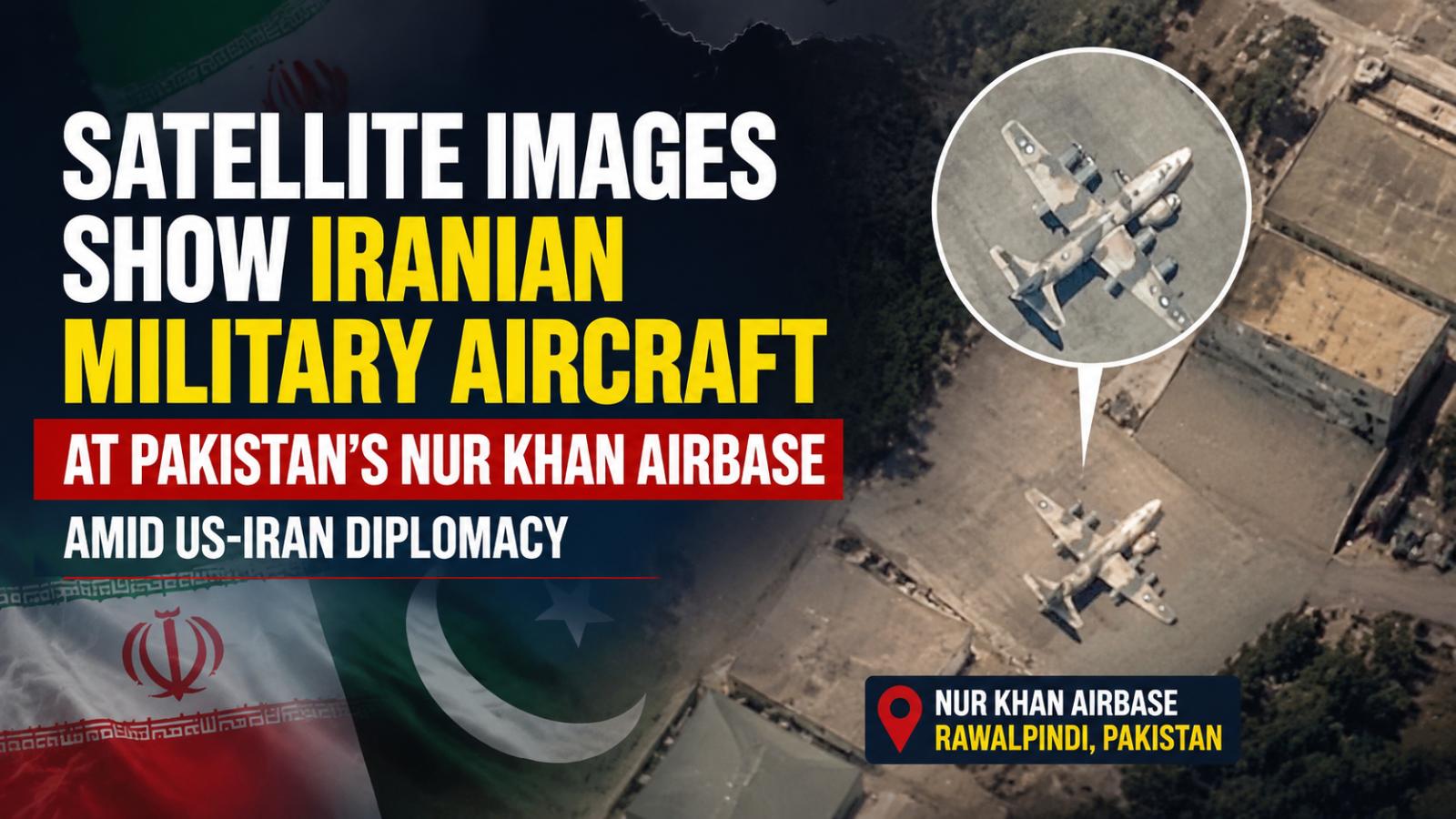
Fresh satellite imagery has sparked renewed scrutiny over Pakistan's involvement in the ongoing US-Iran diplomatic talks, with reports suggesting that Islamabad may be housing at least one Iranian military aircraft at the strategically important Nur Khan Airbase, located near Islamabad. These developments come amid heightened tensions between Washington and Tehran, as Pakistan continues to position itself as a mediator between the two nations. The satellite images, which are believe
Satellite images fuel concerns over Pakistan's role in US-Iran diplomacy
Fresh satellite imagery has sparked renewed scrutiny over Pakistan's involvement in the ongoing US-Iran diplomatic talks, with reports suggesting that Islamabad may be housing at least one Iranian military aircraft at the strategically important Nur Khan Airbase, located near Islamabad. These developments come amid heightened tensions between Washington and Tehran, as Pakistan continues to position itself as a mediator between the two nations. The satellite images, which are believe
US KC-135 Sends Distress Signal Over Persian Gulf
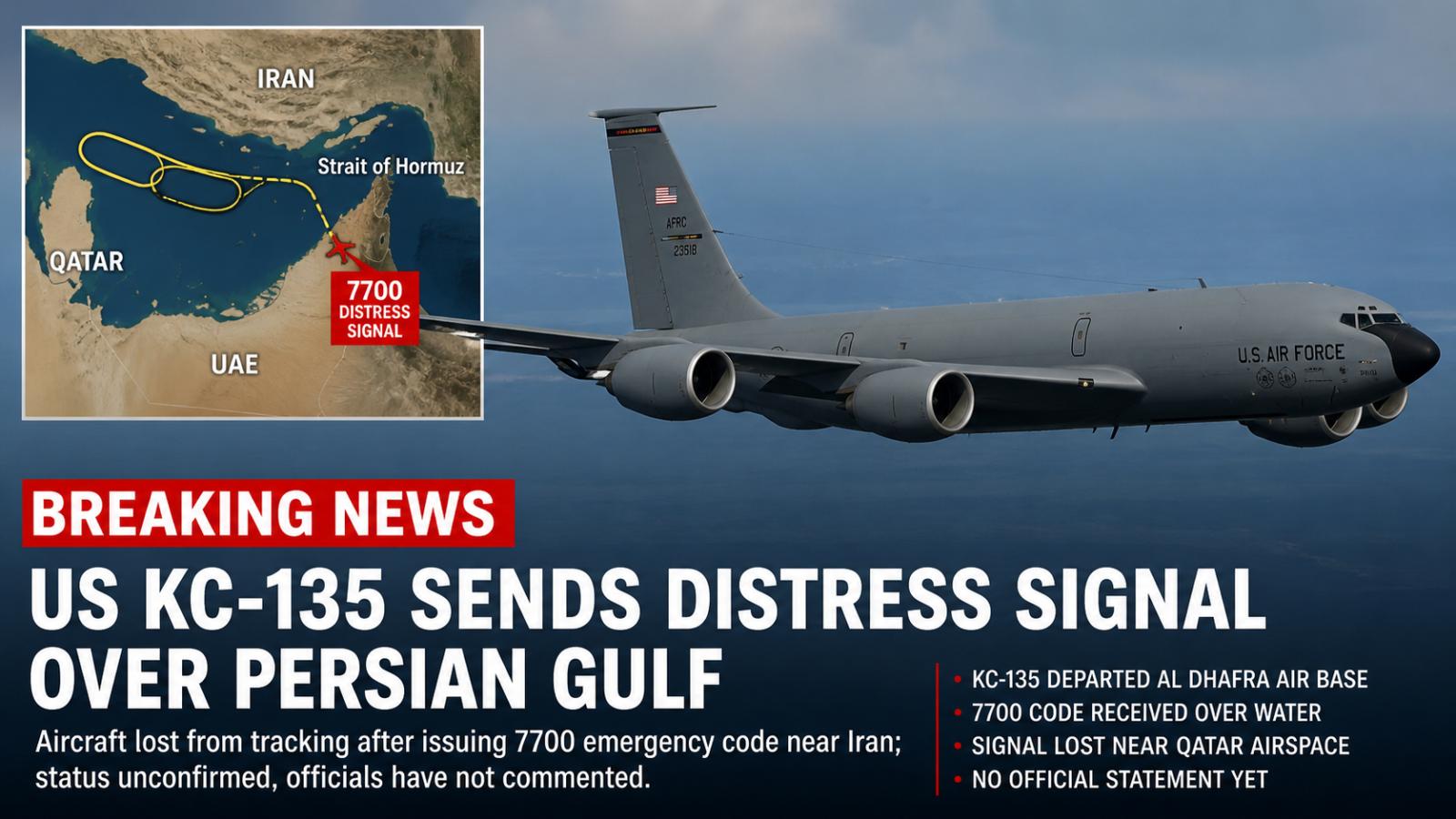
A U.S. military Boeing KC-135 Stratotanker transmitted a 7700 emergency distress signal while flying over the Persian Gulf near the Strait of Hormuz on Tuesday May 5, 2026, according to flight tracking data. The aircraft, which departed from Al Dhafra Air Base in the United Arab Emirates, was later no long
US KC-135 Sends Distress Signal Over Persian Gulf
A U.S. military Boeing KC-135 Stratotanker transmitted a 7700 emergency distress signal while flying over the Persian Gulf near the Strait of Hormuz on Tuesday May 5, 2026, according to flight tracking data. The aircraft, which departed from Al Dhafra Air Base in the United Arab Emirates, was later no long
USS Gerald R. Ford Set to Leave Middle East After Record Deployment
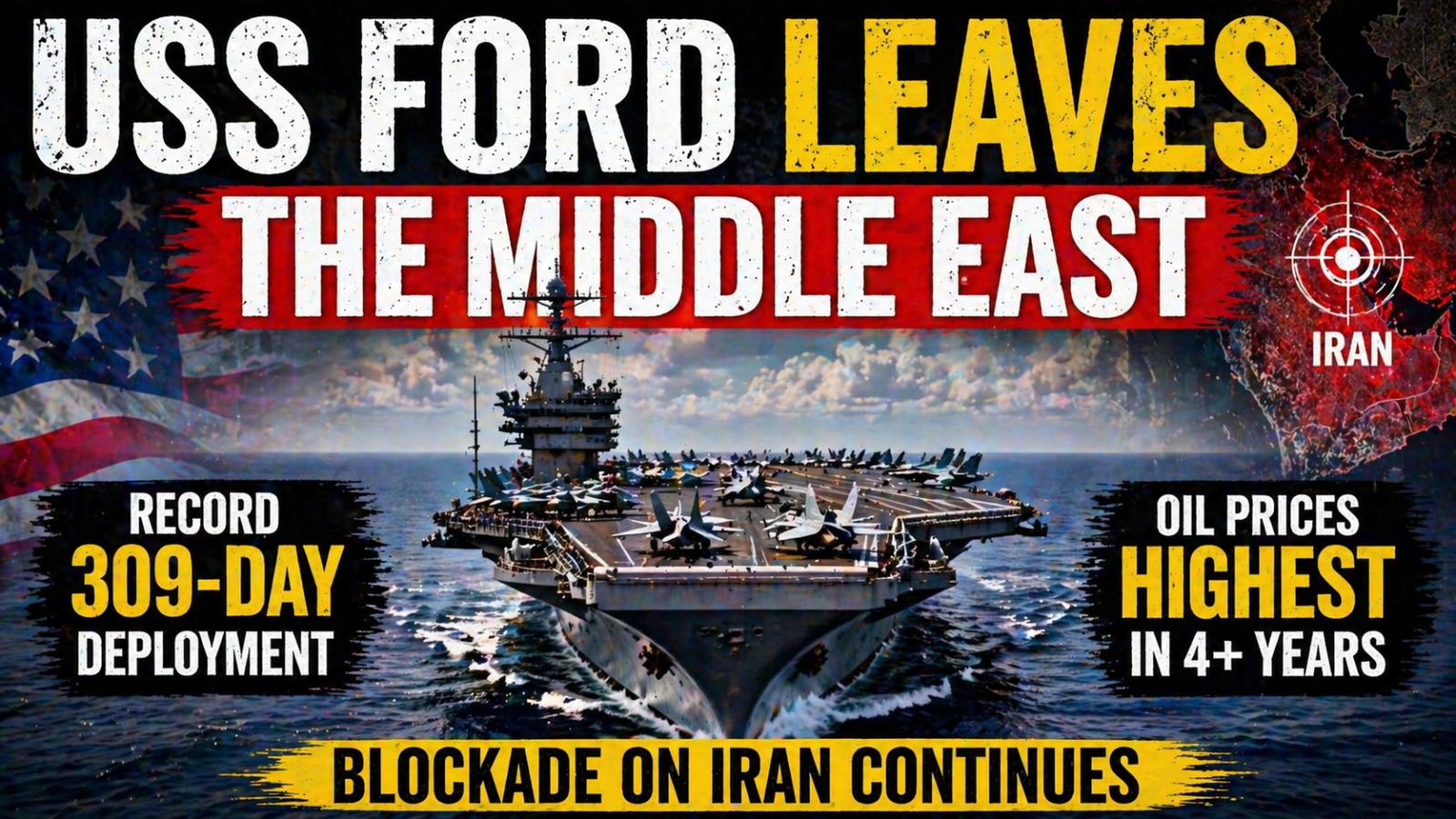
The USS Gerald R. Ford, the US Navy’s newest aircraft carrier, is preparing to leave the Middle East after completing a record 309-day deployment, marking the longest continuous mission for a modern American carrier. The vessel is expected to return to its home port at Naval Station Norfolk, Virginia, around mid-May, concluding an extended operational period that has drawn attention from lawmakers and defense officials. The decision to bring the USS Ford back follows a demanding d
USS Gerald R. Ford Set to Leave Middle East After Record Deployment
The USS Gerald R. Ford, the US Navy’s newest aircraft carrier, is preparing to leave the Middle East after completing a record 309-day deployment, marking the longest continuous mission for a modern American carrier. The vessel is expected to return to its home port at Naval Station Norfolk, Virginia, around mid-May, concluding an extended operational period that has drawn attention from lawmakers and defense officials. The decision to bring the USS Ford back follows a demanding d
US deploys three aircraft carriers to Middle East amid Iran tensions
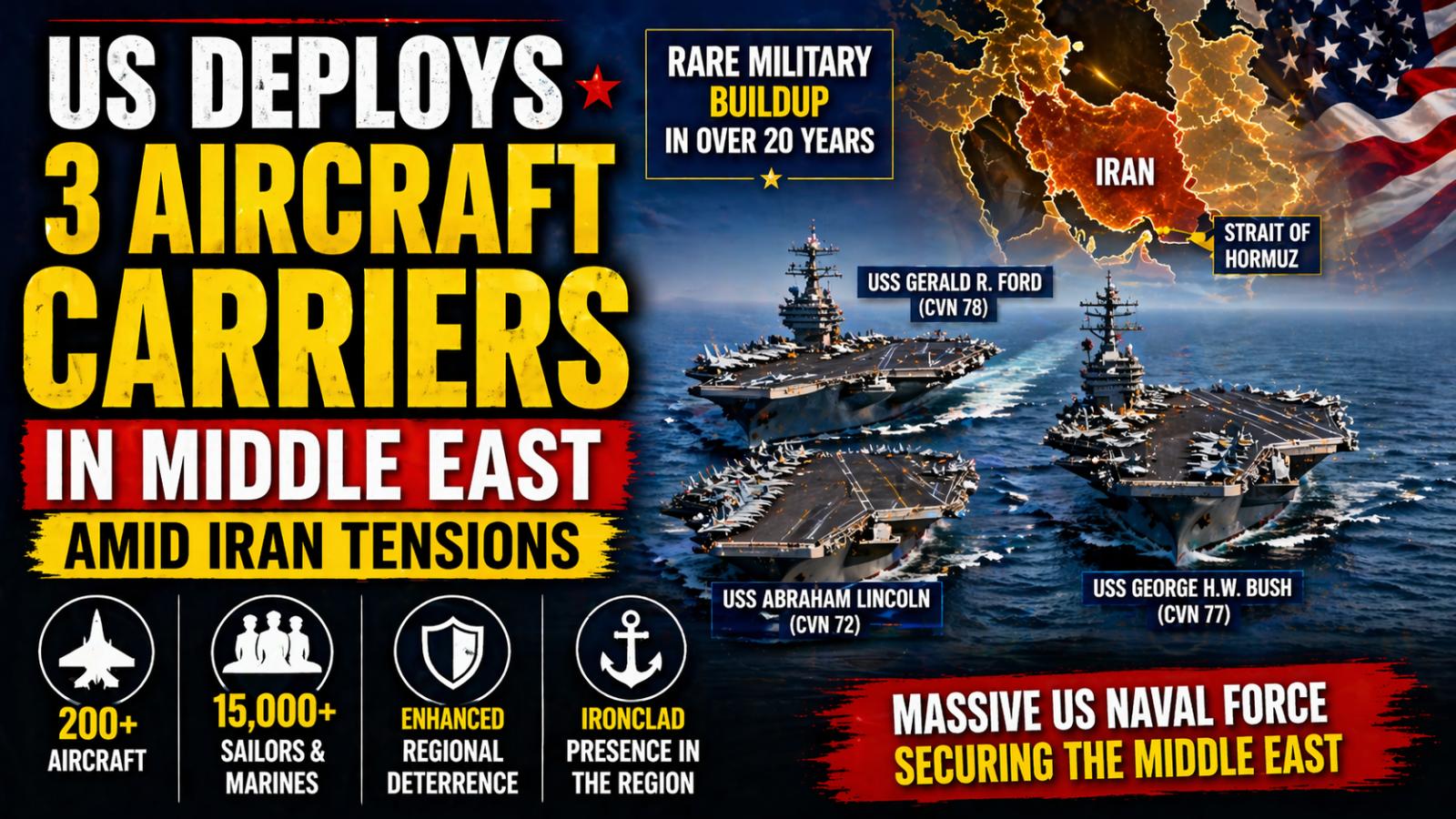
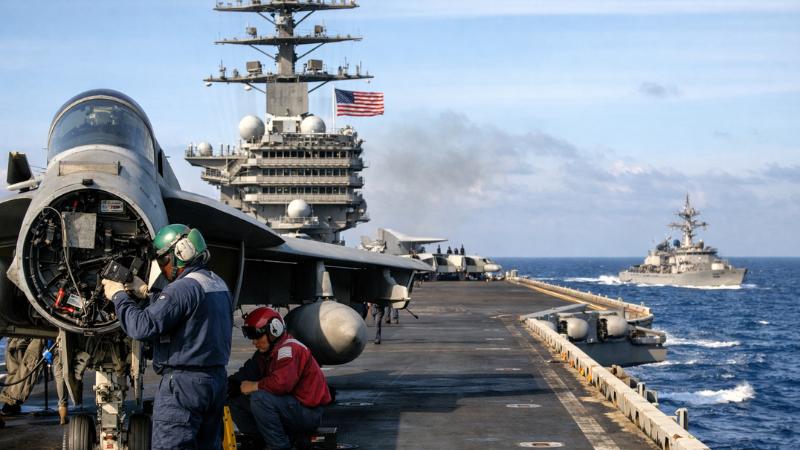
US deploys three aircraft carriers to the Middle East amid Iran tensions, expanding naval operations and reinforcing security in key maritime routes including the Strait of Hormuz. US deploys three aircraft carriers to Middle East amid Iran tensions as Washington significantly expands its military footprint across the region, marking one of the largest naval concentrations in more than two decades. Officials confirmed that three carrier strike groups—the USS Abraham Lincoln, USS Gerald R. Ford, and USS George H.W. Bush—are operating simultaneously, supported by more than 200 aircraft and approximately 15,000 sailors and Marines. A statement from US Central Command on Thursday confirmed the rare deployment, describing it as a significant concentration of naval power aimed at maintaining operational readiness amid rising tensions involving Iran. The carrier groups and their air wings are conducting coordinated missions, underscoring the strategic importance of key maritime routes in the Middle East and reinforcing a broader posture of deterrence. The announcement coincided with remarks from Donald Trump on Thursday, who declined to provide a timeline for a potential resolution to the Iran conflict. He indicated that any agreement would depend on conditions favorable to US interests, highlighting ongoing uncertainty surrounding diplomatic efforts. The absence of a clear timeline has aligned with increased military activity and messaging focused on regional stability. Defense officials stated on Friday that the US blockade of Iranian vessels in the Strait of Hormuz remains “ironclad,” with additional naval assets expected to join the operation in the coming days. The expanding mission signals a broader enforcement effort in one of the world’s most critical shipping corridors. The USS George H.W. Bush, commissioned in 2009, is among the newest Nimitz-class carriers involved, measuring nearly 1,000 feet in length and powered by two nuclear reactors, with the capacity to carry more than 80 aircraft and support a crew exceeding 5,500 personnel.
US deploys three aircraft carriers to Middle East amid Iran tensions
US deploys three aircraft carriers to the Middle East amid Iran tensions, expanding naval operations and reinforcing security in key maritime routes including the Strait of Hormuz. US deploys three aircraft carriers to Middle East amid Iran tensions as Washington significantly expands its military footprint across the region, marking one of the largest naval concentrations in more than two decades. Officials confirmed that three carrier strike groups—the USS Abraham Lincoln, USS Gerald R. Ford, and USS George H.W. Bush—are operating simultaneously, supported by more than 200 aircraft and approximately 15,000 sailors and Marines. A statement from US Central Command on Thursday confirmed the rare deployment, describing it as a significant concentration of naval power aimed at maintaining operational readiness amid rising tensions involving Iran. The carrier groups and their air wings are conducting coordinated missions, underscoring the strategic importance of key maritime routes in the Middle East and reinforcing a broader posture of deterrence. The announcement coincided with remarks from Donald Trump on Thursday, who declined to provide a timeline for a potential resolution to the Iran conflict. He indicated that any agreement would depend on conditions favorable to US interests, highlighting ongoing uncertainty surrounding diplomatic efforts. The absence of a clear timeline has aligned with increased military activity and messaging focused on regional stability. Defense officials stated on Friday that the US blockade of Iranian vessels in the Strait of Hormuz remains “ironclad,” with additional naval assets expected to join the operation in the coming days. The expanding mission signals a broader enforcement effort in one of the world’s most critical shipping corridors. The USS George H.W. Bush, commissioned in 2009, is among the newest Nimitz-class carriers involved, measuring nearly 1,000 feet in length and powered by two nuclear reactors, with the capacity to carry more than 80 aircraft and support a crew exceeding 5,500 personnel.
US Deploys 150 Aircraft Near Iran as Nuclear Tensions Escalate
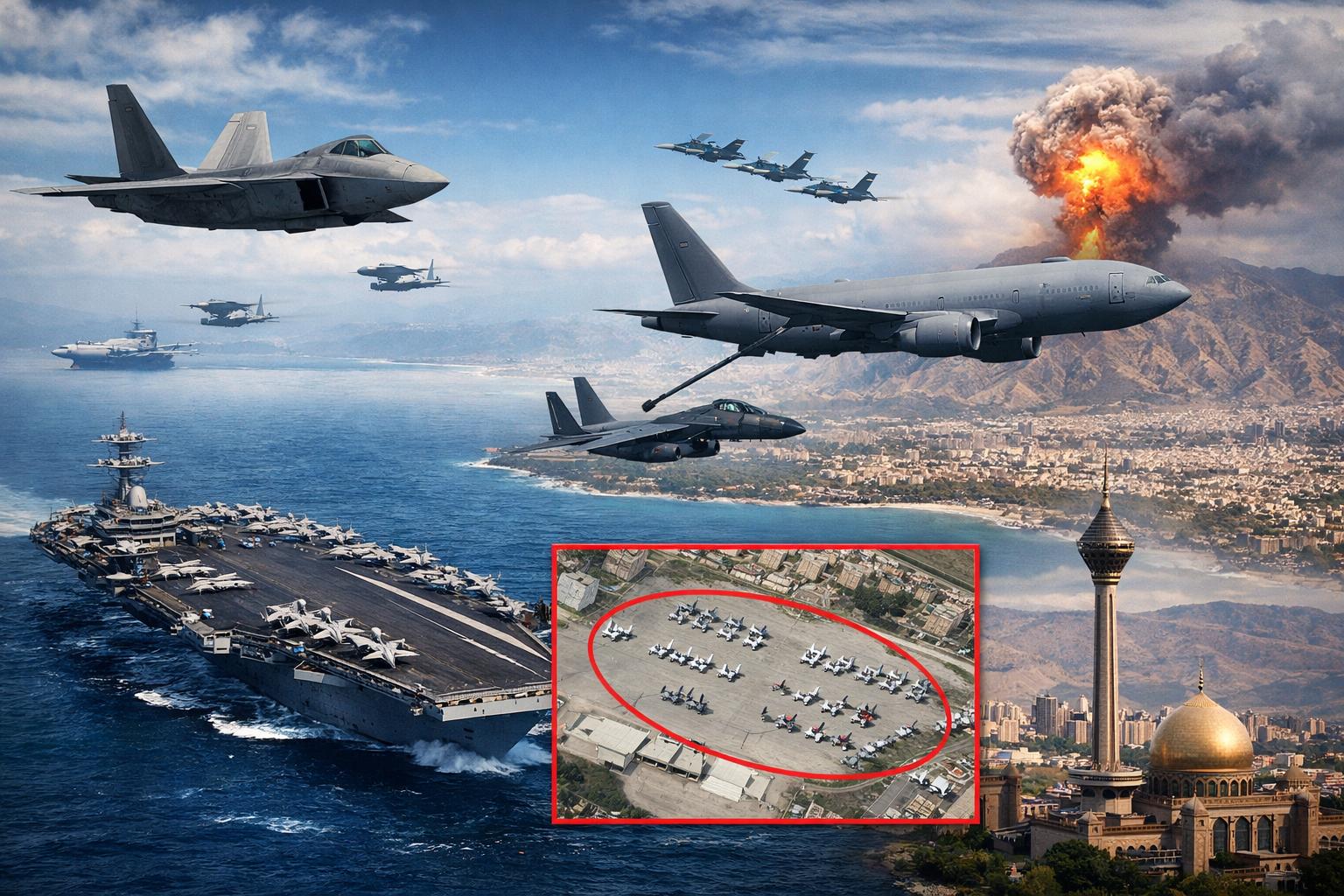
Satellite imagery and open-source flight tracking data indicate that the United States has significantly expanded its military presence across Europe and the Middle East as tensions with Iran intensify over Tehran’s nuclear programme. More than 150 American military aircraft have reportedly been repositioned to forward operating bases in what analysts describe as one of the largest regional force deployments in over two decades. The aircraft include heavy cargo planes, aerial refuelling tanker
US Deploys 150 Aircraft Near Iran as Nuclear Tensions Escalate
Satellite imagery and open-source flight tracking data indicate that the United States has significantly expanded its military presence across Europe and the Middle East as tensions with Iran intensify over Tehran’s nuclear programme. More than 150 American military aircraft have reportedly been repositioned to forward operating bases in what analysts describe as one of the largest regional force deployments in over two decades. The aircraft include heavy cargo planes, aerial refuelling tanker
US fighter jet downs Iranian drone near aircraft carrier in Arabian Sea
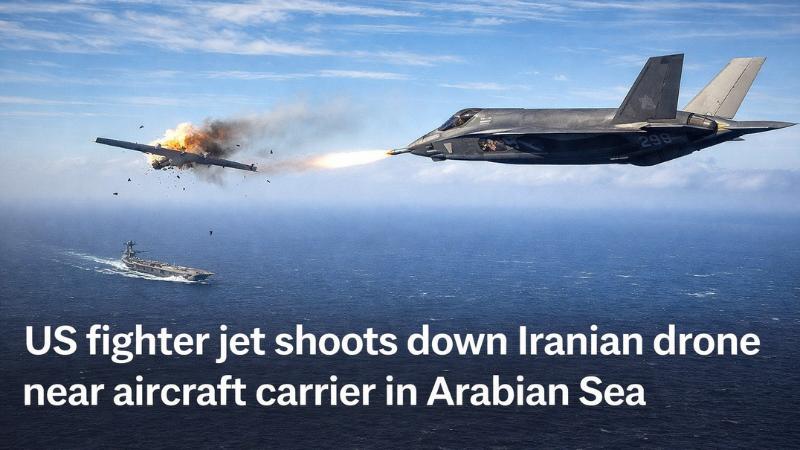
A United States Navy fighter jet shot down an Iranian drone after it approached an American aircraft carrier operating in the Arabian Sea, according to US Central Command, marking the latest escalation in a period of heightened military tensions across the Middle East. The incident occurred as the unmanned aircraft moved toward the USS Abraham Lincoln with what officials described as unclear intent, despite attempts by US forces to deter it. Military authorities said the drone “ag
US fighter jet downs Iranian drone near aircraft carrier in Arabian Sea
A United States Navy fighter jet shot down an Iranian drone after it approached an American aircraft carrier operating in the Arabian Sea, according to US Central Command, marking the latest escalation in a period of heightened military tensions across the Middle East. The incident occurred as the unmanned aircraft moved toward the USS Abraham Lincoln with what officials described as unclear intent, despite attempts by US forces to deter it. Military authorities said the drone “ag
USS Abraham Lincoln arrives in Middle East as US boosts military posture near Iran
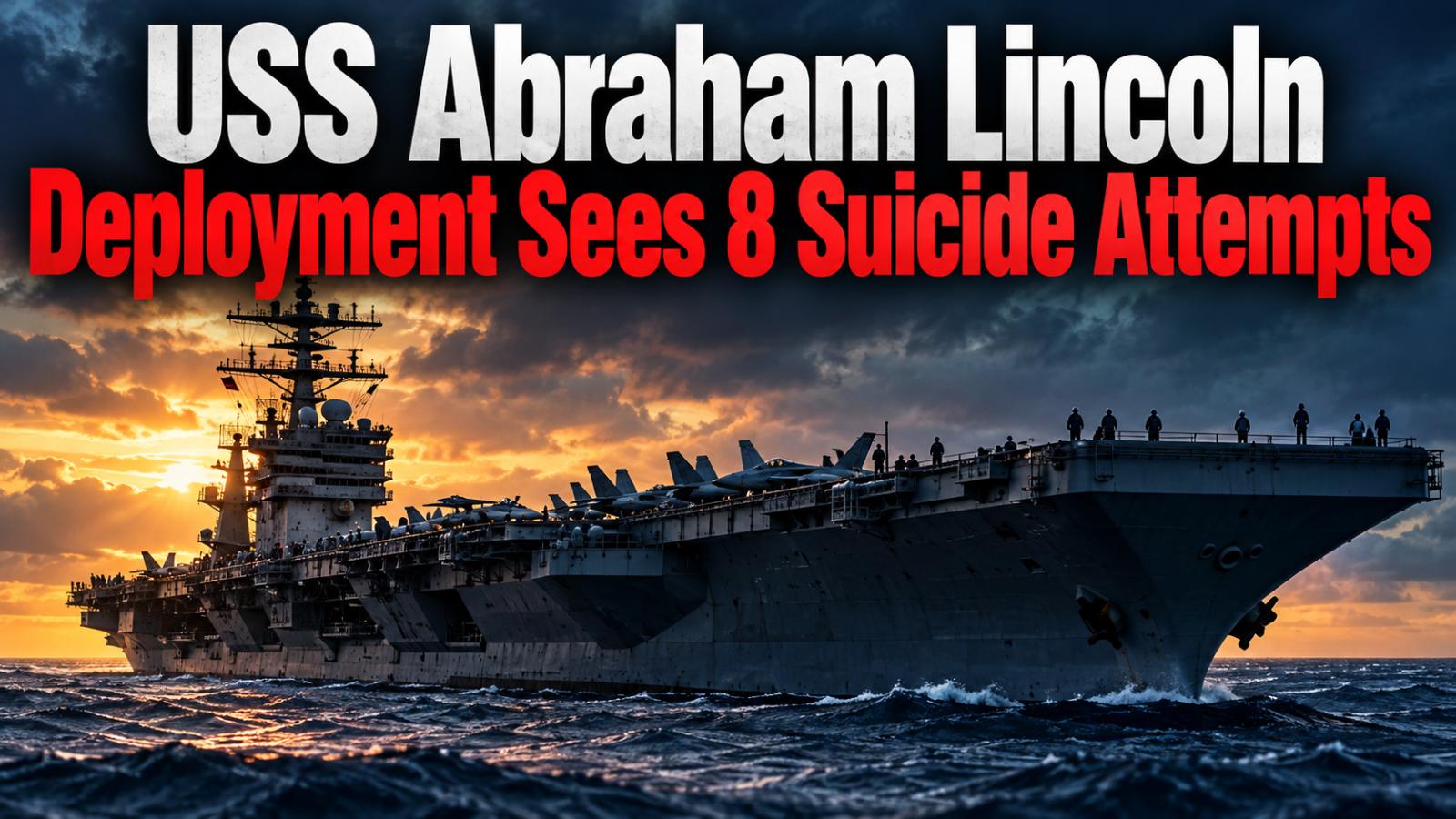
The United States has deployed the aircraft carrier USS Abraham Lincoln and its accompanying warships to the Middle East, a move aimed at reinforcing American military capabilities in a region marked by escalating political and security tensions. The announcement was made on Monday, January 26, by US Central Command, which said the carrier strike group’s presence is intended to support regional security and stability while enhancing both offensive and defensive readiness. Accordin
USS Abraham Lincoln arrives in Middle East as US boosts military posture near Iran
The United States has deployed the aircraft carrier USS Abraham Lincoln and its accompanying warships to the Middle East, a move aimed at reinforcing American military capabilities in a region marked by escalating political and security tensions. The announcement was made on Monday, January 26, by US Central Command, which said the carrier strike group’s presence is intended to support regional security and stability while enhancing both offensive and defensive readiness. Accordin
Trump Confirms Plan To Sell F-35 Fighter Jets To Saudi Arabia Ahead Of Crown Prince Visit
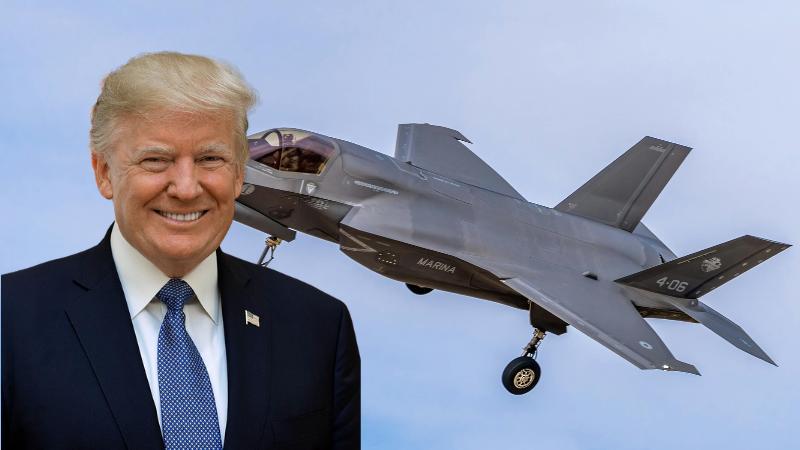
US President Donald Trump announced that the United States will move forward with selling F-35 fighter jets to Saudi Arabia, marking a significant shift in defence cooperation just as Crown Prince Mohammed bin Salman prepares for his first Washington visit in more than seven years. Trump described Saudi Arabia as a strong ally and confirmed that the kingdom’s request for the world-class stealth aircraft will be fulfilled. The crown prince is expected to arrive with clear priorities, includi
Trump Confirms Plan To Sell F-35 Fighter Jets To Saudi Arabia Ahead Of Crown Prince Visit
US President Donald Trump announced that the United States will move forward with selling F-35 fighter jets to Saudi Arabia, marking a significant shift in defence cooperation just as Crown Prince Mohammed bin Salman prepares for his first Washington visit in more than seven years. Trump described Saudi Arabia as a strong ally and confirmed that the kingdom’s request for the world-class stealth aircraft will be fulfilled. The crown prince is expected to arrive with clear priorities, includi
Retired US generals push for F-35 and E-7 funding amid growing Taiwan tensions
A group of senior retired United States Air Force generals has issued an urgent appeal to lawmakers, warning that proposed cuts to advanced fighter jets and airborne command systems would critically weaken national defense at a time of rising geopolitical tension. Specifically, the generals are calling for full funding to procure 75 F-35A fighter jets and to restore investment in the E-7 airborne early warning and control aircraft in the next fiscal year. In a detailed letter sent
Retired US generals push for F-35 and E-7 funding amid growing Taiwan tensions
A group of senior retired United States Air Force generals has issued an urgent appeal to lawmakers, warning that proposed cuts to advanced fighter jets and airborne command systems would critically weaken national defense at a time of rising geopolitical tension. Specifically, the generals are calling for full funding to procure 75 F-35A fighter jets and to restore investment in the E-7 airborne early warning and control aircraft in the next fiscal year. In a detailed letter sent
205 Indian Nationals Deported from US on Military Aircraft in First Round of Returns
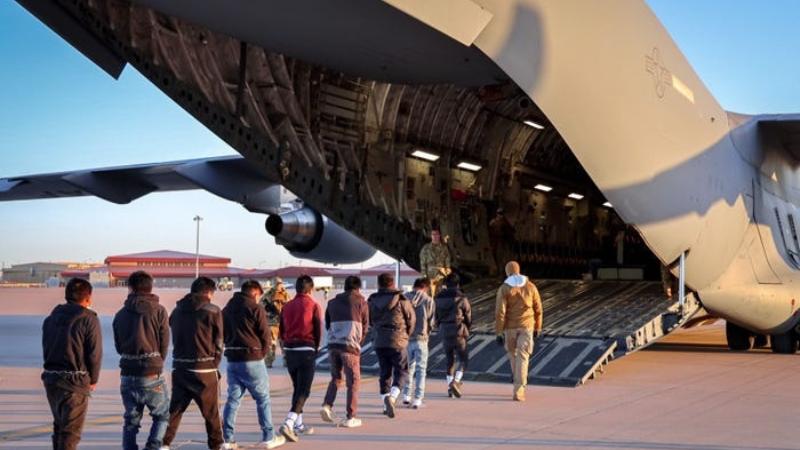
A total of 205 Indian nationals who had illegally entered the United States were deported aboard a US military C-17 aircraft, which took off from Texas. Each deportee’s nationality was verified, signaling New Delhi’s involvement in the process. This is likely the first of many such deportations as part of a broader effort to address illegal immigration. The aircraft, typically equipped for larger transports, can accommodate up to 205 passengers, though it only has one toilet unles
205 Indian Nationals Deported from US on Military Aircraft in First Round of Returns
A total of 205 Indian nationals who had illegally entered the United States were deported aboard a US military C-17 aircraft, which took off from Texas. Each deportee’s nationality was verified, signaling New Delhi’s involvement in the process. This is likely the first of many such deportations as part of a broader effort to address illegal immigration. The aircraft, typically equipped for larger transports, can accommodate up to 205 passengers, though it only has one toilet unles


