





BJP Leaders Visit Kali Bari Mandir After Historic Victory in West Bengal
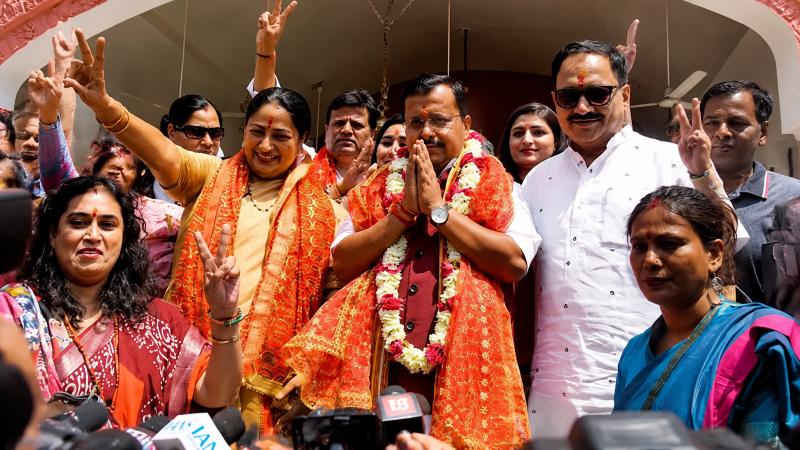
Following a historic victory in West Bengal, which many have called the "final frontier" for the Bharatiya Janata Party (BJP), top leaders of the party, including National President Nitin Nabin, Delhi Chief Minister Rekha Gupta, state president Virendra Sachdeva, and MP Bansuri Swaraj, visited the iconic Kali Bari Mandir in Chittaranjan Park, New Delhi, on May 5 offered prayers and seeked blessings for the party’s upcoming government in the state. After the prayer ceremony, Nabin addressed
BJP Leaders Visit Kali Bari Mandir After Historic Victory in West Bengal
Following a historic victory in West Bengal, which many have called the "final frontier" for the Bharatiya Janata Party (BJP), top leaders of the party, including National President Nitin Nabin, Delhi Chief Minister Rekha Gupta, state president Virendra Sachdeva, and MP Bansuri Swaraj, visited the iconic Kali Bari Mandir in Chittaranjan Park, New Delhi, on May 5 offered prayers and seeked blessings for the party’s upcoming government in the state. After the prayer ceremony, Nabin addressed

ACL Festival 2026 Lineup, Dates & Tickets: Full List Revealed
The ACL Festival 2026 lineup is officially out, featuring Charli XCX, Lorde, and more. Tickets go live May 5 at 12 p.m. CT, with two weekends set for October in Austin. ACL Festival 2026 Lineup Highlights Celebrating its 25th anniversary, the Austin City Limits Music Festival 2026 brings a powerful mix of global stars and rising talent. Headlin
ACL Festival 2026 Lineup, Dates & Tickets: Full List Revealed
The ACL Festival 2026 lineup is officially out, featuring Charli XCX, Lorde, and more. Tickets go live May 5 at 12 p.m. CT, with two weekends set for October in Austin. ACL Festival 2026 Lineup Highlights Celebrating its 25th anniversary, the Austin City Limits Music Festival 2026 brings a powerful mix of global stars and rising talent. Headlin
Australia opens Bondi Beach attack hearings amid antisemitism concerns
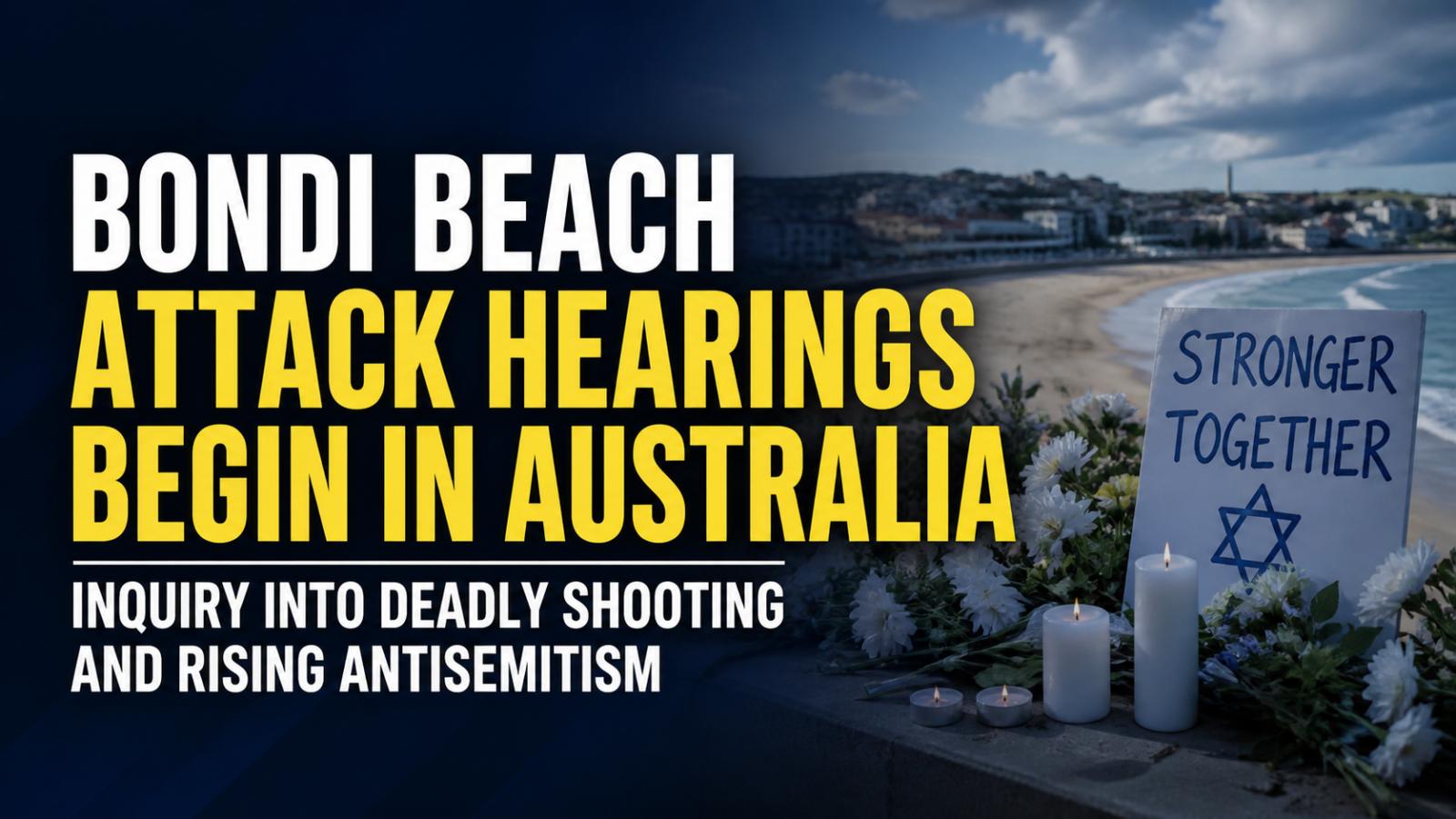
Australia has launched public hearings on May 4, 2026, into the Bondi Beach attack and the rising wave of antisemitism, aiming to uncover both the causes of the deadly shooting and the broader social impact. The inquiry focuses on the tragic events of December 14, 2025, when a mass shooting during a Hanukkah celebration at Sydney’s Bondi Beach left 15 people dead, including a child. Authorities have confirmed the attack was driven by antisemitism, placing it at the center of a wider national concern. The hearings, taking place in Sydney, are part of a royal commission examining hate crimes and social cohesion. Witnesses appearing before the panel include victims’ families, community leaders, and individuals who have faced antisemitic abuse. Some participants have been granted anonymity due to fears of retaliation, underlining the seriousness of the situation. Victim testimonies highlight growing fear One of the first witnesses, Sheina Gutnick, whose father was killed while confronting the attackers, described receiving disturbing messages after the incident. She said the aftermath made her feel that antisemitism had become more open and normalized. Her testimony reflects a broader concern within the Jewish community about safety and acceptance in Australia. The commission is being led by former High Court judge Virginia Bell and will proceed in three phases. The first phase examines the scale and nature of antisemitism across the country. The second phase will investigate the circumstances of the Bondi Beach attack in detail, while the final phase will explore how online platforms may be contributing to radicalisation and the spread of hate. Another witness shared concerns about long-term safety, explaining that after decades of living in Australia, they are now questioning whether the country remains secure for future generations. Such accounts point to a shift in public sentiment that the inquiry aims to address. An interim report released earlier by the commission proposed 14 recommendations, including stricter firearm laws and increased security for Jewish gatherings and events. Officials have also noted that international tensions may be influencing domestic incidents, adding complexity to the issue. The hearings are expected to provide critical insights into the Bondi Beach attack and help shape policies to address antisemitism, strengthen security, and restore confidence in social harmony.
Australia opens Bondi Beach attack hearings amid antisemitism concerns
Australia has launched public hearings on May 4, 2026, into the Bondi Beach attack and the rising wave of antisemitism, aiming to uncover both the causes of the deadly shooting and the broader social impact. The inquiry focuses on the tragic events of December 14, 2025, when a mass shooting during a Hanukkah celebration at Sydney’s Bondi Beach left 15 people dead, including a child. Authorities have confirmed the attack was driven by antisemitism, placing it at the center of a wider national concern. The hearings, taking place in Sydney, are part of a royal commission examining hate crimes and social cohesion. Witnesses appearing before the panel include victims’ families, community leaders, and individuals who have faced antisemitic abuse. Some participants have been granted anonymity due to fears of retaliation, underlining the seriousness of the situation. Victim testimonies highlight growing fear One of the first witnesses, Sheina Gutnick, whose father was killed while confronting the attackers, described receiving disturbing messages after the incident. She said the aftermath made her feel that antisemitism had become more open and normalized. Her testimony reflects a broader concern within the Jewish community about safety and acceptance in Australia. The commission is being led by former High Court judge Virginia Bell and will proceed in three phases. The first phase examines the scale and nature of antisemitism across the country. The second phase will investigate the circumstances of the Bondi Beach attack in detail, while the final phase will explore how online platforms may be contributing to radicalisation and the spread of hate. Another witness shared concerns about long-term safety, explaining that after decades of living in Australia, they are now questioning whether the country remains secure for future generations. Such accounts point to a shift in public sentiment that the inquiry aims to address. An interim report released earlier by the commission proposed 14 recommendations, including stricter firearm laws and increased security for Jewish gatherings and events. Officials have also noted that international tensions may be influencing domestic incidents, adding complexity to the issue. The hearings are expected to provide critical insights into the Bondi Beach attack and help shape policies to address antisemitism, strengthen security, and restore confidence in social harmony.

BJP Set to Win Bengal for First Time? Leads Big Over TMC in Election Trends
A major political shift appears to be unfolding in West Bengal as the Bharatiya Janata Party takes a commanding lead in the ongoing Assembly election trends. According to early counting figures, BJP is leading in around 174 constituencies, significantly ahead of the ruling All India Trinamool Congress, whi
BJP Set to Win Bengal for First Time? Leads Big Over TMC in Election Trends
A major political shift appears to be unfolding in West Bengal as the Bharatiya Janata Party takes a commanding lead in the ongoing Assembly election trends. According to early counting figures, BJP is leading in around 174 constituencies, significantly ahead of the ruling All India Trinamool Congress, whi
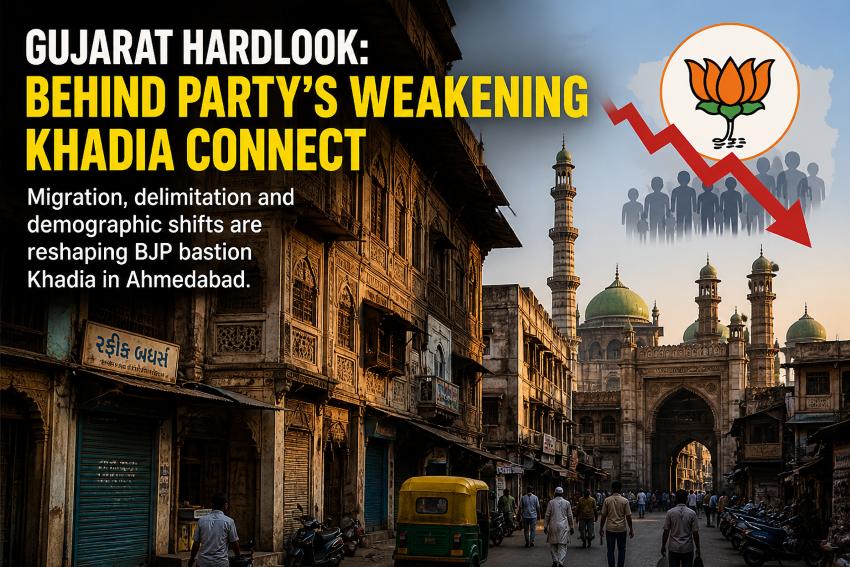
Khadia Political Shift Weakens BJP Hold As Demographic Changes Reshape Ahmedabad
Date: May 4, 2026 Time: 09:12 AM IST Place: Ahmedabad, Gujarat Khadia, once considered a stronghold of the Bharatiya Janata Party in Ahmedabad, is now witnessing a gradual but significant political transformation. The shift is largely attributed to long-term migration patterns, demographic changes, and the impact of delimitation, all of which have altered the region’s voter base and political dynamics. Situated in the heart of Ahmedabad’s historic walled city, Khadia reflects a blend of centuries-old heritage and evolving urban realities. However, as families moved out over the decades in search of better infrastructure and modern living conditions, the social and electoral composition of the area began to change. Historically, Khadia held immense importance in Gujarat’s political landscape, contributing significantly to the BJP’s rise in the region. The area’s narrow lanes, traditional pol houses, and strong community networks once ensured a stable voter base. However, the closure of textile mills in the late 20th century triggered large-scale migration, particularly among Hindu families who relocated to newer parts of the city. This outflow, combined with the addition of new areas during the delimitation process, reshaped the constituency into Jamalpur-Khadia, where demographic proportions shifted considerably. Changing Voter Dynamics And Political Impact The political consequences of these changes have become increasingly visible over the years. The inclusion of areas such as Jamalpur, Kalupur, and Behrampura brought in a different voter demographic, altering the electoral balance. What was once a BJP-dominated seat gradually turned into a competitive battleground, with Congress gaining ground due to the evolving population mix. Local leaders acknowledge that migration reduced the traditional voter base while new voters brought different political preferences, making the constituency more unpredictable. Despite these challenges, BJP leaders remain optimistic about regaining influence in the region. Internal strategies, including stronger grassroots engagement and addressing local issues, are being discussed to reconnect with voters. At the same time, residents highlight that Khadia continues to maintain its unique cultural identity, where community bonds and traditions still play a vital role in everyday life. The future of Khadia’s politics now depends on how effectively parties adapt to these demographic shifts while addressing the aspirations of a changing population.
Khadia Political Shift Weakens BJP Hold As Demographic Changes Reshape Ahmedabad
Date: May 4, 2026 Time: 09:12 AM IST Place: Ahmedabad, Gujarat Khadia, once considered a stronghold of the Bharatiya Janata Party in Ahmedabad, is now witnessing a gradual but significant political transformation. The shift is largely attributed to long-term migration patterns, demographic changes, and the impact of delimitation, all of which have altered the region’s voter base and political dynamics. Situated in the heart of Ahmedabad’s historic walled city, Khadia reflects a blend of centuries-old heritage and evolving urban realities. However, as families moved out over the decades in search of better infrastructure and modern living conditions, the social and electoral composition of the area began to change. Historically, Khadia held immense importance in Gujarat’s political landscape, contributing significantly to the BJP’s rise in the region. The area’s narrow lanes, traditional pol houses, and strong community networks once ensured a stable voter base. However, the closure of textile mills in the late 20th century triggered large-scale migration, particularly among Hindu families who relocated to newer parts of the city. This outflow, combined with the addition of new areas during the delimitation process, reshaped the constituency into Jamalpur-Khadia, where demographic proportions shifted considerably. Changing Voter Dynamics And Political Impact The political consequences of these changes have become increasingly visible over the years. The inclusion of areas such as Jamalpur, Kalupur, and Behrampura brought in a different voter demographic, altering the electoral balance. What was once a BJP-dominated seat gradually turned into a competitive battleground, with Congress gaining ground due to the evolving population mix. Local leaders acknowledge that migration reduced the traditional voter base while new voters brought different political preferences, making the constituency more unpredictable. Despite these challenges, BJP leaders remain optimistic about regaining influence in the region. Internal strategies, including stronger grassroots engagement and addressing local issues, are being discussed to reconnect with voters. At the same time, residents highlight that Khadia continues to maintain its unique cultural identity, where community bonds and traditions still play a vital role in everyday life. The future of Khadia’s politics now depends on how effectively parties adapt to these demographic shifts while addressing the aspirations of a changing population.

Will Donald Trump win Nobel Peace Prize 2026? Key facts and timeline
Nobel Peace Prize 2026: Trump emerges as likely contender Donald Trump is being seen as a likely contender for the Nobel Peace Prize 2026, with 287 candidates under review, but the final list remains strictly confidential. Kristian Berg Harpviken, secretary of the Norwegian Nobel Committee, confirmed that the total nominations include 208 individuals and 79 organisations, highlighting strong global participation despite ongoing conf
Will Donald Trump win Nobel Peace Prize 2026? Key facts and timeline
Nobel Peace Prize 2026: Trump emerges as likely contender Donald Trump is being seen as a likely contender for the Nobel Peace Prize 2026, with 287 candidates under review, but the final list remains strictly confidential. Kristian Berg Harpviken, secretary of the Norwegian Nobel Committee, confirmed that the total nominations include 208 individuals and 79 organisations, highlighting strong global participation despite ongoing conf

London Stabbing in Jewish Area Probed as Terror Incident, Suspect Arrested
UK police are investigating a stabbing in north London as a suspected terrorist incident on Apr 29,2026 after two Jewish men were injured in Golders Green, an area known for its large Jewish community. Authorities confirmed that a 45-year-old suspect has been arrested following the attack, which also involved an alleged attempt to assault responding officers. The victims, aged 76 and 34, were taken to hospital and are reported to be in stable condition. Assistant Commissioner
London Stabbing in Jewish Area Probed as Terror Incident, Suspect Arrested
UK police are investigating a stabbing in north London as a suspected terrorist incident on Apr 29,2026 after two Jewish men were injured in Golders Green, an area known for its large Jewish community. Authorities confirmed that a 45-year-old suspect has been arrested following the attack, which also involved an alleged attempt to assault responding officers. The victims, aged 76 and 34, were taken to hospital and are reported to be in stable condition. Assistant Commissioner
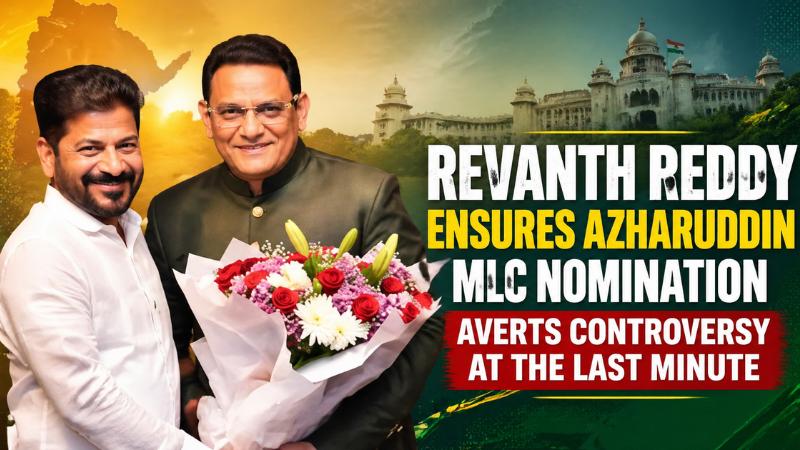
Revanth Reddy’s Strategic Move to Avoid Backlash and Secure Azharuddin's Position as MLC
Revanth Reddy Prevents Backlash with Last-Minute MLC Appointment for Azharuddin On April 25, 2026, Telangana Chief Minister Revanth Reddy averted a major political backlash by ensuring that Congress leader Azharuddin, who had been appointed to the state cabinet six months ago, was legislated as an MLC before his time ran out. Under the law, a cabinet minister must hold a legislative position within six months of appointment if they are not already a sitting represen
Revanth Reddy’s Strategic Move to Avoid Backlash and Secure Azharuddin's Position as MLC
Revanth Reddy Prevents Backlash with Last-Minute MLC Appointment for Azharuddin On April 25, 2026, Telangana Chief Minister Revanth Reddy averted a major political backlash by ensuring that Congress leader Azharuddin, who had been appointed to the state cabinet six months ago, was legislated as an MLC before his time ran out. Under the law, a cabinet minister must hold a legislative position within six months of appointment if they are not already a sitting represen
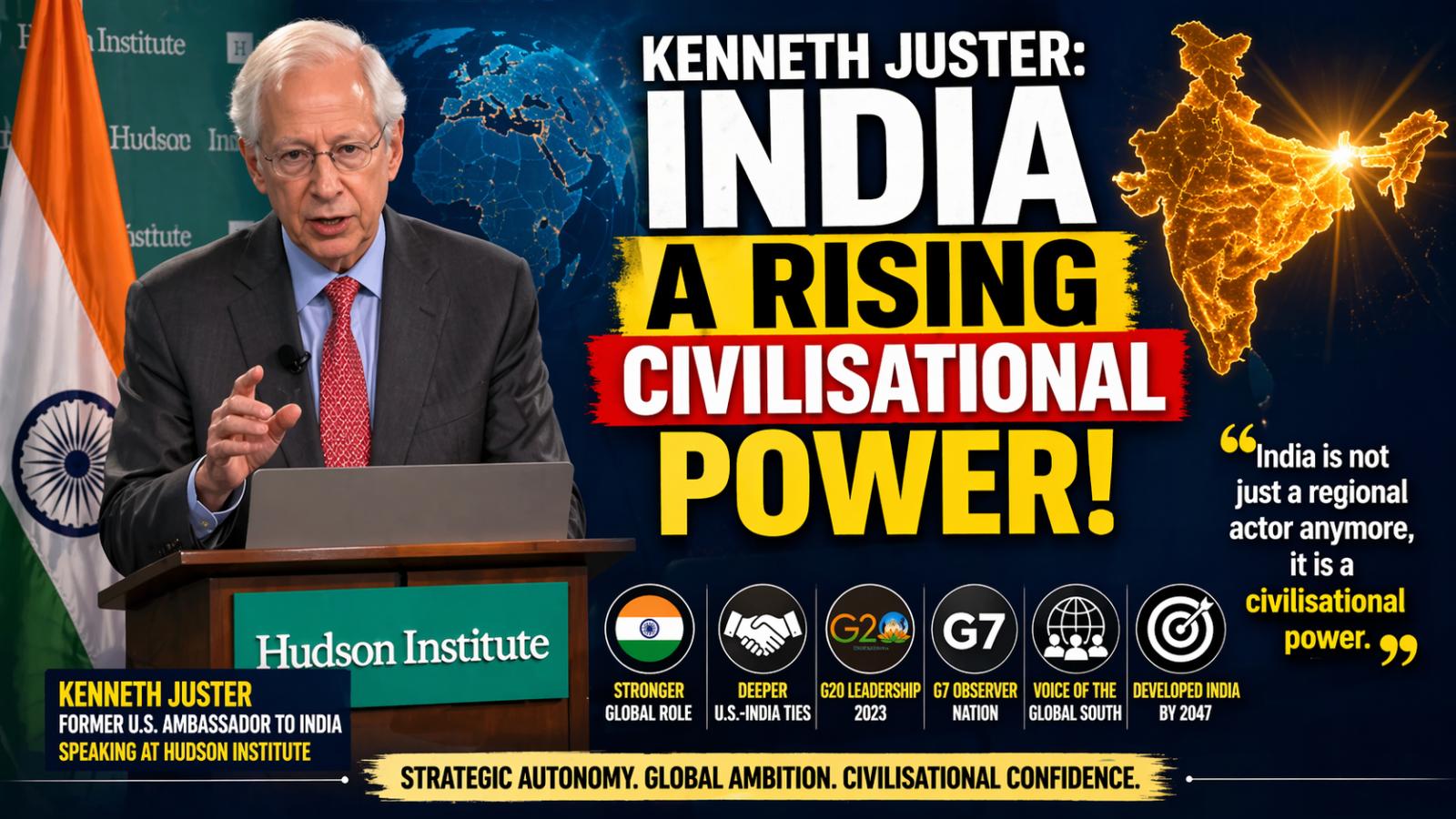
What did Kenneth Juster say about India’s global role? He called it a rising civilisational power
India’s emergence as a civilisational power in global affairs What did Kenneth Juster say about India’s global role? He called it a rising civilisational power, underscoring a major shift in how the country positions itself internationally. Former U.S. Ambassador to India Kenneth Juster said on Thursday, April 23, 2026, that India has evolved into a “civilisational power” under Prime Minister Narendra Modi, reflecting a more assertive and confident global posture. Speaking at an event hosted by the Hudson Institute, Juster identified Modi’s 2014 election as a turning point that accelerated India’s transformation in foreign policy and international engagement. Expanding diplomatic reach and global engagement Juster emphasized that India’s approach to global affairs has shifted significantly over the past decade, with New Delhi demonstrating greater confidence and a willingness to engage broadly with countries across regions. He noted that India no longer views itself as limited to a regional role but instead positions itself as a major global force with a distinct civilizational identity. This evolution has enabled India to expand its diplomatic outreach and pursue strategic ambitions with increased clarity and purpose. Navigating U.S.-China competition with strategic autonomy According to Juster, India’s foreign policy reflects a careful balance between deeper global engagement and maintaining strategic autonomy, particularly in the context of U.S.-China competition. While India shares concerns with other middle powers about preserving independence in decision-making, it has simultaneously strengthened ties with the United States. This dual approach allows India to navigate geopolitical tensions while safeguarding its national interests. Growing influence in global governance platforms Juster also highlighted India’s increasing role in global governance, including its active participation in G7 discussions as a regular observer and its leadership during the G20 presidency in 2023. He pointed to India’s ambition of becoming a developed nation by 2047 as a key driver of its international strategy. Additionally, India has sought to position itself as a leading voice for the Global South, shaping conversations on development, equity, and governance. Washington’s perspective on India’s rising global role Juster’s remarks reflect a broader consensus in Washington that India is emerging as a confident and influential actor on the world stage. By combining strategic independence with proactive diplomacy, India is increasingly seen as a country intent on shaping the global order in the 21st century while advancing its long-term national objectives.
What did Kenneth Juster say about India’s global role? He called it a rising civilisational power
India’s emergence as a civilisational power in global affairs What did Kenneth Juster say about India’s global role? He called it a rising civilisational power, underscoring a major shift in how the country positions itself internationally. Former U.S. Ambassador to India Kenneth Juster said on Thursday, April 23, 2026, that India has evolved into a “civilisational power” under Prime Minister Narendra Modi, reflecting a more assertive and confident global posture. Speaking at an event hosted by the Hudson Institute, Juster identified Modi’s 2014 election as a turning point that accelerated India’s transformation in foreign policy and international engagement. Expanding diplomatic reach and global engagement Juster emphasized that India’s approach to global affairs has shifted significantly over the past decade, with New Delhi demonstrating greater confidence and a willingness to engage broadly with countries across regions. He noted that India no longer views itself as limited to a regional role but instead positions itself as a major global force with a distinct civilizational identity. This evolution has enabled India to expand its diplomatic outreach and pursue strategic ambitions with increased clarity and purpose. Navigating U.S.-China competition with strategic autonomy According to Juster, India’s foreign policy reflects a careful balance between deeper global engagement and maintaining strategic autonomy, particularly in the context of U.S.-China competition. While India shares concerns with other middle powers about preserving independence in decision-making, it has simultaneously strengthened ties with the United States. This dual approach allows India to navigate geopolitical tensions while safeguarding its national interests. Growing influence in global governance platforms Juster also highlighted India’s increasing role in global governance, including its active participation in G7 discussions as a regular observer and its leadership during the G20 presidency in 2023. He pointed to India’s ambition of becoming a developed nation by 2047 as a key driver of its international strategy. Additionally, India has sought to position itself as a leading voice for the Global South, shaping conversations on development, equity, and governance. Washington’s perspective on India’s rising global role Juster’s remarks reflect a broader consensus in Washington that India is emerging as a confident and influential actor on the world stage. By combining strategic independence with proactive diplomacy, India is increasingly seen as a country intent on shaping the global order in the 21st century while advancing its long-term national objectives.
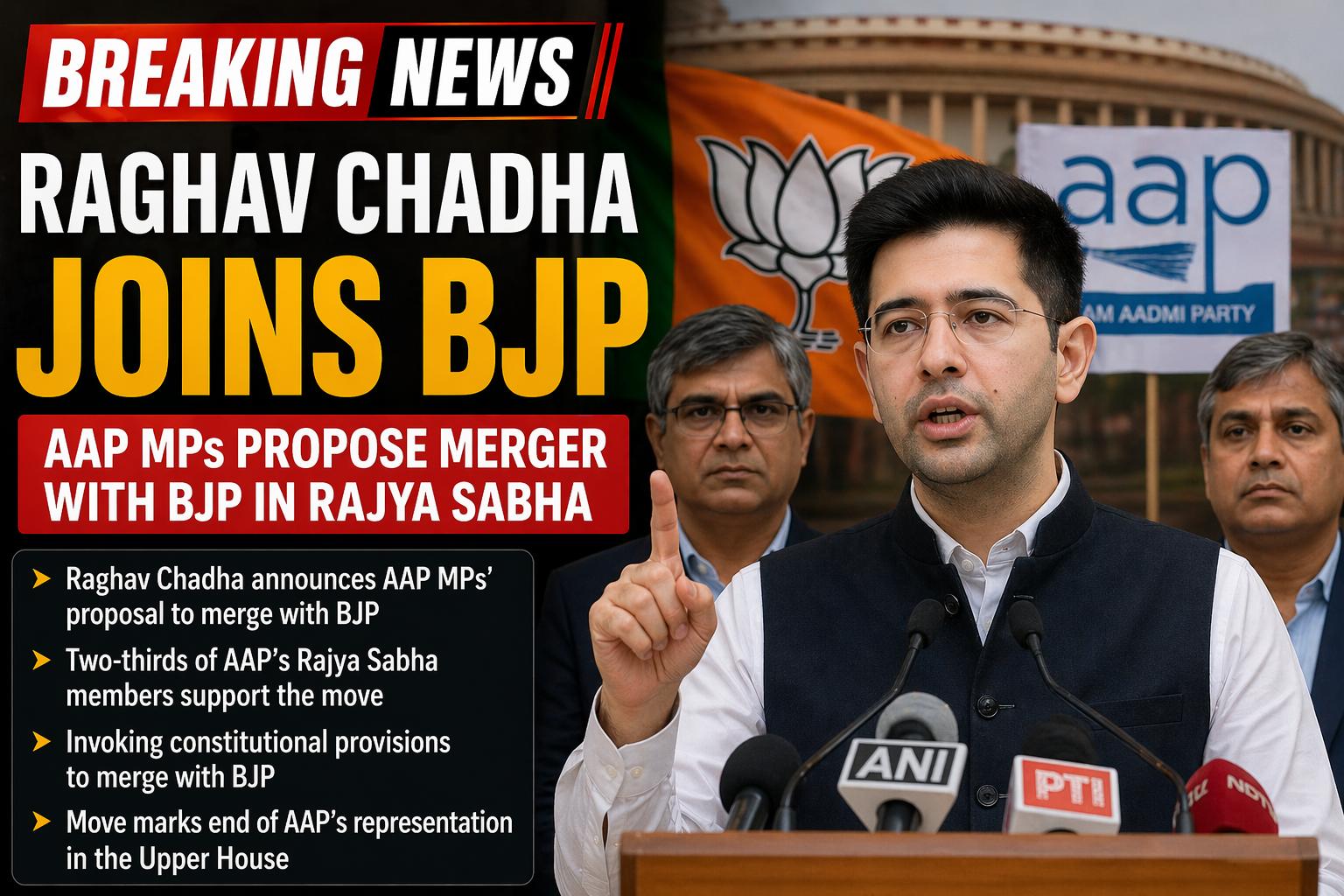
Raghav Chadha Joins BJP, Sparks Major Shift In Rajya Sabha Numbers
A major political shift unfolded in New Delhi on Friday, April 24, 2026, as Raghav Chadha, along with fellow Rajya Sabha MPs Ashok Mittal and Sandeep Pathak, officially joined the Bharatiya Janata Party after resigning from the Aam Aadmi Party. The leaders were inducted into the BJP in the presence of party chief Nitin Nabin at the party office in Delhi, where they were welcomed with bouquets and greeted senior party members. Earlier in the day, Chadha, aged 37, announced his resignation from AAP along with six other MPs, stating their intention to merge with the BJP by invoking constitutional provisions that allow such a move when two-thirds of a party’s members agree. The group submitted a formal letter along with required documents to Rajya Sabha Chairman C. P. Radhakrishnan. With seven out of ten AAP MPs in the Rajya Sabha switching sides, the anti-defection law is unlikely to apply. As a result, only three AAP MPs—Sanjay Singh, Sant Balbir Singh Seechewal, and N. D. Gupta—remain in the Upper House. Chadha explained that his decision was driven by growing dissatisfaction with the party’s direction, stating that he increasingly felt like “the right person in the wrong party.” His exit comes after a series of developments, including his removal as Deputy Leader in the Rajya Sabha and replacement by Ashok Mittal. Reports also highlighted his absence from key opposition actions, refusal to sign certain notices, and exclusion from the party’s star campaigner list in multiple state elections. Meanwhile, Sandeep Pathak expressed emotional difficulty over leaving the party after a decade-long association. The move has triggered sharp reactions from AAP leadership. Senior leader Sanjay Singh accused the BJP of orchestrating defections through what he described as “Operation Lotus,” alleging misuse of state machinery and investigative agencies to weaken opposition parties. Arvind Kejriwal also reacted, stating that the development represents a betrayal of public trust, particularly ahead of the Punjab elections scheduled for early 2027, where AAP currently holds power. This high-profile political realignment is expected to significantly alter the balance of power in the Rajya Sabha, strengthening the BJP’s position while dealing a major setback to AAP’s parliamentary presence.
Raghav Chadha Joins BJP, Sparks Major Shift In Rajya Sabha Numbers
A major political shift unfolded in New Delhi on Friday, April 24, 2026, as Raghav Chadha, along with fellow Rajya Sabha MPs Ashok Mittal and Sandeep Pathak, officially joined the Bharatiya Janata Party after resigning from the Aam Aadmi Party. The leaders were inducted into the BJP in the presence of party chief Nitin Nabin at the party office in Delhi, where they were welcomed with bouquets and greeted senior party members. Earlier in the day, Chadha, aged 37, announced his resignation from AAP along with six other MPs, stating their intention to merge with the BJP by invoking constitutional provisions that allow such a move when two-thirds of a party’s members agree. The group submitted a formal letter along with required documents to Rajya Sabha Chairman C. P. Radhakrishnan. With seven out of ten AAP MPs in the Rajya Sabha switching sides, the anti-defection law is unlikely to apply. As a result, only three AAP MPs—Sanjay Singh, Sant Balbir Singh Seechewal, and N. D. Gupta—remain in the Upper House. Chadha explained that his decision was driven by growing dissatisfaction with the party’s direction, stating that he increasingly felt like “the right person in the wrong party.” His exit comes after a series of developments, including his removal as Deputy Leader in the Rajya Sabha and replacement by Ashok Mittal. Reports also highlighted his absence from key opposition actions, refusal to sign certain notices, and exclusion from the party’s star campaigner list in multiple state elections. Meanwhile, Sandeep Pathak expressed emotional difficulty over leaving the party after a decade-long association. The move has triggered sharp reactions from AAP leadership. Senior leader Sanjay Singh accused the BJP of orchestrating defections through what he described as “Operation Lotus,” alleging misuse of state machinery and investigative agencies to weaken opposition parties. Arvind Kejriwal also reacted, stating that the development represents a betrayal of public trust, particularly ahead of the Punjab elections scheduled for early 2027, where AAP currently holds power. This high-profile political realignment is expected to significantly alter the balance of power in the Rajya Sabha, strengthening the BJP’s position while dealing a major setback to AAP’s parliamentary presence.
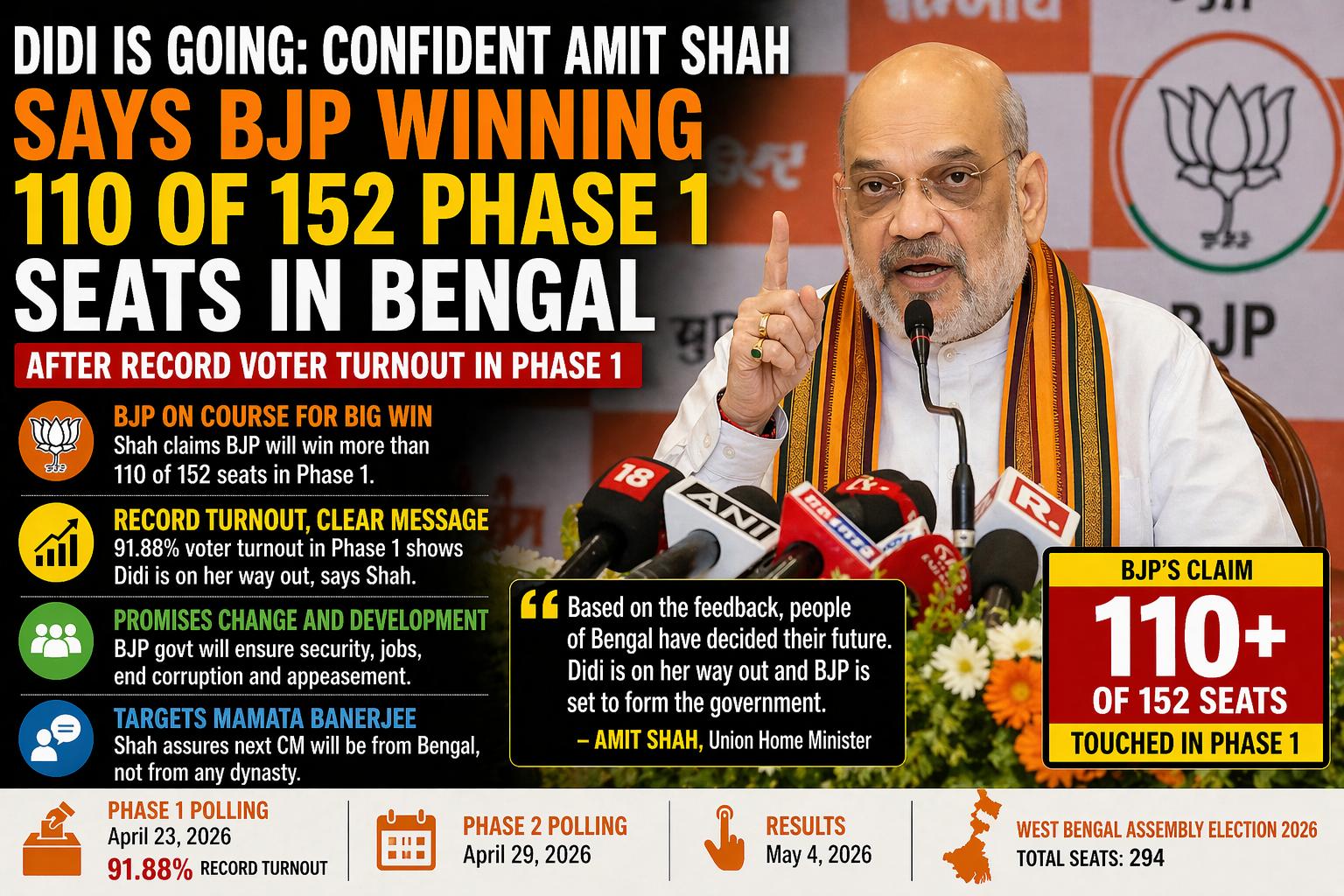
Amit Shah Predicts BJP Sweep In Bengal, Claims 110 Of 152 Phase 1 Seats
Union Home Minister Amit Shah on April 24, 2026, expressed strong confidence in the Bharatiya Janata Party’s prospects in the West Bengal Assembly elections, asserting that the surge in voter turnout signals a decisive shift in favour of the party. Addressing a press conference in Kolkata a day after Phase 1 polling, Shah claimed that the BJP is on track to win more than 110 of the 152 seats that
Amit Shah Predicts BJP Sweep In Bengal, Claims 110 Of 152 Phase 1 Seats
Union Home Minister Amit Shah on April 24, 2026, expressed strong confidence in the Bharatiya Janata Party’s prospects in the West Bengal Assembly elections, asserting that the surge in voter turnout signals a decisive shift in favour of the party. Addressing a press conference in Kolkata a day after Phase 1 polling, Shah claimed that the BJP is on track to win more than 110 of the 152 seats that
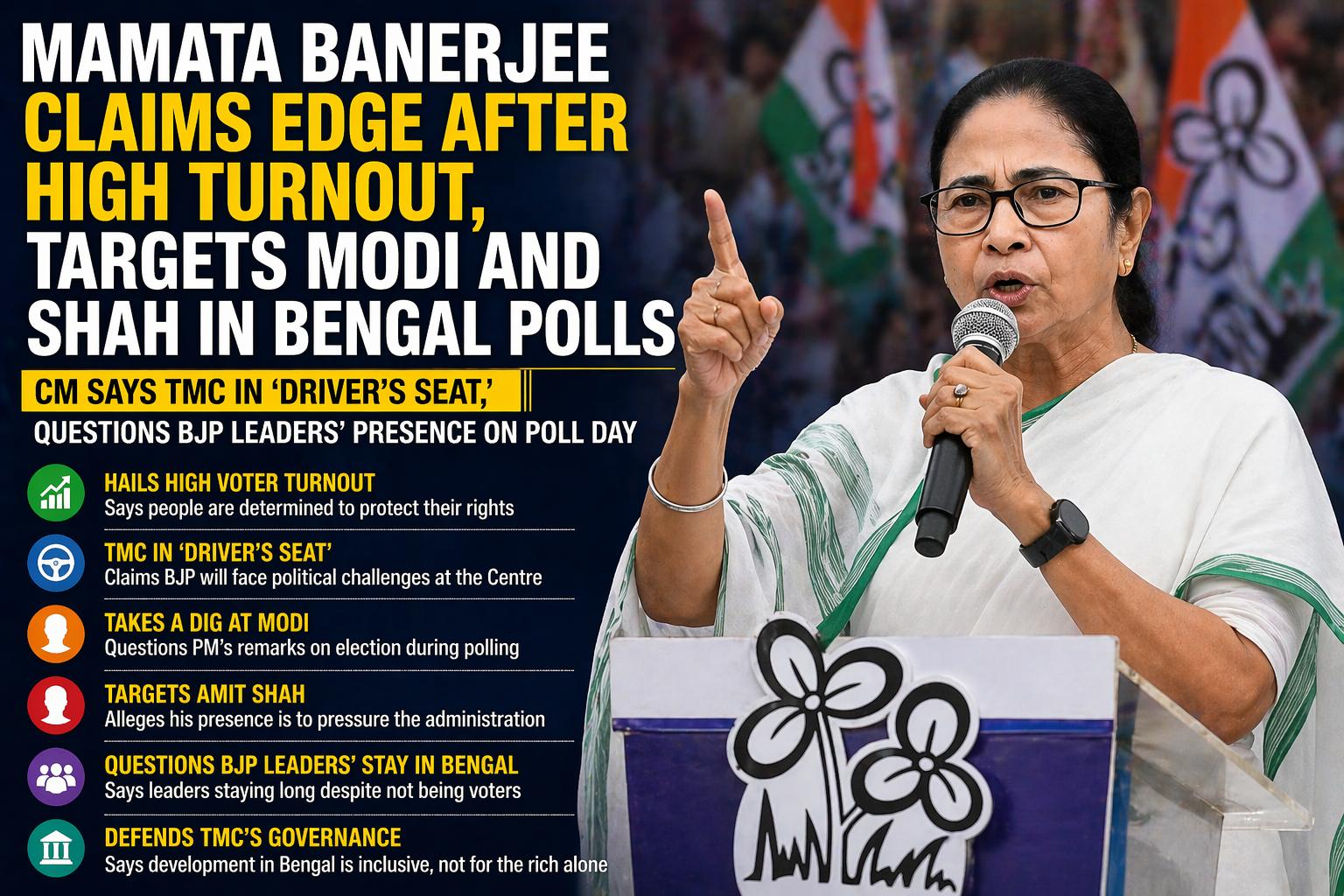
Mamata Banerjee Claims Edge After High Turnout, Targets Modi And Shah In Bengal Polls
West Bengal Chief Minister Mamata Banerjee on April 23, 2026, expressed strong confidence in her party’s performance following a high voter turnout in the first phase of the Assembly elections. Addressing a rally in Chowringhee, central Kolkata, the Trinamool Congress (TMC) chief said the enthusiastic participation of voters indicated public support for her government and its policies. She stated
Mamata Banerjee Claims Edge After High Turnout, Targets Modi And Shah In Bengal Polls
West Bengal Chief Minister Mamata Banerjee on April 23, 2026, expressed strong confidence in her party’s performance following a high voter turnout in the first phase of the Assembly elections. Addressing a rally in Chowringhee, central Kolkata, the Trinamool Congress (TMC) chief said the enthusiastic participation of voters indicated public support for her government and its policies. She stated

UK hosts global talks on Hormuz security amid Iran-US tensions
Britain is hosting senior military planners from more than 30 countries at the UK Permanent Joint Headquarters for high-level discussions on securing the Strait of Hormuz, a critical global oil transit route. The two-day meeting in northwest London, being held from April 22 to April 23, 2026, aims to advance a multinational maritime security initiative jointly led by the United Kingdom and France, following earlier consultations involving over 40 nations chaired by Keir Starmer and Emmanuel M
UK hosts global talks on Hormuz security amid Iran-US tensions
Britain is hosting senior military planners from more than 30 countries at the UK Permanent Joint Headquarters for high-level discussions on securing the Strait of Hormuz, a critical global oil transit route. The two-day meeting in northwest London, being held from April 22 to April 23, 2026, aims to advance a multinational maritime security initiative jointly led by the United Kingdom and France, following earlier consultations involving over 40 nations chaired by Keir Starmer and Emmanuel M
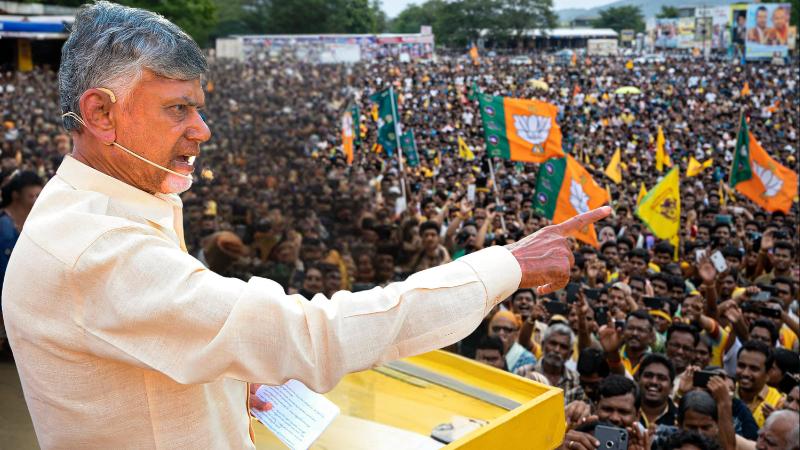
Chandrababu Naidu Hits Campaign Trail In Tamil Nadu On Birthday
N. Chandrababu Naidu marked his birthday with intense political activity, choosing to campaign in Tamil Nadu for the National Democratic Alliance instead of celebrating the occasion. The veteran leader arrived in Coimbatore, where he received a strong reception from supporters and members of the Telugu community, signaling the growing momentum of the NDA campaign ahead of the Assembly elections. Continuing his schedule, Naidu interacted with local leaders and key political figures, holding discussions on electoral strategy and regional issues. His visit reflects a broader push by the NDA to strengthen its presence in Tamil Nadu, with Naidu playing an active role in mobilizing support. His decision to campaign on his birthday highlights his commitment to political work and alliance responsibilities. During his address, Naidu criticized the ruling Dravida Munnetra Kazhagam for opposing the delimitation bill, stating that the move could negatively impact southern states in the future. He argued that the bill was intended to address concerns arising from population-based seat allocation and warned that resistance to it could harm the region’s political representation. Naidu’s remarks came as he took a firm stance in support of the delimitation proposal, even while speaking in a region where the issue remains politically sensitive. He emphasized that such reforms are necessary to ensure balanced representation and long-term benefits for states in South India. Following his engagements in Coimbatore, Naidu is expected to continue his campaign in Chennai, where he will participate in roadshows and public meetings. His active involvement underlines the NDA’s strategy to intensify outreach efforts in the state ahead of the polls. With his continued presence on the ground and focus on key political issues, Naidu’s campaign signals a determined push by the NDA to make inroads in Tamil Nadu. His efforts are likely to play a significant role in shaping the alliance’s performance in the upcoming elections.
Chandrababu Naidu Hits Campaign Trail In Tamil Nadu On Birthday
N. Chandrababu Naidu marked his birthday with intense political activity, choosing to campaign in Tamil Nadu for the National Democratic Alliance instead of celebrating the occasion. The veteran leader arrived in Coimbatore, where he received a strong reception from supporters and members of the Telugu community, signaling the growing momentum of the NDA campaign ahead of the Assembly elections. Continuing his schedule, Naidu interacted with local leaders and key political figures, holding discussions on electoral strategy and regional issues. His visit reflects a broader push by the NDA to strengthen its presence in Tamil Nadu, with Naidu playing an active role in mobilizing support. His decision to campaign on his birthday highlights his commitment to political work and alliance responsibilities. During his address, Naidu criticized the ruling Dravida Munnetra Kazhagam for opposing the delimitation bill, stating that the move could negatively impact southern states in the future. He argued that the bill was intended to address concerns arising from population-based seat allocation and warned that resistance to it could harm the region’s political representation. Naidu’s remarks came as he took a firm stance in support of the delimitation proposal, even while speaking in a region where the issue remains politically sensitive. He emphasized that such reforms are necessary to ensure balanced representation and long-term benefits for states in South India. Following his engagements in Coimbatore, Naidu is expected to continue his campaign in Chennai, where he will participate in roadshows and public meetings. His active involvement underlines the NDA’s strategy to intensify outreach efforts in the state ahead of the polls. With his continued presence on the ground and focus on key political issues, Naidu’s campaign signals a determined push by the NDA to make inroads in Tamil Nadu. His efforts are likely to play a significant role in shaping the alliance’s performance in the upcoming elections.
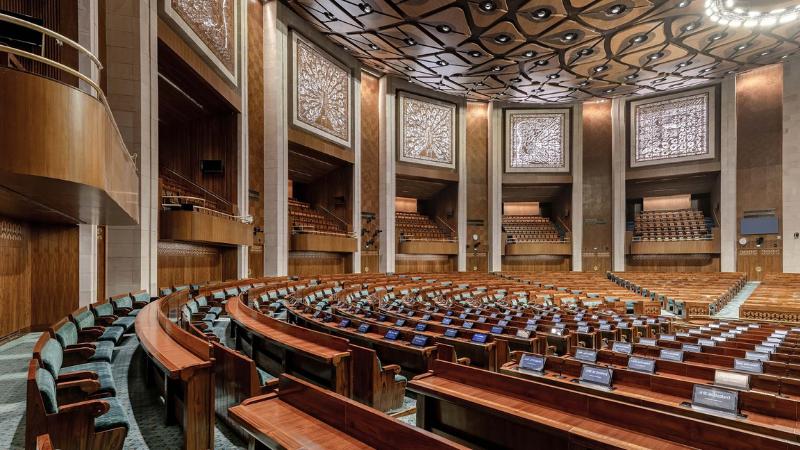
The Hidden Limits of Delimitation Science and India’s Fertility Debate
The debate around delimitation and fertility trends in India has long been presented as a matter of data, numbers, and scientific calculation. However, beneath the surface lies a far more complex reality that statistics alone often fail to fully capture. While policymakers and scholars rely heavily on demographic data to redraw constituencies and assess population changes, the lived experiences and political consequences of these decisions extend far beyond what the numbers suggest. Delimitation, the process of redrawing electoral boundaries based on population, is intended to ensure fair representation. On paper, it appears straightforward: regions with higher populations should have more representation. However, this principle becomes contentious when viewed in the context of India’s diverse demographic patterns. States that have successfully controlled population growth through effective policies may find themselves disadvantaged in terms of political representation, while those with higher fertility rates could gain more seats. This creates a paradox where success in population control might translate into reduced political influence. The science behind fertility rates also presents limitations. While data can indicate trends such as declining birth rates or regional disparities, it cannot fully explain the social, cultural, and economic factors driving these changes. Fertility decisions are influenced by education, access to healthcare, urbanization, and shifting societal values. These nuances are often overlooked when discussions are framed purely in statistical terms. As a result, policies based solely on numerical analysis risk missing the deeper context that shapes population behavior. Understanding The Limits Of Data Scholarly research on delimitation and fertility often lags behind the political realities experienced on the ground. While academics strive to build models and frameworks to explain these phenomena, their findings can take time to reflect the rapidly evolving dynamics of Indian society. Political leaders and citizens, on the other hand, often develop intuitive understandings of these issues based on direct experience. This gap between theory and reality highlights the limitations of relying exclusively on scientific approaches. Moreover, the use of census data as the primary basis for delimitation introduces its own challenges. Census figures provide a snapshot of population distribution at a specific point in time, but they cannot account for migration patterns, economic shifts, or sudden demographic changes. In a country as vast and diverse as India, these factors can significantly alter the ground reality within a short period. As a result, decisions based on outdated or incomplete data may fail to achieve the intended goal of equitable representation. Balancing Representation And Fairness The intersection of delimitation and fertility trends raises important questions about fairness and equity in governance. Should representation be based purely on population numbers, or should it also consider the efforts made by certain regions to control population growth? This dilemma underscores the need for a more nuanced approach that goes beyond traditional metrics. Policymakers must recognize that demographic data is only one piece of the puzzle. A holistic understanding of social, economic, and cultural factors is essential to create policies that are both fair and effective. This may involve exploring alternative methods of representation or introducing safeguards to ensure that states are not penalized for successful population control measures. Ultimately, the science of delimitation and fertility provides valuable insights, but it is not a complete solution. To address the challenges posed by these issues, India must move beyond numbers and embrace a more comprehensive perspective that reflects the complexity of its society. Only then can the country achieve a balance between representation, fairness, and sustainable development.
The Hidden Limits of Delimitation Science and India’s Fertility Debate
The debate around delimitation and fertility trends in India has long been presented as a matter of data, numbers, and scientific calculation. However, beneath the surface lies a far more complex reality that statistics alone often fail to fully capture. While policymakers and scholars rely heavily on demographic data to redraw constituencies and assess population changes, the lived experiences and political consequences of these decisions extend far beyond what the numbers suggest. Delimitation, the process of redrawing electoral boundaries based on population, is intended to ensure fair representation. On paper, it appears straightforward: regions with higher populations should have more representation. However, this principle becomes contentious when viewed in the context of India’s diverse demographic patterns. States that have successfully controlled population growth through effective policies may find themselves disadvantaged in terms of political representation, while those with higher fertility rates could gain more seats. This creates a paradox where success in population control might translate into reduced political influence. The science behind fertility rates also presents limitations. While data can indicate trends such as declining birth rates or regional disparities, it cannot fully explain the social, cultural, and economic factors driving these changes. Fertility decisions are influenced by education, access to healthcare, urbanization, and shifting societal values. These nuances are often overlooked when discussions are framed purely in statistical terms. As a result, policies based solely on numerical analysis risk missing the deeper context that shapes population behavior. Understanding The Limits Of Data Scholarly research on delimitation and fertility often lags behind the political realities experienced on the ground. While academics strive to build models and frameworks to explain these phenomena, their findings can take time to reflect the rapidly evolving dynamics of Indian society. Political leaders and citizens, on the other hand, often develop intuitive understandings of these issues based on direct experience. This gap between theory and reality highlights the limitations of relying exclusively on scientific approaches. Moreover, the use of census data as the primary basis for delimitation introduces its own challenges. Census figures provide a snapshot of population distribution at a specific point in time, but they cannot account for migration patterns, economic shifts, or sudden demographic changes. In a country as vast and diverse as India, these factors can significantly alter the ground reality within a short period. As a result, decisions based on outdated or incomplete data may fail to achieve the intended goal of equitable representation. Balancing Representation And Fairness The intersection of delimitation and fertility trends raises important questions about fairness and equity in governance. Should representation be based purely on population numbers, or should it also consider the efforts made by certain regions to control population growth? This dilemma underscores the need for a more nuanced approach that goes beyond traditional metrics. Policymakers must recognize that demographic data is only one piece of the puzzle. A holistic understanding of social, economic, and cultural factors is essential to create policies that are both fair and effective. This may involve exploring alternative methods of representation or introducing safeguards to ensure that states are not penalized for successful population control measures. Ultimately, the science of delimitation and fertility provides valuable insights, but it is not a complete solution. To address the challenges posed by these issues, India must move beyond numbers and embrace a more comprehensive perspective that reflects the complexity of its society. Only then can the country achieve a balance between representation, fairness, and sustainable development.
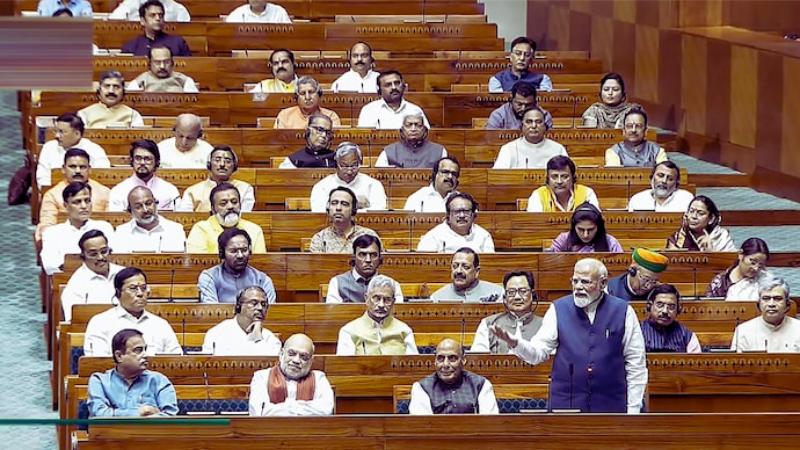
NDA Faces First Legislative Setback as Opposition Defeats Women’s Quota Bill in Lok Sabha
In a major political development, a united Opposition on Friday, April 17, 2026, defeated the government’s Women’s Reservation Bill in the Lok Sabha, marking the first legislative setback for the NDA government in over a decade. Despite last-minute appeals from Prime Minister
NDA Faces First Legislative Setback as Opposition Defeats Women’s Quota Bill in Lok Sabha
In a major political development, a united Opposition on Friday, April 17, 2026, defeated the government’s Women’s Reservation Bill in the Lok Sabha, marking the first legislative setback for the NDA government in over a decade. Despite last-minute appeals from Prime Minister

Is Kanye West’s Europe tour facing trouble? Poland concert canceled after controversy
Poland concert canceled amid mounting backlash The planned concert by Kanye West in Poland has been officially canceled, marking another setback in the artist’s troubled European tour schedule. The performance, originally scheduled for Thursday, June 19, 2026, at
Is Kanye West’s Europe tour facing trouble? Poland concert canceled after controversy
Poland concert canceled amid mounting backlash The planned concert by Kanye West in Poland has been officially canceled, marking another setback in the artist’s troubled European tour schedule. The performance, originally scheduled for Thursday, June 19, 2026, at
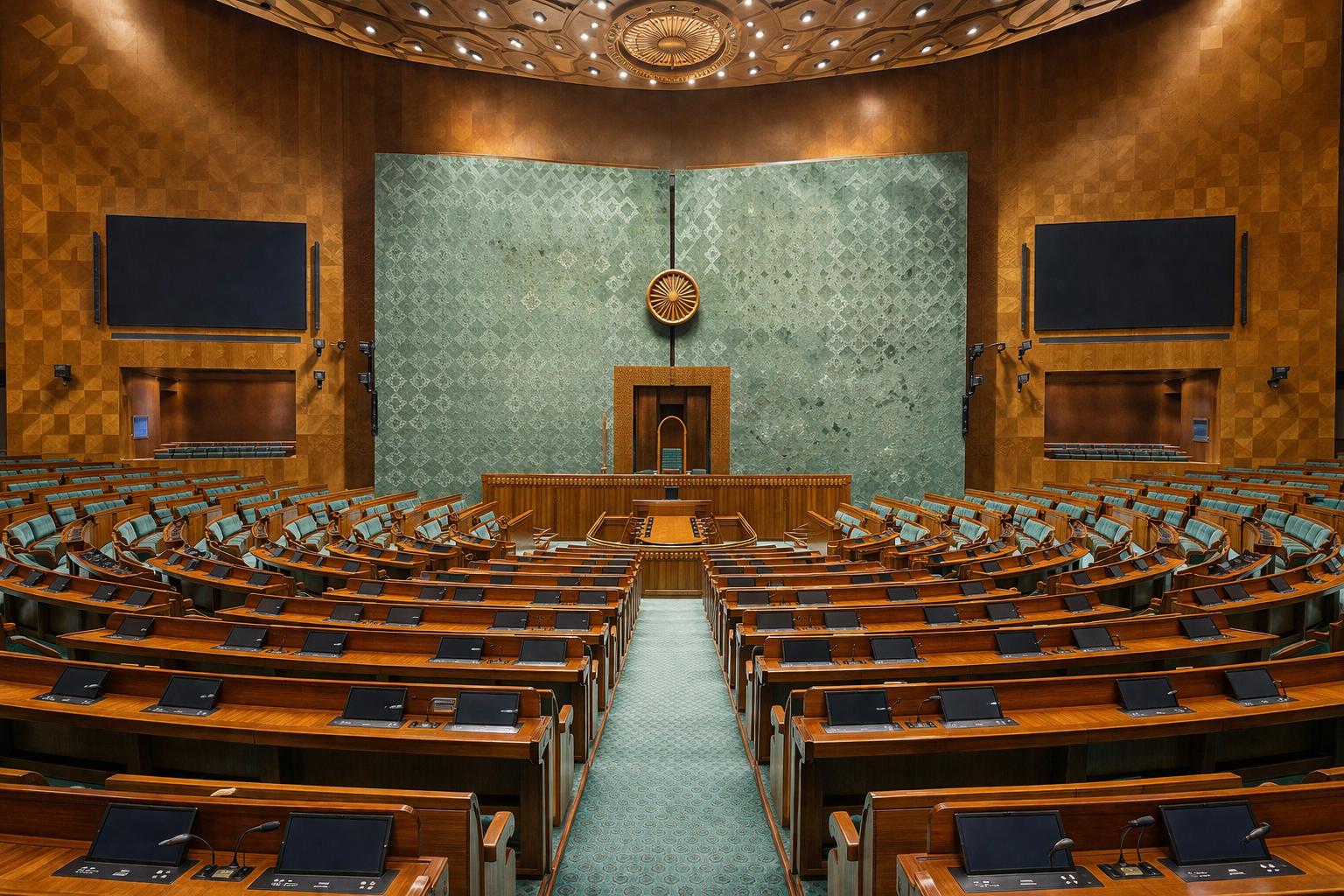
Parliament Live: Opposition Targets Delimitation Plan Amid Women’s Quota Debate
India’s Parliament witnessed intense exchanges and high political drama during the special session as debates around the delimitation bill and women’s reservation took centre stage. The discussions brought out sharp ideological differences between the ruling government and the Opposition, with leaders raising concerns about fairness, representation, and timing of reforms. Congress leader Karti Chidambaram sparked fresh controversy by likening the delimitation exercise to an “i
Parliament Live: Opposition Targets Delimitation Plan Amid Women’s Quota Debate
India’s Parliament witnessed intense exchanges and high political drama during the special session as debates around the delimitation bill and women’s reservation took centre stage. The discussions brought out sharp ideological differences between the ruling government and the Opposition, with leaders raising concerns about fairness, representation, and timing of reforms. Congress leader Karti Chidambaram sparked fresh controversy by likening the delimitation exercise to an “i
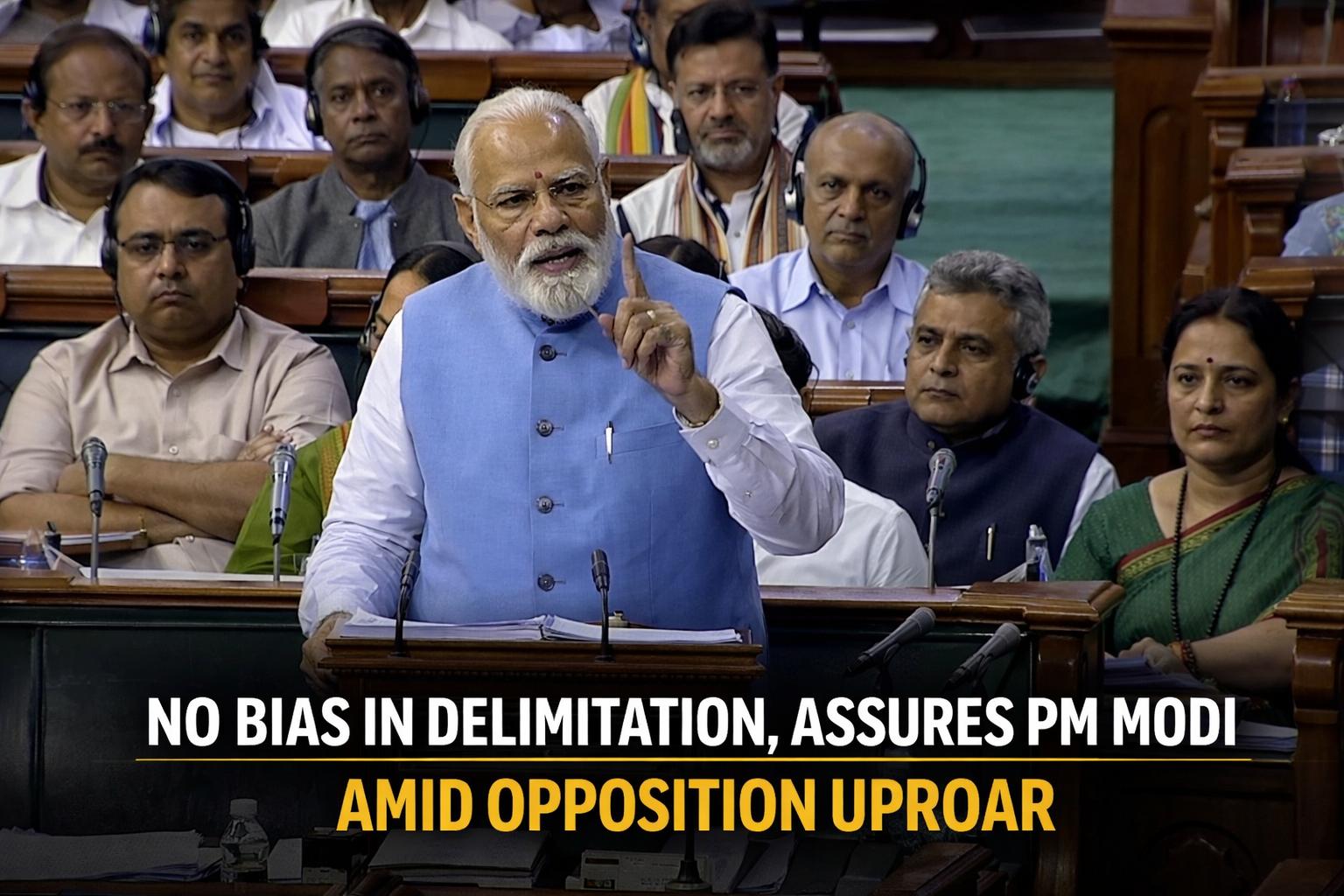
PM Modi Promises Fair Delimitation, Says All States Will Be Treated Equally
Prime Minister Narendra Modi addressed the Lok Sabha during the ongoing special Parliament session, offering a strong assurance that the proposed delimitation process will be conducted without bias toward any region. His statement comes at a time when the issue has triggered a major political confrontation between the ruling NDA and Opposition parties, especially leaders from southern states who fea
PM Modi Promises Fair Delimitation, Says All States Will Be Treated Equally
Prime Minister Narendra Modi addressed the Lok Sabha during the ongoing special Parliament session, offering a strong assurance that the proposed delimitation process will be conducted without bias toward any region. His statement comes at a time when the issue has triggered a major political confrontation between the ruling NDA and Opposition parties, especially leaders from southern states who fea
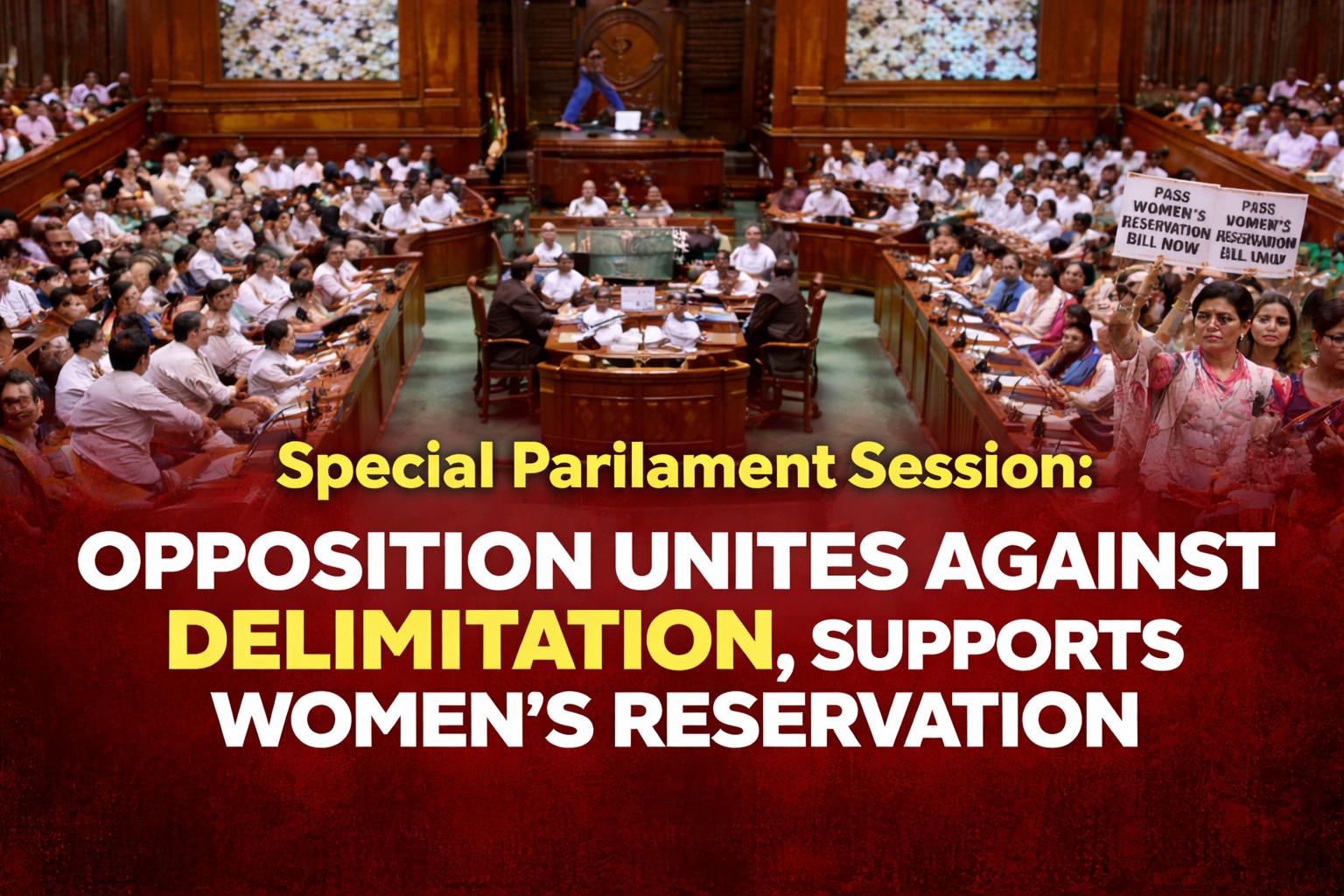
Special Parliament Session Live: Opposition Unites Against Delimitation, Supports Women’s Reservation
The Special Parliament Session, set to run from April 16 to 18, has kicked off with significant debates surrounding the government’s proposed amendments. One of the most anticipated legislative pieces is the operationalization of the Women’s Reservation Act, which aims to ensure 33% representation for women in both the Lok Sabha and state assemblies by 2029. Alongside this, a Constitution amendment bill will be presented on the first day of the session, marking the beginning of what promi
Special Parliament Session Live: Opposition Unites Against Delimitation, Supports Women’s Reservation
The Special Parliament Session, set to run from April 16 to 18, has kicked off with significant debates surrounding the government’s proposed amendments. One of the most anticipated legislative pieces is the operationalization of the Women’s Reservation Act, which aims to ensure 33% representation for women in both the Lok Sabha and state assemblies by 2029. Alongside this, a Constitution amendment bill will be presented on the first day of the session, marking the beginning of what promi










