





Oil prices surge over 6% as Trump maintains naval blockade on Iran
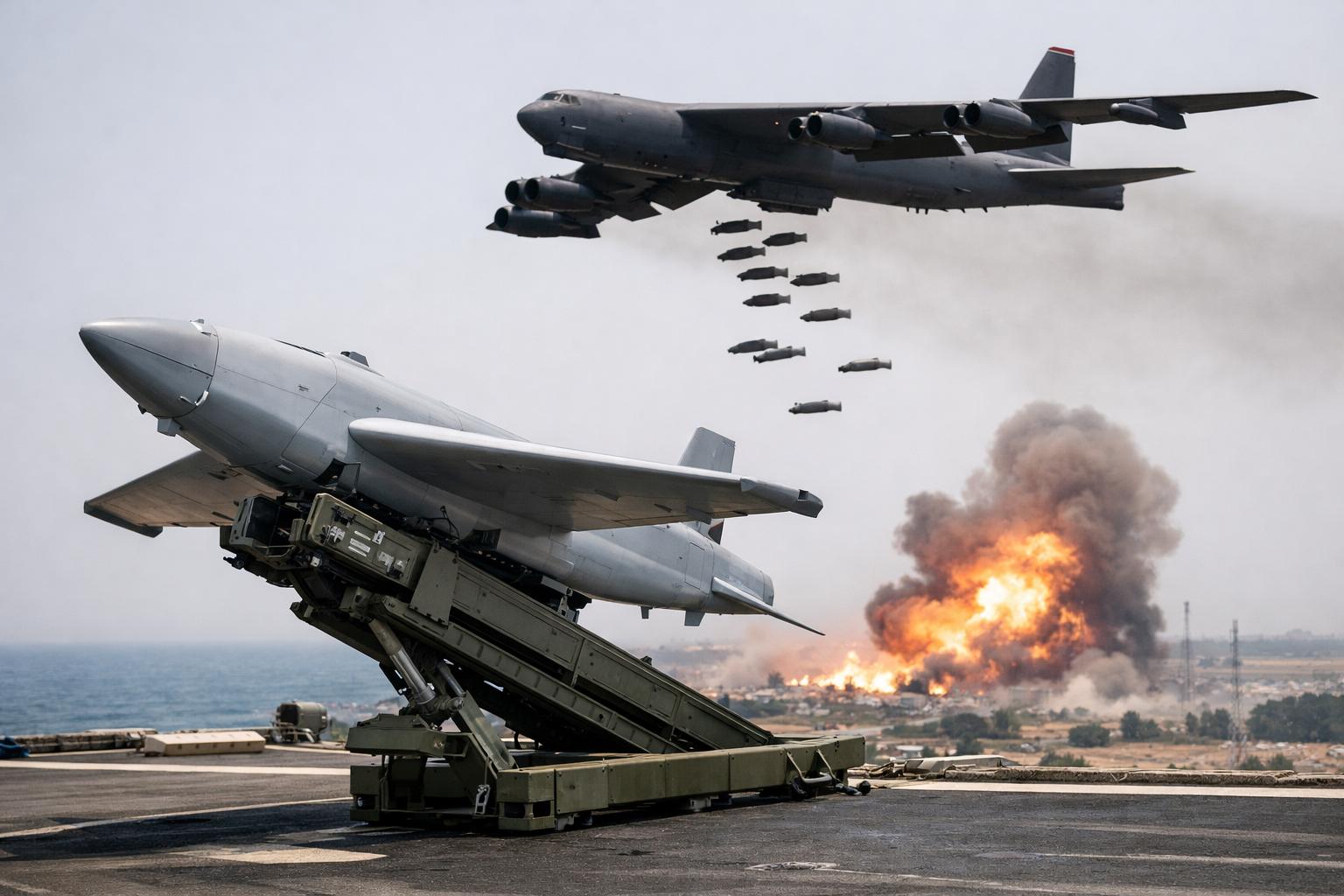
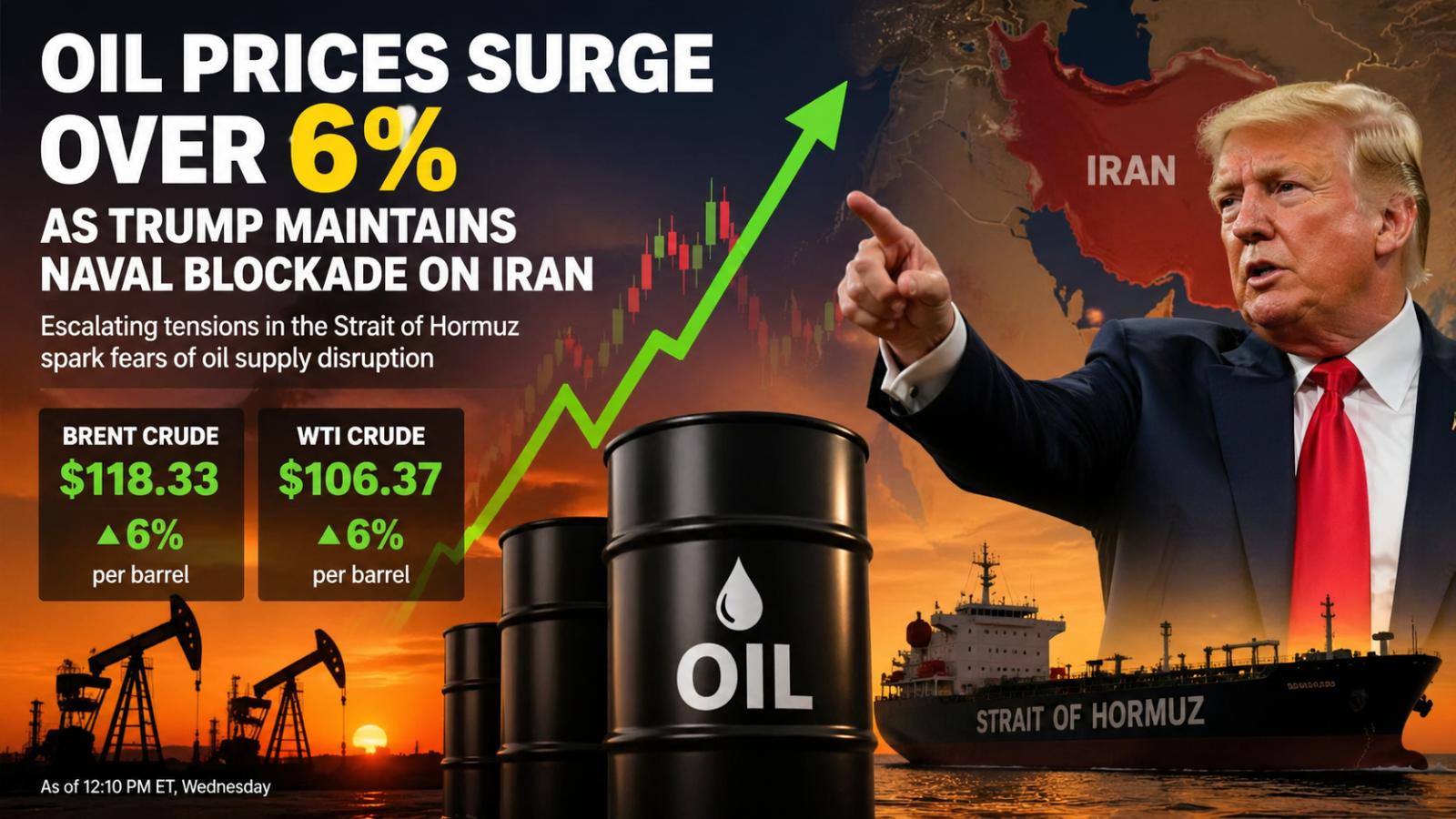
Oil prices jumped over 6% after President Donald Trump confirmed the U.S. will maintain its blockade on Iran, raising concerns over disrupted supply and escalating tensions in the Strait of Hormuz. Oil prices surge over 6% as Trump maintains naval blockade on Iran, sending shockwaves through global energy markets and intensifying concerns about supply disruptions in the Middle East. By 12:10 PM Eastern Time on Wednesday April 29, 2026, international benchmark Brent crude futures climbed more than 6% to $118.33 per barrel, while U.S. West Texas Intermediate futures rose over 6% to $106.37 per barrel. The sharp increase followed comments from Donald Trump, who confirmed that the United States would continue its naval blockade against Iran until a nuclear agreement is reached. Trump described the blockade as highly effective, signaling a firm stance amid stalled diplomatic efforts. Negotiations aimed at easing tensions have made little progress in recent days, further escalating uncertainty in global markets. Iran has refused to reopen the Strait of Hormuz—a critical passage for global oil shipments—unless the United States lifts its blockade. Tehran’s control over the strait has significantly restricted oil exports from the region, tightening supply and driving prices higher. Market analysts note that developments in the Persian Gulf remain the dominant factor influencing oil price volatility. Adding to market complexity, the United Arab Emirates recently announced its decision to exit OPEC. While strategists at ING described the move as a substantial setback for the producer alliance, they indicated its immediate impact on prices would likely be limited compared to ongoing geopolitical tensions. Analysts suggest that while the UAE’s departure could weaken OPEC’s long-term influence, the near-term trajectory of oil markets will depend largely on whether oil flows resume through the Strait of Hormuz. Until then, geopolitical risks and supply constraints are expected to keep prices elevated and markets volatile.
Oil prices surge over 6% as Trump maintains naval blockade on Iran
Oil prices jumped over 6% after President Donald Trump confirmed the U.S. will maintain its blockade on Iran, raising concerns over disrupted supply and escalating tensions in the Strait of Hormuz. Oil prices surge over 6% as Trump maintains naval blockade on Iran, sending shockwaves through global energy markets and intensifying concerns about supply disruptions in the Middle East. By 12:10 PM Eastern Time on Wednesday April 29, 2026, international benchmark Brent crude futures climbed more than 6% to $118.33 per barrel, while U.S. West Texas Intermediate futures rose over 6% to $106.37 per barrel. The sharp increase followed comments from Donald Trump, who confirmed that the United States would continue its naval blockade against Iran until a nuclear agreement is reached. Trump described the blockade as highly effective, signaling a firm stance amid stalled diplomatic efforts. Negotiations aimed at easing tensions have made little progress in recent days, further escalating uncertainty in global markets. Iran has refused to reopen the Strait of Hormuz—a critical passage for global oil shipments—unless the United States lifts its blockade. Tehran’s control over the strait has significantly restricted oil exports from the region, tightening supply and driving prices higher. Market analysts note that developments in the Persian Gulf remain the dominant factor influencing oil price volatility. Adding to market complexity, the United Arab Emirates recently announced its decision to exit OPEC. While strategists at ING described the move as a substantial setback for the producer alliance, they indicated its immediate impact on prices would likely be limited compared to ongoing geopolitical tensions. Analysts suggest that while the UAE’s departure could weaken OPEC’s long-term influence, the near-term trajectory of oil markets will depend largely on whether oil flows resume through the Strait of Hormuz. Until then, geopolitical risks and supply constraints are expected to keep prices elevated and markets volatile.
How has the West Asia war disrupted South Asia? Supply chains strained across region
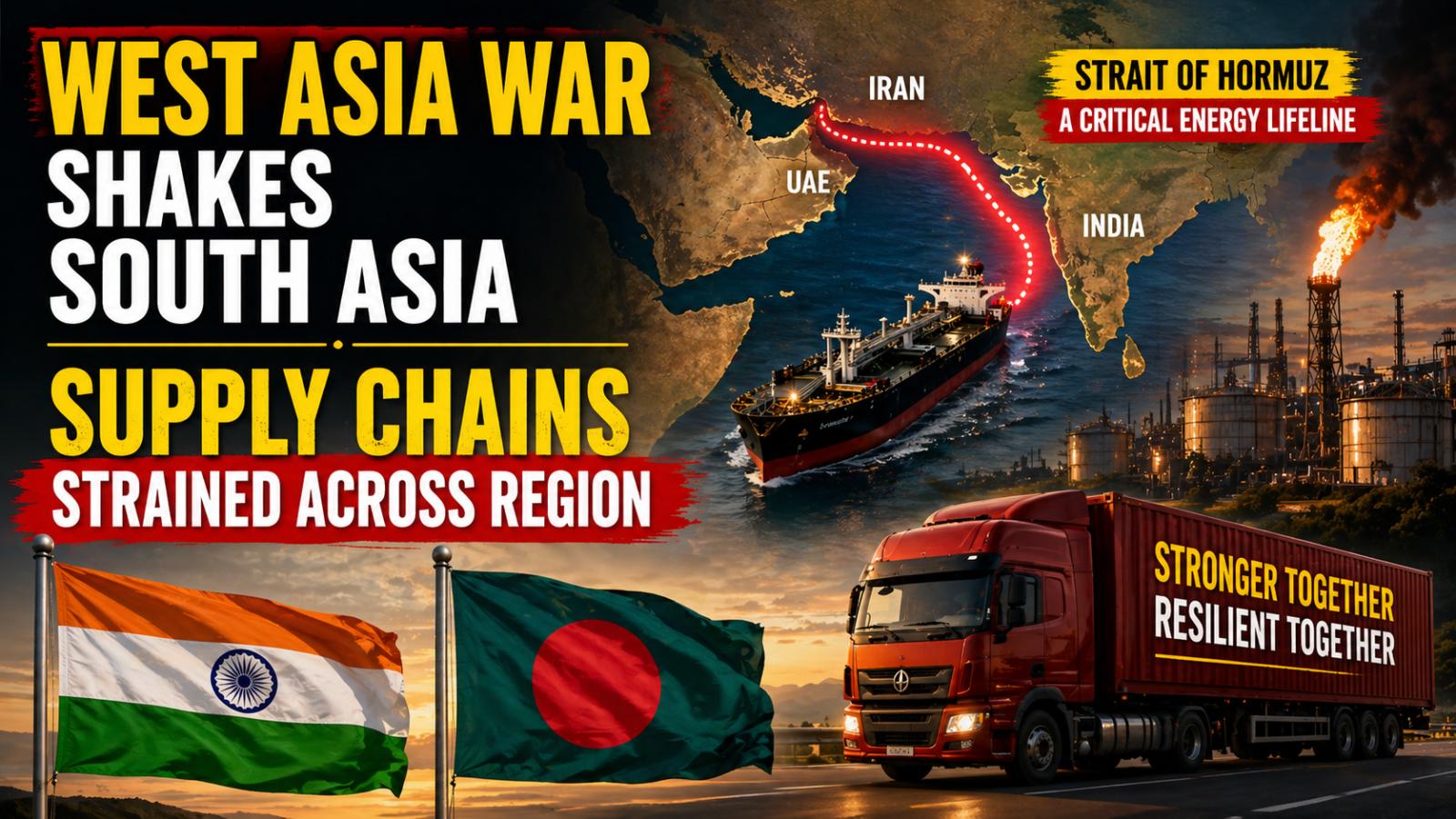
The war in West Asia and disruptions in the Strait of Hormuz have triggered widespread supply chain instability across South Asia, affecting energy security, economic stability, and regional cooperation. Countries across the subcontinent, heavily reliant on hydrocarbon imports from West Asia, are facing rising costs, reduced industrial competitiveness, and increased household expenditures as critical supply routes remain constrained. Fuel shortages and economic strain acros
How has the West Asia war disrupted South Asia? Supply chains strained across region
The war in West Asia and disruptions in the Strait of Hormuz have triggered widespread supply chain instability across South Asia, affecting energy security, economic stability, and regional cooperation. Countries across the subcontinent, heavily reliant on hydrocarbon imports from West Asia, are facing rising costs, reduced industrial competitiveness, and increased household expenditures as critical supply routes remain constrained. Fuel shortages and economic strain acros

Does parental sacrifice build values? Consistency matters more than sacrifice
Does parental sacrifice build values? Consistency matters more than sacrifice is a question many parents reflect on when children do not respond as expected, despite years of effort and care. While sacrifice is often seen as a measure of love, young children are not equipped to understand or evaluate it in the way adults do. Children respond to patterns, not effort In early childhood, children do not think in terms of how much a parent has done for them. Th
Does parental sacrifice build values? Consistency matters more than sacrifice
Does parental sacrifice build values? Consistency matters more than sacrifice is a question many parents reflect on when children do not respond as expected, despite years of effort and care. While sacrifice is often seen as a measure of love, young children are not equipped to understand or evaluate it in the way adults do. Children respond to patterns, not effort In early childhood, children do not think in terms of how much a parent has done for them. Th

What defines JRD Tata’s legacy? A life of service over ownership
A life of service over ownership JRD Tata’s legacy offers a striking contrast to modern perceptions of wealth and leadership. As one of India’s most influential industrialists, he led the Tata Group for over five decades, yet chose to live in a rented residence rather than accumulate personal assets. His approach reflected a philosophy that prioritized responsibility, ethics, and long-term impact over visible displays of success. Leadership that expanded an industrial empire Under JRD Tata’s leadership, the Tata Group evolved into one of India’s most significant industrial conglomerates, spanning sectors such as steel, aviation, power, and chemicals. His tenure marked a period of sustained growth and modernization, contributing to the country’s economic development. Rather than focusing on personal gain, he emphasized institutional strength, innovation, and employee welfare, setting standards that influenced corporate governance across industries. Simplicity as a leadership principle JRD Tata’s personal lifestyle remained notably modest despite his professional stature. He lived in a rented bungalow in Mumbai for decades, demonstrating that leadership did not require material excess. His daily life reflected discipline and humility, reinforcing the idea that influence comes from actions and values rather than possessions. This approach continues to resonate in discussions about ethical leadership and sustainable success. Impact measured beyond wealth The scale of JRD Tata’s impact is reflected not only in business expansion but also in the opportunities created for thousands of employees and communities. His leadership helped build institutions that continue to operate globally, shaping industries and contributing to economic stability. For many observers, his legacy represents a model where success is defined by contribution rather than ownership. A lasting example for global audiences For audiences in the United States and beyond, JRD Taa’s story provides a broader perspective on leadership in a global context. His life underscores the importance of purpose-driven decision-making and challenges assumptions about the relationship between wealth and success. In an era where corporate influence is closely examined, his example remains relevant as a benchmark for integrity and long-term vision.
What defines JRD Tata’s legacy? A life of service over ownership
A life of service over ownership JRD Tata’s legacy offers a striking contrast to modern perceptions of wealth and leadership. As one of India’s most influential industrialists, he led the Tata Group for over five decades, yet chose to live in a rented residence rather than accumulate personal assets. His approach reflected a philosophy that prioritized responsibility, ethics, and long-term impact over visible displays of success. Leadership that expanded an industrial empire Under JRD Tata’s leadership, the Tata Group evolved into one of India’s most significant industrial conglomerates, spanning sectors such as steel, aviation, power, and chemicals. His tenure marked a period of sustained growth and modernization, contributing to the country’s economic development. Rather than focusing on personal gain, he emphasized institutional strength, innovation, and employee welfare, setting standards that influenced corporate governance across industries. Simplicity as a leadership principle JRD Tata’s personal lifestyle remained notably modest despite his professional stature. He lived in a rented bungalow in Mumbai for decades, demonstrating that leadership did not require material excess. His daily life reflected discipline and humility, reinforcing the idea that influence comes from actions and values rather than possessions. This approach continues to resonate in discussions about ethical leadership and sustainable success. Impact measured beyond wealth The scale of JRD Tata’s impact is reflected not only in business expansion but also in the opportunities created for thousands of employees and communities. His leadership helped build institutions that continue to operate globally, shaping industries and contributing to economic stability. For many observers, his legacy represents a model where success is defined by contribution rather than ownership. A lasting example for global audiences For audiences in the United States and beyond, JRD Taa’s story provides a broader perspective on leadership in a global context. His life underscores the importance of purpose-driven decision-making and challenges assumptions about the relationship between wealth and success. In an era where corporate influence is closely examined, his example remains relevant as a benchmark for integrity and long-term vision.

UAE leaves OPEC bloc amid Gulf tensions and shifting global currency trends
UAE exits OPEC and reshapes global oil and currency dynamics The decision by the United Arab Emirates to exit OPEC and OPEC+ marks a major shift in global energy markets. This move could increase oil price volatility, weaken OPEC’s control, and challenge the dominance of the US dollar in global oil trade. The timing is critical, coming amid rising oil prices, a growing dollar shortage in Gulf countries, and escalating tensions around the Strait of Hormuz. What does thi
UAE leaves OPEC bloc amid Gulf tensions and shifting global currency trends
UAE exits OPEC and reshapes global oil and currency dynamics The decision by the United Arab Emirates to exit OPEC and OPEC+ marks a major shift in global energy markets. This move could increase oil price volatility, weaken OPEC’s control, and challenge the dominance of the US dollar in global oil trade. The timing is critical, coming amid rising oil prices, a growing dollar shortage in Gulf countries, and escalating tensions around the Strait of Hormuz. What does thi

Trump passport sparks row as Gavin Newsom mocks move with parody license
Trump passport controversy and political satire response The Trump passport announcement has triggered a fresh political exchange in the United States, with California Governor Gavin Newsom responding through satire while federal officials confirm the authenticity of the new travel document. The controversy began after US authorities revealed a limited-edition passport featuring President Donald Trump’s image, marking a historic shift in official government docume
Trump passport sparks row as Gavin Newsom mocks move with parody license
Trump passport controversy and political satire response The Trump passport announcement has triggered a fresh political exchange in the United States, with California Governor Gavin Newsom responding through satire while federal officials confirm the authenticity of the new travel document. The controversy began after US authorities revealed a limited-edition passport featuring President Donald Trump’s image, marking a historic shift in official government docume
Iran-US tensions rise as Tehran rejects pressure and asserts military strength
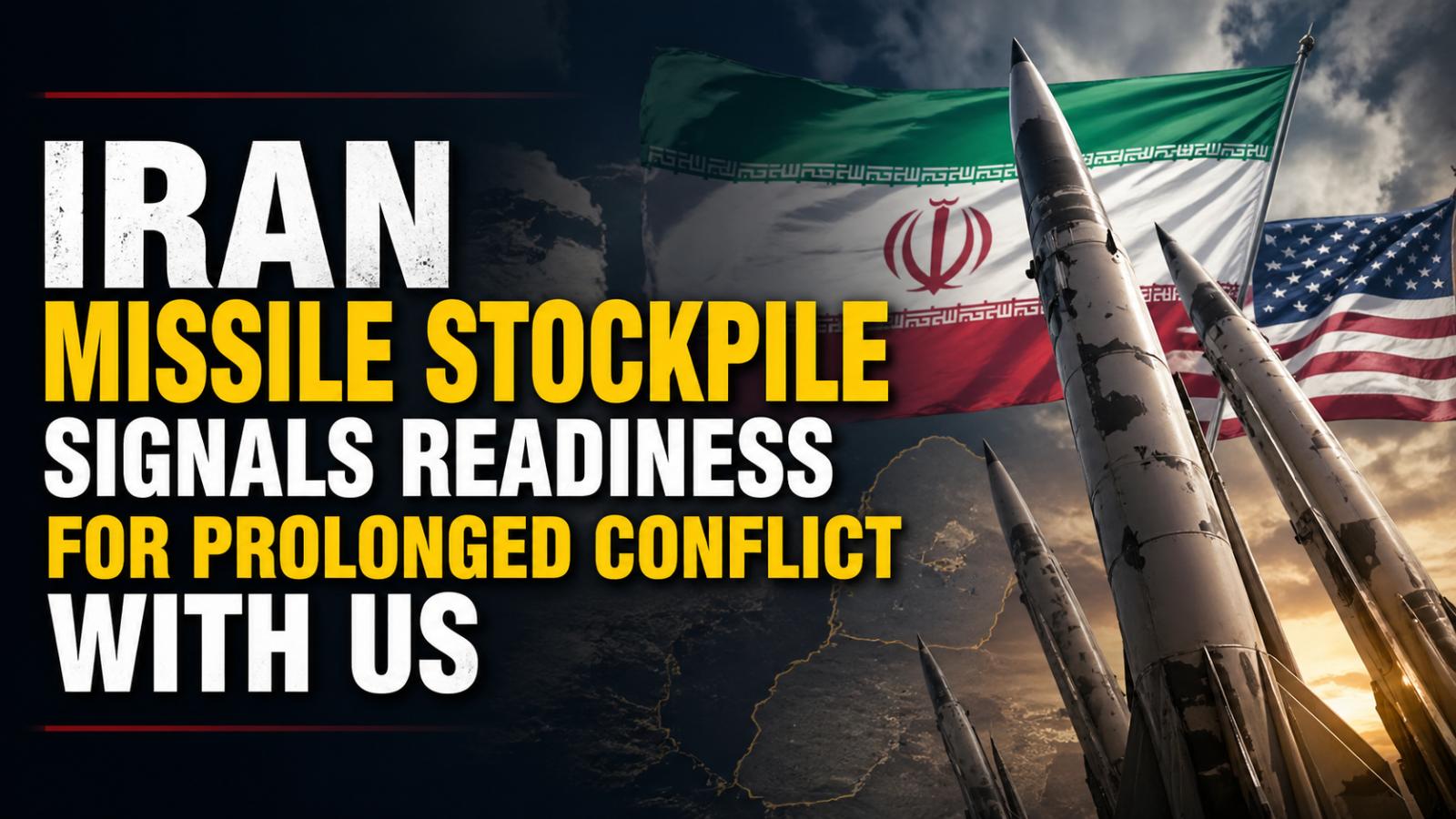
Iran missile stockpile and war readiness Iran missile stockpile has become a major focus as tensions with the United States intensify, with Tehran claiming it can sustain several years of war using its missile and drone reserves. A senior Iranian lawmaker said the country is fully prepared for prolonged conflict while continuing negotiations with Washington under the direction of its top leadership. The statement highlights both Iran’s military confidence and its refusal to yield under pressure. Alaeddin Boroujerdi, a senior member of Iran’s parliament, said the country’s defense capacity remains strong and capable of long-term engagement. He emphasized that Iran’s missile and drone arsenal is sufficient to maintain sustained operations if required. He made it clear that negotiations with the United States are not a sign of weakness but part of a calculated strategy directed by the Supreme Leader. According to him, experienced leadership is handling the talks, ensuring that national interests are protected at all times. Boroujerdi stressed that Iran does not view the negotiating table as a place for surrender. He stated that discussions would not lead to compromise or humiliation, reinforcing Tehran’s firm diplomatic stance. His comments come at a time of rising Iran-US tensions, particularly following statements by Donald Trump, which he dismissed as ineffective. He also pointed out that a recently extended ceasefire period has not resulted in any significant actions from the opposing side. The Iranian lawmaker also criticized the US-led maritime blockade, describing it as lacking global legitimacy. He noted that no major European or NATO countries have joined the effort, suggesting limited international support for Washington’s position. This, he argued, weakens the overall impact of the blockade. Strategically, Iran continues to emphasize its control over the Strait of Hormuz, a crucial global oil route. Officials maintain that Iran will never lose control over this vital waterway, underlining its importance in the broader geopolitical landscape. The statement reinforces Tehran’s confidence in its regional influence and defense strategy. Overall, Iran’s position reflects a dual approach of negotiation and strength. While talks with the United States continue, Tehran is signaling that it is fully prepared for extended conflict if necessary, maintaining both diplomatic engagement and military readiness.
Iran-US tensions rise as Tehran rejects pressure and asserts military strength
Iran missile stockpile and war readiness Iran missile stockpile has become a major focus as tensions with the United States intensify, with Tehran claiming it can sustain several years of war using its missile and drone reserves. A senior Iranian lawmaker said the country is fully prepared for prolonged conflict while continuing negotiations with Washington under the direction of its top leadership. The statement highlights both Iran’s military confidence and its refusal to yield under pressure. Alaeddin Boroujerdi, a senior member of Iran’s parliament, said the country’s defense capacity remains strong and capable of long-term engagement. He emphasized that Iran’s missile and drone arsenal is sufficient to maintain sustained operations if required. He made it clear that negotiations with the United States are not a sign of weakness but part of a calculated strategy directed by the Supreme Leader. According to him, experienced leadership is handling the talks, ensuring that national interests are protected at all times. Boroujerdi stressed that Iran does not view the negotiating table as a place for surrender. He stated that discussions would not lead to compromise or humiliation, reinforcing Tehran’s firm diplomatic stance. His comments come at a time of rising Iran-US tensions, particularly following statements by Donald Trump, which he dismissed as ineffective. He also pointed out that a recently extended ceasefire period has not resulted in any significant actions from the opposing side. The Iranian lawmaker also criticized the US-led maritime blockade, describing it as lacking global legitimacy. He noted that no major European or NATO countries have joined the effort, suggesting limited international support for Washington’s position. This, he argued, weakens the overall impact of the blockade. Strategically, Iran continues to emphasize its control over the Strait of Hormuz, a crucial global oil route. Officials maintain that Iran will never lose control over this vital waterway, underlining its importance in the broader geopolitical landscape. The statement reinforces Tehran’s confidence in its regional influence and defense strategy. Overall, Iran’s position reflects a dual approach of negotiation and strength. While talks with the United States continue, Tehran is signaling that it is fully prepared for extended conflict if necessary, maintaining both diplomatic engagement and military readiness.

Bombay High Court Defers Defamation Case To 2046 Calls It Ego Fight
The Bombay High Court deferred a 2017 defamation case to 2046, calling it an “ego fight” between elderly litigants. The court said such disputes waste judicial time and delay more urgent cases. The Bombay High Court has strongly criticised a long-running defamation case,
Bombay High Court Defers Defamation Case To 2046 Calls It Ego Fight
The Bombay High Court deferred a 2017 defamation case to 2046, calling it an “ego fight” between elderly litigants. The court said such disputes waste judicial time and delay more urgent cases. The Bombay High Court has strongly criticised a long-running defamation case,
Trump issues strong warning to Iran amid stalled nuclear negotiations
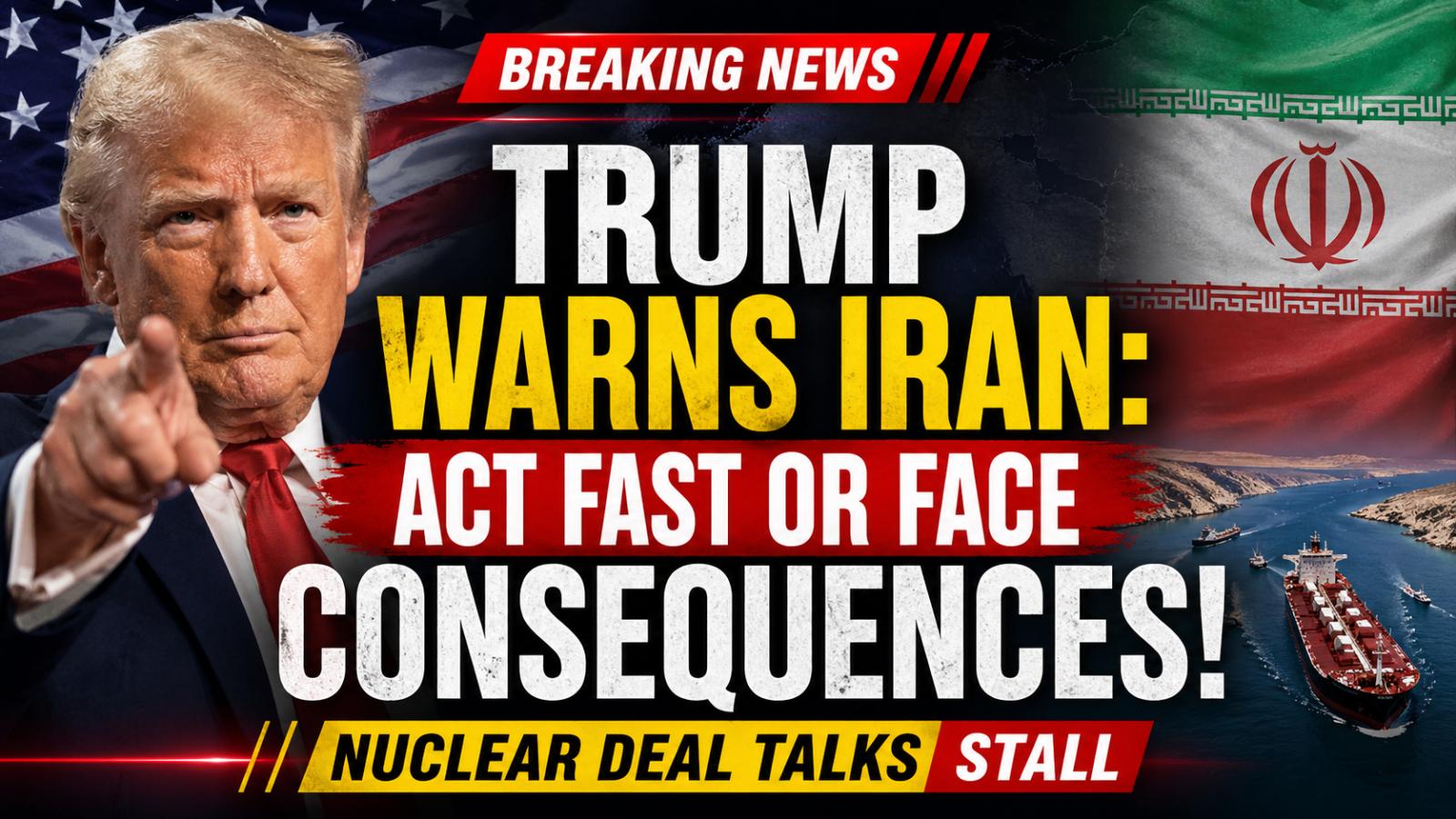
US President Donald Trump warned Iran on April 28, 2026, at around 10:00 AM EST to act quickly as nuclear deal negotiations between Washington and Tehran remain stalled. The statement highlights rising US-Iran tensions, ongoing diplomatic failure, and stricter American control over the
Trump issues strong warning to Iran amid stalled nuclear negotiations
US President Donald Trump warned Iran on April 28, 2026, at around 10:00 AM EST to act quickly as nuclear deal negotiations between Washington and Tehran remain stalled. The statement highlights rising US-Iran tensions, ongoing diplomatic failure, and stricter American control over the

TDP Enters New Phase As Nara Lokesh Becomes Working President
Nara Lokesh has taken charge as National Working President of the Telugu Desam Party, marking a major leadership shift. His rise reflects a transition toward younger leadership after playing a key role in the party’s 2024 comeback.
TDP Enters New Phase As Nara Lokesh Becomes Working President
Nara Lokesh has taken charge as National Working President of the Telugu Desam Party, marking a major leadership shift. His rise reflects a transition toward younger leadership after playing a key role in the party’s 2024 comeback.

Texas Arrest Raises Questions Over Visa Status and Prior Charges
United States Immigration and Customs Enforcement has confirmed the arrest of a 24-year-old Indian national in Texas in connection with an alleged assault involving a woman and her young daughter. The individual, identified as Atharva Vyas, was taken into custody on April 18 in San Antonio, according to a statement released by the agency. Officials from the Department of Homeland Security stated that Vyas entered the United States in August 2023 on an F-1 student visa. Authorities allege that the incident occurred in a public park, where local law enforcement reported that the suspect forcibly grabbed a woman, causing her child to fall. The child reportedly sustained injuries, including facial trauma. The case is currently under investigation, and formal legal proceedings are expected to follow. ICE officials also referenced a prior arrest in 2023 at the University of Texas campus, where Vyas was charged with felony assault. According to the statement, he was released at the time, and no immediate immigration enforcement action was taken. Authorities further noted that his student visa was later revoked in 2025 following the earlier incident. In its remarks, the agency criticized previous enforcement decisions related to the case, stating that earlier action could have altered the course of events. Officials emphasized the importance of immigration compliance and coordination between law enforcement agencies when addressing criminal allegations involving non-citizens. The arrest has drawn attention to broader issues surrounding immigration enforcement and visa oversight in the United States. Authorities have reiterated that the investigation remains ongoing and that all individuals are entitled to due process under the law as the case proceeds through the judicial system
Texas Arrest Raises Questions Over Visa Status and Prior Charges
United States Immigration and Customs Enforcement has confirmed the arrest of a 24-year-old Indian national in Texas in connection with an alleged assault involving a woman and her young daughter. The individual, identified as Atharva Vyas, was taken into custody on April 18 in San Antonio, according to a statement released by the agency. Officials from the Department of Homeland Security stated that Vyas entered the United States in August 2023 on an F-1 student visa. Authorities allege that the incident occurred in a public park, where local law enforcement reported that the suspect forcibly grabbed a woman, causing her child to fall. The child reportedly sustained injuries, including facial trauma. The case is currently under investigation, and formal legal proceedings are expected to follow. ICE officials also referenced a prior arrest in 2023 at the University of Texas campus, where Vyas was charged with felony assault. According to the statement, he was released at the time, and no immediate immigration enforcement action was taken. Authorities further noted that his student visa was later revoked in 2025 following the earlier incident. In its remarks, the agency criticized previous enforcement decisions related to the case, stating that earlier action could have altered the course of events. Officials emphasized the importance of immigration compliance and coordination between law enforcement agencies when addressing criminal allegations involving non-citizens. The arrest has drawn attention to broader issues surrounding immigration enforcement and visa oversight in the United States. Authorities have reiterated that the investigation remains ongoing and that all individuals are entitled to due process under the law as the case proceeds through the judicial system

Josh Mauro Death Shocks NFL Community, Cardinals Pay Tribute
Former NFL defensive end Josh Mauro has died at the age of 35, his family confirmed in a statement shared on April 28. The news has sent shockwaves through the football community, with tributes emerging from teams and fans who followed his eight-season career in the league. Mauro, who went undrafted before entering the NFL, built a respectable professional career with the Arizona Cardinals, New York Giants, and Las Vegas Raiders. Over 80 games, he recorded 130 total tackles, including 87 solo efforts, establishing himself as a reliable presence on the defensive line. His longest tenure came with the Cardinals, where he spent six seasons across two separate stints. In a heartfelt message, Mauro’s father, Greg Mauro, reflected on the family’s loss and requested prayers during a deeply difficult time. The statement emphasized faith and remembrance, though it did not disclose the cause of death. While some unconfirmed reports have circulated regarding possible health issues, no official details have been provided by the family. The Cardinals, where Mauro began his NFL journey in 2014, expressed their sorrow in a public statement, describing themselves as heartbroken by the news. The organization extended condolences to Mauro’s family, friends, and all who knew him, recognizing the impact he had during his years with the team. Mauro’s career included a season with the Giants in 2018 and time with the Raiders in 2019 before returning to Arizona for his final seasons in 2020 and 2021. Known for his persistence and work ethic, he carved out a role in the league despite entering as an undrafted player. His passing marks a significant loss for the football community, as former teammates and supporters remember a player whose contributions extended beyond statistics and into the culture of the teams he represented.
Josh Mauro Death Shocks NFL Community, Cardinals Pay Tribute
Former NFL defensive end Josh Mauro has died at the age of 35, his family confirmed in a statement shared on April 28. The news has sent shockwaves through the football community, with tributes emerging from teams and fans who followed his eight-season career in the league. Mauro, who went undrafted before entering the NFL, built a respectable professional career with the Arizona Cardinals, New York Giants, and Las Vegas Raiders. Over 80 games, he recorded 130 total tackles, including 87 solo efforts, establishing himself as a reliable presence on the defensive line. His longest tenure came with the Cardinals, where he spent six seasons across two separate stints. In a heartfelt message, Mauro’s father, Greg Mauro, reflected on the family’s loss and requested prayers during a deeply difficult time. The statement emphasized faith and remembrance, though it did not disclose the cause of death. While some unconfirmed reports have circulated regarding possible health issues, no official details have been provided by the family. The Cardinals, where Mauro began his NFL journey in 2014, expressed their sorrow in a public statement, describing themselves as heartbroken by the news. The organization extended condolences to Mauro’s family, friends, and all who knew him, recognizing the impact he had during his years with the team. Mauro’s career included a season with the Giants in 2018 and time with the Raiders in 2019 before returning to Arizona for his final seasons in 2020 and 2021. Known for his persistence and work ethic, he carved out a role in the league despite entering as an undrafted player. His passing marks a significant loss for the football community, as former teammates and supporters remember a player whose contributions extended beyond statistics and into the culture of the teams he represented.
Julie Davis Announces Exit as US Faces Challenges in Ukraine Peace Efforts
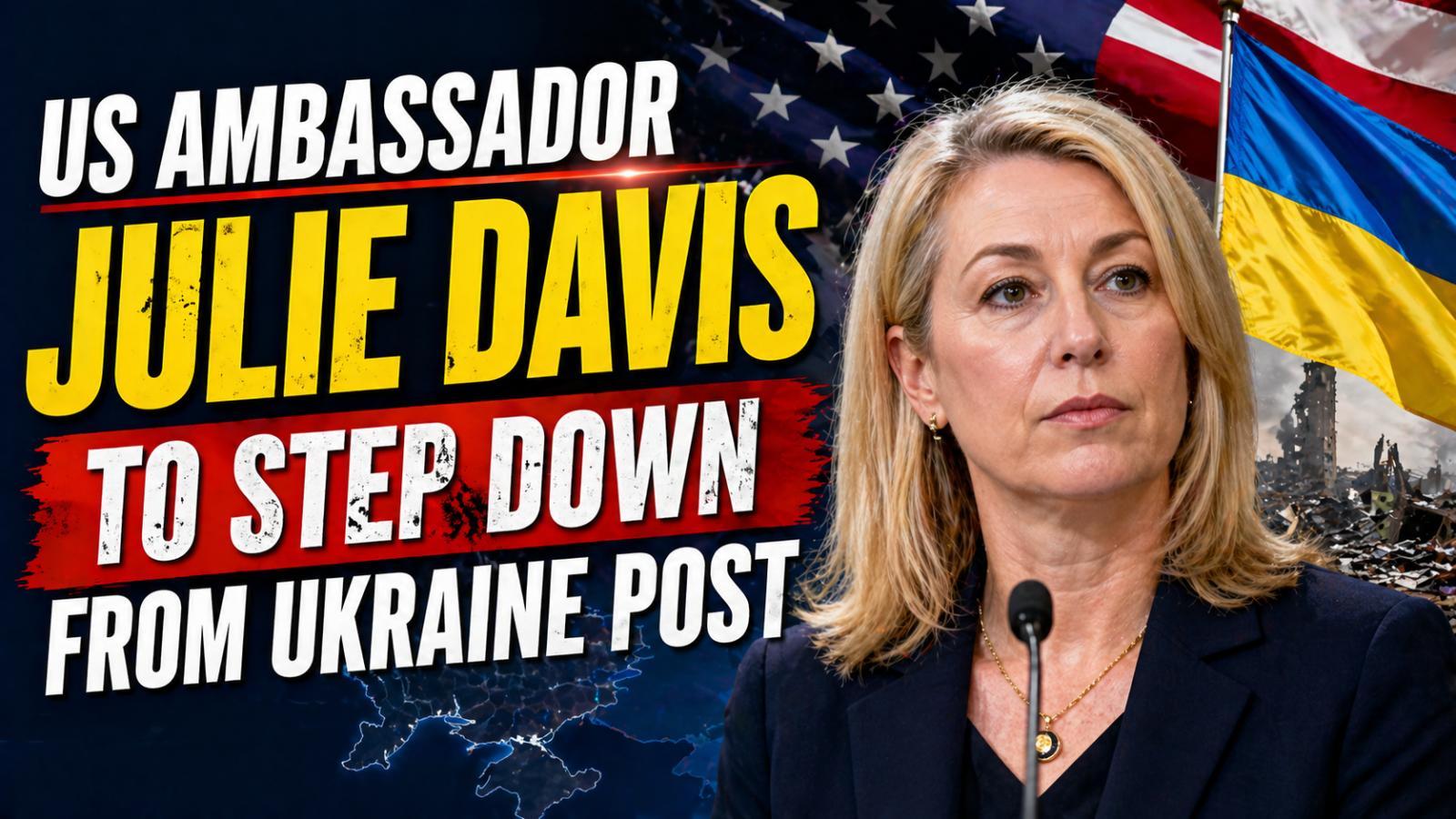
The United States Department of State confirmed on April 28 that Julie Davis will step down from her role as acting ambassador to Ukraine after serving less than a year in the position. The announcement comes at a time when diplomatic efforts by the United States to facilitate a peace agreement between Ukraine and Russia have yet to produce a breakthrough. Davis, who also serves as ambassador to Cyprus, had been handling dual responsibilities since her appointment by Donald Trump in May of the previous year. She assumed the Kyiv role following the departure of Bridget Brink, who had been appointed earlier and later stepped down. The State Department stated that Davis cited retirement as the reason for her decision. Her tenure coincided with increased diplomatic pressure from Washington on Kyiv to consider terms that could advance negotiations with Moscow. Trump has publicly emphasized the need for a resolution, including the possibility of territorial concessions by Ukraine, as part of a broader effort to secure a ceasefire. However, these initiatives have not resulted in a formal agreement, and fighting has continued without a comprehensive settlement. Reports suggesting internal disagreements regarding US policy toward Ukraine were rejected by officials, who maintained that no such disputes influenced Davis’s decision. Brink, Davis’s predecessor, had previously expressed concern over what she described as an approach that placed disproportionate pressure on Ukraine during negotiations. Davis’s departure highlights the ongoing complexity of US diplomatic engagement in the region. With peace talks stalled and geopolitical tensions unresolved, the transition comes at a critical moment for American foreign policy and its role in shaping outcomes in Eastern Europe.
Julie Davis Announces Exit as US Faces Challenges in Ukraine Peace Efforts
The United States Department of State confirmed on April 28 that Julie Davis will step down from her role as acting ambassador to Ukraine after serving less than a year in the position. The announcement comes at a time when diplomatic efforts by the United States to facilitate a peace agreement between Ukraine and Russia have yet to produce a breakthrough. Davis, who also serves as ambassador to Cyprus, had been handling dual responsibilities since her appointment by Donald Trump in May of the previous year. She assumed the Kyiv role following the departure of Bridget Brink, who had been appointed earlier and later stepped down. The State Department stated that Davis cited retirement as the reason for her decision. Her tenure coincided with increased diplomatic pressure from Washington on Kyiv to consider terms that could advance negotiations with Moscow. Trump has publicly emphasized the need for a resolution, including the possibility of territorial concessions by Ukraine, as part of a broader effort to secure a ceasefire. However, these initiatives have not resulted in a formal agreement, and fighting has continued without a comprehensive settlement. Reports suggesting internal disagreements regarding US policy toward Ukraine were rejected by officials, who maintained that no such disputes influenced Davis’s decision. Brink, Davis’s predecessor, had previously expressed concern over what she described as an approach that placed disproportionate pressure on Ukraine during negotiations. Davis’s departure highlights the ongoing complexity of US diplomatic engagement in the region. With peace talks stalled and geopolitical tensions unresolved, the transition comes at a critical moment for American foreign policy and its role in shaping outcomes in Eastern Europe.

PSG Edges Bayern Munich 5-4 in Champions League Semi-Final Thriller
Defending champions Paris Saint-Germain produced a dramatic performance to defeat Bayern Munich 5-4 in a thrilling UEFA Champions League semi-final first leg at Parc des Princes on April 28. The high-scoring contest delivered relentless action, with nine goals scored across 90 minutes, averaging one every ten minutes and immediately earning recognition as a modern European classic. Bayern opened the scoring in the 17th minute when Harry Kane converted a penalty with composure. PSG responded quickly, with Khvicha Kvaratskhelia equalizing in the 24th minute to ignite the home crowd. Momentum shifted further in PSG’s favor when Joao Neves gave the hosts the lead in the 33rd minute. Bayern showed resilience as Michael Olise leveled the score eight minutes later, ensuring the match remained tightly contested. However, PSG regained control just before halftime when Ousmane Dembele converted a penalty during stoppage time, giving the French side a narrow advantage heading into the break. The second half maintained the same intensity, with both teams pushing forward aggressively. Bayern attempted to reduce the deficit and maintain parity, but PSG’s defense held firm in crucial moments. Despite Bayern’s efforts to claw back, they fell one goal short, leaving the tie finely balanced. The 5-4 result sets up a decisive second leg, with both teams still firmly in contention. PSG’s attacking efficiency and ability to respond under pressure proved decisive, while Bayern’s persistence ensures the upcoming clash will be equally compelling.
PSG Edges Bayern Munich 5-4 in Champions League Semi-Final Thriller
Defending champions Paris Saint-Germain produced a dramatic performance to defeat Bayern Munich 5-4 in a thrilling UEFA Champions League semi-final first leg at Parc des Princes on April 28. The high-scoring contest delivered relentless action, with nine goals scored across 90 minutes, averaging one every ten minutes and immediately earning recognition as a modern European classic. Bayern opened the scoring in the 17th minute when Harry Kane converted a penalty with composure. PSG responded quickly, with Khvicha Kvaratskhelia equalizing in the 24th minute to ignite the home crowd. Momentum shifted further in PSG’s favor when Joao Neves gave the hosts the lead in the 33rd minute. Bayern showed resilience as Michael Olise leveled the score eight minutes later, ensuring the match remained tightly contested. However, PSG regained control just before halftime when Ousmane Dembele converted a penalty during stoppage time, giving the French side a narrow advantage heading into the break. The second half maintained the same intensity, with both teams pushing forward aggressively. Bayern attempted to reduce the deficit and maintain parity, but PSG’s defense held firm in crucial moments. Despite Bayern’s efforts to claw back, they fell one goal short, leaving the tie finely balanced. The 5-4 result sets up a decisive second leg, with both teams still firmly in contention. PSG’s attacking efficiency and ability to respond under pressure proved decisive, while Bayern’s persistence ensures the upcoming clash will be equally compelling.

What happened in the Belfast car bombing? New IRA claims attack and warns of more violence
New IRA claims attack and warns of more violence A dissident republican group known as the New IRA has claimed responsibility for a car bomb attack outside a police station in Belfast, escalating security concerns in Northern Ireland. The explosion occurred at approximately 10:50 PM BST on Saturday, April 25, 2026, outside a Police Service of Northern Ire
What happened in the Belfast car bombing? New IRA claims attack and warns of more violence
New IRA claims attack and warns of more violence A dissident republican group known as the New IRA has claimed responsibility for a car bomb attack outside a police station in Belfast, escalating security concerns in Northern Ireland. The explosion occurred at approximately 10:50 PM BST on Saturday, April 25, 2026, outside a Police Service of Northern Ire

What is Manus AI and why did China block its sale to Meta? Strategic concerns explained
What is Manus AI and why did China block its sale to Meta? Strategic concerns explained Manus AI, a fast-rising artificial intelligence startup, has become the center of a geopolitical standoff after Chinese regulators blocked its proposed acquisition by Meta, underscoring intensifying competition in the global AI race between the United States and China. China intervenes to halt high-value AI acquisition deal Chinese authorities, led by the
What is Manus AI and why did China block its sale to Meta? Strategic concerns explained
What is Manus AI and why did China block its sale to Meta? Strategic concerns explained Manus AI, a fast-rising artificial intelligence startup, has become the center of a geopolitical standoff after Chinese regulators blocked its proposed acquisition by Meta, underscoring intensifying competition in the global AI race between the United States and China. China intervenes to halt high-value AI acquisition deal Chinese authorities, led by the
What does the UN report say about South Sudan hunger risk? Nearly 8 million face crisis
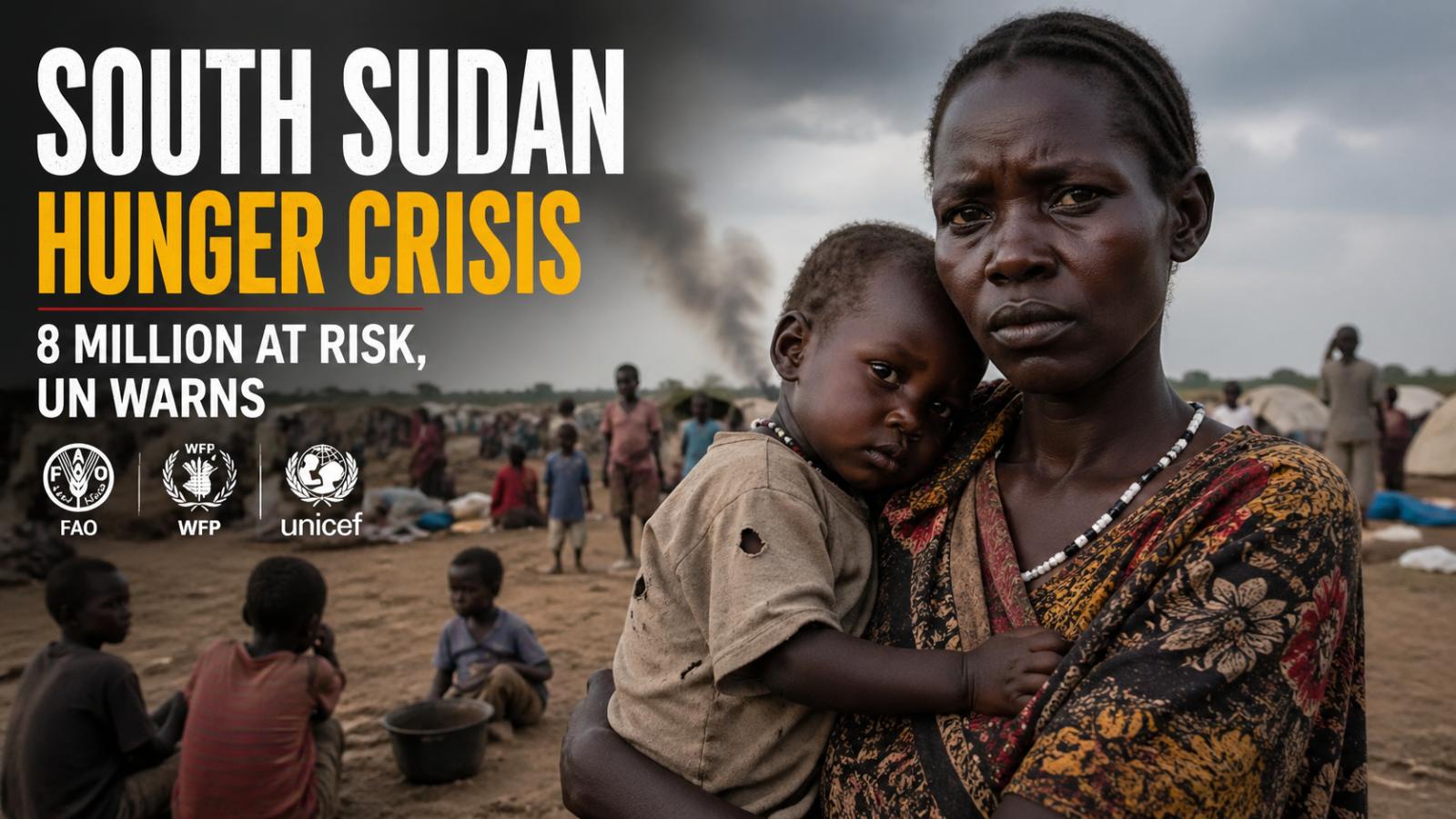
Nearly 8 million face crisis A new report released by the United Nations on Tuesday warns that nearly eight million people in South Sudan are at risk of acute hunger, underscoring a rapidly worsening humanitarian emergency fueled by conflict, displacement, and economic instability. The assessment estimates that 7.8 million people—about 56 percent of the population—are likely to experience severe food insecurity in the coming months, prompting urgent calls for international intervention. Escalating child malnutrition raises alarm among aid agencies The report highlights a sharp increase in child malnutrition, with an additional 100,000 children affected over the past six months. Approximately 2.2 million children between six months and five years are now suffering from acute malnutrition, and an estimated 700,000 face a high risk of death. Agencies including the Food and Agriculture Organization, World Food Programme, and UNICEF warned that damaged health infrastructure, limited supplies, and insufficient funding are restricting access to life-saving nutrition services. Conflict, climate pressures, and economic strain deepen crisis South Sudan’s humanitarian conditions remain closely tied to ongoing ethnic conflict, climate-related disruptions, and spillover effects from violence in neighboring Sudan. The country, which gained independence in 2011, continues to face severe economic challenges and ranks among the poorest nations globally. These overlapping pressures have intensified food shortages and weakened already fragile systems. Rising tensions spark fears of renewed civil war Concerns are growing that South Sudan could return to full-scale civil war, despite a 2018 peace agreement that ended a devastating conflict responsible for nearly 400,000 deaths. Recent clashes between government forces, the South Sudan People’s Defence Forces, and opposition groups have heightened instability. The tensions are linked to a prolonged political rivalry between President Salva Kiir Mayardit and suspended Vice President Riek Machar, who is currently on trial in Juba facing charges including murder and treason, which he denies. Aid agencies warn of irreversible humanitarian consequences Humanitarian organizations stress that without immediate global support, the crisis could reach irreversible levels. Limited funding and supply chain disruptions continue to hamper relief efforts, leaving millions vulnerable. Aid groups are urging swift international action to prevent further deterioration and avert a large-scale humanitarian catastrophe.
What does the UN report say about South Sudan hunger risk? Nearly 8 million face crisis
Nearly 8 million face crisis A new report released by the United Nations on Tuesday warns that nearly eight million people in South Sudan are at risk of acute hunger, underscoring a rapidly worsening humanitarian emergency fueled by conflict, displacement, and economic instability. The assessment estimates that 7.8 million people—about 56 percent of the population—are likely to experience severe food insecurity in the coming months, prompting urgent calls for international intervention. Escalating child malnutrition raises alarm among aid agencies The report highlights a sharp increase in child malnutrition, with an additional 100,000 children affected over the past six months. Approximately 2.2 million children between six months and five years are now suffering from acute malnutrition, and an estimated 700,000 face a high risk of death. Agencies including the Food and Agriculture Organization, World Food Programme, and UNICEF warned that damaged health infrastructure, limited supplies, and insufficient funding are restricting access to life-saving nutrition services. Conflict, climate pressures, and economic strain deepen crisis South Sudan’s humanitarian conditions remain closely tied to ongoing ethnic conflict, climate-related disruptions, and spillover effects from violence in neighboring Sudan. The country, which gained independence in 2011, continues to face severe economic challenges and ranks among the poorest nations globally. These overlapping pressures have intensified food shortages and weakened already fragile systems. Rising tensions spark fears of renewed civil war Concerns are growing that South Sudan could return to full-scale civil war, despite a 2018 peace agreement that ended a devastating conflict responsible for nearly 400,000 deaths. Recent clashes between government forces, the South Sudan People’s Defence Forces, and opposition groups have heightened instability. The tensions are linked to a prolonged political rivalry between President Salva Kiir Mayardit and suspended Vice President Riek Machar, who is currently on trial in Juba facing charges including murder and treason, which he denies. Aid agencies warn of irreversible humanitarian consequences Humanitarian organizations stress that without immediate global support, the crisis could reach irreversible levels. Limited funding and supply chain disruptions continue to hamper relief efforts, leaving millions vulnerable. Aid groups are urging swift international action to prevent further deterioration and avert a large-scale humanitarian catastrophe.
Netanyahu pardon process begins amid high-stakes legal tensions
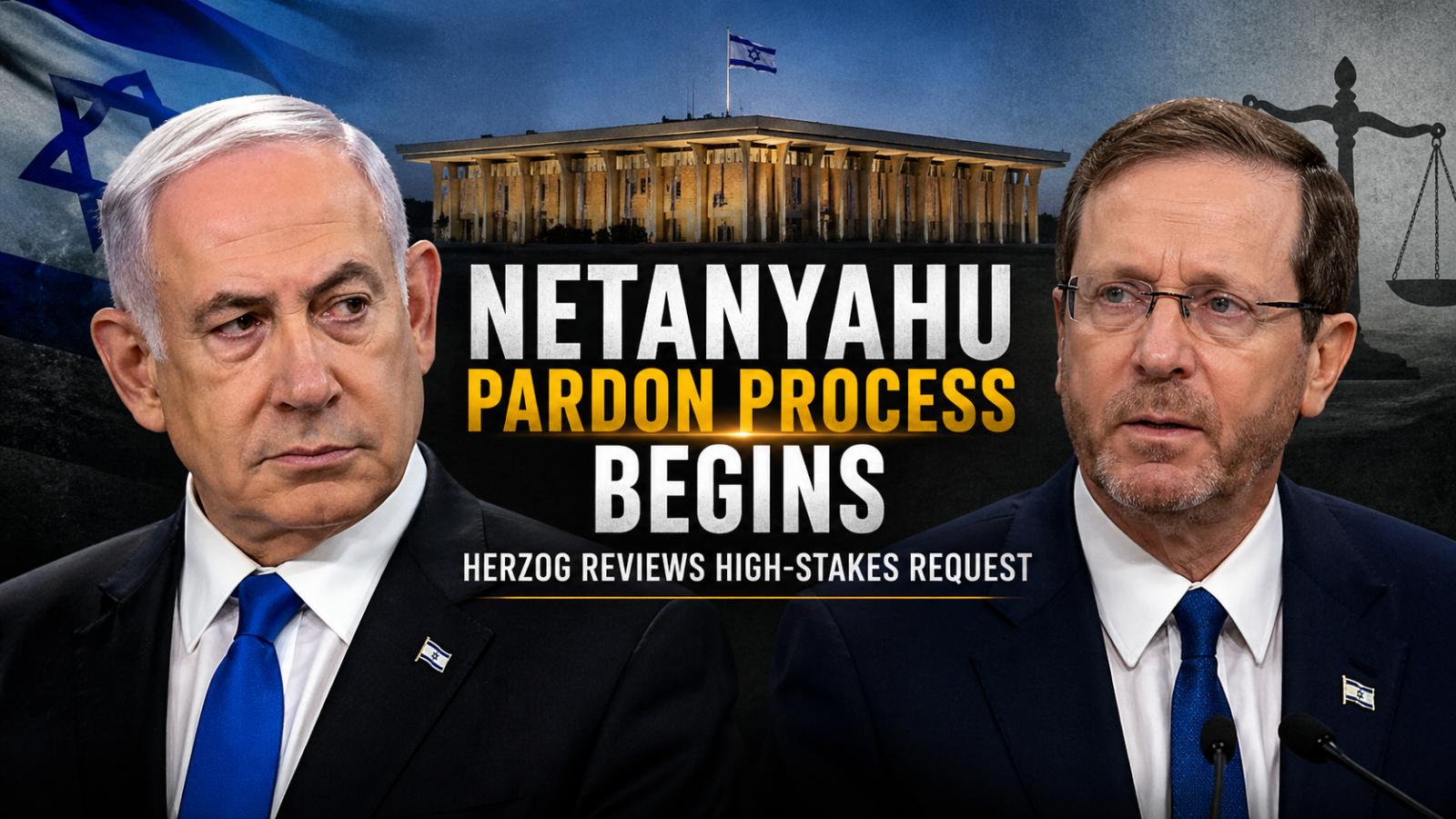
Israel’s president has begun a formal process to consider a potential pardon for Benjamin Netanyahu, holding initial talks with legal teams as the country watches a politically sensitive case unfold. Netanyahu pardon process begins amid high-stakes legal tensions as Isaac Herzog has formally launched discussions on whether to grant clemency to
Netanyahu pardon process begins amid high-stakes legal tensions
Israel’s president has begun a formal process to consider a potential pardon for Benjamin Netanyahu, holding initial talks with legal teams as the country watches a politically sensitive case unfold. Netanyahu pardon process begins amid high-stakes legal tensions as Isaac Herzog has formally launched discussions on whether to grant clemency to
What did Trump say about Iran at the state dinner? He claimed King Charles agrees Iran must not have nuclear weapons
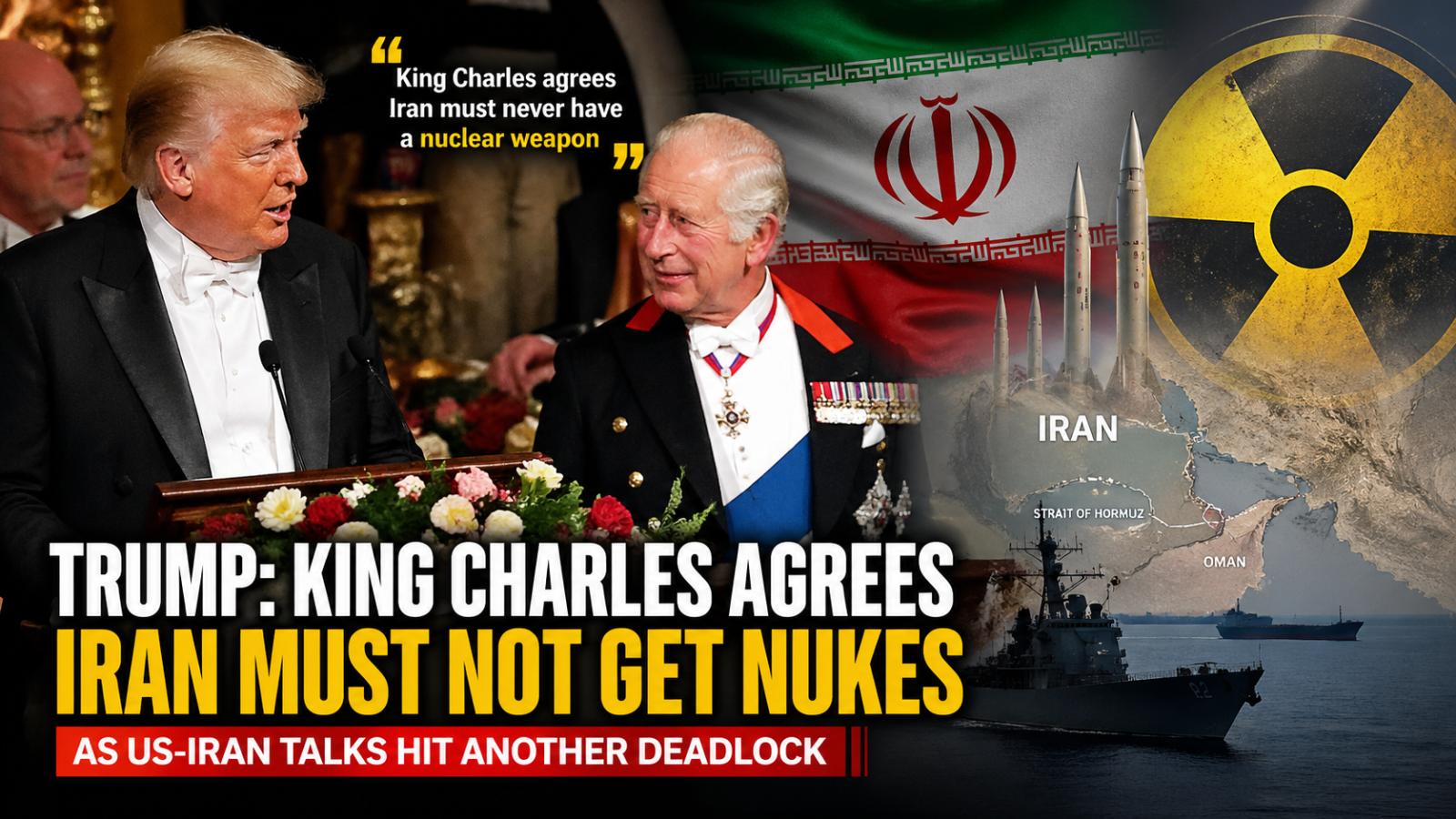
During a state dinner honoring the United Kingdom’s monarch, former U.S. President Donald Trump said King Charles III shares his view that Iran must never obtain nuclear weapons, while emphasizing the strength of U.S.-UK defense ties. Speaking at the formal event, Trump described the alliance between the two nations as rooted in “unconquerable courage,” referencing shared military history across multiple global conflicts. Trump used the occasion to highlight ongoing U.S. mili
What did Trump say about Iran at the state dinner? He claimed King Charles agrees Iran must not have nuclear weapons
During a state dinner honoring the United Kingdom’s monarch, former U.S. President Donald Trump said King Charles III shares his view that Iran must never obtain nuclear weapons, while emphasizing the strength of U.S.-UK defense ties. Speaking at the formal event, Trump described the alliance between the two nations as rooted in “unconquerable courage,” referencing shared military history across multiple global conflicts. Trump used the occasion to highlight ongoing U.S. mili
US Marines board commercial vessel in Arabian Sea over suspected Iran route
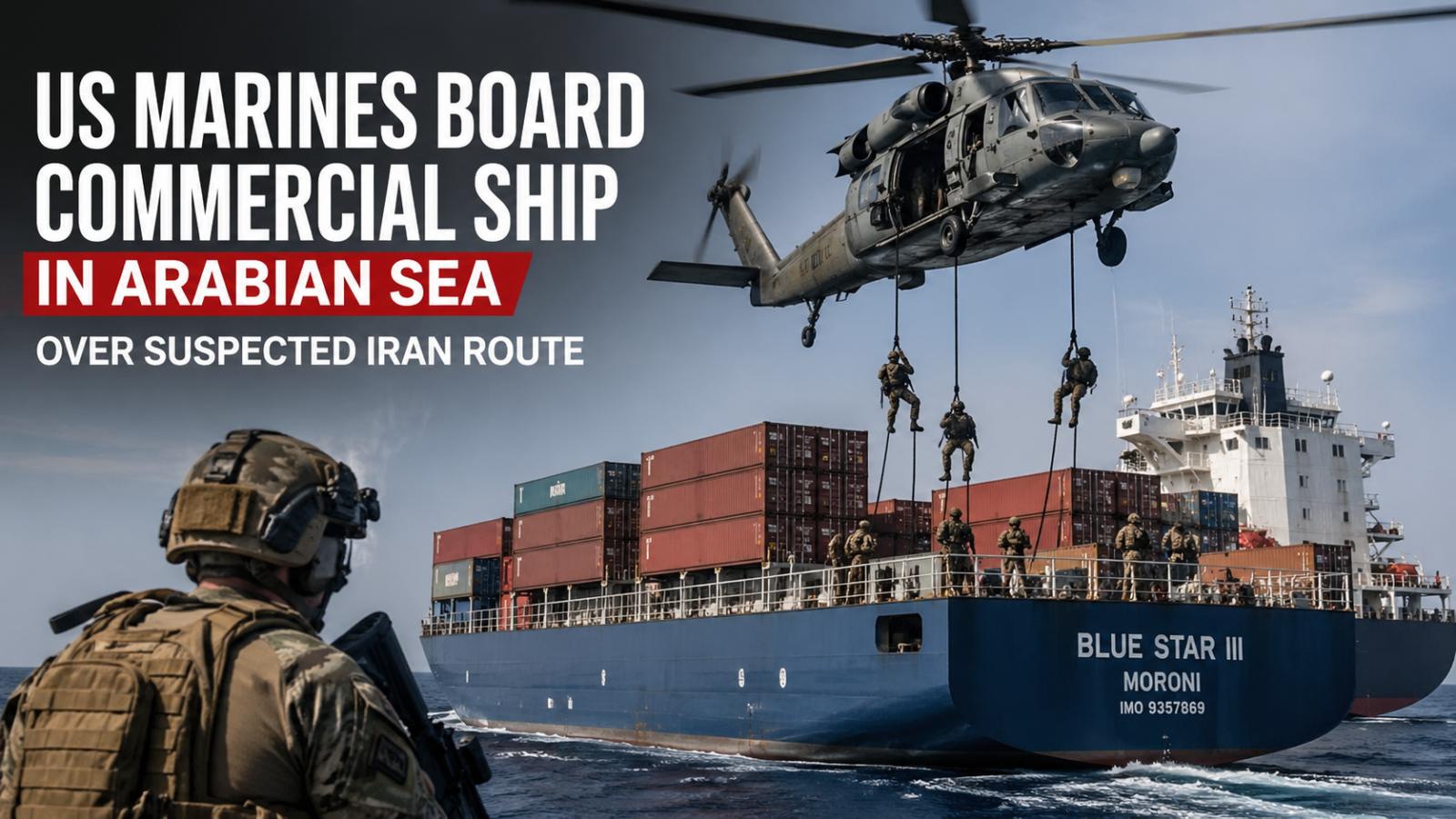
US Marines boarded a commercial ship in the Arabian Sea over suspected Iran-bound travel but released it after confirming it was headed to Oman, highlighting strict enforcement of the Iran blockade. US Marines board commercial vessel in Arabian Sea over suspected Iran route as forces enforced Washington’s blockade of Iranian ports on Tuesday, April 28, 2026. The vessel, identified as M/V Blue Star III, is a container ship sailing under the flag of Comoros and was
US Marines board commercial vessel in Arabian Sea over suspected Iran route
US Marines boarded a commercial ship in the Arabian Sea over suspected Iran-bound travel but released it after confirming it was headed to Oman, highlighting strict enforcement of the Iran blockade. US Marines board commercial vessel in Arabian Sea over suspected Iran route as forces enforced Washington’s blockade of Iranian ports on Tuesday, April 28, 2026. The vessel, identified as M/V Blue Star III, is a container ship sailing under the flag of Comoros and was










