Pakistan security forces foil suicide attack in South Waziristan after terrorists attempted to ram an explosives-laden vehicle into a military post in Wana. The incident underscores the continuing threat from TTP militants and ongoing counter-terrorism operations across Khyber Pakhtunkhwa and border regions.
Pakistan Security Forces Foil Suicide Attack in South Waziristan
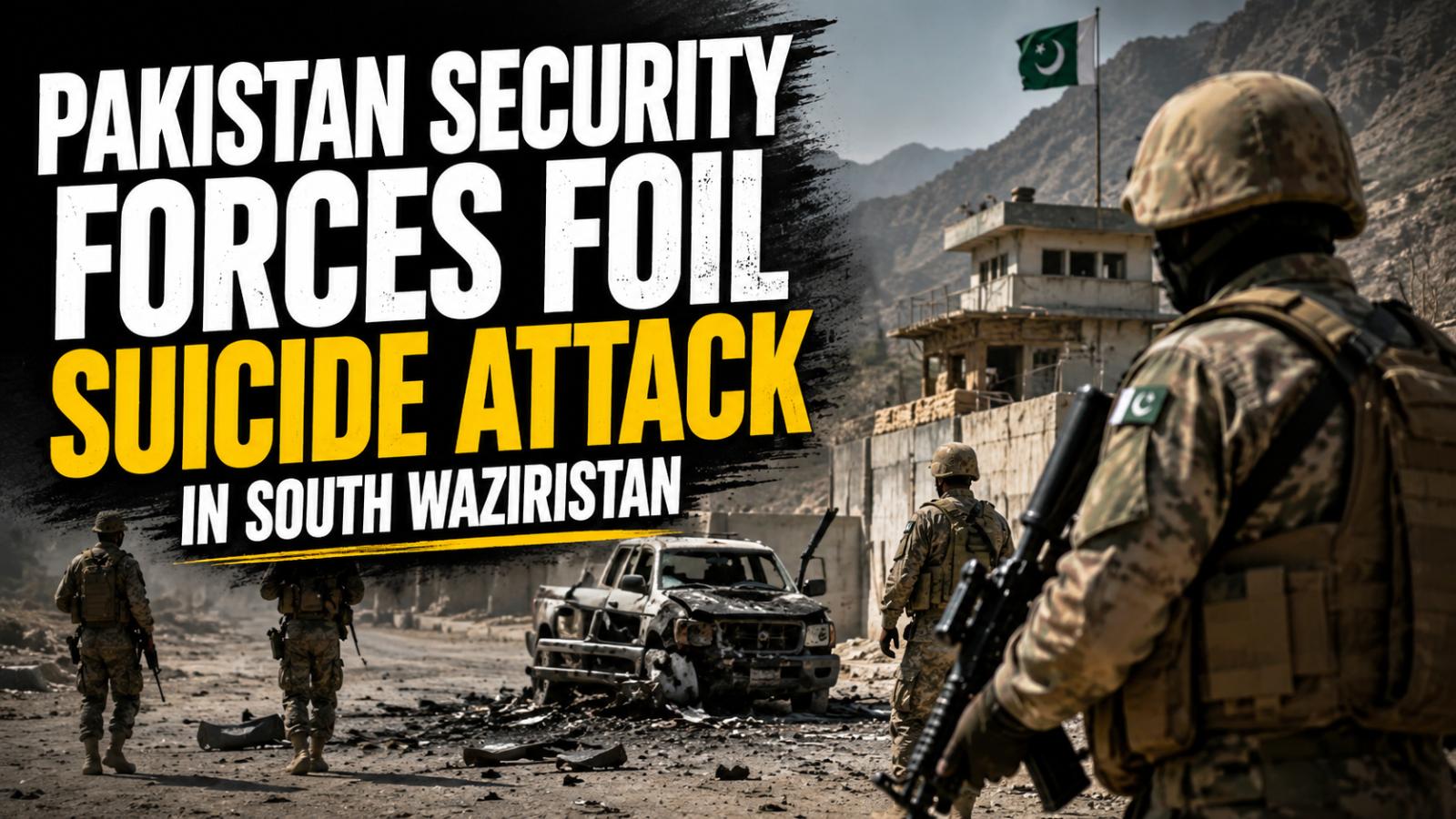
Pakistan security forces successfully foiled a suicide attack after terrorists attempted to drive an explosives-laden vehicle into a military post in the Kari Kot area of Wana, Lower South Waziristan, on Thursday. According to official security officials quoted by Dawn, troops responded immediately, killing four terrorists before they could reach the target. No military personnel were injured during the attack, and security forces quickly secured the area before launching clearance operations.
Authorities have placed the surrounding region under heightened security while teams continue searching for any remaining militants or explosive materials. Officials said the prompt response prevented what could have been a major attack on the military installation.
Wana Attack Highlights Ongoing Terror Threat
South Waziristan has remained one of Pakistan's most sensitive security regions since the former Federally Administered Tribal Areas (FATA) were merged into Khyber Pakhtunkhwa. Militant violence has continued despite repeated military campaigns aimed at restoring stability.
The latest incident follows a similar attempted suicide attack near Azam Warsak Bazaar in May, where one civilian lost his life and fifteen others were injured after terrorists targeted another military post. In November 2025, security forces also stopped an assault on Cadet College Wana before attackers could reach students and staff, preventing what officials described as a potentially devastating incident.
These repeated attacks demonstrate that militant groups continue to view South Waziristan as a strategic target despite sustained military pressure.
Operation Shaban Intensifies Counter-Terror Efforts
Pakistan's security agencies have expanded Operation Shaban across border districts of Khyber Pakhtunkhwa to eliminate militant networks operating near the Afghanistan border. The campaign involves coordinated operations by the Pakistan Army, Frontier Corps, police, and intelligence agencies.
Officials say dozens of militants have been killed since early July, with some reports placing the combined death toll from recent operations close to one hundred. Security checkpoints have also been strengthened across vulnerable border routes to disrupt militant movement and prevent cross-border infiltration.
According to the Pakistan Institute for Conflict and Security Studies, terrorist violence increased significantly during May, particularly in Khyber Pakhtunkhwa and Balochistan, reflecting the continuing security challenges facing the country.
TTP Militants Remain the Primary Threat
The Tehrik-i-Taliban Pakistan (TTP), officially referred to by the Pakistani government as Fitna al-Khawarij, remains the country's most active militant organization. The group intensified attacks following the Taliban's return to power in Afghanistan in 2021 and has expanded operations further during 2024 and 2025.
Alongside TTP, splinter militant factions and the Islamic State Khorasan Province (ISKP) continue to operate across the rugged border region. Security analysts say these organizations exploit difficult terrain and cross-border movement to launch attacks against security forces and, in some cases, civilian targets.
Pakistani authorities have reaffirmed that counter-terrorism operations will continue until militant networks are dismantled. Officials stated that intelligence-based operations, stronger border security, and coordination among military and law enforcement agencies remain central to efforts aimed at improving long-term stability in South Waziristan and neighboring districts.
Information in this report is based on statements from Pakistani security officials and reporting by Dawn. Readers interested in related developments may also explore internal coverage on Global News, Terrorism & Security, Pakistan News, South Asia, and Border Security.
Pakistan security forces foil suicide attack in South Waziristan after terrorists attempted to ram an explosives-laden vehicle into a military post in Wana. The incident underscores the continuing threat from TTP militants and ongoing counter-terrorism operations across Khyber Pakhtunkhwa and border regions.
Pakistan Security Forces Foil Suicide Attack in South Waziristan
Pakistan security forces successfully foiled a suicide attack after terrorists attempted to drive an explosives-laden vehicle into a military post in the Kari Kot area of Wana, Lower South Waziristan, on Thursday. According to official security officials quoted by Dawn, troops responded immediately, killing four terrorists before they could reach the target. No military personnel were injured during the attack, and security forces quickly secured the area before launching clearance operations.
Authorities have placed the surrounding region under heightened security while teams continue searching for any remaining militants or explosive materials. Officials said the prompt response prevented what could have been a major attack on the military installation.
Wana Attack Highlights Ongoing Terror Threat
South Waziristan has remained one of Pakistan's most sensitive security regions since the former Federally Administered Tribal Areas (FATA) were merged into Khyber Pakhtunkhwa. Militant violence has continued despite repeated military campaigns aimed at restoring stability.
The latest incident follows a similar attempted suicide attack near Azam Warsak Bazaar in May, where one civilian lost his life and fifteen others were injured after terrorists targeted another military post. In November 2025, security forces also stopped an assault on Cadet College Wana before attackers could reach students and staff, preventing what officials described as a potentially devastating incident.
These repeated attacks demonstrate that militant groups continue to view South Waziristan as a strategic target despite sustained military pressure.
Operation Shaban Intensifies Counter-Terror Efforts
Pakistan's security agencies have expanded Operation Shaban across border districts of Khyber Pakhtunkhwa to eliminate militant networks operating near the Afghanistan border. The campaign involves coordinated operations by the Pakistan Army, Frontier Corps, police, and intelligence agencies.
Officials say dozens of militants have been killed since early July, with some reports placing the combined death toll from recent operations close to one hundred. Security checkpoints have also been strengthened across vulnerable border routes to disrupt militant movement and prevent cross-border infiltration.
According to the Pakistan Institute for Conflict and Security Studies, terrorist violence increased significantly during May, particularly in Khyber Pakhtunkhwa and Balochistan, reflecting the continuing security challenges facing the country.
TTP Militants Remain the Primary Threat
The Tehrik-i-Taliban Pakistan (TTP), officially referred to by the Pakistani government as Fitna al-Khawarij, remains the country's most active militant organization. The group intensified attacks following the Taliban's return to power in Afghanistan in 2021 and has expanded operations further during 2024 and 2025.
Alongside TTP, splinter militant factions and the Islamic State Khorasan Province (ISKP) continue to operate across the rugged border region. Security analysts say these organizations exploit difficult terrain and cross-border movement to launch attacks against security forces and, in some cases, civilian targets.
Pakistani authorities have reaffirmed that counter-terrorism operations will continue until militant networks are dismantled. Officials stated that intelligence-based operations, stronger border security, and coordination among military and law enforcement agencies remain central to efforts aimed at improving long-term stability in South Waziristan and neighboring districts.
Information in this report is based on statements from Pakistani security officials and reporting by Dawn. Readers interested in related developments may also explore internal coverage on Global News, Terrorism & Security, Pakistan News, South Asia, and Border Security.
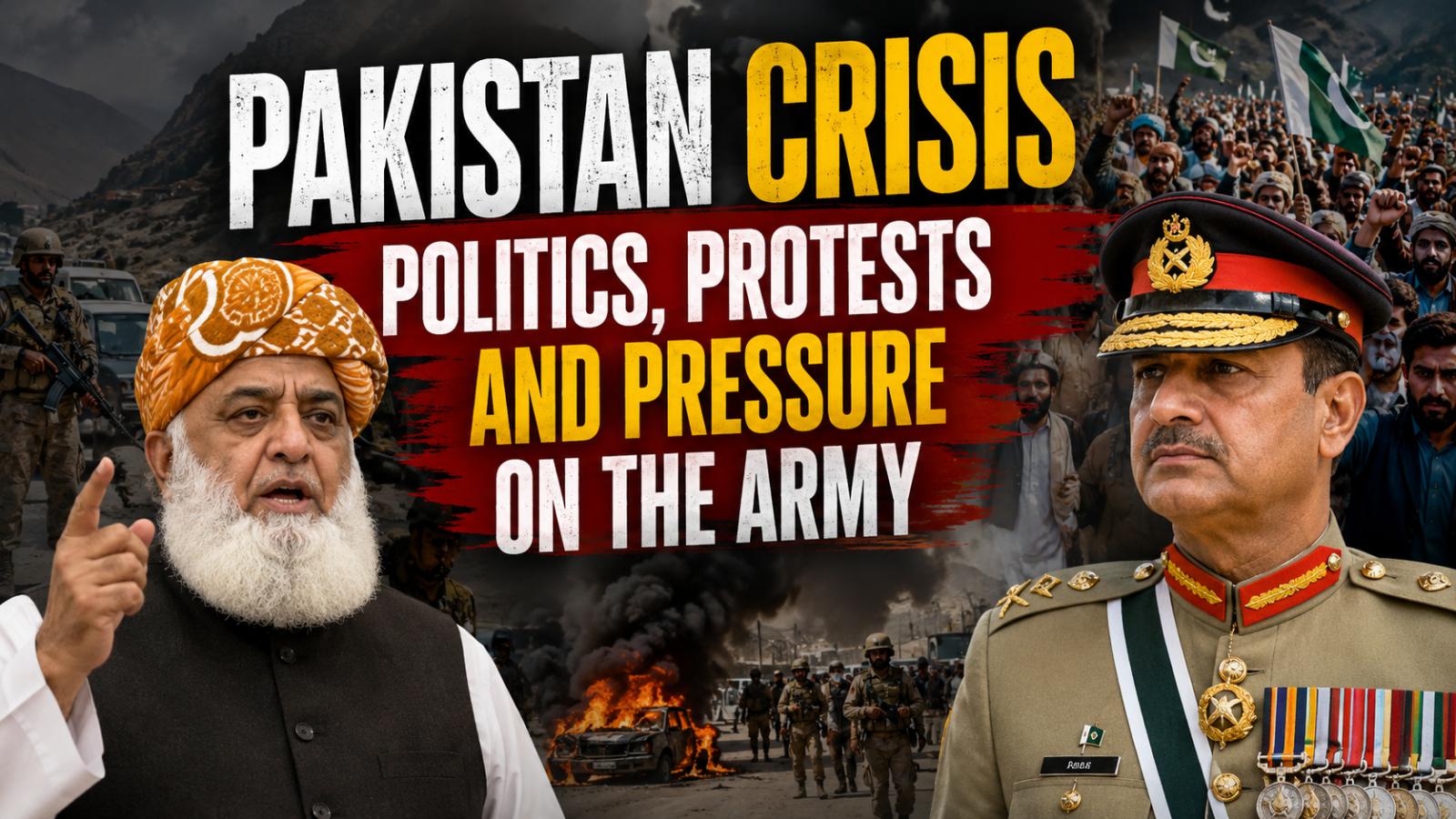
Pakistan’s worsening security crisis has triggered unusually sharp criticism of the military from Jamiat Ulema-e-Islam chief Maulana Fazlur Rehman. His remarks came as authorities confronted deadly militant attacks in Balochistan and renewed protests in Pakistan-administered Kashmir.
Fazlur Rehman questions Pakistan Army’s political role
Speaking at a public gathering in Punjab, Fazlur Rehman claimed that g
Pakistan’s worsening security crisis has triggered unusually sharp criticism of the military from Jamiat Ulema-e-Islam chief Maulana Fazlur Rehman. His remarks came as authorities confronted deadly militant attacks in Balochistan and renewed protests in Pakistan-administered Kashmir.
Fazlur Rehman questions Pakistan Army’s political role
Speaking at a public gathering in Punjab, Fazlur Rehman claimed that g
The European Parliament has condemned the alleged abduction, forced conversion and marriage of underage minority girls in Pakistan. EU lawmakers urged Islamabad to strengthen child protection laws, improve access to justice and create a national system for reporting such cases.
Forced conversion in Pakistan draws EU criticism
The European Parliament adopted
The European Parliament has condemned the alleged abduction, forced conversion and marriage of underage minority girls in Pakistan. EU lawmakers urged Islamabad to strengthen child protection laws, improve access to justice and create a national system for reporting such cases.
Forced conversion in Pakistan draws EU criticism
The European Parliament adopted
Cargo plane loses contact near Karachi
A Pakistani cargo aircraft carrying five crew members went missing late July 7, 2026 after reporting a navigation system problem and losing contact with air traffic controllers off the coast of Karachi, according to Pakistan aviation authorities. The Boeing 737, operated by K2 Airways, was flying from Sharjah in the United Arab Em
Cargo plane loses contact near Karachi
A Pakistani cargo aircraft carrying five crew members went missing late July 7, 2026 after reporting a navigation system problem and losing contact with air traffic controllers off the coast of Karachi, according to Pakistan aviation authorities. The Boeing 737, operated by K2 Airways, was flying from Sharjah in the United Arab Em
Pakistan military raises Indus water issue
Pakistan’s top military leadership has said it will take “all measures necessary” to secure the country’s water share under the Indus Waters Treaty, months after India placed the decades-old pact in abeyance following the April 22, 2025, Pahalgam terror attack. The statement was issued after the 276th Corps Commanders’ Conference in Rawalpindi, chaired by
Pakistan military raises Indus water issue
Pakistan’s top military leadership has said it will take “all measures necessary” to secure the country’s water share under the Indus Waters Treaty, months after India placed the decades-old pact in abeyance following the April 22, 2025, Pahalgam terror attack. The statement was issued after the 276th Corps Commanders’ Conference in Rawalpindi, chaired by
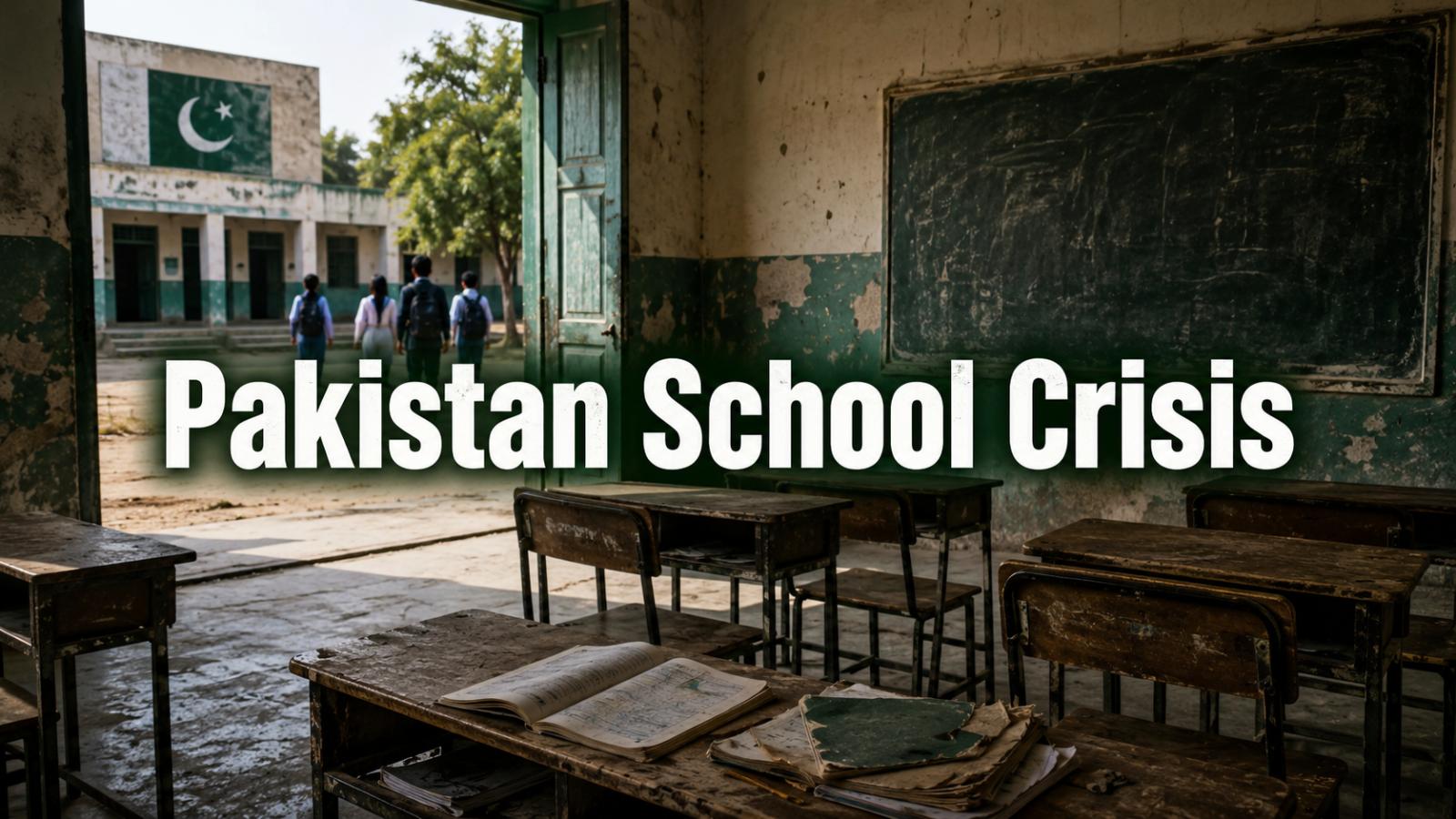
Pakistan’s school crisis continues to raise serious concern as millions of children remain outside classrooms despite the country declaring a National Education Emergency two years ago. Estimates suggest that around 25.1 million to 26 million children are still out of school, showing that the challenge is not limited to policy announcements. The larger problem lies in weak implementation, poor funding, lack of local accountability and gaps between provincial planning a
Pakistan’s school crisis continues to raise serious concern as millions of children remain outside classrooms despite the country declaring a National Education Emergency two years ago. Estimates suggest that around 25.1 million to 26 million children are still out of school, showing that the challenge is not limited to policy announcements. The larger problem lies in weak implementation, poor funding, lack of local accountability and gaps between provincial planning a
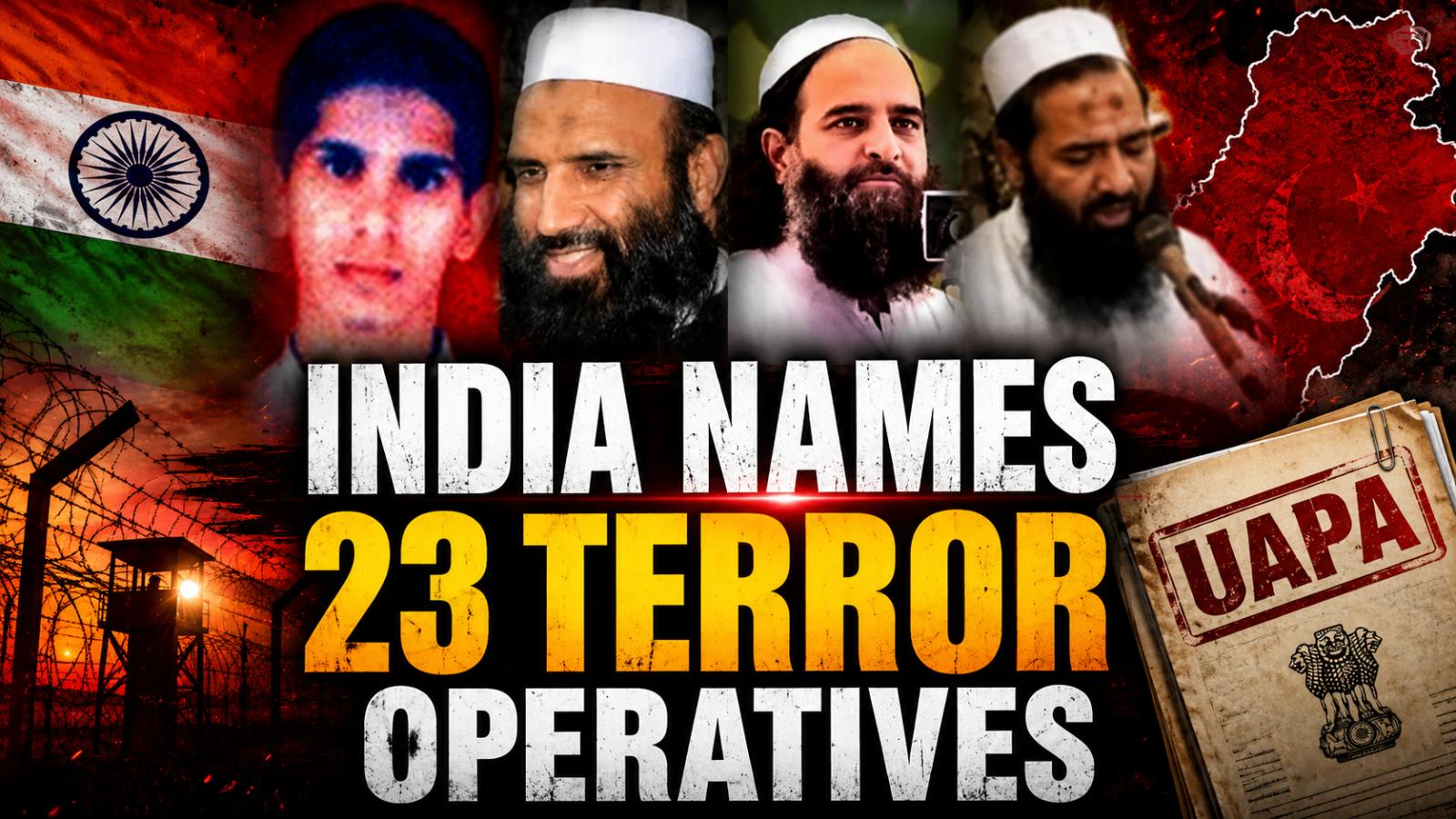
India names 23 LeT and JeM operatives under UAPA
India has designated 23 operatives linked to Pakistan-based Lashkar-e-Tayyeba and Jaish-e-Mohammed under the Unlawful Activities Prevention Act, strengthening its legal and security response to cross-border terrorism. The move is part of the government’s Prahar strategy, which focuses on disrupting terror recruitment, propaganda, training networks, arms movement and infiltration routes used a
India names 23 LeT and JeM operatives under UAPA
India has designated 23 operatives linked to Pakistan-based Lashkar-e-Tayyeba and Jaish-e-Mohammed under the Unlawful Activities Prevention Act, strengthening its legal and security response to cross-border terrorism. The move is part of the government’s Prahar strategy, which focuses on disrupting terror recruitment, propaganda, training networks, arms movement and infiltration routes used a
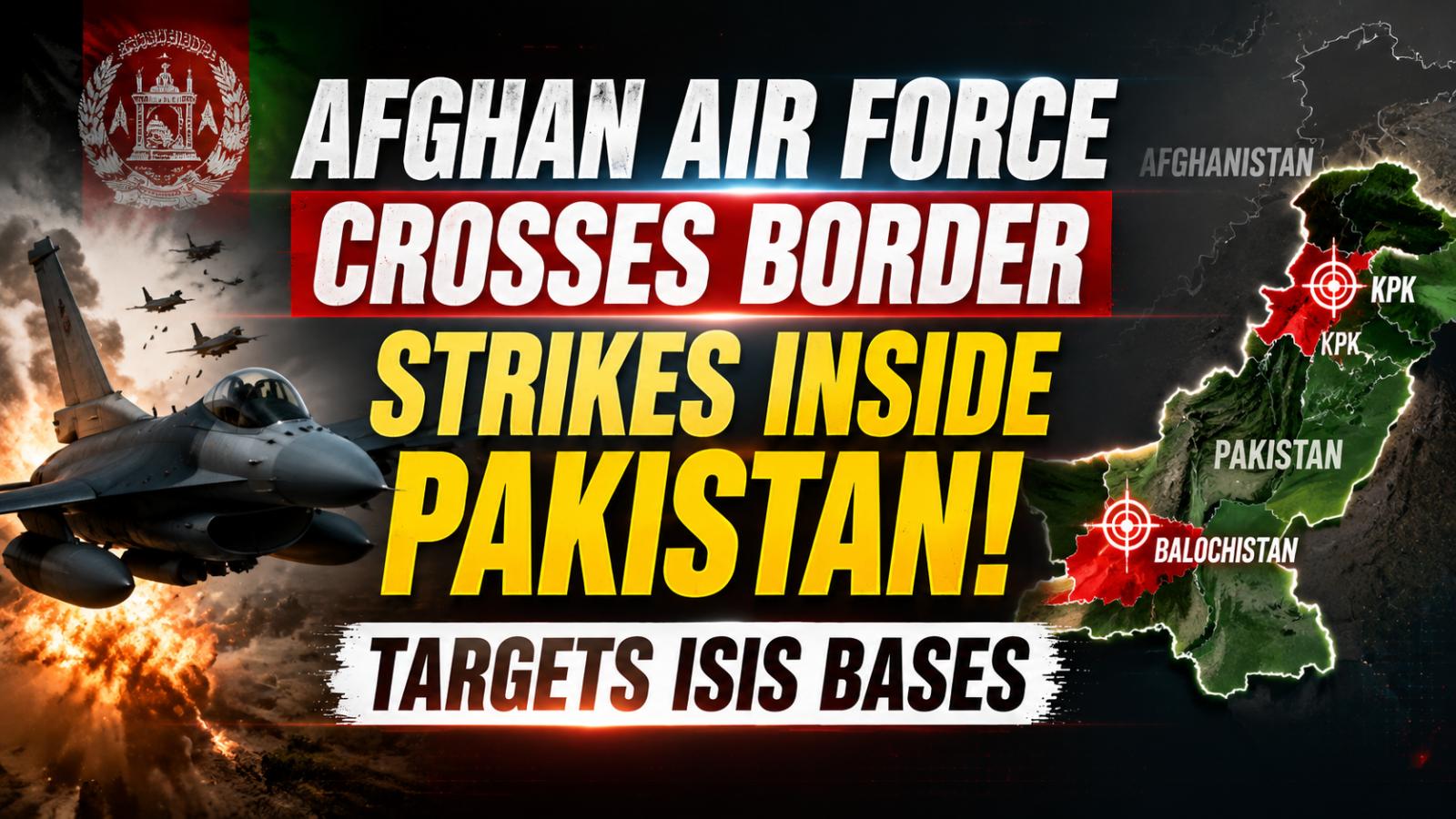
Cross-border military strikes reported
The Afghan Air Force has carried out airstrikes inside Pakistan, targeting what it described as ISIS-linked centres allegedly used to plan and coordinate attacks against civilians in Afghanistan. According to the Taliban-run Defence Ministry and reports cited by Tolo News, the strikes were aimed at dismantling operational hubs connected to cross-border militant activity.
T
Cross-border military strikes reported
The Afghan Air Force has carried out airstrikes inside Pakistan, targeting what it described as ISIS-linked centres allegedly used to plan and coordinate attacks against civilians in Afghanistan. According to the Taliban-run Defence Ministry and reports cited by Tolo News, the strikes were aimed at dismantling operational hubs connected to cross-border militant activity.
T
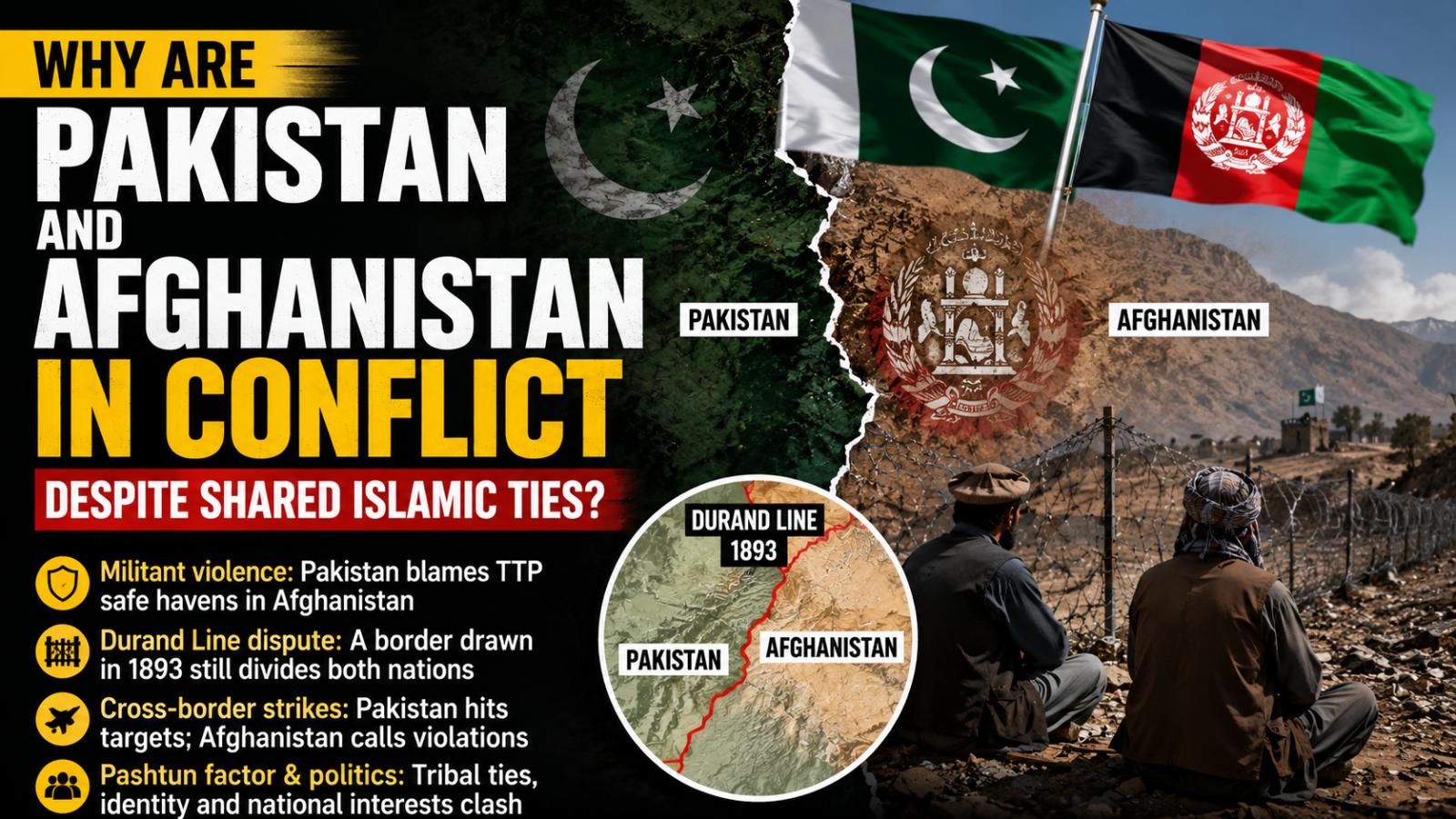
Pakistan and Afghanistan are both Muslim-majority countries with deep cultural, religious and economic connections. However, their escalating conflict is not primarily about religion. It is driven by border disputes, militant violence, sovereignty and competing national-security interests.
The latest tensions intensified after Pakistan carried out military operations and airstrikes targeting what it described as militant positions inside Afghanistan. Afghan authorities disputed that
Pakistan and Afghanistan are both Muslim-majority countries with deep cultural, religious and economic connections. However, their escalating conflict is not primarily about religion. It is driven by border disputes, militant violence, sovereignty and competing national-security interests.
The latest tensions intensified after Pakistan carried out military operations and airstrikes targeting what it described as militant positions inside Afghanistan. Afghan authorities disputed that
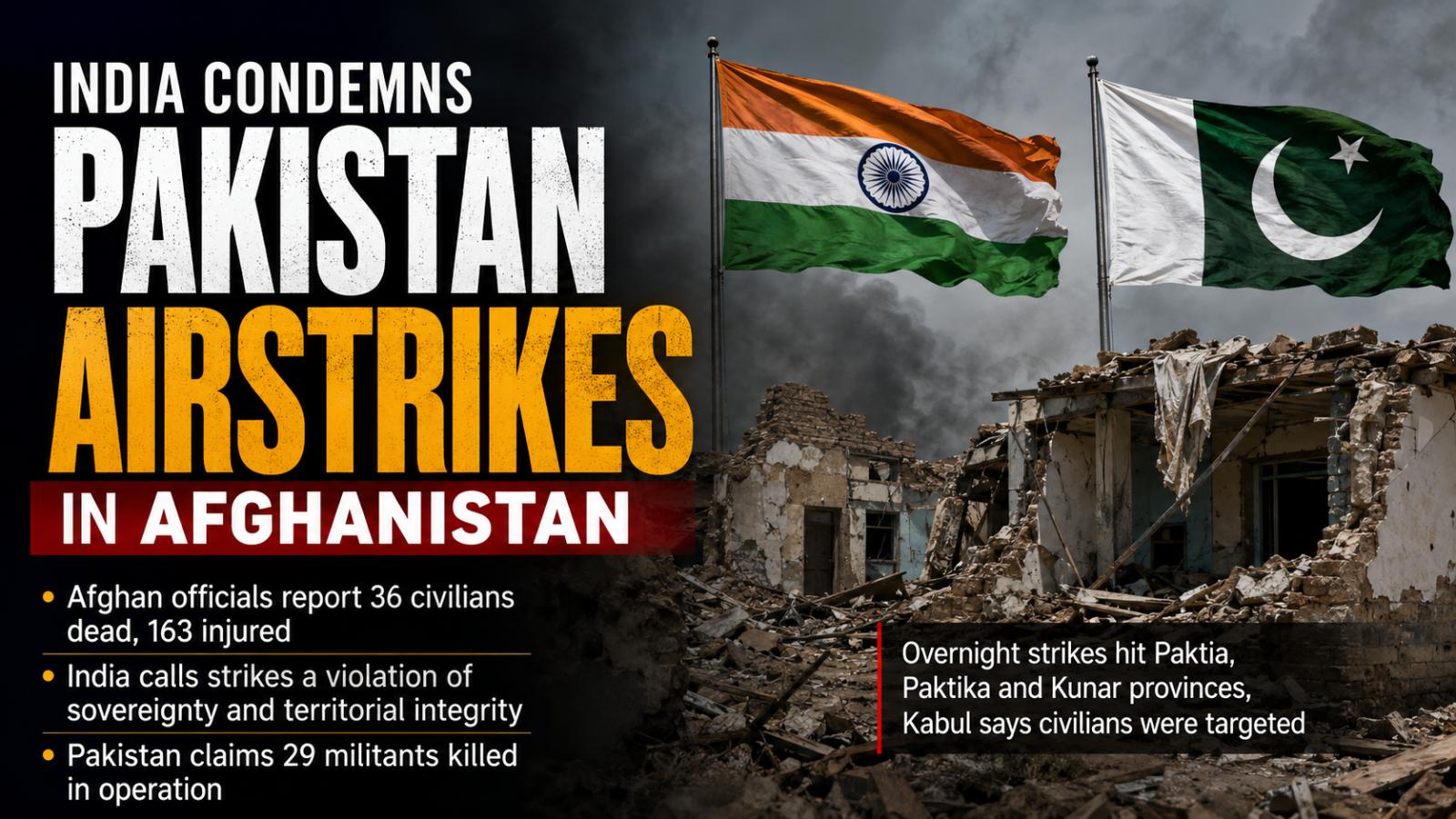
India’s Ministry of External Affairs said the military action violated Afghanistan’s sovereignty and territorial integrity and threatened regional peace. New Delhi also expressed condolences to the victims’ families, wished the injured a quick recovery and reaffirmed its support for Afghanistan’s sovereignty.
The ministry accused Pakistan of using force outside its borders to divert attention from domestic security failures.
Kabul and Islamabad Dispute the
India’s Ministry of External Affairs said the military action violated Afghanistan’s sovereignty and territorial integrity and threatened regional peace. New Delhi also expressed condolences to the victims’ families, wished the injured a quick recovery and reaffirmed its support for Afghanistan’s sovereignty.
The ministry accused Pakistan of using force outside its borders to divert attention from domestic security failures.
Kabul and Islamabad Dispute the
An Imran Khan jail photo going viral on social media is not a verified picture from Adiala Jail or any official courtroom proceeding. Fact-checkers have flagged the image as AI-generated after spotting distorted fingers, warped files and other visual errors.
The image, widely shared online, claimed to show former Pakistan Prime Minister Imran Khan during a recent court appearance. However, checks on the photo suggest that it was likely cre
An Imran Khan jail photo going viral on social media is not a verified picture from Adiala Jail or any official courtroom proceeding. Fact-checkers have flagged the image as AI-generated after spotting distorted fingers, warped files and other visual errors.
The image, widely shared online, claimed to show former Pakistan Prime Minister Imran Khan during a recent court appearance. However, checks on the photo suggest that it was likely cre
5.4 magnitude earthquake reported in Pakistan
A magnitude 5.4 earthquake struck parts of Pakistan on Saturday morning,June 27,2026 according to the European-Mediterranean Seismological Centre. The seismic event was recorded by monitoring systems that track tectonic activity across the region. Initial data indicates moderate intensity shaking, though the full extent of
5.4 magnitude earthquake reported in Pakistan
A magnitude 5.4 earthquake struck parts of Pakistan on Saturday morning,June 27,2026 according to the European-Mediterranean Seismological Centre. The seismic event was recorded by monitoring systems that track tectonic activity across the region. Initial data indicates moderate intensity shaking, though the full extent of
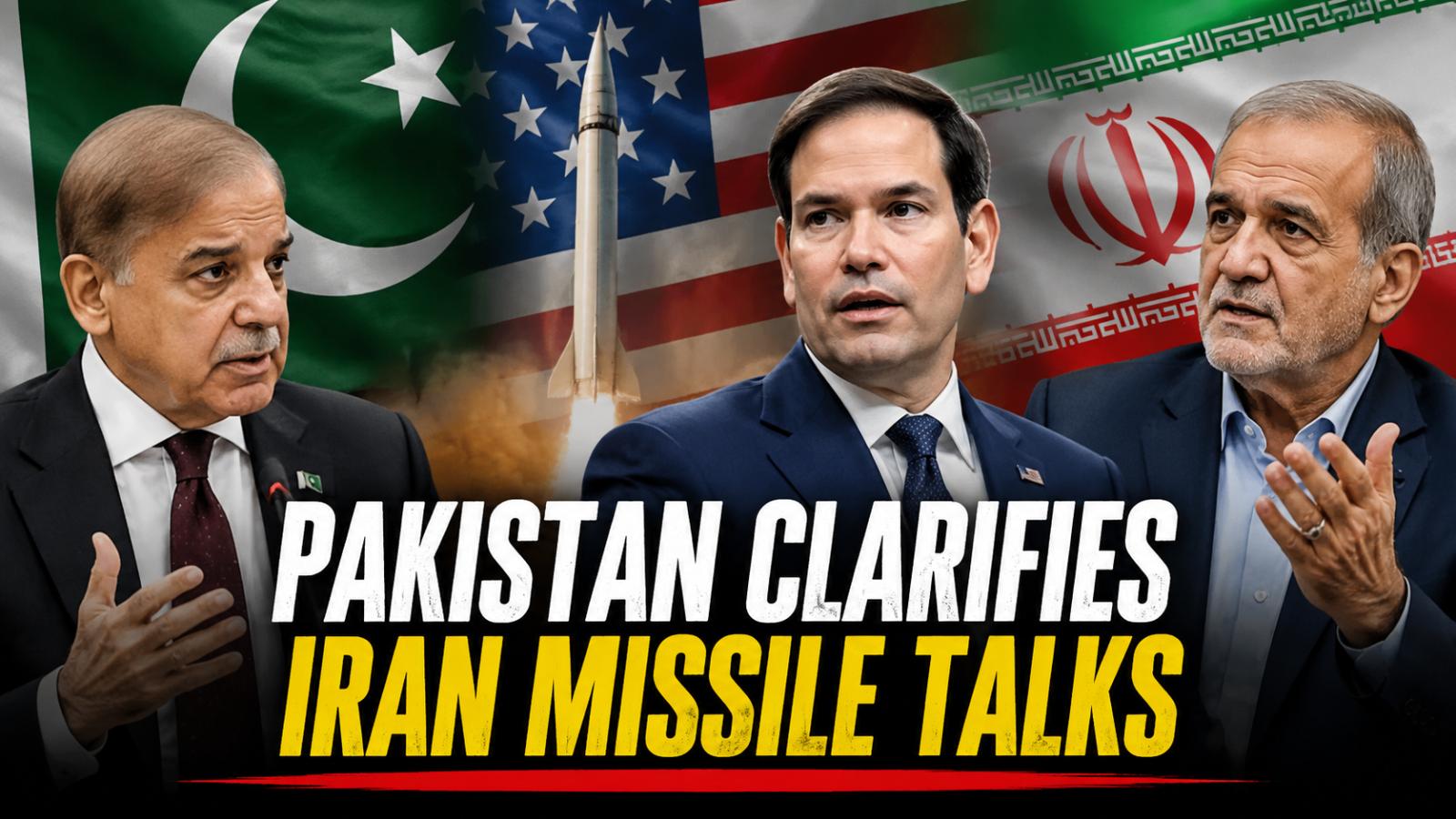
Confusion over alleged discussions involving Iran’s missile capabilities in US–Iran diplomatic engagement was addressed by Pakistan after multiple conflicting interpretations surfaced from international officials. Prime Minister Shehbaz Sharif clarified that no such subject was included in any current structured understanding between Washington and Tehran, pushing back against circulating claims that had gained attention in diplomatic circles.
Confusion over alleged discussions involving Iran’s missile capabilities in US–Iran diplomatic engagement was addressed by Pakistan after multiple conflicting interpretations surfaced from international officials. Prime Minister Shehbaz Sharif clarified that no such subject was included in any current structured understanding between Washington and Tehran, pushing back against circulating claims that had gained attention in diplomatic circles.
Iran claims new Hormuz role
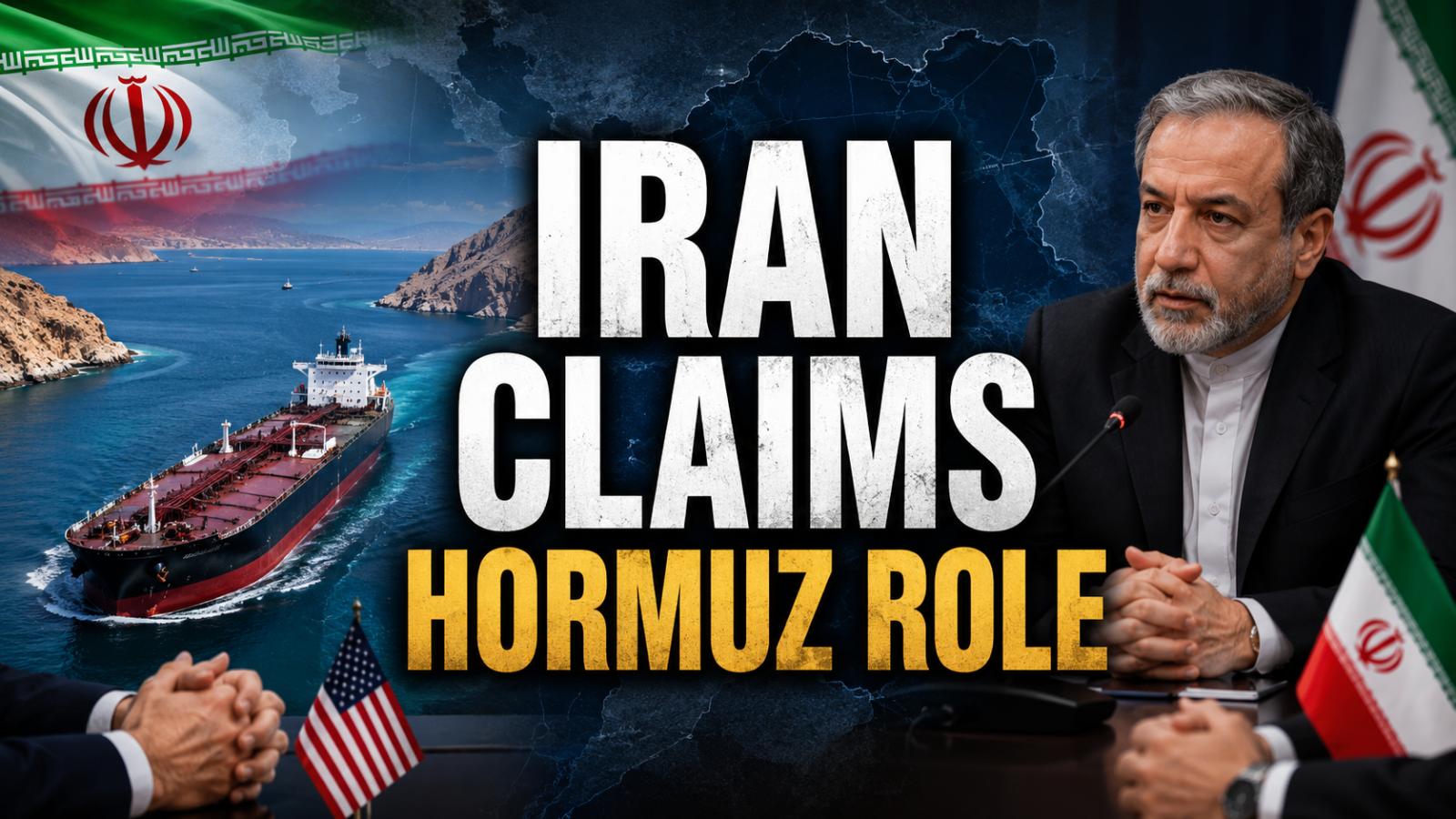
Iran’s chief negotiator and Parliament Speaker Mohammad Bagher Ghalibaf said the Strait of Hormuz would be administered by Tehran following the first round of US Iran talks in Switzerland. In a video message quoted by Iranian state media on Tuesday, June 23, Ghalibaf said the strategic waterway would not return to its pre-war conditions and would be managed by the Islamic Republic of Iran in accordance with inter
Iran claims new Hormuz role
Iran’s chief negotiator and Parliament Speaker Mohammad Bagher Ghalibaf said the Strait of Hormuz would be administered by Tehran following the first round of US Iran talks in Switzerland. In a video message quoted by Iranian state media on Tuesday, June 23, Ghalibaf said the strategic waterway would not return to its pre-war conditions and would be managed by the Islamic Republic of Iran in accordance with inter
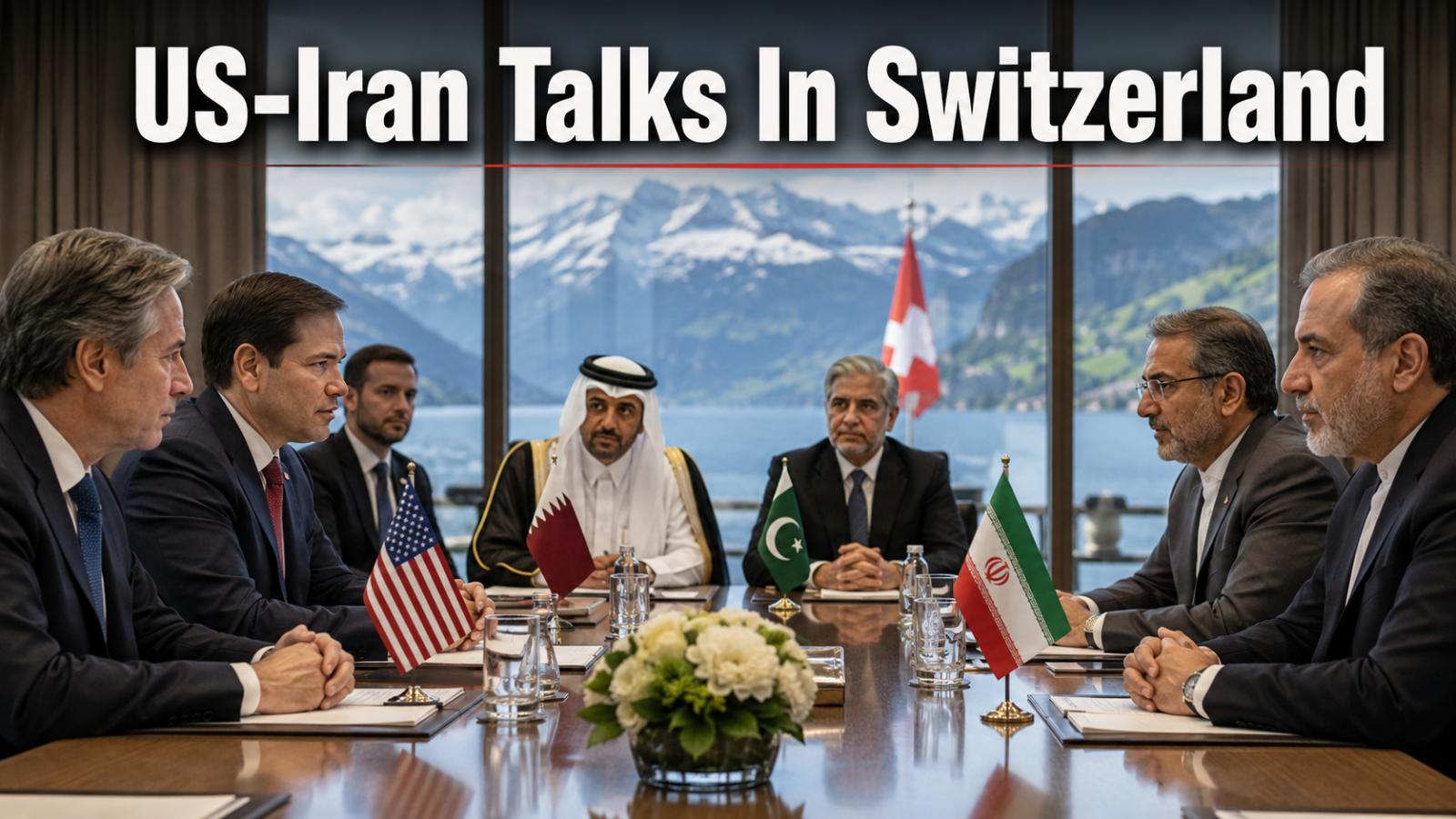
US Iran peace talks in Switzerland have drawn fresh attention as Qatar and Pakistan take a more visible role in efforts to reduce regional tensions. The discussions, held near Lake Lucerne, brought together senior representatives linked to Washington, Tehran, Doha and Islamabad at a time when the Middle East remains under pressure from nuclear concerns, shipping risks and ceasefire disputes.
The talks are being watched closely because they
US Iran peace talks in Switzerland have drawn fresh attention as Qatar and Pakistan take a more visible role in efforts to reduce regional tensions. The discussions, held near Lake Lucerne, brought together senior representatives linked to Washington, Tehran, Doha and Islamabad at a time when the Middle East remains under pressure from nuclear concerns, shipping risks and ceasefire disputes.
The talks are being watched closely because they
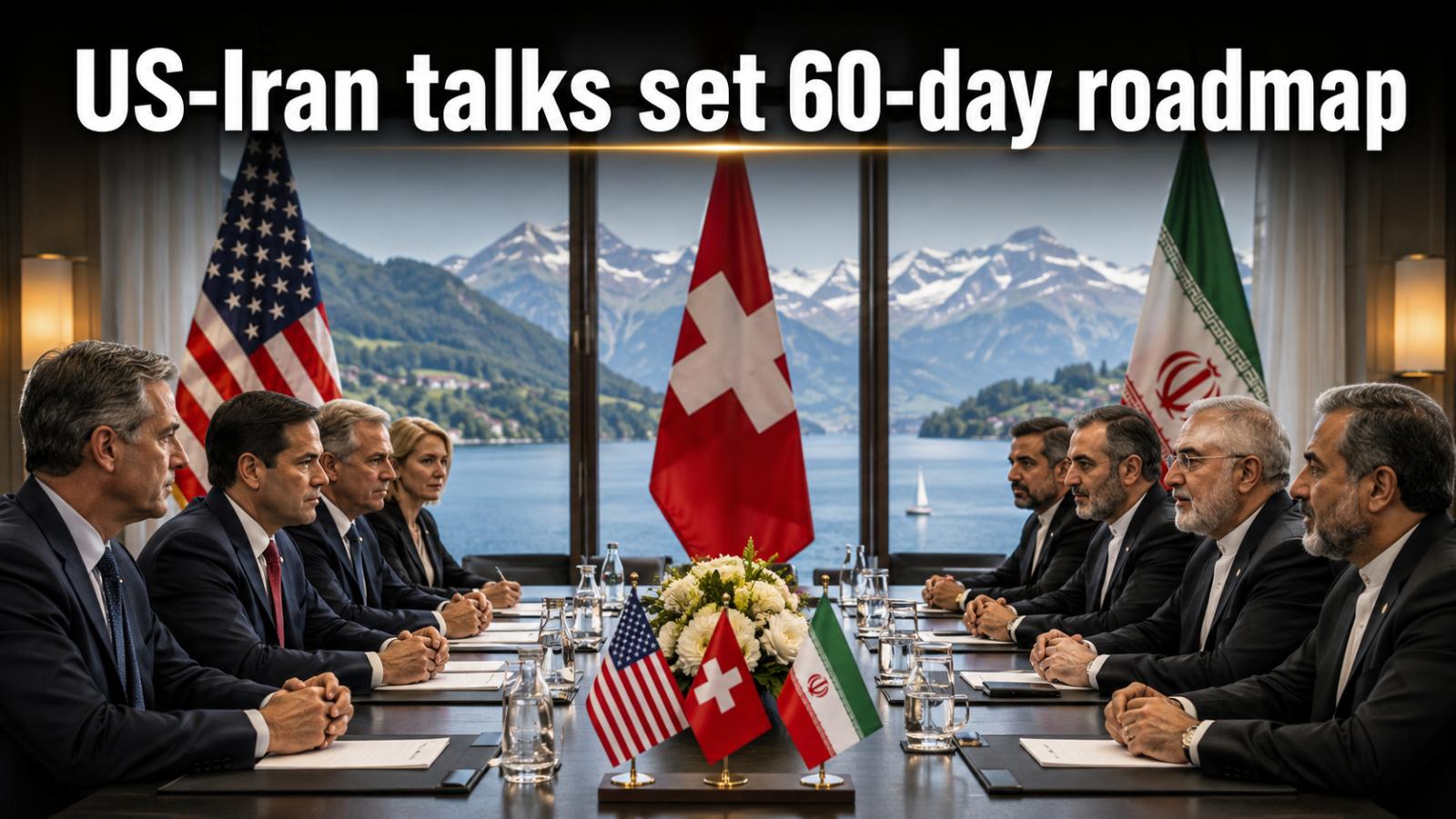
US-Iran talks in Switzerland have ended with cautious progress after senior officials from Washington and Tehran agreed to continue discussions through a 60-day roadmap. The meeting, supported by Pakistan and Qatar as mediators, did not deliver a final agreement, but it gave both sides a structured process to address sanctions, nuclear concerns, regional security and the safety of shipping through the Strait of Hormuz.
The talks were held
US-Iran talks in Switzerland have ended with cautious progress after senior officials from Washington and Tehran agreed to continue discussions through a 60-day roadmap. The meeting, supported by Pakistan and Qatar as mediators, did not deliver a final agreement, but it gave both sides a structured process to address sanctions, nuclear concerns, regional security and the safety of shipping through the Strait of Hormuz.
The talks were held
US Iran talks end with cautious optimism
The first round of US Iran talks in Switzerland has concluded with cautious optimism, according to a joint statement issued by mediators Pakistan and Qatar on Monday, June 22. The discussions, held at the Lake Lucerne Summit, focused on ending the wider Middle East conflict and creating a framework for continued negotiations. Mediators described the session as constructive and positive, while noting th
US Iran talks end with cautious optimism
The first round of US Iran talks in Switzerland has concluded with cautious optimism, according to a joint statement issued by mediators Pakistan and Qatar on Monday, June 22. The discussions, held at the Lake Lucerne Summit, focused on ending the wider Middle East conflict and creating a framework for continued negotiations. Mediators described the session as constructive and positive, while noting th
Iran-US technical talks in Switzerland are set to begin Sunday, June 21, 2026, as Washington and Tehran move into the next phase of a mediation effort involving Pakistan and Qatar.
Pakistan’s Ministry of Foreign Affairs said the discussions will take place in Bürgenstock and will include representatives from the United States and Iran, along with Pakistani and Qatari mediators.
Iran-US Technical Talks in Switzerland Follow Islamabad Deal
The
Iran-US technical talks in Switzerland are set to begin Sunday, June 21, 2026, as Washington and Tehran move into the next phase of a mediation effort involving Pakistan and Qatar.
Pakistan’s Ministry of Foreign Affairs said the discussions will take place in Bürgenstock and will include representatives from the United States and Iran, along with Pakistani and Qatari mediators.
Iran-US Technical Talks in Switzerland Follow Islamabad Deal
The
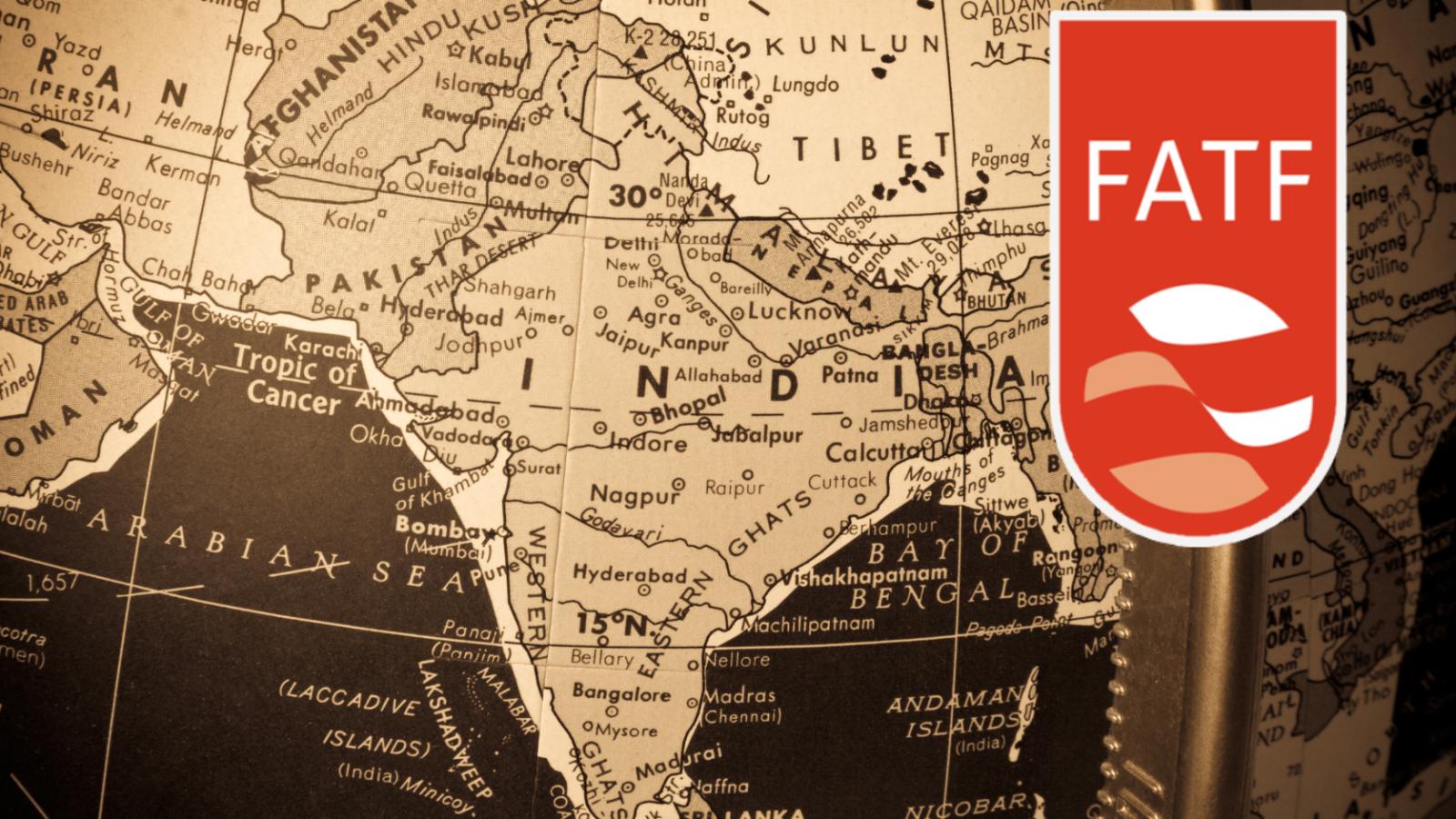
Pakistan’s FATF grey-lit history has returned to attention following India’s election to the vice-presidency of the global financial-crime watchdog.
Read more about India’s first election to the FATF vice-presidency and why the appointment matters.
India’s new leadership position gives New Delhi greater visibility i
Pakistan’s FATF grey-lit history has returned to attention following India’s election to the vice-presidency of the global financial-crime watchdog.
Read more about India’s first election to the FATF vice-presidency and why the appointment matters.
India’s new leadership position gives New Delhi greater visibility i
Incident Inside Religious Premises Raises Alarm
An elderly Sikh couple was shot dead inside a gurdwara in Pakistan’s Khyber Pakhtunkhwa province in a violent attack that has triggered widespread concern over the safety of minority communities in the region on June 18, 2026. The victims, identified as caretakers of the shrine in Mardan’s Khwaja Ganj Bazaar area, were reportedly attacked by unidentified as
Incident Inside Religious Premises Raises Alarm
An elderly Sikh couple was shot dead inside a gurdwara in Pakistan’s Khyber Pakhtunkhwa province in a violent attack that has triggered widespread concern over the safety of minority communities in the region on June 18, 2026. The victims, identified as caretakers of the shrine in Mardan’s Khwaja Ganj Bazaar area, were reportedly attacked by unidentified as