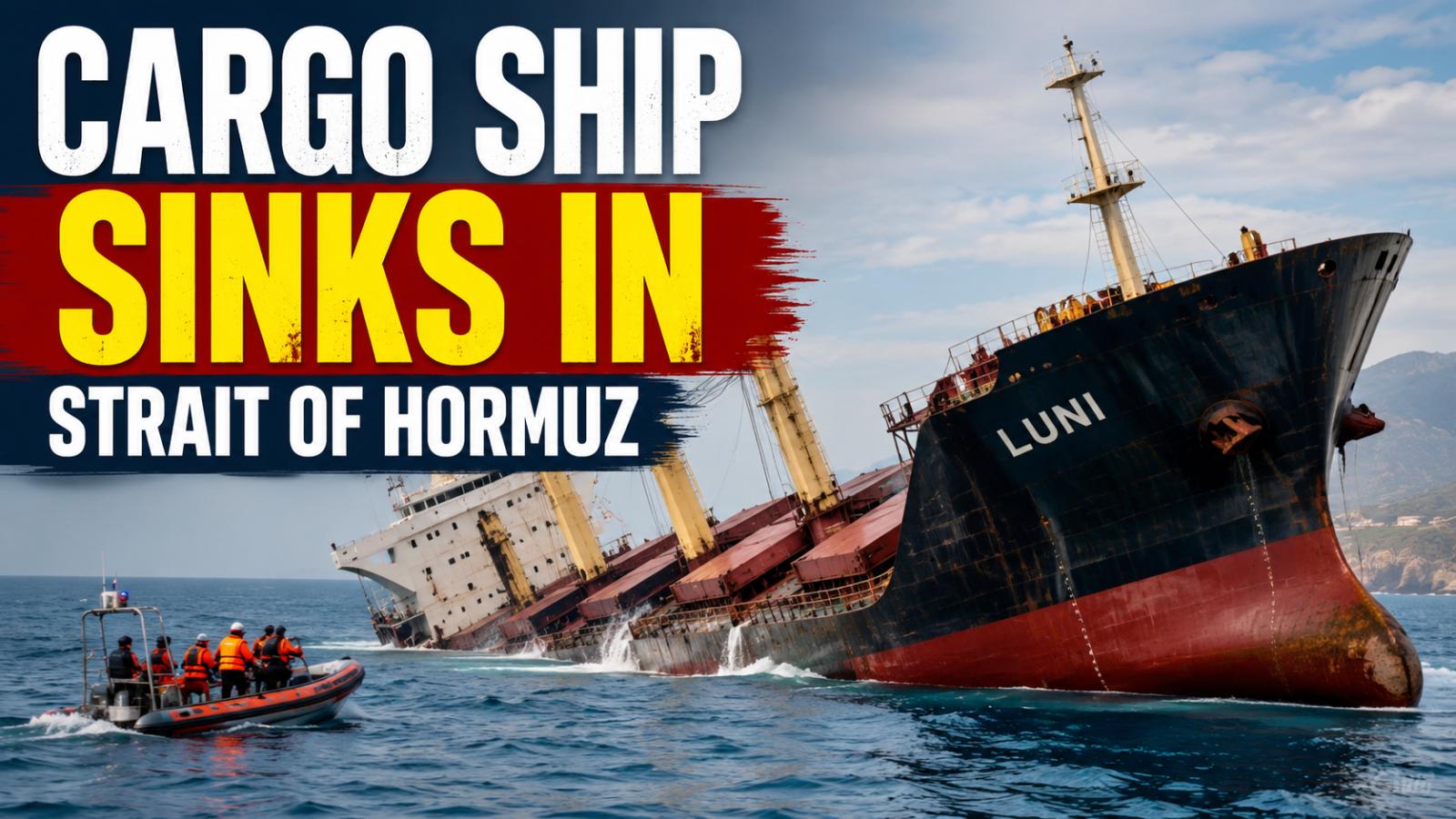
A bulk carrier suffered major hull damage and began taking on water after colliding with another vessel near Iran’s Qeshm Island on July 14, 2026. Iranian media reported that emergency teams safely rescued all 23 foreign crew members. Initial reports indicated that the accident was a maritime collision and not a military attack.
Strait of Hormuz cargo ship collision
The incident occurred north of Qeshm Island
A bulk carrier suffered major hull damage and began taking on water after colliding with another vessel near Iran’s Qeshm Island on July 14, 2026. Iranian media reported that emergency teams safely rescued all 23 foreign crew members. Initial reports indicated that the accident was a maritime collision and not a military attack.
Strait of Hormuz cargo ship collision
The incident occurred north of Qeshm Island
India Launches Seafarer First Plan After Hormuz Attacks
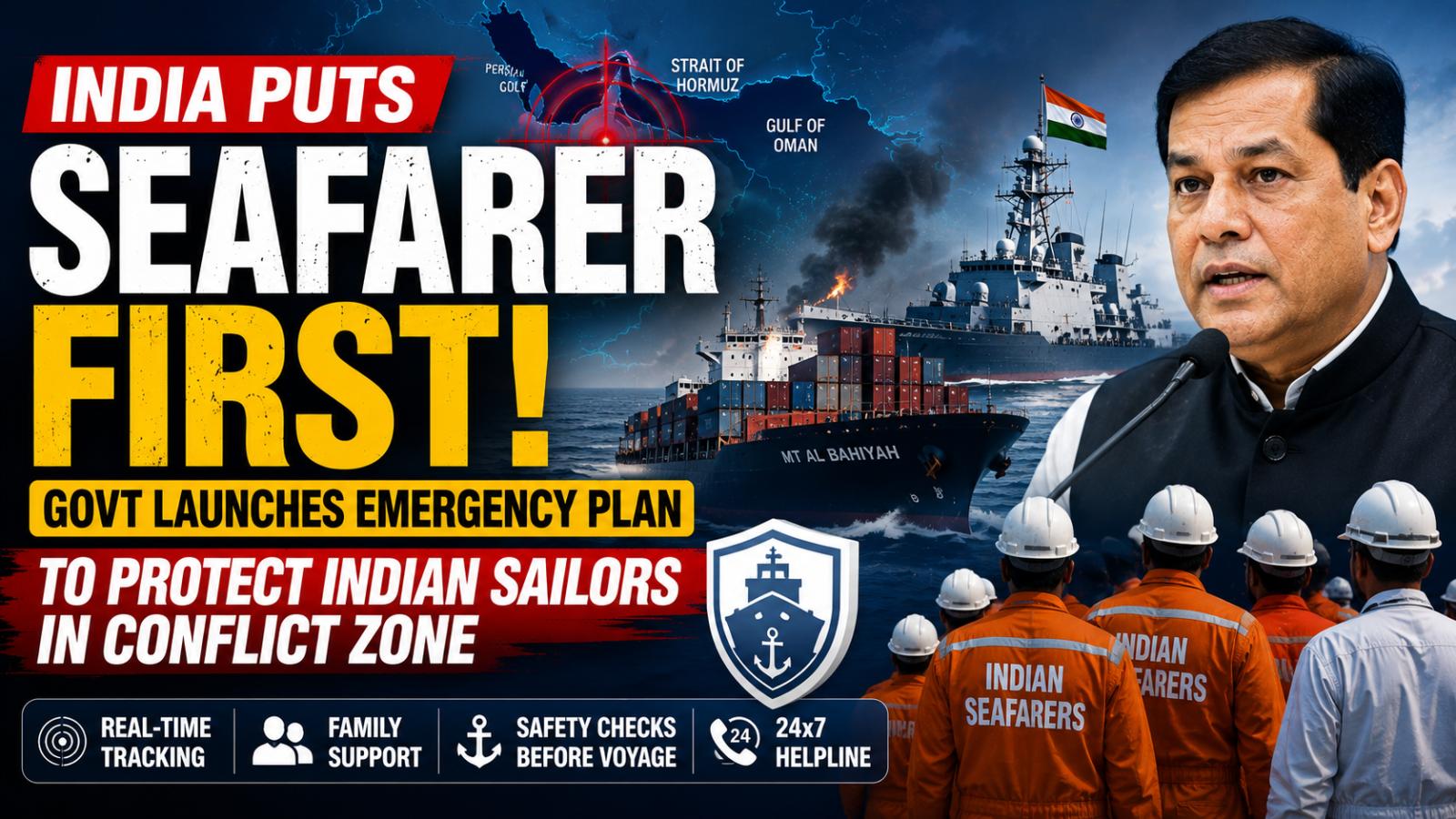
The Indian government has announced a comprehensive "Seafarer First" strategy to protect Indian sailors working in the conflict-affected waters of West Asia after attacks on two merchant vessels in the Strait of Hormuz killed one Indian seafarer and injured several others. The new measures include real-time monitoring of every Indian seafarer in the region, dedicate
India Launches Seafarer First Plan After Hormuz Attacks
The Indian government has announced a comprehensive "Seafarer First" strategy to protect Indian sailors working in the conflict-affected waters of West Asia after attacks on two merchant vessels in the Strait of Hormuz killed one Indian seafarer and injured several others. The new measures include real-time monitoring of every Indian seafarer in the region, dedicate
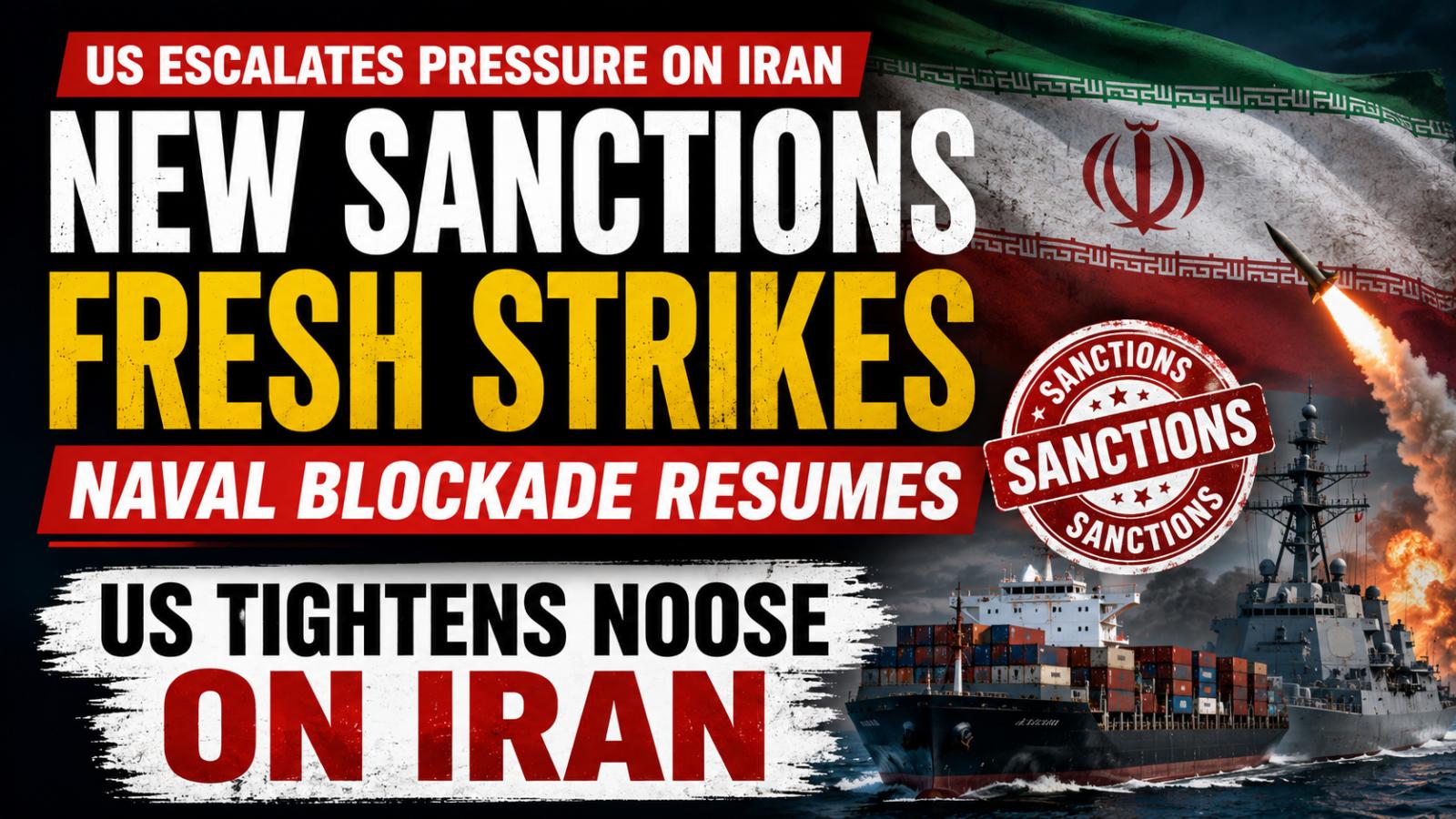
US Iran Sanctions Expand as Military Strikes Intensify
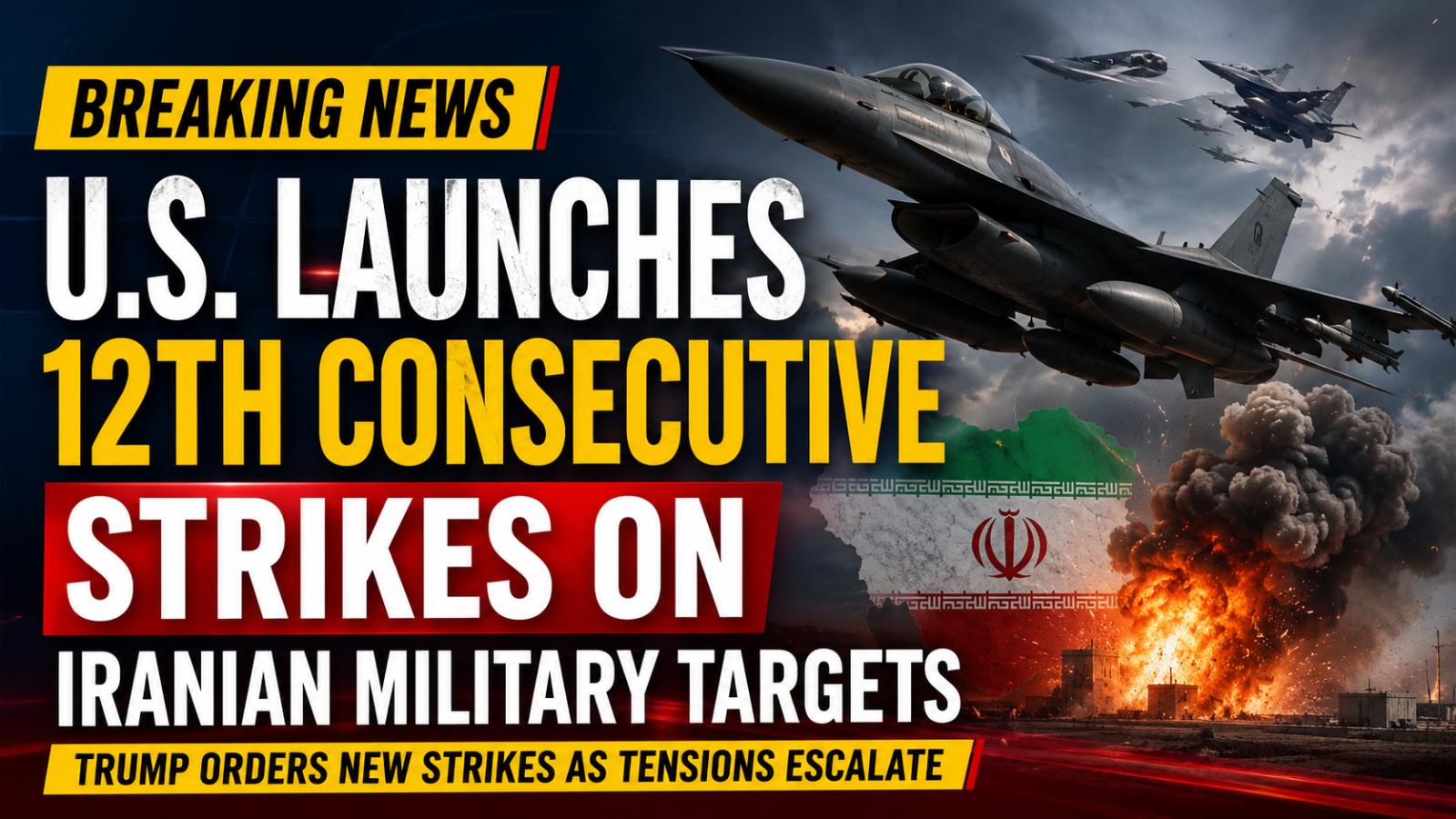
The United States imposed fresh Iran sanctions on Tuesday, July 14, targeting a major shipping and oil-trading network as American forces launched additional military strikes and moved to resume a naval blockade. The measures combine financial pressure with expanded military action amid a widening conflict involving commercial shipping and the Strait of Hormuz.
US Iran Sanctions Expand as Military Strikes Intensify
The United States imposed fresh Iran sanctions on Tuesday, July 14, targeting a major shipping and oil-trading network as American forces launched additional military strikes and moved to resume a naval blockade. The measures combine financial pressure with expanded military action amid a widening conflict involving commercial shipping and the Strait of Hormuz.
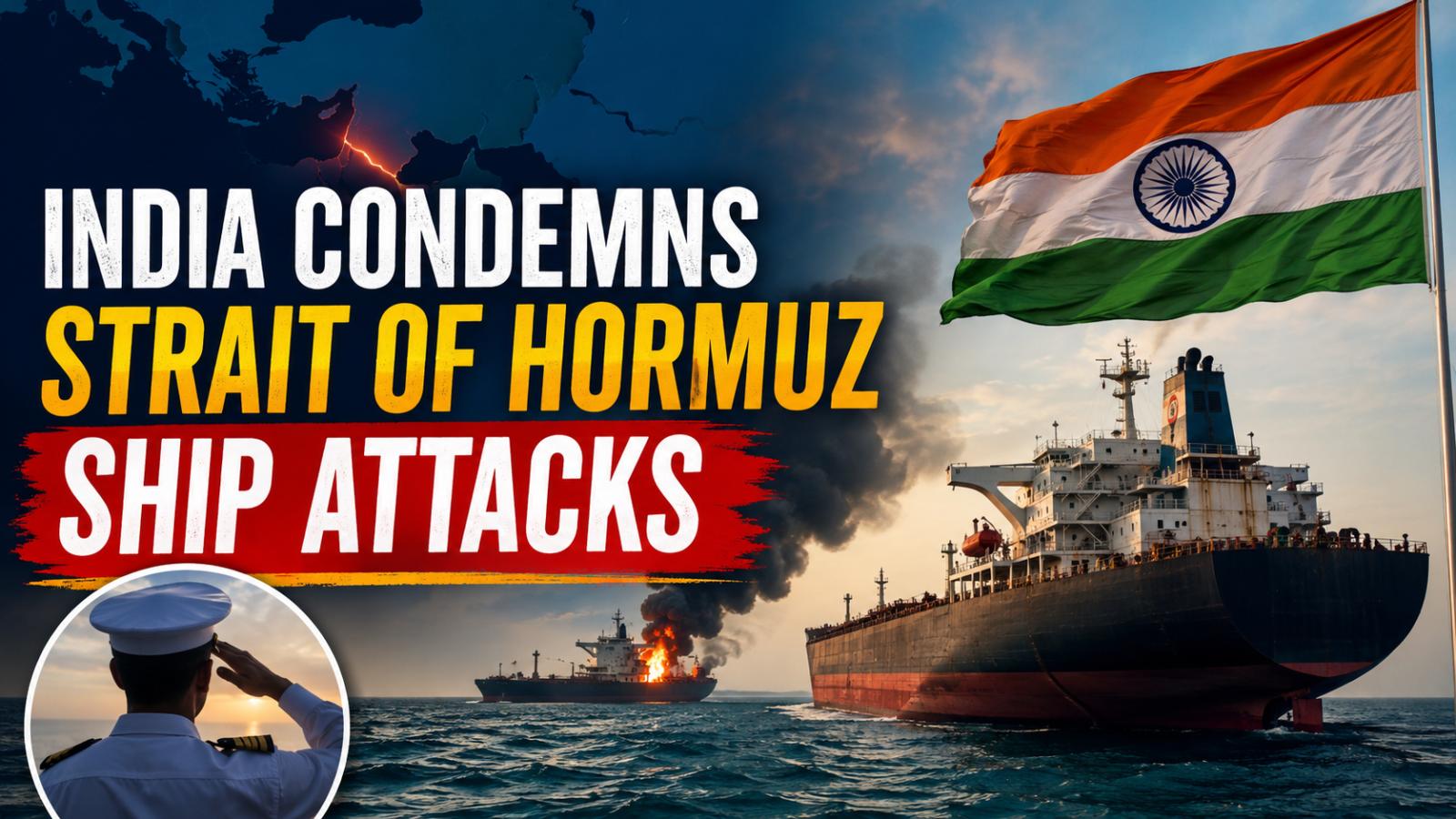
India has strongly condemned the Strait of Hormuz attacks on two commercial vessels that killed an Indian sailor and injured several crew members. New Delhi lodged a diplomatic protest and demanded an immediate end to attacks threatening shipping safety, maritime trade and stability across West Asia.
India condemns Strait of Hormuz attacks
The Ministry of External Affairs said on Tuesday, July 14, that violence
India has strongly condemned the Strait of Hormuz attacks on two commercial vessels that killed an Indian sailor and injured several crew members. New Delhi lodged a diplomatic protest and demanded an immediate end to attacks threatening shipping safety, maritime trade and stability across West Asia.
India condemns Strait of Hormuz attacks
The Ministry of External Affairs said on Tuesday, July 14, that violence
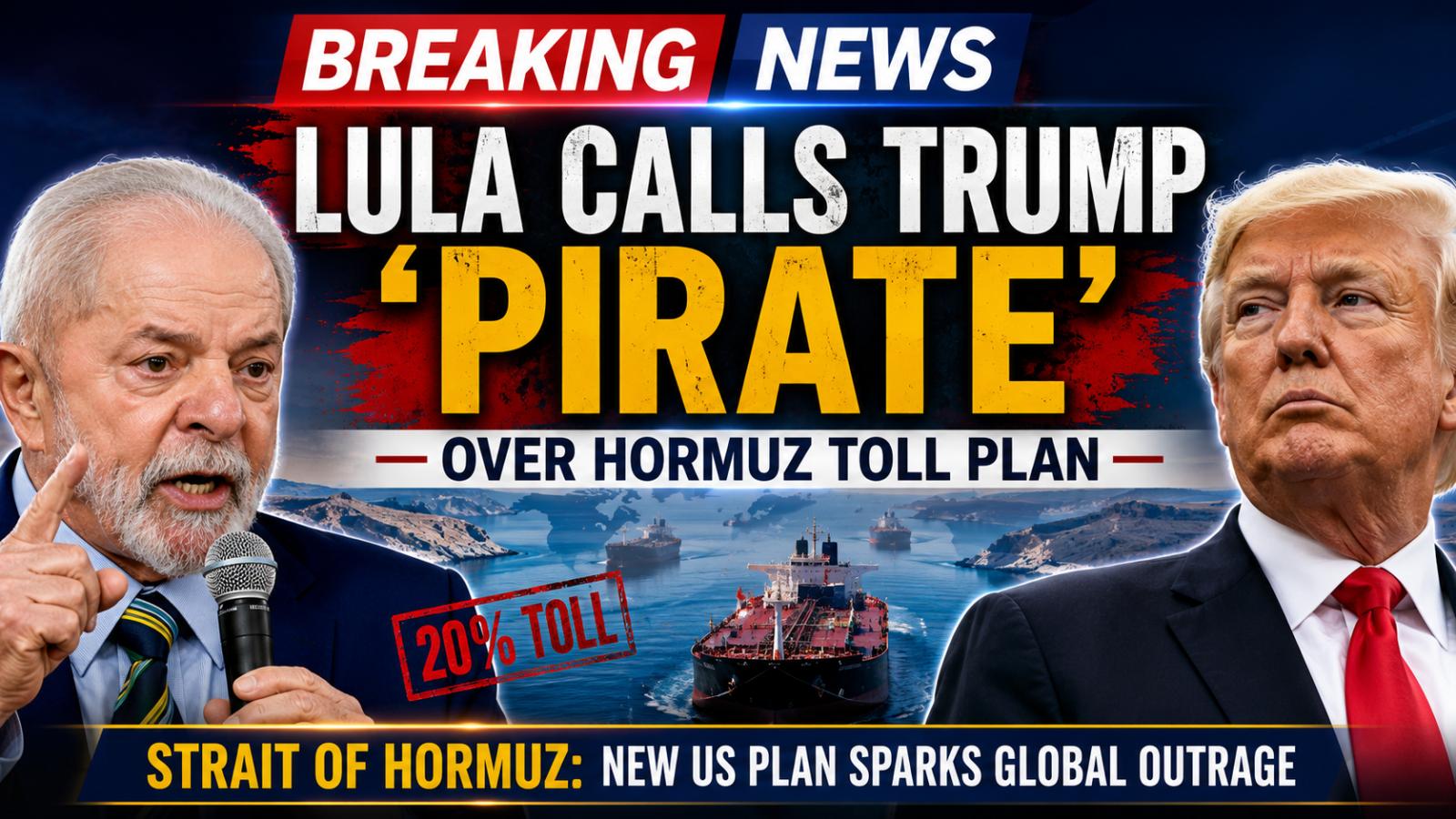
Brazilian President Luiz Inácio Lula da Silva has strongly criticized President Donald Trump's proposal to charge commercial ships a 20 percent toll for transiting the Strait of Hormuz, describing the idea as an act of piracy rather than international leadership. Lula's comments came after Trump announced that the United States would become the "Guardian of the Hormuz Strait" and begin collecting transit fees from vessels using one of the world's busie
Brazilian President Luiz Inácio Lula da Silva has strongly criticized President Donald Trump's proposal to charge commercial ships a 20 percent toll for transiting the Strait of Hormuz, describing the idea as an act of piracy rather than international leadership. Lula's comments came after Trump announced that the United States would become the "Guardian of the Hormuz Strait" and begin collecting transit fees from vessels using one of the world's busie
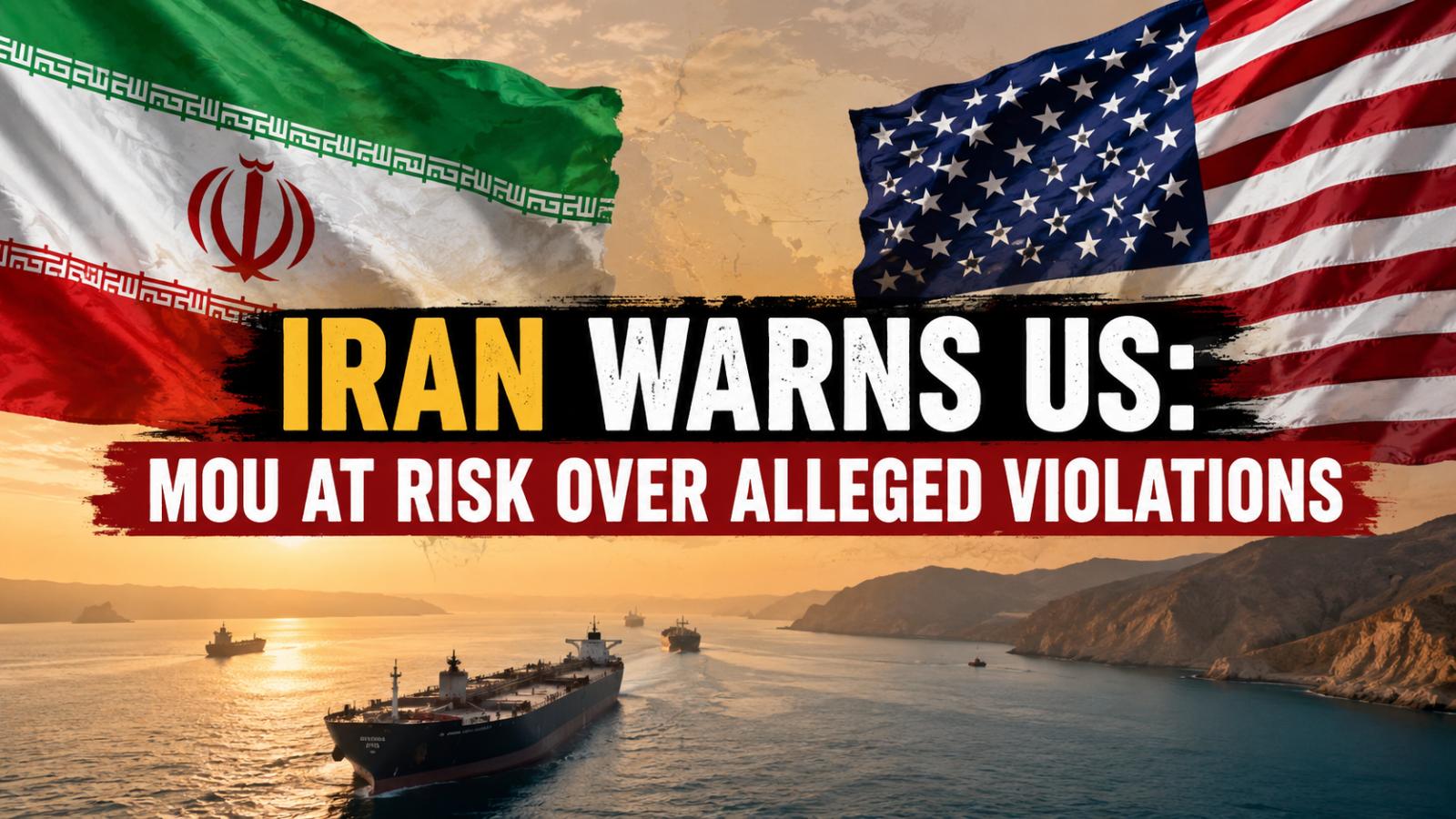
Iran has warned that continued US violations could release Tehran from its commitments under the Iran US MoU. The dispute involves the Islamabad MoU, Strait of Hormuz navigation, maritime security and wider tensions between Tehran and Washington.
Iran warning targets alleged US violations
Iran has warned that it may no longer consider itself bound by its memorandum of understanding with the United States if Was
Iran has warned that continued US violations could release Tehran from its commitments under the Iran US MoU. The dispute involves the Islamabad MoU, Strait of Hormuz navigation, maritime security and wider tensions between Tehran and Washington.
Iran warning targets alleged US violations
Iran has warned that it may no longer consider itself bound by its memorandum of understanding with the United States if Was
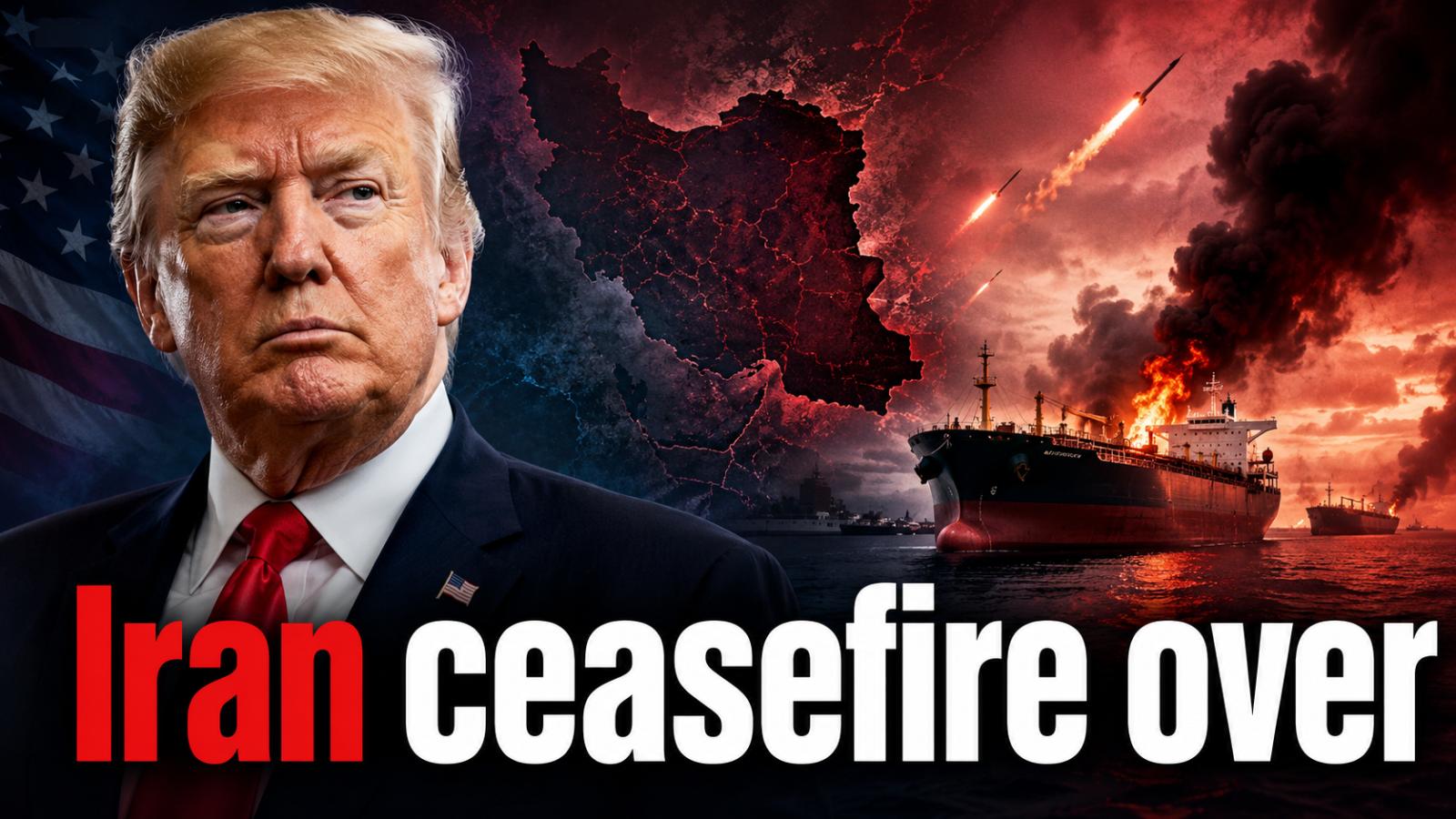
US President Donald Trump has said the Iran ceasefire is no longer in place, sharply raising tensions between Washington and Tehran after fresh violence around the Strait of Hormuz. His comments came during the NATO summit in Turkey, where the Middle East crisis became one of the main security issues facing global leaders.
The latest escalation followed attacks on commercial vessels in the Strait of Hormuz, a narrow but highly important se
US President Donald Trump has said the Iran ceasefire is no longer in place, sharply raising tensions between Washington and Tehran after fresh violence around the Strait of Hormuz. His comments came during the NATO summit in Turkey, where the Middle East crisis became one of the main security issues facing global leaders.
The latest escalation followed attacks on commercial vessels in the Strait of Hormuz, a narrow but highly important se
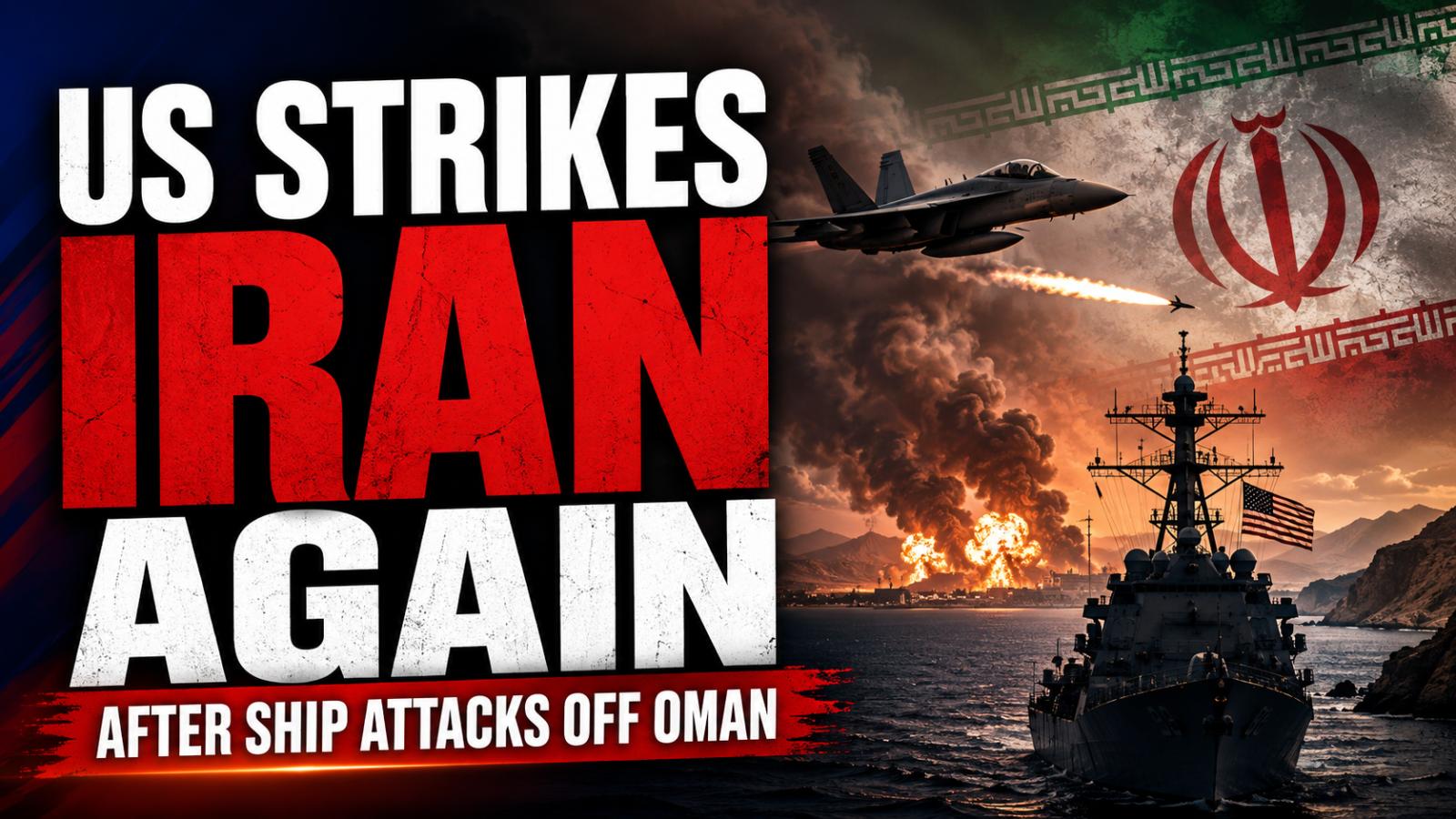
US strikes Iranian targets after ship attacks
The United States military launched a fresh wave of strikes against Iranian targets early Wednesday after three merchant vessels were attacked in waters near Oman, according to US Central Command. CENTCOM said the strikes were intended to impose heavy costs for attacks on commercial shipping and civilian crews in an intern
US strikes Iranian targets after ship attacks
The United States military launched a fresh wave of strikes against Iranian targets early Wednesday after three merchant vessels were attacked in waters near Oman, according to US Central Command. CENTCOM said the strikes were intended to impose heavy costs for attacks on commercial shipping and civilian crews in an intern
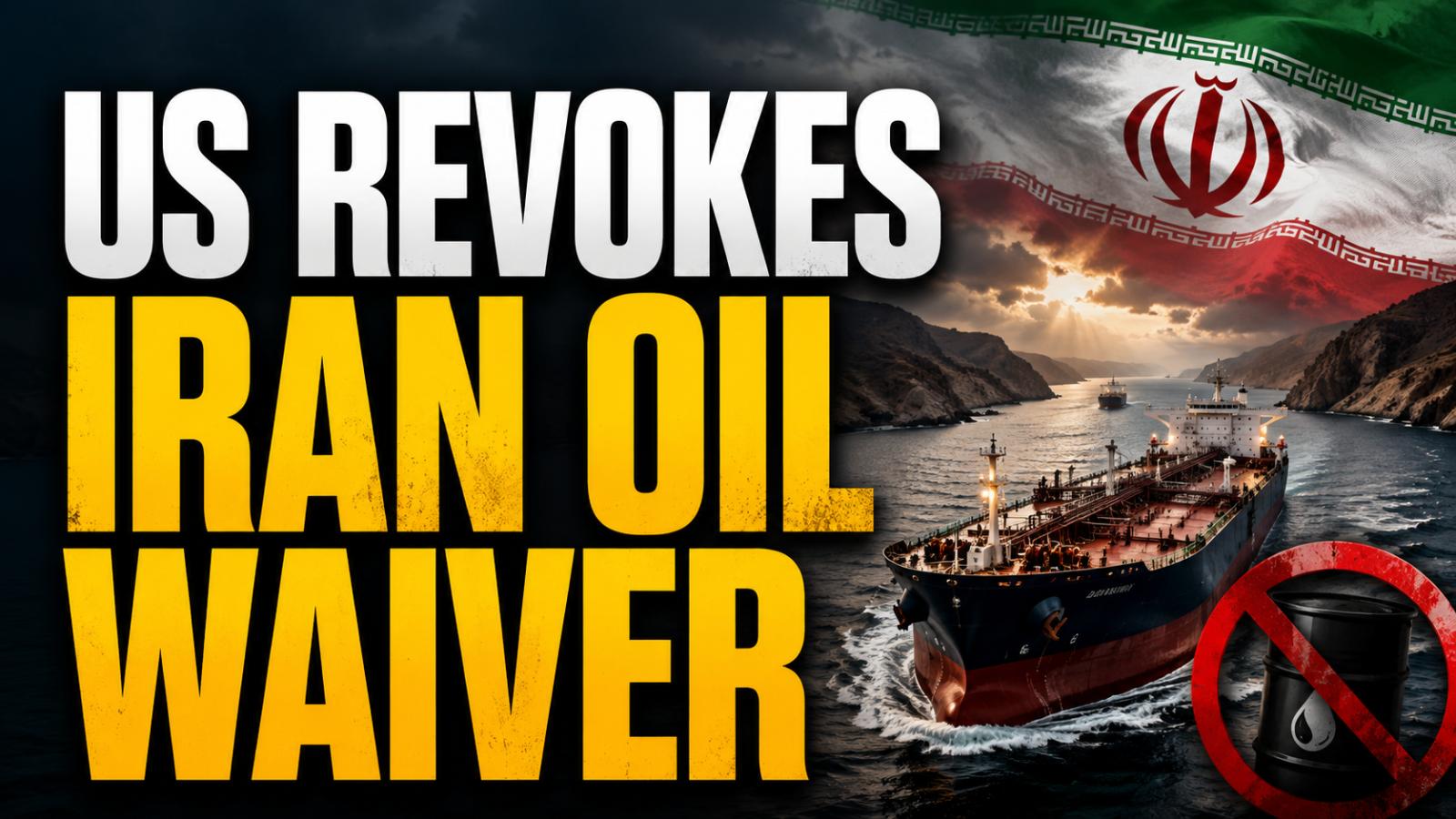
US ends Iran oil authorisation
The United States has revoked a temporary licence that had allowed certain transactions involving Iranian-origin crude oil, petroleum products and petrochemical products, tightening pressure on Tehran after tanker attacks near the Strait of Hormuz. A US official said Iran’s actions in the strategic waterway were “wholly unacceptable??
US ends Iran oil authorisation
The United States has revoked a temporary licence that had allowed certain transactions involving Iranian-origin crude oil, petroleum products and petrochemical products, tightening pressure on Tehran after tanker attacks near the Strait of Hormuz. A US official said Iran’s actions in the strategic waterway were “wholly unacceptable??
Costco is closed on July 4 for Independence Day, while many major retailers and grocery stores are expected to remain open with possible reduced holiday hours.
The holiday closure may affect shoppers planning last-minute grocery runs, party supplies or pharmacy visits. Costco is among the major retailers that close for Independence Day, along with Heinen’s, according to the store-hour information provided.
Costco July 4 Ho
Costco is closed on July 4 for Independence Day, while many major retailers and grocery stores are expected to remain open with possible reduced holiday hours.
The holiday closure may affect shoppers planning last-minute grocery runs, party supplies or pharmacy visits. Costco is among the major retailers that close for Independence Day, along with Heinen’s, according to the store-hour information provided.
Costco July 4 Ho
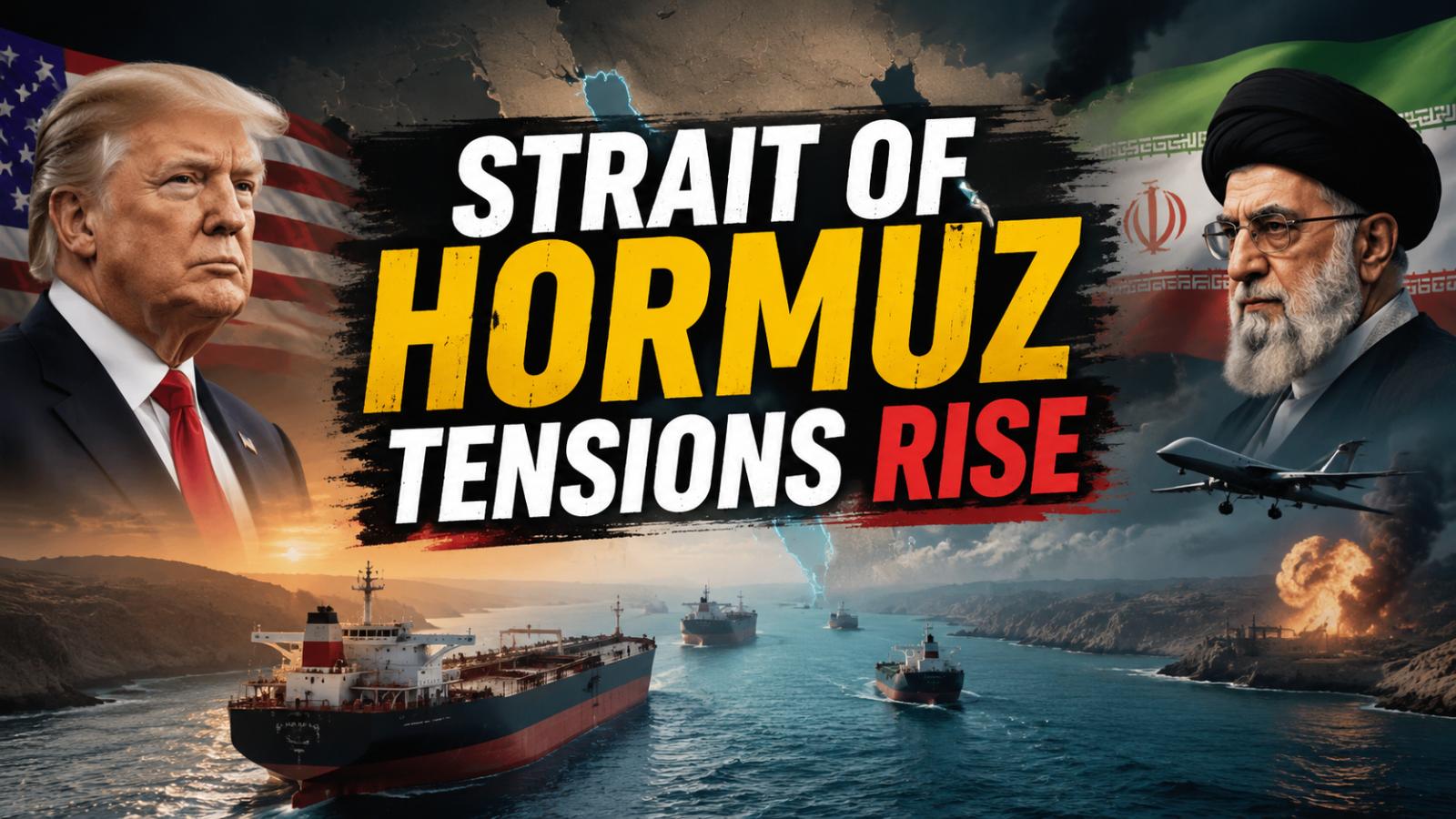
Tensions around the Strait of Hormuz have increased again after a mix of political remarks and renewed security incidents in the Gulf region. The strategic waterway, which carries a significant share of global oil shipments, has once again become a focal point as diplomatic relations between the United States and Iran remain unstable.
Recent political commentary from US circles, including remarks linked to Hunter Biden on social media, has add
Tensions around the Strait of Hormuz have increased again after a mix of political remarks and renewed security incidents in the Gulf region. The strategic waterway, which carries a significant share of global oil shipments, has once again become a focal point as diplomatic relations between the United States and Iran remain unstable.
Recent political commentary from US circles, including remarks linked to Hunter Biden on social media, has add
Trump revisits Panama Canal transfer decision
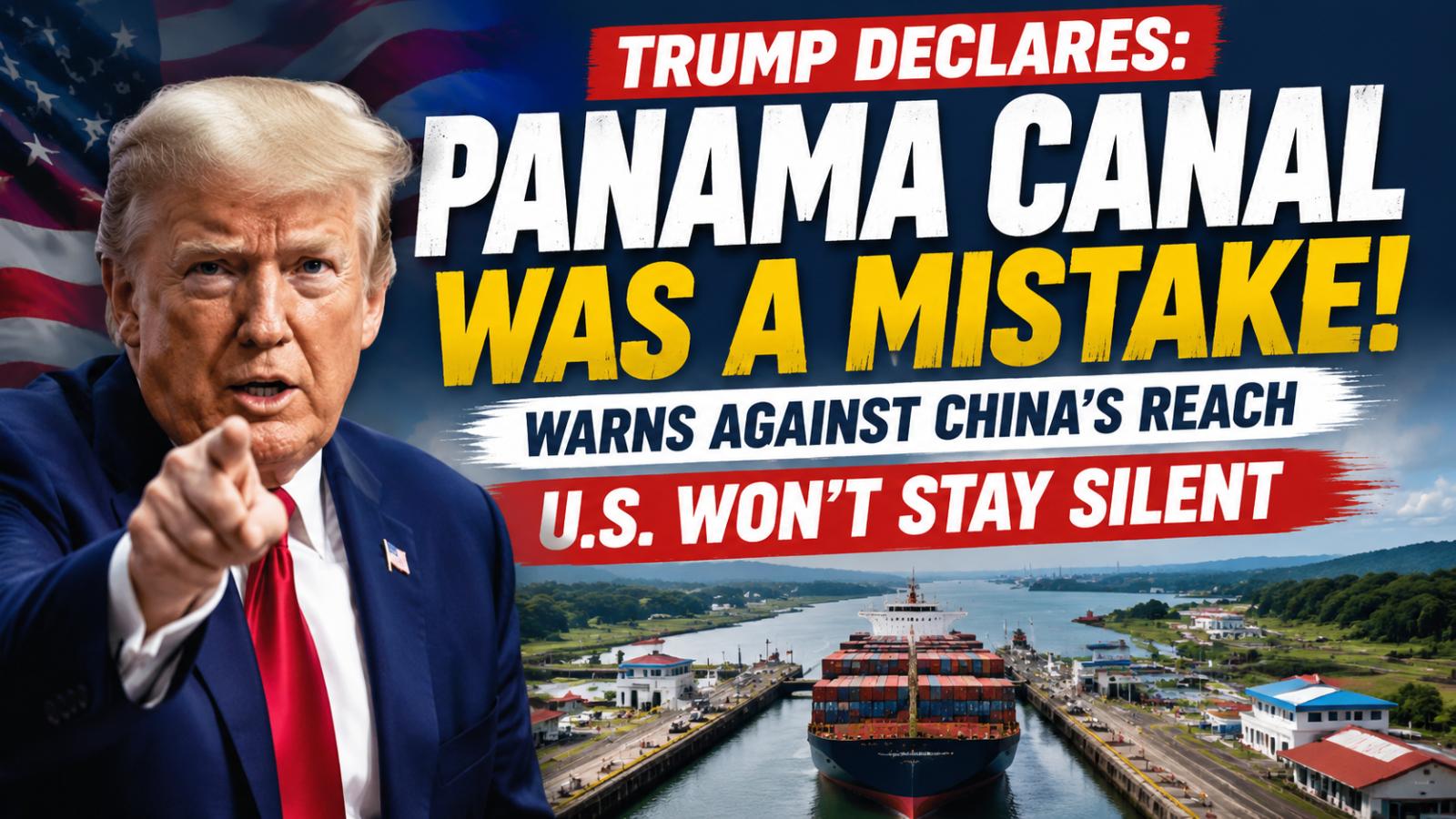
President Donald Trump has stated that the United States should never have transferred control of the Panama Canal to Panama, arguing that the decision has led to rising transit fees and potential geopolitical risks. Speaking at the opening of the Theodore Roosevelt Presidential Library in Medora, he criticised the 1977 agreement that eventually led to the full handover of the canal in 1999.
Trump revisits Panama Canal transfer decision
President Donald Trump has stated that the United States should never have transferred control of the Panama Canal to Panama, arguing that the decision has led to rising transit fees and potential geopolitical risks. Speaking at the opening of the Theodore Roosevelt Presidential Library in Medora, he criticised the 1977 agreement that eventually led to the full handover of the canal in 1999.
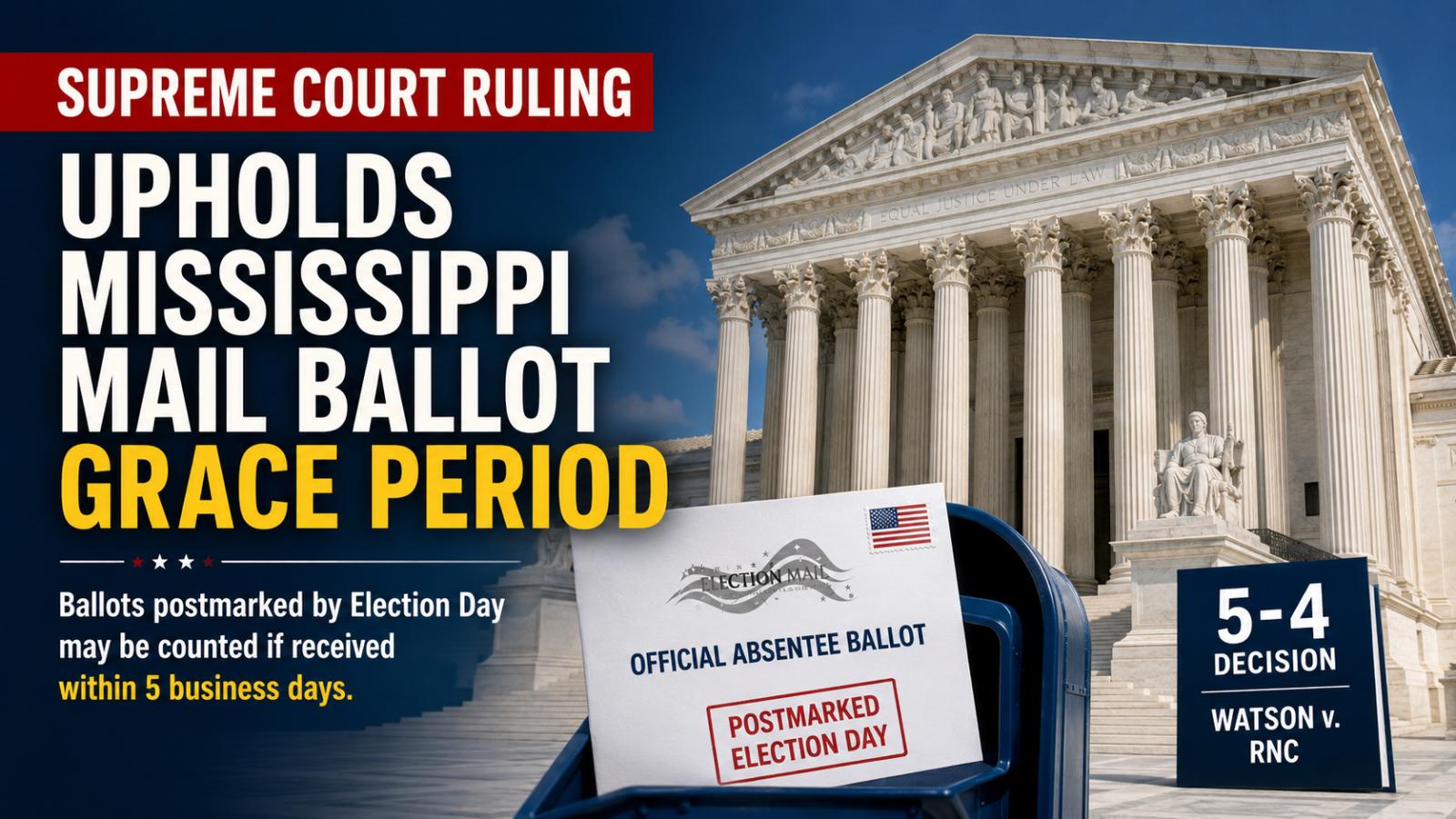
WASHINGTON — The U.S. Supreme Court on Monday, June 29, 2026, upheld the Mississippi mail ballot grace period, ruling that absentee ballots postmarked by Election Day may be counted if they arrive within five business days.
The 5-4 decision overturned a federal appeals court ruling and preserved similar post-election ballot receipt rules in other states.
What the Mississippi Mail Ballot Grace Period Ruling Means
WASHINGTON — The U.S. Supreme Court on Monday, June 29, 2026, upheld the Mississippi mail ballot grace period, ruling that absentee ballots postmarked by Election Day may be counted if they arrive within five business days.
The 5-4 decision overturned a federal appeals court ruling and preserved similar post-election ballot receipt rules in other states.
What the Mississippi Mail Ballot Grace Period Ruling Means
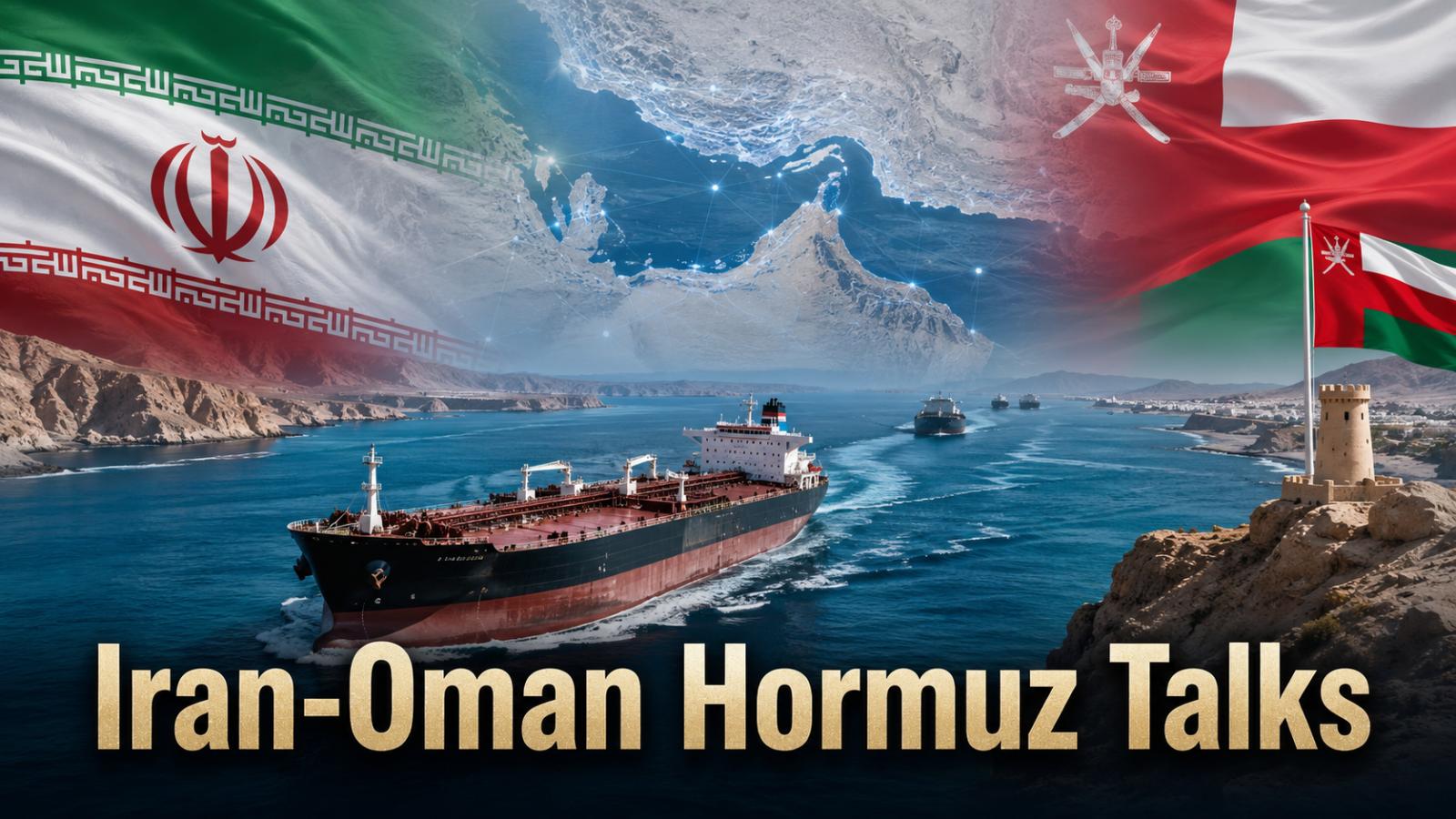
Iran and Oman have opened fresh discussions in Muscat on the future management of the Strait of Hormuz, a key Gulf waterway that remains central to regional trade, energy movement and maritime security. The meeting marked the first formal session of a joint committee formed to discuss navigation, coastal rights and safe passage through one of the world’s most sensitive shipping lanes.
The talks were held between senior officials from bot
Iran and Oman have opened fresh discussions in Muscat on the future management of the Strait of Hormuz, a key Gulf waterway that remains central to regional trade, energy movement and maritime security. The meeting marked the first formal session of a joint committee formed to discuss navigation, coastal rights and safe passage through one of the world’s most sensitive shipping lanes.
The talks were held between senior officials from bot
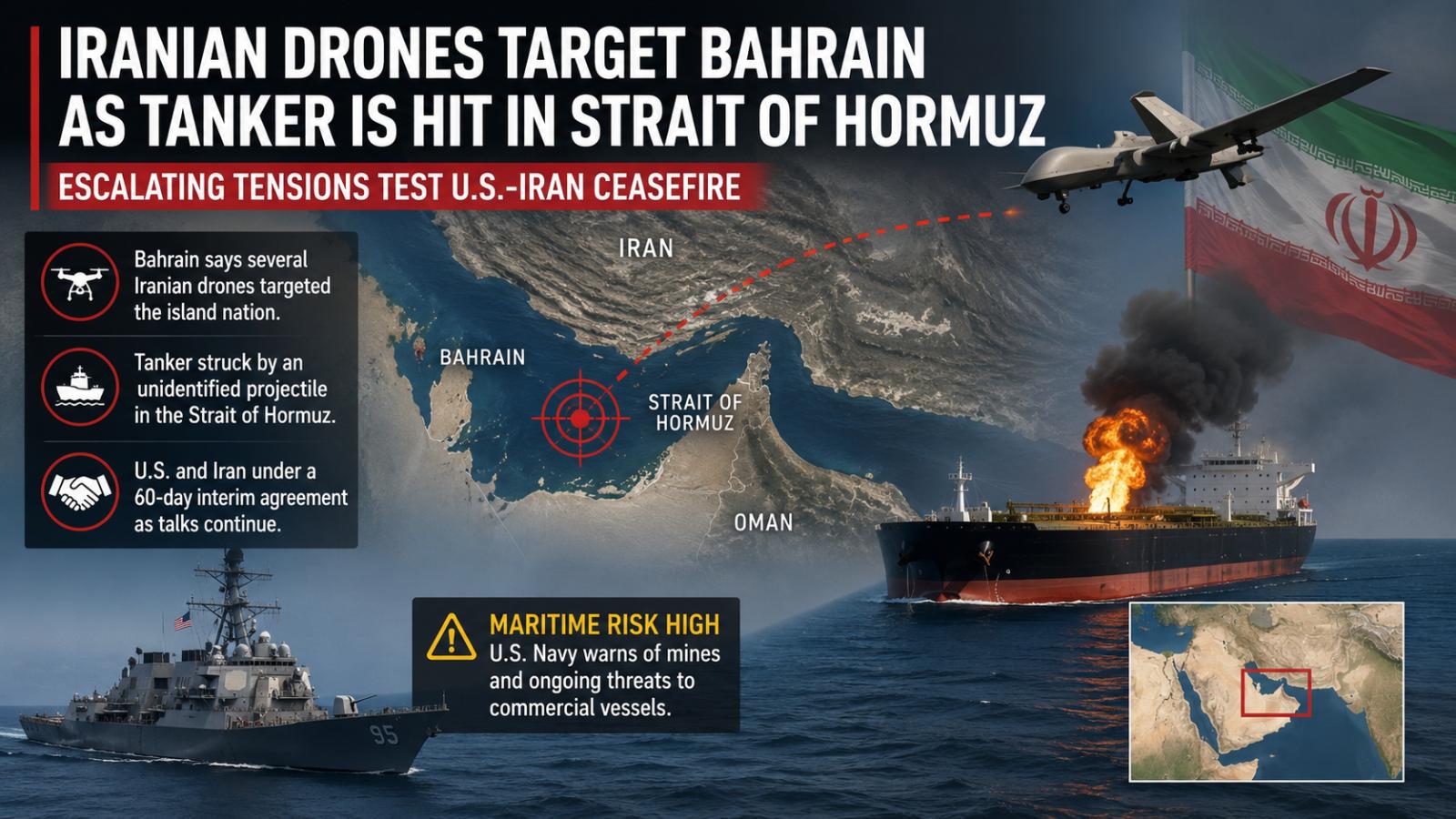
DUBAI, United Arab Emirates — Bahrain said Iranian drones targeted the island nation on Saturday, June 27, 2026, while a tanker was struck by an unidentified projectile in the Strait of Hormuz, adding pressure to a fragile U.S.-Iran ceasefire.
The incidents followed overnight U.S. airstrikes on Iranian missile and drone facilities and coastal radar sites. U.S. Central Command said the strikes followed an Iranian drone attack on a container ship attempting to leave the strait.
DUBAI, United Arab Emirates — Bahrain said Iranian drones targeted the island nation on Saturday, June 27, 2026, while a tanker was struck by an unidentified projectile in the Strait of Hormuz, adding pressure to a fragile U.S.-Iran ceasefire.
The incidents followed overnight U.S. airstrikes on Iranian missile and drone facilities and coastal radar sites. U.S. Central Command said the strikes followed an Iranian drone attack on a container ship attempting to leave the strait.
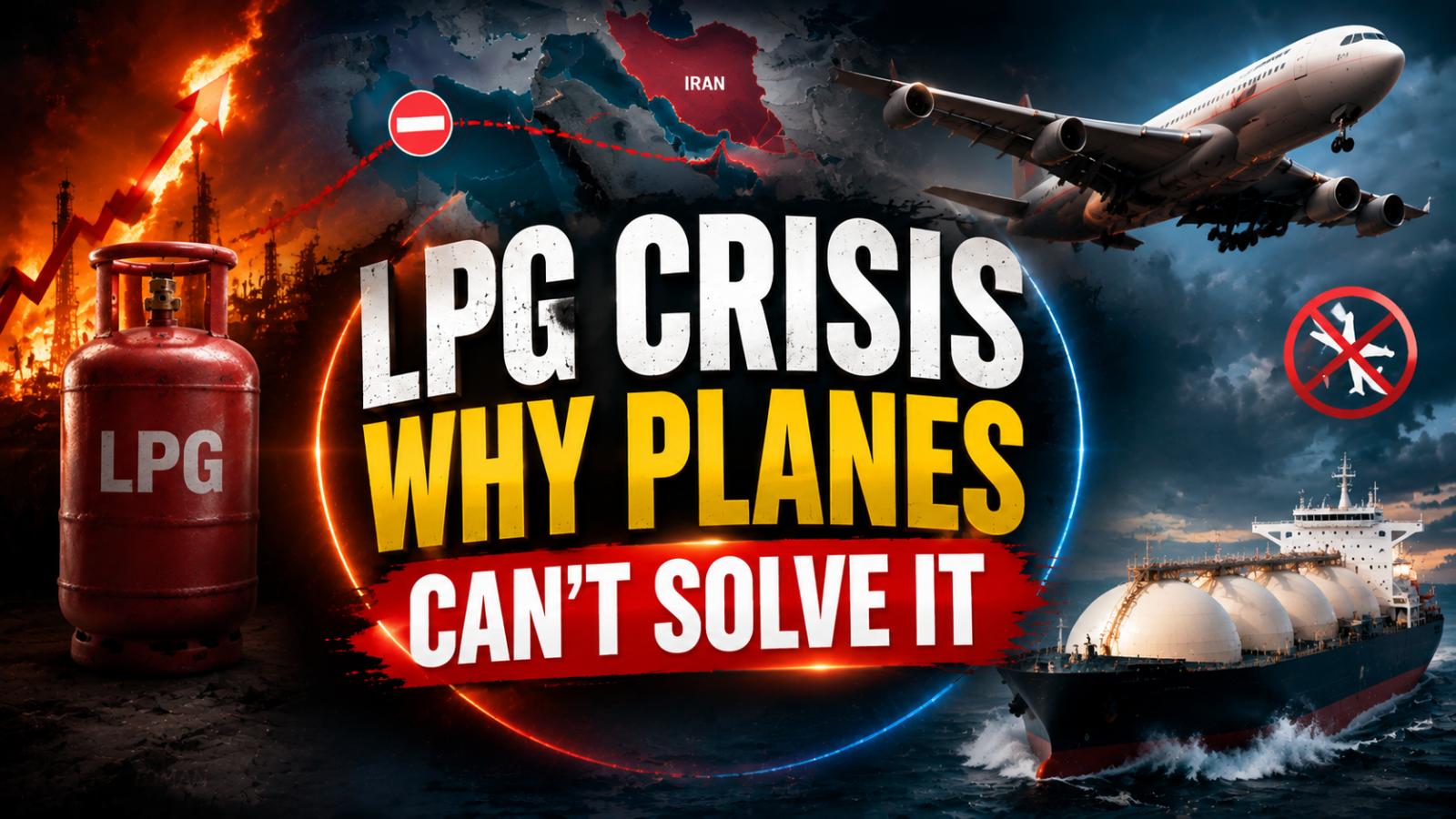
Rising concerns around LPG supply and transport
Recent disruptions in global shipping routes have sparked renewed public concern about LPG availability and pricing in several markets. While speculation often increases during periods of geopolitical tension, the actual movement of liquefied petroleum gas depends on a tightly controlled logistics system involving specia
Rising concerns around LPG supply and transport
Recent disruptions in global shipping routes have sparked renewed public concern about LPG availability and pricing in several markets. While speculation often increases during periods of geopolitical tension, the actual movement of liquefied petroleum gas depends on a tightly controlled logistics system involving specia
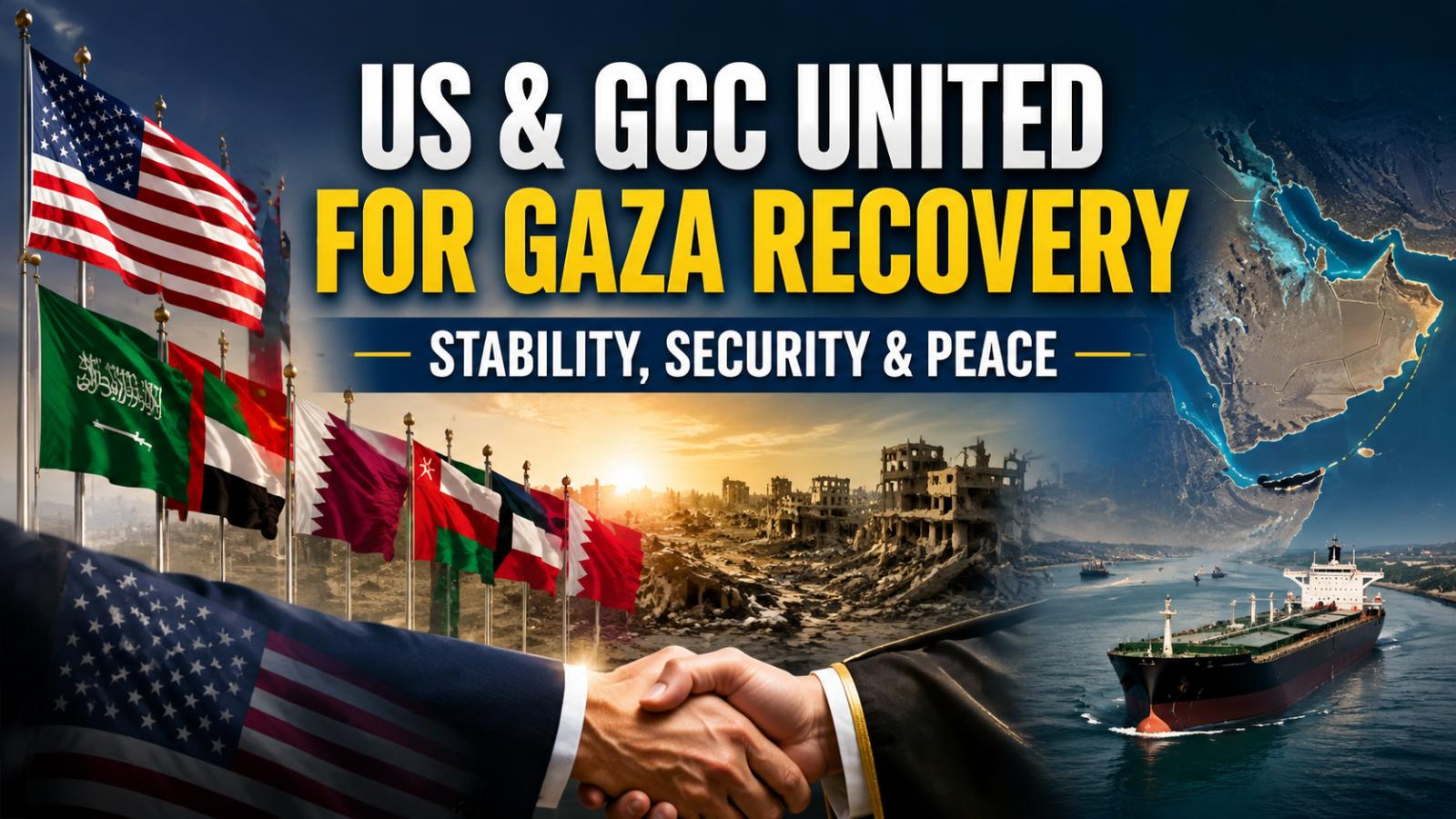
A recent round of discussions between the United States and Gulf Cooperation Council members centered on the future of Gaza, with a strong emphasis on preventing forced displacement and prioritizing civilian safety. The participating sides underscored that any population movement must remain voluntary and reversible, rejecting any framework that would permanently alter the demographic structure of the territory.
The talks also reflected growin
A recent round of discussions between the United States and Gulf Cooperation Council members centered on the future of Gaza, with a strong emphasis on preventing forced displacement and prioritizing civilian safety. The participating sides underscored that any population movement must remain voluntary and reversible, rejecting any framework that would permanently alter the demographic structure of the territory.
The talks also reflected growin
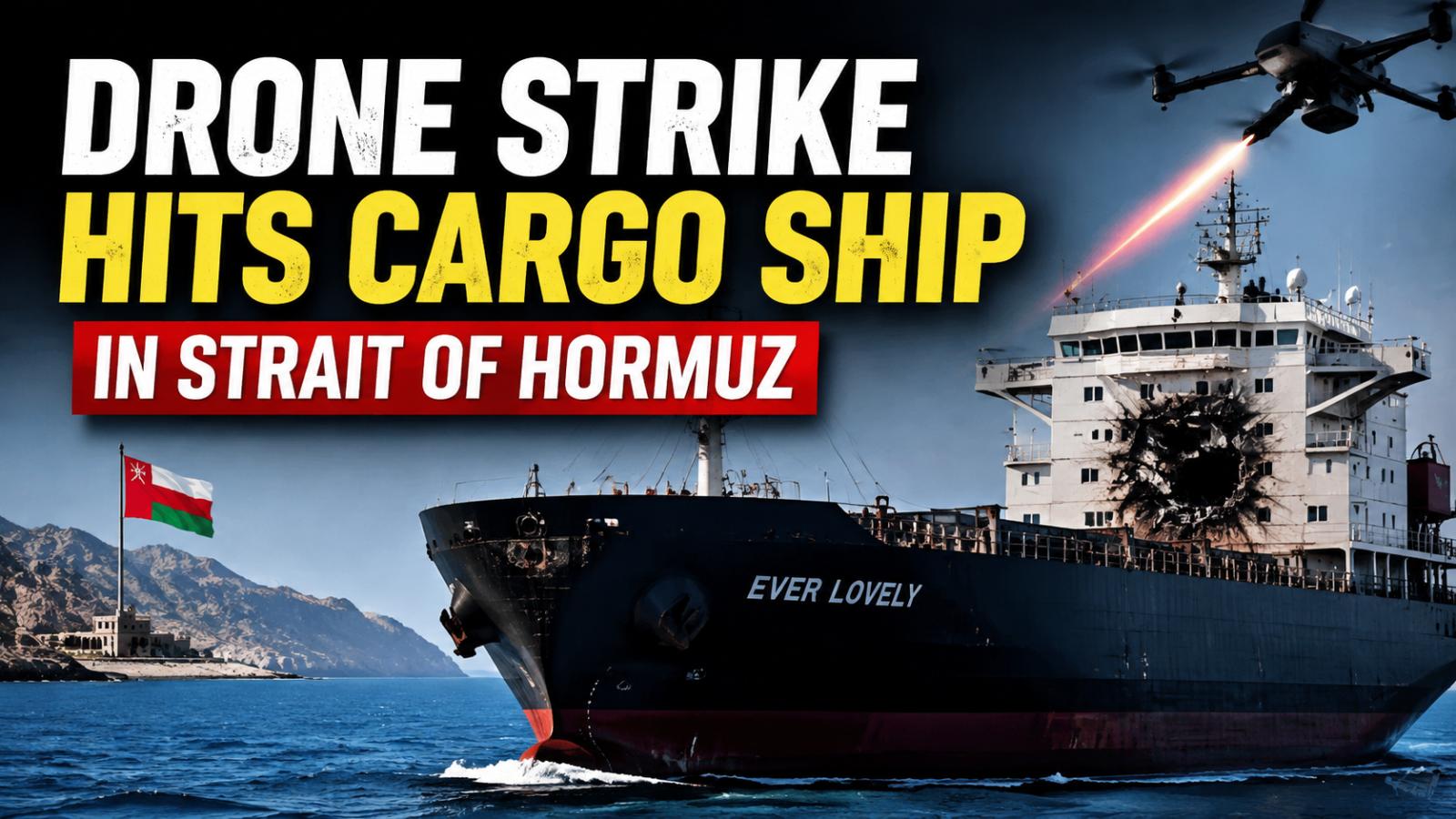
A commercial vessel sailing through waters near the Strait of Hormuz was damaged after being struck by a drone-type projectile, triggering renewed concerns over the safety of one of the world’s most critical maritime trade routes. The Singapore-flagged cargo ship Ever Lovely was affected while transiting close to Oman’s maritime zone after exiting the narrow passage. Authorities confirmed the vessel sustained structural damage, but all crew members
A commercial vessel sailing through waters near the Strait of Hormuz was damaged after being struck by a drone-type projectile, triggering renewed concerns over the safety of one of the world’s most critical maritime trade routes. The Singapore-flagged cargo ship Ever Lovely was affected while transiting close to Oman’s maritime zone after exiting the narrow passage. Authorities confirmed the vessel sustained structural damage, but all crew members
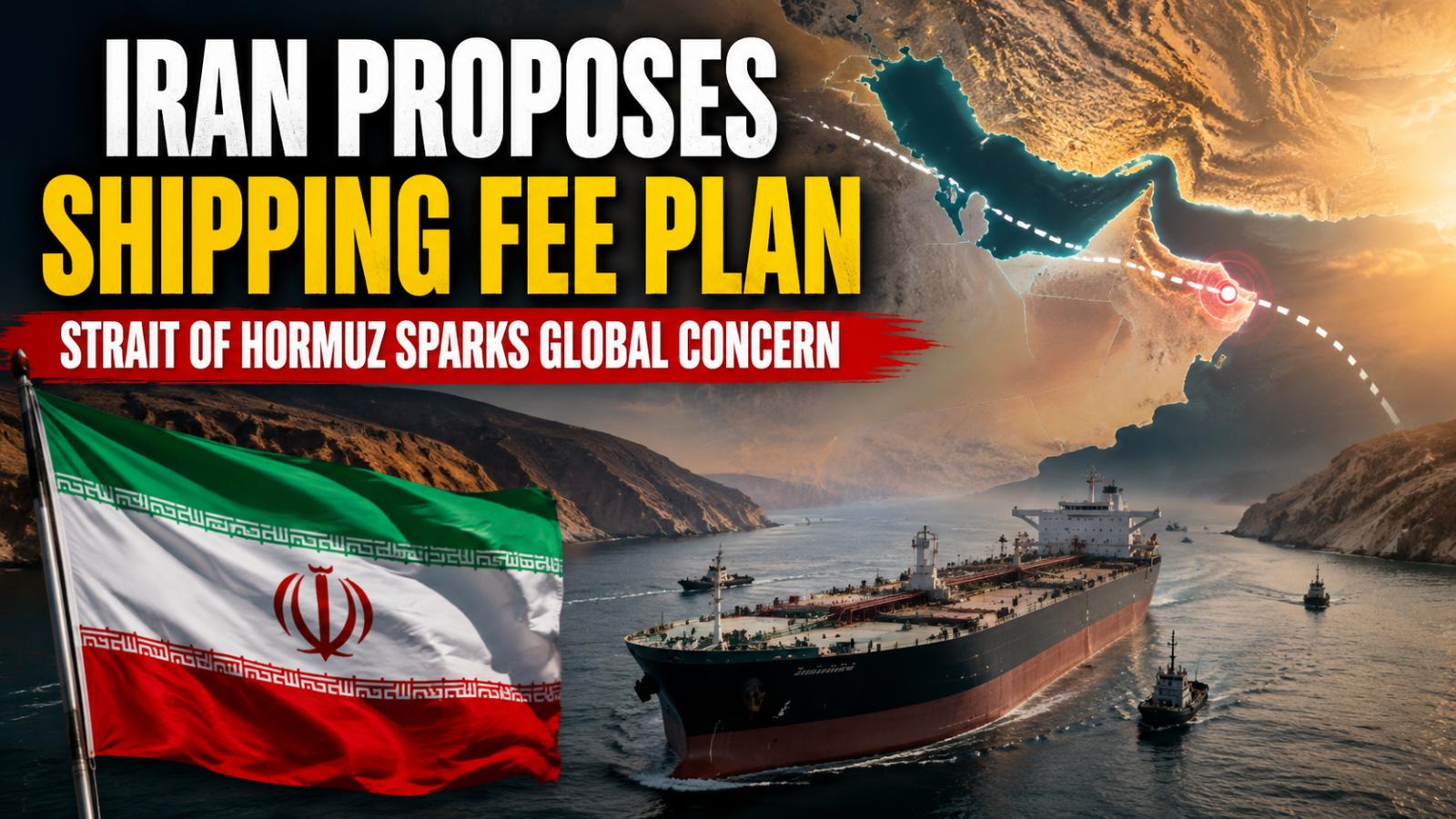
A proposal linked to Iran suggesting charges on vessels passing through the Strait of Hormuz has triggered renewed international attention on one of the world’s most sensitive maritime corridors. The passage connects the Persian Gulf to open oceans and handles a major share of global crude oil shipments, making even minor policy changes capable of influencing energy markets.
Proposed fee structure and stated objectives
The idea under discussion involves introducing a structured fee system for ships using the route. The proposal frames the charges as payments for services such as navigation safety, maritime monitoring, and environmental management. Early estimates circulating in policy discussions suggest the mechanism could generate substantial annual revenue if implemented at scale.
However, the concept also raises immediate legal and operational questions, particularly regarding jurisdiction over international waters and the practicality of enforcing such a system on heavily trafficked global shipping lanes.
Regional outreach and diplomatic positioning
Reports indicate that discussions around the proposal have included outreach to several regional and global stakeholders, including major energy-importing nations. The objective appears to be building support for a shared governance or cost-sharing model for maritime traffic management in the region.
Some interpretations suggest the plan is part of a broader effort to increase regional leverage over strategic trade routes. Others view it as an attempt to formalize compensation mechanisms for security responsibilities in a highly militarized shipping corridor.
International reaction and US opposition
The proposal has drawn clear resistance from the United States, which maintains that key international waterways must remain free for unrestricted commercial passage. US officials argue that introducing toll-like systems could disrupt global supply chains and increase volatility in energy pricing.
Concerns have also been raised by other maritime stakeholders who rely heavily on stable passage through the Strait of Hormuz for crude oil and liquefied natural gas transport. Any change in cost structure or transit policy is seen as having a direct impact on insurance premiums and shipping routes.
Wider implications for global energy markets
The debate comes at a time when global energy markets remain highly sensitive to geopolitical developments in the Gulf region. Even the perception of restricted access or added transit costs can influence oil price expectations and shipping risk assessments.
Analysts note that the discussion highlights ongoing tensions between strategic control of critical chokepoints and the principle of open international navigation. The outcome of such proposals could shape future frameworks governing global energy transport corridors.
A proposal linked to Iran suggesting charges on vessels passing through the Strait of Hormuz has triggered renewed international attention on one of the world’s most sensitive maritime corridors. The passage connects the Persian Gulf to open oceans and handles a major share of global crude oil shipments, making even minor policy changes capable of influencing energy markets.
Proposed fee structure and stated objectives
The idea under discussion involves introducing a structured fee system for ships using the route. The proposal frames the charges as payments for services such as navigation safety, maritime monitoring, and environmental management. Early estimates circulating in policy discussions suggest the mechanism could generate substantial annual revenue if implemented at scale.
However, the concept also raises immediate legal and operational questions, particularly regarding jurisdiction over international waters and the practicality of enforcing such a system on heavily trafficked global shipping lanes.
Regional outreach and diplomatic positioning
Reports indicate that discussions around the proposal have included outreach to several regional and global stakeholders, including major energy-importing nations. The objective appears to be building support for a shared governance or cost-sharing model for maritime traffic management in the region.
Some interpretations suggest the plan is part of a broader effort to increase regional leverage over strategic trade routes. Others view it as an attempt to formalize compensation mechanisms for security responsibilities in a highly militarized shipping corridor.
International reaction and US opposition
The proposal has drawn clear resistance from the United States, which maintains that key international waterways must remain free for unrestricted commercial passage. US officials argue that introducing toll-like systems could disrupt global supply chains and increase volatility in energy pricing.
Concerns have also been raised by other maritime stakeholders who rely heavily on stable passage through the Strait of Hormuz for crude oil and liquefied natural gas transport. Any change in cost structure or transit policy is seen as having a direct impact on insurance premiums and shipping routes.
Wider implications for global energy markets
The debate comes at a time when global energy markets remain highly sensitive to geopolitical developments in the Gulf region. Even the perception of restricted access or added transit costs can influence oil price expectations and shipping risk assessments.
Analysts note that the discussion highlights ongoing tensions between strategic control of critical chokepoints and the principle of open international navigation. The outcome of such proposals could shape future frameworks governing global energy transport corridors.
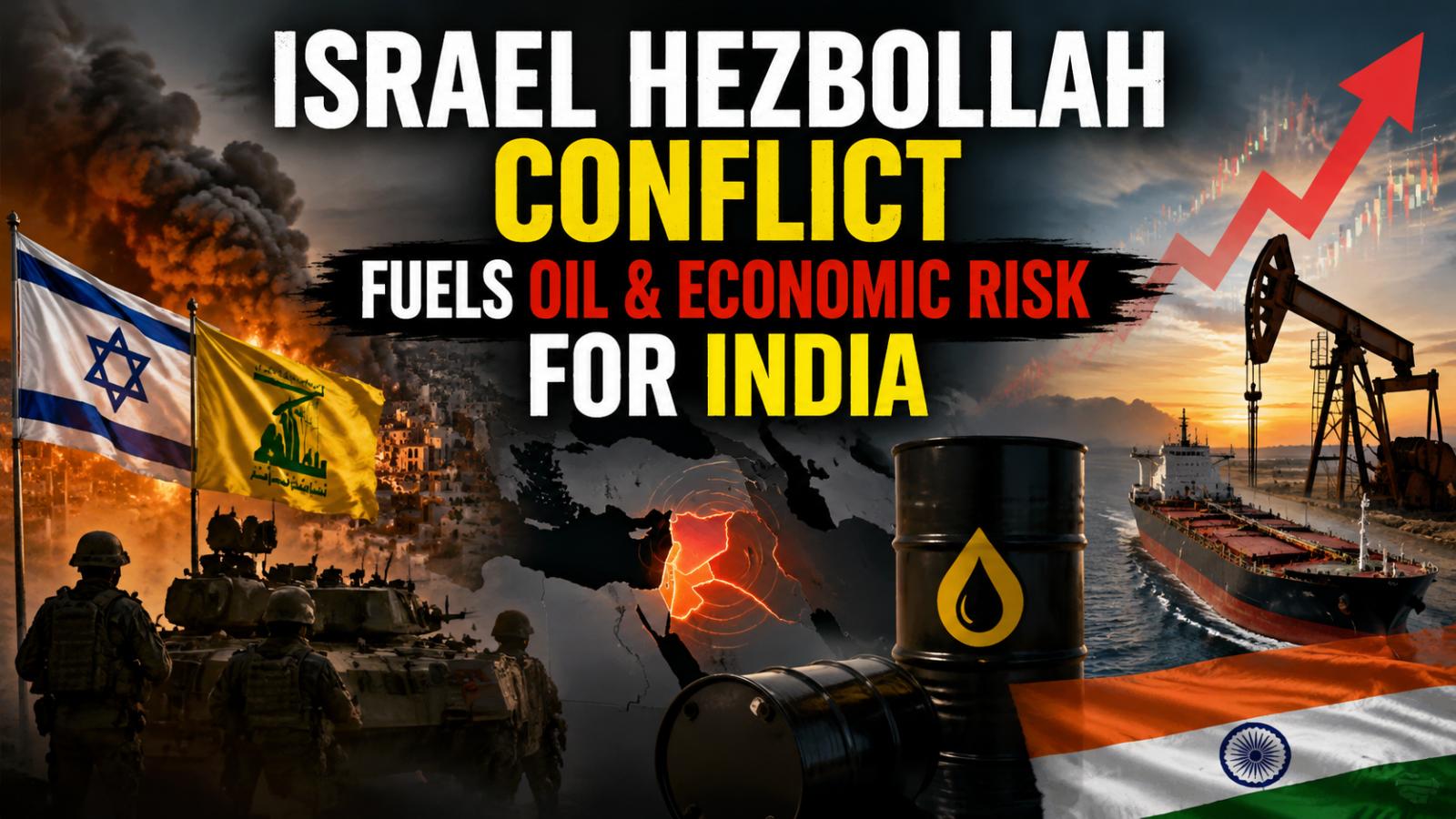
The renewed exchange of fire between Israeli forces and Hezbollah-linked positions in southern Lebanon has again drawn attention to an already fragile regional security environment. While both sides continue to frame their actions as targeted and defensive, the situation is increasingly being viewed through a wider geopolitical lens, especially by energy markets and trade-dependent economies.
Even limited escalation in this corridor tends to trigger immediate risk recalibration in global markets, not because of direct supply disruption, but due to fear of spillover into wider West Asian conflict zones.
Oil markets react to uncertainty, not only disruption
Crude oil prices have remained sensitive to developments in the region, with traders closely tracking any sign of expansion beyond localized strikes. Brent crude has shown intermittent swings, reflecting how quickly sentiment shifts when geopolitical risks rise.
For import-heavy economies like India, the concern is not only about supply cuts but also price volatility. Even short-lived spikes increase import bills, widen trade deficits, and add pressure on domestic inflation through fuel and transport costs.
India remains heavily dependent on imported crude, leaving it exposed to external shocks that originate far from its own borders but quickly reach its economy through global pricing mechanisms.
Maritime chokepoints add another layer of risk
Beyond oil production zones, shipping routes remain a critical pressure point. The Strait of Hormuz continues to be one of the most strategically sensitive maritime corridors in the world, handling a large share of global crude movement.
Any perception of instability in nearby conflict zones tends to increase insurance premiums for tankers and freight operators. This raises shipping costs even when physical disruption does not occur.
For trade-dependent economies, the indirect cost of conflict often arrives faster than any actual supply shortage.
India’s broader exposure goes beyond energy
India’s stake in West Asian stability is not limited to crude imports. A large Indian workforce in Gulf countries supports billions in annual remittances, which play a steady role in foreign exchange stability.
At the same time, India maintains layered relationships across the region—energy partnerships with Gulf producers, strategic cooperation with Israel, and connectivity interests linked to Iran and regional ports.
This creates a complex policy environment where instability in one corridor can influence multiple economic and diplomatic channels simultaneously.
Long-term infrastructure plans face sensitivity risks
Large-scale trade and infrastructure initiatives involving West Asia, including proposed trans-regional connectivity corridors, depend heavily on stable political conditions. Projects linked to ports, energy routes, and logistics networks become vulnerable when security risks rise.
Even without direct damage, prolonged uncertainty tends to slow investment decisions, delay contracts, and increase financing costs for regional development projects.
Conclusion
The current Israel–Hezbollah exchange remains geographically contained, but its economic impact is far wider. Oil markets, shipping costs, remittance flows, and long-term trade planning all react quickly to signals of escalation.
For India and other import-dependent economies, the primary challenge is not direct involvement in the conflict but exposure to its ripple effects through energy pricing, logistics costs, and regional stability risks.
The renewed exchange of fire between Israeli forces and Hezbollah-linked positions in southern Lebanon has again drawn attention to an already fragile regional security environment. While both sides continue to frame their actions as targeted and defensive, the situation is increasingly being viewed through a wider geopolitical lens, especially by energy markets and trade-dependent economies.
Even limited escalation in this corridor tends to trigger immediate risk recalibration in global markets, not because of direct supply disruption, but due to fear of spillover into wider West Asian conflict zones.
Oil markets react to uncertainty, not only disruption
Crude oil prices have remained sensitive to developments in the region, with traders closely tracking any sign of expansion beyond localized strikes. Brent crude has shown intermittent swings, reflecting how quickly sentiment shifts when geopolitical risks rise.
For import-heavy economies like India, the concern is not only about supply cuts but also price volatility. Even short-lived spikes increase import bills, widen trade deficits, and add pressure on domestic inflation through fuel and transport costs.
India remains heavily dependent on imported crude, leaving it exposed to external shocks that originate far from its own borders but quickly reach its economy through global pricing mechanisms.
Maritime chokepoints add another layer of risk
Beyond oil production zones, shipping routes remain a critical pressure point. The Strait of Hormuz continues to be one of the most strategically sensitive maritime corridors in the world, handling a large share of global crude movement.
Any perception of instability in nearby conflict zones tends to increase insurance premiums for tankers and freight operators. This raises shipping costs even when physical disruption does not occur.
For trade-dependent economies, the indirect cost of conflict often arrives faster than any actual supply shortage.
India’s broader exposure goes beyond energy
India’s stake in West Asian stability is not limited to crude imports. A large Indian workforce in Gulf countries supports billions in annual remittances, which play a steady role in foreign exchange stability.
At the same time, India maintains layered relationships across the region—energy partnerships with Gulf producers, strategic cooperation with Israel, and connectivity interests linked to Iran and regional ports.
This creates a complex policy environment where instability in one corridor can influence multiple economic and diplomatic channels simultaneously.
Long-term infrastructure plans face sensitivity risks
Large-scale trade and infrastructure initiatives involving West Asia, including proposed trans-regional connectivity corridors, depend heavily on stable political conditions. Projects linked to ports, energy routes, and logistics networks become vulnerable when security risks rise.
Even without direct damage, prolonged uncertainty tends to slow investment decisions, delay contracts, and increase financing costs for regional development projects.
Conclusion
The current Israel–Hezbollah exchange remains geographically contained, but its economic impact is far wider. Oil markets, shipping costs, remittance flows, and long-term trade planning all react quickly to signals of escalation.
For India and other import-dependent economies, the primary challenge is not direct involvement in the conflict but exposure to its ripple effects through energy pricing, logistics costs, and regional stability risks.