Kejriwal Calls for Delhi HC Judge's Removal Over RSS Ties in Liquor Case
Former Delhi Chief Minister Arvind Kejriwal has raised concerns about judicial impartiality, accusing Delhi High Court judge Justice Swarana Kanta Sharma of attending four events hosted by the Adhivakta Parishad, a lawyers' body linked to the RSS. Kejriwal, who has long opposed the BJP-RSS ideology, stated that the judge's participation in these events creates a reasonable apprehension that the case may not be handled impartially. The AAP chief called the Delhi liquor policy case political an
Kejriwal Calls for Delhi HC Judge's Removal Over RSS Ties in Liquor Case
Former Delhi Chief Minister Arvind Kejriwal has raised concerns about judicial impartiality, accusing Delhi High Court judge Justice Swarana Kanta Sharma of attending four events hosted by the Adhivakta Parishad, a lawyers' body linked to the RSS. Kejriwal, who has long opposed the BJP-RSS ideology, stated that the judge's participation in these events creates a reasonable apprehension that the case may not be handled impartially. The AAP chief called the Delhi liquor policy case political an
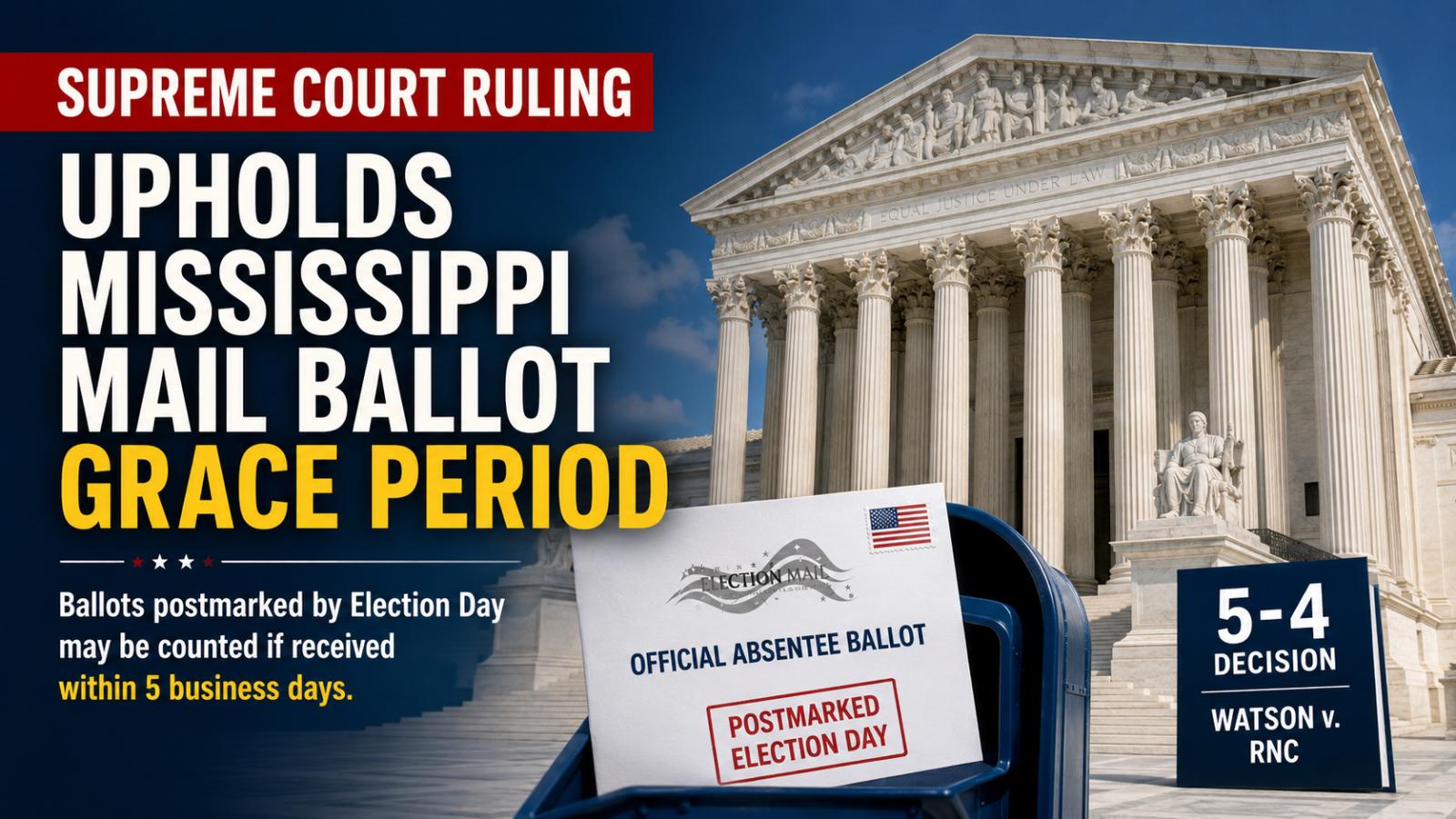
Supreme Court cases could reshape 2026 midterm election rules
Three pending cases before the Supreme Court of the United States could significantly alter the framework of the 2026 midterm elections, with potential changes to redistricting, campaign finance, and mail-in ballot rules. Legal analysts warn that decisions issued close to the election season may create confusion for voters, strain election systems, and disrupt campaign strategies nationwide.
Supreme Court cases could reshape 2026 midterm election rules
Three pending cases before the Supreme Court of the United States could significantly alter the framework of the 2026 midterm elections, with potential changes to redistricting, campaign finance, and mail-in ballot rules. Legal analysts warn that decisions issued close to the election season may create confusion for voters, strain election systems, and disrupt campaign strategies nationwide.
Supreme Court clears path to dismiss Steve Bannon contempt conviction
Supreme Court ruling allows Trump administration to move toward dismissing Steve Bannon’s conviction. The U.S. Supreme Court on Monday, April 6, cleared the way for the Trump administration’s Department of Justice to seek dismissal of Steve Bannon’s contempt of Congress conviction, marking a significant development in a case tied to the January 6, 2021, Capitol attack investigation. The court granted a request from the Justice Department to vacate prior lower court r
Supreme Court clears path to dismiss Steve Bannon contempt conviction
Supreme Court ruling allows Trump administration to move toward dismissing Steve Bannon’s conviction. The U.S. Supreme Court on Monday, April 6, cleared the way for the Trump administration’s Department of Justice to seek dismissal of Steve Bannon’s contempt of Congress conviction, marking a significant development in a case tied to the January 6, 2021, Capitol attack investigation. The court granted a request from the Justice Department to vacate prior lower court r
South Asian groups warn of stateless children in Trump citizenship case
The U.S. Supreme Court is reviewing a contentious policy backed by President Donald Trump that seeks to limit birthright citizenship, prompting strong objections from South Asian advocacy organizations that warn of widespread legal and social consequences. In an amicus brief submitted to the court, a coalition led by the South Asian American Justice Collaborative argued that the proposed restrictions could leave thousands of children born in the United States effectively stateless, creating long
South Asian groups warn of stateless children in Trump citizenship case
The U.S. Supreme Court is reviewing a contentious policy backed by President Donald Trump that seeks to limit birthright citizenship, prompting strong objections from South Asian advocacy organizations that warn of widespread legal and social consequences. In an amicus brief submitted to the court, a coalition led by the South Asian American Justice Collaborative argued that the proposed restrictions could leave thousands of children born in the United States effectively stateless, creating long
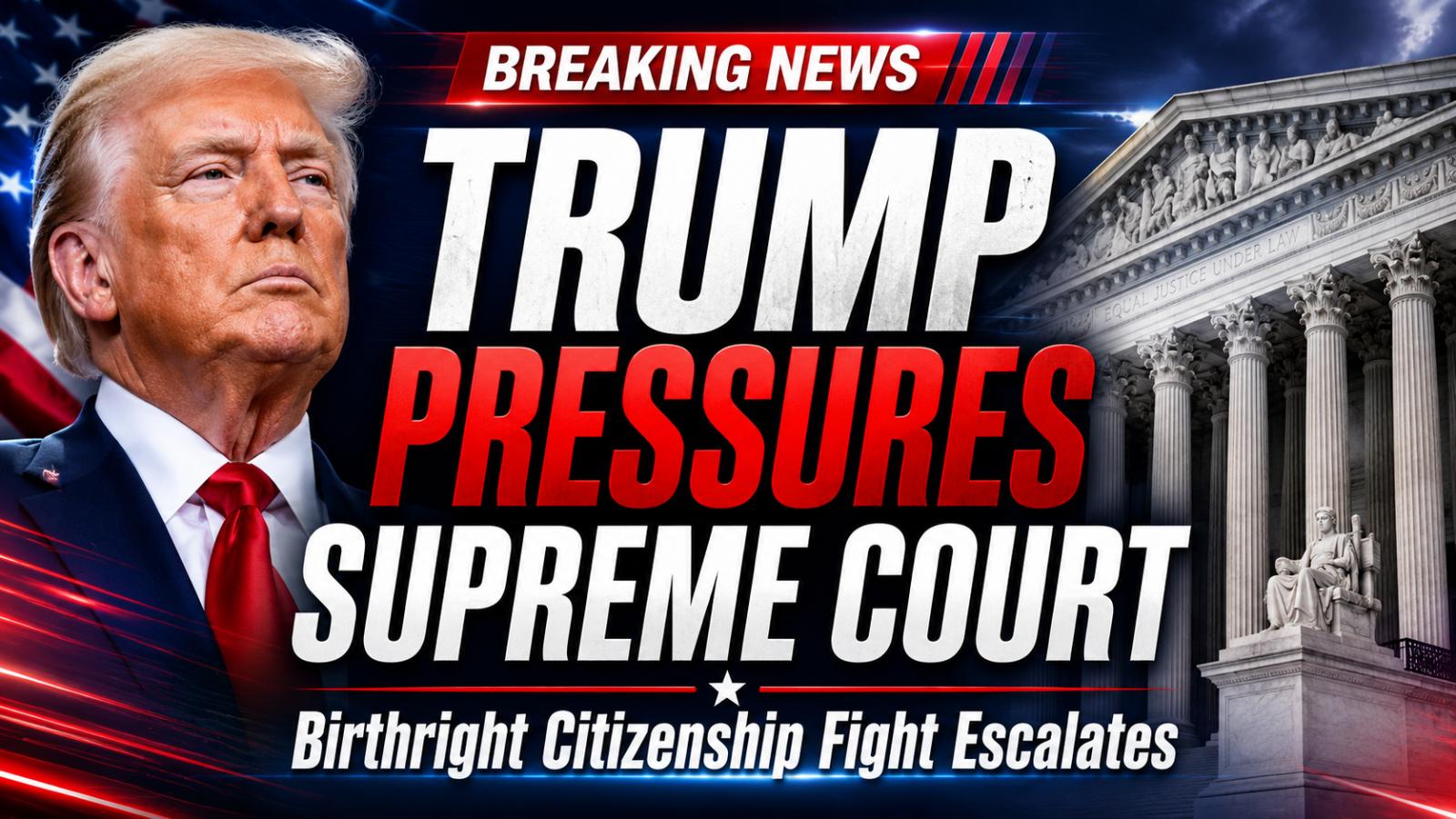
What birthright citizenship means and why Trump wants to end it
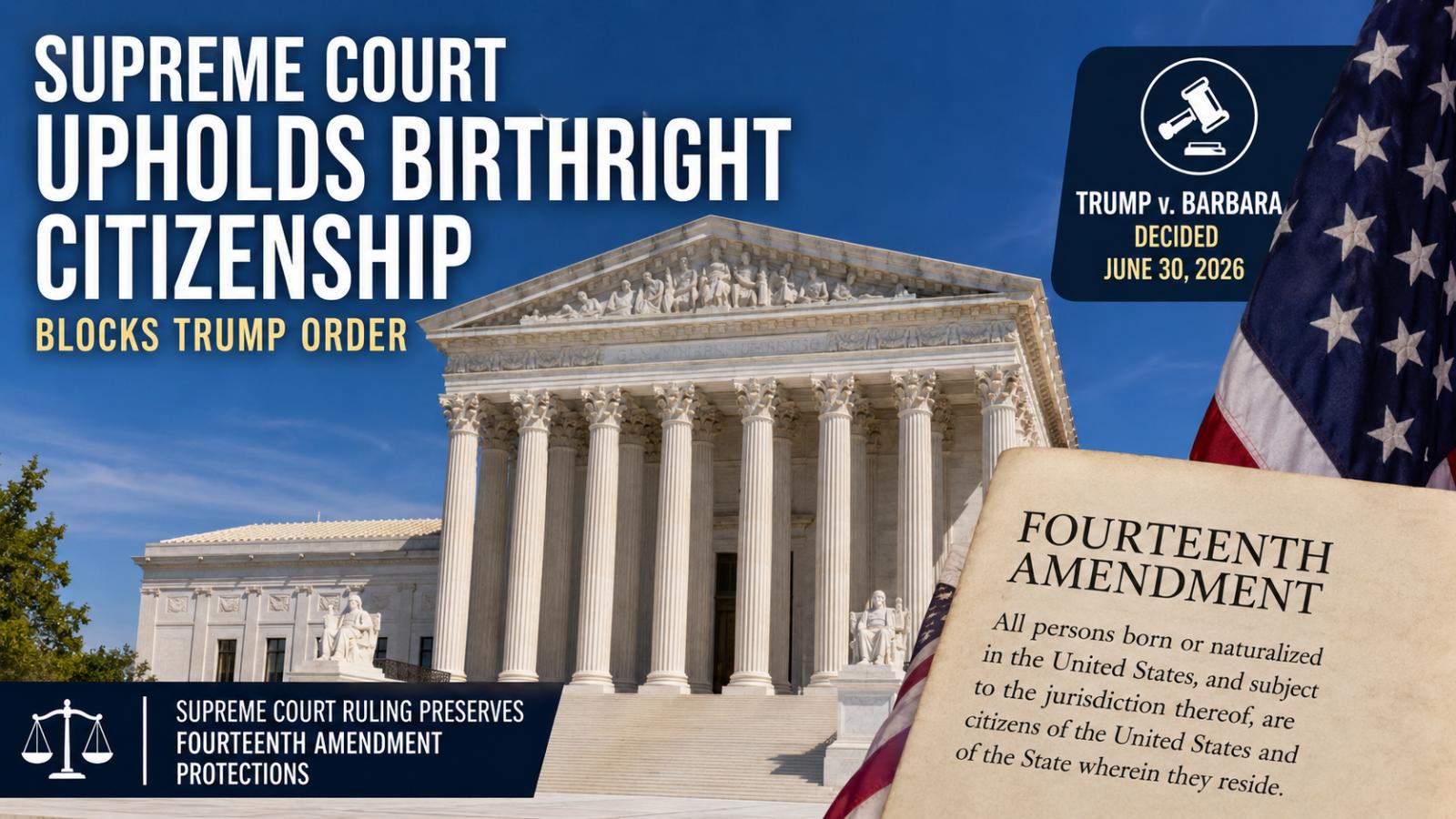
The US Supreme Court is reviewing a major legal challenge to President Donald Trump’s January 2025 executive order seeking to end birthright citizenship. During a hearing on Wednesday, April 1, 2026, justices examined whether the policy aligns with the US Constitution and federal law. Birthright citizenship is based on the 14th Amendment, which states that anyone born in the United States is automatically a citizen, regardless of their parents’ immigration status. This principle
What birthright citizenship means and why Trump wants to end it
The US Supreme Court is reviewing a major legal challenge to President Donald Trump’s January 2025 executive order seeking to end birthright citizenship. During a hearing on Wednesday, April 1, 2026, justices examined whether the policy aligns with the US Constitution and federal law. Birthright citizenship is based on the 14th Amendment, which states that anyone born in the United States is automatically a citizen, regardless of their parents’ immigration status. This principle
Supreme Court Asks Bengal if ED Can Approach Cops Over Mamata’s Alleged Interference
The Supreme Court of India on March 24, 2026, asked the West Bengal government if the Enforcement Directorate (ED) could approach the state police for a remedy regarding the alleged interference by Chief Minister Mamata Banerjee during the ED’s raids on the political consultancy firm I-PAC. This comes amid growing controversy surrounding the ED's legal plea under Article 32 of the Constitution, which seeks a CBI investigation into the alleged obstruction of its raids by Mamata Banerjee and
Supreme Court Asks Bengal if ED Can Approach Cops Over Mamata’s Alleged Interference
The Supreme Court of India on March 24, 2026, asked the West Bengal government if the Enforcement Directorate (ED) could approach the state police for a remedy regarding the alleged interference by Chief Minister Mamata Banerjee during the ED’s raids on the political consultancy firm I-PAC. This comes amid growing controversy surrounding the ED's legal plea under Article 32 of the Constitution, which seeks a CBI investigation into the alleged obstruction of its raids by Mamata Banerjee and
Supreme Court of India rules conversion ends Scheduled Caste status
The Supreme Court of India, in a significant judgment delivered on March 24, 2026, has reaffirmed that individuals who convert to religions other than Hinduism, Sikhism, or Buddhism cannot retain or claim Scheduled Caste status under the law. The ruling reinforces the constitutional framework governing caste-based reservations and legal protections in India. The verdict came in an appeal challenging an earlier decision of the Andhra Pradesh High Court, which had quashed criminal proceedings filed under the Scheduled Castes and Scheduled Tribes (Prevention of Atrocities) Act. The complainant, who was born into a Scheduled Caste but had converted to Christianity and was functioning as a pastor, had alleged caste-based abuse and assault. However, the court held that his conversion disentitled him from invoking protections meant specifically for Scheduled Castes. A bench of the Supreme Court observed that the Constitution (Scheduled Castes) Order, 1950, clearly restricts Scheduled Caste recognition to persons professing Hinduism, Sikhism, or Buddhism. The court described this restriction as categorical, stating that conversion to any other religion results in the immediate and complete loss of Scheduled Caste status, regardless of birth. The court further clarified that a person cannot simultaneously profess a religion outside the specified categories and claim Scheduled Caste identity for statutory benefits. It emphasized that such positions are mutually exclusive within the constitutional scheme, and no statutory protection or reservation can be extended once a person ceases to fall within the legally defined category. In its interpretation, the court also highlighted that the term “profess” implies a public declaration and active practice of a religion. This interpretation played a key role in assessing the individual’s eligibility, particularly in cases where religious identity is visibly demonstrated through roles such as clergy or religious leadership. The judgment is expected to have wide-ranging implications for individuals who convert to religions outside the constitutionally recognised framework while seeking benefits or protections linked to Scheduled Caste status. While the ruling reinforces existing legal provisions, it also brings renewed attention to ongoing debates about caste discrimination and its persistence beyond religious boundaries.
Supreme Court of India rules conversion ends Scheduled Caste status
The Supreme Court of India, in a significant judgment delivered on March 24, 2026, has reaffirmed that individuals who convert to religions other than Hinduism, Sikhism, or Buddhism cannot retain or claim Scheduled Caste status under the law. The ruling reinforces the constitutional framework governing caste-based reservations and legal protections in India. The verdict came in an appeal challenging an earlier decision of the Andhra Pradesh High Court, which had quashed criminal proceedings filed under the Scheduled Castes and Scheduled Tribes (Prevention of Atrocities) Act. The complainant, who was born into a Scheduled Caste but had converted to Christianity and was functioning as a pastor, had alleged caste-based abuse and assault. However, the court held that his conversion disentitled him from invoking protections meant specifically for Scheduled Castes. A bench of the Supreme Court observed that the Constitution (Scheduled Castes) Order, 1950, clearly restricts Scheduled Caste recognition to persons professing Hinduism, Sikhism, or Buddhism. The court described this restriction as categorical, stating that conversion to any other religion results in the immediate and complete loss of Scheduled Caste status, regardless of birth. The court further clarified that a person cannot simultaneously profess a religion outside the specified categories and claim Scheduled Caste identity for statutory benefits. It emphasized that such positions are mutually exclusive within the constitutional scheme, and no statutory protection or reservation can be extended once a person ceases to fall within the legally defined category. In its interpretation, the court also highlighted that the term “profess” implies a public declaration and active practice of a religion. This interpretation played a key role in assessing the individual’s eligibility, particularly in cases where religious identity is visibly demonstrated through roles such as clergy or religious leadership. The judgment is expected to have wide-ranging implications for individuals who convert to religions outside the constitutionally recognised framework while seeking benefits or protections linked to Scheduled Caste status. While the ruling reinforces existing legal provisions, it also brings renewed attention to ongoing debates about caste discrimination and its persistence beyond religious boundaries.
Supreme Court Grants Permanent Commission to Women Officers After 15-Year Fight
The Supreme Court of India has granted permanent commission to women officers in the Army, Navy, and Air Force, following a long-standing battle for gender equality within the Indian Armed Forces. This ruling comes after nearly 15 years of legal struggles, where women officers, especially Short Service Commission Women Officers (SSCWOs), faced systemic discrimination in securing permanent commissions and promotions. The Court delivered three key rulings on March 24, 2026, recognizin
Supreme Court Grants Permanent Commission to Women Officers After 15-Year Fight
The Supreme Court of India has granted permanent commission to women officers in the Army, Navy, and Air Force, following a long-standing battle for gender equality within the Indian Armed Forces. This ruling comes after nearly 15 years of legal struggles, where women officers, especially Short Service Commission Women Officers (SSCWOs), faced systemic discrimination in securing permanent commissions and promotions. The Court delivered three key rulings on March 24, 2026, recognizin
Trump warns of higher tariffs as India delays Washington trade visit
United States President Donald Trump has issued a fresh warning to global trade partners, threatening significantly higher tariffs for countries he claims have taken advantage of the American economy for years. The remarks come amid heightened uncertainty following a recent Supreme Court ruling that has reshaped the administration’s tariff authority and complicated ongoing trade negotiations. In a post on Truth Social, Trump cautioned that any nation attempting to “play games” in the w
Trump warns of higher tariffs as India delays Washington trade visit
United States President Donald Trump has issued a fresh warning to global trade partners, threatening significantly higher tariffs for countries he claims have taken advantage of the American economy for years. The remarks come amid heightened uncertainty following a recent Supreme Court ruling that has reshaped the administration’s tariff authority and complicated ongoing trade negotiations. In a post on Truth Social, Trump cautioned that any nation attempting to “play games” in the w
India studying impact after US court strikes down Trump tariffs
The Government of India on Saturday said it is closely examining recent developments in the United States after the US Supreme Court struck down former President Donald Trump’s sweeping global tariffs. The Commerce Ministry stated that officials are assessing the implications of both the court ruling and subsequent announcements made by the US administration. In its first formal reaction, the ministry confirmed it had taken note of the Supreme Court’s judgment delivered on Frida
India studying impact after US court strikes down Trump tariffs
The Government of India on Saturday said it is closely examining recent developments in the United States after the US Supreme Court struck down former President Donald Trump’s sweeping global tariffs. The Commerce Ministry stated that officials are assessing the implications of both the court ruling and subsequent announcements made by the US administration. In its first formal reaction, the ministry confirmed it had taken note of the Supreme Court’s judgment delivered on Frida
Global reaction after Supreme Court rules Trump exceeded tariff authority
World leaders and policymakers reacted quickly on Friday after the Supreme Court of the United States ruled that President Donald Trump exceeded his legal authority by imposing sweeping global tariffs, a decision that effectively blocks a key component of his trade policy agenda. The ruling has prompted governments and market observers worldwide to evaluate the potential consequences for international trade, economic stability, and future US trade relations. Speaking at a White House breakfa
Global reaction after Supreme Court rules Trump exceeded tariff authority
World leaders and policymakers reacted quickly on Friday after the Supreme Court of the United States ruled that President Donald Trump exceeded his legal authority by imposing sweeping global tariffs, a decision that effectively blocks a key component of his trade policy agenda. The ruling has prompted governments and market observers worldwide to evaluate the potential consequences for international trade, economic stability, and future US trade relations. Speaking at a White House breakfa
US Stocks Rise After Supreme Court Blocks Trump Tariffs
U.S. stocks mostly advanced on Friday after the Supreme Court struck down former President Donald Trump’s sweeping global tariffs, delivering a major boost to Wall Street and companies exposed to international trade. The ruling, which found that the tariffs exceeded presidential authority under the International Emergency Economic Powers Act of 1977, triggered a broad market rally and lifted investor sentiment across multiple sectors. In a 6–3 decision, the Supreme Court determi
US Stocks Rise After Supreme Court Blocks Trump Tariffs
U.S. stocks mostly advanced on Friday after the Supreme Court struck down former President Donald Trump’s sweeping global tariffs, delivering a major boost to Wall Street and companies exposed to international trade. The ruling, which found that the tariffs exceeded presidential authority under the International Emergency Economic Powers Act of 1977, triggered a broad market rally and lifted investor sentiment across multiple sectors. In a 6–3 decision, the Supreme Court determi
Supreme Court strikes down major portion of Trump tariff policy
The Supreme Court on Friday invalidated a significant portion of President Donald Trump’s sweeping tariff program, ruling that the law used to justify many of the import duties does not grant the president authority to impose such measures unilaterally. The decision marks a major development in the ongoing debate over presidential powers and U.S. trade policy. In a 6–3 ruling, the court’s majority concluded that the International Emergency Economic Powers Act (IEEPA), the statu
Supreme Court strikes down major portion of Trump tariff policy
The Supreme Court on Friday invalidated a significant portion of President Donald Trump’s sweeping tariff program, ruling that the law used to justify many of the import duties does not grant the president authority to impose such measures unilaterally. The decision marks a major development in the ongoing debate over presidential powers and U.S. trade policy. In a 6–3 ruling, the court’s majority concluded that the International Emergency Economic Powers Act (IEEPA), the statu
Actress Pratyusha Case Verdict After 23 Years: Supreme Court Rules Out Murder
The tragic death of actress Pratyusha, one of the most debated incidents in Telugu cinema history, has finally reached legal closure after 23 years. The Supreme Court delivered its long awaited verdict, ruling out allegations of rape and murder while upholding the conviction of Siddharth Reddy for abetment of suicide. The judgment marks the end of a prolonged legal battle that has remained a topic of public discussion since 2002. Pratyusha, who was just 20 years old at the time, was
Actress Pratyusha Case Verdict After 23 Years: Supreme Court Rules Out Murder
The tragic death of actress Pratyusha, one of the most debated incidents in Telugu cinema history, has finally reached legal closure after 23 years. The Supreme Court delivered its long awaited verdict, ruling out allegations of rape and murder while upholding the conviction of Siddharth Reddy for abetment of suicide. The judgment marks the end of a prolonged legal battle that has remained a topic of public discussion since 2002. Pratyusha, who was just 20 years old at the time, was
Pawan Kalyan Accuses Previous Government of Scamming Tirumala Laddu Preparation, Vows to Expose Truth
In a press statement today, DCM Pawan Kalyan strongly addressed the ongoing Tirumala laddu controversy, accusing the previous YSRCP government of a major scam in the preparation of the sacred prasadam. Kalyan claimed that palm oil and harmful chemicals had been used instead of pure ghee in the preparation of the famous Tirumala Srivari Laddu, which he said not only hurt the faith of devotees but also compromised their health. Kalyan emphasized the seriousness of the issue, pointing
Pawan Kalyan Accuses Previous Government of Scamming Tirumala Laddu Preparation, Vows to Expose Truth
In a press statement today, DCM Pawan Kalyan strongly addressed the ongoing Tirumala laddu controversy, accusing the previous YSRCP government of a major scam in the preparation of the sacred prasadam. Kalyan claimed that palm oil and harmful chemicals had been used instead of pure ghee in the preparation of the famous Tirumala Srivari Laddu, which he said not only hurt the faith of devotees but also compromised their health. Kalyan emphasized the seriousness of the issue, pointing
California redistricting plan upheld after justices reject GOP appeal
The Supreme Court has cleared the way for California to use a newly approved congressional map that is expected to benefit Democrats in upcoming elections, rejecting an emergency appeal filed by state Republicans and backed by the Trump administration. The unsigned order, issued without explanation and with no noted dissents, leaves intact district boundaries that could alter the balance of power in several closely contested House races as the country moves toward high-stakes midterm contests
California redistricting plan upheld after justices reject GOP appeal
The Supreme Court has cleared the way for California to use a newly approved congressional map that is expected to benefit Democrats in upcoming elections, rejecting an emergency appeal filed by state Republicans and backed by the Trump administration. The unsigned order, issued without explanation and with no noted dissents, leaves intact district boundaries that could alter the balance of power in several closely contested House races as the country moves toward high-stakes midterm contests
Historic Moment: Mamata Banerjee Argues Case in Supreme Court
For the first time in Indian history, a sitting Chief Minister will argue a case in the Supreme Court. Mamata Banerjee, the Chief Minister of West Bengal, is set to make history by appearing in person to argue a case before the country’s highest court. The case involves the Special Intensive Revision (SIR) of electoral rolls in West Bengal, a topic that has stirred significant political debate in the state. Mamata Banerjee’s appearance in the Supreme Court as a "party in person"
Historic Moment: Mamata Banerjee Argues Case in Supreme Court
For the first time in Indian history, a sitting Chief Minister will argue a case in the Supreme Court. Mamata Banerjee, the Chief Minister of West Bengal, is set to make history by appearing in person to argue a case before the country’s highest court. The case involves the Special Intensive Revision (SIR) of electoral rolls in West Bengal, a topic that has stirred significant political debate in the state. Mamata Banerjee’s appearance in the Supreme Court as a "party in person"
High court reviews dispute over presidential power and Fed independence
The Supreme Court on Wednesday is considering a case with wide-ranging consequences for both the US economy and the balance of power within the federal government, as it reviews President Donald Trump’s attempt to remove Federal Reserve board member Lisa Cook. The dispute centers on whether a sitting president has the authority to dismiss a member of the central bank’s governing board and what legal standards must be met for such a decisi
High court reviews dispute over presidential power and Fed independence
The Supreme Court on Wednesday is considering a case with wide-ranging consequences for both the US economy and the balance of power within the federal government, as it reviews President Donald Trump’s attempt to remove Federal Reserve board member Lisa Cook. The dispute centers on whether a sitting president has the authority to dismiss a member of the central bank’s governing board and what legal standards must be met for such a decisi
Fed chair to attend Supreme Court arguments in Trump challenge over governor removal
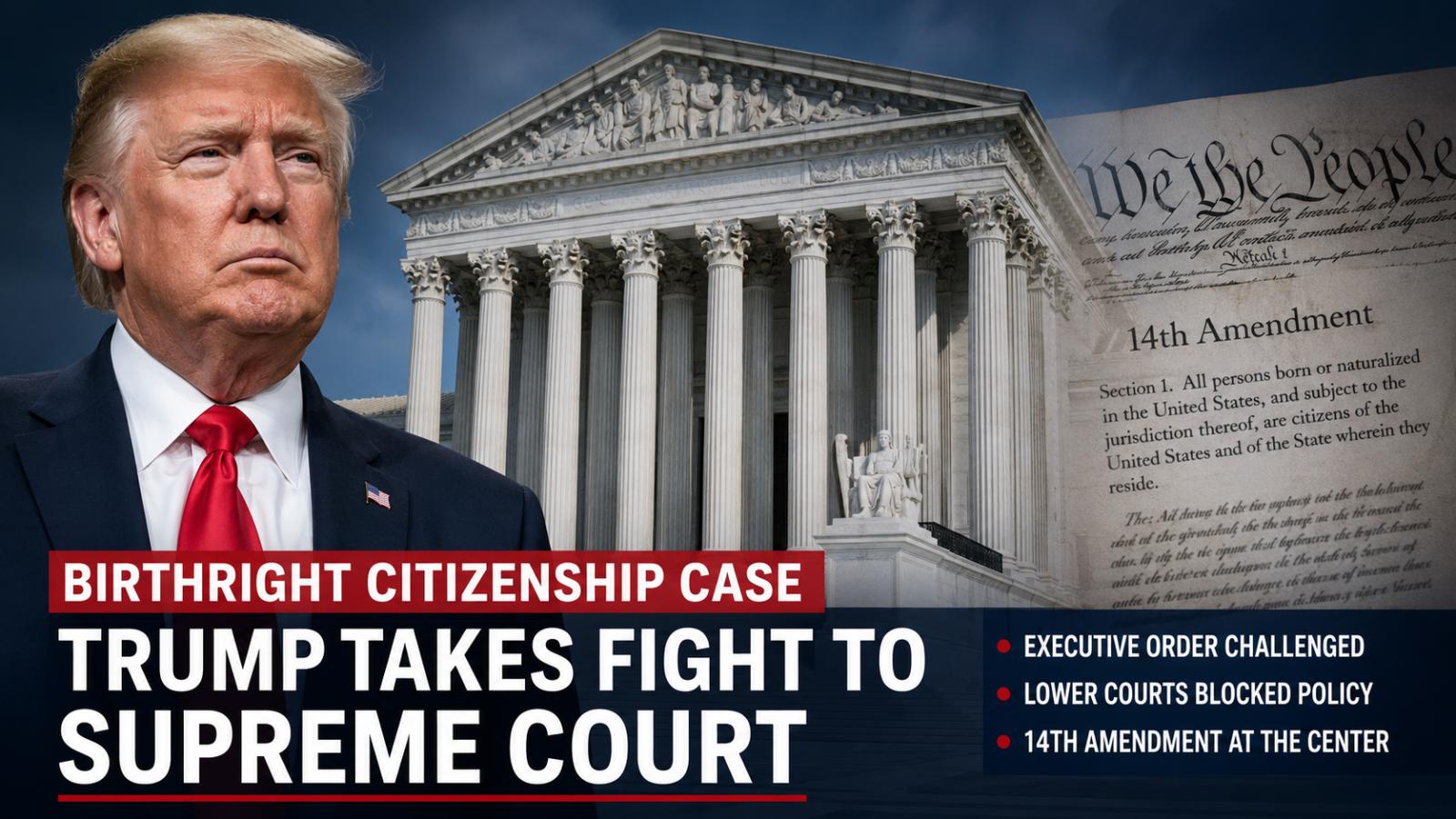
Federal Reserve Chair Jerome Powell is expected to attend oral arguments at the Supreme Court on Wednesday in a closely watched case challenging President Donald Trump’s authority to remove a sitting member of the central bank’s governing board. The case centers on Trump’s attempt to dismiss Federal Reserve Governor Lisa Cook, a move that has raised fundamental questions about the independence of the nation’s monetary policymaker. Powell’s decision to be present for the arguments is unusual for a sitting Fed chair, underscoring the significance the central bank places on the outcome. Within the Federal Reserve, the dispute is widely viewed as having far-reaching implications for the institution’s autonomy and its ability to conduct monetary policy without political interference. The case asks whether a president can remove a Federal Reserve governor outside the narrow circumstances traditionally allowed by law. The backdrop to the Supreme Court proceedings includes heightened scrutiny of Powell himself. Earlier this year, the Fed chair disclosed that he is the subject of a criminal investigation by the U.S. Attorney’s Office related to a multi-billion-dollar renovation of the Federal Reserve’s headquarters and statements he made to Congress about the project. Powell has said the investigation is being used as a pretext tied to policy disagreements, particularly the Fed’s refusal to reduce interest rates as aggressively as the White House sought last year. In a rare public statement issued in January, Powell argued that the threat of criminal charges stems from the Federal Reserve’s mandate to set interest rates based on its assessment of what best serves the public interest, rather than political preferences. He emphasized that the central bank’s decisions are made collectively by the Board of Governors and are guided by economic data and long-term stability considerations. The legal fight began after Trump announced in August that he was firing Cook from the seven-member Federal Reserve Board, alleging mortgage fraud connected to two homes she owns. Cook has denied any wrongdoing and has not been charged with a crime. She subsequently filed suit in federal court in Washington, seeking to block her removal and arguing that the president lacked cause under the law to dismiss her. A federal district judge issued an injunction in September preventing Cook’s removal while the case proceeds, a decision later upheld by a federal appeals court. Those rulings kept Cook in her post and set the stage for the administration’s appeal to the Supreme Court. In filings before the high court, the Department of Justice has argued that the lower court orders amount to improper judicial interference with the president’s removal authority. The government contends that the Constitution grants the president broad power to remove executive branch officials, including members of the Federal Reserve Board, for cause. Opponents of that view warn that allowing such removals could undermine the central bank’s independence and expose monetary policy to political pressure. The Supreme Court’s decision could therefore reshape the balance of power between the White House and the Federal Reserve, with potential consequences for interest rate policy, financial markets, and the broader economy. As the justices prepare to hear arguments, Powell’s attendance signals how consequential the case is for the Federal Reserve’s leadership. The ruling, expected later this year, is likely to define the limits of presidential authority over one of the country’s most influential economic institutions.
Fed chair to attend Supreme Court arguments in Trump challenge over governor removal
Federal Reserve Chair Jerome Powell is expected to attend oral arguments at the Supreme Court on Wednesday in a closely watched case challenging President Donald Trump’s authority to remove a sitting member of the central bank’s governing board. The case centers on Trump’s attempt to dismiss Federal Reserve Governor Lisa Cook, a move that has raised fundamental questions about the independence of the nation’s monetary policymaker. Powell’s decision to be present for the arguments is unusual for a sitting Fed chair, underscoring the significance the central bank places on the outcome. Within the Federal Reserve, the dispute is widely viewed as having far-reaching implications for the institution’s autonomy and its ability to conduct monetary policy without political interference. The case asks whether a president can remove a Federal Reserve governor outside the narrow circumstances traditionally allowed by law. The backdrop to the Supreme Court proceedings includes heightened scrutiny of Powell himself. Earlier this year, the Fed chair disclosed that he is the subject of a criminal investigation by the U.S. Attorney’s Office related to a multi-billion-dollar renovation of the Federal Reserve’s headquarters and statements he made to Congress about the project. Powell has said the investigation is being used as a pretext tied to policy disagreements, particularly the Fed’s refusal to reduce interest rates as aggressively as the White House sought last year. In a rare public statement issued in January, Powell argued that the threat of criminal charges stems from the Federal Reserve’s mandate to set interest rates based on its assessment of what best serves the public interest, rather than political preferences. He emphasized that the central bank’s decisions are made collectively by the Board of Governors and are guided by economic data and long-term stability considerations. The legal fight began after Trump announced in August that he was firing Cook from the seven-member Federal Reserve Board, alleging mortgage fraud connected to two homes she owns. Cook has denied any wrongdoing and has not been charged with a crime. She subsequently filed suit in federal court in Washington, seeking to block her removal and arguing that the president lacked cause under the law to dismiss her. A federal district judge issued an injunction in September preventing Cook’s removal while the case proceeds, a decision later upheld by a federal appeals court. Those rulings kept Cook in her post and set the stage for the administration’s appeal to the Supreme Court. In filings before the high court, the Department of Justice has argued that the lower court orders amount to improper judicial interference with the president’s removal authority. The government contends that the Constitution grants the president broad power to remove executive branch officials, including members of the Federal Reserve Board, for cause. Opponents of that view warn that allowing such removals could undermine the central bank’s independence and expose monetary policy to political pressure. The Supreme Court’s decision could therefore reshape the balance of power between the White House and the Federal Reserve, with potential consequences for interest rate policy, financial markets, and the broader economy. As the justices prepare to hear arguments, Powell’s attendance signals how consequential the case is for the Federal Reserve’s leadership. The ruling, expected later this year, is likely to define the limits of presidential authority over one of the country’s most influential economic institutions.
Supreme Court delays ruling on Trump-era tariffs, leaving markets in limbo
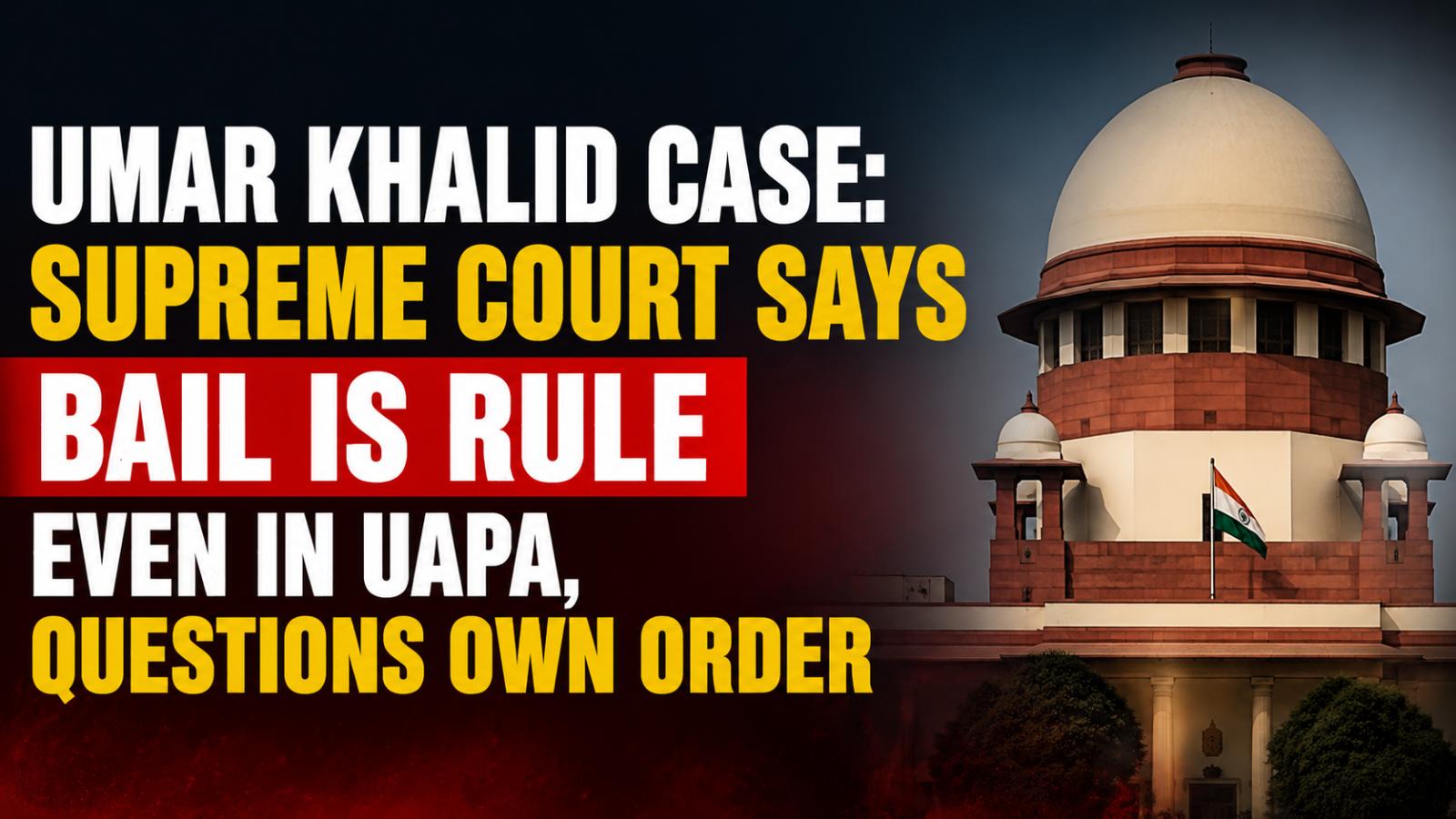
The Supreme Court did not issue a decision Friday on the legality of broad tariffs imposed during President Donald Trump’s administration, extending uncertainty for financial markets and trade policy observers who have been closely watching the case for its potential economic and fiscal implications. Expectations had grown that the ruling might be released before the end of the week, but the court issued only a single opinion on Friday, unrelated to tariffs or trade authority. The

Supreme Court delays ruling on Trump-era tariffs, leaving markets in limbo
The Supreme Court did not issue a decision Friday on the legality of broad tariffs imposed during President Donald Trump’s administration, extending uncertainty for financial markets and trade policy observers who have been closely watching the case for its potential economic and fiscal implications. Expectations had grown that the ruling might be released before the end of the week, but the court issued only a single opinion on Friday, unrelated to tariffs or trade authority. The