







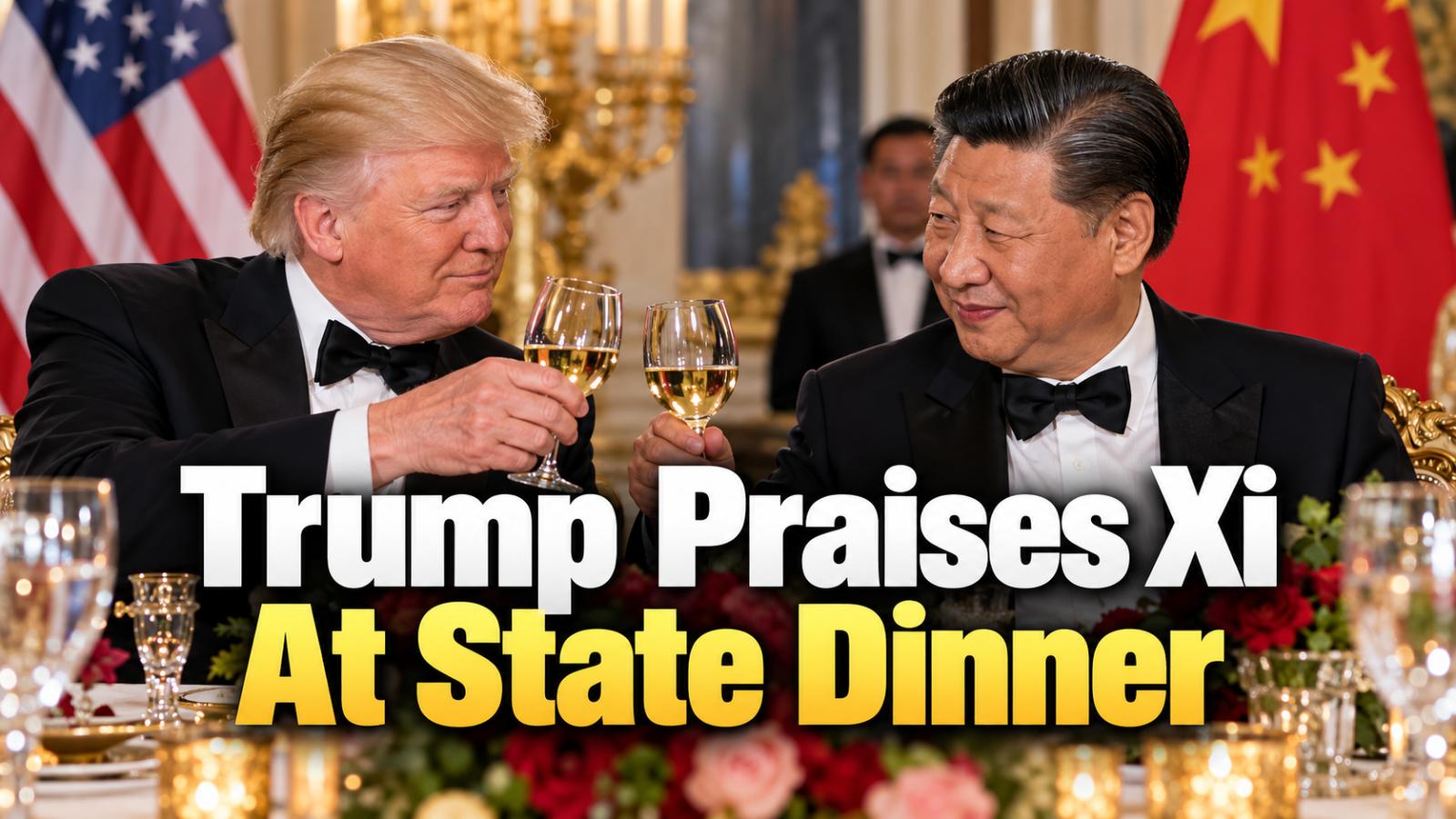
Trump Xi state dinner highlights warmer US-China ties
President Donald Trump used the Trump Xi state dinner at the White House on September 24 to emphasize his relationship with Chinese President Xi Jinping and a desire for more stable US-China ties. Their state visit also focused on trade, artificial intelligence, Taiwan and wider security issues. US-China ties take center stage During his state dinner remarks, Trump said the United States and Ch
Trump Xi state dinner highlights warmer US-China ties
President Donald Trump used the Trump Xi state dinner at the White House on September 24 to emphasize his relationship with Chinese President Xi Jinping and a desire for more stable US-China ties. Their state visit also focused on trade, artificial intelligence, Taiwan and wider security issues. US-China ties take center stage During his state dinner remarks, Trump said the United States and Ch
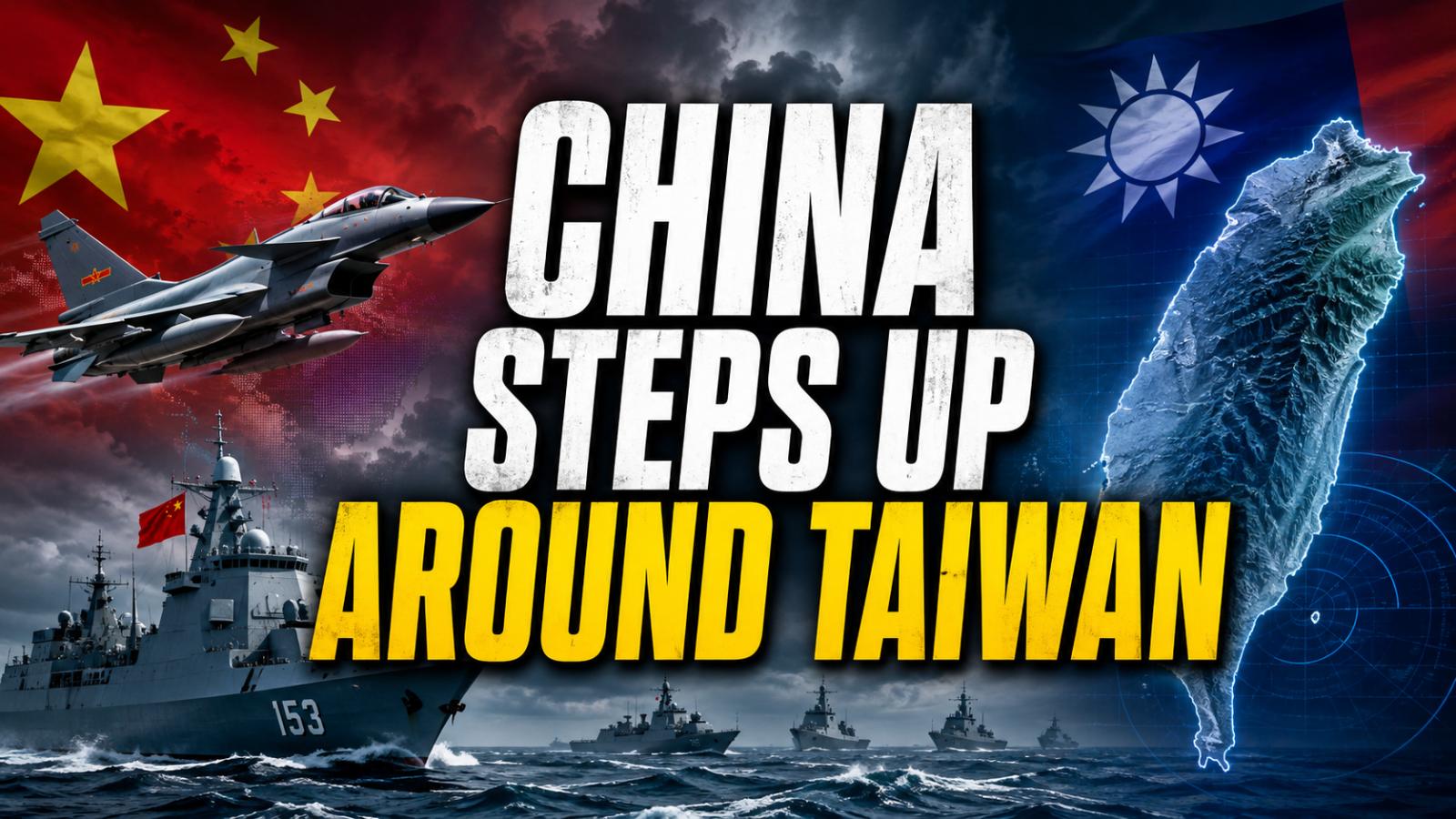
China Military Activity Around Taiwan Includes 9 PLAN Vessels
China Taiwan military activity continued as Taiwan detected one PLA aircraft sortie, nine PLAN vessels and 11 official ships around the island. The aircraft entered Taiwan’s southwestern ADIZ as Taipei continued monitoring growing Chinese air and maritime operations. China Military Activity Around Taiwan Continues Taiwan’s Ministry of National Defence said that it detected one sortie of a C
China Military Activity Around Taiwan Includes 9 PLAN Vessels
China Taiwan military activity continued as Taiwan detected one PLA aircraft sortie, nine PLAN vessels and 11 official ships around the island. The aircraft entered Taiwan’s southwestern ADIZ as Taipei continued monitoring growing Chinese air and maritime operations. China Military Activity Around Taiwan Continues Taiwan’s Ministry of National Defence said that it detected one sortie of a C
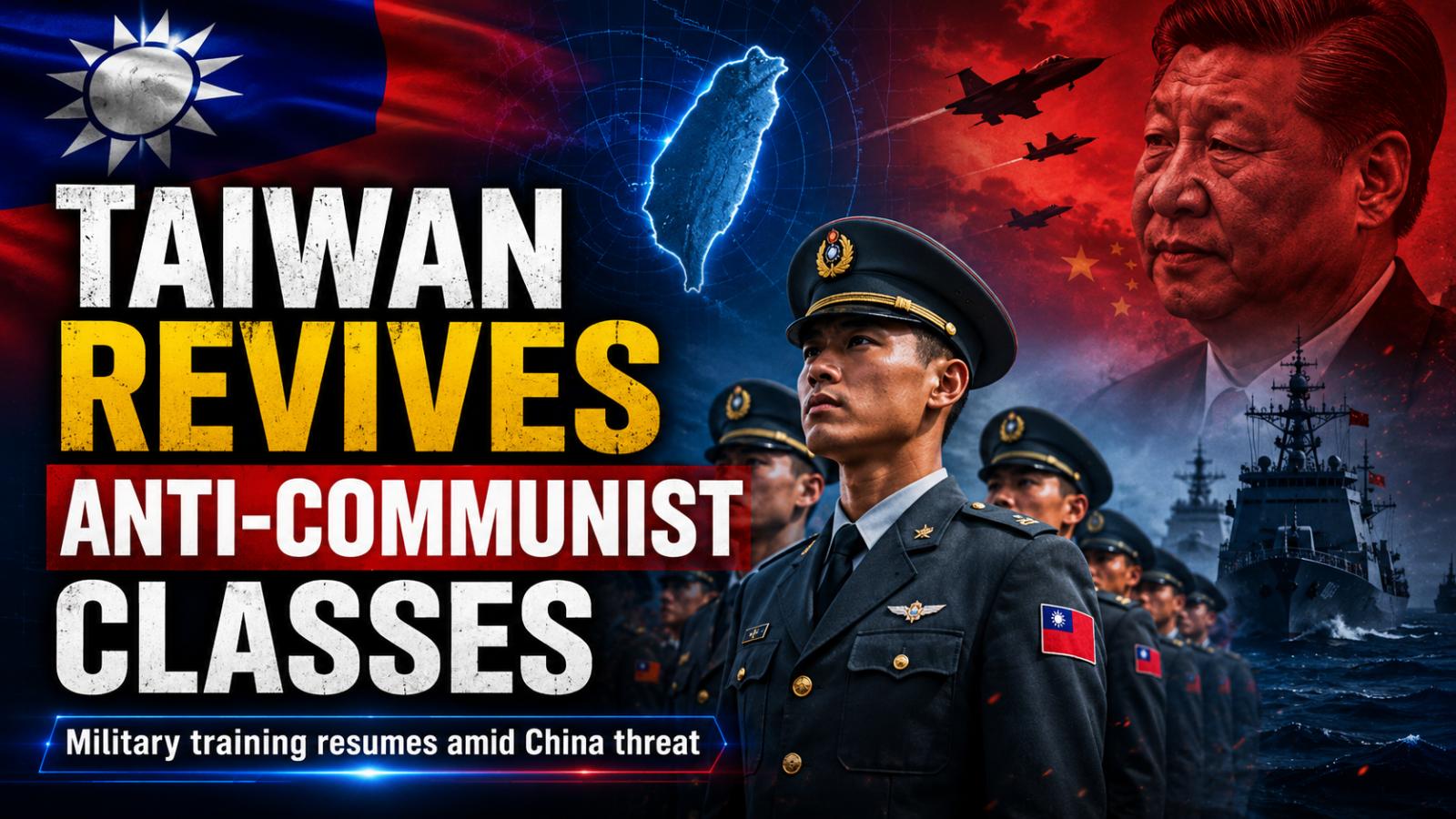
Taiwan revives anti-communist classes amid China threat
Taiwan revives Cold War-era military education Taiwan’s defence ministry has announced the return of “anti-communist” patriotic classes for military graduates after a gap of nearly 25 years, citing growing security concerns linked to China. The programme marks a notable shift in Taiwan military education, as formal anti-communist patriotic instruction had ended i
Taiwan revives anti-communist classes amid China threat
Taiwan revives Cold War-era military education Taiwan’s defence ministry has announced the return of “anti-communist” patriotic classes for military graduates after a gap of nearly 25 years, citing growing security concerns linked to China. The programme marks a notable shift in Taiwan military education, as formal anti-communist patriotic instruction had ended i
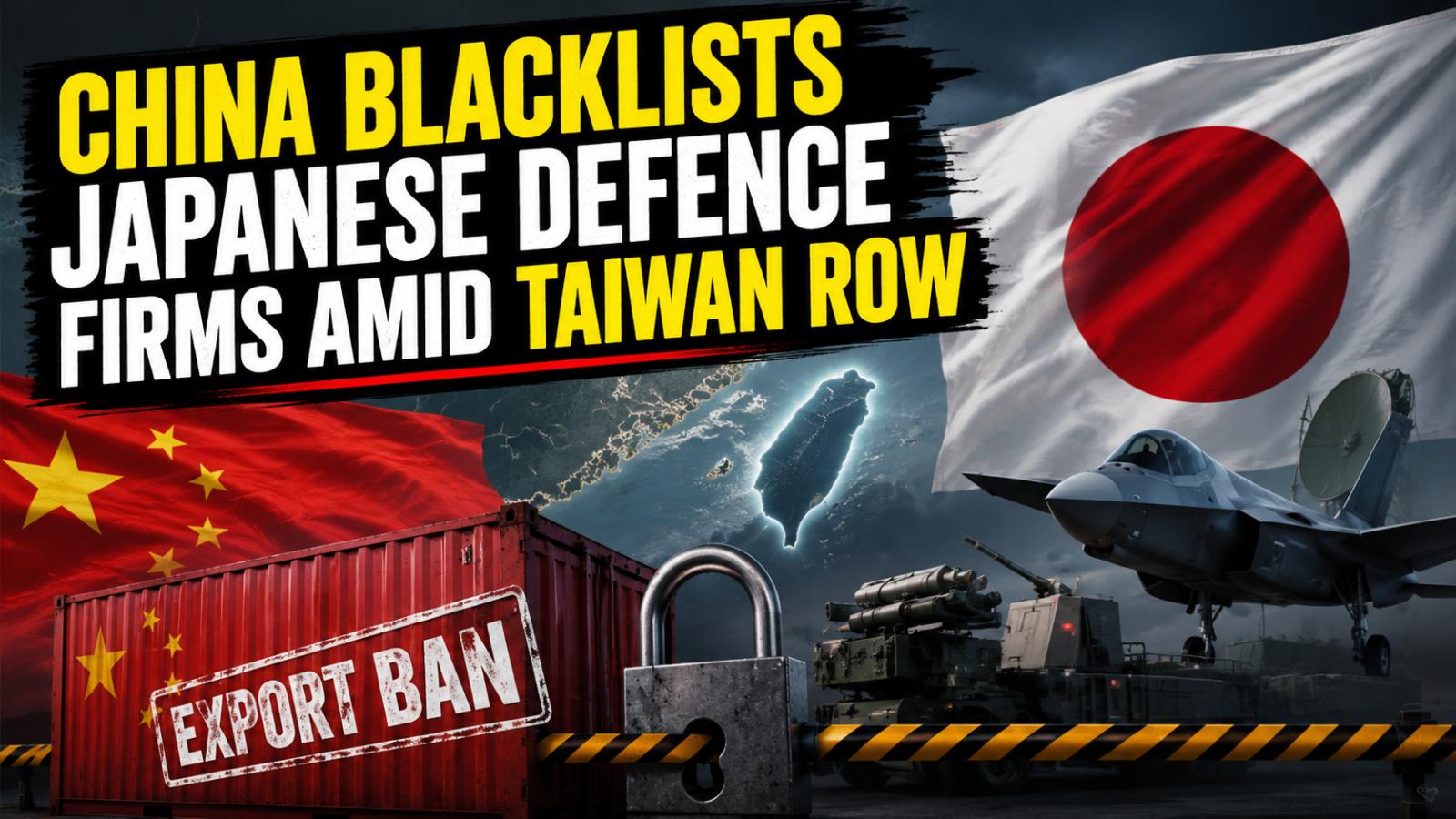
China blacklists Japanese defence firms amid Taiwan row
China has added 20 Japanese defence-linked and technology entities to its export control blacklist, marking a fresh escalation in the already tense relationship between Beijing and Tokyo. The decision blocks the listed organisations from receiving Chinese dual-use goods, materials and technologies without official approval. Beijing said the move was linked to national security, non-proliferation commitments and concerns over supplies that
China blacklists Japanese defence firms amid Taiwan row
China has added 20 Japanese defence-linked and technology entities to its export control blacklist, marking a fresh escalation in the already tense relationship between Beijing and Tokyo. The decision blocks the listed organisations from receiving Chinese dual-use goods, materials and technologies without official approval. Beijing said the move was linked to national security, non-proliferation commitments and concerns over supplies that
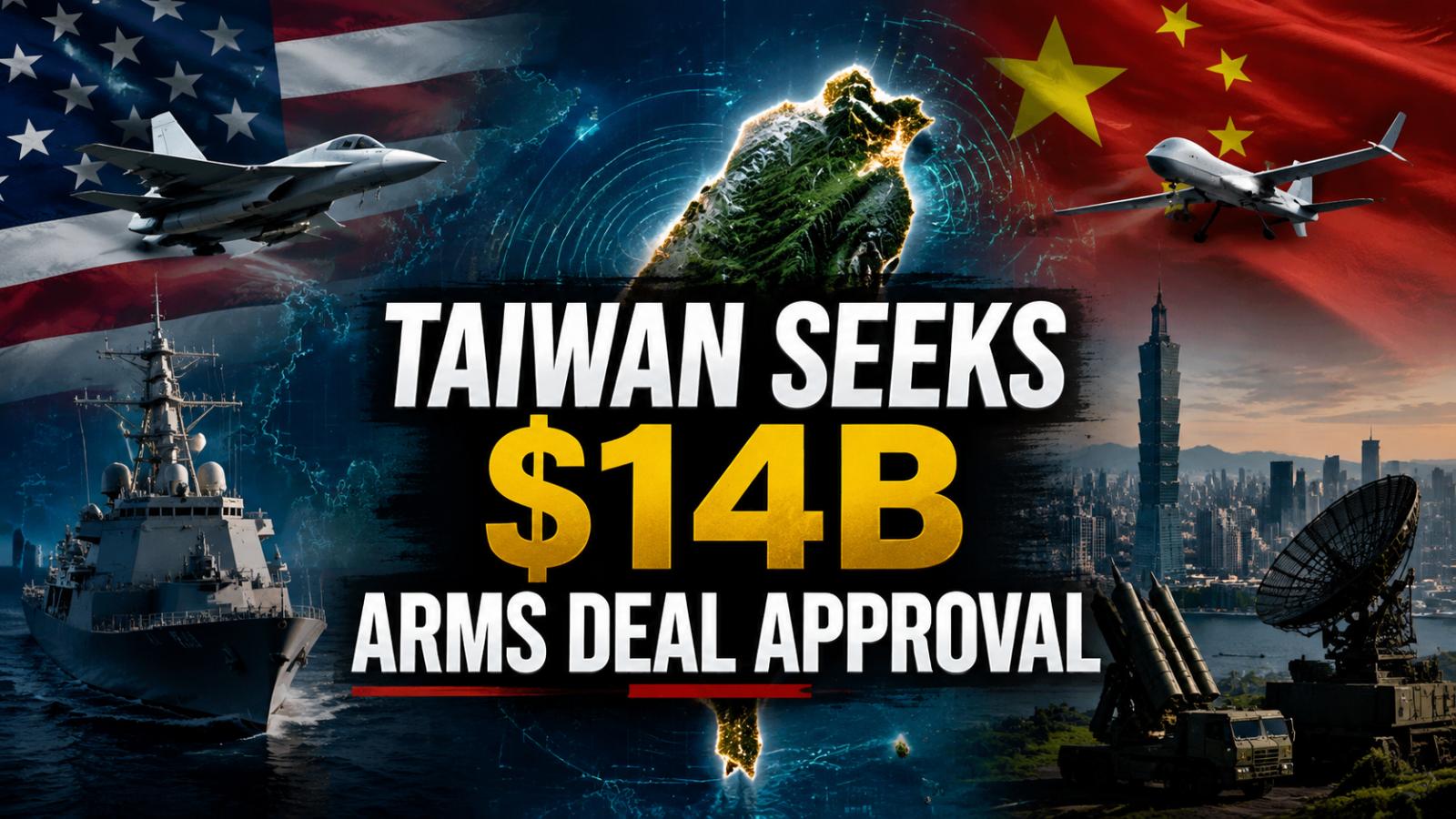
Taiwan presses US for $14bn arms approval amid China tensions
Taiwan has renewed its push for approval of a proposed $14 billion defense package from the United States, arguing that its security environment has become increasingly unstable. The request comes at a time when military activity and political messaging across the Taiwan Strait have intensified, placing additional pressure on Washington’s strategic decision-making. US officials are currently evaluating the proposal through standard defense export channels, weighing supply constrai
Taiwan presses US for $14bn arms approval amid China tensions
Taiwan has renewed its push for approval of a proposed $14 billion defense package from the United States, arguing that its security environment has become increasingly unstable. The request comes at a time when military activity and political messaging across the Taiwan Strait have intensified, placing additional pressure on Washington’s strategic decision-making. US officials are currently evaluating the proposal through standard defense export channels, weighing supply constrai
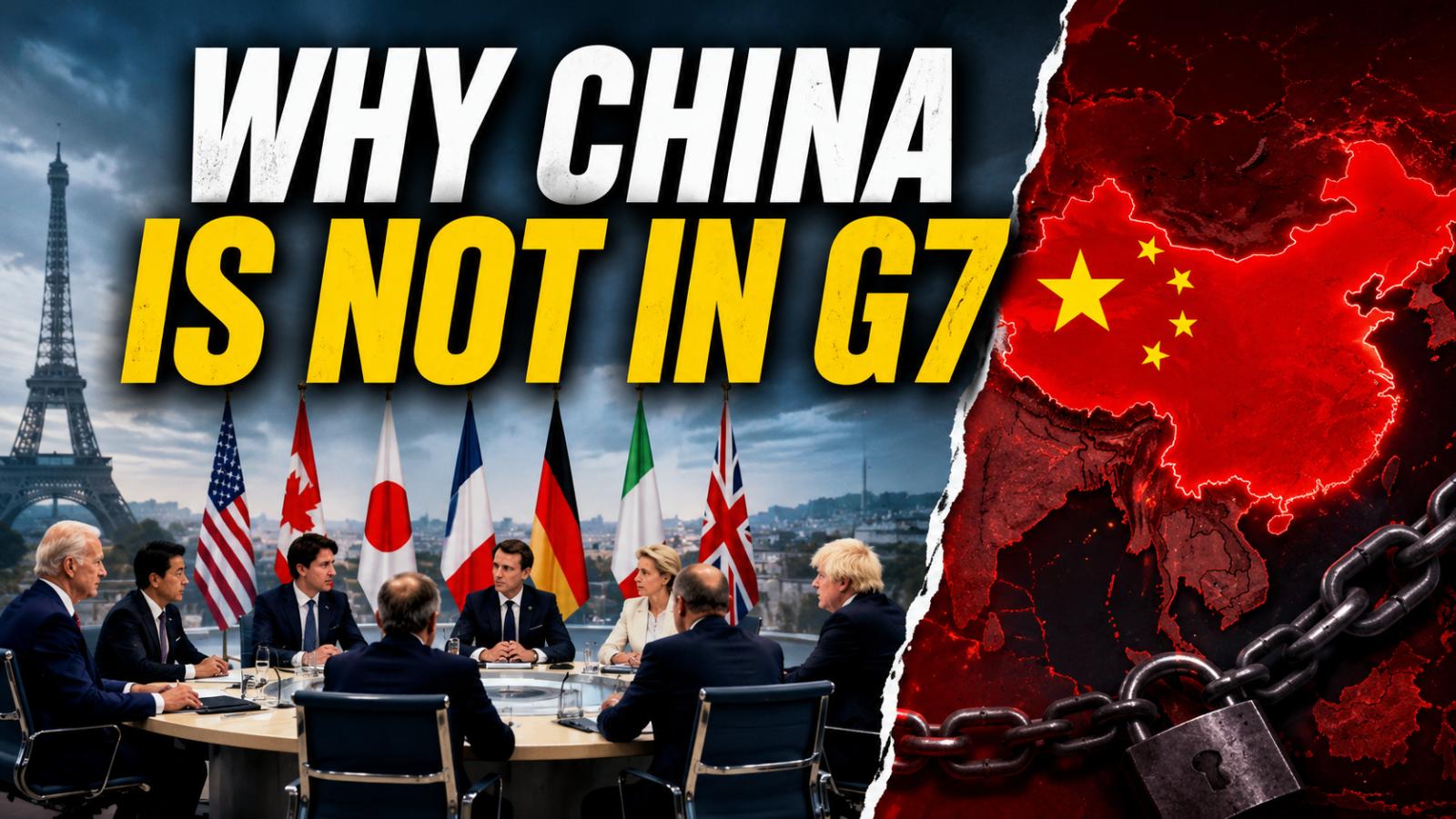
Why China is not a G7 member despite its global influence
G7 origins shaped membership criteria As world leaders prepare for the 2026 G7 Summit in Évian-les-Bains, France, attention has once again turned to a recurring question in global politics: why is China, the world's second-largest economy, not a member of the influential group? While Beijing plays a major role in global trade, manufacturing and international affairs, it remains outside the G7 framework that brings together some of the world'
Why China is not a G7 member despite its global influence
G7 origins shaped membership criteria As world leaders prepare for the 2026 G7 Summit in Évian-les-Bains, France, attention has once again turned to a recurring question in global politics: why is China, the world's second-largest economy, not a member of the influential group? While Beijing plays a major role in global trade, manufacturing and international affairs, it remains outside the G7 framework that brings together some of the world'
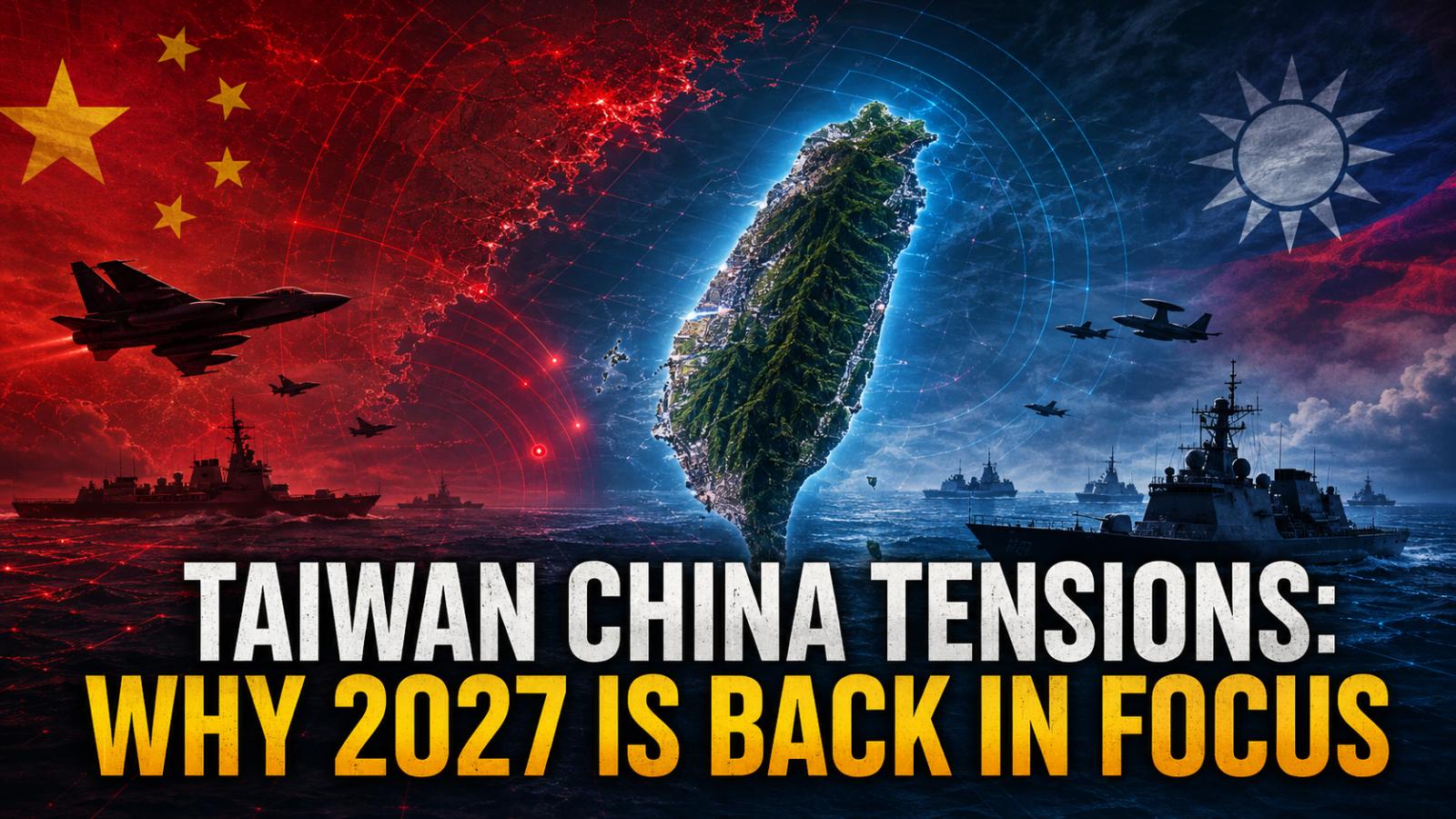
Taiwan China Tensions: What the 2027 Davidson Window Really Means
Taiwan China tensions are again drawing global attention as China increases military activity around the Taiwan Strait and Taiwan strengthens its defence planning. The year 2027 has become a major talking point because of what many defence analysts call the Davidson Window. This does not mean war is confirmed in 2027. That is the biggest misunderstanding. The real concern is different: by 2027, China’s P
Taiwan China Tensions: What the 2027 Davidson Window Really Means
Taiwan China tensions are again drawing global attention as China increases military activity around the Taiwan Strait and Taiwan strengthens its defence planning. The year 2027 has become a major talking point because of what many defence analysts call the Davidson Window. This does not mean war is confirmed in 2027. That is the biggest misunderstanding. The real concern is different: by 2027, China’s P

Philippines Hit By Powerful 7.8 Quake
Powerful Quake Strikes Near Mindanao A powerful 7.8-magnitude earthquake struck near the southern Philippines on Monday, June 8, prompting tsunami warnings and emergency alerts across parts of the region. The quake was reported near Mindanao, one of the country’s largest islands, and was strong enough to trigger concern across coastal communities. Early reports said the offshore quake caused violent shaki
Philippines Hit By Powerful 7.8 Quake
Powerful Quake Strikes Near Mindanao A powerful 7.8-magnitude earthquake struck near the southern Philippines on Monday, June 8, prompting tsunami warnings and emergency alerts across parts of the region. The quake was reported near Mindanao, one of the country’s largest islands, and was strong enough to trigger concern across coastal communities. Early reports said the offshore quake caused violent shaki
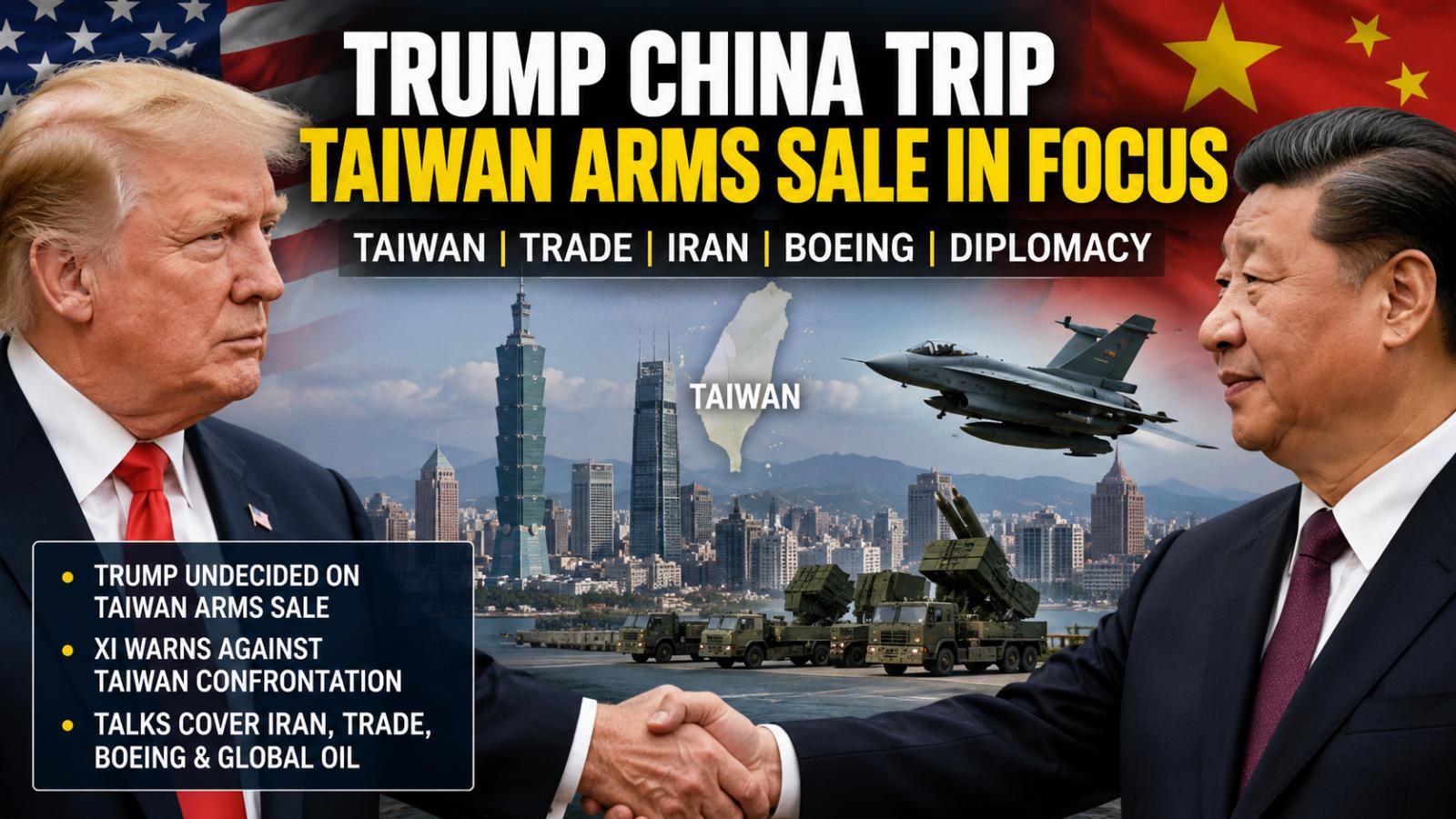
Trump Taiwan Arms Sale Explained After China Trip
President Donald Trump left Beijing on Friday, May 15, 2026, without a final decision on a major U.S. arms sale to Taiwan, keeping one of the most sensitive issues in U.S.-China relations unresolved. The Trump Taiwan arms sale decision became a central focus after his three-day China visit, where talks with Chinese President Xi Jinping covered Taiwan, Iran, trade, Boeing aircraft and wider efforts to stabilize relations between Washington and Beijing. Trump-Xi Tai
Trump Taiwan Arms Sale Explained After China Trip
President Donald Trump left Beijing on Friday, May 15, 2026, without a final decision on a major U.S. arms sale to Taiwan, keeping one of the most sensitive issues in U.S.-China relations unresolved. The Trump Taiwan arms sale decision became a central focus after his three-day China visit, where talks with Chinese President Xi Jinping covered Taiwan, Iran, trade, Boeing aircraft and wider efforts to stabilize relations between Washington and Beijing. Trump-Xi Tai
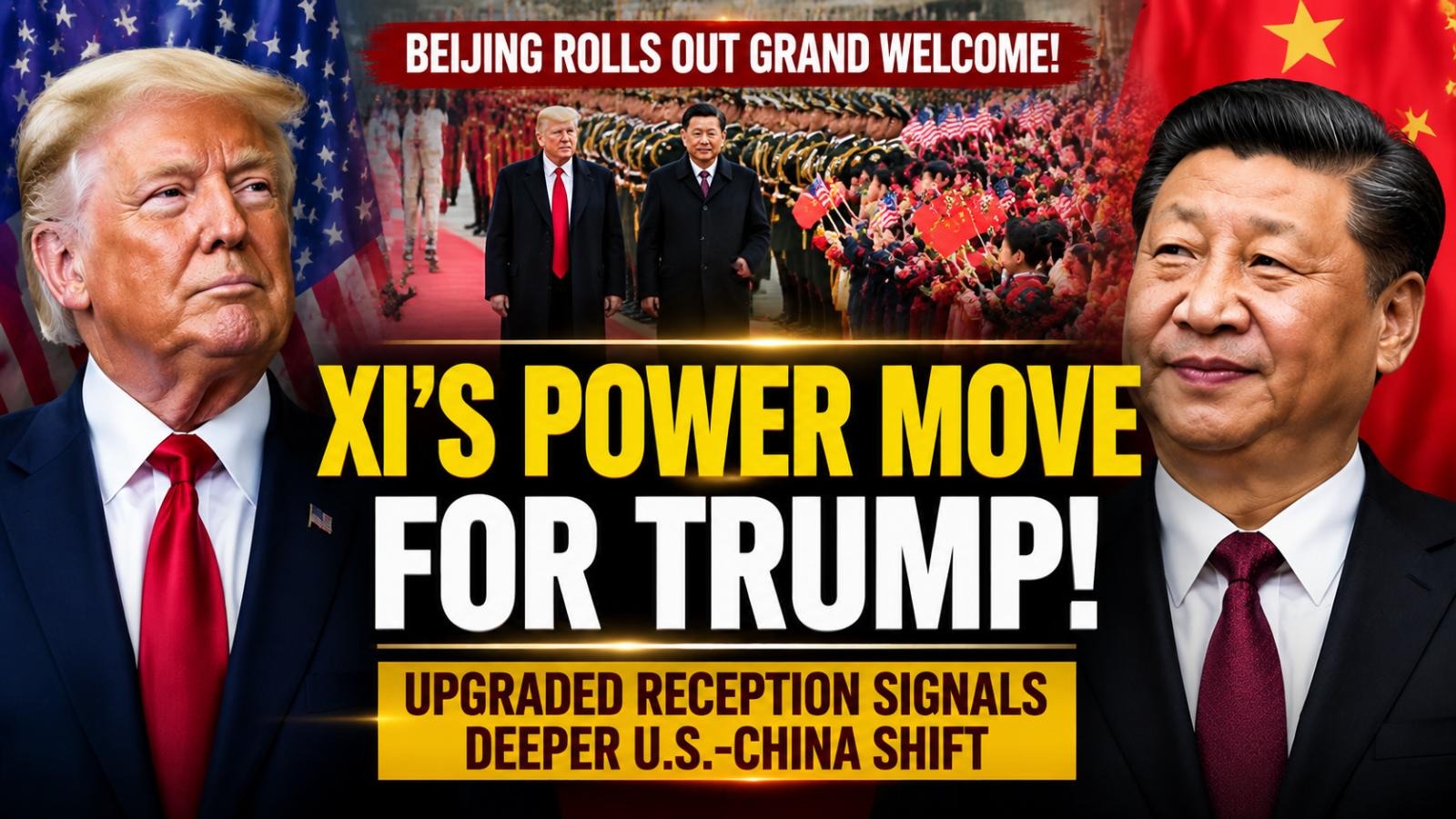
Trump’s Visit to China: A Grand Reception
A Warmer Welcome for Trump Chinese President Xi Jinping’s diplomatic approach to Donald Trump’s recent visit to Beijing marked a clear shift in China-US relations. Unlike in 2017, when Trump was greeted by a lower-ranking official, this time China sent Vice President Han Zheng, along with both ambassadors and senior foreign affairs officials, signaling a significant elevation in the diplomatic reception. Isabelle Vladoiu, founder of the US Institute of Diplomacy and Human Righ
Trump’s Visit to China: A Grand Reception
A Warmer Welcome for Trump Chinese President Xi Jinping’s diplomatic approach to Donald Trump’s recent visit to Beijing marked a clear shift in China-US relations. Unlike in 2017, when Trump was greeted by a lower-ranking official, this time China sent Vice President Han Zheng, along with both ambassadors and senior foreign affairs officials, signaling a significant elevation in the diplomatic reception. Isabelle Vladoiu, founder of the US Institute of Diplomacy and Human Righ
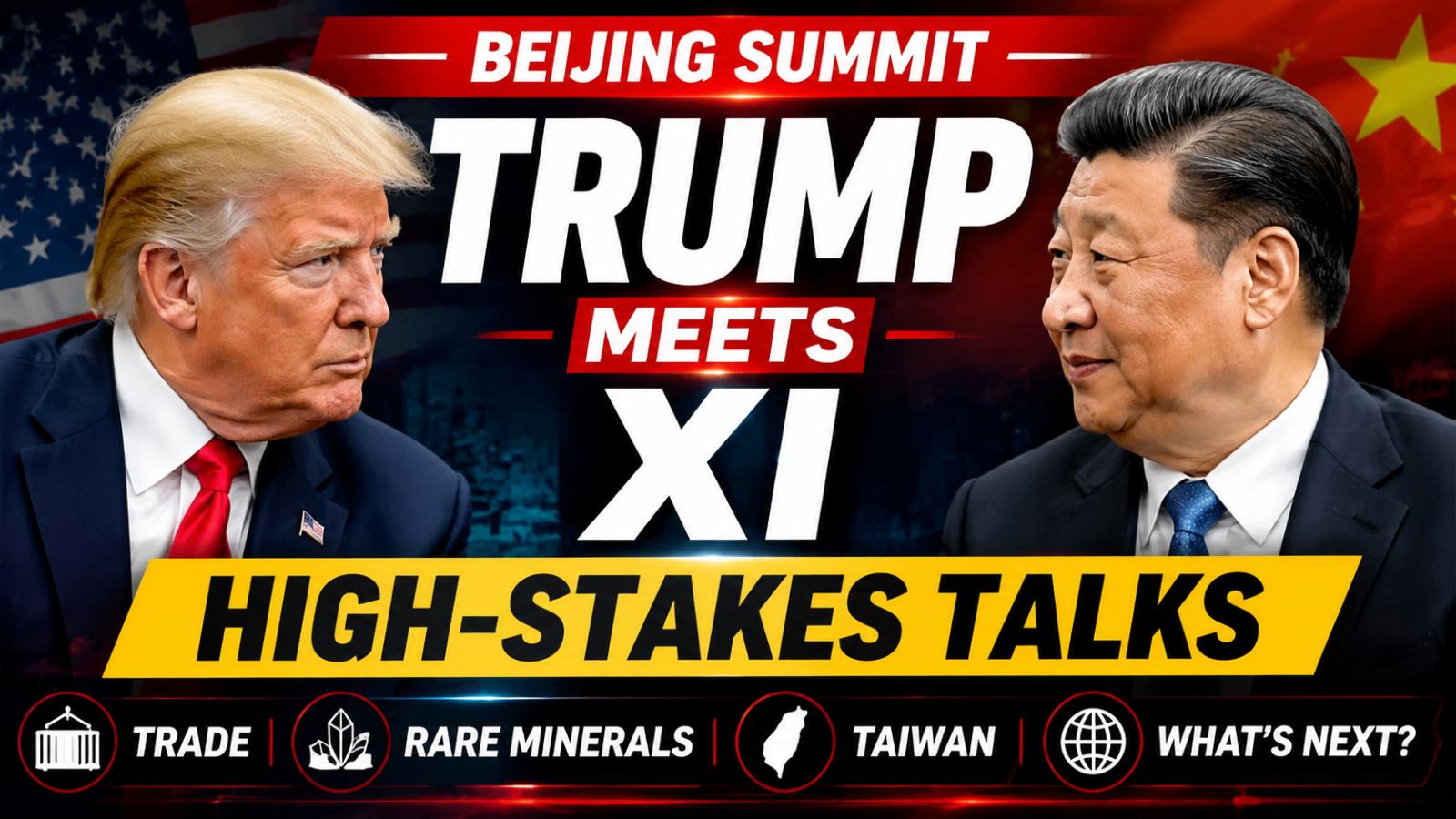
US-China relations: Trump and Xi hold critical talks on trade, rare minerals, and Taiwan
On May 14, 2026, a historic meeting unfolded in Beijing between U.S. President Donald Trump and Chinese President Xi Jinping. Hosted at the Great Hall of the People, the summit aimed to strengthen the ties between the two largest economies in the world. The opening moments were marked by a brief but firm handshake that lasted a solid 40 seconds, setting a serious but cordial tone for the discussions ahead. High-Level
US-China relations: Trump and Xi hold critical talks on trade, rare minerals, and Taiwan
On May 14, 2026, a historic meeting unfolded in Beijing between U.S. President Donald Trump and Chinese President Xi Jinping. Hosted at the Great Hall of the People, the summit aimed to strengthen the ties between the two largest economies in the world. The opening moments were marked by a brief but firm handshake that lasted a solid 40 seconds, setting a serious but cordial tone for the discussions ahead. High-Level
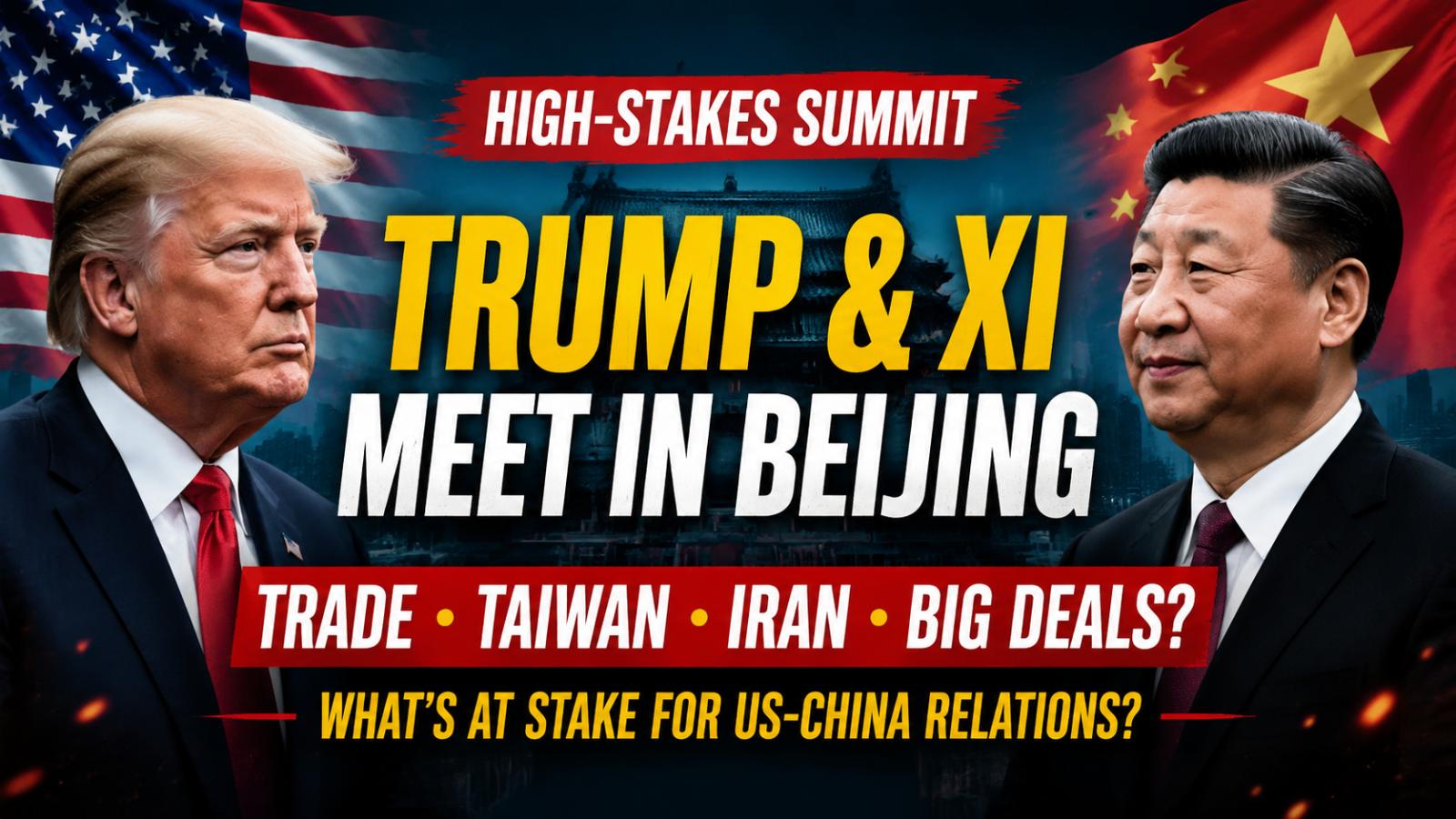
US-China Summit: Trump and Xi Discuss Trade, Taiwan, and Iran
On May 14, US President Donald Trump will meet Chinese President Xi Jinping in Beijing for an important summit that could reshape the US-China relationship. This high-level meeting comes after years of trade disputes, rising tensions over Taiwan, and concerns about Iran’s nuclear ambitions. The two leaders are expected to tackle these critical issues head-on, with major global implications. This marks Trump’s first visit to China since 2017, and the atmosphere surrounding the trip is tense, yet optimistic. Alongside the president, top business leaders, including Nvidia’s Jensen Huang and Tesla’s Elon Musk, will be part of the delegation, emphasizing the US’s desire to push for commercial deals that strengthen trade ties with China. The summit is taking place against the backdrop of escalating tensions, including the ongoing trade war between the two powers, China’s rare earth restrictions, and the fierce competition in artificial intelligence (AI). Trade Tensions: A Fragile Truce One of the central issues on the table is trade. The US and China have been at odds for years, with both countries imposing tariffs on each other's goods. While last year saw a brief period of truce, many unresolved issues remain. President Trump is expected to press China for further trade reforms and better deals for American businesses, especially in the face of high tariffs and economic uncertainty.Both sides are aware that the trade dynamics have far-reaching consequences for the global economy, so finding common ground will be critical. Taiwan: A Stubborn Point of Contention Another major issue will be Taiwan, which has long been a flashpoint between the two nations. China views Taiwan as an inseparable part of its territory, while the US has shown strong support for the island’s autonomy. With tensions rising, especially after China increased military activity near Taiwan, the US's stance on Taiwan remains a key area of friction. Trump’s administration has been vocal about its support for Taiwan, and it remains to be seen how this will affect the overall talks. How the two leaders address this issue will set the tone for future interactions between the two countries, especially considering the delicate balance the US must strike between its relationship with China and its support for Taiwan. Iran: A Strategic Challenge Trump is also expected to address the situation in Iran, seeking China’s cooperation on curbing Iran’s nuclear ambitions. With China’s significant economic ties to Iran, Trump hopes Beijing can use its influence to help rein in Tehran’s nuclear program and reduce instability in the Middle East. China’s role in global diplomacy has been growing, and this summit could serve as a turning point for its involvement in international peace efforts. The Stakes of the Summit Both leaders face high stakes at this summit. Trump’s goal is clear: to secure deals that will benefit American businesses and address concerns about China’s rising influence in global trade and AI. For China, maintaining its geopolitical power while ensuring economic growth is paramount. Despite the challenging topics, both leaders know the importance of maintaining a functional relationship for global stability. As the summit unfolds, eyes will be on whether the two leaders can navigate their differences and strike a deal that addresses the critical issues of trade, Taiwan, and Iran. The outcome will not just shape US-China relations, but could influence global geopolitics for years to come. This meeting is more than just diplomacy; it's a chance to shape the future of international relations, with consequences that reach far beyond the negotiating table.
US-China Summit: Trump and Xi Discuss Trade, Taiwan, and Iran
On May 14, US President Donald Trump will meet Chinese President Xi Jinping in Beijing for an important summit that could reshape the US-China relationship. This high-level meeting comes after years of trade disputes, rising tensions over Taiwan, and concerns about Iran’s nuclear ambitions. The two leaders are expected to tackle these critical issues head-on, with major global implications. This marks Trump’s first visit to China since 2017, and the atmosphere surrounding the trip is tense, yet optimistic. Alongside the president, top business leaders, including Nvidia’s Jensen Huang and Tesla’s Elon Musk, will be part of the delegation, emphasizing the US’s desire to push for commercial deals that strengthen trade ties with China. The summit is taking place against the backdrop of escalating tensions, including the ongoing trade war between the two powers, China’s rare earth restrictions, and the fierce competition in artificial intelligence (AI). Trade Tensions: A Fragile Truce One of the central issues on the table is trade. The US and China have been at odds for years, with both countries imposing tariffs on each other's goods. While last year saw a brief period of truce, many unresolved issues remain. President Trump is expected to press China for further trade reforms and better deals for American businesses, especially in the face of high tariffs and economic uncertainty.Both sides are aware that the trade dynamics have far-reaching consequences for the global economy, so finding common ground will be critical. Taiwan: A Stubborn Point of Contention Another major issue will be Taiwan, which has long been a flashpoint between the two nations. China views Taiwan as an inseparable part of its territory, while the US has shown strong support for the island’s autonomy. With tensions rising, especially after China increased military activity near Taiwan, the US's stance on Taiwan remains a key area of friction. Trump’s administration has been vocal about its support for Taiwan, and it remains to be seen how this will affect the overall talks. How the two leaders address this issue will set the tone for future interactions between the two countries, especially considering the delicate balance the US must strike between its relationship with China and its support for Taiwan. Iran: A Strategic Challenge Trump is also expected to address the situation in Iran, seeking China’s cooperation on curbing Iran’s nuclear ambitions. With China’s significant economic ties to Iran, Trump hopes Beijing can use its influence to help rein in Tehran’s nuclear program and reduce instability in the Middle East. China’s role in global diplomacy has been growing, and this summit could serve as a turning point for its involvement in international peace efforts. The Stakes of the Summit Both leaders face high stakes at this summit. Trump’s goal is clear: to secure deals that will benefit American businesses and address concerns about China’s rising influence in global trade and AI. For China, maintaining its geopolitical power while ensuring economic growth is paramount. Despite the challenging topics, both leaders know the importance of maintaining a functional relationship for global stability. As the summit unfolds, eyes will be on whether the two leaders can navigate their differences and strike a deal that addresses the critical issues of trade, Taiwan, and Iran. The outcome will not just shape US-China relations, but could influence global geopolitics for years to come. This meeting is more than just diplomacy; it's a chance to shape the future of international relations, with consequences that reach far beyond the negotiating table.
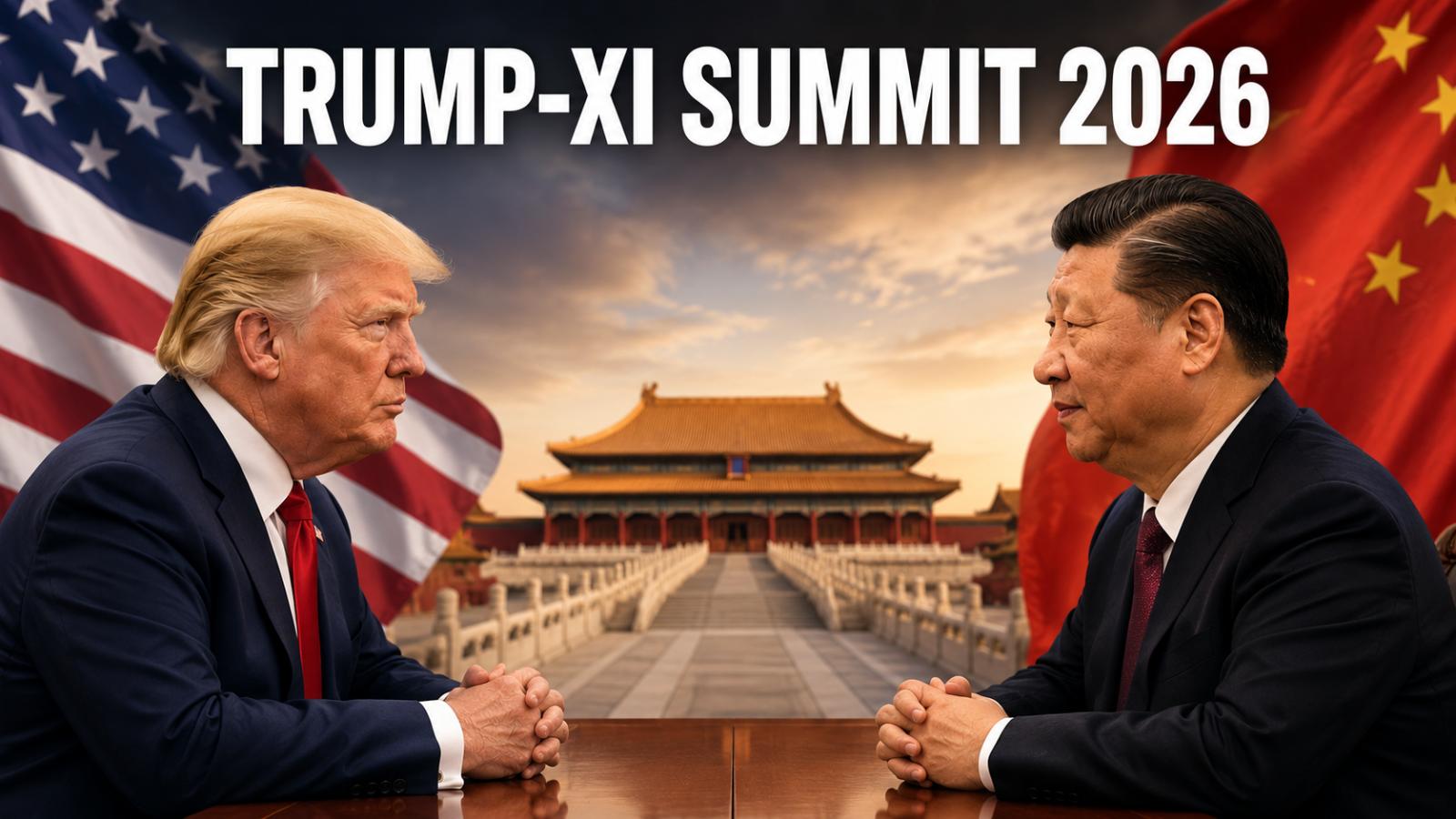
Trump-Xi Summit 2026: 6 Past Meetings That Explain US-China Tensions
Trump-Xi Summit Puts US-China Tensions Back in Focus US President Donald Trump arrived in Beijing on Wednesday, May 13, 2026, for a high-stakes summit with Chinese President Xi Jinping, bringing tariffs, rare earth exports, AI chips, Taiwan and global security back to the center of US-China relations. The summit is expected to mark another major test for the world’s two largest economies after six previous Trump-Xi meetings shaped trade disputes, tariff pauses and fragile diplomatic resets since 2017. For Washington, the key questions include trade access, technology restrictions, agriculture purchases, Taiwan and supply-chain stability. For Beijing, the meeting is a chance to push back against US tariffs and technology controls while protecting China’s position in global trade. Why the Trump-Xi Summit Matters in 2026 The 2026 Trump-Xi summit matters because the issues are no longer limited to trade. The talks now include rare earth minerals, artificial intelligence, agriculture, Taiwan, nuclear concerns and broader geopolitical tensions. Reuters reported that Trump and Xi are expected to discuss trade, AI, agriculture, rare earths and global security issues during the summit period. Rare earth exports are especially important because China plays a major role in minerals used in defense systems, electric vehicles, electronics and clean-energy technology. Any movement on export controls could affect global supply chains and US manufacturers. AI chips are another major pressure point. Trump’s Beijing visit also drew attention because Nvidia CEO Jensen Huang joined the mission as US companies seek broader access to China’s technology market. Taiwan remains one of the most sensitive security issues. Beijing strongly opposes US arms sales to Taiwan, while Washington continues to maintain political and security ties with Taipei. AP reported that US arms sales to Taiwan are among the issues surrounding the summit. Trump-Xi Meetings Timeline Meeting Date Location Main Focus Why It Matters Now First Trump-Xi meeting Thursday, April 6, 2017 Mar-a-Lago, Florida Trade, diplomacy, North Korea Opened direct leader-level communication G20 meeting Saturday, July 8, 2017 Hamburg, Germany North Korea and economic ties Came before stronger US trade action Trump China visit Wednesday, November 8, 2017 to Friday, November 10, 2017 Beijing, China Business deals and trade imbalance Warm diplomacy did not stop tariff tensions G20 dinner Saturday, December 1, 2018 Buenos Aires, Argentina Tariffs, intellectual property and cyber concerns Opened temporary negotiations during the trade war Osaka G20 meeting Saturday, June 29, 2019 Osaka, Japan Tariff pause and farm purchases Restarted trade talks after escalation APEC meeting Thursday, October 30, 2025 Busan, South Korea Tariffs, rare earths and farm exports Created a temporary pause before the 2026 summit How Six Meetings Shaped US-China Relations Trump and Xi first met at Mar-a-Lago in Florida on Thursday, April 6, 2017. The meeting created a personal channel between the two leaders, but it did not resolve deeper US concerns over China’s trade practices, market access and industrial policy. Their second meeting came on Saturday, July 8, 2017, during the G20 summit in Hamburg, Germany. North Korea was a major topic, but trade tensions were already rising. Soon after, Washington moved toward stronger action over alleged Chinese intellectual property theft and unfair trade practices. Trump visited Beijing from Wednesday, November 8, 2017, to Friday, November 10, 2017. The visit included ceremonial events and business announcements, but the friendly tone did not prevent the two countries from moving toward a wider trade confrontation. By Saturday, December 1, 2018, when Trump and Xi met at the G20 summit in Buenos Aires, both countries had already imposed tariffs. The dinner opened temporary negotiations on trade imbalances, intellectual property and cyber concerns. The next major pause came at the G20 summit in Osaka on Saturday, June 29, 2019. Trump and Xi agreed to restart trade talks and delay new tariffs. China also pledged to buy more US agricultural goods. Their sixth meeting came after a six-year gap on Thursday, October 30, 2025, during the APEC summit in Busan, South Korea. That meeting helped create a temporary pause in parts of the trade dispute, including movement on tariffs, rare earth exports and US farm purchases. What the 2026 Trump-Xi Meeting Could Decide The Beijing summit could decide whether Washington and Beijing extend a period of limited stability or return to sharper confrontation. For the United States, the main goals include tariff relief, stronger export access for farmers, rare earth supply stability, technology safeguards and progress on broader security issues. American companies are also watching whether the talks create more space for business access in China. For China, the summit is about reducing pressure from tariffs and technology restrictions while showing that Beijing can negotiate from strength. Rare earths give China leverage, while its large consumer and technology market remains important for US companies. The six previous Trump-Xi meetings show a clear pattern: personal diplomacy can slow escalation, but it rarely solves the deeper disputes. Mar-a-Lago and Beijing created warmth but did not prevent the trade war. Buenos Aires and Osaka produced temporary pauses. Busan again showed that both sides could step back from escalation, but only for a limited period. That makes the 2026 summit more than another diplomatic event. It is a test of whether the United States and China can manage competition without allowing tariffs, AI chip restrictions, rare earth controls and Taiwan tensions to trigger another major crisis.
Trump-Xi Summit 2026: 6 Past Meetings That Explain US-China Tensions
Trump-Xi Summit Puts US-China Tensions Back in Focus US President Donald Trump arrived in Beijing on Wednesday, May 13, 2026, for a high-stakes summit with Chinese President Xi Jinping, bringing tariffs, rare earth exports, AI chips, Taiwan and global security back to the center of US-China relations. The summit is expected to mark another major test for the world’s two largest economies after six previous Trump-Xi meetings shaped trade disputes, tariff pauses and fragile diplomatic resets since 2017. For Washington, the key questions include trade access, technology restrictions, agriculture purchases, Taiwan and supply-chain stability. For Beijing, the meeting is a chance to push back against US tariffs and technology controls while protecting China’s position in global trade. Why the Trump-Xi Summit Matters in 2026 The 2026 Trump-Xi summit matters because the issues are no longer limited to trade. The talks now include rare earth minerals, artificial intelligence, agriculture, Taiwan, nuclear concerns and broader geopolitical tensions. Reuters reported that Trump and Xi are expected to discuss trade, AI, agriculture, rare earths and global security issues during the summit period. Rare earth exports are especially important because China plays a major role in minerals used in defense systems, electric vehicles, electronics and clean-energy technology. Any movement on export controls could affect global supply chains and US manufacturers. AI chips are another major pressure point. Trump’s Beijing visit also drew attention because Nvidia CEO Jensen Huang joined the mission as US companies seek broader access to China’s technology market. Taiwan remains one of the most sensitive security issues. Beijing strongly opposes US arms sales to Taiwan, while Washington continues to maintain political and security ties with Taipei. AP reported that US arms sales to Taiwan are among the issues surrounding the summit. Trump-Xi Meetings Timeline Meeting Date Location Main Focus Why It Matters Now First Trump-Xi meeting Thursday, April 6, 2017 Mar-a-Lago, Florida Trade, diplomacy, North Korea Opened direct leader-level communication G20 meeting Saturday, July 8, 2017 Hamburg, Germany North Korea and economic ties Came before stronger US trade action Trump China visit Wednesday, November 8, 2017 to Friday, November 10, 2017 Beijing, China Business deals and trade imbalance Warm diplomacy did not stop tariff tensions G20 dinner Saturday, December 1, 2018 Buenos Aires, Argentina Tariffs, intellectual property and cyber concerns Opened temporary negotiations during the trade war Osaka G20 meeting Saturday, June 29, 2019 Osaka, Japan Tariff pause and farm purchases Restarted trade talks after escalation APEC meeting Thursday, October 30, 2025 Busan, South Korea Tariffs, rare earths and farm exports Created a temporary pause before the 2026 summit How Six Meetings Shaped US-China Relations Trump and Xi first met at Mar-a-Lago in Florida on Thursday, April 6, 2017. The meeting created a personal channel between the two leaders, but it did not resolve deeper US concerns over China’s trade practices, market access and industrial policy. Their second meeting came on Saturday, July 8, 2017, during the G20 summit in Hamburg, Germany. North Korea was a major topic, but trade tensions were already rising. Soon after, Washington moved toward stronger action over alleged Chinese intellectual property theft and unfair trade practices. Trump visited Beijing from Wednesday, November 8, 2017, to Friday, November 10, 2017. The visit included ceremonial events and business announcements, but the friendly tone did not prevent the two countries from moving toward a wider trade confrontation. By Saturday, December 1, 2018, when Trump and Xi met at the G20 summit in Buenos Aires, both countries had already imposed tariffs. The dinner opened temporary negotiations on trade imbalances, intellectual property and cyber concerns. The next major pause came at the G20 summit in Osaka on Saturday, June 29, 2019. Trump and Xi agreed to restart trade talks and delay new tariffs. China also pledged to buy more US agricultural goods. Their sixth meeting came after a six-year gap on Thursday, October 30, 2025, during the APEC summit in Busan, South Korea. That meeting helped create a temporary pause in parts of the trade dispute, including movement on tariffs, rare earth exports and US farm purchases. What the 2026 Trump-Xi Meeting Could Decide The Beijing summit could decide whether Washington and Beijing extend a period of limited stability or return to sharper confrontation. For the United States, the main goals include tariff relief, stronger export access for farmers, rare earth supply stability, technology safeguards and progress on broader security issues. American companies are also watching whether the talks create more space for business access in China. For China, the summit is about reducing pressure from tariffs and technology restrictions while showing that Beijing can negotiate from strength. Rare earths give China leverage, while its large consumer and technology market remains important for US companies. The six previous Trump-Xi meetings show a clear pattern: personal diplomacy can slow escalation, but it rarely solves the deeper disputes. Mar-a-Lago and Beijing created warmth but did not prevent the trade war. Buenos Aires and Osaka produced temporary pauses. Busan again showed that both sides could step back from escalation, but only for a limited period. That makes the 2026 summit more than another diplomatic event. It is a test of whether the United States and China can manage competition without allowing tariffs, AI chip restrictions, rare earth controls and Taiwan tensions to trigger another major crisis.
Trump-Xi summit: Key issues, trade talks, and Iran conflict to be addressed
US President Donald Trump is set to visit China from May 13 to 15, marking the first visit to the country by an American president in nearly nine years. The invitation comes from Chinese President Xi Jinping amid growing tensions between the two nations over issues such as trade, technology, and defense. This visit comes at a critical time for global politics, with the ongoing Iran conflict impacting both economic stability and energy prices. The timing of Trump’s visit coincides with a volatile situation in the Strait of Hormuz, where a dual blockade has significantly disrupted global oil trade, driving up energy prices. These disruptions have the potential to harm global economic growth, as the Strait is a vital shipping route for the world’s oil supply. Trump’s administration has placed significant pressure on Iran over its nuclear program, and in recent remarks, he stated that the US would “finish the job” if Iran did not agree to the terms aimed at halting the conflict. While tensions remain high, the US continues to press for a diplomatic resolution to the situation, with President Trump asserting that Iran must meet specific demands regarding its nuclear ambitions. Despite these pressures, Trump maintains that the US does not need China’s assistance to resolve the issue, suggesting that the conflict could be settled with or without China’s involvement. Iran, for its part, has signaled its intention to pursue peace, with chief negotiator Mohammad Bagher Ghalibaf issuing an ultimatum to the US. According to Ghalibaf, Washington must accept Iran’s recent peace proposal or face further failure in negotiations. He emphasized that there was no alternative but to acknowledge the rights of the Iranian people as outlined in Tehran’s 14-point proposal. Beyond the Iran conflict, the upcoming Trump-Xi summit is expected to address several key issues affecting US-China relations. Trade discussions will likely focus on extending a temporary truce in the ongoing trade dispute, particularly concerning rare earth minerals. Both leaders are expected to explore agreements related to Boeing aircraft purchases, as well as expanding trade and investment ties. Additionally, China is anticipated to announce purchases in the US agricultural and energy sectors. Another significant topic of discussion will be Taiwan, with Xi expressing frustration over the US’s continued support for the island nation, which China claims as part of its territory. Trump’s administration has reiterated its commitment to Taiwan, despite escalating military activities in the region by China. The summit will also cover the rapid development of artificial intelligence (AI) in both countries, with US officials highlighting concerns about the potential military and economic implications of AI advancements. With both nations at the forefront of technological innovation, there is a growing need for open communication to avoid misunderstandings or potential conflicts arising from the use of AI. This high-stakes summit between the US and China is poised to shape the future of global trade, energy security, and technological development, with both sides seeking to manage their differences while addressing urgent geopolitical challenges. As the world watches, the outcome of these talks could have far-reaching implications for international relations.
Trump-Xi summit: Key issues, trade talks, and Iran conflict to be addressed
US President Donald Trump is set to visit China from May 13 to 15, marking the first visit to the country by an American president in nearly nine years. The invitation comes from Chinese President Xi Jinping amid growing tensions between the two nations over issues such as trade, technology, and defense. This visit comes at a critical time for global politics, with the ongoing Iran conflict impacting both economic stability and energy prices. The timing of Trump’s visit coincides with a volatile situation in the Strait of Hormuz, where a dual blockade has significantly disrupted global oil trade, driving up energy prices. These disruptions have the potential to harm global economic growth, as the Strait is a vital shipping route for the world’s oil supply. Trump’s administration has placed significant pressure on Iran over its nuclear program, and in recent remarks, he stated that the US would “finish the job” if Iran did not agree to the terms aimed at halting the conflict. While tensions remain high, the US continues to press for a diplomatic resolution to the situation, with President Trump asserting that Iran must meet specific demands regarding its nuclear ambitions. Despite these pressures, Trump maintains that the US does not need China’s assistance to resolve the issue, suggesting that the conflict could be settled with or without China’s involvement. Iran, for its part, has signaled its intention to pursue peace, with chief negotiator Mohammad Bagher Ghalibaf issuing an ultimatum to the US. According to Ghalibaf, Washington must accept Iran’s recent peace proposal or face further failure in negotiations. He emphasized that there was no alternative but to acknowledge the rights of the Iranian people as outlined in Tehran’s 14-point proposal. Beyond the Iran conflict, the upcoming Trump-Xi summit is expected to address several key issues affecting US-China relations. Trade discussions will likely focus on extending a temporary truce in the ongoing trade dispute, particularly concerning rare earth minerals. Both leaders are expected to explore agreements related to Boeing aircraft purchases, as well as expanding trade and investment ties. Additionally, China is anticipated to announce purchases in the US agricultural and energy sectors. Another significant topic of discussion will be Taiwan, with Xi expressing frustration over the US’s continued support for the island nation, which China claims as part of its territory. Trump’s administration has reiterated its commitment to Taiwan, despite escalating military activities in the region by China. The summit will also cover the rapid development of artificial intelligence (AI) in both countries, with US officials highlighting concerns about the potential military and economic implications of AI advancements. With both nations at the forefront of technological innovation, there is a growing need for open communication to avoid misunderstandings or potential conflicts arising from the use of AI. This high-stakes summit between the US and China is poised to shape the future of global trade, energy security, and technological development, with both sides seeking to manage their differences while addressing urgent geopolitical challenges. As the world watches, the outcome of these talks could have far-reaching implications for international relations.
Historic US-China Summit: Trump and Xi Discuss Iran, Trade, and Taiwan in Beijing
Trump and Xi Jinping Meet in Beijing for Key Summit US President Donald Trump and Chinese President Xi Jinping are set to meet in Beijing for a highly anticipated three-day summit. This is Trump’s first visit to China in nearly a decade, making the meeting particularly significant. The summit is expected to focus on critical global issues, including the ongoing US-Israel war on Iran, trade relations between the two nations, and the status of Taiw
Historic US-China Summit: Trump and Xi Discuss Iran, Trade, and Taiwan in Beijing
Trump and Xi Jinping Meet in Beijing for Key Summit US President Donald Trump and Chinese President Xi Jinping are set to meet in Beijing for a highly anticipated three-day summit. This is Trump’s first visit to China in nearly a decade, making the meeting particularly significant. The summit is expected to focus on critical global issues, including the ongoing US-Israel war on Iran, trade relations between the two nations, and the status of Taiw
Trump and Xi Meet in Beijing Amid Rising US-China Trade Tensions
US President Donald Trump and Chinese President Xi Jinping are meeting in Beijing amid renewed efforts to prevent escalating tensions between the world’s two largest economies. The summit follows months of friction over tariffs, semiconductors, artificial intelligence, supply chains, and Taiwan, all of which have intensified competition between Washington and Beijing despite a temporary stabilisation agreement reached during the APEC summit in Busan, South Korea, in October 2025.
Trump and Xi Meet in Beijing Amid Rising US-China Trade Tensions
US President Donald Trump and Chinese President Xi Jinping are meeting in Beijing amid renewed efforts to prevent escalating tensions between the world’s two largest economies. The summit follows months of friction over tariffs, semiconductors, artificial intelligence, supply chains, and Taiwan, all of which have intensified competition between Washington and Beijing despite a temporary stabilisation agreement reached during the APEC summit in Busan, South Korea, in October 2025.
Trump-Xi meeting to focus on tariffs, Iran crisis and global stability
China on Monday confirmed that US President Donald Trump will visit Beijing from May 13 to May 15 for high-level talks with Chinese President Xi Jinping. The Trump China visit will be the first trip to China during Trump’s second term and is expected to focus on improving strained trade relations between the world’s two largest economies. The meeting comes at a time when global tensions, tariff disputes and concerns over economic stability continue to affect international markets and poli
Trump-Xi meeting to focus on tariffs, Iran crisis and global stability
China on Monday confirmed that US President Donald Trump will visit Beijing from May 13 to May 15 for high-level talks with Chinese President Xi Jinping. The Trump China visit will be the first trip to China during Trump’s second term and is expected to focus on improving strained trade relations between the world’s two largest economies. The meeting comes at a time when global tensions, tariff disputes and concerns over economic stability continue to affect international markets and poli
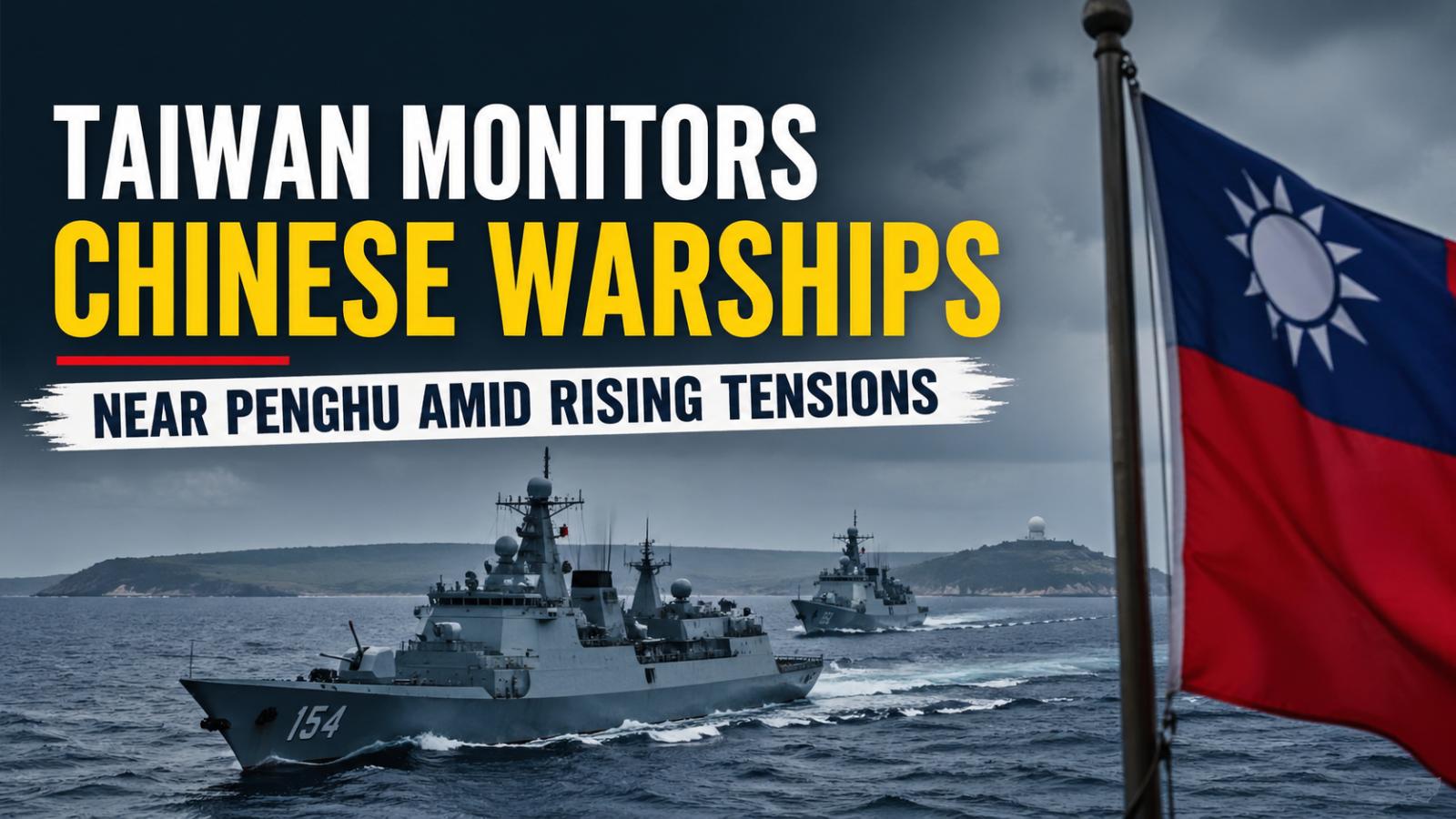
Taiwan steps up defence as Chinese warships enter sensitive waters
Taiwan China tension has intensified after Taiwan detected Chinese warships near the Penghu islands, prompting immediate military monitoring and response. Taiwan’s defence ministry confirmed that a Chinese destroyer and frigate entered sensitive waters southwest of the Penghu islands, an area known for hosting key naval and air force bases. In response, Taiwan deployed its own naval and air assets to track the ships closely and ensure security in the region. Officials stated that
Taiwan steps up defence as Chinese warships enter sensitive waters
Taiwan China tension has intensified after Taiwan detected Chinese warships near the Penghu islands, prompting immediate military monitoring and response. Taiwan’s defence ministry confirmed that a Chinese destroyer and frigate entered sensitive waters southwest of the Penghu islands, an area known for hosting key naval and air force bases. In response, Taiwan deployed its own naval and air assets to track the ships closely and ensure security in the region. Officials stated that
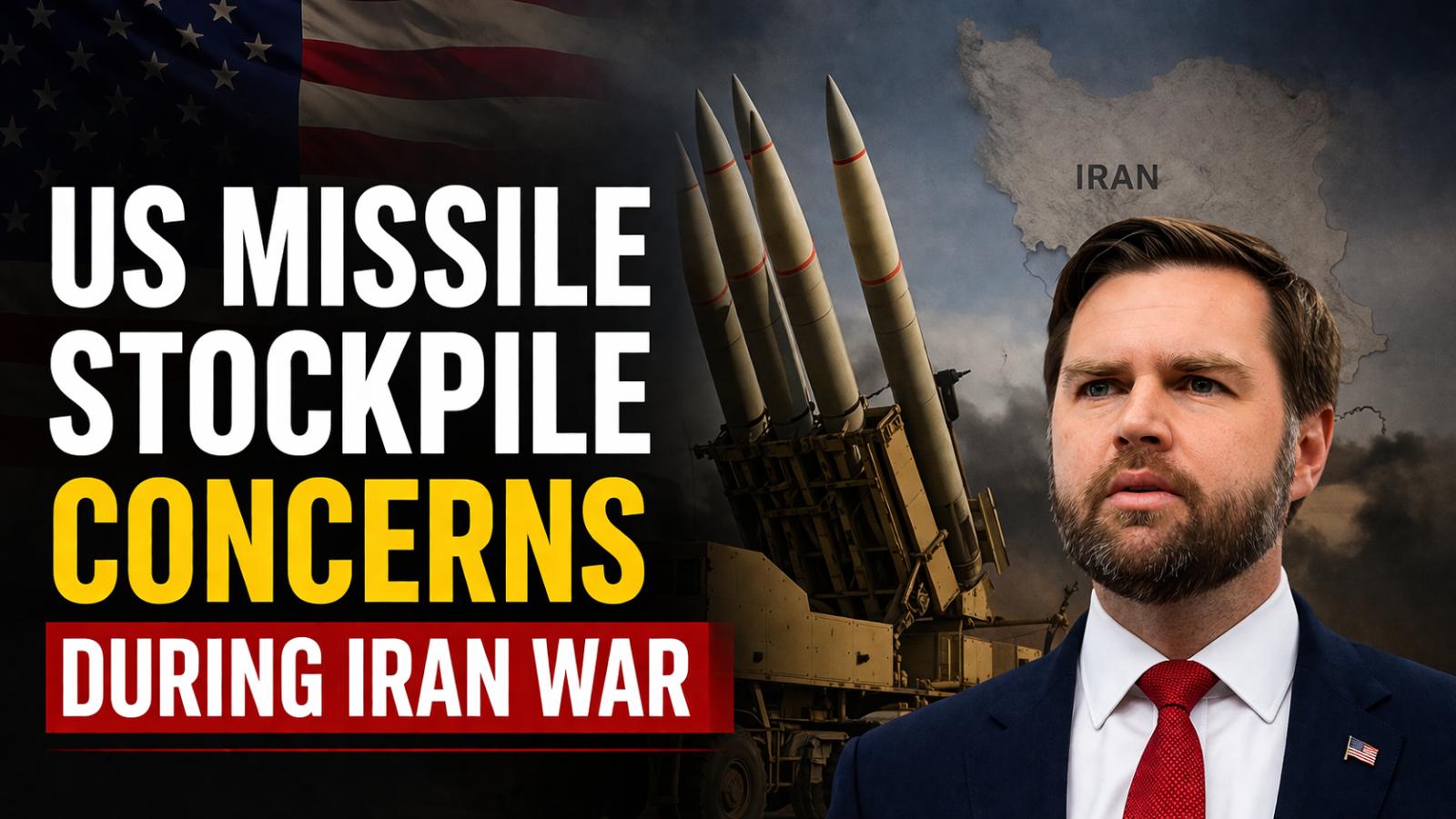
US missile stockpile concerns grow amid iran conflict scrutiny
US missile stockpile concerns during Iran war
US missile stockpile concerns grow amid iran conflict scrutiny
US missile stockpile concerns during Iran war
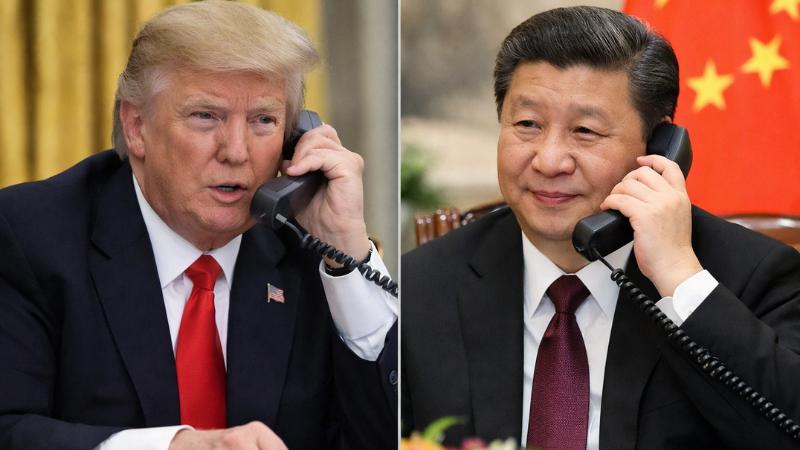
US and China leaders hold extensive talks on oil, agriculture, and Taiwan issues
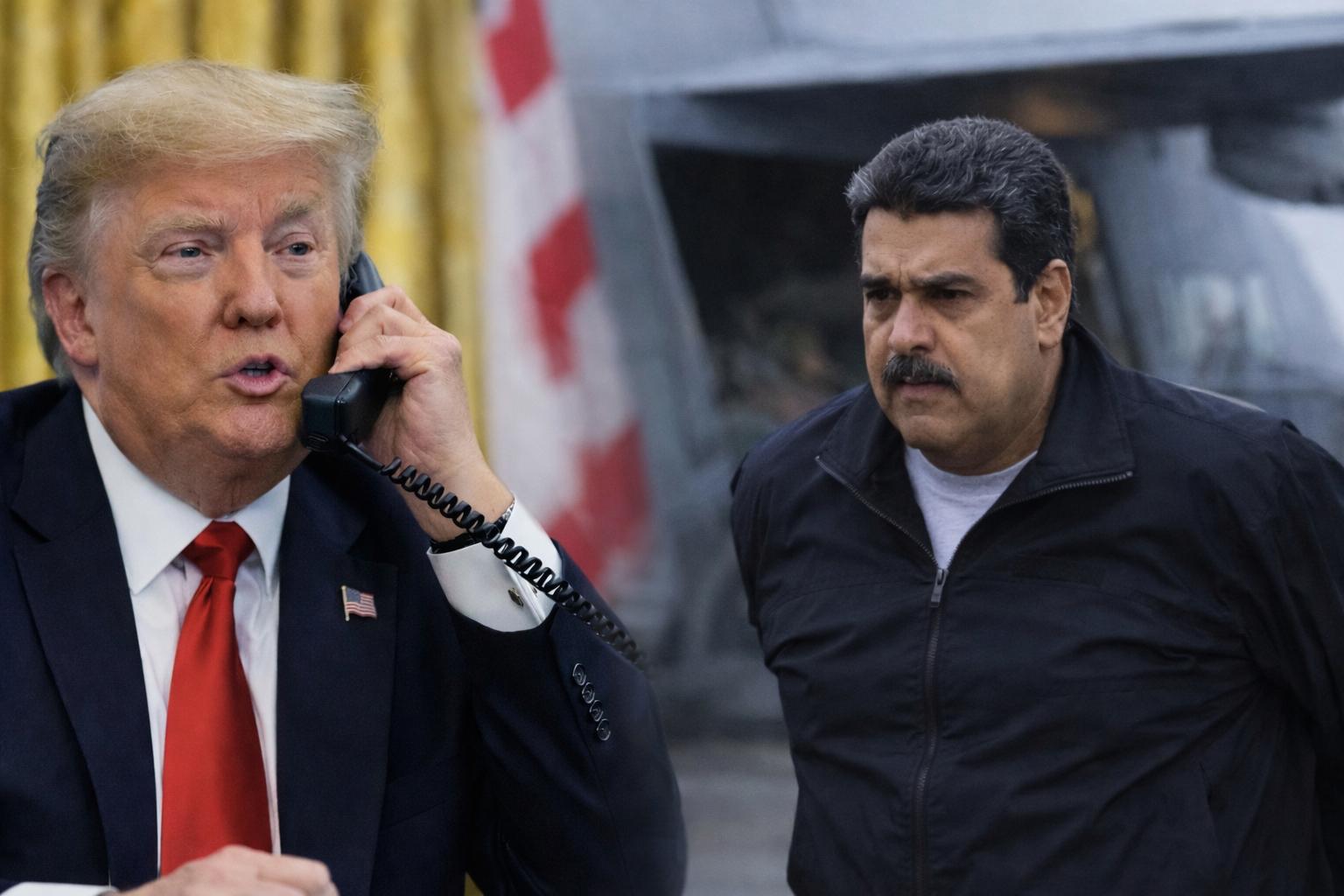
US President Donald Trump held an extended telephone conversation with Chinese President Xi Jinping on Wednesday, engaging in wide-ranging discussions that touched on trade ties, energy cooperation, agricultural purchases, and several pressing geopolitical concerns, according to remarks shared by the American leader. Posting about the exchange on his social media platform, Trump described the dialogue as “excellent,” emphasizing that the call was both lengthy and substantive. He
US and China leaders hold extensive talks on oil, agriculture, and Taiwan issues
US President Donald Trump held an extended telephone conversation with Chinese President Xi Jinping on Wednesday, engaging in wide-ranging discussions that touched on trade ties, energy cooperation, agricultural purchases, and several pressing geopolitical concerns, according to remarks shared by the American leader. Posting about the exchange on his social media platform, Trump described the dialogue as “excellent,” emphasizing that the call was both lengthy and substantive. He










