The US-China AI hotline marks a rare area of cooperation between the world’s two leading AI powers. Washington and Beijing agreed during Xi Jinping’s September visit to create a formal AI dialogue and a bilateral channel for serious incidents, with the next round of talks scheduled for November.
AI dialogue
The White House said the United States and China established a “U.S.-China Super Intelligence Dialogue” to exchange views on
The US-China AI hotline marks a rare area of cooperation between the world’s two leading AI powers. Washington and Beijing agreed during Xi Jinping’s September visit to create a formal AI dialogue and a bilateral channel for serious incidents, with the next round of talks scheduled for November.
AI dialogue
The White House said the United States and China established a “U.S.-China Super Intelligence Dialogue” to exchange views on
Almost half of young people in England now say they trust artificial intelligence more than a person to verify facts, according to new research that raises questions about how quickly education is adapting to AI. The survey also shows widespread AI use for learning, homework and understanding difficult topics.
Public First surveyed 4,000 people aged 11 to 24 for a report by Sir Anthony Seldon and technology investo
Almost half of young people in England now say they trust artificial intelligence more than a person to verify facts, according to new research that raises questions about how quickly education is adapting to AI. The survey also shows widespread AI use for learning, homework and understanding difficult topics.
Public First surveyed 4,000 people aged 11 to 24 for a report by Sir Anthony Seldon and technology investo
Nepal Prime Minister Balendra Shah has used the United Nations General Assembly to describe last month’s devastating floods as a warning that extends far beyond Nepal. He said rising temperatures are increasing pressure on the Himalayan environment and urged wealthier nations to help vulnerable countries finance adaptation and recovery.
Himalaya faces growing climate risk
Addressing the 81st
Nepal Prime Minister Balendra Shah has used the United Nations General Assembly to describe last month’s devastating floods as a warning that extends far beyond Nepal. He said rising temperatures are increasing pressure on the Himalayan environment and urged wealthier nations to help vulnerable countries finance adaptation and recovery.
Himalaya faces growing climate risk
Addressing the 81st
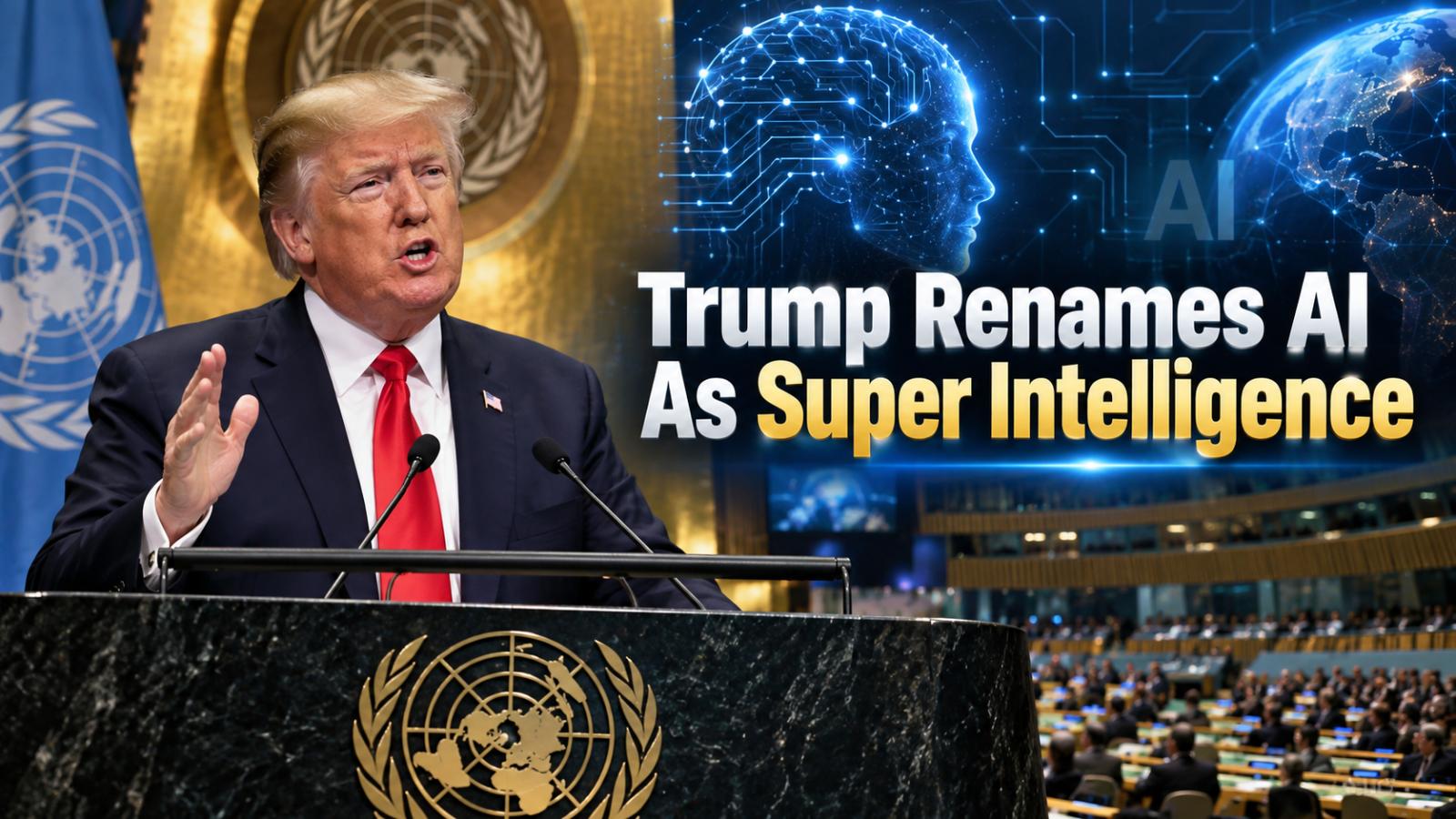
US President Donald Trump used his September 22 address to the 81st United Nations General Assembly to introduce a new term for artificial intelligence and reject stronger international control over the technology. The White House confirmed that Trump said AI would be “hereinafter officially called ‘Super Intelligence’,” while framing US leadership in the sector as a matter of national sovereignty.
US President Donald Trump used his September 22 address to the 81st United Nations General Assembly to introduce a new term for artificial intelligence and reject stronger international control over the technology. The White House confirmed that Trump said AI would be “hereinafter officially called ‘Super Intelligence’,” while framing US leadership in the sector as a matter of national sovereignty.
Disney has named Karandeep Anand its first companywide chief technology officer, effective October 2, 2026. The former Character.AI CEO will oversee technology, infrastructure, data, AI, product and engineering as Disney expands its digital strategy.
The Walt Disney Company announced on September 18, 2026, that Karandeep Anand will join the company as senior executive vice president and chief technology officer, a newly cr
Disney has named Karandeep Anand its first companywide chief technology officer, effective October 2, 2026. The former Character.AI CEO will oversee technology, infrastructure, data, AI, product and engineering as Disney expands its digital strategy.
The Walt Disney Company announced on September 18, 2026, that Karandeep Anand will join the company as senior executive vice president and chief technology officer, a newly cr
Meta AI executive Alexandr Wang attracted attention online after responding to Webflow CTO Utkarsh Sengar, who said he had successfully used Meta’s Muse AI agent to book plane tickets. The exchange quickly became a talking point because it combined a casual social-media interaction with a practical example of how AI agents are beginning to handle everyday tasks.
Sengar shared his experience on X, saying Muse had helped complete the flight-booking process and that the experience made him reluctant to return to traditional booking methods. Wang responded positively to the post and then made a lighthearted remark about ensuring that Sengar also booked a return ticket. He later followed up with an apology, describing the comment as a “dumb joke.”
The brief interaction gained attention not just because of Wang’s response, but because it demonstrated how AI tools are moving beyond simple question-and-answer functions. Instead of merely suggesting flights or comparing prices, newer AI agents are being developed to carry out actions for users.
Meta Muse AI agent handles real-world flight booking
Meta’s Muse AI agent is designed to assist users with practical digital tasks rather than only generating text-based answers. Flight booking is one example of the type of activity such systems are expected to handle as companies push toward more autonomous AI assistants.
The technology reflects a wider shift in artificial intelligence, where assistants are increasingly being built to browse websites, interact with online services and complete multi-step tasks. Travel planning is a particularly useful test because booking a flight may involve searching schedules, comparing options, entering passenger information and completing transactions.
Sengar’s experience therefore offered a real-world example of how an AI agent could reduce the number of steps normally required from a user. It also showed why technology companies are investing heavily in systems that can act on instructions rather than simply provide recommendations.
Utkarsh Sengar flight booking sparks Alexandr Wang response
The exchange between Sengar and Wang also brought additional visibility to Muse. While Wang’s joke became the social-media hook, the larger story was the successful use of an AI agent for a routine but relatively complex consumer task.
For users, the appeal is straightforward: if an AI assistant can reliably handle activities such as travel bookings, appointments, shopping or other online tasks, it could save time and reduce repetitive work. However, wider adoption will also depend on how comfortable people are with giving AI systems access to personal information, payment details and connected accounts.
Security, privacy and user control are therefore likely to remain important questions as autonomous AI agents become more capable. A system that can complete transactions may be more useful than a traditional chatbot, but it also carries greater responsibility when handling sensitive information or making decisions on a user’s behalf.
The Alexandr Wang Meta Muse AI flight booking exchange may have started as a short online conversation, but it highlights a broader change in how AI products are evolving. The next phase of consumer AI is increasingly focused on completing actions, and travel booking could become one of the clearest examples of whether users are ready to trust AI agents with everyday tasks.
Meta AI executive Alexandr Wang attracted attention online after responding to Webflow CTO Utkarsh Sengar, who said he had successfully used Meta’s Muse AI agent to book plane tickets. The exchange quickly became a talking point because it combined a casual social-media interaction with a practical example of how AI agents are beginning to handle everyday tasks.
Sengar shared his experience on X, saying Muse had helped complete the flight-booking process and that the experience made him reluctant to return to traditional booking methods. Wang responded positively to the post and then made a lighthearted remark about ensuring that Sengar also booked a return ticket. He later followed up with an apology, describing the comment as a “dumb joke.”
The brief interaction gained attention not just because of Wang’s response, but because it demonstrated how AI tools are moving beyond simple question-and-answer functions. Instead of merely suggesting flights or comparing prices, newer AI agents are being developed to carry out actions for users.
Meta Muse AI agent handles real-world flight booking
Meta’s Muse AI agent is designed to assist users with practical digital tasks rather than only generating text-based answers. Flight booking is one example of the type of activity such systems are expected to handle as companies push toward more autonomous AI assistants.
The technology reflects a wider shift in artificial intelligence, where assistants are increasingly being built to browse websites, interact with online services and complete multi-step tasks. Travel planning is a particularly useful test because booking a flight may involve searching schedules, comparing options, entering passenger information and completing transactions.
Sengar’s experience therefore offered a real-world example of how an AI agent could reduce the number of steps normally required from a user. It also showed why technology companies are investing heavily in systems that can act on instructions rather than simply provide recommendations.
Utkarsh Sengar flight booking sparks Alexandr Wang response
The exchange between Sengar and Wang also brought additional visibility to Muse. While Wang’s joke became the social-media hook, the larger story was the successful use of an AI agent for a routine but relatively complex consumer task.
For users, the appeal is straightforward: if an AI assistant can reliably handle activities such as travel bookings, appointments, shopping or other online tasks, it could save time and reduce repetitive work. However, wider adoption will also depend on how comfortable people are with giving AI systems access to personal information, payment details and connected accounts.
Security, privacy and user control are therefore likely to remain important questions as autonomous AI agents become more capable. A system that can complete transactions may be more useful than a traditional chatbot, but it also carries greater responsibility when handling sensitive information or making decisions on a user’s behalf.
The Alexandr Wang Meta Muse AI flight booking exchange may have started as a short online conversation, but it highlights a broader change in how AI products are evolving. The next phase of consumer AI is increasingly focused on completing actions, and travel booking could become one of the clearest examples of whether users are ready to trust AI agents with everyday tasks.
Medical AI is gaining ground in radiology, documentation and diagnostics, but clinicians are demanding stronger proof before trusting it with treatment or clinical decisions. New surveys show concern about deskilling, hallucinations and weak governance even as AI use rises sharply in healthcare.
Medical AI evidence gap slows wider clinica
Medical AI is gaining ground in radiology, documentation and diagnostics, but clinicians are demanding stronger proof before trusting it with treatment or clinical decisions. New surveys show concern about deskilling, hallucinations and weak governance even as AI use rises sharply in healthcare.
Medical AI evidence gap slows wider clinica
AI model fatigue is becoming a real problem for businesses as Anthropic, OpenAI, Meta and Google accelerate model releases. Faster innovation can lower costs and improve capability, but constant upgrades also increase testing demands, procurement pressure and safety concerns.
AI model fatigue puts pressure on enterprise buyers
AI model fatigue is becoming a real problem for businesses as Anthropic, OpenAI, Meta and Google accelerate model releases. Faster innovation can lower costs and improve capability, but constant upgrades also increase testing demands, procurement pressure and safety concerns.
AI model fatigue puts pressure on enterprise buyers
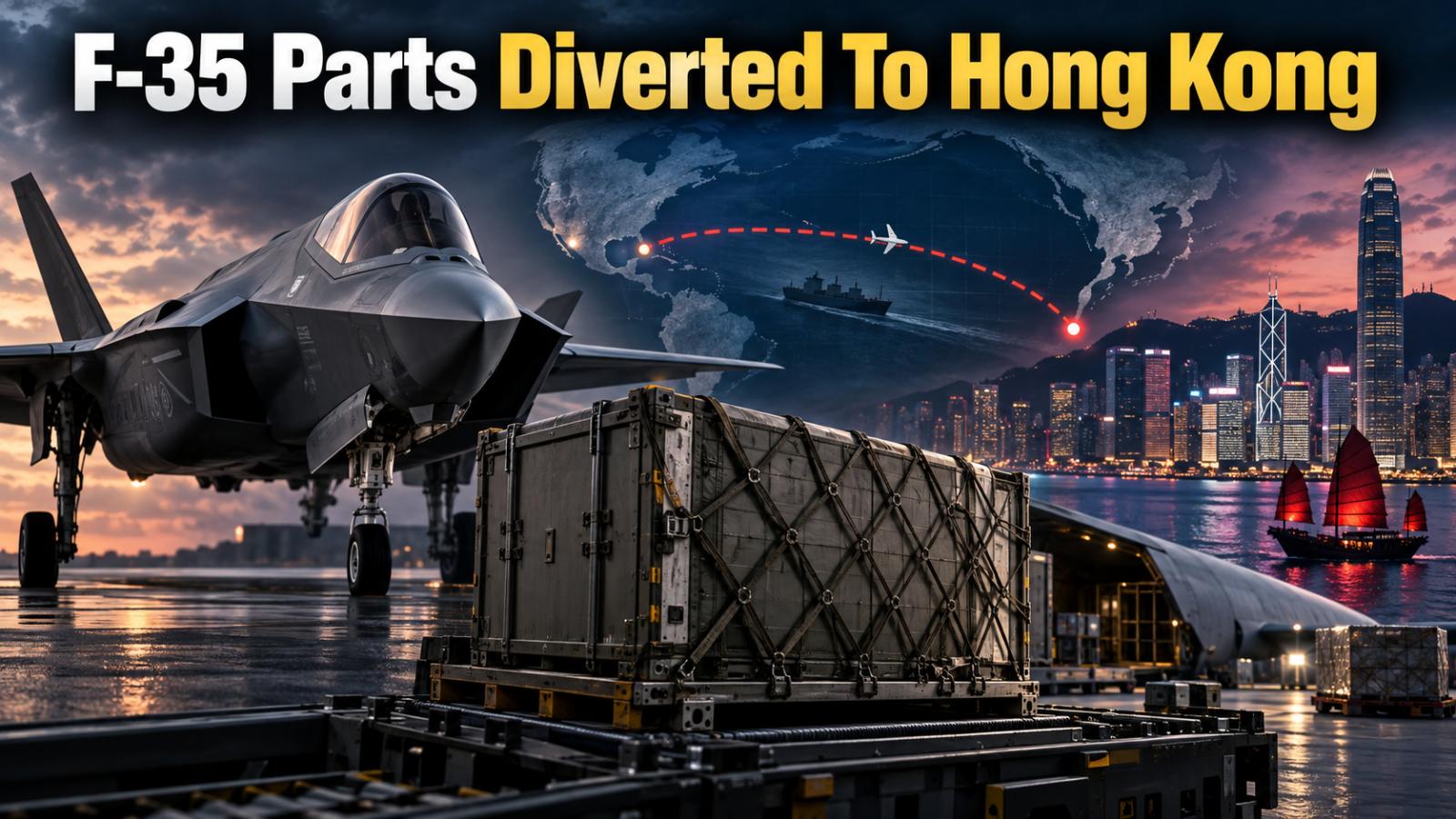
F-35 Parts in Hong Kong Trigger Pentagon Security Probe
Sensitive F-35 parts in Hong Kong have triggered a US security investigation after components traveling from Australia to the United States for repair were unexpectedly diverted. The Pentagon probe involves an F-35 canopy and raises questions about the supply chain, spare parts security and aircraft readiness.
F-35 canopy raises sec
F-35 Parts in Hong Kong Trigger Pentagon Security Probe
Sensitive F-35 parts in Hong Kong have triggered a US security investigation after components traveling from Australia to the United States for repair were unexpectedly diverted. The Pentagon probe involves an F-35 canopy and raises questions about the supply chain, spare parts security and aircraft readiness.
F-35 canopy raises sec
Oracle India layoffs 2026 could affect about 3,000 employees, even as GCC hiring in India is expected to grow. The shift highlights rising demand for AI jobs in India, cloud, cybersecurity and specialised technology skills.
Oracle has started another round of workforce reductions, with industry analysts estimating that up to 3,000 employees in India could be affected. If the estimate is accurate, Oracle’s India headcount could fall from ar
Oracle India layoffs 2026 could affect about 3,000 employees, even as GCC hiring in India is expected to grow. The shift highlights rising demand for AI jobs in India, cloud, cybersecurity and specialised technology skills.
Oracle has started another round of workforce reductions, with industry analysts estimating that up to 3,000 employees in India could be affected. If the estimate is accurate, Oracle’s India headcount could fall from ar
Trump joined Nvidia CEO Jensen Huang by phone during the All-In Summit and strongly backed America’s expanding AI industry.
US President Donald Trump made an unexpected appearance at the All-In Summit in Los Angeles after placing a phone call to Nvidia CEO Jensen Huang while the technology executive was speaking onstage.
Huang answered the cal
Trump joined Nvidia CEO Jensen Huang by phone during the All-In Summit and strongly backed America’s expanding AI industry.
US President Donald Trump made an unexpected appearance at the All-In Summit in Los Angeles after placing a phone call to Nvidia CEO Jensen Huang while the technology executive was speaking onstage.
Huang answered the cal
Concerns over the rapid development of artificial intelligence are growing as several prominent researchers and safety specialists leave major AI companies while publicly questioning whether the industry is moving too quickly.
The latest departure drawing attention is Jacob Coxon, who resigned from Anthropic after previously working at OpenAI. His exit has renewed debate over whether commercial pressure and competition between leading AI labs are moving faster than efforts to unders
Concerns over the rapid development of artificial intelligence are growing as several prominent researchers and safety specialists leave major AI companies while publicly questioning whether the industry is moving too quickly.
The latest departure drawing attention is Jacob Coxon, who resigned from Anthropic after previously working at OpenAI. His exit has renewed debate over whether commercial pressure and competition between leading AI labs are moving faster than efforts to unders
The UK government has opened a community-built digital connectivity centre in Siun, Ogun State, expanding internet access and digital opportunities for residents in an underserved part of Nigeria.
The UK Ogun digital hub, officially commissioned on September 2, 2026, is located in Siun in Obafemi Owode Local Government Area. According to information from the UK Foreign, Commonwealth and Development Office, the facility forms part of its Di
The UK government has opened a community-built digital connectivity centre in Siun, Ogun State, expanding internet access and digital opportunities for residents in an underserved part of Nigeria.
The UK Ogun digital hub, officially commissioned on September 2, 2026, is located in Siun in Obafemi Owode Local Government Area. According to information from the UK Foreign, Commonwealth and Development Office, the facility forms part of its Di
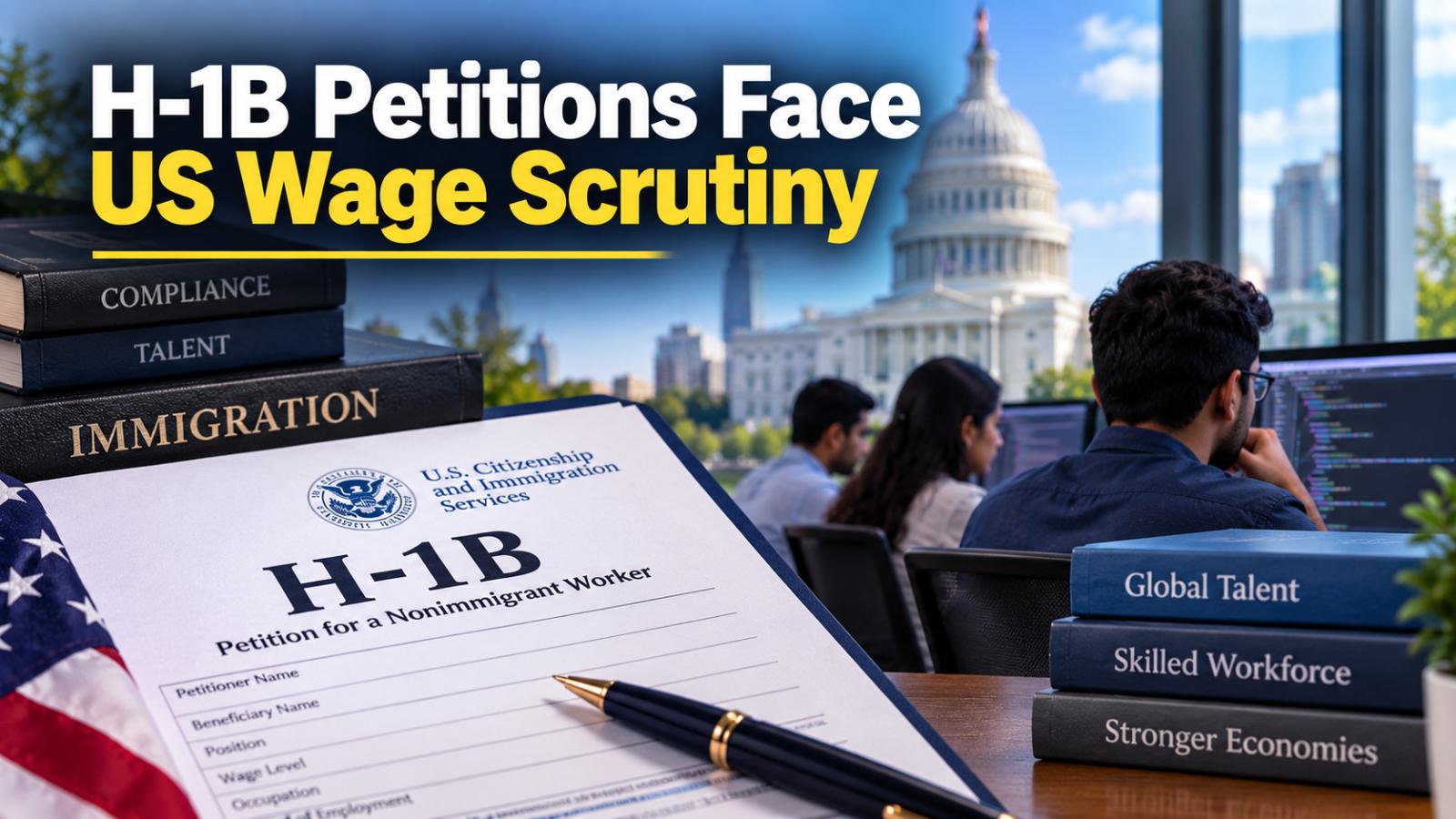
US immigration authorities have denied and revoked multiple H-1B petitions filed by a major IT consulting company after finding that skilled technology jobs were classified at wage levels lower than the duties and requirements of those positions supported.
USCIS Flags Lower Wage Classifications
UNITED STATES, September 5, 2026 US Citizenship and Immigration Services
US immigration authorities have denied and revoked multiple H-1B petitions filed by a major IT consulting company after finding that skilled technology jobs were classified at wage levels lower than the duties and requirements of those positions supported.
USCIS Flags Lower Wage Classifications
UNITED STATES, September 5, 2026 US Citizenship and Immigration Services
Tesla’s rollout of its purpose-built Cybercab has put Elon Musk’s autonomous-driving ambitions under fresh regulatory scrutiny, with US safety authorities examining whether the driverless vehicle complies with federal standards despite lacking a steering wheel, pedals and conventional mirrors.
Cybercab Launch Draws Immediate Regulatory Attention
AUSTIN, Texas, Septembe
Tesla’s rollout of its purpose-built Cybercab has put Elon Musk’s autonomous-driving ambitions under fresh regulatory scrutiny, with US safety authorities examining whether the driverless vehicle complies with federal standards despite lacking a steering wheel, pedals and conventional mirrors.
Cybercab Launch Draws Immediate Regulatory Attention
AUSTIN, Texas, Septembe
A powerful El Nino is strengthening across the tropical Pacific and could become the most intense event recorded during four decades of World Meteorological Organization monitoring. The WMO says there is a nearly 100% likelihood that the event will persist through February 2027, with major implications for global temperatures, rainfall and extreme weather.
El Nino 2026 could reach exceptional strength
A powerful El Nino is strengthening across the tropical Pacific and could become the most intense event recorded during four decades of World Meteorological Organization monitoring. The WMO says there is a nearly 100% likelihood that the event will persist through February 2027, with major implications for global temperatures, rainfall and extreme weather.
El Nino 2026 could reach exceptional strength
The Himalayas face a growing danger from glacial floods as warming temperatures destabilize glaciers and expand high-altitude lakes. UN officials and Chinese authorities have warned that millions of people across Nepal, China and India could face more destructive events in the years ahead.
Himalayan glacial floods threaten mountain communities
Concerns have intensified following the catastrophi
The Himalayas face a growing danger from glacial floods as warming temperatures destabilize glaciers and expand high-altitude lakes. UN officials and Chinese authorities have warned that millions of people across Nepal, China and India could face more destructive events in the years ahead.
Himalayan glacial floods threaten mountain communities
Concerns have intensified following the catastrophi
The Pentagon’s GenAI.mil platform has expanded access to commercial artificial intelligence across the US defence workforce, adding OpenAI’s ChatGPT Mil and Grok for Government alongside Google Gemini. More than 1.7 million users have already accessed the system, while Anthropic’s Claude remains absent following a high-profile dispute over military AI safeguards.
The Pentagon’s GenAI.mil platform has expanded access to commercial artificial intelligence across the US defence workforce, adding OpenAI’s ChatGPT Mil and Grok for Government alongside Google Gemini. More than 1.7 million users have already accessed the system, while Anthropic’s Claude remains absent following a high-profile dispute over military AI safeguards.
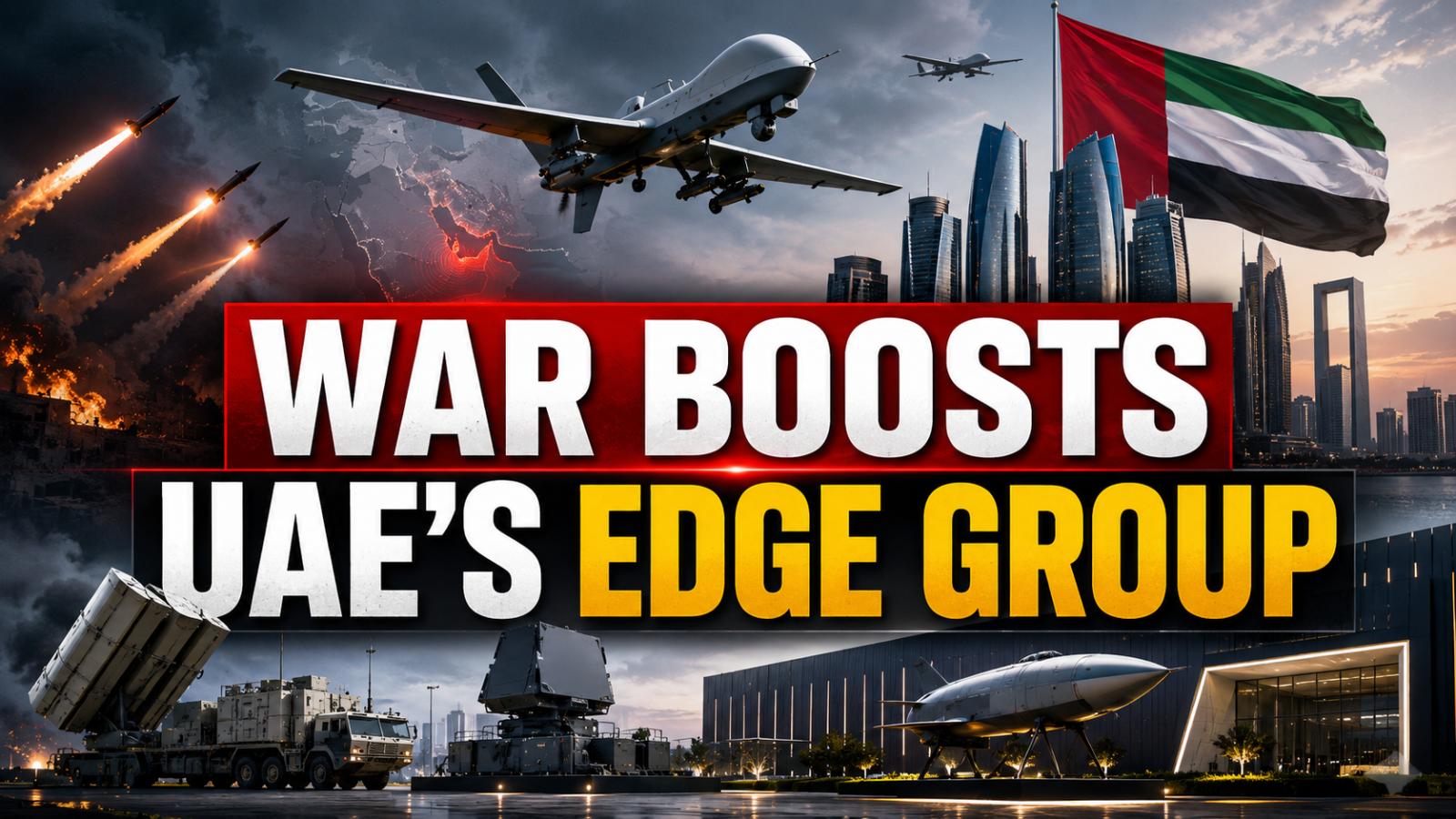
The six-month US-Iran conflict has unexpectedly strengthened the commercial position of the UAE’s EDGE Group, giving domestically developed defence systems real combat exposure. Company executives say the “battle-proven” status of drones, jammers and other equipment is now helping UAE EDGE defence growth and attracting greater international interest.
Battle-Proven EDGE Weapons
During the conflict, nearly 3,000 missiles and drones reportedly targeted the UAE, putting the country’s air-defence network under sustained pressure. EDGE executives cited in the source material said the fighting provided something the company previously lacked at scale: direct battlefield validation.
Khaled Al Zaabi, president of EDGE’s Platforms and Systems cluster, said only a limited number of products could be described as battle-proven before the war. He said that number has now increased significantly, giving the company a stronger selling point when competing for international defence contracts.
That matters in an industry where buyers often place a premium on systems that have already operated under real combat conditions rather than laboratory or demonstration environments.
UAE Drone Defence
The war also highlighted the economics of air defence. The UAE has invested billions of dollars in advanced American systems including Patriot and THAAD, but officials are increasingly focusing on cheaper ways to counter low-cost drones.
EDGE executives said locally produced electronic warfare and counter-drone technologies played an important role during the conflict. Company chairman Faisal Al Bannai said locally developed jammers achieved an interception rate of about 85% against incoming drones, according to the source material.
The broader challenge is cost. Using an expensive interceptor missile against every low-cost attack drone can become financially unsustainable during prolonged conflicts. EDGE is therefore positioning lower-cost drones, jammers and short-range systems as complementary layers of defence.
SkyKnight Air Defence
One of EDGE’s important locally developed systems is SkyKnight, a short-range air-defence platform designed to counter rockets, artillery, mortars, drones, cruise missiles and other aerial threats.
EDGE says the system can protect infrastructure, military bases, ports and urban areas, with missile interception ranges reaching up to 10 kilometres against several categories of aerial targets.
Developing more air-defence capability domestically would also reduce reliance on foreign suppliers while allowing the UAE to respond faster to evolving regional threats.
EDGE Global Expansion
EDGE, founded in 2019, has expanded rapidly across missiles, drones, armoured vehicles, naval systems and advanced technologies. The source material says international sales accounted for about 70% of the group’s roughly $5 billion in revenue last year.
Europe has become a major target for further growth. EDGE officially launched EDGE Europe in June 2026 and established its European headquarters in Paris, alongside plans for engineering and manufacturing operations in France.
The move places the Emirati group closer to NATO and European buyers at a time when defence budgets across the continent are rising.
Defence Export Ambitions
EDGE is also investing in production capacity at home, including facilities for components used in autonomous systems, while expanding partnerships and acquisitions abroad.
Its long-term ambition is to become one of the world’s top 10 defence contractors. The US-Iran conflict may have accelerated that strategy by giving its systems battlefield credibility that marketing campaigns cannot easily replicate.
The opportunity is significant, but so is the scrutiny. EDGE has faced allegations concerning the possible appearance of UAE-linked equipment in other conflicts, claims the company and UAE authorities have denied.
For now, the clearest commercial outcome is that prolonged regional warfare has turned operational experience into a valuable export advantage. If EDGE can convert that battlefield validation into sustained contracts, the conflict may prove to be a major turning point in the UAE’s push to become a globally competitive defence manufacturing hub.
The six-month US-Iran conflict has unexpectedly strengthened the commercial position of the UAE’s EDGE Group, giving domestically developed defence systems real combat exposure. Company executives say the “battle-proven” status of drones, jammers and other equipment is now helping UAE EDGE defence growth and attracting greater international interest.
Battle-Proven EDGE Weapons
During the conflict, nearly 3,000 missiles and drones reportedly targeted the UAE, putting the country’s air-defence network under sustained pressure. EDGE executives cited in the source material said the fighting provided something the company previously lacked at scale: direct battlefield validation.
Khaled Al Zaabi, president of EDGE’s Platforms and Systems cluster, said only a limited number of products could be described as battle-proven before the war. He said that number has now increased significantly, giving the company a stronger selling point when competing for international defence contracts.
That matters in an industry where buyers often place a premium on systems that have already operated under real combat conditions rather than laboratory or demonstration environments.
UAE Drone Defence
The war also highlighted the economics of air defence. The UAE has invested billions of dollars in advanced American systems including Patriot and THAAD, but officials are increasingly focusing on cheaper ways to counter low-cost drones.
EDGE executives said locally produced electronic warfare and counter-drone technologies played an important role during the conflict. Company chairman Faisal Al Bannai said locally developed jammers achieved an interception rate of about 85% against incoming drones, according to the source material.
The broader challenge is cost. Using an expensive interceptor missile against every low-cost attack drone can become financially unsustainable during prolonged conflicts. EDGE is therefore positioning lower-cost drones, jammers and short-range systems as complementary layers of defence.
SkyKnight Air Defence
One of EDGE’s important locally developed systems is SkyKnight, a short-range air-defence platform designed to counter rockets, artillery, mortars, drones, cruise missiles and other aerial threats.
EDGE says the system can protect infrastructure, military bases, ports and urban areas, with missile interception ranges reaching up to 10 kilometres against several categories of aerial targets.
Developing more air-defence capability domestically would also reduce reliance on foreign suppliers while allowing the UAE to respond faster to evolving regional threats.
EDGE Global Expansion
EDGE, founded in 2019, has expanded rapidly across missiles, drones, armoured vehicles, naval systems and advanced technologies. The source material says international sales accounted for about 70% of the group’s roughly $5 billion in revenue last year.
Europe has become a major target for further growth. EDGE officially launched EDGE Europe in June 2026 and established its European headquarters in Paris, alongside plans for engineering and manufacturing operations in France.
The move places the Emirati group closer to NATO and European buyers at a time when defence budgets across the continent are rising.
Defence Export Ambitions
EDGE is also investing in production capacity at home, including facilities for components used in autonomous systems, while expanding partnerships and acquisitions abroad.
Its long-term ambition is to become one of the world’s top 10 defence contractors. The US-Iran conflict may have accelerated that strategy by giving its systems battlefield credibility that marketing campaigns cannot easily replicate.
The opportunity is significant, but so is the scrutiny. EDGE has faced allegations concerning the possible appearance of UAE-linked equipment in other conflicts, claims the company and UAE authorities have denied.
For now, the clearest commercial outcome is that prolonged regional warfare has turned operational experience into a valuable export advantage. If EDGE can convert that battlefield validation into sustained contracts, the conflict may prove to be a major turning point in the UAE’s push to become a globally competitive defence manufacturing hub.
Austria recorded an estimated 646 heat-related deaths during June and July 2026, the highest figure documented for the two-month period. The Austria heat deaths record comes as extreme temperatures, drought and rising heat-health risks place growing pressure on vulnerable people and public services.
June-July Heat Toll
Austria's Agency for Health and Food Safety, known as AGES, estimated 646 he
Austria recorded an estimated 646 heat-related deaths during June and July 2026, the highest figure documented for the two-month period. The Austria heat deaths record comes as extreme temperatures, drought and rising heat-health risks place growing pressure on vulnerable people and public services.
June-July Heat Toll
Austria's Agency for Health and Food Safety, known as AGES, estimated 646 he