









Iran launches Operation Nasr targeting Israeli military bases
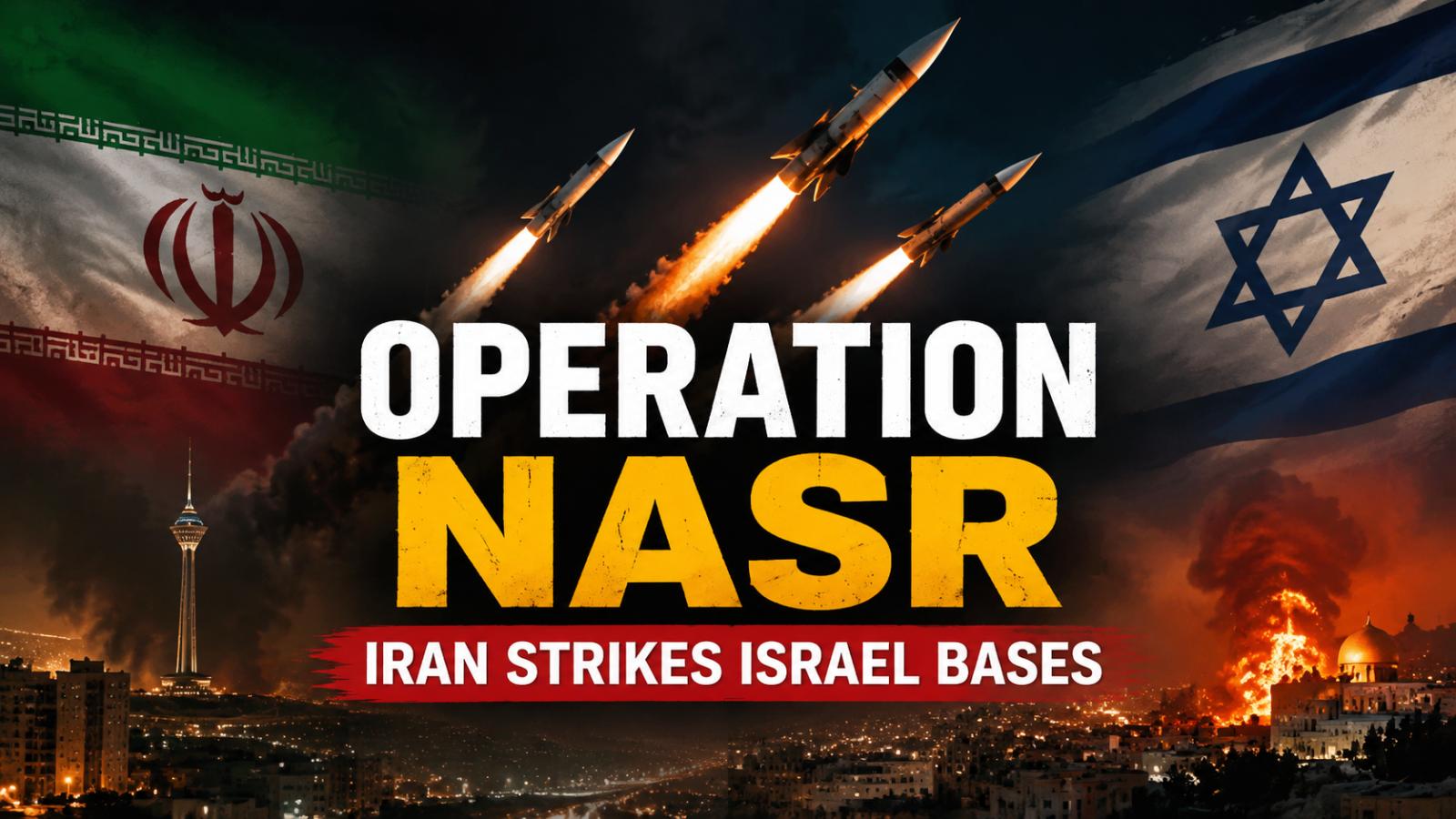
Iran has taken a decisive step from proxy engagements to direct military action against Israel. Named “Operation Nasr,” meaning “victory,” the mission was launched in response to Israeli attacks on Beirut’s Dahiyeh district in Lebanon. Iranian forces targeted Nevatim Airbase in southern Israel and Tel Nof Airbase near Tel Aviv, employing advanced ballistic missiles including Emad, Qadr-F, and Kheibar Shekan. This move highlights Tehran’s readiness to defend its strategic interests
Iran launches Operation Nasr targeting Israeli military bases
Iran has taken a decisive step from proxy engagements to direct military action against Israel. Named “Operation Nasr,” meaning “victory,” the mission was launched in response to Israeli attacks on Beirut’s Dahiyeh district in Lebanon. Iranian forces targeted Nevatim Airbase in southern Israel and Tel Nof Airbase near Tel Aviv, employing advanced ballistic missiles including Emad, Qadr-F, and Kheibar Shekan. This move highlights Tehran’s readiness to defend its strategic interests
Iran-us $3b fund transfer seeks calm with Israel
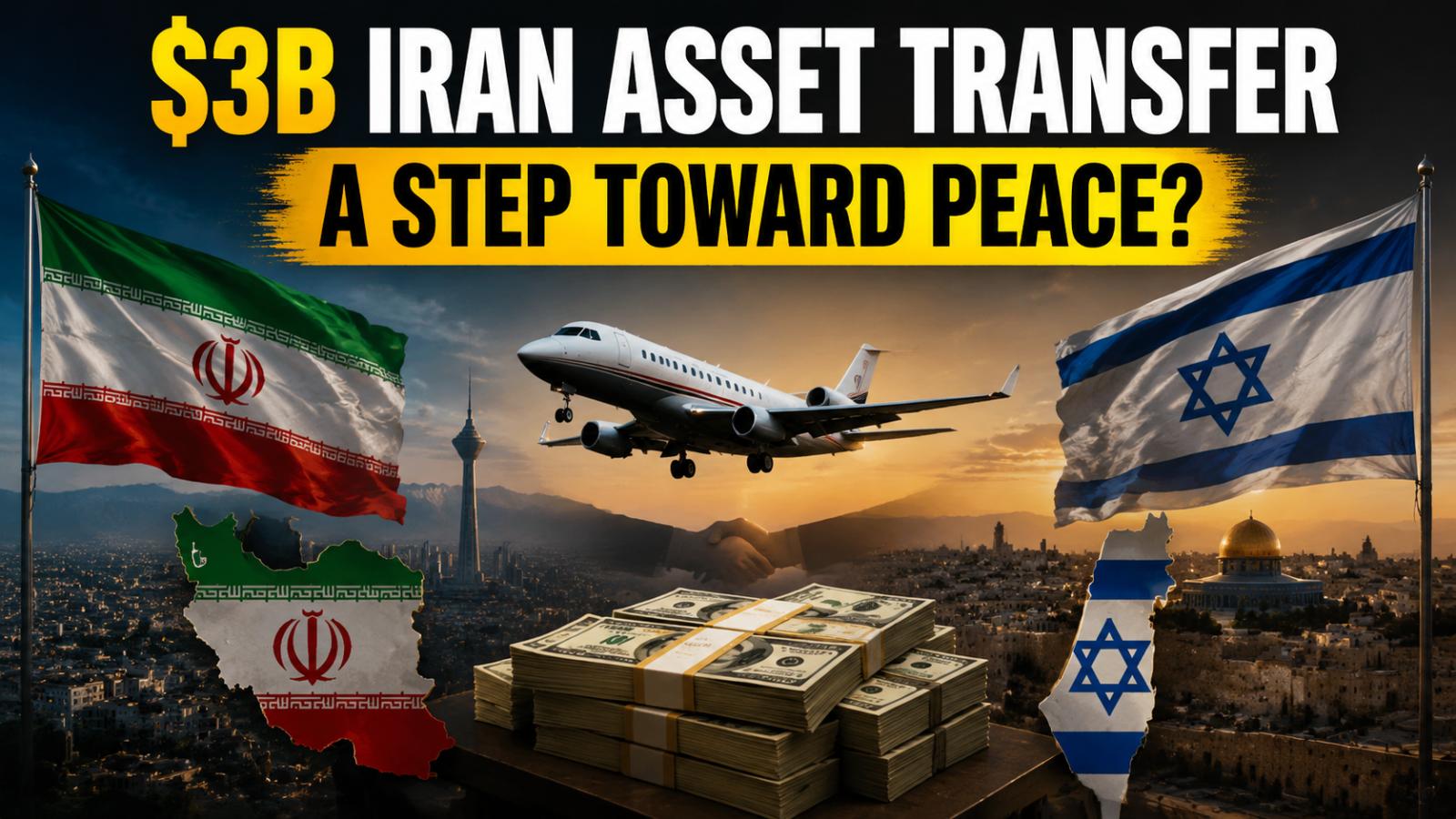
$3 billion in Iranian assets were reportedly moved from Abu Dhabi to Tehran in a bid to reduce rising tensions with Israel. The transfer was carried out on a private Boeing 737, accompanied by a message urging Israel to temporarily halt military strikes. Mediation efforts by US intermediaries and Qatar coincided with ongoing fragile ceasefire discussions between the two nations. Flight and fund details
Iran-us $3b fund transfer seeks calm with Israel
$3 billion in Iranian assets were reportedly moved from Abu Dhabi to Tehran in a bid to reduce rising tensions with Israel. The transfer was carried out on a private Boeing 737, accompanied by a message urging Israel to temporarily halt military strikes. Mediation efforts by US intermediaries and Qatar coincided with ongoing fragile ceasefire discussions between the two nations. Flight and fund details
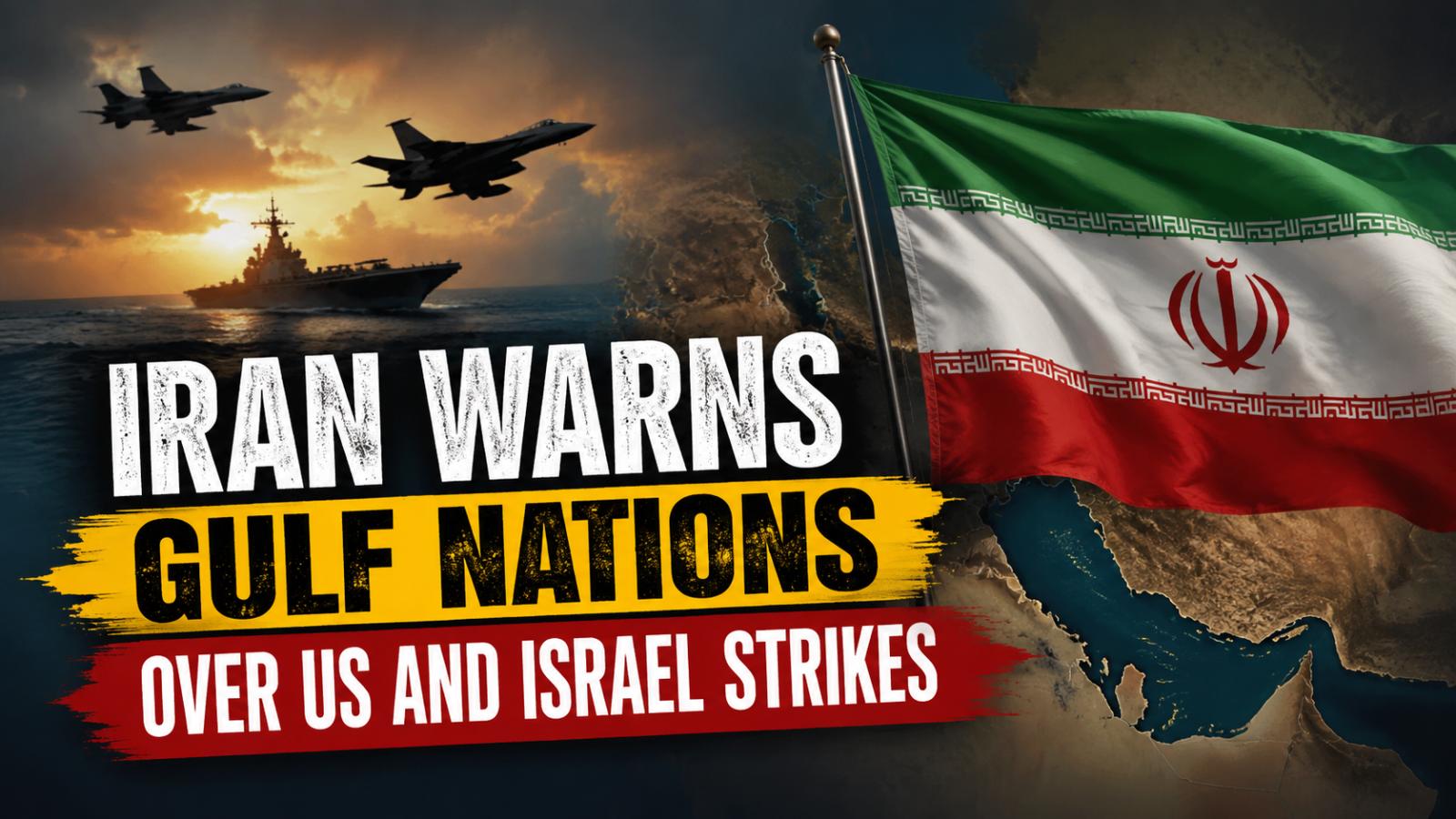
Iran warns Gulf nations to stop US and Israel attacks
On Wednesday, June 10, Iran’s foreign ministry issued a statement calling on Persian Gulf countries to take active steps to prevent attacks by the United States and Israel from their territories. Tehran emphasized that Gulf states have both legal and moral responsibilities to block foreign military operations and maintain regional stability. Gulf nations’ obligations According to Iran, countr
Iran warns Gulf nations to stop US and Israel attacks
On Wednesday, June 10, Iran’s foreign ministry issued a statement calling on Persian Gulf countries to take active steps to prevent attacks by the United States and Israel from their territories. Tehran emphasized that Gulf states have both legal and moral responsibilities to block foreign military operations and maintain regional stability. Gulf nations’ obligations According to Iran, countr
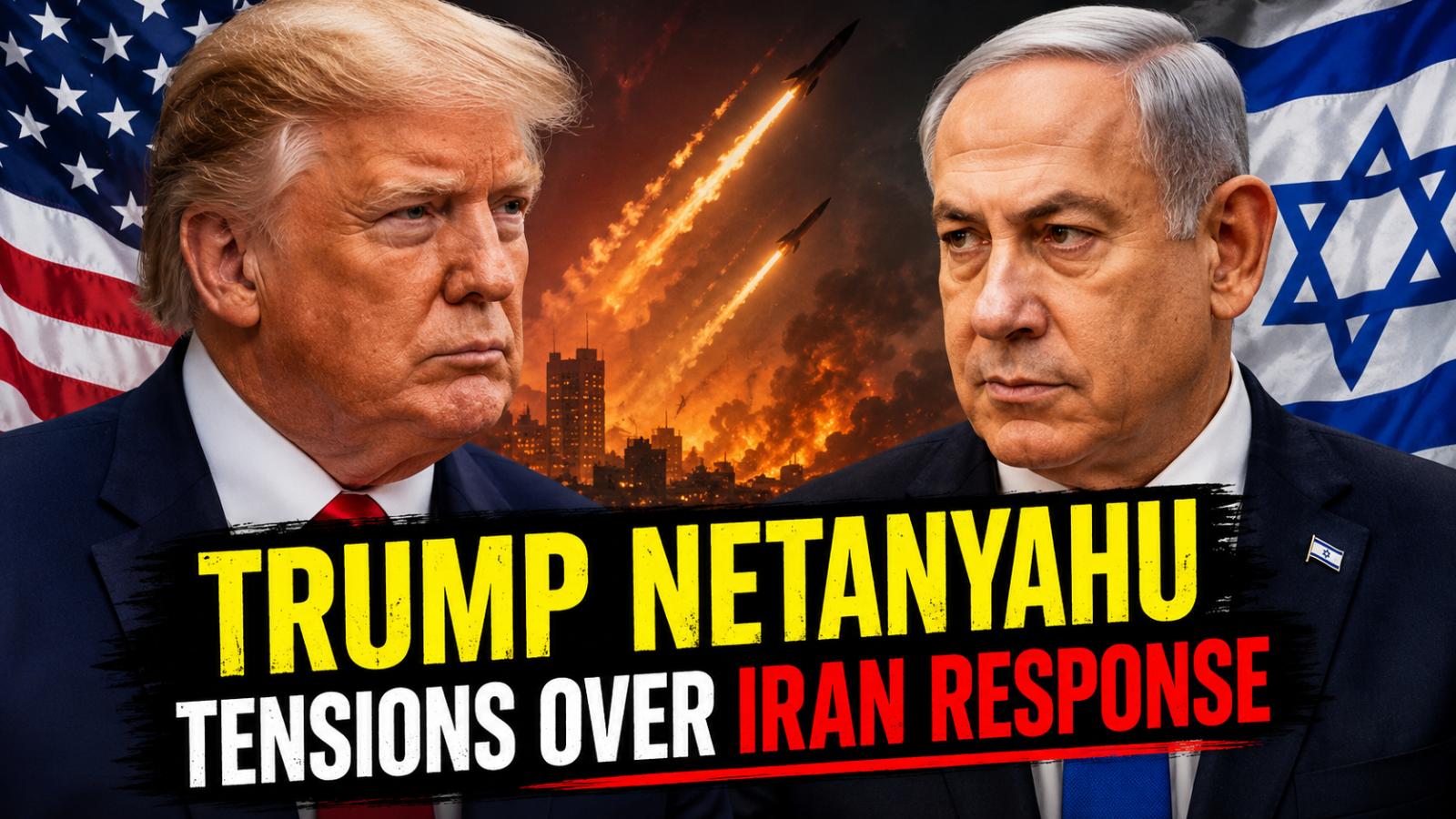
Trump Netanyahu Tensions Over Iran Response Downplayed by Israeli Envoy
Reports of Trump Netanyahu tensions have become a major talking point as Israel and the United States continue to manage the fallout from Iran’s recent attacks and Israel’s possible military response. Israel’s ambassador to the United States, Yechiel Leiter, has tried to reduce the seriousness of the reports, saying the relationship between US President Donald Trump and Israeli Prime Minister Benjamin Netanyahu remains strong despite sharp discussions over Iran.
Trump Netanyahu Tensions Over Iran Response Downplayed by Israeli Envoy
Reports of Trump Netanyahu tensions have become a major talking point as Israel and the United States continue to manage the fallout from Iran’s recent attacks and Israel’s possible military response. Israel’s ambassador to the United States, Yechiel Leiter, has tried to reduce the seriousness of the reports, saying the relationship between US President Donald Trump and Israeli Prime Minister Benjamin Netanyahu remains strong despite sharp discussions over Iran.
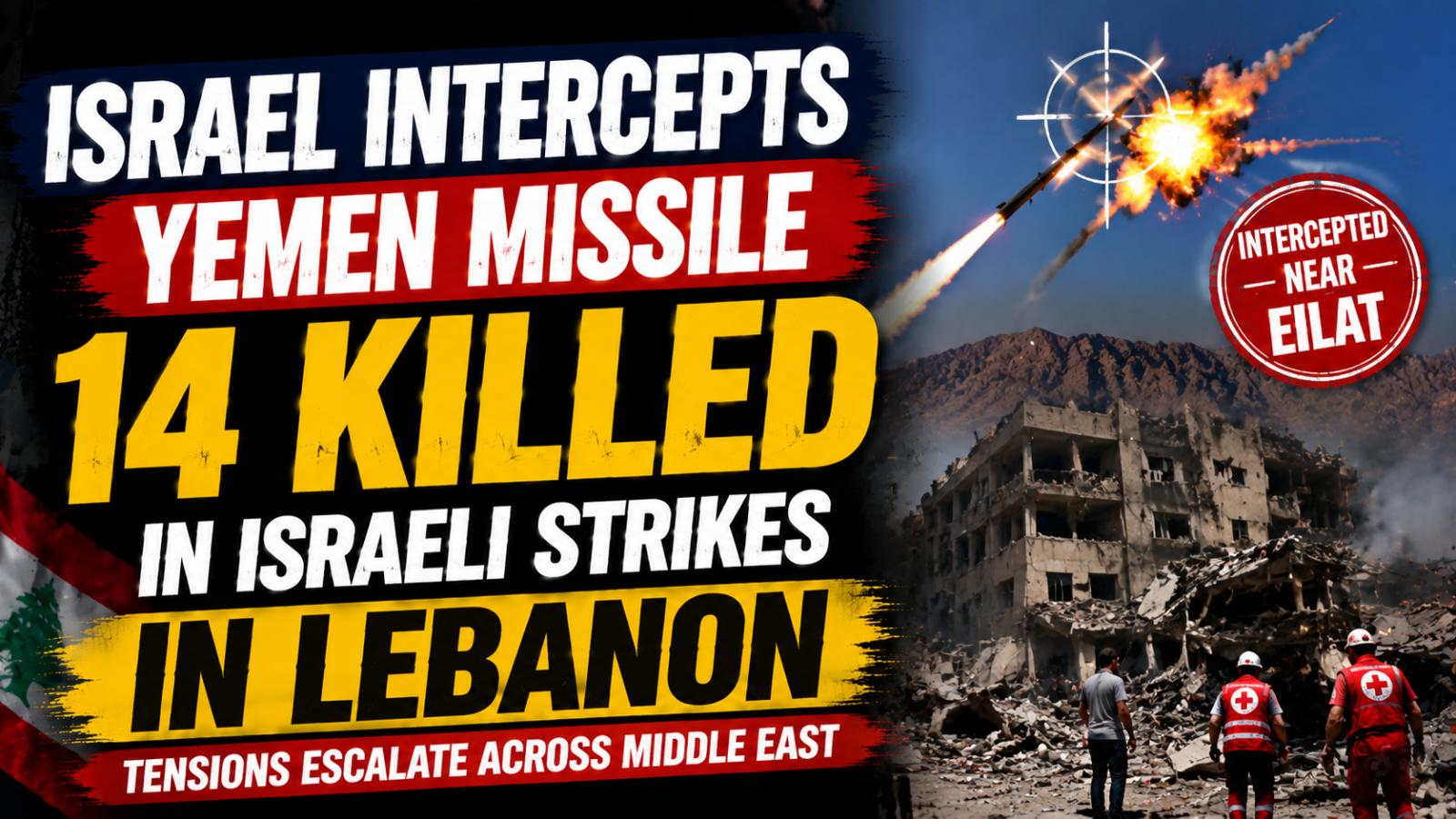
Tensions Escalate as Israeli Strikes Target Southern Lebanon
Israel Intercepts Suspicious Aerial Target On Tuesday, June 9, Israel’s military announced it intercepted a suspicious aerial target launched from Yemen near the southern city of Eilat. The Israel Defence Forces reported no injuries from the incident, which concluded without further escalation. The interception occurs amid heightened tensions in the region, despite recent statements from Israel and Iran si
Tensions Escalate as Israeli Strikes Target Southern Lebanon
Israel Intercepts Suspicious Aerial Target On Tuesday, June 9, Israel’s military announced it intercepted a suspicious aerial target launched from Yemen near the southern city of Eilat. The Israel Defence Forces reported no injuries from the incident, which concluded without further escalation. The interception occurs amid heightened tensions in the region, despite recent statements from Israel and Iran si
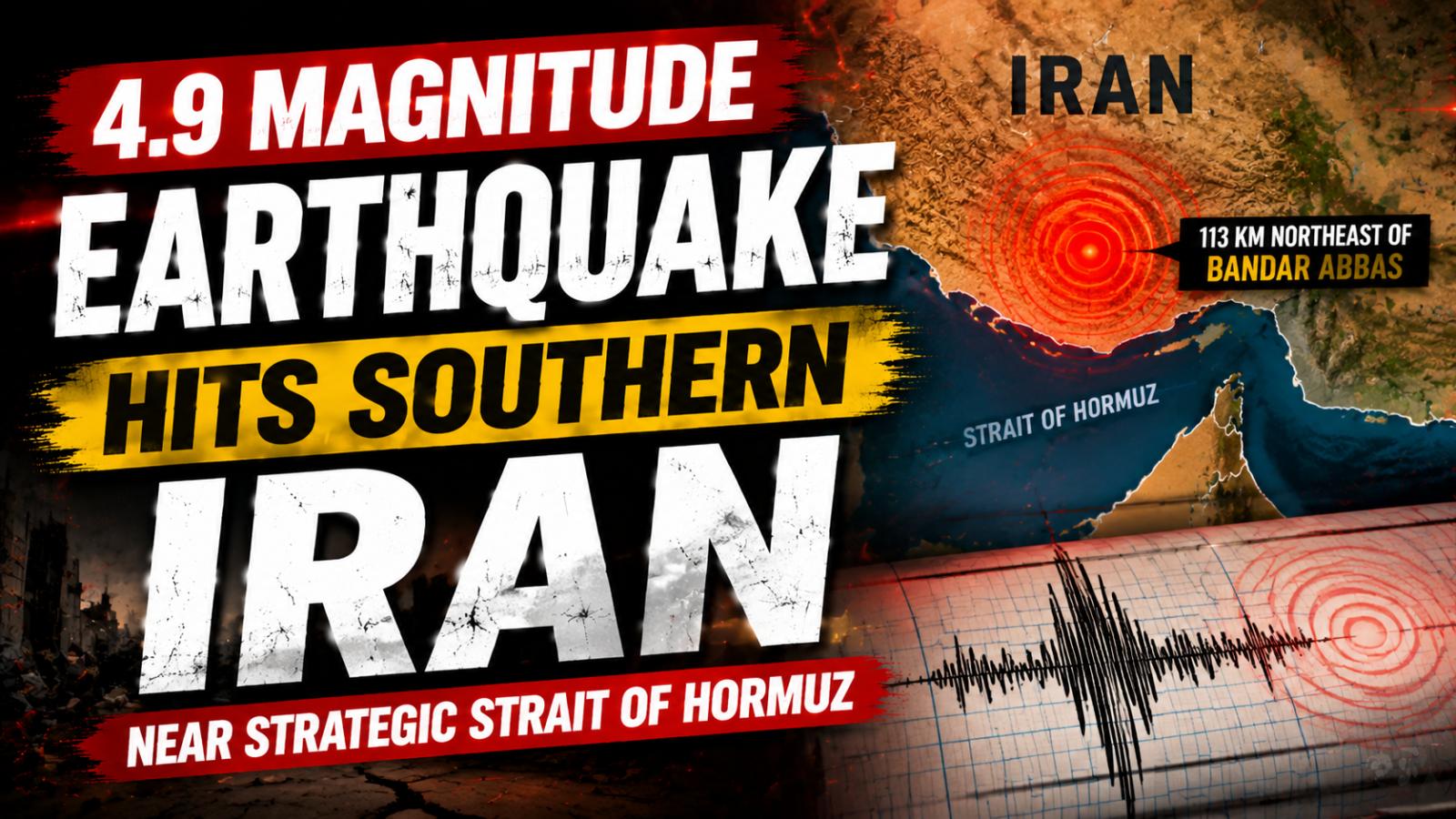
4.9-Magnitude Earthquake Hits Southern Iran, No Major Damage
Moderate Earthquake Hits Southern Iran Southern Iran experienced a 4.9-magnitude earthquake early Tuesday, June 9, shaking parts of Hormozgan province. According to Iranian state media, the epicenter was located approximately 113 km northeast of Bandar Abbas, near the water area of the port in the north of the Strait of Hormuz. Initial reports indicate no fatalities or major structural damage, and emergency
4.9-Magnitude Earthquake Hits Southern Iran, No Major Damage
Moderate Earthquake Hits Southern Iran Southern Iran experienced a 4.9-magnitude earthquake early Tuesday, June 9, shaking parts of Hormozgan province. According to Iranian state media, the epicenter was located approximately 113 km northeast of Bandar Abbas, near the water area of the port in the north of the Strait of Hormuz. Initial reports indicate no fatalities or major structural damage, and emergency
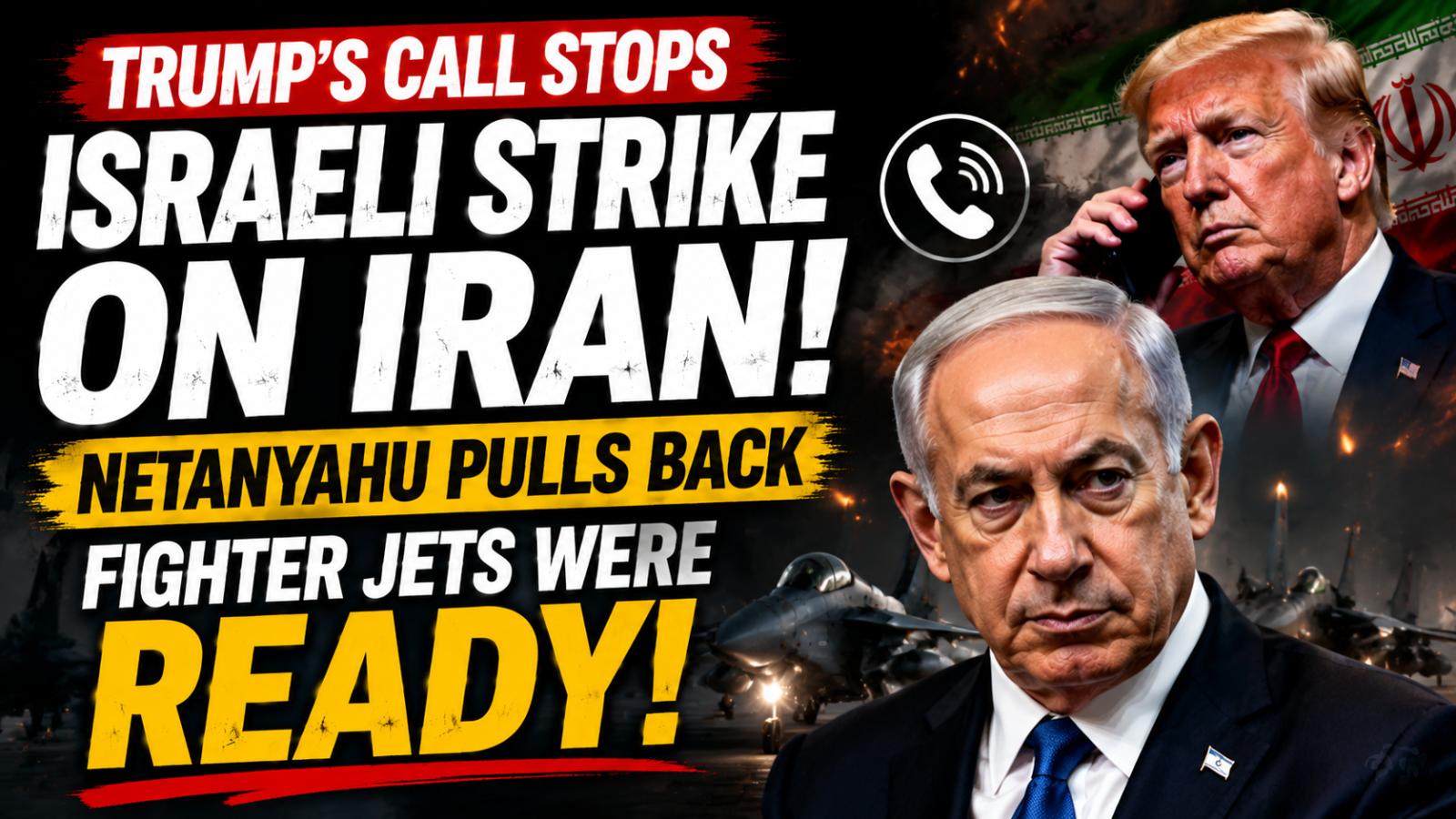
Netanyahu Halts Massive Strike on Iran After Trump Call
Netanyahu Halts Planned Strike on Iran Israeli Prime Minister Benjamin Netanyahu reportedly called off a large-scale strike on Iran after a direct call from US President Donald Trump. The planned operation involved fighter jets poised on the runway, ready to target Iranian military and economic facilities. According to sources, Netanyahu justified the decision by emphasizing the strategic alignment with Was
Netanyahu Halts Massive Strike on Iran After Trump Call
Netanyahu Halts Planned Strike on Iran Israeli Prime Minister Benjamin Netanyahu reportedly called off a large-scale strike on Iran after a direct call from US President Donald Trump. The planned operation involved fighter jets poised on the runway, ready to target Iranian military and economic facilities. According to sources, Netanyahu justified the decision by emphasizing the strategic alignment with Was
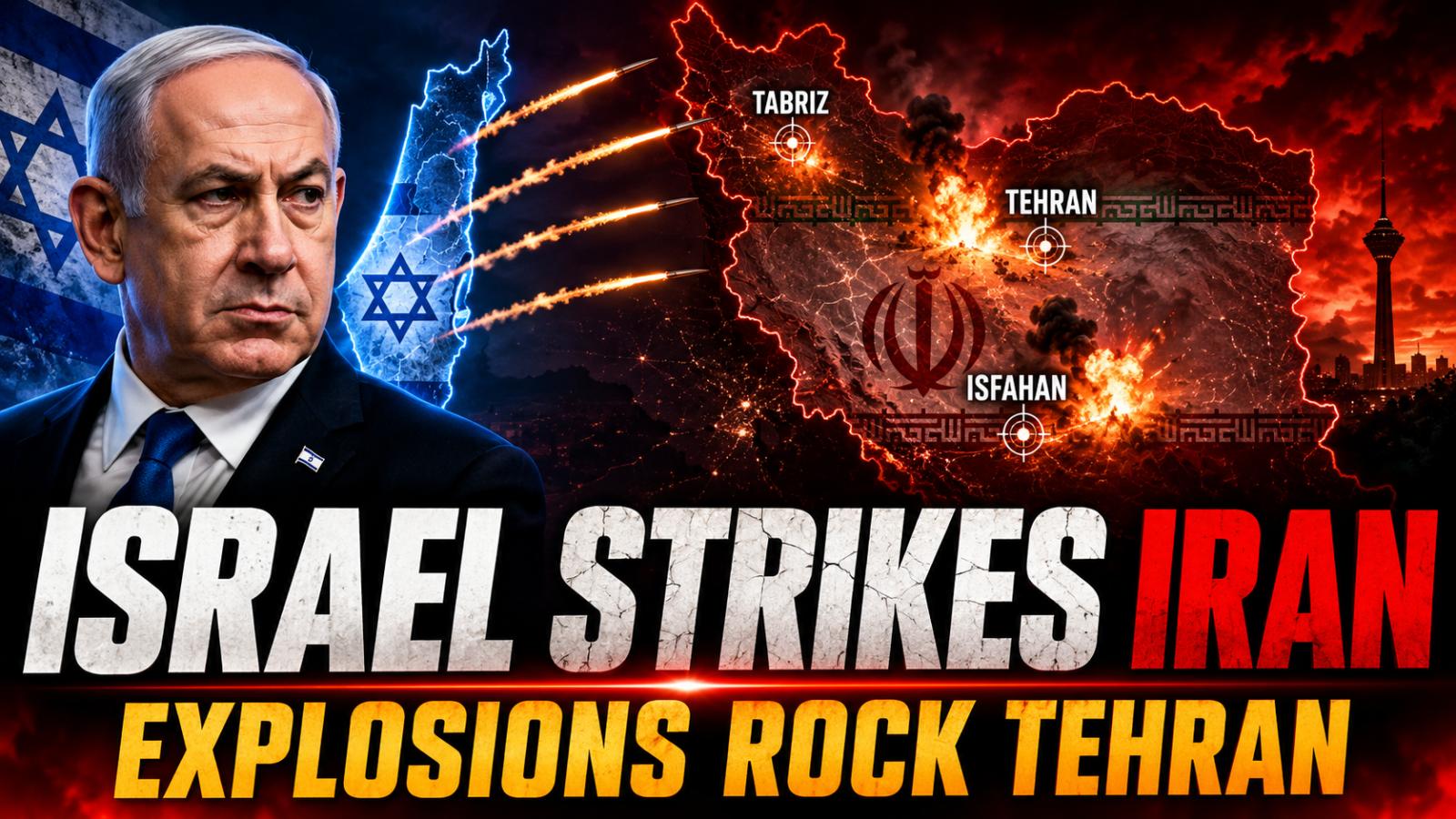
Iran-Israel Escalation Deepens After Missile Strike
Explosions Reported Across Iranian Cities Explosions were reported in Tehran, Tabriz and Isfahan on Monday, June 8, as tensions between Iran and Israel escalated after a new exchange of military attacks. Iranian state-linked reports said blasts were heard in several major cities, while Israel’s military later said it had struck military targets in western and central Iran. Details on damage and casualties were not immediately clear, and early reports from both sides remained limited. The latest strikes came shortly after Iran said it launched ballistic missiles toward Israel’s Ramat David air base in northern Israel. Israel Says It Hit Military Targets The Israel Defense Forces said the strikes inside Iran targeted military sites, framing the operation as a response to Iran’s missile attack. Israel said its defenses intercepted the missiles fired from Iran, while Iranian officials described their earlier strike as retaliation for an attack in Beirut. The sequence of claims and counterclaims has heightened fears that the conflict could move beyond limited exchanges and become a broader regional confrontation. The situation remains fluid, and neither side’s full battlefield assessment has been independently confirmed. Trump Had Urged Israel Not To Retaliate The escalation took place despite US President Donald Trump urging Israeli Prime Minister Benjamin Netanyahu not to retaliate against Iran. Washington has been trying to limit the risk of a wider West Asia conflict while talks involving Iran remain under pressure. Trump’s appeal showed concern that another round of strikes could complicate diplomacy and pull more actors into the crisis. However, Israel’s reported response suggests its leadership is prioritizing deterrence after Iran’s missile attack, even as the United States pushes for restraint. Regional Conflict Risk Grows The latest developments have placed renewed pressure on diplomatic channels and regional security planning. Iran has framed its actions as a response to attacks linked to Beirut, while Israel says it is targeting military infrastructure inside Iran. For US audiences, the central issue is whether this remains a controlled exchange or becomes a wider regional war involving Iran, Israel, Lebanon and US interests in the region. With explosions reported in multiple Iranian cities and Israel confirming strikes, the risk of further retaliation remains high.
Iran-Israel Escalation Deepens After Missile Strike
Explosions Reported Across Iranian Cities Explosions were reported in Tehran, Tabriz and Isfahan on Monday, June 8, as tensions between Iran and Israel escalated after a new exchange of military attacks. Iranian state-linked reports said blasts were heard in several major cities, while Israel’s military later said it had struck military targets in western and central Iran. Details on damage and casualties were not immediately clear, and early reports from both sides remained limited. The latest strikes came shortly after Iran said it launched ballistic missiles toward Israel’s Ramat David air base in northern Israel. Israel Says It Hit Military Targets The Israel Defense Forces said the strikes inside Iran targeted military sites, framing the operation as a response to Iran’s missile attack. Israel said its defenses intercepted the missiles fired from Iran, while Iranian officials described their earlier strike as retaliation for an attack in Beirut. The sequence of claims and counterclaims has heightened fears that the conflict could move beyond limited exchanges and become a broader regional confrontation. The situation remains fluid, and neither side’s full battlefield assessment has been independently confirmed. Trump Had Urged Israel Not To Retaliate The escalation took place despite US President Donald Trump urging Israeli Prime Minister Benjamin Netanyahu not to retaliate against Iran. Washington has been trying to limit the risk of a wider West Asia conflict while talks involving Iran remain under pressure. Trump’s appeal showed concern that another round of strikes could complicate diplomacy and pull more actors into the crisis. However, Israel’s reported response suggests its leadership is prioritizing deterrence after Iran’s missile attack, even as the United States pushes for restraint. Regional Conflict Risk Grows The latest developments have placed renewed pressure on diplomatic channels and regional security planning. Iran has framed its actions as a response to attacks linked to Beirut, while Israel says it is targeting military infrastructure inside Iran. For US audiences, the central issue is whether this remains a controlled exchange or becomes a wider regional war involving Iran, Israel, Lebanon and US interests in the region. With explosions reported in multiple Iranian cities and Israel confirming strikes, the risk of further retaliation remains high.
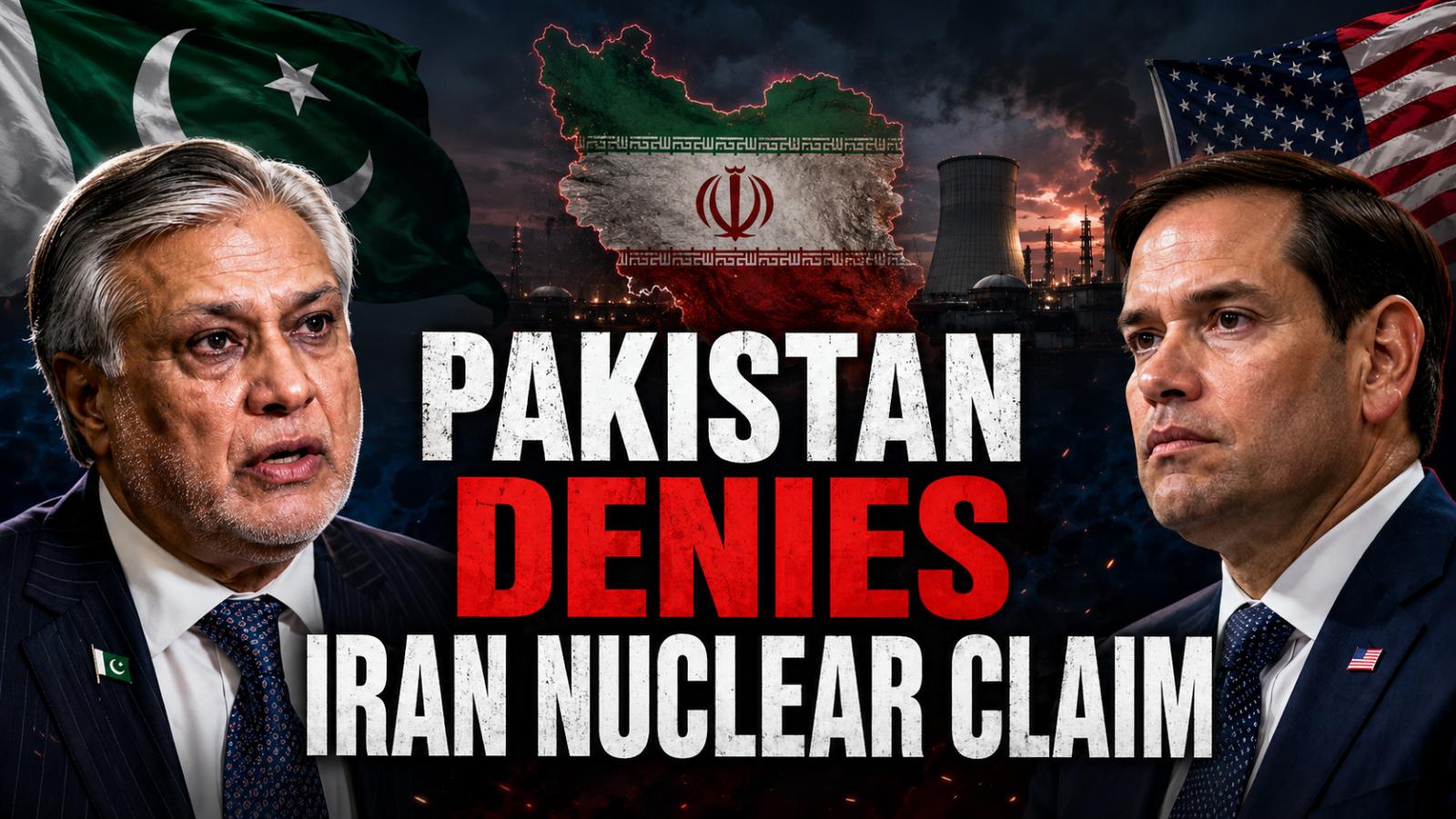
Pakistan Denies Iran Nuclear Claim as Ishaq Dar-Marco Rubio Talks Draw Attention
A new controversy over an Iran nuclear claim has placed Pakistan-US discussions under fresh attention. The issue began after former CIA analyst Larry Johnson alleged that Pakistan’s Deputy Prime Minister and Foreign Minister Ishaq Dar passed a sensitive “nuclear alert” message to US Secretary of State Marco Rubio. According to the claim, the message was linked to a possible major development in Iran’s nuclear position. Pakistan, however, has firmly denied the allegation and said no secret or confidential report about Iran’s nuclear activity was shared with the United States. Pakistan Rejects Secret Report Allegation The claim has brought renewed focus to the May 29 meeting between Ishaq Dar and Marco Rubio. While the official discussion was described as part of regular bilateral engagement, Johnson’s remarks turned the meeting into a wider debate involving Iran, Pakistan, the United States and regional security. Pakistan’s Foreign Office rejected the reports as baseless and speculative. It made clear that Islamabad did not hand over any secret nuclear document or intelligence report to Washington. This denial is important because the allegation involves a highly sensitive subject. Any suggestion of secret nuclear communication between Pakistan and the United States can quickly create diplomatic pressure, especially when Iran and Israel tensions are already high. Larry Johnson’s Claim Raises Questions Larry Johnson claimed that Iranian President Masoud Pezeshkian had informed Pakistan Prime Minister Shehbaz Sharif about Iran’s nuclear position. He further suggested that Tehran may be close to either declaring itself a nuclear power or showing its capability through a possible internal test. These are serious claims, but they remain unverified. So far, Iran, Pakistan and the United States have not confirmed any plan for a nuclear test or public nuclear declaration by Tehran. For readers, the key point is simple: Pakistan’s denial is official. Johnson’s claim is not officially proven. Iran’s Nuclear Doctrine Back in Debate The controversy has also revived discussion around Iran’s nuclear doctrine. Tehran has long maintained that nuclear weapons and weapons of mass destruction are forbidden under a religious decree associated with its leadership. This position is often described as Iran’s religious and political justification for not building nuclear weapons. However, some analysts believe Iran’s doctrine could change if regional threats increase. Others argue that there is still no clear evidence of Iran deciding to build, test or stockpile nuclear weapons. Because of this uncertainty, even an unconfirmed Iran nuclear claim can create serious concern among governments and security analysts. Why the Claim Matters for Regional Security ? The timing of the claim is sensitive. US-Iran talks, Israel-Iran tensions and Middle East security concerns are already under global attention. Any report suggesting that Iran may shift its nuclear position can increase fear in the region. Johnson also suggested that sensitive communication may have been allowed through a channel that Western and Israeli intelligence could detect. That claim too remains unproven and should be treated with caution. In geopolitics, even speculation can have consequences. A single unverified claim can affect diplomatic language, security planning and public debate. What Is Confirmed So Far ? At this stage, the confirmed fact is Pakistan’s denial. Islamabad has rejected the idea that it shared any confidential Iran nuclear report with the United States. There is no official confirmation from Iran about a nuclear test. There is no public confirmation from Washington that it received such a report from Pakistan. There is also no verified statement proving that Tehran is preparing to declare itself a nuclear power. The issue remains important because it touches three sensitive areas: Iran’s nuclear policy, Pakistan-US diplomatic communication and regional security fears.
Pakistan Denies Iran Nuclear Claim as Ishaq Dar-Marco Rubio Talks Draw Attention
A new controversy over an Iran nuclear claim has placed Pakistan-US discussions under fresh attention. The issue began after former CIA analyst Larry Johnson alleged that Pakistan’s Deputy Prime Minister and Foreign Minister Ishaq Dar passed a sensitive “nuclear alert” message to US Secretary of State Marco Rubio. According to the claim, the message was linked to a possible major development in Iran’s nuclear position. Pakistan, however, has firmly denied the allegation and said no secret or confidential report about Iran’s nuclear activity was shared with the United States. Pakistan Rejects Secret Report Allegation The claim has brought renewed focus to the May 29 meeting between Ishaq Dar and Marco Rubio. While the official discussion was described as part of regular bilateral engagement, Johnson’s remarks turned the meeting into a wider debate involving Iran, Pakistan, the United States and regional security. Pakistan’s Foreign Office rejected the reports as baseless and speculative. It made clear that Islamabad did not hand over any secret nuclear document or intelligence report to Washington. This denial is important because the allegation involves a highly sensitive subject. Any suggestion of secret nuclear communication between Pakistan and the United States can quickly create diplomatic pressure, especially when Iran and Israel tensions are already high. Larry Johnson’s Claim Raises Questions Larry Johnson claimed that Iranian President Masoud Pezeshkian had informed Pakistan Prime Minister Shehbaz Sharif about Iran’s nuclear position. He further suggested that Tehran may be close to either declaring itself a nuclear power or showing its capability through a possible internal test. These are serious claims, but they remain unverified. So far, Iran, Pakistan and the United States have not confirmed any plan for a nuclear test or public nuclear declaration by Tehran. For readers, the key point is simple: Pakistan’s denial is official. Johnson’s claim is not officially proven. Iran’s Nuclear Doctrine Back in Debate The controversy has also revived discussion around Iran’s nuclear doctrine. Tehran has long maintained that nuclear weapons and weapons of mass destruction are forbidden under a religious decree associated with its leadership. This position is often described as Iran’s religious and political justification for not building nuclear weapons. However, some analysts believe Iran’s doctrine could change if regional threats increase. Others argue that there is still no clear evidence of Iran deciding to build, test or stockpile nuclear weapons. Because of this uncertainty, even an unconfirmed Iran nuclear claim can create serious concern among governments and security analysts. Why the Claim Matters for Regional Security ? The timing of the claim is sensitive. US-Iran talks, Israel-Iran tensions and Middle East security concerns are already under global attention. Any report suggesting that Iran may shift its nuclear position can increase fear in the region. Johnson also suggested that sensitive communication may have been allowed through a channel that Western and Israeli intelligence could detect. That claim too remains unproven and should be treated with caution. In geopolitics, even speculation can have consequences. A single unverified claim can affect diplomatic language, security planning and public debate. What Is Confirmed So Far ? At this stage, the confirmed fact is Pakistan’s denial. Islamabad has rejected the idea that it shared any confidential Iran nuclear report with the United States. There is no official confirmation from Iran about a nuclear test. There is no public confirmation from Washington that it received such a report from Pakistan. There is also no verified statement proving that Tehran is preparing to declare itself a nuclear power. The issue remains important because it touches three sensitive areas: Iran’s nuclear policy, Pakistan-US diplomatic communication and regional security fears.
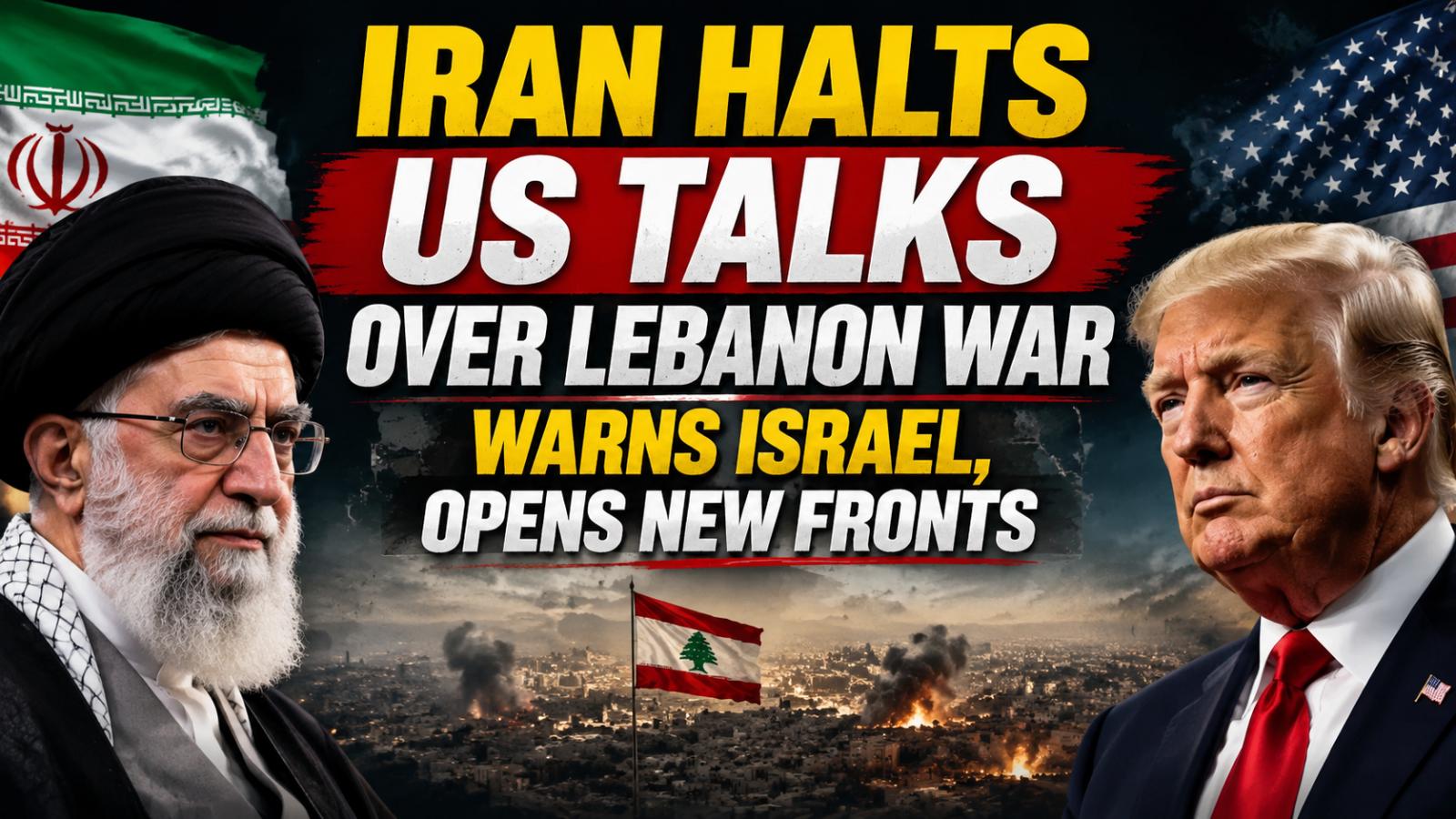
Iran Halts US Talks as Lebanon Conflict Escalates
Iran has decided to pause indirect negotiations with the United States in response to ongoing hostilities in Lebanon. Tehran cited repeated breaches of the ceasefire by Israeli forces as a primary reason for halting diplomatic exchanges. Officials emphasized that the suspension is temporary but signals a serious shift in Iran’s diplomatic approach. Tehran Signals Defensive Measures Iran’s le
Iran Halts US Talks as Lebanon Conflict Escalates
Iran has decided to pause indirect negotiations with the United States in response to ongoing hostilities in Lebanon. Tehran cited repeated breaches of the ceasefire by Israeli forces as a primary reason for halting diplomatic exchanges. Officials emphasized that the suspension is temporary but signals a serious shift in Iran’s diplomatic approach. Tehran Signals Defensive Measures Iran’s le
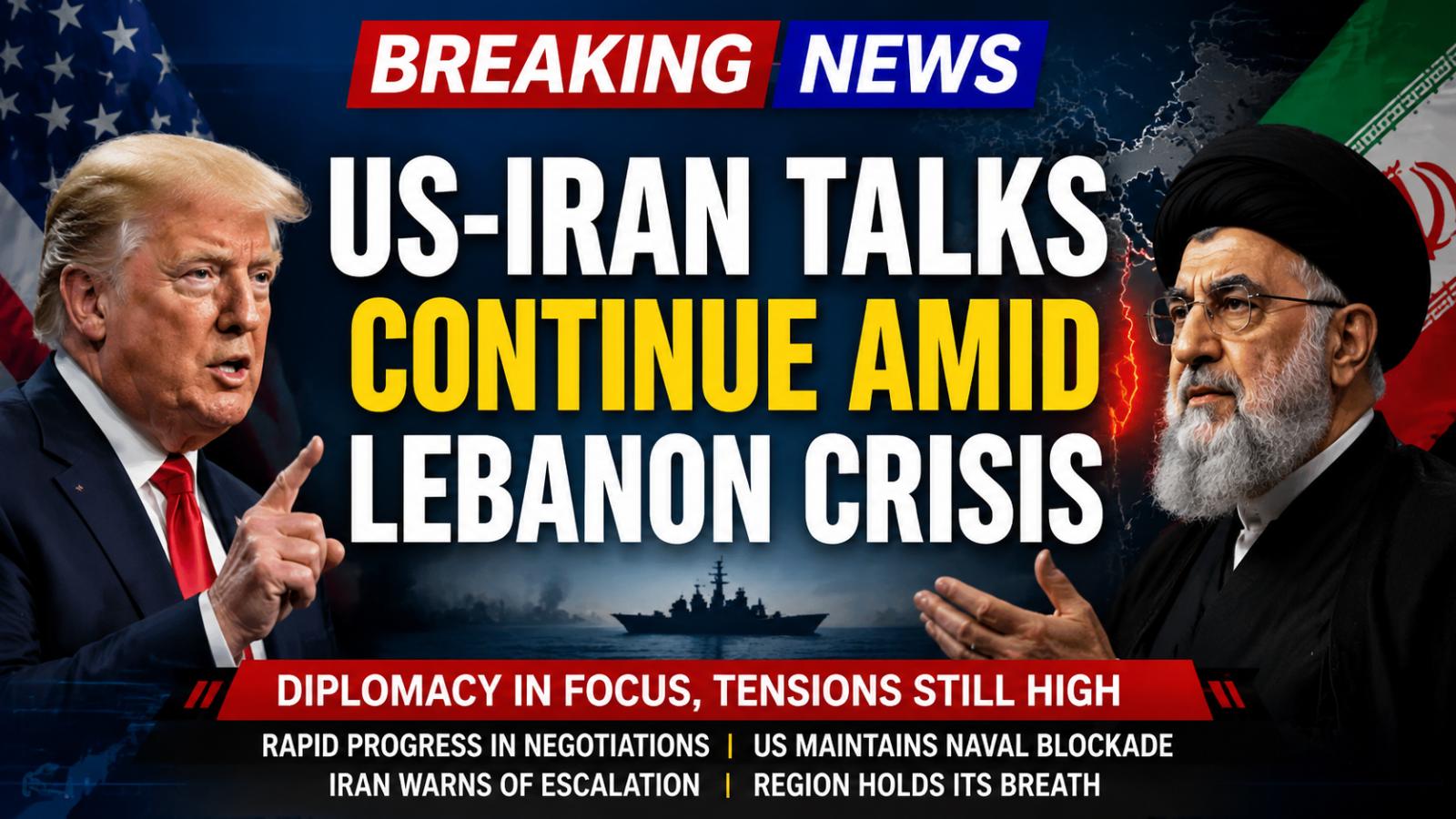
US-Iran Talks Progress Amid Lebanon Tensions, Trump Comments
US President Donald Trump confirmed that discussions with Iran are making steady progress despite ongoing unrest in Lebanon. According to his statement, talks are active and focused on diplomatic solutions to ease regional tensions. Efforts to De-escalate in Lebanon The discussions include attempts to persuade both Israel and Hezbollah to limit their actions in Lebanon.
US-Iran Talks Progress Amid Lebanon Tensions, Trump Comments
US President Donald Trump confirmed that discussions with Iran are making steady progress despite ongoing unrest in Lebanon. According to his statement, talks are active and focused on diplomatic solutions to ease regional tensions. Efforts to De-escalate in Lebanon The discussions include attempts to persuade both Israel and Hezbollah to limit their actions in Lebanon.
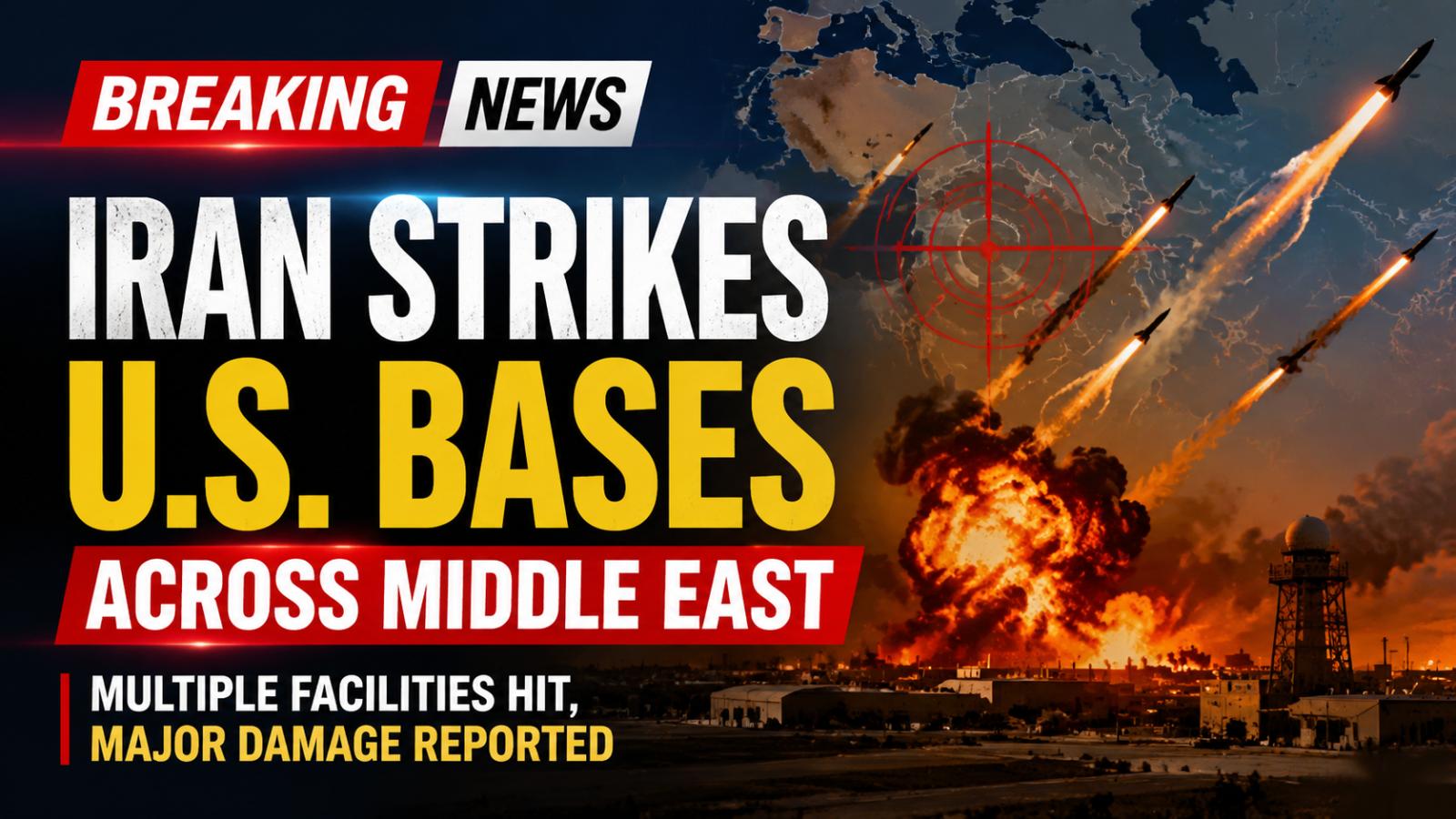
Iran Strikes U.S. Military Bases Across Middle East
Iran has carried out a series of coordinated attacks on U.S. military bases across the Middle East, striking facilities in multiple countries simultaneously. Satellite assessments suggest significant damage to critical infrastructure, including radar installations, air defense systems, and support aircraft. Analysts describe these operations as highly precise, signaling a new phase in Tehran’s regional military strategy.
Iran Strikes U.S. Military Bases Across Middle East
Iran has carried out a series of coordinated attacks on U.S. military bases across the Middle East, striking facilities in multiple countries simultaneously. Satellite assessments suggest significant damage to critical infrastructure, including radar installations, air defense systems, and support aircraft. Analysts describe these operations as highly precise, signaling a new phase in Tehran’s regional military strategy.
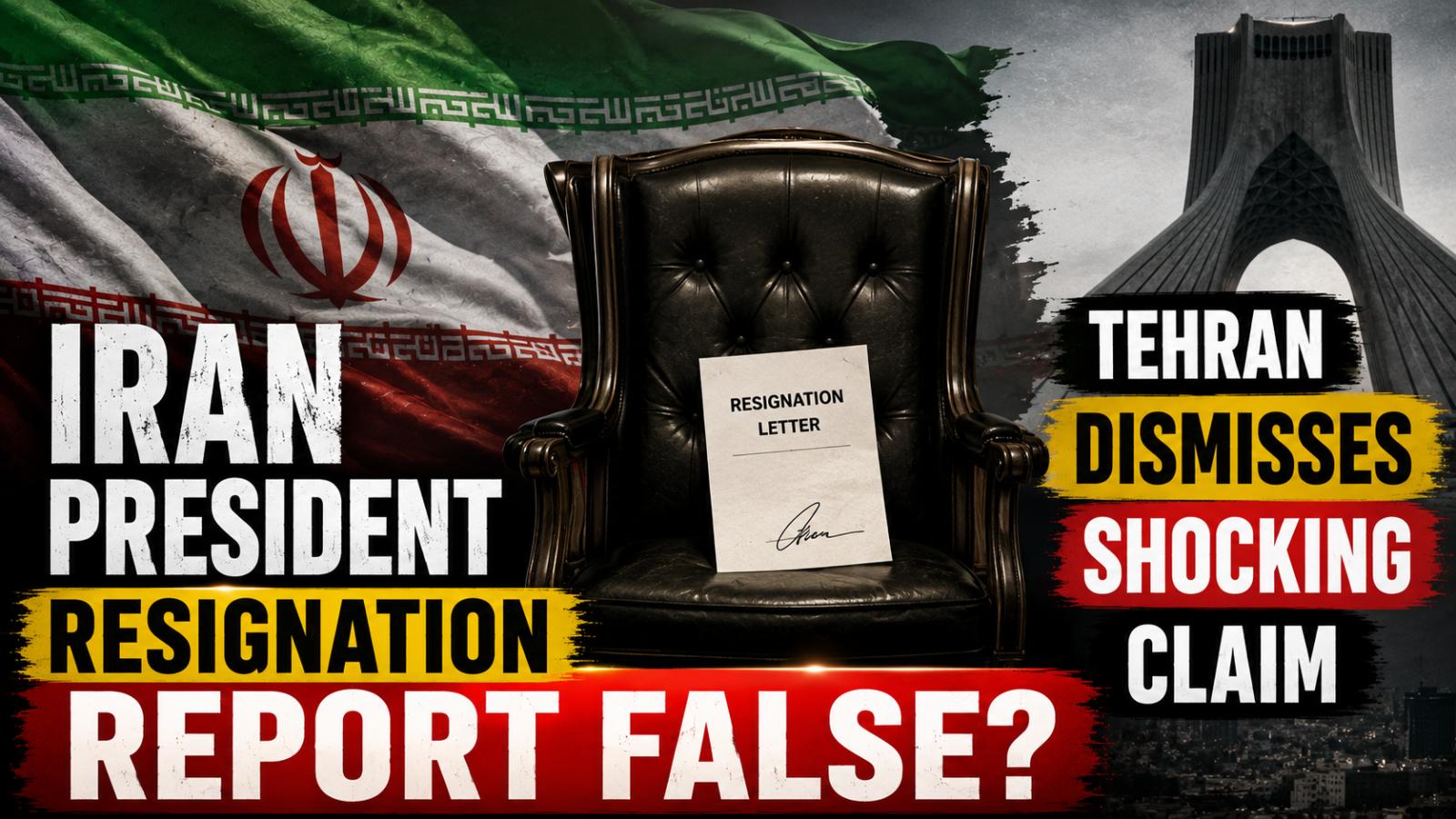
Tehran Rejects Claims of Internal Government Divisions
Report of Resignation Surfaces On Sunday, May 31, reports emerged claiming that Iranian President Masoud Pezeshkian had resigned and sent a letter to Supreme Leader Mojtaba Khamenei. The report, citing a source, suggested that Pezeshkian cited the overarching power of the Islamic Revolutionary Guard Corps (IRGC) as a reason for his exit. The claims appeared amid discussions of a potential peace deal between
Tehran Rejects Claims of Internal Government Divisions
Report of Resignation Surfaces On Sunday, May 31, reports emerged claiming that Iranian President Masoud Pezeshkian had resigned and sent a letter to Supreme Leader Mojtaba Khamenei. The report, citing a source, suggested that Pezeshkian cited the overarching power of the Islamic Revolutionary Guard Corps (IRGC) as a reason for his exit. The claims appeared amid discussions of a potential peace deal between
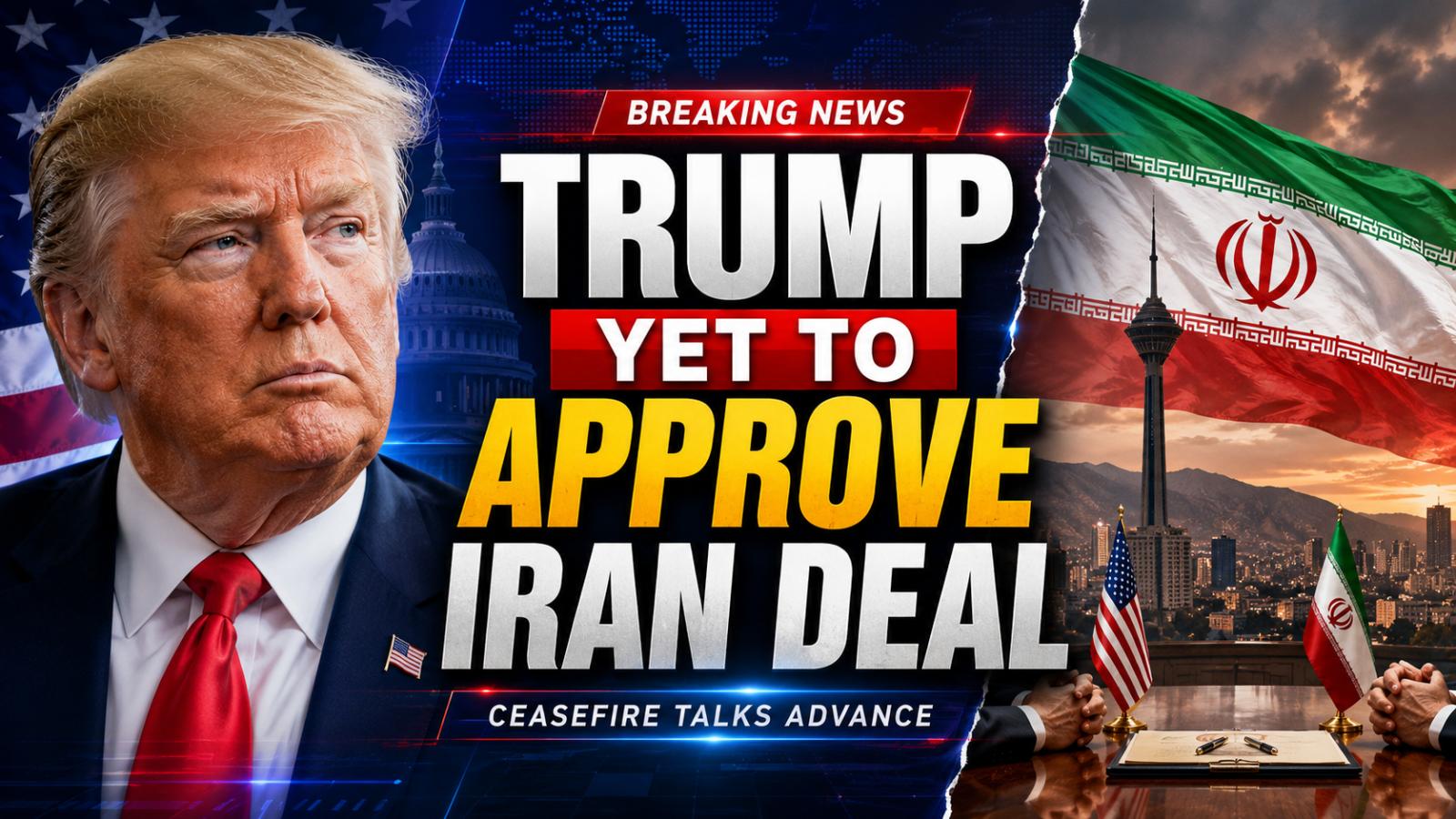
Trump Yet To Approve US-Iran Ceasefire Extension Deal
Talks Move Closer To A Deal The United States and Iran have made progress toward extending their ceasefire agreement, but President Donald Trump has not yet decided whether to approve the proposal, Vice President JD Vance said on Thursday, May 28. Speaking to reporters, Vance said both sides were still reviewing specific language in the agreement, even as US officials indicated that Washington and Tehran had
Trump Yet To Approve US-Iran Ceasefire Extension Deal
Talks Move Closer To A Deal The United States and Iran have made progress toward extending their ceasefire agreement, but President Donald Trump has not yet decided whether to approve the proposal, Vice President JD Vance said on Thursday, May 28. Speaking to reporters, Vance said both sides were still reviewing specific language in the agreement, even as US officials indicated that Washington and Tehran had
US-Iran Ceasefire Faces New Strain After Strikes
US-Iran Ceasefire Faces New Pressure The latest exchange between the United States and Iran has placed renewed strain on a ceasefire that both sides continue to describe in sharply different terms. Tehran accused Washington of violating the truce after US forces carried out strikes on missile launch sites and boats near the Strait of Hormuz. Iranian officials called the action a flagrant breach and warned of retaliation, while the United States said the strikes were defensive and aimed at protecting American personnel. Washington Maintains Truce Is Still Active US Central Command said Iranian boats were attempting to place mines in the Strait of Hormuz, a move that would carry serious risks for global shipping and regional security. At the same time, US officials emphasized that the ceasefire remained ongoing and said American forces were acting with restraint. That response reflected the administration’s effort to defend military action without declaring the wider truce dead, even as Iran framed the episode as a reciprocal confrontation. Hormuz Remains A Major Flashpoint The Strait of Hormuz remains central to the dispute because of its importance to energy flows and international trade. President Donald Trump previously tied the ceasefire to Iran reopening the strait, but the waterway has remained a source of tension. The continued uncertainty has complicated diplomacy, with Washington trying to keep negotiations alive while also responding to military activity it says threatens US forces and commercial movement in the Gulf. US Leverage Comes Under Scrutiny The administration’s handling of the latest incident has raised questions about whether its eagerness to preserve the ceasefire is weakening its negotiating position. Trump has repeatedly threatened stronger action if Iran fails to make a deal, but the United States has so far avoided a return to large-scale hostilities. Iran’s defiant response suggests Tehran may believe Washington is more focused on ending the conflict than escalating it. That perception could become a major factor as both sides test each other’s limits while talks continue.
US-Iran Ceasefire Faces New Strain After Strikes
US-Iran Ceasefire Faces New Pressure The latest exchange between the United States and Iran has placed renewed strain on a ceasefire that both sides continue to describe in sharply different terms. Tehran accused Washington of violating the truce after US forces carried out strikes on missile launch sites and boats near the Strait of Hormuz. Iranian officials called the action a flagrant breach and warned of retaliation, while the United States said the strikes were defensive and aimed at protecting American personnel. Washington Maintains Truce Is Still Active US Central Command said Iranian boats were attempting to place mines in the Strait of Hormuz, a move that would carry serious risks for global shipping and regional security. At the same time, US officials emphasized that the ceasefire remained ongoing and said American forces were acting with restraint. That response reflected the administration’s effort to defend military action without declaring the wider truce dead, even as Iran framed the episode as a reciprocal confrontation. Hormuz Remains A Major Flashpoint The Strait of Hormuz remains central to the dispute because of its importance to energy flows and international trade. President Donald Trump previously tied the ceasefire to Iran reopening the strait, but the waterway has remained a source of tension. The continued uncertainty has complicated diplomacy, with Washington trying to keep negotiations alive while also responding to military activity it says threatens US forces and commercial movement in the Gulf. US Leverage Comes Under Scrutiny The administration’s handling of the latest incident has raised questions about whether its eagerness to preserve the ceasefire is weakening its negotiating position. Trump has repeatedly threatened stronger action if Iran fails to make a deal, but the United States has so far avoided a return to large-scale hostilities. Iran’s defiant response suggests Tehran may believe Washington is more focused on ending the conflict than escalating it. That perception could become a major factor as both sides test each other’s limits while talks continue.
Trump Attacks Media And Democrats Over Iran Coverage
Trump Targets Media Over Iran Narrative US President Donald Trump sharply criticized major media organizations and political opponents, claiming they would misrepresent the outcome of any US military success against Iran. In a social media post, Trump argued that even if the United States achieved what he described as an absolute and unconditional victory, critics would still portray Iran as having prevaile
Trump Attacks Media And Democrats Over Iran Coverage
Trump Targets Media Over Iran Narrative US President Donald Trump sharply criticized major media organizations and political opponents, claiming they would misrepresent the outcome of any US military success against Iran. In a social media post, Trump argued that even if the United States achieved what he described as an absolute and unconditional victory, critics would still portray Iran as having prevaile
Rubio Urges Open Strait of Hormuz Amid US-Iran Tensions
US Secretary of State Comments on Iran Strikes US Secretary of State Marco Rubio, currently visiting India and set to attend the QUAD summit on May 26, addressed the recent US military strikes on Iran. He emphasized the main objective of the United States: to ensure the Strait of Hormuz remains open. Rubio described the blockade as "illegal and unlawful," noting that discussions continue over the language of the potential final deal with Tehran. Rubio Highlights Diplomatic Efforts Speaking in Jaipur, India, Rubio noted ongoing talks in Qatar aimed at finalizing the agreement. “There were some talks going on in Qatar today, so we'll see if we can make progress,” he said. Rubio added that President Trump is determined to secure either a beneficial deal or no agreement at all, underscoring the administration’s cautious approach to diplomacy amidst ongoing tensions. US Strikes and Military Position The remarks followed self-defense strikes carried out by US forces on May 25, targeting Iranian missile launch sites and boats near the Strait of Hormuz. CENTCOM spokesman Timothy Hawkins confirmed that these actions were aimed at protecting American troops from threats posed by Iranian forces. The strikes occurred while a ceasefire remained in effect, demonstrating the delicate balance between military action and diplomatic engagement. Context of US-Iran Relations These strikes mark a continuation of the complex US-Iran relationship, which has included previous conflicts, drone and missile engagements, and blocked international shipping routes. Rubio’s comments reaffirm the administration’s priority to keep strategic waterways accessible while pursuing negotiations with Tehran. The Secretary stressed that the US aims to achieve a resolution through dialogue, ensuring regional security and global maritime stability. Ongoing Diplomacy and Future Prospects Rubio indicated that discussions on the initial documents are still underway, emphasizing the back-and-forth nature of the negotiations. The Secretary expressed cautious optimism about achieving a deal, highlighting that the President is committed to a fair and enforceable agreement. The situation remains fluid as US diplomatic channels engage with Iran to prevent further escalation while maintaining strategic control over critical maritime routes.
Rubio Urges Open Strait of Hormuz Amid US-Iran Tensions
US Secretary of State Comments on Iran Strikes US Secretary of State Marco Rubio, currently visiting India and set to attend the QUAD summit on May 26, addressed the recent US military strikes on Iran. He emphasized the main objective of the United States: to ensure the Strait of Hormuz remains open. Rubio described the blockade as "illegal and unlawful," noting that discussions continue over the language of the potential final deal with Tehran. Rubio Highlights Diplomatic Efforts Speaking in Jaipur, India, Rubio noted ongoing talks in Qatar aimed at finalizing the agreement. “There were some talks going on in Qatar today, so we'll see if we can make progress,” he said. Rubio added that President Trump is determined to secure either a beneficial deal or no agreement at all, underscoring the administration’s cautious approach to diplomacy amidst ongoing tensions. US Strikes and Military Position The remarks followed self-defense strikes carried out by US forces on May 25, targeting Iranian missile launch sites and boats near the Strait of Hormuz. CENTCOM spokesman Timothy Hawkins confirmed that these actions were aimed at protecting American troops from threats posed by Iranian forces. The strikes occurred while a ceasefire remained in effect, demonstrating the delicate balance between military action and diplomatic engagement. Context of US-Iran Relations These strikes mark a continuation of the complex US-Iran relationship, which has included previous conflicts, drone and missile engagements, and blocked international shipping routes. Rubio’s comments reaffirm the administration’s priority to keep strategic waterways accessible while pursuing negotiations with Tehran. The Secretary stressed that the US aims to achieve a resolution through dialogue, ensuring regional security and global maritime stability. Ongoing Diplomacy and Future Prospects Rubio indicated that discussions on the initial documents are still underway, emphasizing the back-and-forth nature of the negotiations. The Secretary expressed cautious optimism about achieving a deal, highlighting that the President is committed to a fair and enforceable agreement. The situation remains fluid as US diplomatic channels engage with Iran to prevent further escalation while maintaining strategic control over critical maritime routes.
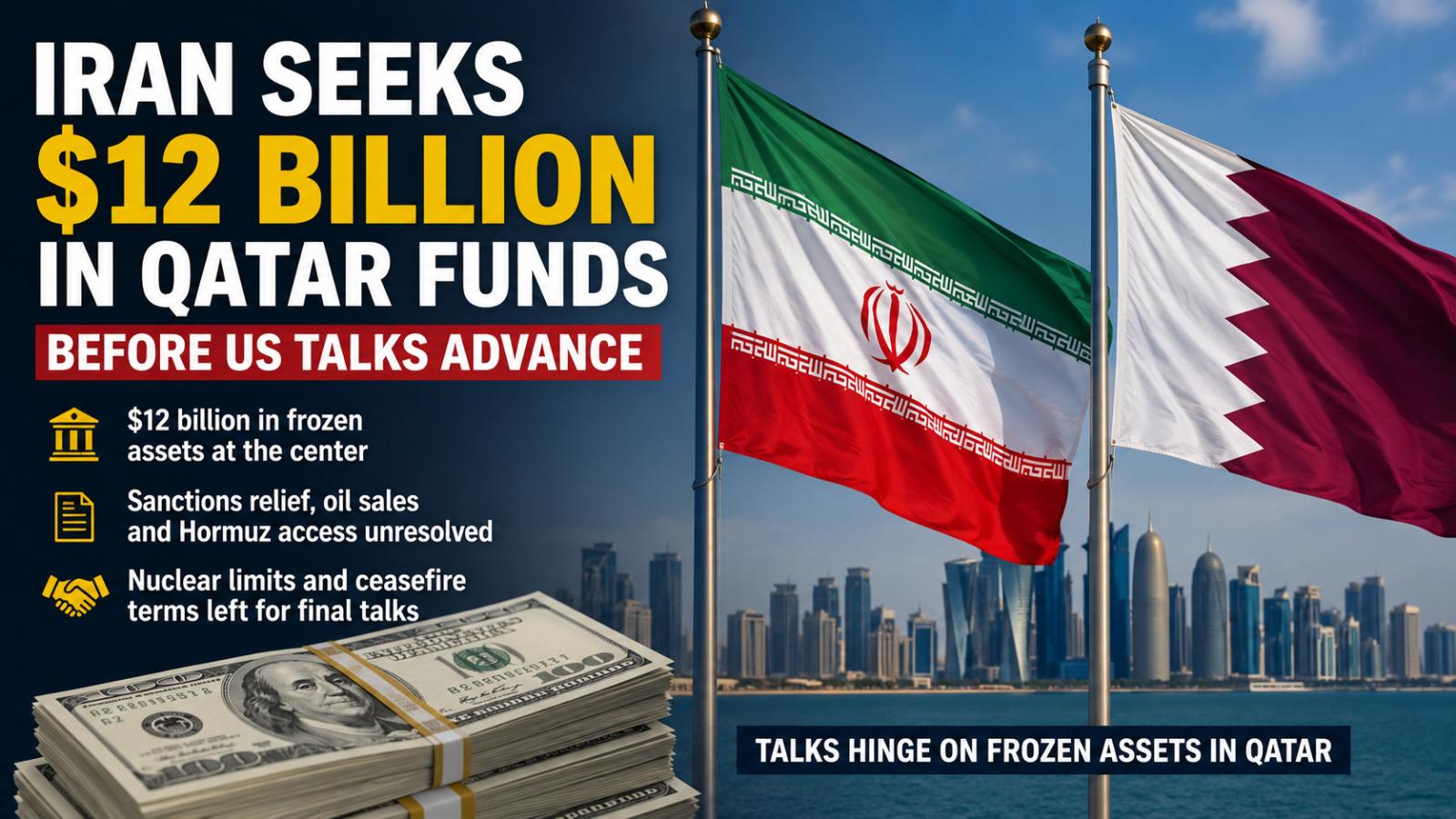
Iran Seeks $12 Billion in Qatar Funds Before US Talks Advance
Iran Qatar frozen funds have become a central sticking point in US-Iran talks, with Tehran seeking access to $12 billion held in Qatar before a proposed diplomatic roadmap moves forward. According to reports citing sources familiar with the discussions, Iran wants the $12 billion released as an initial tranche, not as the full amount it says should eventually be made available under a wider agreement. The funds are linked to Iranian oil-sale revenue that had been mo
Iran Seeks $12 Billion in Qatar Funds Before US Talks Advance
Iran Qatar frozen funds have become a central sticking point in US-Iran talks, with Tehran seeking access to $12 billion held in Qatar before a proposed diplomatic roadmap moves forward. According to reports citing sources familiar with the discussions, Iran wants the $12 billion released as an initial tranche, not as the full amount it says should eventually be made available under a wider agreement. The funds are linked to Iranian oil-sale revenue that had been mo
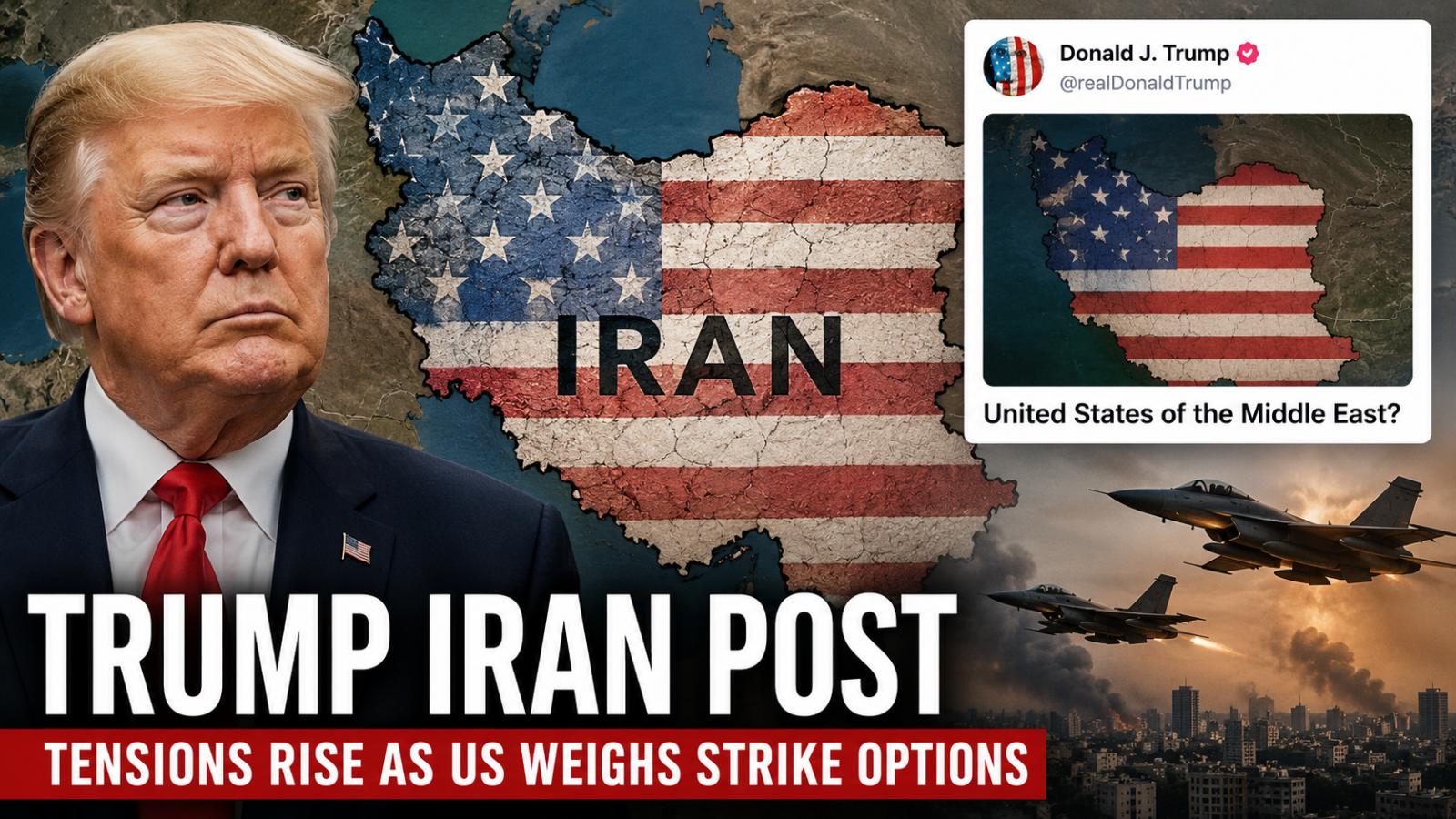
Trump Iran Flag Post Raises Tensions as US Weighs Strike Options
President Donald Trump’s Iran flag post has added new pressure to the widening U.S.-Iran standoff, as Washington reviews military options while regional mediators continue efforts to prevent a broader conflict. Trump shared an edited image on his social media platform showing Iran covered in the colors of the American flag with the caption, “United States of the Middle East?” The post appeared to signal political pressure on Tehran as U.S. officials discussed possible military
Trump Iran Flag Post Raises Tensions as US Weighs Strike Options
President Donald Trump’s Iran flag post has added new pressure to the widening U.S.-Iran standoff, as Washington reviews military options while regional mediators continue efforts to prevent a broader conflict. Trump shared an edited image on his social media platform showing Iran covered in the colors of the American flag with the caption, “United States of the Middle East?” The post appeared to signal political pressure on Tehran as U.S. officials discussed possible military
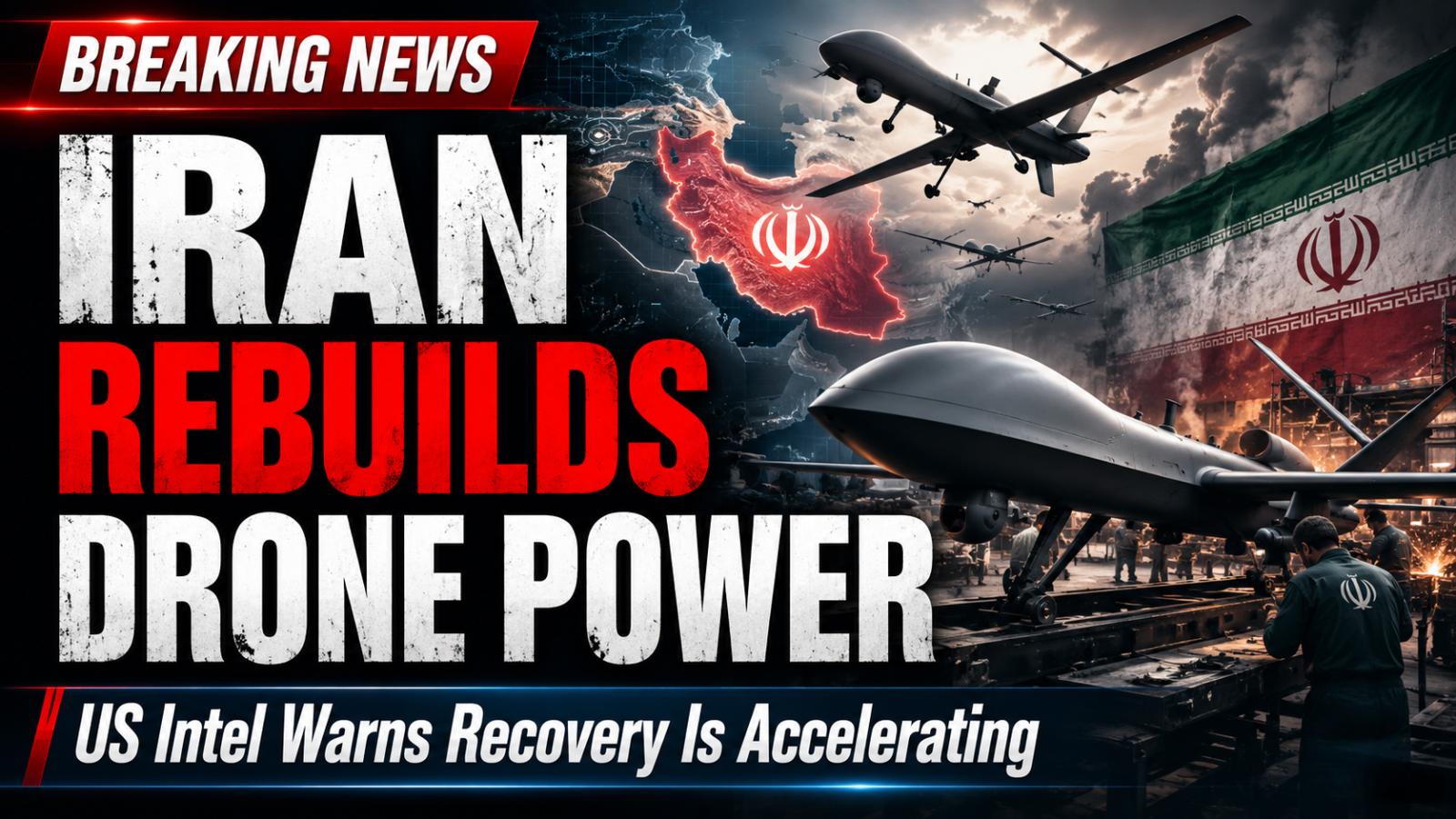
US Intel Says Iran Rebuilding Drone Program Faster Than Expected
Iran Restores Drone Production During Ceasefire Iran has resumed parts of its drone production during the six-week ceasefire that began in early April, according to people familiar with recent US intelligence assessments. The development suggests Tehran is rebuilding key military capabilities faster than some officials initially expected after US-Israeli strikes damaged missile launch sites, weapons facilities and related military infrastructure. The assessments indicate Iran’s military recovery is moving quickly, including efforts to repair launchers, restore weapons production and recover equipment affected during the conflict. Intelligence Assessments Raise Regional Concerns The findings suggest Iran could continue posing a serious threat to US regional allies if military operations resume. According to one US official familiar with the assessments, Iran may be able to fully restore its drone strike capability within six months. The pace of rebuilding also challenges earlier claims that strikes had caused long-term crippling damage to Iran’s military infrastructure. Officials believe Tehran may rely more heavily on drone attacks while missile production systems are still being repaired. Trump Warns Military Action Could Resume President Donald Trump has repeatedly warned that US military operations against Iran could restart if negotiations fail to end the conflict. On Tuesday, he said he had been close to ordering renewed bombing operations before holding back. Recent assessments suggest Iran’s rapid recovery has been helped by several factors, including possible outside assistance and the possibility that earlier strikes caused less lasting damage than expected. Russia China And Missile Supply Questions Some assessments point to continued foreign support for Iran’s weapons production network. Sources said China supplied components that could be used in missile production during the conflict, though the flow may have slowed because of the US blockade. China has rejected accusations that it is supporting Iran’s missile manufacturing. Russia has also been cited by sources as a factor in Iran’s broader recovery efforts, though officials have not publicly detailed the extent of any assistance. Iran Retains Significant Military Capacity Despite heavy damage from earlier attacks, recent estimates suggest Iran still retains ballistic missile systems, drone capabilities and anti-air defenses. Intelligence assessments indicate around half of Iran’s drone capacity remains intact, with thousands of drones still available. Many coastal defense cruise missiles also survived because coastal assets were not heavily targeted. Those systems remain important to Iran’s ability to threaten shipping near the Strait of Hormuz, even as the conflict has weakened but not eliminated its military power.
US Intel Says Iran Rebuilding Drone Program Faster Than Expected
Iran Restores Drone Production During Ceasefire Iran has resumed parts of its drone production during the six-week ceasefire that began in early April, according to people familiar with recent US intelligence assessments. The development suggests Tehran is rebuilding key military capabilities faster than some officials initially expected after US-Israeli strikes damaged missile launch sites, weapons facilities and related military infrastructure. The assessments indicate Iran’s military recovery is moving quickly, including efforts to repair launchers, restore weapons production and recover equipment affected during the conflict. Intelligence Assessments Raise Regional Concerns The findings suggest Iran could continue posing a serious threat to US regional allies if military operations resume. According to one US official familiar with the assessments, Iran may be able to fully restore its drone strike capability within six months. The pace of rebuilding also challenges earlier claims that strikes had caused long-term crippling damage to Iran’s military infrastructure. Officials believe Tehran may rely more heavily on drone attacks while missile production systems are still being repaired. Trump Warns Military Action Could Resume President Donald Trump has repeatedly warned that US military operations against Iran could restart if negotiations fail to end the conflict. On Tuesday, he said he had been close to ordering renewed bombing operations before holding back. Recent assessments suggest Iran’s rapid recovery has been helped by several factors, including possible outside assistance and the possibility that earlier strikes caused less lasting damage than expected. Russia China And Missile Supply Questions Some assessments point to continued foreign support for Iran’s weapons production network. Sources said China supplied components that could be used in missile production during the conflict, though the flow may have slowed because of the US blockade. China has rejected accusations that it is supporting Iran’s missile manufacturing. Russia has also been cited by sources as a factor in Iran’s broader recovery efforts, though officials have not publicly detailed the extent of any assistance. Iran Retains Significant Military Capacity Despite heavy damage from earlier attacks, recent estimates suggest Iran still retains ballistic missile systems, drone capabilities and anti-air defenses. Intelligence assessments indicate around half of Iran’s drone capacity remains intact, with thousands of drones still available. Many coastal defense cruise missiles also survived because coastal assets were not heavily targeted. Those systems remain important to Iran’s ability to threaten shipping near the Strait of Hormuz, even as the conflict has weakened but not eliminated its military power.










