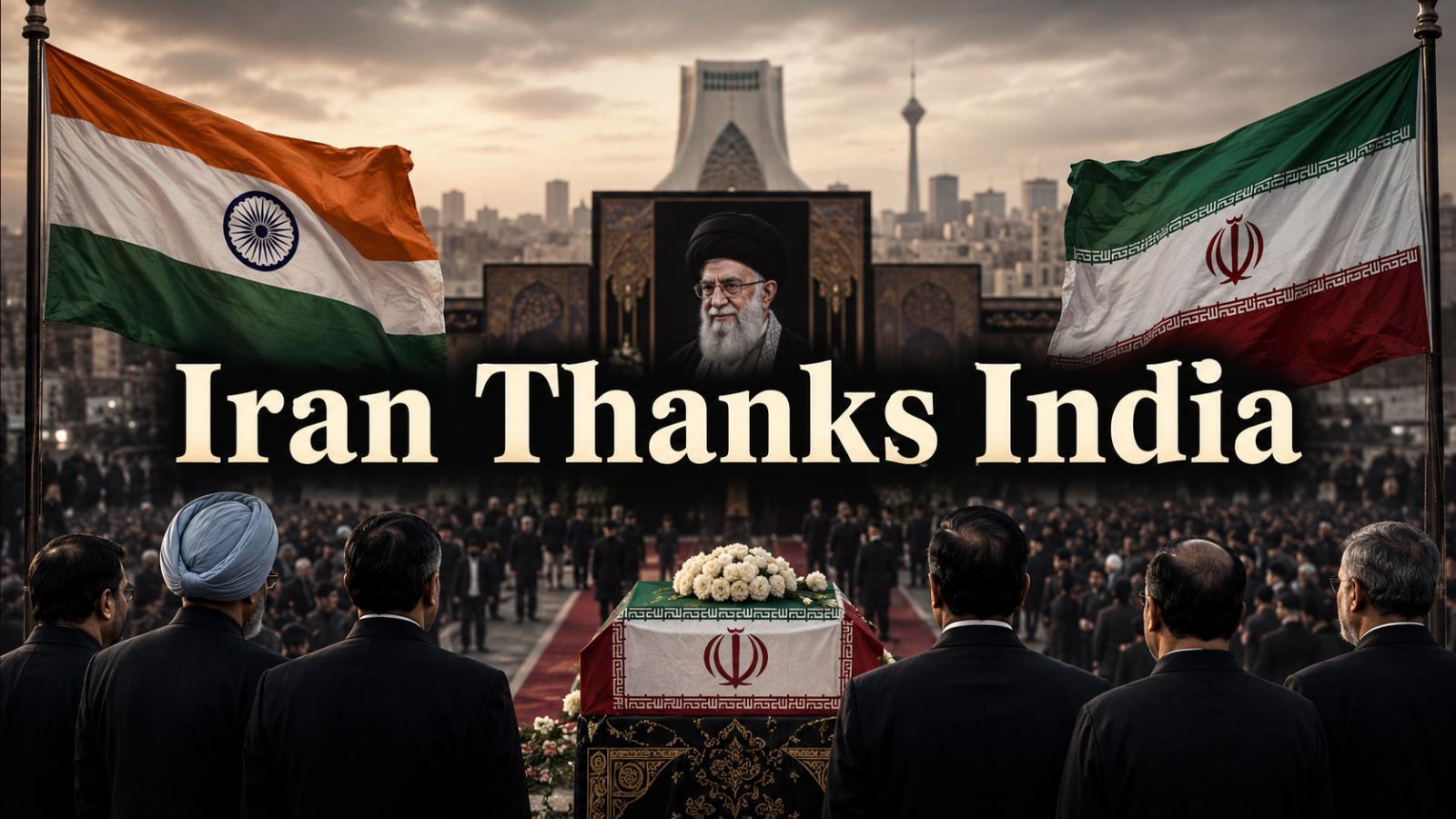
Iran has thanked India after an official Indian delegation attended the funeral ceremonies of former Iranian Supreme Leader Ayatollah Ali Khamenei in Tehran. The Iranian Embassy in India described the visit as a gesture of friendship, respect and solidarity during a period of national mourning in Iran.
India was represented by Minister of State for External Affairs Pabitra Margherita and Bihar Governor Lt Gen Syed Ata Hasnain, who travelled to Tehran as part of New Delhi’s officia
Iran has thanked India after an official Indian delegation attended the funeral ceremonies of former Iranian Supreme Leader Ayatollah Ali Khamenei in Tehran. The Iranian Embassy in India described the visit as a gesture of friendship, respect and solidarity during a period of national mourning in Iran.
India was represented by Minister of State for External Affairs Pabitra Margherita and Bihar Governor Lt Gen Syed Ata Hasnain, who travelled to Tehran as part of New Delhi’s officia
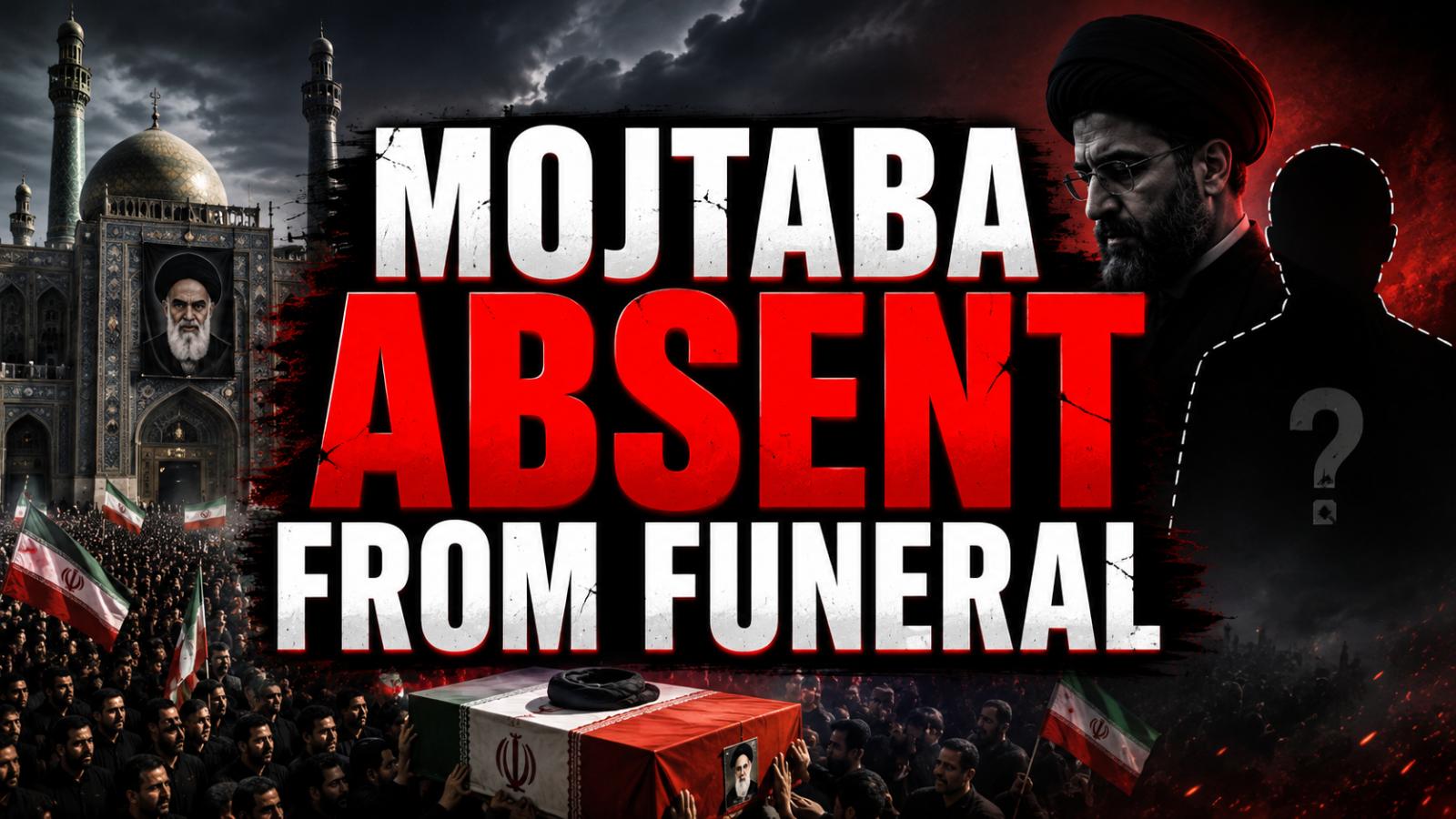
Mojtaba Khamenei absent from funeral gathering
Iran’s political, religious and military leadership gathered in Tehran to pay respects to late Supreme Leader Ayatollah Ali Khamenei, but the continued absence of his successor, Mojtaba Khamenei, drew attention during the mourning ceremonies. The funeral prayers at Tehran’s Grand Mosalla became one of the most closely
Mojtaba Khamenei absent from funeral gathering
Iran’s political, religious and military leadership gathered in Tehran to pay respects to late Supreme Leader Ayatollah Ali Khamenei, but the continued absence of his successor, Mojtaba Khamenei, drew attention during the mourning ceremonies. The funeral prayers at Tehran’s Grand Mosalla became one of the most closely
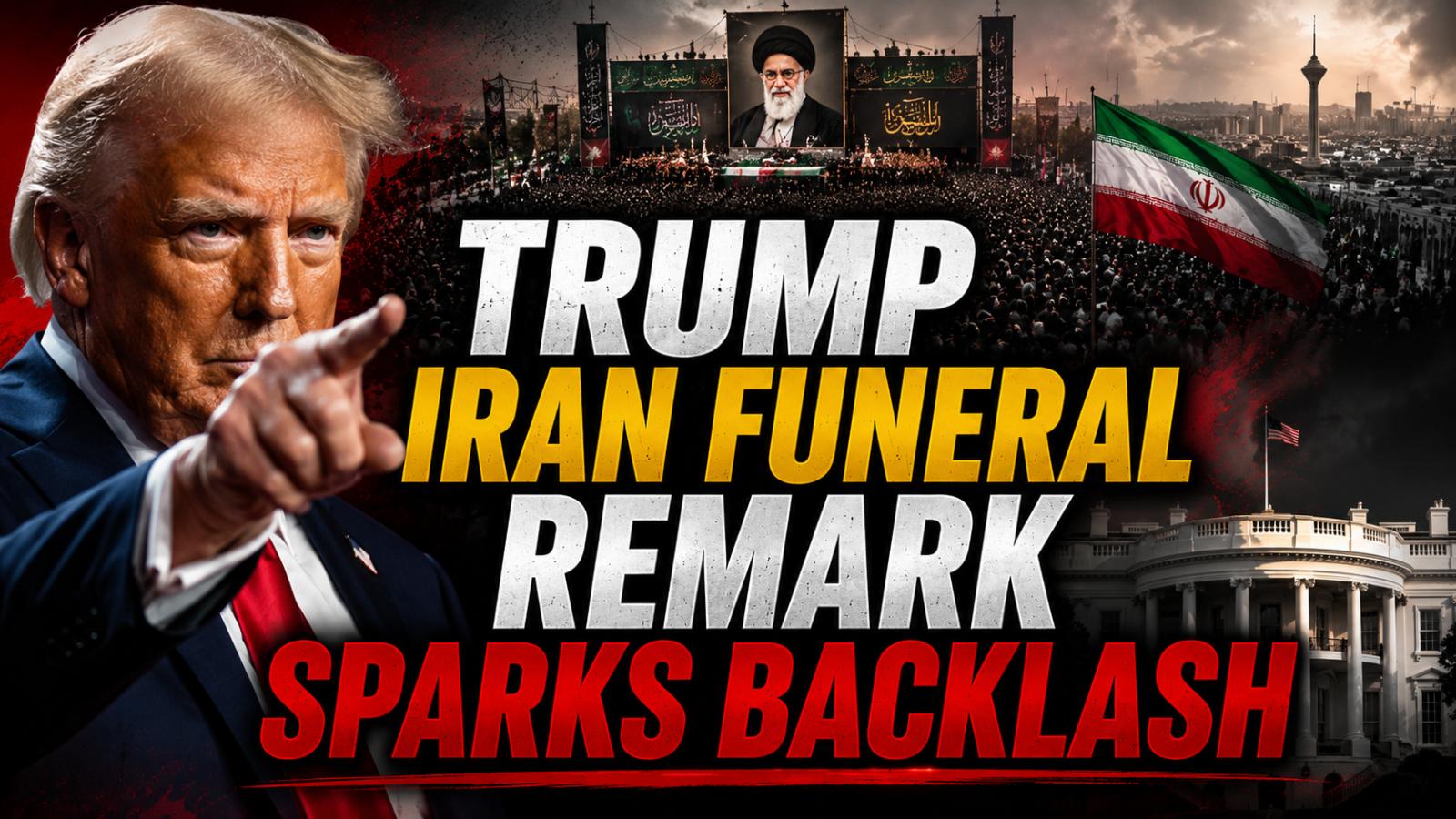
Trump’s Iran funeral remark sparks backlash
US President Donald Trump said Iran’s senior leadership had gathered in one place during funeral ceremonies for former Supreme Leader Ayatollah Ali Khamenei, triggering a sharp response from Tehran. Speaking to Axios, Trump said he had been closely watching the state-organised mourning events and suggested the gathering created a possible military opening, though he added that Washington would n
Trump’s Iran funeral remark sparks backlash
US President Donald Trump said Iran’s senior leadership had gathered in one place during funeral ceremonies for former Supreme Leader Ayatollah Ali Khamenei, triggering a sharp response from Tehran. Speaking to Axios, Trump said he had been closely watching the state-organised mourning events and suggested the gathering created a possible military opening, though he added that Washington would n
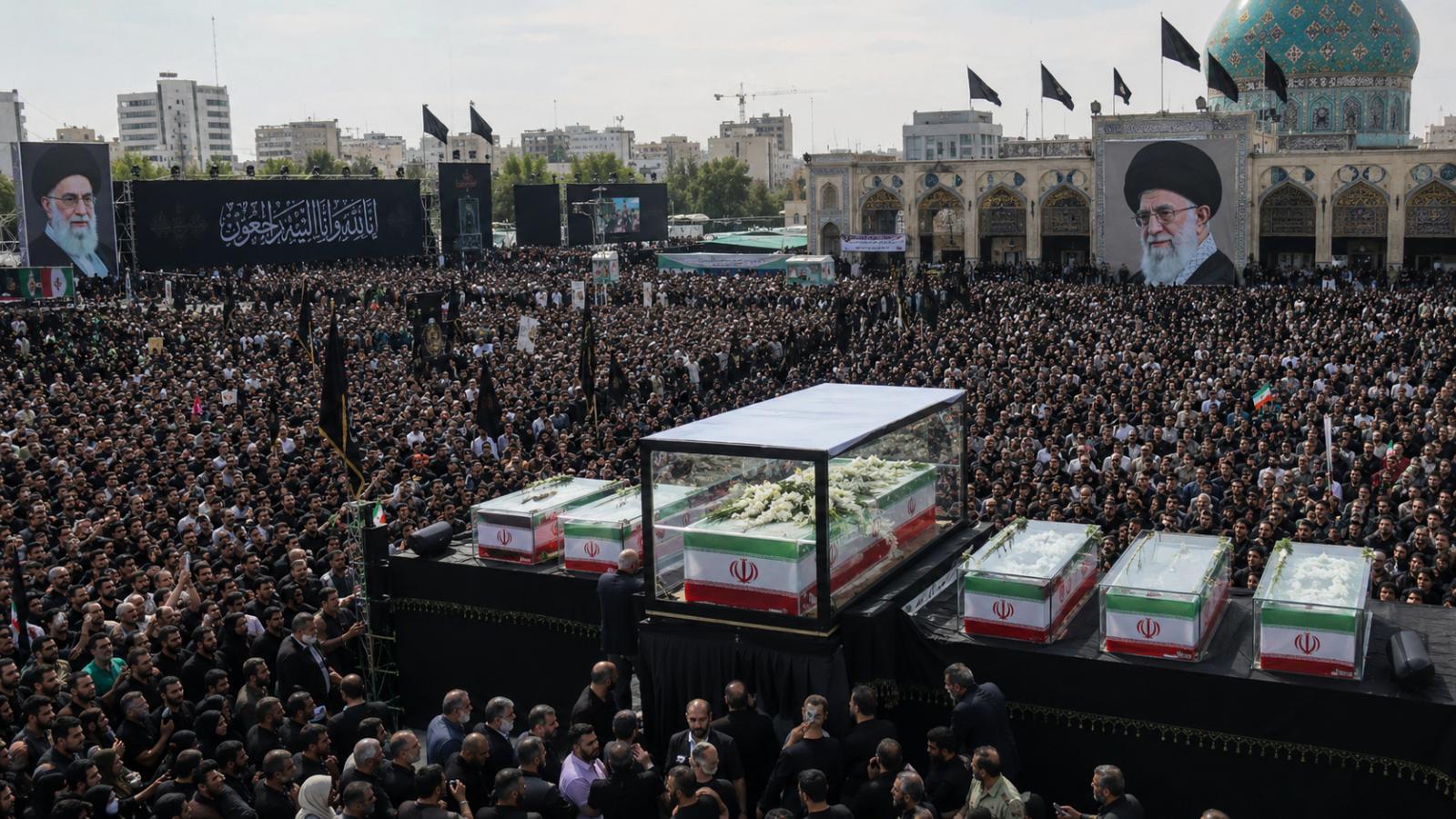
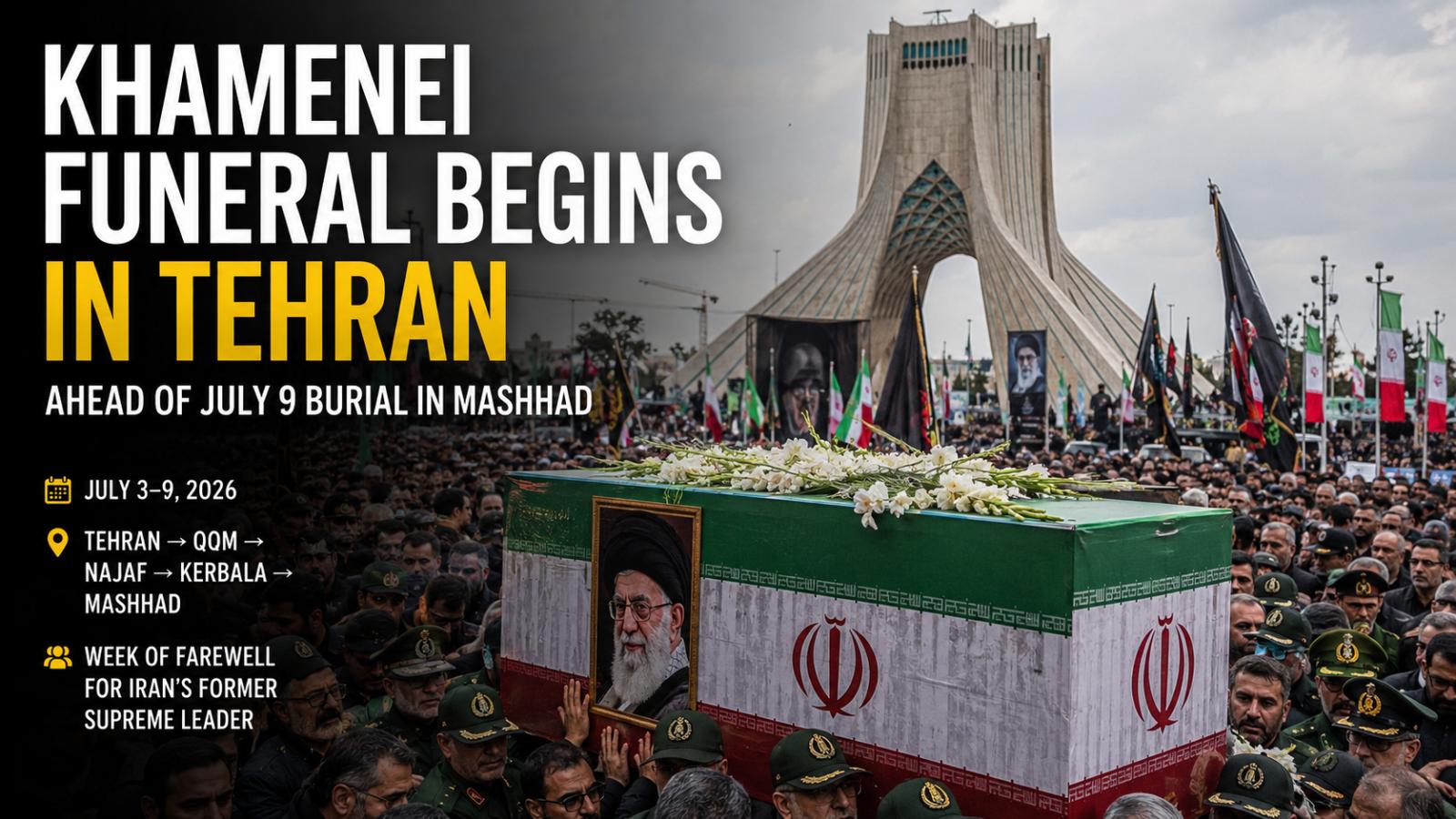
Huge crowds gathered in Tehran, Iran, at dawn local time on Saturday, July 4, 2026, as funeral ceremonies began for Ayatollah Ali Khamenei, the former Iranian supreme leader killed in late February during the U.S.-Israeli war.
The Khamenei funeral opened six days of public ceremonies expected to move through major Shiite religious centers in Iran and Iraq, including Qom, Karbala, Najaf and Mashhad.
Caskets displayed at Grand Mosalla mosque
Mour
Huge crowds gathered in Tehran, Iran, at dawn local time on Saturday, July 4, 2026, as funeral ceremonies began for Ayatollah Ali Khamenei, the former Iranian supreme leader killed in late February during the U.S.-Israeli war.
The Khamenei funeral opened six days of public ceremonies expected to move through major Shiite religious centers in Iran and Iraq, including Qom, Karbala, Najaf and Mashhad.
Caskets displayed at Grand Mosalla mosque
Mour
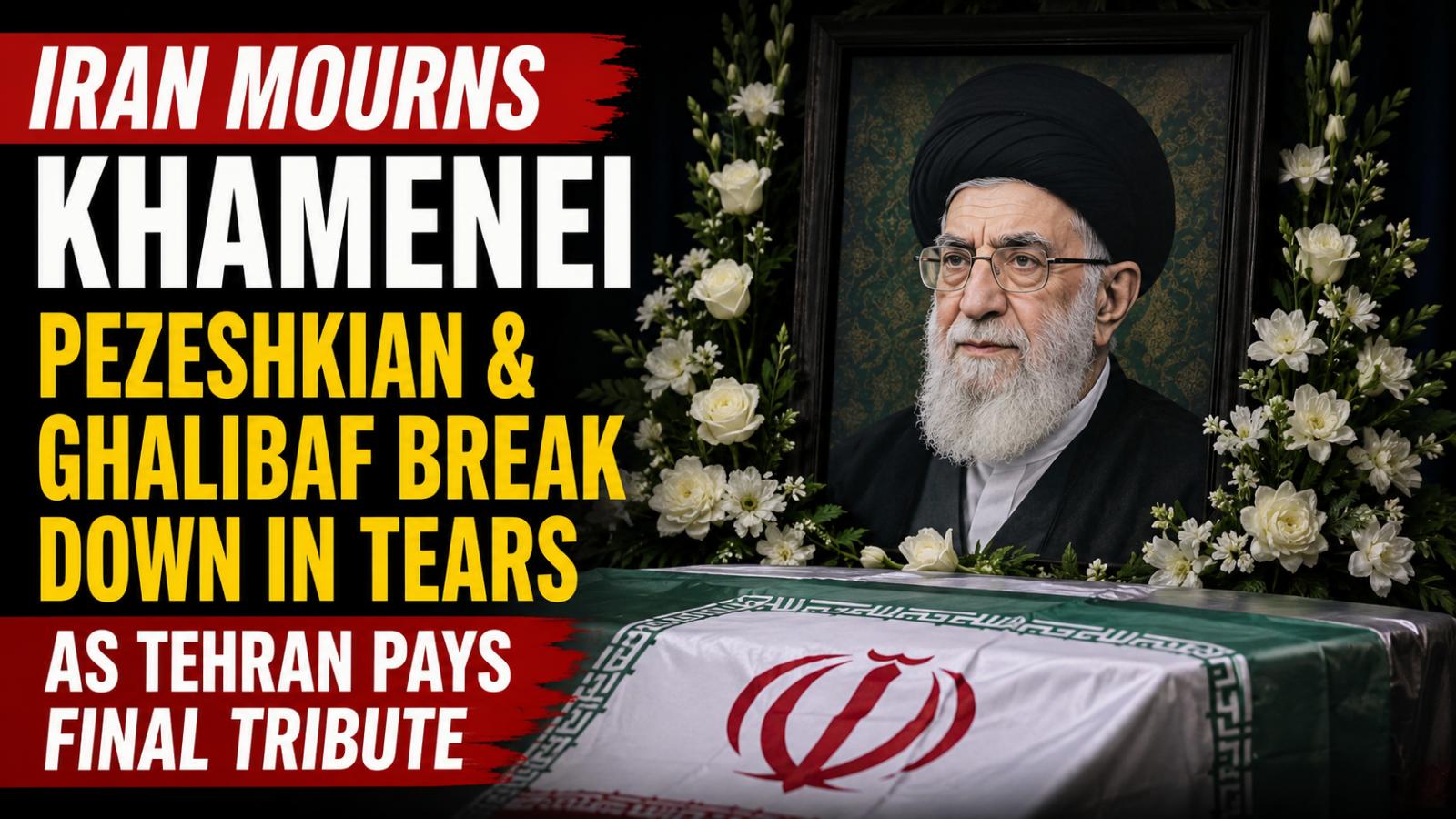
Iran begins formal mourning for Khamenei
Iran opened major funeral ceremonies for Supreme Leader Ayatollah Ali Khamenei, nearly four months after he was killed in US-Israeli strikes on February 28. The ceremony in Tehran became a major moment of public mourning and political symbolism, with President Masoud Pezeshkian and Parliament Speaker Mohammad Bagher Ghalibaf seen visibly emotional as senior officials gathered to pay their final respect
Iran begins formal mourning for Khamenei
Iran opened major funeral ceremonies for Supreme Leader Ayatollah Ali Khamenei, nearly four months after he was killed in US-Israeli strikes on February 28. The ceremony in Tehran became a major moment of public mourning and political symbolism, with President Masoud Pezeshkian and Parliament Speaker Mohammad Bagher Ghalibaf seen visibly emotional as senior officials gathered to pay their final respect
Funeral ceremonies for Ayatollah Ali Khamenei began in Tehran on Friday, July 3, 2026, ahead of a planned burial in Mashhad on Thursday, July 9, 2026, as Iran opened a week of state mourning for its former supreme leader.
Khamenei, who led Iran from 1989 until he was killed in a reported U.S.-Israeli airstrike on February 28, 2026, is lying in state at Tehran’s Grand Mosalla. Coffins of family members killed alongside him were also displayed during the ceremonies.
Funeral ceremonies for Ayatollah Ali Khamenei began in Tehran on Friday, July 3, 2026, ahead of a planned burial in Mashhad on Thursday, July 9, 2026, as Iran opened a week of state mourning for its former supreme leader.
Khamenei, who led Iran from 1989 until he was killed in a reported U.S.-Israeli airstrike on February 28, 2026, is lying in state at Tehran’s Grand Mosalla. Coffins of family members killed alongside him were also displayed during the ceremonies.
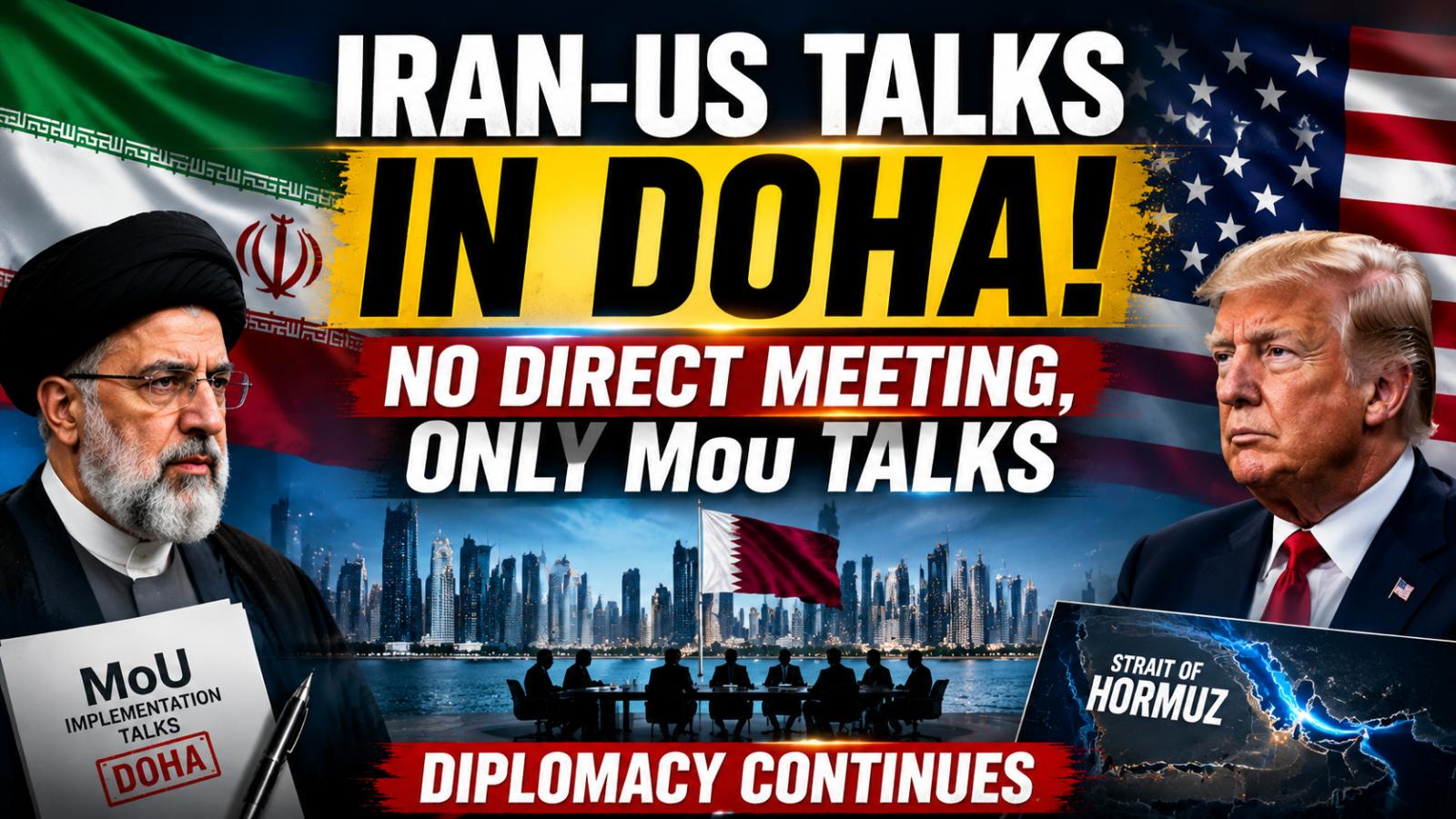
Iran clarifies Doha engagement plan
Iran has confirmed that an expert delegation will travel to Doha later this week to discuss the implementation of a memorandum of understanding signed earlier this month with the United States. However, Iranian officials firmly denied that any direct meeting with US representatives has been scheduled, stressing that the current phase remains limited to technical discussions on agreed clauses rather than pol
Iran clarifies Doha engagement plan
Iran has confirmed that an expert delegation will travel to Doha later this week to discuss the implementation of a memorandum of understanding signed earlier this month with the United States. However, Iranian officials firmly denied that any direct meeting with US representatives has been scheduled, stressing that the current phase remains limited to technical discussions on agreed clauses rather than pol
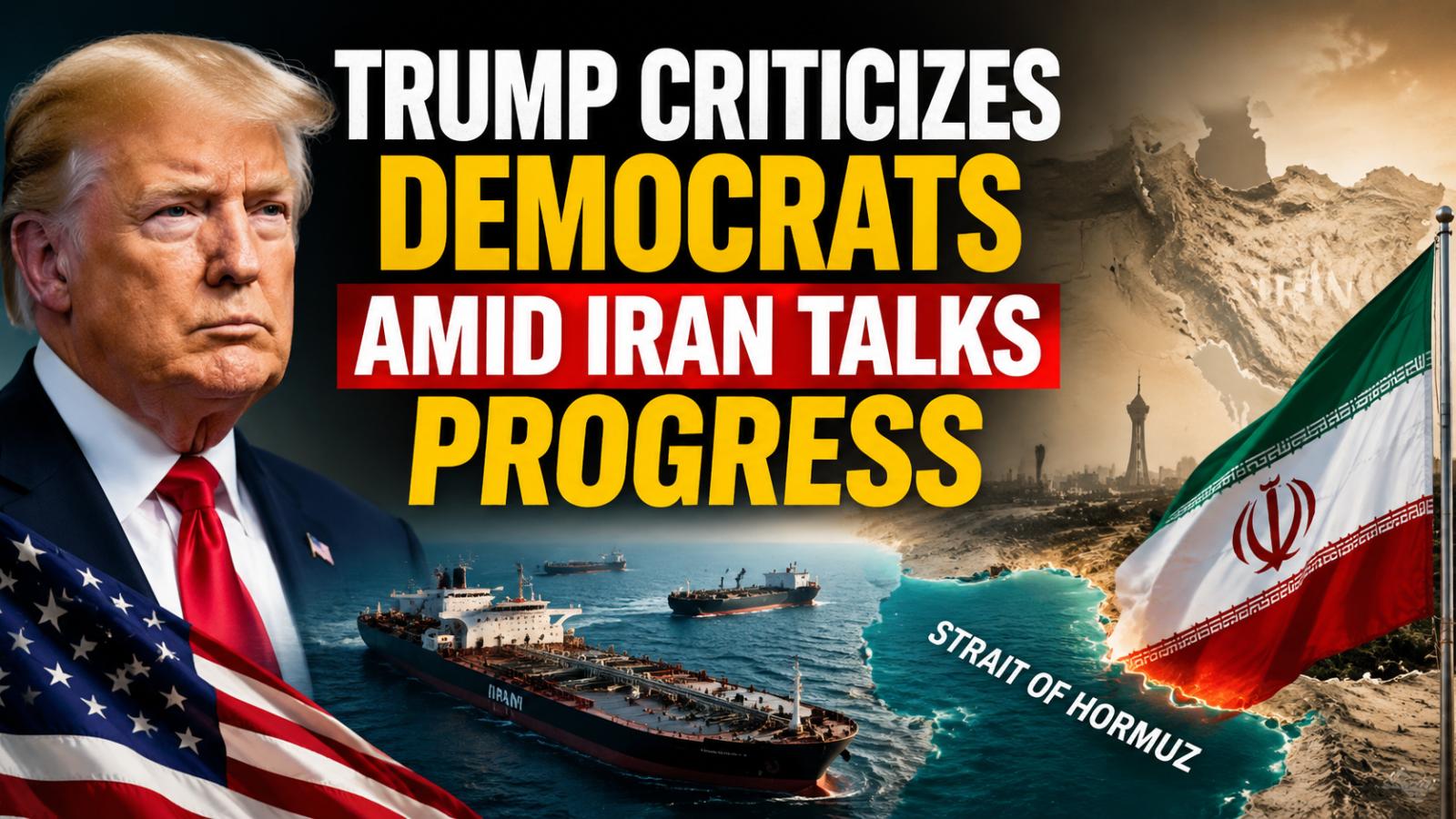
US President Donald Trump intensified political debate around ongoing Iran negotiations while addressing broader security and trade concerns tied to global energy routes. Speaking alongside NATO Secretary General Mark Rutte, he presented the current stage of Iran discussions as advancing, while sharply criticizing domestic political opponents for their foreign policy stance.
I
US President Donald Trump intensified political debate around ongoing Iran negotiations while addressing broader security and trade concerns tied to global energy routes. Speaking alongside NATO Secretary General Mark Rutte, he presented the current stage of Iran discussions as advancing, while sharply criticizing domestic political opponents for their foreign policy stance.
I
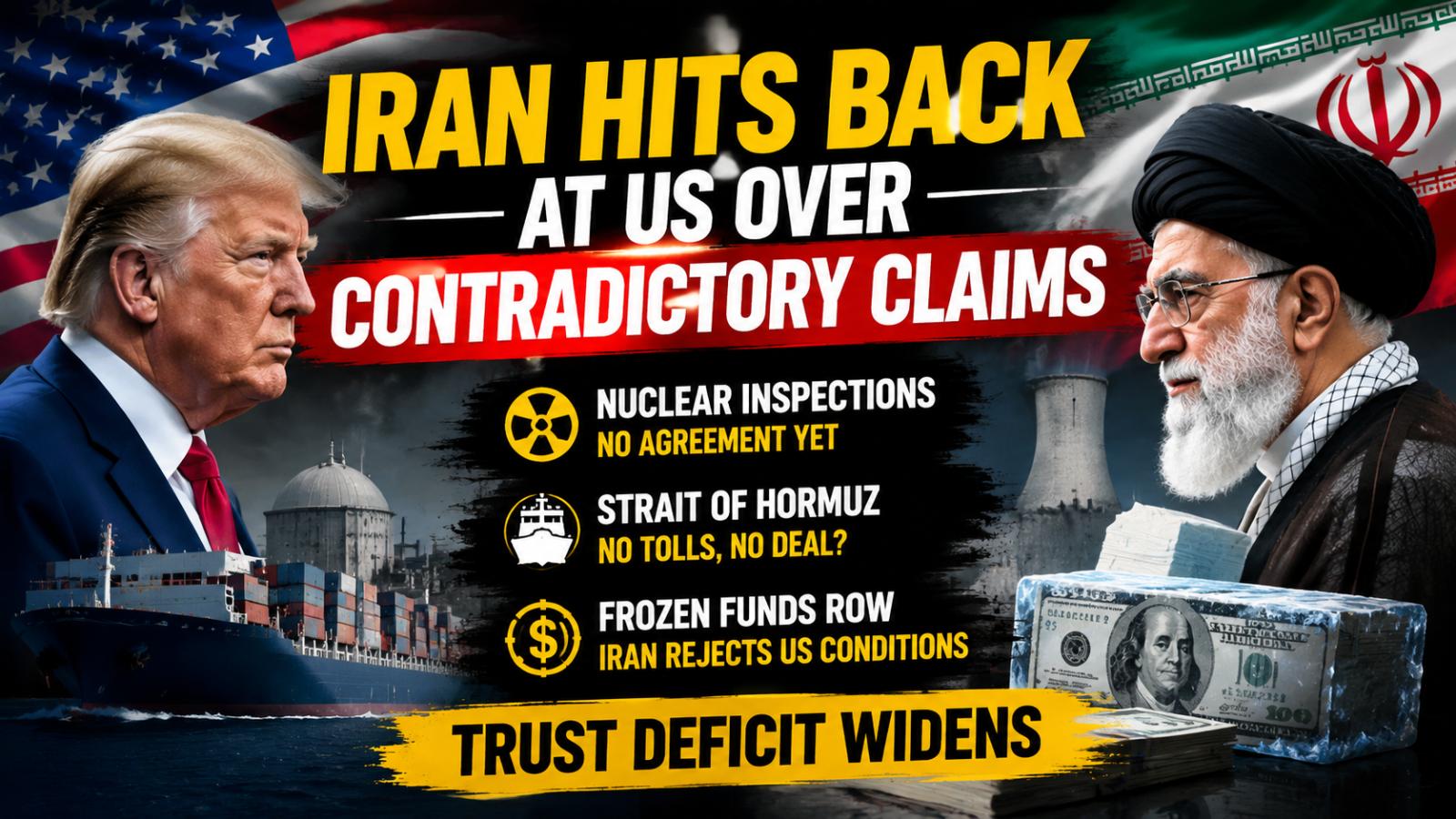
Iran Criticises Contradictory US Statements on MoU
Iran’s Foreign Ministry has raised concerns over what it described as inconsistent statements from US officials regarding a memorandum of understanding aimed at ending recent conflict-related tensions. According to Foreign Ministry spokesperson Esmaeil Baghaei, the differing positions from Washington are reinforcing
Iran Criticises Contradictory US Statements on MoU
Iran’s Foreign Ministry has raised concerns over what it described as inconsistent statements from US officials regarding a memorandum of understanding aimed at ending recent conflict-related tensions. According to Foreign Ministry spokesperson Esmaeil Baghaei, the differing positions from Washington are reinforcing
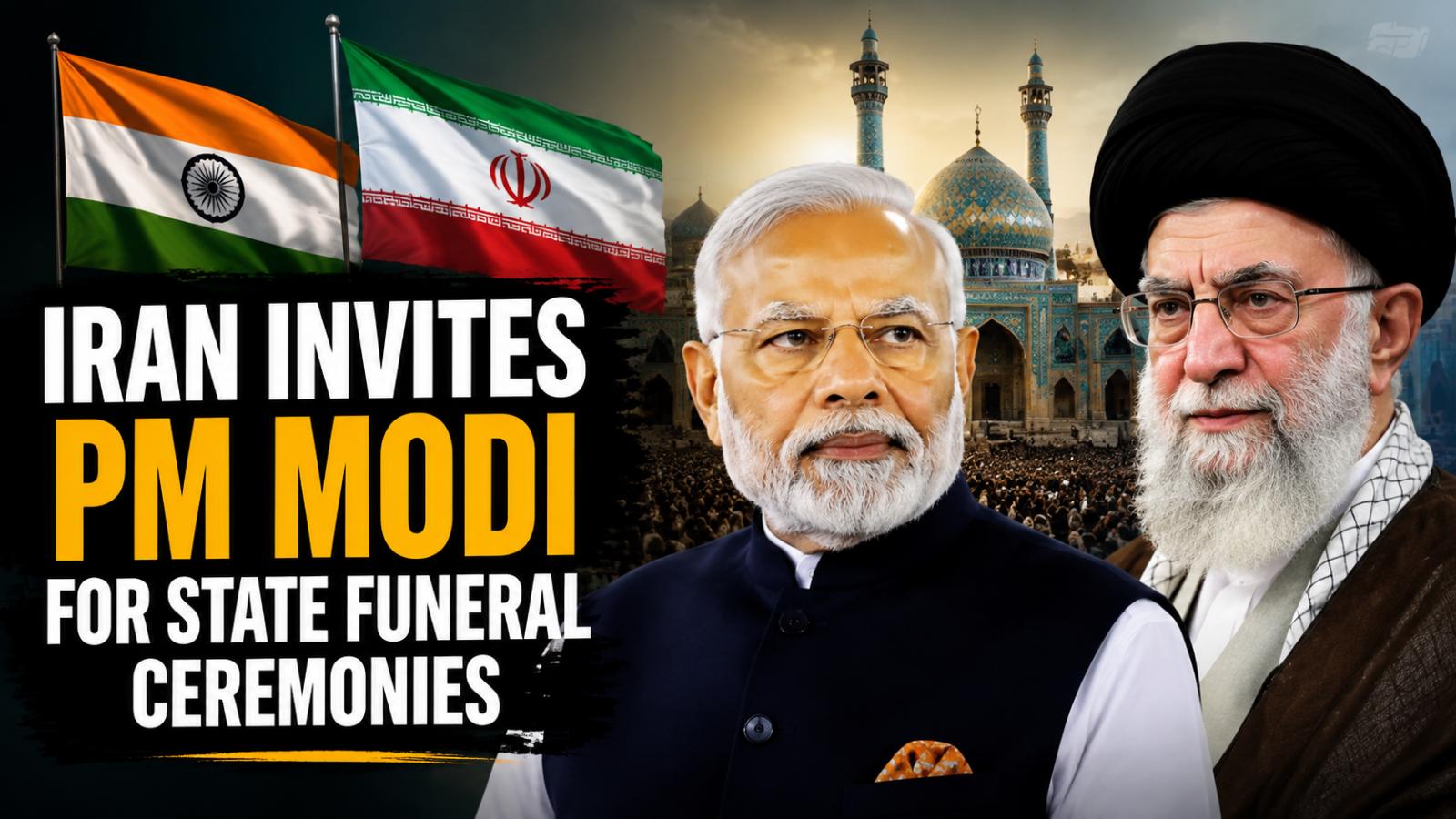
Reports emerging from diplomatic channels suggest that Iran has extended formal communication to India regarding participation in upcoming state-level funeral and memorial ceremonies linked to its top leadership structure. While official confirmation from either government remains limited, the development is being viewed as part of ongoing West Asia diplomatic engagement.
India reviews representation strategy
Reports emerging from diplomatic channels suggest that Iran has extended formal communication to India regarding participation in upcoming state-level funeral and memorial ceremonies linked to its top leadership structure. While official confirmation from either government remains limited, the development is being viewed as part of ongoing West Asia diplomatic engagement.
India reviews representation strategy
Trump signals pressure over nuclear inspections
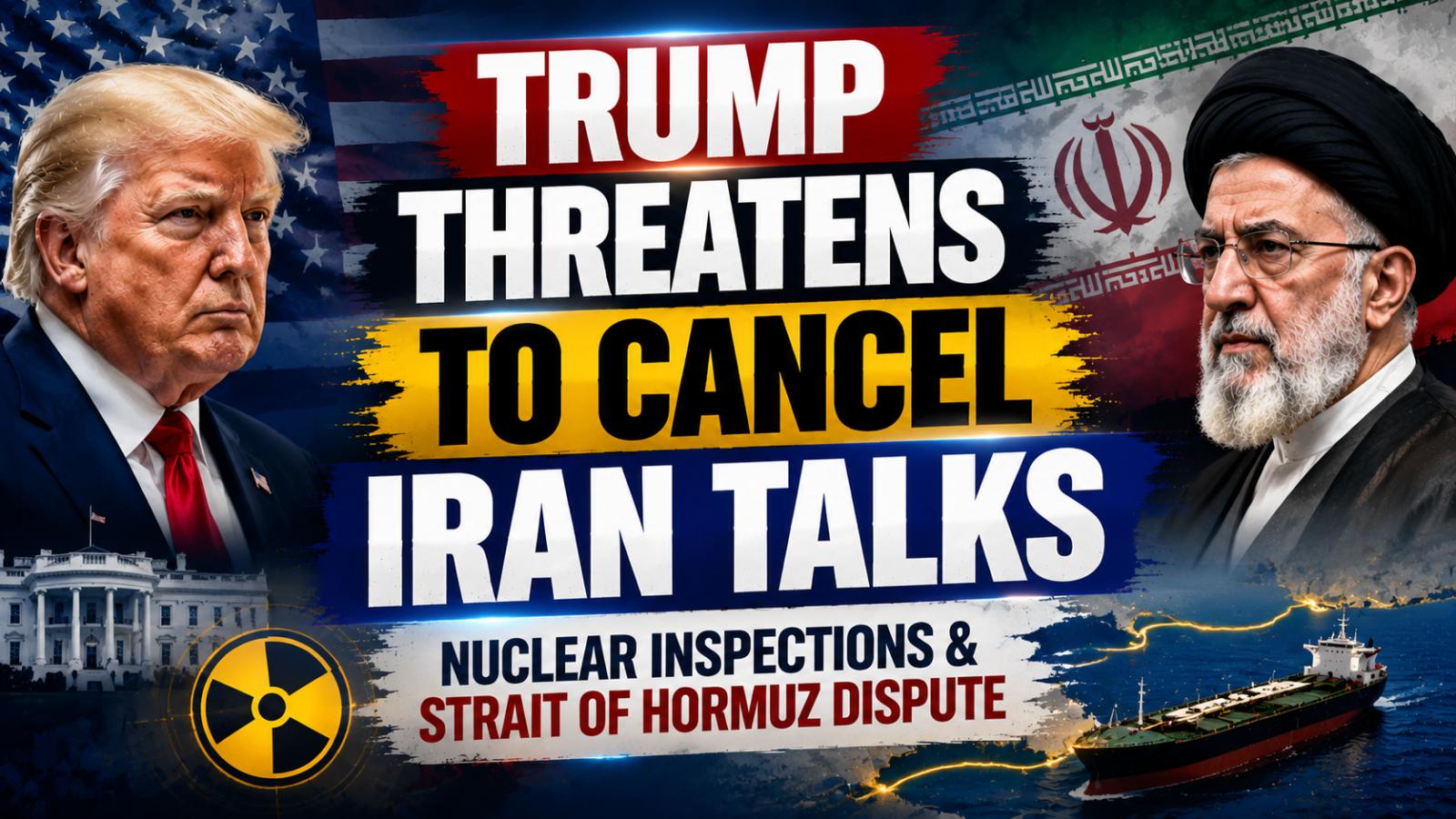
US President Donald Trump has stated that he is prepared to cancel ongoing technical discussions with Iran if Tehran refuses to allow full inspections by the International Atomic Energy Agency. He emphasized that Washington already believes an agreement on inspection access has been reached and dismissed concerns raised about Iran’s willingness to comply with
Trump signals pressure over nuclear inspections
US President Donald Trump has stated that he is prepared to cancel ongoing technical discussions with Iran if Tehran refuses to allow full inspections by the International Atomic Energy Agency. He emphasized that Washington already believes an agreement on inspection access has been reached and dismissed concerns raised about Iran’s willingness to comply with
US-Iran Memorandum Sets Framework to End Conflict
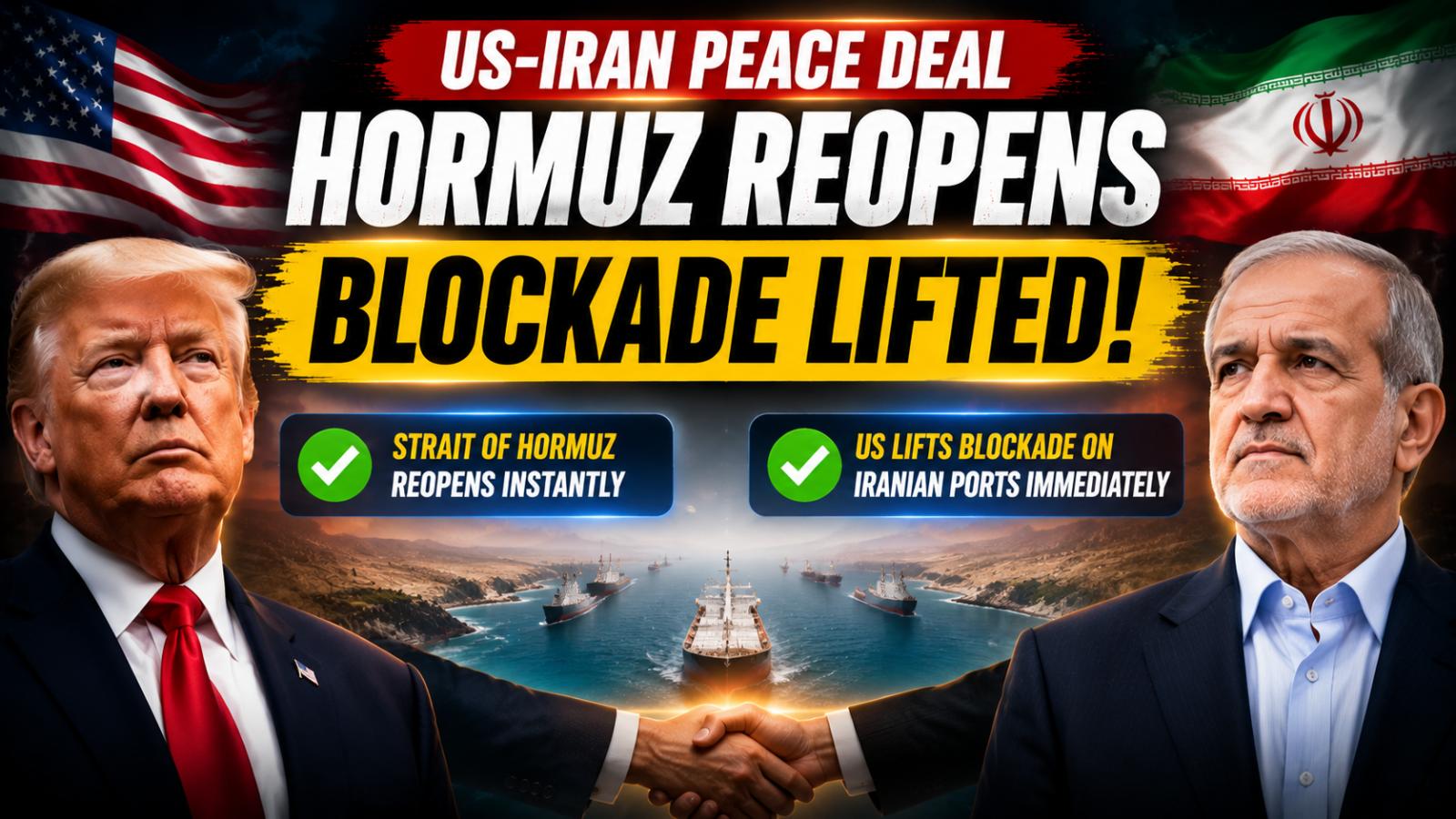
A new US-Iran memorandum of understanding aimed at ending the Middle East conflict will lead to the immediate reopening of the Strait of Hormuz and the lifting of the US blockade on Iranian ports, according to Pakistan Prime Minister Shehbaz Sharif. The announcement was made in a post on social media, where he confirmed that the agreement had entered into force with immediate effect.
Sharif Says Agreement Signed at Highest Level
Sharif stated that the memorandum was signed by the presidents of both the United States and Iran and formally endorsed through mediation efforts led by Pakistan. He described the development as a significant diplomatic breakthrough, emphasizing that both sides had committed to resolving tensions through negotiation rather than continued military confrontation.
According to Sharif, the agreement outlines immediate steps that include reopening critical maritime routes and easing restrictions on Iranian shipping access. He added that the signing reflects a mutual intent to stabilize regional security and restore trade flows through key waterways.
Role of Mediation and International Support
The Pakistani prime minister also highlighted the role of mediators and international stakeholders involved in facilitating the agreement. He thanked officials from both negotiating teams, noting contributions from US political figures as well as Iranian leadership representatives involved in the talks. Qatar is also expected to support follow-up diplomatic processes as implementation discussions progress.
Sharif further confirmed that a formal ceremony is planned in Switzerland, where participating parties will mark the agreement and initiate technical-level discussions on its execution. The meeting is expected to focus on practical mechanisms for reopening maritime routes and ensuring compliance with the memorandum’s provisions.
Strait of Hormuz Central to Agreement
At the center of the agreement is the Strait of Hormuz, one of the world’s most strategic energy corridors. The memorandum reportedly includes provisions ensuring its immediate reopening, which would restore oil and commercial shipping movement across the Gulf region. The US is also expected to begin lifting its blockade on Iranian ports in line with the phased implementation of the deal.
Diplomatic Phase of Conflict Resolution Begins
Officials involved in the process described the agreement as the beginning of a broader diplomatic phase aimed at reducing tensions and preventing future escalation. The next stage will focus on technical implementation, verification measures, and continued dialogue between the two sides.
While details of enforcement and long-term guarantees remain limited, the memorandum signals a shift from military confrontation toward structured negotiation, with regional and international actors playing a key role in maintaining stability.
US-Iran Memorandum Sets Framework to End Conflict
A new US-Iran memorandum of understanding aimed at ending the Middle East conflict will lead to the immediate reopening of the Strait of Hormuz and the lifting of the US blockade on Iranian ports, according to Pakistan Prime Minister Shehbaz Sharif. The announcement was made in a post on social media, where he confirmed that the agreement had entered into force with immediate effect.
Sharif Says Agreement Signed at Highest Level
Sharif stated that the memorandum was signed by the presidents of both the United States and Iran and formally endorsed through mediation efforts led by Pakistan. He described the development as a significant diplomatic breakthrough, emphasizing that both sides had committed to resolving tensions through negotiation rather than continued military confrontation.
According to Sharif, the agreement outlines immediate steps that include reopening critical maritime routes and easing restrictions on Iranian shipping access. He added that the signing reflects a mutual intent to stabilize regional security and restore trade flows through key waterways.
Role of Mediation and International Support
The Pakistani prime minister also highlighted the role of mediators and international stakeholders involved in facilitating the agreement. He thanked officials from both negotiating teams, noting contributions from US political figures as well as Iranian leadership representatives involved in the talks. Qatar is also expected to support follow-up diplomatic processes as implementation discussions progress.
Sharif further confirmed that a formal ceremony is planned in Switzerland, where participating parties will mark the agreement and initiate technical-level discussions on its execution. The meeting is expected to focus on practical mechanisms for reopening maritime routes and ensuring compliance with the memorandum’s provisions.
Strait of Hormuz Central to Agreement
At the center of the agreement is the Strait of Hormuz, one of the world’s most strategic energy corridors. The memorandum reportedly includes provisions ensuring its immediate reopening, which would restore oil and commercial shipping movement across the Gulf region. The US is also expected to begin lifting its blockade on Iranian ports in line with the phased implementation of the deal.
Diplomatic Phase of Conflict Resolution Begins
Officials involved in the process described the agreement as the beginning of a broader diplomatic phase aimed at reducing tensions and preventing future escalation. The next stage will focus on technical implementation, verification measures, and continued dialogue between the two sides.
While details of enforcement and long-term guarantees remain limited, the memorandum signals a shift from military confrontation toward structured negotiation, with regional and international actors playing a key role in maintaining stability.
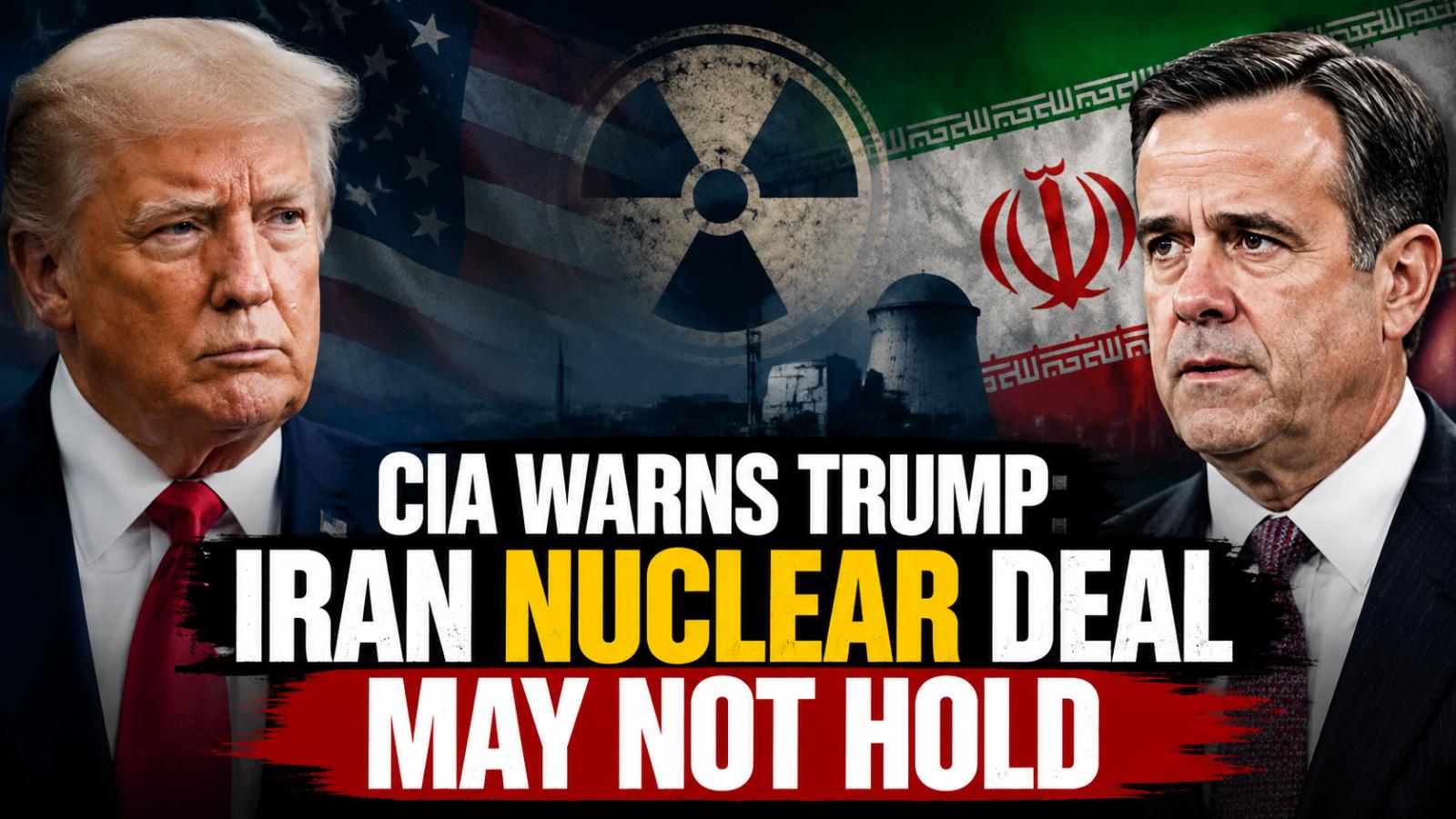
US intelligence officials have reportedly raised fresh concerns over the durability of a recently discussed nuclear understanding with Iran, warning that the framework may not be strong enough to ensure long-term compliance. The assessment, attributed to CIA Director John Ratcliffe, suggests that while the agreement is designed to reduce immediate tensions, its enforcement structure could leave significant gaps in verification and oversight.
US intelligence officials have reportedly raised fresh concerns over the durability of a recently discussed nuclear understanding with Iran, warning that the framework may not be strong enough to ensure long-term compliance. The assessment, attributed to CIA Director John Ratcliffe, suggests that while the agreement is designed to reduce immediate tensions, its enforcement structure could leave significant gaps in verification and oversight.
Talks between the United States and Iran remain unsettled as both sides continue to disagree on how far uranium enrichment should be restricted and how compliance should be verified. Washington is pressing for tighter monitoring and clearer limits on enrichment activities, while Tehran insists that any restrictions must respect its sovereign control over its nuclear programme. The gap between both positions is preventing movement toward a structured agreement.
Talks between the United States and Iran remain unsettled as both sides continue to disagree on how far uranium enrichment should be restricted and how compliance should be verified. Washington is pressing for tighter monitoring and clearer limits on enrichment activities, while Tehran insists that any restrictions must respect its sovereign control over its nuclear programme. The gap between both positions is preventing movement toward a structured agreement.
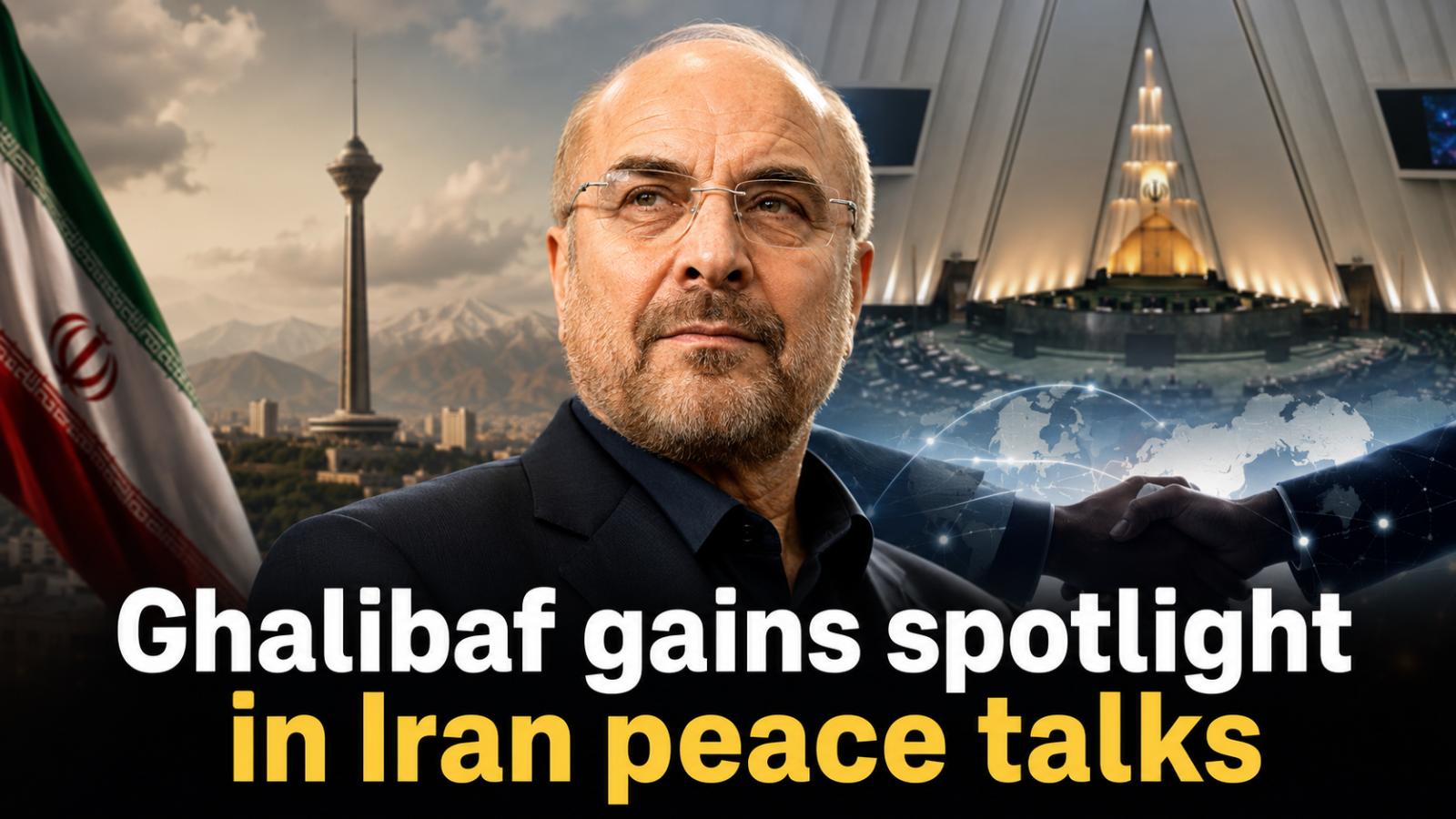
Mohammad Bagher Ghalibaf has become one of the most closely watched political figures in Iran as the country moves through a sensitive phase of diplomacy, conflict recovery and internal power balancing. The Iranian Parliament Speaker has gained attention for his role in Tehran’s political response during a difficult period marked by military pressure, sanctions concerns and renewed international negotiations.
His growing visibility comes
Mohammad Bagher Ghalibaf has become one of the most closely watched political figures in Iran as the country moves through a sensitive phase of diplomacy, conflict recovery and internal power balancing. The Iranian Parliament Speaker has gained attention for his role in Tehran’s political response during a difficult period marked by military pressure, sanctions concerns and renewed international negotiations.
His growing visibility comes
The United States will release $12 billion in frozen Iranian assets before negotiations begin on a final agreement, according to Iranian reports citing details of a proposed memorandum of understanding between Washington and Tehran. Iran said talks with the United States would take place within two months of the immediate halt to hostilities announced on Monday, June 15. The reported asset release is being framed as an early confidence-building step before both sides move toward a broader set
The United States will release $12 billion in frozen Iranian assets before negotiations begin on a final agreement, according to Iranian reports citing details of a proposed memorandum of understanding between Washington and Tehran. Iran said talks with the United States would take place within two months of the immediate halt to hostilities announced on Monday, June 15. The reported asset release is being framed as an early confidence-building step before both sides move toward a broader set
Iran’s military declared victory over the United States and Israel on Monday after Washington and Tehran announced a peace agreement intended to end more than three months of conflict across the Middle East. In a statement broadcast by Iranian state television, Iran’s armed forces claimed that their campaign had forced their adversaries to accept defeat, framing the agreement as proof of Tehran’s strength rather than a compromise. The declaration came as both sides moved to present the
Iran’s military declared victory over the United States and Israel on Monday after Washington and Tehran announced a peace agreement intended to end more than three months of conflict across the Middle East. In a statement broadcast by Iranian state television, Iran’s armed forces claimed that their campaign had forced their adversaries to accept defeat, framing the agreement as proof of Tehran’s strength rather than a compromise. The declaration came as both sides moved to present the
US Forces Intercept Iranian Drones
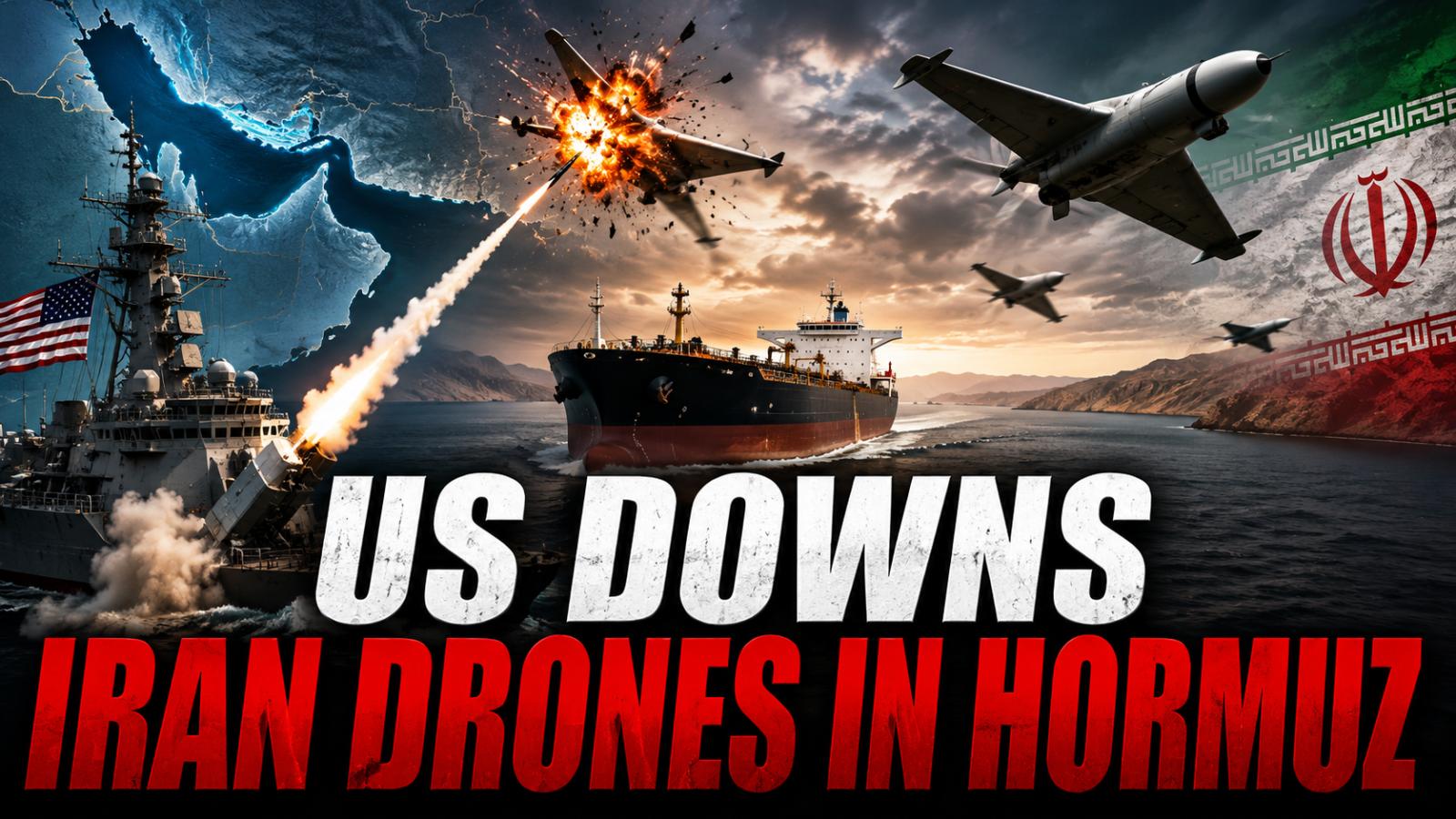
The United States said its forces intercepted and destroyed multiple Iranian one-way attack drones launched toward commercial ships moving through the Strait of Hormuz, one of the world’s most closely watched maritime routes. US Central Command said the drones were aimed at vessels transiting the waterway and that American forces downed them in recent hours. CENTCOM also sa
US Forces Intercept Iranian Drones
The United States said its forces intercepted and destroyed multiple Iranian one-way attack drones launched toward commercial ships moving through the Strait of Hormuz, one of the world’s most closely watched maritime routes. US Central Command said the drones were aimed at vessels transiting the waterway and that American forces downed them in recent hours. CENTCOM also sa
Netanyahu welcomes US assurances
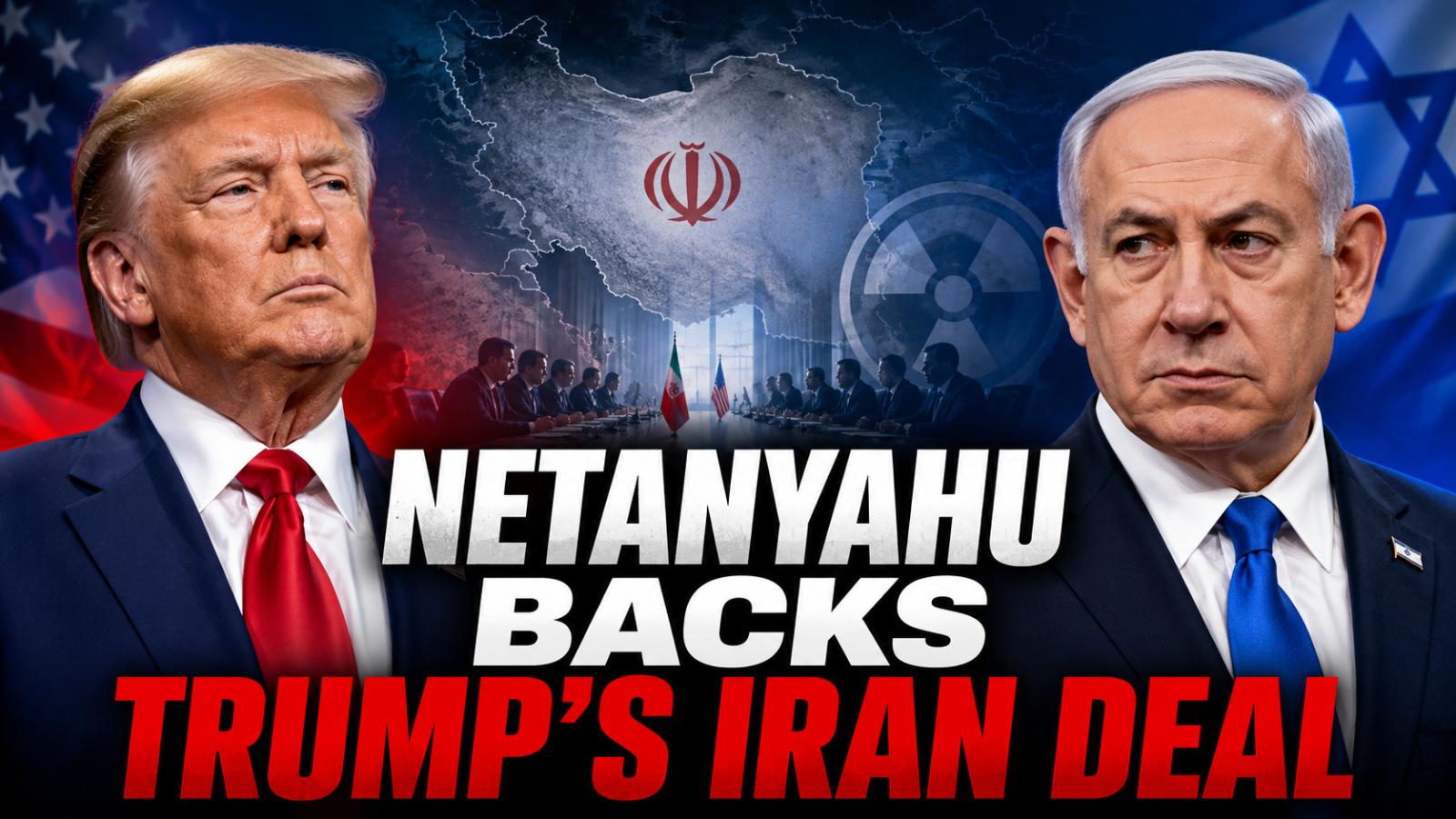
Israeli Prime Minister Benjamin Netanyahu has welcomed assurances from U.S. President Donald Trump that any final agreement with Iran would include strict limits on Tehran’s nuclear and missile programs. Netanyahu’s office said the two leaders discussed the proposed framework and that Israel appreciated Washington’s commitment to addressing Iran’s enriched nuclear material, enrichment infrastructure, m
Netanyahu welcomes US assurances
Israeli Prime Minister Benjamin Netanyahu has welcomed assurances from U.S. President Donald Trump that any final agreement with Iran would include strict limits on Tehran’s nuclear and missile programs. Netanyahu’s office said the two leaders discussed the proposed framework and that Israel appreciated Washington’s commitment to addressing Iran’s enriched nuclear material, enrichment infrastructure, m
Funeral Postponed
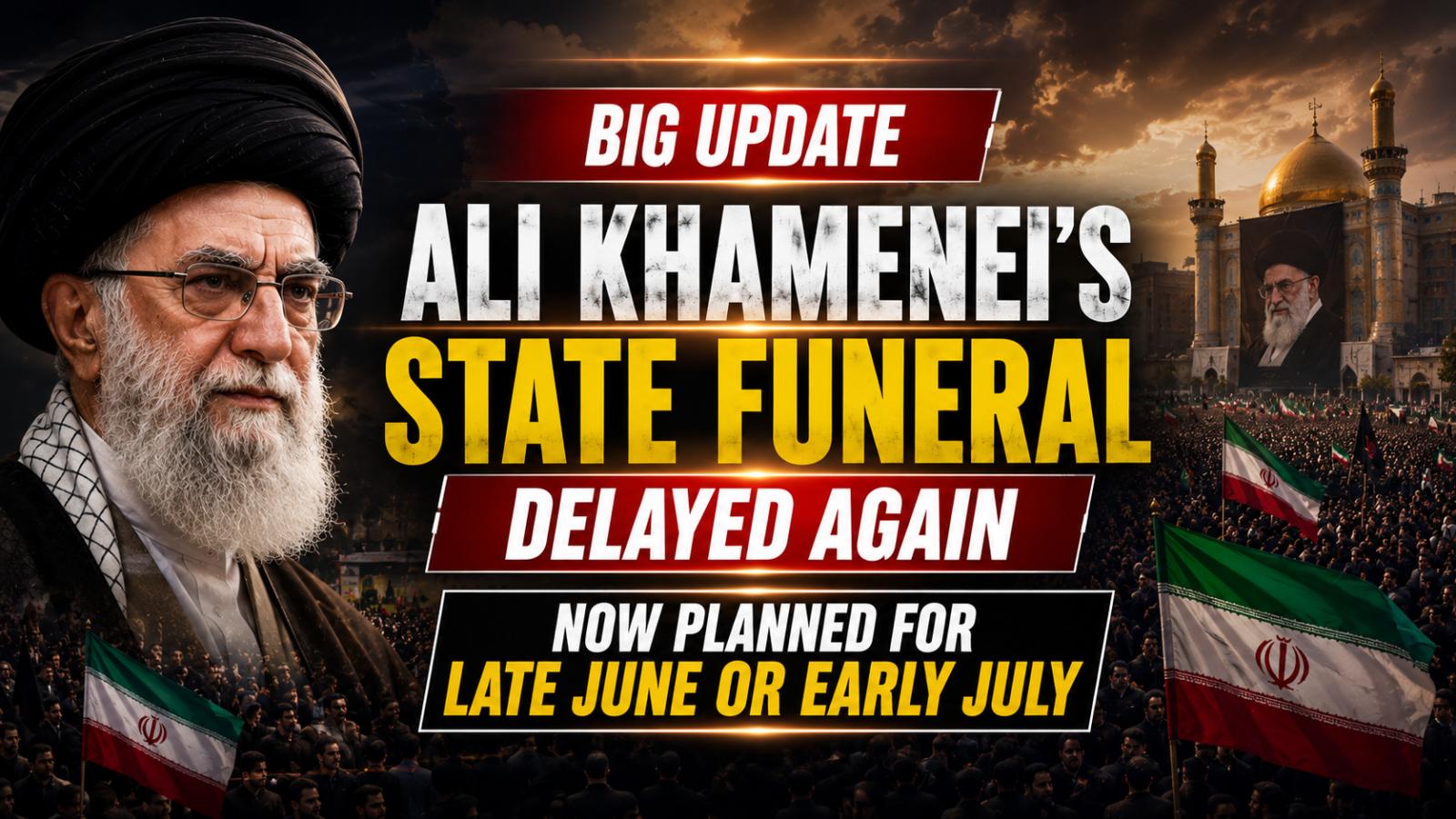
Iran has postponed the state funeral of late supreme leader Ali Khamenei, now scheduled for late June or early July, according to Tehran Mayor Alireza Zakani. The delay allows the first 10 days of Muharram, a period of mourning for Imam Hussein, to conclude before the ceremony begins. Authorities anticipate one of the largest public gatherings in Iran’s history, with up to 20 million people expected to participat
Funeral Postponed
Iran has postponed the state funeral of late supreme leader Ali Khamenei, now scheduled for late June or early July, according to Tehran Mayor Alireza Zakani. The delay allows the first 10 days of Muharram, a period of mourning for Imam Hussein, to conclude before the ceremony begins. Authorities anticipate one of the largest public gatherings in Iran’s history, with up to 20 million people expected to participat