







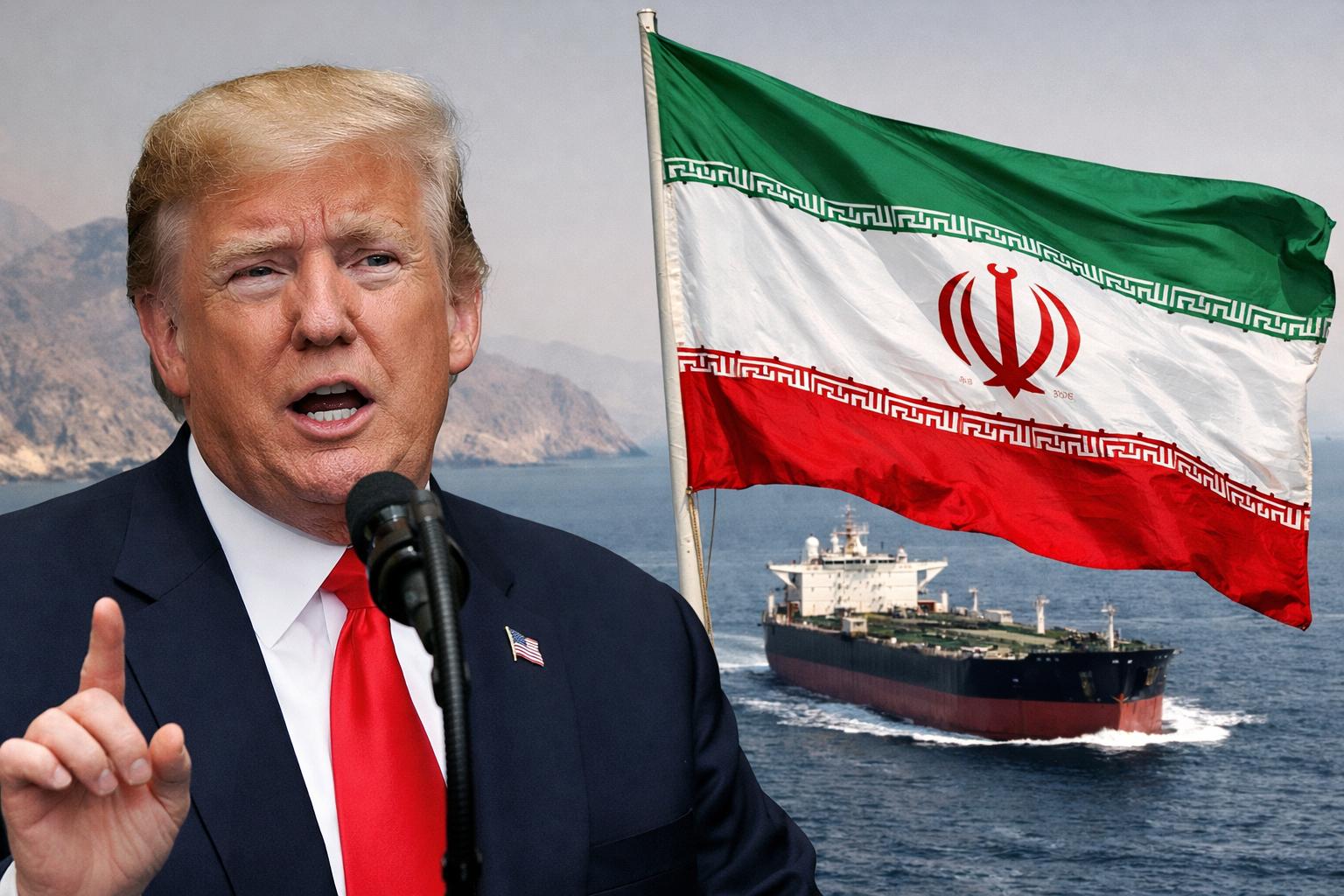











Rising fuel costs push UAE and UK consumers toward electric cars
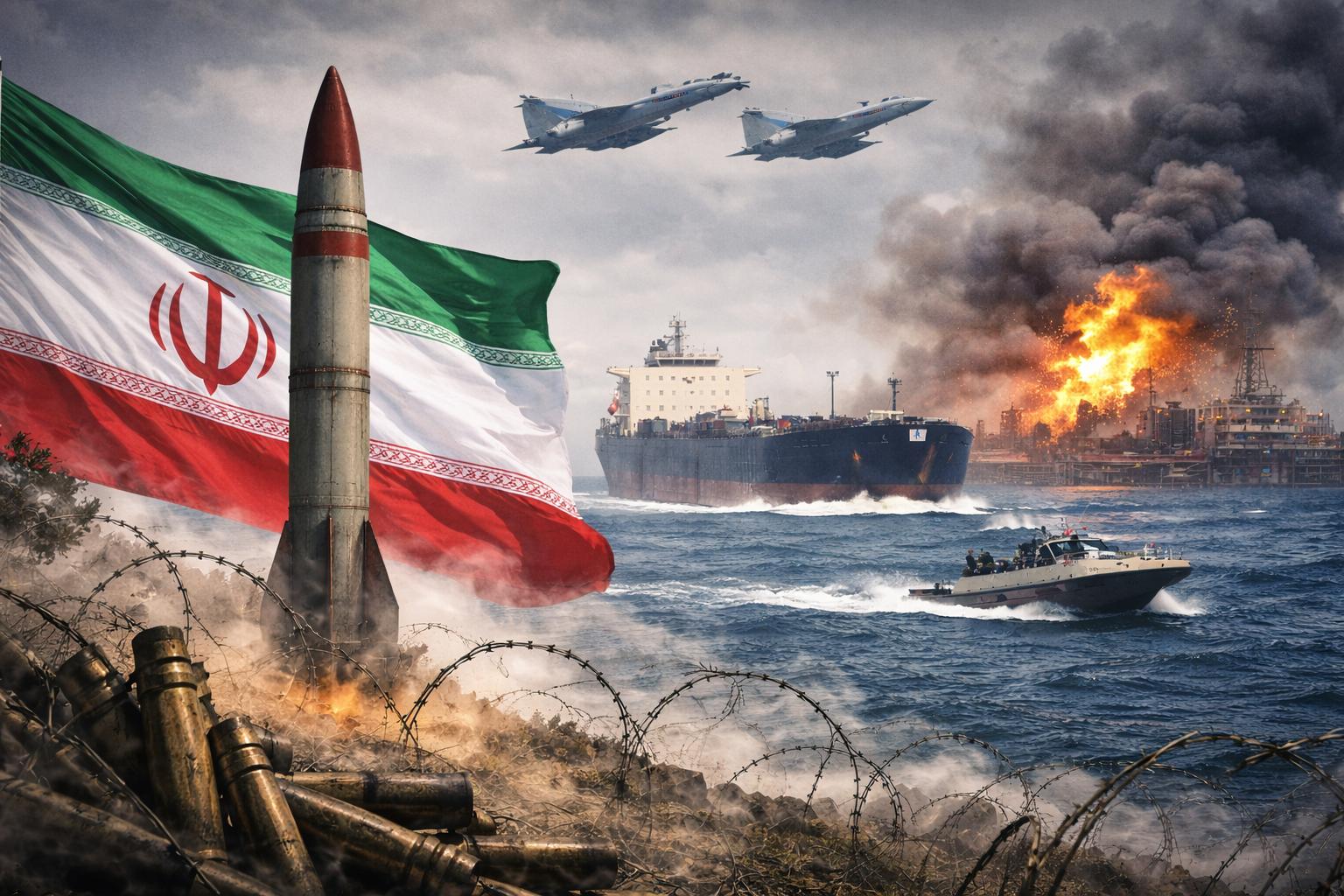
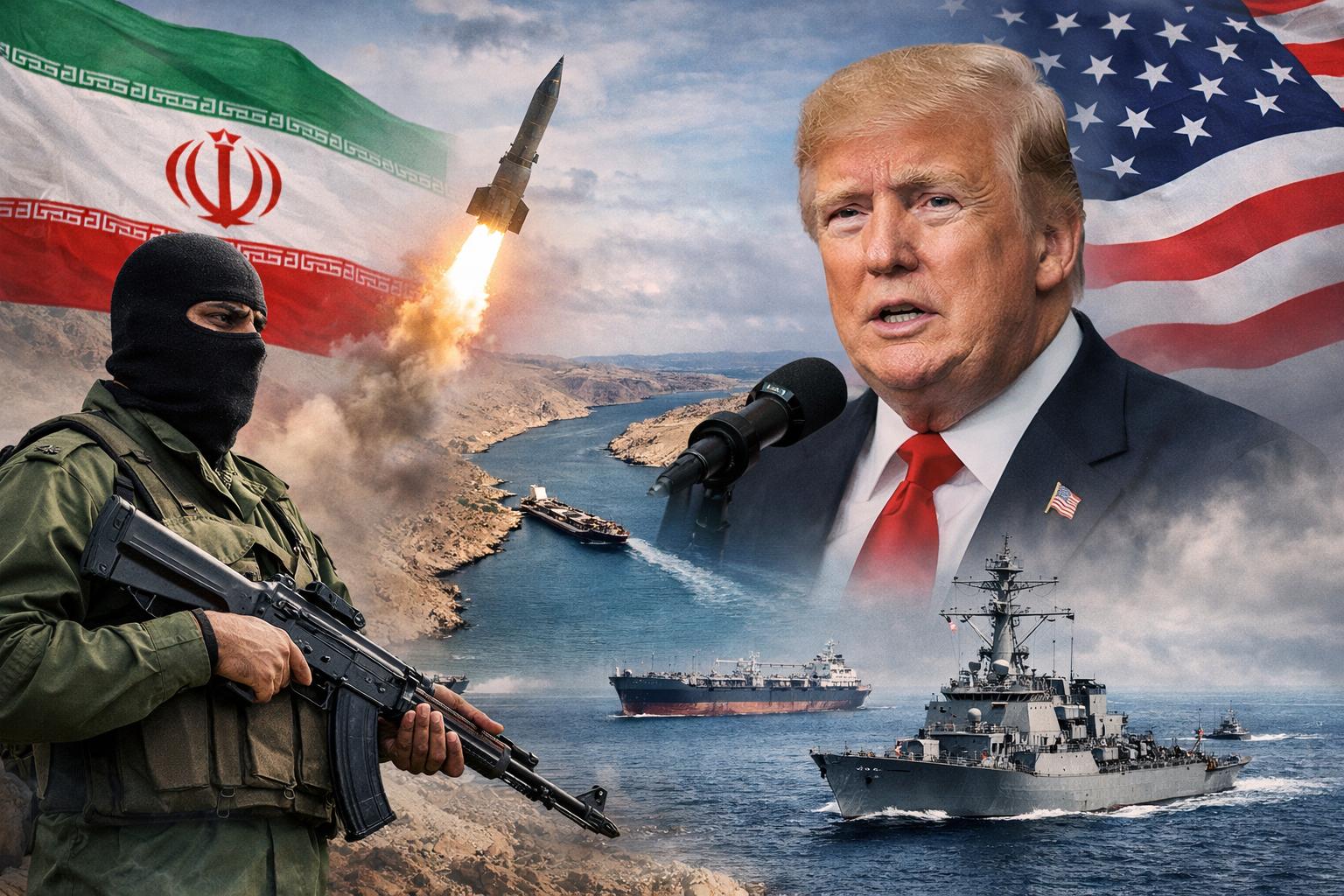
Tensions involving Iran and disruptions in the Strait of Hormuz, a critical shipping route connecting the Persian Gulf to the Gulf of Oman, have placed significant strain on the global economy. The obstruction of oil tanker traffic has led to a sharp rise in oil prices worldwide, increasing transportation costs and placing added financial pressure on both businesses and private vehicle owners reliant on fuel. While the broader economic impact has been negative, the situation has creat
Rising fuel costs push UAE and UK consumers toward electric cars
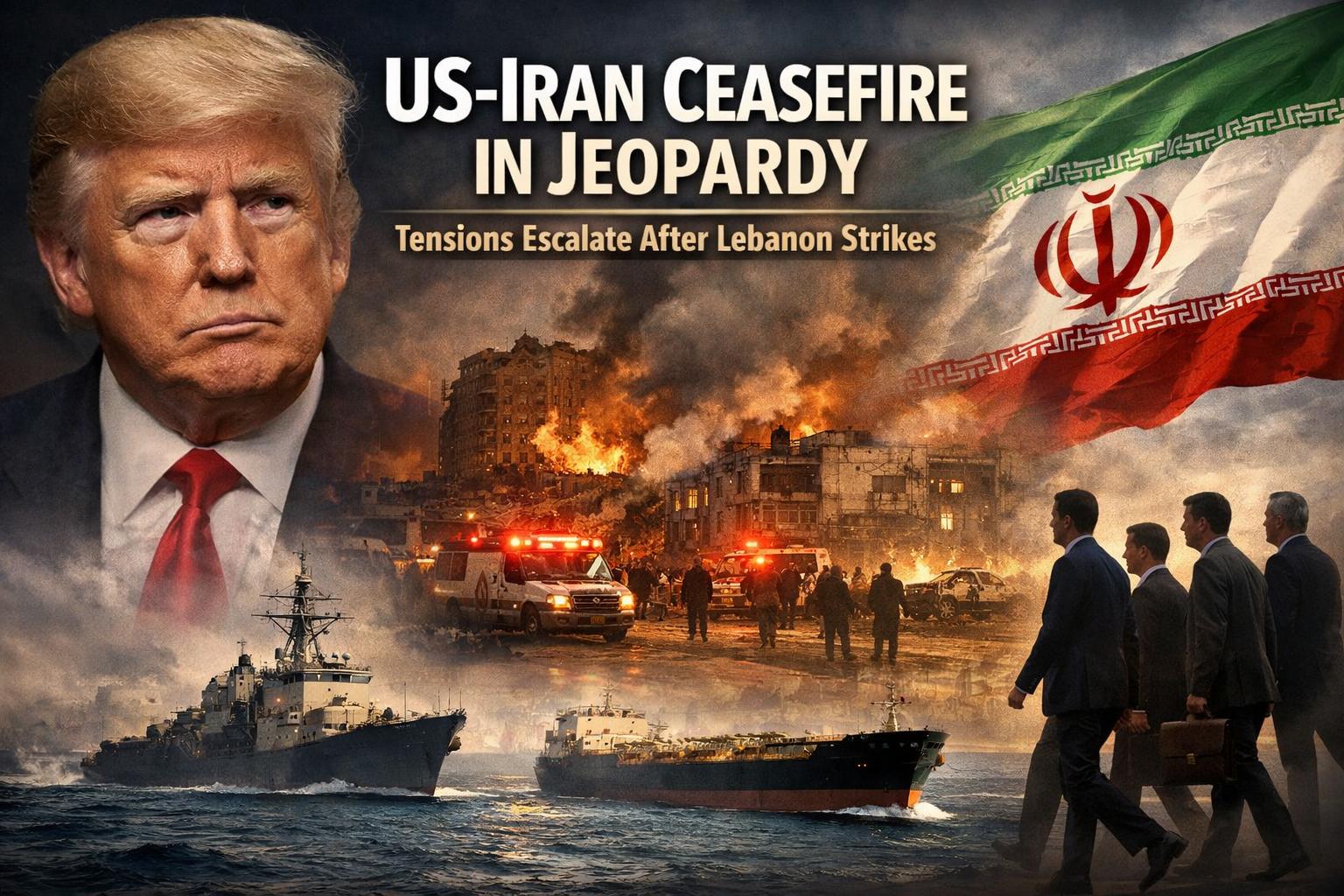
Tensions involving Iran and disruptions in the Strait of Hormuz, a critical shipping route connecting the Persian Gulf to the Gulf of Oman, have placed significant strain on the global economy. The obstruction of oil tanker traffic has led to a sharp rise in oil prices worldwide, increasing transportation costs and placing added financial pressure on both businesses and private vehicle owners reliant on fuel. While the broader economic impact has been negative, the situation has creat
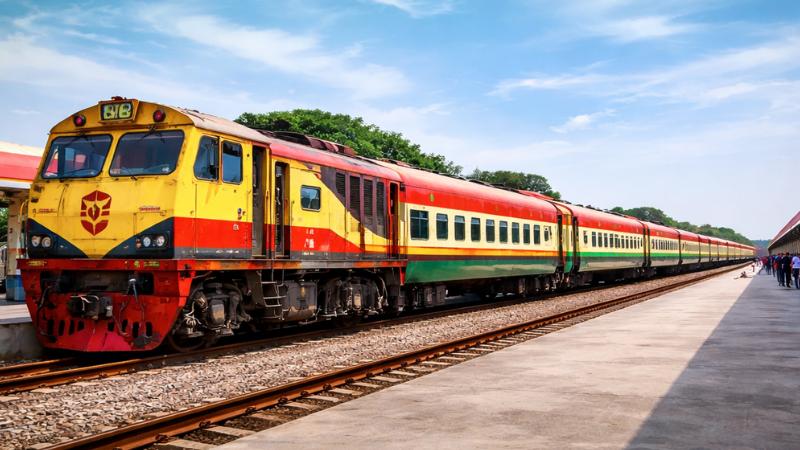
Bangladesh Railways Expanding Fleet with 200 Coaches from India by 2027
Bangladesh Railways is planning to enhance its fleet with 200 broad-gauge coaches from India, with the first deliveries expected to begin in 2026 and complete by December 2027. Railways Minister Shaikh Rabiul Alam shared this information in Parliament, stating that the project is backed by financing from the European Investment Bank. This significant addition to the rail network is expected to improve the quality and capacity of the railway services across Bangladesh. The new coache
Bangladesh Railways Expanding Fleet with 200 Coaches from India by 2027
Bangladesh Railways is planning to enhance its fleet with 200 broad-gauge coaches from India, with the first deliveries expected to begin in 2026 and complete by December 2027. Railways Minister Shaikh Rabiul Alam shared this information in Parliament, stating that the project is backed by financing from the European Investment Bank. This significant addition to the rail network is expected to improve the quality and capacity of the railway services across Bangladesh. The new coache
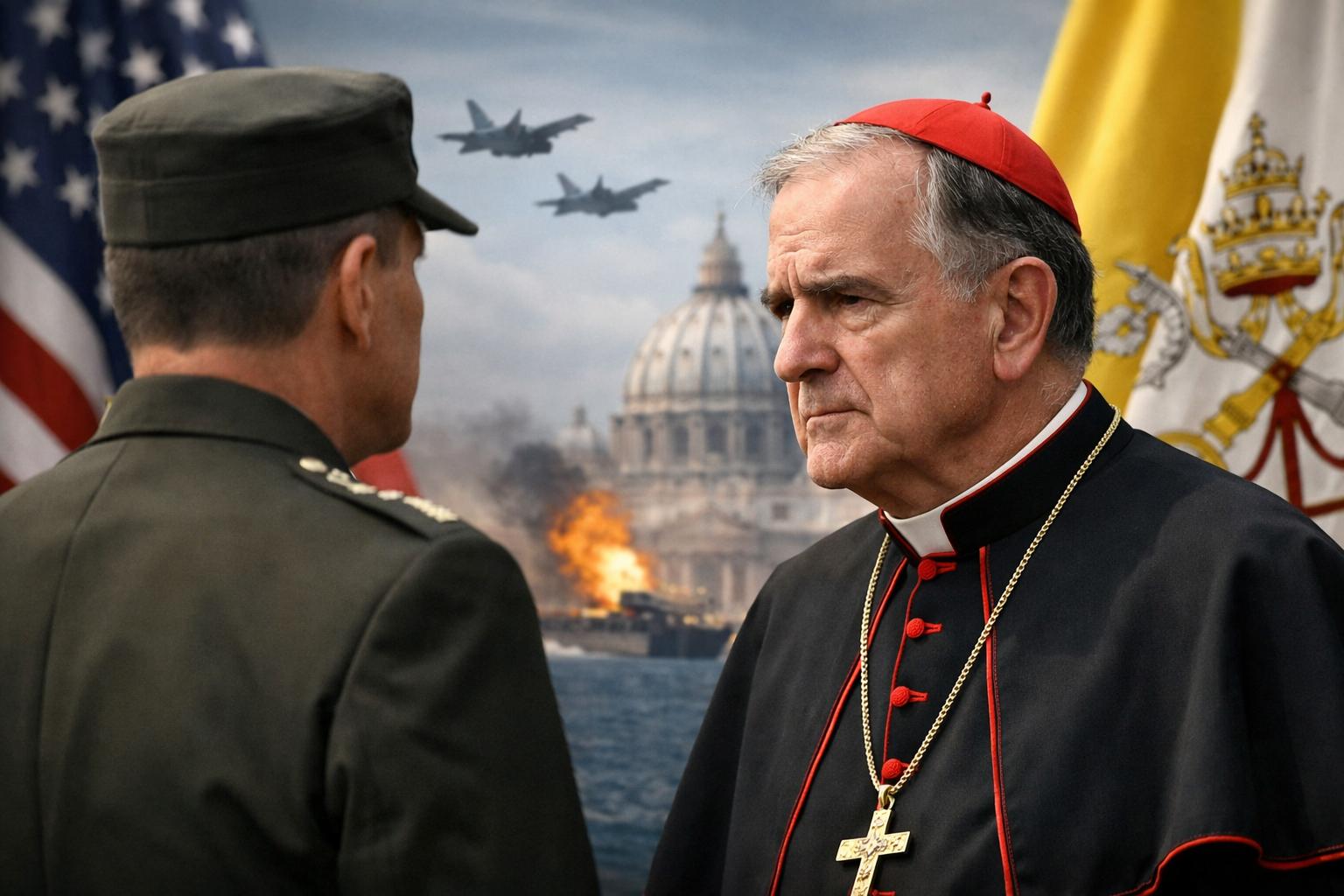
Pentagon and Vatican clash over disputed meeting amid Iran war tensions
A meeting between officials from the U.S. Department of Defense and the Vatican has drawn scrutiny after sharply conflicting accounts emerged, raising questions about diplomatic tensions between Washington and the Holy See during an escalating global crisis. According to a source close to Pope Leo XIV, the meeting involving Cardinal Christophe Pierre was described as confrontational. Separate reports characterized the exchange as a stern warning emphasizing U.S. military strength and urging alignment with American policy. However, Pentagon officials strongly disputed that portrayal, stating the discussion was respectful and constructive, underscoring a commitment to continued dialogue with the Vatican. Adding to the conflicting narratives, Vatican ambassador Brian Burch stated on Thursday that Cardinal Pierre rejected media reports describing the meeting as hostile, calling them fabricated. He said the meeting, which occurred two months earlier, was “frank and cordial,” suggesting that accounts of tension may have been overstated. The dispute comes amid increasingly pointed remarks from Pope Leo XIV, the first U.S.-born pontiff from Chicago, who has taken an unusually direct stance on the ongoing conflict involving Iran. On Tuesday, the pope criticized U.S. President Donald Trump’s warning of severe consequences for Iran, calling such rhetoric “truly unacceptable” and warning that attacks on civilian infrastructure violate international law. In recent appeals, Leo has urged global leaders and citizens to pursue peace and avoid further escalation, particularly in a conflict he described as unjust and destabilizing. He also encouraged individuals to contact political leaders and advocate against actions targeting civilians, emphasizing the moral and legal implications of such strategies. The Vatican’s concerns extend beyond Iran, particularly to Lebanon, where renewed fighting involving Israeli forces and Hezbollah has intensified instability. Church officials have expressed alarm over the impact on Christian communities in southern Lebanon, which hold significant importance for the region’s religious presence. The broader geopolitical situation remains fragile. A ceasefire related to the Iran conflict appeared uncertain after Iran moved to close the Strait of Hormuz following Israeli strikes in Lebanon, prompting renewed calls from the White House to maintain open waterways and continue peace negotiations. While both the Pentagon and Vatican have emphasized the importance of ongoing dialogue, the divergence in accounts surrounding their recent meeting highlights the complexity of diplomatic relations during a period of heightened global tension.
Pentagon and Vatican clash over disputed meeting amid Iran war tensions
A meeting between officials from the U.S. Department of Defense and the Vatican has drawn scrutiny after sharply conflicting accounts emerged, raising questions about diplomatic tensions between Washington and the Holy See during an escalating global crisis. According to a source close to Pope Leo XIV, the meeting involving Cardinal Christophe Pierre was described as confrontational. Separate reports characterized the exchange as a stern warning emphasizing U.S. military strength and urging alignment with American policy. However, Pentagon officials strongly disputed that portrayal, stating the discussion was respectful and constructive, underscoring a commitment to continued dialogue with the Vatican. Adding to the conflicting narratives, Vatican ambassador Brian Burch stated on Thursday that Cardinal Pierre rejected media reports describing the meeting as hostile, calling them fabricated. He said the meeting, which occurred two months earlier, was “frank and cordial,” suggesting that accounts of tension may have been overstated. The dispute comes amid increasingly pointed remarks from Pope Leo XIV, the first U.S.-born pontiff from Chicago, who has taken an unusually direct stance on the ongoing conflict involving Iran. On Tuesday, the pope criticized U.S. President Donald Trump’s warning of severe consequences for Iran, calling such rhetoric “truly unacceptable” and warning that attacks on civilian infrastructure violate international law. In recent appeals, Leo has urged global leaders and citizens to pursue peace and avoid further escalation, particularly in a conflict he described as unjust and destabilizing. He also encouraged individuals to contact political leaders and advocate against actions targeting civilians, emphasizing the moral and legal implications of such strategies. The Vatican’s concerns extend beyond Iran, particularly to Lebanon, where renewed fighting involving Israeli forces and Hezbollah has intensified instability. Church officials have expressed alarm over the impact on Christian communities in southern Lebanon, which hold significant importance for the region’s religious presence. The broader geopolitical situation remains fragile. A ceasefire related to the Iran conflict appeared uncertain after Iran moved to close the Strait of Hormuz following Israeli strikes in Lebanon, prompting renewed calls from the White House to maintain open waterways and continue peace negotiations. While both the Pentagon and Vatican have emphasized the importance of ongoing dialogue, the divergence in accounts surrounding their recent meeting highlights the complexity of diplomatic relations during a period of heightened global tension.
Mojtaba Khamenei threatens retaliation, calls for regional support
Iran’s leadership signaled a hardening stance on
Mojtaba Khamenei threatens retaliation, calls for regional support
Iran’s leadership signaled a hardening stance on
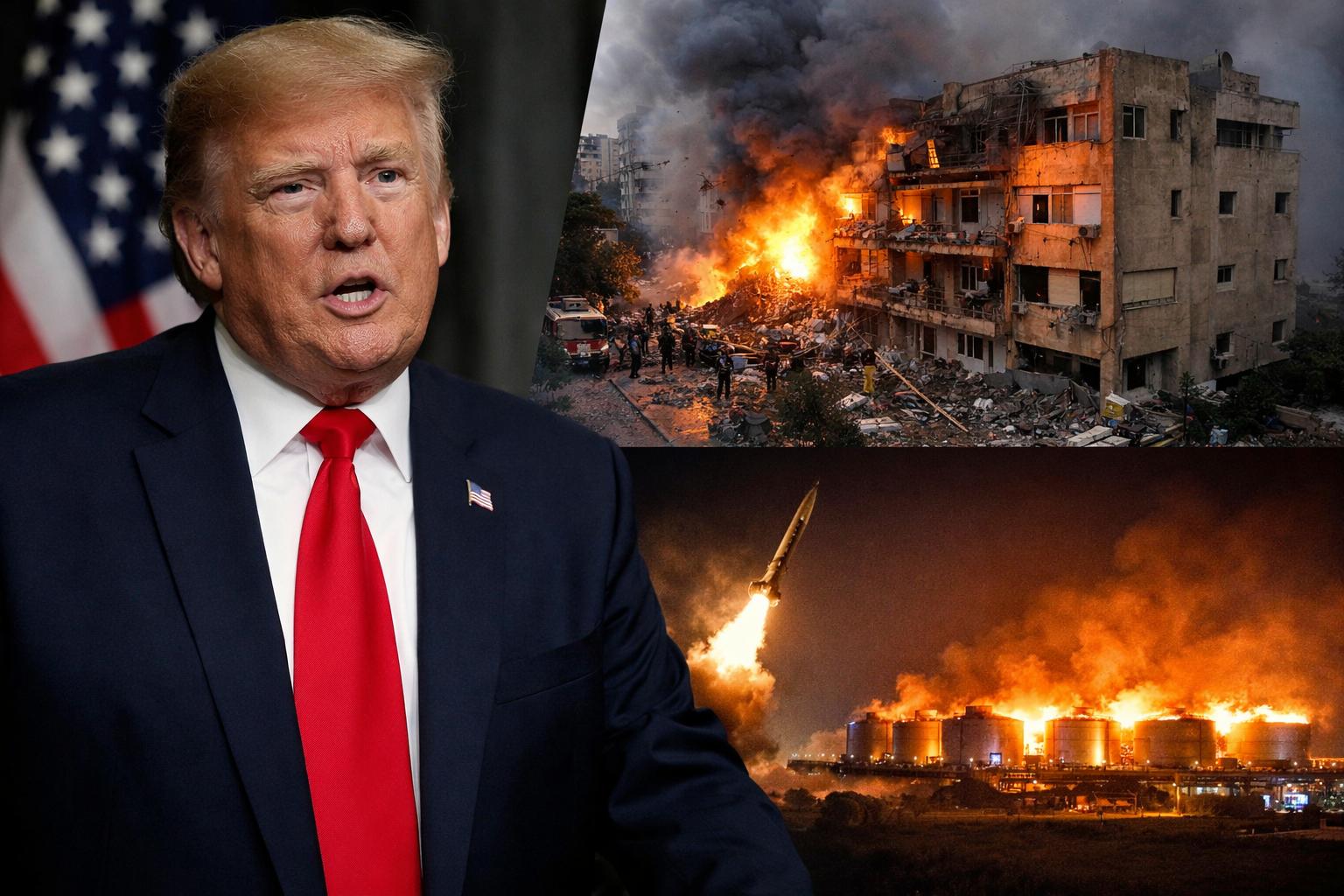
Trump warns Iran amid fragile ceasefire and renewed Middle East strikes
A fragile ceasefire between the United States and Iran is facing renewed uncertainty after escalating regional tensions and conflicting interpretations of the agreement. President Donald Trump issued a warning to Tehran, signaling that U.S. military assets remain on standby if the terms of what he describe
Trump warns Iran amid fragile ceasefire and renewed Middle East strikes
A fragile ceasefire between the United States and Iran is facing renewed uncertainty after escalating regional tensions and conflicting interpretations of the agreement. President Donald Trump issued a warning to Tehran, signaling that U.S. military assets remain on standby if the terms of what he describe
Iran accepts two-week ceasefire amid US pressure on Hormuz Strait
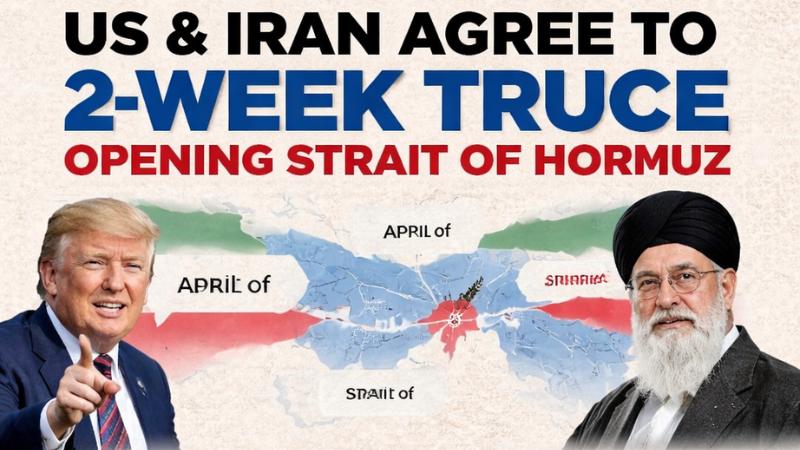
Iran has agreed to a proposed two-week ceasefire amid escalating tensions in the Middle East, following a statement by Donald Trump indicating that the United States would suspend further military action if Tehran fully reopens the strategically critical Strait of Hormuz. The announcement signals a potential pause in hostilities linked to ongoing Iran-Israel tensions, while also highlighting the broader geopolitical stakes tied to global energy security and maritime access. The Strait of Hormuz, a vital passage for a significant portion of the world’s oil supply, has remained at the center of international concern. US officials have made it clear that maintaining open navigation through the waterway is a key condition for de-escalation. The ceasefire agreement is being viewed as a temporary but important step toward reducing immediate risks in the region, particularly for global oil markets and allied economies. At the same time, Washington has underscored that any long-term easing of economic sanctions on Iran will depend on a complete halt to its uranium enrichment activities. The proposed framework reflects a broader US foreign policy approach that links economic relief directly to nuclear compliance, requiring Iran to scale back its nuclear program in exchange for reduced tariffs and sanctions. This conditional strategy is expected to shape the next phase of diplomatic negotiations. The development follows diplomatic outreach from Shehbaz Sharif, who urged an extension of the negotiation timeline and called on Iran to ensure uninterrupted access through the Strait of Hormuz. Pakistan’s involvement underscores the wider regional implications of the crisis and the importance of multilateral engagement. Meanwhile, Iran’s Islamic Revolutionary Guard Corps has issued a strong warning, stating that any US strikes on civilian infrastructure would provoke a response extending beyond the immediate region. The group cautioned that such actions could disrupt oil and gas supplies to the United States and its allies for an extended period, further raising concerns about global energy stability. While the ceasefire offers a temporary reprieve, the situation remains fluid, with key issues surrounding nuclear policy, sanctions, and regional security still unresolved.
Iran accepts two-week ceasefire amid US pressure on Hormuz Strait
Iran has agreed to a proposed two-week ceasefire amid escalating tensions in the Middle East, following a statement by Donald Trump indicating that the United States would suspend further military action if Tehran fully reopens the strategically critical Strait of Hormuz. The announcement signals a potential pause in hostilities linked to ongoing Iran-Israel tensions, while also highlighting the broader geopolitical stakes tied to global energy security and maritime access. The Strait of Hormuz, a vital passage for a significant portion of the world’s oil supply, has remained at the center of international concern. US officials have made it clear that maintaining open navigation through the waterway is a key condition for de-escalation. The ceasefire agreement is being viewed as a temporary but important step toward reducing immediate risks in the region, particularly for global oil markets and allied economies. At the same time, Washington has underscored that any long-term easing of economic sanctions on Iran will depend on a complete halt to its uranium enrichment activities. The proposed framework reflects a broader US foreign policy approach that links economic relief directly to nuclear compliance, requiring Iran to scale back its nuclear program in exchange for reduced tariffs and sanctions. This conditional strategy is expected to shape the next phase of diplomatic negotiations. The development follows diplomatic outreach from Shehbaz Sharif, who urged an extension of the negotiation timeline and called on Iran to ensure uninterrupted access through the Strait of Hormuz. Pakistan’s involvement underscores the wider regional implications of the crisis and the importance of multilateral engagement. Meanwhile, Iran’s Islamic Revolutionary Guard Corps has issued a strong warning, stating that any US strikes on civilian infrastructure would provoke a response extending beyond the immediate region. The group cautioned that such actions could disrupt oil and gas supplies to the United States and its allies for an extended period, further raising concerns about global energy stability. While the ceasefire offers a temporary reprieve, the situation remains fluid, with key issues surrounding nuclear policy, sanctions, and regional security still unresolved.
Saudi oil pipeline hit in Iranian attack, raising global energy concerns
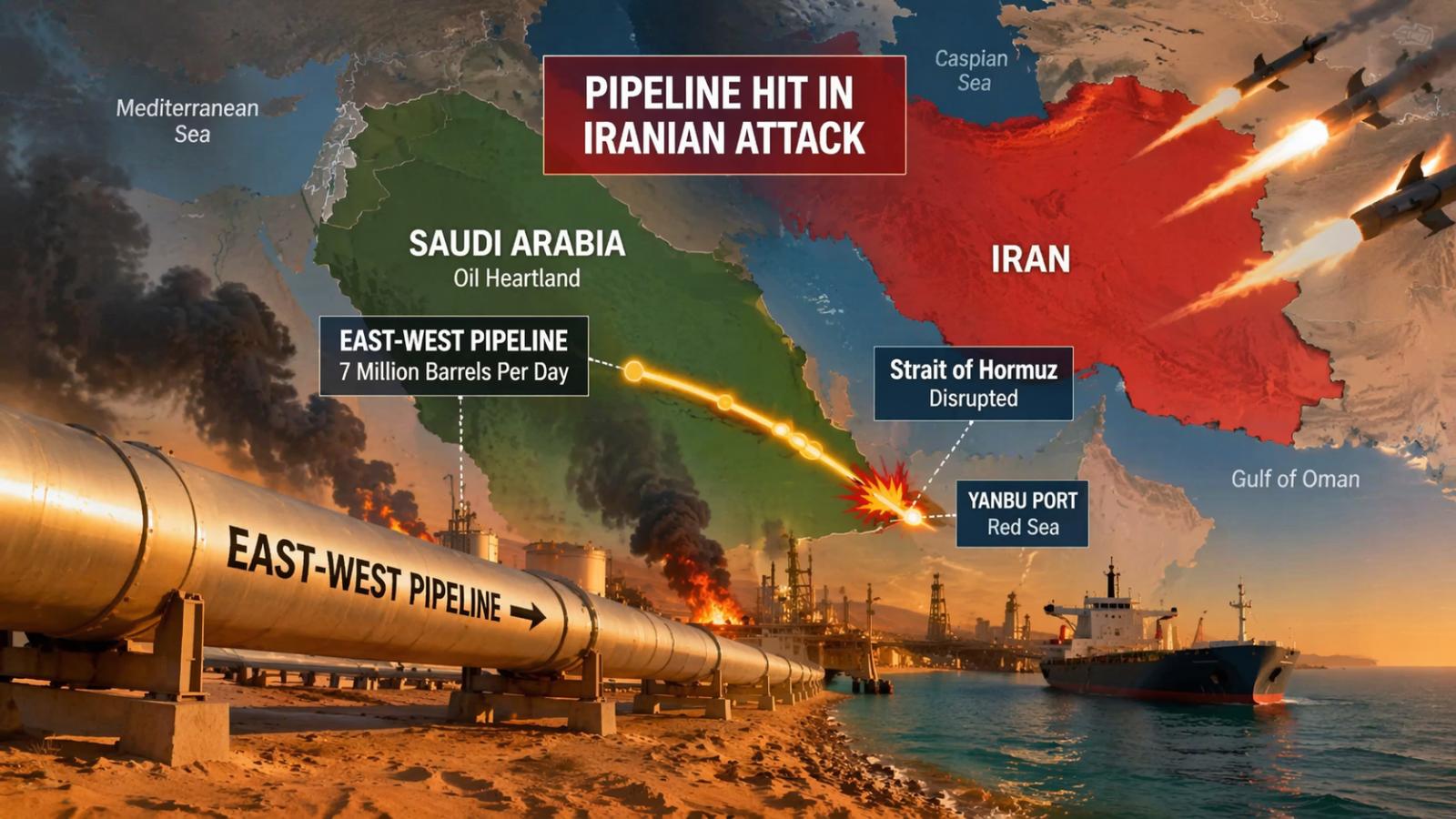
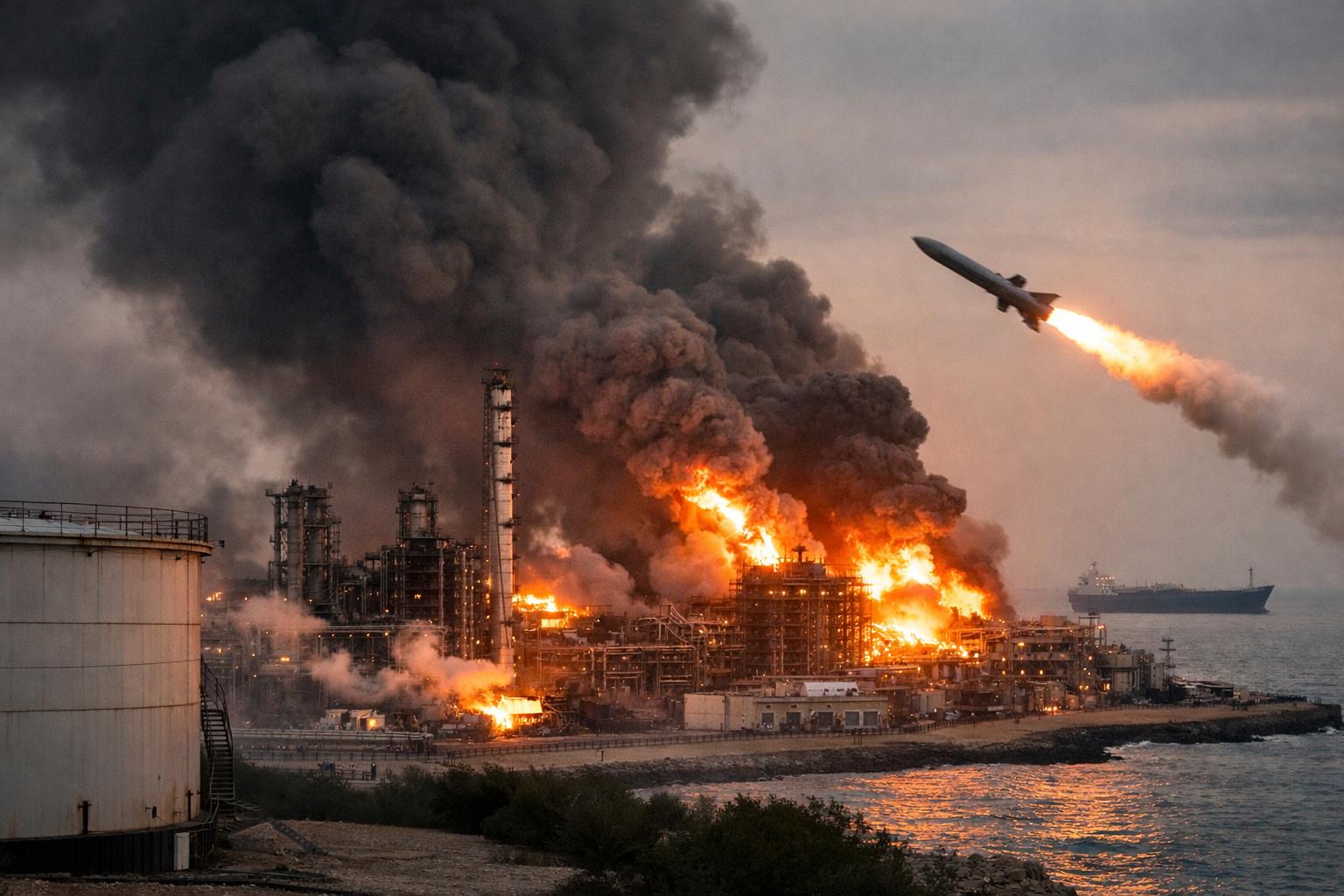
Saudi Arabia’s critical East-West oil pipeline, a key route for crude exports, was struck in an Iranian attack, according to an industry source on Wednesday. The pipeline, currently serving as the kingdom’s primary export outlet after disruptions in the Strait of Hormuz, was among several oil-related facilities targeted across the country. The East-West pipeline plays a central role in maintaining Saudi Arabia’s oil supply chain, transporting approximately 7 million barrels per
Saudi oil pipeline hit in Iranian attack, raising global energy concerns
Saudi Arabia’s critical East-West oil pipeline, a key route for crude exports, was struck in an Iranian attack, according to an industry source on Wednesday. The pipeline, currently serving as the kingdom’s primary export outlet after disruptions in the Strait of Hormuz, was among several oil-related facilities targeted across the country. The East-West pipeline plays a central role in maintaining Saudi Arabia’s oil supply chain, transporting approximately 7 million barrels per
US, Iran, Israel agree to fragile two-week ceasefire amid new strikes
TEHRAN, Iran — Iran, the United States, and Israel agreed to a two-week ceasefire on Wednesday, April 8, 2026 (Iran Standard Time), in a last-minute effort to halt escalating hostilities that had raised fears of a broader regional war. The agreement, described by U.S. Vice President JD Vance as “fragile,” came just hours before the United States was expected to launch a major bombing campaign against Iran. Despite the announcement, reports of renewed missile and drone attacks
US, Iran, Israel agree to fragile two-week ceasefire amid new strikes
TEHRAN, Iran — Iran, the United States, and Israel agreed to a two-week ceasefire on Wednesday, April 8, 2026 (Iran Standard Time), in a last-minute effort to halt escalating hostilities that had raised fears of a broader regional war. The agreement, described by U.S. Vice President JD Vance as “fragile,” came just hours before the United States was expected to launch a major bombing campaign against Iran. Despite the announcement, reports of renewed missile and drone attacks
Maharashtra Cabinet Approves New IT-AI Department and Major Administrative Overhaul
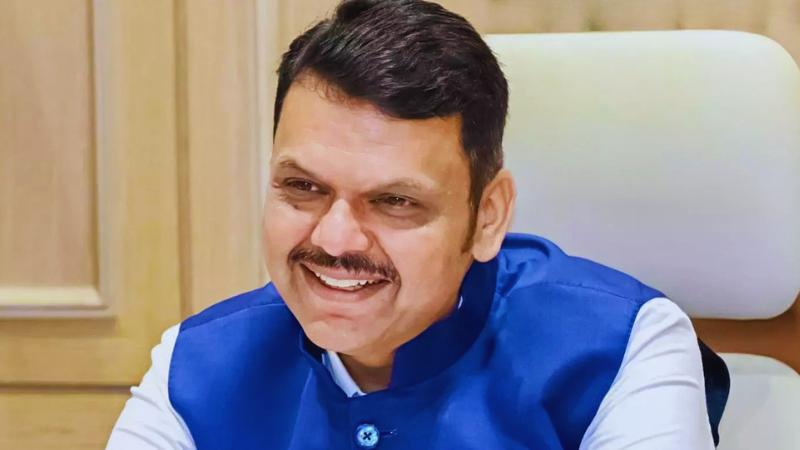
In a significant development, the Maharashtra Cabinet, chaired by Chief Minister Devendra Fadnavis, has approved a series of administrative and infrastructural reforms, including the creation of a new department dedicated to Information Technology (IT) and Artificial Intelligence (AI). The decision, part of the state’s "Viksit Maharashtra" vision, aims to accelerate the integration of emerging technologies and streamline public services. A central part of this initiative is the fo
Maharashtra Cabinet Approves New IT-AI Department and Major Administrative Overhaul
In a significant development, the Maharashtra Cabinet, chaired by Chief Minister Devendra Fadnavis, has approved a series of administrative and infrastructural reforms, including the creation of a new department dedicated to Information Technology (IT) and Artificial Intelligence (AI). The decision, part of the state’s "Viksit Maharashtra" vision, aims to accelerate the integration of emerging technologies and streamline public services. A central part of this initiative is the fo
US and Iran Agree to Two-Week Ceasefire, Tehran to Reopen Strait of Hormuz
In a dramatic turn of events, US President Donald Trump has agreed to a two-week ceasefire with Iran, pulling back from the brink of escalating military conflict. The decision was made just hours before a self-imposed deadline for Tehran to reopen the vital Strait of Hormuz, a strategic waterway for global oil shipments, or face devastating US military strikes on Iranian civilian infrastructure. The truce, which is aimed at providing a diplomatic window to de-escalate the ongoing 40
US and Iran Agree to Two-Week Ceasefire, Tehran to Reopen Strait of Hormuz
In a dramatic turn of events, US President Donald Trump has agreed to a two-week ceasefire with Iran, pulling back from the brink of escalating military conflict. The decision was made just hours before a self-imposed deadline for Tehran to reopen the vital Strait of Hormuz, a strategic waterway for global oil shipments, or face devastating US military strikes on Iranian civilian infrastructure. The truce, which is aimed at providing a diplomatic window to de-escalate the ongoing 40
Iranians form human chains to protect infrastructure amid US threats
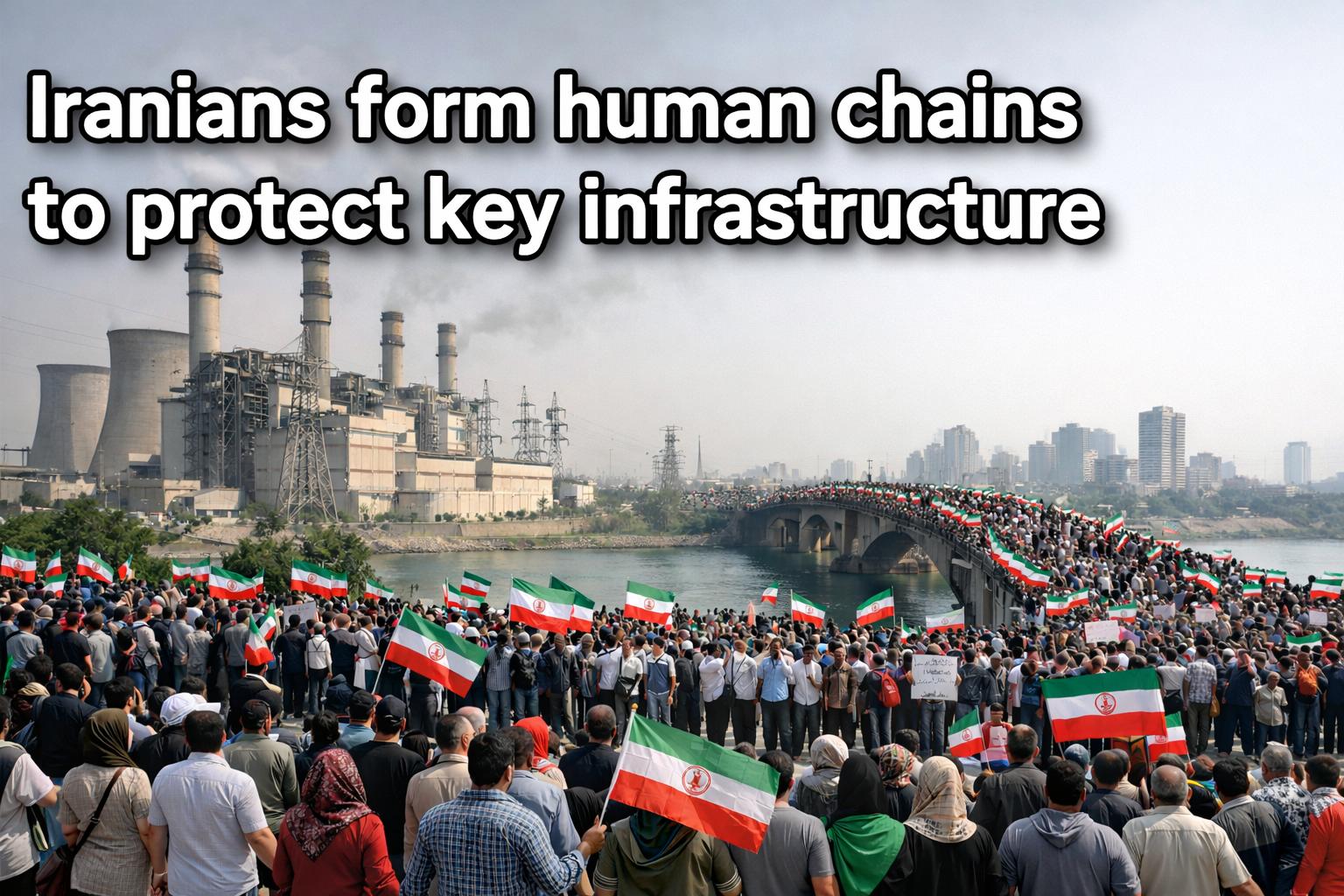
Thousands of Iranians gathered across the country on Tuesday, April 7, 2026, forming human chains around bridges and power generation facilities in what state media described as a coordinated effort to safeguard critical infrastructure. The demonstrations followed warnings from Donald Trump, who threatened potential strikes on Iranian bridges and power plants if Tehran fails to comply with US demands related to the ongoing conflict. Video footage broadcast by Iran’s state-run Press TV showed extensive lines of civilians holding national flags while standing outside key infrastructure sites. Large crowds appeared to position themselves as protective barriers, effectively acting as human shields around locations reportedly identified as potential targets. The Iranian government had earlier encouraged broad public participation, calling on young people, artists, and athletes to join the initiative. Officials framed the effort as a grassroots movement driven largely by youth organizations. Alireza Rahimi, Secretary of the Supreme Council of Youth and Adolescents, stated that the idea originated among university students and young activists who proposed forming human chains around strategic facilities. Rahimi described the campaign, titled “Human Chain of Iran’s Youth for a Bright Future,” as a demonstration of national unity and resilience. He emphasized that the initiative reflects a collective determination to defend the country’s infrastructure amid escalating external threats. Meanwhile, President Trump reiterated his warnings, suggesting that failure to meet US conditions—including reopening the Strait of Hormuz—could lead to severe consequences. In a post on Truth Social, he warned of potentially catastrophic outcomes while also referencing the possibility of significant political change in Iran. The developments highlight intensifying geopolitical tensions between the United States and Iran, with civilian mobilization underscoring the broader societal response within Iran as the situation continues to evolve.
Iranians form human chains to protect infrastructure amid US threats
Thousands of Iranians gathered across the country on Tuesday, April 7, 2026, forming human chains around bridges and power generation facilities in what state media described as a coordinated effort to safeguard critical infrastructure. The demonstrations followed warnings from Donald Trump, who threatened potential strikes on Iranian bridges and power plants if Tehran fails to comply with US demands related to the ongoing conflict. Video footage broadcast by Iran’s state-run Press TV showed extensive lines of civilians holding national flags while standing outside key infrastructure sites. Large crowds appeared to position themselves as protective barriers, effectively acting as human shields around locations reportedly identified as potential targets. The Iranian government had earlier encouraged broad public participation, calling on young people, artists, and athletes to join the initiative. Officials framed the effort as a grassroots movement driven largely by youth organizations. Alireza Rahimi, Secretary of the Supreme Council of Youth and Adolescents, stated that the idea originated among university students and young activists who proposed forming human chains around strategic facilities. Rahimi described the campaign, titled “Human Chain of Iran’s Youth for a Bright Future,” as a demonstration of national unity and resilience. He emphasized that the initiative reflects a collective determination to defend the country’s infrastructure amid escalating external threats. Meanwhile, President Trump reiterated his warnings, suggesting that failure to meet US conditions—including reopening the Strait of Hormuz—could lead to severe consequences. In a post on Truth Social, he warned of potentially catastrophic outcomes while also referencing the possibility of significant political change in Iran. The developments highlight intensifying geopolitical tensions between the United States and Iran, with civilian mobilization underscoring the broader societal response within Iran as the situation continues to evolve.
Indian embassy issues 48-hour advisory in Iran as Trump deadline nears
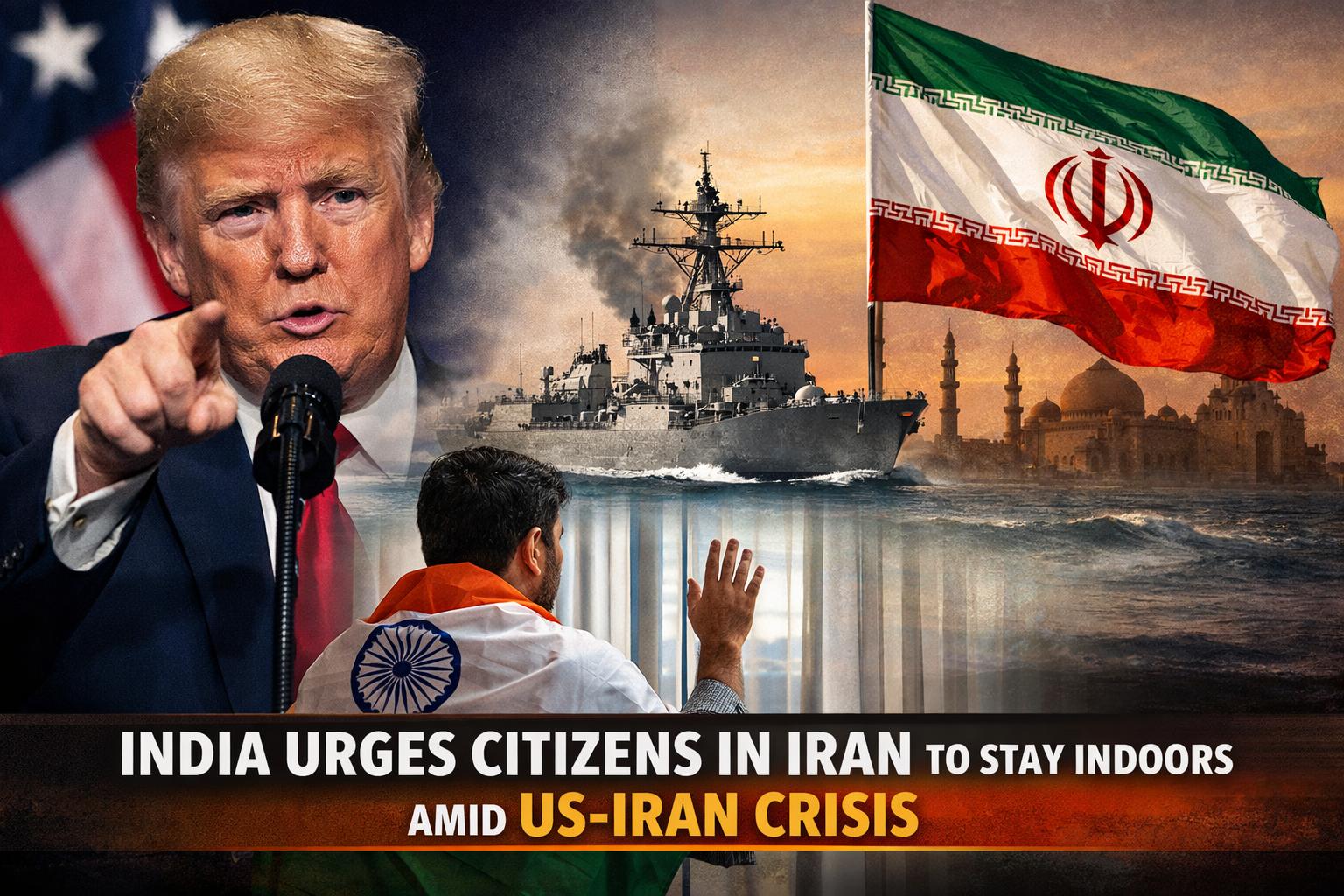
The Indian embassy in Iran issued a security advisory on Tuesday, April 7, 2026, urging Indian nationals across the country to remain indoors for the next 48 hours as geopolitical tensions intensify between the United States and Iran. The advisory comes amid heightened uncertainty surrounding a deadline set by US President Donald Trump related to reopening the Strait of Hormuz, a critical global shipping route. In its official statement released from Tehran, the embassy instructed
Indian embassy issues 48-hour advisory in Iran as Trump deadline nears
The Indian embassy in Iran issued a security advisory on Tuesday, April 7, 2026, urging Indian nationals across the country to remain indoors for the next 48 hours as geopolitical tensions intensify between the United States and Iran. The advisory comes amid heightened uncertainty surrounding a deadline set by US President Donald Trump related to reopening the Strait of Hormuz, a critical global shipping route. In its official statement released from Tehran, the embassy instructed
Oil prices rise as Trump warns Iran ahead of Hormuz deadline
Oil prices climbed sharply on Tuesday (date not sp
Oil prices rise as Trump warns Iran ahead of Hormuz deadline
Oil prices climbed sharply on Tuesday (date not sp
Trump faces backlash over threat against Iran amid rising tensions
President Donald Trump faced widespread criticism after issuing a stark warning toward Iran, threatening the destruction of the country’s civilization if it failed to meet U.S. demands by 8:00 PM on Tuesday, though the exact date was not specified. The remarks, posted on social media, intensified already heightened tensions between the United States and Iran. Iran responded by suspending direct communications with Washington, while continuing indirect discussions through cease-fir
Trump faces backlash over threat against Iran amid rising tensions
President Donald Trump faced widespread criticism after issuing a stark warning toward Iran, threatening the destruction of the country’s civilization if it failed to meet U.S. demands by 8:00 PM on Tuesday, though the exact date was not specified. The remarks, posted on social media, intensified already heightened tensions between the United States and Iran. Iran responded by suspending direct communications with Washington, while continuing indirect discussions through cease-fir
US-Israel strikes hit Iran’s Kharg Island, raising global oil concerns
Missile strikes by United States and Israeli forces have reportedly targeted Iran’s strategically vital Kharg Island, significantly escalating tensions in West Asia. According to Iran’s Mehr News, the strikes were reported on Tuesday, April 7, 2026, marking a critical development in the ongoing military campaign known as Operation Epic Fury. Kharg Island, often described as Tehran’s economic lifeline, handles nearly 90% of Iran’s crude oil exports, making it central to globa
US-Israel strikes hit Iran’s Kharg Island, raising global oil concerns
Missile strikes by United States and Israeli forces have reportedly targeted Iran’s strategically vital Kharg Island, significantly escalating tensions in West Asia. According to Iran’s Mehr News, the strikes were reported on Tuesday, April 7, 2026, marking a critical development in the ongoing military campaign known as Operation Epic Fury. Kharg Island, often described as Tehran’s economic lifeline, handles nearly 90% of Iran’s crude oil exports, making it central to globa
US rejects Iran ceasefire response as regional strikes escalate
Escalating tensions across the Middle East intensified after US President Donald Trump said Iran’s response to a proposed ceasefire was “substantial” but ultimately “not good enough,” signaling continued diplomatic strain as military exchanges widened across the region. The remarks came as at least 34 people, including six children, were reported killed in coordinated US-Israeli strikes across Iran. The attacks mark a significant escalation in the ongoing conflict, raisin
US rejects Iran ceasefire response as regional strikes escalate
Escalating tensions across the Middle East intensified after US President Donald Trump said Iran’s response to a proposed ceasefire was “substantial” but ultimately “not good enough,” signaling continued diplomatic strain as military exchanges widened across the region. The remarks came as at least 34 people, including six children, were reported killed in coordinated US-Israeli strikes across Iran. The attacks mark a significant escalation in the ongoing conflict, raisin
Israel Targets Iran’s Petrochemical Hub in Latest Escalation of US-Israel-Iran Conflict
The ongoing conflict between the US, Israel, and Iran continues to escalate as the war in the Middle East enters its second month with no sign of abating. Tensions have been rising ever since US President Donald Trump’s ultimatum for Iran to engage in negotiations was issued, but Tehran remains defiant and continues its aggressive stance. Israel has intensified its military operations in the region, striking Iran’s largest petrochemical complex, which it claims serves as a centr
Israel Targets Iran’s Petrochemical Hub in Latest Escalation of US-Israel-Iran Conflict
The ongoing conflict between the US, Israel, and Iran continues to escalate as the war in the Middle East enters its second month with no sign of abating. Tensions have been rising ever since US President Donald Trump’s ultimatum for Iran to engage in negotiations was issued, but Tehran remains defiant and continues its aggressive stance. Israel has intensified its military operations in the region, striking Iran’s largest petrochemical complex, which it claims serves as a centr
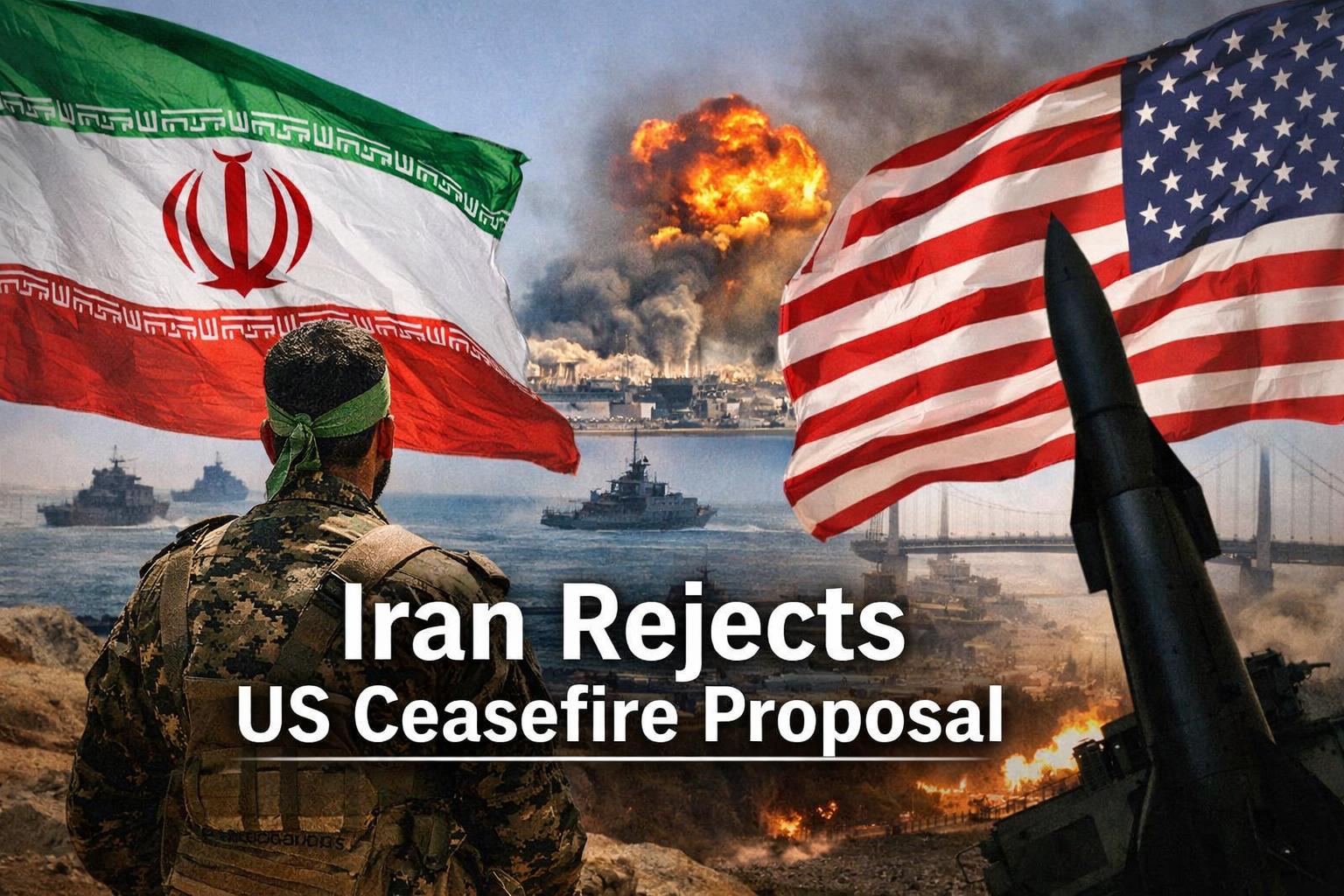
Iran sends 10-point response, rejects temporary ceasefire proposal
Iran has formally rejected a United States-backed proposal for a temporary ceasefire, instead presenting a structured response that calls for a permanent resolution to the ongoing conflict, according to statements from its state news agency. The move highlights Tehran’s position that a short-term truce would not address the broader geopolitical tensions shaping the crisis. The response was conveyed to Washington through Pakistan, which has been serving as an intermediary in diplom
Iran sends 10-point response, rejects temporary ceasefire proposal
Iran has formally rejected a United States-backed proposal for a temporary ceasefire, instead presenting a structured response that calls for a permanent resolution to the ongoing conflict, according to statements from its state news agency. The move highlights Tehran’s position that a short-term truce would not address the broader geopolitical tensions shaping the crisis. The response was conveyed to Washington through Pakistan, which has been serving as an intermediary in diplom
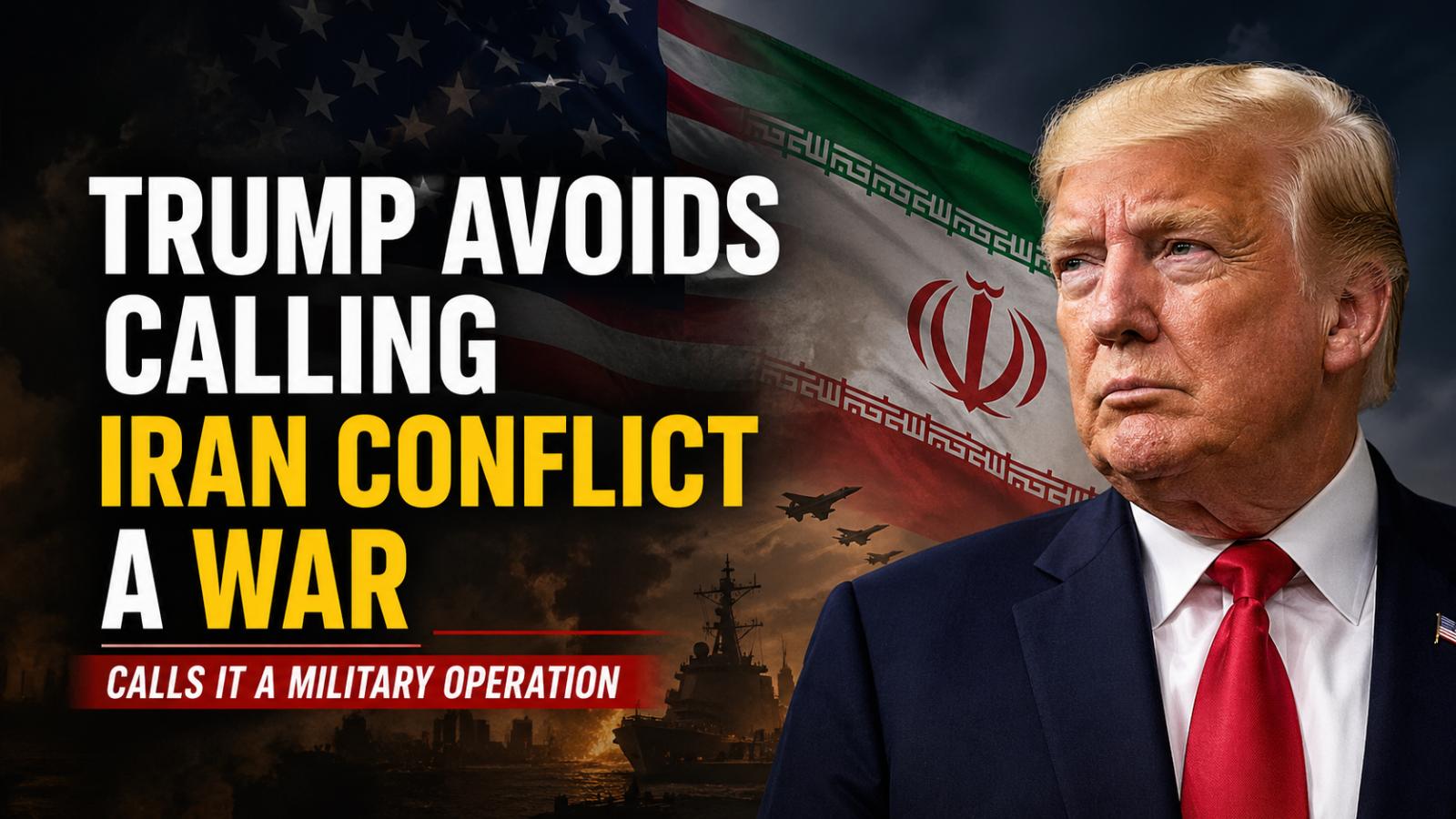
Trump warns of plan to destroy Iran infrastructure amid ceasefire talks
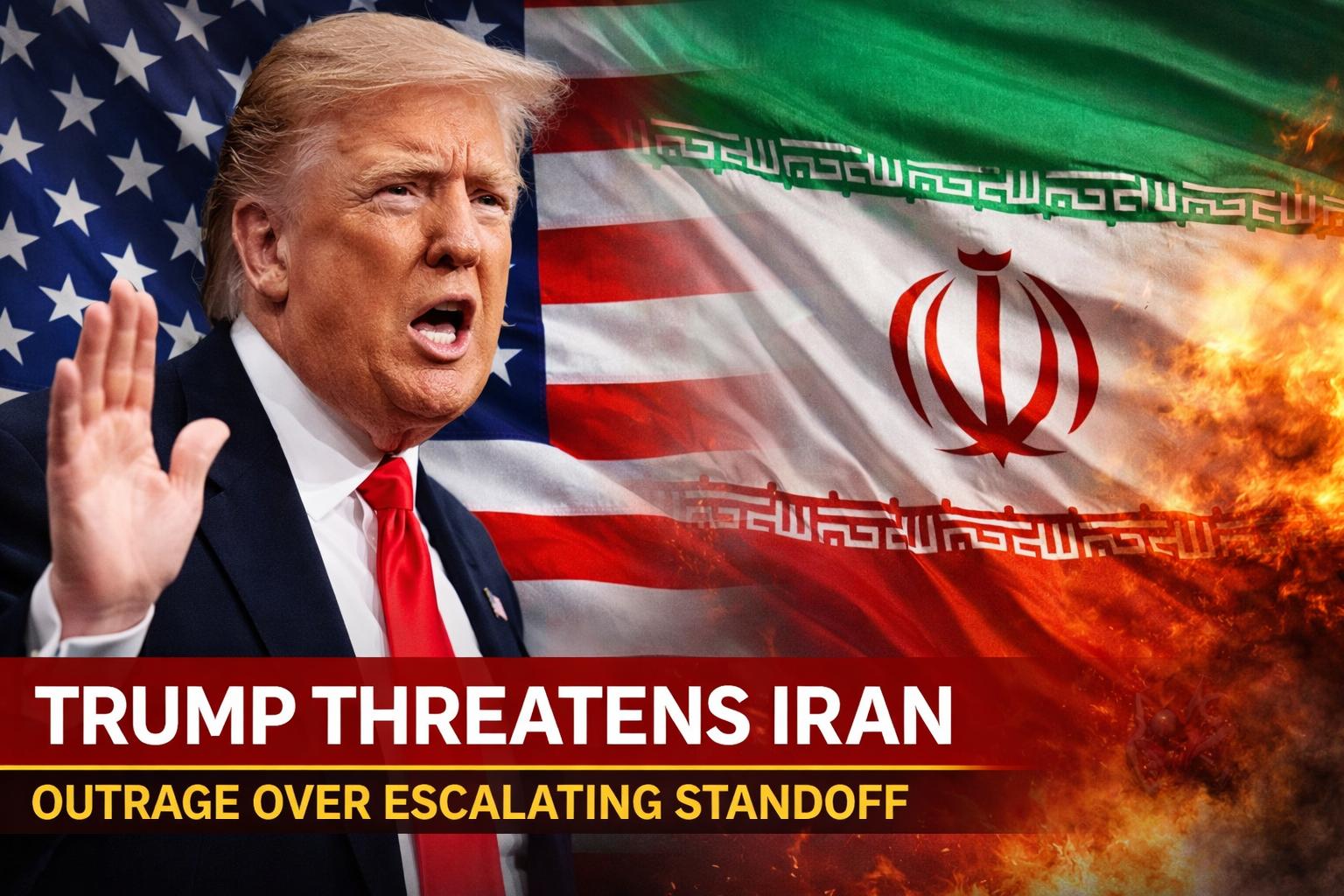
U.S. President Donald Trump on Monday, April 6, 2026, warned that the United States has a plan to destroy critical infrastructure in Iran if ongoing ceasefire efforts fail, signaling a potential escalation in already heightened tensions between the two countries. Speaking publicly, Trump described a scenario in which “every bridge, every power plant in Iran will be out of business,” adding that such an operation would result in “complete demolition by 12:00,” though he did not specify a time zone for that reference. The president emphasized that he does not want to pursue such action, noting the long-term consequences for Iran’s recovery. He stated that rebuilding could take “100 years,” underscoring the scale of destruction implied in his remarks. His comments come at a critical moment in the broader Middle East crisis, where diplomatic efforts and military posturing continue simultaneously. Trump also introduced a proposal involving the Strait of Hormuz, a vital global shipping route through which a significant portion of the world’s oil supply passes. He suggested that the United States, rather than Iran, should collect tolls from vessels transiting the waterway. “What about us charging tolls?” he said, positioning the idea as an alternative to allowing Iran to control revenue from the route. Iran recently announced its own toll system for tankers, asserting authority over the strategically important passage. Addressing the status of negotiations, Trump declined to provide a definitive assessment of whether tensions are easing or intensifying. “I can’t tell you, it depends on what they do. This is a critical period,” he said. He also referenced a deadline related to reopening the waterway, stating that Iran had “’til tomorrow at 8:00” following an extension he granted, though further details were not disclosed. Despite the strong rhetoric, Trump indicated that diplomatic engagement remains ongoing. He described Iran as an “active, willing participant” in negotiations and suggested that both sides may be exploring a potential agreement. However, he stopped short of confirming any progress toward a ceasefire, leaving the situation uncertain as global markets and policymakers continue to monitor developments closely.
Trump warns of plan to destroy Iran infrastructure amid ceasefire talks
U.S. President Donald Trump on Monday, April 6, 2026, warned that the United States has a plan to destroy critical infrastructure in Iran if ongoing ceasefire efforts fail, signaling a potential escalation in already heightened tensions between the two countries. Speaking publicly, Trump described a scenario in which “every bridge, every power plant in Iran will be out of business,” adding that such an operation would result in “complete demolition by 12:00,” though he did not specify a time zone for that reference. The president emphasized that he does not want to pursue such action, noting the long-term consequences for Iran’s recovery. He stated that rebuilding could take “100 years,” underscoring the scale of destruction implied in his remarks. His comments come at a critical moment in the broader Middle East crisis, where diplomatic efforts and military posturing continue simultaneously. Trump also introduced a proposal involving the Strait of Hormuz, a vital global shipping route through which a significant portion of the world’s oil supply passes. He suggested that the United States, rather than Iran, should collect tolls from vessels transiting the waterway. “What about us charging tolls?” he said, positioning the idea as an alternative to allowing Iran to control revenue from the route. Iran recently announced its own toll system for tankers, asserting authority over the strategically important passage. Addressing the status of negotiations, Trump declined to provide a definitive assessment of whether tensions are easing or intensifying. “I can’t tell you, it depends on what they do. This is a critical period,” he said. He also referenced a deadline related to reopening the waterway, stating that Iran had “’til tomorrow at 8:00” following an extension he granted, though further details were not disclosed. Despite the strong rhetoric, Trump indicated that diplomatic engagement remains ongoing. He described Iran as an “active, willing participant” in negotiations and suggested that both sides may be exploring a potential agreement. However, he stopped short of confirming any progress toward a ceasefire, leaving the situation uncertain as global markets and policymakers continue to monitor developments closely.
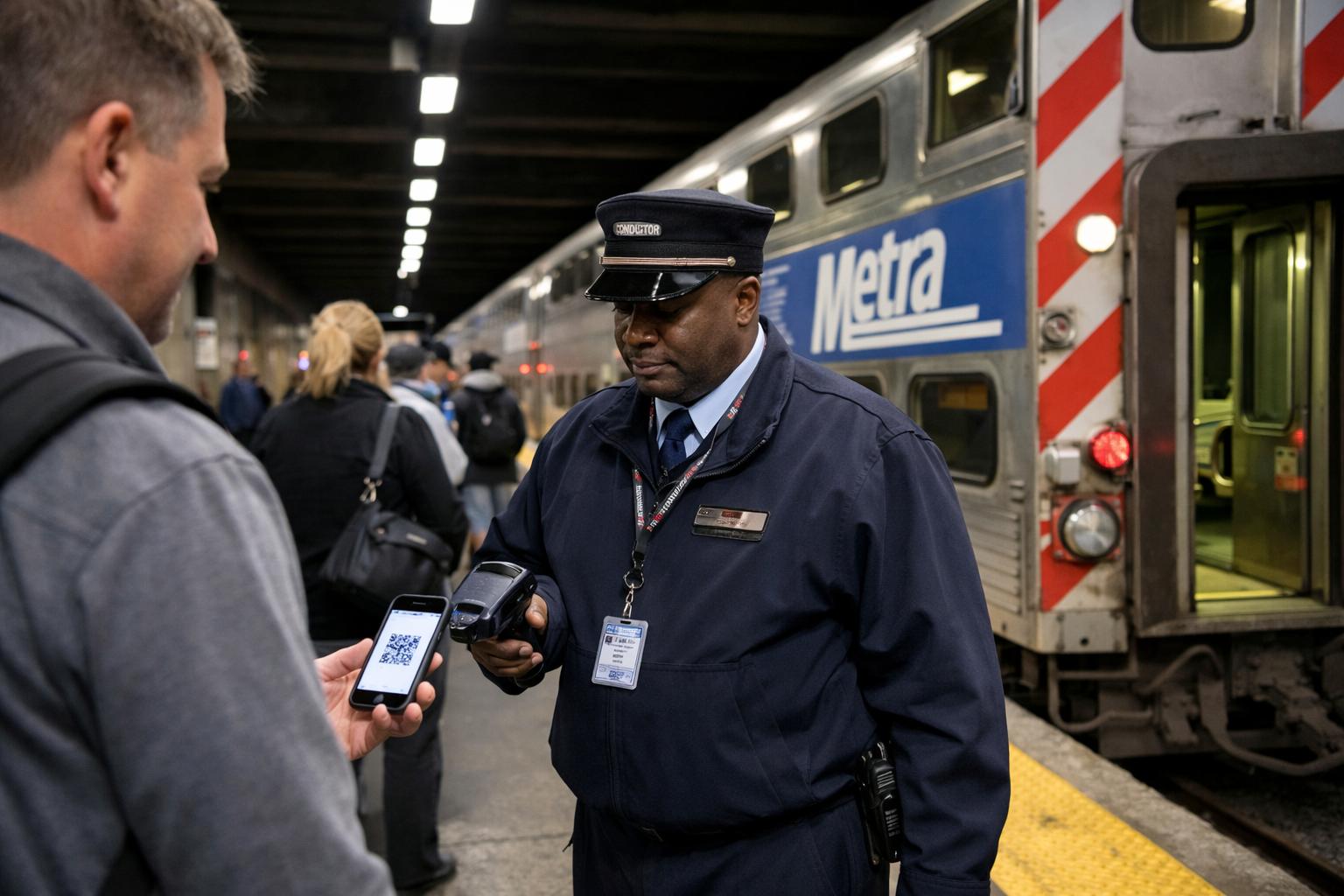
Chicago Metra tests pre-boarding ticket checks with new pilot program
A new pilot program by Chicago’s commuter rail system, Metra, is set to change how passengers present tickets at select downtown stations, marking a shift in boarding procedures aimed at improving efficiency. The initiative began after the morning rush hour on Monday, though officials did not specify the exact start date in the announcement. Under the pilot, passengers traveling during off-peak hours at Millennium Station, Union Station, and Ogilvie Transportation Center will be req
Chicago Metra tests pre-boarding ticket checks with new pilot program
A new pilot program by Chicago’s commuter rail system, Metra, is set to change how passengers present tickets at select downtown stations, marking a shift in boarding procedures aimed at improving efficiency. The initiative began after the morning rush hour on Monday, though officials did not specify the exact start date in the announcement. Under the pilot, passengers traveling during off-peak hours at Millennium Station, Union Station, and Ogilvie Transportation Center will be req


