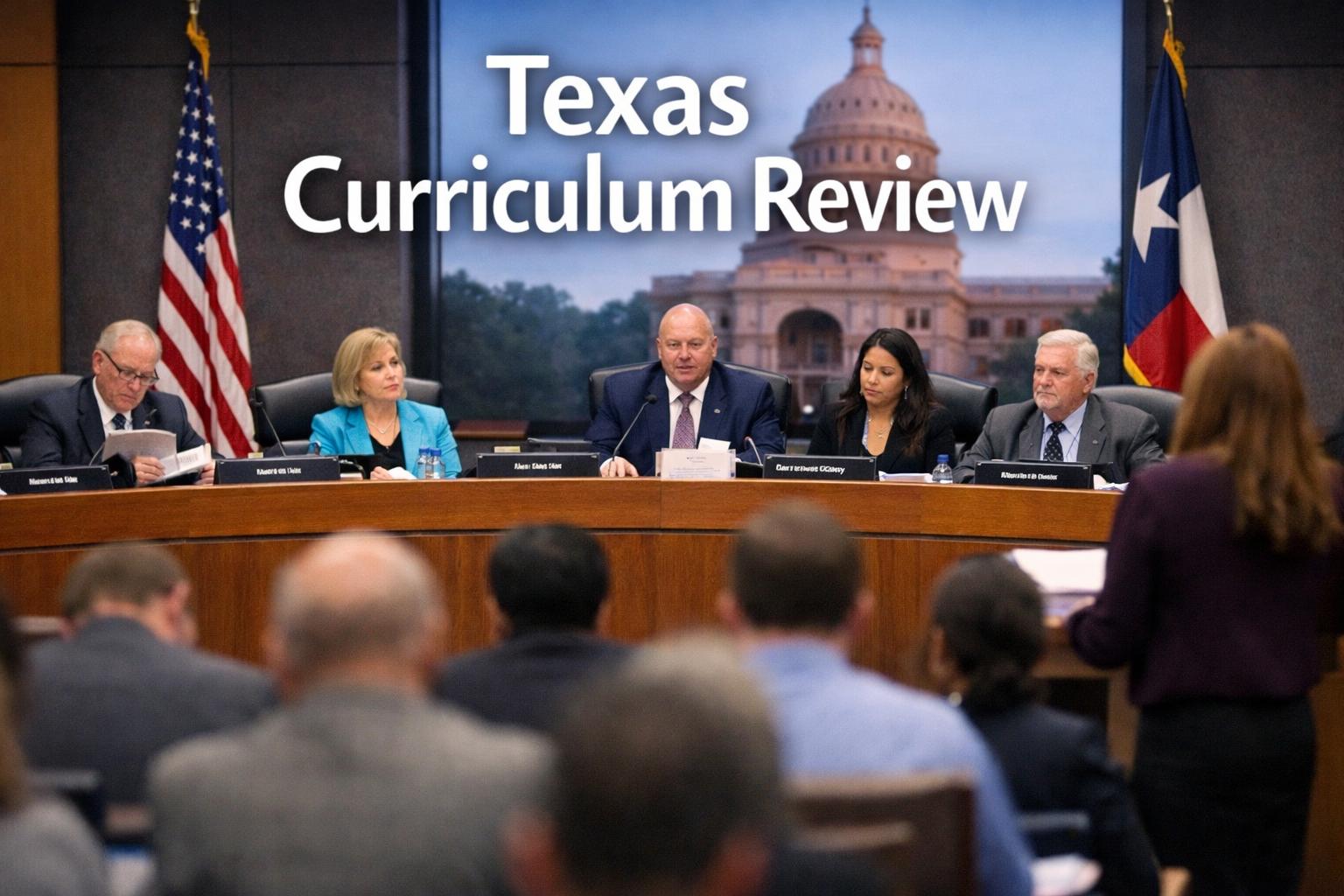
A significant policy decision is underway in Texas that could influence how millions of students are taught subjects such as slavery, religion, and broader American history. The Texas State Board of Education is currently revising the state’s social studies curriculum, formally known as the Texas Essential Knowledge and Skills (TEKS), which outlines academic standards for students from elementary through high school.
The TEKS framework determines the scope and structure of instructi
A significant policy decision is underway in Texas that could influence how millions of students are taught subjects such as slavery, religion, and broader American history. The Texas State Board of Education is currently revising the state’s social studies curriculum, formally known as the Texas Essential Knowledge and Skills (TEKS), which outlines academic standards for students from elementary through high school.
The TEKS framework determines the scope and structure of instructi
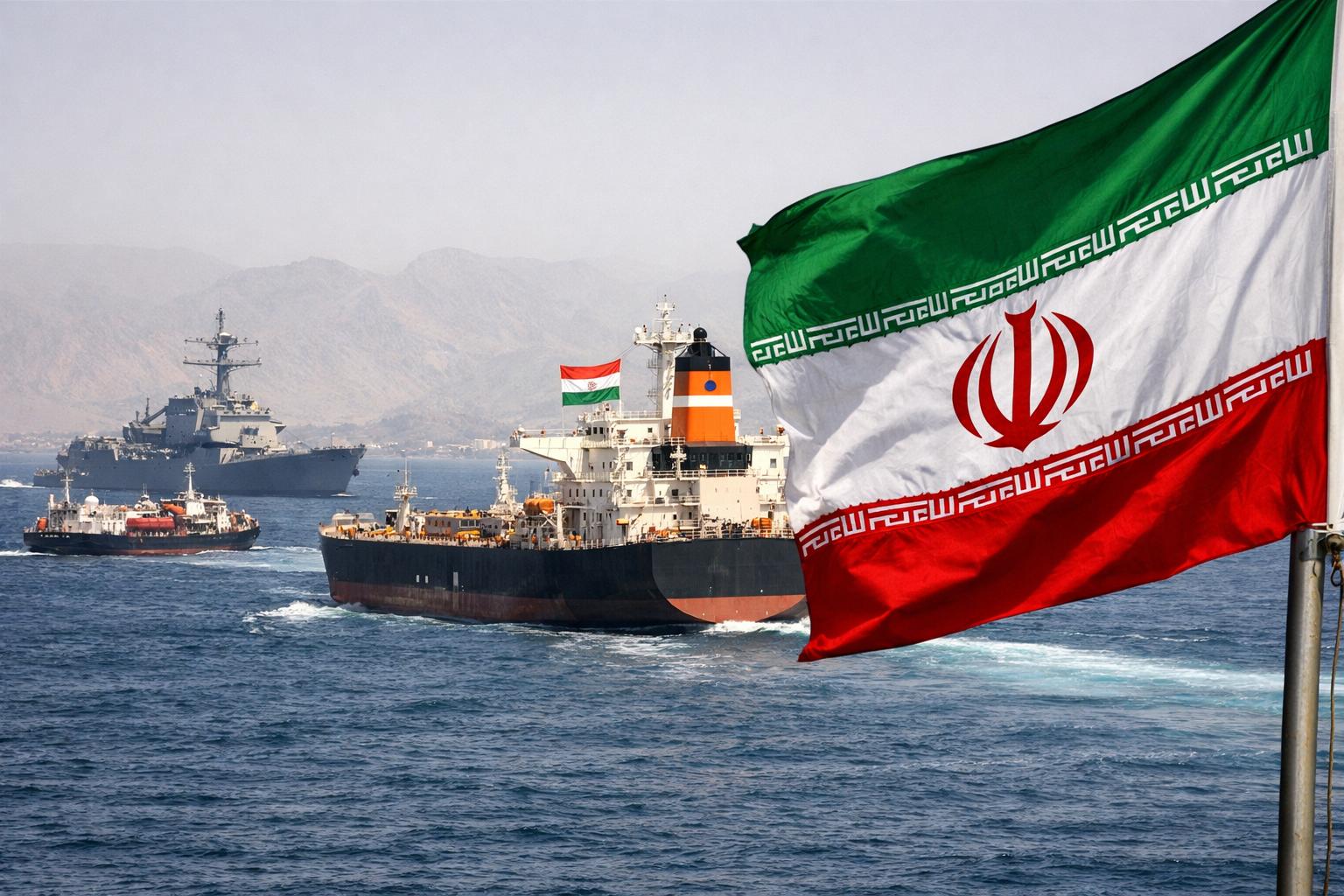
The Strait of Hormuz, a narrow waterway connecting the Persian Gulf to the open ocean, remains one of the most strategically important routes in the global economy. Located between Iran and Oman, this passage serves as a critical channel for transporting oil from major producing countries to markets around the world.
A significant portion of the world’s oil supply moves through this route each day, making it essential for maintaining stable energy markets. Because many countries r
The Strait of Hormuz, a narrow waterway connecting the Persian Gulf to the open ocean, remains one of the most strategically important routes in the global economy. Located between Iran and Oman, this passage serves as a critical channel for transporting oil from major producing countries to markets around the world.
A significant portion of the world’s oil supply moves through this route each day, making it essential for maintaining stable energy markets. Because many countries r
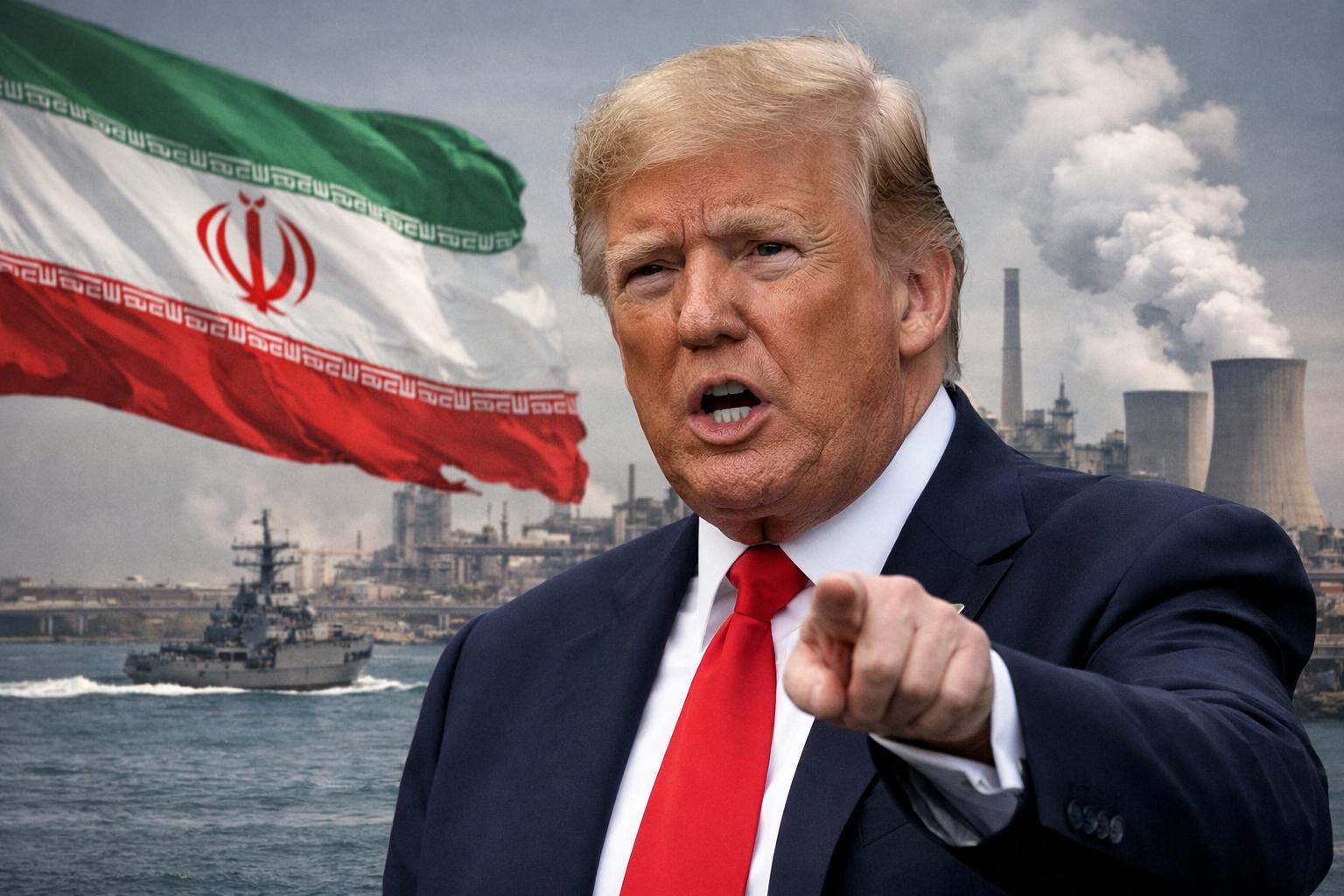
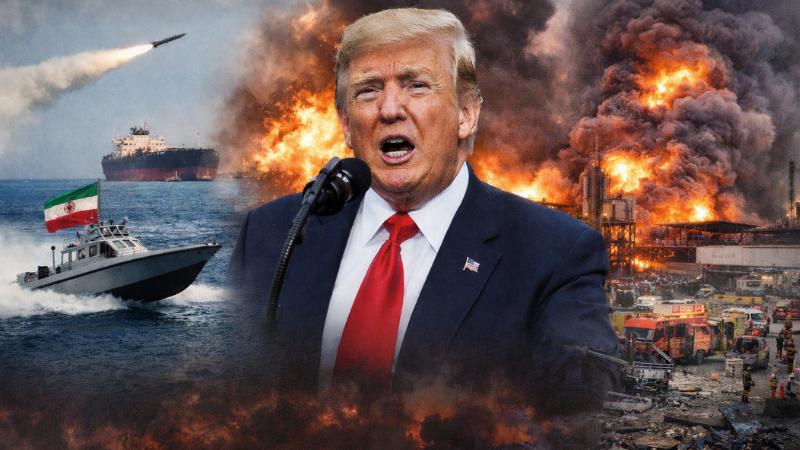
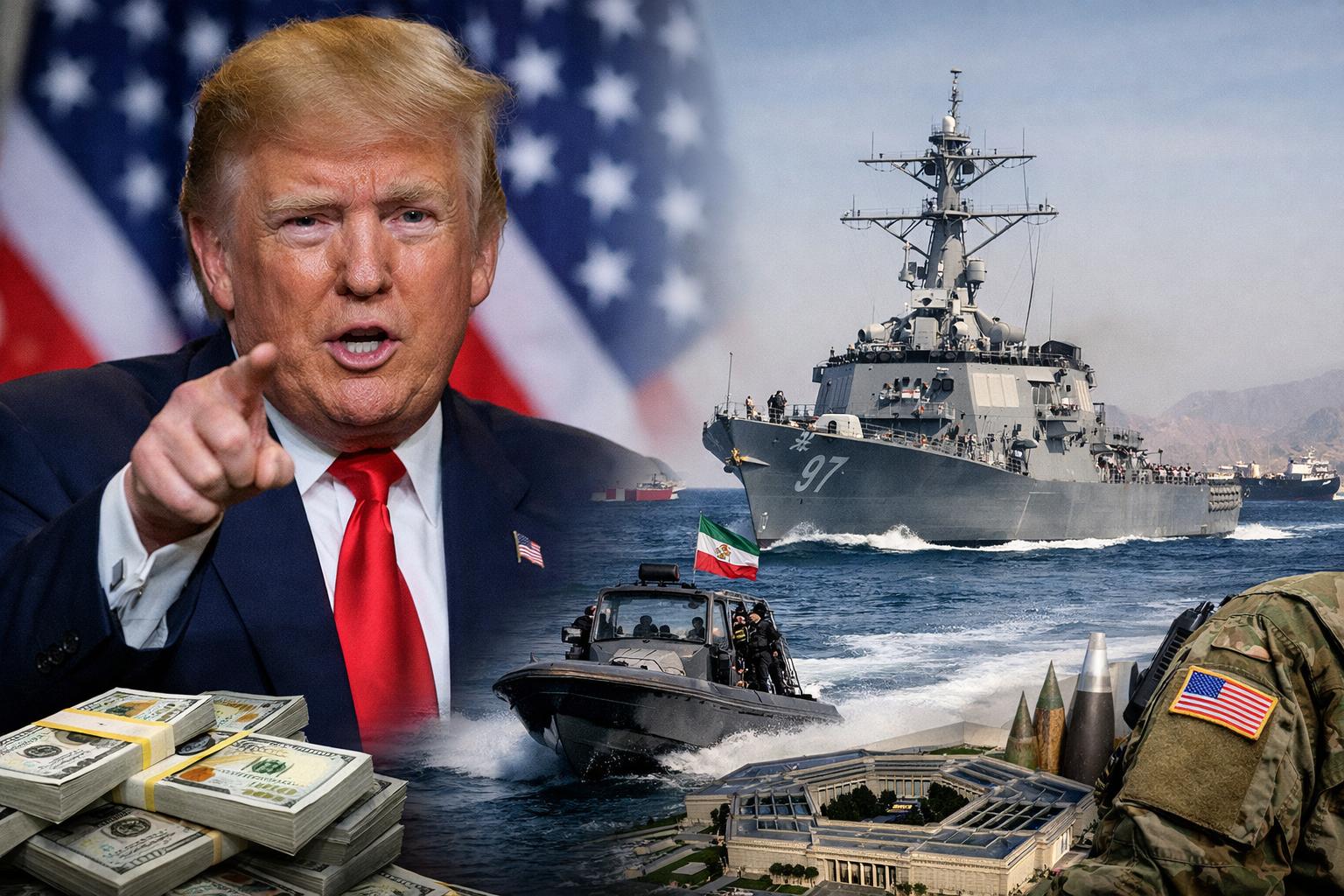
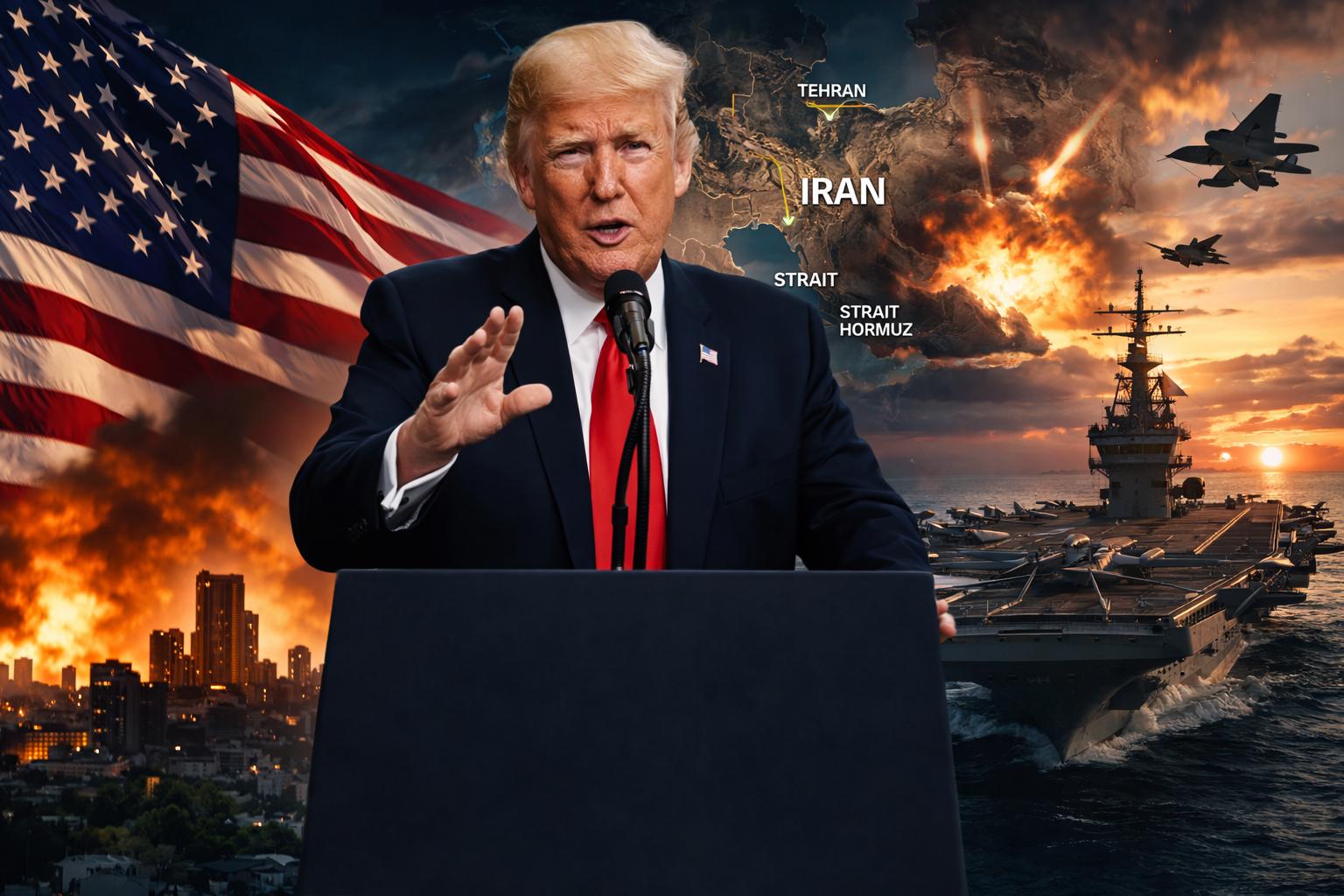
U.S. President Donald Trump on Sunday (exact date not specified in the source) dismissed concerns that potential strikes on Iran’s power plants and civilian infrastructure could constitute a war crime, delivering a series of controversial remarks that further escalated tensions between Washington and Tehran. Speaking to reporters during a public event at the White House, Trump defended his position, stating he was “not worried” about such concerns and using inflammatory language to describ
U.S. President Donald Trump on Sunday (exact date not specified in the source) dismissed concerns that potential strikes on Iran’s power plants and civilian infrastructure could constitute a war crime, delivering a series of controversial remarks that further escalated tensions between Washington and Tehran. Speaking to reporters during a public event at the White House, Trump defended his position, stating he was “not worried” about such concerns and using inflammatory language to describ
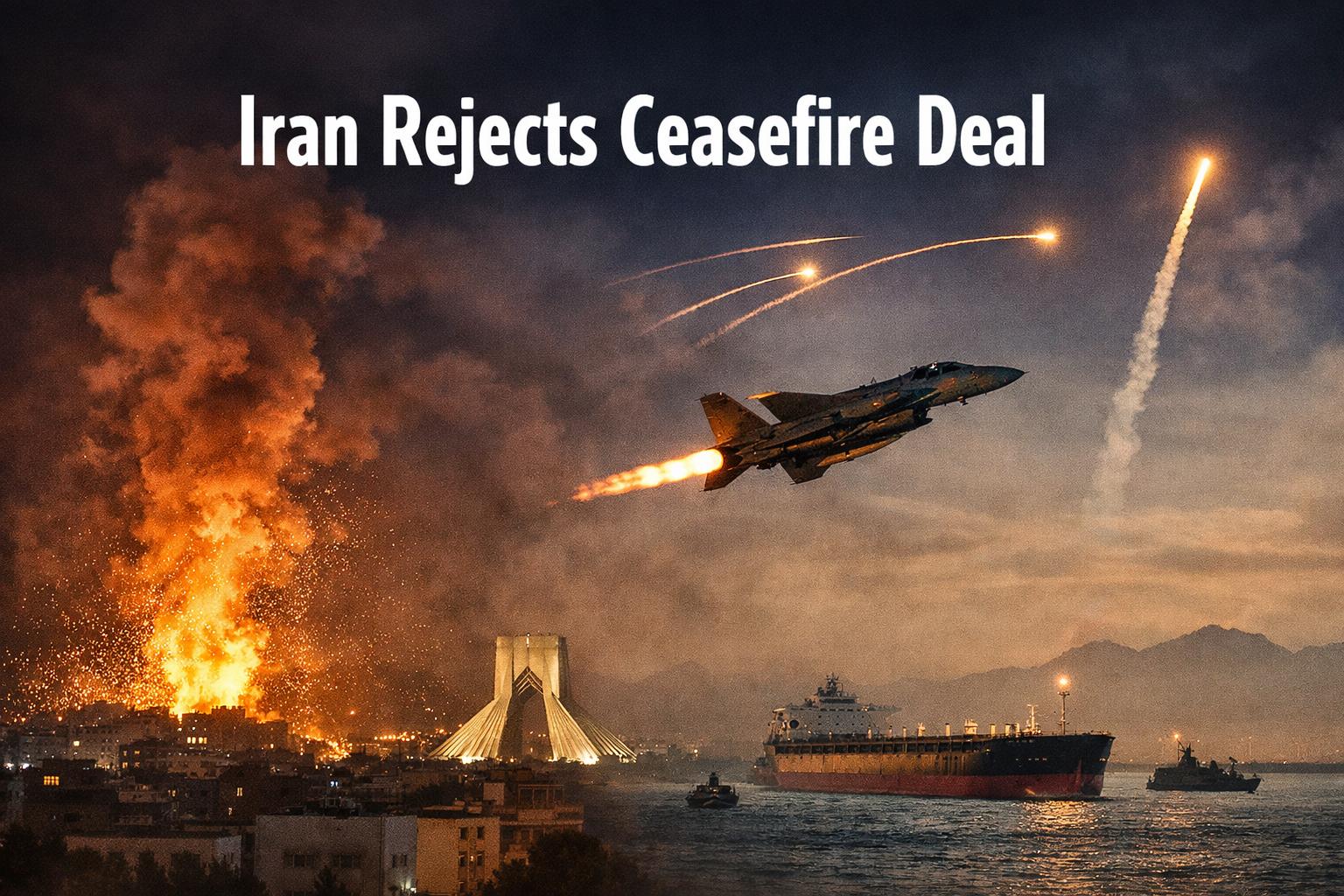
TEHRAN, Iran — Iran has rejected a proposed ceasefire agreement and is instead calling for a permanent end to hostilities, intensifying an already volatile situation in the Middle East. The development was reported on Monday, April 6, 2026, local time in Iran, amid rising pressure from the United States and escalating military actions involving Israel.
Mojtaba Ferdousi Pour, head of Iran’s diplomatic mission in Cairo, stated that Tehran would not agree to a temporary truce without guarantees of long-term security. He emphasized that Iran seeks a definitive end to the conflict with assurances that future attacks would not occur. According to Iranian officials, the country conveyed its position through Pakistan, which has been acting as a key mediator in ongoing diplomatic efforts.
The rejection comes as U.S. President Donald Trump has imposed a deadline tied to the reopening of the Strait of Hormuz, a critical global shipping route through which roughly 20% of the world’s oil supply passes during peacetime. Iranian and Omani officials are reportedly working on a mechanism to manage traffic through the strategic waterway. Disruptions in the strait have already contributed to rising oil prices and heightened concerns about the global economy.
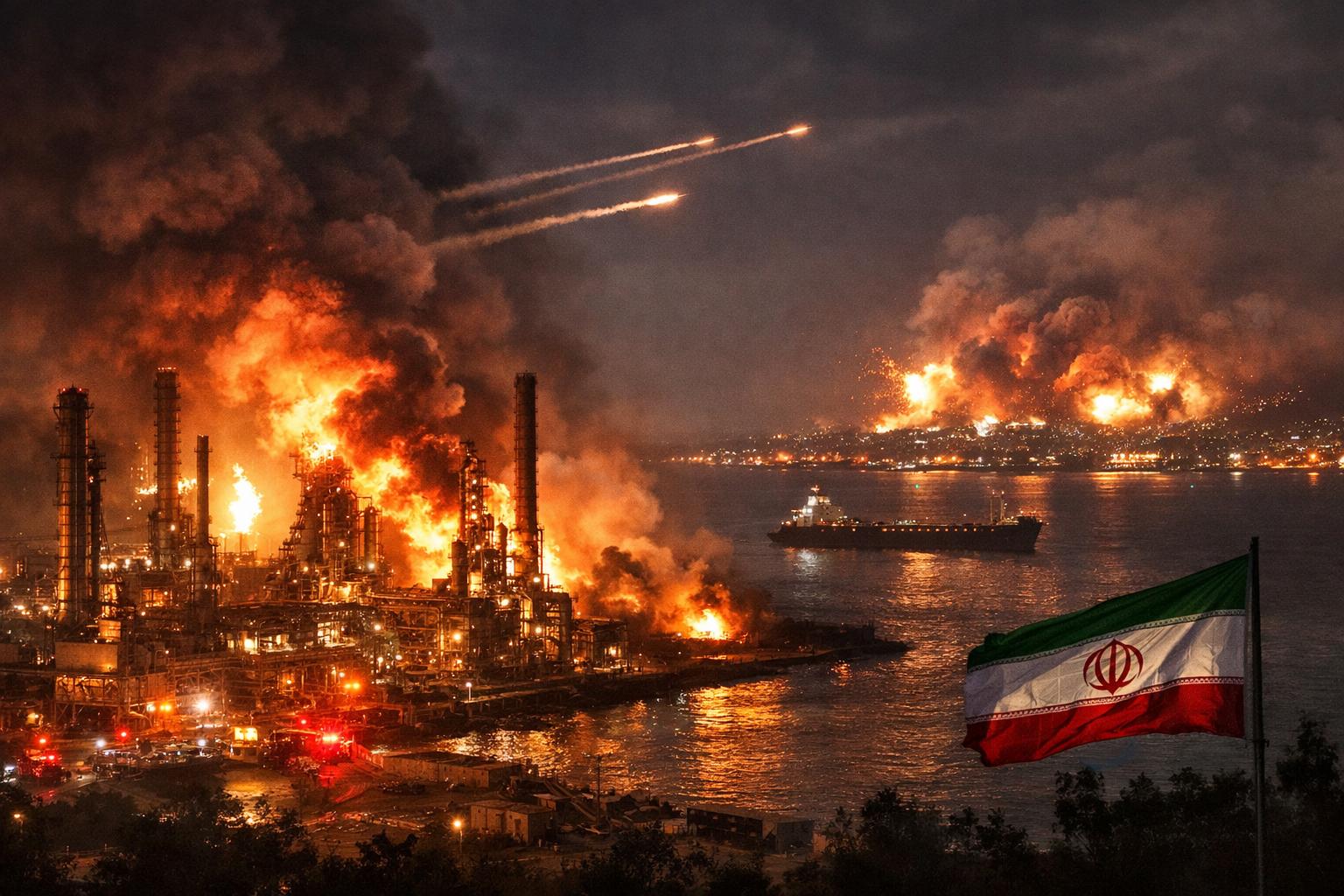
Tensions further escalated following Israeli strikes on Iran’s South Pars natural gas field, a major energy hub shared with Qatar and vital to Iran’s electricity production. The strikes also reportedly killed senior figures within Iran’s Revolutionary Guard, including intelligence chief Maj. Gen. Majid Khademi and a commander linked to the Quds Force. Israeli officials indicated that targeting Iran’s economic and military infrastructure remains a priority.
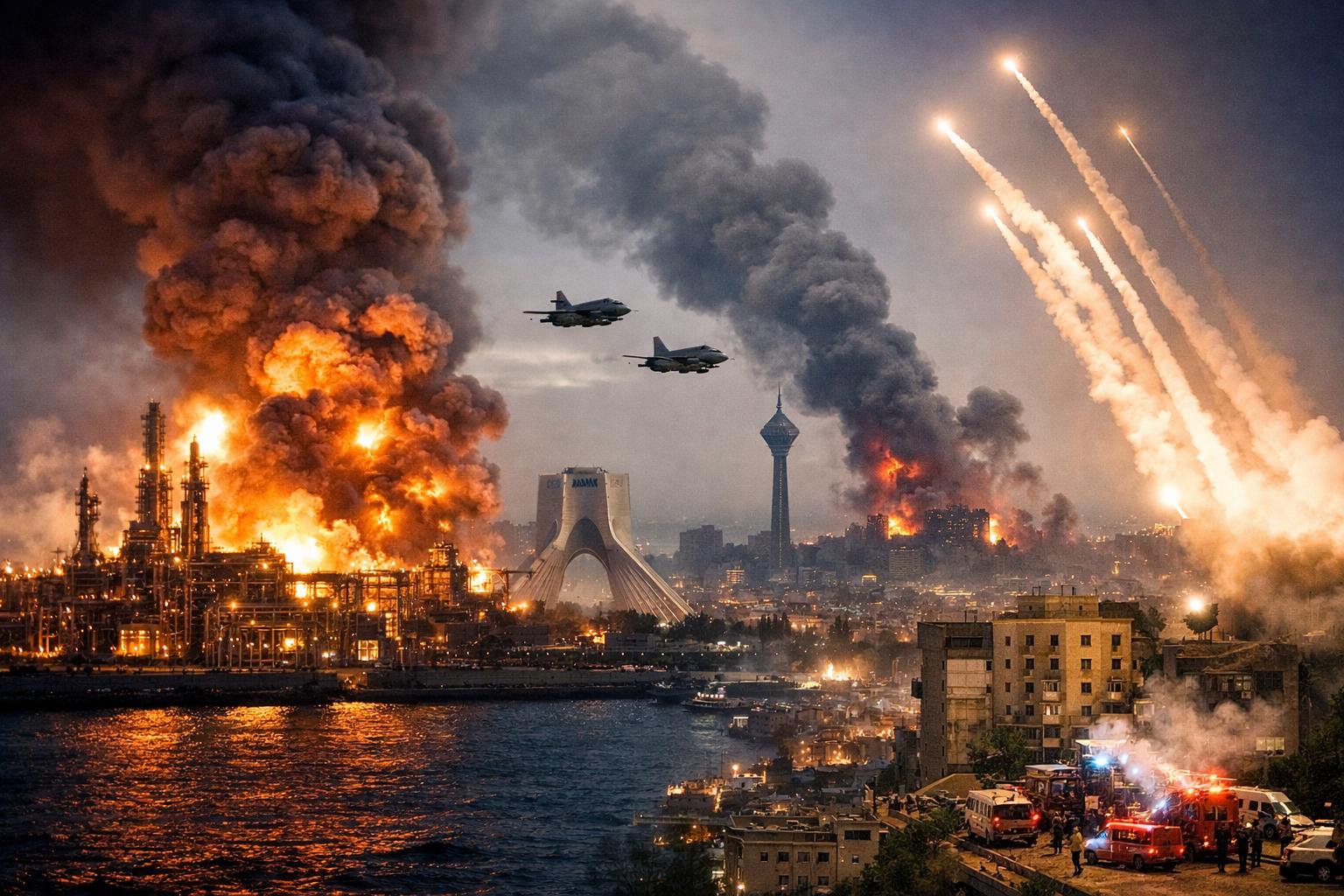
Simultaneously, explosions were reported across Tehran, with residents describing sustained aerial activity, including drones and low-flying aircraft. Israeli forces also claimed to have struck multiple airports in the Iranian capital, damaging military assets.
Efforts by mediators from Egypt, Pakistan, and Turkey to broker a 45-day ceasefire and reopen the Strait of Hormuz are ongoing, though progress appears uncertain. Iranian officials have reiterated that negotiations cannot proceed under threats or ultimatums.
Regional tensions have also spread to neighboring Gulf countries, with Kuwait, the United Arab Emirates, and Saudi Arabia activating air defenses in response to Iranian missile and drone activity. In Israel, missile strikes reportedly hit residential areas in Haifa, resulting in civilian casualties. The situation continues to evolve, with significant implications for global energy markets and regional stability.
TEHRAN, Iran — Iran has rejected a proposed ceasefire agreement and is instead calling for a permanent end to hostilities, intensifying an already volatile situation in the Middle East. The development was reported on Monday, April 6, 2026, local time in Iran, amid rising pressure from the United States and escalating military actions involving Israel.
Mojtaba Ferdousi Pour, head of Iran’s diplomatic mission in Cairo, stated that Tehran would not agree to a temporary truce without guarantees of long-term security. He emphasized that Iran seeks a definitive end to the conflict with assurances that future attacks would not occur. According to Iranian officials, the country conveyed its position through Pakistan, which has been acting as a key mediator in ongoing diplomatic efforts.
The rejection comes as U.S. President Donald Trump has imposed a deadline tied to the reopening of the Strait of Hormuz, a critical global shipping route through which roughly 20% of the world’s oil supply passes during peacetime. Iranian and Omani officials are reportedly working on a mechanism to manage traffic through the strategic waterway. Disruptions in the strait have already contributed to rising oil prices and heightened concerns about the global economy.
Tensions further escalated following Israeli strikes on Iran’s South Pars natural gas field, a major energy hub shared with Qatar and vital to Iran’s electricity production. The strikes also reportedly killed senior figures within Iran’s Revolutionary Guard, including intelligence chief Maj. Gen. Majid Khademi and a commander linked to the Quds Force. Israeli officials indicated that targeting Iran’s economic and military infrastructure remains a priority.
Simultaneously, explosions were reported across Tehran, with residents describing sustained aerial activity, including drones and low-flying aircraft. Israeli forces also claimed to have struck multiple airports in the Iranian capital, damaging military assets.
Efforts by mediators from Egypt, Pakistan, and Turkey to broker a 45-day ceasefire and reopen the Strait of Hormuz are ongoing, though progress appears uncertain. Iranian officials have reiterated that negotiations cannot proceed under threats or ultimatums.
Regional tensions have also spread to neighboring Gulf countries, with Kuwait, the United Arab Emirates, and Saudi Arabia activating air defenses in response to Iranian missile and drone activity. In Israel, missile strikes reportedly hit residential areas in Haifa, resulting in civilian casualties. The situation continues to evolve, with significant implications for global energy markets and regional stability.
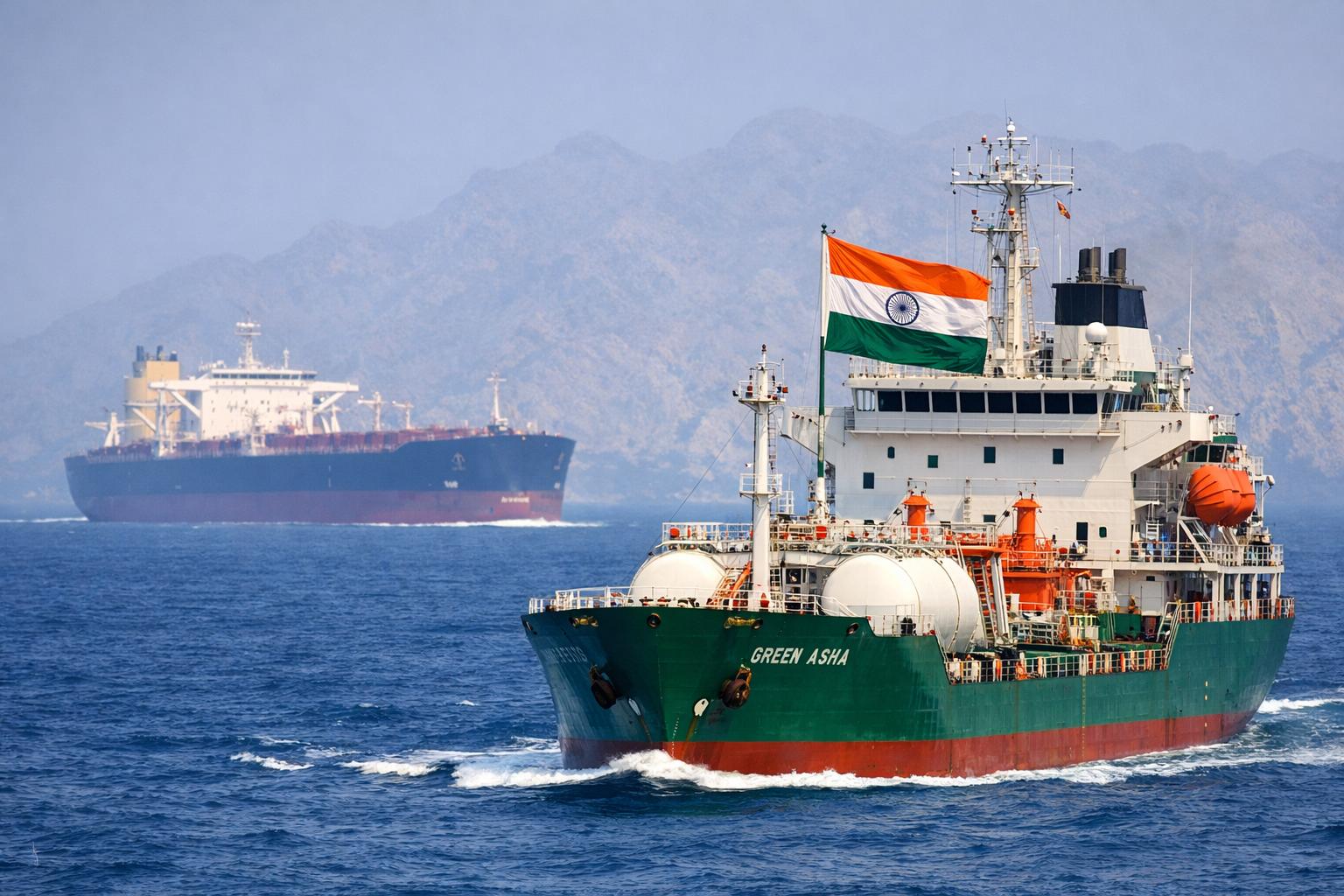
At an inter-ministerial press conference held on Monday, April 6, 2026, in India (IST), Mukesh Mangal, Secretary in the Ministry of Ports, Shipping and Waterways, confirmed that Indian seafarers operating in the conflict-affected West Asia region remain safe, even as escalating geopolitical tensions continue to disrupt global energy markets.
Mangal stated that no incidents involving Indian-flagged vessels had been reported in the preceding 24 hours, underscoring the government’s ong
At an inter-ministerial press conference held on Monday, April 6, 2026, in India (IST), Mukesh Mangal, Secretary in the Ministry of Ports, Shipping and Waterways, confirmed that Indian seafarers operating in the conflict-affected West Asia region remain safe, even as escalating geopolitical tensions continue to disrupt global energy markets.
Mangal stated that no incidents involving Indian-flagged vessels had been reported in the preceding 24 hours, underscoring the government’s ong
DUBAI, United Arab Emirates — Israel carried out a major strike on Iran’s South Pars natural gas field, targeting a key petrochemical facility that accounts for a significant portion of the country’s production, in an escalation that threatens ongoing efforts to broker a ceasefire between Tehran and Washington. Israeli officials confirmed the operation, describing it as a decisive blow to Iran’s energy infrastructure, while warning that further actions could follow despite diplomatic neg
DUBAI, United Arab Emirates — Israel carried out a major strike on Iran’s South Pars natural gas field, targeting a key petrochemical facility that accounts for a significant portion of the country’s production, in an escalation that threatens ongoing efforts to broker a ceasefire between Tehran and Washington. Israeli officials confirmed the operation, describing it as a decisive blow to Iran’s energy infrastructure, while warning that further actions could follow despite diplomatic neg
The Gulf region is facing rising tensions, with a series of drone attacks, fires, and infrastructure damage being reported across multiple countries, including Kuwait, Bahrain, and the UAE. The situation has been exacerbated by a warning from U.S. President Donald Trump, who set a deadline for Iran to reopen the Strait of Hormuz by 7th April 2026 evening. If Iran fails to comply, Trump has indicated that the U.S. will target critical infrastructure in retaliation. This escalation is of global
The Gulf region is facing rising tensions, with a series of drone attacks, fires, and infrastructure damage being reported across multiple countries, including Kuwait, Bahrain, and the UAE. The situation has been exacerbated by a warning from U.S. President Donald Trump, who set a deadline for Iran to reopen the Strait of Hormuz by 7th April 2026 evening. If Iran fails to comply, Trump has indicated that the U.S. will target critical infrastructure in retaliation. This escalation is of global
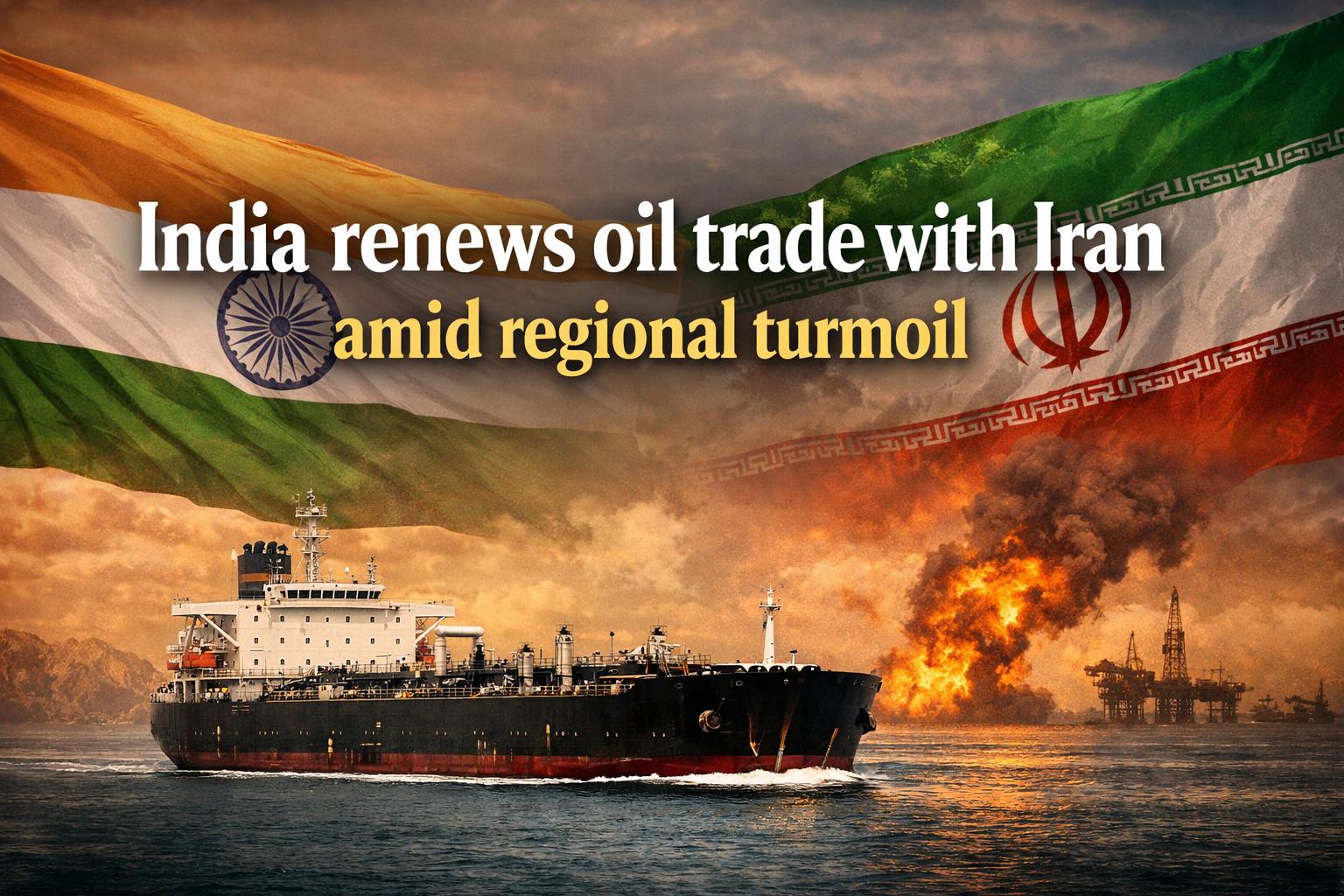
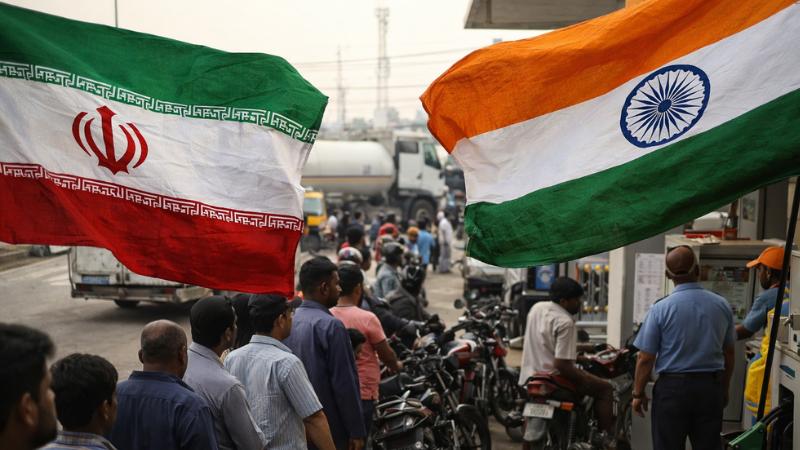
On Saturday, April 4, 2026, India marked a significant milestone in its energy dealings by making its first purchase of Iranian oil in over seven years. This comes after a period of strained relations due to U.S. sanctions that pressured India to halt its imports of Iranian crude back in May 2019. However, the ongoing conflict in the Middle East, particularly the U.S.-Israel war, has severely disrupted global oil supplies, pushing India to seek alternative sources of crude oil. The supply cha
On Saturday, April 4, 2026, India marked a significant milestone in its energy dealings by making its first purchase of Iranian oil in over seven years. This comes after a period of strained relations due to U.S. sanctions that pressured India to halt its imports of Iranian crude back in May 2019. However, the ongoing conflict in the Middle East, particularly the U.S.-Israel war, has severely disrupted global oil supplies, pushing India to seek alternative sources of crude oil. The supply cha
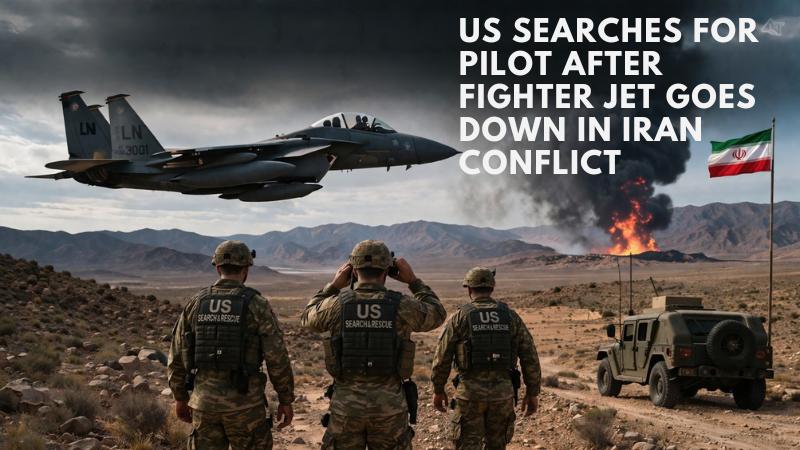
The United States is searching for the crew of an American fighter jet that went down in Iran during ongoing military operations, according to a U.S. official. The exact date and time of the incident have not been publicly confirmed by U.S. authorities, and officials have not released additional operational details.
Authorities have not clarified whether the aircraft was shot down or experienced a technical failure, leaving the cause of the incident under investigation. The Pentagon and U.S. Central Command have not issued formal statements, and no independent confirmation has been provided regarding claims surrounding the circumstances of the crash.
If confirmed, the loss would mark the first known downing of a U.S. fighter jet inside Iran since the current conflict began in late February. The war has now extended beyond a month, with continued air operations and heightened military engagement across the region.
The development comes at a sensitive moment, as the conflict continues to disrupt activity in the Strait of Hormuz, one of the world’s most critical maritime routes for energy shipments. Reduced tanker movement through the strait has raised global concerns about the supply of crude oil, fertilizer, and other key commodities, potentially impacting international markets.
Amid escalating tensions, U.S. President Donald Trump has indicated a willingness to intensify military action. In recent public remarks, he suggested that the United States could reopen the strategic waterway and secure access to oil resources. He also warned of possible expanded strikes targeting Iranian infrastructure, including bridges and electrical facilities.
In earlier statements, Trump signaled a more aggressive posture, stating that the United States could significantly escalate its response if necessary. These remarks highlight the growing volatility of the situation and the potential for further military escalation as the conflict continues.
The United States is searching for the crew of an American fighter jet that went down in Iran during ongoing military operations, according to a U.S. official. The exact date and time of the incident have not been publicly confirmed by U.S. authorities, and officials have not released additional operational details.
Authorities have not clarified whether the aircraft was shot down or experienced a technical failure, leaving the cause of the incident under investigation. The Pentagon and U.S. Central Command have not issued formal statements, and no independent confirmation has been provided regarding claims surrounding the circumstances of the crash.
If confirmed, the loss would mark the first known downing of a U.S. fighter jet inside Iran since the current conflict began in late February. The war has now extended beyond a month, with continued air operations and heightened military engagement across the region.
The development comes at a sensitive moment, as the conflict continues to disrupt activity in the Strait of Hormuz, one of the world’s most critical maritime routes for energy shipments. Reduced tanker movement through the strait has raised global concerns about the supply of crude oil, fertilizer, and other key commodities, potentially impacting international markets.
Amid escalating tensions, U.S. President Donald Trump has indicated a willingness to intensify military action. In recent public remarks, he suggested that the United States could reopen the strategic waterway and secure access to oil resources. He also warned of possible expanded strikes targeting Iranian infrastructure, including bridges and electrical facilities.
In earlier statements, Trump signaled a more aggressive posture, stating that the United States could significantly escalate its response if necessary. These remarks highlight the growing volatility of the situation and the potential for further military escalation as the conflict continues.
US President Donald Trump said on Friday, April 3, 2026, that the United States could potentially “open” the Strait of Hormuz and seize oil resources if given additional time, as tensions continue to escalate in the ongoing Iran war. The remarks, posted on his Truth Social platform, come amid growing concerns over global energy security and disruptions to one of the world’s most critical shipping routes.
Trump’s statement suggested a more aggressive approach to the strategic
US President Donald Trump said on Friday, April 3, 2026, that the United States could potentially “open” the Strait of Hormuz and seize oil resources if given additional time, as tensions continue to escalate in the ongoing Iran war. The remarks, posted on his Truth Social platform, come amid growing concerns over global energy security and disruptions to one of the world’s most critical shipping routes.
Trump’s statement suggested a more aggressive approach to the strategic
DUBAI, United Arab Emirates — Iran launched coordinated attacks across the Middle East on Friday, April 3, 2026, targeting energy infrastructure and escalating tensions as U.S. and Israeli forces carried out strikes inside Iran. The conflict has now entered its fifth week with no signs of slowing, raising concerns over global energy security and regional stability.
Iranian drone strikes hit Kuwait’s Mina al-Ahmadi oil refinery early Friday, April 3, 2026 (local time in the Midd
DUBAI, United Arab Emirates — Iran launched coordinated attacks across the Middle East on Friday, April 3, 2026, targeting energy infrastructure and escalating tensions as U.S. and Israeli forces carried out strikes inside Iran. The conflict has now entered its fifth week with no signs of slowing, raising concerns over global energy security and regional stability.
Iranian drone strikes hit Kuwait’s Mina al-Ahmadi oil refinery early Friday, April 3, 2026 (local time in the Midd
AUSTIN, Texas — Texas’ first statewide school voucher-style initiative has drawn overwhelming interest, with more than 274,000 applications submitted for the Texas Education Freedom Accounts program by the deadline of Tuesday, March 31, 2026. The volume of applications significantly exceeds the program’s initial capacity of approximately 90,000 students, setting the stage for a highly competitive selection process.
The TEFA program, established by the Texas Legislature in 2025,
AUSTIN, Texas — Texas’ first statewide school voucher-style initiative has drawn overwhelming interest, with more than 274,000 applications submitted for the Texas Education Freedom Accounts program by the deadline of Tuesday, March 31, 2026. The volume of applications significantly exceeds the program’s initial capacity of approximately 90,000 students, setting the stage for a highly competitive selection process.
The TEFA program, established by the Texas Legislature in 2025,
India’s government on Thursday, April 2, 2026 (IST), said there have been no discussions with Iran regarding the imposition of tolls on Indian ships transiting the Strait of Hormuz, dismissing recent reports circulating amid heightened tensions in West Asia. Speaking at a media briefing in New Delhi, Ministry of External Affairs spokesperson Randhir Jaiswal stated that no such proposal has been discussed between the two countries, countering speculation that had raised concerns over shipping c
India’s government on Thursday, April 2, 2026 (IST), said there have been no discussions with Iran regarding the imposition of tolls on Indian ships transiting the Strait of Hormuz, dismissing recent reports circulating amid heightened tensions in West Asia. Speaking at a media briefing in New Delhi, Ministry of External Affairs spokesperson Randhir Jaiswal stated that no such proposal has been discussed between the two countries, countering speculation that had raised concerns over shipping c
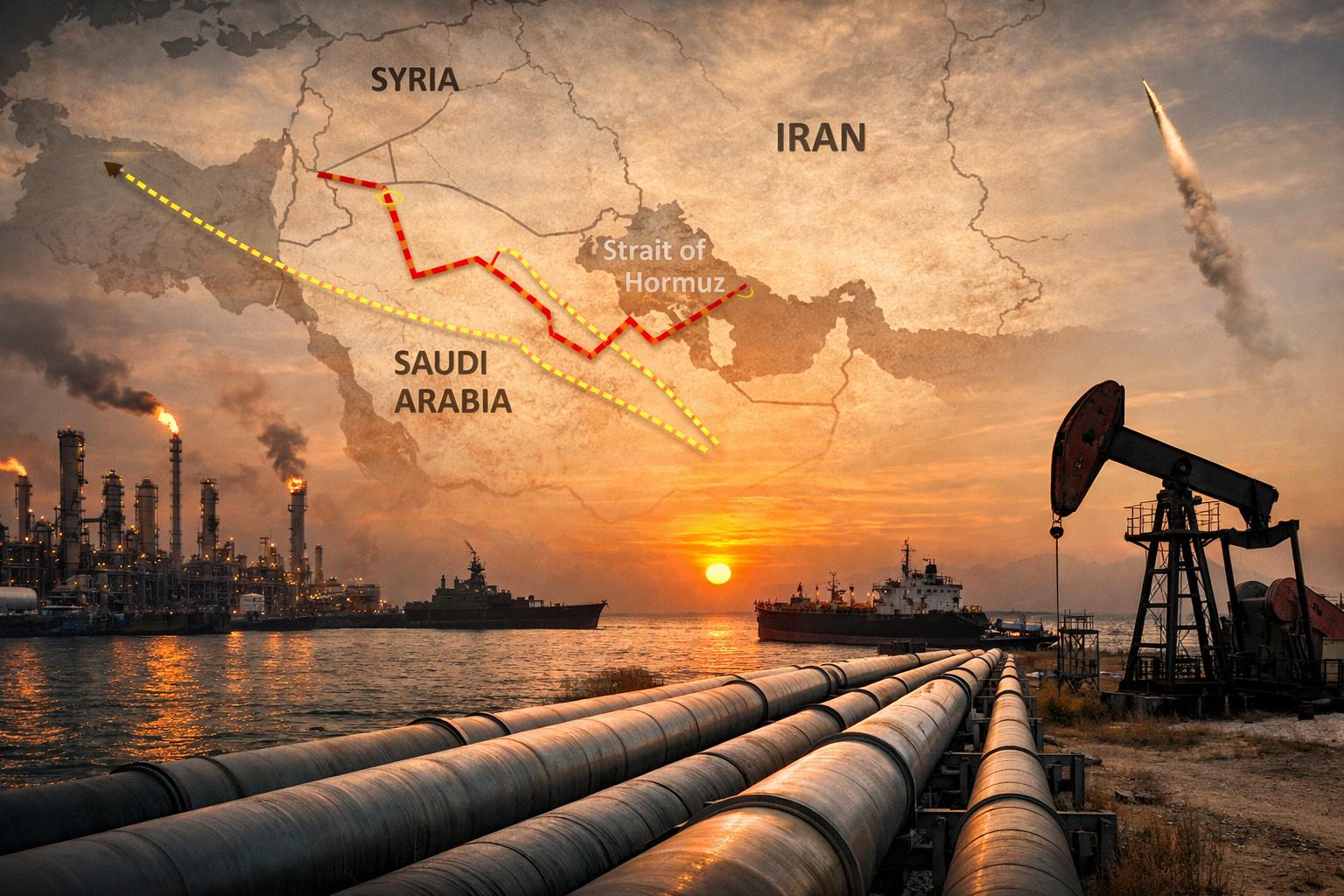
Gulf nations are accelerating discussions on building alternative oil and gas pipelines after Iran’s closure of the Strait of Hormuz disrupted a critical global energy corridor, halting exports from most countries in the region and cutting off roughly 20 percent of the world’s oil and gas supply.
The blockade has exposed the region’s heavy dependence on the narrow maritime route, prompting officials and industry leaders to reconsider long-term infrastructure strategies. Saudi Arabia ha
Gulf nations are accelerating discussions on building alternative oil and gas pipelines after Iran’s closure of the Strait of Hormuz disrupted a critical global energy corridor, halting exports from most countries in the region and cutting off roughly 20 percent of the world’s oil and gas supply.
The blockade has exposed the region’s heavy dependence on the narrow maritime route, prompting officials and industry leaders to reconsider long-term infrastructure strategies. Saudi Arabia ha
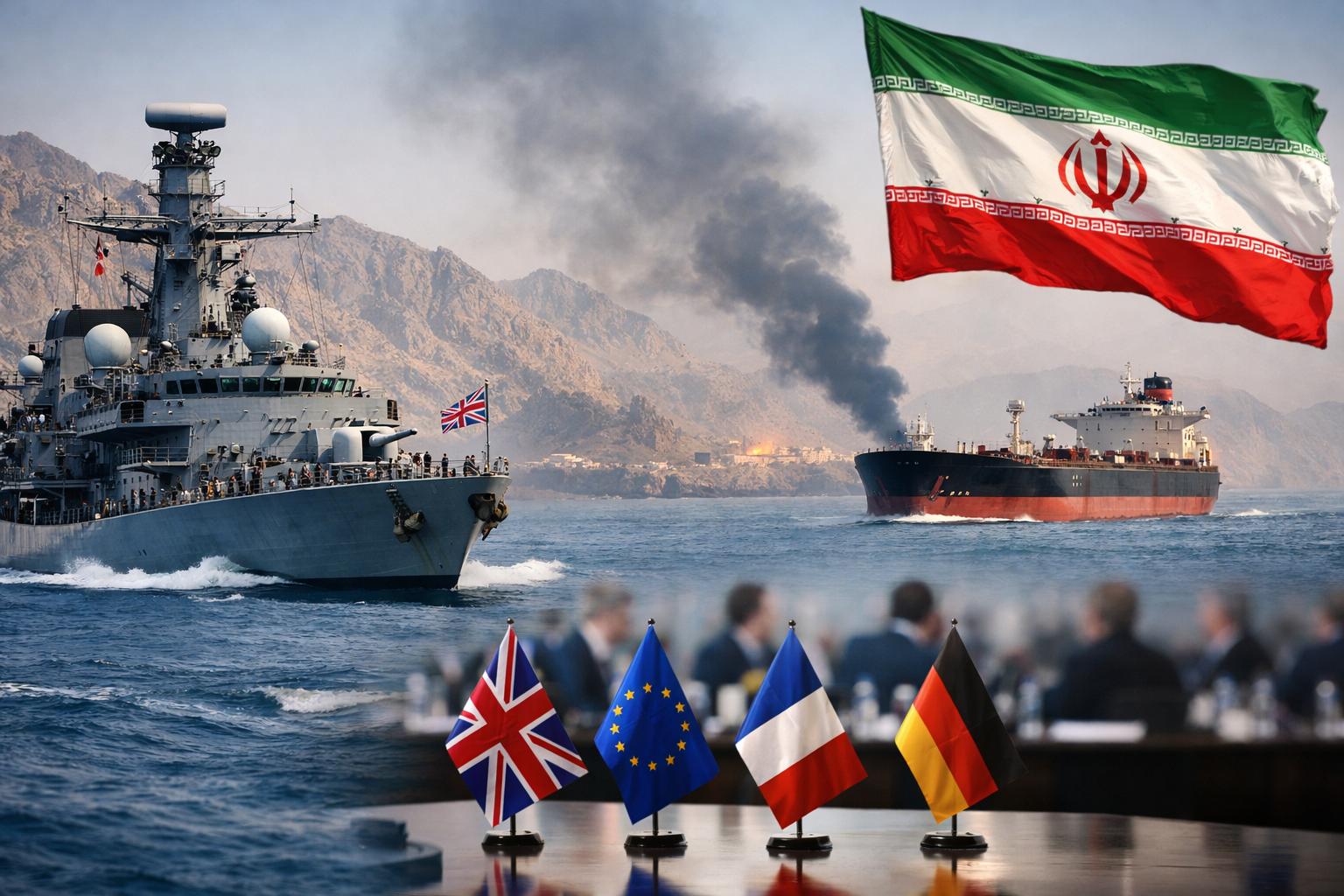
LONDON — The United Kingdom on Thursday, April 2, 2026, convened a virtual meeting of foreign ministers from roughly 35 nations to address escalating disruptions in the Strait of Hormuz, with UK Foreign Secretary Yvette Cooper sharply criticizing Iran’s actions as a threat to global economic stability.
Speaking in opening remarks broadcast before the closed-door session, Cooper accused Iran of “hijacking an international shipping route” and warned that such actions were effectively h
LONDON — The United Kingdom on Thursday, April 2, 2026, convened a virtual meeting of foreign ministers from roughly 35 nations to address escalating disruptions in the Strait of Hormuz, with UK Foreign Secretary Yvette Cooper sharply criticizing Iran’s actions as a threat to global economic stability.
Speaking in opening remarks broadcast before the closed-door session, Cooper accused Iran of “hijacking an international shipping route” and warned that such actions were effectively h
The Central Board of Secondary Education (CBSE) has taken a significant step towards modernizing India’s education system by introducing artificial intelligence learning for students starting from Class 3. This move reflects the growing importance of digital literacy and emerging technologies in shaping the future workforce. By incorporating AI concepts at an early stage, CBSE aims to ensure that students are not just consumers of technology but also understand its fundamentals and applications. The initiative is part of a broader effort to align school education with global technological trends and prepare students for a rapidly evolving digital world.
Under this new curriculum, young learners will be introduced to basic concepts of artificial intelligence through interactive and activity-based learning methods. Instead of complex coding, the focus will be on developing logical thinking, problem-solving skills, and an understanding of how AI impacts everyday life. Students will engage in simple exercises, games, and real-life examples to grasp how machines can learn and make decisions. This foundational approach ensures that children build curiosity and confidence in technology without feeling overwhelmed.
Curriculum Focus and Implementation
The AI curriculum for primary classes is designed to be age-appropriate and engaging. CBSE has collaborated with education experts and technology partners to create content that is both informative and easy to understand. Teachers will also receive specialized training to effectively deliver AI-related lessons in classrooms. The board plans to integrate AI topics with existing subjects, making learning more interdisciplinary and practical. This approach will help students connect theoretical knowledge with real-world applications, enhancing their overall learning experience.
Impact on Students and Future Education
Introducing AI learning at an early stage is expected to have a long-term impact on students’ academic and career paths. As industries increasingly rely on automation and data-driven technologies, early exposure to AI will give students a competitive edge. It will also encourage innovation and creativity among young minds, enabling them to think beyond traditional career options. Parents and educators have largely welcomed this move, seeing it as a progressive step toward building a tech-savvy generation.
With this initiative, CBSE reinforces its commitment to evolving education standards and preparing students for the challenges of the future. The inclusion of artificial intelligence in the curriculum marks a shift from rote learning to skill-based education, ensuring that students are better equipped to navigate and contribute to a technology-driven world.
The Central Board of Secondary Education (CBSE) has taken a significant step towards modernizing India’s education system by introducing artificial intelligence learning for students starting from Class 3. This move reflects the growing importance of digital literacy and emerging technologies in shaping the future workforce. By incorporating AI concepts at an early stage, CBSE aims to ensure that students are not just consumers of technology but also understand its fundamentals and applications. The initiative is part of a broader effort to align school education with global technological trends and prepare students for a rapidly evolving digital world.
Under this new curriculum, young learners will be introduced to basic concepts of artificial intelligence through interactive and activity-based learning methods. Instead of complex coding, the focus will be on developing logical thinking, problem-solving skills, and an understanding of how AI impacts everyday life. Students will engage in simple exercises, games, and real-life examples to grasp how machines can learn and make decisions. This foundational approach ensures that children build curiosity and confidence in technology without feeling overwhelmed.
Curriculum Focus and Implementation
The AI curriculum for primary classes is designed to be age-appropriate and engaging. CBSE has collaborated with education experts and technology partners to create content that is both informative and easy to understand. Teachers will also receive specialized training to effectively deliver AI-related lessons in classrooms. The board plans to integrate AI topics with existing subjects, making learning more interdisciplinary and practical. This approach will help students connect theoretical knowledge with real-world applications, enhancing their overall learning experience.
Impact on Students and Future Education
Introducing AI learning at an early stage is expected to have a long-term impact on students’ academic and career paths. As industries increasingly rely on automation and data-driven technologies, early exposure to AI will give students a competitive edge. It will also encourage innovation and creativity among young minds, enabling them to think beyond traditional career options. Parents and educators have largely welcomed this move, seeing it as a progressive step toward building a tech-savvy generation.
With this initiative, CBSE reinforces its commitment to evolving education standards and preparing students for the challenges of the future. The inclusion of artificial intelligence in the curriculum marks a shift from rote learning to skill-based education, ensuring that students are better equipped to navigate and contribute to a technology-driven world.
Millions of viewers across the globe are expected to watch President Donald Trump deliver a primetime address on Wednesday, April 1, 2026, as the United States faces growing uncertainty over its involvement in the Iran conflict. The White House has indicated that no major announcement is expected, but the timing of the speech has intensified speculation about whether it signals de-escalation or further escalation.
Public opinion in the United States has increasingly turned against a
Millions of viewers across the globe are expected to watch President Donald Trump deliver a primetime address on Wednesday, April 1, 2026, as the United States faces growing uncertainty over its involvement in the Iran conflict. The White House has indicated that no major announcement is expected, but the timing of the speech has intensified speculation about whether it signals de-escalation or further escalation.
Public opinion in the United States has increasingly turned against a
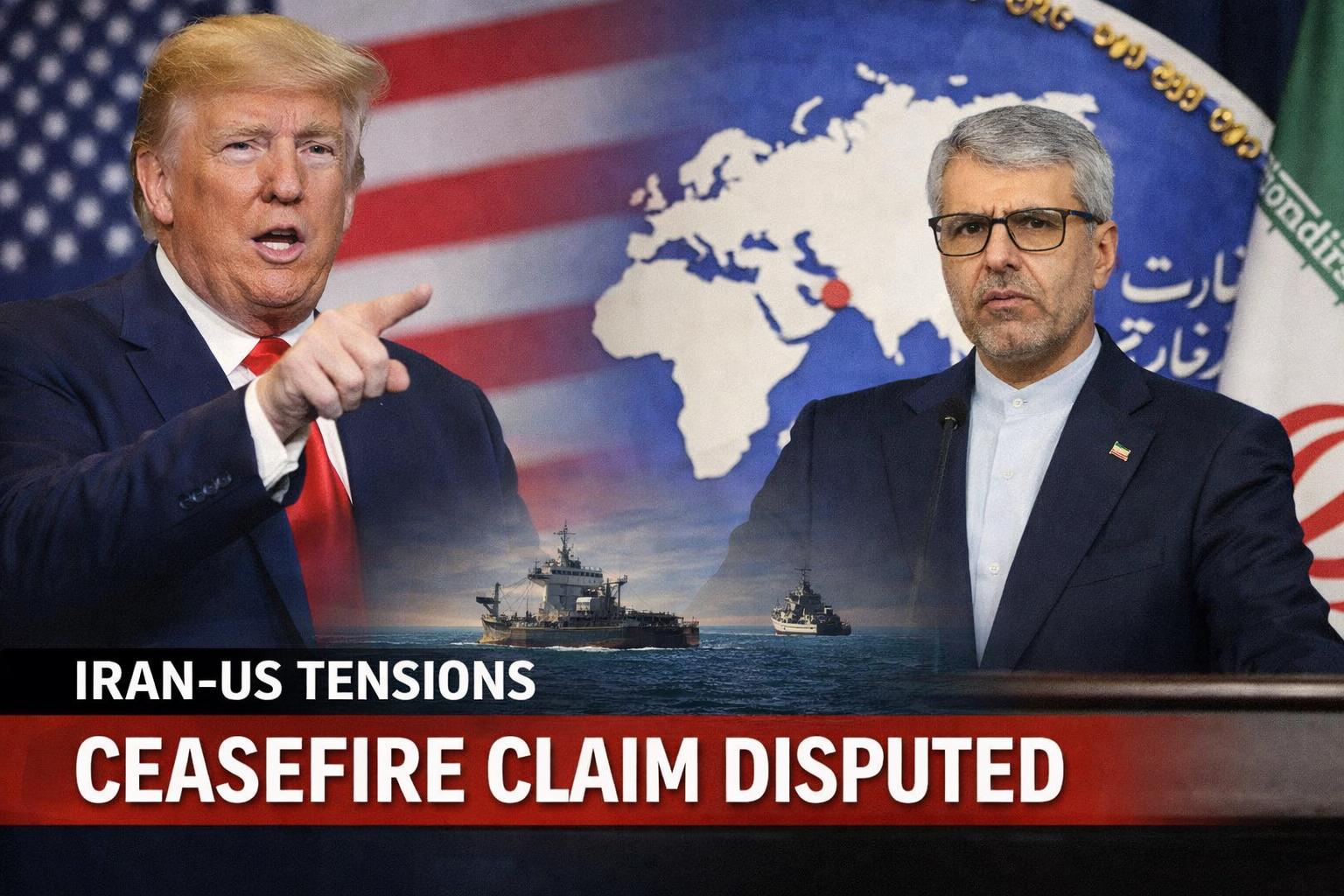
Iran has firmly rejected claims that it sought a ceasefire with the United States, calling recent remarks by U.S. President Donald Trump “false and baseless.” The statement was issued by Iran’s foreign ministry spokesman Esmaeil Baqaei and broadcast on Iranian state television, amid heightened geopolitical tensions in the Middle East.
Trump had earlier stated on his social media platform that Iran had requested a ceasefire, referring to what he described as the country’s “new regime president,” though he did not provide a name. He added that any consideration of a ceasefire would depend on the Strait of Hormuz being “open, free, and clear,” highlighting the strategic importance of the waterway.
Iran’s foreign ministry swiftly denied the claim, emphasizing that no such request had been made to Washington. Officials described the statement as misleading and reiterated that there are currently no ceasefire negotiations underway between the two nations. The response underscores the strained relationship between Iran and the United States, particularly at a time when tensions surrounding the Strait of Hormuz remain elevated.
The Strait of Hormuz is a critical global shipping route through which a significant portion of the world’s oil supply passes. Any disruption in this region can have immediate and far-reaching effects on global energy markets and international trade. Recent developments have already contributed to concerns about oil supply stability and rising fuel costs.
The conflicting statements from both sides reflect the broader uncertainty surrounding the current geopolitical climate. While Trump’s comments suggested the possibility of diplomatic engagement, Iran’s denial indicates that no formal communication regarding a ceasefire has taken place.
As tensions continue to unfold, the situation remains closely monitored by governments and analysts worldwide. The absence of confirmed negotiations highlights the fragile nature of U.S.-Iran relations and the ongoing challenges in achieving stability in the region.
Iran has firmly rejected claims that it sought a ceasefire with the United States, calling recent remarks by U.S. President Donald Trump “false and baseless.” The statement was issued by Iran’s foreign ministry spokesman Esmaeil Baqaei and broadcast on Iranian state television, amid heightened geopolitical tensions in the Middle East.
Trump had earlier stated on his social media platform that Iran had requested a ceasefire, referring to what he described as the country’s “new regime president,” though he did not provide a name. He added that any consideration of a ceasefire would depend on the Strait of Hormuz being “open, free, and clear,” highlighting the strategic importance of the waterway.
Iran’s foreign ministry swiftly denied the claim, emphasizing that no such request had been made to Washington. Officials described the statement as misleading and reiterated that there are currently no ceasefire negotiations underway between the two nations. The response underscores the strained relationship between Iran and the United States, particularly at a time when tensions surrounding the Strait of Hormuz remain elevated.
The Strait of Hormuz is a critical global shipping route through which a significant portion of the world’s oil supply passes. Any disruption in this region can have immediate and far-reaching effects on global energy markets and international trade. Recent developments have already contributed to concerns about oil supply stability and rising fuel costs.
The conflicting statements from both sides reflect the broader uncertainty surrounding the current geopolitical climate. While Trump’s comments suggested the possibility of diplomatic engagement, Iran’s denial indicates that no formal communication regarding a ceasefire has taken place.
As tensions continue to unfold, the situation remains closely monitored by governments and analysts worldwide. The absence of confirmed negotiations highlights the fragile nature of U.S.-Iran relations and the ongoing challenges in achieving stability in the region.