US–Venezuela crisis – China condemns US pressure on Venezuela oil ties, calls it violation of sovereignty
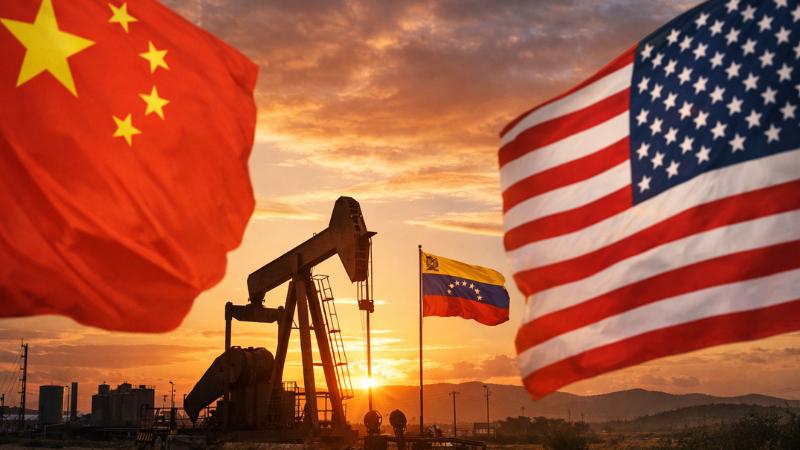
China on Wednesday strongly criticized reported United States demands aimed at reshaping Venezuela’s oil partnerships, calling the move an act of coercion that violates both national sovereignty and international law. Beijing’s response follows media reports that Washington has sought exclusive control over Venezuela’s oil sector as part of its political and economic engagement with the South American nation.
Speaking at a regular press briefing, Chinese Foreign Ministry spokesperson Mao Ning stated that Venezuela is a sovereign country with full and permanent authority over its natural resources and economic decisions. She emphasized that decisions regarding oil production and trade fall solely within the jurisdiction of the Venezuelan state and must not be dictated by external powers.
Mao underscored that China, along with other countries, maintains legitimate economic interests in Venezuela that are protected under both domestic and international legal frameworks. She said bilateral cooperation agreements between nations are lawful arrangements between sovereign states and should be respected by all parties. According to Mao, attempts to interfere with such agreements undermine established international norms and principles governing state-to-state relations.
China is currently Venezuela’s second-largest trading partner after the United States, with bilateral trade valued at approximately $7 billion. The two countries have maintained long-standing cooperation in areas including energy, infrastructure, and finance. Beijing has repeatedly affirmed its support for Venezuela’s right to pursue independent development paths and economic partnerships of its choosing.
The Chinese response came after reports indicated that the US administration presented Venezuelan interim leadership with a list of demands that allegedly included exclusive cooperation with Washington on oil production, preferential treatment for American buyers of heavy crude, and the removal of economic involvement by countries such as China, Russia, Iran, and Cuba. Chinese officials rejected such conditions as illegitimate and contrary to international practice.
Mao also accused Washington of abusing unilateral sanctions, arguing that these measures have caused significant harm to Venezuela’s economic development and the well-being of its population. She said such actions have exacerbated instability rather than contributing to peaceful resolution or economic recovery.
Tensions escalated further following a US military operation over the weekend that targeted Venezuelan infrastructure and resulted in the capture of President Nicolas Maduro and First Lady Cilia Flores. The United States has framed its actions as part of efforts to combat narco-trafficking and enforce its strategic interests in the Western Hemisphere, citing the Monroe Doctrine as justification.
US President Donald Trump subsequently announced that the new Venezuelan administration had agreed to transfer between 30 and 50 million barrels of sanctioned oil to the United States for market sale. Washington has portrayed the agreement as a step toward stabilizing global energy markets while strengthening its influence over Venezuela’s vast oil reserves.
China has firmly rejected this narrative, describing US actions as coercive and unlawful. Beijing reiterated that international disputes should be addressed through dialogue and mutual respect, not pressure or force. Chinese officials warned that attempts to impose unilateral control over another country’s resources risk destabilizing regional and global order.
As geopolitical competition over energy resources intensifies, China’s statement reflects broader concerns among developing nations regarding sovereignty, sanctions, and external intervention. The situation in Venezuela continues to draw international scrutiny as global powers navigate competing interests in one of the world’s largest oil-producing regions.