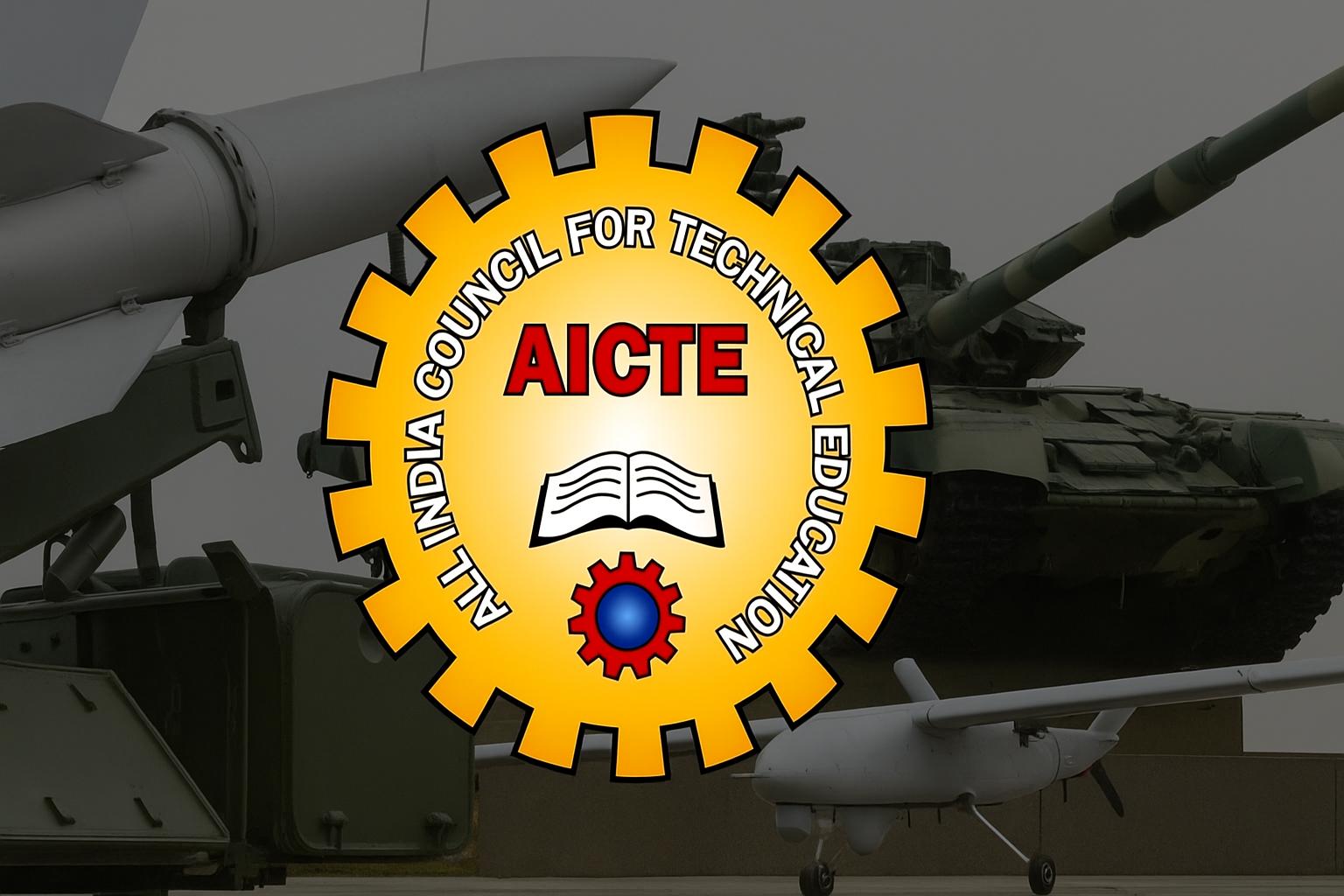
This new course aims to align engineering education with India’s rapidly growing defence needs. It provides students with an in-depth understanding of modern defence systems and technologies that are essential to national security. The curriculum covers subjects such as missiles, drones, aeronautical systems, naval and land-based weapon systems, advanced materials, and cybersecurity. These topics represent some of the most crucial areas of innovation in contemporary defence systems. The course combines theoretical learning with extensive practical exposure, ensuring students develop both conceptual and technical expertise.
The structure of the programme is designed to go beyond classroom instruction. It includes field visits, hands-on projects, and seminars to help students connect academic knowledge with real-world defence applications. By involving students in experiential learning, the course ensures that future engineers gain first-hand understanding of how defence systems are developed, tested, and deployed. This approach prepares them to take on responsibilities in research, production, and design roles immediately after graduation.
India’s defence ecosystem is currently evolving at a rapid pace under national initiatives aimed at boosting self-reliance and indigenous manufacturing. Strengthening this transformation requires a strong pool of technically skilled and industry-ready engineers. The introduction of the Minor Degree in Defence Technology addresses this need by cultivating a new generation of professionals who are equipped to support India’s defence infrastructure.
The model curriculum has been developed through close coordination between experts from the armed forces, defence research organizations, manufacturing industries, and academic institutions. This collaborative process ensures that the content remains relevant to the present and future needs of the defence sector. The programme focuses on achieving a balance between practical feasibility and technological innovation, preparing students for the immediate requirements of defence industries as well as for future advancements in warfare and security technology.
India’s defence sector is undergoing rapid expansion with increasing emphasis on domestic design, research, and production. One of the biggest challenges faced by the industry has been the shortage of skilled engineers capable of handling complex defence technologies. The new course is expected to fill this gap by training students in core defence engineering principles and advanced systems development. Graduates from this programme will be well-prepared for positions in research organizations, defence firms, and technology start-ups that work with the defence sector.
As the global demand for advanced defence systems continues to grow, India’s vision of becoming a leading defence manufacturing hub depends on the availability of a capable workforce. Engineers trained in specialized domains such as artificial intelligence in warfare, autonomous vehicles, cybersecurity, and advanced communication systems will play a key role in shaping this vision. The Defence Technology minor provides a strong foundation for these skills, making Indian graduates competitive on both national and global platforms.
This initiative also promotes stronger collaboration between academia, industry, and defence research bodies. It aims to create an integrated ecosystem where education directly supports innovation and national security objectives. Students enrolling in this programme will not only develop technical proficiency but also gain an understanding of the strategic and operational aspects of defence technology. This holistic approach ensures that they can contribute effectively to projects of national importance.
The Minor Degree in Defence Technology represents more than just an academic addition; it symbolizes a forward-looking strategy to bridge the gap between education and national defence capability. It will help nurture a generation of engineers who are both innovative and mission-oriented, capable of addressing the challenges of modern defence systems.
As India continues to build a self-reliant and technologically advanced defence infrastructure, educational initiatives like this will be critical in achieving long-term goals. The AICTE’s introduction of the Defence Technology curriculum reflects a decisive step toward strengthening India’s defence readiness and ensuring that future engineers play a direct role in safeguarding the nation. This programme could redefine how engineering education supports strategic development and national security, paving the way for a stronger, more self-reliant India.