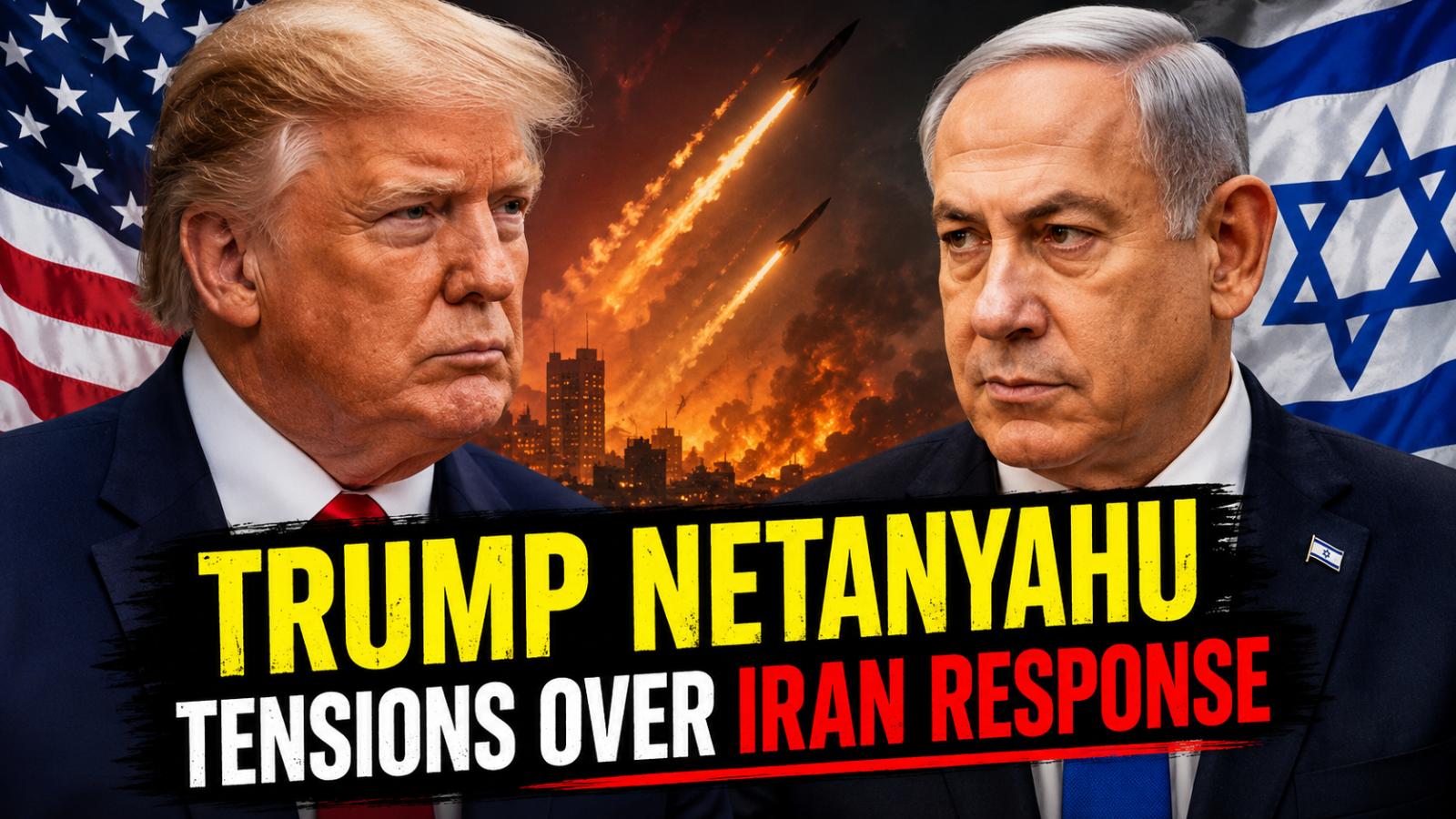
Reports of Trump Netanyahu tensions have become a major talking point as Israel and the United States continue to manage the fallout from Iran’s recent attacks and Israel’s possible military response. Israel’s ambassador to the United States, Yechiel Leiter, has tried to reduce the seriousness of the reports, saying the relationship between US President Donald Trump and Israeli Prime Minister Benjamin Netanyahu remains strong despite sharp discussions over Iran.
Leiter described the disagreement as a minor clash between close allies rather than a serious diplomatic break. His comments suggest that both governments are trying to keep public messaging under control while continuing private talks on Iran, missile threats, nuclear concerns and regional security.
Israeli Envoy Says US-Israel Ties Remain Strong
Yechiel Leiter said the bond between Trump and Netanyahu is not new and has been built over many years. According to him, close political relationships can sometimes involve heated exchanges, especially during moments of military pressure. He argued that such conversations should not be mistaken for a collapse in trust between the two leaders.
The envoy also made it clear that Israel cannot ignore missile attacks aimed at its territory. At the same time, he indicated that Netanyahu listened to Trump’s request for restraint and reduced the level of military action. This shows that Israel may be defending its security interests while still considering Washington’s concerns.
Why Netanyahu Stepped Back From a Larger Iran Strike
Netanyahu reportedly paused a wider military response against Iran after speaking directly with Trump. The decision came during a highly sensitive moment, when Israeli forces were said to be prepared for stronger action.
Some Israeli leaders wanted Netanyahu to move ahead despite American pressure. However, Netanyahu appeared to believe that a direct clash with the US president would not help Israel’s long-term interests. For Israel, American support remains critical, especially during a serious confrontation involving Iran.
Netanyahu later defended the coordination with Washington. He suggested that both countries remain focused on limiting Iran’s threat, especially around missile attacks, nuclear material and financial pressure. He also warned that Israel would respond forcefully if Iran launched fresh attacks.
Iran Response Tests Israel-US Coordination
The situation has become more serious because the IDF said it had carried out strikes inside Iran. Explosions were reported in several major areas, including Tehran, Isfahan, Karaj and Tabriz. These developments raised concerns that the conflict could expand beyond a direct Israel-Iran confrontation.
Trump’s concern appears to be focused on preventing a wider Middle East war. Washington does not want Israel’s military action to damage ongoing diplomatic efforts or create a situation where the US is pulled deeper into the conflict.
For Netanyahu, the challenge is different. He has to show Israelis that his government can respond strongly to Iran while also protecting the country’s most important international partnership.
A Difficult Balance for Both Leaders
The reported disagreement highlights the difficult position facing both leaders. Israel wants to maintain deterrence and show that attacks from Iran will carry consequences. The United States wants to avoid a regional war that could affect American interests, allies and global stability.
Leiter’s comments appear designed to calm speculation of a major rift. His message is simple: Trump and Netanyahu may disagree on timing and military strategy, but the broader Israel-US security partnership remains active.
The bigger issue is not whether the two leaders had a tense conversation. The real question is how far Israel can go in responding to Iran while still keeping full US backing. That balance may shape the next stage of the Middle East crisis.
What This Means for the Region
The Trump Netanyahu tensions story shows how sensitive the Iran issue has become. Israel is trying to send a strong message to Tehran, while the US is trying to prevent the conflict from spreading. Both sides need each other, but their immediate priorities are not always the same.
For now, the public message from Israel is that coordination with Washington continues. But if Iran attacks again or Israel decides stronger action is necessary, the pressure on the Trump-Netanyahu relationship could return quickly.