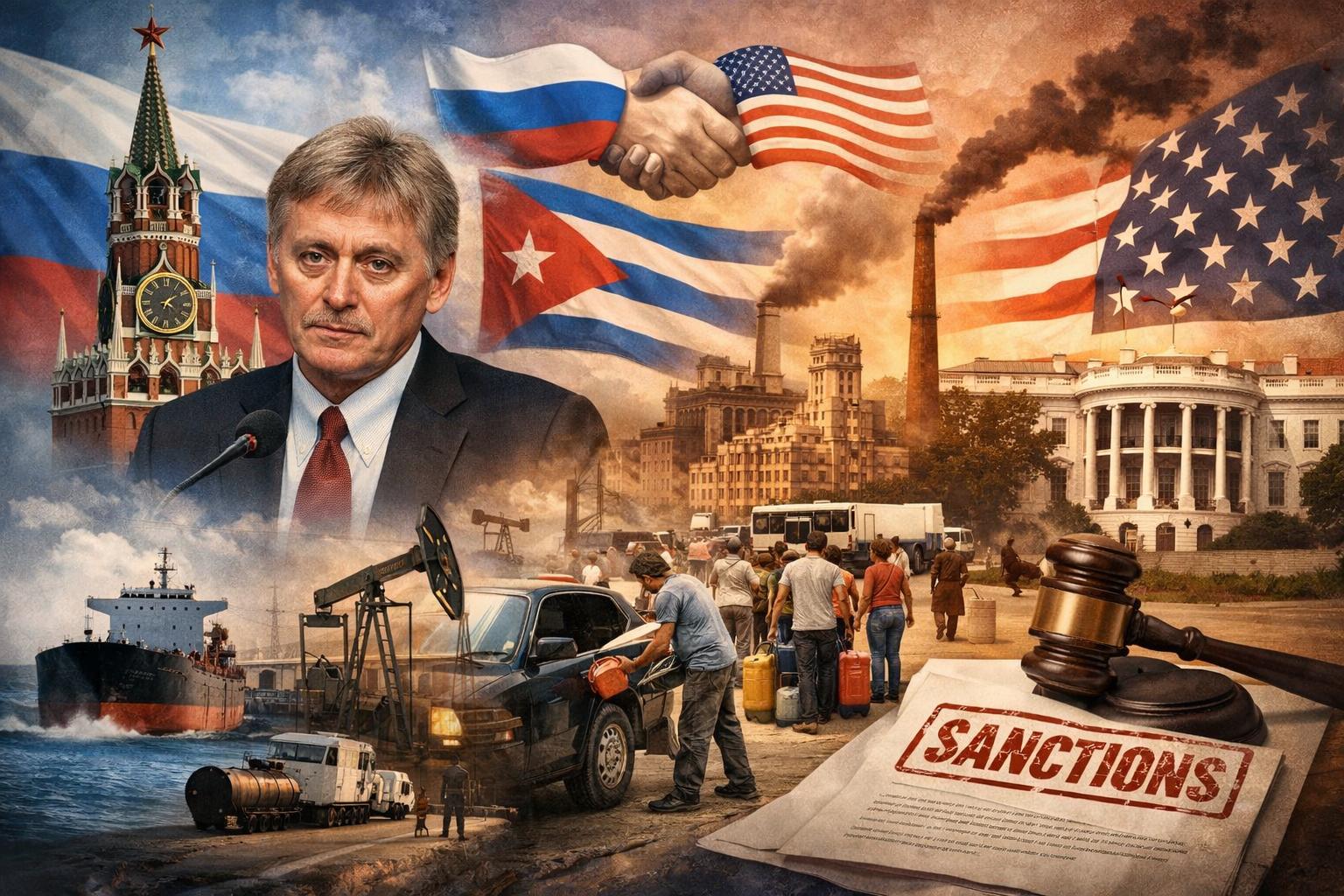
The U.S. has threatened to impose tariffs on any country that provides oil to Cuba, citing the island’s government as a national security concern. These measures form part of a broader campaign to pressure Cuba following recent political developments in the region. Washington has framed these actions as a response to potential threats posed by the Cuban government, emphasizing the strategic importance of limiting its access to energy supplies.
Cuba is facing a severe energy crisis, compounded by long-standing trade restrictions. The country has implemented emergency measures to ration fuel and maintain essential services. These include limits on fuel sales, shorter school days, reduced working weeks for state-owned enterprises, and the temporary closure of certain tourist facilities. Aviation has been particularly affected, with international carriers facing difficulties in refueling operations due to ongoing fuel shortages.
Russia’s stance reflects a cautious approach to the situation. While expressing support for Cuba, officials emphasize avoiding direct confrontation with the United States. At the same time, Moscow maintains that it will continue to provide assistance where possible, balancing strategic interests with diplomatic pragmatism. Russia’s historical role as an energy supplier to Cuba further underscores its position as a key partner in addressing the island’s fuel needs.
The unfolding energy crisis has had widespread consequences in Cuba, affecting transportation, healthcare, and economic activity. The tourism sector has been particularly impacted, with airlines adjusting operations and travelers facing disruptions. Government efforts to mitigate the crisis aim to protect essential services and limit broader economic fallout, but challenges remain acute as fuel shortages persist.
In signaling a willingness to engage in dialogue with the United States, Russia is navigating a complex geopolitical landscape. Its messaging seeks to avoid public escalation while reaffirming its support for Cuba’s energy requirements. The situation highlights the broader implications of international sanctions, diplomatic maneuvering, and the strategic importance of energy supplies in shaping regional and global relations.
The ongoing crisis in Cuba and the international response illustrate how energy access, diplomatic pressure, and strategic interests intersect. Russia’s cautious involvement reflects both a commitment to supporting an ally and a desire to maintain stability in interactions with the United States. How the situation develops will have lasting implications for Cuba’s energy security, regional dynamics, and international relations.