Indian parents can pay U.S. college fees from India through authorized banks under the Liberalised Remittance Scheme. Families should understand the $250,000 annual limit, current TCS rules, education-loan exemption, university instructions and currency costs.
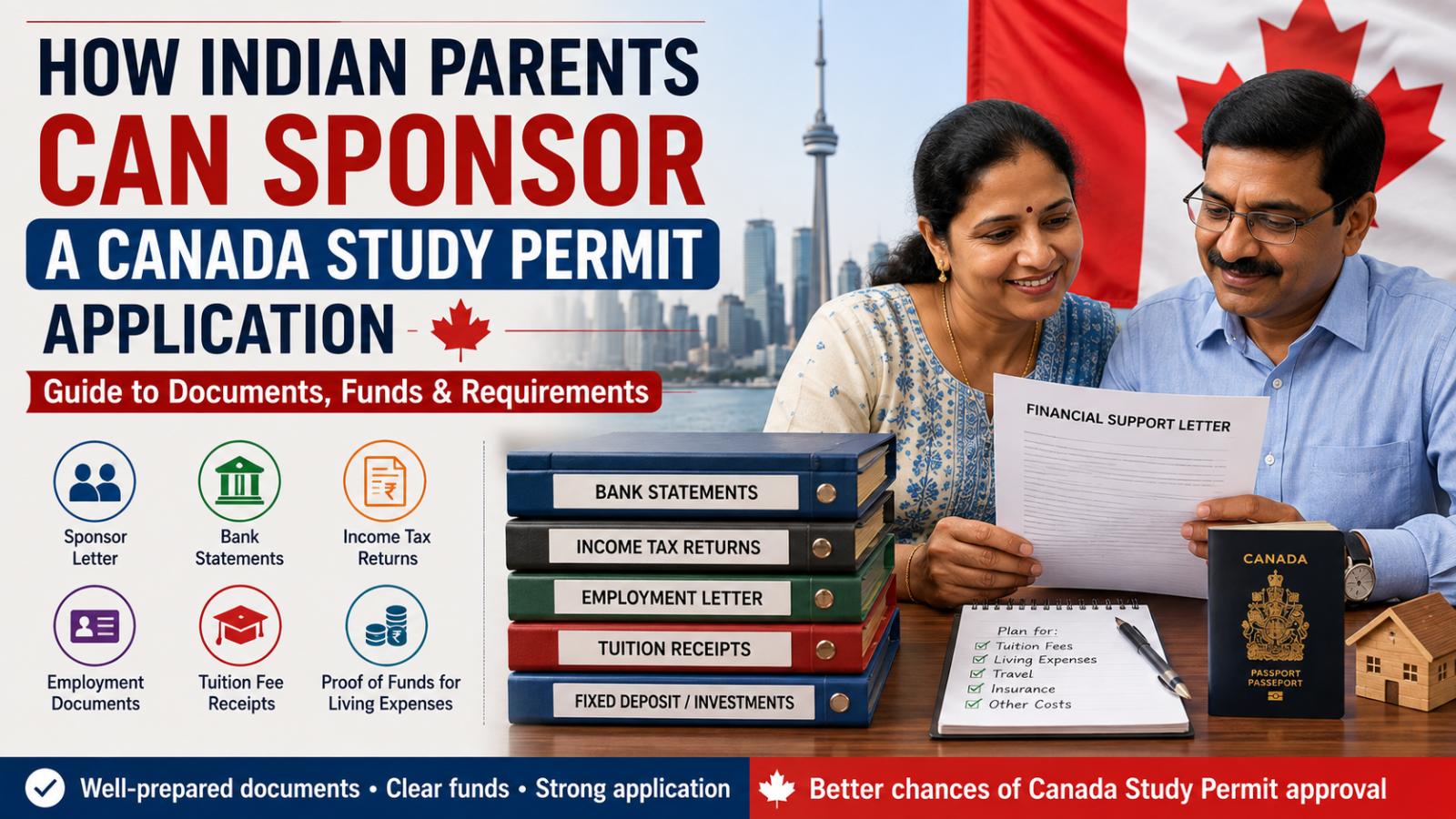
Parents living in India can send money for a child’s U.S. tuition, housing and other education expenses through authorized foreign-exchange channels. However, the amount reaching the university can be affected by tax collection, bank fees and currency movements.
This guide primarily applies to resident Indian parents. The banking rules may differ when the person sending the money is already an NRI.
LRS Covers Education Remittances
Under the Reserve Bank of India’s Liberalised Remittance Scheme, a resident individual may remit up to $250,000 during an April-to-March financial year for permitted transactions, including studies abroad. The limit covers the individual’s combined LRS transactions, not only tuition payments. A PAN is mandatory, and the remitter remains responsible for compliance with foreign-exchange rules.
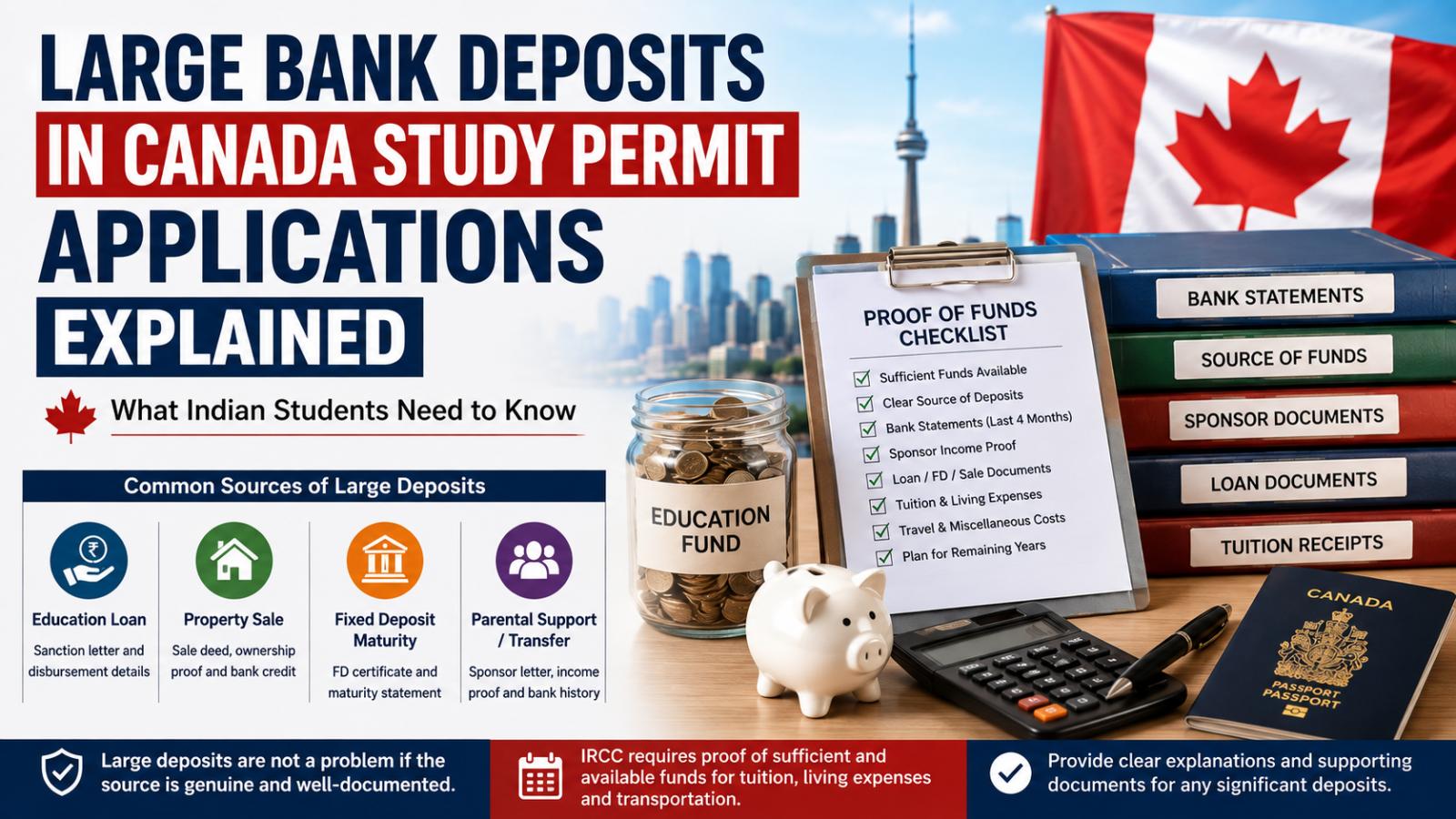
Parents should obtain the university’s official invoice and confirm the beneficiary name, bank account, routing details, payment reference and deadline before initiating a transfer.
Understand TCS on Foreign Education
As of July 2026, TCS generally does not apply until a person’s aggregate LRS remittances exceed ₹10 lakh in a financial year. Education remittances funded from personal savings are generally subject to 5% TCS on the amount above that threshold.
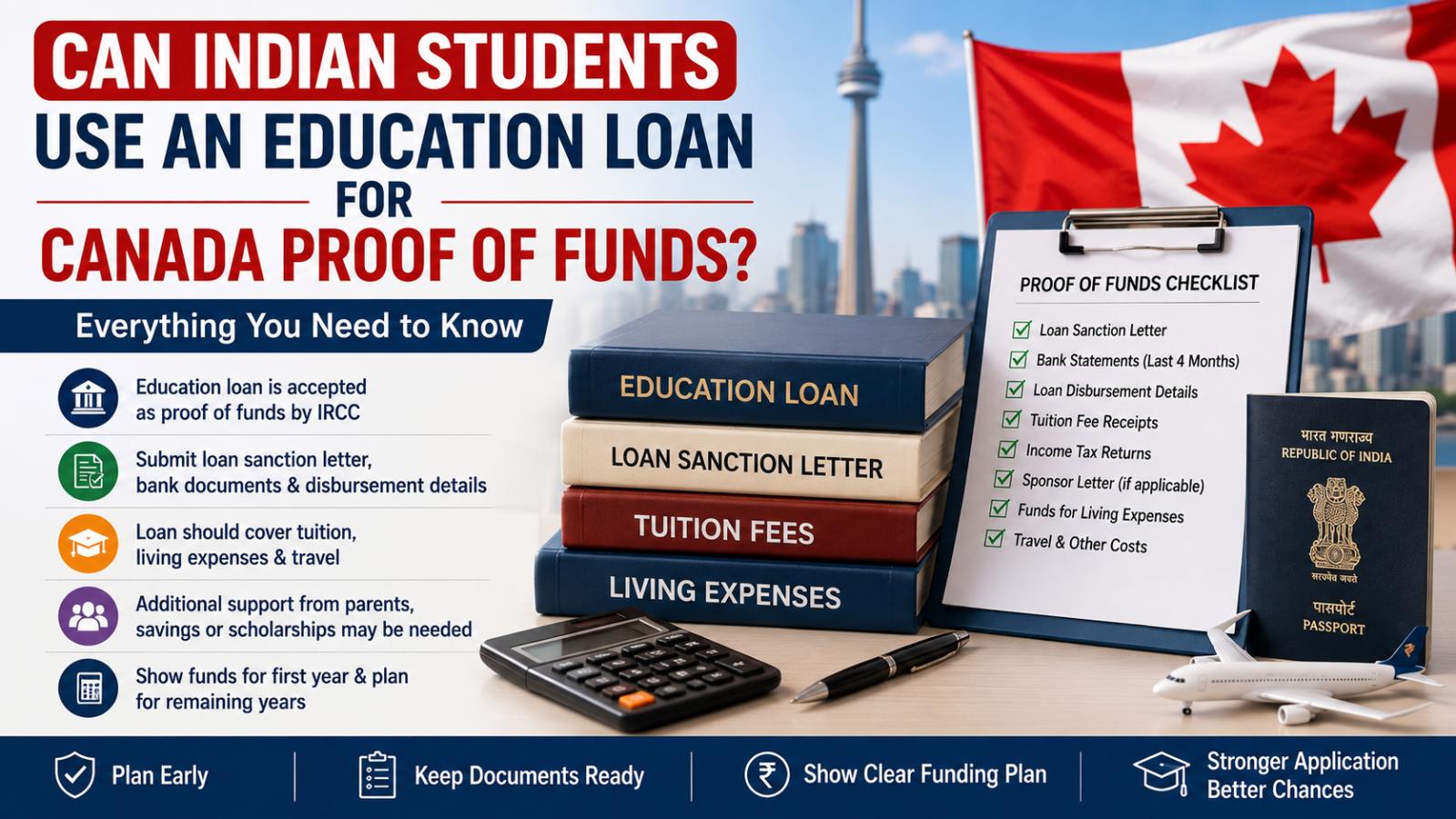
Remittances for education funded through a qualifying loan covered by Section 80E are exempt from this LRS TCS requirement under the current rules.
TCS is a tax credit rather than an additional university charge. The remitter should check that the collected amount appears in Form 26AS and claim the eligible credit while filing the Indian income-tax return.
Use an Authorized Payment Route
Parents can submit the tuition payment through an authorized dealer bank or a university-approved payment service. The bank may request Form A2, PAN, identity documents, the admission letter, tuition invoice and proof of the payment purpose.
Form 15CA or a Form 15CB certificate is not required in every outward remittance case. Applicability depends on the payment’s nature and tax treatment, so families should confirm the requirement with the bank or a chartered accountant.
Budget Beyond the Tuition Invoice
Families should include university fees, housing, insurance, travel and living costs in the four-year budget. EducationUSA advises families to review the complete cost because tuition and related expenses vary by institution and may rise during the course.
Comparing exchange-rate margins, transfer fees and payment deadlines before each semester can reduce avoidable costs. Parents should also retain invoices, remittance receipts and TCS records for tax filing and any later verification.