H-1B parents generally cannot obtain Parent PLUS loans based on H-1B status alone, even when their child is a U.S. citizen. Families may still use FAFSA, student federal loans, institutional aid, 529 funds and other financing options.
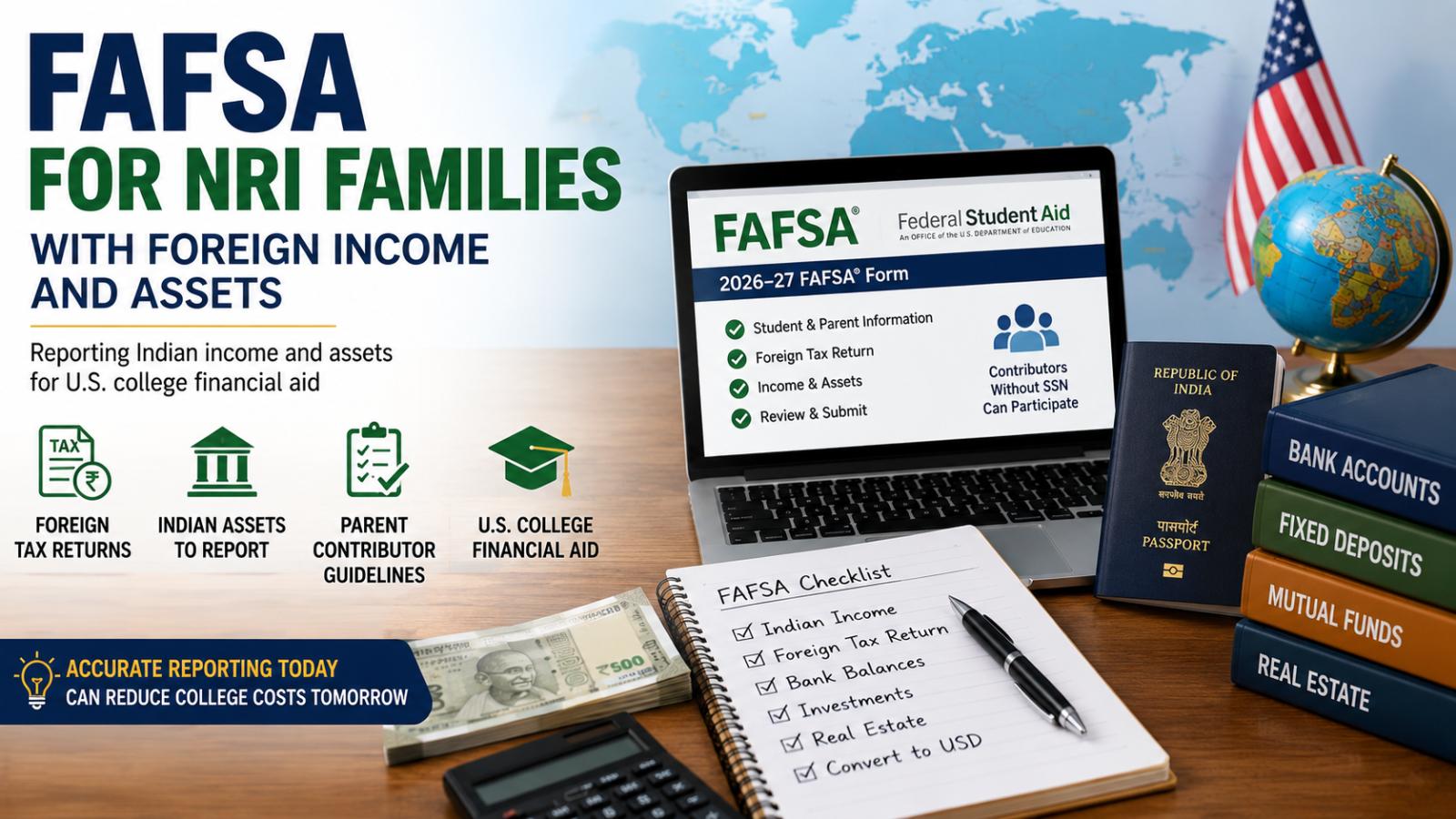
An H-1B parent may help a child complete the FAFSA, but that does not automatically make the parent eligible to borrow a federal Parent PLUS loan.
Federal rules treat FAFSA participation, the student’s aid eligibility and the parent’s borrowing eligibility as separate questions.
H-1B Status Alone Does Not Qualify
Both the parent borrower and the dependent undergraduate student must generally be U.S. citizens, U.S. nationals, permanent residents or other eligible noncitizens for a Parent PLUS loan.
H-1B is a temporary nonimmigrant classification and does not, by itself, meet the federal eligible-noncitizen standard. A parent who only holds H-1B status would therefore generally be unable to borrow through the Parent PLUS program.
If one parent is a U.S. citizen, permanent resident or otherwise eligible noncitizen, that qualifying parent may be able to apply, provided the other program requirements are met.
A U.S.-Citizen Child Does Not Qualify the Parent
A child born in the United States may qualify for federal student aid even when the parents remain on H-1B visas. Federal Student Aid states that a parent’s citizenship or immigration status does not determine the student’s eligibility.
However, the child’s citizenship does not extend Parent PLUS eligibility to an H-1B parent. The parent borrower must meet the citizenship requirement independently.
Eligible Parents Face a Credit Review
Parent PLUS loans are available to eligible parents of dependent undergraduates enrolled at least half time. The program is not based on financial need, but the parent undergoes an adverse-credit review.
An approved parent may borrow up to the college’s cost of attendance minus other financial assistance. The debt legally belongs to the parent and is not automatically transferred to the student.
Alternatives for H-1B Families
When a parent cannot borrow because of immigration status, the college may determine that the dependent student qualifies for additional Direct Unsubsidized Loan funds. The school must document the parent’s ineligibility, and the increased amount may not cover the full funding gap.
Families should also compare 529 savings, scholarships, institutional grants, tuition-payment plans, current income and carefully reviewed private loans.
An H-1B parent can still serve as a FAFSA contributor, but families should contact the college’s financial-aid office before treating Parent PLUS borrowing as part of the four-year budget.