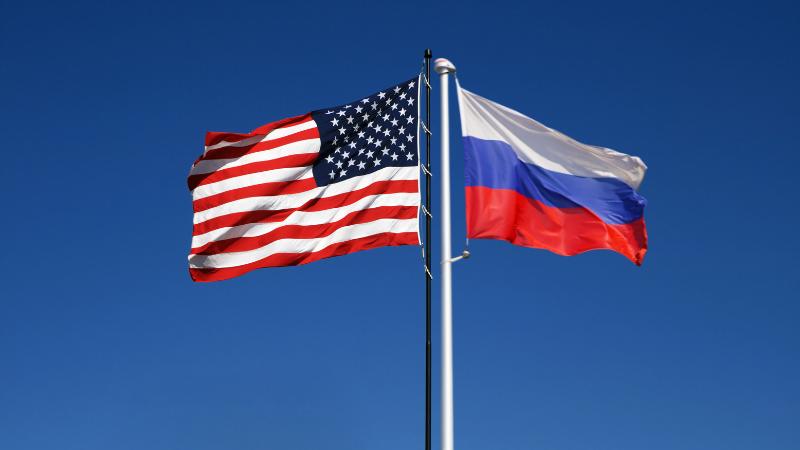
U.S. Army Secretary Dan Driscoll held discussions with Russian officials in Abu Dhabi on Monday, according to a U.S. official familiar with the matter, marking the latest attempt by the Trump administration to revive momentum toward a negotiated settlement in the ongoing Russia-Ukraine war. The meetings were described as part of a broader diplomatic effort aimed at narrowing longstanding divisions between Moscow and Kyiv, which have intensified despite repeated international appeals for de-escalation. Driscoll’s talks are expected to continue into Tuesday, although details of the Russian delegation have not been disclosed. The official also noted that Driscoll plans to meet Ukrainian representatives while in the United Arab Emirates, underscoring Washington’s attempt to engage both sides directly as pressure mounts for progress.
The White House has not commented publicly on the meeting, and the administration’s approach to the conflict has been marked by shifting strategies in recent months. A hastily arranged summit in Alaska between President Donald Trump and Russian President Vladimir Putin in August raised significant concerns within diplomatic circles that the United States might be prepared to concede to several long-standing Russian demands. While the summit ultimately produced a tougher U.S. stance toward Moscow, it also exposed deep uncertainty surrounding Washington’s long-term policy direction.
Tensions were further heightened after the circulation of a new 28-point U.S. peace proposal, which surprised officials in Washington, Kyiv, and several European capitals. The plan was met with unease because it appeared to mirror several key objectives long sought by the Kremlin. Among the provisions was a requirement that Ukraine cede additional territory, restrict elements of its military operations, and publicly commit never to seek NATO membership. Ukrainian leaders have consistently rejected those terms, arguing that accepting them would undermine the country’s sovereignty and effectively amount to capitulation.
European governments have expressed concerns that the proposal fails to address broader security risks, including the possibility of further Russian military pressure along NATO’s eastern flank. Diplomats say the abrupt nature of the U.S. push has fueled questions about whether Washington intends to press Kyiv to accept terms it considers unacceptable.
The diplomatic maneuvering comes at a difficult moment for Ukrainian President Volodymyr Zelenskiy, who is confronting both military and political challenges. Russian forces have gained ground in several contested areas, adding urgency to Kyiv’s calls for sustained international support. At the same time, a domestic corruption scandal led to the dismissal of two Ukrainian ministers, weakening Zelenskiy’s standing at a critical stage in the conflict. Analysts say this combination of battlefield pressure and political instability could complicate Ukraine’s negotiating position at a time when major powers are seeking renewed talks.
As Driscoll continues his meetings in Abu Dhabi, officials and observers alike will be closely watching whether the discussions signal a meaningful shift in U.S. strategy or represent another step in an evolving diplomatic effort. For now, uncertainties remain over the feasibility of any agreement, the willingness of both sides to compromise, and Washington’s commitment to ensuring that any future settlement protects Ukraine’s sovereignty and regional stability.