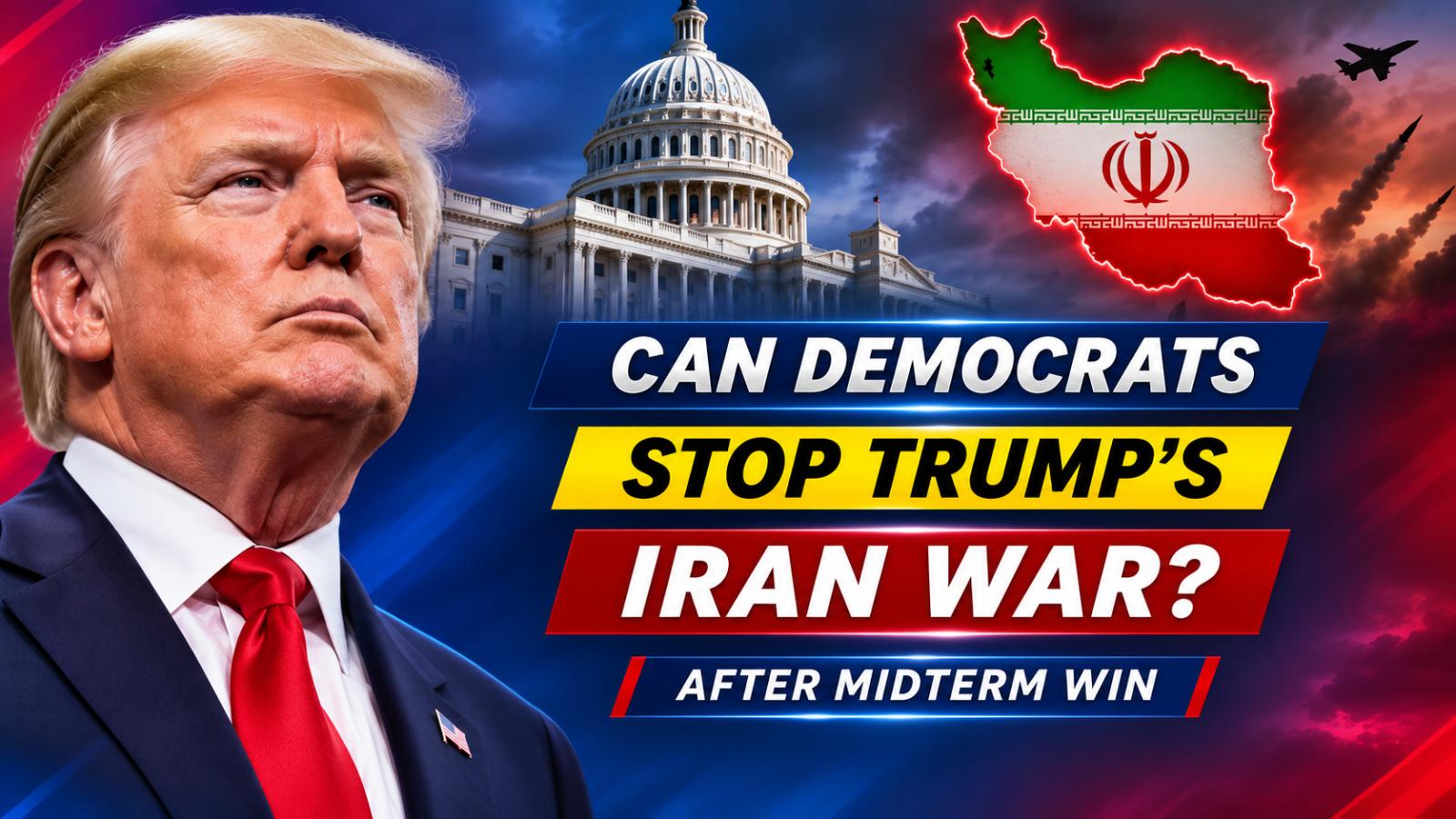
Can Democrats stop Trump's Iran war after the 2026 midterm victory? With Democrats winning both chambers of Congress, President Donald Trump faces stronger opposition over the Iran conflict. However, congressional control does not automatically give lawmakers the power to end military operations.
US Congress War Powers Against Trump
Democrats' victory in the November 3 midterm elections has created a new political challenge for President Donald Trump's military campaign against Iran. The party secured control of the House of Representatives and Senate, giving it greater authority over spending, legislation and government oversight.
However, the new Democratic Congress will not take office until January 2027. Even then, lawmakers cannot simply order Trump to withdraw American forces without following constitutional and legislative procedures.
War Powers Resolution and Iran Conflict
The US Constitution divides military authority between the president and Congress. Article I gives Congress the power to declare war and approve spending, while Article II makes the president commander-in-chief.
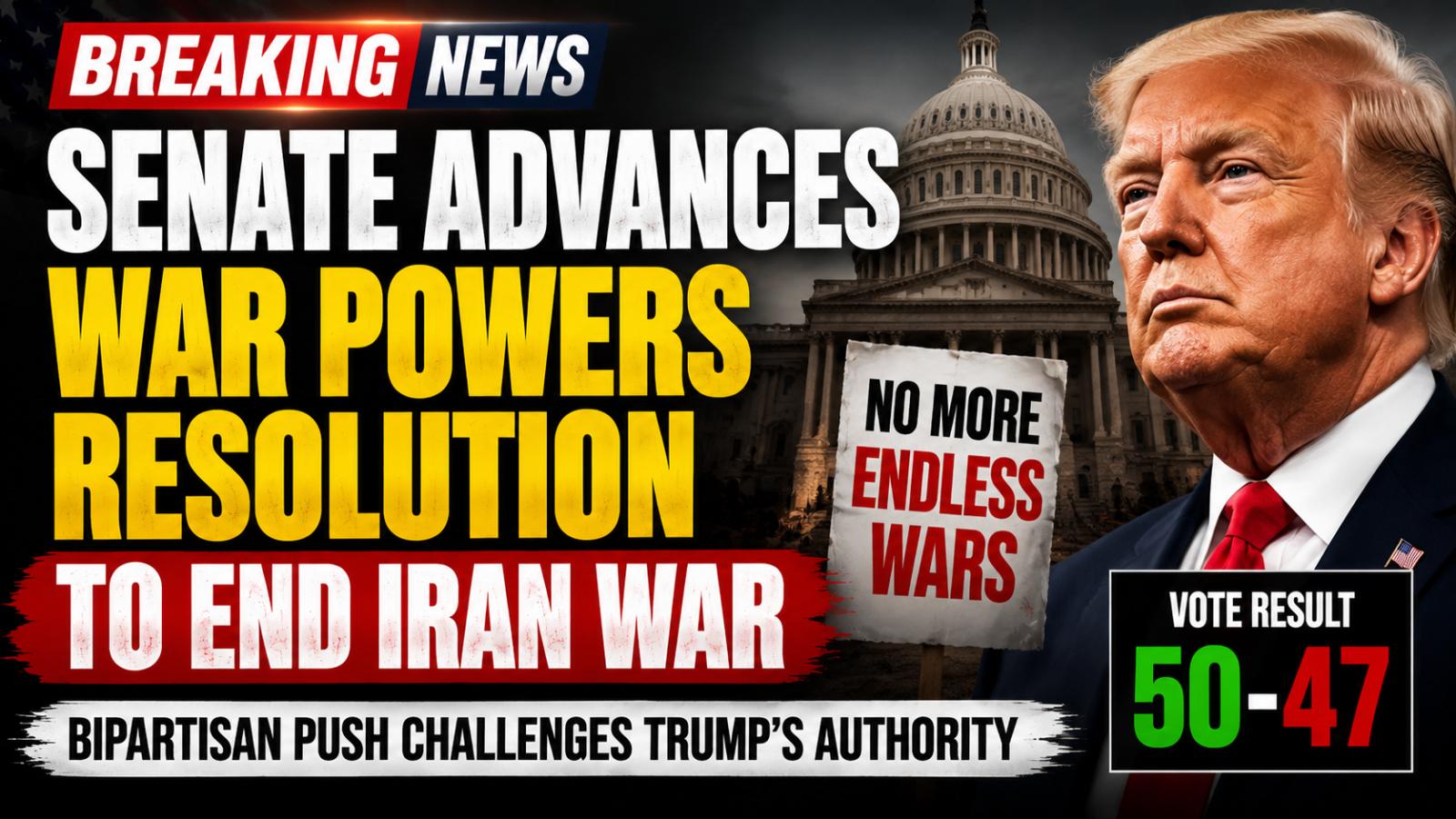
Under the War Powers Resolution of 1973, presidents generally must notify Congress within 48 hours of introducing troops into hostilities. Military operations normally must end within 60 days without congressional authorization, although a limited withdrawal extension is available.
The Trump administration has disputed how these requirements apply to the Iran conflict, arguing that an earlier ceasefire ended the original hostilities.
Democrats Could Restrict Iran War Funding
One of the Democrats' strongest options is Congress's control over federal spending. Lawmakers could propose restrictions on military funding or attach conditions to future defence budgets.
However, these measures would face legal and political obstacles. The Pentagon may continue using previously approved funds, while Trump could veto new legislation restricting military operations.
Overriding a presidential veto requires a two-thirds majority in both chambers, making bipartisan support essential for binding legislation.
Congressional Investigations Into Iran War
Democratic majorities would also allow congressional committees to investigate the administration's conduct of the Iran war.
Lawmakers could examine military spending, review legal justifications, request Pentagon records and question senior defence officials during public hearings.
Such investigations would not automatically end the conflict, but they could increase political pressure, expose disputed decisions and influence public opinion.
Trump Presidential Powers and Iran War
Despite Democratic control of Congress, Trump would retain substantial authority over military operations as commander-in-chief.
He could challenge congressional restrictions, veto legislation and defend continued military action on national security grounds. These disputes could lead to prolonged negotiations or legal challenges.
The most immediate consequence of the 2026 US midterm elections is therefore likely to be stronger oversight rather than an automatic end to the Iran war.
When the new Congress convenes in January 2027, Democrats will gain powerful tools to question the administration's policies. Whether those tools can force a change in military strategy will depend on legislation, political support and constitutional limits.