The conflict in Gaza has reached another turning point after Hamas announced its agreement to release all Israeli hostages, alive or deceased, while expressing willingness to negotiate a broader peace plan proposed by President Donald Trump. The statement, delivered on Friday, signaled a potentially pivotal moment in ongoing regional negotiations, though the group’s future actions remain uncertain as deadlines approach.
Hamas leaders said they are prepared to work through mediators to discuss the details of the agreement, a move that has been described by observers as their most public acknowledgment of Trump’s 20-point peace framework. The militant group also reiterated its commitment to handing over administration of Gaza to a Palestinian technocratic body supported by national consensus and backed by Arab and Islamic states.
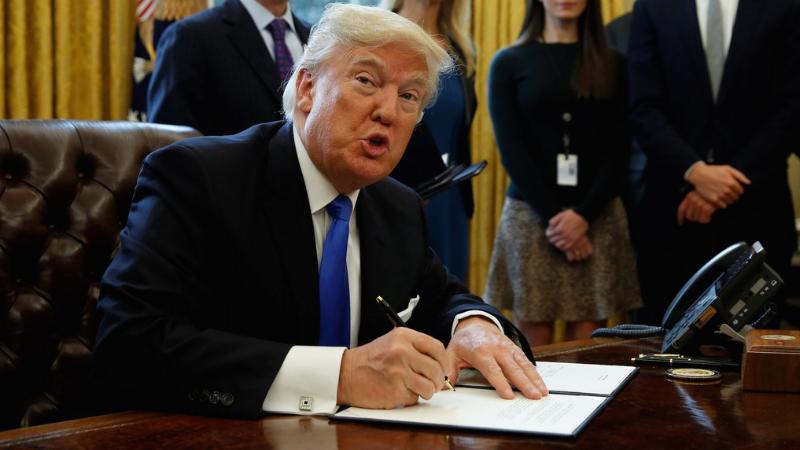
Trump unveiled his peace plan earlier in the week alongside Israeli Prime Minister Benjamin Netanyahu, outlining what he called a realistic path to end hostilities. The plan emphasizes the release of Israeli hostages, the establishment of a ceasefire, and measures to ensure humanitarian relief in Gaza. Trump stated that if Hamas fails to comply, the United States would stand firmly behind Israel to neutralize the threat posed by the group once and for all. By Friday, he had imposed a strict deadline, giving Hamas until 6 p.m. Sunday to formally accept the ceasefire proposal.
The central element of the proposal is the immediate release of hostages, which negotiators believe could serve as the foundation for renewed dialogue and trust. This step is regarded as critical for building momentum toward easing tensions and opening humanitarian corridors. For the families of hostages, the announcement has sparked cautious hope, though many remain wary given the history of broken agreements and recurring violence in the region.
Hamas, in its statement, sought to frame its acceptance as a gesture toward national unity. The group’s offer to cede administrative control of Gaza to a neutral Palestinian governing body reflects ongoing internal debates over governance and legitimacy. Analysts argue that such a move could potentially open the door to broader cooperation among Palestinian factions, though challenges remain in reconciling political divisions and maintaining stability on the ground.
The humanitarian situation in Gaza remains dire. With infrastructure damaged, medical supplies scarce, and basic services disrupted, aid groups have been urging all sides to prioritize civilian safety. The acceptance of a ceasefire, even if temporary, could allow much-needed relief to reach vulnerable populations, including children, the elderly, and those displaced by recent fighting. However, skepticism persists about whether the truce would be sustainable under the weight of political pressures and military tensions.
Trump’s ultimatum has added urgency to the talks, but it has also drawn criticism for potentially escalating the stakes. While some view the firm deadline as necessary to compel Hamas into concrete action, others warn that it could backfire, leading to renewed conflict if the group resists perceived coercion. The political dynamics at play are complex, with both domestic and international actors weighing in on the risks and benefits of the proposed framework.
In Israel, the government has cautiously welcomed Hamas’ latest statement but remains firm in its demands for verifiable action. Netanyahu has emphasized that any agreement must guarantee the release of all hostages and ensure long-term security for Israeli citizens. Security officials have been preparing for both outcomes—either a breakthrough leading to negotiations or the possibility of intensified military operations should Hamas reject the proposal.
Internationally, the development has drawn close attention from regional powers and global allies. Mediators have been actively working to bridge gaps and facilitate communication, underscoring the high stakes of the moment. For many observers, the upcoming deadline represents not just a test of Hamas’ sincerity but also a measure of whether Trump’s peace initiative can gain meaningful traction.
As the clock ticks down, the atmosphere remains tense. Families of hostages continue to wait anxiously for confirmation of progress, humanitarian groups stand ready to mobilize if aid access is granted, and political leaders prepare for decisive next steps. Whether this ultimatum will pave the way for peace or spark further conflict may soon be revealed, shaping the future of Gaza, Israel, and the broader Middle East.