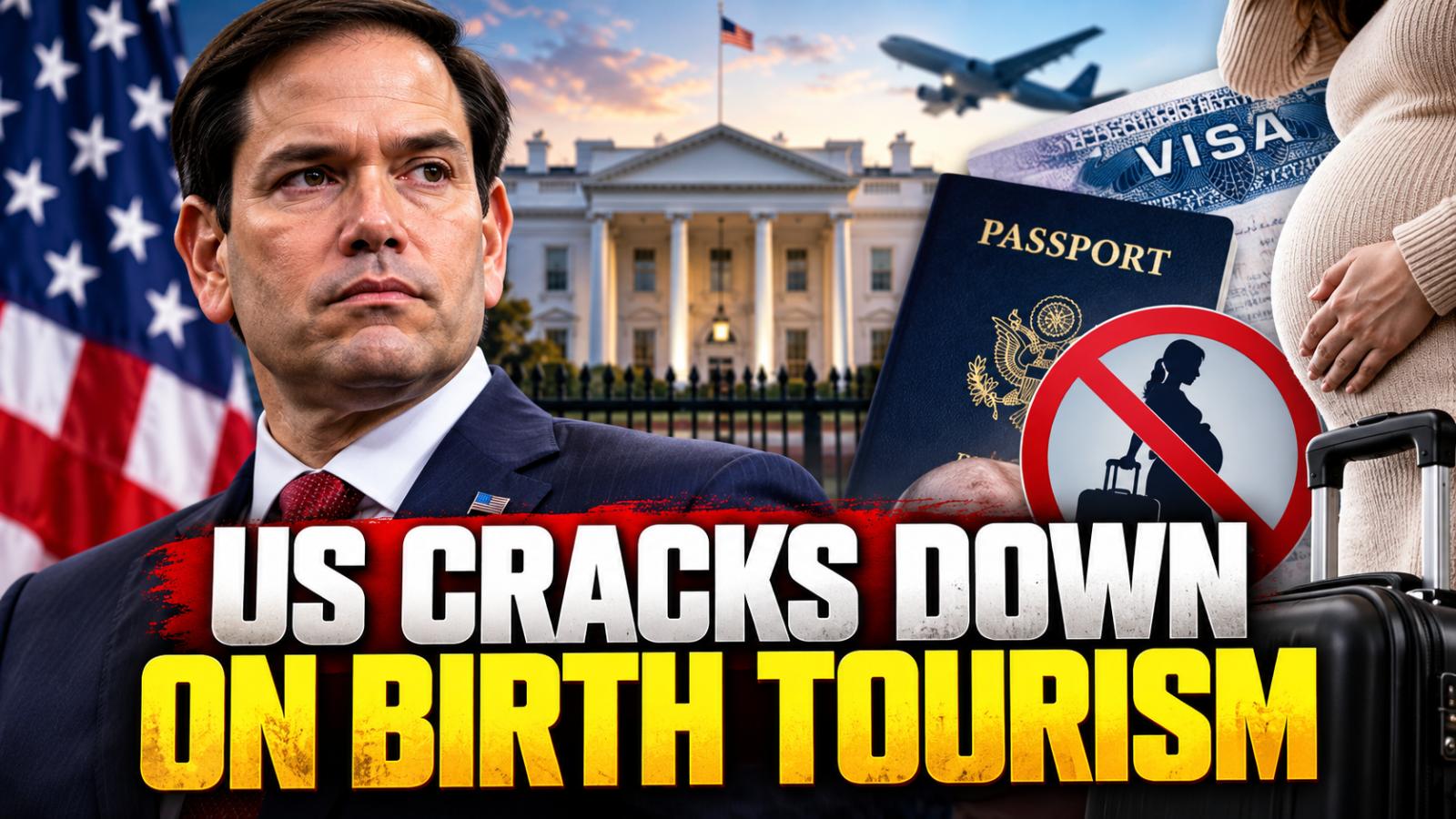
US Secretary of State Marco Rubio has announced new US birth tourism visa restrictions targeting foreign nationals who knowingly participate in or facilitate commercial schemes designed to secure US citizenship for children born in the country. The policy was unveiled on September 23, hours before Chinese President Xi Jinping arrived in Washington for his state visit.
Rubio said the restrictions can apply not only to travelers but also to operators of birth tourism networks, visa fixers accused of coaching applicants to misrepresent their plans, foreign medical providers who knowingly assist such arrangements and others who support commercial birth tourism. The administration says the measure is intended to protect the integrity of the visa and citizenship systems.
Birth tourism crackdown expands
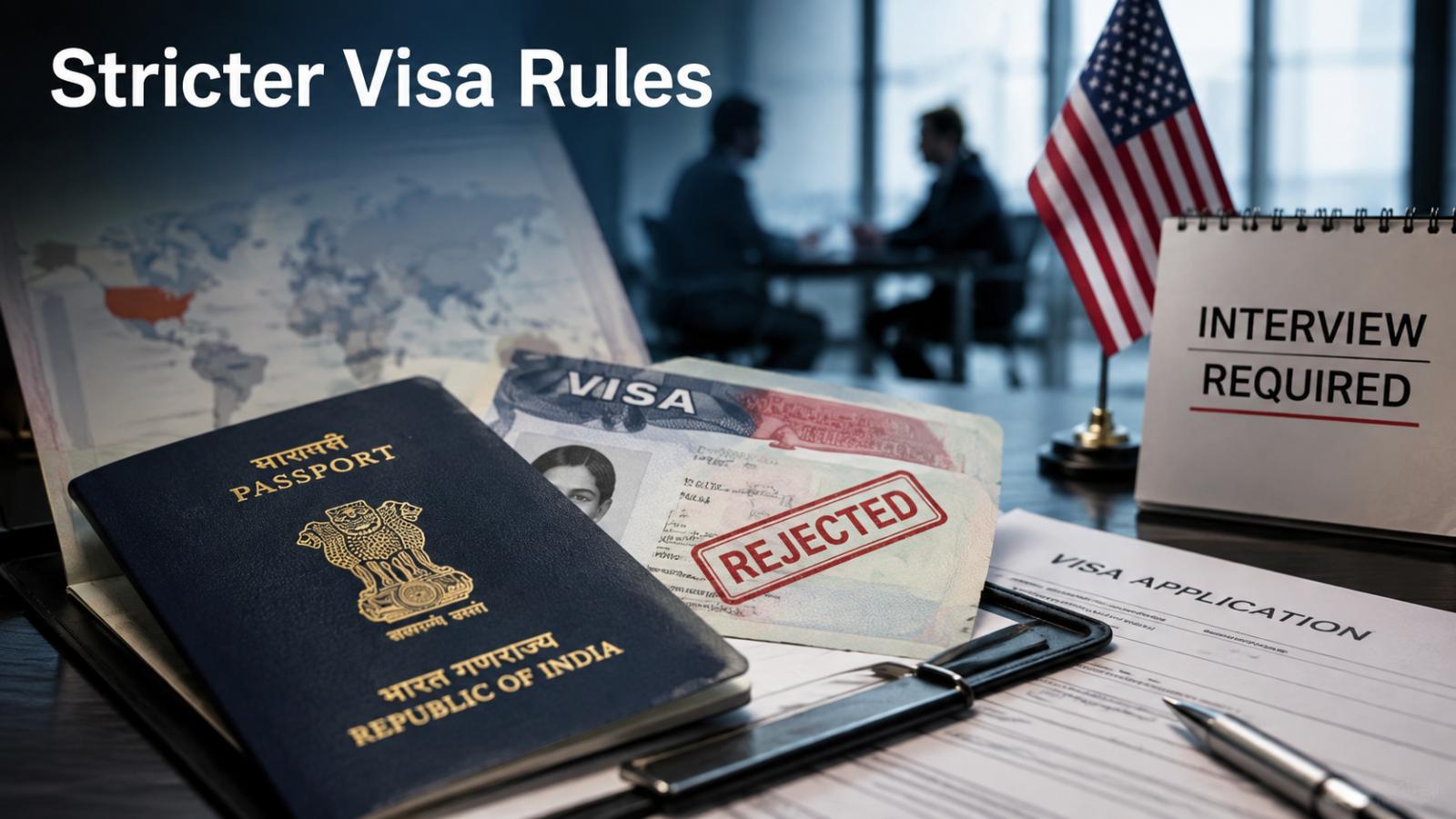
The latest birth tourism crackdown builds on rules already in place for visitor visas. Since January 2020, US consular officers have been directed to deny B-category visa applications when they have reason to believe the applicant’s primary purpose is to give birth in the United States so the child can obtain US citizenship.
The new action broadens the focus beyond expectant travelers by targeting people and businesses that allegedly organize or profit from such trips.
Visa fraud remains key concern
Giving birth in the United States is not itself the issue addressed by the visitor-visa rule. The legal concern arises when travel is primarily for obtaining citizenship for a child or when an applicant provides false information to consular officers.
The State Department currently states that birth tourism is not a permissible basis for a B-1/B-2 visitor visa. Medical treatment can qualify as a legitimate visitor-visa purpose, but applicants must satisfy the relevant requirements and accurately disclose their travel plans.
B1/B2 visa rules target primary purpose
Under the existing framework, consular officers examine the principal purpose of travel. A visa can be denied if officials have reason to believe that obtaining US citizenship for a child through childbirth is the traveler’s primary objective.
The 2020 regulation also made clear that the rule itself did not alter constitutional or statutory rules governing citizenship for people born in the United States.
Visa fixers and commercial networks targeted
Rubio’s September 23 policy specifically identifies owners, operators and managers of commercial birth tourism networks, visa fixers and foreign medical providers who knowingly facilitate such travel.
The State Department alleges that some networks coach applicants to give misleading answers on visa applications and charge substantial fees to arrange births in the United States. Rubio said restricting visa issuance to those involved is part of the administration’s wider immigration enforcement strategy.
Xi visit provides diplomatic backdrop
The announcement came shortly before Xi Jinping arrived at Joint Base Andrews for a three-day state visit hosted by President Donald Trump. The White House has scheduled a formal state arrival ceremony on September 24, followed by bilateral engagements and a state dinner.
China has featured prominently in past US investigations of commercial birth tourism networks, but the September 23 visa policy is written more broadly and is not limited to Chinese nationals. Its timing adds a politically significant backdrop to Xi’s visit, while its stated scope applies to qualifying individuals regardless of nationality.