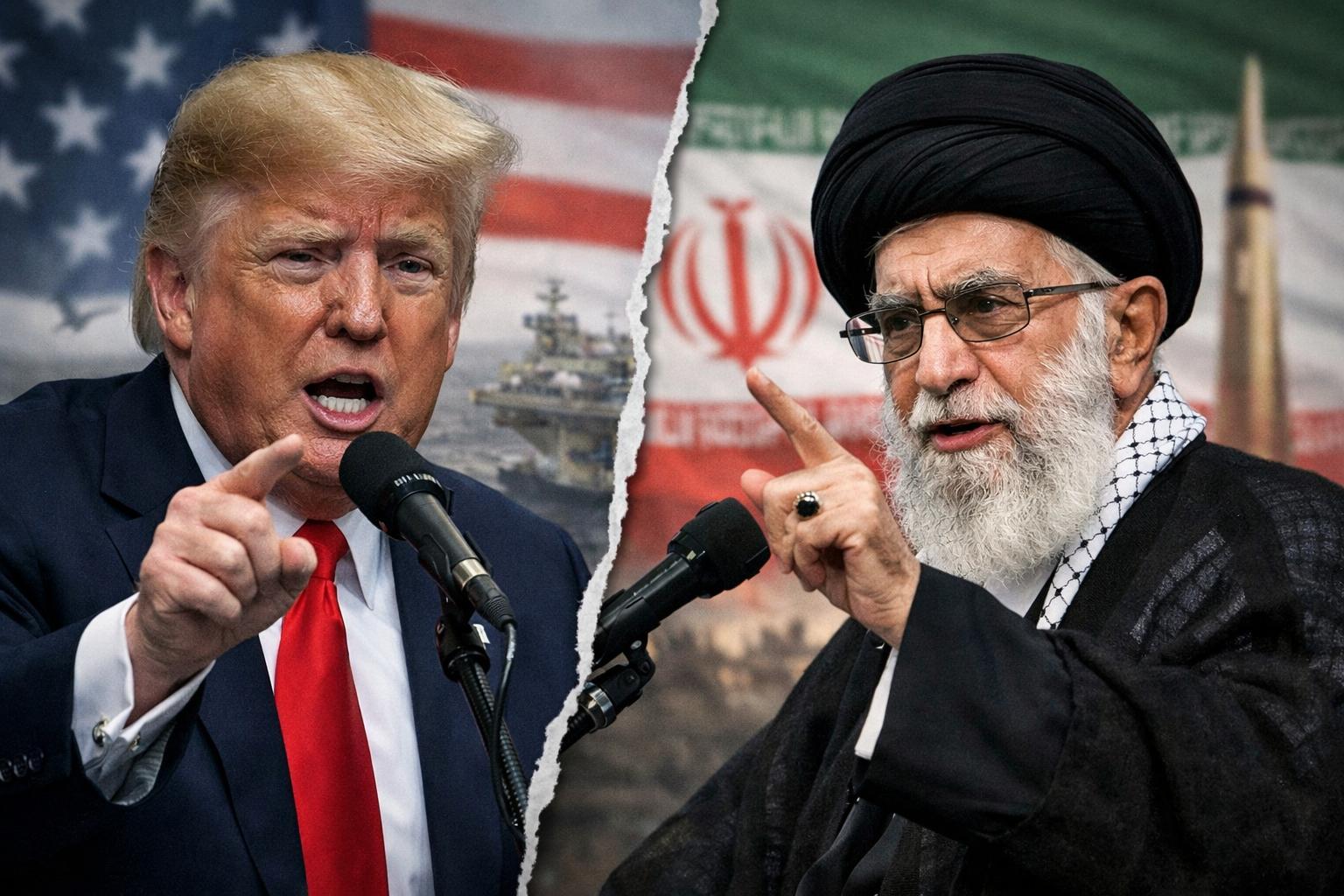
The war of words escalated even before the second round of negotiations, which were mediated by Oman and concluded on February 17 in Geneva. In the lead-up to the talks, Washington signaled its seriousness by moving aircraft carriers into the Middle East, a move widely interpreted as strategic military posturing. Trump, emphasizing US defense capabilities, repeatedly described the United States as possessing the world’s strongest military.
Responding to those remarks, Khamenei cautioned that even the most powerful armed forces are not invulnerable. He said the US president frequently boasts about military superiority but warned that such power could, at times, be dealt blows severe enough to render it ineffective. His comments reflected Tehran’s continued resistance to what it views as pressure tactics during sensitive nuclear negotiations.
Khamenei also criticized the US position on Iran’s nuclear program, arguing that Washington appears to predetermine the outcome of negotiations. According to him, American officials are effectively demanding that Iran abandon its nuclear energy ambitions as a condition of talks. He maintained that such an approach undermines the very premise of diplomatic engagement, stating that meaningful negotiations cannot occur if one side dictates the final result in advance.
Reasserting Tehran’s long-standing stance, the Iranian leader said the country’s pursuit of nuclear energy is an “undeniable right.” He pointed to international guidelines that allow nations to develop nuclear and enrichment capabilities, insisting Iran’s program is intended for peaceful purposes. Khamenei emphasized that nuclear technology supports sectors such as agriculture, healthcare, and energy production, rejecting accusations that it is linked to military objectives.
The supreme leader also pushed back against broader US pressure, including calls to limit Iran’s missile capabilities. He questioned Washington’s authority to interfere in what Tehran considers its internal defense decisions. Without adequate deterrent weaponry, he argued, any nation would be vulnerable to external threats.
Khamenei further framed US actions as evidence of what he described as declining American influence, criticizing what he called irrational interference in Iran’s domestic affairs. His remarks highlight the deep mistrust that continues to complicate US-Iran relations, even as diplomatic channels remain open.
The latest exchange underscores the high stakes surrounding the nuclear negotiations and the broader geopolitical tensions in the Middle East. While talks in Geneva mark an effort to keep diplomacy alive, the sharp rhetoric from both sides suggests that significant gaps remain. Observers say the path forward will depend on whether Washington and Tehran can move beyond public warnings and find common ground on nuclear safeguards and regional security concerns.