Iran Reaffirms Post-Deal Position on Strait of Hormuz
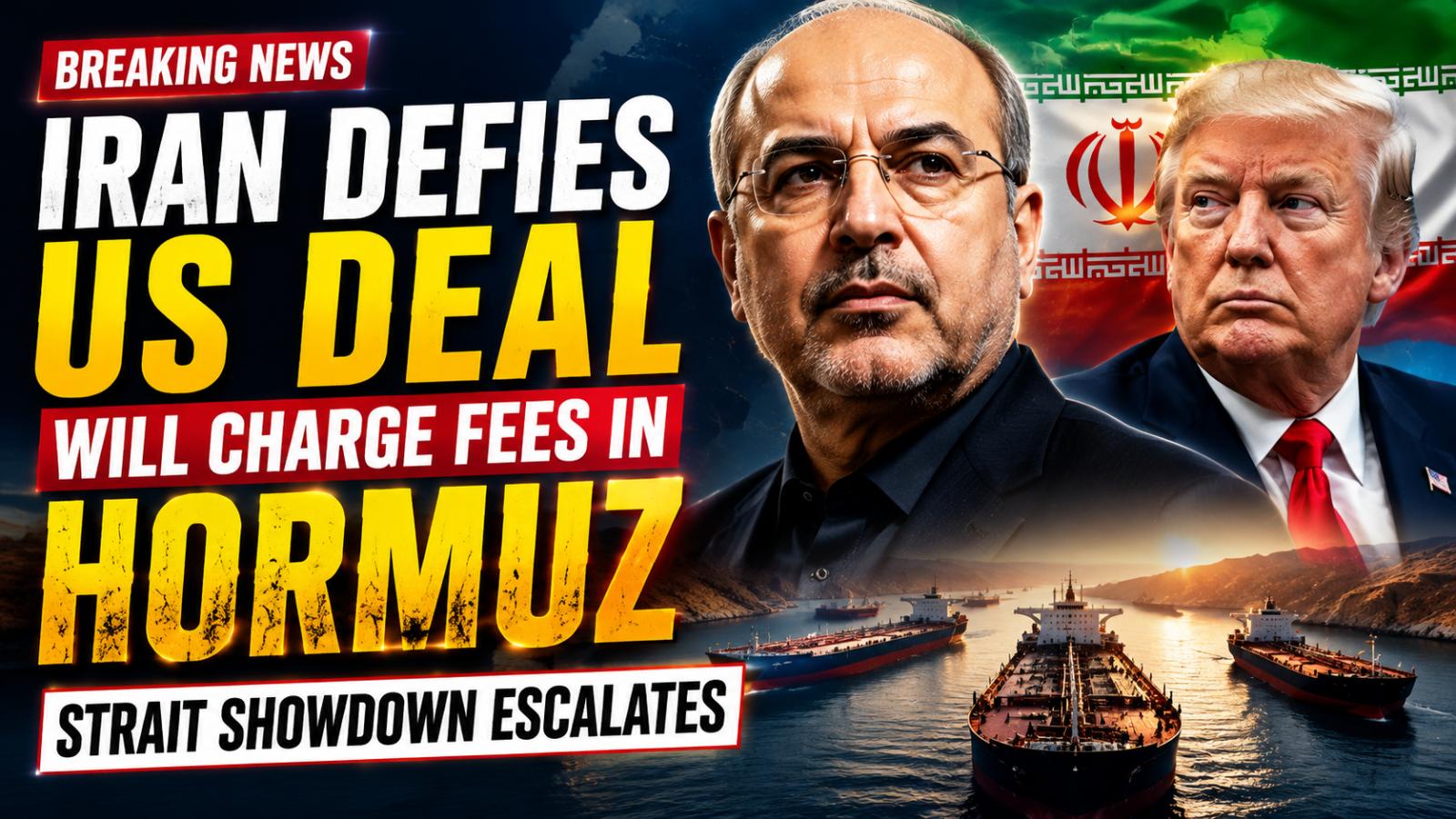
Iran has indicated that it will proceed with plans to impose charges on vessels passing through the Strait of Hormuz after the 60-day fee-free period outlined in its memorandum of understanding with the United States. The announcement comes amid growing uncertainty over the interpretation of the recently signed agreement aimed at stabilising maritime movement through one of the world’s most critical energy routes.
Tehran Stands Firm on Sovereignty Claims
Speaking in a televised interview, Iranian chief negotiator Mohammad Bagher Ghalibaf said the strategic waterway would not revert to pre-conflict conditions. He stated that Iran retains sovereign rights over the Strait of Hormuz and intends to implement service-based fees for vessels once the temporary provisions expire.
According to Ghalibaf, the agreement does not restore previous operational conditions in the strait but instead establishes a new framework governing maritime activity. His remarks underline Tehran’s position that the post-conflict arrangement represents a structural shift in control and regulation of the waterway.
Diverging Interpretations of the Agreement
The Iranian position contrasts sharply with repeated statements from US President Donald Trump, who has maintained that the Strait of Hormuz would remain toll-free under the agreement reached between Washington and Tehran. The discrepancy highlights emerging tensions over how both sides interpret the memorandum of understanding.
Ghalibaf further characterised the agreement ending more than three months of regional conflict as a political setback for Washington, stating that the outcome reflects a strategic failure for the United States.
Implementation Phase Underway
Iran’s foreign ministry confirmed that the agreement has been formally signed by both parties. Spokesman Esmaeil Baqaei stated that the document has now been finalised and entered into its implementation phase. He noted that both sides are expected to assess compliance over the coming period as the agreement transitions from negotiation to enforcement.
Baqaei also indicated that the memorandum marks a structured beginning to a new phase in Iran-US engagement, with practical outcomes to be tested through execution rather than rhetoric.
Strategic Importance of Hormuz Remains Central
The Strait of Hormuz remains a vital global shipping corridor, handling a significant share of international oil and energy transport. Any dispute over fees or control mechanisms carries broad implications for global trade stability and energy markets.
As differing interpretations persist, the coming 60-day period is expected to be critical in determining whether the agreement can hold or whether renewed tensions will emerge over maritime governance in the region.