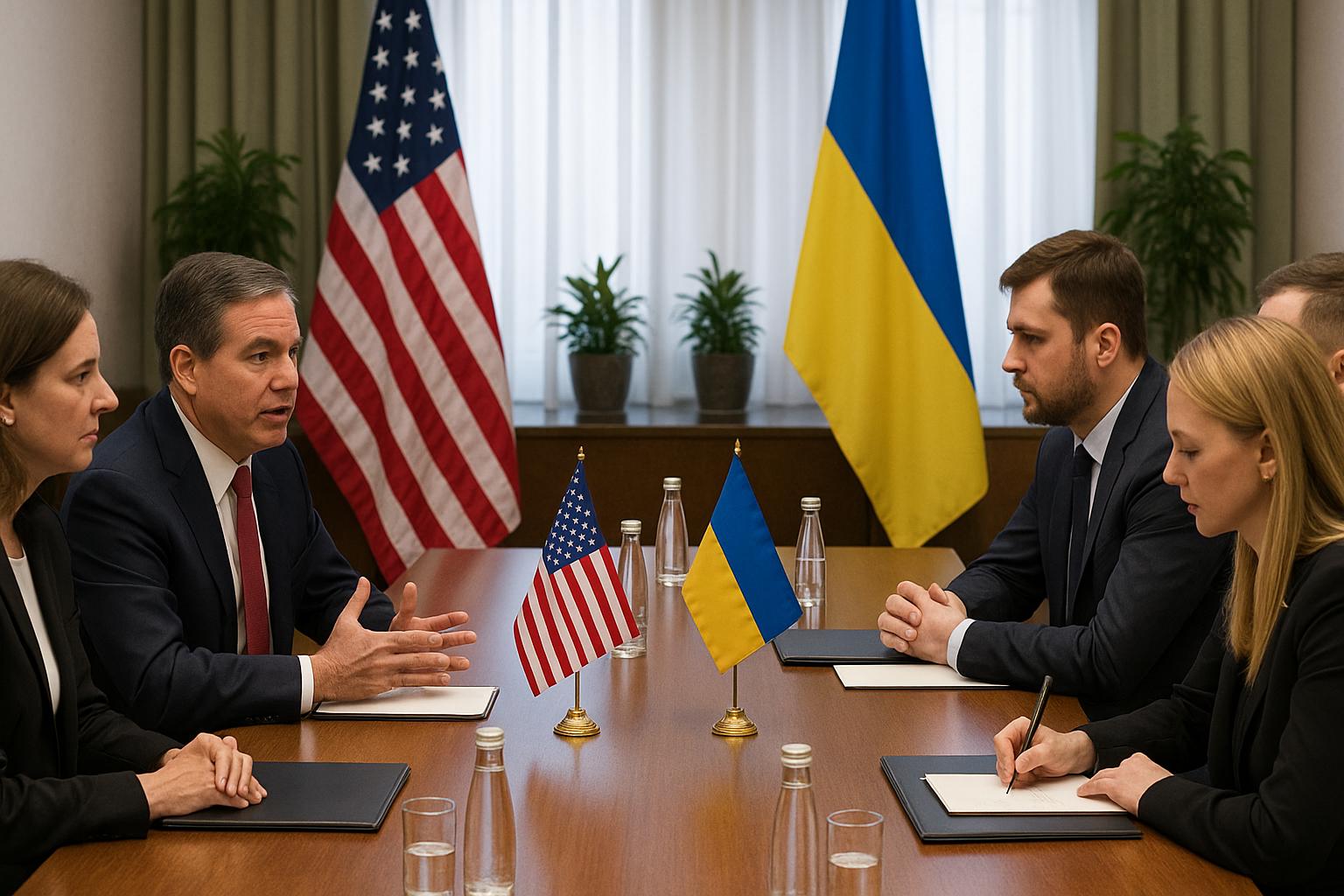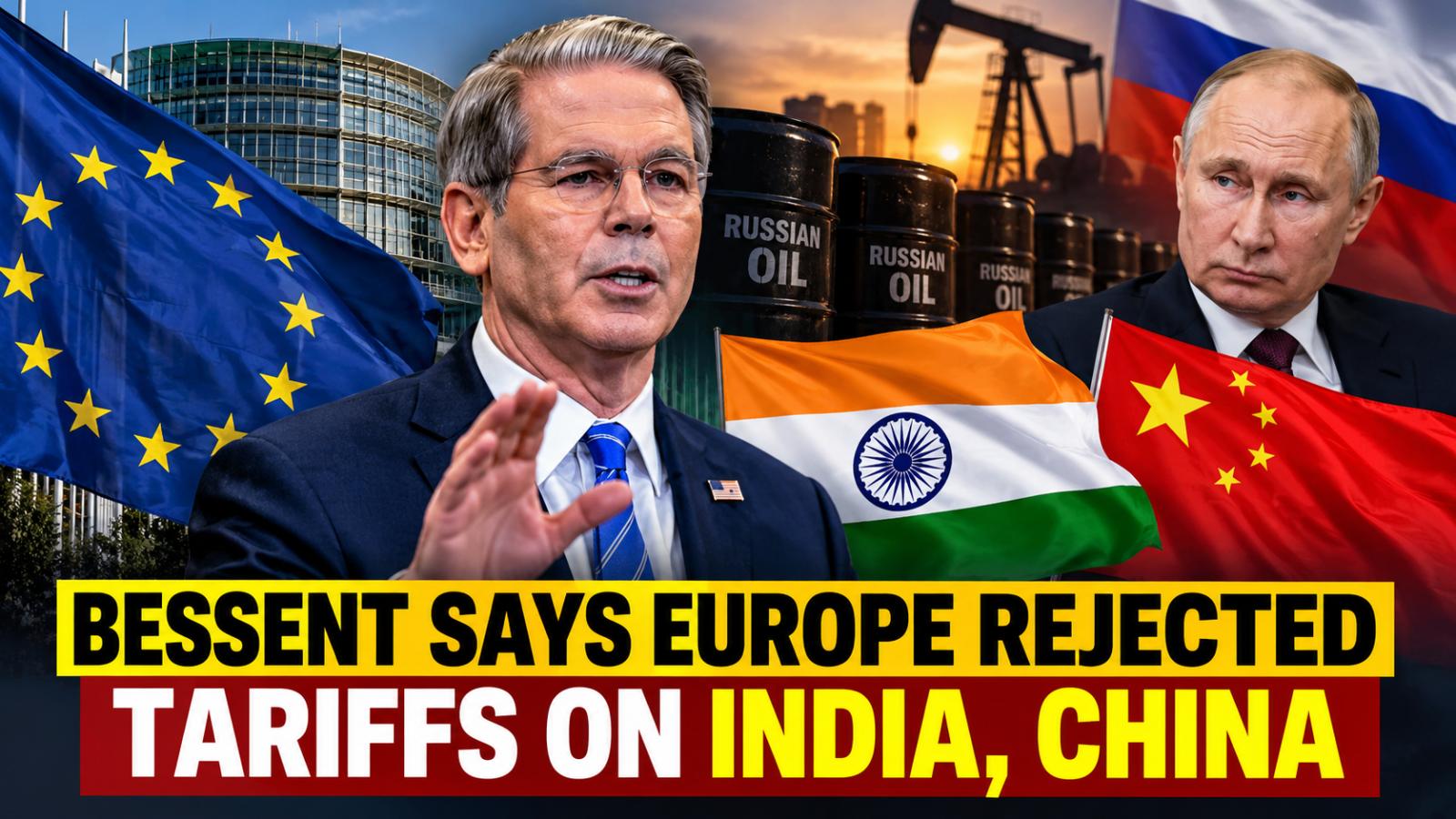
Bessent says Europe rejected tariffs on India, China over Russian oil, arguing that Washington should not carry the economic burden of tougher action against Moscow alone. The Treasury secretary also criticised European Russian energy imports as Trump begins a 60-day review of sanctions and tariff options.
Europe rejected secondary tariffs
US Treasury Secretary Scott Bessent says European allies declined an American request earlier this year to impose secondary tariffs on India and China over their purchases of Russian energy.
Speaking on NBC’s Meet the Press, Bessent questioned why Washington should bear the cost of such measures without comparable action from Europe. His comments come as the Trump administration weighs how aggressively to use trade penalties against countries that continue buying Russian oil and gas.
India and China remain important customers for Russian energy, but Bessent argued that Europe’s own purchases weaken its criticism of other buyers.
European Russian energy imports
Bessent pointed to shipments from Russia’s Yamal LNG facility to argue that European governments continue providing significant energy revenue to Moscow.
He said 136 of 140 cargoes leaving the facility during the first six months of the year went to Belgium, Spain, France and the Netherlands, representing more than $8 billion in trade. Those figures were presented by Bessent during the interview and frame his argument that Europe is helping finance Russia while simultaneously supporting Ukraine.
The dispute highlights how difficult it has been for Western governments to fully separate their economies from Russian energy supplies.
Trump Russia sanctions waiver
The interview followed President Donald Trump’s decision to temporarily waive provisions of a new sanctions measure targeting Russia and major buyers of its energy.
Bessent defended the move, saying the legislation gives the president flexibility to assess economic and geopolitical conditions before deciding whether additional penalties are appropriate.
The administration is using a 60-day review period to study how secondary tariffs could affect global energy prices, US consumers and relations with major partners such as India.
India and China energy purchases
India has repeatedly said its energy decisions are guided by national interest, affordability and supply security. New Delhi has also been diversifying its crude sources while maintaining significant purchases from Russia.
China remains another major Russian energy customer and would also face substantial exposure if Washington imposed broad secondary tariffs.
Bessent’s remarks show that the debate is no longer only about Russia. It has become a wider question about whether the United States should penalise large economies for buying Russian energy when European countries continue importing Russian fuel themselves.
US pressure on Moscow
Bessent rejected suggestions that Trump has been soft on Russia. He pointed to sanctions against major Russian energy companies Rosneft and Lukoil and argued that the administration has already imposed severe economic pressure.
He also said Trump’s main objective is to bring the Ukraine war to an end and reduce further loss of life.
The coming 60-day review will therefore be closely watched in Washington, New Delhi, Beijing and European capitals. Any decision to impose secondary tariffs could reshape trade flows, increase diplomatic friction and affect global energy prices.
For the Trump administration, the challenge is balancing pressure on Vladimir Putin with the economic cost of targeting countries that remain deeply integrated into Russian energy markets.