A deadly train collision near Jakarta has left at least four people dead and dozens injured, prompting an extensive emergency response in one of the region’s busiest rail corridors. The accident occurred around 8 pm local time at Bekasi Timur railway station, where a long-distance train struck a stationary commuter service on the tracks.
According to state-owned operator Kereta Api Indonesia, the Argo Bromo Anggrek train, traveling from Gambir to Surabaya, collided with the rear of a halted KRL Commuterline train. Officials said the commuter train had stopped after being struck by a taxi at a level crossing, leaving it immobilized before the impact occurred.
Authorities confirmed that all fatalities were passengers on the commuter train, with the collision primarily affecting the final carriage, designated as a women-only coach. Meanwhile, approximately 240 passengers aboard the long-distance train were safely evacuated without serious injury. Emergency teams were deployed quickly, working to extract passengers trapped inside damaged compartments while ambulances and medical personnel responded to the scene.
Eyewitness accounts described confusion and urgency, with rescue workers navigating wreckage to reach those in need. Several train cars sustained significant structural damage, complicating efforts to access injured passengers. Oxygen supplies and immediate medical care were administered as part of the rescue operation.
The incident has renewed concerns about rail safety in Indonesia, following previous accidents in recent years. Authorities have launched a formal investigation to determine the sequence of events and identify contributing factors. Officials are expected to review both the level crossing incident and operational procedures to prevent similar accidents in the future.
A deadly train collision near Jakarta has left at least four people dead and dozens injured, prompting an extensive emergency response in one of the region’s busiest rail corridors. The accident occurred around 8 pm local time at Bekasi Timur railway station, where a long-distance train struck a stationary commuter service on the tracks.
According to state-owned operator Kereta Api Indonesia, the Argo Bromo Anggrek train, traveling from Gambir to Surabaya, collided with the rear of a halted KRL Commuterline train. Officials said the commuter train had stopped after being struck by a taxi at a level crossing, leaving it immobilized before the impact occurred.
Authorities confirmed that all fatalities were passengers on the commuter train, with the collision primarily affecting the final carriage, designated as a women-only coach. Meanwhile, approximately 240 passengers aboard the long-distance train were safely evacuated without serious injury. Emergency teams were deployed quickly, working to extract passengers trapped inside damaged compartments while ambulances and medical personnel responded to the scene.
Eyewitness accounts described confusion and urgency, with rescue workers navigating wreckage to reach those in need. Several train cars sustained significant structural damage, complicating efforts to access injured passengers. Oxygen supplies and immediate medical care were administered as part of the rescue operation.
The incident has renewed concerns about rail safety in Indonesia, following previous accidents in recent years. Authorities have launched a formal investigation to determine the sequence of events and identify contributing factors. Officials are expected to review both the level crossing incident and operational procedures to prevent similar accidents in the future.
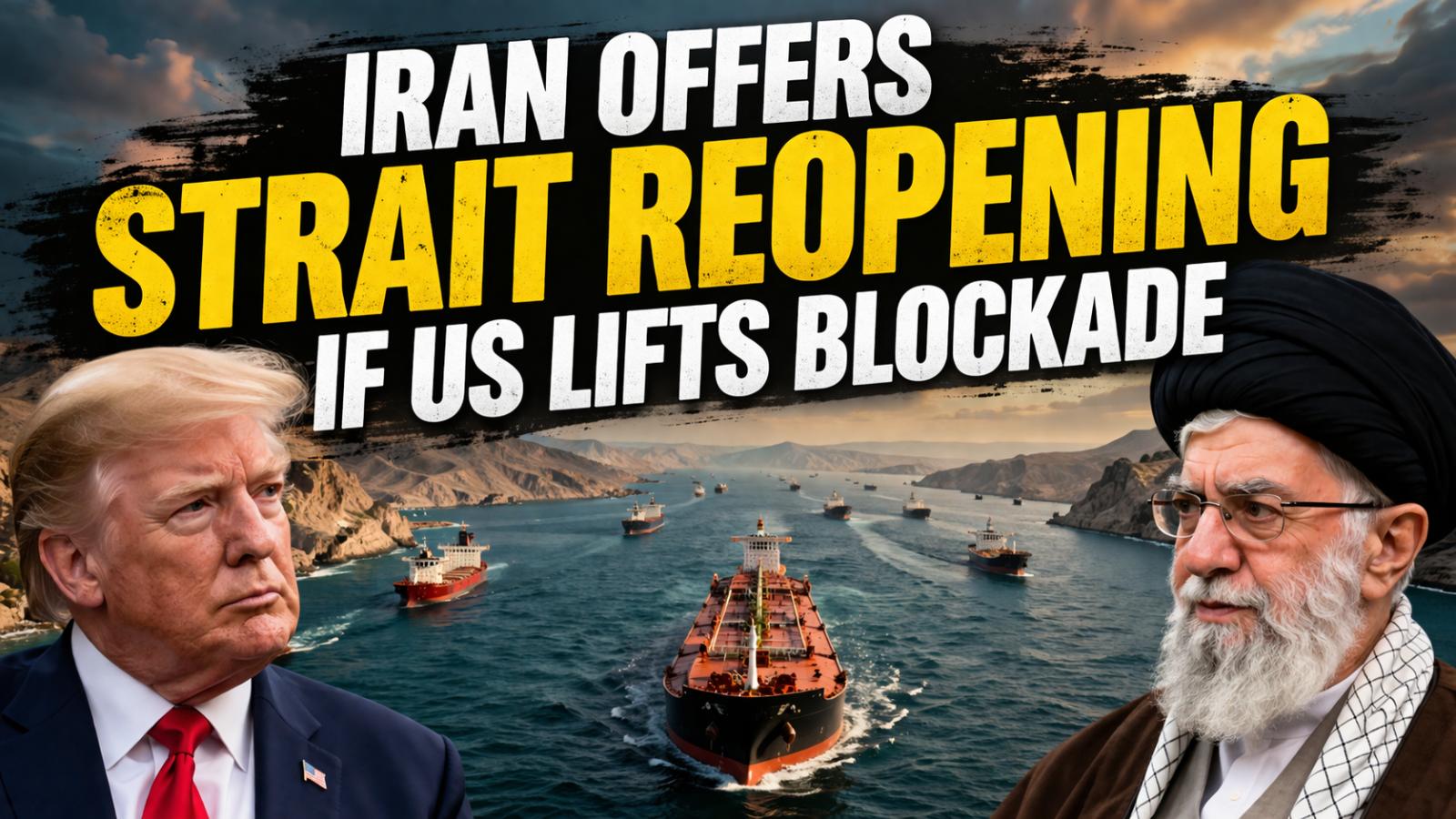
Iran offered to reopen the Strait of Hormuz if the U.S. lifts its blockade and ends hostilities, but Washington insists any deal must address Tehran’s nuclear program, leaving tensions high and global energy markets under strain.
Iran has proposed reopening the Strait of Hormuz if the United States lifts its blockade and agrees to end hostilities, according to regional officials familiar with negotiations disclosed on Monday, April 28, 2026. The proposal, deliver
Iran offered to reopen the Strait of Hormuz if the U.S. lifts its blockade and ends hostilities, but Washington insists any deal must address Tehran’s nuclear program, leaving tensions high and global energy markets under strain.
Iran has proposed reopening the Strait of Hormuz if the United States lifts its blockade and agrees to end hostilities, according to regional officials familiar with negotiations disclosed on Monday, April 28, 2026. The proposal, deliver
A historic state visit begins in Washington
King Charles III and Queen Camilla were formally received by Donald Trump at the White House on Monday April 27, 2026 afternoon, marking the
A historic state visit begins in Washington
King Charles III and Queen Camilla were formally received by Donald Trump at the White House on Monday April 27, 2026 afternoon, marking the
A passenger Cessna 208 Caravan crashed near Juba on April 27, 2026, killing all 14 onboard after losing contact mid-flight. Poor weather is suspected, and authorities have launched an investigation into the fatal accident.
A fatal aviation accident in South Sudan has claimed the li
A passenger Cessna 208 Caravan crashed near Juba on April 27, 2026, killing all 14 onboard after losing contact mid-flight. Poor weather is suspected, and authorities have launched an investigation into the fatal accident.
A fatal aviation accident in South Sudan has claimed the li
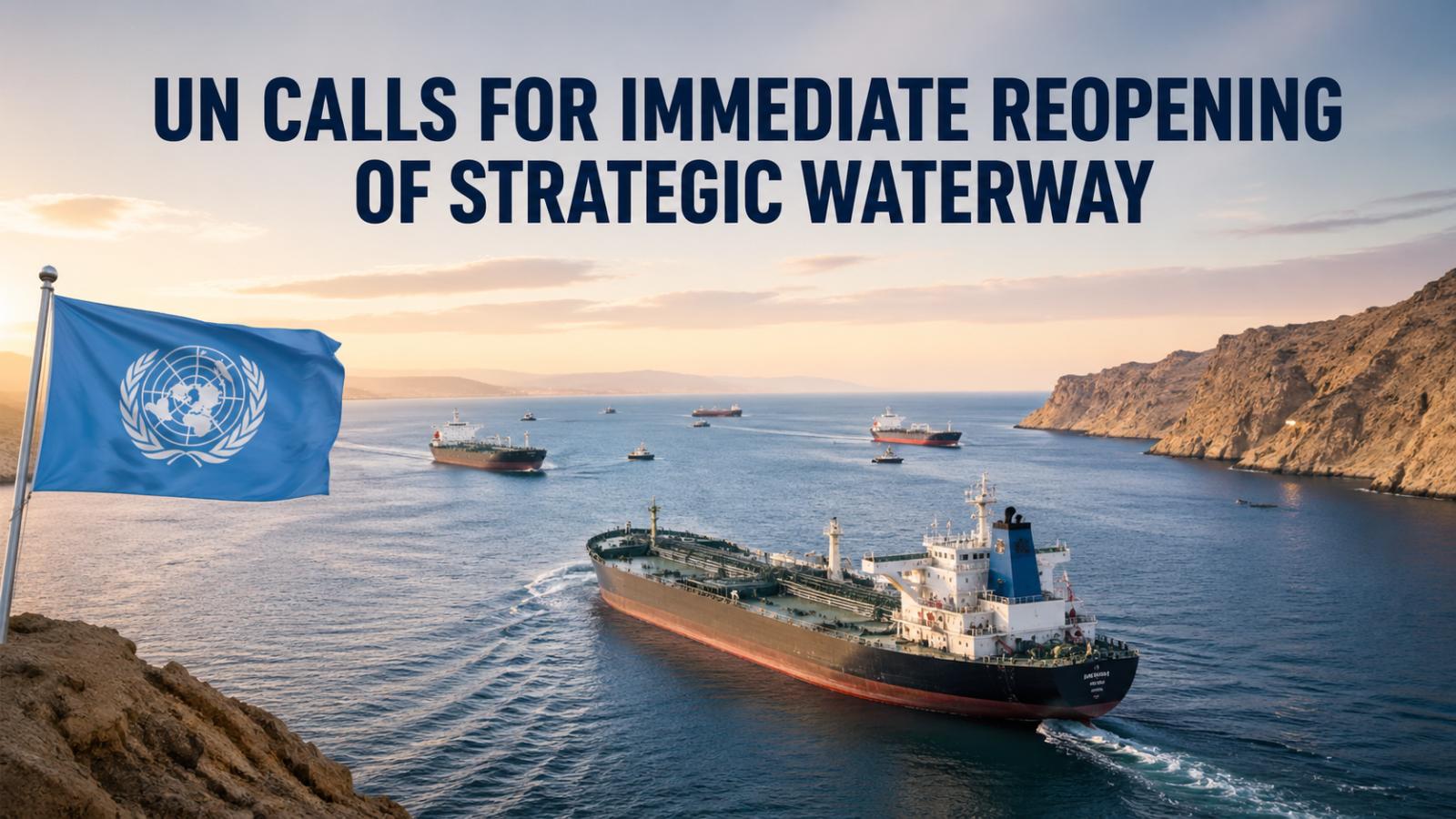
Antonio Guterres, Secretary-General of the United Nations, on Monday, April 27, 2026, appealed to the United Nations Security Council to push for the reopening of the Strait of Hormuz, warning that the ongoing bl
Antonio Guterres, Secretary-General of the United Nations, on Monday, April 27, 2026, appealed to the United Nations Security Council to push for the reopening of the Strait of Hormuz, warning that the ongoing bl
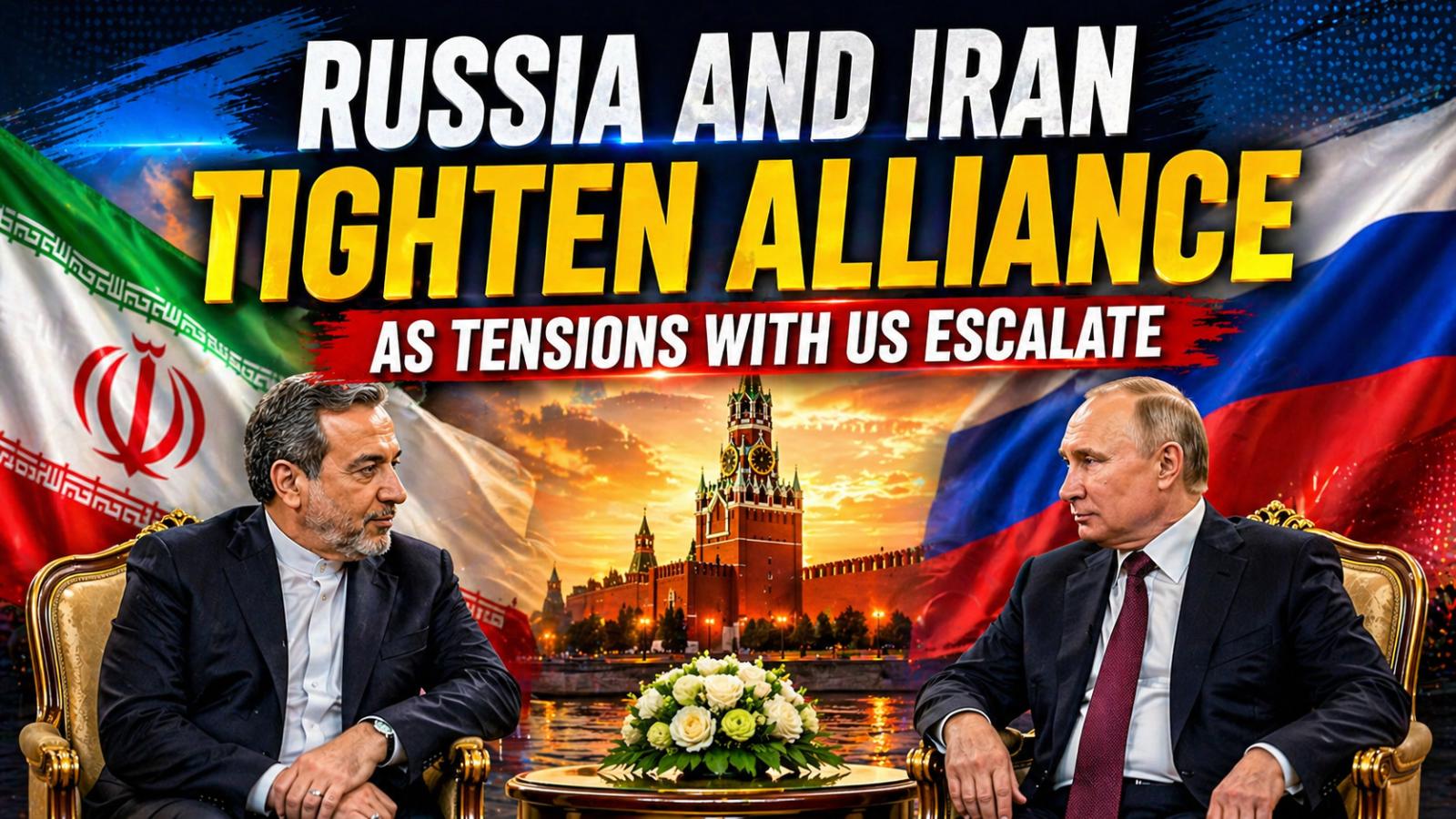
Vladimir Putin met Abbas Araghchi in Moscow on Monday, reaffirming Russia’s commitment to maintaining strong strategic relations with Iran amid escalating tensions in West Asia. During the meeting, Putin emphasized that Russia would continue to act in ways that serve the interests of Iran and the broader
Vladimir Putin met Abbas Araghchi in Moscow on Monday, reaffirming Russia’s commitment to maintaining strong strategic relations with Iran amid escalating tensions in West Asia. During the meeting, Putin emphasized that Russia would continue to act in ways that serve the interests of Iran and the broader
Talks with Iran continue remotely
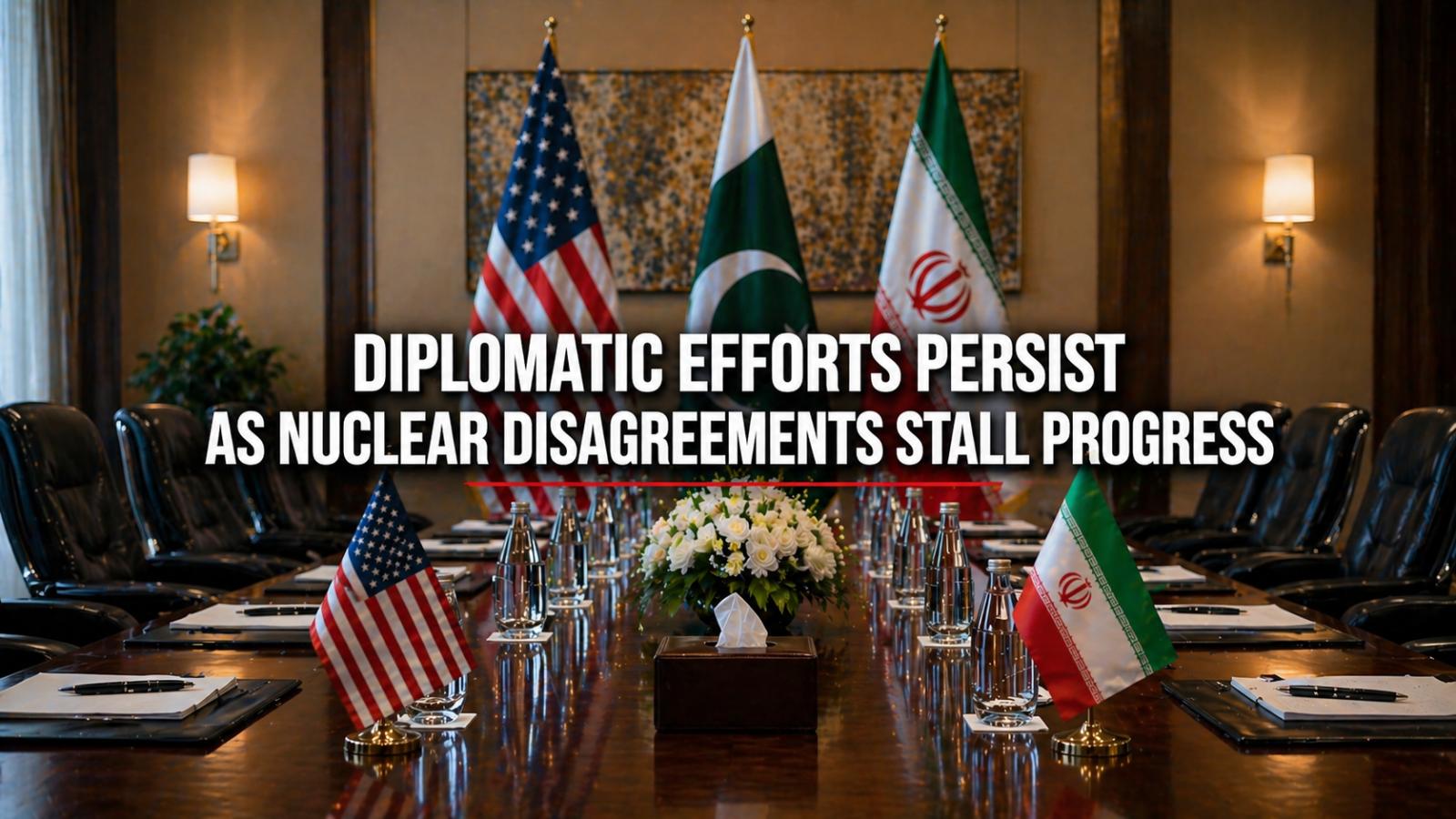
Diplomatic efforts to bridge differences between the United States and Iran remain active despite setbacks, including the cancellation of a planned envoy visit by President Donald Trump. Developments reported on Monday, April 27, 2026, indicate that negotiations are continuing through indirect channels, with Pakistan playing a mediating role.
Iran proposes phased approach delaying nuclear negotiations
According to sources familiar with the discussions, Iran has introduced a proposal that restructures the negotiation timeline. The plan would prioritize ending the ongoing conflict and resolving disputes over shipping in the Strait of Hormuz before addressing Iran’s nuclear program. This phased approach is expected to face resistance from Washington, which has consistently maintained that nuclear issues must be addressed at the outset of any agreement.
Iranian Foreign Minister Abbas Araqchi has been actively engaged in shuttle diplomacy, traveling between Islamabad, Oman, and Russia over the weekend and into Monday, April 27, 2026. In Moscow, Araqchi met with Vladimir Putin, signaling continued support from Russia.
Pakistan facilitates remote negotiations after canceled meetings
Plans for face-to-face talks in Islamabad were abandoned after Trump called off a visit by his envoys, including Steve Witkoff and Jared Kushner. The cancellation followed what Trump described as an insufficient Iranian proposal. As a result, Pakistan has shifted to facilitating remote negotiations, with officials indicating that in-person meetings will only occur once substantial progress is made toward a draft agreement.
Oil markets react as tensions persist in the Gulf
The ongoing standoff has had immediate economic implications, particularly in global energy markets. Oil prices rose when trading resumed on Monday, April 27, 2026, with Brent crude increasing by approximately 2.5% to around $108 per barrel. The volatility reflects concerns over restricted shipping through the Strait of Hormuz, a critical route for global oil supplies.
Since the conflict began, Iran has limited access to the waterway, while the United States has imposed a blockade on Iranian shipping. These actions have heightened fears of prolonged disruption, contributing to inflationary pressures and uncertainty in global economic growth.
Domestic and geopolitical pressures shape next steps
Trump faces increasing domestic pressure to resolve the conflict as approval ratings decline, while Iran continues to leverage its control over regional shipping routes. Despite a ceasefire that has paused active strikes since February 28, 2026, no comprehensive agreement has been reached to formally end hostilities.
The gap between the two sides remains significant, particularly over nuclear restrictions and regional security. With both nations appearing prepared for a prolonged negotiation process, analysts suggest the outcome may depend on which side can withstand the economic and political pressures longer.
Talks with Iran continue remotely
Diplomatic efforts to bridge differences between the United States and Iran remain active despite setbacks, including the cancellation of a planned envoy visit by President Donald Trump. Developments reported on Monday, April 27, 2026, indicate that negotiations are continuing through indirect channels, with Pakistan playing a mediating role.
Iran proposes phased approach delaying nuclear negotiations
According to sources familiar with the discussions, Iran has introduced a proposal that restructures the negotiation timeline. The plan would prioritize ending the ongoing conflict and resolving disputes over shipping in the Strait of Hormuz before addressing Iran’s nuclear program. This phased approach is expected to face resistance from Washington, which has consistently maintained that nuclear issues must be addressed at the outset of any agreement.
Iranian Foreign Minister Abbas Araqchi has been actively engaged in shuttle diplomacy, traveling between Islamabad, Oman, and Russia over the weekend and into Monday, April 27, 2026. In Moscow, Araqchi met with Vladimir Putin, signaling continued support from Russia.
Pakistan facilitates remote negotiations after canceled meetings
Plans for face-to-face talks in Islamabad were abandoned after Trump called off a visit by his envoys, including Steve Witkoff and Jared Kushner. The cancellation followed what Trump described as an insufficient Iranian proposal. As a result, Pakistan has shifted to facilitating remote negotiations, with officials indicating that in-person meetings will only occur once substantial progress is made toward a draft agreement.
Oil markets react as tensions persist in the Gulf
The ongoing standoff has had immediate economic implications, particularly in global energy markets. Oil prices rose when trading resumed on Monday, April 27, 2026, with Brent crude increasing by approximately 2.5% to around $108 per barrel. The volatility reflects concerns over restricted shipping through the Strait of Hormuz, a critical route for global oil supplies.
Since the conflict began, Iran has limited access to the waterway, while the United States has imposed a blockade on Iranian shipping. These actions have heightened fears of prolonged disruption, contributing to inflationary pressures and uncertainty in global economic growth.
Domestic and geopolitical pressures shape next steps
Trump faces increasing domestic pressure to resolve the conflict as approval ratings decline, while Iran continues to leverage its control over regional shipping routes. Despite a ceasefire that has paused active strikes since February 28, 2026, no comprehensive agreement has been reached to formally end hostilities.
The gap between the two sides remains significant, particularly over nuclear restrictions and regional security. With both nations appearing prepared for a prolonged negotiation process, analysts suggest the outcome may depend on which side can withstand the economic and political pressures longer.
Digi Yatra could change your airport experience
India’s push toward seamless air travel is being led by Digi Yatra, a government-backed initiative that uses facial recognition to streamline passenger movement through airports. Developed under the Ministry of Civil Aviation, the system allows travelers to bypass repeated document checks by using biometric verification instead of physical boarding passes and identification.
How Digi Yatra is transforming airport travel in India
Digi Yatra enables passengers to create a digital identity through the Digi Yatra App by uploading ID credentials and flight details before arriving at the airport. Once enrolled, travelers can pass through entry gates, security checkpoints, and boarding areas using facial scans. The system is currently operational at major hubs such as Kempegowda International Airport and Indira Gandhi International Airport, with plans for wider adoption across the country. The initiative is voluntary and emphasizes speed, convenience, and reduced physical contact in crowded terminals.
Biometric travel systems already in use across US airports
In the United States, similar biometric technologies are already deployed, primarily for international travel. Agencies such as the Transportation Security Administration and U.S. Customs and Border Protection operate facial recognition systems that match a traveler’s live image with passport or visa databases. These systems are commonly used at immigration checkpoints and boarding gates for international flights, and in some cases at security screening through programs like TSA’s touchless identity verification. Unlike Digi Yatra, enrollment is not typically handled through a consumer-facing app, and the process is largely managed through government databases.
Key differences between Digi Yatra and US biometric systems
Feature
Digi Yatra (India)
United States Systems
Control
User-controlled via app
Government-controlled databases
Enrollment
Voluntary, app-based
Mostly automatic or backend
Primary Use
Domestic travel
International travel focus
Documents
Replaced by facial ID
Linked to passport/visa
User Role
Active participation required
Passive participation
Data Handling
User uploads data
Govt retrieves from records
Experience
Fully contactless journey
Partial contactless process
What global travelers should know about evolving airport technology
As airports worldwide adopt digital identity solutions, the contrast between India’s Digi Yatra and US biometric programs highlights broader questions around privacy, convenience, and control. For US-based travelers heading to India, understanding how Digi Yatra works can help streamline the airport experience, while also offering insight into how biometric travel technology may continue to evolve globally.
Digi Yatra could change your airport experience
India’s push toward seamless air travel is being led by Digi Yatra, a government-backed initiative that uses facial recognition to streamline passenger movement through airports. Developed under the Ministry of Civil Aviation, the system allows travelers to bypass repeated document checks by using biometric verification instead of physical boarding passes and identification.
How Digi Yatra is transforming airport travel in India
Digi Yatra enables passengers to create a digital identity through the Digi Yatra App by uploading ID credentials and flight details before arriving at the airport. Once enrolled, travelers can pass through entry gates, security checkpoints, and boarding areas using facial scans. The system is currently operational at major hubs such as Kempegowda International Airport and Indira Gandhi International Airport, with plans for wider adoption across the country. The initiative is voluntary and emphasizes speed, convenience, and reduced physical contact in crowded terminals.
Biometric travel systems already in use across US airports
In the United States, similar biometric technologies are already deployed, primarily for international travel. Agencies such as the Transportation Security Administration and U.S. Customs and Border Protection operate facial recognition systems that match a traveler’s live image with passport or visa databases. These systems are commonly used at immigration checkpoints and boarding gates for international flights, and in some cases at security screening through programs like TSA’s touchless identity verification. Unlike Digi Yatra, enrollment is not typically handled through a consumer-facing app, and the process is largely managed through government databases.
Key differences between Digi Yatra and US biometric systems
Feature
Digi Yatra (India)
United States Systems
Control
User-controlled via app
Government-controlled databases
Enrollment
Voluntary, app-based
Mostly automatic or backend
Primary Use
Domestic travel
International travel focus
Documents
Replaced by facial ID
Linked to passport/visa
User Role
Active participation required
Passive participation
Data Handling
User uploads data
Govt retrieves from records
Experience
Fully contactless journey
Partial contactless process
What global travelers should know about evolving airport technology
As airports worldwide adopt digital identity solutions, the contrast between India’s Digi Yatra and US biometric programs highlights broader questions around privacy, convenience, and control. For US-based travelers heading to India, understanding how Digi Yatra works can help streamline the airport experience, while also offering insight into how biometric travel technology may continue to evolve globally.
A satire targeting Trump after White House dinner disruption
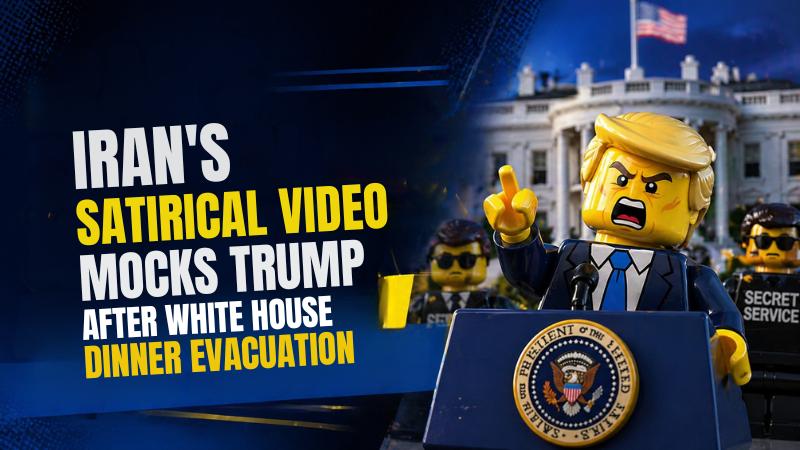
Iran has released a satirical, Lego-style diss track video targeting Donald Trump following a disruption at the White House Correspondents’ Dinner in Washington. The animated clip, widely circulated on social media,
A satire targeting Trump after White House dinner disruption
Iran has released a satirical, Lego-style diss track video targeting Donald Trump following a disruption at the White House Correspondents’ Dinner in Washington. The animated clip, widely circulated on social media,
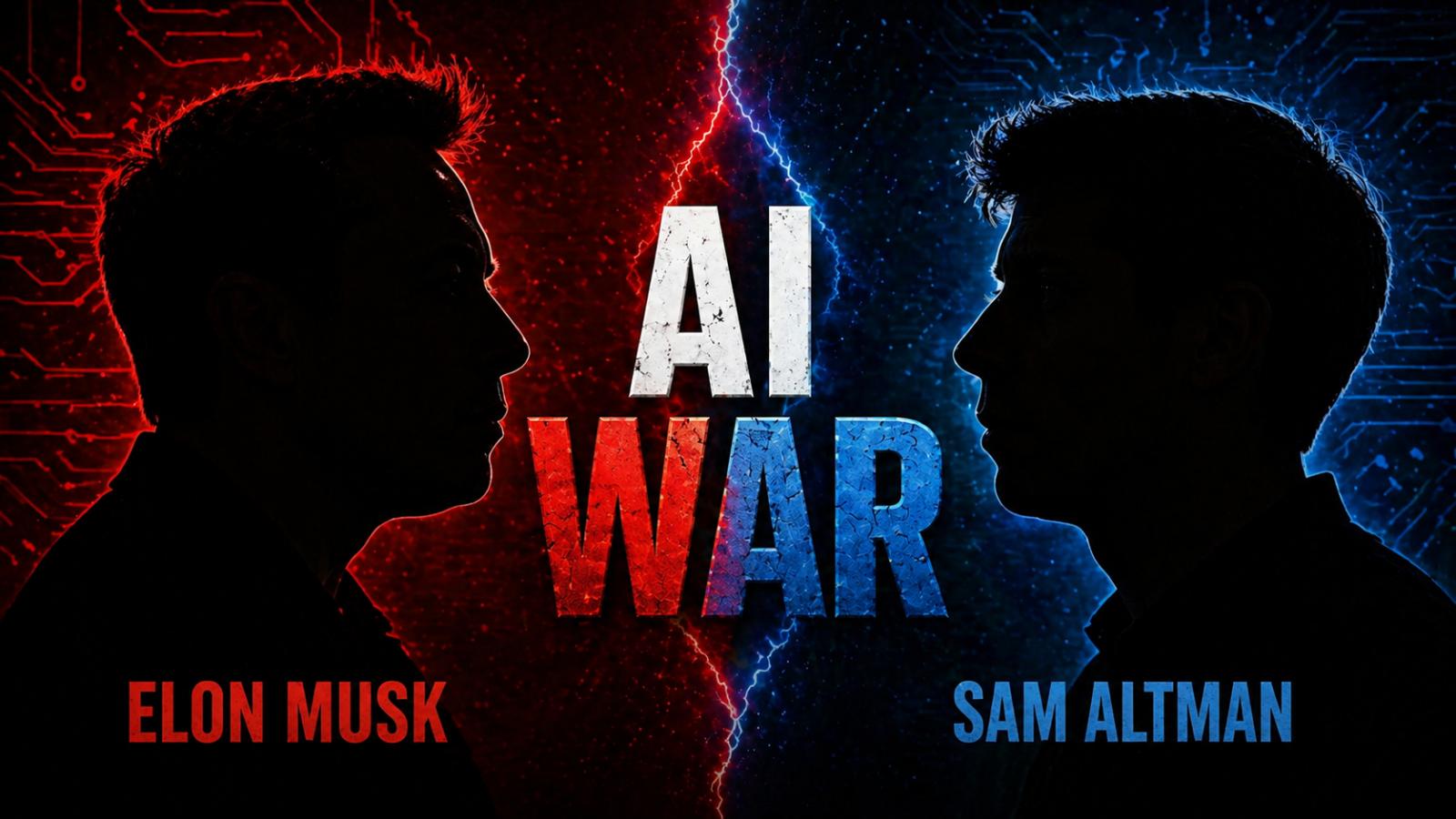
The escalating legal dispute between Elon Musk and Sam Altman has entered a critical discovery phase, intensifying scrutiny over the direction of OpenAI. Musk’s lawsuit, initially filed in early 2024 and recent
The escalating legal dispute between Elon Musk and Sam Altman has entered a critical discovery phase, intensifying scrutiny over the direction of OpenAI. Musk’s lawsuit, initially filed in early 2024 and recent
China’s decision to block the acquisition of Manus AI by Meta marks a major shift in global technology deals, as authorities cited concerns over technology transfer and national interests. The country’s top economic planner, the National Development and Reform Commission, ordered the cancellation of th
China’s decision to block the acquisition of Manus AI by Meta marks a major shift in global technology deals, as authorities cited concerns over technology transfer and national interests. The country’s top economic planner, the National Development and Reform Commission, ordered the cancellation of th
Kavitha launches Telangana Rashtra Sena, marking a new political chapter in Telangana after her exit from BRS.
Former Bharat Rashtra Samithi (BRS) leader Kalvakuntla Kavitha, daughter of former Telangana Chief Minister K Chandrasekhar Rao (KCR), officially launched her own political party, Telangana Rashtra Sena (TRS), on Saturday, April 25, 2026. This development comes months after she was suspended from the BRS over alleged anti-party activities, marking a major
Kavitha launches Telangana Rashtra Sena, marking a new political chapter in Telangana after her exit from BRS.
Former Bharat Rashtra Samithi (BRS) leader Kalvakuntla Kavitha, daughter of former Telangana Chief Minister K Chandrasekhar Rao (KCR), officially launched her own political party, Telangana Rashtra Sena (TRS), on Saturday, April 25, 2026. This development comes months after she was suspended from the BRS over alleged anti-party activities, marking a major
On April 27, 2026, the Madras High Court dismissed a petition challenging Vijay’s ₹12.6 crore loan disclosure, with no specific time of judgment disclosed.
The Madras High Court
On April 27, 2026, the Madras High Court dismissed a petition challenging Vijay’s ₹12.6 crore loan disclosure, with no specific time of judgment disclosed.
The Madras High Court
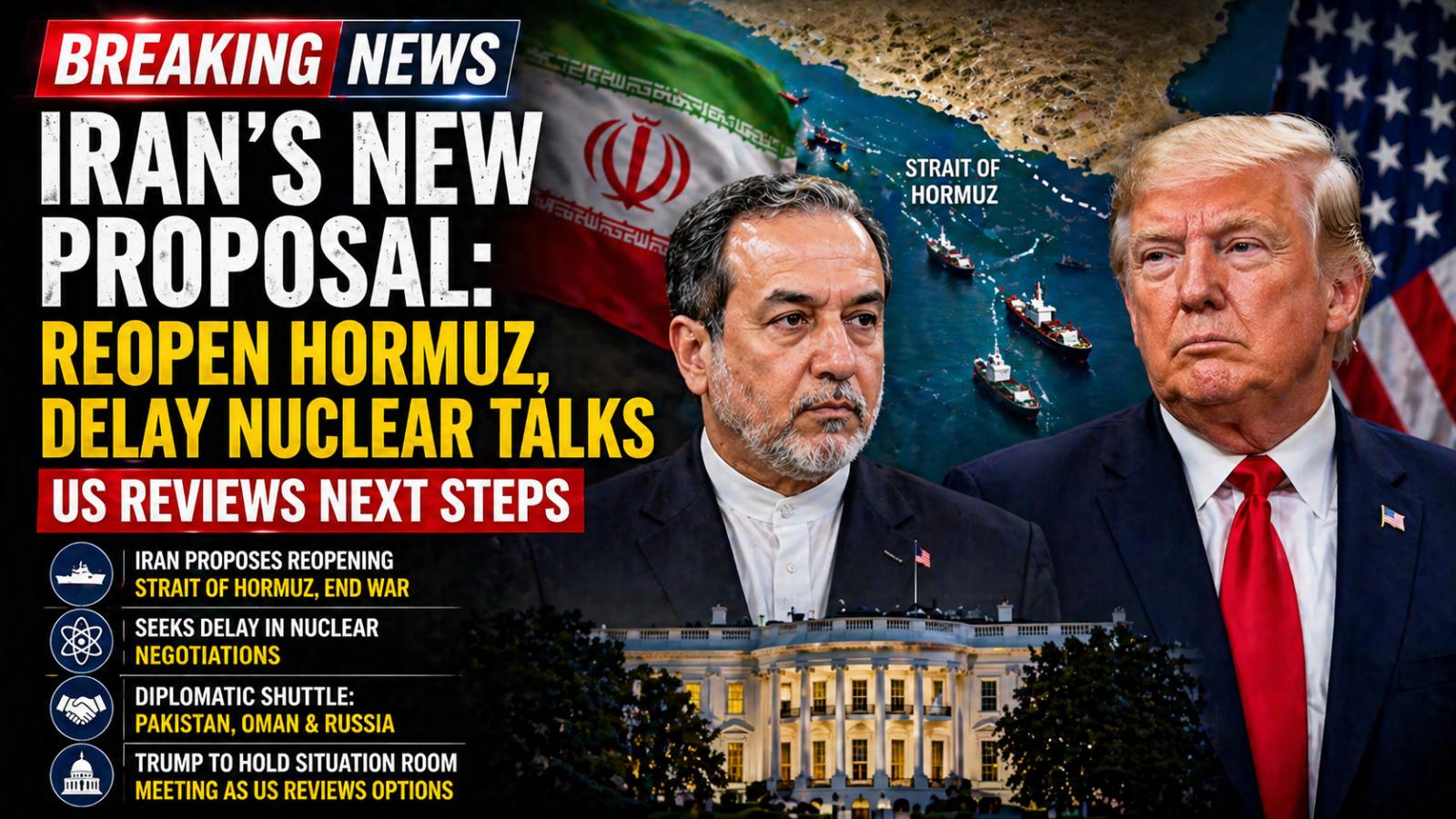
Iran has reportedly put forward a new proposal aimed at reopening the Strait of Hormuz and easing ongoing tensions, while suggesting that nuclear negotiations be postponed. The development comes as US officials review the offer, with President Donald Trump expected to meet with senior national security advisers to assess the situation and determine next steps.
According to sources familiar with the discussions, the proposal was conveyed through intermediaries and focuses on de-escalation measures tied to maritime security and regional stability. However, Iranian officials have indicated that broader nuclear negotiations should be deferred until key issues, including economic restrictions and security concerns, are addressed. There has been no official confirmation from either side regarding the specifics of the proposal.
The latest diplomatic activity follows a series of engagements by Abbas Araghchi, who recently traveled between Pakistan and Oman in an effort to facilitate dialogue. Iranian authorities emphasized that no direct meetings with US representatives were scheduled during his visit to Islamabad. Earlier, planned discussions involving US envoys were canceled, adding to the uncertainty surrounding the negotiation process.
Tensions have been further complicated by differing expectations between Washington and Tehran. US officials have reiterated that any agreement must include strict limitations on Iran’s nuclear capabilities, including restrictions on enrichment activities. Iranian leaders, meanwhile, have maintained that negotiations cannot proceed under pressure, citing concerns over ongoing restrictions and security measures affecting the country.
The situation remains fluid as diplomatic channels continue to operate through regional mediators. Iran’s leadership has also engaged with international partners, including Russia, as part of broader efforts to manage the crisis. While the proposal to reopen the Strait of Hormuz signals a potential pathway toward de-escalation, the delay in nuclear talks underscores the challenges that remain in reaching a comprehensive agreement.
Iran has reportedly put forward a new proposal aimed at reopening the Strait of Hormuz and easing ongoing tensions, while suggesting that nuclear negotiations be postponed. The development comes as US officials review the offer, with President Donald Trump expected to meet with senior national security advisers to assess the situation and determine next steps.
According to sources familiar with the discussions, the proposal was conveyed through intermediaries and focuses on de-escalation measures tied to maritime security and regional stability. However, Iranian officials have indicated that broader nuclear negotiations should be deferred until key issues, including economic restrictions and security concerns, are addressed. There has been no official confirmation from either side regarding the specifics of the proposal.
The latest diplomatic activity follows a series of engagements by Abbas Araghchi, who recently traveled between Pakistan and Oman in an effort to facilitate dialogue. Iranian authorities emphasized that no direct meetings with US representatives were scheduled during his visit to Islamabad. Earlier, planned discussions involving US envoys were canceled, adding to the uncertainty surrounding the negotiation process.
Tensions have been further complicated by differing expectations between Washington and Tehran. US officials have reiterated that any agreement must include strict limitations on Iran’s nuclear capabilities, including restrictions on enrichment activities. Iranian leaders, meanwhile, have maintained that negotiations cannot proceed under pressure, citing concerns over ongoing restrictions and security measures affecting the country.
The situation remains fluid as diplomatic channels continue to operate through regional mediators. Iran’s leadership has also engaged with international partners, including Russia, as part of broader efforts to manage the crisis. While the proposal to reopen the Strait of Hormuz signals a potential pathway toward de-escalation, the delay in nuclear talks underscores the challenges that remain in reaching a comprehensive agreement.
Big Rail Boost: Bengaluru to Get Vande Bharat to Mangaluru, 2 New Mumbai Trains Soon
In a major step to strengthen railway connectivity across Karnataka and neighbouring states, Union Railway Minister Ashwini Vaishnaw has announced the launch of three new train services from
Big Rail Boost: Bengaluru to Get Vande Bharat to Mangaluru, 2 New Mumbai Trains Soon
In a major step to strengthen railway connectivity across Karnataka and neighbouring states, Union Railway Minister Ashwini Vaishnaw has announced the launch of three new train services from
Raghu Rai’s photography stands as a timeless tribute to Bengal’s rich cultural and intellectual heritage, capturing a remarkable spectrum of personalities and moments that shaped the region’s identity. Widely regarded as one of India’s most influential photographers, Raghu Rai used his lens to document not just events, but the deeper emotions and stories behind them. His iconic black and white portraits of legends such as Satyajit Ray and Mother Teresa remain some of the most powerful visual records of their lives and work. Through subtle expressions, light, and composition, Rai was able to reveal the humanity, depth, and quiet strength of his subjects, turning simple photographs into lasting narratives.
Kolkata, often considered the cultural capital of India, played a central role in Rai’s photographic journey. The city’s streets, intellectual circles, and artistic traditions frequently appeared in his work, giving audiences a glimpse into its vibrant soul. His images went beyond famous figures to include everyday life, traditions, and social realities, creating a layered and authentic portrayal of Bengal. Over the years, his work has not only preserved history but also inspired generations of photographers and art lovers. As tributes continue to pour in, his legacy endures through images that still speak with emotional clarity and cultural significance, ensuring that the spirit of Bengal’s icons and people lives on through his extraordinary vision.
Raghu Rai’s photography stands as a timeless tribute to Bengal’s rich cultural and intellectual heritage, capturing a remarkable spectrum of personalities and moments that shaped the region’s identity. Widely regarded as one of India’s most influential photographers, Raghu Rai used his lens to document not just events, but the deeper emotions and stories behind them. His iconic black and white portraits of legends such as Satyajit Ray and Mother Teresa remain some of the most powerful visual records of their lives and work. Through subtle expressions, light, and composition, Rai was able to reveal the humanity, depth, and quiet strength of his subjects, turning simple photographs into lasting narratives.
Kolkata, often considered the cultural capital of India, played a central role in Rai’s photographic journey. The city’s streets, intellectual circles, and artistic traditions frequently appeared in his work, giving audiences a glimpse into its vibrant soul. His images went beyond famous figures to include everyday life, traditions, and social realities, creating a layered and authentic portrayal of Bengal. Over the years, his work has not only preserved history but also inspired generations of photographers and art lovers. As tributes continue to pour in, his legacy endures through images that still speak with emotional clarity and cultural significance, ensuring that the spirit of Bengal’s icons and people lives on through his extraordinary vision.
President Donald Trump responded strongly during an interview following the recent shooting incident at the White House Correspondents’ Dinner, pushing back against references to a manifesto allegedly written by the suspect. The confrontation occurred when a journalist cited language from the document during a discussion about the attack and its possible motives.
The suspect, identified
President Donald Trump responded strongly during an interview following the recent shooting incident at the White House Correspondents’ Dinner, pushing back against references to a manifesto allegedly written by the suspect. The confrontation occurred when a journalist cited language from the document during a discussion about the attack and its possible motives.
The suspect, identified
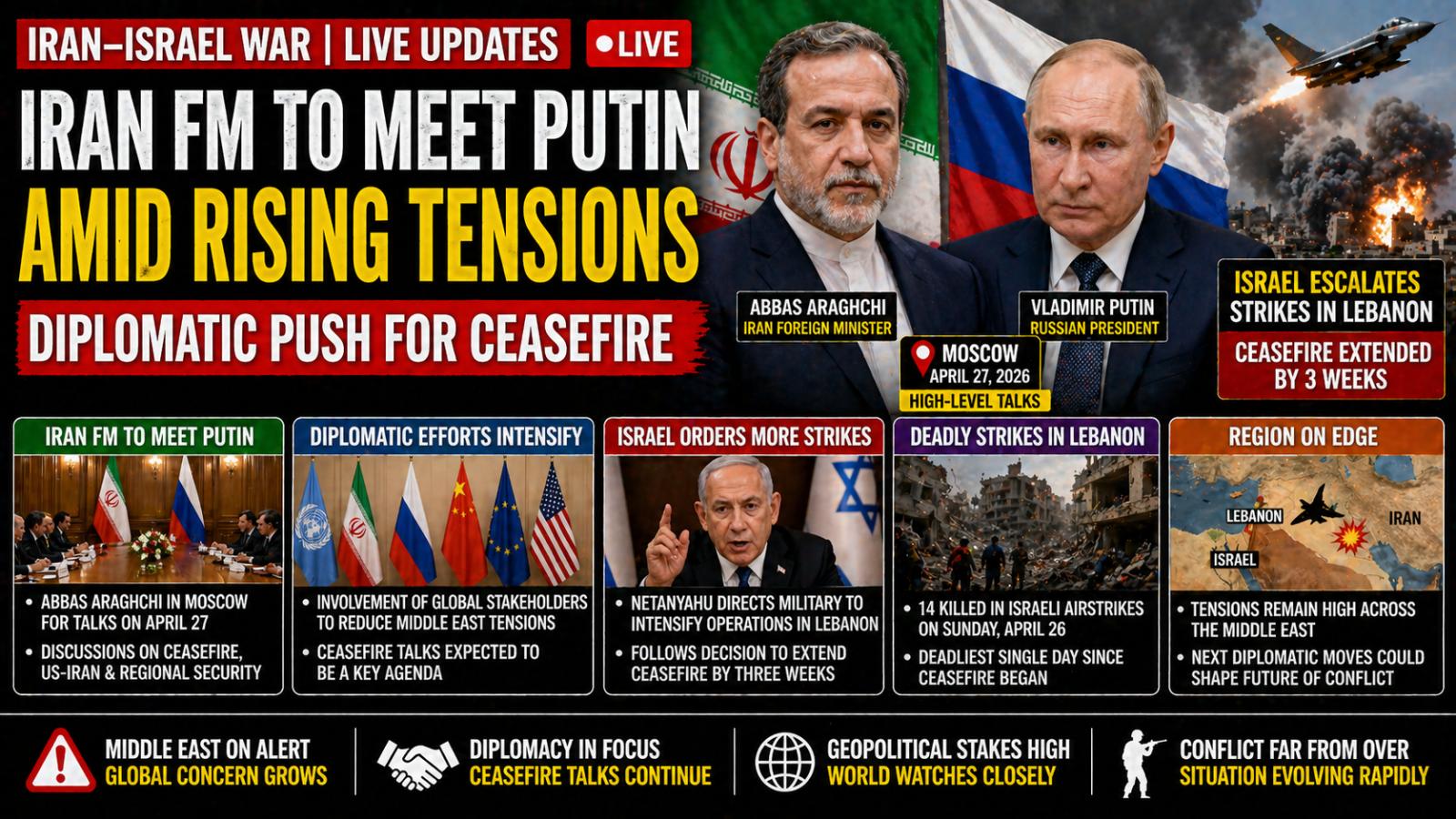
Iran’s foreign minister Abbas Araghchi meets Vladimir Putin in Moscow on Monday, April 27, for ceasefire talks as Israel intensifies strikes on Hezbollah in Lebanon, where 14 were killed Sunday, April 26, marking the deadliest day since the truce began.
Iran-Israel war live updates: Iran FM to meet Putin amid rising tensions as Abbas Araghchi prepares for high-level tal
Iran’s foreign minister Abbas Araghchi meets Vladimir Putin in Moscow on Monday, April 27, for ceasefire talks as Israel intensifies strikes on Hezbollah in Lebanon, where 14 were killed Sunday, April 26, marking the deadliest day since the truce began.
Iran-Israel war live updates: Iran FM to meet Putin amid rising tensions as Abbas Araghchi prepares for high-level tal
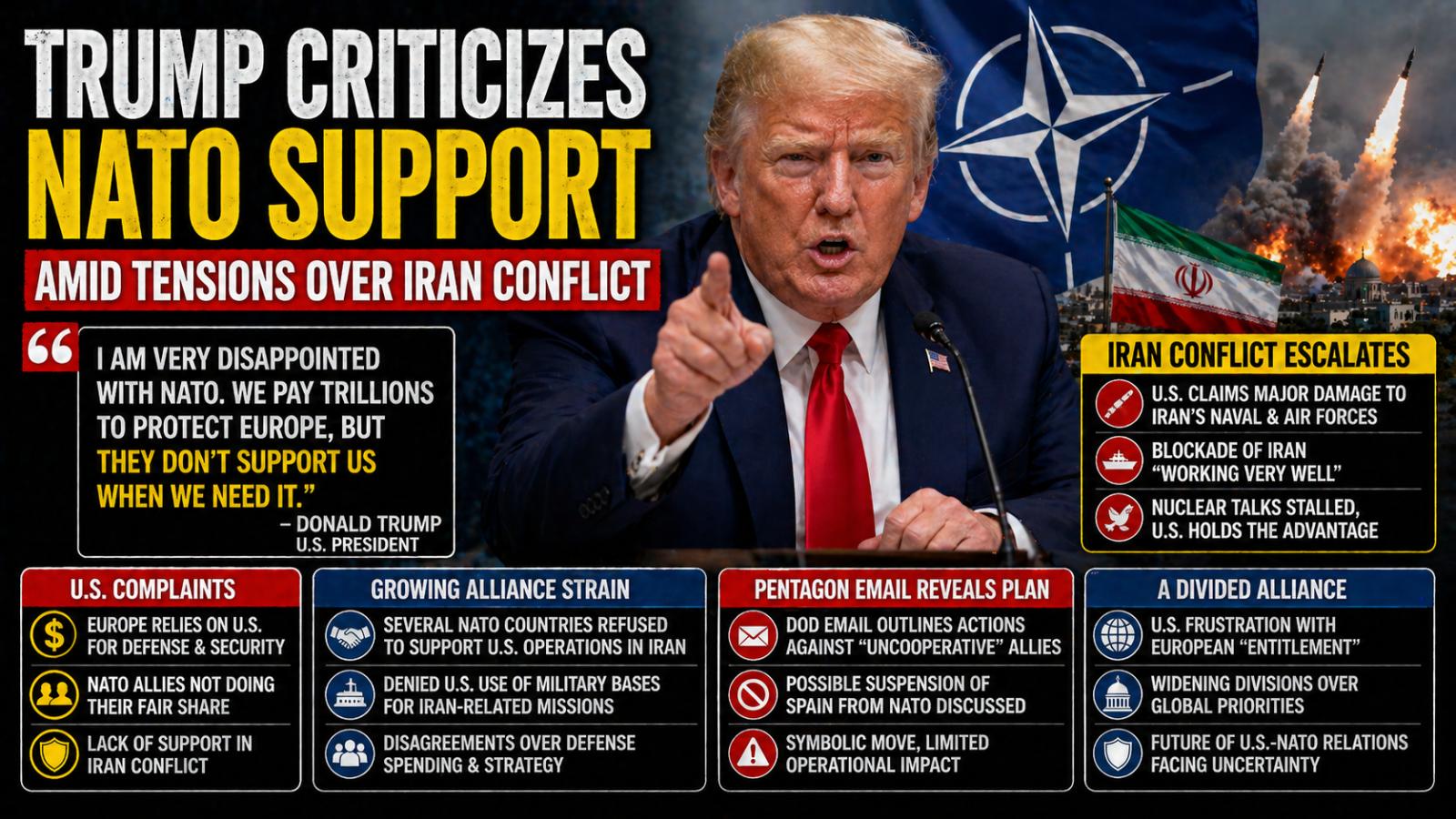
Trump criticized NATO for lack of support during the Iran conflict, highlighting growing US-alliance tensions and potential policy consequences for member states.
A growing rift between the United States and NATO allies intensified after President Donald Trump voiced disappointment over support during the Iran conflict and broader security concerns.
Amid escalating tensions between the United States and its allies, Donald Trump said on Sunday April 26, 2026 that he was “very disappointed” with NATO, accusing the alliance of failing to support Washington during a critical period. His remarks followed heightened security concerns earlier that day at the White House Correspondents’ Dinner.
In an interview with Fox News, Trump emphasized the scale of US financial contributions to NATO, arguing that the alliance depends heavily on American resources. He said the United States has invested trillions of dollars to protect Europe from threats such as Russia and suggested that NATO members have not reciprocated adequately.
The comments come as the Trump administration faces frustration with Western allies over their reluctance to back US actions in the ongoing Iran conflict. During the same interview, Trump shifted focus to Iran, asserting that the United States holds a strategic advantage despite stalled negotiations. He claimed US forces had significantly weakened Iran’s naval and air capabilities and described a blockade as highly effective.
Tensions with NATO have been building since Trump returned to office, particularly as he has pushed member nations to increase defense spending. Disagreements intensified after several NATO countries declined to support US military operations in Iran or allow the use of their bases.
The strain deepened further after a controversial email from the United States Department of Defense outlined potential actions against NATO allies perceived as unsupportive. Among the measures discussed was the possible suspension of Spain from NATO, a move officials indicated would carry symbolic significance but limited operational impact.
Officials said the communication reflected growing frustration within the US government, describing what it characterized as a sense of entitlement among European partners. The developments underscore widening divisions within the alliance as geopolitical and military priorities diverge.
Trump criticized NATO for lack of support during the Iran conflict, highlighting growing US-alliance tensions and potential policy consequences for member states.
A growing rift between the United States and NATO allies intensified after President Donald Trump voiced disappointment over support during the Iran conflict and broader security concerns.
Amid escalating tensions between the United States and its allies, Donald Trump said on Sunday April 26, 2026 that he was “very disappointed” with NATO, accusing the alliance of failing to support Washington during a critical period. His remarks followed heightened security concerns earlier that day at the White House Correspondents’ Dinner.
In an interview with Fox News, Trump emphasized the scale of US financial contributions to NATO, arguing that the alliance depends heavily on American resources. He said the United States has invested trillions of dollars to protect Europe from threats such as Russia and suggested that NATO members have not reciprocated adequately.
The comments come as the Trump administration faces frustration with Western allies over their reluctance to back US actions in the ongoing Iran conflict. During the same interview, Trump shifted focus to Iran, asserting that the United States holds a strategic advantage despite stalled negotiations. He claimed US forces had significantly weakened Iran’s naval and air capabilities and described a blockade as highly effective.
Tensions with NATO have been building since Trump returned to office, particularly as he has pushed member nations to increase defense spending. Disagreements intensified after several NATO countries declined to support US military operations in Iran or allow the use of their bases.
The strain deepened further after a controversial email from the United States Department of Defense outlined potential actions against NATO allies perceived as unsupportive. Among the measures discussed was the possible suspension of Spain from NATO, a move officials indicated would carry symbolic significance but limited operational impact.
Officials said the communication reflected growing frustration within the US government, describing what it characterized as a sense of entitlement among European partners. The developments underscore widening divisions within the alliance as geopolitical and military priorities diverge.
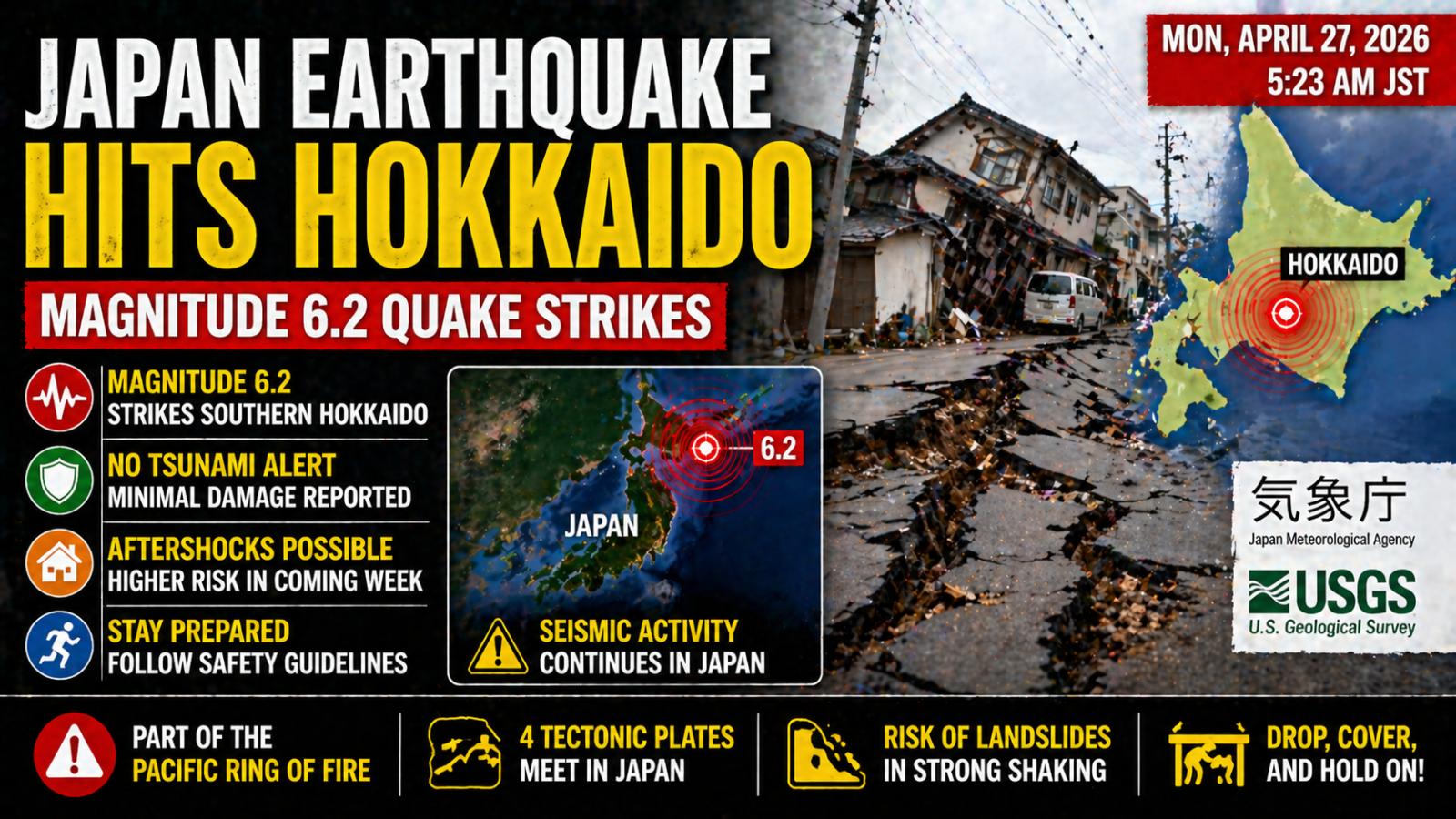
A magnitude 6.2 earthquake struck Hokkaido, Japan, at 5:23 AM JST on Monday, April 27, 2026. No tsunami warning was issued, but officials warned of possible aftershocks amid heightened seismic activity following recent quakes.
Japan earthquake hits Hokkaido, raising concerns over further tremors A strong earthquake struck Japan’s northern island of Hokkaido at 5:23 AM JST on Monday, April 27, 2026, according to the Japan Meteorological Agency and the U.S. Geologi
A magnitude 6.2 earthquake struck Hokkaido, Japan, at 5:23 AM JST on Monday, April 27, 2026. No tsunami warning was issued, but officials warned of possible aftershocks amid heightened seismic activity following recent quakes.
Japan earthquake hits Hokkaido, raising concerns over further tremors A strong earthquake struck Japan’s northern island of Hokkaido at 5:23 AM JST on Monday, April 27, 2026, according to the Japan Meteorological Agency and the U.S. Geologi