California refund debit cards near expiration leave millions unclaimed
Millions of debit cards issued under California’s Middle Class Tax Refund program in 2022 are set to expire on April 30, leaving hundreds of millions of dollars at risk of going unclaimed, according to state records. The looming deadline has raised concerns for consumers who may still have unused balances but face difficulties accessing their funds. Data from the California Franchise Tax Board shows that only 43% of the distributed cards have been fully used, while approximately 10% have never been activated. That translates to roughly 960,000 cards still holding an estimated $400 million that could revert to the state if not claimed before the expiration date. Some cardholders report unexpected issues when attempting to use their remaining balances. In certain cases, cards that initially worked were later declined despite having available funds. Attempts to withdraw money at banks have also been unsuccessful for some users, with reports indicating that accounts were inaccessible or cards had been deactivated without clear explanation. Consumers have described ongoing challenges in resolving these problems through customer service channels. Calls to the program’s card provider, Money Network, have sometimes resulted in long wait times or difficulty reaching assistance. The company’s parent, Fiserv, said in a statement that it is implementing program changes in accordance with California requirements and the Better for Families Act. State officials note that some cards may be deactivated or funds frozen due to fraud prevention measures. They advise cardholders experiencing issues to contact customer service directly during weekday business hours, from 8:00 AM to 5:00 PM. Assistance will only be available through April 30. With the deadline approaching, officials are urging residents to check for unused cards and confirm balances as soon as possible. Any remaining funds not accessed before expiration could be returned to state lawmakers, underscoring the importance of prompt action for those who may still be eligible to use the money.
California refund debit cards near expiration leave millions unclaimed
Millions of debit cards issued under California’s Middle Class Tax Refund program in 2022 are set to expire on April 30, leaving hundreds of millions of dollars at risk of going unclaimed, according to state records. The looming deadline has raised concerns for consumers who may still have unused balances but face difficulties accessing their funds. Data from the California Franchise Tax Board shows that only 43% of the distributed cards have been fully used, while approximately 10% have never been activated. That translates to roughly 960,000 cards still holding an estimated $400 million that could revert to the state if not claimed before the expiration date. Some cardholders report unexpected issues when attempting to use their remaining balances. In certain cases, cards that initially worked were later declined despite having available funds. Attempts to withdraw money at banks have also been unsuccessful for some users, with reports indicating that accounts were inaccessible or cards had been deactivated without clear explanation. Consumers have described ongoing challenges in resolving these problems through customer service channels. Calls to the program’s card provider, Money Network, have sometimes resulted in long wait times or difficulty reaching assistance. The company’s parent, Fiserv, said in a statement that it is implementing program changes in accordance with California requirements and the Better for Families Act. State officials note that some cards may be deactivated or funds frozen due to fraud prevention measures. They advise cardholders experiencing issues to contact customer service directly during weekday business hours, from 8:00 AM to 5:00 PM. Assistance will only be available through April 30. With the deadline approaching, officials are urging residents to check for unused cards and confirm balances as soon as possible. Any remaining funds not accessed before expiration could be returned to state lawmakers, underscoring the importance of prompt action for those who may still be eligible to use the money.
Chicago to New York flight diverted, passengers evacuated in Pittsburgh
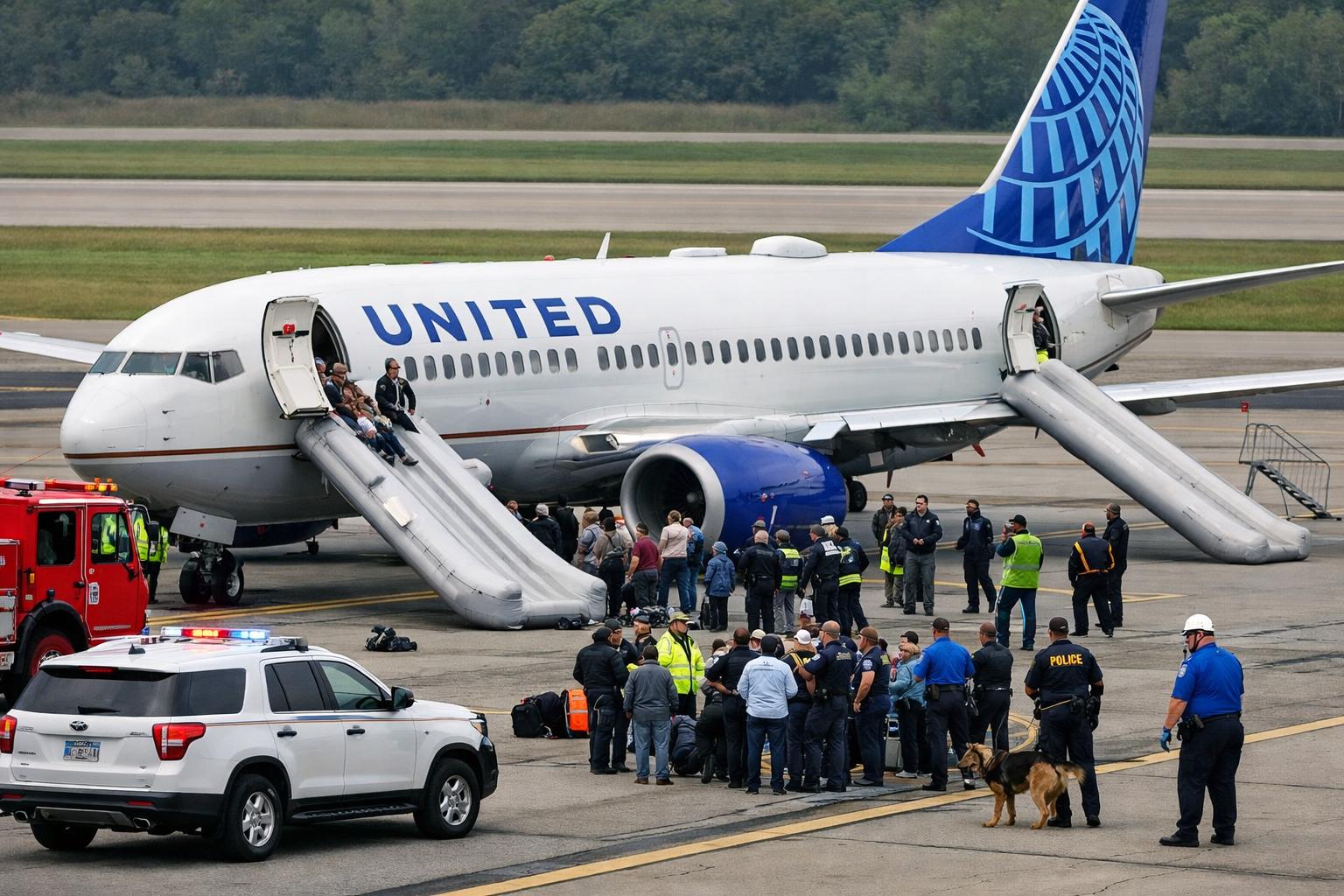
A United Airlines flight traveling from Chicago to New York was diverted to Pittsburgh, Pennsylvania, following a reported security concern, prompting an emergency evacuation upon landing. The incident occurred on Saturday morning, though officials have not specified an exact time. According to United Airlines, Flight 2092 departed from Chicago O’Hare International Airport en route to LaGuardia Airport in New York when the crew received reports of a potential security issue. As a precaution, the aircraft was redirected to Pittsburgh International Airport, where it landed safely. Once on the ground, all passengers and crew members were evacuated using emergency slides on the tarmac. Authorities confirmed that none of the 159 passengers or six crew members onboard sustained injuries during the evacuation process. Emergency responders, including specialized units and bomb-detection teams, were deployed to assess the situation upon the aircraft’s arrival. Law enforcement officials from Allegheny County assisted in securing the scene and supporting the ongoing investigation. However, authorities have not disclosed specific details regarding the nature of the security concern that led to the diversion. The aircraft remained on the tarmac as officials conducted a thorough inspection. The airline stated it is cooperating fully with law enforcement and aviation authorities as they continue to investigate the incident. The diversion highlights standard aviation safety protocols, which prioritize passenger and crew security in response to any potential onboard threat. Further updates are expected as officials complete their review of the situation.
Chicago to New York flight diverted, passengers evacuated in Pittsburgh
A United Airlines flight traveling from Chicago to New York was diverted to Pittsburgh, Pennsylvania, following a reported security concern, prompting an emergency evacuation upon landing. The incident occurred on Saturday morning, though officials have not specified an exact time. According to United Airlines, Flight 2092 departed from Chicago O’Hare International Airport en route to LaGuardia Airport in New York when the crew received reports of a potential security issue. As a precaution, the aircraft was redirected to Pittsburgh International Airport, where it landed safely. Once on the ground, all passengers and crew members were evacuated using emergency slides on the tarmac. Authorities confirmed that none of the 159 passengers or six crew members onboard sustained injuries during the evacuation process. Emergency responders, including specialized units and bomb-detection teams, were deployed to assess the situation upon the aircraft’s arrival. Law enforcement officials from Allegheny County assisted in securing the scene and supporting the ongoing investigation. However, authorities have not disclosed specific details regarding the nature of the security concern that led to the diversion. The aircraft remained on the tarmac as officials conducted a thorough inspection. The airline stated it is cooperating fully with law enforcement and aviation authorities as they continue to investigate the incident. The diversion highlights standard aviation safety protocols, which prioritize passenger and crew security in response to any potential onboard threat. Further updates are expected as officials complete their review of the situation.
Why is the US expanding psychedelic research? Focus on mental health crisis
U.S. President Donald Trump announced a sweeping policy shift on Saturday, April 18, aimed at accelerating access to medical research and treatments involving psychedelic drugs. The executive order, signed in the Oval Office, directs the US Food and Drug Administration to expedite the review process for substances such as ibogaine, which some veteran advocacy groups say may help treat post-traumatic stress disorder. The signing event included federal health officials, advocates, and podcaster Joe Rogan, highlighting growing public and institutional interest in alternative mental health therapies. Focus on veterans and severe mental illness treatment Trump said the initiative is designed to “dramatically accelerate access” to experimental therapies that have shown potential in addressing severe mental health conditions. He emphasized that these treatments could be particularly impactful for U.S. military veterans suffering from PTSD and depression. The order instructs federal agencies to reduce administrative barriers, enhance data sharing between the FDA and the Department of Veterans Affairs, and streamline the process for rescheduling psychedelic substances once they receive regulatory approval. Funding and expanded access under Right to Try law As part of the initiative, the federal government will allocate $50 million to support state-level research on ibogaine. The administration is also expanding pathways for patients with critical conditions to access experimental treatments under the Right to Try law enacted during Trump’s first term. Officials said this approach could allow certain patients to receive psychedelic-based therapies before full FDA approval, provided safety protocols are followed. Health officials cite urgency of mental health crisis Health and Human Services Secretary Robert F Kennedy Jr. described the executive order as a decisive step in addressing what he called one of the nation’s most pressing public health challenges. He said the policy would remove legal and regulatory barriers that have historically limited research into psychedelic treatments. Kennedy added that the changes aim to enable scientists, clinicians, and researchers to better study these substances and, where appropriate, develop safe therapeutic protocols for their use in treating mental health conditions.
Why is the US expanding psychedelic research? Focus on mental health crisis
U.S. President Donald Trump announced a sweeping policy shift on Saturday, April 18, aimed at accelerating access to medical research and treatments involving psychedelic drugs. The executive order, signed in the Oval Office, directs the US Food and Drug Administration to expedite the review process for substances such as ibogaine, which some veteran advocacy groups say may help treat post-traumatic stress disorder. The signing event included federal health officials, advocates, and podcaster Joe Rogan, highlighting growing public and institutional interest in alternative mental health therapies. Focus on veterans and severe mental illness treatment Trump said the initiative is designed to “dramatically accelerate access” to experimental therapies that have shown potential in addressing severe mental health conditions. He emphasized that these treatments could be particularly impactful for U.S. military veterans suffering from PTSD and depression. The order instructs federal agencies to reduce administrative barriers, enhance data sharing between the FDA and the Department of Veterans Affairs, and streamline the process for rescheduling psychedelic substances once they receive regulatory approval. Funding and expanded access under Right to Try law As part of the initiative, the federal government will allocate $50 million to support state-level research on ibogaine. The administration is also expanding pathways for patients with critical conditions to access experimental treatments under the Right to Try law enacted during Trump’s first term. Officials said this approach could allow certain patients to receive psychedelic-based therapies before full FDA approval, provided safety protocols are followed. Health officials cite urgency of mental health crisis Health and Human Services Secretary Robert F Kennedy Jr. described the executive order as a decisive step in addressing what he called one of the nation’s most pressing public health challenges. He said the policy would remove legal and regulatory barriers that have historically limited research into psychedelic treatments. Kennedy added that the changes aim to enable scientists, clinicians, and researchers to better study these substances and, where appropriate, develop safe therapeutic protocols for their use in treating mental health conditions.
How Iran’s affordable drones are challenging America’s expensive interceptors
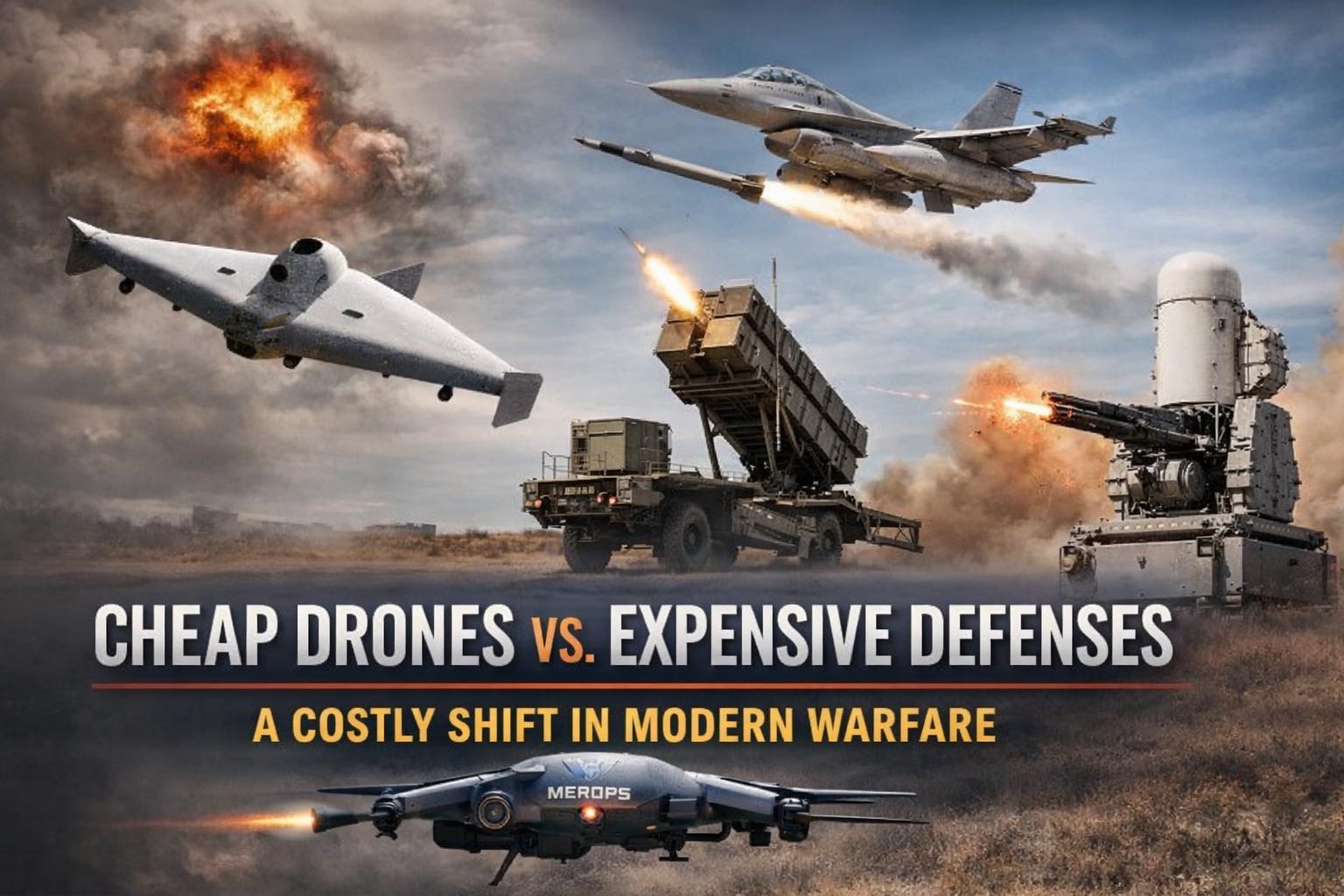
One of the most striking lessons from the war with Iran is how a relatively low-cost adversary has exposed vulnerabilities in U.S. defense strategy. Iran has demonstrated both a willingness to go on the offensive and an ability to leverage inexpensive drone technology at scale. These drones, often built with commercial-grade components, cost roughly $35,000 each—far less than the high-end interceptors used to destroy them. This imbalance has forced the United States and its allies to confront a new reality: modern warfare is no longer dominated solely by precision and sophistication, but also by affordability and volume. Cheap drones had already reshaped the battlefield in Ukraine, and Iran has now applied similar tactics in the Middle East, exploiting a long-standing gap in U.S. defense investments that favored fewer, more expensive systems over scalable solutions. Why are U.S. defenses struggling with cost efficiency? Because interceptors far exceed drone prices The financial mismatch is stark. In just the first six days of the conflict, the U.S. spent $11.3 billion, with estimates later rising to between $25 billion and $35 billion. A significant portion of that cost comes from interceptor missiles used to shoot down relatively inexpensive drones. Despite years of Pentagon focus on counter-drone capabilities, experts like Michael C. Horowitz note that there has been little urgency to scale affordable solutions. The result is a defense strategy where each engagement can cost far more than the threat itself—an unsustainable model in prolonged conflicts. How do air-based defenses work against drones? By using early detection and precision strikes—when available In an ideal scenario, airborne early warning systems detect drones hundreds of miles away. Fighter jets such as the F-16 Fighting Falcon are then deployed to intercept them using relatively cheaper rocket systems like APKWS II. This method is among the most cost-efficient, but it depends heavily on maintaining constant air patrols and intact detection systems. Iran has targeted these early warning assets, limiting their effectiveness and reducing the availability of this optimal defense approach. What role do ground and naval systems play? They offer range and reliability but at a steep price When air defenses are unavailable, the U.S. relies on ground- and sea-based systems. These include: Short-range systems like the Coyote, designed specifically for drones and relatively cost-effective—but in short supply. Naval destroyers using radar and SM-2 interceptors, which are powerful but expensive and designed for larger threats. The Patriot missile system, capable of intercepting drones from long distances using costly PAC-3 missiles. These systems were originally built to counter high-end threats like ballistic missiles, not swarms of cheap drones. As a result, they are often overkill—both technologically and financially—for the task at hand. Still, their use can be justified when defending high-value assets, such as billion-dollar radar installations or critical military infrastructure. What are the emerging solutions to counter drones? AI interceptors and lasers show promise but remain unproven New approaches aim to fix the cost imbalance. AI-powered interceptor drones, such as the Merops system developed by a company founded by Eric Schmidt, represent a potential shift toward cheaper, scalable defenses. These systems have been tested in collaboration with Ukrainian forces experienced in countering Iranian drones. The U.S. has already sent thousands of these units to the Middle East and begun training troops, though it remains unclear whether they have been deployed in combat. Meanwhile, the Pentagon has invested heavily in directed energy weapons—lasers that could cost as little as $3 per shot and reach targets up to 12 miles away. However, these systems have yet to be fielded in real-world combat. Why is ammunition depletion a growing concern? Because stockpiles may run out faster than they can be replaced Beyond cost, a more immediate concern is supply. Experts warn that interceptor stockpiles are being depleted at an alarming rate. As Tom Karako explains, the issue is not just affordability but availability: the U.S. risks running out of munitions before it can replenish them. This highlights a deeper strategic challenge. Modern conflicts—defined by mass-produced, low-cost threats—require not just advanced technology, but also sustainable production and scalable defense systems.
How Iran’s affordable drones are challenging America’s expensive interceptors
One of the most striking lessons from the war with Iran is how a relatively low-cost adversary has exposed vulnerabilities in U.S. defense strategy. Iran has demonstrated both a willingness to go on the offensive and an ability to leverage inexpensive drone technology at scale. These drones, often built with commercial-grade components, cost roughly $35,000 each—far less than the high-end interceptors used to destroy them. This imbalance has forced the United States and its allies to confront a new reality: modern warfare is no longer dominated solely by precision and sophistication, but also by affordability and volume. Cheap drones had already reshaped the battlefield in Ukraine, and Iran has now applied similar tactics in the Middle East, exploiting a long-standing gap in U.S. defense investments that favored fewer, more expensive systems over scalable solutions. Why are U.S. defenses struggling with cost efficiency? Because interceptors far exceed drone prices The financial mismatch is stark. In just the first six days of the conflict, the U.S. spent $11.3 billion, with estimates later rising to between $25 billion and $35 billion. A significant portion of that cost comes from interceptor missiles used to shoot down relatively inexpensive drones. Despite years of Pentagon focus on counter-drone capabilities, experts like Michael C. Horowitz note that there has been little urgency to scale affordable solutions. The result is a defense strategy where each engagement can cost far more than the threat itself—an unsustainable model in prolonged conflicts. How do air-based defenses work against drones? By using early detection and precision strikes—when available In an ideal scenario, airborne early warning systems detect drones hundreds of miles away. Fighter jets such as the F-16 Fighting Falcon are then deployed to intercept them using relatively cheaper rocket systems like APKWS II. This method is among the most cost-efficient, but it depends heavily on maintaining constant air patrols and intact detection systems. Iran has targeted these early warning assets, limiting their effectiveness and reducing the availability of this optimal defense approach. What role do ground and naval systems play? They offer range and reliability but at a steep price When air defenses are unavailable, the U.S. relies on ground- and sea-based systems. These include: Short-range systems like the Coyote, designed specifically for drones and relatively cost-effective—but in short supply. Naval destroyers using radar and SM-2 interceptors, which are powerful but expensive and designed for larger threats. The Patriot missile system, capable of intercepting drones from long distances using costly PAC-3 missiles. These systems were originally built to counter high-end threats like ballistic missiles, not swarms of cheap drones. As a result, they are often overkill—both technologically and financially—for the task at hand. Still, their use can be justified when defending high-value assets, such as billion-dollar radar installations or critical military infrastructure. What are the emerging solutions to counter drones? AI interceptors and lasers show promise but remain unproven New approaches aim to fix the cost imbalance. AI-powered interceptor drones, such as the Merops system developed by a company founded by Eric Schmidt, represent a potential shift toward cheaper, scalable defenses. These systems have been tested in collaboration with Ukrainian forces experienced in countering Iranian drones. The U.S. has already sent thousands of these units to the Middle East and begun training troops, though it remains unclear whether they have been deployed in combat. Meanwhile, the Pentagon has invested heavily in directed energy weapons—lasers that could cost as little as $3 per shot and reach targets up to 12 miles away. However, these systems have yet to be fielded in real-world combat. Why is ammunition depletion a growing concern? Because stockpiles may run out faster than they can be replaced Beyond cost, a more immediate concern is supply. Experts warn that interceptor stockpiles are being depleted at an alarming rate. As Tom Karako explains, the issue is not just affordability but availability: the U.S. risks running out of munitions before it can replenish them. This highlights a deeper strategic challenge. Modern conflicts—defined by mass-produced, low-cost threats—require not just advanced technology, but also sustainable production and scalable defense systems.
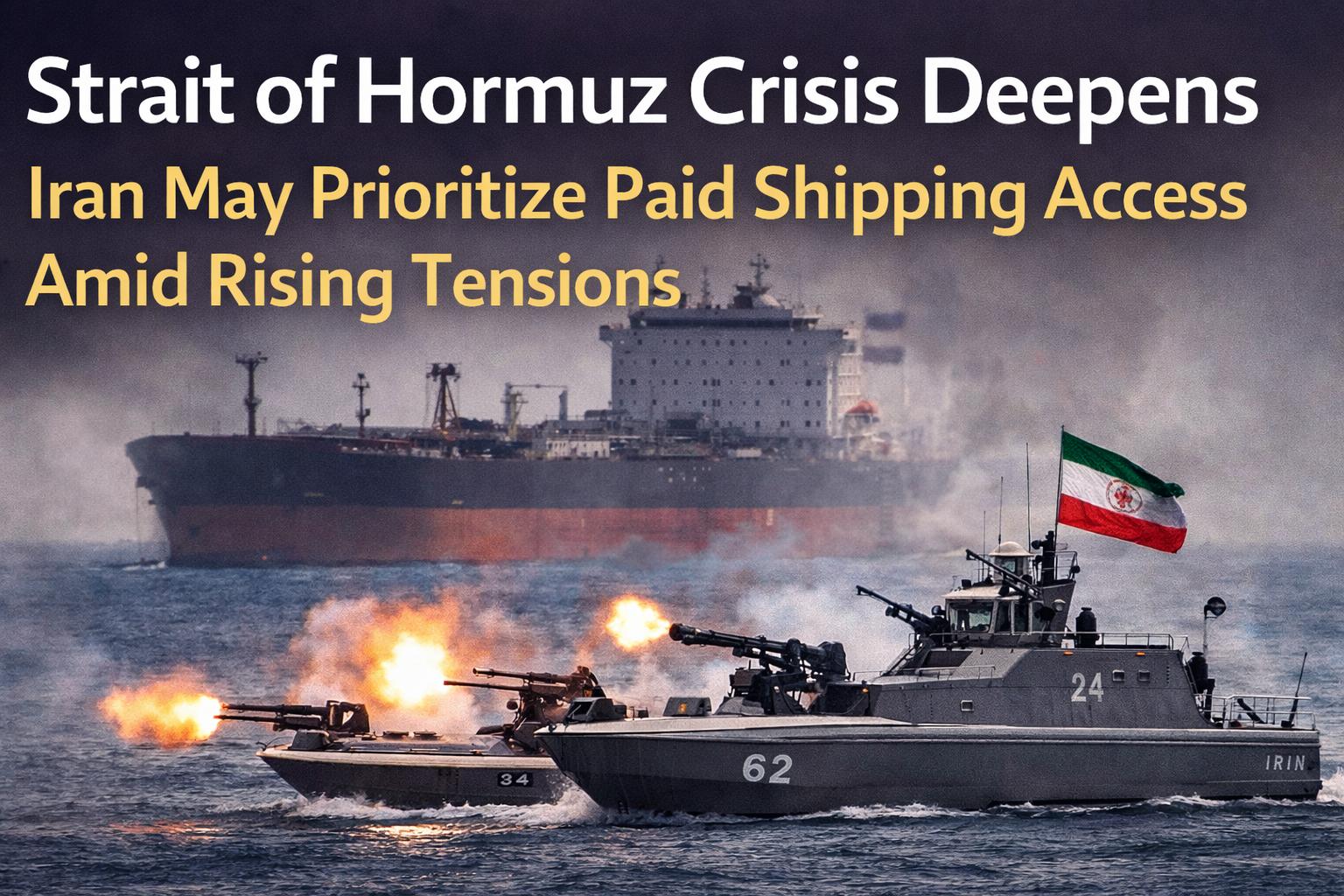
Strait of Hormuz crisis deepens: Iran may prioritize paid shipping access amid rising tensions
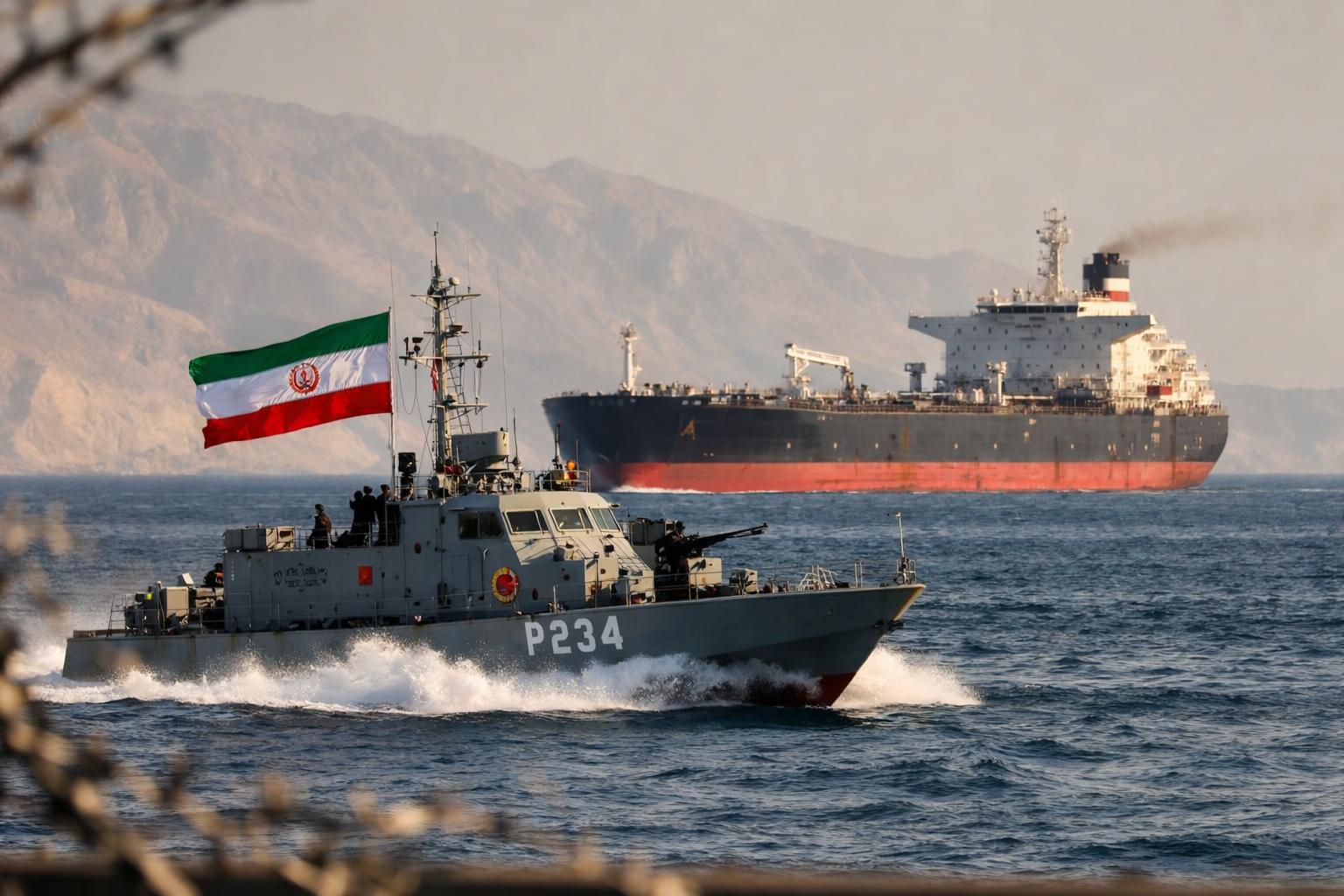
Strait of Hormuz crisis intensifies amid shipping threats and stalled diplomacy The Strait of Hormuz crisis has escalated sharply as Iran appears to tighten its control over the strategic waterway, raising concerns about global oil supply and maritime security. Reports suggest Tehran may prioritize passage for select vessels, while tensions with the United States continue to grow.The
Strait of Hormuz crisis deepens: Iran may prioritize paid shipping access amid rising tensions
Strait of Hormuz crisis intensifies amid shipping threats and stalled diplomacy The Strait of Hormuz crisis has escalated sharply as Iran appears to tighten its control over the strategic waterway, raising concerns about global oil supply and maritime security. Reports suggest Tehran may prioritize passage for select vessels, while tensions with the United States continue to grow.The
Gunman kills five in Kyiv supermarket siege, attacker shot dead
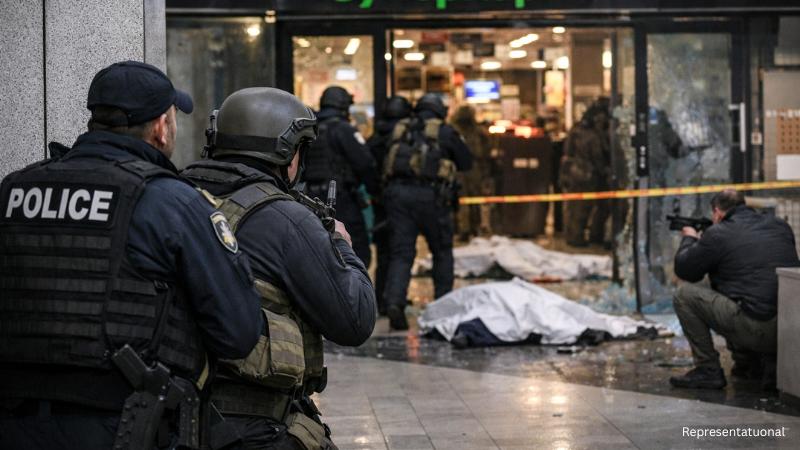
A gunman opened fire in Kyiv, killing five people and injuring several others, according to Ukrainian officials. The incident unfolded on Saturday when the attacker entered a supermarket and began shooting, triggering a large-scale police response and a tense hostage situation. Authorities confirmed that the suspect was later killed during a coordinated operation inside the store. Ukraine’s Interior Minister Ihor Klymenko said the gunman had taken hostages and fired at responding officers during the standoff, complicating efforts to safely resolve the situation. Police ultimately neutralized the attacker while attempting to detain him. Ukrainian President Volodymyr Zelenskyy confirmed the death toll and said officials were working to establish all circumstances surrounding the attack. He extended condolences to the victims’ families and emphasized that a full investigation is underway. Live broadcast footage from the scene showed armed police units taking cover inside the shopping complex as gunfire echoed. Civilians in the area were quickly evacuated as emergency responders secured the perimeter and moved to contain the threat. Officials reported that at least 10 people were hospitalized with injuries and trauma following the attack. Four hostages were rescued during the operation and are receiving support. Investigators from the National Police of Ukraine and the Security Service of Ukraine are continuing to examine the incident. Authorities said verified updates will be released as more details become available.


Gunman kills five in Kyiv supermarket siege, attacker shot dead
A gunman opened fire in Kyiv, killing five people and injuring several others, according to Ukrainian officials. The incident unfolded on Saturday when the attacker entered a supermarket and began shooting, triggering a large-scale police response and a tense hostage situation. Authorities confirmed that the suspect was later killed during a coordinated operation inside the store. Ukraine’s Interior Minister Ihor Klymenko said the gunman had taken hostages and fired at responding officers during the standoff, complicating efforts to safely resolve the situation. Police ultimately neutralized the attacker while attempting to detain him. Ukrainian President Volodymyr Zelenskyy confirmed the death toll and said officials were working to establish all circumstances surrounding the attack. He extended condolences to the victims’ families and emphasized that a full investigation is underway. Live broadcast footage from the scene showed armed police units taking cover inside the shopping complex as gunfire echoed. Civilians in the area were quickly evacuated as emergency responders secured the perimeter and moved to contain the threat. Officials reported that at least 10 people were hospitalized with injuries and trauma following the attack. Four hostages were rescued during the operation and are receiving support. Investigators from the National Police of Ukraine and the Security Service of Ukraine are continuing to examine the incident. Authorities said verified updates will be released as more details become available.
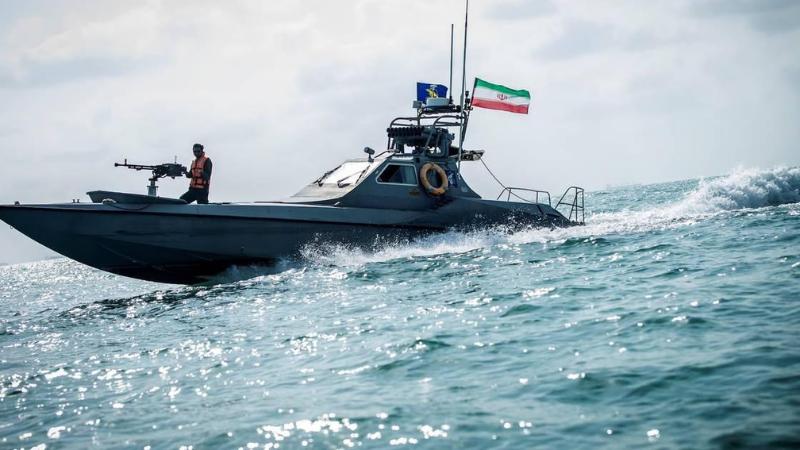
Iran rift exposed after firing on Indian ships in Strait of Hormuz
Tensions within Iran’s leadership structure came
Iran rift exposed after firing on Indian ships in Strait of Hormuz
Tensions within Iran’s leadership structure came
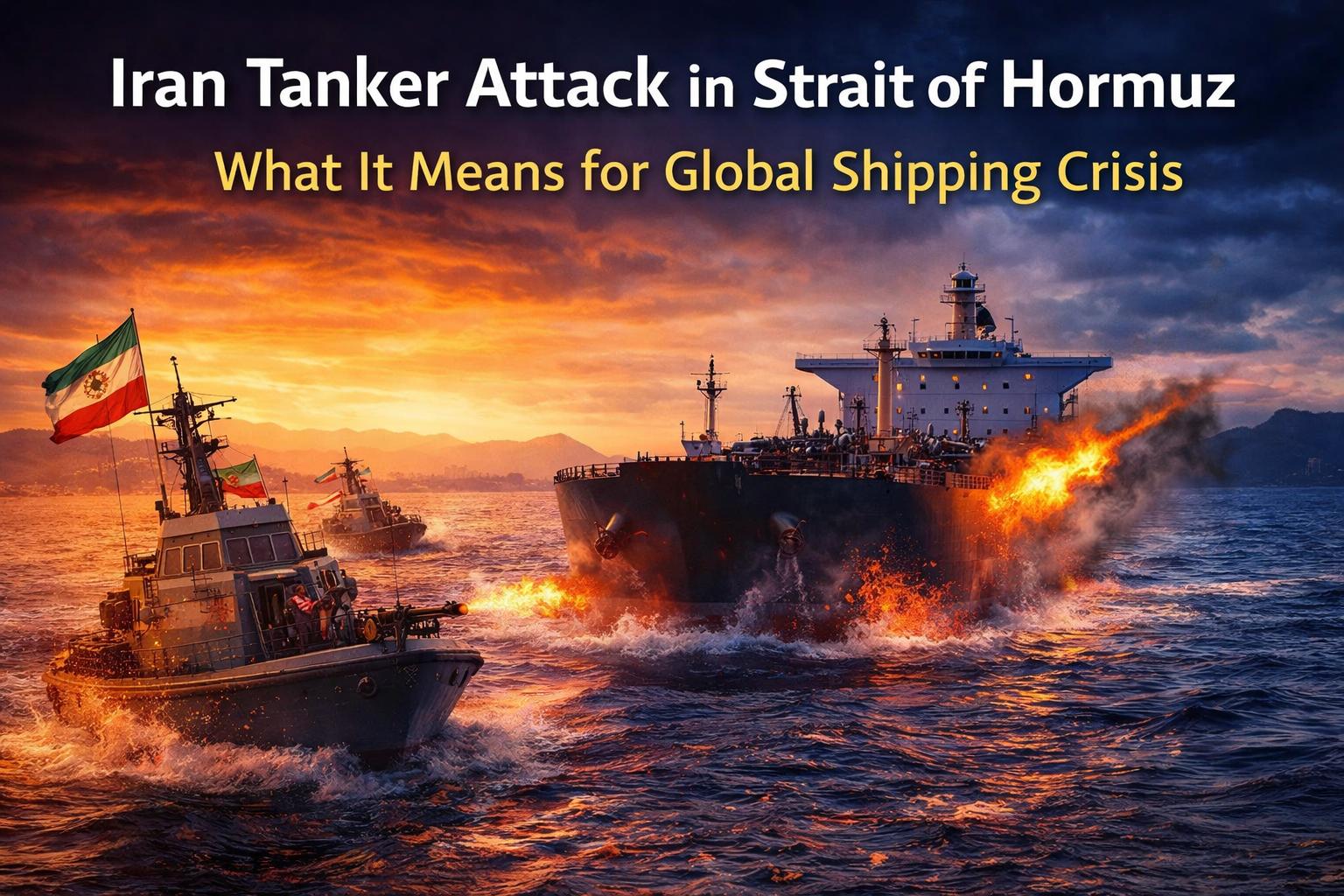
Iran fires on tanker in Strait of Hormuz: What the renewed shipping crisis means for global oil
Iran tanker attack Strait of Hormuz signals renewed crisis in global shipping Tensions in the Middle East escalated sharply after an Iran tanker attack in the Strait of Hormuz, raising fresh concerns about global oil supply and maritime safety. The incident comes as Iran reimposed restrictions on one of the world’s most critical shipping routes, just a day after signals of reope
Iran fires on tanker in Strait of Hormuz: What the renewed shipping crisis means for global oil
Iran tanker attack Strait of Hormuz signals renewed crisis in global shipping Tensions in the Middle East escalated sharply after an Iran tanker attack in the Strait of Hormuz, raising fresh concerns about global oil supply and maritime safety. The incident comes as Iran reimposed restrictions on one of the world’s most critical shipping routes, just a day after signals of reope
Stay Cool Naturally: 5 Easy Uses of Gond Katira for Summer
If you’re looking for a natural way to beat the heat, Gond Katira is a traditional ingredient worth adding to your summer routine. Known for its cooling and soothing properties, it has been used in Indian households for generations as a natural remedy during hot weather.
Stay Cool Naturally: 5 Easy Uses of Gond Katira for Summer
If you’re looking for a natural way to beat the heat, Gond Katira is a traditional ingredient worth adding to your summer routine. Known for its cooling and soothing properties, it has been used in Indian households for generations as a natural remedy during hot weather.
Mumbai Indians Captain Hardik Pandya Struggles for Form Amid Team’s Poor Run
Hardik Pandya is enduring a challenging phase in IPL 2026 as the Mumbai Indians continue to struggle, losing four of their first five matches and slipping to the lower half of the points table. The team’s poor run has
Mumbai Indians Captain Hardik Pandya Struggles for Form Amid Team’s Poor Run
Hardik Pandya is enduring a challenging phase in IPL 2026 as the Mumbai Indians continue to struggle, losing four of their first five matches and slipping to the lower half of the points table. The team’s poor run has
World Heritage Day 2026 Explained: History, Importance, Theme and Key Facts
Every year on April 18, people across the globe observe World Heritage Day, a day dedicated to celebrating and safeguarding the world’s cultural and historical treasures. The occasion serves as a reminder that heritage is not just about the past—it also shapes our identity and future.
World Heritage Day 2026 Explained: History, Importance, Theme and Key Facts
Every year on April 18, people across the globe observe World Heritage Day, a day dedicated to celebrating and safeguarding the world’s cultural and historical treasures. The occasion serves as a reminder that heritage is not just about the past—it also shapes our identity and future.
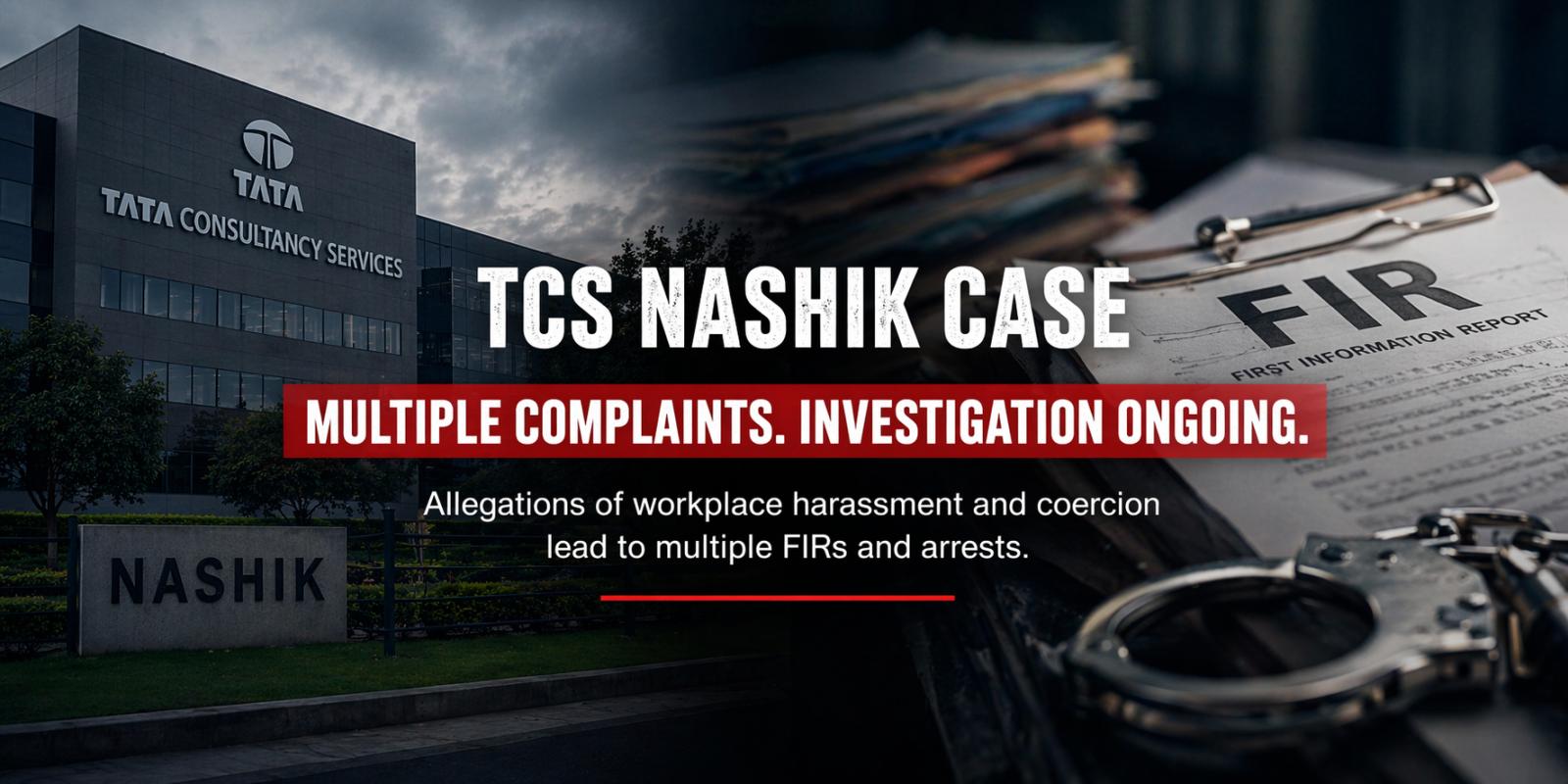
Why are FIRs filed in the TCS Nashik case? Reports cite multiple complaints and arrests
Reports emerging from Nashik, India, have drawn attention to a case involving Tata Consultancy Services (TCS), where multiple complaints have been filed alleging workplace misconduct. The allegations include claims of harassment and coercion within a corporate office environment, prompting legal scrutiny and administrative response. Allegations of workplace harassment and coercion raise corporate concerns According to available information, the complaints center around alleged incidents of workplace harassment and coercion. These claims have raised concerns about employee safety and internal workplace culture, particularly within structured corporate environments where reporting mechanisms are expected to function effectively. Multiple FIRs registered as case moves beyond internal processes Authorities have registered multiple First Information Reports (FIRs) in connection with the case. Reports indicate that several individuals have been taken into custody as part of the ongoing investigation. The filing of FIRs suggests that the matter has progressed beyond internal handling into formal legal proceedings under Indian law. Investigation remains active under Indian legal framework Officials have confirmed that the case is under active investigation, with procedures being carried out in accordance with established legal frameworks. Authorities continue to examine evidence and statements, and no final determination has been made at this stage. Workplace safety and corporate ethics under increased scrutiny The case has drawn broader attention to corporate ethics, employee rights, and workplace safety standards. Experts emphasize the importance of transparent grievance systems, employee awareness, and accountability mechanisms to address such issues effectively. It is important to note that all claims referenced in this report are based on allegations, and the investigation remains ongoing. Further developments are expected as authorities continue their review.
Why are FIRs filed in the TCS Nashik case? Reports cite multiple complaints and arrests
Reports emerging from Nashik, India, have drawn attention to a case involving Tata Consultancy Services (TCS), where multiple complaints have been filed alleging workplace misconduct. The allegations include claims of harassment and coercion within a corporate office environment, prompting legal scrutiny and administrative response. Allegations of workplace harassment and coercion raise corporate concerns According to available information, the complaints center around alleged incidents of workplace harassment and coercion. These claims have raised concerns about employee safety and internal workplace culture, particularly within structured corporate environments where reporting mechanisms are expected to function effectively. Multiple FIRs registered as case moves beyond internal processes Authorities have registered multiple First Information Reports (FIRs) in connection with the case. Reports indicate that several individuals have been taken into custody as part of the ongoing investigation. The filing of FIRs suggests that the matter has progressed beyond internal handling into formal legal proceedings under Indian law. Investigation remains active under Indian legal framework Officials have confirmed that the case is under active investigation, with procedures being carried out in accordance with established legal frameworks. Authorities continue to examine evidence and statements, and no final determination has been made at this stage. Workplace safety and corporate ethics under increased scrutiny The case has drawn broader attention to corporate ethics, employee rights, and workplace safety standards. Experts emphasize the importance of transparent grievance systems, employee awareness, and accountability mechanisms to address such issues effectively. It is important to note that all claims referenced in this report are based on allegations, and the investigation remains ongoing. Further developments are expected as authorities continue their review.
Hera Pheri 3 Delayed? Akshay Kumar Says Film Won’t Happen Anytime Soon
Akshay Kumar has finally addressed the status of the much-awaited Hera Pheri 3, revealing that the project is unlikely to begin production anytime soon. The actor confirmed that the film is currently on hold due to multiple unres
Hera Pheri 3 Delayed? Akshay Kumar Says Film Won’t Happen Anytime Soon
Akshay Kumar has finally addressed the status of the much-awaited Hera Pheri 3, revealing that the project is unlikely to begin production anytime soon. The actor confirmed that the film is currently on hold due to multiple unres
Street Fighter Trailer Out: Vidyut Jamwal, Jason Momoa Lead Action-Packed Reboot
The makers of Street Fighter have unveiled the first official trailer of the highly anticipated reboot, offering a high-energy glimpse into the cinematic adaptation of the iconic franchise. Directed by Kitao Sakurai, the film ble
Street Fighter Trailer Out: Vidyut Jamwal, Jason Momoa Lead Action-Packed Reboot
The makers of Street Fighter have unveiled the first official trailer of the highly anticipated reboot, offering a high-energy glimpse into the cinematic adaptation of the iconic franchise. Directed by Kitao Sakurai, the film ble
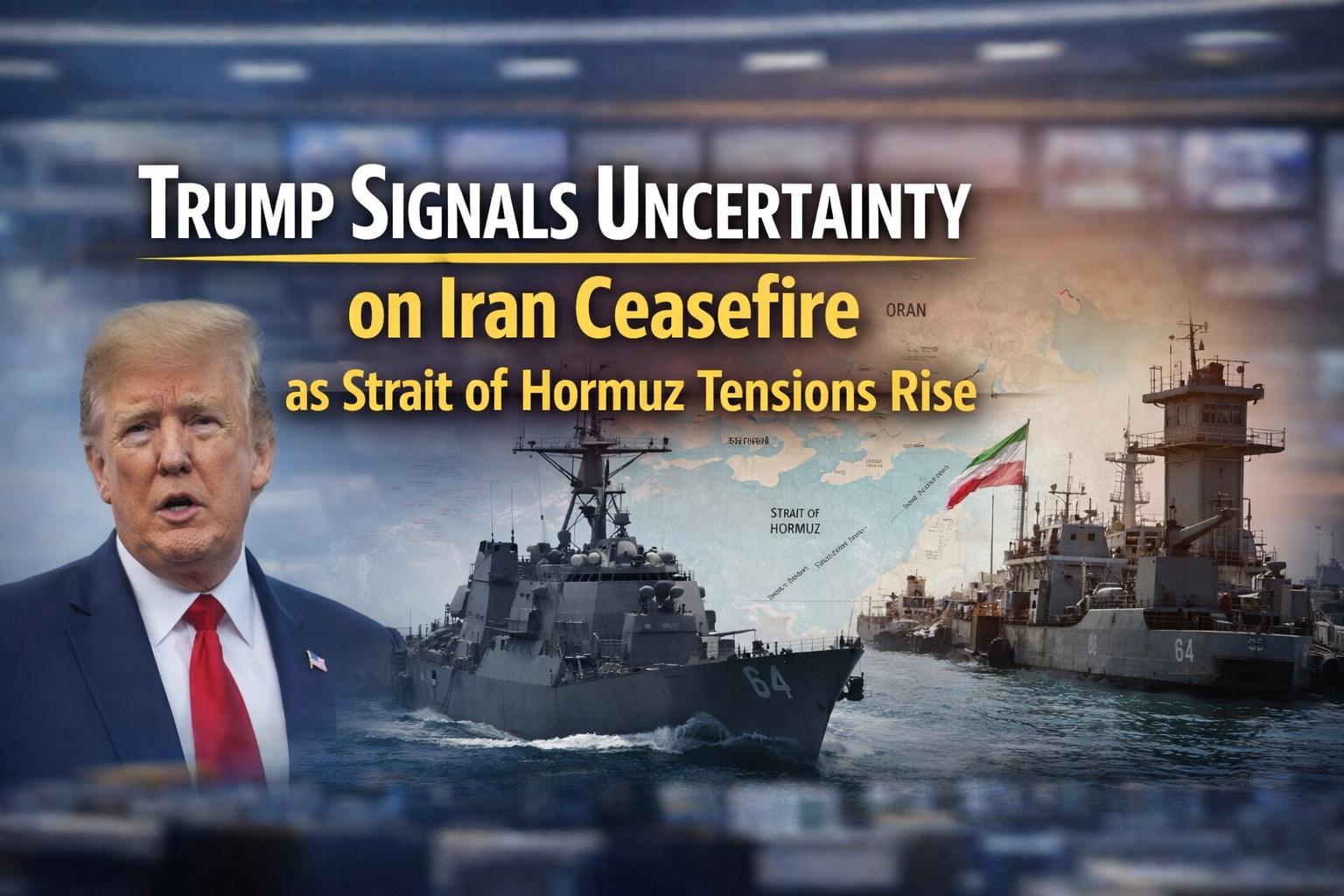
US-Iran Standoff Deepens with Blockade and Hormuz Threats
Donald Trump indicated that the United States may not extend its ceasefire with Iran, as tensions continue to rise over maritime security and regional control. Speaking to reporters, he said the naval blockade of Iranian ports would remain in place regardless of whether the ceasefire expires, signaling a f
US-Iran Standoff Deepens with Blockade and Hormuz Threats
Donald Trump indicated that the United States may not extend its ceasefire with Iran, as tensions continue to rise over maritime security and regional control. Speaking to reporters, he said the naval blockade of Iranian ports would remain in place regardless of whether the ceasefire expires, signaling a f
Is Kanye West’s Europe tour facing trouble? Poland concert canceled after controversy
Poland concert canceled amid mounting backlash The planned concert by Kanye West in Poland has been officially canceled, marking another setback in the artist’s troubled European tour schedule. The performance, originally scheduled for Thursday, June 19, 2026, at
Is Kanye West’s Europe tour facing trouble? Poland concert canceled after controversy
Poland concert canceled amid mounting backlash The planned concert by Kanye West in Poland has been officially canceled, marking another setback in the artist’s troubled European tour schedule. The performance, originally scheduled for Thursday, June 19, 2026, at
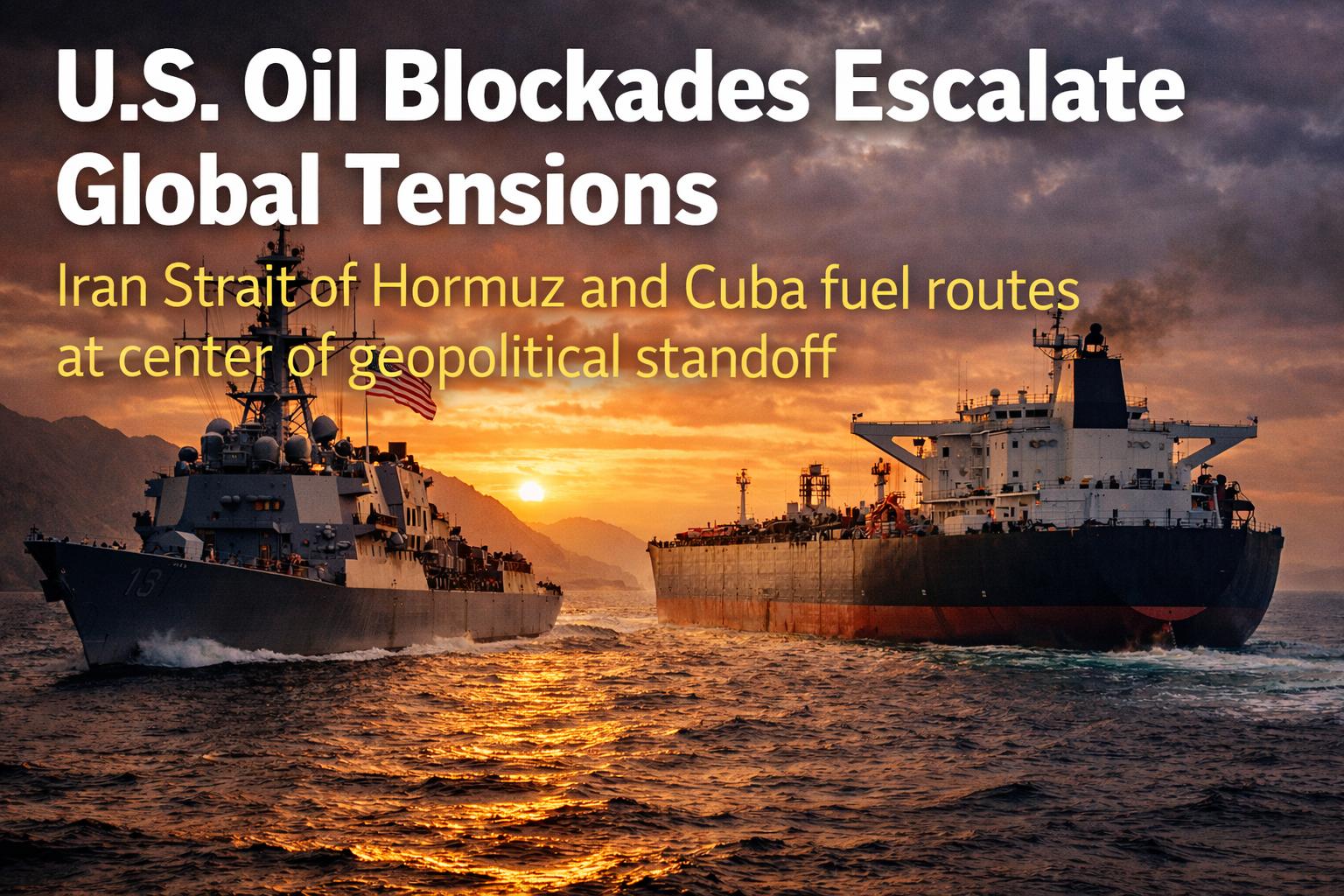
How are U.S. oil blockades impacting global tensions? They raise risks with China and Russia
The United States has intensified its use of energy shipments as a foreign policy tool, launching parallel efforts aimed at Iran in the Middle East and Cuba in the Caribbean. Under President Donald Trump, a naval blockade targeting Iranian vessels in and around the Strait of Hormuz began on Monday, marking a significant escalation despite a ceasefire agreement reached on April 7 between regional actors. At the same time, Washington has imposed a de facto fuel blockade on Cuba, warn
How are U.S. oil blockades impacting global tensions? They raise risks with China and Russia
The United States has intensified its use of energy shipments as a foreign policy tool, launching parallel efforts aimed at Iran in the Middle East and Cuba in the Caribbean. Under President Donald Trump, a naval blockade targeting Iranian vessels in and around the Strait of Hormuz began on Monday, marking a significant escalation despite a ceasefire agreement reached on April 7 between regional actors. At the same time, Washington has imposed a de facto fuel blockade on Cuba, warn
What is a digital twin in the workplace?
What is a digital twin? A digital twin is an AI-powered system that replicates a person’s knowledge, behavior, and decision-making using their data. It can assist with tasks, answer questions, and act as a virtual version of an employee. Digital twin in workplace: the rise of AI ‘superwo
What is a digital twin in the workplace?
What is a digital twin? A digital twin is an AI-powered system that replicates a person’s knowledge, behavior, and decision-making using their data. It can assist with tasks, answer questions, and act as a virtual version of an employee. Digital twin in workplace: the rise of AI ‘superwo
Trump confirms Iran blockade despite Strait of Hormuz reopening
U.S. President Donald Trump said the United States will continue its naval blockade targeting Iran, even after the Strait of Hormuz was reopened for commercial passage. The statement underscores that the broader conflict involving the United States, Iran, and Israel remains unresolved. In a public message, Trump acknowledged Iran’s move to reopen the strategic waterway, a critical route
Trump confirms Iran blockade despite Strait of Hormuz reopening
U.S. President Donald Trump said the United States will continue its naval blockade targeting Iran, even after the Strait of Hormuz was reopened for commercial passage. The statement underscores that the broader conflict involving the United States, Iran, and Israel remains unresolved. In a public message, Trump acknowledged Iran’s move to reopen the strategic waterway, a critical route
Strait of Hormuz reopens after Lebanon cease-fire, Iran says
The Strait of Hormuz has reopened to commercial maritime traffic following a cease-fire agreement in Lebanon, according to Seyed Abbas Araghchi, who spoke on Friday. The senior Iranian official stated that the strategically critical waterway is now “completely open” for all commercial vessels, signaling a potential easing of tensions that had disrupted global shipping flows. Despite the
Strait of Hormuz reopens after Lebanon cease-fire, Iran says
The Strait of Hormuz has reopened to commercial maritime traffic following a cease-fire agreement in Lebanon, according to Seyed Abbas Araghchi, who spoke on Friday. The senior Iranian official stated that the strategically critical waterway is now “completely open” for all commercial vessels, signaling a potential easing of tensions that had disrupted global shipping flows. Despite the