Asian Games 2026 Day 12 turned into a memorable outing for India as compound archery delivered three gold medals and Neeru Dhanda added another shooting title. Lovlina Borgohain reached the boxing final, while Indian squash and tennis players also made progress.
India compound archery gold medals lift tally to 10
India enjoyed one of its strongest days at the Asian Games 2026 in Aichi-Nagoya as the compound archery contingent produced a remarkable run of
Asian Games 2026 Day 12 turned into a memorable outing for India as compound archery delivered three gold medals and Neeru Dhanda added another shooting title. Lovlina Borgohain reached the boxing final, while Indian squash and tennis players also made progress.
India compound archery gold medals lift tally to 10
India enjoyed one of its strongest days at the Asian Games 2026 in Aichi-Nagoya as the compound archery contingent produced a remarkable run of
Asian Games 2026 Day 10 India results were highlighted by Esha Singh’s 25m pistol silver. India also secured medal assurances in boxing and kurash, recorded key squash wins and stayed in contention for more medals in athletics.
India enjoyed another eventful outing at the Asian Games 2026 in Aichi-Nagoya, with shooter Esha Singh delivering one of the standout performances by winning silver in the women’s 25m pistol individual event.
Asian Games 2026 Day 10 India results were highlighted by Esha Singh’s 25m pistol silver. India also secured medal assurances in boxing and kurash, recorded key squash wins and stayed in contention for more medals in athletics.
India enjoyed another eventful outing at the Asian Games 2026 in Aichi-Nagoya, with shooter Esha Singh delivering one of the standout performances by winning silver in the women’s 25m pistol individual event.
India Asian Games medal rush gathered pace on Sunday as the contingent won seven medals across athletics and squash, taking its overall tally to 37. Ancy Sojan and Sarvesh Kushare came agonisingly close to gold, while Parul Chaudhary, Harita Bhadra and Tejaswin Shankar added bronze medals.
Athletics medals
Ancy Sojan produced a best jump of 6.53m in the women’s long jump and appeared set for gold until China’s Huang Yingying reached
India Asian Games medal rush gathered pace on Sunday as the contingent won seven medals across athletics and squash, taking its overall tally to 37. Ancy Sojan and Sarvesh Kushare came agonisingly close to gold, while Parul Chaudhary, Harita Bhadra and Tejaswin Shankar added bronze medals.
Athletics medals
Ancy Sojan produced a best jump of 6.53m in the women’s long jump and appeared set for gold until China’s Huang Yingying reached
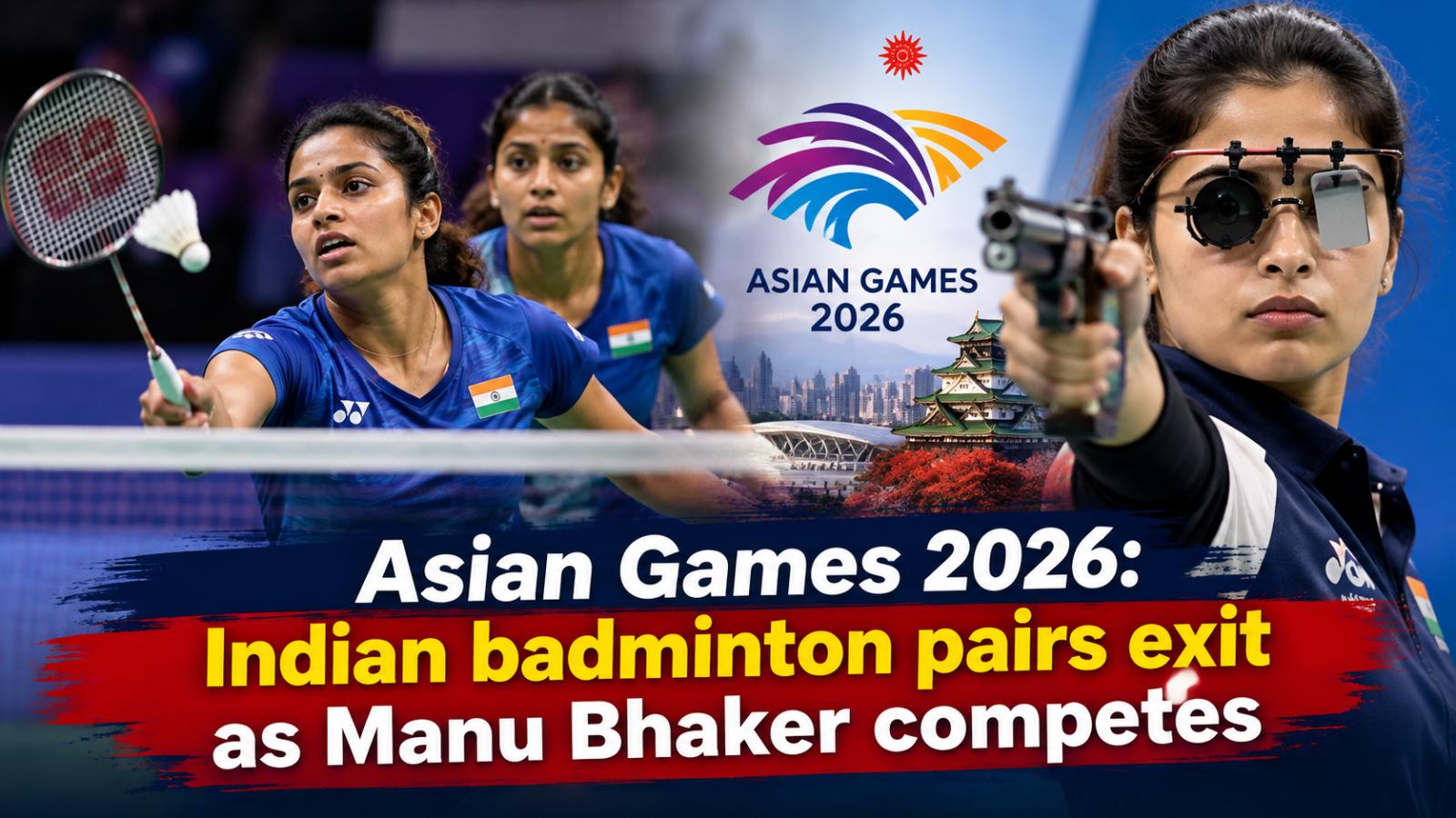
Asian Games 2026 India action brought mixed results on September 27 as Gayatri Gopichand-Treesa Jolly and Dhruv Kapila-Tanisha Crasto exited badminton quarterfinals, while Manu Bhaker began the women’s 25m pistol precision stage.
Indian badminton quarterfinal exits bring early setback
India endured a difficult start to September 27 at the Asian Games 2026 as two badminton doubles combinati
Asian Games 2026 India action brought mixed results on September 27 as Gayatri Gopichand-Treesa Jolly and Dhruv Kapila-Tanisha Crasto exited badminton quarterfinals, while Manu Bhaker began the women’s 25m pistol precision stage.
Indian badminton quarterfinal exits bring early setback
India endured a difficult start to September 27 at the Asian Games 2026 as two badminton doubles combinati
India vs Sri Lanka Asian Games 2026 women’s cricket final saw Smriti Mandhana lead India’s batting charge after Harmanpreet Kaur opted to bat. India Women built a strong total as Sri Lanka tried to contain the defending champions in the gold medal match.
India’s women’s cricket team made a strong start against Sri Lanka in the Asian Games 2026 gold medal final after captain Harmanpreet Kaur won the toss a
India vs Sri Lanka Asian Games 2026 women’s cricket final saw Smriti Mandhana lead India’s batting charge after Harmanpreet Kaur opted to bat. India Women built a strong total as Sri Lanka tried to contain the defending champions in the gold medal match.
India’s women’s cricket team made a strong start against Sri Lanka in the Asian Games 2026 gold medal final after captain Harmanpreet Kaur won the toss a
Asian Games 2026 Day 4 India live updates bring major action from boxing, badminton, table tennis, shooting, kabaddi and cricket, with Sakshi Chaudhary scoring a strong win as India continues its push for medals in Aichi-Nagoya.
India entered Day 4 of the Asian Games 2026 in Aichi-Nagoya with athletes competing across several major disciplines as the contingent continued its search for a first gold medal of the Games. India had six medals at
Asian Games 2026 Day 4 India live updates bring major action from boxing, badminton, table tennis, shooting, kabaddi and cricket, with Sakshi Chaudhary scoring a strong win as India continues its push for medals in Aichi-Nagoya.
India entered Day 4 of the Asian Games 2026 in Aichi-Nagoya with athletes competing across several major disciplines as the contingent continued its search for a first gold medal of the Games. India had six medals at
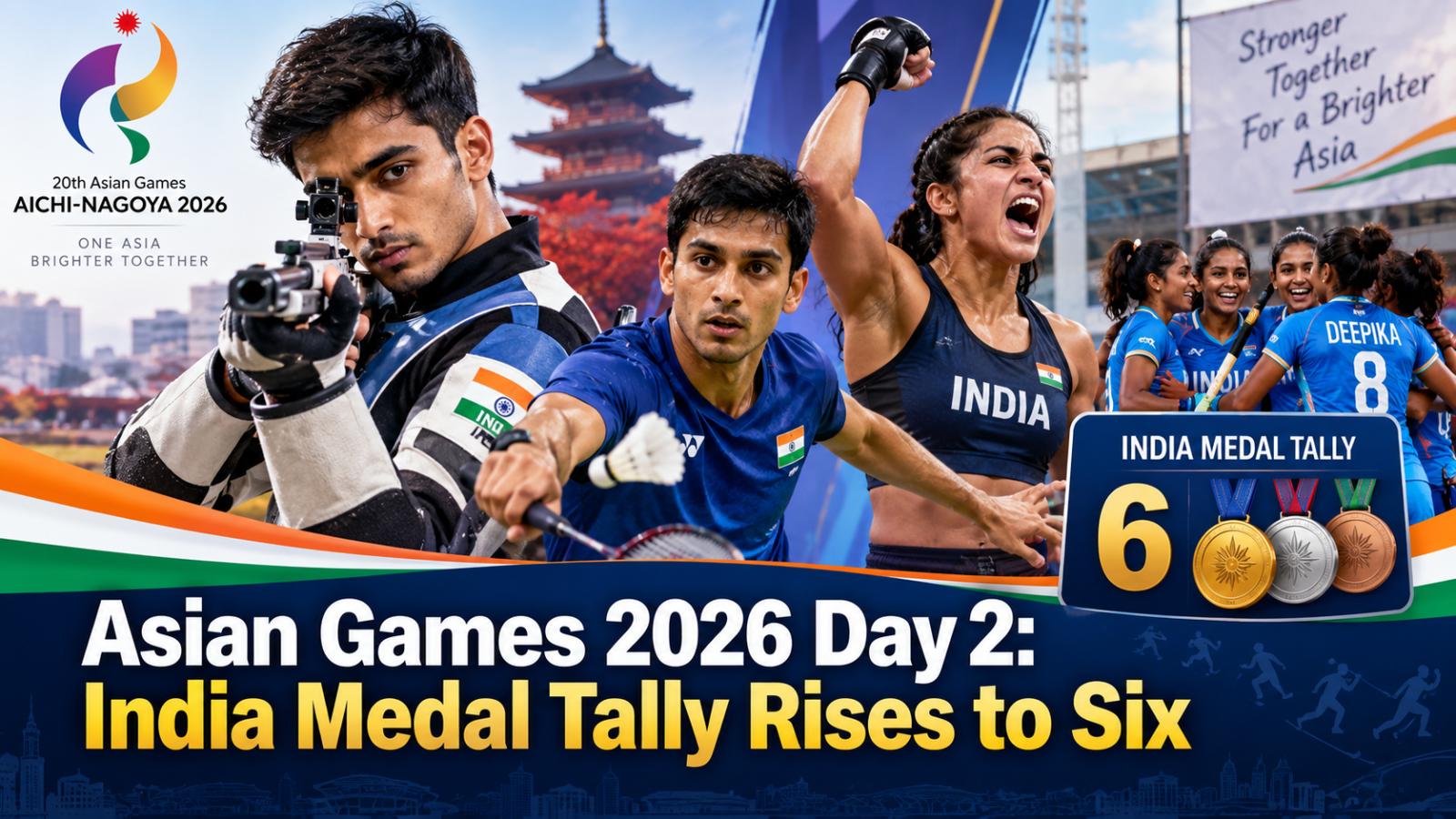
Asian Games 2026 India medal tally reached six on September 21 as India shooting medals Asian Games 2026 continued to grow. India badminton Asian Games 2026 also saw Lakshya Sen, Ayush Shetty and Srikanth Kidambi in action against Bangladesh.
India enjoyed another productive day at the Asian Games 2026 in Aichi-Nagoya, with the country’s medal tally rising to six as shooting once again delivered important podiu
Asian Games 2026 India medal tally reached six on September 21 as India shooting medals Asian Games 2026 continued to grow. India badminton Asian Games 2026 also saw Lakshya Sen, Ayush Shetty and Srikanth Kidambi in action against Bangladesh.
India enjoyed another productive day at the Asian Games 2026 in Aichi-Nagoya, with the country’s medal tally rising to six as shooting once again delivered important podiu
Best Countries at Math: China Leads PISA 2025 Rankings
The latest PISA mathematics results highlighted in the source show a striking concentration of high performers in East Asia. China leads the table, followed by Singapore, Macao and Taiwan, while Japan, South Korea and Hong Kong also rank strongly. Estonia emerges as Europe’s leading performe
Best Countries at Math: China Leads PISA 2025 Rankings
The latest PISA mathematics results highlighted in the source show a striking concentration of high performers in East Asia. China leads the table, followed by Singapore, Macao and Taiwan, while Japan, South Korea and Hong Kong also rank strongly. Estonia emerges as Europe’s leading performe
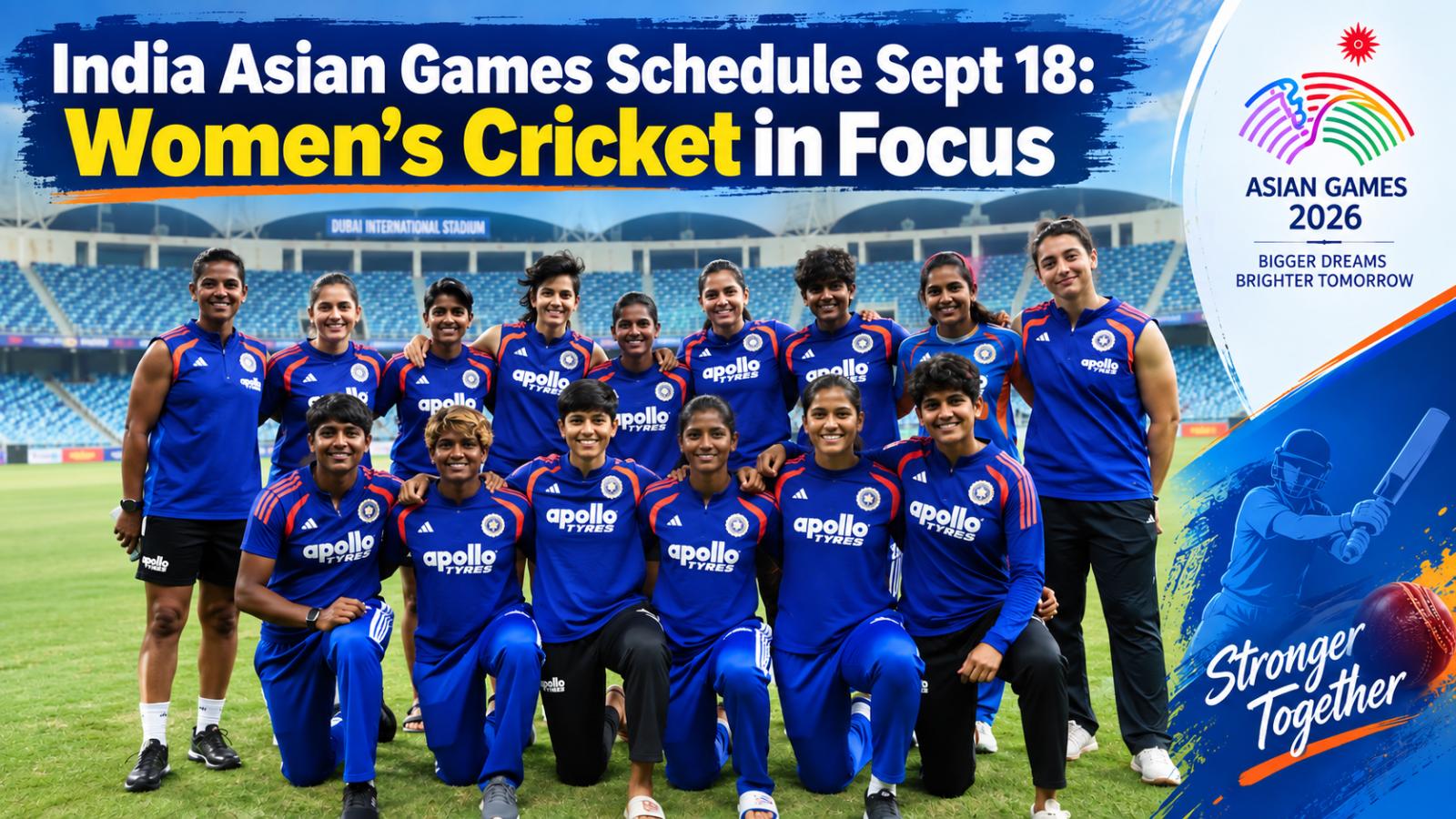
India Asian Games schedule for September 18, 2026 features a packed day across cricket, soft tennis and teqball. Harmanpreet Kaur-led India women face Japan in the cricket quarter-final, while Quimcy Dsouza competes in teqball and the men’s soft tennis team plays its Group C matches.
India will have a packed day at the Asian Games on September 18, 2026, with athletes competing in women’s cricket, soft tennis
India Asian Games schedule for September 18, 2026 features a packed day across cricket, soft tennis and teqball. Harmanpreet Kaur-led India women face Japan in the cricket quarter-final, while Quimcy Dsouza competes in teqball and the men’s soft tennis team plays its Group C matches.
India will have a packed day at the Asian Games on September 18, 2026, with athletes competing in women’s cricket, soft tennis
Asian Games 2026 action began for India with teqball in Aichi-Nagoya, Japan. Declan Gonsalves and Mohamed Beg became India's first competitors at the Games but lost both men's doubles group-stage matches. The event also marks teqball's Asian Games debut.
Asian Games 2026: India teqball pair lose both group matches
India's Asian Games 2026 campaign got underway on September 17 with teqball ac
Asian Games 2026 action began for India with teqball in Aichi-Nagoya, Japan. Declan Gonsalves and Mohamed Beg became India's first competitors at the Games but lost both men's doubles group-stage matches. The event also marks teqball's Asian Games debut.
Asian Games 2026: India teqball pair lose both group matches
India's Asian Games 2026 campaign got underway on September 17 with teqball ac
India’s women’s kabaddi team will head into the 2026 Aichi-Nagoya Asian Games with the goal of defending its continental title, with captain Pushpa Rana describing the pressure of expectations as a source of motivation rather than a burden.
Rana has been named captain of the 12-member squad and will lead India in a campaign beginning on September 21. The team has focused on match-specific practice, video analysis and correcting weaknesses identified by the coaching staff as part
India’s women’s kabaddi team will head into the 2026 Aichi-Nagoya Asian Games with the goal of defending its continental title, with captain Pushpa Rana describing the pressure of expectations as a source of motivation rather than a burden.
Rana has been named captain of the 12-member squad and will lead India in a campaign beginning on September 21. The team has focused on match-specific practice, video analysis and correcting weaknesses identified by the coaching staff as part
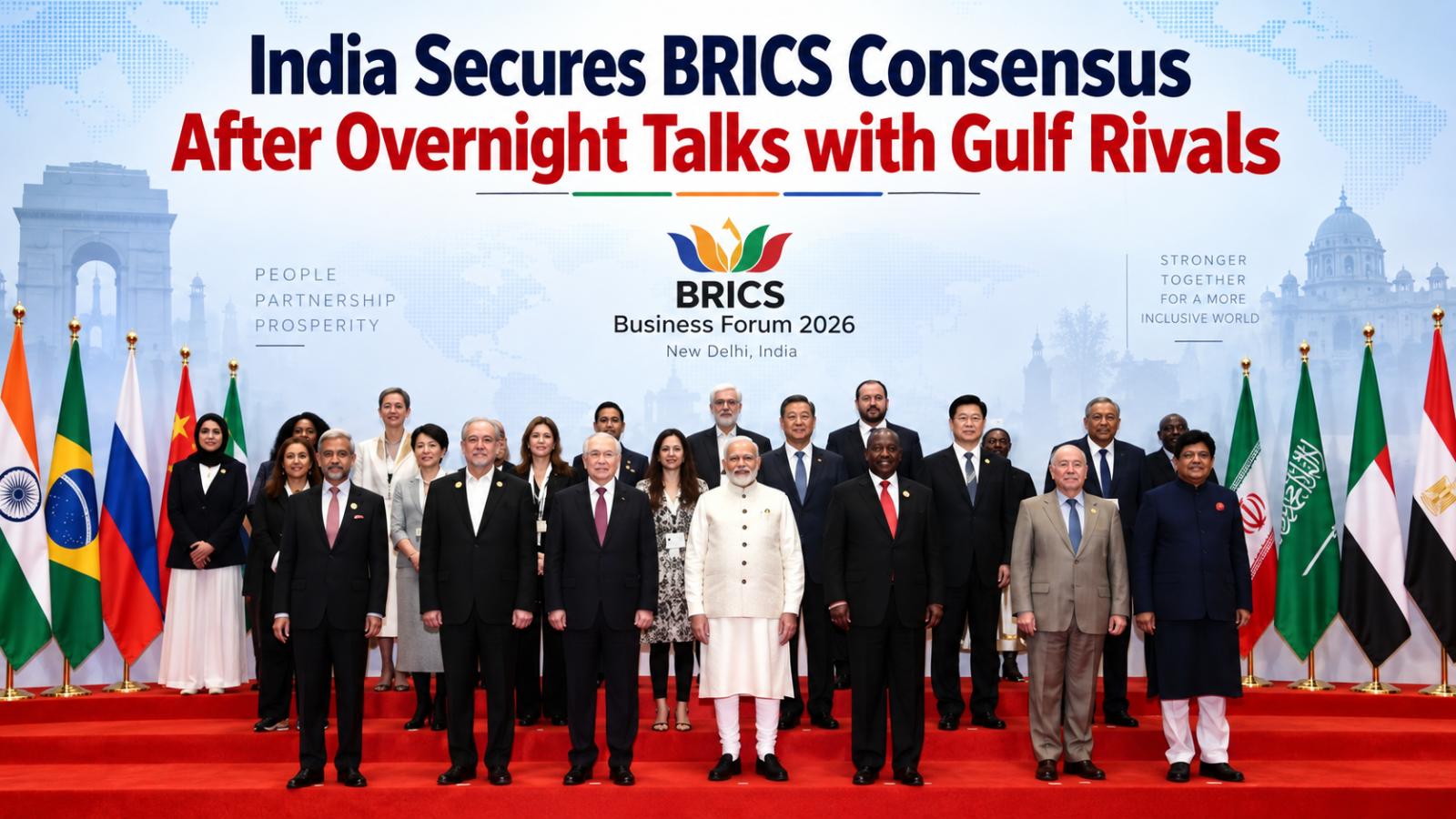
India BRICS joint statement consensus was achieved after intense negotiations involving Iran, Saudi Arabia and the UAE. The breakthrough highlights India BRICS diplomacy as New Delhi hosts the BRICS Summit 2026 amid West Asia tensions.
Iran Saudi Arabia UAE talks pave way for consensus
India managed to secure agreement on the BRICS joint statement after negotiations continued into the early hours, rep
India BRICS joint statement consensus was achieved after intense negotiations involving Iran, Saudi Arabia and the UAE. The breakthrough highlights India BRICS diplomacy as New Delhi hosts the BRICS Summit 2026 amid West Asia tensions.
Iran Saudi Arabia UAE talks pave way for consensus
India managed to secure agreement on the BRICS joint statement after negotiations continued into the early hours, rep
Chinese President Xi Jinping’s visit to Egypt has placed China’s expanding role in West Asia under the spotlight as regional governments reassess security partnerships amid the continuing US-Iran conflict. In Cairo, Xi called for regional countries to resist external interference and explore a new security architecture while deepening economic and strategic cooperation with Egypt.
Xi Jinping Egypt visit sends regional security mess
Chinese President Xi Jinping’s visit to Egypt has placed China’s expanding role in West Asia under the spotlight as regional governments reassess security partnerships amid the continuing US-Iran conflict. In Cairo, Xi called for regional countries to resist external interference and explore a new security architecture while deepening economic and strategic cooperation with Egypt.
Xi Jinping Egypt visit sends regional security mess
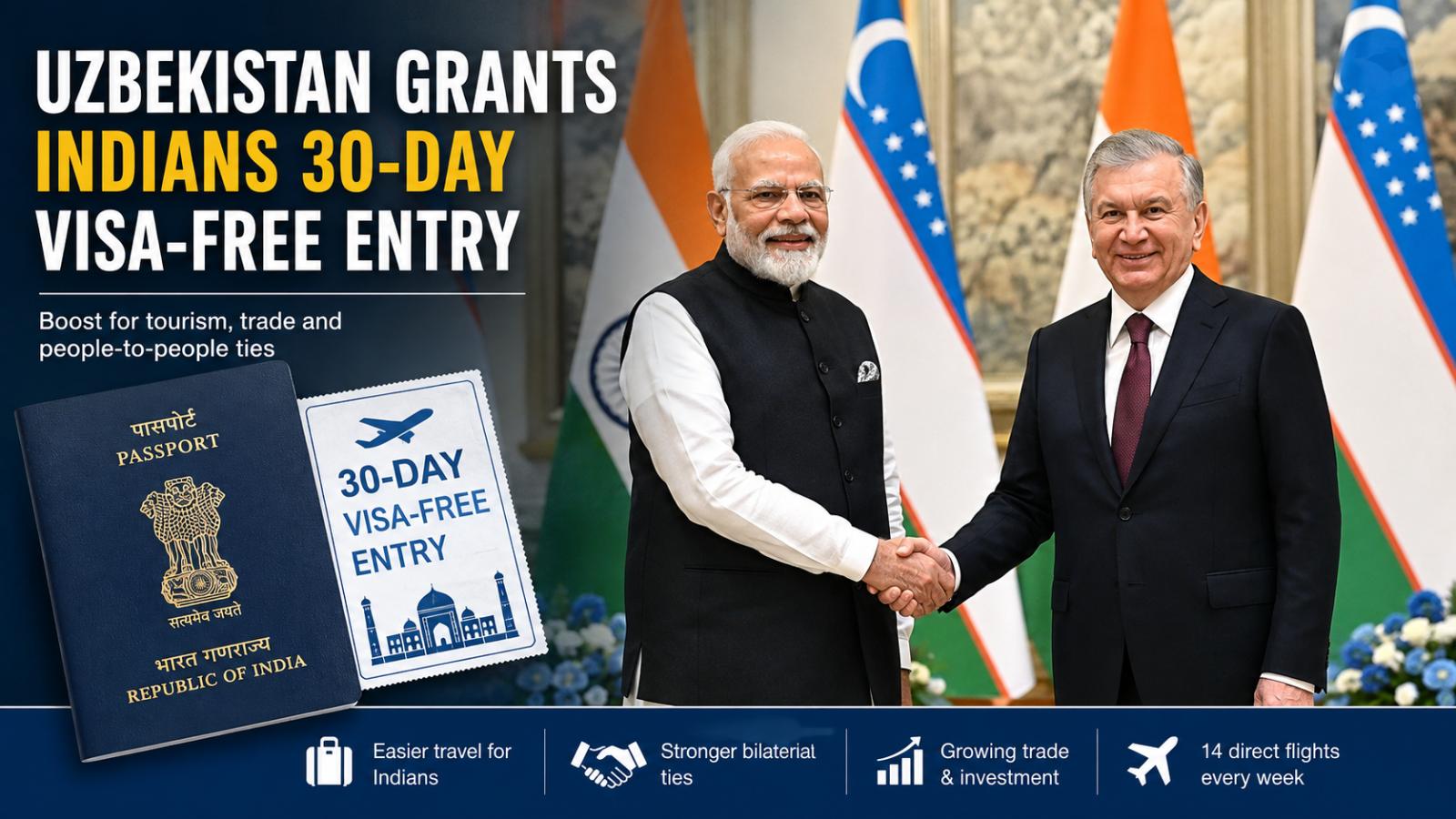
Uzbekistan has introduced 30-day visa-free entry for Indian citizens following talks between Narendra Modi and Shavkat Mirziyoyev in Tashkent, alongside new tourism cooperation and expanding trade, direct flights and strategic ties between India and Central Asia.
Uzbekistan has introduced a 30-day visa-free regime for Indian citizens following talks between Prime Minister Narendra Modi and Uzbek President Shavkat Mirziyoyev in
Uzbekistan has introduced 30-day visa-free entry for Indian citizens following talks between Narendra Modi and Shavkat Mirziyoyev in Tashkent, alongside new tourism cooperation and expanding trade, direct flights and strategic ties between India and Central Asia.
Uzbekistan has introduced a 30-day visa-free regime for Indian citizens following talks between Prime Minister Narendra Modi and Uzbek President Shavkat Mirziyoyev in
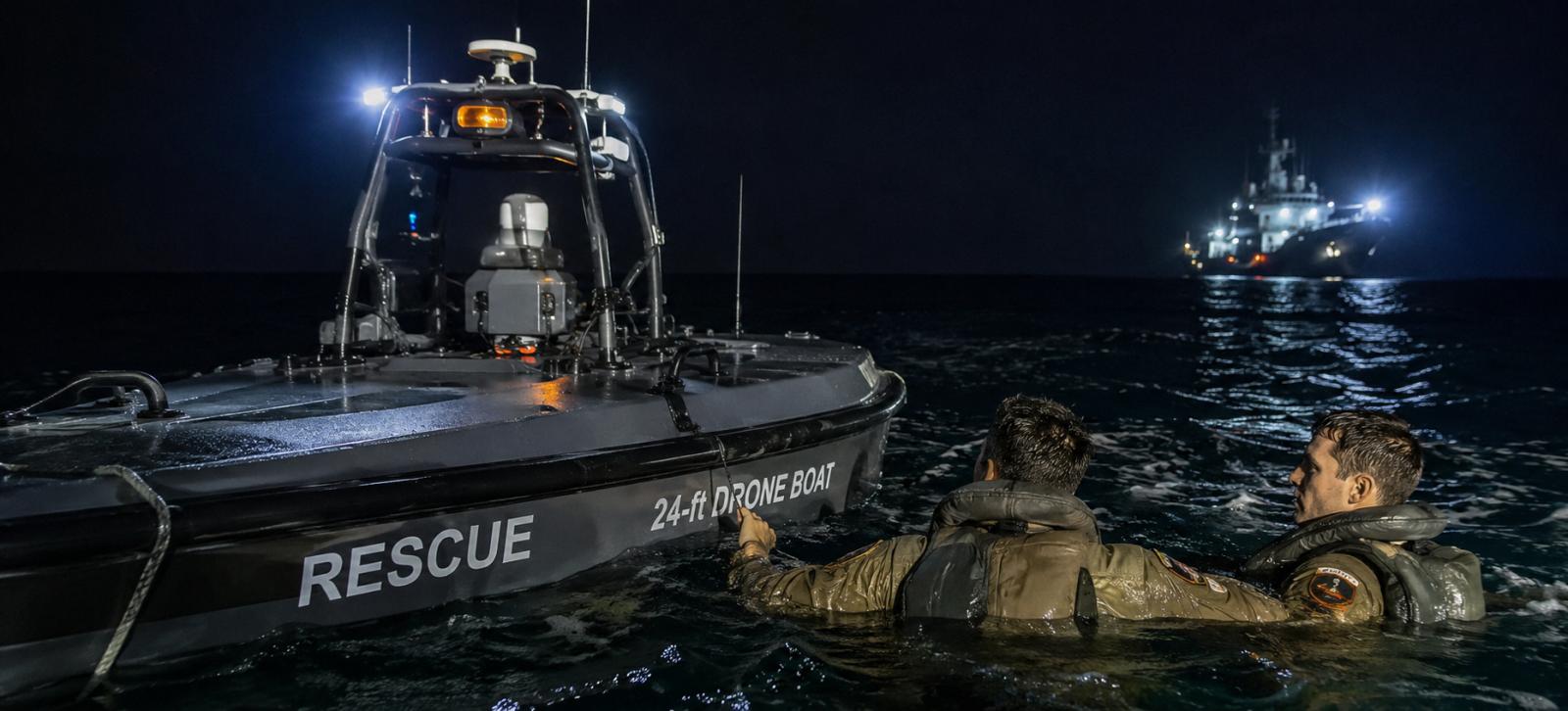
The six-month US-Iran conflict has unexpectedly strengthened the commercial position of the UAE’s EDGE Group, giving domestically developed defence systems real combat exposure. Company executives say the “battle-proven” status of drones, jammers and other equipment is now helping UAE EDGE defence growth and attracting greater international interest.
Battle-Proven EDGE Weapons
During the conflict, nearly 3,000 missiles and drones reportedly targeted the UAE, putting the country’s air-defence network under sustained pressure. EDGE executives cited in the source material said the fighting provided something the company previously lacked at scale: direct battlefield validation.
Khaled Al Zaabi, president of EDGE’s Platforms and Systems cluster, said only a limited number of products could be described as battle-proven before the war. He said that number has now increased significantly, giving the company a stronger selling point when competing for international defence contracts.
That matters in an industry where buyers often place a premium on systems that have already operated under real combat conditions rather than laboratory or demonstration environments.
UAE Drone Defence
The war also highlighted the economics of air defence. The UAE has invested billions of dollars in advanced American systems including Patriot and THAAD, but officials are increasingly focusing on cheaper ways to counter low-cost drones.
EDGE executives said locally produced electronic warfare and counter-drone technologies played an important role during the conflict. Company chairman Faisal Al Bannai said locally developed jammers achieved an interception rate of about 85% against incoming drones, according to the source material.
The broader challenge is cost. Using an expensive interceptor missile against every low-cost attack drone can become financially unsustainable during prolonged conflicts. EDGE is therefore positioning lower-cost drones, jammers and short-range systems as complementary layers of defence.
SkyKnight Air Defence
One of EDGE’s important locally developed systems is SkyKnight, a short-range air-defence platform designed to counter rockets, artillery, mortars, drones, cruise missiles and other aerial threats.
EDGE says the system can protect infrastructure, military bases, ports and urban areas, with missile interception ranges reaching up to 10 kilometres against several categories of aerial targets.
Developing more air-defence capability domestically would also reduce reliance on foreign suppliers while allowing the UAE to respond faster to evolving regional threats.
EDGE Global Expansion
EDGE, founded in 2019, has expanded rapidly across missiles, drones, armoured vehicles, naval systems and advanced technologies. The source material says international sales accounted for about 70% of the group’s roughly $5 billion in revenue last year.
Europe has become a major target for further growth. EDGE officially launched EDGE Europe in June 2026 and established its European headquarters in Paris, alongside plans for engineering and manufacturing operations in France.
The move places the Emirati group closer to NATO and European buyers at a time when defence budgets across the continent are rising.
Defence Export Ambitions
EDGE is also investing in production capacity at home, including facilities for components used in autonomous systems, while expanding partnerships and acquisitions abroad.
Its long-term ambition is to become one of the world’s top 10 defence contractors. The US-Iran conflict may have accelerated that strategy by giving its systems battlefield credibility that marketing campaigns cannot easily replicate.
The opportunity is significant, but so is the scrutiny. EDGE has faced allegations concerning the possible appearance of UAE-linked equipment in other conflicts, claims the company and UAE authorities have denied.
For now, the clearest commercial outcome is that prolonged regional warfare has turned operational experience into a valuable export advantage. If EDGE can convert that battlefield validation into sustained contracts, the conflict may prove to be a major turning point in the UAE’s push to become a globally competitive defence manufacturing hub.
The six-month US-Iran conflict has unexpectedly strengthened the commercial position of the UAE’s EDGE Group, giving domestically developed defence systems real combat exposure. Company executives say the “battle-proven” status of drones, jammers and other equipment is now helping UAE EDGE defence growth and attracting greater international interest.
Battle-Proven EDGE Weapons
During the conflict, nearly 3,000 missiles and drones reportedly targeted the UAE, putting the country’s air-defence network under sustained pressure. EDGE executives cited in the source material said the fighting provided something the company previously lacked at scale: direct battlefield validation.
Khaled Al Zaabi, president of EDGE’s Platforms and Systems cluster, said only a limited number of products could be described as battle-proven before the war. He said that number has now increased significantly, giving the company a stronger selling point when competing for international defence contracts.
That matters in an industry where buyers often place a premium on systems that have already operated under real combat conditions rather than laboratory or demonstration environments.
UAE Drone Defence
The war also highlighted the economics of air defence. The UAE has invested billions of dollars in advanced American systems including Patriot and THAAD, but officials are increasingly focusing on cheaper ways to counter low-cost drones.
EDGE executives said locally produced electronic warfare and counter-drone technologies played an important role during the conflict. Company chairman Faisal Al Bannai said locally developed jammers achieved an interception rate of about 85% against incoming drones, according to the source material.
The broader challenge is cost. Using an expensive interceptor missile against every low-cost attack drone can become financially unsustainable during prolonged conflicts. EDGE is therefore positioning lower-cost drones, jammers and short-range systems as complementary layers of defence.
SkyKnight Air Defence
One of EDGE’s important locally developed systems is SkyKnight, a short-range air-defence platform designed to counter rockets, artillery, mortars, drones, cruise missiles and other aerial threats.
EDGE says the system can protect infrastructure, military bases, ports and urban areas, with missile interception ranges reaching up to 10 kilometres against several categories of aerial targets.
Developing more air-defence capability domestically would also reduce reliance on foreign suppliers while allowing the UAE to respond faster to evolving regional threats.
EDGE Global Expansion
EDGE, founded in 2019, has expanded rapidly across missiles, drones, armoured vehicles, naval systems and advanced technologies. The source material says international sales accounted for about 70% of the group’s roughly $5 billion in revenue last year.
Europe has become a major target for further growth. EDGE officially launched EDGE Europe in June 2026 and established its European headquarters in Paris, alongside plans for engineering and manufacturing operations in France.
The move places the Emirati group closer to NATO and European buyers at a time when defence budgets across the continent are rising.
Defence Export Ambitions
EDGE is also investing in production capacity at home, including facilities for components used in autonomous systems, while expanding partnerships and acquisitions abroad.
Its long-term ambition is to become one of the world’s top 10 defence contractors. The US-Iran conflict may have accelerated that strategy by giving its systems battlefield credibility that marketing campaigns cannot easily replicate.
The opportunity is significant, but so is the scrutiny. EDGE has faced allegations concerning the possible appearance of UAE-linked equipment in other conflicts, claims the company and UAE authorities have denied.
For now, the clearest commercial outcome is that prolonged regional warfare has turned operational experience into a valuable export advantage. If EDGE can convert that battlefield validation into sustained contracts, the conflict may prove to be a major turning point in the UAE’s push to become a globally competitive defence manufacturing hub.
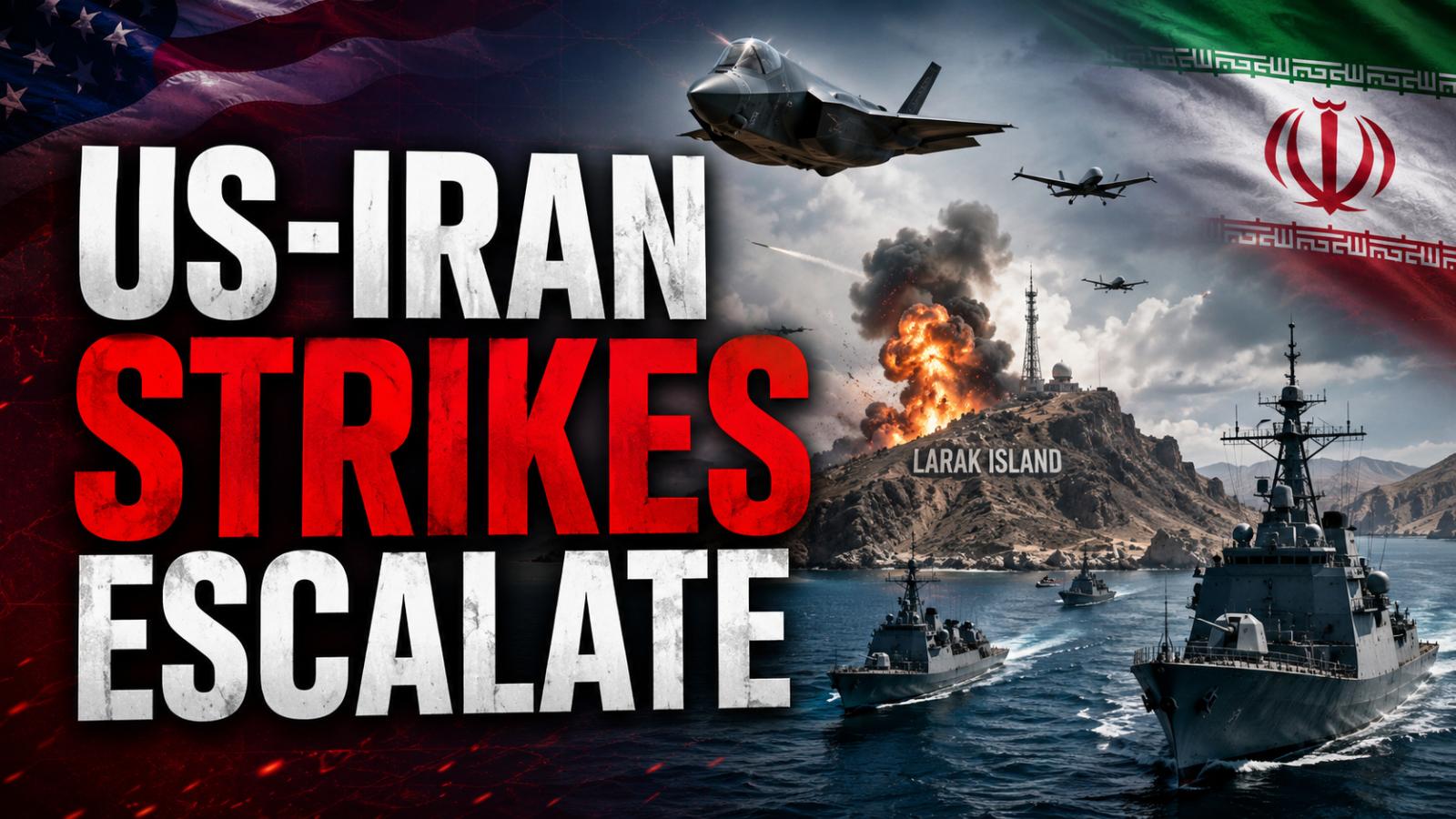
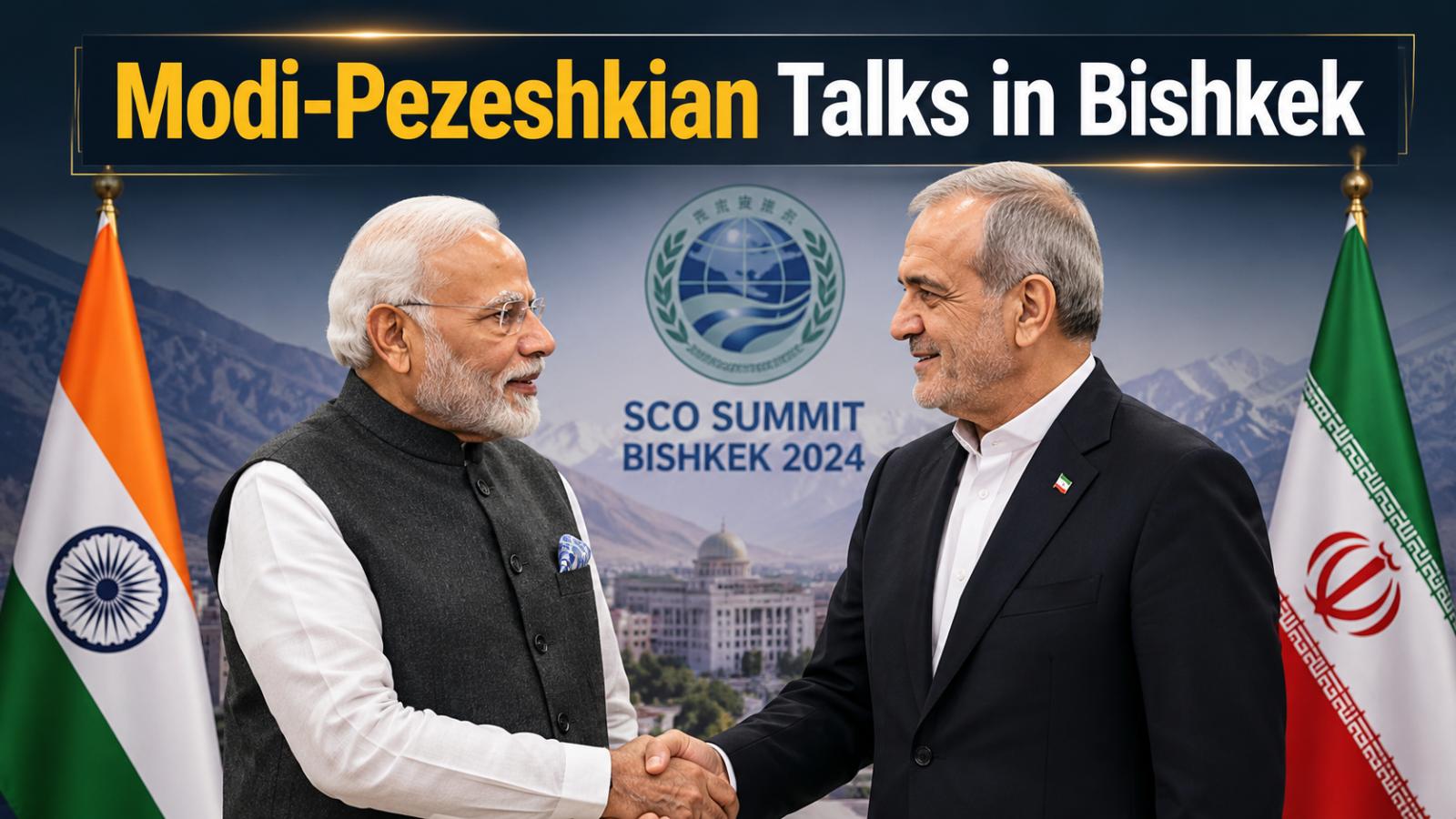
The US-Iran confrontation has entered another tense phase after American forces struck Iranian launchers on Larak Island near the Strait of Hormuz. Iran responded with claims of attacks on US-linked bases in the region, while diplomatic efforts continued in Bishkek, where Prime Minister Narendra Modi met Iranian President Masoud Pezeshkian.
Larak Island Strike
The US-Iran confrontation has entered another tense phase after American forces struck Iranian launchers on Larak Island near the Strait of Hormuz. Iran responded with claims of attacks on US-linked bases in the region, while diplomatic efforts continued in Bishkek, where Prime Minister Narendra Modi met Iranian President Masoud Pezeshkian.
Larak Island Strike
Prime Minister Narendra Modi met Iranian President Masoud Pezeshkian in Bishkek on August 31 on the sidelines of the Shanghai Cooperation Organisation Summit. The Modi Pezeshkian meeting focused on India-Iran ties, the West Asia conflict, maritime security, trade and the need for lasting regional peace.
India Iran Ties
The two leaders revi
Prime Minister Narendra Modi met Iranian President Masoud Pezeshkian in Bishkek on August 31 on the sidelines of the Shanghai Cooperation Organisation Summit. The Modi Pezeshkian meeting focused on India-Iran ties, the West Asia conflict, maritime security, trade and the need for lasting regional peace.
India Iran Ties
The two leaders revi
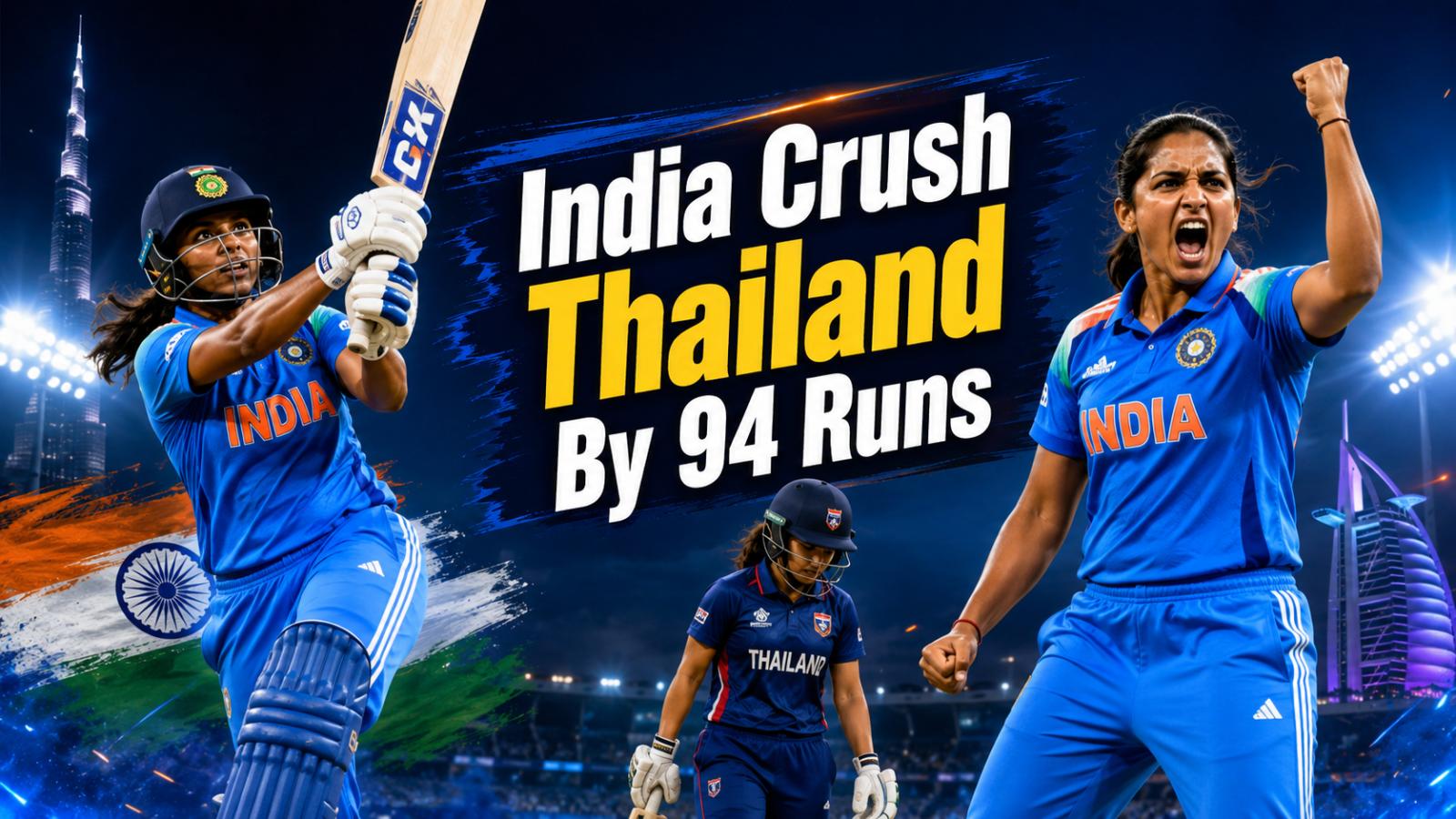
India opened their Women’s Asia Cup 2026 campaign with a commanding 94-run victory over Thailand in Dubai. Shafali Verma’s attacking 64 set up India’s 159/9 before Deepti Sharma produced a sensational 3/0 spell to help dismiss Thailand for 65 in 16.1 overs.
Shafali Verma Fifty
Asked to bat first at the Dubai International Cricket Stadium, India made a brisk start through Smriti Mandhana a
India opened their Women’s Asia Cup 2026 campaign with a commanding 94-run victory over Thailand in Dubai. Shafali Verma’s attacking 64 set up India’s 159/9 before Deepti Sharma produced a sensational 3/0 spell to help dismiss Thailand for 65 in 16.1 overs.
Shafali Verma Fifty
Asked to bat first at the Dubai International Cricket Stadium, India made a brisk start through Smriti Mandhana a
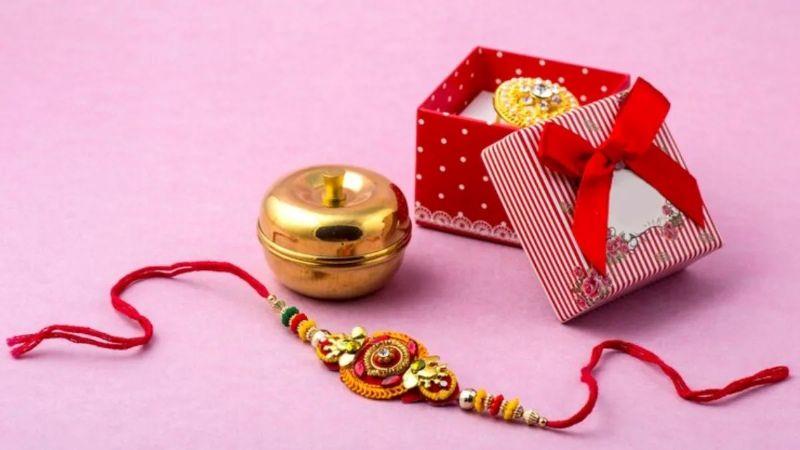
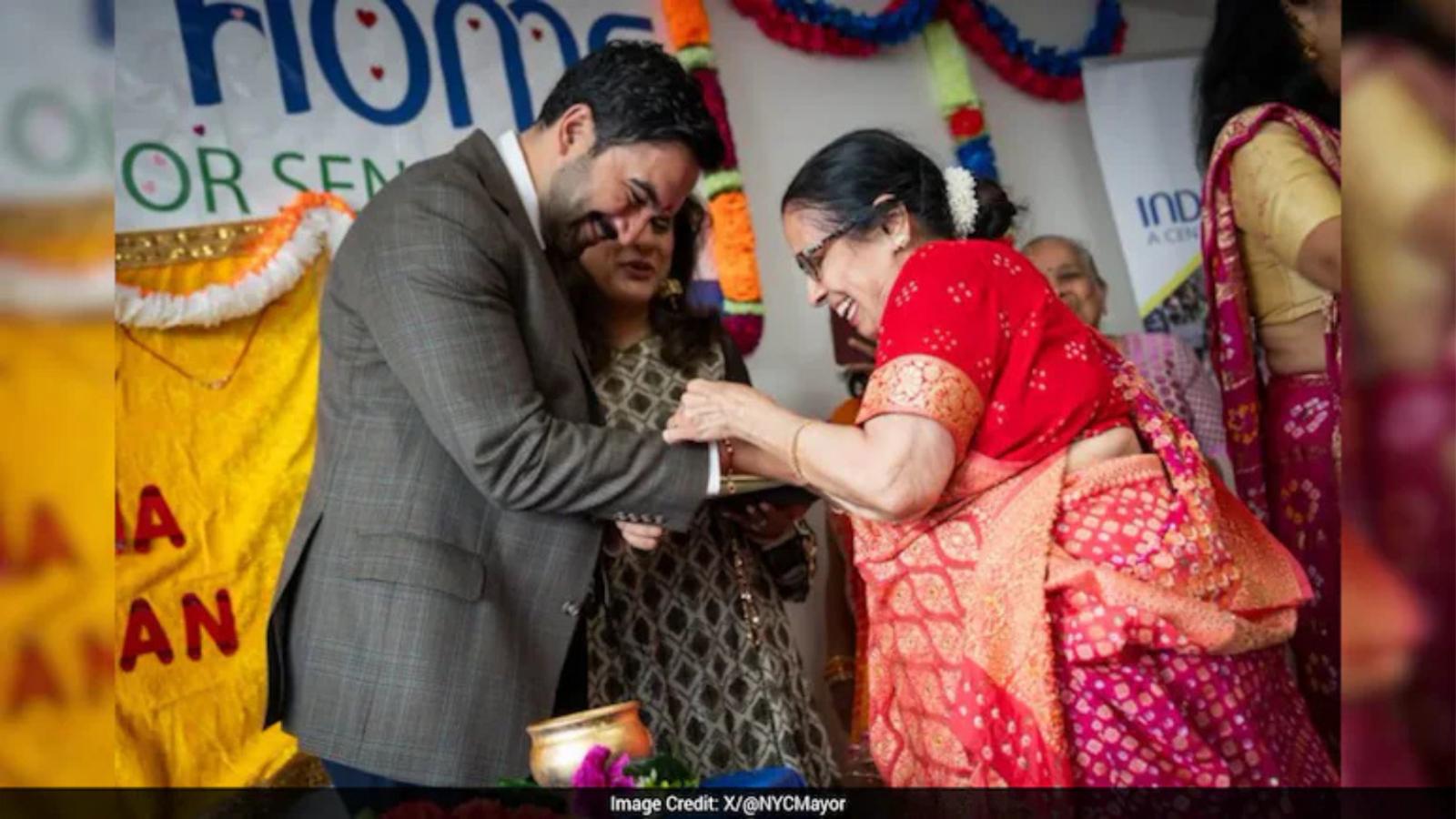
Zohran Mamdani celebrated Raksha Bandhan with South Asian seniors at India Home in New York City on Friday, August 28, 2026. The mayor received a rakhi, spoke about mutual support and community, and linked the festival’s message to a safer, more affordable city.
Mamdani joins Raksha Bandhan celebration
New York City Mayor Zohran Mamdani celebrated Raksha Bandhan with South Asian seniors at India
Zohran Mamdani celebrated Raksha Bandhan with South Asian seniors at India Home in New York City on Friday, August 28, 2026. The mayor received a rakhi, spoke about mutual support and community, and linked the festival’s message to a safer, more affordable city.
Mamdani joins Raksha Bandhan celebration
New York City Mayor Zohran Mamdani celebrated Raksha Bandhan with South Asian seniors at India
India’s Hockey World Cup exit was confirmed after a 3-5 defeat to Argentina in Amstelveen, extending the men’s team’s 51-year wait for another World Cup medal. Sukhjeet Singh scored twice, but defensive errors and Argentina’s fast start ended India’s semifinal hopes.
India Argentina hockey clash starts badly
India entered Monday?
India’s Hockey World Cup exit was confirmed after a 3-5 defeat to Argentina in Amstelveen, extending the men’s team’s 51-year wait for another World Cup medal. Sukhjeet Singh scored twice, but defensive errors and Argentina’s fast start ended India’s semifinal hopes.
India Argentina hockey clash starts badly
India entered Monday?