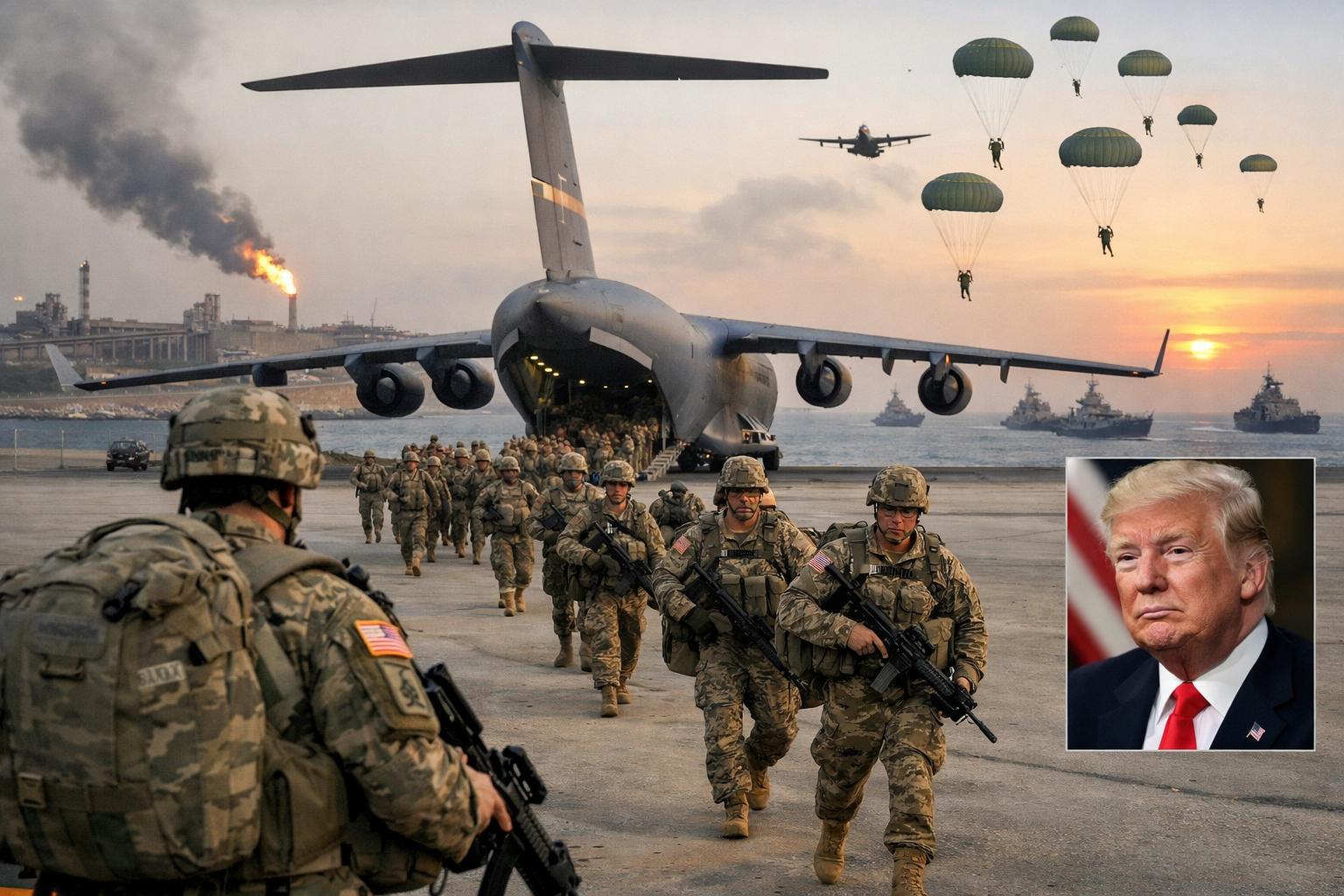
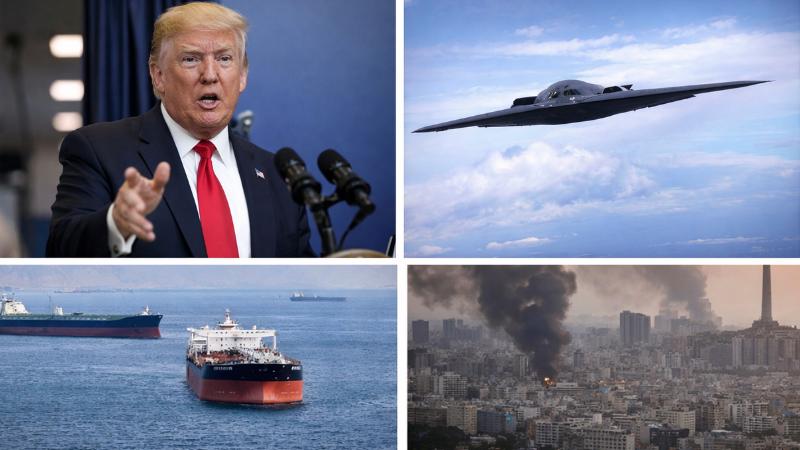
WASHINGTON — Thousands of soldiers from the United States Army’s elite 82nd Airborne Division have begun arriving in the Middle East as of Monday, March 30, 2026, according to U.S. officials, marking a significant escalation in military positioning as President Donald Trump considers next steps in the ongoing conflict with Iran.
The deployment adds to a growing U.S. presence in the region, following the recent arrival of approximately 2,500 Marines over the weekend. The paratroope
WASHINGTON — Thousands of soldiers from the United States Army’s elite 82nd Airborne Division have begun arriving in the Middle East as of Monday, March 30, 2026, according to U.S. officials, marking a significant escalation in military positioning as President Donald Trump considers next steps in the ongoing conflict with Iran.
The deployment adds to a growing U.S. presence in the region, following the recent arrival of approximately 2,500 Marines over the weekend. The paratroope
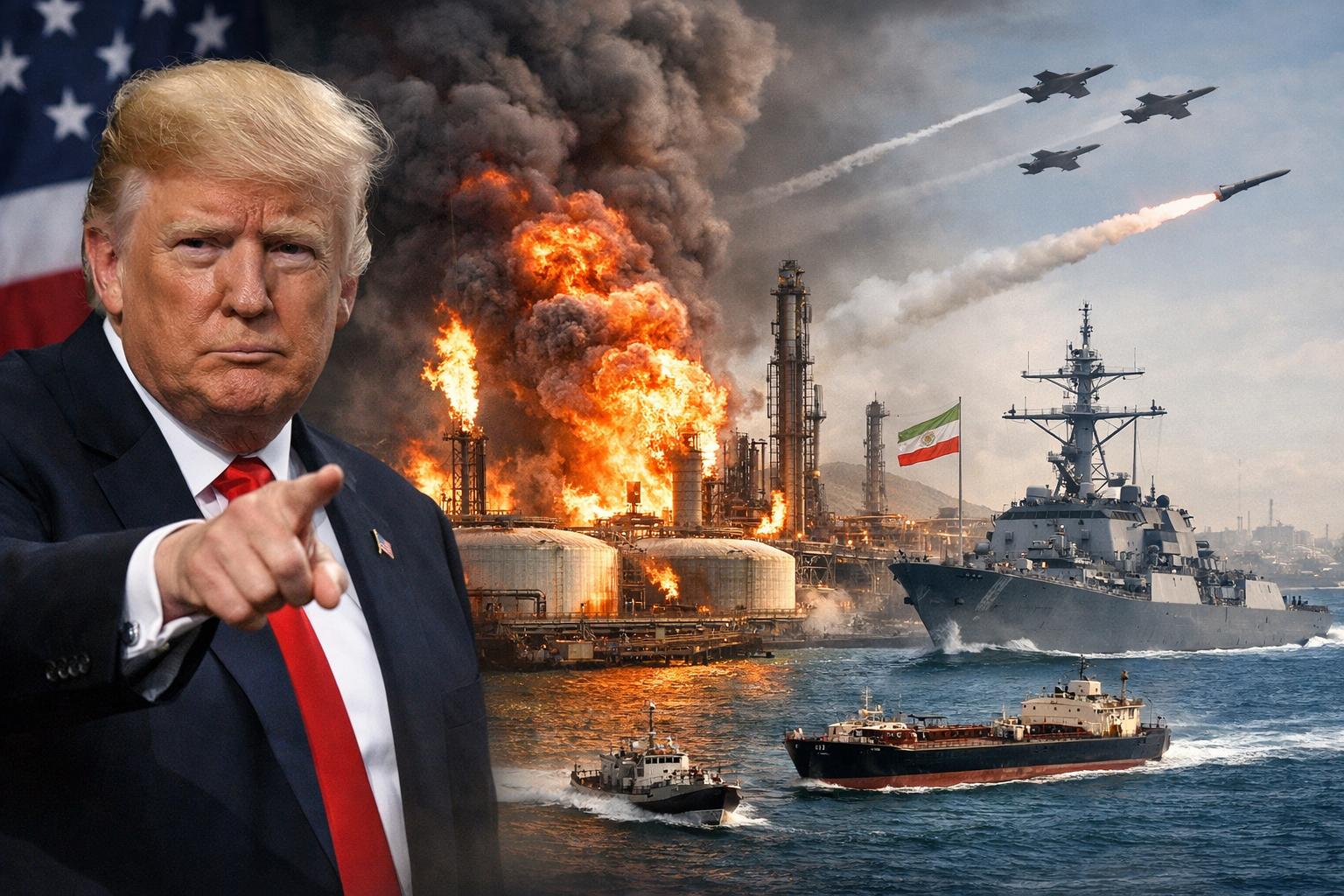
DUBAI, United Arab Emirates — U.S. President Donald Trump issued a stark warning on Monday, March 30, 2026, threatening to expand military action against Iran by targeting critical civilian infrastructure if a deal to end the ongoing conflict is not reached soon. The remarks come as tensions in the Middle East continue to escalate, raising concerns about regional stability and global oil supply routes.
In a social media statement, Trump said progress in negotiations had been “sign
DUBAI, United Arab Emirates — U.S. President Donald Trump issued a stark warning on Monday, March 30, 2026, threatening to expand military action against Iran by targeting critical civilian infrastructure if a deal to end the ongoing conflict is not reached soon. The remarks come as tensions in the Middle East continue to escalate, raising concerns about regional stability and global oil supply routes.
In a social media statement, Trump said progress in negotiations had been “sign
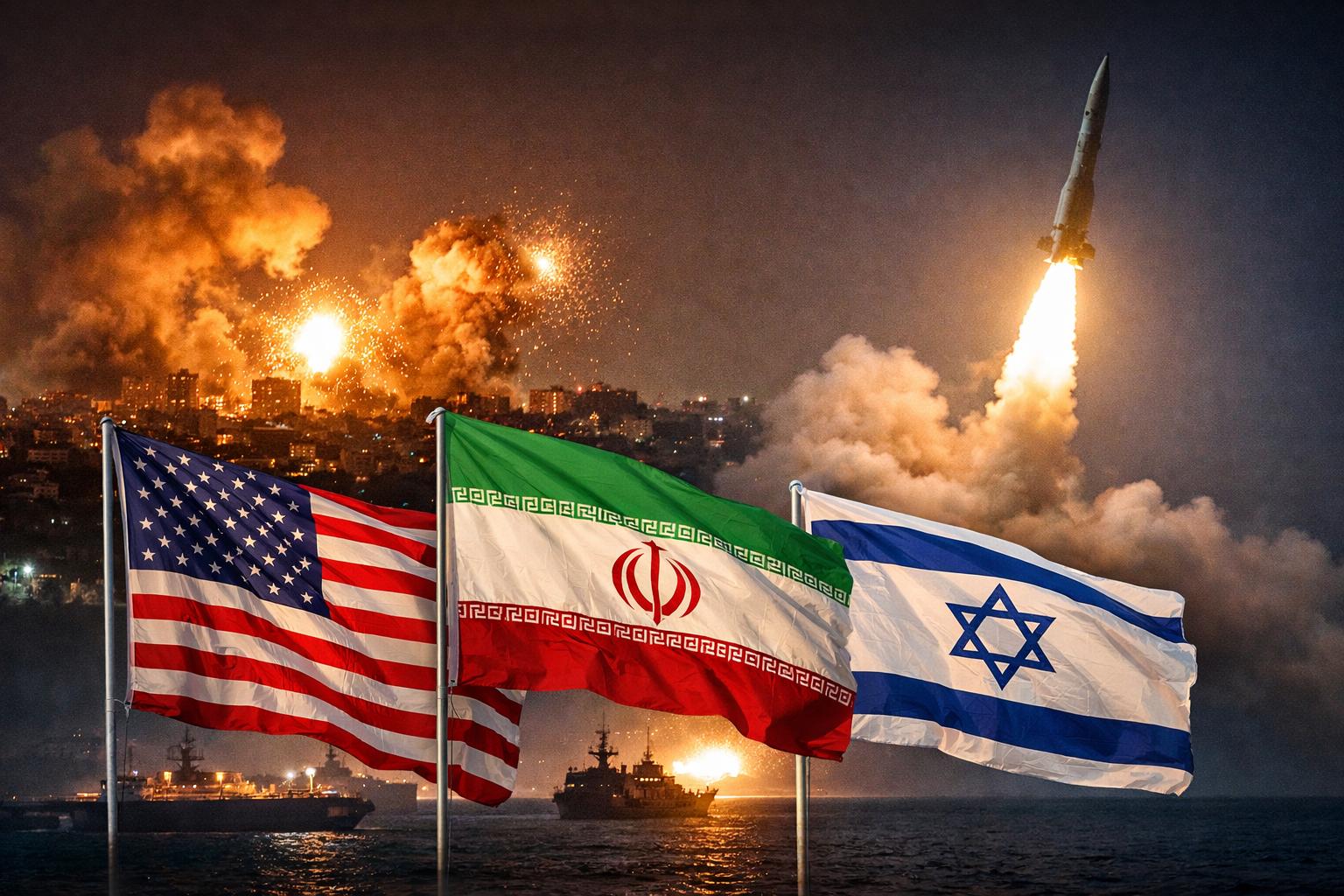
Tensions between the United States, Israel, and Iran are intensifying, with multiple developments across the Middle East signaling a potentially dangerous escalation in the ongoing conflict. The situation has drawn increased global attention as military activity expands and diplomatic efforts continue behind the scenes.
Hundreds of US Special Operations forces have recently been deployed to the region, pushing total American troop levels beyond 50,000. The expanded presence reflects growing concerns in Washington over regional stability and the need to safeguard critical maritime routes, including the strategically vital Strait of Hormuz. US officials are also weighing a range of military and strategic options, including potential actions targeting Iran’s nuclear capabilities and energy infrastructure.
Amid these developments, discussions have reportedly included the possibility of securing or seizing Iranian oil facilities and enriched uranium assets. At the same time, diplomatic channels remain active, with regional intermediaries attempting to ease tensions and prevent further escalation.
Uncertainty surrounding Iran’s leadership has added another layer of complexity. Supreme Leader Mojtaba Khamenei has not appeared publicly in recent days, fueling speculation about his health and control over internal decision-making during a critical period.
The conflict is also beginning to extend beyond traditional battle zones. A recent Iranian strike in Kuwait resulted in the death of an Indian worker, underscoring the growing risks to civilians and foreign nationals in the region. Analysts warn that such incidents highlight the vulnerability of critical infrastructure and the potential for unintended consequences as hostilities widen.
Security experts caution that the situation remains highly volatile, with the possibility of broader regional fallout if tensions continue to rise. As military posturing increases alongside fragile diplomatic efforts, the coming days are expected to be crucial in determining whether the conflict can be contained or escalates further.
Tensions between the United States, Israel, and Iran are intensifying, with multiple developments across the Middle East signaling a potentially dangerous escalation in the ongoing conflict. The situation has drawn increased global attention as military activity expands and diplomatic efforts continue behind the scenes.
Hundreds of US Special Operations forces have recently been deployed to the region, pushing total American troop levels beyond 50,000. The expanded presence reflects growing concerns in Washington over regional stability and the need to safeguard critical maritime routes, including the strategically vital Strait of Hormuz. US officials are also weighing a range of military and strategic options, including potential actions targeting Iran’s nuclear capabilities and energy infrastructure.
Amid these developments, discussions have reportedly included the possibility of securing or seizing Iranian oil facilities and enriched uranium assets. At the same time, diplomatic channels remain active, with regional intermediaries attempting to ease tensions and prevent further escalation.
Uncertainty surrounding Iran’s leadership has added another layer of complexity. Supreme Leader Mojtaba Khamenei has not appeared publicly in recent days, fueling speculation about his health and control over internal decision-making during a critical period.
The conflict is also beginning to extend beyond traditional battle zones. A recent Iranian strike in Kuwait resulted in the death of an Indian worker, underscoring the growing risks to civilians and foreign nationals in the region. Analysts warn that such incidents highlight the vulnerability of critical infrastructure and the potential for unintended consequences as hostilities widen.
Security experts caution that the situation remains highly volatile, with the possibility of broader regional fallout if tensions continue to rise. As military posturing increases alongside fragile diplomatic efforts, the coming days are expected to be crucial in determining whether the conflict can be contained or escalates further.
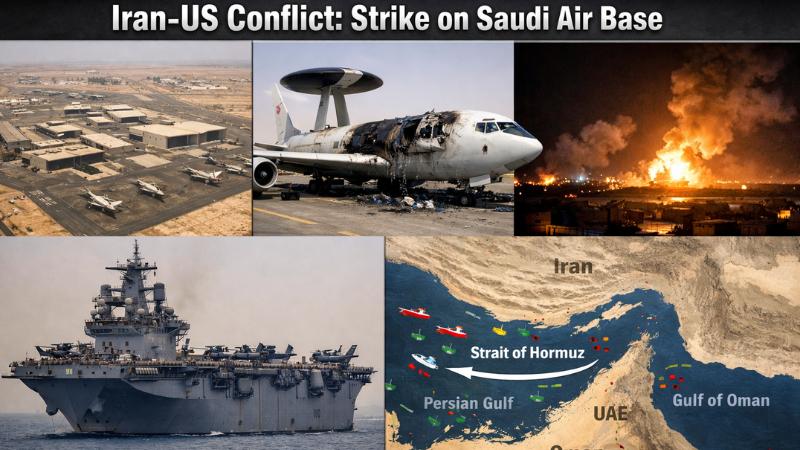
Iran has claimed responsibility for a major missile and drone strike targeting a US-operated military facility in Saudi Arabia, escalating tensions in the already volatile Middle East region. According to reports from Iranian state media, the attack struck the Prince Sultan Air Base, a key installation use
Iran has claimed responsibility for a major missile and drone strike targeting a US-operated military facility in Saudi Arabia, escalating tensions in the already volatile Middle East region. According to reports from Iranian state media, the attack struck the Prince Sultan Air Base, a key installation use
US President Donald Trump has made a striking claim that “regime change has happened” in Iran, even as the conflict between the two nations continues after a month of escalating military action. Speaking aboard Air Force One, Trump indicated that negotiations are underway and suggested that a peace deal could be reached “pretty soon,” despite ongoing tensions.
According to Trump, t
US President Donald Trump has made a striking claim that “regime change has happened” in Iran, even as the conflict between the two nations continues after a month of escalating military action. Speaking aboard Air Force One, Trump indicated that negotiations are underway and suggested that a peace deal could be reached “pretty soon,” despite ongoing tensions.
According to Trump, t
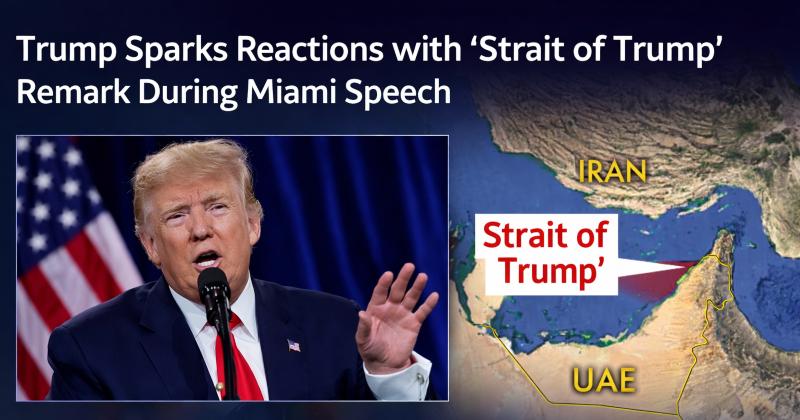
US President Donald Trump made a light-hearted remark about the Strait of Hormuz during a recent investment forum in Miami, drawing laughter from the audience. While speaking about the ongoing situation in the Middle East, Trump jokingly referred to the critical waterway as the “Strait of Trump” before correcting himself and saying “Hormuz.”
He followed the comment with a sarcastic apology, taking a swipe at mainstream media. Trump said that any slip of words would likely be
US President Donald Trump made a light-hearted remark about the Strait of Hormuz during a recent investment forum in Miami, drawing laughter from the audience. While speaking about the ongoing situation in the Middle East, Trump jokingly referred to the critical waterway as the “Strait of Trump” before correcting himself and saying “Hormuz.”
He followed the comment with a sarcastic apology, taking a swipe at mainstream media. Trump said that any slip of words would likely be
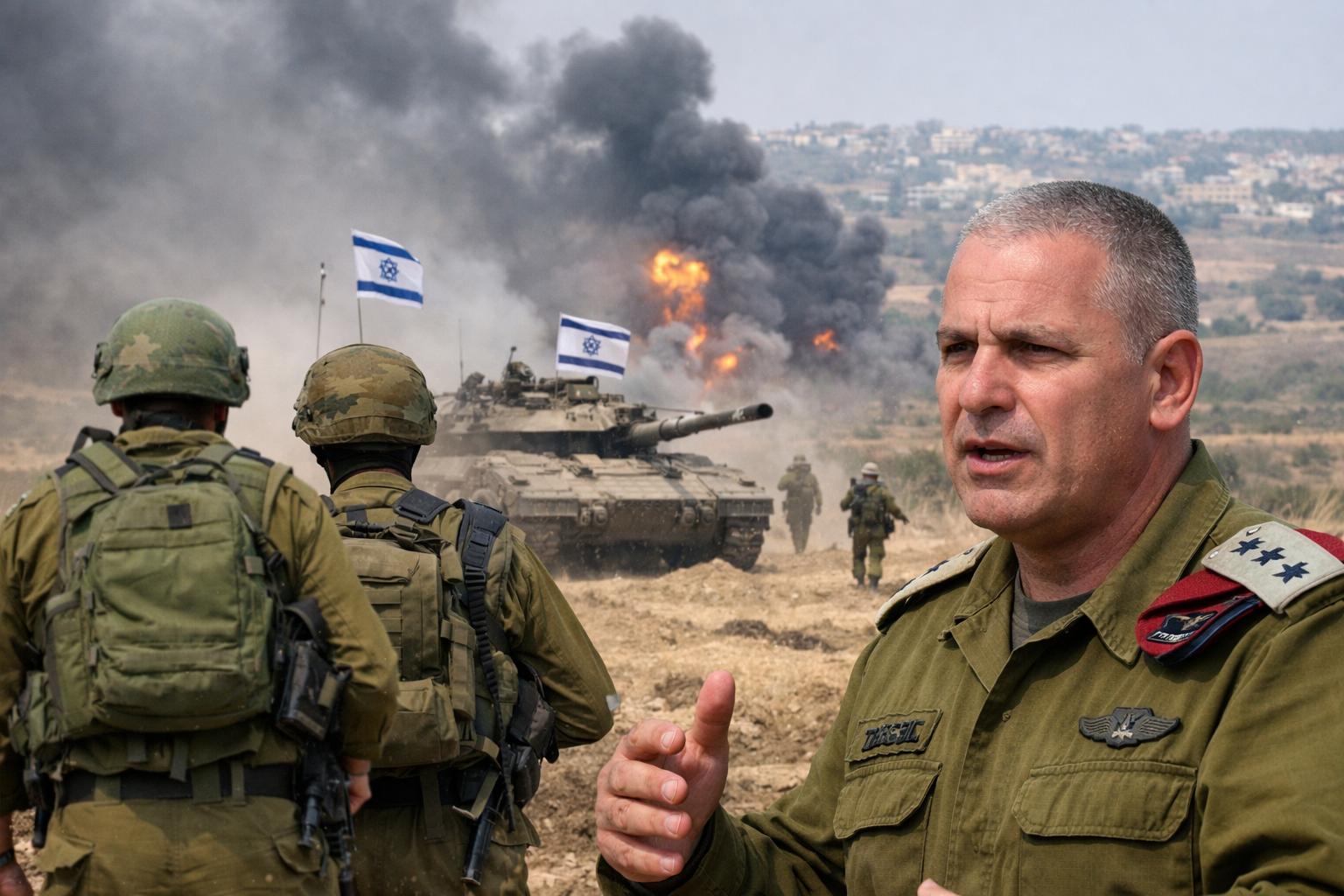
Israel’s top military official has issued a stark warning about the country’s operational readiness, citing severe manpower shortages as conflict across multiple fronts continues to intensify. Eyal Zamir, Chief of the General Staff of the Israel Defense Forces, told senior ministers that the military risks “collapsing on itself” if current staffing gaps are not addressed.
The warning came
Israel’s top military official has issued a stark warning about the country’s operational readiness, citing severe manpower shortages as conflict across multiple fronts continues to intensify. Eyal Zamir, Chief of the General Staff of the Israel Defense Forces, told senior ministers that the military risks “collapsing on itself” if current staffing gaps are not addressed.
The warning came
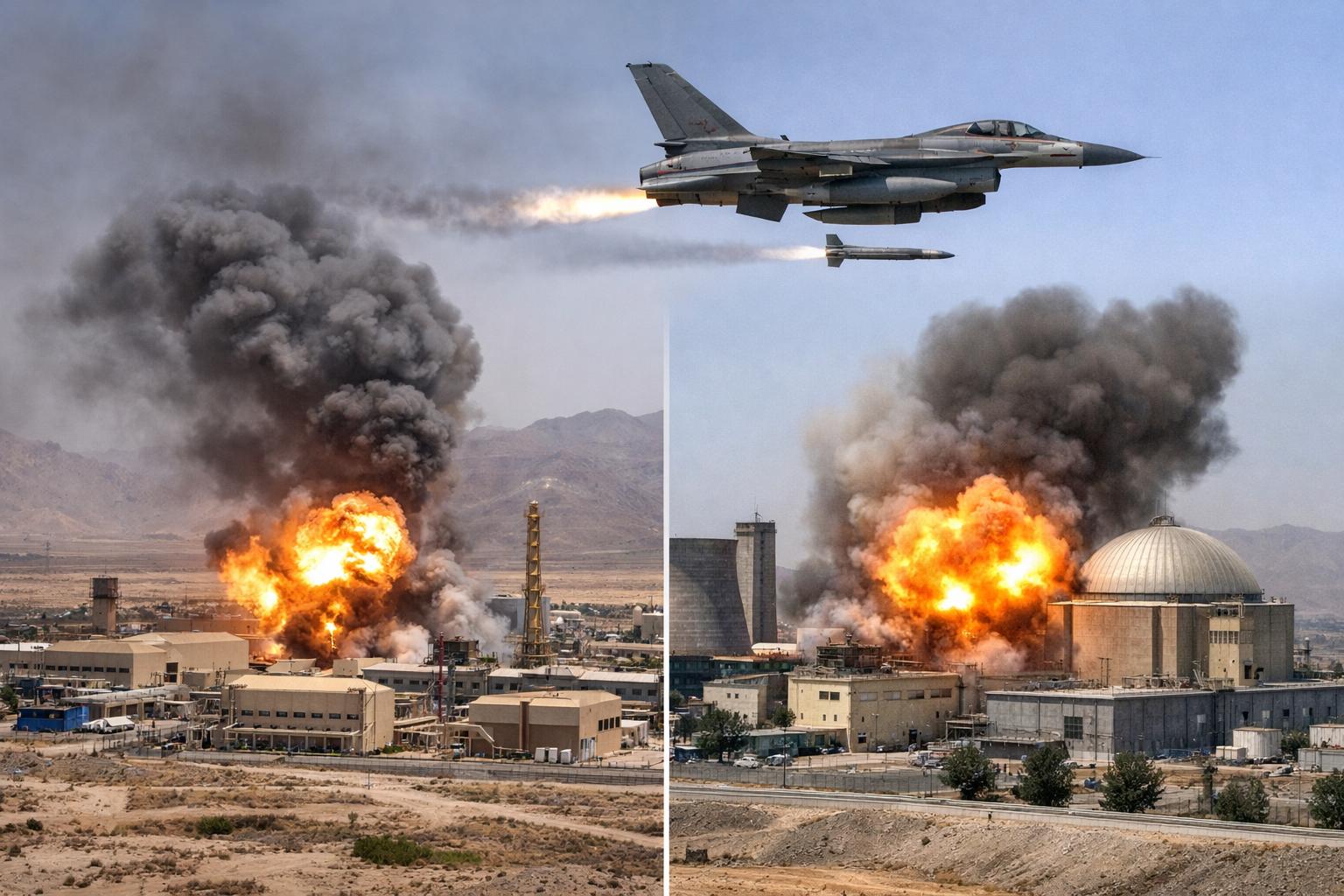
Israel confirmed it carried out coordinated airstrikes on nuclear-related facilities in central Iran on Friday, March 27, 2026, targeting a uranium processing site in Yazd and a heavy water plant in Arak, according to official military statements. The strikes mark a significant escalation in ongoing efforts to disrupt Iran’s nuclear program amid heightened regional tensions.
The Israel Defense Forces (IDF) said the operation in Yazd focused on a uranium extraction facility described as cri
Israel confirmed it carried out coordinated airstrikes on nuclear-related facilities in central Iran on Friday, March 27, 2026, targeting a uranium processing site in Yazd and a heavy water plant in Arak, according to official military statements. The strikes mark a significant escalation in ongoing efforts to disrupt Iran’s nuclear program amid heightened regional tensions.
The Israel Defense Forces (IDF) said the operation in Yazd focused on a uranium extraction facility described as cri
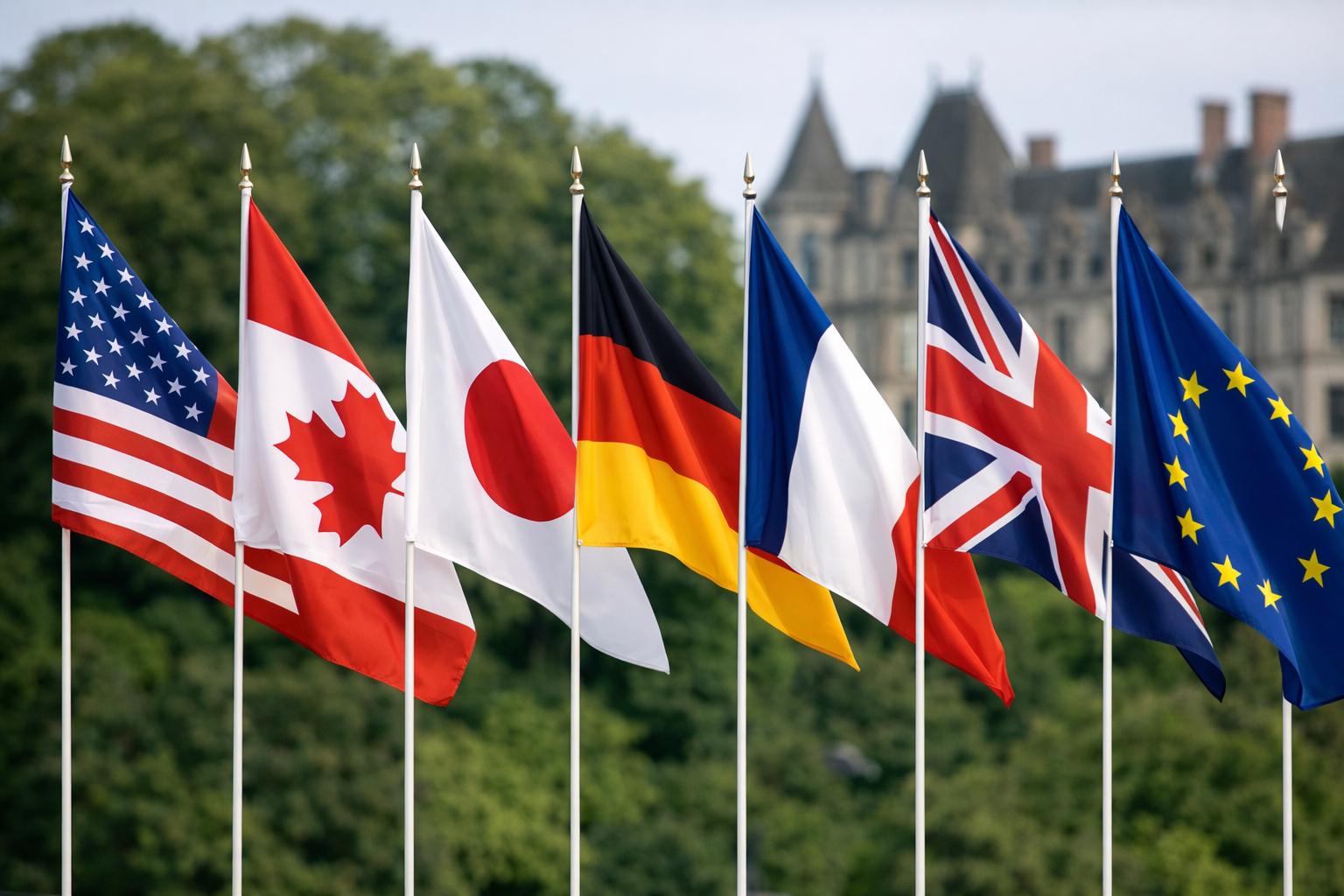
Foreign ministers from the Group of Seven (G7) nations on March 28, 2026, called for an immediate halt to attacks targeting civilians and critical infrastructure in the ongoing Iran war, emphasizing the urgent need to reduce humanitarian and economic fallout. The appeal came in a joint statement issued during a high-level meeting in France, where leaders highlighted growing concerns over civilian safety and regional stability.
The ministers stressed that protecting civilian populations remains a top priority, noting that continued attacks on infrastructure and non-combatants risk deepening the crisis. They underscored the importance of coordinated international efforts to limit the conflict’s broader consequences, including disruptions to global supply chains, energy markets, and economic stability that could directly affect citizens worldwide.
French Foreign Minister Jean-Noël Barrot said the G7 remains firmly committed to minimizing the war’s impact, reiterating that no justification exists for targeting civilians. He emphasized that safeguarding human life must remain central to any military or political response, as tensions continue to escalate in the region.
A key focus of the discussions was the Strait of Hormuz, a strategic maritime route critical to global energy supplies. The G7 ministers called for the restoration of safe and unrestricted navigation through the passage, warning that instability in the corridor could significantly disrupt international oil and trade flows.
U.S. Secretary of State Marco Rubio is expected to coordinate closely with European counterparts, including briefing the European Union’s Council of Foreign Affairs, as part of ongoing diplomatic efforts to ease tensions and address the standoff in the region.
Separately, European Union energy ministers are set to convene an emergency virtual meeting to assess the conflict’s impact on energy security across Europe. The meeting, organized under Cyprus’ rotating EU presidency, will focus on safeguarding supply stability amid rising uncertainty linked to the Iran war.
Foreign ministers from the Group of Seven (G7) nations on March 28, 2026, called for an immediate halt to attacks targeting civilians and critical infrastructure in the ongoing Iran war, emphasizing the urgent need to reduce humanitarian and economic fallout. The appeal came in a joint statement issued during a high-level meeting in France, where leaders highlighted growing concerns over civilian safety and regional stability.
The ministers stressed that protecting civilian populations remains a top priority, noting that continued attacks on infrastructure and non-combatants risk deepening the crisis. They underscored the importance of coordinated international efforts to limit the conflict’s broader consequences, including disruptions to global supply chains, energy markets, and economic stability that could directly affect citizens worldwide.
French Foreign Minister Jean-Noël Barrot said the G7 remains firmly committed to minimizing the war’s impact, reiterating that no justification exists for targeting civilians. He emphasized that safeguarding human life must remain central to any military or political response, as tensions continue to escalate in the region.
A key focus of the discussions was the Strait of Hormuz, a strategic maritime route critical to global energy supplies. The G7 ministers called for the restoration of safe and unrestricted navigation through the passage, warning that instability in the corridor could significantly disrupt international oil and trade flows.
U.S. Secretary of State Marco Rubio is expected to coordinate closely with European counterparts, including briefing the European Union’s Council of Foreign Affairs, as part of ongoing diplomatic efforts to ease tensions and address the standoff in the region.
Separately, European Union energy ministers are set to convene an emergency virtual meeting to assess the conflict’s impact on energy security across Europe. The meeting, organized under Cyprus’ rotating EU presidency, will focus on safeguarding supply stability amid rising uncertainty linked to the Iran war.
Washington: Tensions across West Asia have escalated sharply, with the United States issuing a strong warning to Iran to accept defeat or face significantly intensified military consequences. US officials indicated that further retaliation from Tehran could trigger a broader response, signaling a potential widening of the conflict. Iran, however, has dismissed the possibility of negotiations, reaffirming its intent to continue retaliatory strikes amid ongoing hostilities.
Military exchang
Washington: Tensions across West Asia have escalated sharply, with the United States issuing a strong warning to Iran to accept defeat or face significantly intensified military consequences. US officials indicated that further retaliation from Tehran could trigger a broader response, signaling a potential widening of the conflict. Iran, however, has dismissed the possibility of negotiations, reaffirming its intent to continue retaliatory strikes amid ongoing hostilities.
Military exchang
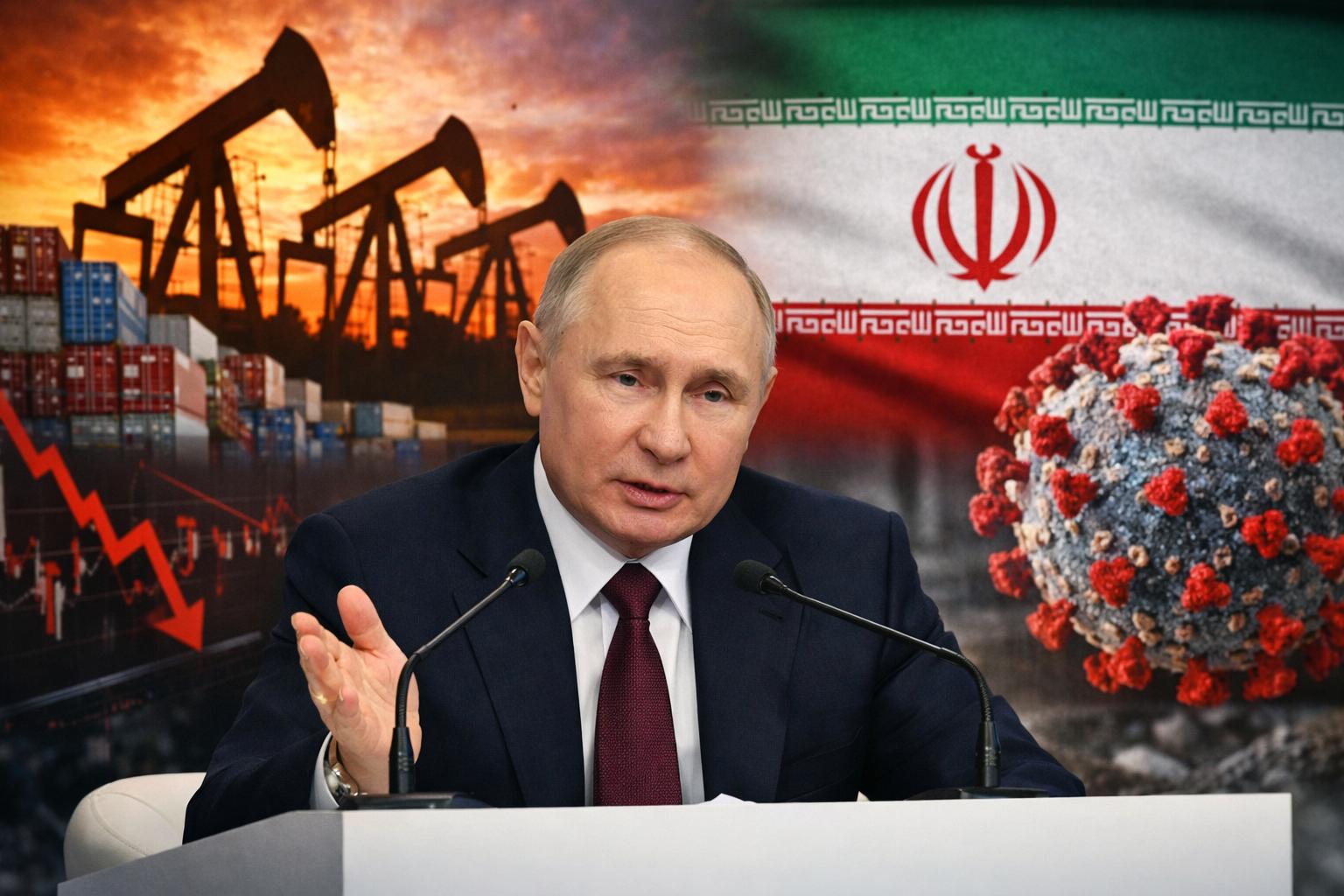
Moscow, Russia: Russian President Vladimir Putin has cautioned that the economic consequences of the ongoing conflict involving Iran could mirror the widespread disruption seen during the COVID-19 pandemic, highlighting mounting pressure on global supply chains and key industries. Speaking at a major business forum in Moscow, Putin said the instability in the Middle East is already causing significant strain on international production systems and logistics networks.
He noted that cri
Moscow, Russia: Russian President Vladimir Putin has cautioned that the economic consequences of the ongoing conflict involving Iran could mirror the widespread disruption seen during the COVID-19 pandemic, highlighting mounting pressure on global supply chains and key industries. Speaking at a major business forum in Moscow, Putin said the instability in the Middle East is already causing significant strain on international production systems and logistics networks.
He noted that cri
ABU DHABI — March 26, 2026 (Thursday):
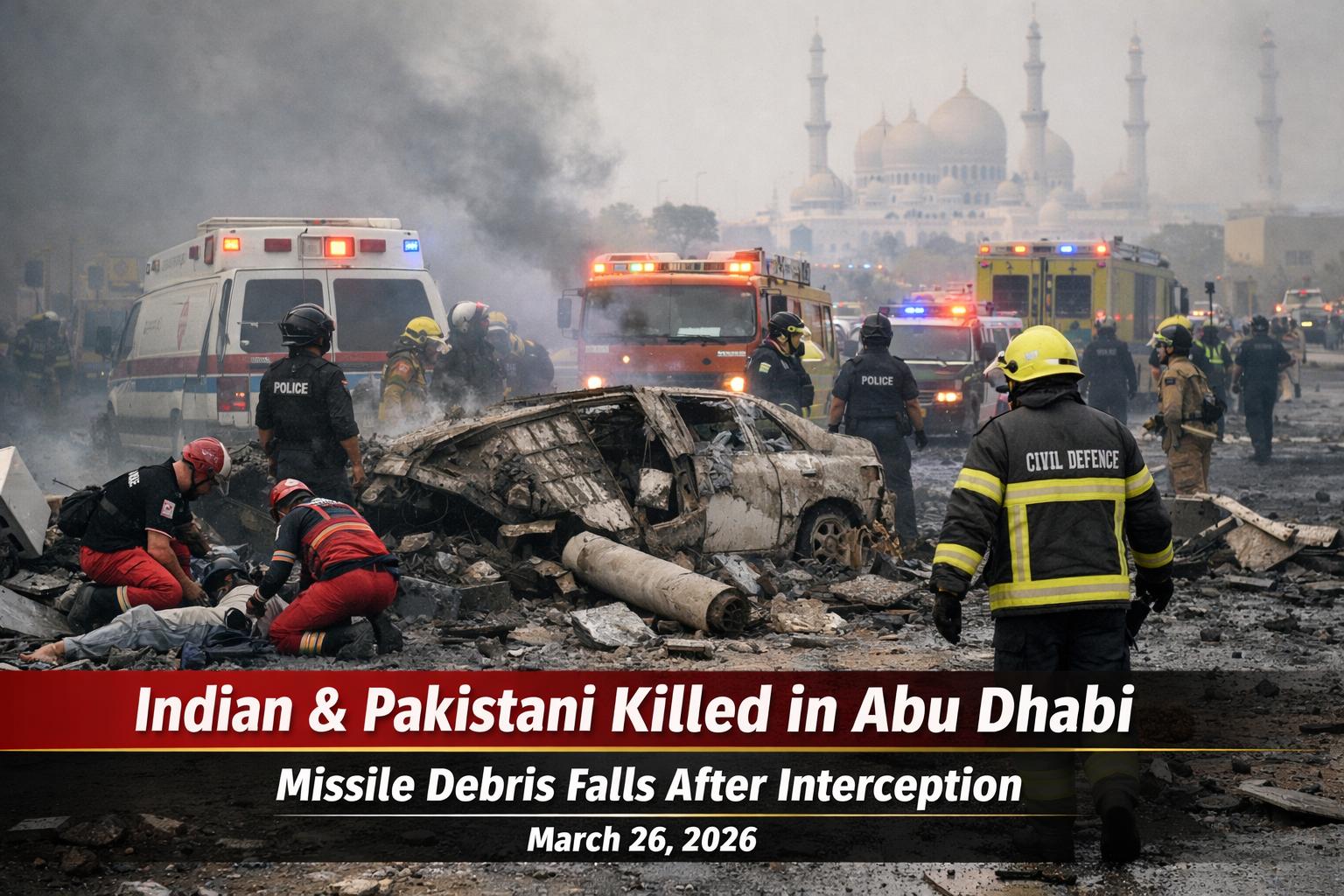
An Indian national was among two people killed on Thursday, March 26, 2026, in Abu Dhabi after debris from a missile interception struck the city. The second victim was a Pakistani citizen, while three others — including another Indian national and a Jordanian — were injured.
The incident occurred on Sweihan Street, where debris fell following the successful interception of a ballistic
ABU DHABI — March 26, 2026 (Thursday):
An Indian national was among two people killed on Thursday, March 26, 2026, in Abu Dhabi after debris from a missile interception struck the city. The second victim was a Pakistani citizen, while three others — including another Indian national and a Jordanian — were injured.
The incident occurred on Sweihan Street, where debris fell following the successful interception of a ballistic
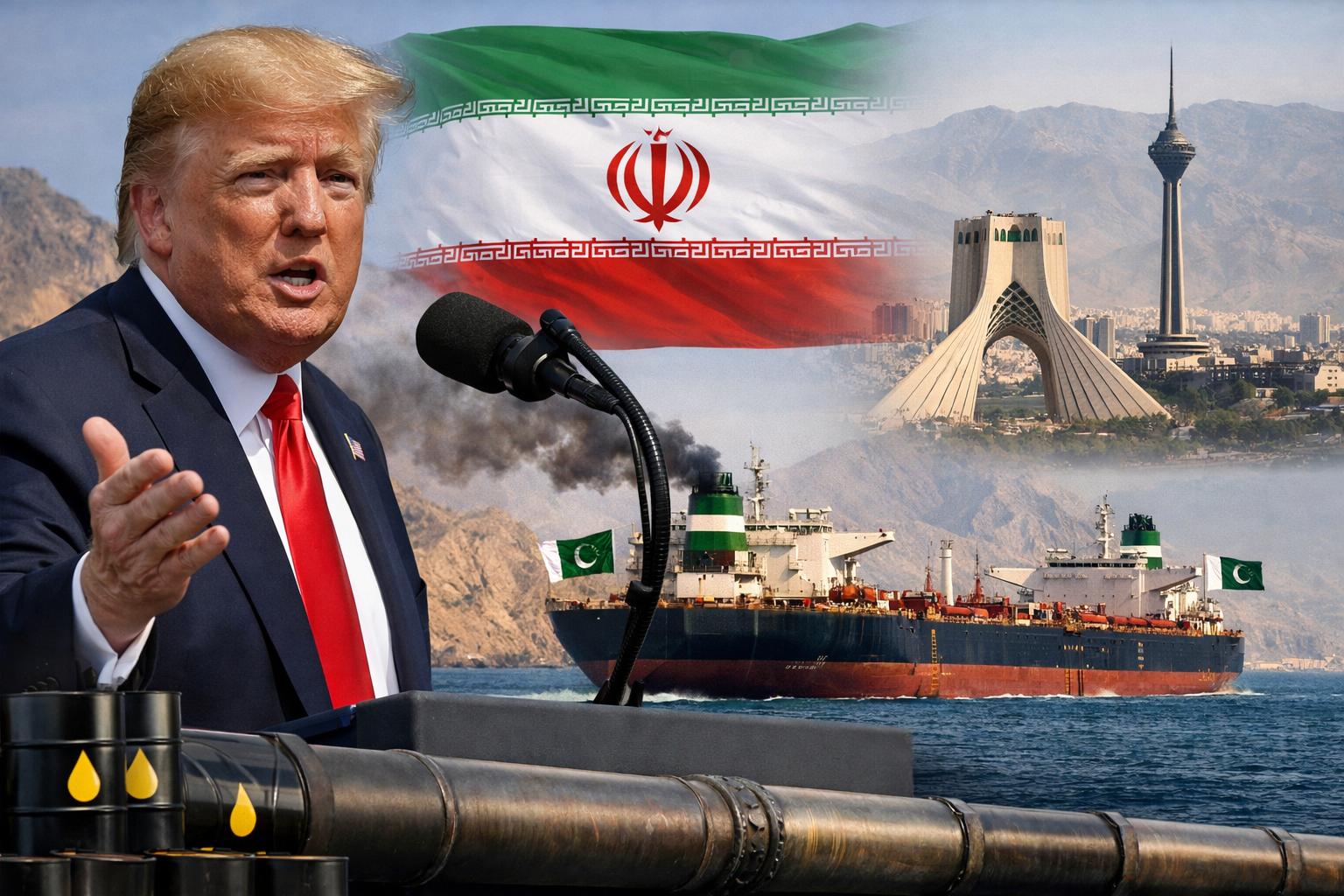
WASHINGTON — Donald Trump said Iran had sent multiple oil shipments as a goodwill gesture to demonstrate seriousness in ongoing indirect talks, describing the move as a significant signal amid heightened tensions between the two countries.
Speaking as diplomatic efforts continue behind the scenes, Trump claimed that Iran provided what he characterised as “10 boats of oil,” framing the shipments as a gesture intended to advance negotiations. He suggested the tankers were operatin
WASHINGTON — Donald Trump said Iran had sent multiple oil shipments as a goodwill gesture to demonstrate seriousness in ongoing indirect talks, describing the move as a significant signal amid heightened tensions between the two countries.
Speaking as diplomatic efforts continue behind the scenes, Trump claimed that Iran provided what he characterised as “10 boats of oil,” framing the shipments as a gesture intended to advance negotiations. He suggested the tankers were operatin
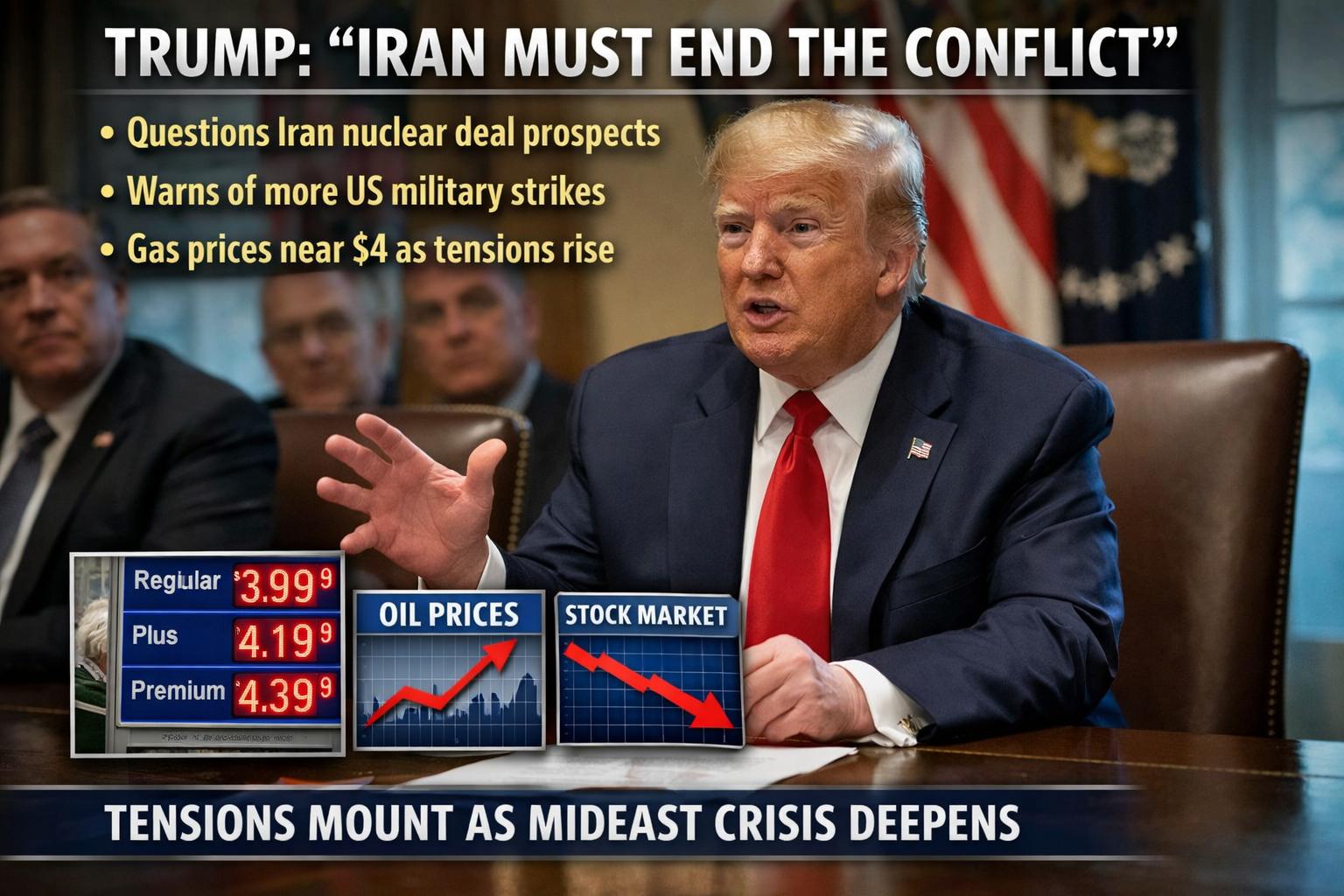
WASHINGTON — March 26, 2026: President Donald Trump on Thursday cast renewed doubt on the likelihood of reaching a peace agreement with Iran, indicating that any meaningful progress would depend on Tehran’s willingness to shift its current stance amid ongoing tensions between the two countries.
Speaking during a Cabinet meeting at the White House, Trump emphasized that Iran must take the first step if a deal is to materialize. He expressed uncertainty over wheth
WASHINGTON — March 26, 2026: President Donald Trump on Thursday cast renewed doubt on the likelihood of reaching a peace agreement with Iran, indicating that any meaningful progress would depend on Tehran’s willingness to shift its current stance amid ongoing tensions between the two countries.
Speaking during a Cabinet meeting at the White House, Trump emphasized that Iran must take the first step if a deal is to materialize. He expressed uncertainty over wheth
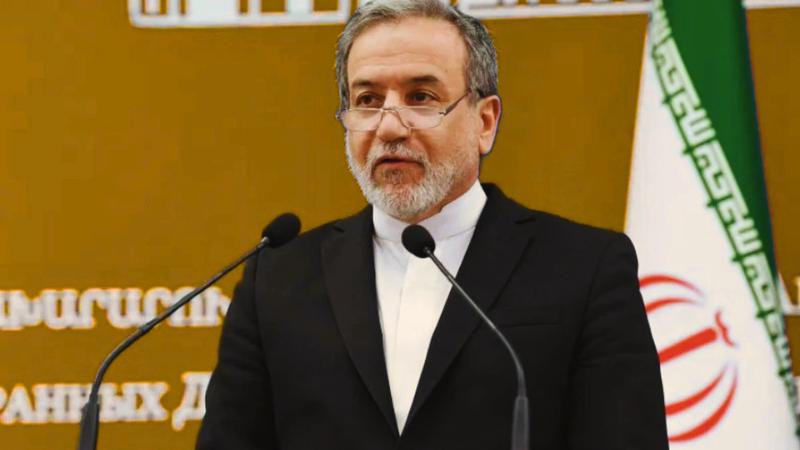
Iran’s Foreign Minister Abbas Araghchi confirmed that Tehran is reviewing a US proposal aimed at ending the ongoing conflict, but made it clear that this does not signify formal negotiations with Washington. In an interview with state television, Araghchi emphasized that while messages have been exchanged through intermediaries, they do not equate to talks with the US government. "There are no talks with the US," Araghchi bluntly stated, reiterating Iran's stance of no direct engagement wit
Iran’s Foreign Minister Abbas Araghchi confirmed that Tehran is reviewing a US proposal aimed at ending the ongoing conflict, but made it clear that this does not signify formal negotiations with Washington. In an interview with state television, Araghchi emphasized that while messages have been exchanged through intermediaries, they do not equate to talks with the US government. "There are no talks with the US," Araghchi bluntly stated, reiterating Iran's stance of no direct engagement wit
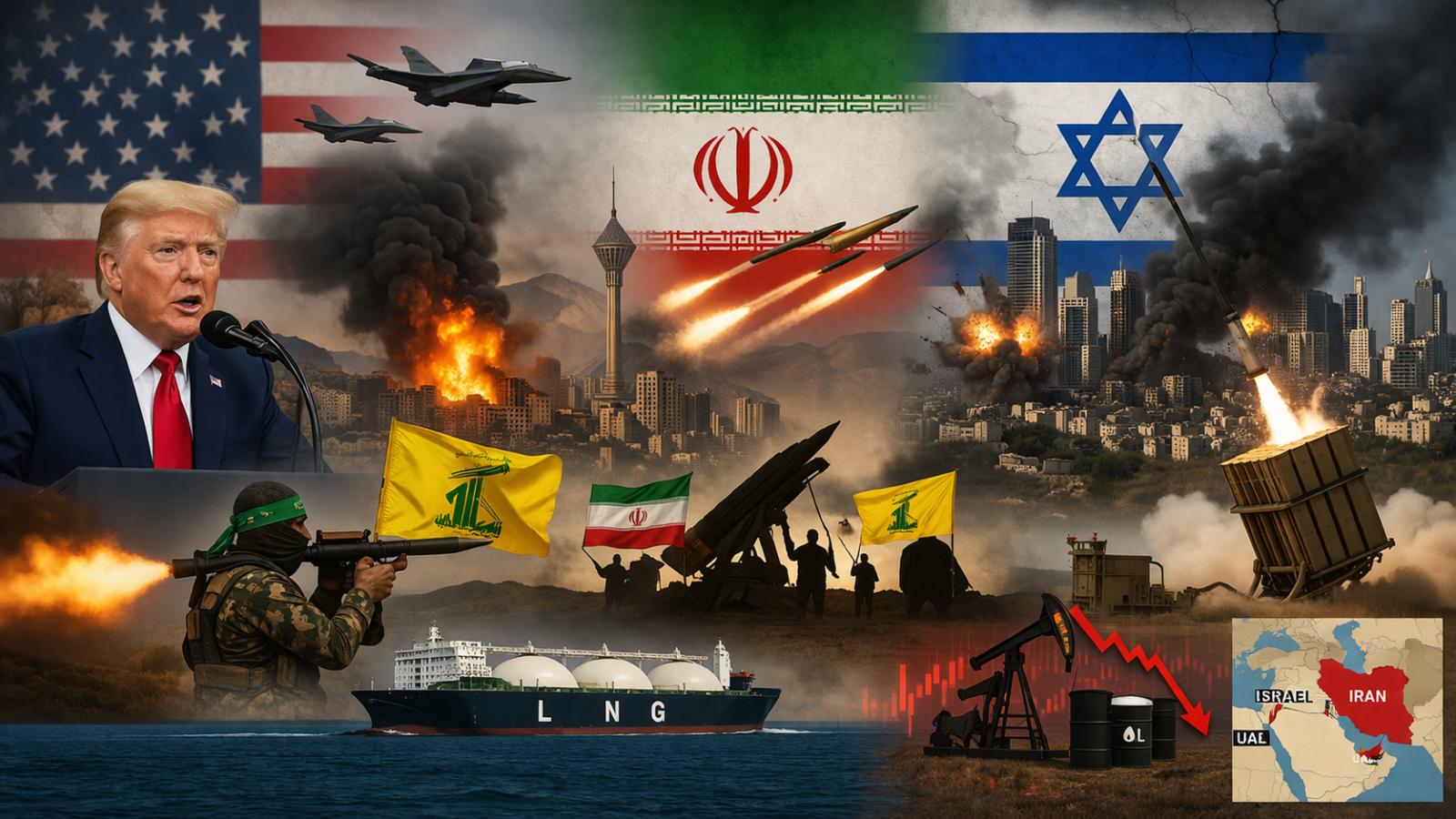
The ongoing conflict involving the United States, Israel, and Iran is nearing the one-month mark, with hostilities continuing to escalate across multiple fronts. Despite renewed claims of diplomatic engagement, military operations remain active, contributing to rising casualties and increasing uncertainty across the region.
US President Donald Trump recently stated that discussions with Iran are ongoing, suggesting the possibility of a diplomatic breakthrough. However, Iranian authorities have dismissed such claims, describing reports of negotiations as misleading and intended to influence global oil and financial markets. The conflicting narratives have further complicated the geopolitical landscape, as both sides continue to pursue military strategies alongside public statements on diplomacy.
Recent strikes have intensified within Iran, including an attack in southern Tehran that resulted in at least 12 fatalities and left 28 others injured. These developments underscore the continued volatility within Iranian territory, as Israeli and US operations target strategic locations amid the broader confrontation.
In response, Iran and its ally Hezbollah have launched a fresh wave of missile attacks targeting Israeli cities, including Tel Aviv and areas in the north. The strikes have caused civilian casualties, with at least one reported death and multiple injuries. Israel has simultaneously expanded its military operations in southern Lebanon, following indications of a plan to establish control up to the Litani River. Reports indicate that at least 33 people have been killed in recent bombardments in the region.
The conflict has also extended beyond immediate battle zones, affecting regional stability and international economic interests. The United Arab Emirates confirmed that a Moroccan national working with its armed forces in Bahrain was killed during an Iranian attack, with additional personnel reported injured. Meanwhile, QatarEnergy has declared force majeure on several liquefied natural gas contracts, impacting supply agreements with countries including Italy, Belgium, South Korea, and China.
As military actions continue alongside disputed diplomatic signals, the conflict is increasingly influencing global energy markets and geopolitical dynamics, raising concerns about further escalation and broader economic consequences.
The ongoing conflict involving the United States, Israel, and Iran is nearing the one-month mark, with hostilities continuing to escalate across multiple fronts. Despite renewed claims of diplomatic engagement, military operations remain active, contributing to rising casualties and increasing uncertainty across the region.
US President Donald Trump recently stated that discussions with Iran are ongoing, suggesting the possibility of a diplomatic breakthrough. However, Iranian authorities have dismissed such claims, describing reports of negotiations as misleading and intended to influence global oil and financial markets. The conflicting narratives have further complicated the geopolitical landscape, as both sides continue to pursue military strategies alongside public statements on diplomacy.
Recent strikes have intensified within Iran, including an attack in southern Tehran that resulted in at least 12 fatalities and left 28 others injured. These developments underscore the continued volatility within Iranian territory, as Israeli and US operations target strategic locations amid the broader confrontation.
In response, Iran and its ally Hezbollah have launched a fresh wave of missile attacks targeting Israeli cities, including Tel Aviv and areas in the north. The strikes have caused civilian casualties, with at least one reported death and multiple injuries. Israel has simultaneously expanded its military operations in southern Lebanon, following indications of a plan to establish control up to the Litani River. Reports indicate that at least 33 people have been killed in recent bombardments in the region.
The conflict has also extended beyond immediate battle zones, affecting regional stability and international economic interests. The United Arab Emirates confirmed that a Moroccan national working with its armed forces in Bahrain was killed during an Iranian attack, with additional personnel reported injured. Meanwhile, QatarEnergy has declared force majeure on several liquefied natural gas contracts, impacting supply agreements with countries including Italy, Belgium, South Korea, and China.
As military actions continue alongside disputed diplomatic signals, the conflict is increasingly influencing global energy markets and geopolitical dynamics, raising concerns about further escalation and broader economic consequences.
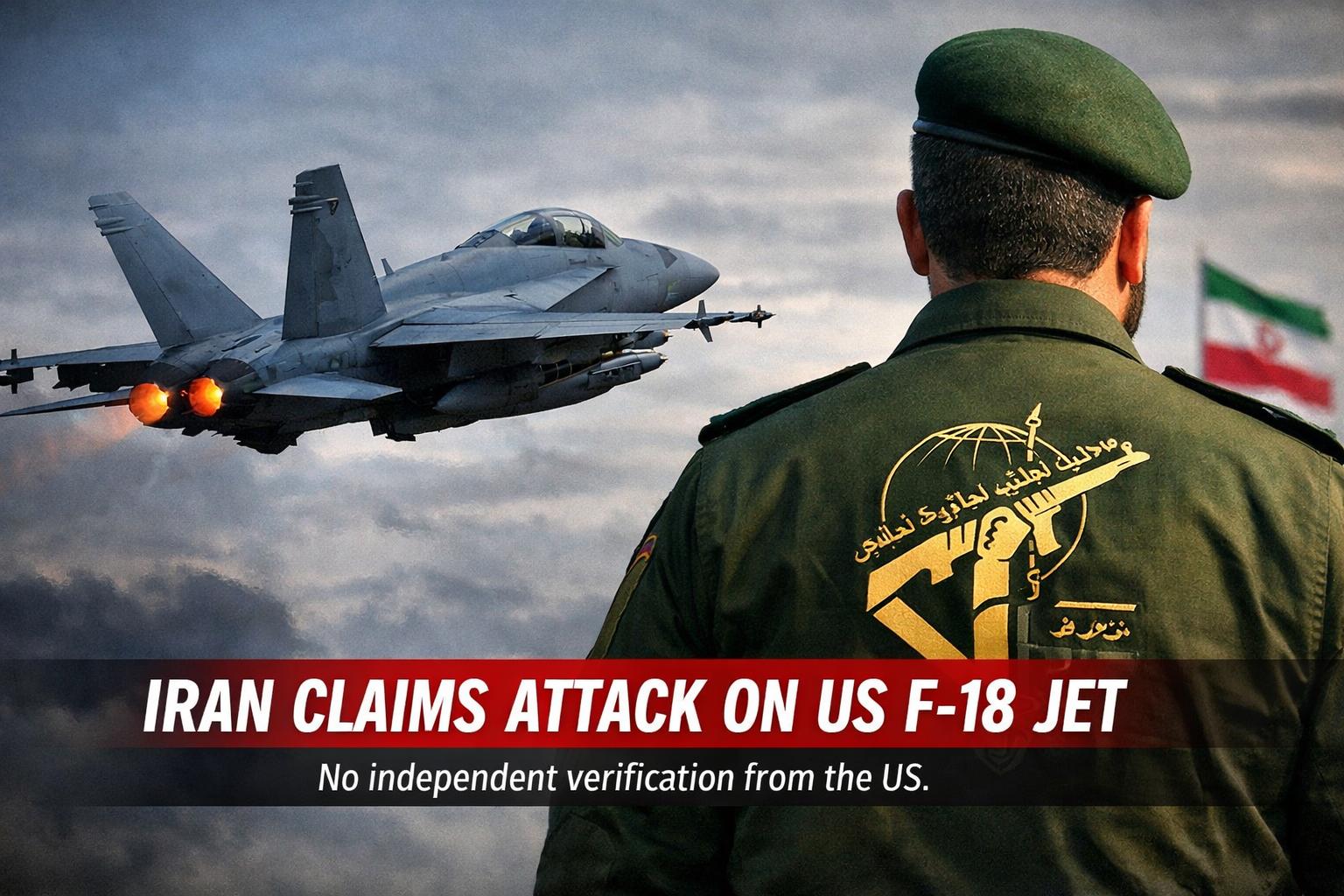
Iran’s Islamic Revolutionary Guard Corps (IRGC) has claimed that it successfully targeted a United States F-18 fighter jet, signaling a potential escalation in the already strained relations between Tehran and Washington. The statement, released through official channels, asserted that the military operation achieved its objective, though it stopped short of providing critical details regarding the location of the incident, the extent of damage inflicted, or the condition of the aircraft’s p
Iran’s Islamic Revolutionary Guard Corps (IRGC) has claimed that it successfully targeted a United States F-18 fighter jet, signaling a potential escalation in the already strained relations between Tehran and Washington. The statement, released through official channels, asserted that the military operation achieved its objective, though it stopped short of providing critical details regarding the location of the incident, the extent of damage inflicted, or the condition of the aircraft’s p
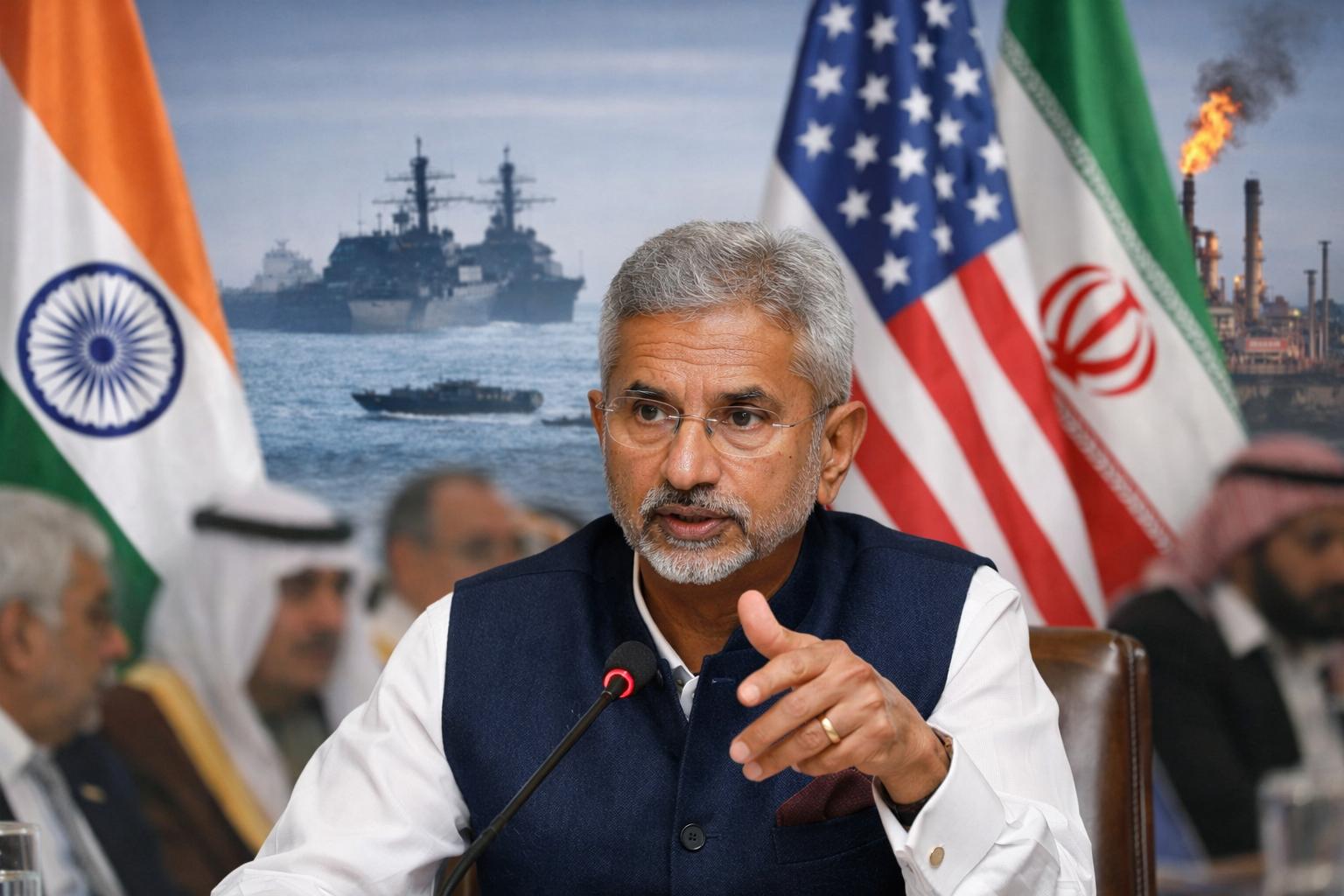
India has firmly ruled out any role as a mediator in the ongoing tensions between the United States and Iran, with External Affairs Minister S Jaishankar stating that New Delhi does not engage in diplomatic brokerage. His remarks came during an all-party meeting convened to brief political leaders on the government’s approach to the escalating West Asia crisis and its implications for India’s strategic interests.
Addressing concerns raised by opposition leaders, Jaishankar clarified that India’s foreign policy is guided by its national priorities rather than intermediary roles. He noted that attempts by countries such as Pakistan to position themselves as mediators are not new, adding that such efforts have historically aligned with external interests. Government sources emphasized that India has been actively responding to developments in the region and rejected claims that it has remained silent.
The meeting also focused on India’s preparedness in ensuring energy security and safeguarding its citizens in the Gulf region. Officials highlighted that maintaining stable crude oil supplies remains a key priority, particularly as tensions threaten critical shipping routes such as the Strait of Hormuz. The government informed leaders that advance procurement measures have been taken and that India is currently sourcing oil and gas from a diversified network of 41 countries to mitigate risks.
Participants were also briefed on maritime developments, including the safe passage of several India-bound vessels carrying petroleum products through the Strait of Hormuz, while others remain in the vicinity awaiting clearance. The government described these developments as a reflection of effective coordination and diplomatic engagement.
On diplomatic outreach, the government reiterated that India maintains balanced relations with all major stakeholders in the region, including the United States, Iran, and Israel. It also underscored steps taken to convey condolences following recent developments in Iran, indicating continued engagement at the diplomatic level.
Despite these assurances, opposition leaders expressed dissatisfaction with the government’s responses and called for a detailed discussion in Parliament. The government, however, maintained that the situation is under control and there is no immediate cause for concern, reiterating its commitment to protecting national interests amid evolving geopolitical challenges.
India has firmly ruled out any role as a mediator in the ongoing tensions between the United States and Iran, with External Affairs Minister S Jaishankar stating that New Delhi does not engage in diplomatic brokerage. His remarks came during an all-party meeting convened to brief political leaders on the government’s approach to the escalating West Asia crisis and its implications for India’s strategic interests.
Addressing concerns raised by opposition leaders, Jaishankar clarified that India’s foreign policy is guided by its national priorities rather than intermediary roles. He noted that attempts by countries such as Pakistan to position themselves as mediators are not new, adding that such efforts have historically aligned with external interests. Government sources emphasized that India has been actively responding to developments in the region and rejected claims that it has remained silent.
The meeting also focused on India’s preparedness in ensuring energy security and safeguarding its citizens in the Gulf region. Officials highlighted that maintaining stable crude oil supplies remains a key priority, particularly as tensions threaten critical shipping routes such as the Strait of Hormuz. The government informed leaders that advance procurement measures have been taken and that India is currently sourcing oil and gas from a diversified network of 41 countries to mitigate risks.
Participants were also briefed on maritime developments, including the safe passage of several India-bound vessels carrying petroleum products through the Strait of Hormuz, while others remain in the vicinity awaiting clearance. The government described these developments as a reflection of effective coordination and diplomatic engagement.
On diplomatic outreach, the government reiterated that India maintains balanced relations with all major stakeholders in the region, including the United States, Iran, and Israel. It also underscored steps taken to convey condolences following recent developments in Iran, indicating continued engagement at the diplomatic level.
Despite these assurances, opposition leaders expressed dissatisfaction with the government’s responses and called for a detailed discussion in Parliament. The government, however, maintained that the situation is under control and there is no immediate cause for concern, reiterating its commitment to protecting national interests amid evolving geopolitical challenges.
Iran has rejected a United States-backed proposal to pause the ongoing conflict in the Middle East, instead presenting its own set of conditions for ending hostilities, according to statements broadcast by the country’s state-run English-language network. The development comes amid continued military escalation, with Tehran reportedly launching further attacks targeting Israel and parts of the Gulf region.
An unnamed Iranian official was quoted as confirming that Tehran had formally declin
Iran has rejected a United States-backed proposal to pause the ongoing conflict in the Middle East, instead presenting its own set of conditions for ending hostilities, according to statements broadcast by the country’s state-run English-language network. The development comes amid continued military escalation, with Tehran reportedly launching further attacks targeting Israel and parts of the Gulf region.
An unnamed Iranian official was quoted as confirming that Tehran had formally declin
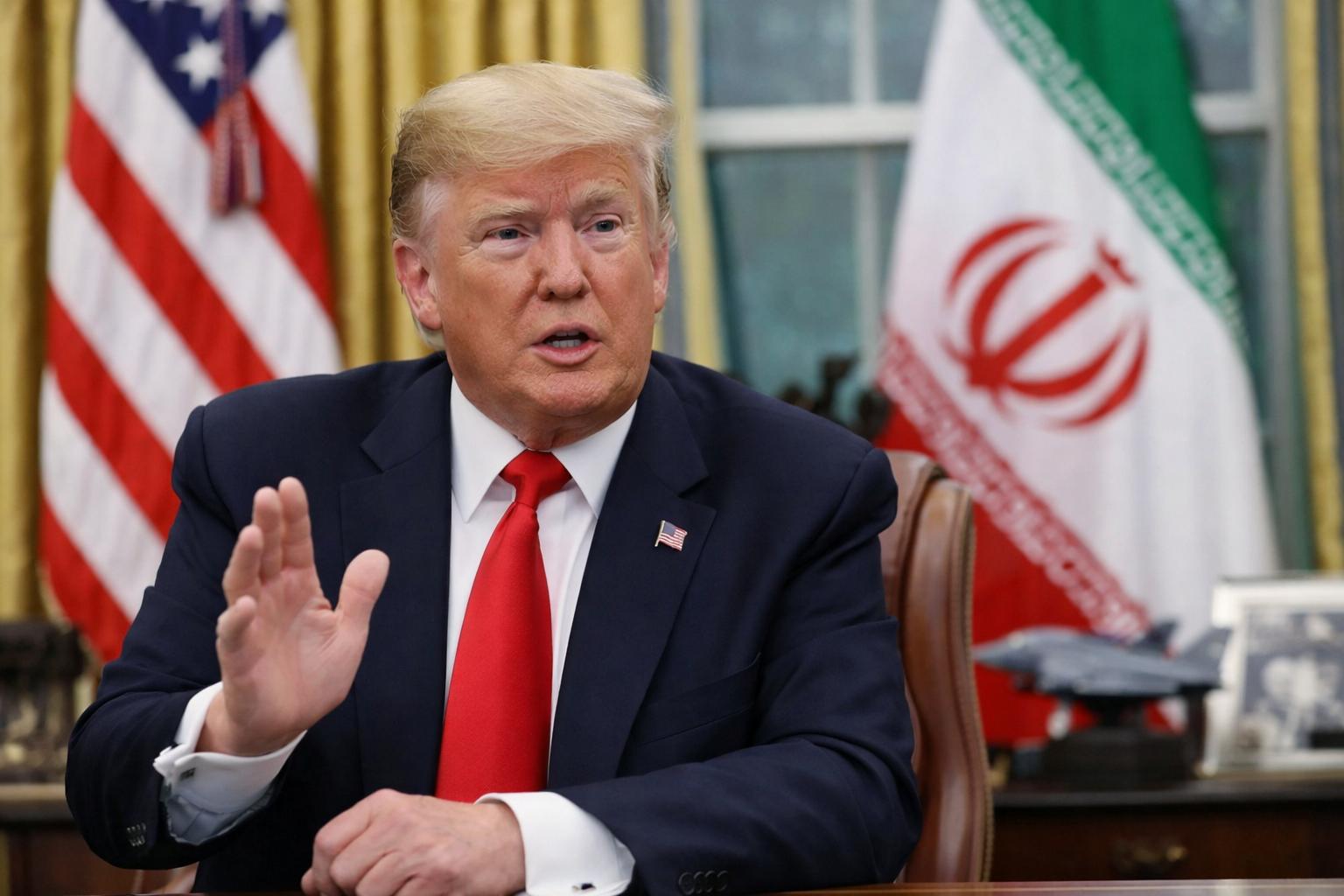
US President Donald Trump has stated that Iran has agreed to never develop nuclear weapons, describing the development as a sign of progress in ongoing diplomatic engagement between the two countries. His remarks come at a time when tensions in the Middle East remain high, with regional conflict continuing to shape the broader geopolitical landscape.
Speaking to reporters at the Oval Office, Trump adopted an optimistic tone, indicating that backchannel communicati
US President Donald Trump has stated that Iran has agreed to never develop nuclear weapons, describing the development as a sign of progress in ongoing diplomatic engagement between the two countries. His remarks come at a time when tensions in the Middle East remain high, with regional conflict continuing to shape the broader geopolitical landscape.
Speaking to reporters at the Oval Office, Trump adopted an optimistic tone, indicating that backchannel communicati