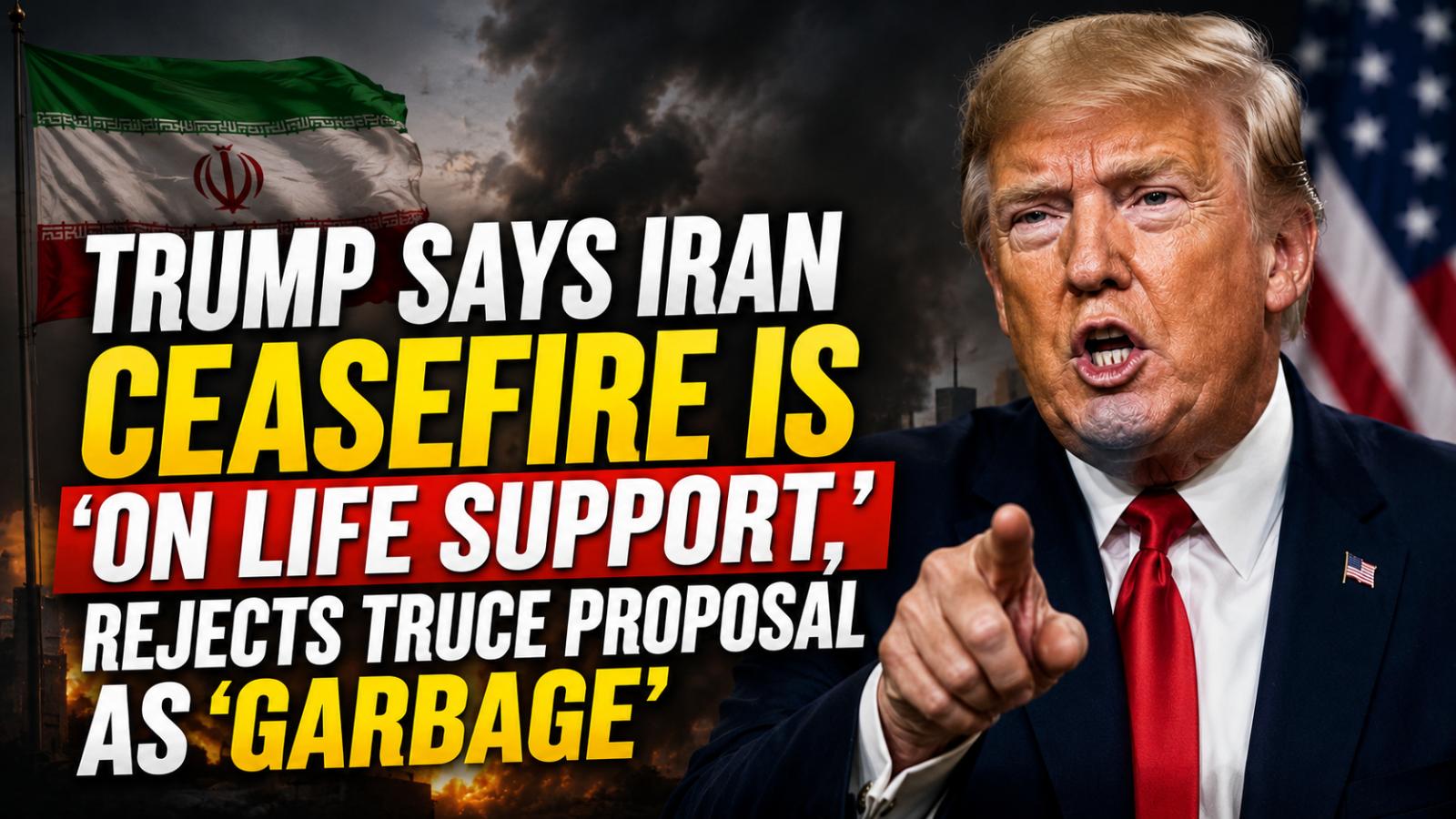
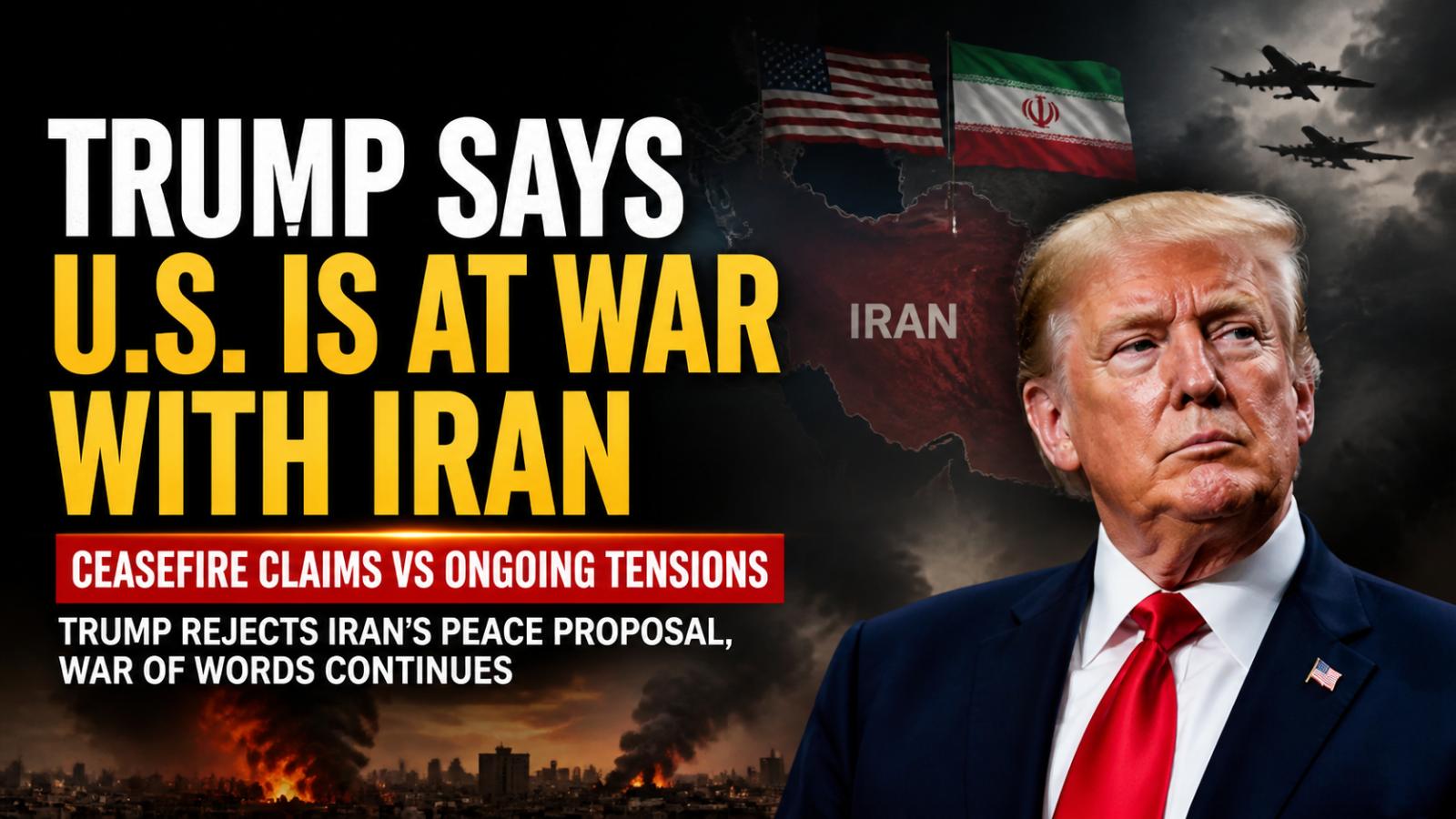
President Donald Trump said the Iran ceasefire is close to collapse after rejecting Tehran’s latest truce proposal, deepening uncertainty over US-Iran tensions and Middle East stability.
Speaking on Monday, May 11, 2026, Trump called Iran’s response unacceptable and said the ceasefire was on “massive life support.” His remarks signaled that Washington is not ready to ease pressure unless Tehran accepts stricter terms on security and nuclear activity.
Why T
President Donald Trump said the Iran ceasefire is close to collapse after rejecting Tehran’s latest truce proposal, deepening uncertainty over US-Iran tensions and Middle East stability.
Speaking on Monday, May 11, 2026, Trump called Iran’s response unacceptable and said the ceasefire was on “massive life support.” His remarks signaled that Washington is not ready to ease pressure unless Tehran accepts stricter terms on security and nuclear activity.
Why T
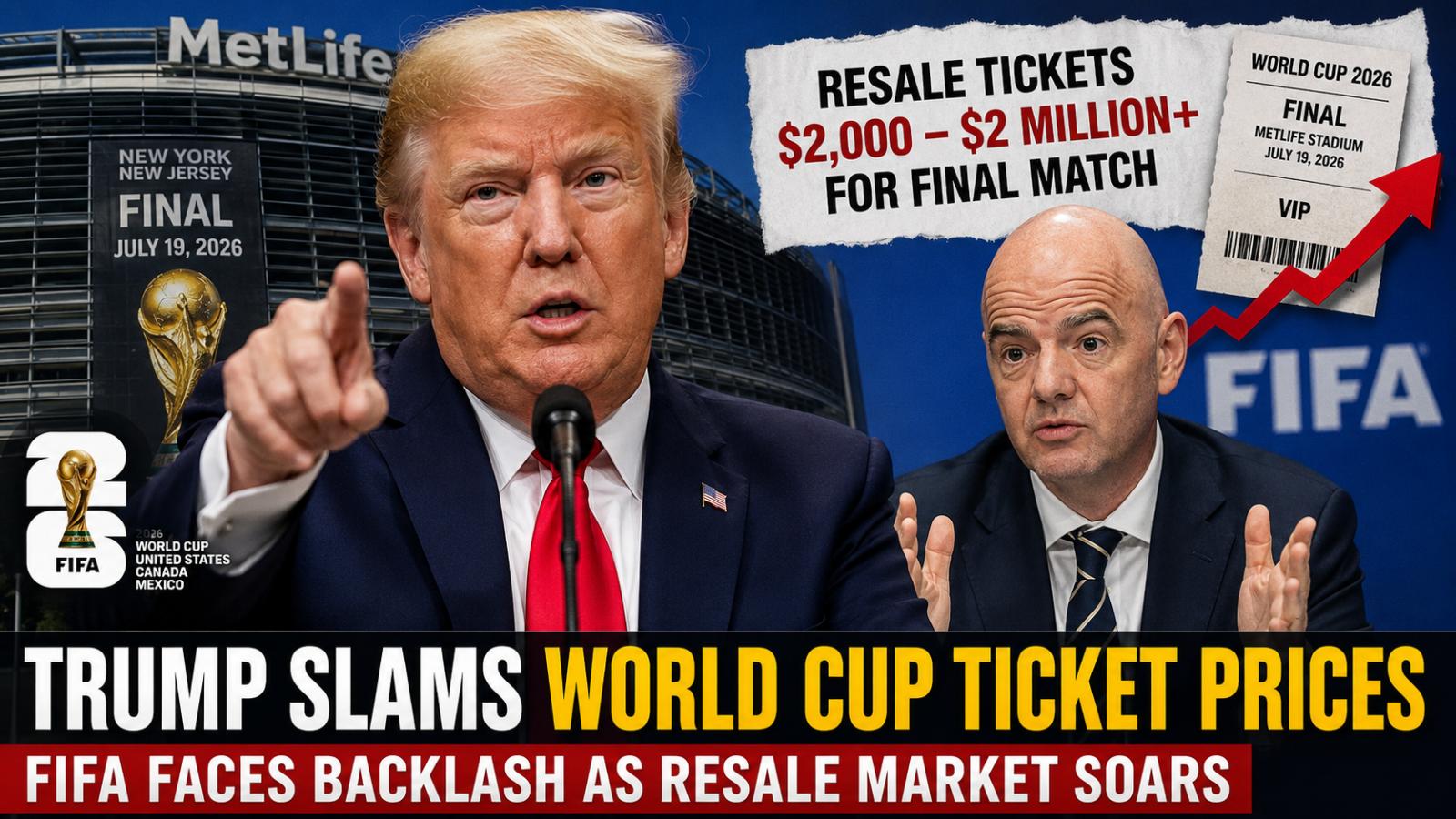
Trump Challenges World Cup Ticket Prices
World Cup tickets are facing fresh political pressure after President Donald Trump questioned whether ordinary fans can afford 2026 FIFA World Cup seats as resale prices surge.
Trump said he would not pay reported four-figure opening-match prices, sharpening scrutiny on FIFA’s pricing model and the secondary resale market. His comments come as FIFA president Gianni Infantino defends dynamic pricing, saying deman
Trump Challenges World Cup Ticket Prices
World Cup tickets are facing fresh political pressure after President Donald Trump questioned whether ordinary fans can afford 2026 FIFA World Cup seats as resale prices surge.
Trump said he would not pay reported four-figure opening-match prices, sharpening scrutiny on FIFA’s pricing model and the secondary resale market. His comments come as FIFA president Gianni Infantino defends dynamic pricing, saying deman
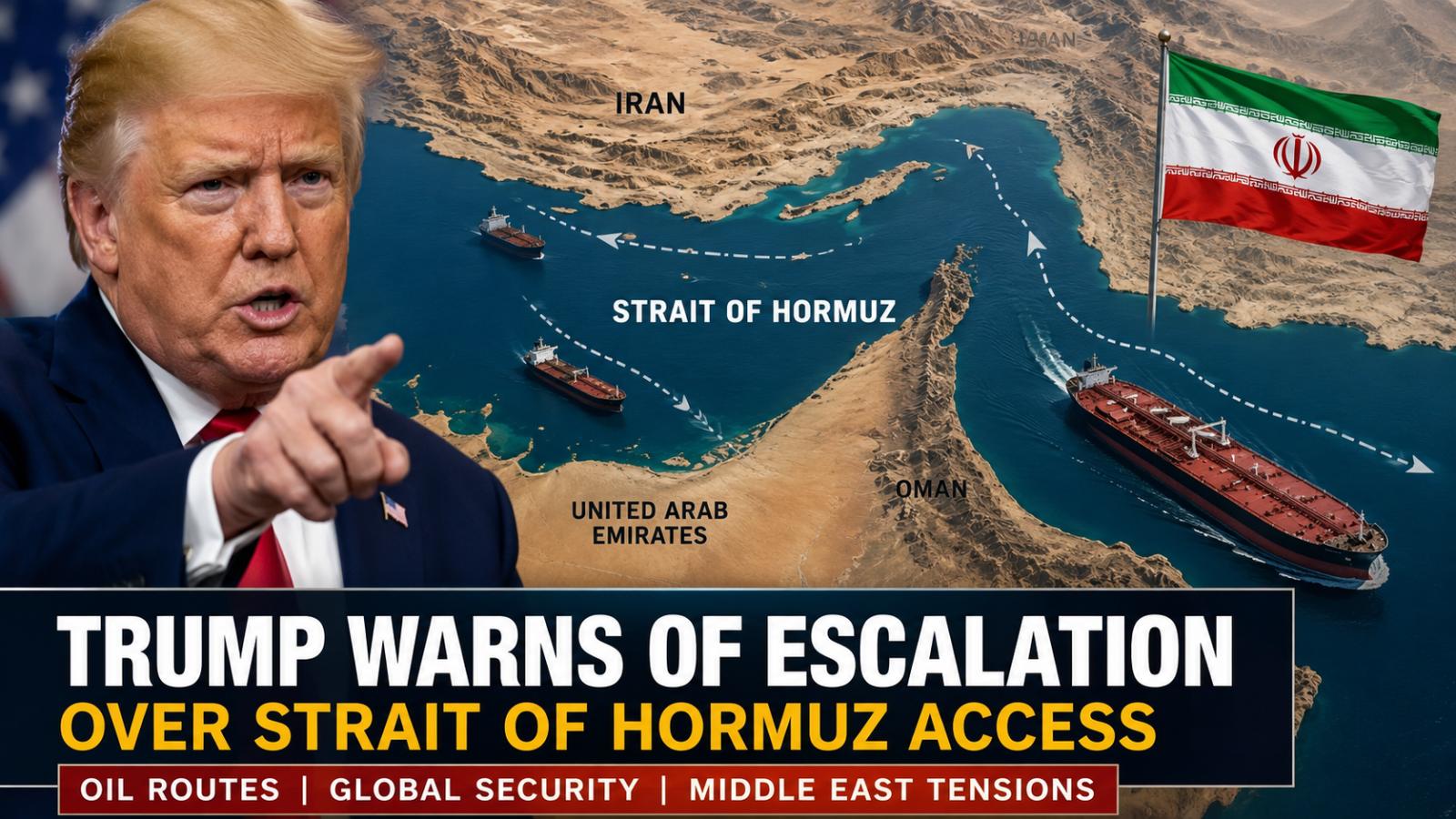
U.S. President Donald Trump on Wednesday warned Iran that any move to restrict access to the Strait of Hormuz could trigger a stronger U.S. military response, according to a statement posted on Truth Social. Trump said tensions could ease if Tehran ensures open maritime access for all nations, describing it as a condition previously understood between the sides.
He added that failure to comply would lead to “significantly intensified” action, signaling a potential shift toward a more aggressive U.S. stance in the region. The Strait of Hormuz is one of the world’s most critical oil transit routes, carrying a large share of global crude shipments. Any disruption could affect energy markets and international shipping security.
Trump’s remarks come amid ongoing uncertainty in the Middle East, where regional rivalries and strategic interests continue to drive tensions. No immediate response from Iranian officials was reported. Analysts say heightened rhetoric around the waterway often fuels volatility in oil prices and raises the risk of military escalation in the Gulf.
U.S. President Donald Trump on Wednesday warned Iran that any move to restrict access to the Strait of Hormuz could trigger a stronger U.S. military response, according to a statement posted on Truth Social. Trump said tensions could ease if Tehran ensures open maritime access for all nations, describing it as a condition previously understood between the sides.
He added that failure to comply would lead to “significantly intensified” action, signaling a potential shift toward a more aggressive U.S. stance in the region. The Strait of Hormuz is one of the world’s most critical oil transit routes, carrying a large share of global crude shipments. Any disruption could affect energy markets and international shipping security.
Trump’s remarks come amid ongoing uncertainty in the Middle East, where regional rivalries and strategic interests continue to drive tensions. No immediate response from Iranian officials was reported. Analysts say heightened rhetoric around the waterway often fuels volatility in oil prices and raises the risk of military escalation in the Gulf.
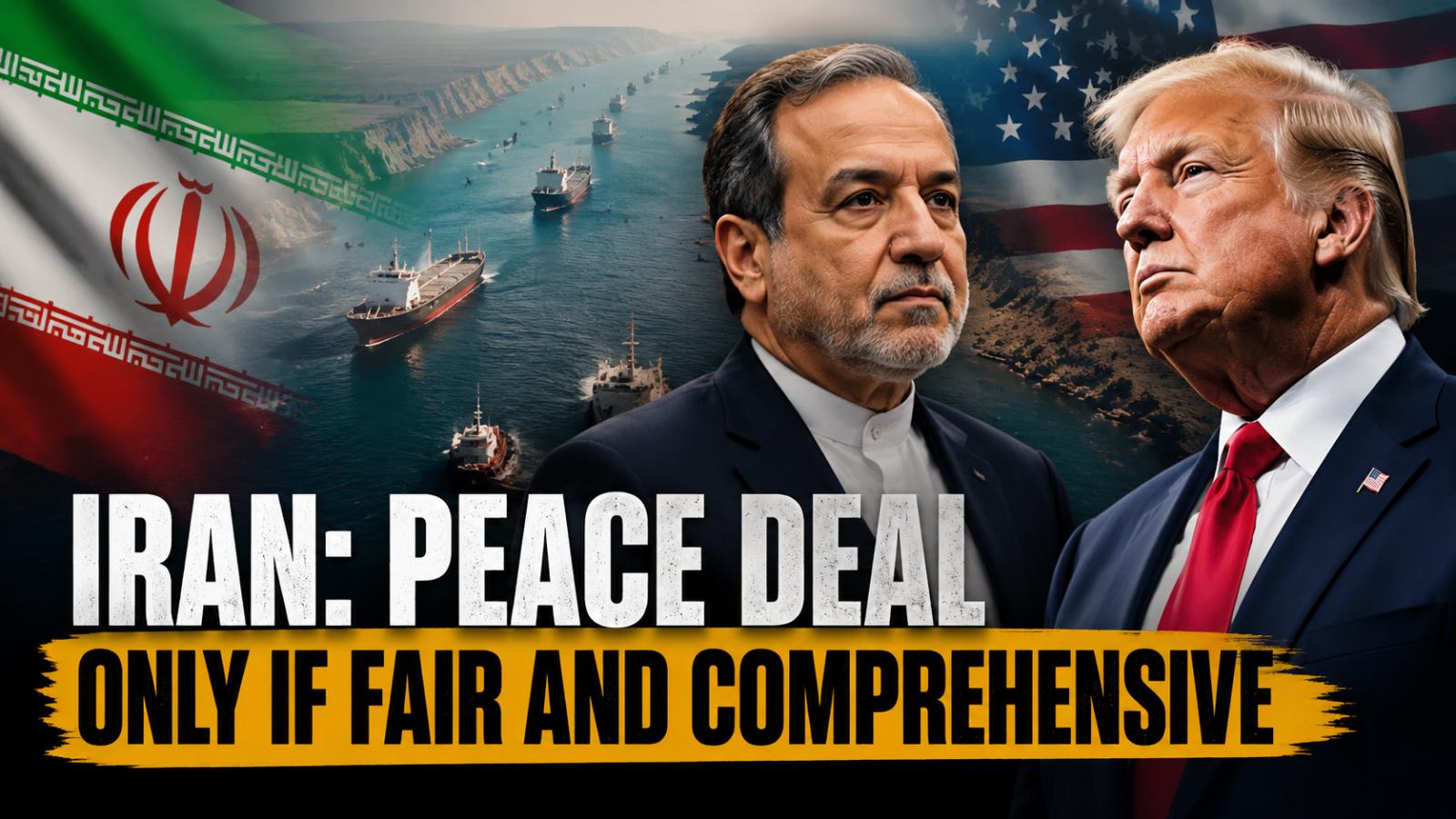
On Wednesday, May 6, Iran made it clear that it would only accept a peace deal with the United States if the agreement is "fair and comprehensive." This statement follows a recent pause in the U.S. naval operation, 'Project Freedom,' which was aimed at reopening the crucial Strait of Hormuz. The operation, which began just days earlier, failed to restore marine traffic through the vital waterway. Iran's response, however, has been one of defiance, with the country carrying out new strikes on
On Wednesday, May 6, Iran made it clear that it would only accept a peace deal with the United States if the agreement is "fair and comprehensive." This statement follows a recent pause in the U.S. naval operation, 'Project Freedom,' which was aimed at reopening the crucial Strait of Hormuz. The operation, which began just days earlier, failed to restore marine traffic through the vital waterway. Iran's response, however, has been one of defiance, with the country carrying out new strikes on
Trump Iran Conflict Deepens After Oval Office Remarks
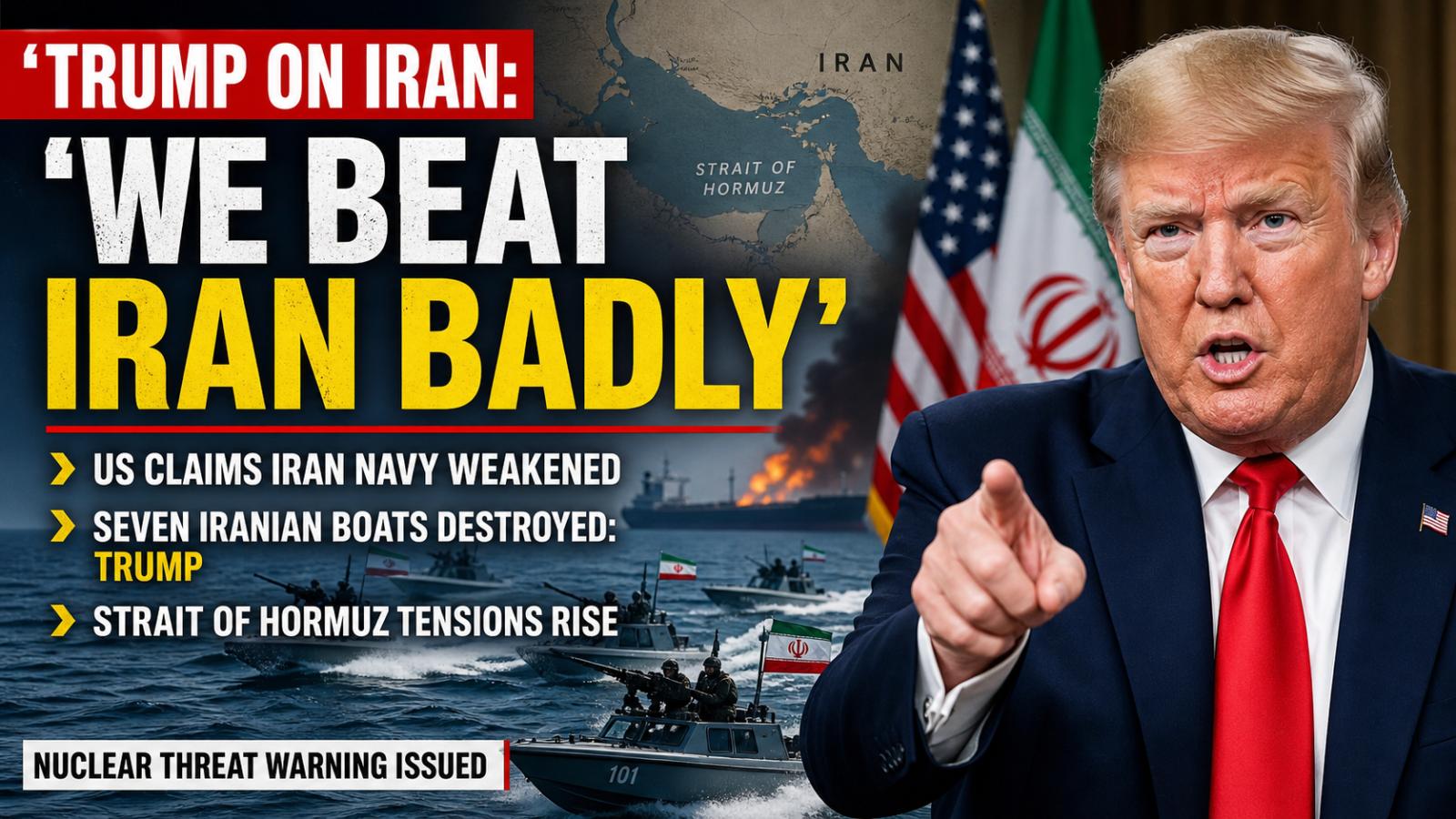
Donald Trump said the United States has “beaten Iran badly,” claiming U.S. military action weakened Iran’s navy and reduced the risk of Tehran developing a nuclear weapon. Speaking from the Oval Office, Trump described the confrontation as a “skirmish,” but his remarks added fresh urgency to rising U.S.-Iran tensions in the Gulf region.
US Claims Iran Navy Severely Weakened
Trump Iran Conflict Deepens After Oval Office Remarks
Donald Trump said the United States has “beaten Iran badly,” claiming U.S. military action weakened Iran’s navy and reduced the risk of Tehran developing a nuclear weapon. Speaking from the Oval Office, Trump described the confrontation as a “skirmish,” but his remarks added fresh urgency to rising U.S.-Iran tensions in the Gulf region.
US Claims Iran Navy Severely Weakened
GOP Bill Seeks $1B for White House Security Upgrades
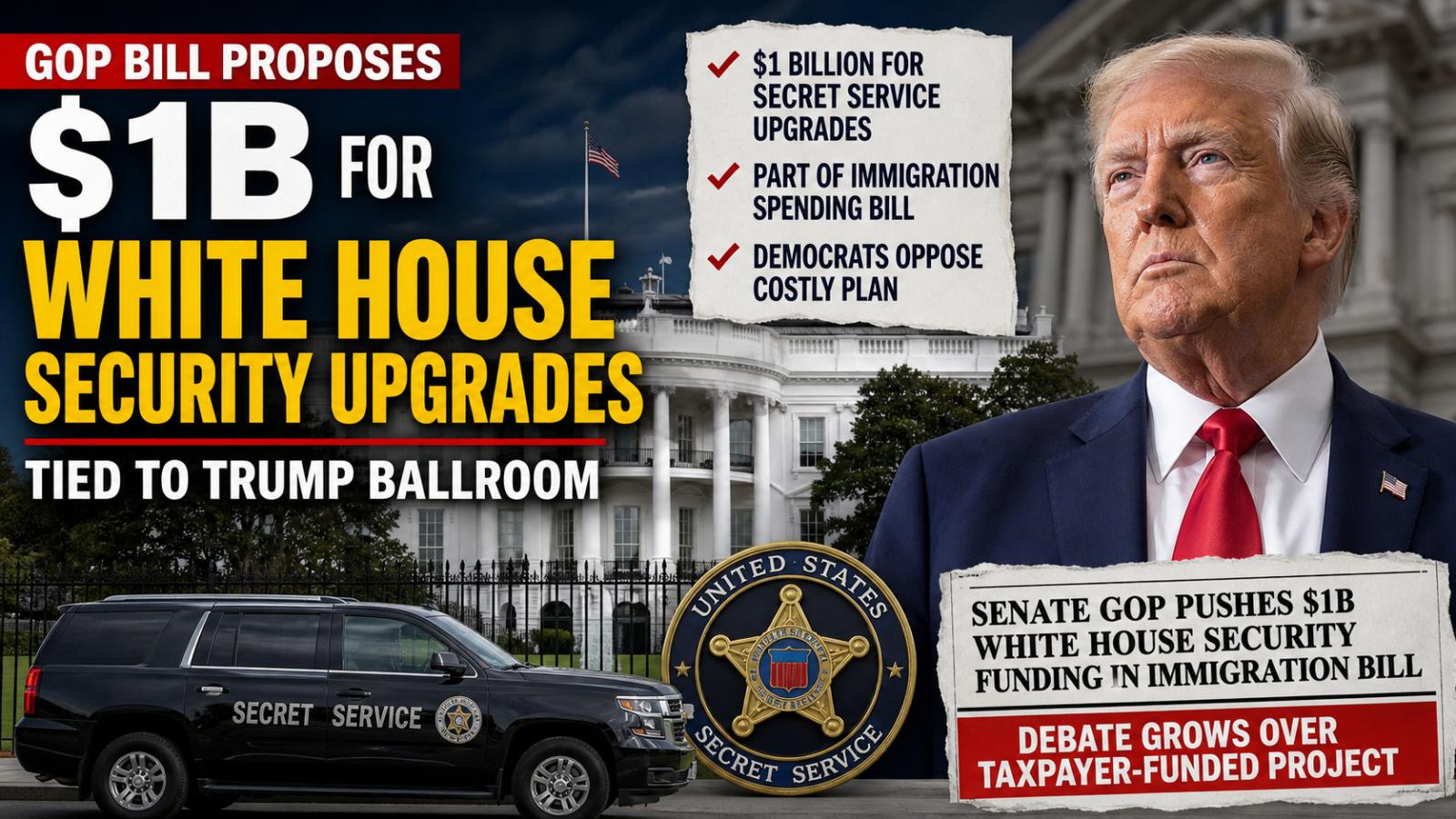
Senate Republicans are pushing a $1 billion White House security funding plan tied to President Donald Trump’s proposed ballroom project, setting up a sharp fight in Congress. The money would go to the U.S. Secret Service for “security adjustments and upgrades” around the White House complex, including above-ground and below-ground protections. Officials said the funding is meant for security work, not bal
GOP Bill Seeks $1B for White House Security Upgrades
Senate Republicans are pushing a $1 billion White House security funding plan tied to President Donald Trump’s proposed ballroom project, setting up a sharp fight in Congress. The money would go to the U.S. Secret Service for “security adjustments and upgrades” around the White House complex, including above-ground and below-ground protections. Officials said the funding is meant for security work, not bal
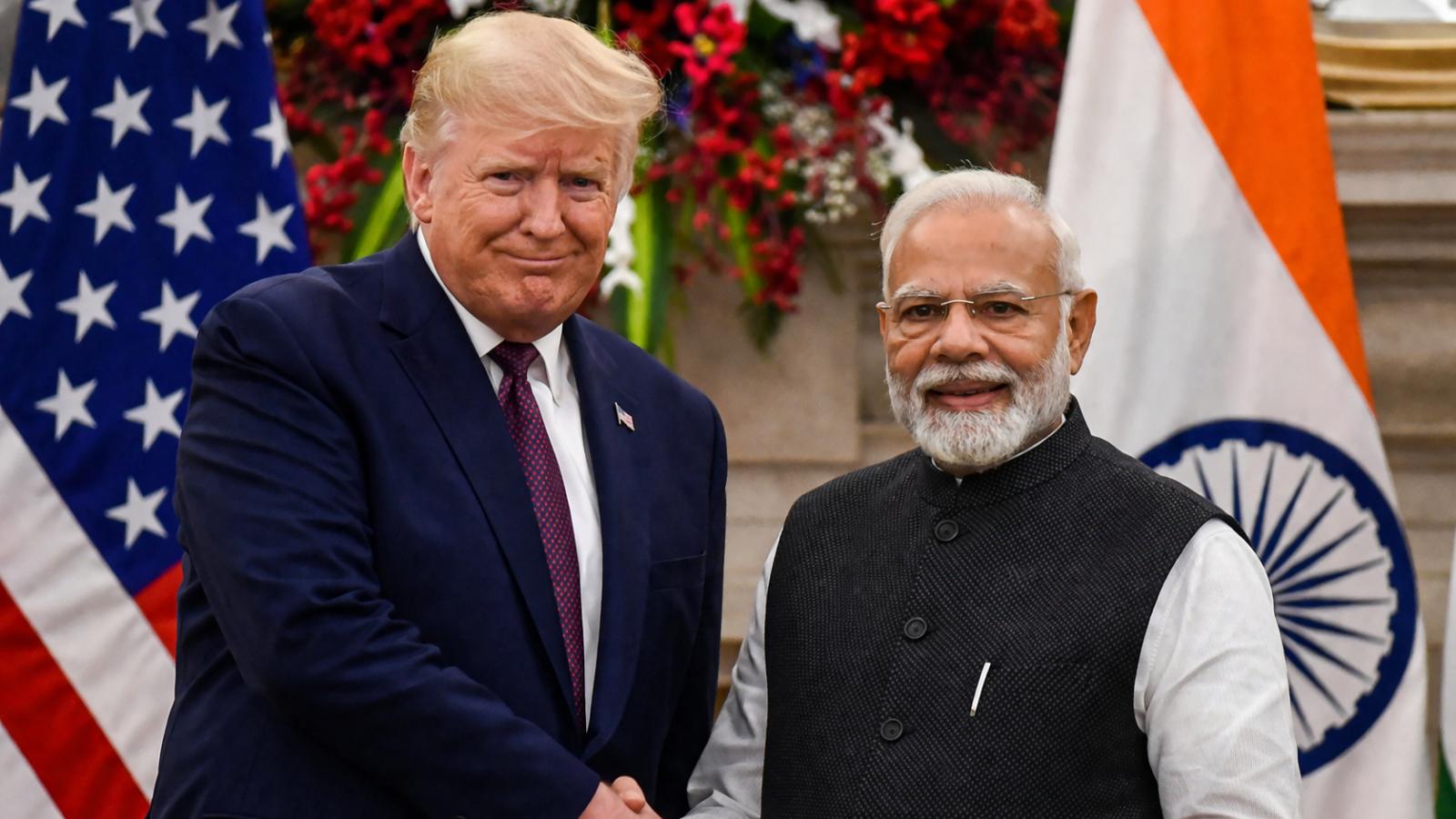
U.S. President Donald Trump congratulated Indian Prime Minister Narendra Modi following the Bharatiya Janata Party’s reported election victory in West Bengal, the White House said. The message came shortly after results indicated the BJP had secured power in the eastern Indian state, ending more than a d
U.S. President Donald Trump congratulated Indian Prime Minister Narendra Modi following the Bharatiya Janata Party’s reported election victory in West Bengal, the White House said. The message came shortly after results indicated the BJP had secured power in the eastern Indian state, ending more than a d
The White House says aligning U.S. drug prices with global rates may slash costs—but experts remain divided.
What the $529 Billion Savings Really Means
According to White House economists, Trump’s drug pricing strategy—often called the “most favored nation” model—could reduce prescription drug costs by up to $529 billion over 10 years. The idea is simple: Americans s
The White House says aligning U.S. drug prices with global rates may slash costs—but experts remain divided.
What the $529 Billion Savings Really Means
According to White House economists, Trump’s drug pricing strategy—often called the “most favored nation” model—could reduce prescription drug costs by up to $529 billion over 10 years. The idea is simple: Americans s
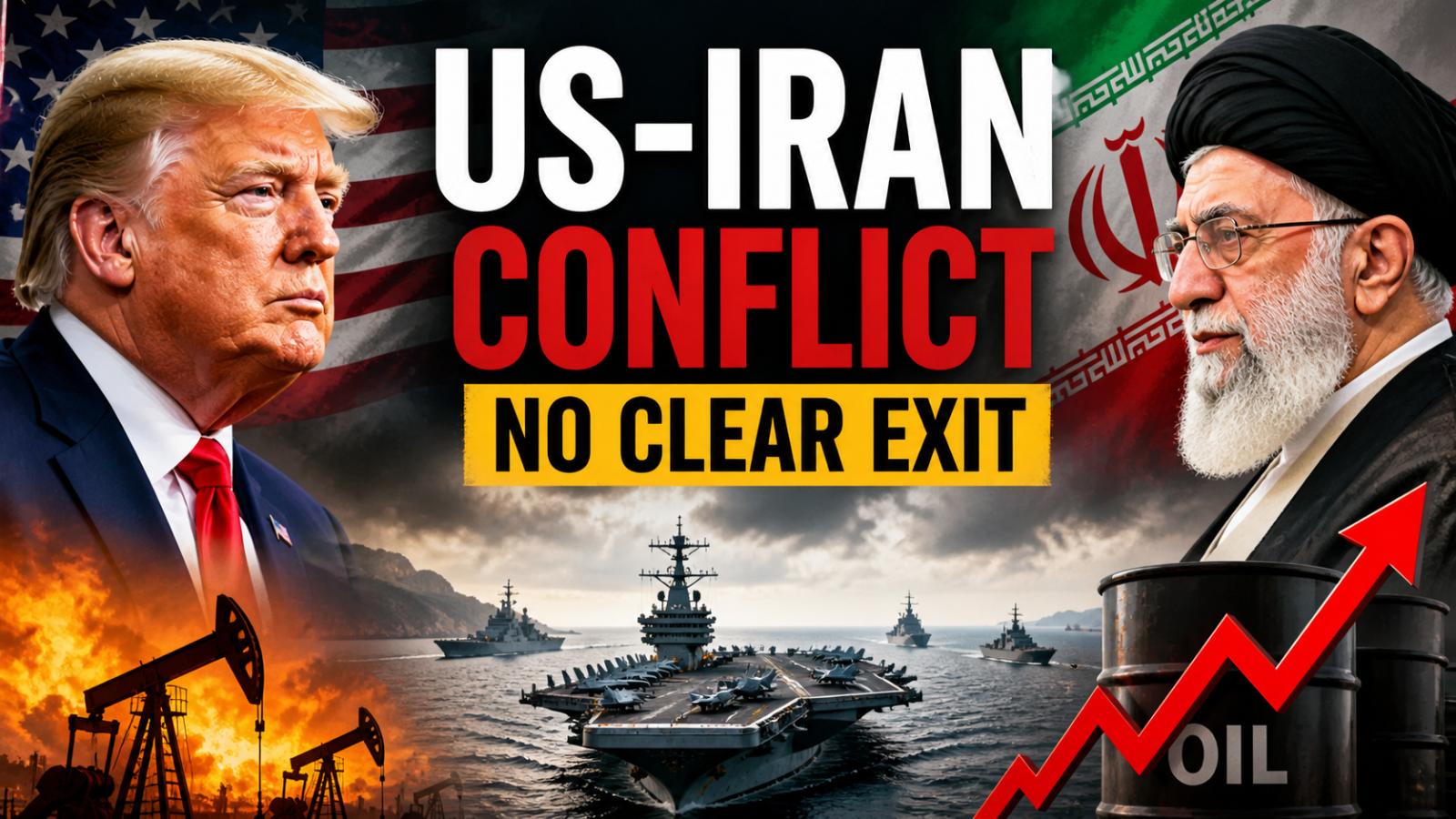
More than two months into military action against Iran, Donald Trump is facing a difficult reality: the conflict is far from over—and there’s no clear way out.
What began as a show of strength has turned into a prolonged standoff, with rising global consequences.
Military Gains, But No Strategic Victory
The United States, alongside Israeli forces, has carried out multiple strikes targeting Iran’s
More than two months into military action against Iran, Donald Trump is facing a difficult reality: the conflict is far from over—and there’s no clear way out.
What began as a show of strength has turned into a prolonged standoff, with rising global consequences.
Military Gains, But No Strategic Victory
The United States, alongside Israeli forces, has carried out multiple strikes targeting Iran’s
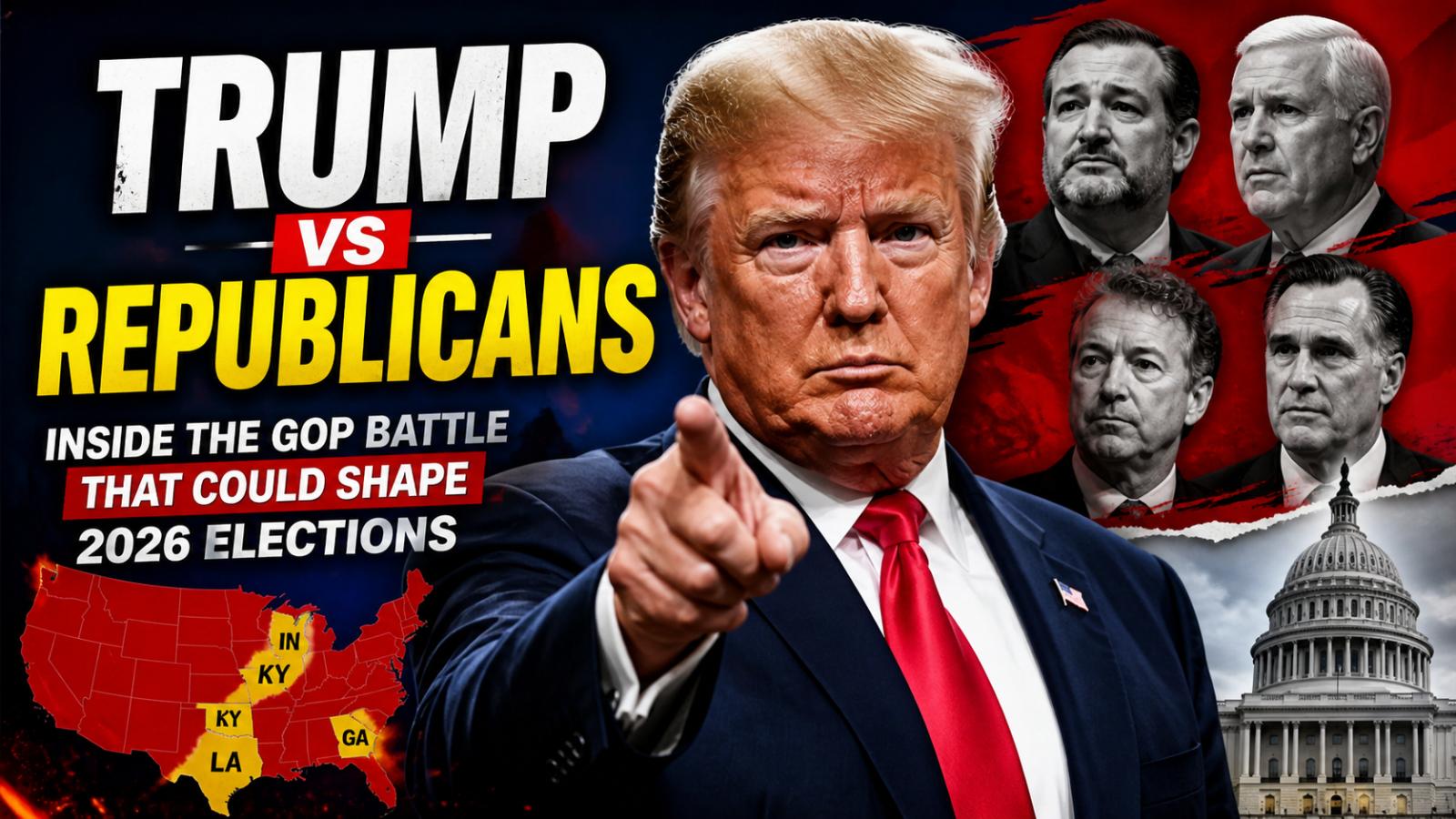
The battle inside the Republican Party is no longer happening behind closed doors. It’s playing out in public — and it’s getting intense.
Across several key states, Donald Trump is backing challengers against fellow Republicans, turning routine primaries into high-stakes political showdowns. These contests are not just about winning seats — they’re about definin
The battle inside the Republican Party is no longer happening behind closed doors. It’s playing out in public — and it’s getting intense.
Across several key states, Donald Trump is backing challengers against fellow Republicans, turning routine primaries into high-stakes political showdowns. These contests are not just about winning seats — they’re about definin
Trump declares war with Iran over nuclear threat
President Donald Trump has reaffirmed his stance on the ongoing US-Iran conflict, declaring that the US is at war with Iran to prevent the country from acquiring nuclear weapons. In a statement made during a Florida event, Trump expressed his belief that Iran’s leadership poses a significant threat to global security, stating that "lunatics can't have a nuclear weapon." His comments come at a time when his administration has informed the US Congress that the war has reached its conclusion, though the situation remains tense.
Trump emphasizes the importance of military action against Iran
Trump explained that the US military action against Iran was crucial in preventing a nuclear-armed nation from destabilizing the Middle East. He credited US airstrikes with B2 bombers for preventing Iran from obtaining a nuclear weapon, which could have led to catastrophic consequences for Israel, the Middle East, and Europe. “If we didn’t do that, they would have had a nuclear weapon,” Trump added, emphasizing the urgency of the situation. He claimed that Iran's military capabilities have been severely diminished, stating that the country no longer has a navy, air force, anti-aircraft systems, or effective radar defenses.
Trump rejects Iran's ceasefire proposal
In a direct response to Iran’s proposal for a ceasefire, Trump made it clear that the US would not end the conflict prematurely. “We’re not going to leave early and have this kind of problem arise in three more years,” he said, reinforcing his position on the need for a strong and comprehensive resolution. Trump blamed Iran's leadership for the ongoing conflict, criticizing their fractured decision-making. “It’s a very disjointed leadership,” he remarked, indicating that despite their willingness to negotiate, Iran’s leaders are unable to reach a viable agreement.
The ceasefire proposal is dismissed
The ceasefire proposal, delivered by Pakistan on behalf of Iran, was quickly dismissed by the US. Despite this, a fragile ceasefire between the two nations has held, albeit with mutual accusations of violations. Tensions remain high, especially in the Strait of Hormuz, where a significant portion of the world’s oil and gas passes through. Trump outlined two potential paths forward: either continuing the conflict to decisively end Iran’s nuclear ambitions, or attempting to secure a deal. “Do we want to go and just blast the hell out of them and finish them forever? Or do we want to try and make a deal?” he questioned.
Iran’s diplomatic efforts and continued tension
Iran’s Foreign Minister, Abbas Araghchi, has been actively engaged in diplomatic efforts to resolve the war. He held discussions with several regional counterparts, including Turkey, Saudi Arabia, and Qatar, to brief them on Iran’s latest peace initiatives. However, the rounds of talks held in Pakistan have yielded no substantial progress. Trump expressed frustration over the lack of direct communication, stating, “No more 18-hour flights” for US envoys.
What lies ahead for US-Iran relations?
As the situation evolves, it remains uncertain whether further diplomatic efforts will lead to a resolution or whether military action will continue to dominate the US-Iran relationship. With both sides unwilling to compromise, the world watches closely, particularly in regard to the ongoing instability in the Strait of Hormuz. Will Iran’s diplomatic efforts succeed, or will the US pursue a more aggressive approach? The answer remains unclear as the two nations continue to grapple with the possibility of conflict or peace.
Trump declares war with Iran over nuclear threat
President Donald Trump has reaffirmed his stance on the ongoing US-Iran conflict, declaring that the US is at war with Iran to prevent the country from acquiring nuclear weapons. In a statement made during a Florida event, Trump expressed his belief that Iran’s leadership poses a significant threat to global security, stating that "lunatics can't have a nuclear weapon." His comments come at a time when his administration has informed the US Congress that the war has reached its conclusion, though the situation remains tense.
Trump emphasizes the importance of military action against Iran
Trump explained that the US military action against Iran was crucial in preventing a nuclear-armed nation from destabilizing the Middle East. He credited US airstrikes with B2 bombers for preventing Iran from obtaining a nuclear weapon, which could have led to catastrophic consequences for Israel, the Middle East, and Europe. “If we didn’t do that, they would have had a nuclear weapon,” Trump added, emphasizing the urgency of the situation. He claimed that Iran's military capabilities have been severely diminished, stating that the country no longer has a navy, air force, anti-aircraft systems, or effective radar defenses.
Trump rejects Iran's ceasefire proposal
In a direct response to Iran’s proposal for a ceasefire, Trump made it clear that the US would not end the conflict prematurely. “We’re not going to leave early and have this kind of problem arise in three more years,” he said, reinforcing his position on the need for a strong and comprehensive resolution. Trump blamed Iran's leadership for the ongoing conflict, criticizing their fractured decision-making. “It’s a very disjointed leadership,” he remarked, indicating that despite their willingness to negotiate, Iran’s leaders are unable to reach a viable agreement.
The ceasefire proposal is dismissed
The ceasefire proposal, delivered by Pakistan on behalf of Iran, was quickly dismissed by the US. Despite this, a fragile ceasefire between the two nations has held, albeit with mutual accusations of violations. Tensions remain high, especially in the Strait of Hormuz, where a significant portion of the world’s oil and gas passes through. Trump outlined two potential paths forward: either continuing the conflict to decisively end Iran’s nuclear ambitions, or attempting to secure a deal. “Do we want to go and just blast the hell out of them and finish them forever? Or do we want to try and make a deal?” he questioned.
Iran’s diplomatic efforts and continued tension
Iran’s Foreign Minister, Abbas Araghchi, has been actively engaged in diplomatic efforts to resolve the war. He held discussions with several regional counterparts, including Turkey, Saudi Arabia, and Qatar, to brief them on Iran’s latest peace initiatives. However, the rounds of talks held in Pakistan have yielded no substantial progress. Trump expressed frustration over the lack of direct communication, stating, “No more 18-hour flights” for US envoys.
What lies ahead for US-Iran relations?
As the situation evolves, it remains uncertain whether further diplomatic efforts will lead to a resolution or whether military action will continue to dominate the US-Iran relationship. With both sides unwilling to compromise, the world watches closely, particularly in regard to the ongoing instability in the Strait of Hormuz. Will Iran’s diplomatic efforts succeed, or will the US pursue a more aggressive approach? The answer remains unclear as the two nations continue to grapple with the possibility of conflict or peace.
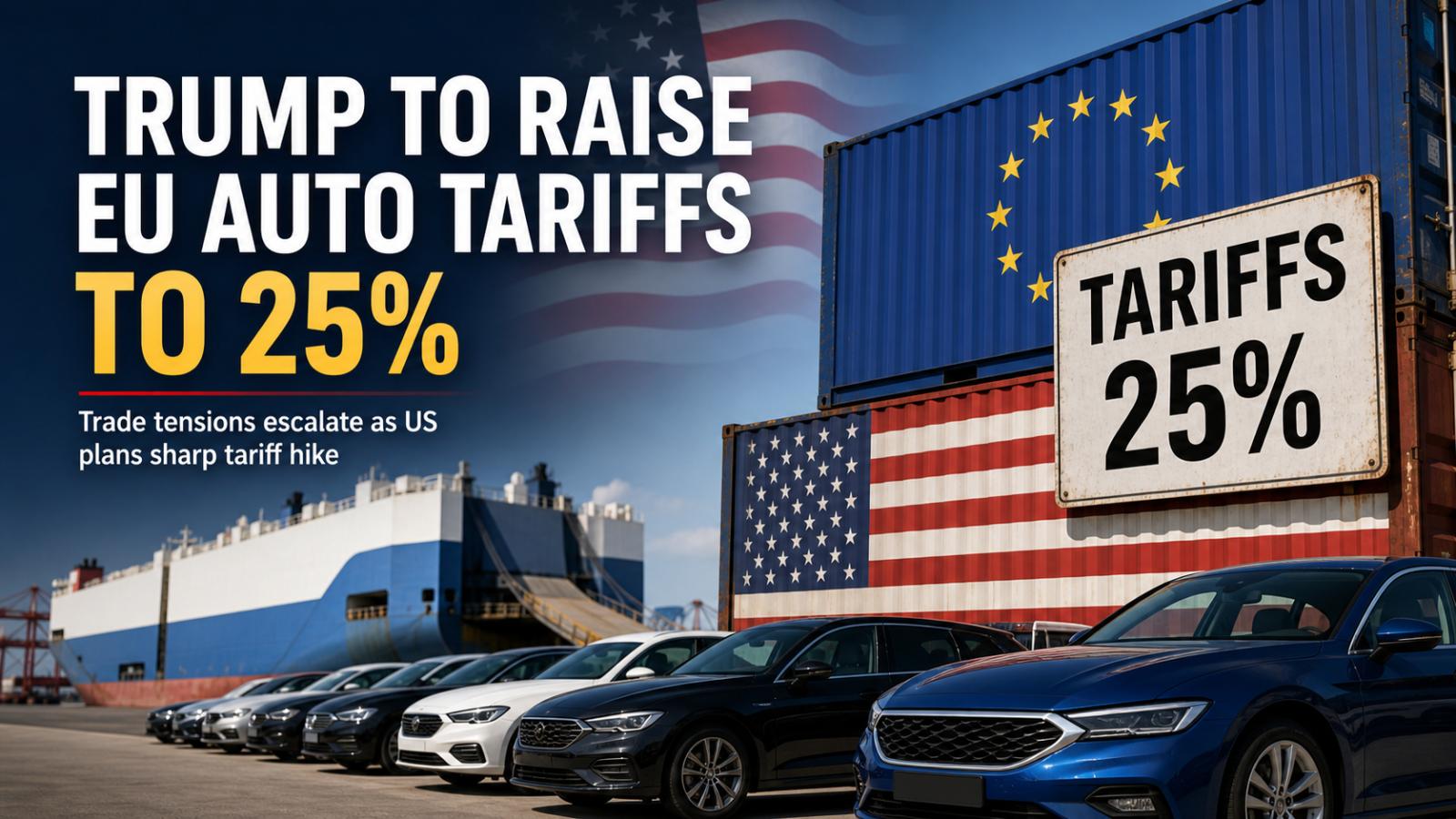
Trump signals sharp increase in tariffs on EU vehicles
WASHINGTON — On Friday, May 1, 2026, U.S. President Donald Trump announced plans to raise tariffs on cars and trucks imported from the European Union to 25%, signaling a significant shift in U.S.-EU trade policy. The move, shared publicly in a statement, comes at a time when global markets remain sensitive to policy changes and could trigger broader economic repercussions.
Trump stated that the European Union was “not complying” with the previously agreed trade deal, though he did not provide specific details regarding the alleged violations. The announcement marks a departure from the earlier tariff framework negotiated between both sides.
Background of the US-EU Turnberry trade framework
The current dispute traces back to a bilateral agreement reached in July 2025 between Trump and Ursula von der Leyen, which set a 15% tariff ceiling on most traded goods. Known as the Turnberry Agreement, the arrangement aimed to stabilize trade relations and reduce uncertainty for industries on both sides of the Atlantic.
Both the United States and the European Union had reaffirmed their commitment to maintaining this framework even after legal and policy challenges emerged earlier in 2026.
Legal challenges reshape tariff authority
The agreement’s stability was called into question after a ruling by the U.S. Supreme Court, which determined that the president lacked authority to impose tariffs under an economic emergency declaration. Following the ruling, tariff limits were effectively reduced, prompting the administration to explore alternative legal pathways to implement new import taxes.
Ongoing investigations into trade imbalances and national security concerns have since been cited by the administration as justification for a revised tariff strategy, potentially putting the original agreement at risk.
Economic stakes for EU and global markets
The European Union has consistently emphasized the importance of maintaining agreed tariff limits, noting that the deal was expected to save its automotive sector between €500 million and €600 million monthly. Trade between the U.S. and EU reached approximately €1.7 trillion ($2 trillion) in 2024, highlighting the scale of economic interdependence.
European officials have reiterated that commitments under the agreement should be upheld, stressing that EU exports must continue to benefit from competitive tariff treatment without unexpected increases.
Rising tensions threaten trade stability
The proposed tariff increase introduces fresh uncertainty into one of the world’s largest trading relationships. Analysts warn that such measures could disrupt supply chains, increase costs for manufacturers and consumers, and strain diplomatic ties.
As the administration moves forward with its trade investigations, the future of the U.S.-EU trade framework remains uncertain, with potential implications extending beyond the automotive sector into the broader global economy.
Trump signals sharp increase in tariffs on EU vehicles
WASHINGTON — On Friday, May 1, 2026, U.S. President Donald Trump announced plans to raise tariffs on cars and trucks imported from the European Union to 25%, signaling a significant shift in U.S.-EU trade policy. The move, shared publicly in a statement, comes at a time when global markets remain sensitive to policy changes and could trigger broader economic repercussions.
Trump stated that the European Union was “not complying” with the previously agreed trade deal, though he did not provide specific details regarding the alleged violations. The announcement marks a departure from the earlier tariff framework negotiated between both sides.
Background of the US-EU Turnberry trade framework
The current dispute traces back to a bilateral agreement reached in July 2025 between Trump and Ursula von der Leyen, which set a 15% tariff ceiling on most traded goods. Known as the Turnberry Agreement, the arrangement aimed to stabilize trade relations and reduce uncertainty for industries on both sides of the Atlantic.
Both the United States and the European Union had reaffirmed their commitment to maintaining this framework even after legal and policy challenges emerged earlier in 2026.
Legal challenges reshape tariff authority
The agreement’s stability was called into question after a ruling by the U.S. Supreme Court, which determined that the president lacked authority to impose tariffs under an economic emergency declaration. Following the ruling, tariff limits were effectively reduced, prompting the administration to explore alternative legal pathways to implement new import taxes.
Ongoing investigations into trade imbalances and national security concerns have since been cited by the administration as justification for a revised tariff strategy, potentially putting the original agreement at risk.
Economic stakes for EU and global markets
The European Union has consistently emphasized the importance of maintaining agreed tariff limits, noting that the deal was expected to save its automotive sector between €500 million and €600 million monthly. Trade between the U.S. and EU reached approximately €1.7 trillion ($2 trillion) in 2024, highlighting the scale of economic interdependence.
European officials have reiterated that commitments under the agreement should be upheld, stressing that EU exports must continue to benefit from competitive tariff treatment without unexpected increases.
Rising tensions threaten trade stability
The proposed tariff increase introduces fresh uncertainty into one of the world’s largest trading relationships. Analysts warn that such measures could disrupt supply chains, increase costs for manufacturers and consumers, and strain diplomatic ties.
As the administration moves forward with its trade investigations, the future of the U.S.-EU trade framework remains uncertain, with potential implications extending beyond the automotive sector into the broader global economy.
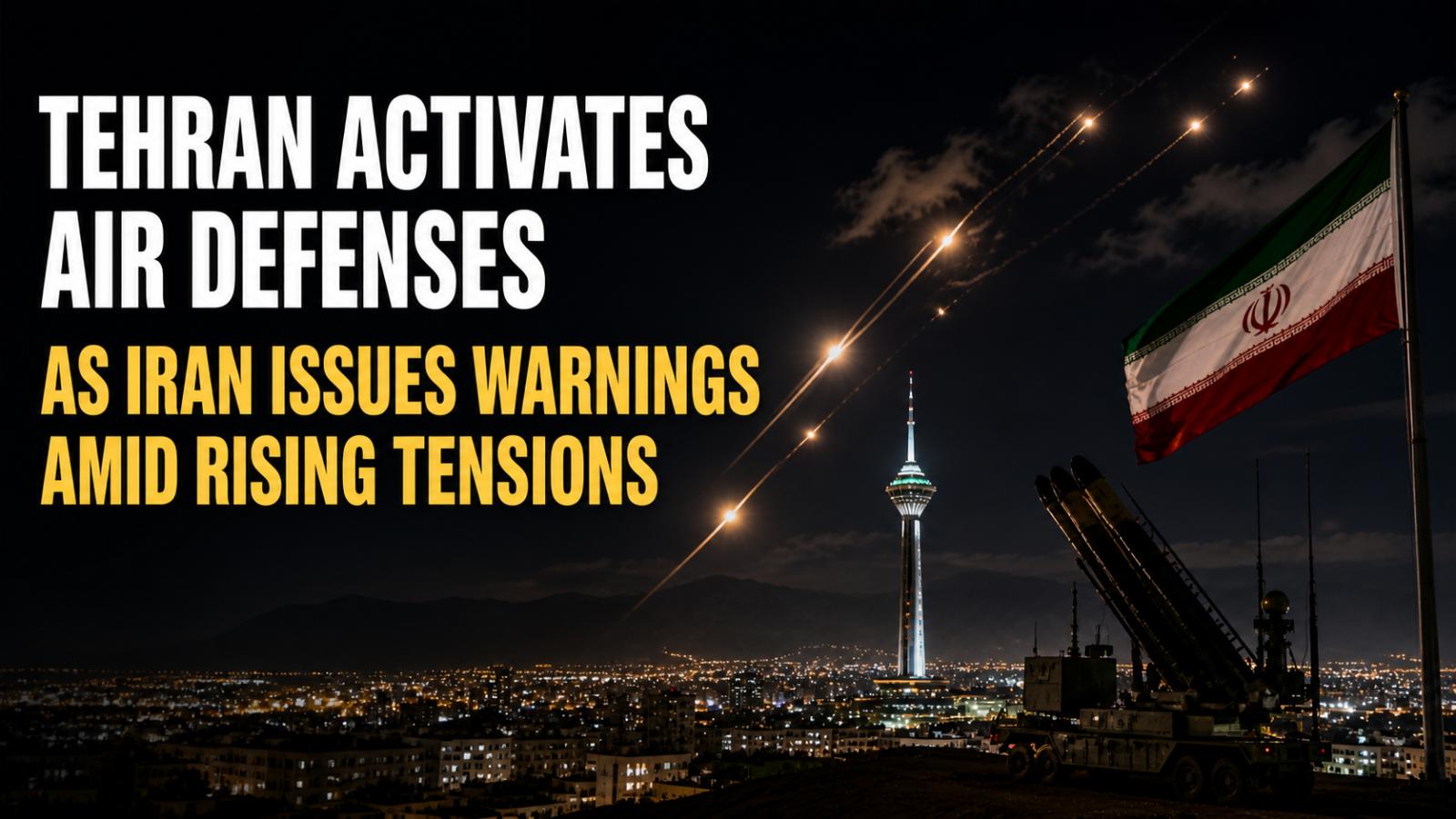
Tehran activated air defenses against drones as Iran warned of retaliation if attacks resume. U.S. officials signaled continued military action, while tensions over the Strait of Hormuz and ceasefire terms highlight ongoing instability.
Tehran activates air defenses as Iran issues warnings amid rising tensions, according to Iranian media reports describing heightened military alertness on Thursday night. Authorities in Tehran said air defense systems were deployed
Tehran activated air defenses against drones as Iran warned of retaliation if attacks resume. U.S. officials signaled continued military action, while tensions over the Strait of Hormuz and ceasefire terms highlight ongoing instability.
Tehran activates air defenses as Iran issues warnings amid rising tensions, according to Iranian media reports describing heightened military alertness on Thursday night. Authorities in Tehran said air defense systems were deployed
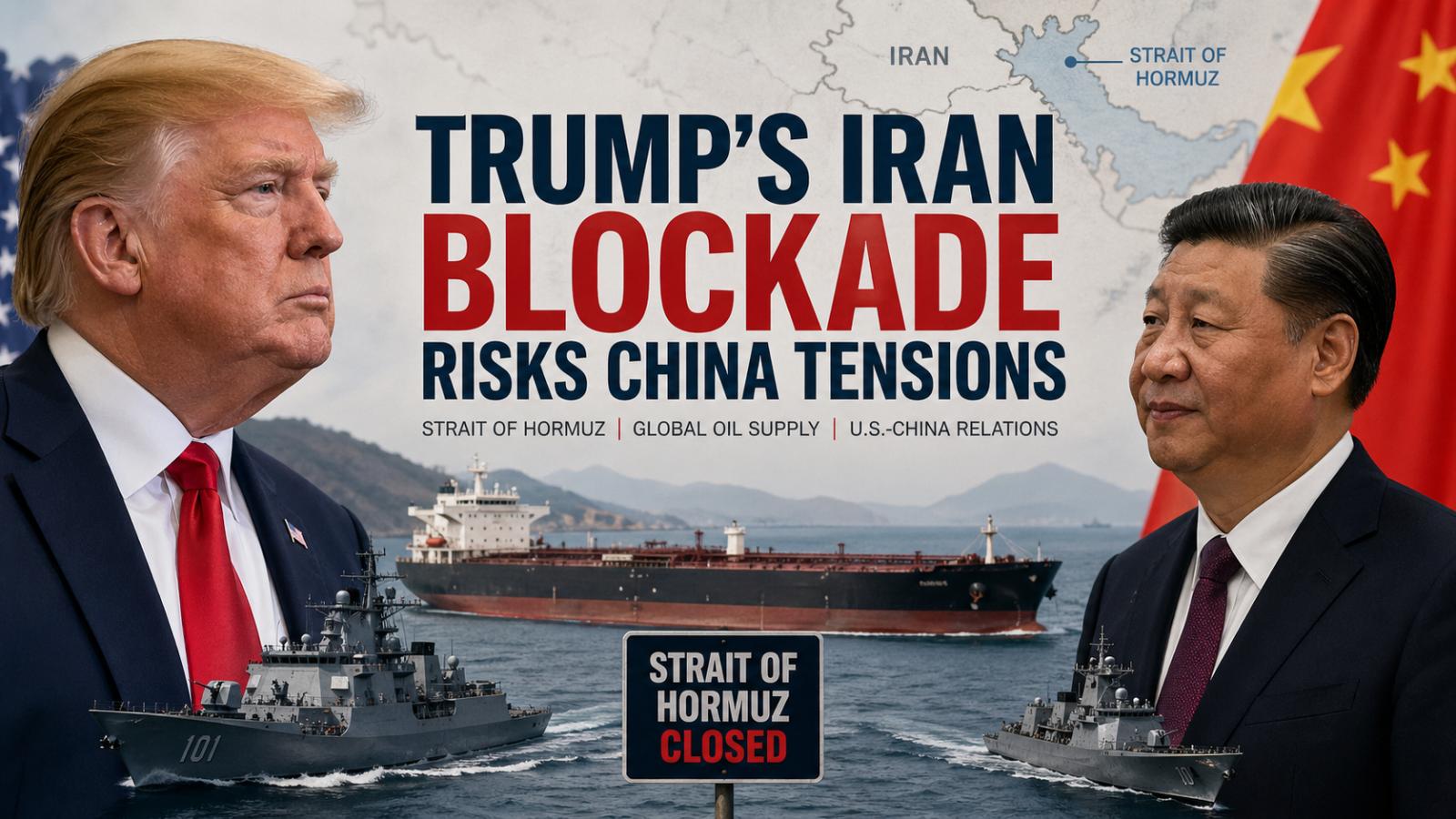
President Donald Trump has signaled his intention to maintain a naval blockade on Iranian shipping until Tehran meets U.S. demands, a move that is expected to keep the Strait of Hormuz effectively closed ahead of his planned visit to China. The decision introduces new complications for upcoming diplomatic
President Donald Trump has signaled his intention to maintain a naval blockade on Iranian shipping until Tehran meets U.S. demands, a move that is expected to keep the Strait of Hormuz effectively closed ahead of his planned visit to China. The decision introduces new complications for upcoming diplomatic
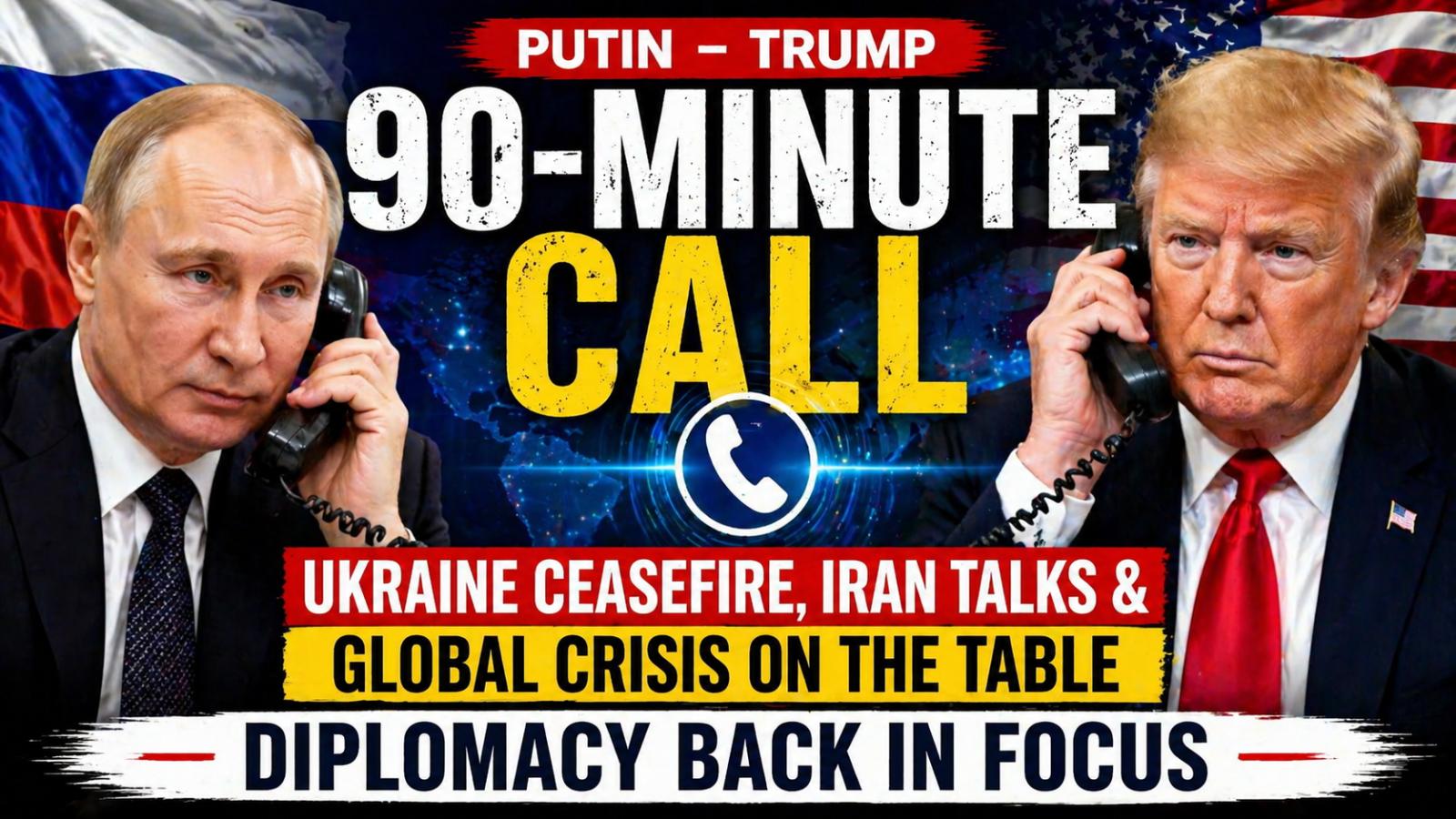
Russian President Vladimir Putin and US President Donald Trump held a phone call on Wednesday, discussing key global issues including the ongoing Ukraine war and rising tensions in the Middle East. The conversation, which lasted approximately 90 minutes, marked their first known direct contact since March and reflected continued diplomatic engagement between the two countries.
According to Kremlin aide Yuri Ushakov, both leaders focused extensively on developments in the Middle East, particularly the situation involving Iran and the broader Persian Gulf region. Ushakov said Putin supported Trump’s decision to extend a ceasefire with Iran, noting that such a move could create space for negotiations and contribute to regional stability. The discussion also included specific proposals from Russia regarding Iran, though details were not publicly disclosed.
The Ukraine conflict was another central topic of the call. Putin reportedly expressed readiness to declare a temporary ceasefire to coincide with Russia’s Victory Day on May 9, an annual commemoration of the Soviet Union’s victory in World War II. The proposal is seen as a symbolic gesture tied to a major national observance, although its broader implications remain unclear.
During the call, Putin also condemned the recent shooting at the White House Correspondents’ Association dinner and conveyed support in response to the incident. Additionally, he extended birthday greetings to Melania Trump and acknowledged her efforts in humanitarian matters, including initiatives aimed at reconnecting families affected by the Russia-Ukraine conflict.
Victory Day, observed annually in Moscow with a military parade, will reportedly be scaled back this year due to security concerns, including potential threats of retaliatory strikes. The call highlights ongoing dialogue between the two leaders amid complex geopolitical challenges.
Russian President Vladimir Putin and US President Donald Trump held a phone call on Wednesday, discussing key global issues including the ongoing Ukraine war and rising tensions in the Middle East. The conversation, which lasted approximately 90 minutes, marked their first known direct contact since March and reflected continued diplomatic engagement between the two countries.
According to Kremlin aide Yuri Ushakov, both leaders focused extensively on developments in the Middle East, particularly the situation involving Iran and the broader Persian Gulf region. Ushakov said Putin supported Trump’s decision to extend a ceasefire with Iran, noting that such a move could create space for negotiations and contribute to regional stability. The discussion also included specific proposals from Russia regarding Iran, though details were not publicly disclosed.
The Ukraine conflict was another central topic of the call. Putin reportedly expressed readiness to declare a temporary ceasefire to coincide with Russia’s Victory Day on May 9, an annual commemoration of the Soviet Union’s victory in World War II. The proposal is seen as a symbolic gesture tied to a major national observance, although its broader implications remain unclear.
During the call, Putin also condemned the recent shooting at the White House Correspondents’ Association dinner and conveyed support in response to the incident. Additionally, he extended birthday greetings to Melania Trump and acknowledged her efforts in humanitarian matters, including initiatives aimed at reconnecting families affected by the Russia-Ukraine conflict.
Victory Day, observed annually in Moscow with a military parade, will reportedly be scaled back this year due to security concerns, including potential threats of retaliatory strikes. The call highlights ongoing dialogue between the two leaders amid complex geopolitical challenges.
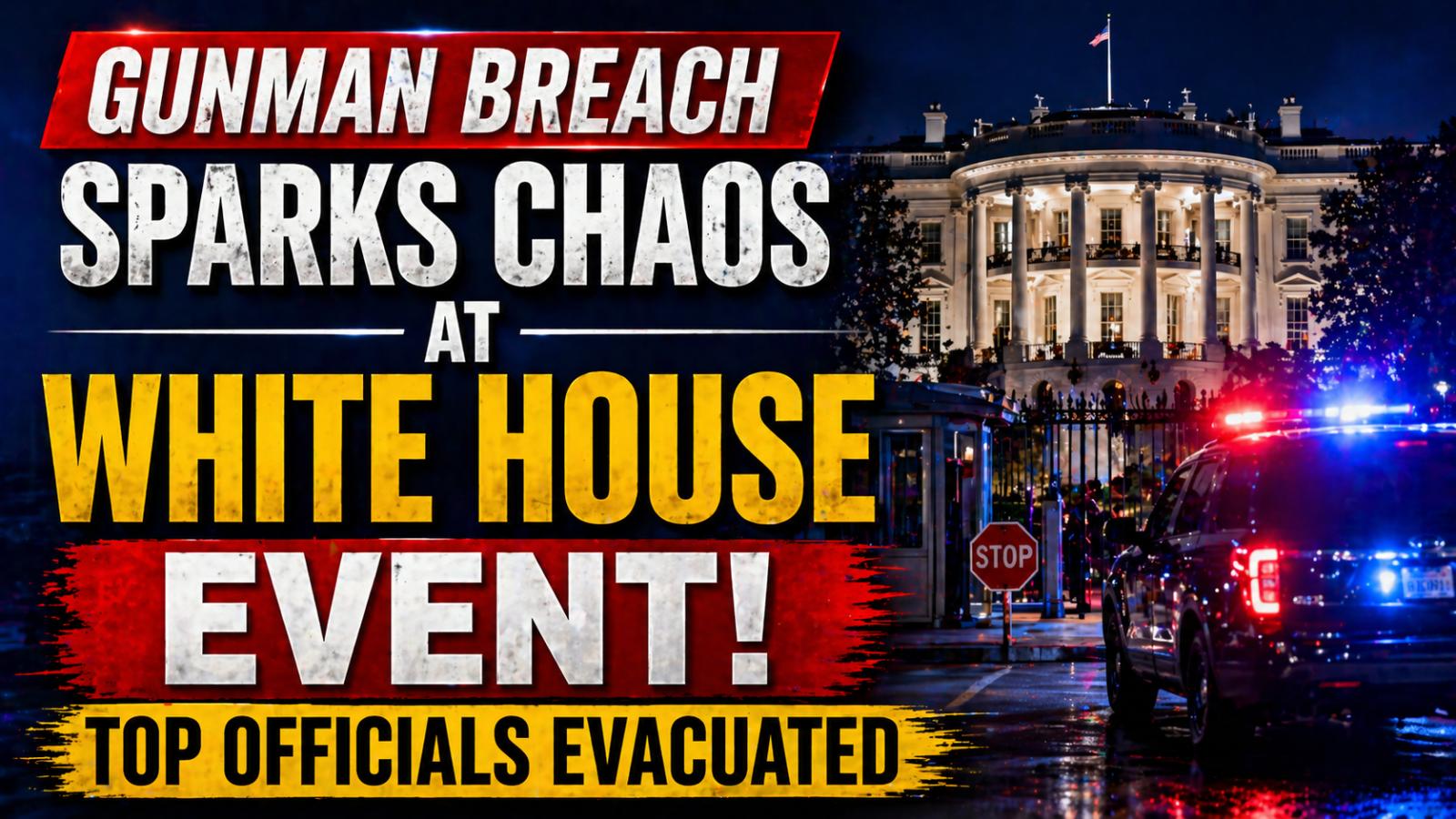
A security incident disrupted a high-profile gathering in Washington, D.C., after a gunman reportedly breached a checkpoint during an event attended by senior US officials on Apr . Authorities confirmed that the situation prompted an immediate evacuation of key figures, including the president, vice president, and senior law enforcement leadership. Secret Service personnel secured the area within minutes and escorted attendees to safety, preventing further escalation.
Preliminary in
A security incident disrupted a high-profile gathering in Washington, D.C., after a gunman reportedly breached a checkpoint during an event attended by senior US officials on Apr . Authorities confirmed that the situation prompted an immediate evacuation of key figures, including the president, vice president, and senior law enforcement leadership. Secret Service personnel secured the area within minutes and escorted attendees to safety, preventing further escalation.
Preliminary in
Federal authorities are examining a manifesto allegedly written by 31-year-old Cole Tomas Allen shortly before he attempted to carry out an attack at the White House Correspondents’ Dinner, shedding light on his motivations, ideological views, and concerns about event security.
Manifesto outlines intent and political grievances
According to officials, Allen described himself as a “Friendly Federal Assassin” in a document sent to family members minu
Federal authorities are examining a manifesto allegedly written by 31-year-old Cole Tomas Allen shortly before he attempted to carry out an attack at the White House Correspondents’ Dinner, shedding light on his motivations, ideological views, and concerns about event security.
Manifesto outlines intent and political grievances
According to officials, Allen described himself as a “Friendly Federal Assassin” in a document sent to family members minu
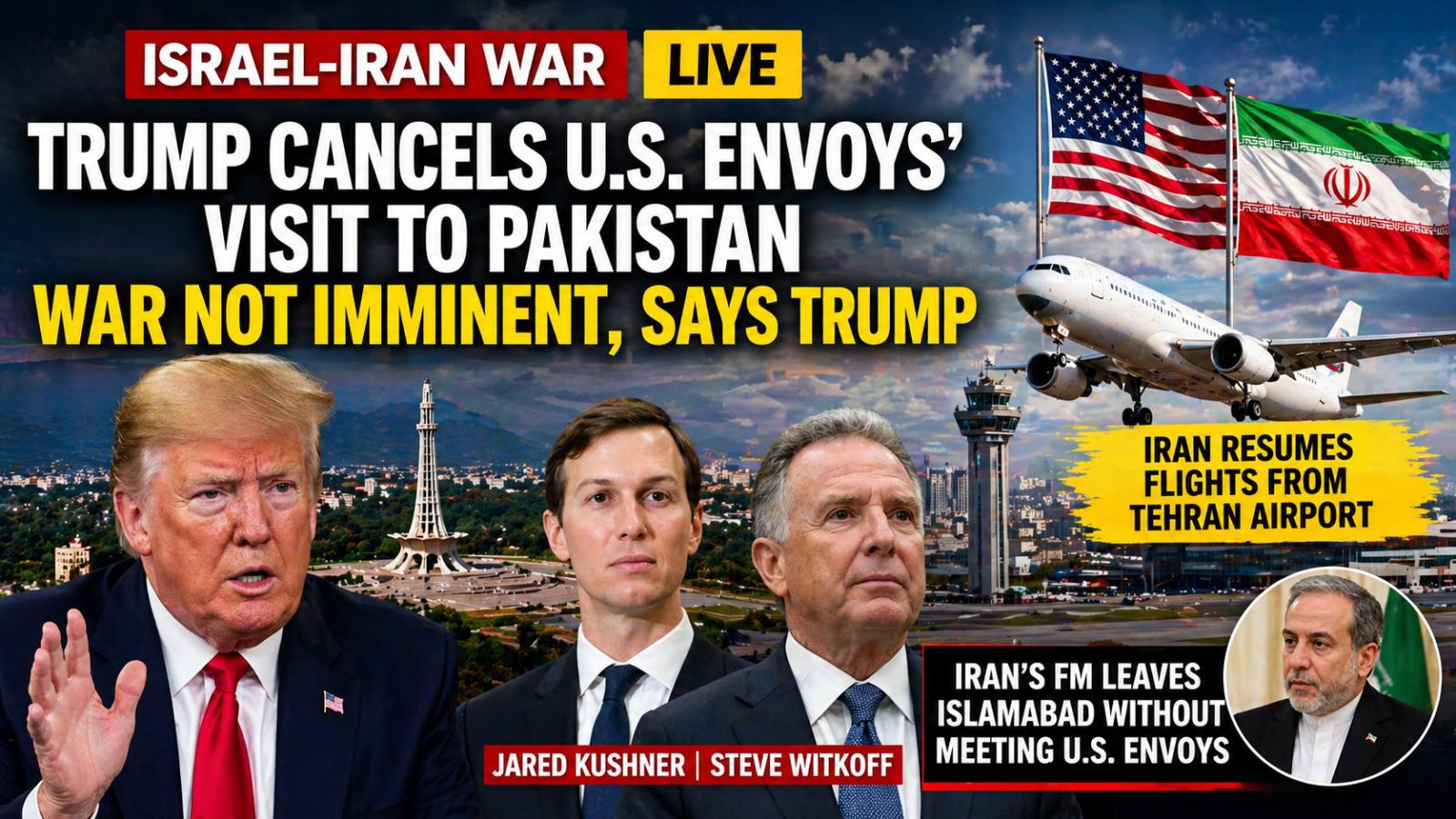
U.S. President Donald Trump has cancelled a planned visit by American envoys to Pakistan for talks with Iran, in a move that raises fresh uncertainty around ongoing diplomatic efforts tied to the Israel-Iran conflict.
According to reports , the cancelled trip would have involved senior envoys
U.S. President Donald Trump has cancelled a planned visit by American envoys to Pakistan for talks with Iran, in a move that raises fresh uncertainty around ongoing diplomatic efforts tied to the Israel-Iran conflict.
According to reports , the cancelled trip would have involved senior envoys
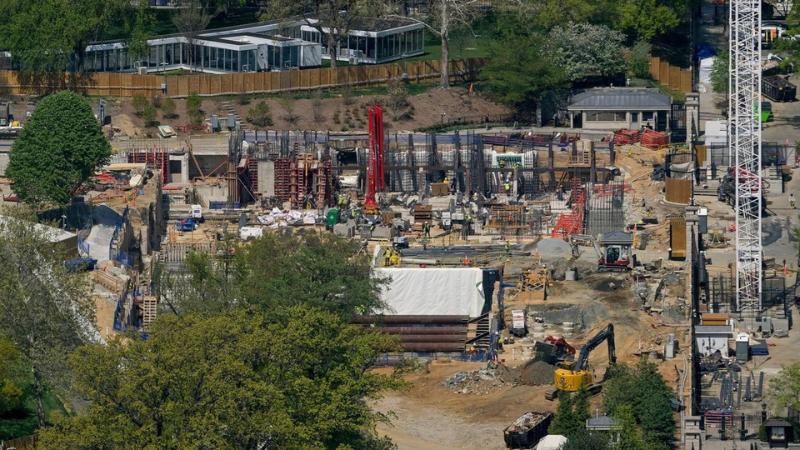
In a significant legal development, a United States appeals court has ruled that construction work on a proposed ballroom project linked to Donald Trump at the White House can continue for the time being. The decision comes amid an ongoing legal dispute over the expansion plans, which have sparked debate o
In a significant legal development, a United States appeals court has ruled that construction work on a proposed ballroom project linked to Donald Trump at the White House can continue for the time being. The decision comes amid an ongoing legal dispute over the expansion plans, which have sparked debate o
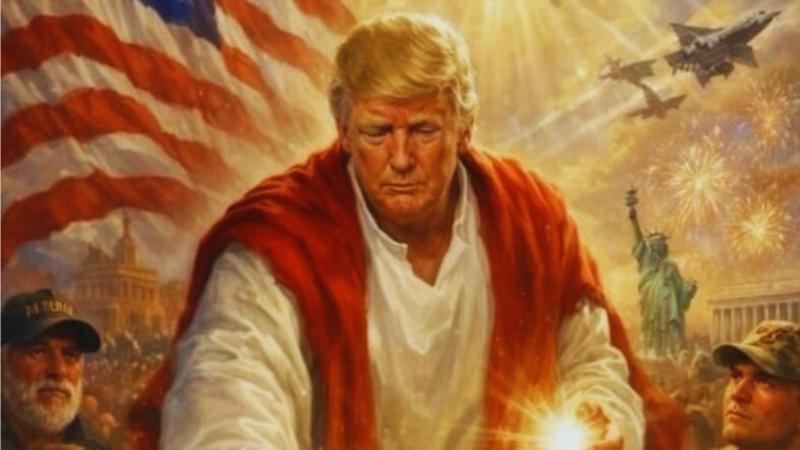
President Donald Trump faced significant backlash over a social media post featuring an image of himself styled in a manner reminiscent of Jesus Christ. The controversial image quickly spread across platforms, sparking outrage among various groups who accused Trump of attempting to portray himself as a religious figure. Critics were vocal in their disapproval, arguing that the post was disrespectful to both religious beliefs and the figure of Jesus Christ.
In response to the m
President Donald Trump faced significant backlash over a social media post featuring an image of himself styled in a manner reminiscent of Jesus Christ. The controversial image quickly spread across platforms, sparking outrage among various groups who accused Trump of attempting to portray himself as a religious figure. Critics were vocal in their disapproval, arguing that the post was disrespectful to both religious beliefs and the figure of Jesus Christ.
In response to the m