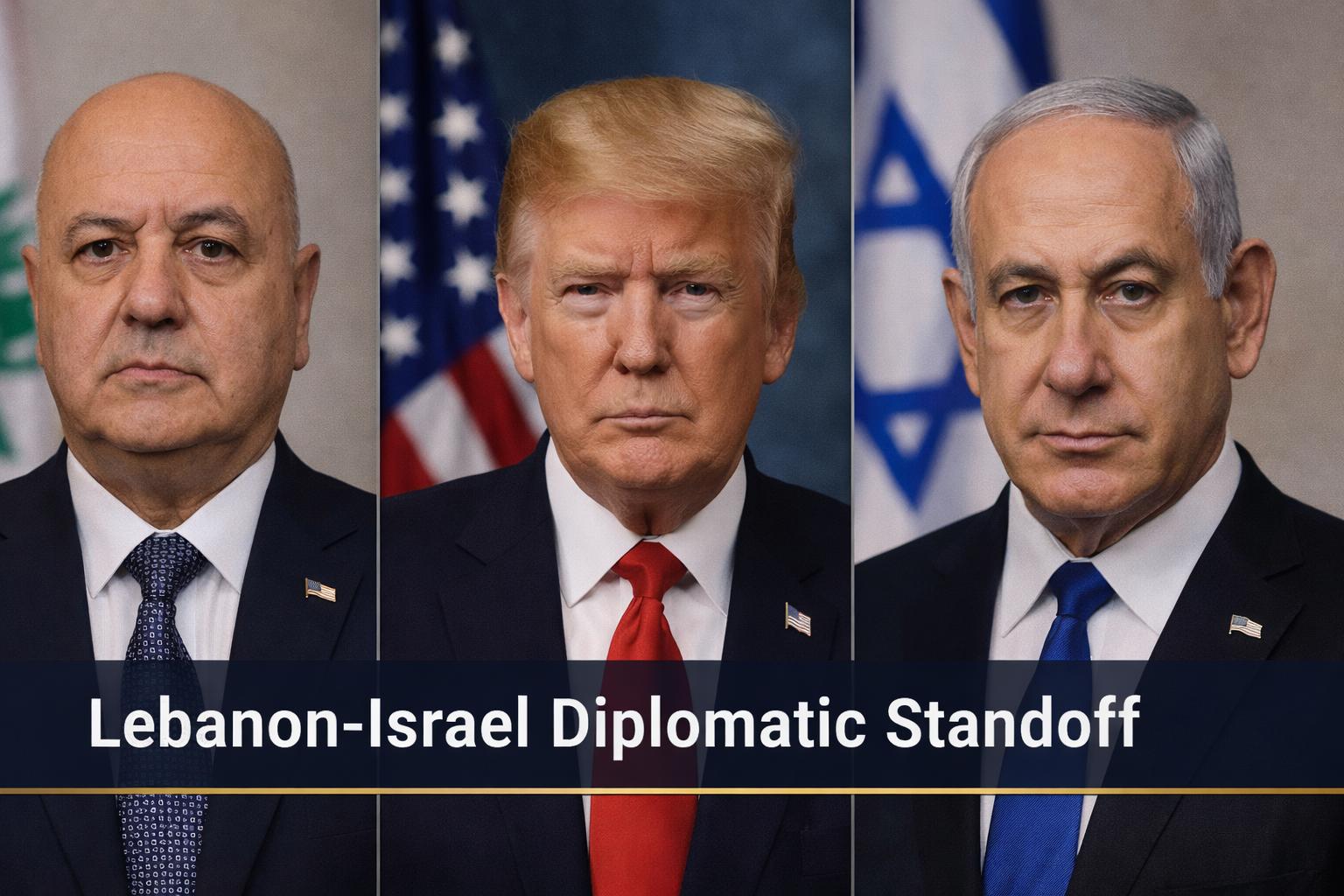
Lebanese President Joseph Aoun declined to engage in direct talks with Israeli Prime Minister Benjamin Netanyahu, despite indications from U.S. President Donald Trump that discussions between the two leaders were im
Lebanese President Joseph Aoun declined to engage in direct talks with Israeli Prime Minister Benjamin Netanyahu, despite indications from U.S. President Donald Trump that discussions between the two leaders were im
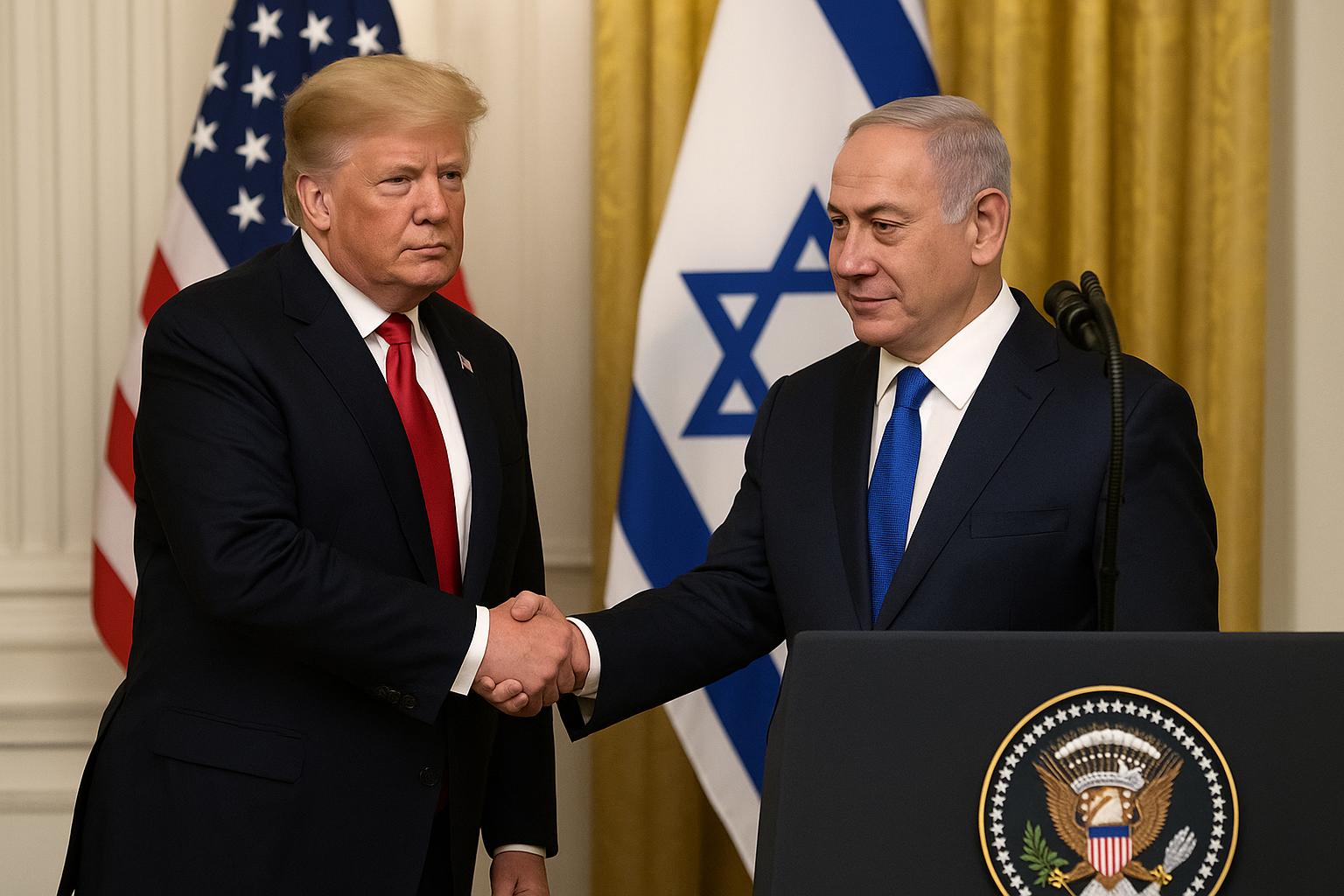
U.S. President Donald Trump announced a 10-day pause in fighting between Israel and Lebanon set to begin at 5:00 PM ET on Thursday, April 16, 2026, following what he described as “excellent” conversations with the leaders of both nations. The announcement comes amid escalating violence tied to Israel’s ongoing conflict with the Iran-backed Hezbollah militant group operating in Lebanon.
U.S. President Donald Trump announced a 10-day pause in fighting between Israel and Lebanon set to begin at 5:00 PM ET on Thursday, April 16, 2026, following what he described as “excellent” conversations with the leaders of both nations. The announcement comes amid escalating violence tied to Israel’s ongoing conflict with the Iran-backed Hezbollah militant group operating in Lebanon.
An 18-foot bronze sculpture now stands outside the newly opened V&A East museum in East London, presenting a striking contrast to the traditional statues that line the entrance of the Victoria and Albert Museum’s main site. The work, titled “A Place Beyond,” was created by British artist Thomas J Price and depicts an anonymous young Black woman in a casual, contemporary pose.
The figure, dressed in a T-shirt tucked into jeans and wearing Nike Air Rift sneakers, holds a phone
An 18-foot bronze sculpture now stands outside the newly opened V&A East museum in East London, presenting a striking contrast to the traditional statues that line the entrance of the Victoria and Albert Museum’s main site. The work, titled “A Place Beyond,” was created by British artist Thomas J Price and depicts an anonymous young Black woman in a casual, contemporary pose.
The figure, dressed in a T-shirt tucked into jeans and wearing Nike Air Rift sneakers, holds a phone
Defense Secretary Pete Hegseth issued a stark warning on Thursday, April 16, 2026, from the Pentagon, stating that the United States could target Iran’s energy infrastructure if its leadership does not agree to a peace deal before a temporary cease-fire expires in the coming days. The remarks underscore escalating tensions as Washington intensifies pressure on
Defense Secretary Pete Hegseth issued a stark warning on Thursday, April 16, 2026, from the Pentagon, stating that the United States could target Iran’s energy infrastructure if its leadership does not agree to a peace deal before a temporary cease-fire expires in the coming days. The remarks underscore escalating tensions as Washington intensifies pressure on
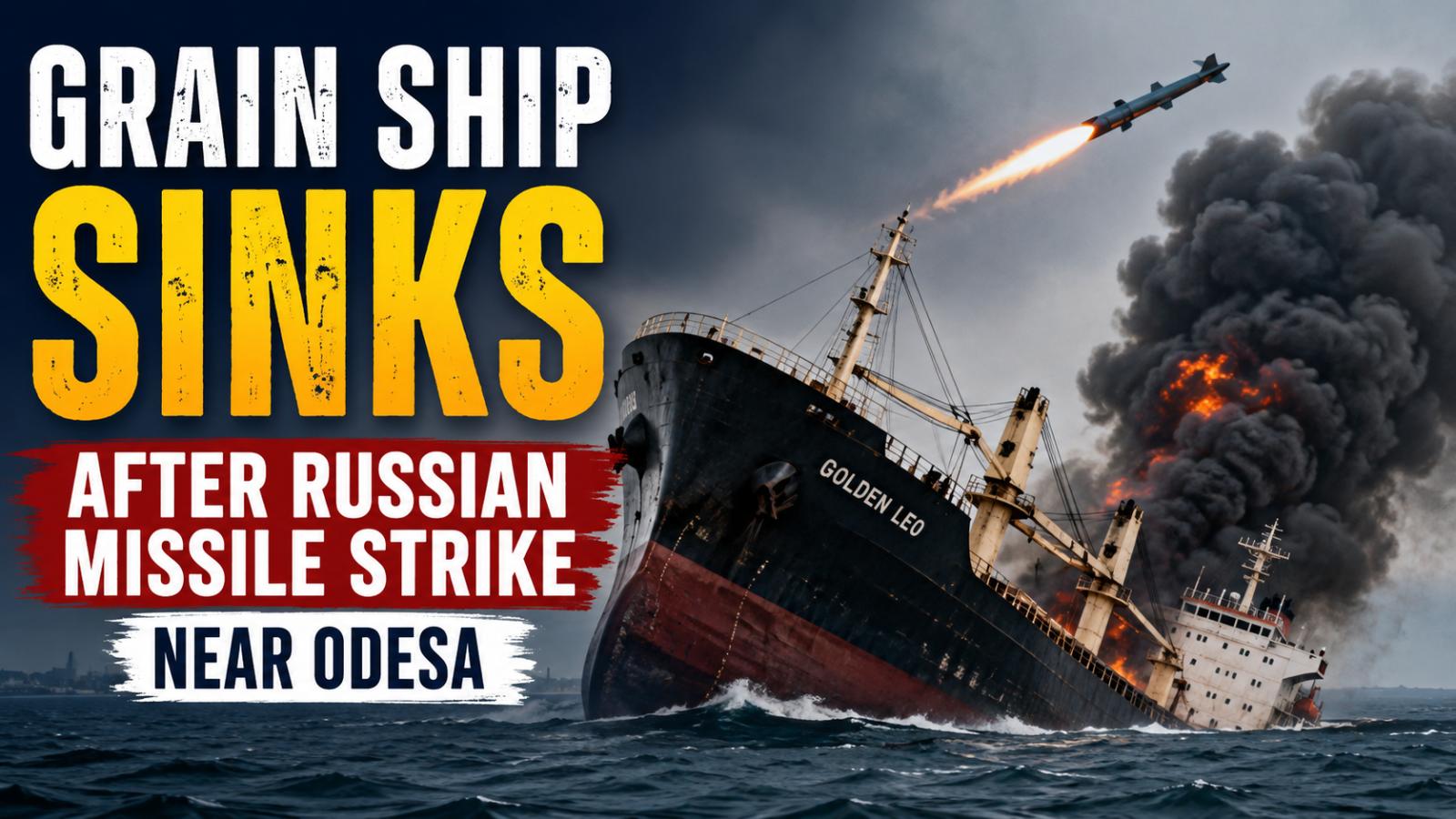
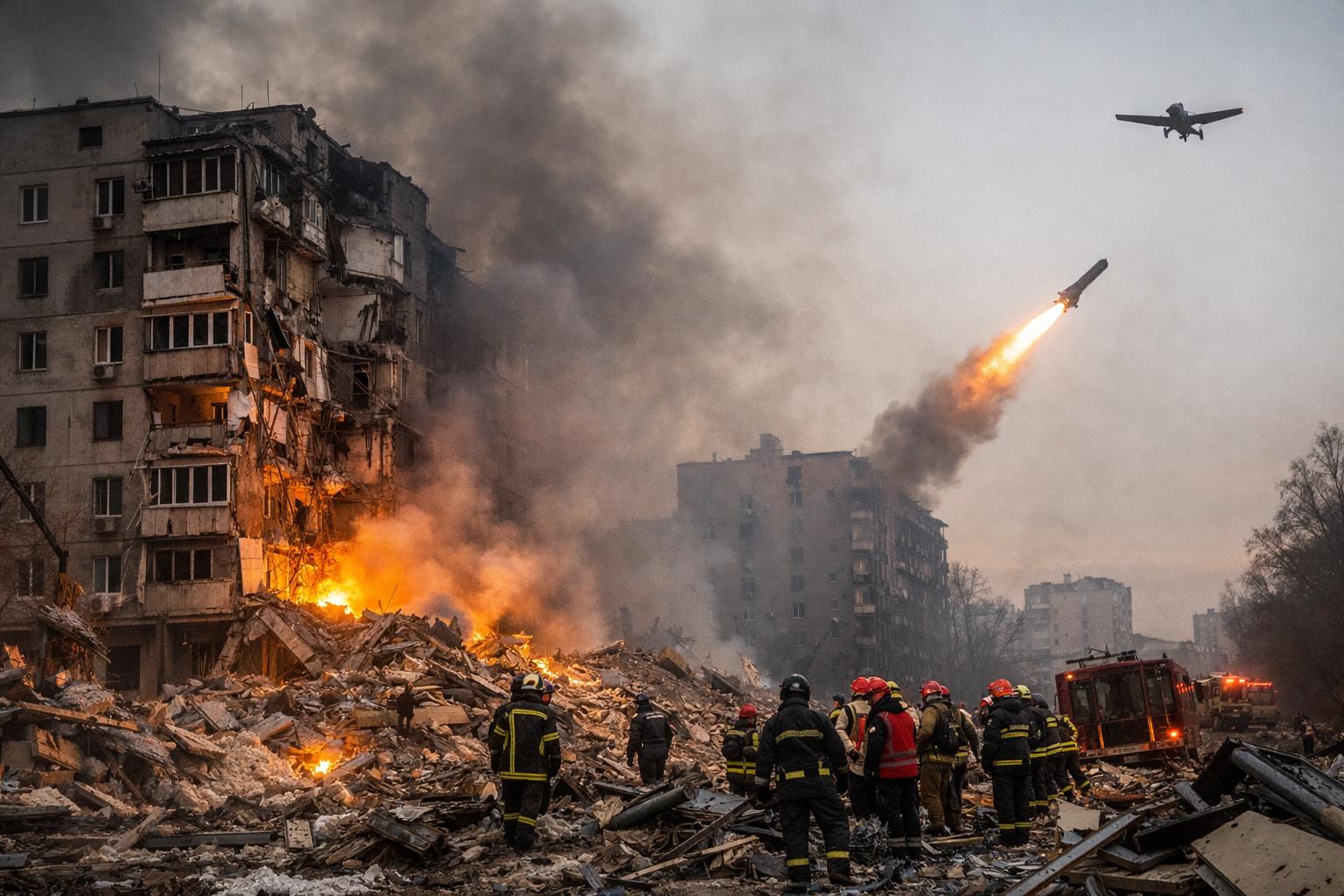
Russia launched one of its most intense aerial assaults of the year against Ukraine, firing a large number of missiles and drones in a coordinated attack that began overnight and continued into Thursday morning, April 16, 2026 (local time in Ukraine). Ukrainian officials reported that at least 16 people were killed and more than 100 others were injured in the strikes, marking a significant escalation following a brief Easter ceasefire between the two countries.
According to
Russia launched one of its most intense aerial assaults of the year against Ukraine, firing a large number of missiles and drones in a coordinated attack that began overnight and continued into Thursday morning, April 16, 2026 (local time in Ukraine). Ukrainian officials reported that at least 16 people were killed and more than 100 others were injured in the strikes, marking a significant escalation following a brief Easter ceasefire between the two countries.
According to
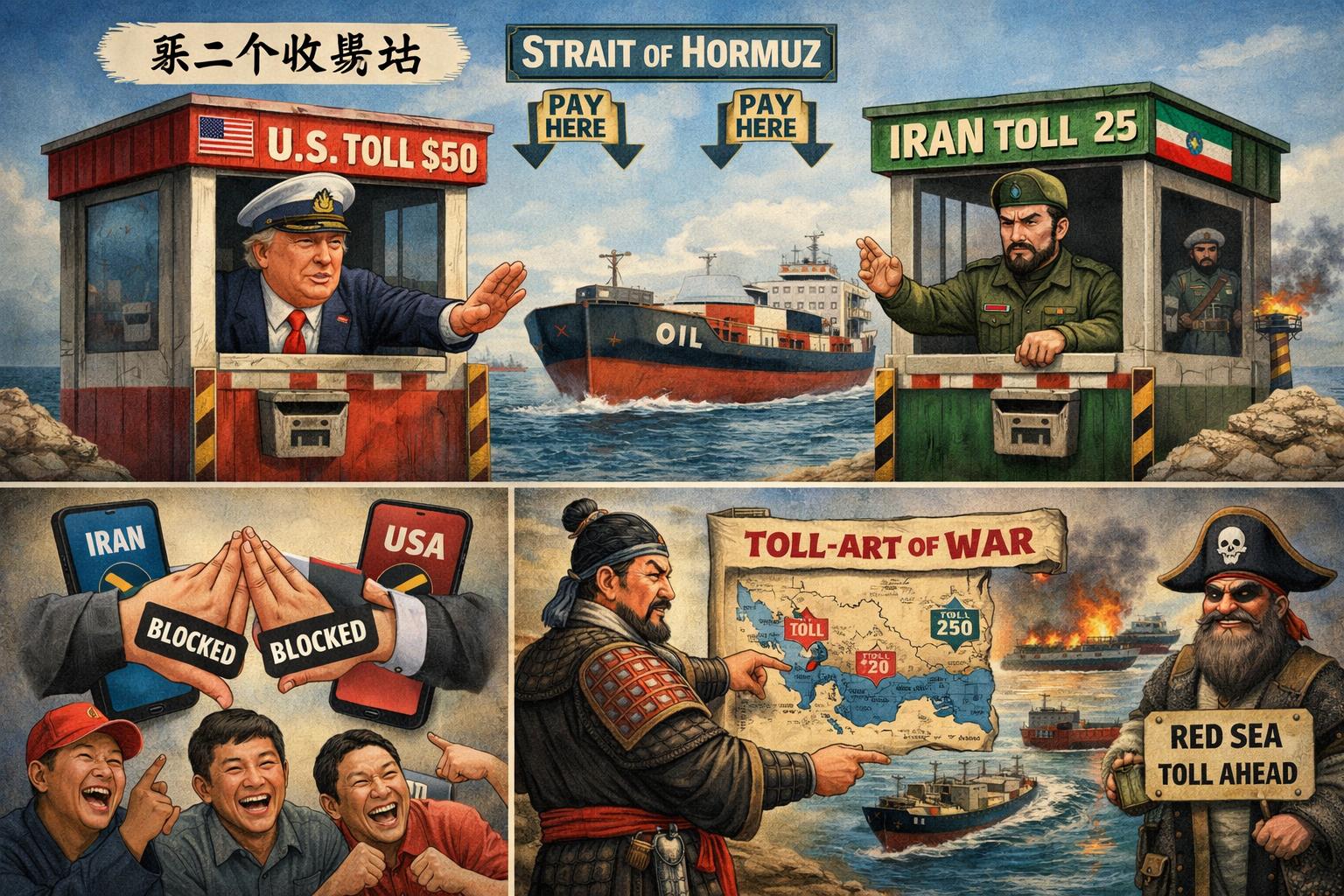
Chinese social media platforms have erupted with criticism and satire following the United States’ decision to impose a blockade on Iran, with many users describing the move as a “second toll booth” controlled by Washington. The reactions come amid escalating geopolitical tensions after the United States and Israel launched strikes on Iran on Friday, February 28, 2026, prompting Tehran to leverage its geographic position to restrict access through the strategically vital Strait of Hormuz.
Chinese social media platforms have erupted with criticism and satire following the United States’ decision to impose a blockade on Iran, with many users describing the move as a “second toll booth” controlled by Washington. The reactions come amid escalating geopolitical tensions after the United States and Israel launched strikes on Iran on Friday, February 28, 2026, prompting Tehran to leverage its geographic position to restrict access through the strategically vital Strait of Hormuz.
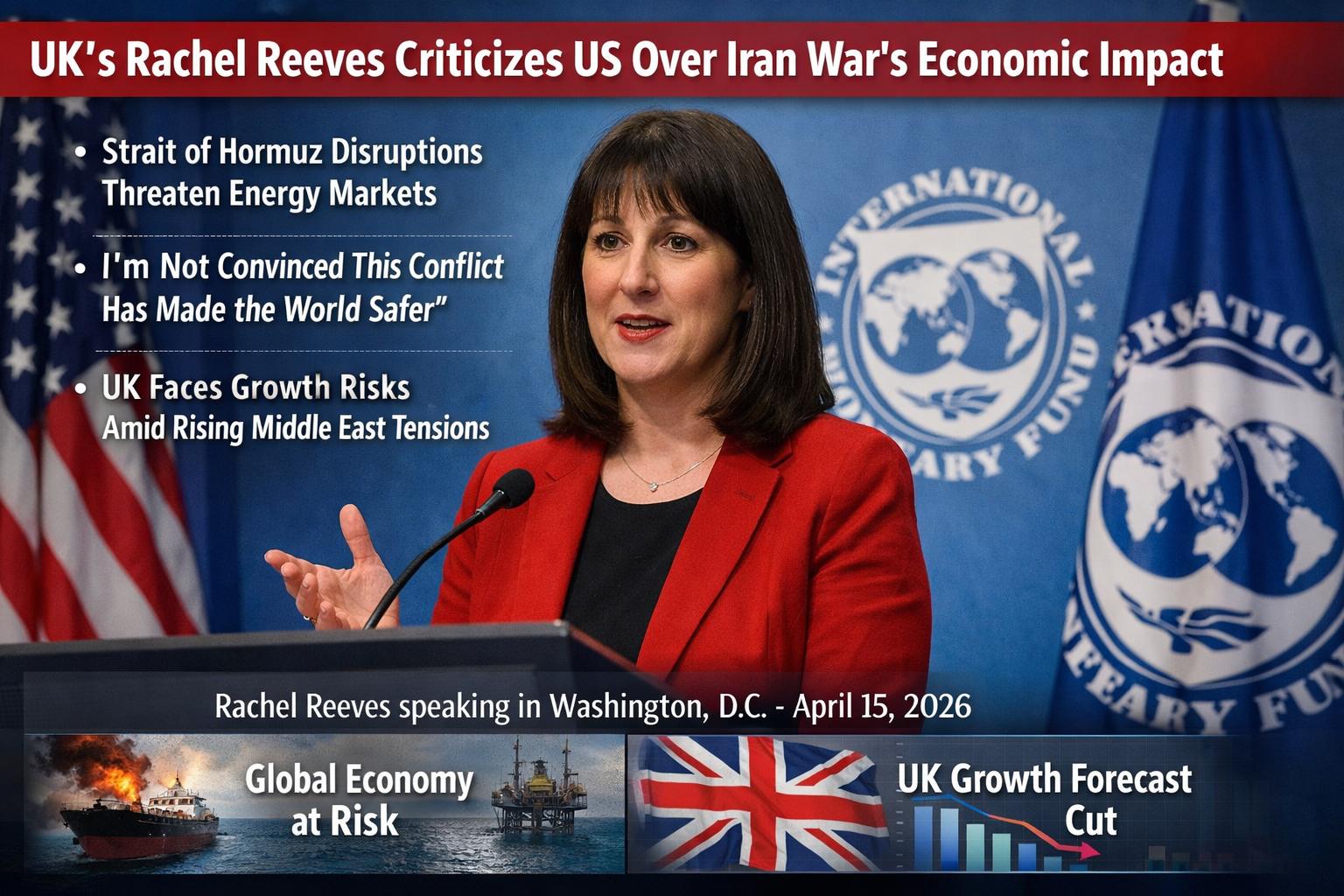
U.K. Finance Minister Rachel Reeves on Wednesday, April 15, 2026, called for immediate de-escalation of the Iran war, warning that the conflict is posing significant risks to global economic stability and expressing concern over the approach taken by the United States.
Speaking at a forum in Washington, D.C., Reeves highlighted the economic consequences of disruptions in the Strait of Hormuz, a key global energy shipping route. She warned that ongoing instability in the region is incr
U.K. Finance Minister Rachel Reeves on Wednesday, April 15, 2026, called for immediate de-escalation of the Iran war, warning that the conflict is posing significant risks to global economic stability and expressing concern over the approach taken by the United States.
Speaking at a forum in Washington, D.C., Reeves highlighted the economic consequences of disruptions in the Strait of Hormuz, a key global energy shipping route. She warned that ongoing instability in the region is incr
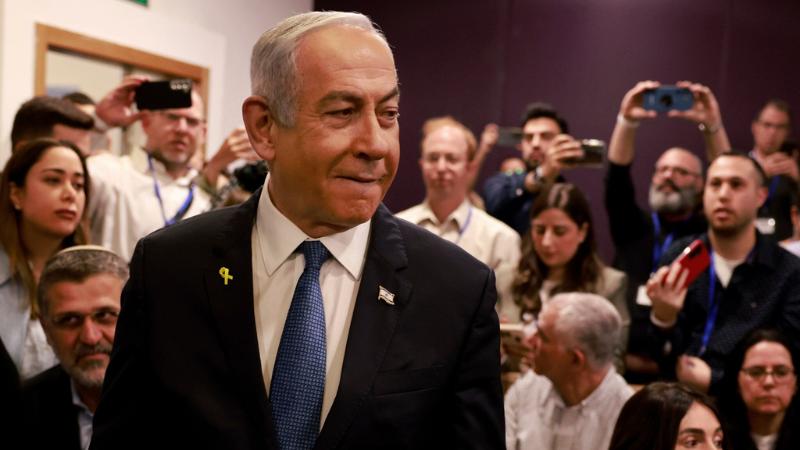
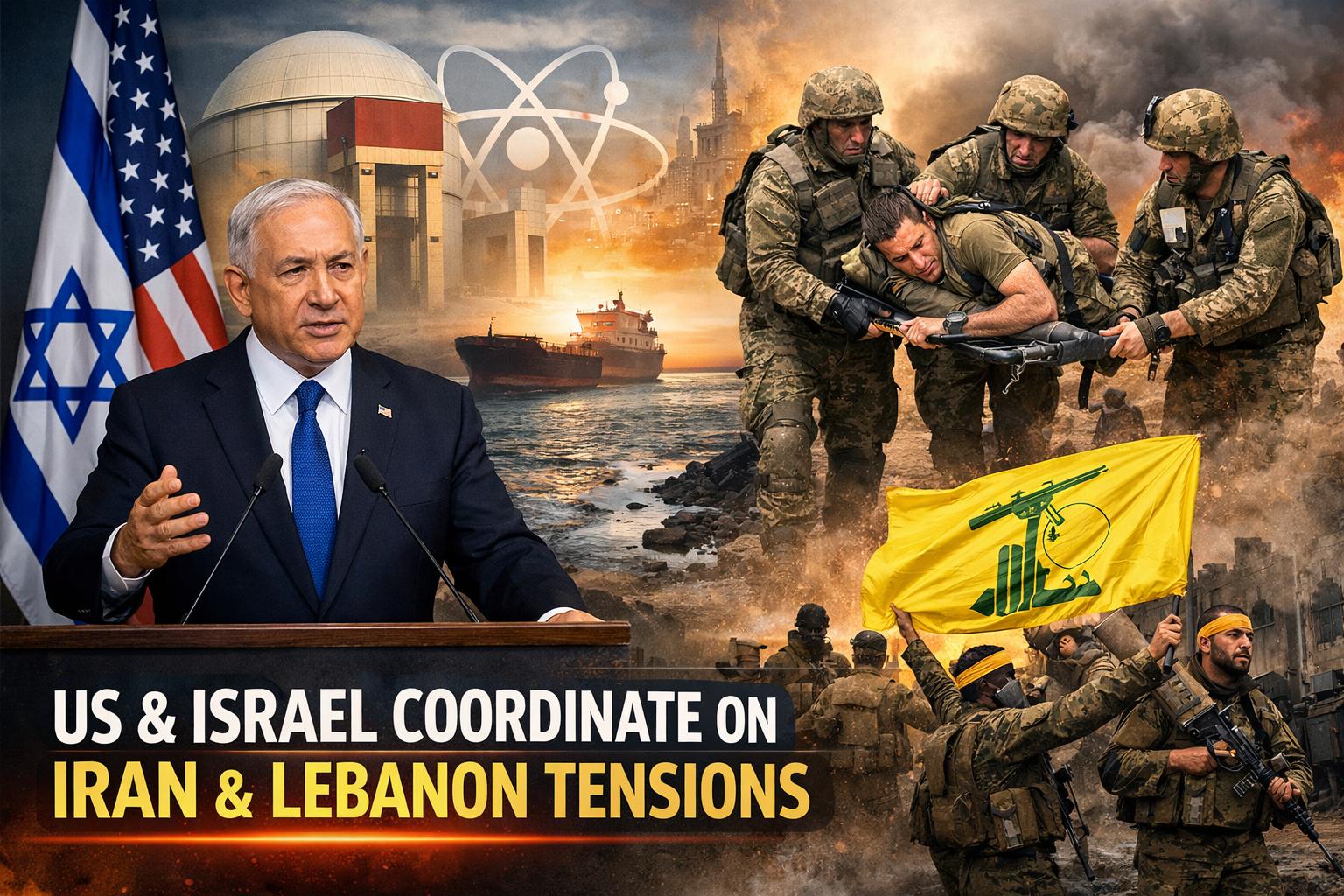
Israeli Prime Minister Benjamin Netanyahu said on Wednesday, April 15, 2026, that Israel and the United States are closely aligned in their approach toward Iran, emphasizing shared strategic objectives and ongoing coordination. In a televised address, Netanyahu stated that U.S. officials continue to keep Israel informed about their diplomatic engagements with Tehran, underscoring the depth of cooperation between the two allies.
“Our American friends keep us constantly updated on the
Israeli Prime Minister Benjamin Netanyahu said on Wednesday, April 15, 2026, that Israel and the United States are closely aligned in their approach toward Iran, emphasizing shared strategic objectives and ongoing coordination. In a televised address, Netanyahu stated that U.S. officials continue to keep Israel informed about their diplomatic engagements with Tehran, underscoring the depth of cooperation between the two allies.
“Our American friends keep us constantly updated on the
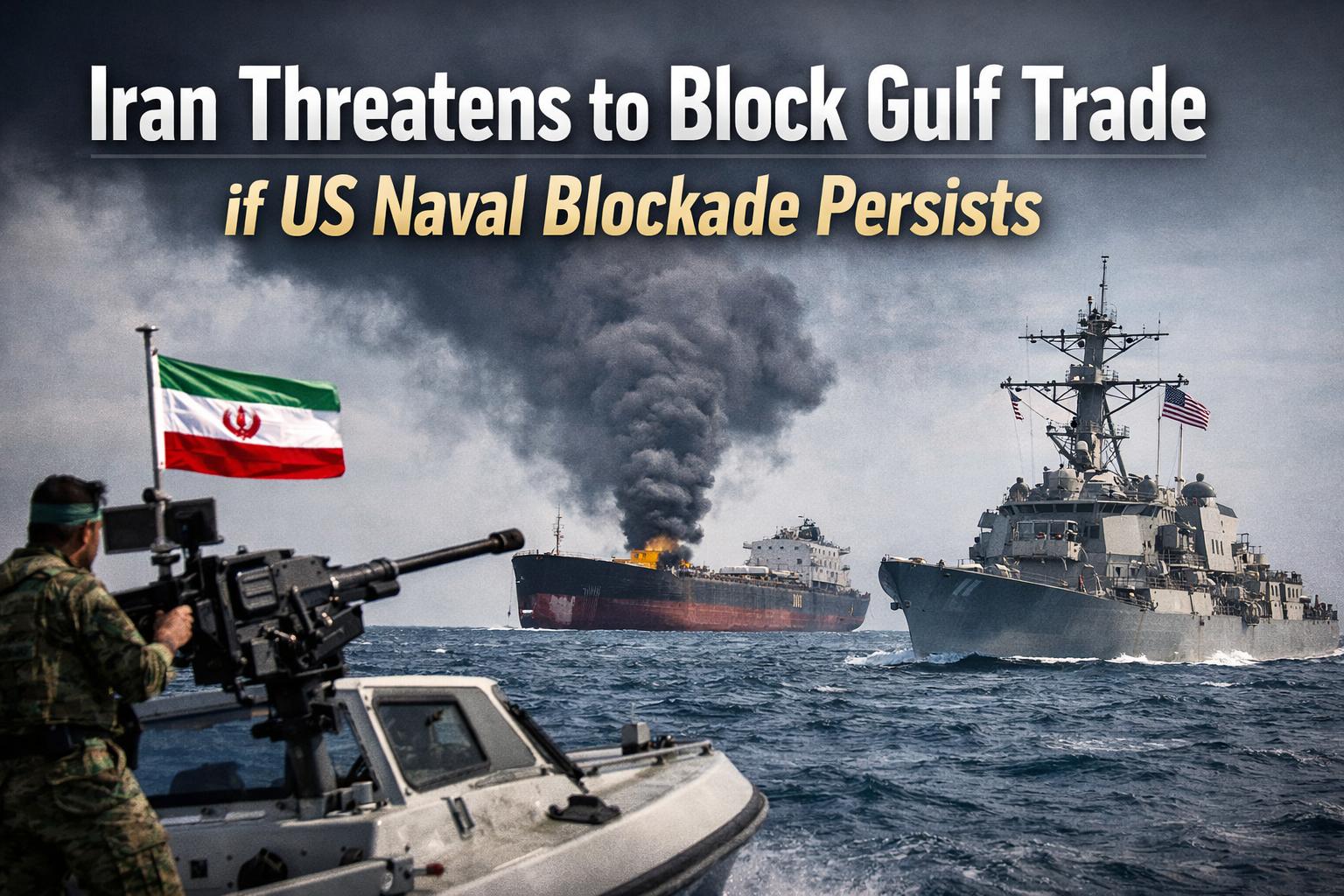
Iran has issued a warning that it may escalate tensions with the United States by blocking major international shipping routes if a US naval blockade targeting its vessels continues. The statement, broadcast on state television, came from Ali Abdollahi, commander of the Khatam al-Anbiya Central Headquarters,
Iran has issued a warning that it may escalate tensions with the United States by blocking major international shipping routes if a US naval blockade targeting its vessels continues. The statement, broadcast on state television, came from Ali Abdollahi, commander of the Khatam al-Anbiya Central Headquarters,
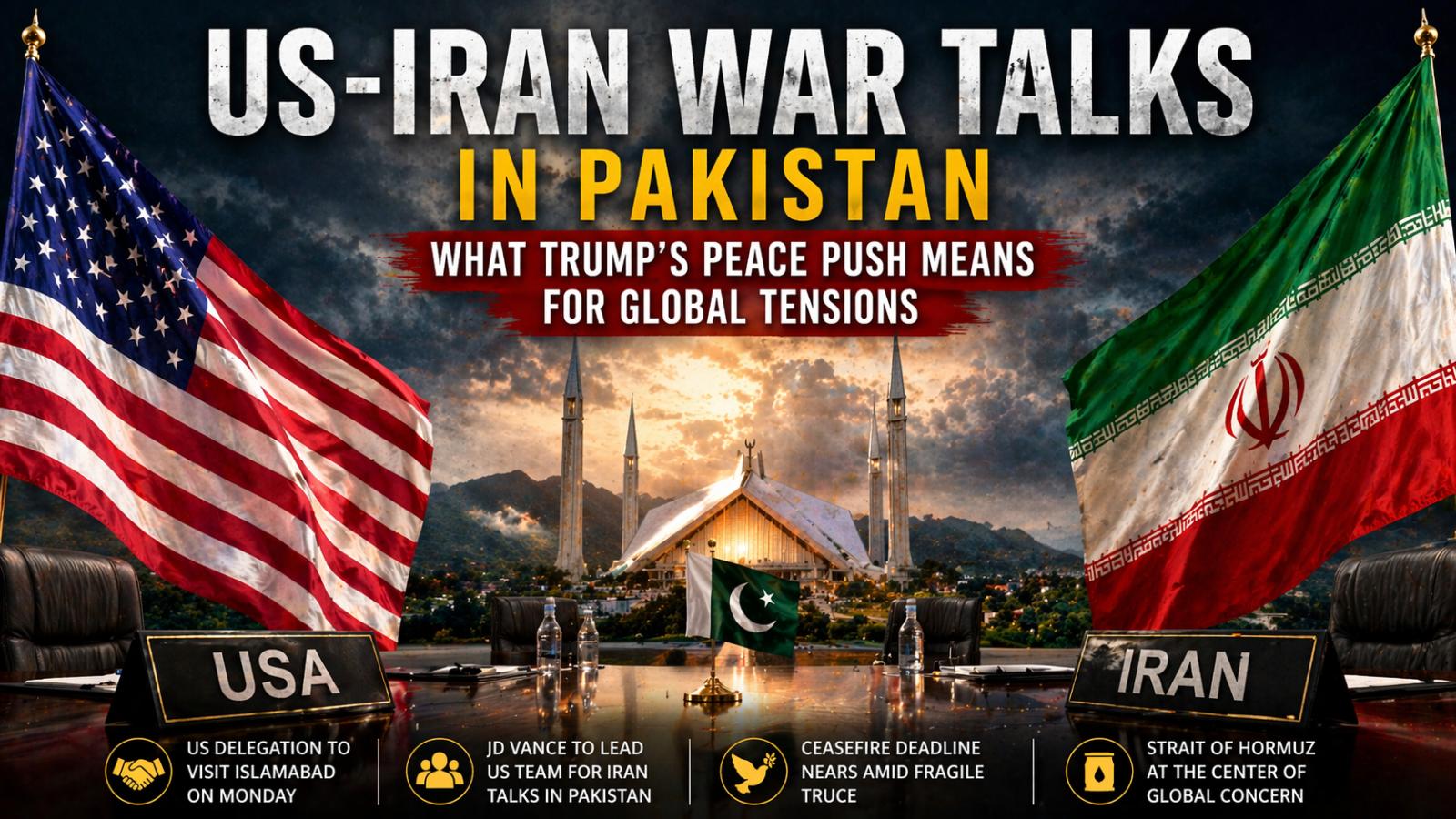
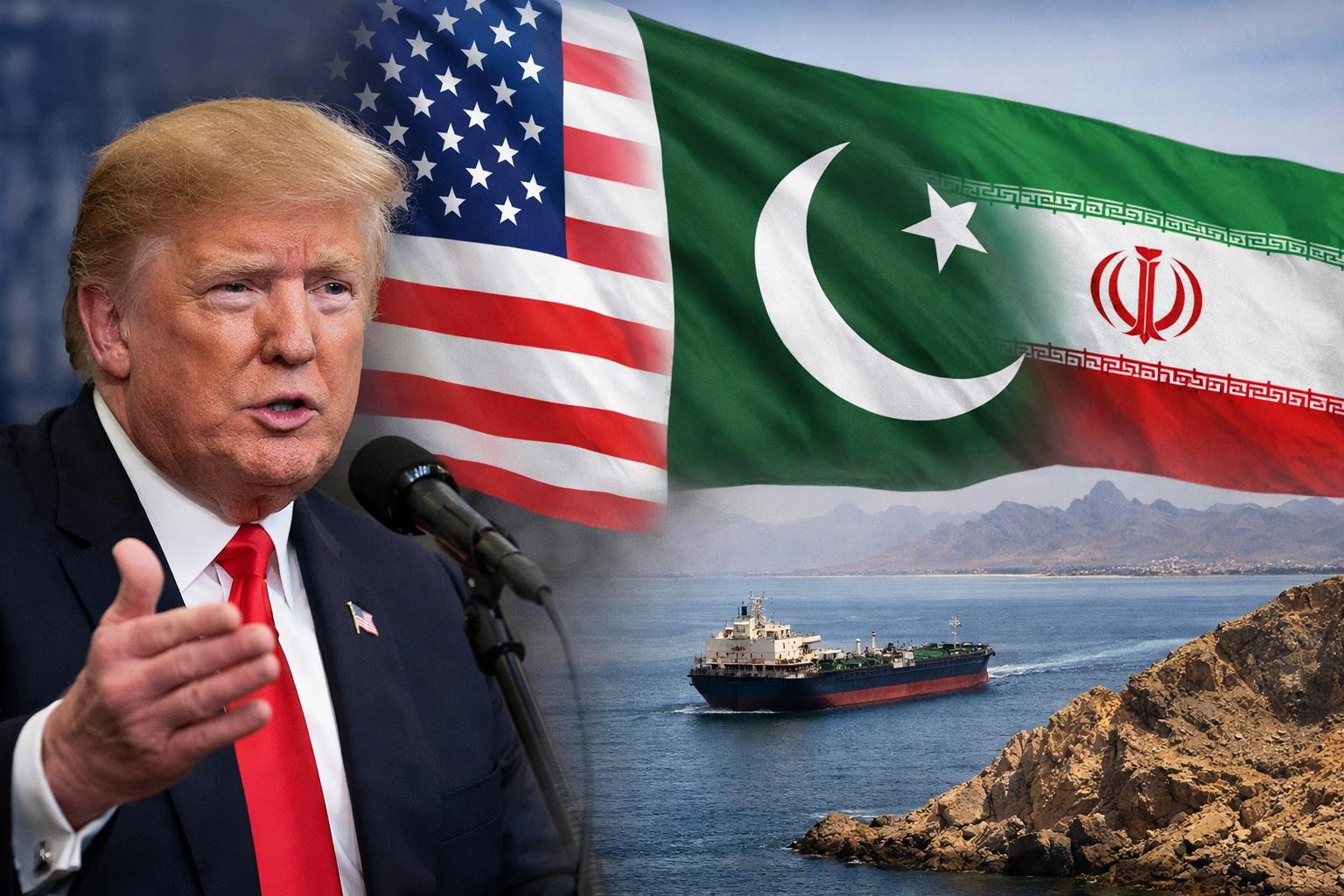
U.S. President Donald Trump indicated that negotiations between the United States and Iran could resume within the next two days following a recent breakdown in talks held in Pakistan. Speaking in an interview publi
U.S. President Donald Trump indicated that negotiations between the United States and Iran could resume within the next two days following a recent breakdown in talks held in Pakistan. Speaking in an interview publi
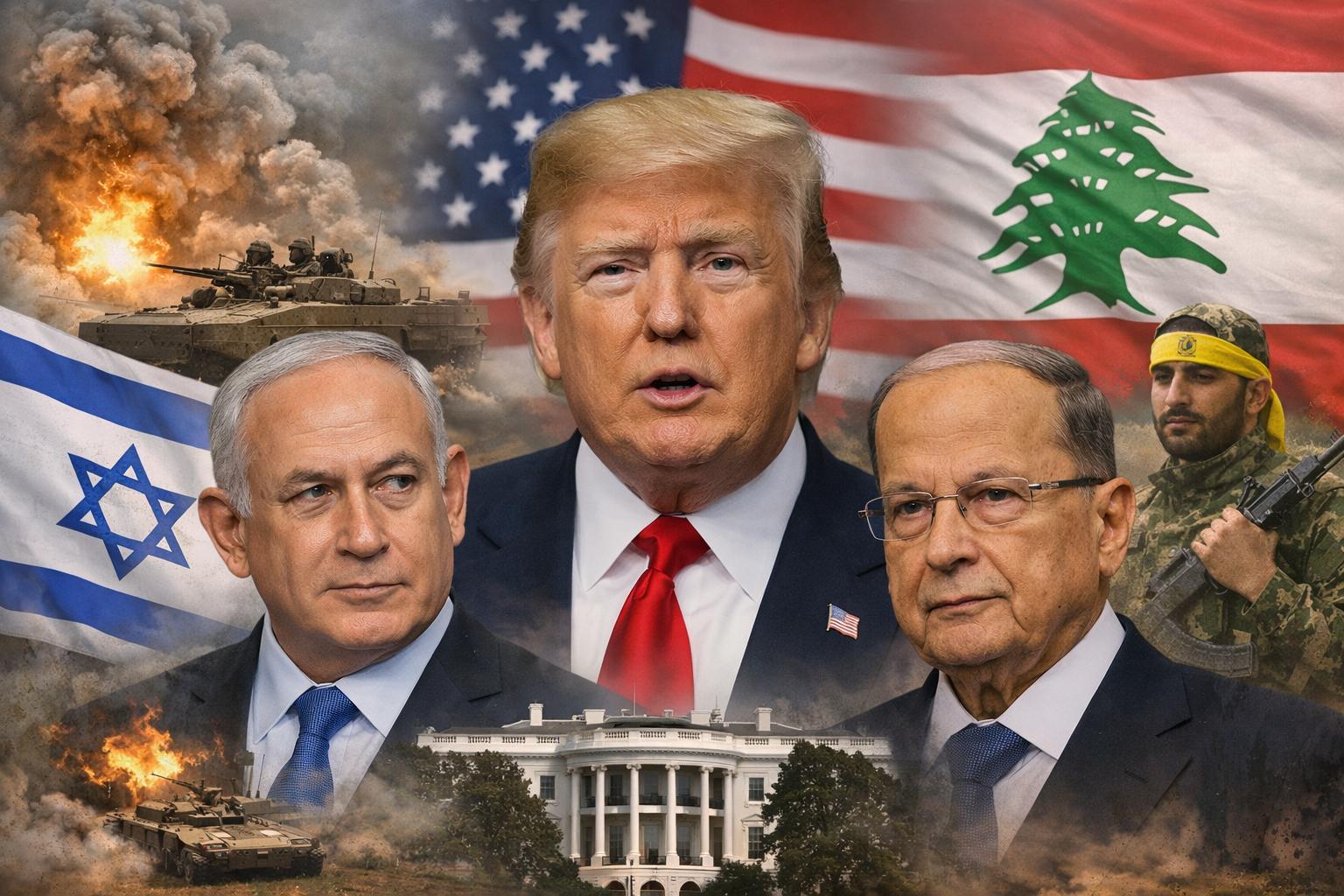
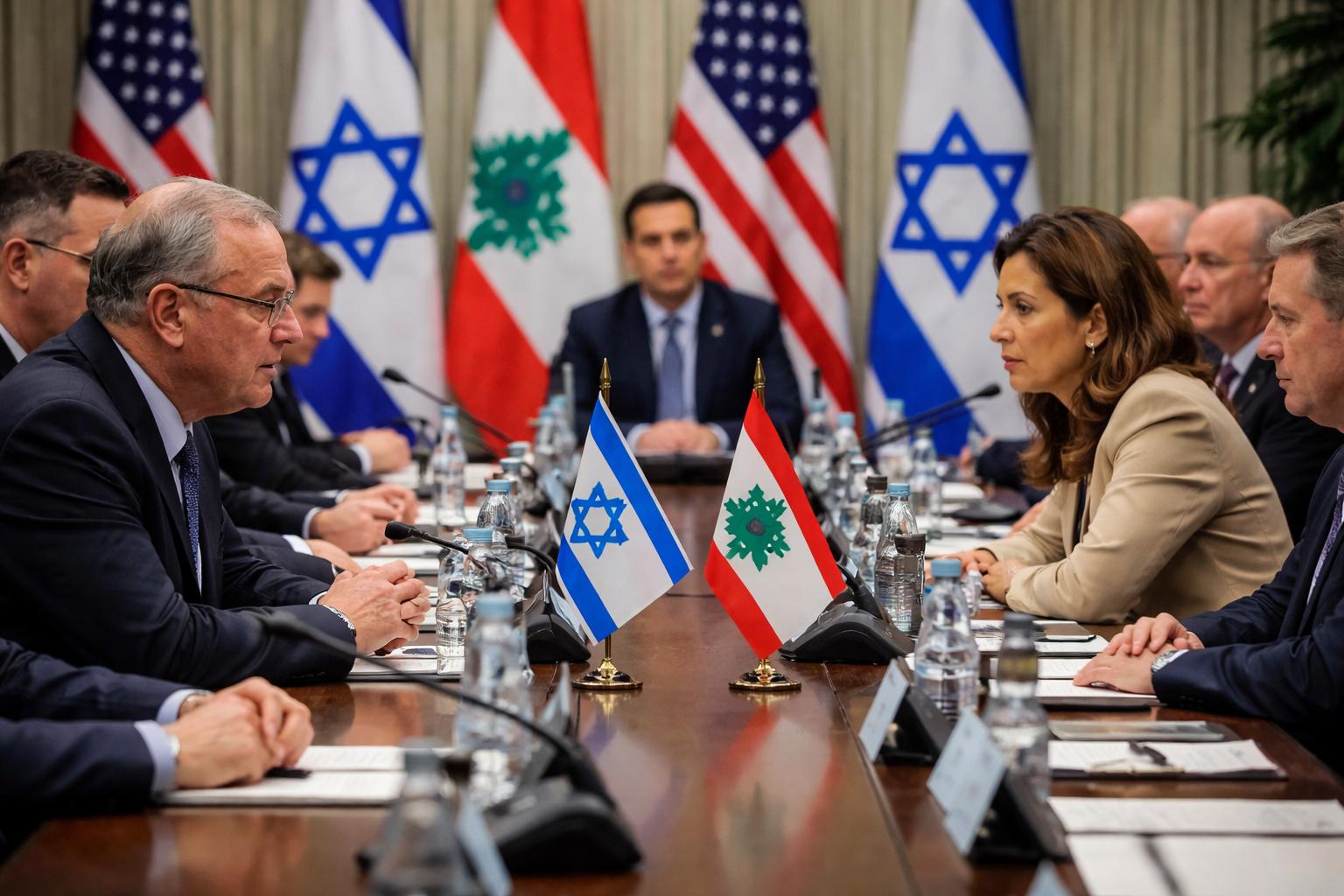
Israeli and Lebanese officials held more than two hours of direct talks in Washington, D.C., on Tuesday, April 14, 2026, marking the first such high-level engagement between the two countries in decades as fighting between Israel and the Iran-backed Hezbollah group continues to escalate.
The meeting, hosted by U.S. Secretary of State Marco Rubio, comes amid a fragile regional environment shaped by ongoing hostilities in Lebanon and broader tensions involving Iran. Rubio described the talks as a long-term diplomatic effort rather than an immediate solution, emphasizing that deeply rooted issues between the two sides would take time to resolve.
Israeli Ambassador Yechiel Leiter said the discussions reflect a shared objective of reducing Hezbollah’s influence in Lebanon, which Israel views as an extension of Iranian power in the region. Lebanese Ambassador Nada Hamadeh Moawad participated in the talks, though public comments from the Lebanese side remained limited immediately afterward.
The talks are notable given that Israel and Lebanon do not maintain formal diplomatic relations and have been technically at war for decades. Despite this, U.S. officials have pushed for dialogue as part of a broader effort to stabilize the region and prevent further escalation tied to the ongoing conflict with Iran and its allies.
The diplomatic engagement comes as Israeli military operations continue across southern Lebanon. The conflict intensified after Hezbollah launched rocket attacks on northern Israel on Sunday, March 2, 2026, prompting a large-scale Israeli response that has included airstrikes and ground operations.
Hezbollah, which is not part of the negotiations and opposes direct talks with Israel, has continued its military activities during the diplomatic effort. The group’s rejection of the talks highlights internal divisions within Lebanon, where the government has limited control over Hezbollah’s armed wing.
Beyond the immediate conflict, the situation has broader global implications. Tensions surrounding Iran, including disputes over its nuclear program and control of the Strait of Hormuz, have raised concerns about disruptions to global energy supplies. Analysts warn that instability in the region could affect oil markets and contribute to economic uncertainty worldwide.
While no immediate breakthroughs are expected, officials describe the Washington meeting as a significant first step toward potential de-escalation, even as violence on the ground and political divisions continue to complicate the path forward.
Israeli and Lebanese officials held more than two hours of direct talks in Washington, D.C., on Tuesday, April 14, 2026, marking the first such high-level engagement between the two countries in decades as fighting between Israel and the Iran-backed Hezbollah group continues to escalate.
The meeting, hosted by U.S. Secretary of State Marco Rubio, comes amid a fragile regional environment shaped by ongoing hostilities in Lebanon and broader tensions involving Iran. Rubio described the talks as a long-term diplomatic effort rather than an immediate solution, emphasizing that deeply rooted issues between the two sides would take time to resolve.
Israeli Ambassador Yechiel Leiter said the discussions reflect a shared objective of reducing Hezbollah’s influence in Lebanon, which Israel views as an extension of Iranian power in the region. Lebanese Ambassador Nada Hamadeh Moawad participated in the talks, though public comments from the Lebanese side remained limited immediately afterward.
The talks are notable given that Israel and Lebanon do not maintain formal diplomatic relations and have been technically at war for decades. Despite this, U.S. officials have pushed for dialogue as part of a broader effort to stabilize the region and prevent further escalation tied to the ongoing conflict with Iran and its allies.
The diplomatic engagement comes as Israeli military operations continue across southern Lebanon. The conflict intensified after Hezbollah launched rocket attacks on northern Israel on Sunday, March 2, 2026, prompting a large-scale Israeli response that has included airstrikes and ground operations.
Hezbollah, which is not part of the negotiations and opposes direct talks with Israel, has continued its military activities during the diplomatic effort. The group’s rejection of the talks highlights internal divisions within Lebanon, where the government has limited control over Hezbollah’s armed wing.
Beyond the immediate conflict, the situation has broader global implications. Tensions surrounding Iran, including disputes over its nuclear program and control of the Strait of Hormuz, have raised concerns about disruptions to global energy supplies. Analysts warn that instability in the region could affect oil markets and contribute to economic uncertainty worldwide.
While no immediate breakthroughs are expected, officials describe the Washington meeting as a significant first step toward potential de-escalation, even as violence on the ground and political divisions continue to complicate the path forward.
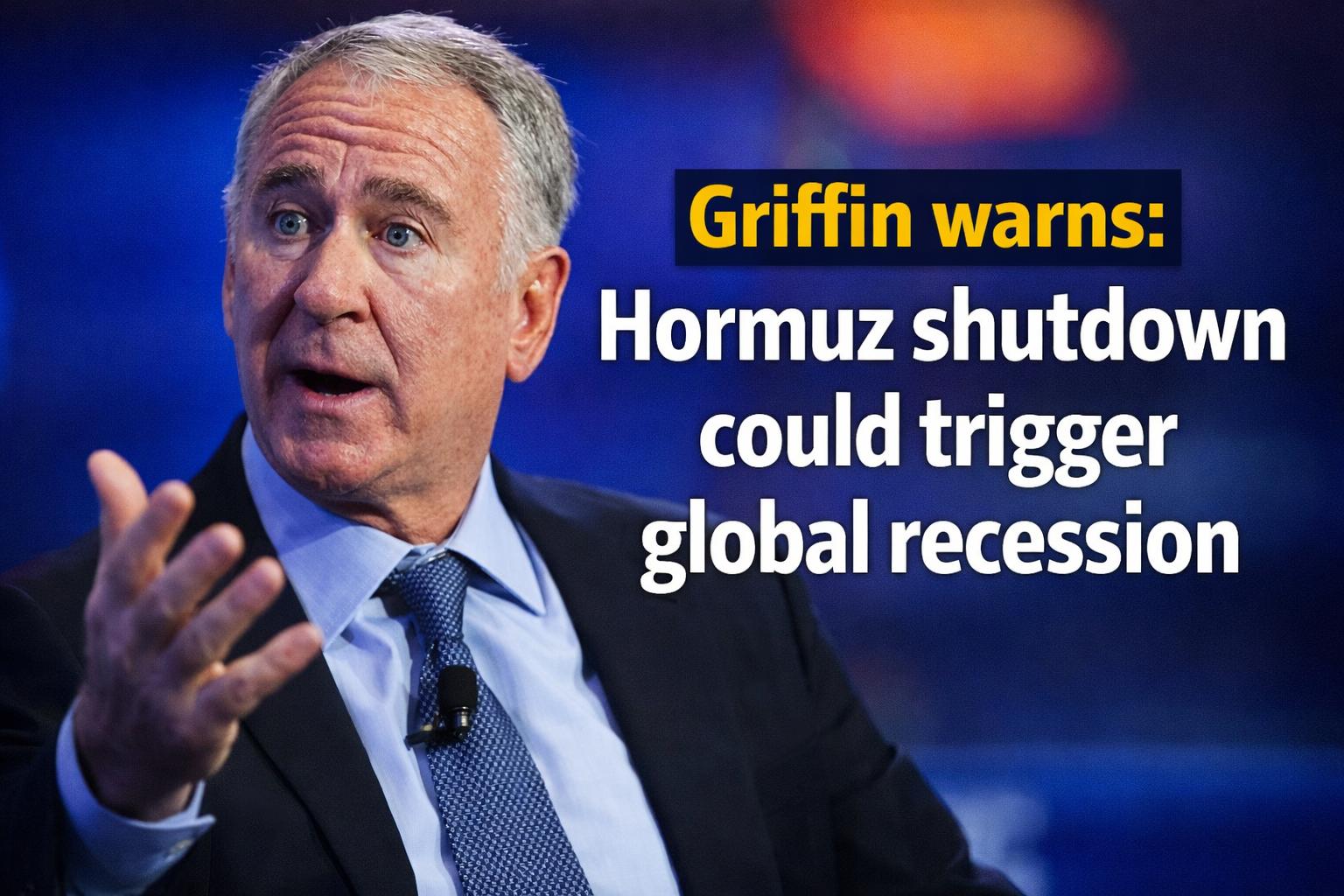
Ken Griffin, founder and chief executive of Citadel, warned that a prolonged closure of the Strait of Hormuz could push the global economy into a recession, underscoring the fragile balance of energy markets and geopolitical stability.
Speaking at the Semafor World Economy conference in Washington, D.C., on Tuesday, April 14, 2026, Griffin said that if the critical shipping route remains shut for an extended period, the economic consequences would be unavoidable. He noted that a disruption lasting between six and 12 months would almost certainly result in a global downturn, given the strait’s importance as a key transit point for oil shipments.
The Strait of Hormuz handles a significant portion of the world’s crude oil supply, and any sustained blockage would likely drive oil prices higher, intensifying inflationary pressures across major economies. While oil prices have eased slightly from peak levels reached during recent tensions, they remain elevated at around $100 per barrel, compared to under $70 before the conflict began.
Griffin emphasized that global markets have so far shown resilience, with stock prices recovering to levels seen prior to earlier U.S. military actions in the region. However, he cautioned that investor confidence remains highly dependent on the duration and scope of the conflict. Many market participants, he said, may be underestimating the risk of further escalation and its potential impact on global growth.
He also pointed to heightened vulnerability in Asian economies, which rely heavily on energy imports and are particularly sensitive to oil price fluctuations. A sustained increase in fuel costs could slow industrial output and consumer demand across the region.
At the same time, Griffin suggested that prolonged disruption could accelerate a structural shift toward alternative energy sources, including wind, solar, and nuclear power, as countries seek to reduce reliance on volatile supply routes.
His remarks highlight growing concerns among financial leaders that geopolitical instability in critical energy corridors could have far-reaching consequences for global economic stability.
Ken Griffin, founder and chief executive of Citadel, warned that a prolonged closure of the Strait of Hormuz could push the global economy into a recession, underscoring the fragile balance of energy markets and geopolitical stability.
Speaking at the Semafor World Economy conference in Washington, D.C., on Tuesday, April 14, 2026, Griffin said that if the critical shipping route remains shut for an extended period, the economic consequences would be unavoidable. He noted that a disruption lasting between six and 12 months would almost certainly result in a global downturn, given the strait’s importance as a key transit point for oil shipments.
The Strait of Hormuz handles a significant portion of the world’s crude oil supply, and any sustained blockage would likely drive oil prices higher, intensifying inflationary pressures across major economies. While oil prices have eased slightly from peak levels reached during recent tensions, they remain elevated at around $100 per barrel, compared to under $70 before the conflict began.
Griffin emphasized that global markets have so far shown resilience, with stock prices recovering to levels seen prior to earlier U.S. military actions in the region. However, he cautioned that investor confidence remains highly dependent on the duration and scope of the conflict. Many market participants, he said, may be underestimating the risk of further escalation and its potential impact on global growth.
He also pointed to heightened vulnerability in Asian economies, which rely heavily on energy imports and are particularly sensitive to oil price fluctuations. A sustained increase in fuel costs could slow industrial output and consumer demand across the region.
At the same time, Griffin suggested that prolonged disruption could accelerate a structural shift toward alternative energy sources, including wind, solar, and nuclear power, as countries seek to reduce reliance on volatile supply routes.
His remarks highlight growing concerns among financial leaders that geopolitical instability in critical energy corridors could have far-reaching consequences for global economic stability.
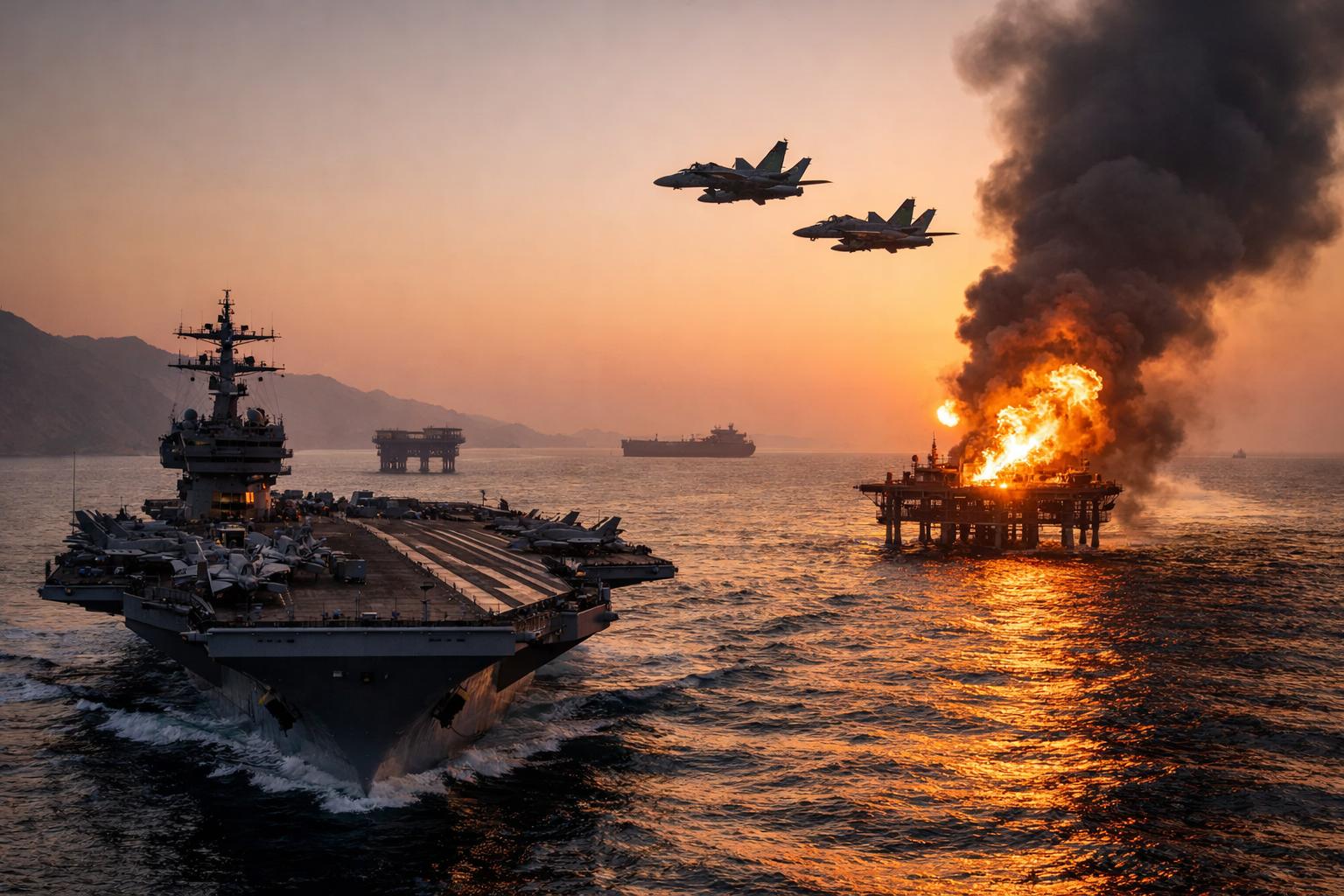
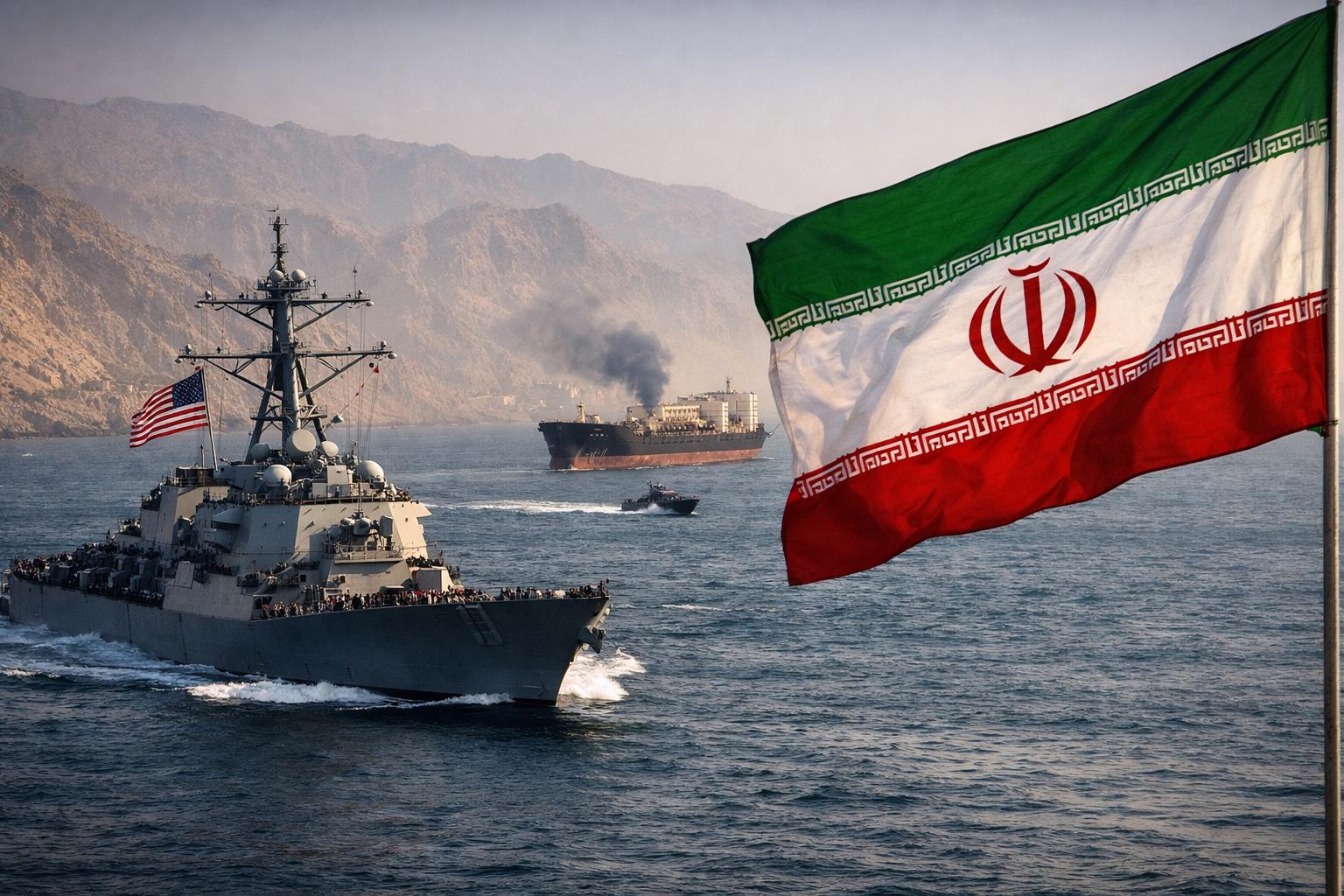
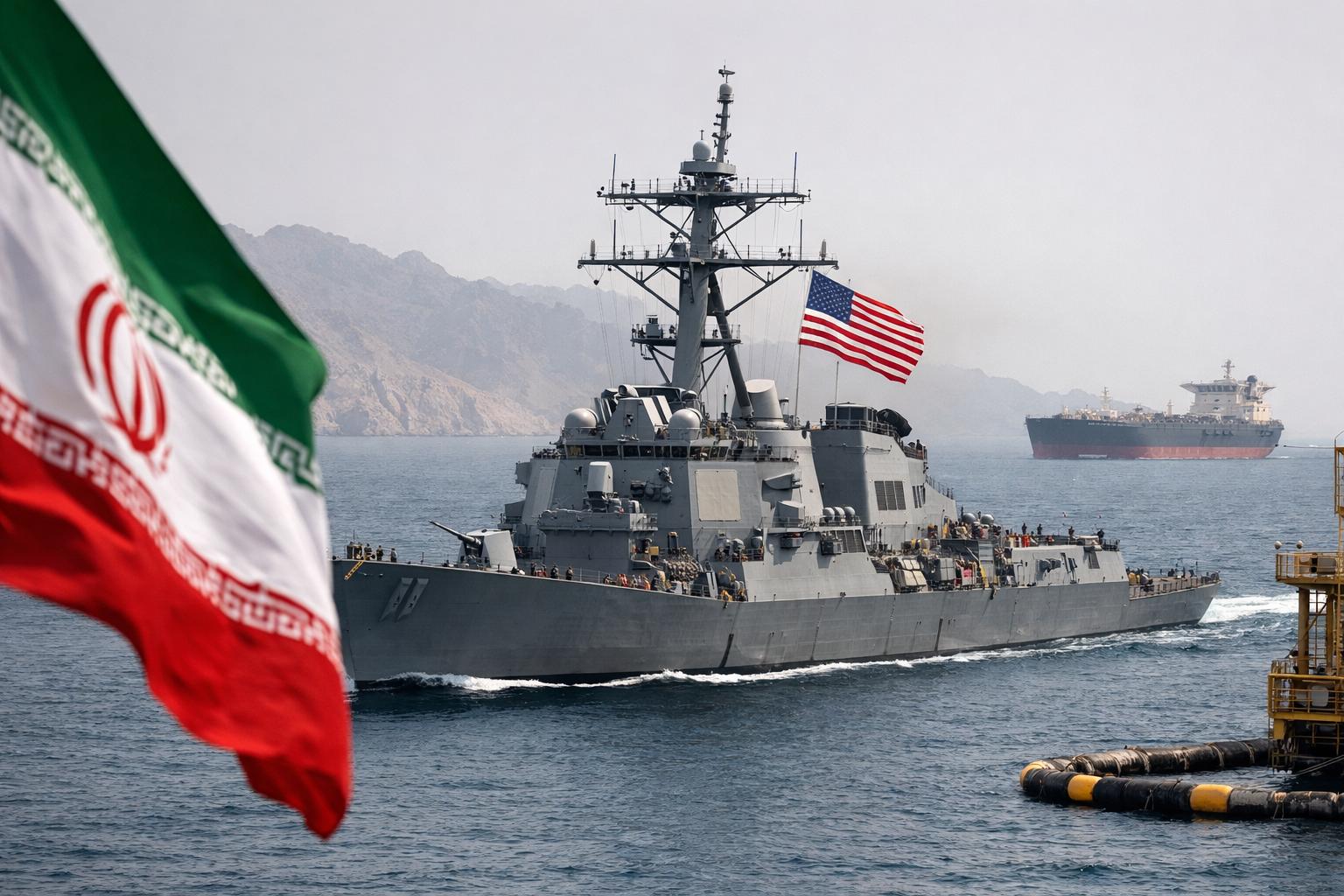
The United States has initiated a naval blockade of Iranian ports, significantly escalating tensions in the Middle East following the collapse of recent diplomatic efforts. The move came into effect at 2:00 PM GMT on Monday, April 14, 2026, according to US military officials, after weekend negotiations with Iran concluded without a breakthrough.
The blockade applies to all Iranian ports along the Persian Gulf, restricting maritime access and placing additional pressure on Tehran am
The United States has initiated a naval blockade of Iranian ports, significantly escalating tensions in the Middle East following the collapse of recent diplomatic efforts. The move came into effect at 2:00 PM GMT on Monday, April 14, 2026, according to US military officials, after weekend negotiations with Iran concluded without a breakthrough.
The blockade applies to all Iranian ports along the Persian Gulf, restricting maritime access and placing additional pressure on Tehran am
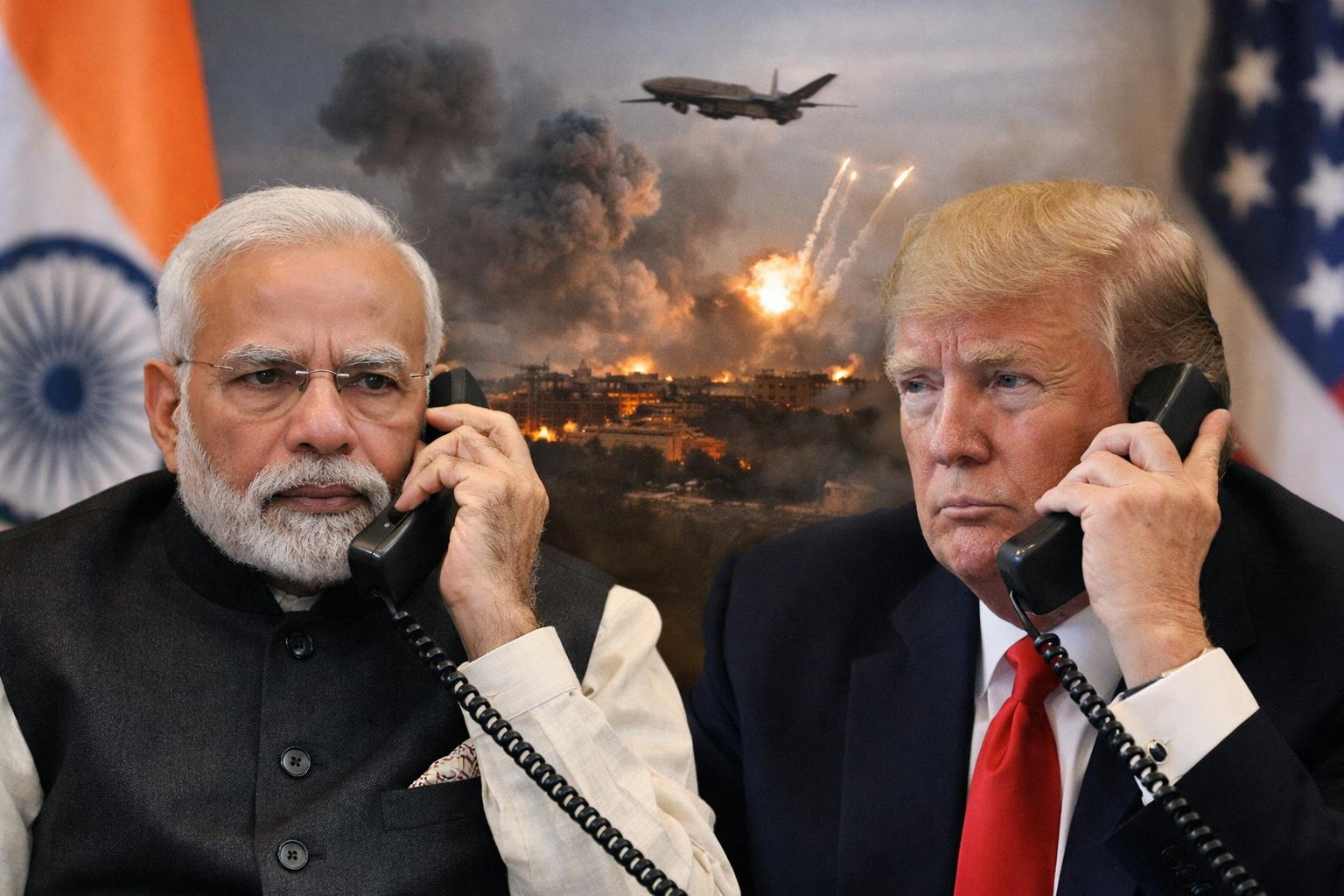
Indian Prime Minister Narendra Modi and U.S. President Donald Trump held a nearly 40-minute phone conversation on Tuesday, April 14, 2026, according to official reports. The call took place as tensions continue to rise amid the ongoing Iran conflict.
The discussion comes shortly after peace talks betwee
Indian Prime Minister Narendra Modi and U.S. President Donald Trump held a nearly 40-minute phone conversation on Tuesday, April 14, 2026, according to official reports. The call took place as tensions continue to rise amid the ongoing Iran conflict.
The discussion comes shortly after peace talks betwee
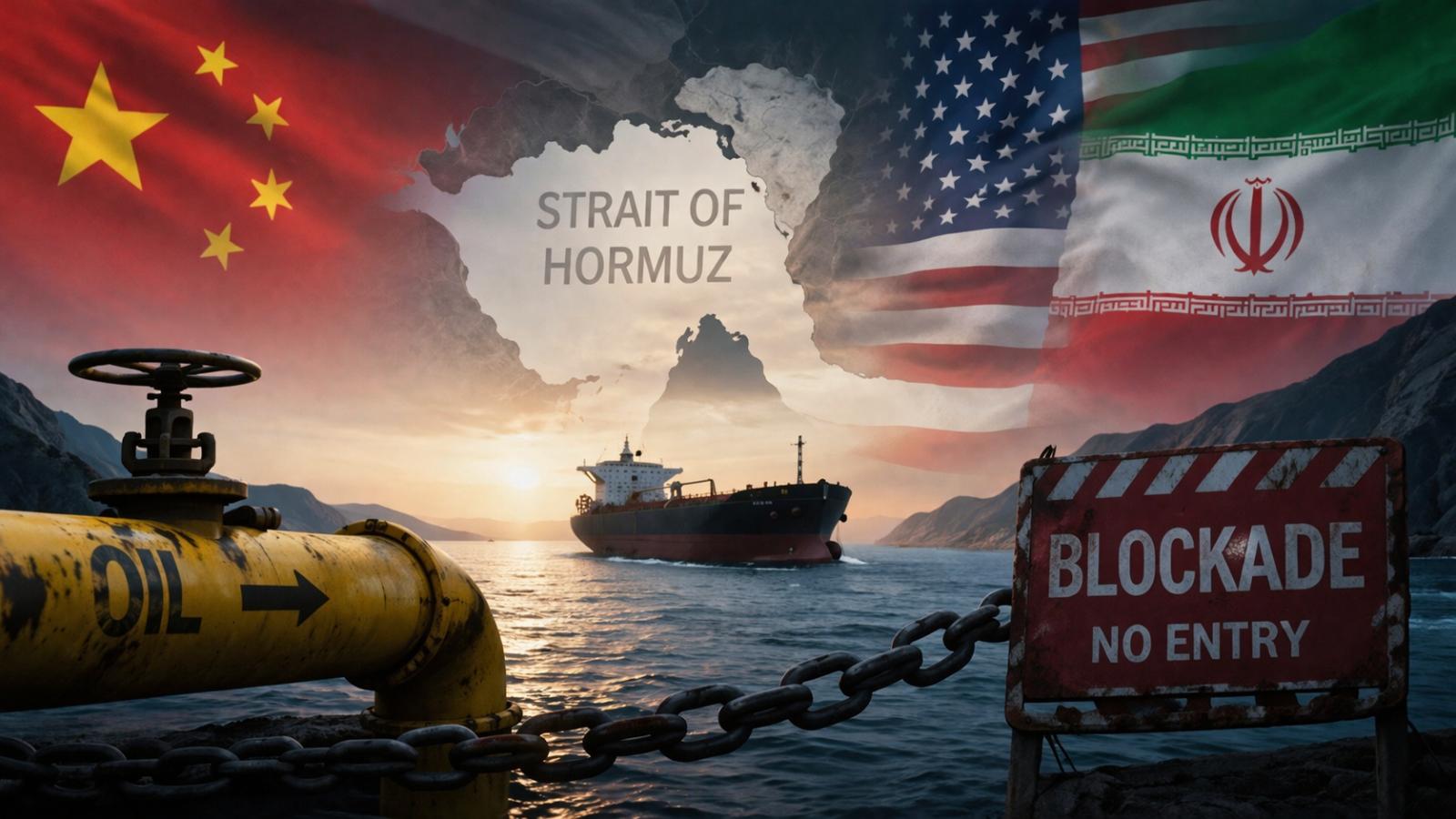
China has expressed strong disapproval over the United States' blockade of Iranian ports in the Strait of Hormuz, calling it a “dangerous and irresponsible act” that could escalate tensions in an already volatile region. In a statement issued on April 14, 2026, the Chinese Ministry of Foreign Affairs warned that the blockade, which began at 10:00 a.m. ET on Monday, along with increased U.S. military deployment in the area, risks undermining the fragile ceasefire that had
China has expressed strong disapproval over the United States' blockade of Iranian ports in the Strait of Hormuz, calling it a “dangerous and irresponsible act” that could escalate tensions in an already volatile region. In a statement issued on April 14, 2026, the Chinese Ministry of Foreign Affairs warned that the blockade, which began at 10:00 a.m. ET on Monday, along with increased U.S. military deployment in the area, risks undermining the fragile ceasefire that had
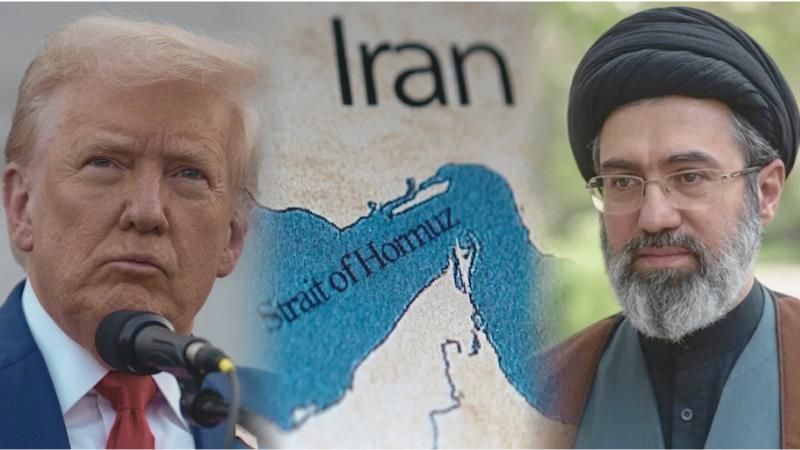
Following unsuccessful diplomatic talks, Donald Trump announced a U.S. naval blockade in the Strait of Hormuz, a critical route for global energy trade. The move is aimed at increasing pressure on
Following unsuccessful diplomatic talks, Donald Trump announced a U.S. naval blockade in the Strait of Hormuz, a critical route for global energy trade. The move is aimed at increasing pressure on
The United States has announced the start of a naval blockade targeting Iranian maritime activity, marking a significant escalation in tensions in the Middle East. Speaking to reporters outside the Oval Office on Monday, April 13, 2026, President Donald Trump said the blockade of the Strait of Hormuz had begun, adding that other countries would assist in the operation, though he did not identify them.
The Strait of Hormuz, one of the world’s most critical oil transit routes, has b
The United States has announced the start of a naval blockade targeting Iranian maritime activity, marking a significant escalation in tensions in the Middle East. Speaking to reporters outside the Oval Office on Monday, April 13, 2026, President Donald Trump said the blockade of the Strait of Hormuz had begun, adding that other countries would assist in the operation, though he did not identify them.
The Strait of Hormuz, one of the world’s most critical oil transit routes, has b
The Anglo-Zanzibar War, widely recognized as the shortest war in recorded history, unfolded on Wednesday, August 27, 1896, in the East African island territory of Zanzibar. The conflict, which lasted between 38 and 45 minutes, involved forces of the British Empire and the Sultanate of Zanzibar, highlighting the stark imbalance of power during the colonial era.
The confrontation began following the death of Sultan Hamad bin Thuwaini, after which his successor, Sultan Khalid bin Bargh
The Anglo-Zanzibar War, widely recognized as the shortest war in recorded history, unfolded on Wednesday, August 27, 1896, in the East African island territory of Zanzibar. The conflict, which lasted between 38 and 45 minutes, involved forces of the British Empire and the Sultanate of Zanzibar, highlighting the stark imbalance of power during the colonial era.
The confrontation began following the death of Sultan Hamad bin Thuwaini, after which his successor, Sultan Khalid bin Bargh
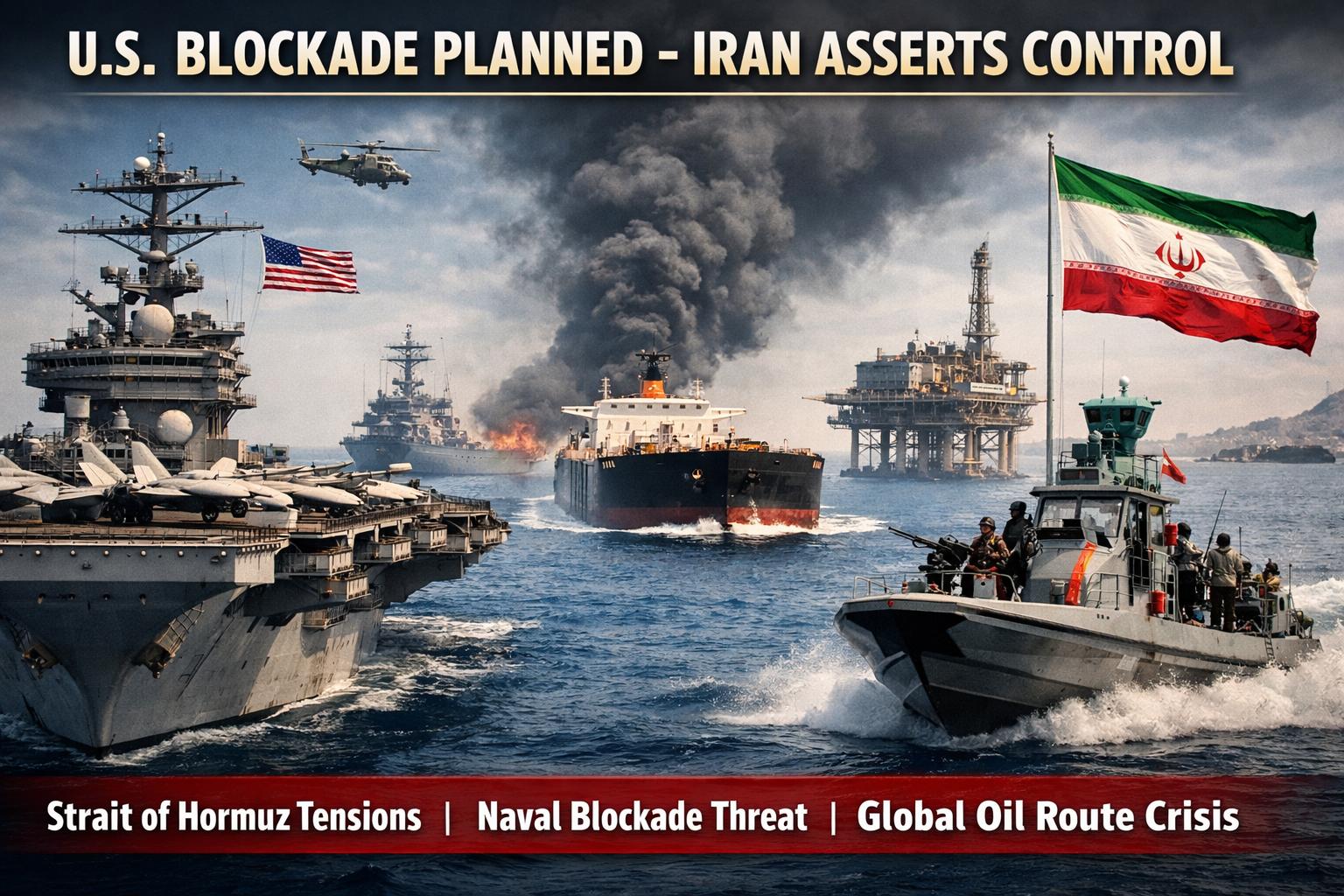
Washington, April 13 — Tensions between the United States and Iran intensified Monday as Washington moved forward with plans to impose a naval blockade targeting Iranian ports, prompting a swift response from Tehran asserting firm control over its maritime borders.
Iran’s deputy interior minister said the country faces no significant security threats along its frontiers, emphasizing what he described as comprehensive oversight of both land and sea boundaries. He stated that Irania
Washington, April 13 — Tensions between the United States and Iran intensified Monday as Washington moved forward with plans to impose a naval blockade targeting Iranian ports, prompting a swift response from Tehran asserting firm control over its maritime borders.
Iran’s deputy interior minister said the country faces no significant security threats along its frontiers, emphasizing what he described as comprehensive oversight of both land and sea boundaries. He stated that Irania
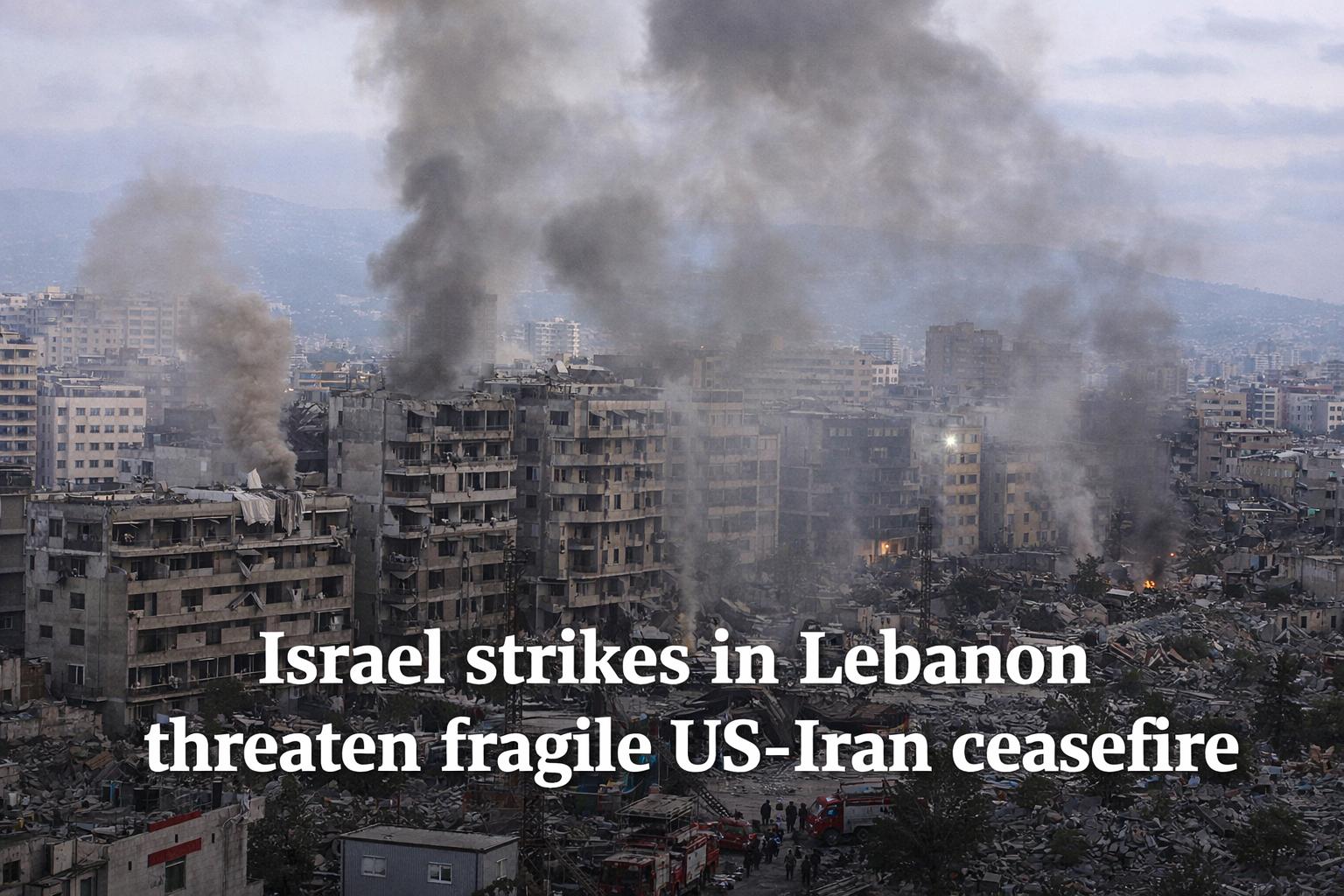
Israel’s intensified military campaign in Lebanon is raising concerns about the stability of a fragile ceasefire between the United States and Iran, with both sides disputing whether Lebanon was included in the agreement. Iranian officials argue that Israeli strikes violate the truce, while U.S. and Israeli authorities maintain the deal does not extend to Lebanon.
The disagreement comes as Israeli airstrikes across Lebanon, including Beirut, caused widespread destruction and signi
Israel’s intensified military campaign in Lebanon is raising concerns about the stability of a fragile ceasefire between the United States and Iran, with both sides disputing whether Lebanon was included in the agreement. Iranian officials argue that Israeli strikes violate the truce, while U.S. and Israeli authorities maintain the deal does not extend to Lebanon.
The disagreement comes as Israeli airstrikes across Lebanon, including Beirut, caused widespread destruction and signi