
























India Japan carbon credit deal boosts clean energy projects
India and Japan are using a joint framework to connect climate action with investment flows. Instead of treating emission cuts as isolated national efforts, both countries are aligning projects where funding, technology, and verified reductions move together. This approach is built to support long-term decarbonisation while still allowing industrial growth in emerging markets like India.
India Japan carbon credit deal boosts clean energy projects
India and Japan are using a joint framework to connect climate action with investment flows. Instead of treating emission cuts as isolated national efforts, both countries are aligning projects where funding, technology, and verified reductions move together. This approach is built to support long-term decarbonisation while still allowing industrial growth in emerging markets like India.
India’s Russian Crude Imports in June Could Reach Record High
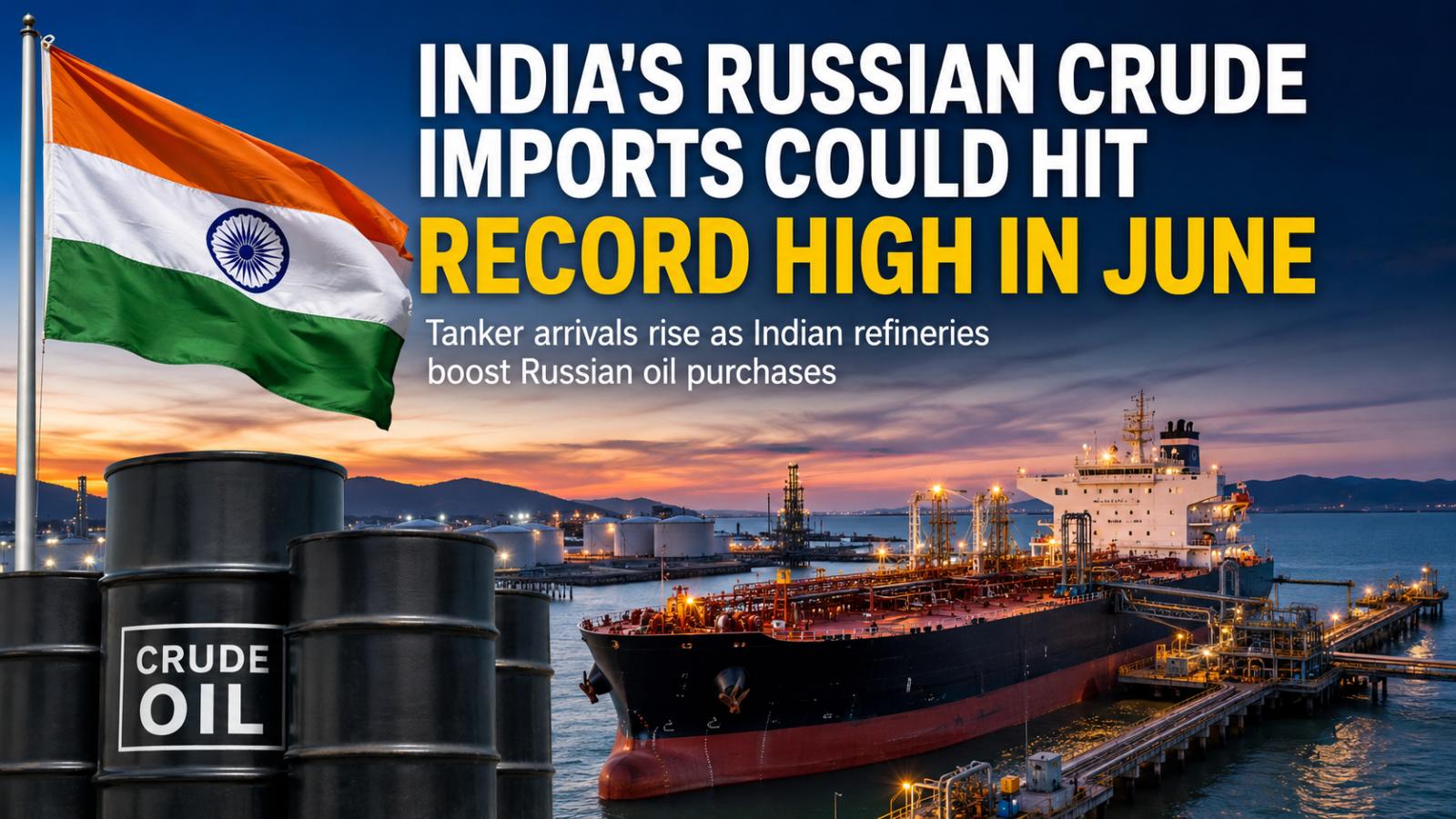
India’s Russian crude imports in June could reach a monthly record as more tankers travel toward major refining ports, according to energy economist Anas Alhajji. Alhajji, chief economist at NGP Energy Capital Management, cited the unusually large number of vessels carrying Russian crude to India. He also shared a Kpler map showing tankers headed to ports across the country. India Russian Crude Imports in June: What the Data Shows The outlook
India’s Russian Crude Imports in June Could Reach Record High
India’s Russian crude imports in June could reach a monthly record as more tankers travel toward major refining ports, according to energy economist Anas Alhajji. Alhajji, chief economist at NGP Energy Capital Management, cited the unusually large number of vessels carrying Russian crude to India. He also shared a Kpler map showing tankers headed to ports across the country. India Russian Crude Imports in June: What the Data Shows The outlook
G7 leaders confront iran conflict and global energy shock
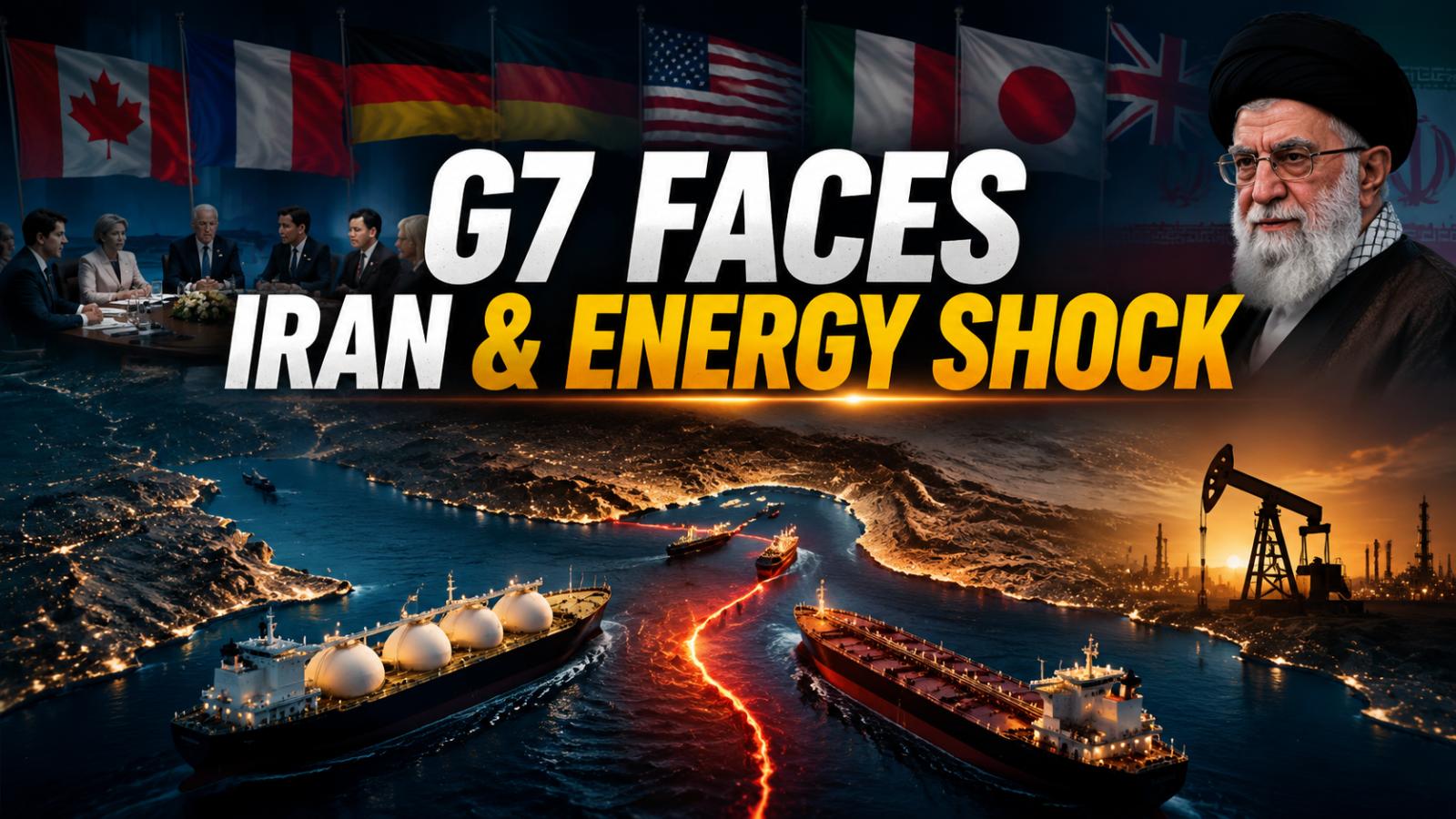
The G7 summit in France unfolded under the shadow of growing instability linked to tensions involving Iran and wider regional security concerns. While political disagreements remained in the background, the more immediate concern for leaders was the economic impact spreading across global energy markets. Rising uncertainty around shipping routes and oil supply quickly turned the discussions toward inflation, fuel pricing, and trade resilience.
G7 leaders confront iran conflict and global energy shock
The G7 summit in France unfolded under the shadow of growing instability linked to tensions involving Iran and wider regional security concerns. While political disagreements remained in the background, the more immediate concern for leaders was the economic impact spreading across global energy markets. Rising uncertainty around shipping routes and oil supply quickly turned the discussions toward inflation, fuel pricing, and trade resilience.
Oil Prices Fall as Iran-US Peace Hopes Lift Markets
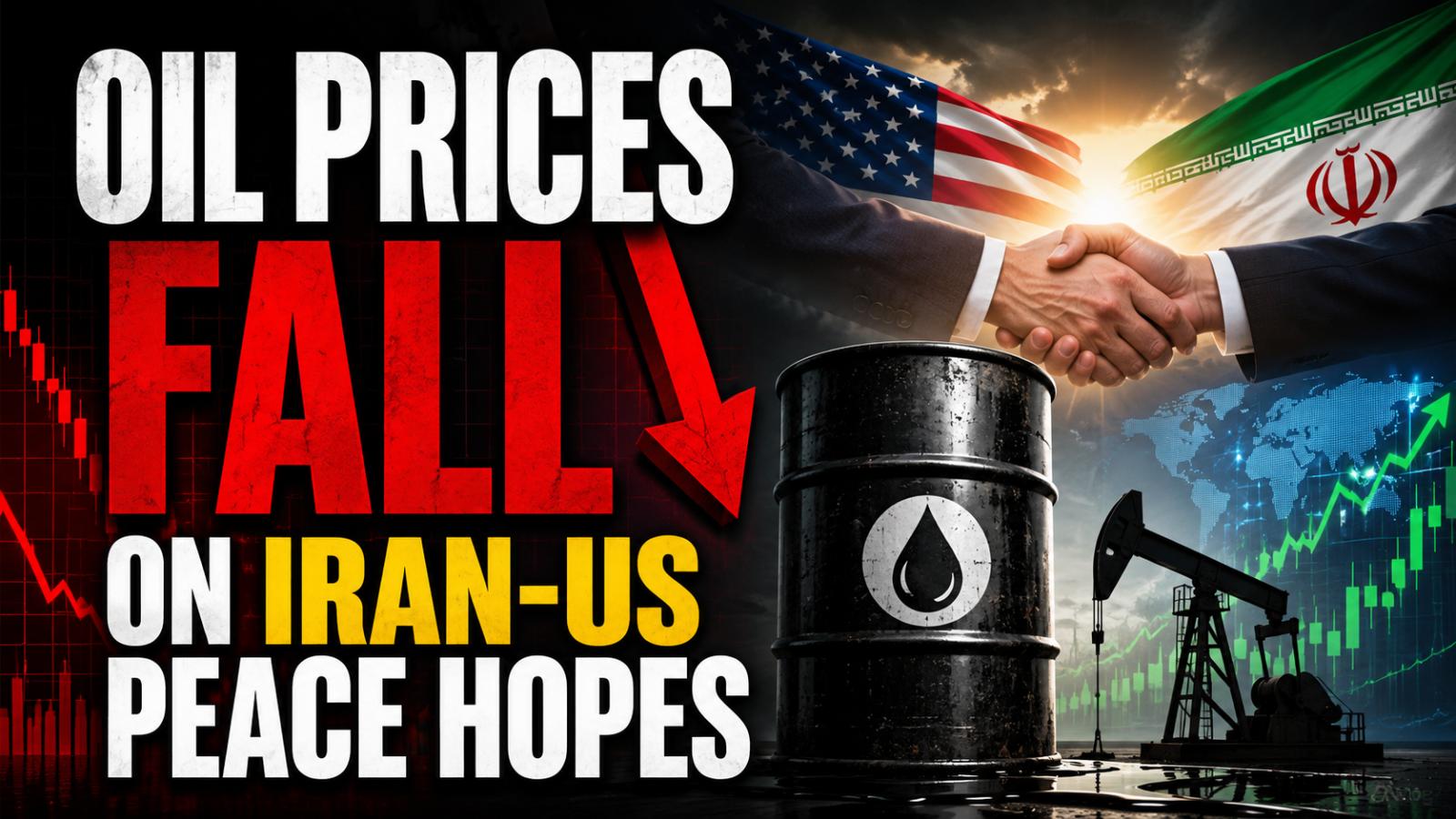
Oil Falls On Peace Deal Hopes Oil prices fell sharply on Friday, June 12, 2026 as renewed hopes for a peace agreement between Iran and the United States eased fears of prolonged disruption to global energy supplies. Brent crude dropped below $86 a barrel during trading before recovering part of its losses, while market attention remained focused on whether diplomatic progress could reduce risks around Middle
Oil Prices Fall as Iran-US Peace Hopes Lift Markets
Oil Falls On Peace Deal Hopes Oil prices fell sharply on Friday, June 12, 2026 as renewed hopes for a peace agreement between Iran and the United States eased fears of prolonged disruption to global energy supplies. Brent crude dropped below $86 a barrel during trading before recovering part of its losses, while market attention remained focused on whether diplomatic progress could reduce risks around Middle
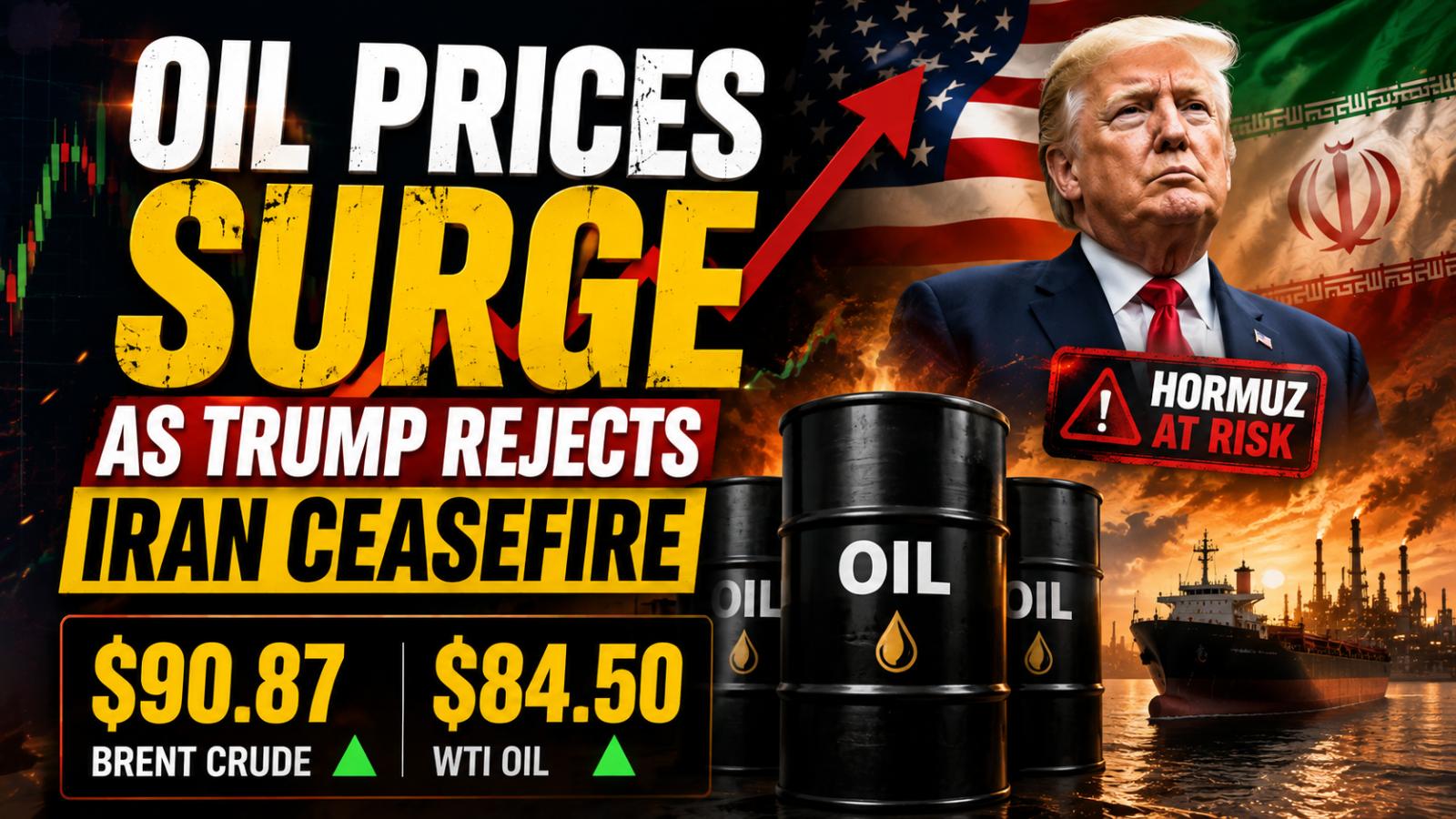
Oil prices surge over 6% as Trump maintains naval blockade on Iran
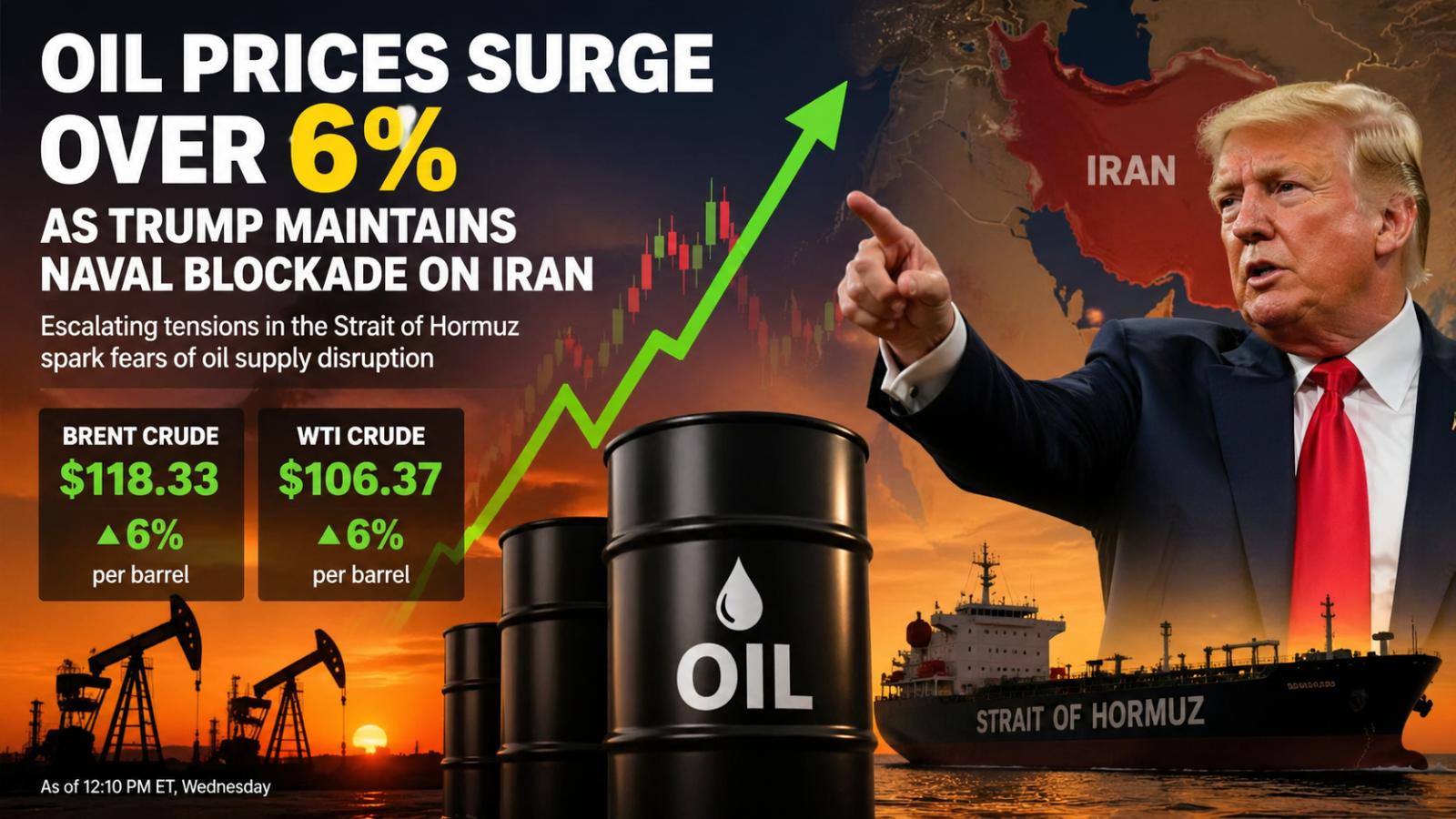
Oil prices jumped over 6% after President Donald Trump confirmed the U.S. will maintain its blockade on Iran, raising concerns over disrupted supply and escalating tensions in the Strait of Hormuz. Oil prices surge over 6% as Trump maintains naval blockade on Iran, sending shockwaves through global energy markets and intensifying concerns about supply disruptions in the Middle East. By 12:10 PM Eastern Time on Wednesday April 29, 2026, international benchmark Brent crude futures climbed more than 6% to $118.33 per barrel, while U.S. West Texas Intermediate futures rose over 6% to $106.37 per barrel. The sharp increase followed comments from Donald Trump, who confirmed that the United States would continue its naval blockade against Iran until a nuclear agreement is reached. Trump described the blockade as highly effective, signaling a firm stance amid stalled diplomatic efforts. Negotiations aimed at easing tensions have made little progress in recent days, further escalating uncertainty in global markets. Iran has refused to reopen the Strait of Hormuz—a critical passage for global oil shipments—unless the United States lifts its blockade. Tehran’s control over the strait has significantly restricted oil exports from the region, tightening supply and driving prices higher. Market analysts note that developments in the Persian Gulf remain the dominant factor influencing oil price volatility. Adding to market complexity, the United Arab Emirates recently announced its decision to exit OPEC. While strategists at ING described the move as a substantial setback for the producer alliance, they indicated its immediate impact on prices would likely be limited compared to ongoing geopolitical tensions. Analysts suggest that while the UAE’s departure could weaken OPEC’s long-term influence, the near-term trajectory of oil markets will depend largely on whether oil flows resume through the Strait of Hormuz. Until then, geopolitical risks and supply constraints are expected to keep prices elevated and markets volatile.
Oil prices surge over 6% as Trump maintains naval blockade on Iran
Oil prices jumped over 6% after President Donald Trump confirmed the U.S. will maintain its blockade on Iran, raising concerns over disrupted supply and escalating tensions in the Strait of Hormuz. Oil prices surge over 6% as Trump maintains naval blockade on Iran, sending shockwaves through global energy markets and intensifying concerns about supply disruptions in the Middle East. By 12:10 PM Eastern Time on Wednesday April 29, 2026, international benchmark Brent crude futures climbed more than 6% to $118.33 per barrel, while U.S. West Texas Intermediate futures rose over 6% to $106.37 per barrel. The sharp increase followed comments from Donald Trump, who confirmed that the United States would continue its naval blockade against Iran until a nuclear agreement is reached. Trump described the blockade as highly effective, signaling a firm stance amid stalled diplomatic efforts. Negotiations aimed at easing tensions have made little progress in recent days, further escalating uncertainty in global markets. Iran has refused to reopen the Strait of Hormuz—a critical passage for global oil shipments—unless the United States lifts its blockade. Tehran’s control over the strait has significantly restricted oil exports from the region, tightening supply and driving prices higher. Market analysts note that developments in the Persian Gulf remain the dominant factor influencing oil price volatility. Adding to market complexity, the United Arab Emirates recently announced its decision to exit OPEC. While strategists at ING described the move as a substantial setback for the producer alliance, they indicated its immediate impact on prices would likely be limited compared to ongoing geopolitical tensions. Analysts suggest that while the UAE’s departure could weaken OPEC’s long-term influence, the near-term trajectory of oil markets will depend largely on whether oil flows resume through the Strait of Hormuz. Until then, geopolitical risks and supply constraints are expected to keep prices elevated and markets volatile.
Can India benefit from UAE exiting OPEC? Yes, through better crude access and pricing
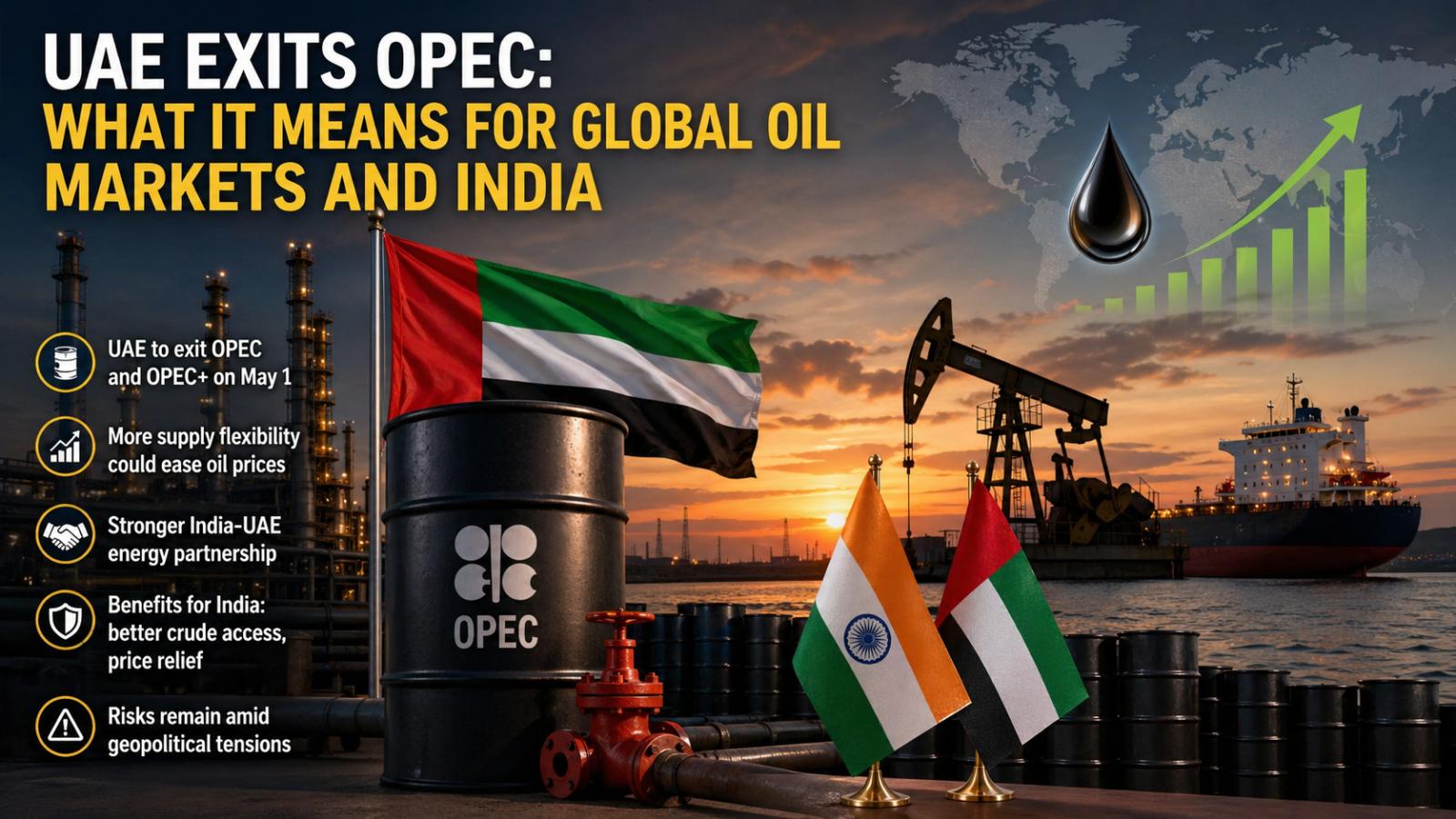
UAE’s exit from OPEC may boost oil supply, ease prices, and strengthen India energy ties, while raising volatility risks in global markets amid geopolitical tensions. Will UAE leaving OPEC lower oil prices? Yes, it could ease global supply pressure as the United Arab Emirates prepares to formally exit Organization of the Petroleum Exporting Countries and OPEC+ on May 1,
Can India benefit from UAE exiting OPEC? Yes, through better crude access and pricing
UAE’s exit from OPEC may boost oil supply, ease prices, and strengthen India energy ties, while raising volatility risks in global markets amid geopolitical tensions. Will UAE leaving OPEC lower oil prices? Yes, it could ease global supply pressure as the United Arab Emirates prepares to formally exit Organization of the Petroleum Exporting Countries and OPEC+ on May 1,
Russia’s Lavrov accuses US of targeting oil resources in foreign policy
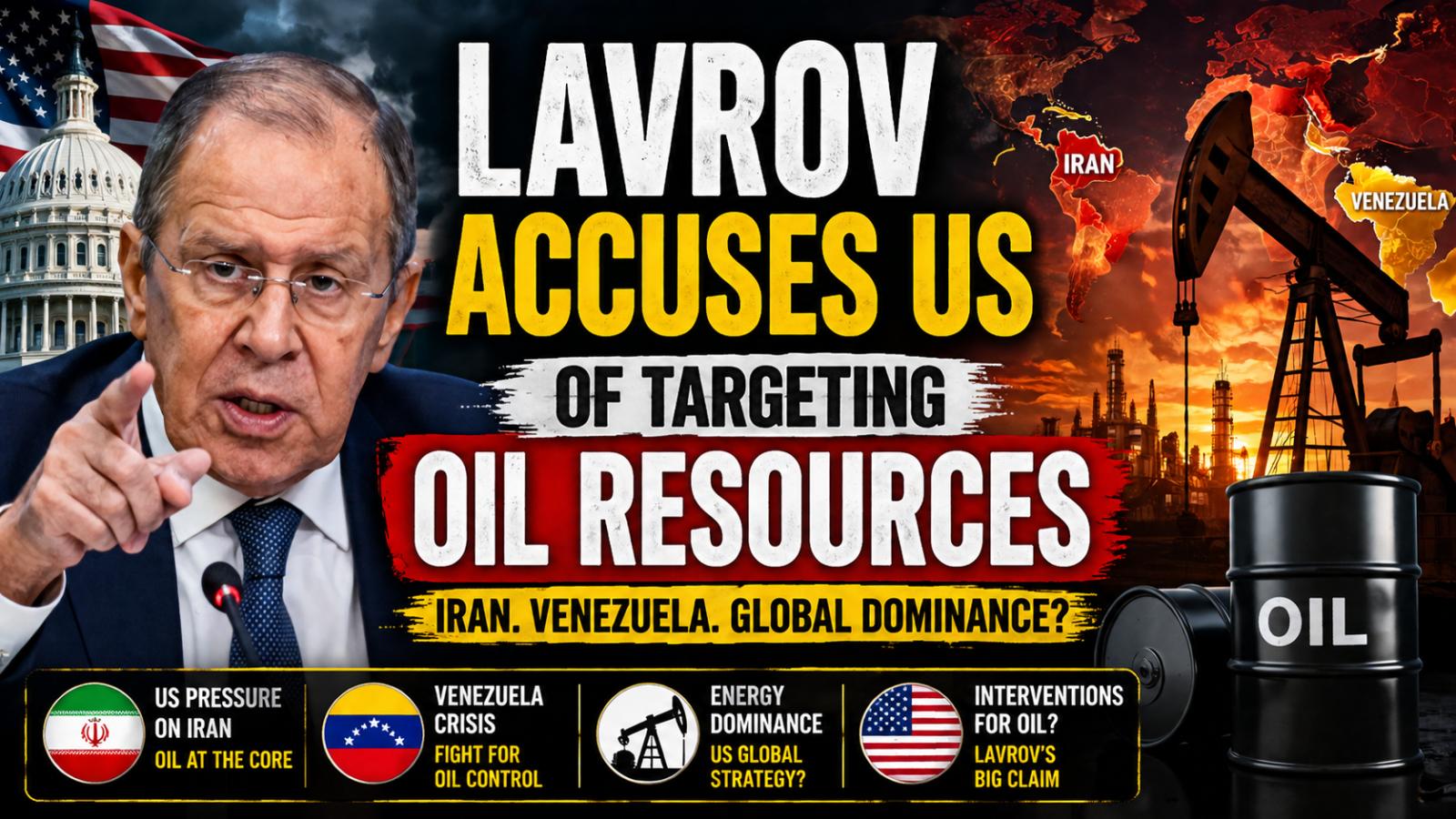
Russia’s foreign minister accuses the US of pursuing oil-driven interventions in Iran and Venezuela, raising concerns over global energy dominance and geopolitical tensions. Russian Foreign Minister Sergei Lavrov has accused the United States of pursuing foreign interventions to secure control over global oil and energy resources, escalating rhetoric between Moscow and
Russia’s Lavrov accuses US of targeting oil resources in foreign policy
Russia’s foreign minister accuses the US of pursuing oil-driven interventions in Iran and Venezuela, raising concerns over global energy dominance and geopolitical tensions. Russian Foreign Minister Sergei Lavrov has accused the United States of pursuing foreign interventions to secure control over global oil and energy resources, escalating rhetoric between Moscow and
How is U.S. pressure on Iran intensifying? It combines sanctions, blockade, and enforcement
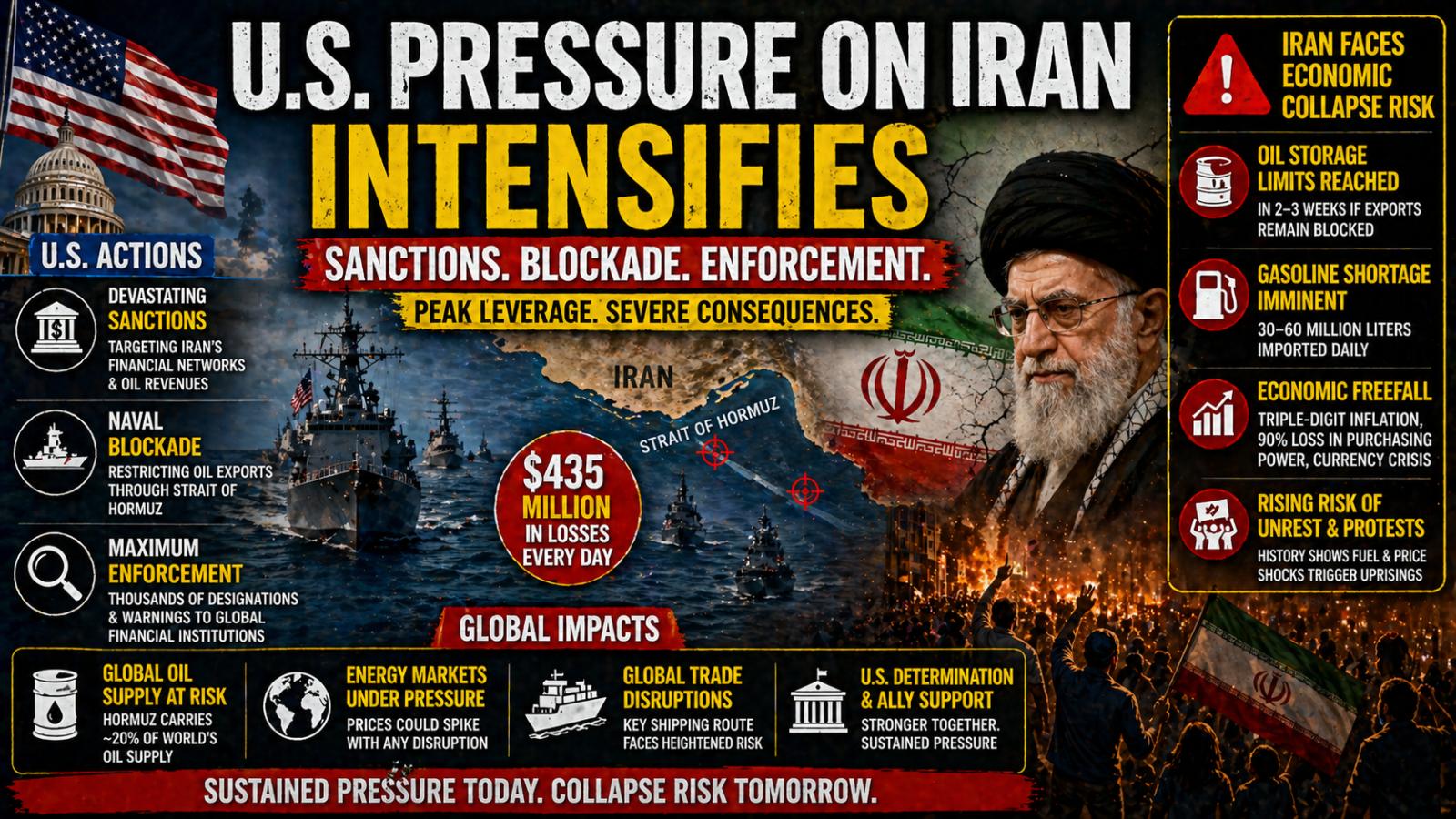
How is U.S. pressure on Iran intensifying? It combines sanctions, blockade, and enforcement as economic and geopolitical forces converge to place unprecedented strain on Tehran, according to a former U.S. Treasury sanctions expert who described the current moment as a rare alignment of leverage. Converging tools create peak economic pressure Miad Maleki, a former Treasury Department sanctions specialist, said the United States is applying multiple pressu
How is U.S. pressure on Iran intensifying? It combines sanctions, blockade, and enforcement
How is U.S. pressure on Iran intensifying? It combines sanctions, blockade, and enforcement as economic and geopolitical forces converge to place unprecedented strain on Tehran, according to a former U.S. Treasury sanctions expert who described the current moment as a rare alignment of leverage. Converging tools create peak economic pressure Miad Maleki, a former Treasury Department sanctions specialist, said the United States is applying multiple pressu
Wall Street falls as Iran talks collapse and oil tops $100
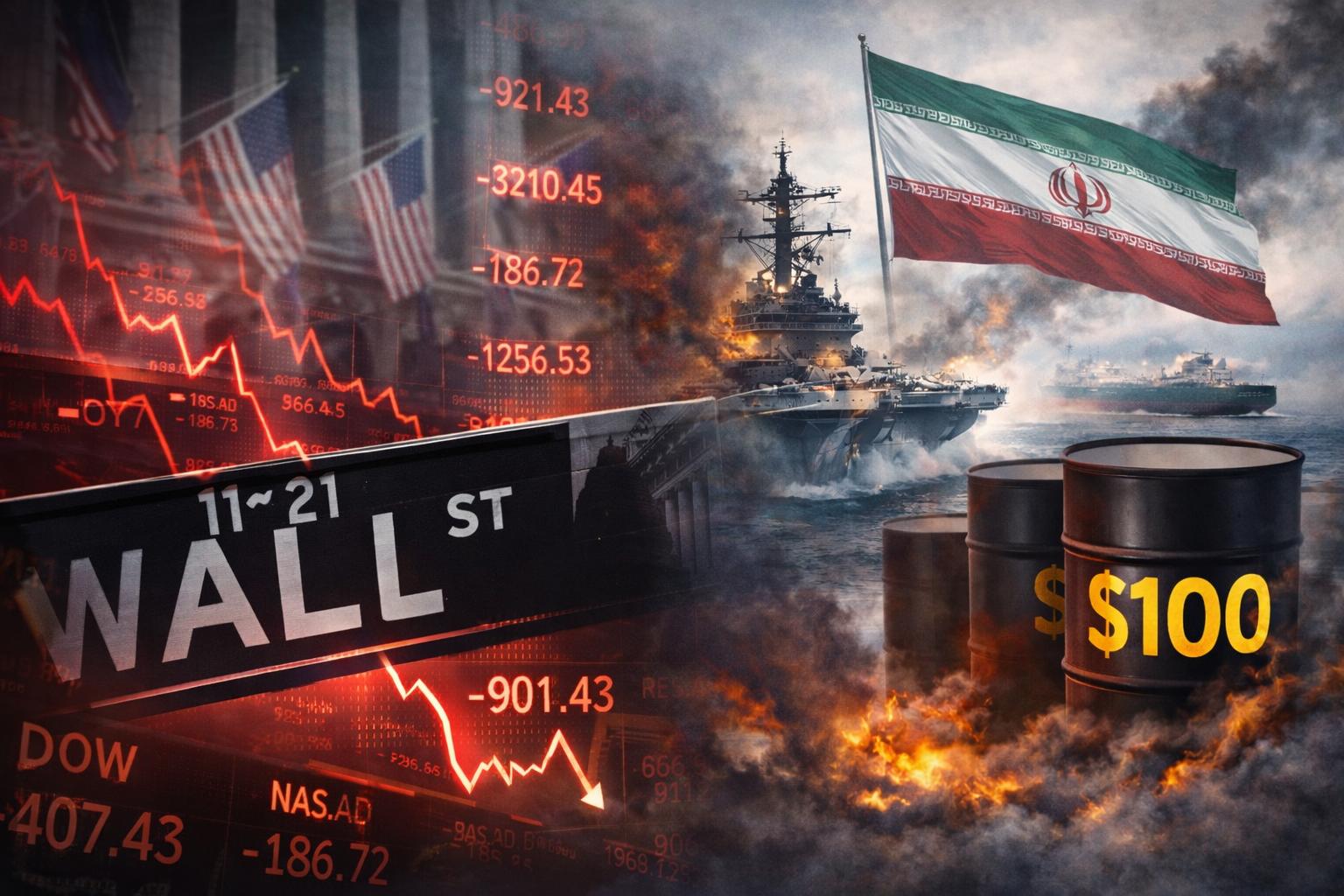
U.S. stock markets opened lower on Monday, April 13, 2026, as investor sentiment weakened following the collapse of high-stakes negotiations between the United States and Iran and a sharp rebound in global oil prices. The downturn reflected rising geopolitical uncertainty after talks aimed at easing tensions ended without agreement over the weekend. As of 9:40 AM ET on April 13, 2026, the Dow Jones Industrial Average fell 0.72 percent, while the S&P 500 declined 0.33 percent and the Nasdaq Composite dropped 0.36 percent. At the same time, oil markets surged, with Brent crude rising nearly 6 percent to above $100 per barrel and U.S. West Texas Intermediate also climbing past the $100 mark, signaling renewed pressure on global energy markets. Market volatility increased as the CBOE Volatility Index rose to 20.61, indicating heightened investor caution. Analysts noted a shift toward a “risk-off” environment, as traders reacted to escalating tensions in the Strait of Hormuz, a critical channel for global oil supply. The market reaction followed the U.S. Navy’s move to begin restricting maritime activity linked to Iran after negotiations held in Islamabad failed to produce a ceasefire or nuclear agreement. The blockade targets vessels associated with Iranian ports, intensifying concerns over potential disruptions to global trade and energy flows. Despite the geopolitical strain, some analysts said the market response remained relatively contained compared to the scale of the crisis. However, the continued rise in oil prices and uncertainty over supply routes could pose longer-term risks for both equity markets and the broader global economy.
Wall Street falls as Iran talks collapse and oil tops $100
U.S. stock markets opened lower on Monday, April 13, 2026, as investor sentiment weakened following the collapse of high-stakes negotiations between the United States and Iran and a sharp rebound in global oil prices. The downturn reflected rising geopolitical uncertainty after talks aimed at easing tensions ended without agreement over the weekend. As of 9:40 AM ET on April 13, 2026, the Dow Jones Industrial Average fell 0.72 percent, while the S&P 500 declined 0.33 percent and the Nasdaq Composite dropped 0.36 percent. At the same time, oil markets surged, with Brent crude rising nearly 6 percent to above $100 per barrel and U.S. West Texas Intermediate also climbing past the $100 mark, signaling renewed pressure on global energy markets. Market volatility increased as the CBOE Volatility Index rose to 20.61, indicating heightened investor caution. Analysts noted a shift toward a “risk-off” environment, as traders reacted to escalating tensions in the Strait of Hormuz, a critical channel for global oil supply. The market reaction followed the U.S. Navy’s move to begin restricting maritime activity linked to Iran after negotiations held in Islamabad failed to produce a ceasefire or nuclear agreement. The blockade targets vessels associated with Iranian ports, intensifying concerns over potential disruptions to global trade and energy flows. Despite the geopolitical strain, some analysts said the market response remained relatively contained compared to the scale of the crisis. However, the continued rise in oil prices and uncertainty over supply routes could pose longer-term risks for both equity markets and the broader global economy.
India growth forecast raised to 6.6% as South Asia faces economic uncertainty
India is expected to remain the central driver of economic growth in South Asia, even as global uncertainties continue to pressure the broader region, according to the latest outlook from the World Bank. The institution has revised India’s growth forecast for the 2026–27 fiscal year upward to 6.6 percent, an increase from its earlier estimate of 6.3 percent, underscoring confidence in the country’s economic resilience. The updated projection comes amid a challenging global environment shaped by geopolitical tensions, shifting trade dynamics, and volatility in energy markets. These factors have weighed on growth expectations across South Asia, where several economies are projected to experience slower expansion in the coming years. Despite these headwinds, India’s performance continues to stand out, supported by strong domestic demand, policy stability, and ongoing structural reforms. For U.S.-based observers and global investors, India’s upgraded outlook signals a relatively stable growth engine within emerging markets in Asia. As economic uncertainty persists worldwide, India’s trajectory offers a degree of predictability that contrasts with the broader regional slowdown. Analysts note that while external risks remain significant, including supply chain disruptions and energy price fluctuations, India’s diversified economy positions it to better absorb global shocks. The World Bank’s revision highlights India’s role as a stabilizing force in South Asia’s economic landscape. While neighboring economies face mounting fiscal and external pressures, India is expected to continue contributing the largest share of regional growth. This dynamic reinforces the country’s importance not only within Asia but also in the context of the global economy, where emerging markets are increasingly influential. Overall, the revised forecast reflects cautious optimism. While challenges persist, India’s economic fundamentals and growth momentum suggest it will remain a key pillar of regional and global economic stability in the years ahead.
India growth forecast raised to 6.6% as South Asia faces economic uncertainty
India is expected to remain the central driver of economic growth in South Asia, even as global uncertainties continue to pressure the broader region, according to the latest outlook from the World Bank. The institution has revised India’s growth forecast for the 2026–27 fiscal year upward to 6.6 percent, an increase from its earlier estimate of 6.3 percent, underscoring confidence in the country’s economic resilience. The updated projection comes amid a challenging global environment shaped by geopolitical tensions, shifting trade dynamics, and volatility in energy markets. These factors have weighed on growth expectations across South Asia, where several economies are projected to experience slower expansion in the coming years. Despite these headwinds, India’s performance continues to stand out, supported by strong domestic demand, policy stability, and ongoing structural reforms. For U.S.-based observers and global investors, India’s upgraded outlook signals a relatively stable growth engine within emerging markets in Asia. As economic uncertainty persists worldwide, India’s trajectory offers a degree of predictability that contrasts with the broader regional slowdown. Analysts note that while external risks remain significant, including supply chain disruptions and energy price fluctuations, India’s diversified economy positions it to better absorb global shocks. The World Bank’s revision highlights India’s role as a stabilizing force in South Asia’s economic landscape. While neighboring economies face mounting fiscal and external pressures, India is expected to continue contributing the largest share of regional growth. This dynamic reinforces the country’s importance not only within Asia but also in the context of the global economy, where emerging markets are increasingly influential. Overall, the revised forecast reflects cautious optimism. While challenges persist, India’s economic fundamentals and growth momentum suggest it will remain a key pillar of regional and global economic stability in the years ahead.
Oil prices rise as Trump warns Iran ahead of Hormuz deadline
Oil prices climbed sharply on Tuesday (date not sp
Oil prices rise as Trump warns Iran ahead of Hormuz deadline
Oil prices climbed sharply on Tuesday (date not sp
Sanctioned tanker diverts Iranian crude from India to China amid payment concerns
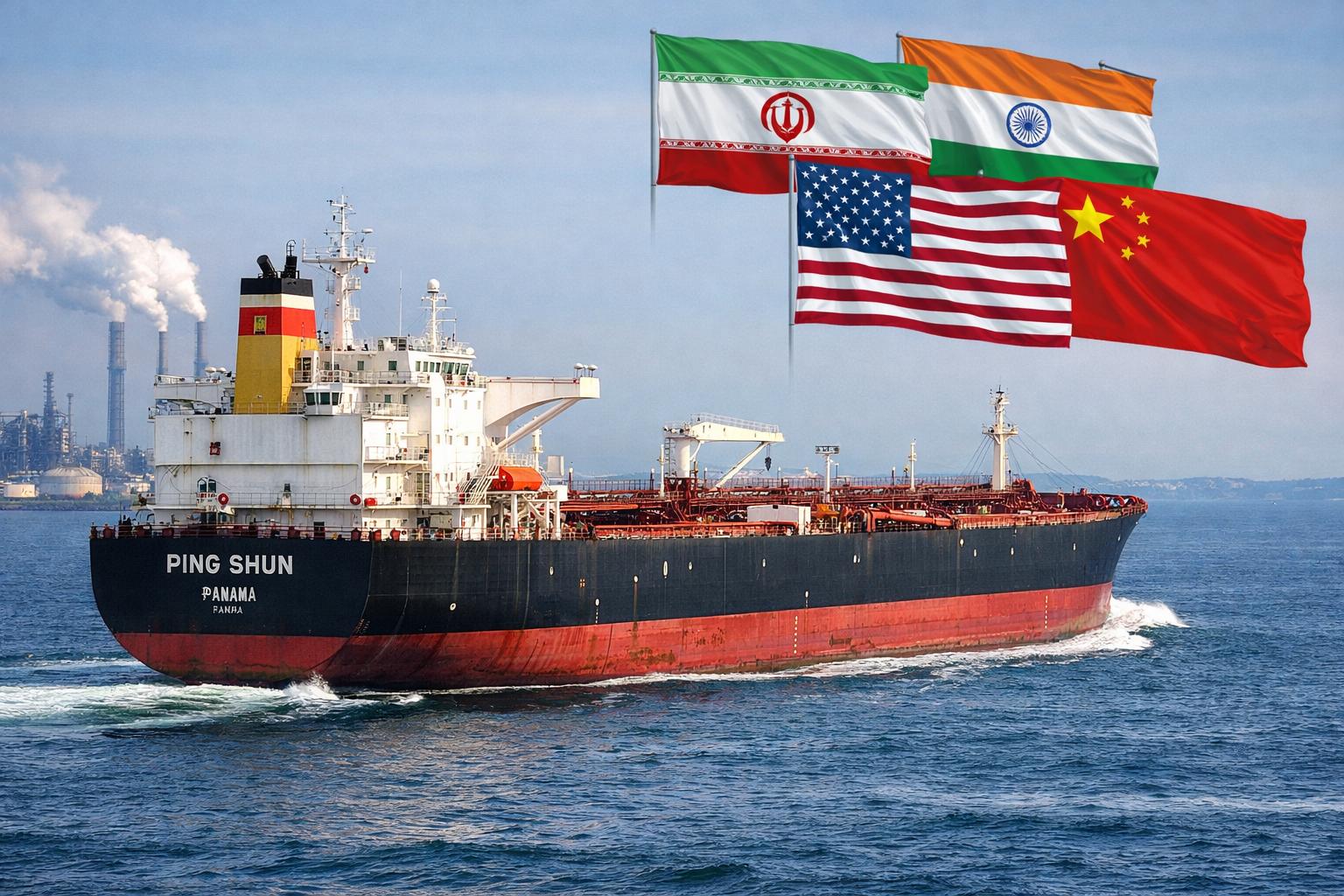
A U.S.-sanctioned oil tanker carrying Iranian crude has changed course from India to China, raising uncertainty over what could have been India’s first Iranian oil import in nearly seven years. The Aframax tanker Ping Shun, built in 2002 and sanctioned by the United States in 2025, is now signaling Dongying, China, as its destination instead of Vadinar in Gujarat, according to data from Kpler.
Sanctioned tanker diverts Iranian crude from India to China amid payment concerns
A U.S.-sanctioned oil tanker carrying Iranian crude has changed course from India to China, raising uncertainty over what could have been India’s first Iranian oil import in nearly seven years. The Aframax tanker Ping Shun, built in 2002 and sanctioned by the United States in 2025, is now signaling Dongying, China, as its destination instead of Vadinar in Gujarat, according to data from Kpler.
Putin warns Iran conflict could trigger global disruption like COVID-19
Moscow, Russia: Russian President Vladimir Putin has cautioned that the economic consequences of the ongoing conflict involving Iran could mirror the widespread disruption seen during the COVID-19 pandemic, highlighting mounting pressure on global supply chains and key industries. Speaking at a major business forum in Moscow, Putin said the instability in the Middle East is already causing significant strain on international production systems and logistics networks. He noted that cri
Putin warns Iran conflict could trigger global disruption like COVID-19
Moscow, Russia: Russian President Vladimir Putin has cautioned that the economic consequences of the ongoing conflict involving Iran could mirror the widespread disruption seen during the COVID-19 pandemic, highlighting mounting pressure on global supply chains and key industries. Speaking at a major business forum in Moscow, Putin said the instability in the Middle East is already causing significant strain on international production systems and logistics networks. He noted that cri
Rising gas prices strain spring break travel plans as AAA urges fuel-saving habits
National gas prices have climbed sharply in recent days, forcing many drivers to confront unexpectedly high costs at fuel pumps just as spring break travel begins across the country. The increase follows recent geopolitical tensions linked to military developments in Iran, which have contributed to volatility in global energy markets and pushed gasoline prices higher nationwide. With millions of families preparing for road trips and vacations, the surge in fuel costs is adding press
Rising gas prices strain spring break travel plans as AAA urges fuel-saving habits
National gas prices have climbed sharply in recent days, forcing many drivers to confront unexpectedly high costs at fuel pumps just as spring break travel begins across the country. The increase follows recent geopolitical tensions linked to military developments in Iran, which have contributed to volatility in global energy markets and pushed gasoline prices higher nationwide. With millions of families preparing for road trips and vacations, the surge in fuel costs is adding press
Qatar LNG exports disrupted as Strait of Hormuz tensions escalate
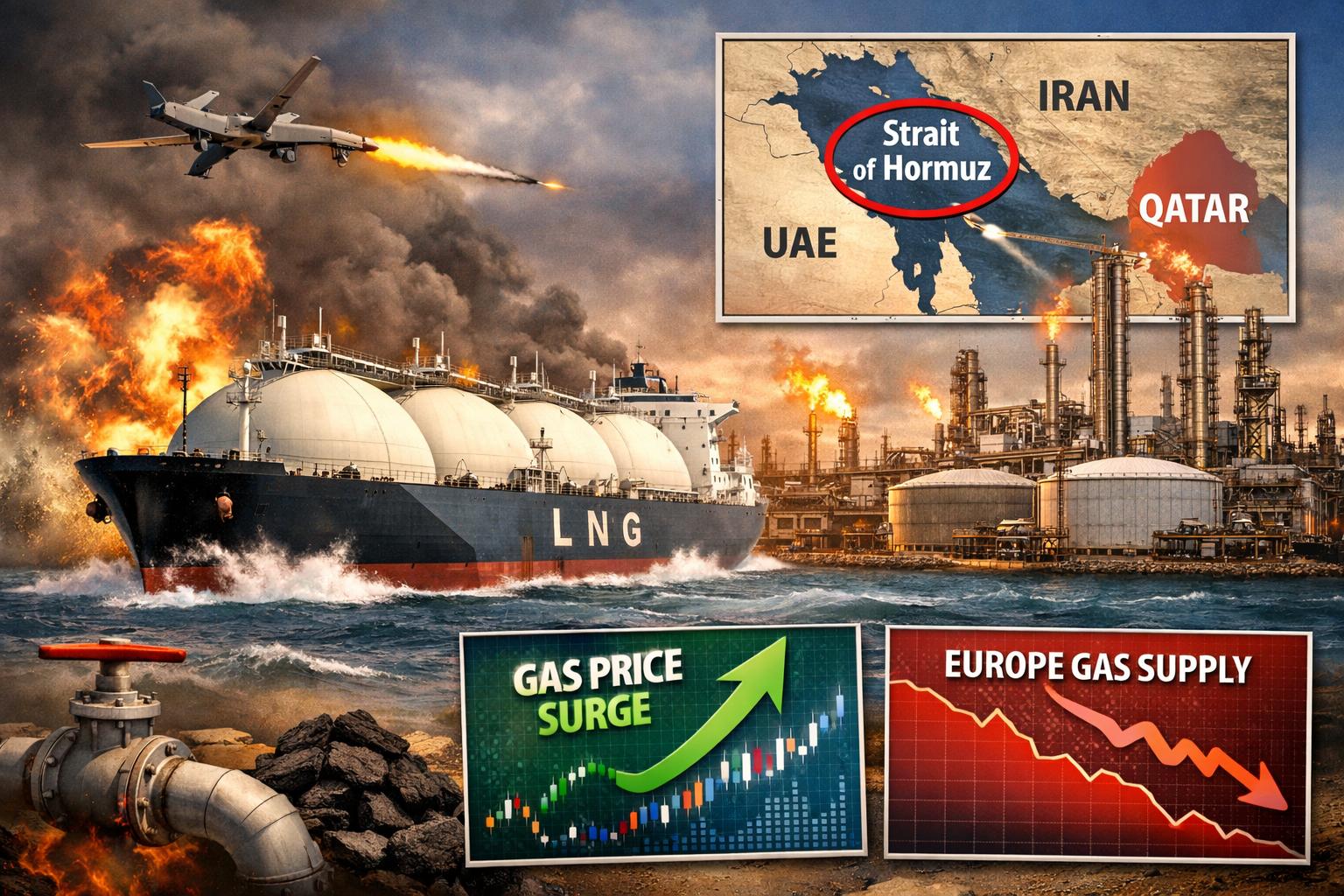
The escalating tensions around the Strait of Hormuz are raising serious concerns for global energy markets, with analysts warning that the liquefied natural gas sector could be more severely affected than crude oil if the shipping route remains disrupted. While oil shipments have been partially redirected through alternative pipelines, LNG faces unique challenges due to its dependence on specialized tankers and highly centralized production, particularly in Qatar. Roughly 20 percent o
Qatar LNG exports disrupted as Strait of Hormuz tensions escalate
The escalating tensions around the Strait of Hormuz are raising serious concerns for global energy markets, with analysts warning that the liquefied natural gas sector could be more severely affected than crude oil if the shipping route remains disrupted. While oil shipments have been partially redirected through alternative pipelines, LNG faces unique challenges due to its dependence on specialized tankers and highly centralized production, particularly in Qatar. Roughly 20 percent o
Crude Oil Crosses $110 Amid Gulf Conflict, Petrol and Flight Fares May Rise
Global crude oil prices have surged past $110 per barrel as escalating tensions in the Gulf region shake energy markets worldwide. The sharp increase has triggered concerns about potential supply disruptions, particularly through the Strait of Hormuz, one of the most critical oil transit routes globally. The sudden spike represents the biggest jump in crude prices since 2020 and has raised fears about its possible ripple effects on economies that depend heavily on imported oil. Desp
Crude Oil Crosses $110 Amid Gulf Conflict, Petrol and Flight Fares May Rise
Global crude oil prices have surged past $110 per barrel as escalating tensions in the Gulf region shake energy markets worldwide. The sharp increase has triggered concerns about potential supply disruptions, particularly through the Strait of Hormuz, one of the most critical oil transit routes globally. The sudden spike represents the biggest jump in crude prices since 2020 and has raised fears about its possible ripple effects on economies that depend heavily on imported oil. Desp
US–Israel–Iran War | Operation Epic Fury may cost US economy $210 billion amid Iran war
The United States could face an economic impact of up to $210 billion as Operation Epic Fury intensifies tensions with Iran, according to leading budget analysts. President Donald Trump has indicated that the conflict may continue for at least four weeks, raising concerns about prolonged military spending and wider fallout for the US economy. Estimates by economist Kent Smetters of the Penn Wharton Budget Model suggest that the total cost of the Iran conflict could significantly strain federa
US–Israel–Iran War | Operation Epic Fury may cost US economy $210 billion amid Iran war
The United States could face an economic impact of up to $210 billion as Operation Epic Fury intensifies tensions with Iran, according to leading budget analysts. President Donald Trump has indicated that the conflict may continue for at least four weeks, raising concerns about prolonged military spending and wider fallout for the US economy. Estimates by economist Kent Smetters of the Penn Wharton Budget Model suggest that the total cost of the Iran conflict could significantly strain federa
U.S. natural gas prices surge above $6 as winter storm fern deepens energy strain
U.S. natural gas prices surged sharply on Monday, climbing above the $6 mark for the first time since late 2022, as a powerful winter storm swept across large portions of the country, straining energy systems and disrupting daily life for millions of Americans. The rally reflected mounting concerns over heating demand, power generation reliability, and supply disruptions amid one of the most severe cold snaps of the season. Natural gas futures for February delivery rose more than 18
U.S. natural gas prices surge above $6 as winter storm fern deepens energy strain
U.S. natural gas prices surged sharply on Monday, climbing above the $6 mark for the first time since late 2022, as a powerful winter storm swept across large portions of the country, straining energy systems and disrupting daily life for millions of Americans. The rally reflected mounting concerns over heating demand, power generation reliability, and supply disruptions amid one of the most severe cold snaps of the season. Natural gas futures for February delivery rose more than 18
Oil prices sink to seven-year low as surplus fears and Ukraine peace hopes grow
U.S. crude oil prices fell to their lowest level since May on Tuesday, deepening a prolonged downturn that has put the market on track for its weakest annual performance in seven years. The decline reflects growing concerns over a looming supply surplus and shifting expectations around geopolitical risks, particularly the possibility of a peace agreement between Ukraine and Russia. West Texas Intermediate crude briefly dropped to $55.69 per barrel, while global benchmark Brent crude
Oil prices sink to seven-year low as surplus fears and Ukraine peace hopes grow
U.S. crude oil prices fell to their lowest level since May on Tuesday, deepening a prolonged downturn that has put the market on track for its weakest annual performance in seven years. The decline reflects growing concerns over a looming supply surplus and shifting expectations around geopolitical risks, particularly the possibility of a peace agreement between Ukraine and Russia. West Texas Intermediate crude briefly dropped to $55.69 per barrel, while global benchmark Brent crude
India Stands Firm Amid U.S. Pressure on Russian Oil
India is once again at the center of global diplomatic attention after former U.S. President Donald Trump claimed that Prime Minister Narendra Modi had agreed to halt Russian oil imports. The Indian government swiftly denied the statement, emphasizing that its energy decisions are made independently and based solely on national interest. This move highlights New Delhi’s determination to maintain strategic autonomy amid increasing international pressure. Over the past two years
India Stands Firm Amid U.S. Pressure on Russian Oil
India is once again at the center of global diplomatic attention after former U.S. President Donald Trump claimed that Prime Minister Narendra Modi had agreed to halt Russian oil imports. The Indian government swiftly denied the statement, emphasizing that its energy decisions are made independently and based solely on national interest. This move highlights New Delhi’s determination to maintain strategic autonomy amid increasing international pressure. Over the past two years


