













India confirms seafarers safe amid Strait of Hormuz tensions and oil surge
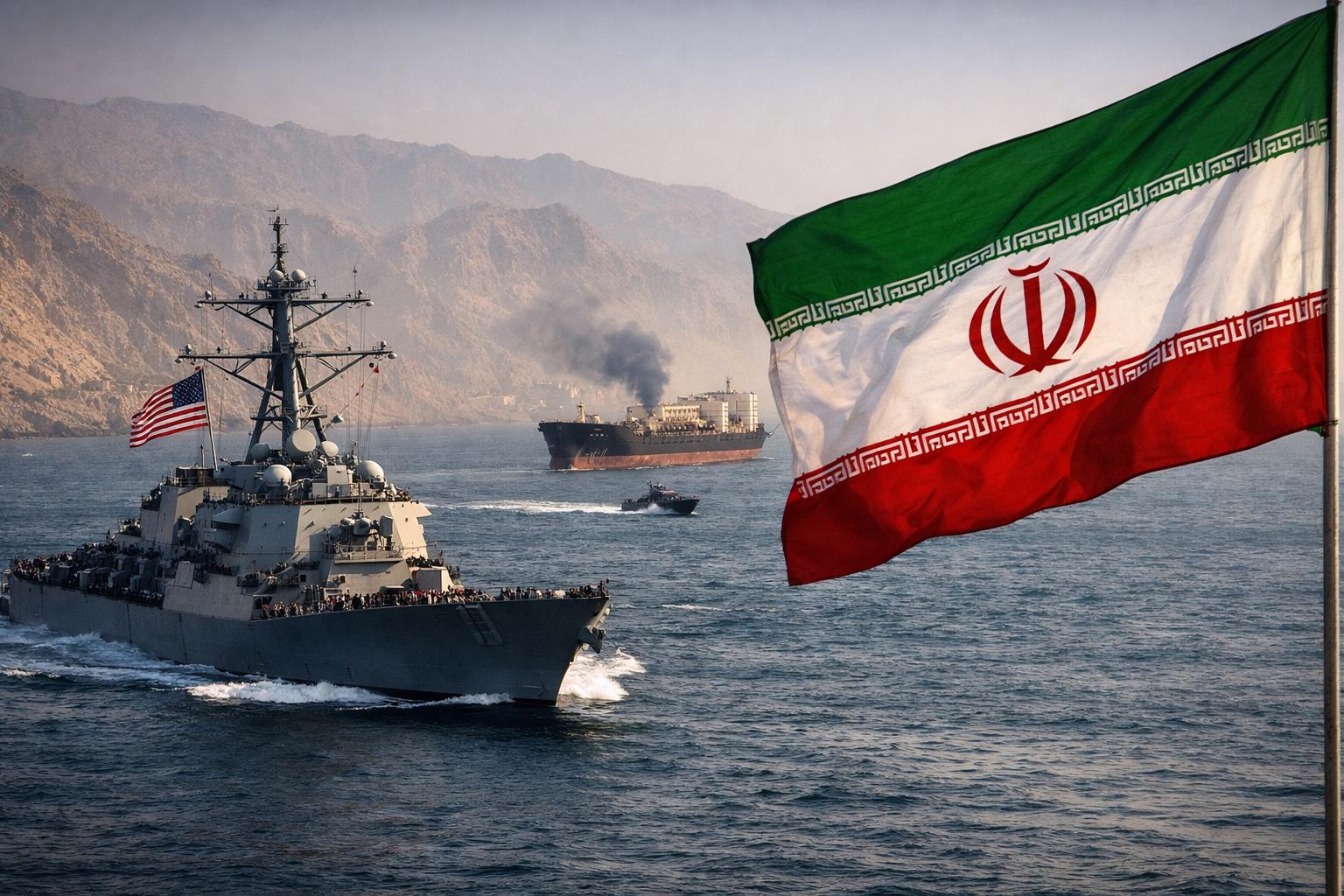
At an inter-ministerial press conference held on Monday, April 6, 2026, in India (IST), Mukesh Mangal, Secretary in the Ministry of Ports, Shipping and Waterways, confirmed that Indian seafarers operating in the conflict-affected West Asia region remain safe, even as escalating geopolitical tensions continue to disrupt global energy markets. Mangal stated that no incidents involving Indian-flagged vessels had been reported in the preceding 24 hours, underscoring the government’s ong
India confirms seafarers safe amid Strait of Hormuz tensions and oil surge
At an inter-ministerial press conference held on Monday, April 6, 2026, in India (IST), Mukesh Mangal, Secretary in the Ministry of Ports, Shipping and Waterways, confirmed that Indian seafarers operating in the conflict-affected West Asia region remain safe, even as escalating geopolitical tensions continue to disrupt global energy markets. Mangal stated that no incidents involving Indian-flagged vessels had been reported in the preceding 24 hours, underscoring the government’s ong
Dozens of Iranian universities hit as US-Israel conflict escalates
Iranian authorities have stated that at least 30 universities across the country have been damaged since the start of ongoing military strikes involving the United States and Israel, highlighting the widening impact of the conflict on civilian infrastructure. Officials in Tehran reported that multiple higher education institutions were affected during a series of attacks that have intensified in recent weeks. The strikes, which Iran attributes to coordinated US-Israel military operati
Dozens of Iranian universities hit as US-Israel conflict escalates
Iranian authorities have stated that at least 30 universities across the country have been damaged since the start of ongoing military strikes involving the United States and Israel, highlighting the widening impact of the conflict on civilian infrastructure. Officials in Tehran reported that multiple higher education institutions were affected during a series of attacks that have intensified in recent weeks. The strikes, which Iran attributes to coordinated US-Israel military operati
India acknowledges Iranian oil and LPG imports amid energy demand
India has officially confirmed that it is importing crude oil and liquefied petroleum gas (LPG) from Iran, marking a notable development in its energy policy amid evolving global market conditions. The confirmation was issued by India’s Petroleum Ministry on Saturday, April 4, 2026 (IST), providing clarity on ongoing reports about energy trade involving Iranian supplies. The acknowledgment highlights India’s continued reliance on diversified fuel sources to meet rising domestic demand. As one of the world’s largest importers of crude oil, India depends heavily on international suppliers to sustain economic growth, industrial activity, and consumer energy needs. Iranian crude and LPG are considered commercially attractive due to pricing advantages and established supply channels. Officials emphasized that India’s crude supply remains secure and that there are no reported payment-related disruptions affecting imports from Iran. The clarification comes amid heightened global scrutiny over transactions involving Iranian energy exports, which remain sensitive due to international sanctions frameworks and geopolitical considerations. Energy analysts note that India’s confirmation underscores a broader trend among major economies seeking flexibility in sourcing oil and gas. With global oil markets experiencing volatility, countries are increasingly prioritizing energy security and affordability over rigid sourcing constraints. India’s approach reflects a pragmatic balance between domestic economic priorities and external diplomatic pressures. The development may also influence broader market sentiment, particularly if it signals sustained or increased flows of Iranian crude into global supply chains. At the same time, it highlights the complexities of international energy trade, where economic necessity, regulatory environments, and geopolitical dynamics intersect. India’s confirmation on Saturday, April 4, 2026 (IST) reinforces its strategic focus on ensuring uninterrupted fuel access while navigating a rapidly shifting global energy landscape.
India acknowledges Iranian oil and LPG imports amid energy demand
India has officially confirmed that it is importing crude oil and liquefied petroleum gas (LPG) from Iran, marking a notable development in its energy policy amid evolving global market conditions. The confirmation was issued by India’s Petroleum Ministry on Saturday, April 4, 2026 (IST), providing clarity on ongoing reports about energy trade involving Iranian supplies. The acknowledgment highlights India’s continued reliance on diversified fuel sources to meet rising domestic demand. As one of the world’s largest importers of crude oil, India depends heavily on international suppliers to sustain economic growth, industrial activity, and consumer energy needs. Iranian crude and LPG are considered commercially attractive due to pricing advantages and established supply channels. Officials emphasized that India’s crude supply remains secure and that there are no reported payment-related disruptions affecting imports from Iran. The clarification comes amid heightened global scrutiny over transactions involving Iranian energy exports, which remain sensitive due to international sanctions frameworks and geopolitical considerations. Energy analysts note that India’s confirmation underscores a broader trend among major economies seeking flexibility in sourcing oil and gas. With global oil markets experiencing volatility, countries are increasingly prioritizing energy security and affordability over rigid sourcing constraints. India’s approach reflects a pragmatic balance between domestic economic priorities and external diplomatic pressures. The development may also influence broader market sentiment, particularly if it signals sustained or increased flows of Iranian crude into global supply chains. At the same time, it highlights the complexities of international energy trade, where economic necessity, regulatory environments, and geopolitical dynamics intersect. India’s confirmation on Saturday, April 4, 2026 (IST) reinforces its strategic focus on ensuring uninterrupted fuel access while navigating a rapidly shifting global energy landscape.
Trump floats Hormuz strategy as Pentagon seeks record war funding
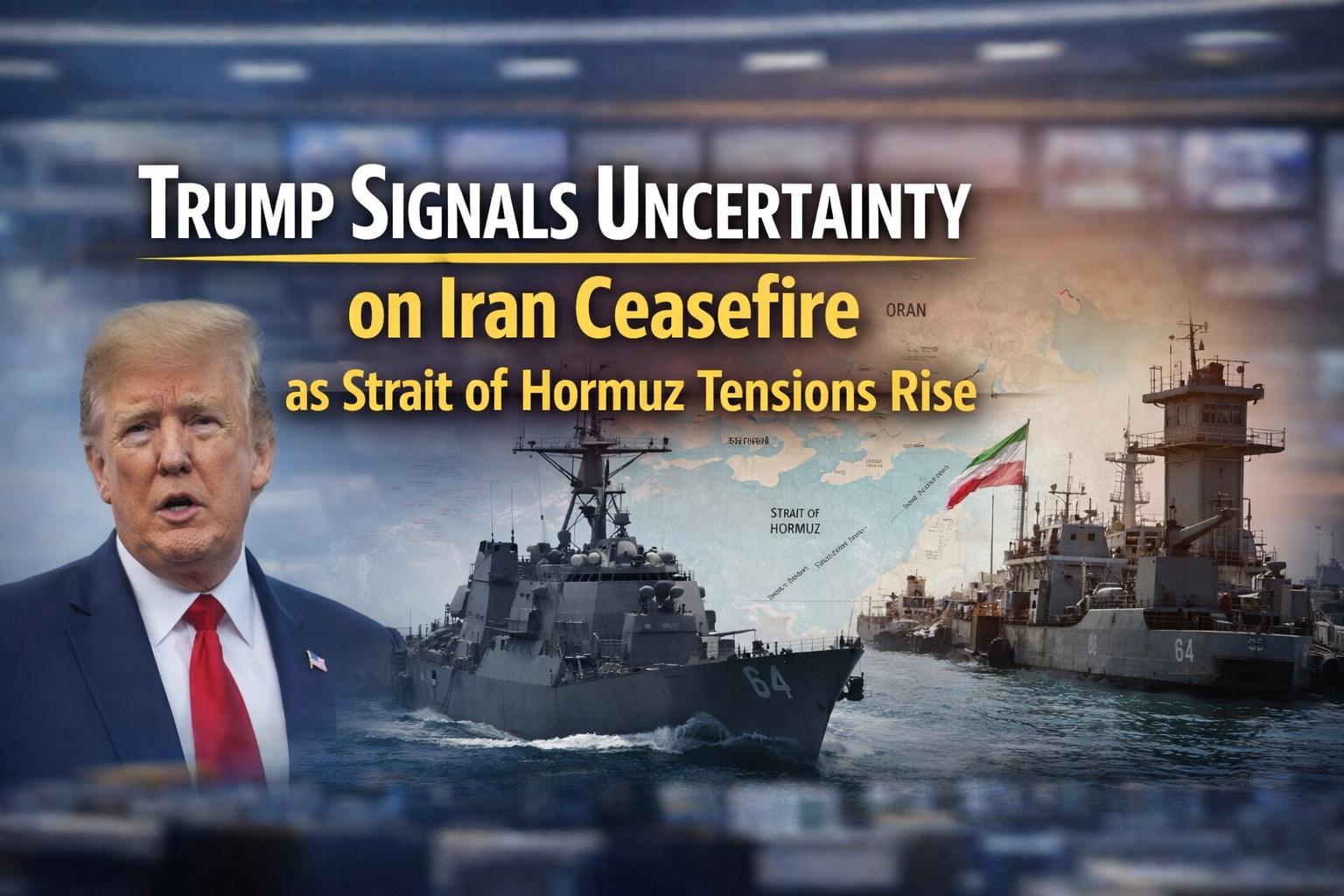
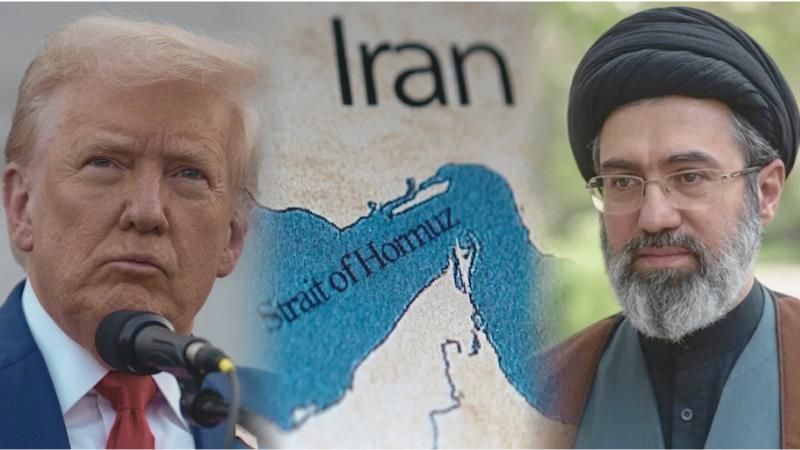
US President Donald Trump said on Friday, April 3, 2026, that the United States could potentially “open” the Strait of Hormuz and seize oil resources if given additional time, as tensions continue to escalate in the ongoing Iran war. The remarks, posted on his Truth Social platform, come amid growing concerns over global energy security and disruptions to one of the world’s most critical shipping routes. Trump’s statement suggested a more aggressive approach to the strategic
Trump floats Hormuz strategy as Pentagon seeks record war funding
US President Donald Trump said on Friday, April 3, 2026, that the United States could potentially “open” the Strait of Hormuz and seize oil resources if given additional time, as tensions continue to escalate in the ongoing Iran war. The remarks, posted on his Truth Social platform, come amid growing concerns over global energy security and disruptions to one of the world’s most critical shipping routes. Trump’s statement suggested a more aggressive approach to the strategic
Iran threatens regional bridges after US strike on key Tehran highway link
Iran has issued a warning of potential retaliatory strikes targeting major infrastructure across the Middle East following a U.S. military operation that destroyed a key highway bridge linking Tehran and Karaj. The escalation marks a significant development in the ongoing tensions between Washington and Tehran, raising concerns about the security of critical regional transport routes. According to Iranian state-affiliated media, including Fars News Agency, authorities have identified
Iran threatens regional bridges after US strike on key Tehran highway link
Iran has issued a warning of potential retaliatory strikes targeting major infrastructure across the Middle East following a U.S. military operation that destroyed a key highway bridge linking Tehran and Karaj. The escalation marks a significant development in the ongoing tensions between Washington and Tehran, raising concerns about the security of critical regional transport routes. According to Iranian state-affiliated media, including Fars News Agency, authorities have identified
Trump to address nation on Iran war amid rising pressure
Millions of viewers across the globe are expected to watch President Donald Trump deliver a primetime address on Wednesday, April 1, 2026, as the United States faces growing uncertainty over its involvement in the Iran conflict. The White House has indicated that no major announcement is expected, but the timing of the speech has intensified speculation about whether it signals de-escalation or further escalation. Public opinion in the United States has increasingly turned against a
Trump to address nation on Iran war amid rising pressure
Millions of viewers across the globe are expected to watch President Donald Trump deliver a primetime address on Wednesday, April 1, 2026, as the United States faces growing uncertainty over its involvement in the Iran conflict. The White House has indicated that no major announcement is expected, but the timing of the speech has intensified speculation about whether it signals de-escalation or further escalation. Public opinion in the United States has increasingly turned against a
Iran denies ceasefire request claim made by Donald Trump
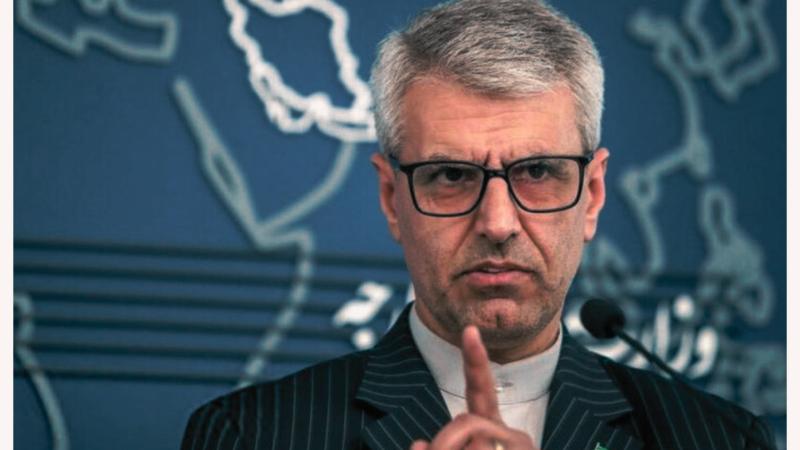
Iran has firmly rejected claims that it sought a ceasefire with the United States, calling recent remarks by U.S. President Donald Trump “false and baseless.” The statement was issued by Iran’s foreign ministry spokesman Esmaeil Baqaei and broadcast on Iranian state television, amid heightened geopolitical tensions in the Middle East. Trump had earlier stated on his social media platform that Iran had requested a ceasefire, referring to what he described as the country’s “new regime president,” though he did not provide a name. He added that any consideration of a ceasefire would depend on the Strait of Hormuz being “open, free, and clear,” highlighting the strategic importance of the waterway. Iran’s foreign ministry swiftly denied the claim, emphasizing that no such request had been made to Washington. Officials described the statement as misleading and reiterated that there are currently no ceasefire negotiations underway between the two nations. The response underscores the strained relationship between Iran and the United States, particularly at a time when tensions surrounding the Strait of Hormuz remain elevated. The Strait of Hormuz is a critical global shipping route through which a significant portion of the world’s oil supply passes. Any disruption in this region can have immediate and far-reaching effects on global energy markets and international trade. Recent developments have already contributed to concerns about oil supply stability and rising fuel costs. The conflicting statements from both sides reflect the broader uncertainty surrounding the current geopolitical climate. While Trump’s comments suggested the possibility of diplomatic engagement, Iran’s denial indicates that no formal communication regarding a ceasefire has taken place. As tensions continue to unfold, the situation remains closely monitored by governments and analysts worldwide. The absence of confirmed negotiations highlights the fragile nature of U.S.-Iran relations and the ongoing challenges in achieving stability in the region.
Iran denies ceasefire request claim made by Donald Trump
Iran has firmly rejected claims that it sought a ceasefire with the United States, calling recent remarks by U.S. President Donald Trump “false and baseless.” The statement was issued by Iran’s foreign ministry spokesman Esmaeil Baqaei and broadcast on Iranian state television, amid heightened geopolitical tensions in the Middle East. Trump had earlier stated on his social media platform that Iran had requested a ceasefire, referring to what he described as the country’s “new regime president,” though he did not provide a name. He added that any consideration of a ceasefire would depend on the Strait of Hormuz being “open, free, and clear,” highlighting the strategic importance of the waterway. Iran’s foreign ministry swiftly denied the claim, emphasizing that no such request had been made to Washington. Officials described the statement as misleading and reiterated that there are currently no ceasefire negotiations underway between the two nations. The response underscores the strained relationship between Iran and the United States, particularly at a time when tensions surrounding the Strait of Hormuz remain elevated. The Strait of Hormuz is a critical global shipping route through which a significant portion of the world’s oil supply passes. Any disruption in this region can have immediate and far-reaching effects on global energy markets and international trade. Recent developments have already contributed to concerns about oil supply stability and rising fuel costs. The conflicting statements from both sides reflect the broader uncertainty surrounding the current geopolitical climate. While Trump’s comments suggested the possibility of diplomatic engagement, Iran’s denial indicates that no formal communication regarding a ceasefire has taken place. As tensions continue to unfold, the situation remains closely monitored by governments and analysts worldwide. The absence of confirmed negotiations highlights the fragile nature of U.S.-Iran relations and the ongoing challenges in achieving stability in the region.
Iran IRGC threatens US companies after killing of senior military official
Iran’s Islamic Revolutionary Guard Corps (IRGC) issued a warning on Tuesday, March 31, 2026, stating it would target major American companies operating across West Asia and the Gulf if further Iranian leaders are killed in what it described as “targeted assassinations.” The statement marks a significant escalation in tensions, as the IRGC directly named 18 prominent U.S.-based firms and warned of potential retaliation against their regional facilities. Among the companies identified we
Iran IRGC threatens US companies after killing of senior military official
Iran’s Islamic Revolutionary Guard Corps (IRGC) issued a warning on Tuesday, March 31, 2026, stating it would target major American companies operating across West Asia and the Gulf if further Iranian leaders are killed in what it described as “targeted assassinations.” The statement marks a significant escalation in tensions, as the IRGC directly named 18 prominent U.S.-based firms and warned of potential retaliation against their regional facilities. Among the companies identified we
US-Israel-Iran tensions escalate as troop levels rise in Middle East
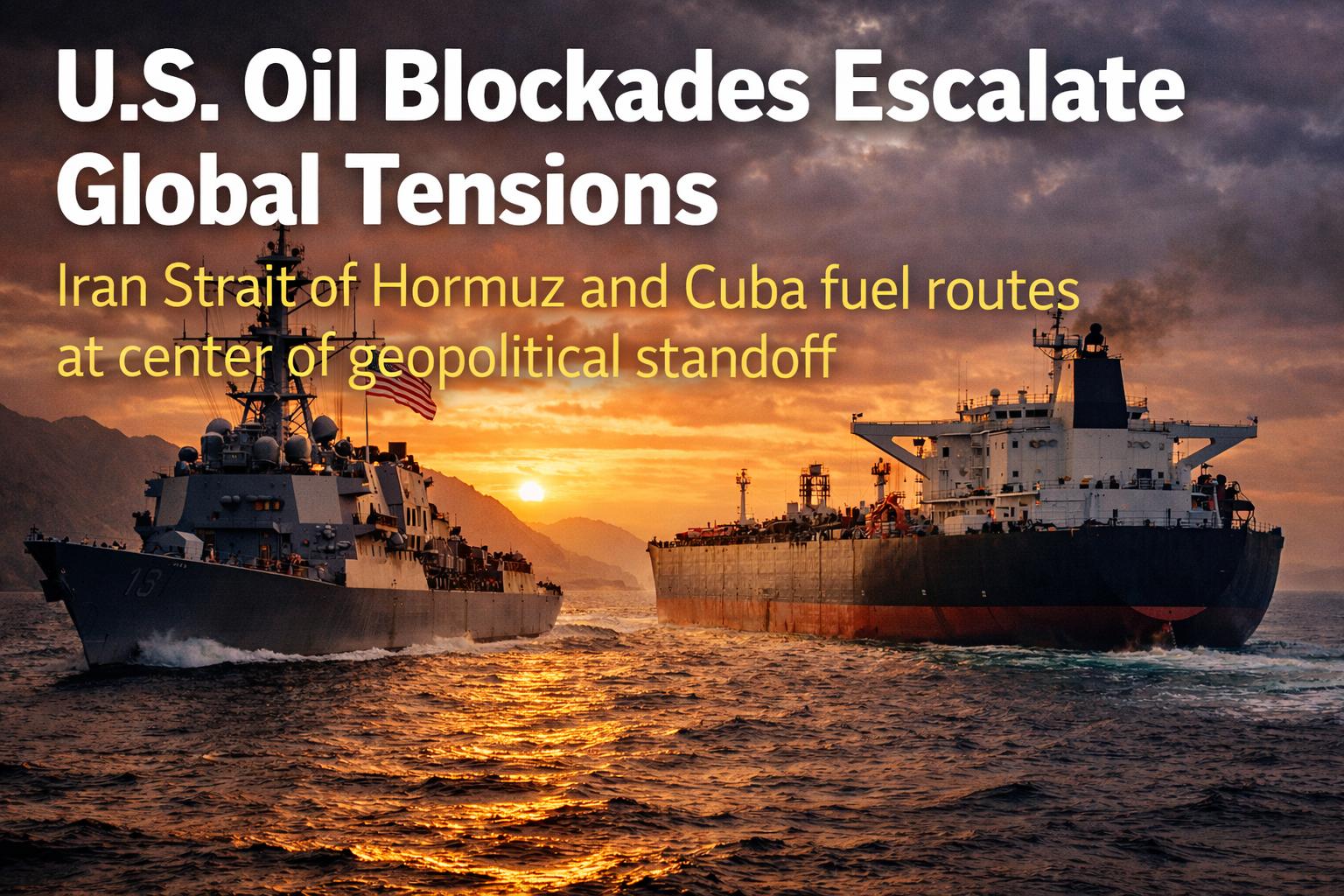
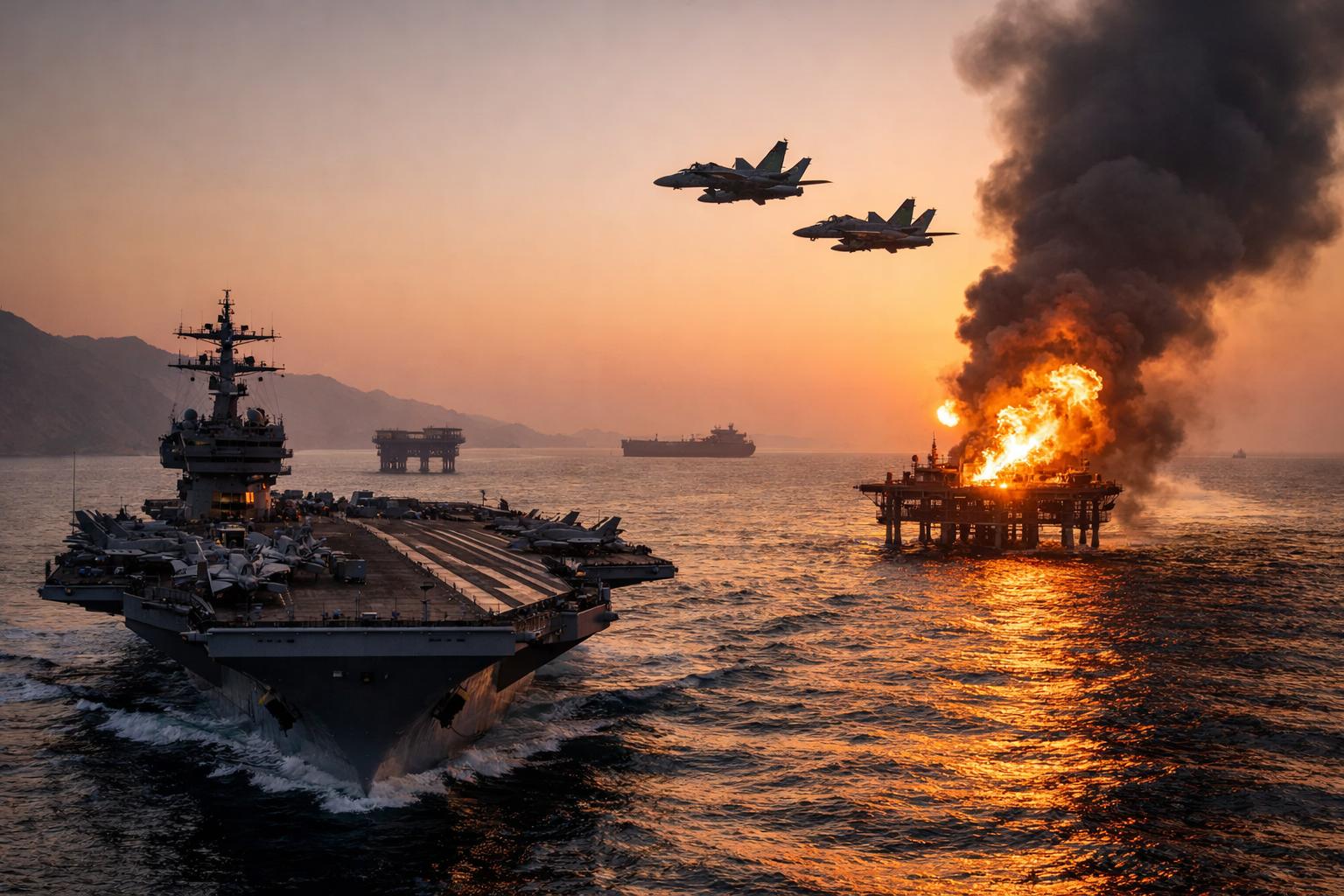
Tensions between the United States, Israel, and Iran are intensifying, with multiple developments across the Middle East signaling a potentially dangerous escalation in the ongoing conflict. The situation has drawn increased global attention as military activity expands and diplomatic efforts continue behind the scenes. Hundreds of US Special Operations forces have recently been deployed to the region, pushing total American troop levels beyond 50,000. The expanded presence reflects growing concerns in Washington over regional stability and the need to safeguard critical maritime routes, including the strategically vital Strait of Hormuz. US officials are also weighing a range of military and strategic options, including potential actions targeting Iran’s nuclear capabilities and energy infrastructure. Amid these developments, discussions have reportedly included the possibility of securing or seizing Iranian oil facilities and enriched uranium assets. At the same time, diplomatic channels remain active, with regional intermediaries attempting to ease tensions and prevent further escalation. Uncertainty surrounding Iran’s leadership has added another layer of complexity. Supreme Leader Mojtaba Khamenei has not appeared publicly in recent days, fueling speculation about his health and control over internal decision-making during a critical period. The conflict is also beginning to extend beyond traditional battle zones. A recent Iranian strike in Kuwait resulted in the death of an Indian worker, underscoring the growing risks to civilians and foreign nationals in the region. Analysts warn that such incidents highlight the vulnerability of critical infrastructure and the potential for unintended consequences as hostilities widen. Security experts caution that the situation remains highly volatile, with the possibility of broader regional fallout if tensions continue to rise. As military posturing increases alongside fragile diplomatic efforts, the coming days are expected to be crucial in determining whether the conflict can be contained or escalates further.
US-Israel-Iran tensions escalate as troop levels rise in Middle East
Tensions between the United States, Israel, and Iran are intensifying, with multiple developments across the Middle East signaling a potentially dangerous escalation in the ongoing conflict. The situation has drawn increased global attention as military activity expands and diplomatic efforts continue behind the scenes. Hundreds of US Special Operations forces have recently been deployed to the region, pushing total American troop levels beyond 50,000. The expanded presence reflects growing concerns in Washington over regional stability and the need to safeguard critical maritime routes, including the strategically vital Strait of Hormuz. US officials are also weighing a range of military and strategic options, including potential actions targeting Iran’s nuclear capabilities and energy infrastructure. Amid these developments, discussions have reportedly included the possibility of securing or seizing Iranian oil facilities and enriched uranium assets. At the same time, diplomatic channels remain active, with regional intermediaries attempting to ease tensions and prevent further escalation. Uncertainty surrounding Iran’s leadership has added another layer of complexity. Supreme Leader Mojtaba Khamenei has not appeared publicly in recent days, fueling speculation about his health and control over internal decision-making during a critical period. The conflict is also beginning to extend beyond traditional battle zones. A recent Iranian strike in Kuwait resulted in the death of an Indian worker, underscoring the growing risks to civilians and foreign nationals in the region. Analysts warn that such incidents highlight the vulnerability of critical infrastructure and the potential for unintended consequences as hostilities widen. Security experts caution that the situation remains highly volatile, with the possibility of broader regional fallout if tensions continue to rise. As military posturing increases alongside fragile diplomatic efforts, the coming days are expected to be crucial in determining whether the conflict can be contained or escalates further.
Donald Trump’s ‘Strait of Trump’ Comment Goes Viral Amid Hormuz Crisis
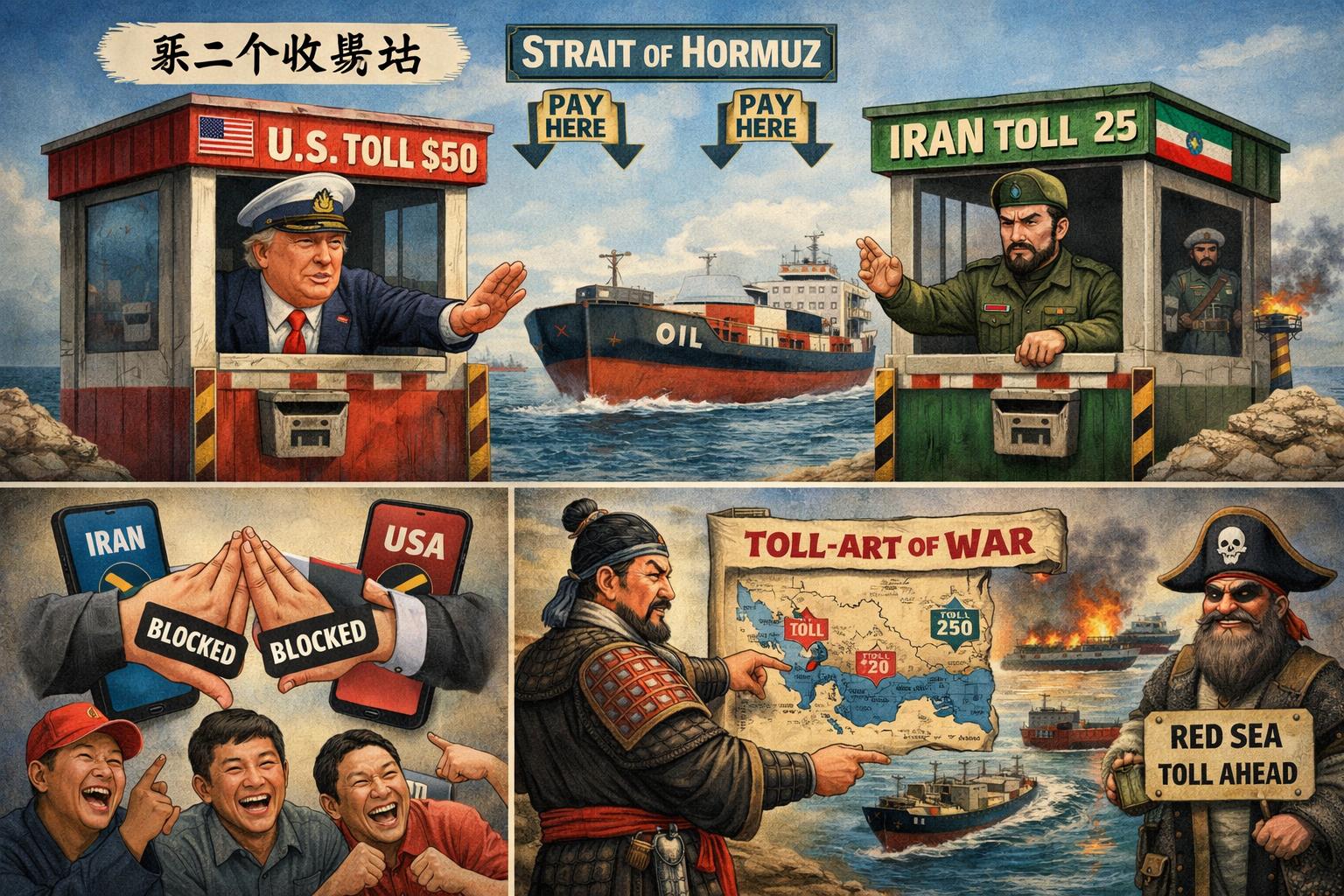
US President Donald Trump made a light-hearted remark about the Strait of Hormuz during a recent investment forum in Miami, drawing laughter from the audience. While speaking about the ongoing situation in the Middle East, Trump jokingly referred to the critical waterway as the “Strait of Trump” before correcting himself and saying “Hormuz.” He followed the comment with a sarcastic apology, taking a swipe at mainstream media. Trump said that any slip of words would likely be
Donald Trump’s ‘Strait of Trump’ Comment Goes Viral Amid Hormuz Crisis
US President Donald Trump made a light-hearted remark about the Strait of Hormuz during a recent investment forum in Miami, drawing laughter from the audience. While speaking about the ongoing situation in the Middle East, Trump jokingly referred to the critical waterway as the “Strait of Trump” before correcting himself and saying “Hormuz.” He followed the comment with a sarcastic apology, taking a swipe at mainstream media. Trump said that any slip of words would likely be
US–Israel–Iran War | Israel confirms strikes on Iran nuclear sites in Yazd and Arak
Israel confirmed it carried out coordinated airstrikes on nuclear-related facilities in central Iran on Friday, March 27, 2026, targeting a uranium processing site in Yazd and a heavy water plant in Arak, according to official military statements. The strikes mark a significant escalation in ongoing efforts to disrupt Iran’s nuclear program amid heightened regional tensions. The Israel Defense Forces (IDF) said the operation in Yazd focused on a uranium extraction facility described as cri
US–Israel–Iran War | Israel confirms strikes on Iran nuclear sites in Yazd and Arak
Israel confirmed it carried out coordinated airstrikes on nuclear-related facilities in central Iran on Friday, March 27, 2026, targeting a uranium processing site in Yazd and a heavy water plant in Arak, according to official military statements. The strikes mark a significant escalation in ongoing efforts to disrupt Iran’s nuclear program amid heightened regional tensions. The Israel Defense Forces (IDF) said the operation in Yazd focused on a uranium extraction facility described as cri
Putin warns Iran conflict could trigger global disruption like COVID-19
Moscow, Russia: Russian President Vladimir Putin has cautioned that the economic consequences of the ongoing conflict involving Iran could mirror the widespread disruption seen during the COVID-19 pandemic, highlighting mounting pressure on global supply chains and key industries. Speaking at a major business forum in Moscow, Putin said the instability in the Middle East is already causing significant strain on international production systems and logistics networks. He noted that cri
Putin warns Iran conflict could trigger global disruption like COVID-19
Moscow, Russia: Russian President Vladimir Putin has cautioned that the economic consequences of the ongoing conflict involving Iran could mirror the widespread disruption seen during the COVID-19 pandemic, highlighting mounting pressure on global supply chains and key industries. Speaking at a major business forum in Moscow, Putin said the instability in the Middle East is already causing significant strain on international production systems and logistics networks. He noted that cri
Tarique Rahman’s Genocide Day Message: A Shift in Bangladesh’s Foreign Policy
On March 25, 2026, Bangladesh Prime Minister Tarique Rahman marked Genocide Day with a powerful message that signaled a clear shift from the softer approach to Pakistan observed during the previous interim government under Muhammad Yunus. Rahman’s remarks were made on social media, describing March 25, 1971, as "one of the most disgraceful and brutal days" in the country's history, highlighting the atrocities carried out by Pakistani forces during Operation Searchlight. Rahman recounted how
Tarique Rahman’s Genocide Day Message: A Shift in Bangladesh’s Foreign Policy
On March 25, 2026, Bangladesh Prime Minister Tarique Rahman marked Genocide Day with a powerful message that signaled a clear shift from the softer approach to Pakistan observed during the previous interim government under Muhammad Yunus. Rahman’s remarks were made on social media, describing March 25, 1971, as "one of the most disgraceful and brutal days" in the country's history, highlighting the atrocities carried out by Pakistani forces during Operation Searchlight. Rahman recounted how
US–Israel–Iran War | Iran claims it targeted US F-18 jet amid rising tensions
Iran’s Islamic Revolutionary Guard Corps (IRGC) has claimed that it successfully targeted a United States F-18 fighter jet, signaling a potential escalation in the already strained relations between Tehran and Washington. The statement, released through official channels, asserted that the military operation achieved its objective, though it stopped short of providing critical details regarding the location of the incident, the extent of damage inflicted, or the condition of the aircraft’s p
US–Israel–Iran War | Iran claims it targeted US F-18 jet amid rising tensions
Iran’s Islamic Revolutionary Guard Corps (IRGC) has claimed that it successfully targeted a United States F-18 fighter jet, signaling a potential escalation in the already strained relations between Tehran and Washington. The statement, released through official channels, asserted that the military operation achieved its objective, though it stopped short of providing critical details regarding the location of the incident, the extent of damage inflicted, or the condition of the aircraft’s p
US-Israel strike on Iran followed urgent call between Netanyahu and Trump
Less than 48 hours before a joint US-Israeli military operation targeting Iran, Israeli Prime Minister Benjamin Netanyahu made a final appeal to US President Donald Trump, urging swift action as intelligence indicated a narrowing operational window. According to officials, briefings suggested that Iran’s Supreme Leader Ayatollah Ali Khamenei and senior leadership were expected to gather in Tehran, presenting what was described as a rare strategic opportunity. Updated intelligence reportedly showed the meeting had been moved earlier, intensifying the urgency of the decision. Although Trump had already approved military action in principle, the exact timing and scale remained under review. Netanyahu’s call was seen as a decisive moment, reinforcing arguments that delays could result in a missed opportunity. The operation followed months of escalating tensions and unsuccessful diplomatic efforts aimed at addressing Iran’s nuclear programme, which had reached a stalemate. Earlier military actions in June, involving strikes on Iranian nuclear and missile infrastructure, had already heightened hostilities. While US forces later joined Israeli operations in a 12-day campaign, Israeli officials continued to push for a more comprehensive response. Strategic discussions, including high-level meetings, focused on Iran’s advancing missile capabilities and perceived regional threat. Additional geopolitical developments influenced Washington’s approach, including a successful US-backed operation in Venezuela and widespread unrest within Iran, which was met with force by security agencies. US officials had anticipated escalation, warning that any Israeli action could provoke retaliation against American assets and allies in the region. The coordinated strikes began on February 28 after Trump gave final approval. The White House stated that the objective was to weaken Iran’s military infrastructure, curb its missile capabilities, and prevent nuclear weapon development. Trump later announced that Khamenei had been killed during the operation. The aftermath saw immediate retaliation from Iran, disruptions in key shipping routes, and a surge in global oil prices. Reports indicated significant casualties, including Iranian civilians and US personnel. Despite expectations of political change, intelligence assessments had warned that leadership shifts might not moderate Iran’s stance. Khamenei’s son, Mojtaba Khamenei, has since assumed leadership, while security forces continue to maintain control. Both leaders have defended their roles in the decision, with Trump asserting sole responsibility and Netanyahu denying claims of influencing US involvement. However, accounts suggest that the combination of intelligence updates and diplomatic pressure played a critical role in shaping a decision that has significantly altered regional dynamics.
US-Israel strike on Iran followed urgent call between Netanyahu and Trump
Less than 48 hours before a joint US-Israeli military operation targeting Iran, Israeli Prime Minister Benjamin Netanyahu made a final appeal to US President Donald Trump, urging swift action as intelligence indicated a narrowing operational window. According to officials, briefings suggested that Iran’s Supreme Leader Ayatollah Ali Khamenei and senior leadership were expected to gather in Tehran, presenting what was described as a rare strategic opportunity. Updated intelligence reportedly showed the meeting had been moved earlier, intensifying the urgency of the decision. Although Trump had already approved military action in principle, the exact timing and scale remained under review. Netanyahu’s call was seen as a decisive moment, reinforcing arguments that delays could result in a missed opportunity. The operation followed months of escalating tensions and unsuccessful diplomatic efforts aimed at addressing Iran’s nuclear programme, which had reached a stalemate. Earlier military actions in June, involving strikes on Iranian nuclear and missile infrastructure, had already heightened hostilities. While US forces later joined Israeli operations in a 12-day campaign, Israeli officials continued to push for a more comprehensive response. Strategic discussions, including high-level meetings, focused on Iran’s advancing missile capabilities and perceived regional threat. Additional geopolitical developments influenced Washington’s approach, including a successful US-backed operation in Venezuela and widespread unrest within Iran, which was met with force by security agencies. US officials had anticipated escalation, warning that any Israeli action could provoke retaliation against American assets and allies in the region. The coordinated strikes began on February 28 after Trump gave final approval. The White House stated that the objective was to weaken Iran’s military infrastructure, curb its missile capabilities, and prevent nuclear weapon development. Trump later announced that Khamenei had been killed during the operation. The aftermath saw immediate retaliation from Iran, disruptions in key shipping routes, and a surge in global oil prices. Reports indicated significant casualties, including Iranian civilians and US personnel. Despite expectations of political change, intelligence assessments had warned that leadership shifts might not moderate Iran’s stance. Khamenei’s son, Mojtaba Khamenei, has since assumed leadership, while security forces continue to maintain control. Both leaders have defended their roles in the decision, with Trump asserting sole responsibility and Netanyahu denying claims of influencing US involvement. However, accounts suggest that the combination of intelligence updates and diplomatic pressure played a critical role in shaping a decision that has significantly altered regional dynamics.
North Korea declares nuclear status irreversible, Kim Jong Un warns of expansion
North Korean leader Kim Jong Un has reaffirmed that his country will not abandon its nuclear weapons programme, declaring its status as a nuclear-armed state “irreversible” in a strongly worded address delivered to the nation’s legislature. The remarks came shortly after his reappointment as chairman of the State Affairs Commission, consolidating his leadership over the country’s highest decision-making body. According to official reports released on March 24, Kim outlined an intensified strategy to expand North Korea’s nuclear arsenal, framing the move as essential for national security and constitutional responsibility. He stated that Pyongyang would continue to strengthen its nuclear deterrent and advance its capabilities in response to what he described as ongoing threats from hostile forces. The leader emphasized that maintaining and enhancing nuclear readiness was a key priority, ensuring that the country remains prepared to counter strategic challenges. Kim portrayed the development of nuclear weapons as a justified and defensive measure, asserting that the programme aligns with the country’s long-term security goals. He indicated that North Korea would pursue both quantitative and qualitative improvements in its nuclear forces, underscoring a commitment to sustained military advancement amid rising geopolitical tensions in the region. The speech also included sharp criticism of South Korea, which Kim labelled as the “most hostile state.” He warned that any perceived provocation or infringement on North Korea’s sovereignty would be met with a decisive and uncompromising response. The language used signalled a continuation of strained inter-Korean relations, with little indication of near-term diplomatic engagement. Kim’s address covered broader policy areas, including defence, economic priorities, and relations with the United States, though nuclear policy remained the central focus. His remarks highlight an ongoing shift toward a more assertive security posture, raising concerns among regional and global observers about the future trajectory of East Asia’s security environment.
North Korea declares nuclear status irreversible, Kim Jong Un warns of expansion
North Korean leader Kim Jong Un has reaffirmed that his country will not abandon its nuclear weapons programme, declaring its status as a nuclear-armed state “irreversible” in a strongly worded address delivered to the nation’s legislature. The remarks came shortly after his reappointment as chairman of the State Affairs Commission, consolidating his leadership over the country’s highest decision-making body. According to official reports released on March 24, Kim outlined an intensified strategy to expand North Korea’s nuclear arsenal, framing the move as essential for national security and constitutional responsibility. He stated that Pyongyang would continue to strengthen its nuclear deterrent and advance its capabilities in response to what he described as ongoing threats from hostile forces. The leader emphasized that maintaining and enhancing nuclear readiness was a key priority, ensuring that the country remains prepared to counter strategic challenges. Kim portrayed the development of nuclear weapons as a justified and defensive measure, asserting that the programme aligns with the country’s long-term security goals. He indicated that North Korea would pursue both quantitative and qualitative improvements in its nuclear forces, underscoring a commitment to sustained military advancement amid rising geopolitical tensions in the region. The speech also included sharp criticism of South Korea, which Kim labelled as the “most hostile state.” He warned that any perceived provocation or infringement on North Korea’s sovereignty would be met with a decisive and uncompromising response. The language used signalled a continuation of strained inter-Korean relations, with little indication of near-term diplomatic engagement. Kim’s address covered broader policy areas, including defence, economic priorities, and relations with the United States, though nuclear policy remained the central focus. His remarks highlight an ongoing shift toward a more assertive security posture, raising concerns among regional and global observers about the future trajectory of East Asia’s security environment.
Jaishankar and Rubio discuss West Asia conflict and energy security concerns
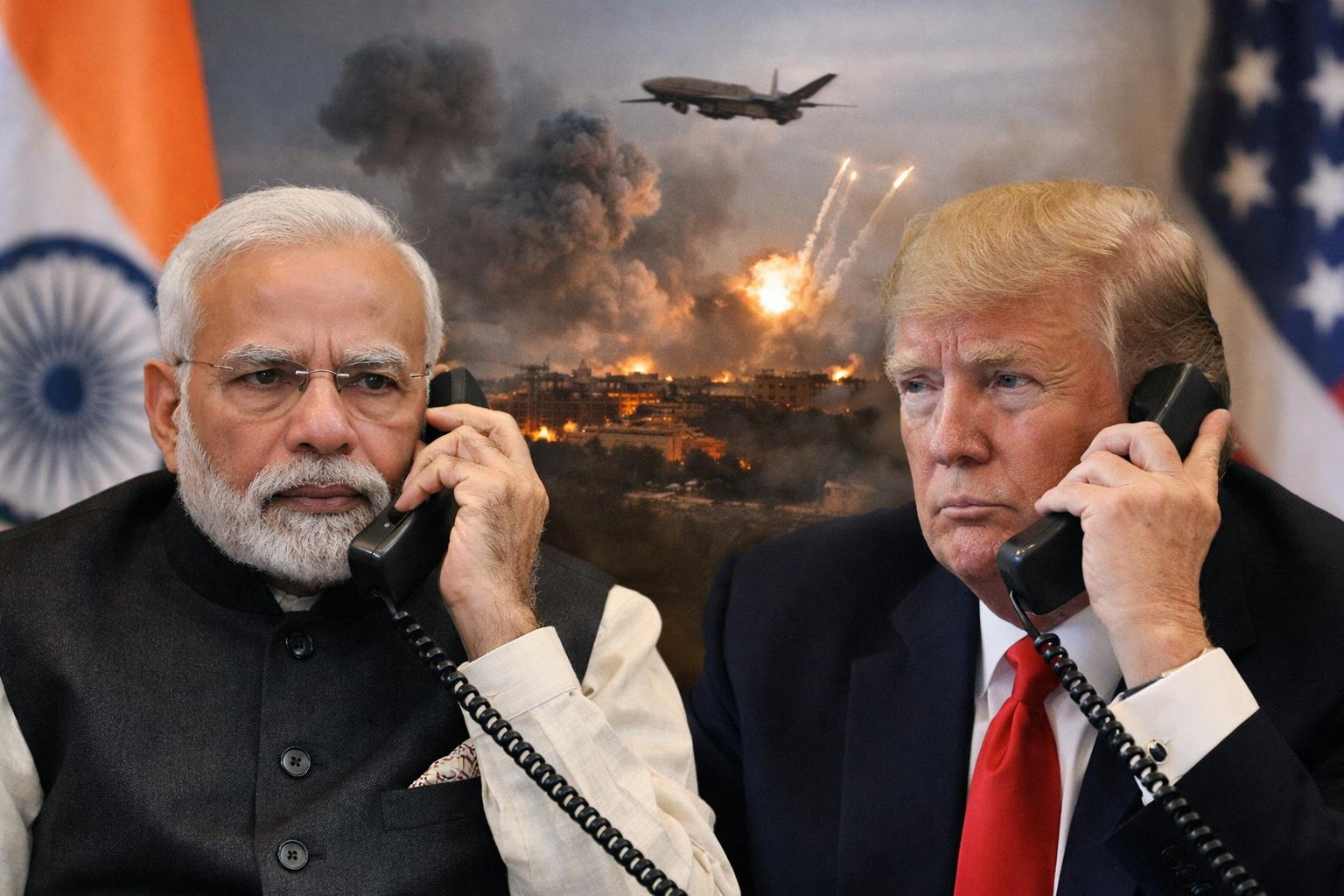
India’s External Affairs Minister S. Jaishankar on Monday held a detailed telephonic conversation with United States Secretary of State Marco Rubio, focusing on the escalating West Asia conflict and its broader implications for global energy security and economic stability. The discussion comes at a critical time when geopolitical tensions in the Gulf region are raising concerns among major economies dependent on stable crude oil supply chains. According to Jaishankar, the conversation add
Jaishankar and Rubio discuss West Asia conflict and energy security concerns
India’s External Affairs Minister S. Jaishankar on Monday held a detailed telephonic conversation with United States Secretary of State Marco Rubio, focusing on the escalating West Asia conflict and its broader implications for global energy security and economic stability. The discussion comes at a critical time when geopolitical tensions in the Gulf region are raising concerns among major economies dependent on stable crude oil supply chains. According to Jaishankar, the conversation add
Trump Announces 5-Day Pause in US-Iran War, Raises Hopes for De-escalation
In a significant development that has captured the world's attention, President Donald J. Trump has announced a five-day pause in military actions between the United States and Iran. This decision follows a series of "productive discussions" between both nations, which Trump described as "detailed and constructive." These talks are being viewed as a potential opening for de-escalating tensions in the Middle East, a region that has been marked by ongoing conflict and instability. Tru
Trump Announces 5-Day Pause in US-Iran War, Raises Hopes for De-escalation
In a significant development that has captured the world's attention, President Donald J. Trump has announced a five-day pause in military actions between the United States and Iran. This decision follows a series of "productive discussions" between both nations, which Trump described as "detailed and constructive." These talks are being viewed as a potential opening for de-escalating tensions in the Middle East, a region that has been marked by ongoing conflict and instability. Tru
US–Israel–Iran War | Iran Claims Strategic Victory as Conflict with Israel and US Intensifies
Iran’s Supreme Leader Mojtaba Khamenei has asserted that the country has delivered a significant strategic setback to its adversaries amid the ongoing conflict involving Israel and the United States. In a written message released on Friday to mark the Persian New Year, Khamenei emphasized that national unity and resilience among Iranians had played a decisive role in shifting the balance in the confrontation. The statement comes at a time when the conflict has entered its fourth week, casting a shadow over Nowruz celebrations across the country. Despite the subdued atmosphere, Khamenei highlighted what he described as unprecedented solidarity among citizens from diverse religious, cultural, and political backgrounds. He stated that this unity had left Iran’s opponents disoriented, leading them to issue what he characterized as inconsistent and contradictory statements. Tensions escalated further following a blast in Jerusalem’s Old City, which created a crater near several significant religious landmarks, including the Al-Aqsa Mosque, the Western Wall, and the Church of the Holy Sepulchre. Israeli authorities accused Tehran of being linked to what they described as an attack on sacred sites, intensifying already strained relations in the region. Khamenei rejected these allegations, firmly denying any involvement by Iran or its regional allies in reported incidents in Oman and Turkey during the conflict. He attributed such claims to what he called deliberate misinformation by Israel, referring to it as a “Zionist enemy” engaged in deceptive tactics. The current situation marks a period of heightened geopolitical tension, with both rhetoric and military developments continuing to evolve. Adding to the symbolic shift within Iran, large banners marking Nowruz have replaced images of former leader Ali Khamenei, who was reportedly killed at the outset of the conflict on February 28. As the crisis unfolds, Iran’s leadership continues to project confidence and defiance, framing the ongoing developments as a demonstration of national strength and unity in the face of external pressure.
US–Israel–Iran War | Iran Claims Strategic Victory as Conflict with Israel and US Intensifies
Iran’s Supreme Leader Mojtaba Khamenei has asserted that the country has delivered a significant strategic setback to its adversaries amid the ongoing conflict involving Israel and the United States. In a written message released on Friday to mark the Persian New Year, Khamenei emphasized that national unity and resilience among Iranians had played a decisive role in shifting the balance in the confrontation. The statement comes at a time when the conflict has entered its fourth week, casting a shadow over Nowruz celebrations across the country. Despite the subdued atmosphere, Khamenei highlighted what he described as unprecedented solidarity among citizens from diverse religious, cultural, and political backgrounds. He stated that this unity had left Iran’s opponents disoriented, leading them to issue what he characterized as inconsistent and contradictory statements. Tensions escalated further following a blast in Jerusalem’s Old City, which created a crater near several significant religious landmarks, including the Al-Aqsa Mosque, the Western Wall, and the Church of the Holy Sepulchre. Israeli authorities accused Tehran of being linked to what they described as an attack on sacred sites, intensifying already strained relations in the region. Khamenei rejected these allegations, firmly denying any involvement by Iran or its regional allies in reported incidents in Oman and Turkey during the conflict. He attributed such claims to what he called deliberate misinformation by Israel, referring to it as a “Zionist enemy” engaged in deceptive tactics. The current situation marks a period of heightened geopolitical tension, with both rhetoric and military developments continuing to evolve. Adding to the symbolic shift within Iran, large banners marking Nowruz have replaced images of former leader Ali Khamenei, who was reportedly killed at the outset of the conflict on February 28. As the crisis unfolds, Iran’s leadership continues to project confidence and defiance, framing the ongoing developments as a demonstration of national strength and unity in the face of external pressure.
India sends medical aid to Kabul after deadly airstrike kills over 400
India has dispatched a 2.5-ton consignment of emergency medicines, medical disposables, kits, and equipment to Afghanistan to assist victims of a devastating airstrike in Kabul that claimed more than 400 lives and left over 250 injured. The humanitarian aid was delivered on March 20 as part of India’s continued support for the Afghan people during a period of crisis. According to officials, the supplies are intended to support the treatment and recovery of those affected by the March 16 attack on a drug addiction treatment facility in Kabul. The strike targeted the Omid Drug Addiction Treatment Hospital, which Afghan authorities described as housing one of the most vulnerable sections of society. The incident has drawn widespread condemnation due to the high number of civilian casualties. India strongly criticized the airstrike, calling it a barbaric and unjustifiable act of violence against civilians. In an official statement, New Delhi emphasized that a medical facility cannot be considered a legitimate military target and reaffirmed its solidarity with Afghanistan. The government reiterated its commitment to providing humanitarian assistance and helping address the immediate needs arising from the crisis. Afghanistan confirmed that over 408 individuals undergoing treatment at the facility were killed, while more than 265 sustained injuries. The scale of the casualties has intensified regional tensions and raised concerns about escalating conflict in South Asia. Afghan leaders have condemned the attack and indicated that while diplomatic efforts remain a priority, a response to the incident is under consideration. Amid rising tensions, Pakistan and Afghanistan have announced a temporary ceasefire following mediation efforts by international partners. The pause in hostilities coincides with the Eid al-Fitr period, although officials have warned that military operations could resume if security conditions deteriorate. Both sides continue to exchange accusations regarding cross-border militancy, further complicating the fragile situation in the region.
India sends medical aid to Kabul after deadly airstrike kills over 400
India has dispatched a 2.5-ton consignment of emergency medicines, medical disposables, kits, and equipment to Afghanistan to assist victims of a devastating airstrike in Kabul that claimed more than 400 lives and left over 250 injured. The humanitarian aid was delivered on March 20 as part of India’s continued support for the Afghan people during a period of crisis. According to officials, the supplies are intended to support the treatment and recovery of those affected by the March 16 attack on a drug addiction treatment facility in Kabul. The strike targeted the Omid Drug Addiction Treatment Hospital, which Afghan authorities described as housing one of the most vulnerable sections of society. The incident has drawn widespread condemnation due to the high number of civilian casualties. India strongly criticized the airstrike, calling it a barbaric and unjustifiable act of violence against civilians. In an official statement, New Delhi emphasized that a medical facility cannot be considered a legitimate military target and reaffirmed its solidarity with Afghanistan. The government reiterated its commitment to providing humanitarian assistance and helping address the immediate needs arising from the crisis. Afghanistan confirmed that over 408 individuals undergoing treatment at the facility were killed, while more than 265 sustained injuries. The scale of the casualties has intensified regional tensions and raised concerns about escalating conflict in South Asia. Afghan leaders have condemned the attack and indicated that while diplomatic efforts remain a priority, a response to the incident is under consideration. Amid rising tensions, Pakistan and Afghanistan have announced a temporary ceasefire following mediation efforts by international partners. The pause in hostilities coincides with the Eid al-Fitr period, although officials have warned that military operations could resume if security conditions deteriorate. Both sides continue to exchange accusations regarding cross-border militancy, further complicating the fragile situation in the region.


