India acknowledges Iranian oil and LPG imports amid energy demand
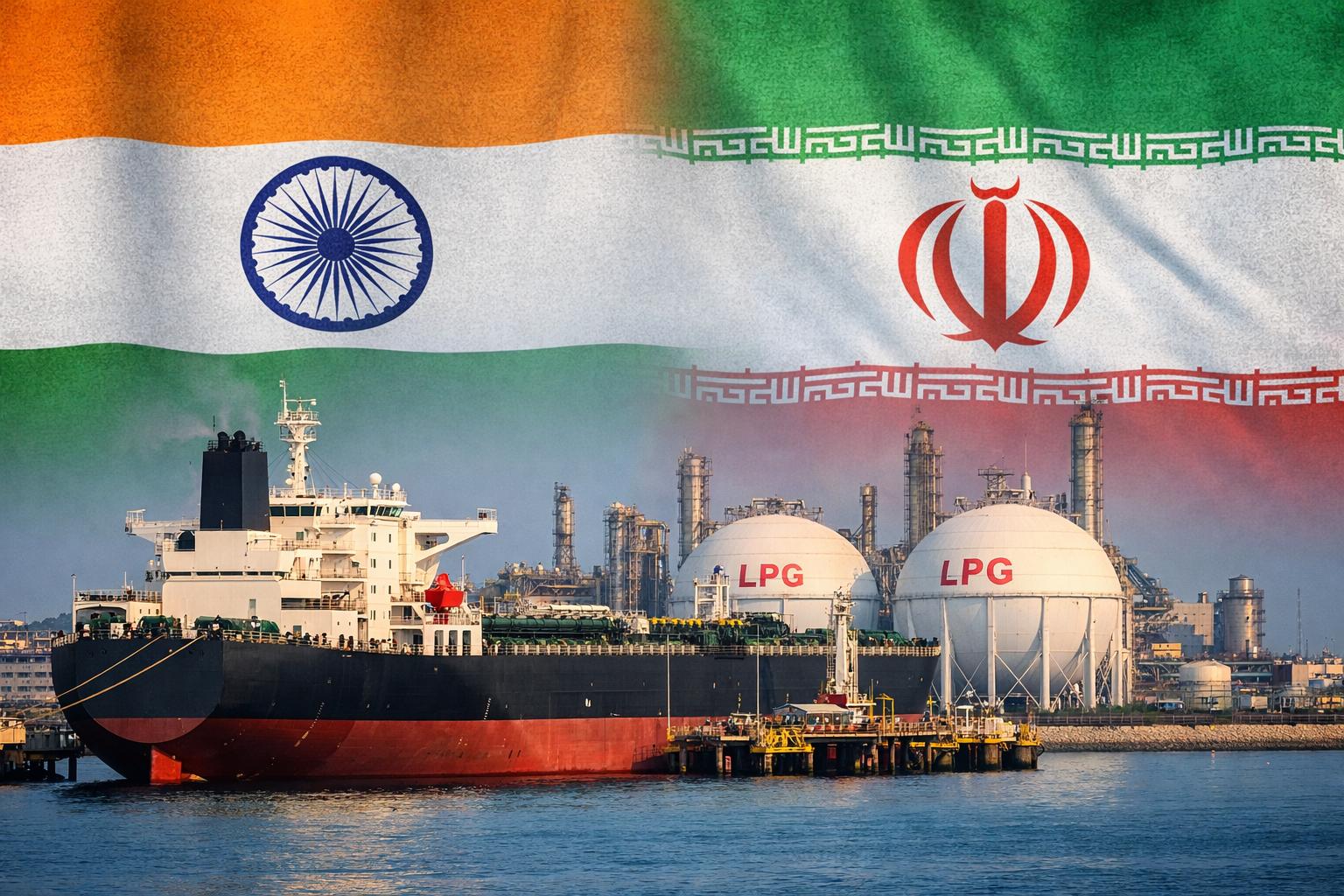
India has officially confirmed that it is importing crude oil and liquefied petroleum gas (LPG) from Iran, marking a notable development in its energy policy amid evolving global market conditions. The confirmation was issued by India’s Petroleum Ministry on Saturday, April 4, 2026 (IST), providing clarity on ongoing reports about energy trade involving Iranian supplies. The acknowledgment highlights India’s continued reliance on diversified fuel sources to meet rising domestic demand. As one of the world’s largest importers of crude oil, India depends heavily on international suppliers to sustain economic growth, industrial activity, and consumer energy needs. Iranian crude and LPG are considered commercially attractive due to pricing advantages and established supply channels. Officials emphasized that India’s crude supply remains secure and that there are no reported payment-related disruptions affecting imports from Iran. The clarification comes amid heightened global scrutiny over transactions involving Iranian energy exports, which remain sensitive due to international sanctions frameworks and geopolitical considerations. Energy analysts note that India’s confirmation underscores a broader trend among major economies seeking flexibility in sourcing oil and gas. With global oil markets experiencing volatility, countries are increasingly prioritizing energy security and affordability over rigid sourcing constraints. India’s approach reflects a pragmatic balance between domestic economic priorities and external diplomatic pressures. The development may also influence broader market sentiment, particularly if it signals sustained or increased flows of Iranian crude into global supply chains. At the same time, it highlights the complexities of international energy trade, where economic necessity, regulatory environments, and geopolitical dynamics intersect. India’s confirmation on Saturday, April 4, 2026 (IST) reinforces its strategic focus on ensuring uninterrupted fuel access while navigating a rapidly shifting global energy landscape.
India acknowledges Iranian oil and LPG imports amid energy demand
India has officially confirmed that it is importing crude oil and liquefied petroleum gas (LPG) from Iran, marking a notable development in its energy policy amid evolving global market conditions. The confirmation was issued by India’s Petroleum Ministry on Saturday, April 4, 2026 (IST), providing clarity on ongoing reports about energy trade involving Iranian supplies. The acknowledgment highlights India’s continued reliance on diversified fuel sources to meet rising domestic demand. As one of the world’s largest importers of crude oil, India depends heavily on international suppliers to sustain economic growth, industrial activity, and consumer energy needs. Iranian crude and LPG are considered commercially attractive due to pricing advantages and established supply channels. Officials emphasized that India’s crude supply remains secure and that there are no reported payment-related disruptions affecting imports from Iran. The clarification comes amid heightened global scrutiny over transactions involving Iranian energy exports, which remain sensitive due to international sanctions frameworks and geopolitical considerations. Energy analysts note that India’s confirmation underscores a broader trend among major economies seeking flexibility in sourcing oil and gas. With global oil markets experiencing volatility, countries are increasingly prioritizing energy security and affordability over rigid sourcing constraints. India’s approach reflects a pragmatic balance between domestic economic priorities and external diplomatic pressures. The development may also influence broader market sentiment, particularly if it signals sustained or increased flows of Iranian crude into global supply chains. At the same time, it highlights the complexities of international energy trade, where economic necessity, regulatory environments, and geopolitical dynamics intersect. India’s confirmation on Saturday, April 4, 2026 (IST) reinforces its strategic focus on ensuring uninterrupted fuel access while navigating a rapidly shifting global energy landscape.
Sanctioned tanker diverts Iranian crude from India to China amid payment concerns
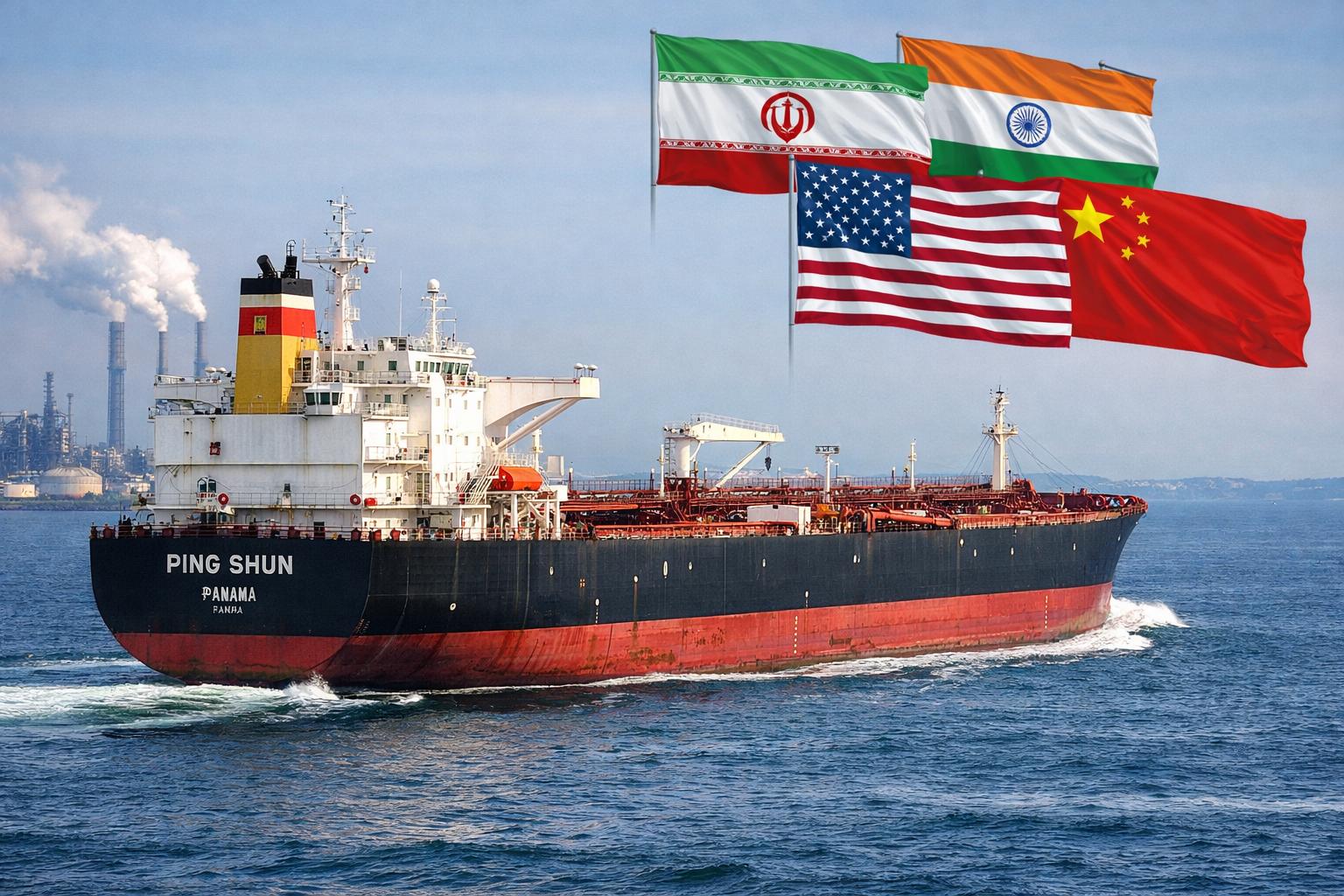
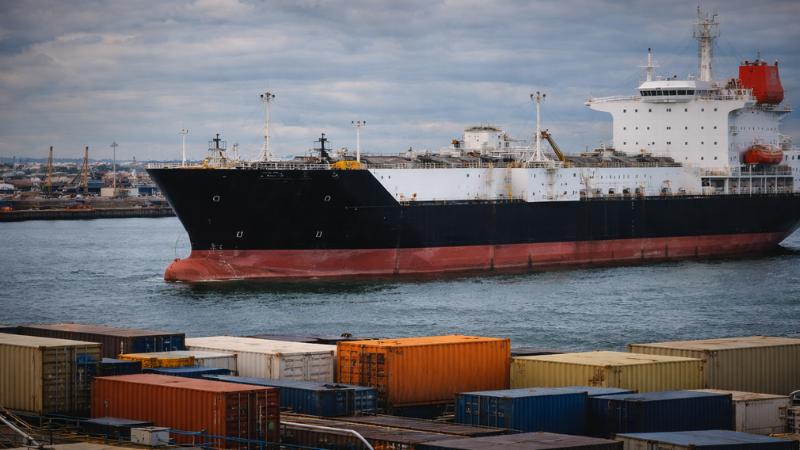
A U.S.-sanctioned oil tanker carrying Iranian crude has changed course from India to China, raising uncertainty over what could have been India’s first Iranian oil import in nearly seven years. The Aframax tanker Ping Shun, built in 2002 and sanctioned by the United States in 2025, is now signaling Dongying, China, as its destination instead of Vadinar in Gujarat, according to data from Kpler.
Sanctioned tanker diverts Iranian crude from India to China amid payment concerns
A U.S.-sanctioned oil tanker carrying Iranian crude has changed course from India to China, raising uncertainty over what could have been India’s first Iranian oil import in nearly seven years. The Aframax tanker Ping Shun, built in 2002 and sanctioned by the United States in 2025, is now signaling Dongying, China, as its destination instead of Vadinar in Gujarat, according to data from Kpler.
Changes to U.S. medical aid system may risk HIV and malaria supply chains
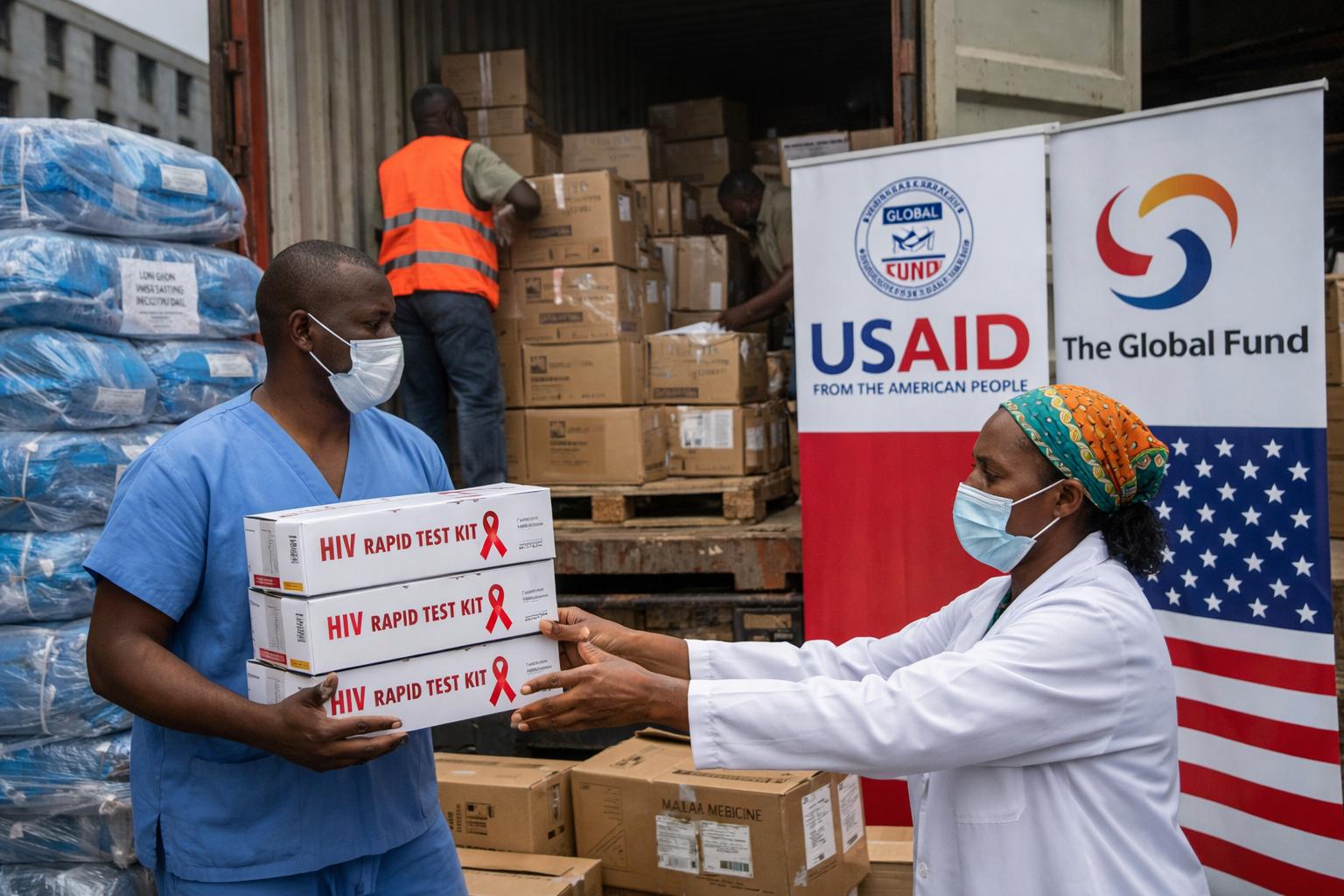
NAIROBI/LONDON — Friday, April 3, 2026 — The United States is restructuring how it delivers critical medical supplies for diseases such as HIV and malaria to lower-income countries, a move that officials and experts warn could disrupt life-saving services across multiple regions. For nearly a decade, the U.S. managed its medical aid through the Global Health Supply Chain Program, overseen by private contractor Chemonics. Between 2016 and 2024, the program distributed more than $5 billion worth of HIV and malaria treatments and prevention tools to roughly 90 countries, primarily in sub-Saharan Africa and parts of Asia. That system was first disrupted in January 2025, when President Donald Trump halted international aid on the first day of his presidency. The decision left large quantities of medical supplies stranded in ports and warehouses, including antiretroviral drugs and insecticide-treated bed nets. Although a waiver later allowed the resumption of some life-saving shipments, uncertainty has persisted. The latest shift comes as the administration reduces foreign aid spending, dismantles the U.S. Agency for International Development (USAID), and transitions away from contractor-led programs toward direct agreements with recipient governments. According to multiple sources, the U.S. State Department instructed staff in 17 African countries and Haiti via an internal email sent on Tuesday, April 1, 2026, to begin phasing out the current supply program by Friday, May 30, 2026. The same communication noted that the Chemonics contract would end on Tuesday, September 30, 2026, aligning with broader USAID program closures. However, officials cautioned that a rushed transition could create immediate risks to service continuity, potentially leading to shortages of essential medicines. Experts familiar with the process say the timeline is particularly challenging because procuring and delivering medical products to remote regions can take up to a year. Rapid changes could therefore interrupt treatment for patients relying on consistent access to HIV medications and malaria prevention tools. The U.S. government is reportedly exploring collaboration with the Global Fund to Fight AIDS, Tuberculosis and Malaria, which already manages approximately $2 billion in annual health procurement. Still, negotiations remain unclear, and earlier discussions had anticipated a transition closer to November 2027. The administration’s broader “America First” global health strategy emphasizes direct funding to national governments and increased use of private logistics firms. Officials argue the previous system was inefficient and costly, while critics warn that abrupt structural changes could weaken established supply chains. Recent bilateral agreements have been signed with several countries, including Kenya, Rwanda, and Uganda, though implementation details are still under negotiation. Legal and administrative challenges in some regions continue to delay progress, adding to concerns about potential disruptions in critical healthcare delivery systems.
Changes to U.S. medical aid system may risk HIV and malaria supply chains
NAIROBI/LONDON — Friday, April 3, 2026 — The United States is restructuring how it delivers critical medical supplies for diseases such as HIV and malaria to lower-income countries, a move that officials and experts warn could disrupt life-saving services across multiple regions. For nearly a decade, the U.S. managed its medical aid through the Global Health Supply Chain Program, overseen by private contractor Chemonics. Between 2016 and 2024, the program distributed more than $5 billion worth of HIV and malaria treatments and prevention tools to roughly 90 countries, primarily in sub-Saharan Africa and parts of Asia. That system was first disrupted in January 2025, when President Donald Trump halted international aid on the first day of his presidency. The decision left large quantities of medical supplies stranded in ports and warehouses, including antiretroviral drugs and insecticide-treated bed nets. Although a waiver later allowed the resumption of some life-saving shipments, uncertainty has persisted. The latest shift comes as the administration reduces foreign aid spending, dismantles the U.S. Agency for International Development (USAID), and transitions away from contractor-led programs toward direct agreements with recipient governments. According to multiple sources, the U.S. State Department instructed staff in 17 African countries and Haiti via an internal email sent on Tuesday, April 1, 2026, to begin phasing out the current supply program by Friday, May 30, 2026. The same communication noted that the Chemonics contract would end on Tuesday, September 30, 2026, aligning with broader USAID program closures. However, officials cautioned that a rushed transition could create immediate risks to service continuity, potentially leading to shortages of essential medicines. Experts familiar with the process say the timeline is particularly challenging because procuring and delivering medical products to remote regions can take up to a year. Rapid changes could therefore interrupt treatment for patients relying on consistent access to HIV medications and malaria prevention tools. The U.S. government is reportedly exploring collaboration with the Global Fund to Fight AIDS, Tuberculosis and Malaria, which already manages approximately $2 billion in annual health procurement. Still, negotiations remain unclear, and earlier discussions had anticipated a transition closer to November 2027. The administration’s broader “America First” global health strategy emphasizes direct funding to national governments and increased use of private logistics firms. Officials argue the previous system was inefficient and costly, while critics warn that abrupt structural changes could weaken established supply chains. Recent bilateral agreements have been signed with several countries, including Kenya, Rwanda, and Uganda, though implementation details are still under negotiation. Legal and administrative challenges in some regions continue to delay progress, adding to concerns about potential disruptions in critical healthcare delivery systems.
US lifts sanctions on Venezuela’s interim leader Delcy Rodríguez
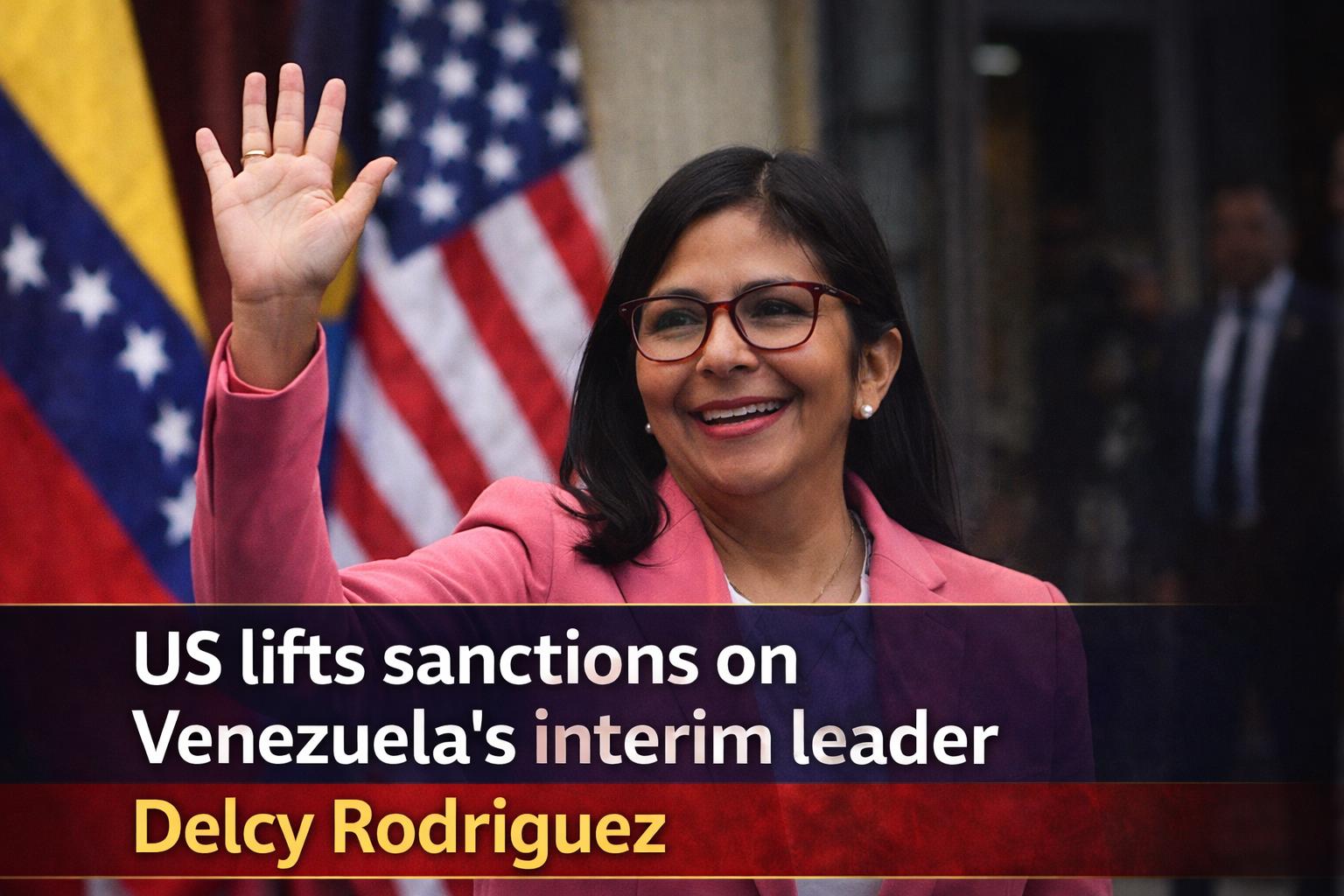
The United States has lifted sanctions on Venezuela’s interim president Delcy Rodríguez, signaling a significant shift in diplomatic relations between the two countries. The decision follows a series of developments after US forces removed former leader Nicolás Maduro from power in a military operation in Caracas and brought him to New York to face drug trafficking charges. Rodríguez, a longtime ally of Maduro and former vice president, had been under US sanctions since 2018 ov


US lifts sanctions on Venezuela’s interim leader Delcy Rodríguez
The United States has lifted sanctions on Venezuela’s interim president Delcy Rodríguez, signaling a significant shift in diplomatic relations between the two countries. The decision follows a series of developments after US forces removed former leader Nicolás Maduro from power in a military operation in Caracas and brought him to New York to face drug trafficking charges. Rodríguez, a longtime ally of Maduro and former vice president, had been under US sanctions since 2018 ov
7.4 magnitude earthquake strikes Indonesia, one dead, tsunami alert lifted
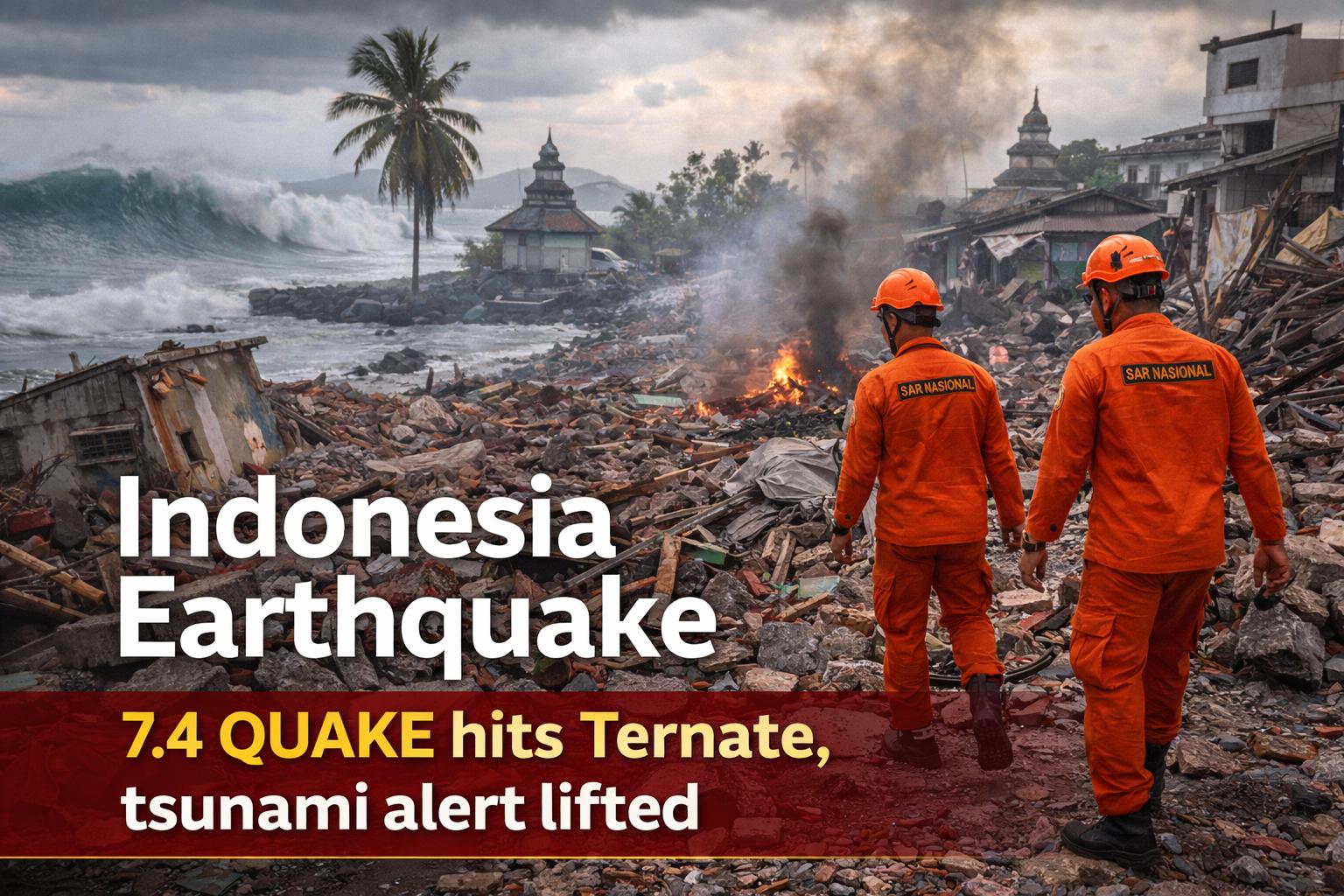
powerful 7.4-magnitude earthquake struck the Molucca Sea near Indonesia’s Ternate island at 06:48 AM local time on Thursday, April 2, 2026 (22:48 GMT on Wednesday, April 1, 2026), leaving at least one person dead and prompting widespread panic across the region. Authorities confirmed that a 70-year-old woman in North Sulawesi died after being crushed by falling debris, while another individual was injured after jumping from a building during the tremors. The earthquake, whic
7.4 magnitude earthquake strikes Indonesia, one dead, tsunami alert lifted
powerful 7.4-magnitude earthquake struck the Molucca Sea near Indonesia’s Ternate island at 06:48 AM local time on Thursday, April 2, 2026 (22:48 GMT on Wednesday, April 1, 2026), leaving at least one person dead and prompting widespread panic across the region. Authorities confirmed that a 70-year-old woman in North Sulawesi died after being crushed by falling debris, while another individual was injured after jumping from a building during the tremors. The earthquake, whic
What birthright citizenship means and why Trump wants to end it
The US Supreme Court is reviewing a major legal challenge to President Donald Trump’s January 2025 executive order seeking to end birthright citizenship. During a hearing on Wednesday, April 1, 2026, justices examined whether the policy aligns with the US Constitution and federal law. Birthright citizenship is based on the 14th Amendment, which states that anyone born in the United States is automatically a citizen, regardless of their parents’ immigration status. This principle
What birthright citizenship means and why Trump wants to end it
The US Supreme Court is reviewing a major legal challenge to President Donald Trump’s January 2025 executive order seeking to end birthright citizenship. During a hearing on Wednesday, April 1, 2026, justices examined whether the policy aligns with the US Constitution and federal law. Birthright citizenship is based on the 14th Amendment, which states that anyone born in the United States is automatically a citizen, regardless of their parents’ immigration status. This principle
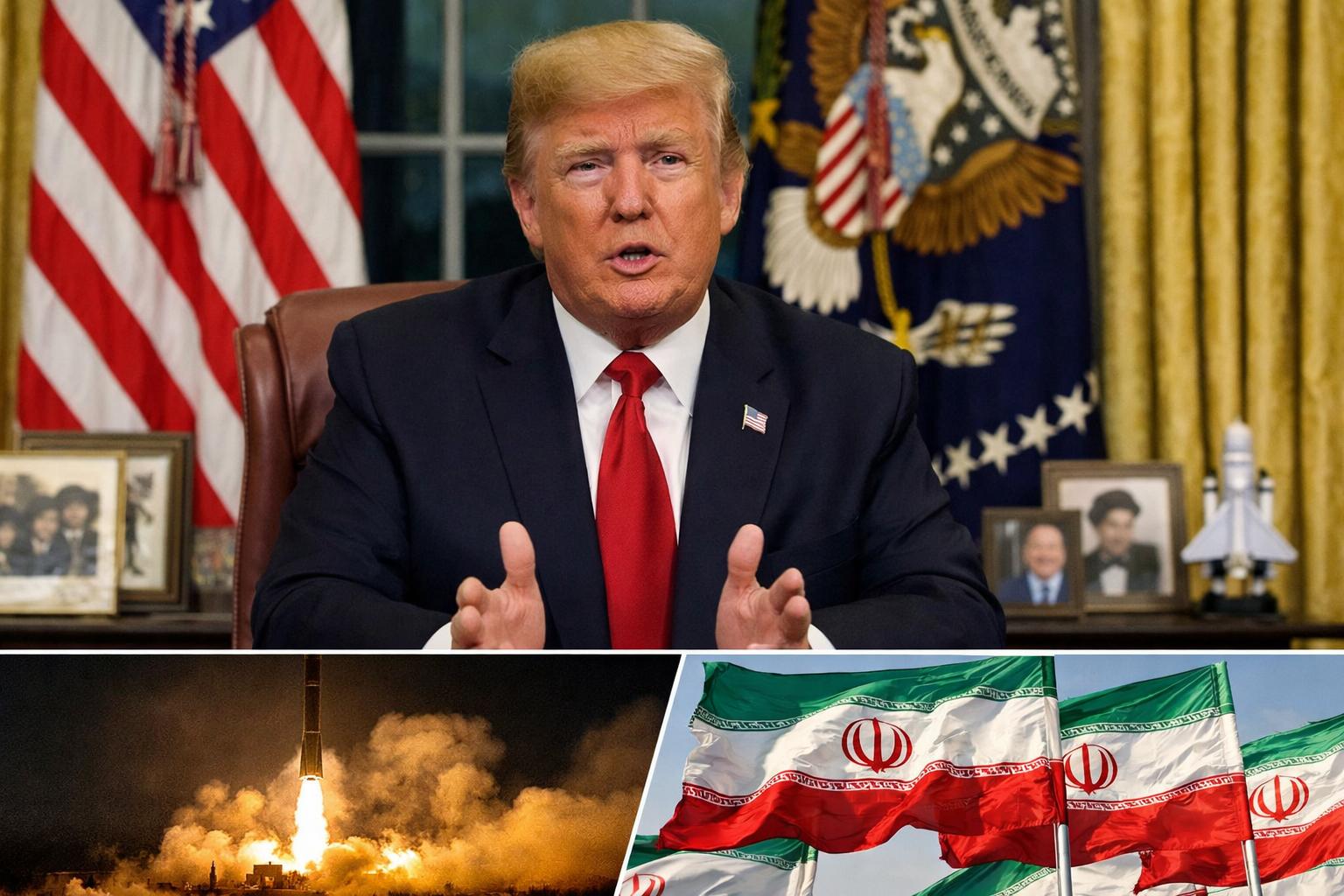
Trump defends Iran war strategy but offers few new details on next steps
WASHINGTON — President Donald Trump on Wednesday, April 2, 2026, delivered a primetime address from the White House seeking to justify the ongoing U.S. military campaign against Iran, but he provided few new details about the conflict’s trajectory or conclusion. The speech came at a pivotal moment both domestically and internationally, as the administration continues to expand executive authority in directing the war effort. In his remarks, Trump emphasized that preventing Iran fr
Trump defends Iran war strategy but offers few new details on next steps
WASHINGTON — President Donald Trump on Wednesday, April 2, 2026, delivered a primetime address from the White House seeking to justify the ongoing U.S. military campaign against Iran, but he provided few new details about the conflict’s trajectory or conclusion. The speech came at a pivotal moment both domestically and internationally, as the administration continues to expand executive authority in directing the war effort. In his remarks, Trump emphasized that preventing Iran fr
ACLU argues birthright citizenship using WWII internment example
An attorney for the American Civil Liberties Union argued before the U.S. Supreme Court that historical precedent supports granting citizenship to individuals born on American soil, referencing births during World War II-era Japanese internment as a key example. During an exchange with Justice Amy Coney Barrett, ACLU lawyer Wang pointed to the treatment of children born in U.S. detention camps, emphasizing that such individuals were widely recognized as American citizens under existing law.
ACLU argues birthright citizenship using WWII internment example
An attorney for the American Civil Liberties Union argued before the U.S. Supreme Court that historical precedent supports granting citizenship to individuals born on American soil, referencing births during World War II-era Japanese internment as a key example. During an exchange with Justice Amy Coney Barrett, ACLU lawyer Wang pointed to the treatment of children born in U.S. detention camps, emphasizing that such individuals were widely recognized as American citizens under existing law.
Israeli parliament approves capital punishment law amid global criticism
Israel’s parliament approved a controversial law introducing the death penalty for certain Palestinians convicted of killing Israelis during a session held in Jerusalem on Monday, March 30, 2026. The legislation marks a significant shift in Israel’s legal framework for handling security-related offenses and reflects a long-standing push by far-right leaders to impose stricter punishments for attacks described as terrorism. Prime Minister Benjamin Netanyahu attended the vote in person and
Israeli parliament approves capital punishment law amid global criticism
Israel’s parliament approved a controversial law introducing the death penalty for certain Palestinians convicted of killing Israelis during a session held in Jerusalem on Monday, March 30, 2026. The legislation marks a significant shift in Israel’s legal framework for handling security-related offenses and reflects a long-standing push by far-right leaders to impose stricter punishments for attacks described as terrorism. Prime Minister Benjamin Netanyahu attended the vote in person and
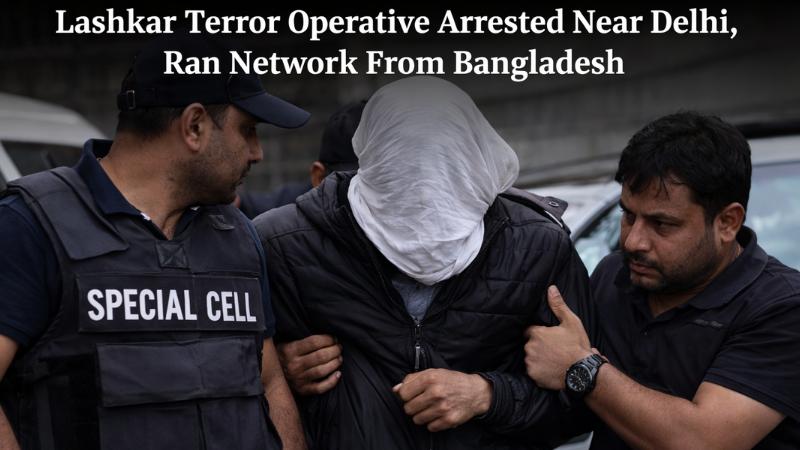
Lashkar Terror Operative Arrested Near Delhi, Ran Network From Bangladesh
A major breakthrough in India’s counter-terror operations has led to the arrest of Shabbir Ahmad Lone, a suspected operative of Lashkar-e-Taiba, near the Delhi border. The arrest was carried out by the Special Cell of
Lashkar Terror Operative Arrested Near Delhi, Ran Network From Bangladesh
A major breakthrough in India’s counter-terror operations has led to the arrest of Shabbir Ahmad Lone, a suspected operative of Lashkar-e-Taiba, near the Delhi border. The arrest was carried out by the Special Cell of
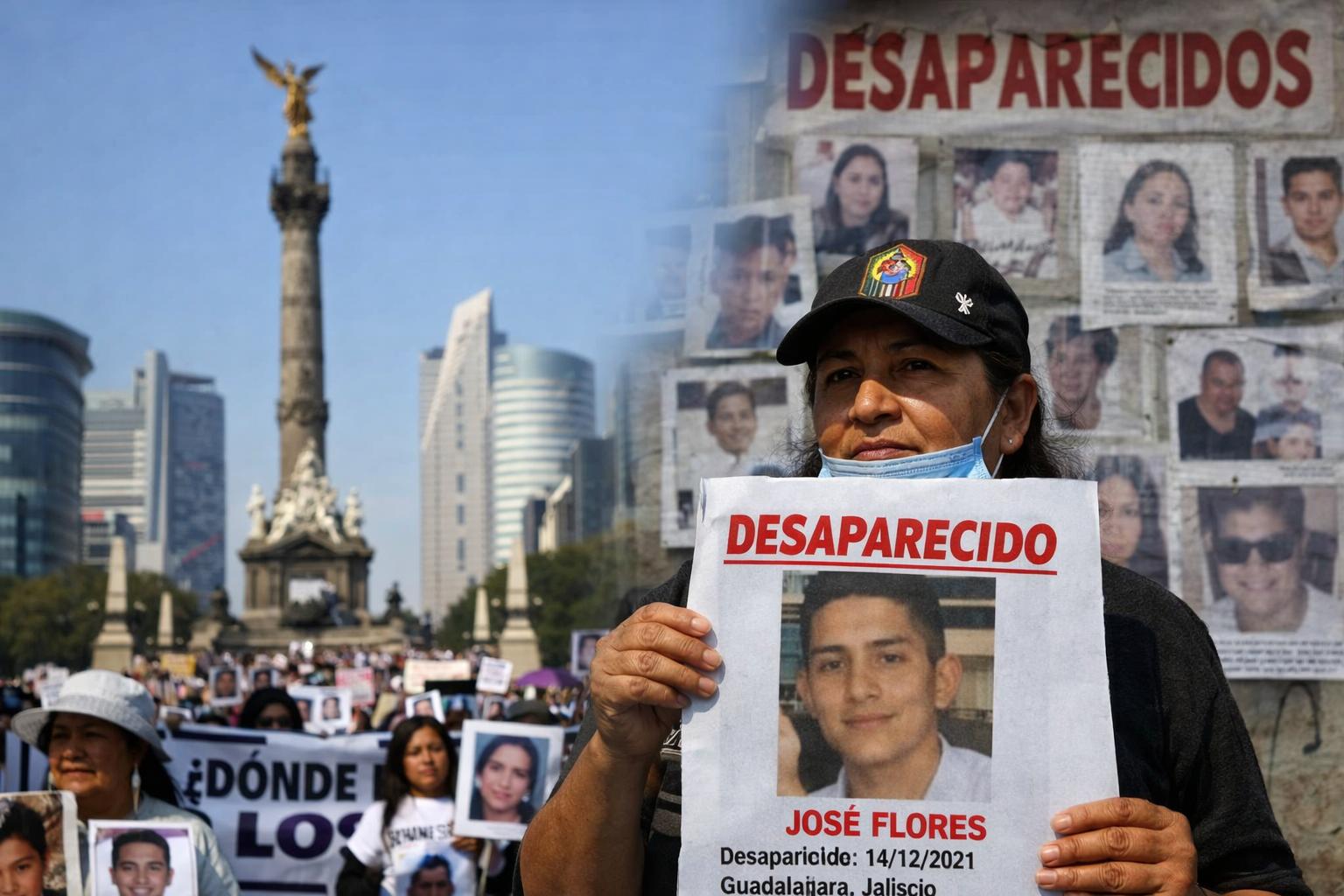
Mexico report finds signs of life for 31% of missing persons, sparks criticism
MEXICO CITY — Mexico’s government announced on Friday, March 28, 2026, that it has identified signs of life for roughly one-third of the country’s 130,000 registered missing persons, a finding that immediately drew criticism from search groups and human rights advocates who questioned the methodology and intent behind the report. According to officials, a review of government databases—including vaccination records, civil registries, and tax filings—revealed that 40,367 individu
Mexico report finds signs of life for 31% of missing persons, sparks criticism
MEXICO CITY — Mexico’s government announced on Friday, March 28, 2026, that it has identified signs of life for roughly one-third of the country’s 130,000 registered missing persons, a finding that immediately drew criticism from search groups and human rights advocates who questioned the methodology and intent behind the report. According to officials, a review of government databases—including vaccination records, civil registries, and tax filings—revealed that 40,367 individu
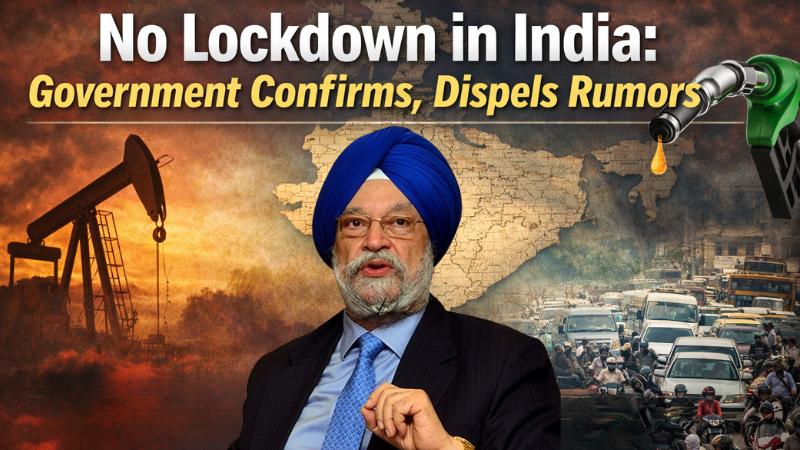
No Lockdown in India: Hardeep Puri Refutes Oil Crisis Rumors in Official Statement
The ongoing global energy crisis, fueled by the turmoil in Iran, has significantly impacted countries worldwide, leading to energy lockdowns. Nations like Australia, the Philippines, and Thailand have already implemented these lockdowns as a response to soaring petrol demand amidst dwindling supplies. Speculation surrounding the potential for a similar lockdown in India has stirred concern among citizens, especially in light of the country’s reliance on oil and gas imports. Howeve
No Lockdown in India: Hardeep Puri Refutes Oil Crisis Rumors in Official Statement
The ongoing global energy crisis, fueled by the turmoil in Iran, has significantly impacted countries worldwide, leading to energy lockdowns. Nations like Australia, the Philippines, and Thailand have already implemented these lockdowns as a response to soaring petrol demand amidst dwindling supplies. Speculation surrounding the potential for a similar lockdown in India has stirred concern among citizens, especially in light of the country’s reliance on oil and gas imports. Howeve
US engages Iran through Pakistan mediation with new 15-point peace proposal
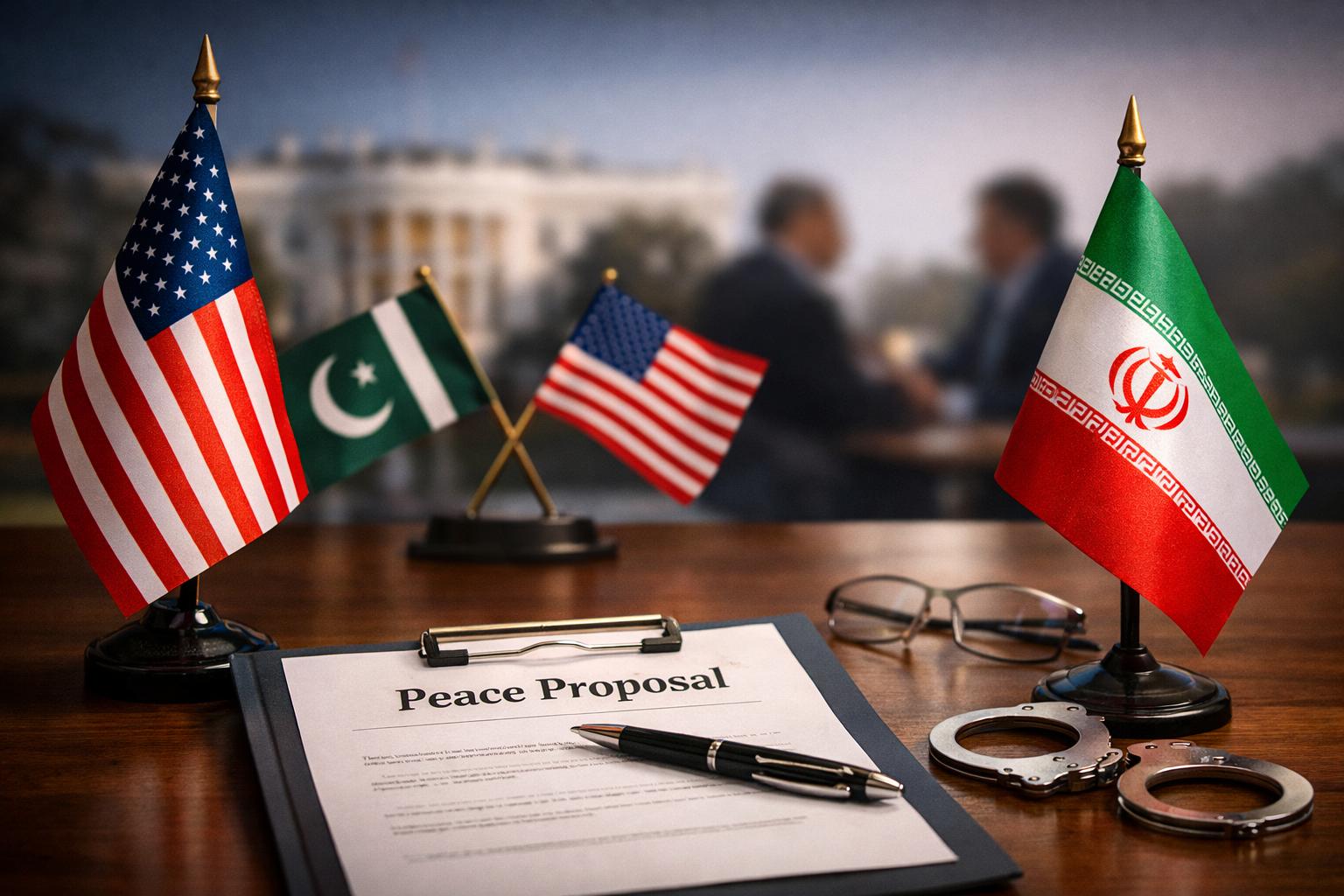
The United States has initiated indirect diplomatic engagement with Iran through Pakistan, according to Steve Witkoff, a special envoy serving under President Donald Trump. Speaking during a Cabinet meeting at the White House, Witkoff confirmed that a structured 15-point peace proposal has been conveyed to Iranian authorities via Pakistan’s government, marking a renewed attempt to address ongoing tensions through diplomatic channels. Witkoff described the framework as a comprehensive ef
US engages Iran through Pakistan mediation with new 15-point peace proposal
The United States has initiated indirect diplomatic engagement with Iran through Pakistan, according to Steve Witkoff, a special envoy serving under President Donald Trump. Speaking during a Cabinet meeting at the White House, Witkoff confirmed that a structured 15-point peace proposal has been conveyed to Iranian authorities via Pakistan’s government, marking a renewed attempt to address ongoing tensions through diplomatic channels. Witkoff described the framework as a comprehensive ef
Modi warns of energy crisis, outlines India’s response to global conflict
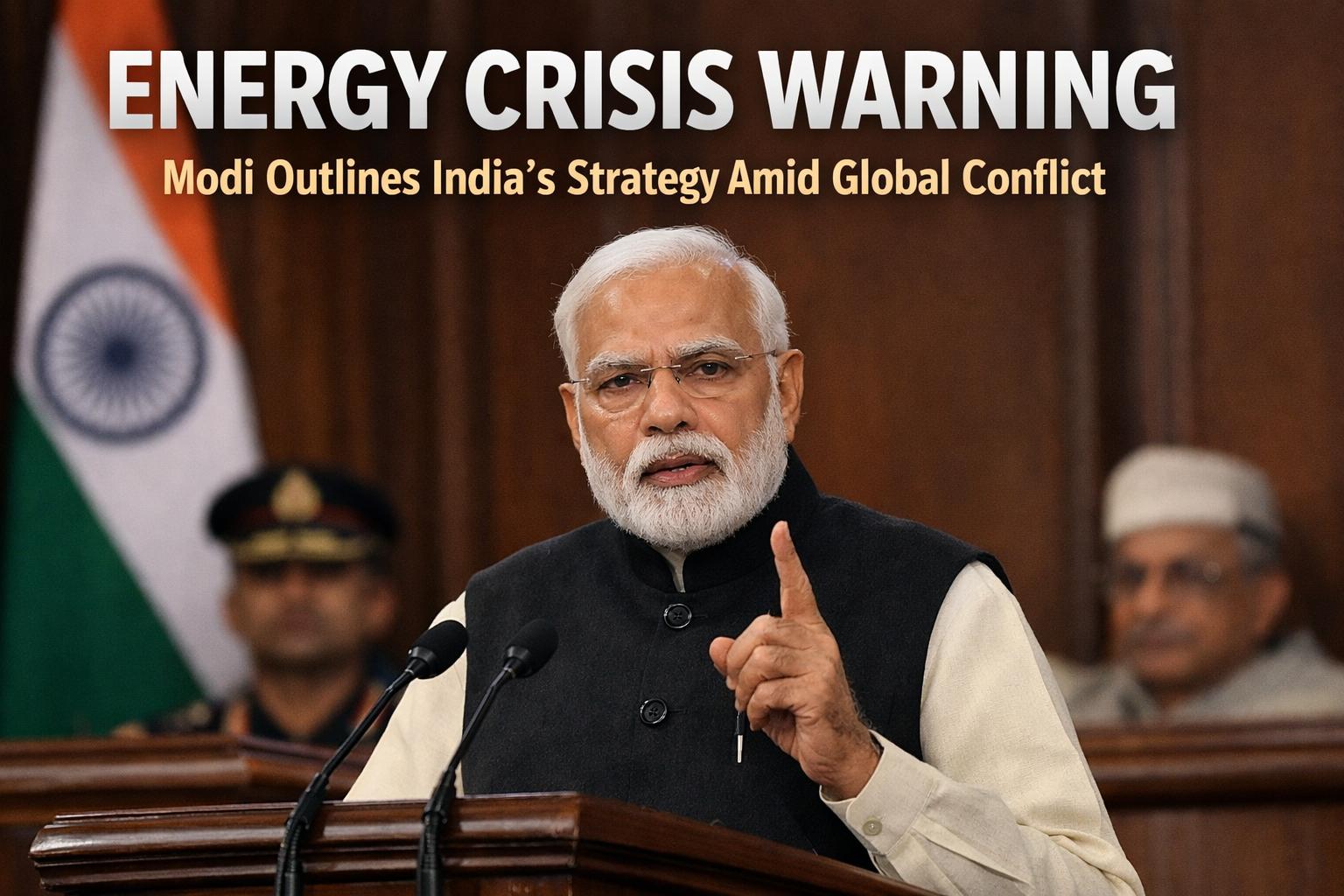
NEW DELHI, India, March 26, 2026 — Narendra Modi on Thursday warned that ongoing global conflicts could trigger a prolonged energy crisis, posing significant risks to economies worldwide, including India. Addressing Parliament, Modi struck a balanced yet firm tone, cautioning that continued geopolitical tensions may disrupt global energy markets and supply chains. He sai
Modi warns of energy crisis, outlines India’s response to global conflict
NEW DELHI, India, March 26, 2026 — Narendra Modi on Thursday warned that ongoing global conflicts could trigger a prolonged energy crisis, posing significant risks to economies worldwide, including India. Addressing Parliament, Modi struck a balanced yet firm tone, cautioning that continued geopolitical tensions may disrupt global energy markets and supply chains. He sai
Argentina Comes to India's Aid Amid LPG Shortage, Strengthening Energy Ties
As India faces a severe liquefied petroleum gas (LPG) shortage due to the disruption of maritime traffic through the Strait of Hormuz, which affects nearly 60% of the country’s LPG imports, Argentina has stepped in to provide vital support. The South American country, previously not a key supplier to India, has rapidly become a crucial energy partner, delivering over 50,000 tonnes of LPG in the first quarter of 2026 alone—more than double the amount it shipped in all of 2025. Th
Argentina Comes to India's Aid Amid LPG Shortage, Strengthening Energy Ties
As India faces a severe liquefied petroleum gas (LPG) shortage due to the disruption of maritime traffic through the Strait of Hormuz, which affects nearly 60% of the country’s LPG imports, Argentina has stepped in to provide vital support. The South American country, previously not a key supplier to India, has rapidly become a crucial energy partner, delivering over 50,000 tonnes of LPG in the first quarter of 2026 alone—more than double the amount it shipped in all of 2025. Th
Tarique Rahman’s Genocide Day Message: A Shift in Bangladesh’s Foreign Policy
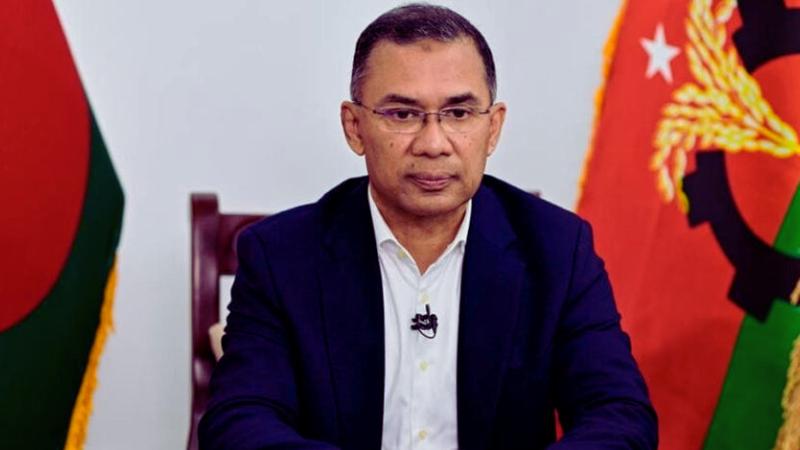
On March 25, 2026, Bangladesh Prime Minister Tarique Rahman marked Genocide Day with a powerful message that signaled a clear shift from the softer approach to Pakistan observed during the previous interim government under Muhammad Yunus. Rahman’s remarks were made on social media, describing March 25, 1971, as "one of the most disgraceful and brutal days" in the country's history, highlighting the atrocities carried out by Pakistani forces during Operation Searchlight. Rahman recounted how
Tarique Rahman’s Genocide Day Message: A Shift in Bangladesh’s Foreign Policy
On March 25, 2026, Bangladesh Prime Minister Tarique Rahman marked Genocide Day with a powerful message that signaled a clear shift from the softer approach to Pakistan observed during the previous interim government under Muhammad Yunus. Rahman’s remarks were made on social media, describing March 25, 1971, as "one of the most disgraceful and brutal days" in the country's history, highlighting the atrocities carried out by Pakistani forces during Operation Searchlight. Rahman recounted how
Denmark PM resigns as election results force coalition talks
Denmark’s Prime Minister Mette Frederiksen formally resigned on Wednesday following the outcome of the country’s general election, initiating the process of forming a new government after no political bloc secured a clear majority. The resignation was submitted to King Frederik at the Royal Palace, in line with constitutional practice when an incumbent administration loses its parliamentary majority. Frederiksen’s Social Democrats emerged as the largest party, securing 21.9% of the vote and retaining the highest number of seats in parliament. However, the result marked the party’s weakest performance in more than a century, significantly undermining its governing position. The left-leaning “red bloc,” led by the Social Democrats, secured 84 seats, falling short of the 90 required for a majority in the 179-seat Folketing. Despite the setback, Frederiksen signaled her intention to remain politically active and potentially lead the next government. She will continue in a caretaker role until coalition negotiations conclude. Addressing supporters, she acknowledged disappointment over the vote share but emphasized that her party remains the largest political force in Denmark. The opposition “blue bloc” also failed to secure a governing majority, collectively winning 77 seats. The Liberal Party Venstre recorded one of its poorest results, securing just 10.1% of the vote and trailing behind the Green Left party. With neither bloc able to form a government independently, attention has shifted to the Moderates party, led by former prime minister Lars Løkke Rasmussen, which secured 14 seats and is expected to play a decisive role in coalition talks. The election, called earlier than anticipated, was initially influenced by international tensions, including debates over Greenland. However, domestic policy issues dominated the campaign, reshaping voter priorities. Political negotiations are expected to continue for several days or weeks as parties attempt to build a stable governing coalition.
Denmark PM resigns as election results force coalition talks
Denmark’s Prime Minister Mette Frederiksen formally resigned on Wednesday following the outcome of the country’s general election, initiating the process of forming a new government after no political bloc secured a clear majority. The resignation was submitted to King Frederik at the Royal Palace, in line with constitutional practice when an incumbent administration loses its parliamentary majority. Frederiksen’s Social Democrats emerged as the largest party, securing 21.9% of the vote and retaining the highest number of seats in parliament. However, the result marked the party’s weakest performance in more than a century, significantly undermining its governing position. The left-leaning “red bloc,” led by the Social Democrats, secured 84 seats, falling short of the 90 required for a majority in the 179-seat Folketing. Despite the setback, Frederiksen signaled her intention to remain politically active and potentially lead the next government. She will continue in a caretaker role until coalition negotiations conclude. Addressing supporters, she acknowledged disappointment over the vote share but emphasized that her party remains the largest political force in Denmark. The opposition “blue bloc” also failed to secure a governing majority, collectively winning 77 seats. The Liberal Party Venstre recorded one of its poorest results, securing just 10.1% of the vote and trailing behind the Green Left party. With neither bloc able to form a government independently, attention has shifted to the Moderates party, led by former prime minister Lars Løkke Rasmussen, which secured 14 seats and is expected to play a decisive role in coalition talks. The election, called earlier than anticipated, was initially influenced by international tensions, including debates over Greenland. However, domestic policy issues dominated the campaign, reshaping voter priorities. Political negotiations are expected to continue for several days or weeks as parties attempt to build a stable governing coalition.
India Supports De-Escalation and Strait of Hormuz Access After Call with Trump
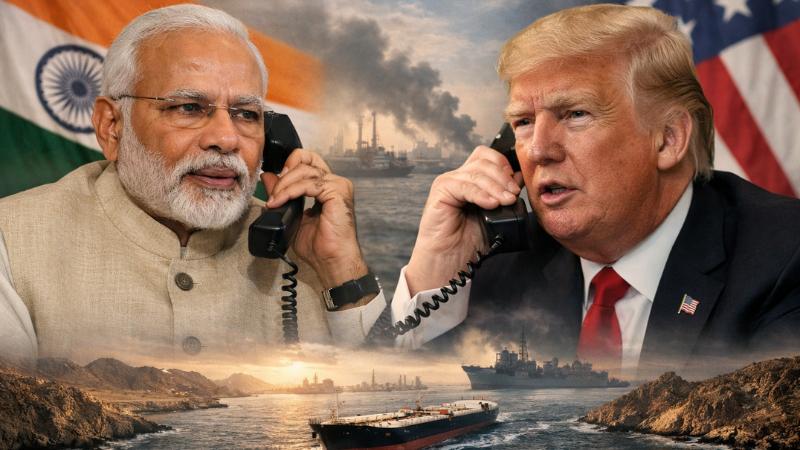
Amid rising tensions in the Middle East, U.S. President Donald Trump and Indian Prime Minister Narendra Modi held a significant conversation. The two leaders highlighted the necessity of keeping the Strait of Hormuz open and accessible for global trade. In a post on social media, Modi mentioned having a "useful exchange" with Trump. He emphasized India’s firm stance on de-escalation and peace, recognizing that the Strait of Hormuz is crucial for global stability due to its role in oil shipm
India Supports De-Escalation and Strait of Hormuz Access After Call with Trump
Amid rising tensions in the Middle East, U.S. President Donald Trump and Indian Prime Minister Narendra Modi held a significant conversation. The two leaders highlighted the necessity of keeping the Strait of Hormuz open and accessible for global trade. In a post on social media, Modi mentioned having a "useful exchange" with Trump. He emphasized India’s firm stance on de-escalation and peace, recognizing that the Strait of Hormuz is crucial for global stability due to its role in oil shipm
US-Israel strike on Iran followed urgent call between Netanyahu and Trump
Less than 48 hours before a joint US-Israeli military operation targeting Iran, Israeli Prime Minister Benjamin Netanyahu made a final appeal to US President Donald Trump, urging swift action as intelligence indicated a narrowing operational window. According to officials, briefings suggested that Iran’s Supreme Leader Ayatollah Ali Khamenei and senior leadership were expected to gather in Tehran, presenting what was described as a rare strategic opportunity. Updated intelligence reportedly showed the meeting had been moved earlier, intensifying the urgency of the decision. Although Trump had already approved military action in principle, the exact timing and scale remained under review. Netanyahu’s call was seen as a decisive moment, reinforcing arguments that delays could result in a missed opportunity. The operation followed months of escalating tensions and unsuccessful diplomatic efforts aimed at addressing Iran’s nuclear programme, which had reached a stalemate. Earlier military actions in June, involving strikes on Iranian nuclear and missile infrastructure, had already heightened hostilities. While US forces later joined Israeli operations in a 12-day campaign, Israeli officials continued to push for a more comprehensive response. Strategic discussions, including high-level meetings, focused on Iran’s advancing missile capabilities and perceived regional threat. Additional geopolitical developments influenced Washington’s approach, including a successful US-backed operation in Venezuela and widespread unrest within Iran, which was met with force by security agencies. US officials had anticipated escalation, warning that any Israeli action could provoke retaliation against American assets and allies in the region. The coordinated strikes began on February 28 after Trump gave final approval. The White House stated that the objective was to weaken Iran’s military infrastructure, curb its missile capabilities, and prevent nuclear weapon development. Trump later announced that Khamenei had been killed during the operation. The aftermath saw immediate retaliation from Iran, disruptions in key shipping routes, and a surge in global oil prices. Reports indicated significant casualties, including Iranian civilians and US personnel. Despite expectations of political change, intelligence assessments had warned that leadership shifts might not moderate Iran’s stance. Khamenei’s son, Mojtaba Khamenei, has since assumed leadership, while security forces continue to maintain control. Both leaders have defended their roles in the decision, with Trump asserting sole responsibility and Netanyahu denying claims of influencing US involvement. However, accounts suggest that the combination of intelligence updates and diplomatic pressure played a critical role in shaping a decision that has significantly altered regional dynamics.
US-Israel strike on Iran followed urgent call between Netanyahu and Trump
Less than 48 hours before a joint US-Israeli military operation targeting Iran, Israeli Prime Minister Benjamin Netanyahu made a final appeal to US President Donald Trump, urging swift action as intelligence indicated a narrowing operational window. According to officials, briefings suggested that Iran’s Supreme Leader Ayatollah Ali Khamenei and senior leadership were expected to gather in Tehran, presenting what was described as a rare strategic opportunity. Updated intelligence reportedly showed the meeting had been moved earlier, intensifying the urgency of the decision. Although Trump had already approved military action in principle, the exact timing and scale remained under review. Netanyahu’s call was seen as a decisive moment, reinforcing arguments that delays could result in a missed opportunity. The operation followed months of escalating tensions and unsuccessful diplomatic efforts aimed at addressing Iran’s nuclear programme, which had reached a stalemate. Earlier military actions in June, involving strikes on Iranian nuclear and missile infrastructure, had already heightened hostilities. While US forces later joined Israeli operations in a 12-day campaign, Israeli officials continued to push for a more comprehensive response. Strategic discussions, including high-level meetings, focused on Iran’s advancing missile capabilities and perceived regional threat. Additional geopolitical developments influenced Washington’s approach, including a successful US-backed operation in Venezuela and widespread unrest within Iran, which was met with force by security agencies. US officials had anticipated escalation, warning that any Israeli action could provoke retaliation against American assets and allies in the region. The coordinated strikes began on February 28 after Trump gave final approval. The White House stated that the objective was to weaken Iran’s military infrastructure, curb its missile capabilities, and prevent nuclear weapon development. Trump later announced that Khamenei had been killed during the operation. The aftermath saw immediate retaliation from Iran, disruptions in key shipping routes, and a surge in global oil prices. Reports indicated significant casualties, including Iranian civilians and US personnel. Despite expectations of political change, intelligence assessments had warned that leadership shifts might not moderate Iran’s stance. Khamenei’s son, Mojtaba Khamenei, has since assumed leadership, while security forces continue to maintain control. Both leaders have defended their roles in the decision, with Trump asserting sole responsibility and Netanyahu denying claims of influencing US involvement. However, accounts suggest that the combination of intelligence updates and diplomatic pressure played a critical role in shaping a decision that has significantly altered regional dynamics.
LaGuardia crash and Texas refinery blast on March 23 raise safety concerns
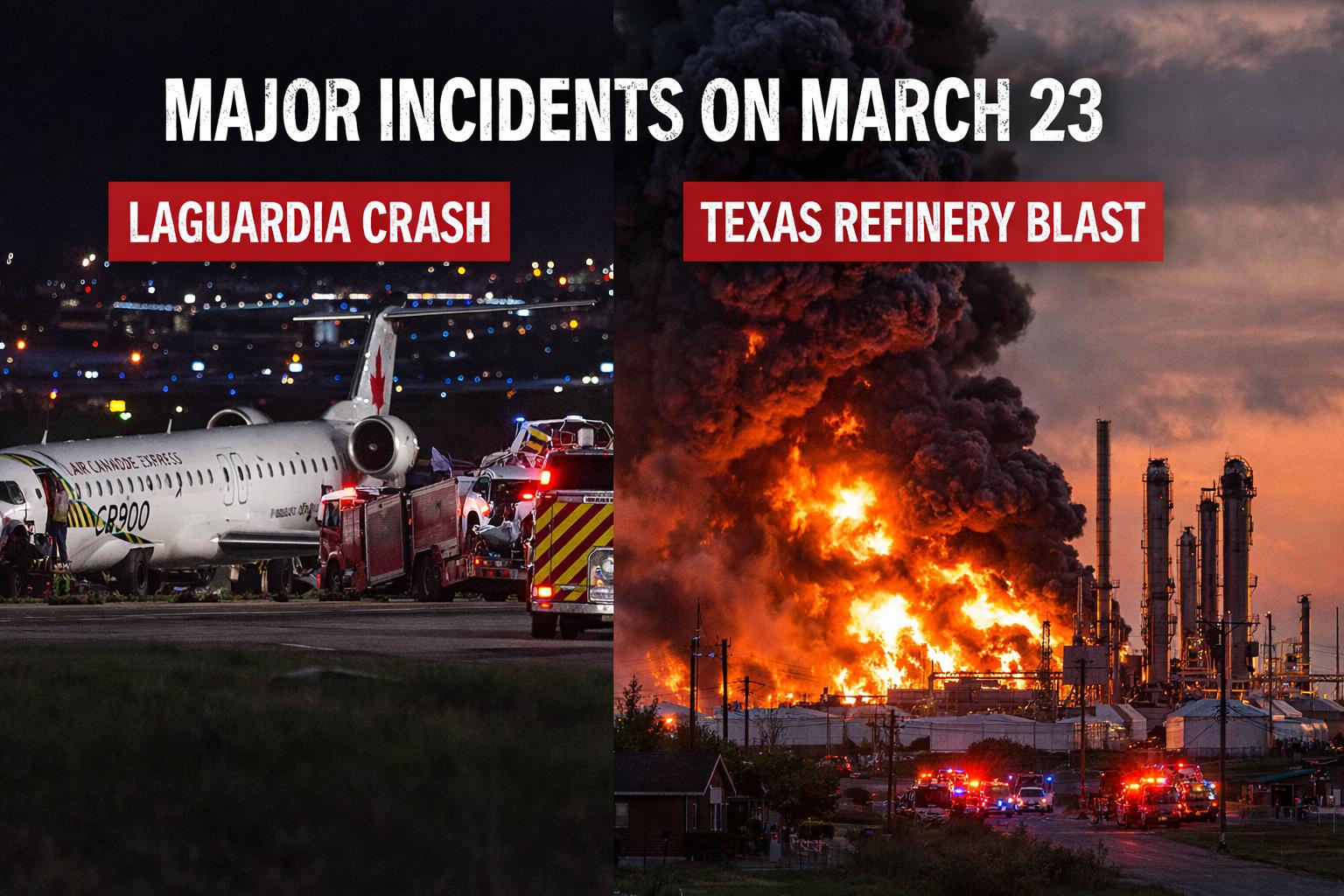
Two major incidents on March 23 have drawn national attention in the United States, as authorities investigate a fatal aircraft collision at LaGuardia Airport and a massive refinery explosion in Texas that has raised concerns over energy supply and safety. Late Sunday night, just before midnight on March 23, an Air Canada Express flight collided with a fire rescue vehicle while landing at LaGuardia Airport in New York. The aircraft, a CRJ900 operated by Jazz Aviation, was carrying 72 passeng
LaGuardia crash and Texas refinery blast on March 23 raise safety concerns
Two major incidents on March 23 have drawn national attention in the United States, as authorities investigate a fatal aircraft collision at LaGuardia Airport and a massive refinery explosion in Texas that has raised concerns over energy supply and safety. Late Sunday night, just before midnight on March 23, an Air Canada Express flight collided with a fire rescue vehicle while landing at LaGuardia Airport in New York. The aircraft, a CRJ900 operated by Jazz Aviation, was carrying 72 passeng