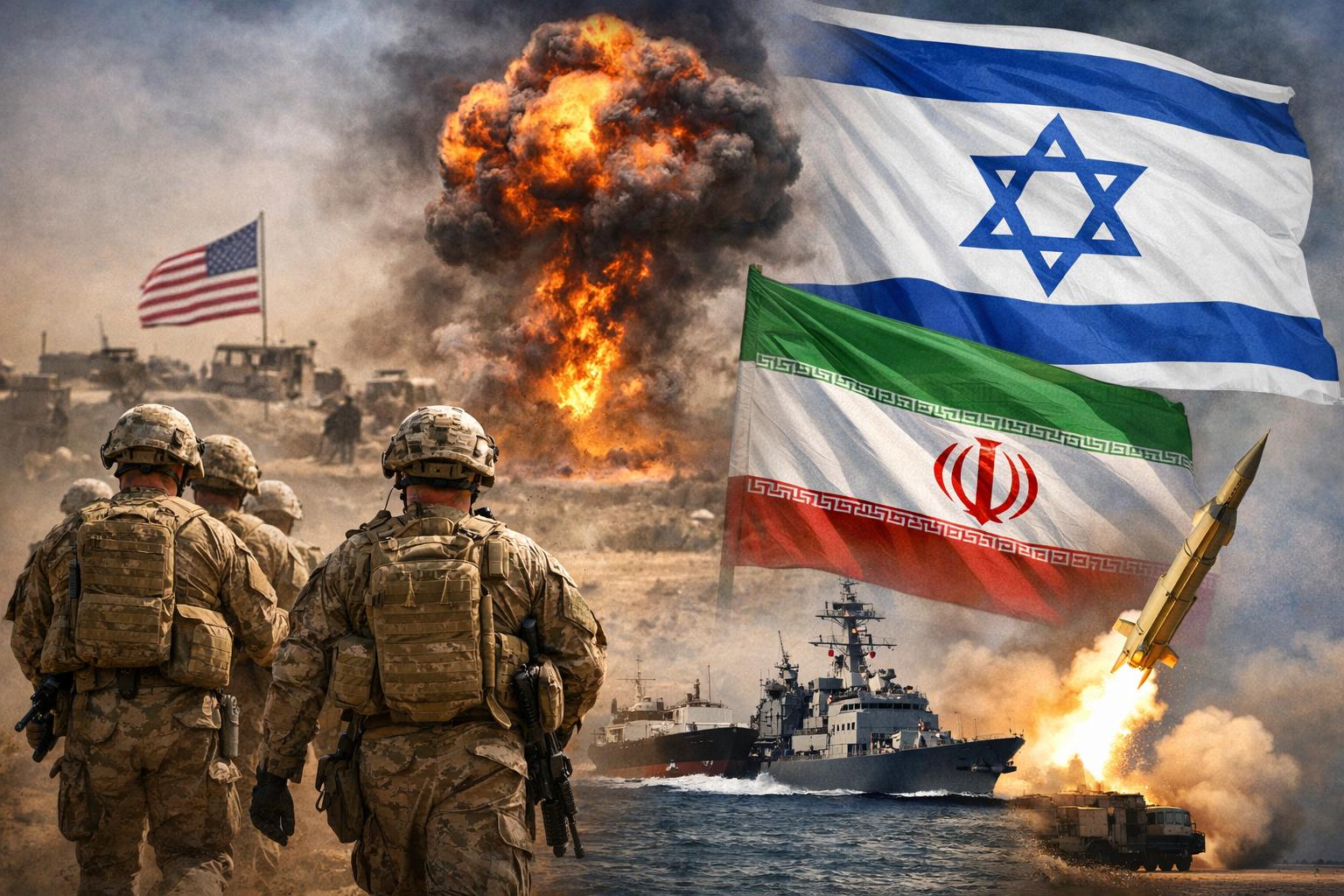
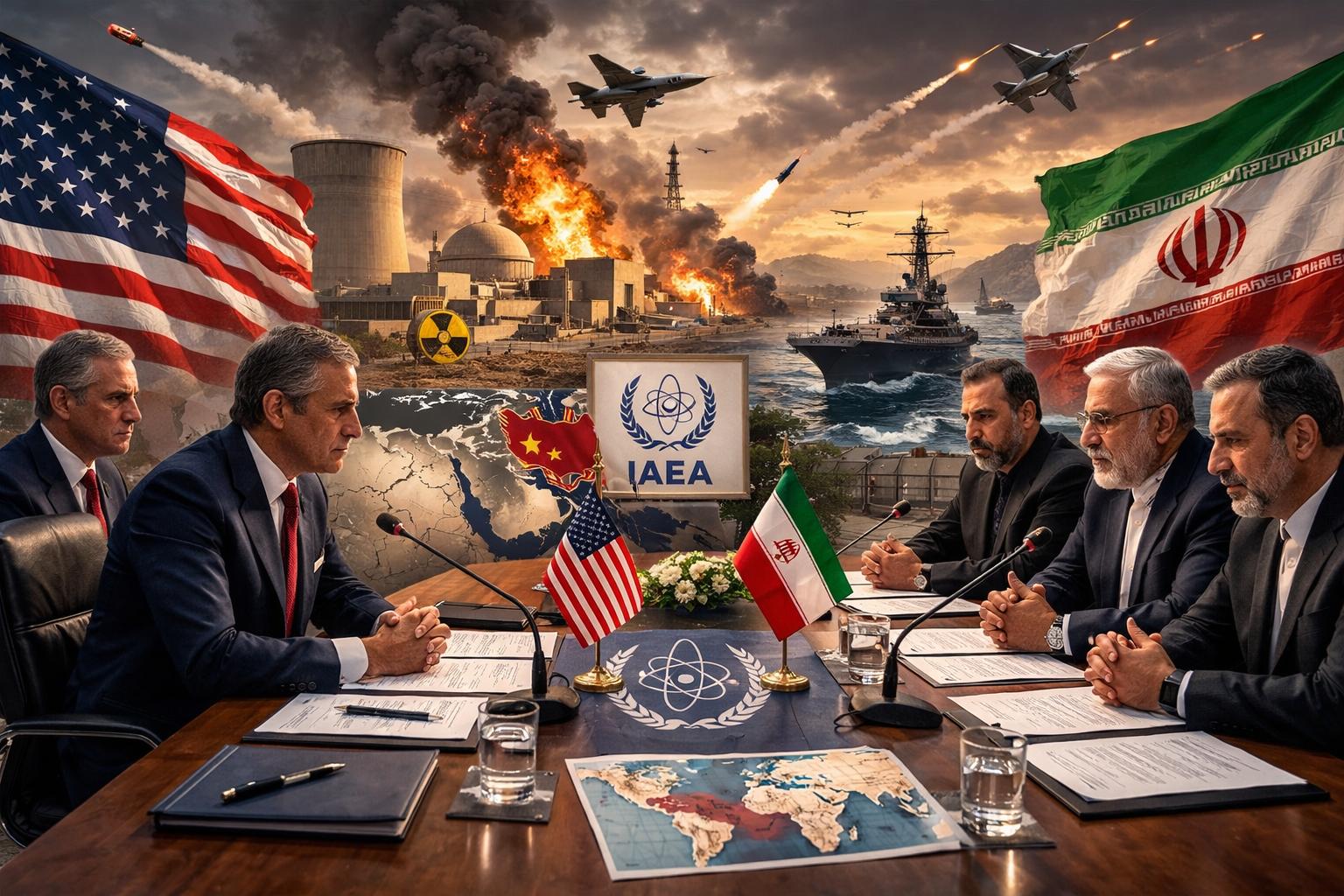
Tensions between the United States, Israel, and Iran are intensifying, with multiple developments across the Middle East signaling a potentially dangerous escalation in the ongoing conflict. The situation has drawn increased global attention as military activity expands and diplomatic efforts continue behind the scenes.
Hundreds of US Special Operations forces have recently been deployed to the region, pushing total American troop levels beyond 50,000. The expanded presence reflects growing concerns in Washington over regional stability and the need to safeguard critical maritime routes, including the strategically vital Strait of Hormuz. US officials are also weighing a range of military and strategic options, including potential actions targeting Iran’s nuclear capabilities and energy infrastructure.
Amid these developments, discussions have reportedly included the possibility of securing or seizing Iranian oil facilities and enriched uranium assets. At the same time, diplomatic channels remain active, with regional intermediaries attempting to ease tensions and prevent further escalation.
Uncertainty surrounding Iran’s leadership has added another layer of complexity. Supreme Leader Mojtaba Khamenei has not appeared publicly in recent days, fueling speculation about his health and control over internal decision-making during a critical period.
The conflict is also beginning to extend beyond traditional battle zones. A recent Iranian strike in Kuwait resulted in the death of an Indian worker, underscoring the growing risks to civilians and foreign nationals in the region. Analysts warn that such incidents highlight the vulnerability of critical infrastructure and the potential for unintended consequences as hostilities widen.
Security experts caution that the situation remains highly volatile, with the possibility of broader regional fallout if tensions continue to rise. As military posturing increases alongside fragile diplomatic efforts, the coming days are expected to be crucial in determining whether the conflict can be contained or escalates further.
Tensions between the United States, Israel, and Iran are intensifying, with multiple developments across the Middle East signaling a potentially dangerous escalation in the ongoing conflict. The situation has drawn increased global attention as military activity expands and diplomatic efforts continue behind the scenes.
Hundreds of US Special Operations forces have recently been deployed to the region, pushing total American troop levels beyond 50,000. The expanded presence reflects growing concerns in Washington over regional stability and the need to safeguard critical maritime routes, including the strategically vital Strait of Hormuz. US officials are also weighing a range of military and strategic options, including potential actions targeting Iran’s nuclear capabilities and energy infrastructure.
Amid these developments, discussions have reportedly included the possibility of securing or seizing Iranian oil facilities and enriched uranium assets. At the same time, diplomatic channels remain active, with regional intermediaries attempting to ease tensions and prevent further escalation.
Uncertainty surrounding Iran’s leadership has added another layer of complexity. Supreme Leader Mojtaba Khamenei has not appeared publicly in recent days, fueling speculation about his health and control over internal decision-making during a critical period.
The conflict is also beginning to extend beyond traditional battle zones. A recent Iranian strike in Kuwait resulted in the death of an Indian worker, underscoring the growing risks to civilians and foreign nationals in the region. Analysts warn that such incidents highlight the vulnerability of critical infrastructure and the potential for unintended consequences as hostilities widen.
Security experts caution that the situation remains highly volatile, with the possibility of broader regional fallout if tensions continue to rise. As military posturing increases alongside fragile diplomatic efforts, the coming days are expected to be crucial in determining whether the conflict can be contained or escalates further.
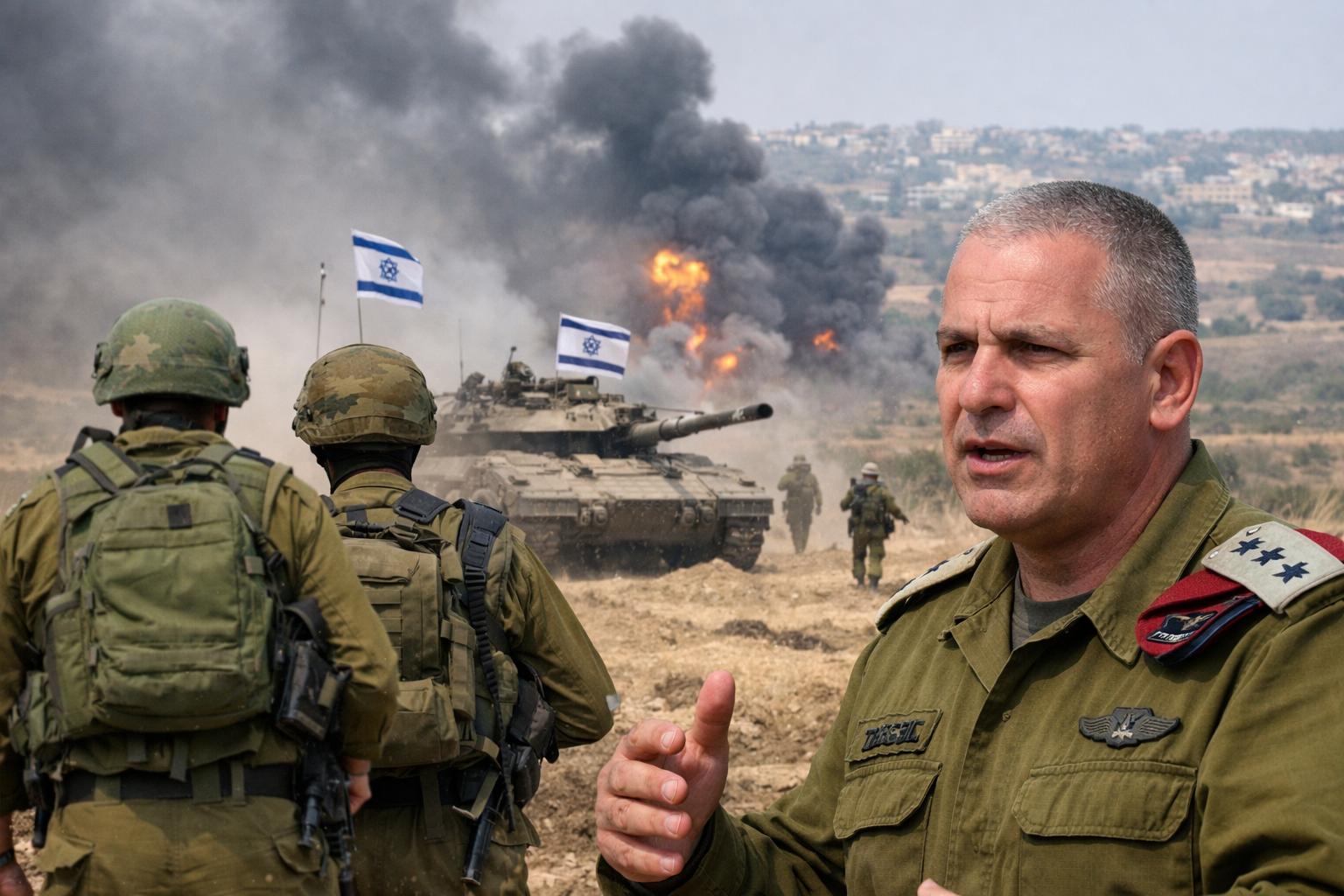
Israel’s top military official has issued a stark warning about the country’s operational readiness, citing severe manpower shortages as conflict across multiple fronts continues to intensify. Eyal Zamir, Chief of the General Staff of the Israel Defense Forces, told senior ministers that the military risks “collapsing on itself” if current staffing gaps are not addressed.
The warning came
Israel’s top military official has issued a stark warning about the country’s operational readiness, citing severe manpower shortages as conflict across multiple fronts continues to intensify. Eyal Zamir, Chief of the General Staff of the Israel Defense Forces, told senior ministers that the military risks “collapsing on itself” if current staffing gaps are not addressed.
The warning came
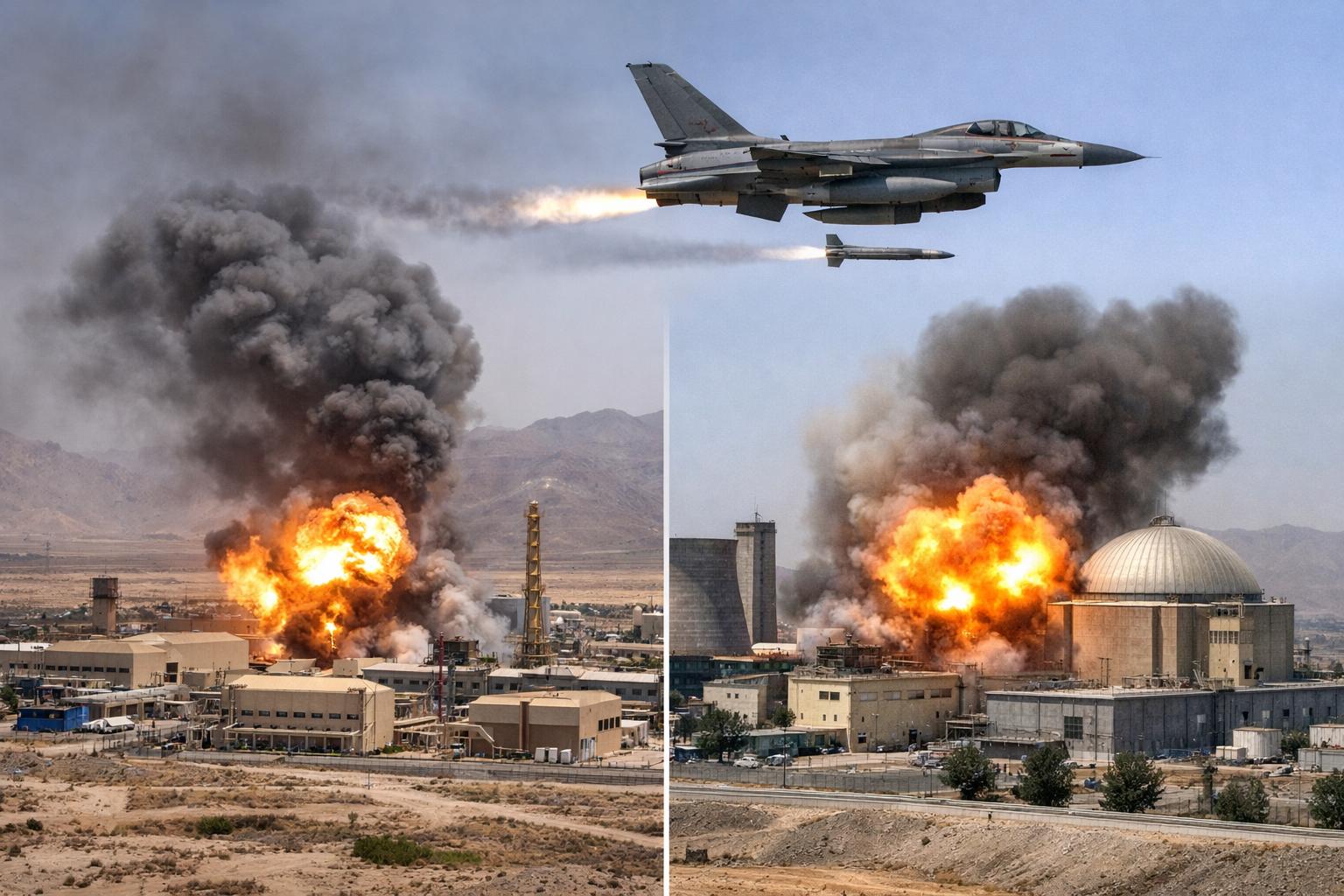
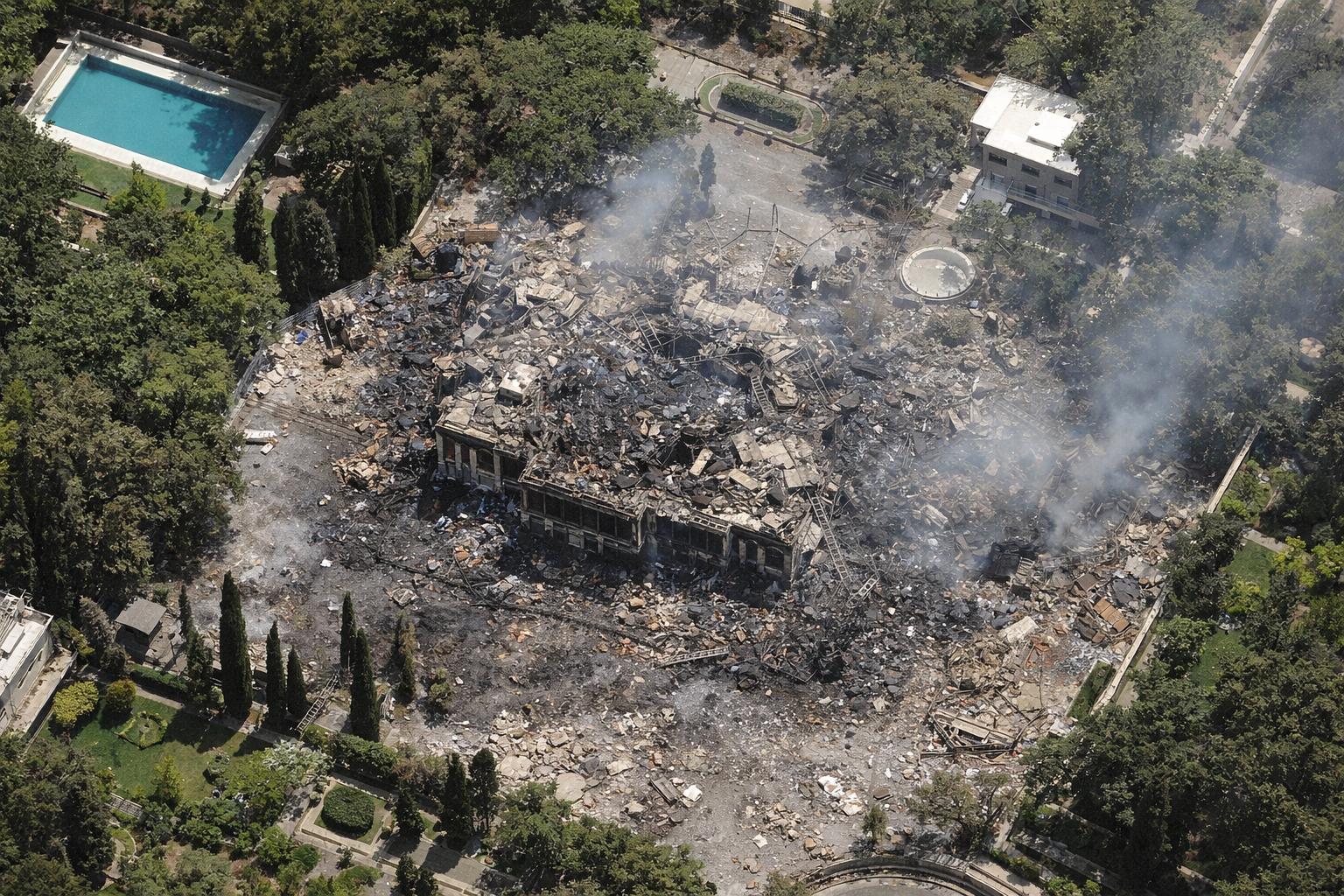
Israel confirmed it carried out coordinated airstrikes on nuclear-related facilities in central Iran on Friday, March 27, 2026, targeting a uranium processing site in Yazd and a heavy water plant in Arak, according to official military statements. The strikes mark a significant escalation in ongoing efforts to disrupt Iran’s nuclear program amid heightened regional tensions.
The Israel Defense Forces (IDF) said the operation in Yazd focused on a uranium extraction facility described as cri
Israel confirmed it carried out coordinated airstrikes on nuclear-related facilities in central Iran on Friday, March 27, 2026, targeting a uranium processing site in Yazd and a heavy water plant in Arak, according to official military statements. The strikes mark a significant escalation in ongoing efforts to disrupt Iran’s nuclear program amid heightened regional tensions.
The Israel Defense Forces (IDF) said the operation in Yazd focused on a uranium extraction facility described as cri
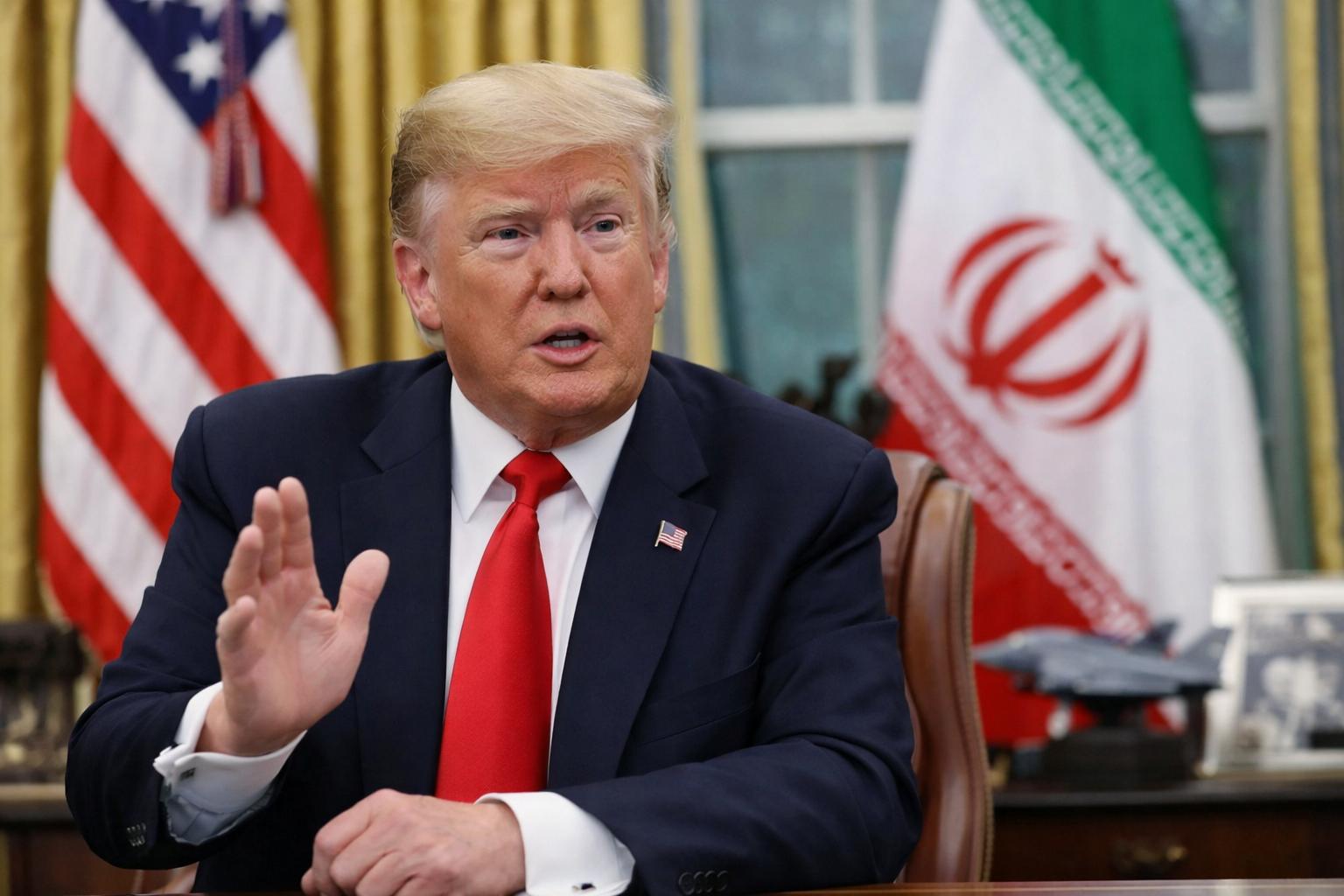
US President Donald Trump has stated that Iran has agreed to never develop nuclear weapons, describing the development as a sign of progress in ongoing diplomatic engagement between the two countries. His remarks come at a time when tensions in the Middle East remain high, with regional conflict continuing to shape the broader geopolitical landscape.
Speaking to reporters at the Oval Office, Trump adopted an optimistic tone, indicating that backchannel communicati
US President Donald Trump has stated that Iran has agreed to never develop nuclear weapons, describing the development as a sign of progress in ongoing diplomatic engagement between the two countries. His remarks come at a time when tensions in the Middle East remain high, with regional conflict continuing to shape the broader geopolitical landscape.
Speaking to reporters at the Oval Office, Trump adopted an optimistic tone, indicating that backchannel communicati
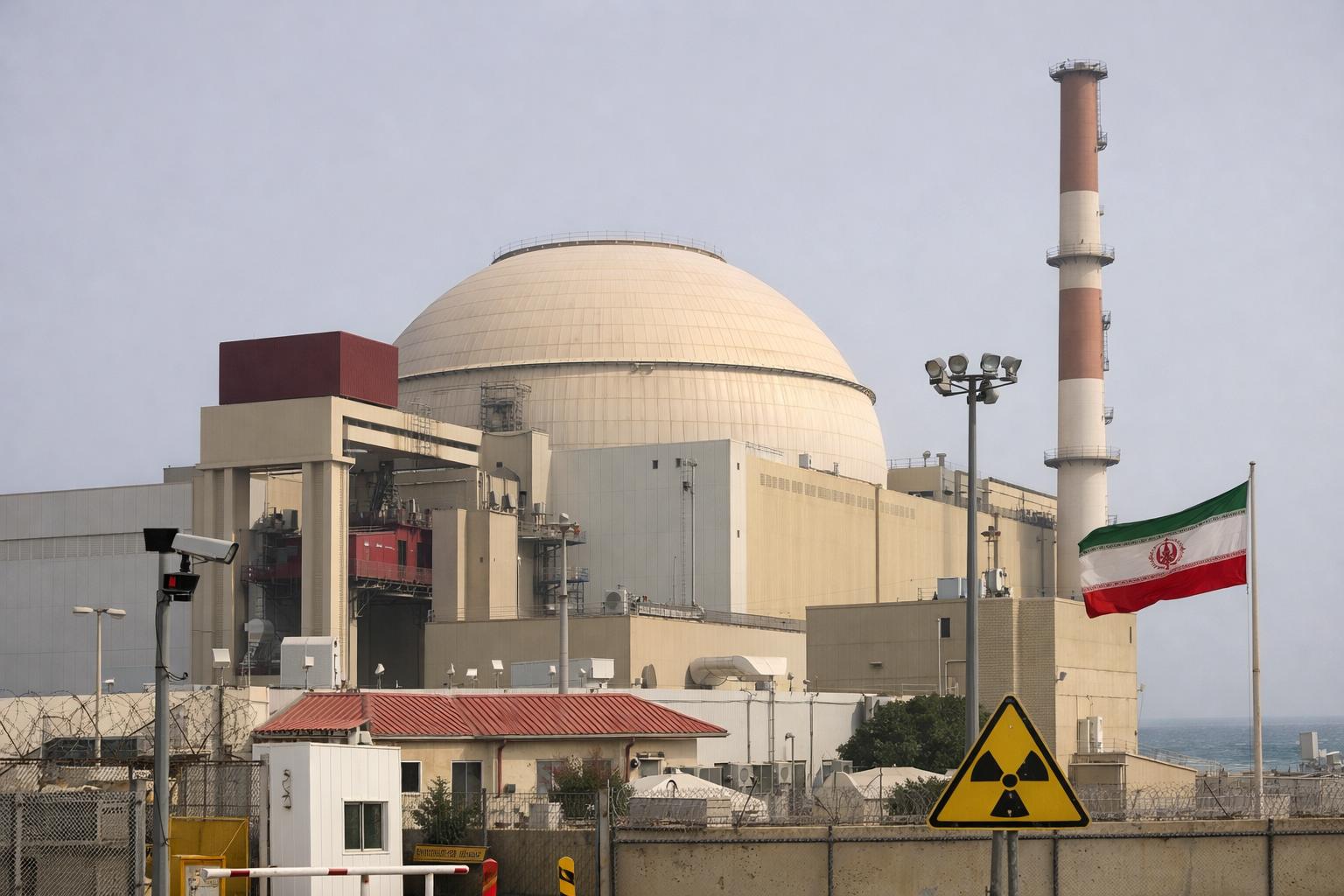
Iran’s Atomic Energy Organization on Tuesday reported that a projectile struck within the perimeter of the Bushehr nuclear power plant, alleging that the attack was carried out by the United States and Israel. In an official statement, the agency described the incident as part of continued aggression by what it termed the “American-Zionist enemy.” Authorities said the projectile landed inside the facility’s enclosure but confirmed that initial assessments found no financial losses, techn
Iran’s Atomic Energy Organization on Tuesday reported that a projectile struck within the perimeter of the Bushehr nuclear power plant, alleging that the attack was carried out by the United States and Israel. In an official statement, the agency described the incident as part of continued aggression by what it termed the “American-Zionist enemy.” Authorities said the projectile landed inside the facility’s enclosure but confirmed that initial assessments found no financial losses, techn
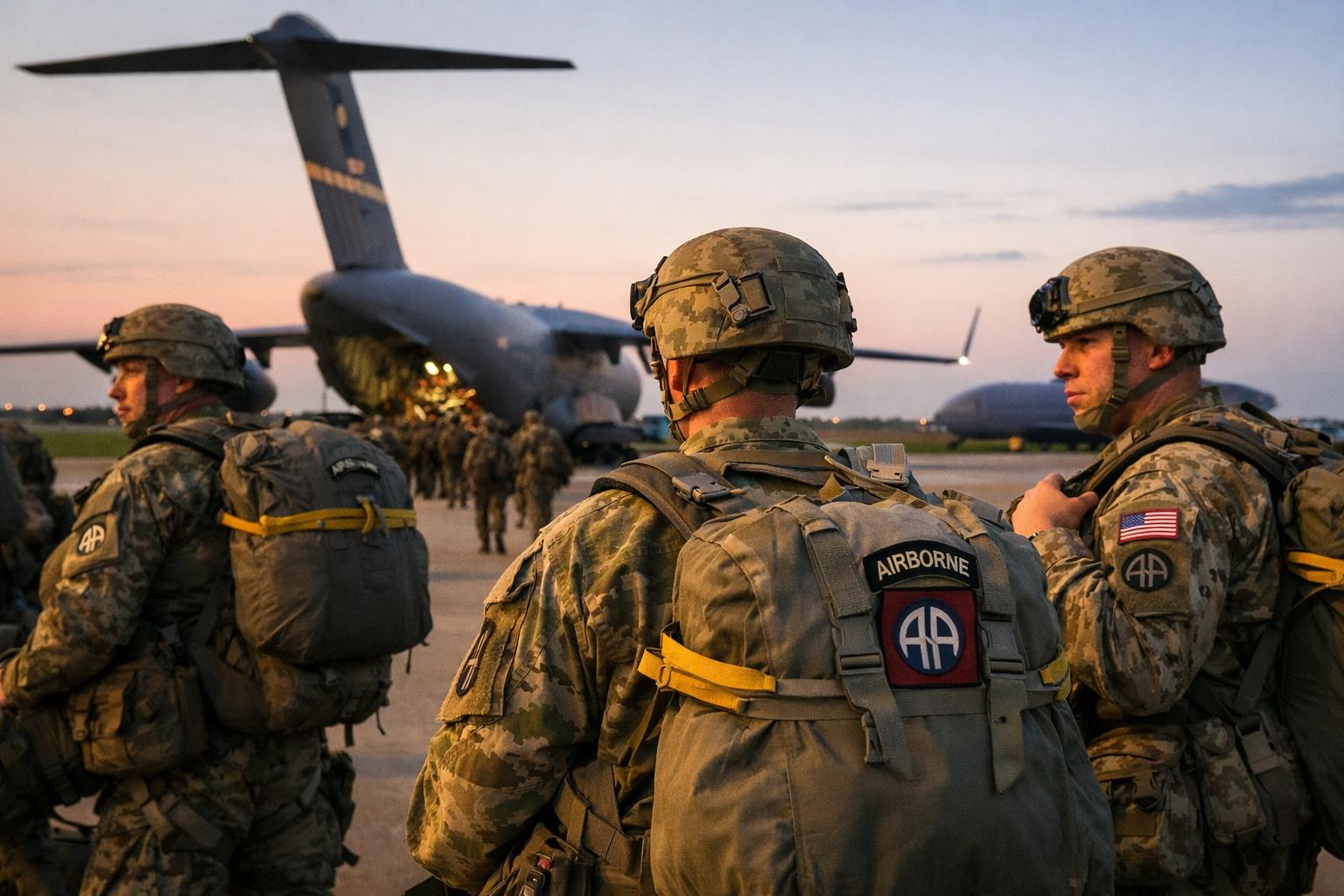
The Pentagon is preparing to deploy approximately 3,000 troops from the 82nd Airborne Division as part of Operation Epic Fury, according to officials familiar with the matter. A formal deployment order is expected to be issued shortly, outlining potential military options without confirming any immediate decision to send ground forces into Iran. The move reflects heightened vigilance within the United States military as tensions in the Middle East continue to evolve.
Officials indicated that the planned deployment would include a combat brigade along with its headquarters unit, both of which are integral to rapid-response operations. The 82nd Airborne Division, based at Fort Bragg, is recognized for its ability to mobilize forces quickly, with a capability to deploy thousands of troops globally within 18 hours. The division has previously demonstrated even faster mobilization timelines, underscoring its strategic importance in crisis situations.
The development follows the recent cancellation of a major training exercise involving the unit, a decision that had already sparked speculation about a possible redeployment to the Middle East. While authorities have emphasized that diplomatic channels with Tehran remain open, the preparation of troops signals growing concern in Washington over the trajectory of regional tensions.
If executed, the deployment would mark a notable shift in US military posture, strengthening both deterrence and operational readiness in the region. The 82nd Airborne Division is trained to handle a wide range of missions, including securing critical infrastructure such as airfields, reinforcing US diplomatic facilities, and supporting emergency evacuations when necessary. Its headquarters unit plays a central role in planning and coordinating these complex operations.
The potential move highlights the balance the administration is attempting to maintain between diplomatic engagement and military preparedness. While no final decision on ground operations has been announced, the readiness of rapid response forces suggests that the United States is positioning itself to respond swiftly to any escalation.
The Pentagon is preparing to deploy approximately 3,000 troops from the 82nd Airborne Division as part of Operation Epic Fury, according to officials familiar with the matter. A formal deployment order is expected to be issued shortly, outlining potential military options without confirming any immediate decision to send ground forces into Iran. The move reflects heightened vigilance within the United States military as tensions in the Middle East continue to evolve.
Officials indicated that the planned deployment would include a combat brigade along with its headquarters unit, both of which are integral to rapid-response operations. The 82nd Airborne Division, based at Fort Bragg, is recognized for its ability to mobilize forces quickly, with a capability to deploy thousands of troops globally within 18 hours. The division has previously demonstrated even faster mobilization timelines, underscoring its strategic importance in crisis situations.
The development follows the recent cancellation of a major training exercise involving the unit, a decision that had already sparked speculation about a possible redeployment to the Middle East. While authorities have emphasized that diplomatic channels with Tehran remain open, the preparation of troops signals growing concern in Washington over the trajectory of regional tensions.
If executed, the deployment would mark a notable shift in US military posture, strengthening both deterrence and operational readiness in the region. The 82nd Airborne Division is trained to handle a wide range of missions, including securing critical infrastructure such as airfields, reinforcing US diplomatic facilities, and supporting emergency evacuations when necessary. Its headquarters unit plays a central role in planning and coordinating these complex operations.
The potential move highlights the balance the administration is attempting to maintain between diplomatic engagement and military preparedness. While no final decision on ground operations has been announced, the readiness of rapid response forces suggests that the United States is positioning itself to respond swiftly to any escalation.
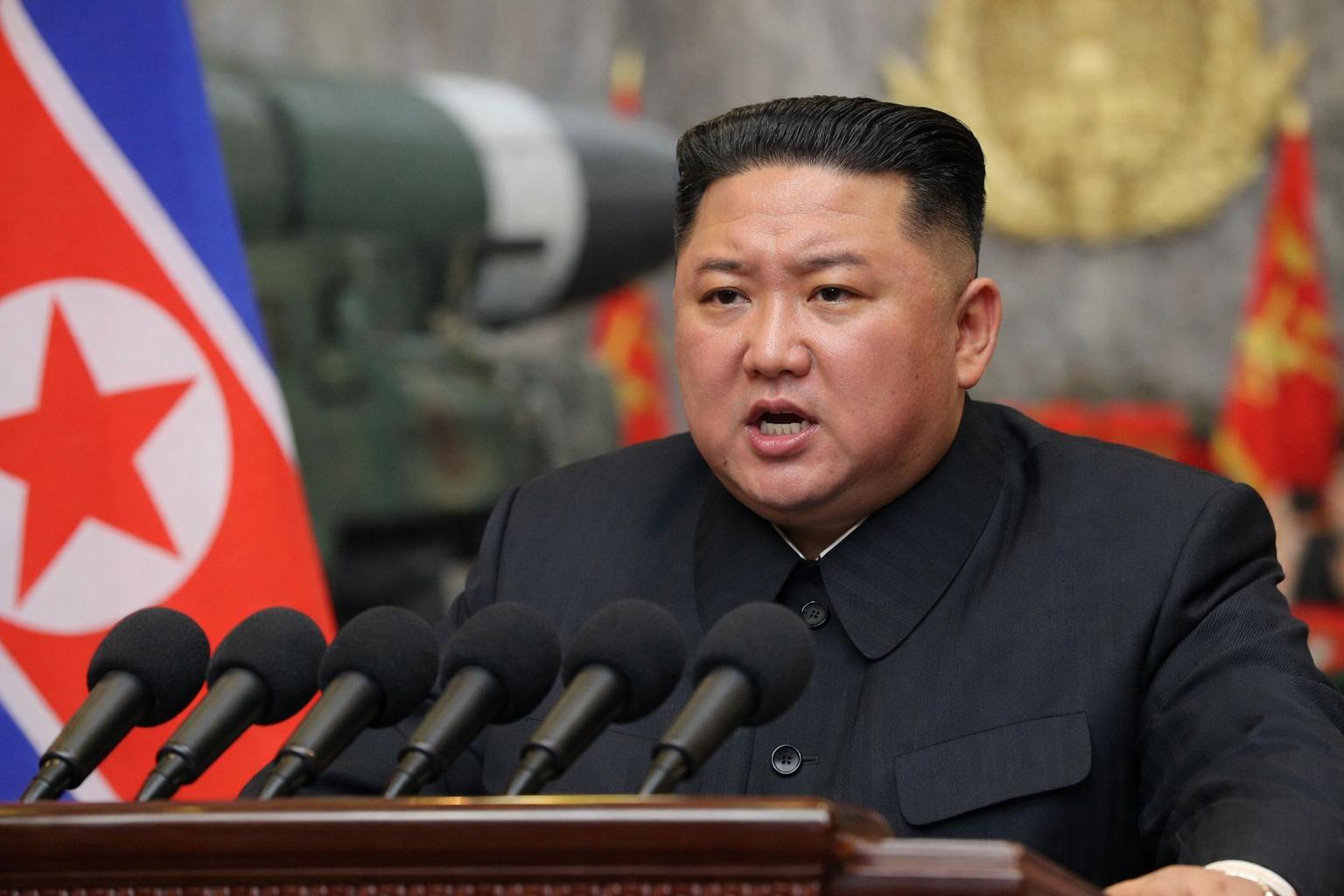
North Korean leader Kim Jong Un has reaffirmed that his country will not abandon its nuclear weapons programme, declaring its status as a nuclear-armed state “irreversible” in a strongly worded address delivered to the nation’s legislature. The remarks came shortly after his reappointment as chairman of the State Affairs Commission, consolidating his leadership over the country’s highest decision-making body.
According to official reports released on March 24, Kim outlined an intensified strategy to expand North Korea’s nuclear arsenal, framing the move as essential for national security and constitutional responsibility. He stated that Pyongyang would continue to strengthen its nuclear deterrent and advance its capabilities in response to what he described as ongoing threats from hostile forces. The leader emphasized that maintaining and enhancing nuclear readiness was a key priority, ensuring that the country remains prepared to counter strategic challenges.
Kim portrayed the development of nuclear weapons as a justified and defensive measure, asserting that the programme aligns with the country’s long-term security goals. He indicated that North Korea would pursue both quantitative and qualitative improvements in its nuclear forces, underscoring a commitment to sustained military advancement amid rising geopolitical tensions in the region.
The speech also included sharp criticism of South Korea, which Kim labelled as the “most hostile state.” He warned that any perceived provocation or infringement on North Korea’s sovereignty would be met with a decisive and uncompromising response. The language used signalled a continuation of strained inter-Korean relations, with little indication of near-term diplomatic engagement.
Kim’s address covered broader policy areas, including defence, economic priorities, and relations with the United States, though nuclear policy remained the central focus. His remarks highlight an ongoing shift toward a more assertive security posture, raising concerns among regional and global observers about the future trajectory of East Asia’s security environment.
North Korean leader Kim Jong Un has reaffirmed that his country will not abandon its nuclear weapons programme, declaring its status as a nuclear-armed state “irreversible” in a strongly worded address delivered to the nation’s legislature. The remarks came shortly after his reappointment as chairman of the State Affairs Commission, consolidating his leadership over the country’s highest decision-making body.
According to official reports released on March 24, Kim outlined an intensified strategy to expand North Korea’s nuclear arsenal, framing the move as essential for national security and constitutional responsibility. He stated that Pyongyang would continue to strengthen its nuclear deterrent and advance its capabilities in response to what he described as ongoing threats from hostile forces. The leader emphasized that maintaining and enhancing nuclear readiness was a key priority, ensuring that the country remains prepared to counter strategic challenges.
Kim portrayed the development of nuclear weapons as a justified and defensive measure, asserting that the programme aligns with the country’s long-term security goals. He indicated that North Korea would pursue both quantitative and qualitative improvements in its nuclear forces, underscoring a commitment to sustained military advancement amid rising geopolitical tensions in the region.
The speech also included sharp criticism of South Korea, which Kim labelled as the “most hostile state.” He warned that any perceived provocation or infringement on North Korea’s sovereignty would be met with a decisive and uncompromising response. The language used signalled a continuation of strained inter-Korean relations, with little indication of near-term diplomatic engagement.
Kim’s address covered broader policy areas, including defence, economic priorities, and relations with the United States, though nuclear policy remained the central focus. His remarks highlight an ongoing shift toward a more assertive security posture, raising concerns among regional and global observers about the future trajectory of East Asia’s security environment.
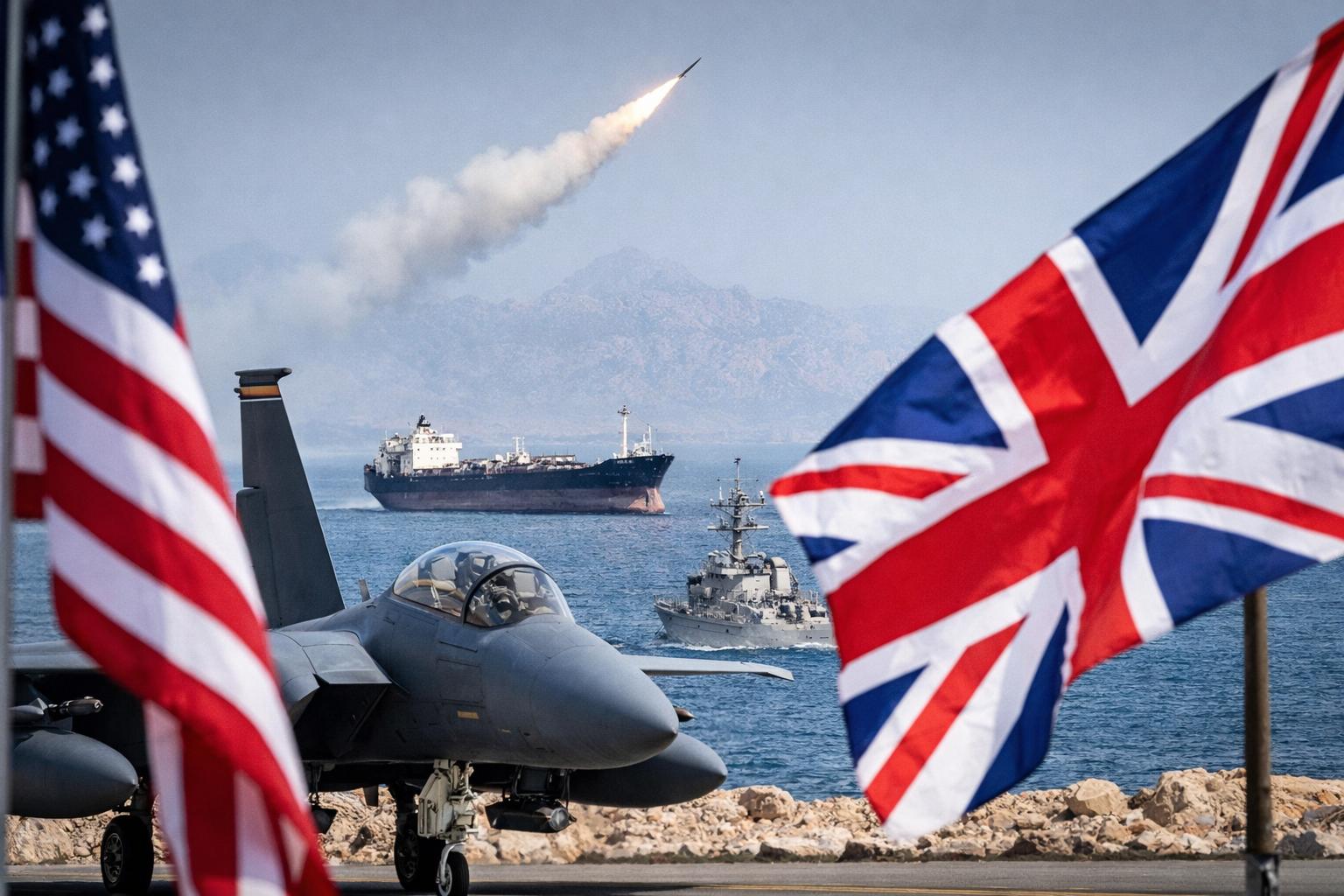
The United Kingdom has approved an expanded role for United States forces to use British bases for defensive operations targeting Iranian-linked threats in the Strait of Hormuz, according to official statements following a ministerial meeting on Friday. The decision comes amid rising tensions in the Gulf region, where attacks on commercial shipping and critical infrastructure have raised concerns about global maritime security and economic stability.
Previously, London had permitted US force
The United Kingdom has approved an expanded role for United States forces to use British bases for defensive operations targeting Iranian-linked threats in the Strait of Hormuz, according to official statements following a ministerial meeting on Friday. The decision comes amid rising tensions in the Gulf region, where attacks on commercial shipping and critical infrastructure have raised concerns about global maritime security and economic stability.
Previously, London had permitted US force
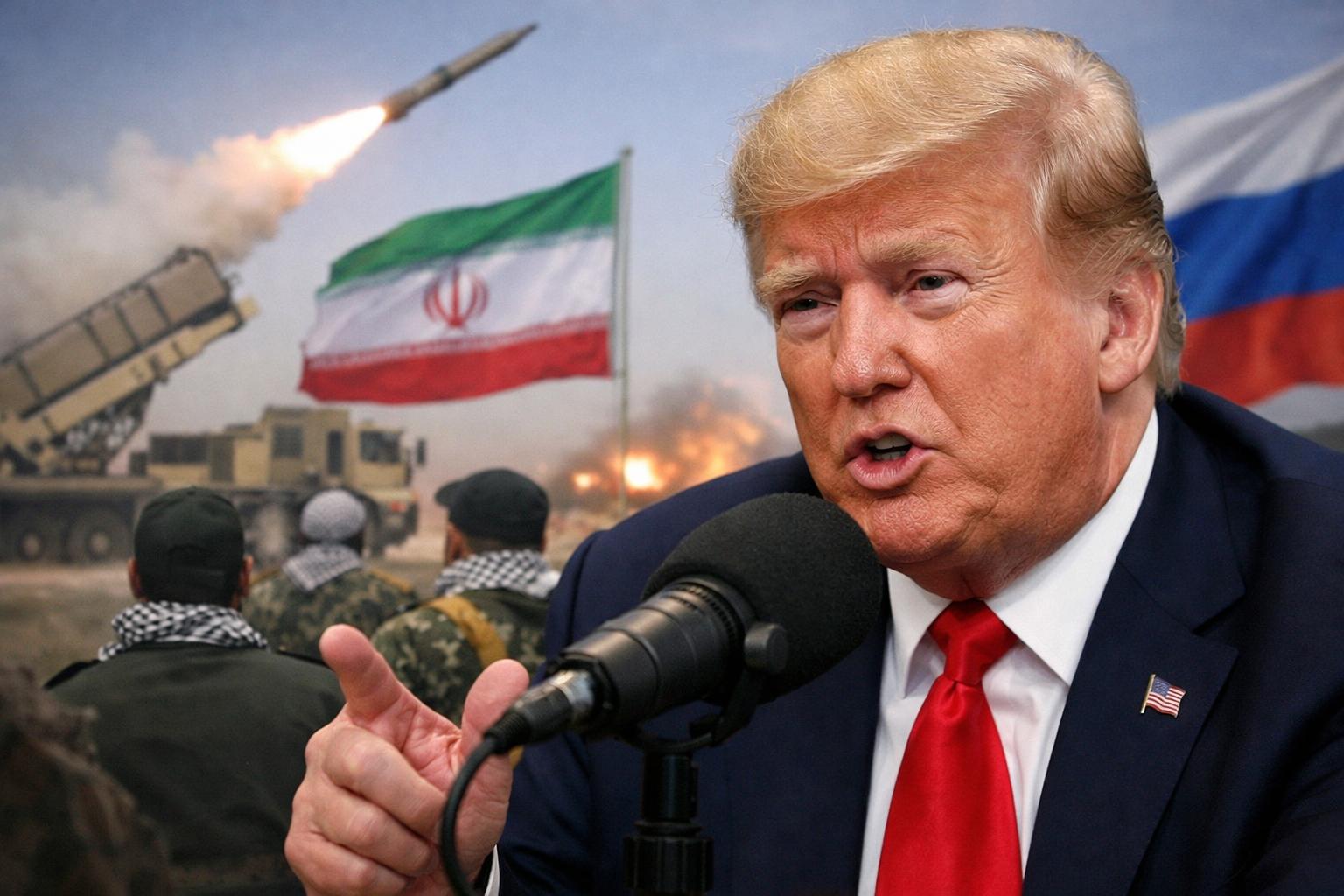
US President Donald Trump has warned that the United States could launch strong military strikes against Iran in the coming days, signaling a potential escalation in tensions between the two countries. Speaking during a radio interview aired Friday, Trump said Washington was prepared to act decisively and indicated that Iran could face significant attacks within the next week if the situation continues to deteriorate.
Trump claimed that US operations had already inflicted severe damage on Iran’s military infrastructure. According to him, American actions have targeted key components of Iran’s missile and drone capabilities, including manufacturing facilities responsible for producing these weapons. He asserted that the extent of the damage was substantial and suggested it could take years for Iran to fully rebuild the affected systems. The president described the campaign as one of the most forceful responses seen in modern conflicts, emphasizing that the United States was intensifying pressure on Tehran.
During the interview, Trump also addressed questions about Iran’s new Supreme Leader, Mojtaba Khamenei, who has not appeared publicly in recent weeks. Trump suggested that the Iranian leader may have been harmed but was likely still alive. He added that Iranian leadership would ultimately need to respond to the ongoing situation, indicating that the United States was continuing its operations with considerable intensity.
When asked about the possible conclusion of the conflict, Trump did not provide a clear timeline. Instead, he said he would know when the war was over based on his own judgment of the situation. He also expressed skepticism about the immediate collapse of the Iranian government, noting that such a development would be difficult without significant internal or military pressure.
The US president further stated that American forces could escort ships through the Strait of Hormuz if necessary to ensure maritime security in the region. The strategic waterway remains a critical route for global energy supplies, and any disruption there could have widespread economic consequences.
Trump also suggested that Russia might be providing limited support to Iran during the conflict. He indicated that Russian President Vladimir Putin could be assisting Tehran in some capacity, while acknowledging that Moscow might view US support for Ukraine as a comparable dynamic. Reports circulating in recent days have alleged that Russia may have shared targeting information with Iran related to attacks on US forces, although such claims remain unconfirmed.
Additionally, Trump said that Washington is not currently prioritizing an operation to seize Iran’s uranium resources but did not rule out the possibility in the future. He suggested that the issue could become a consideration later depending on how the situation evolves.
US President Donald Trump has warned that the United States could launch strong military strikes against Iran in the coming days, signaling a potential escalation in tensions between the two countries. Speaking during a radio interview aired Friday, Trump said Washington was prepared to act decisively and indicated that Iran could face significant attacks within the next week if the situation continues to deteriorate.
Trump claimed that US operations had already inflicted severe damage on Iran’s military infrastructure. According to him, American actions have targeted key components of Iran’s missile and drone capabilities, including manufacturing facilities responsible for producing these weapons. He asserted that the extent of the damage was substantial and suggested it could take years for Iran to fully rebuild the affected systems. The president described the campaign as one of the most forceful responses seen in modern conflicts, emphasizing that the United States was intensifying pressure on Tehran.
During the interview, Trump also addressed questions about Iran’s new Supreme Leader, Mojtaba Khamenei, who has not appeared publicly in recent weeks. Trump suggested that the Iranian leader may have been harmed but was likely still alive. He added that Iranian leadership would ultimately need to respond to the ongoing situation, indicating that the United States was continuing its operations with considerable intensity.
When asked about the possible conclusion of the conflict, Trump did not provide a clear timeline. Instead, he said he would know when the war was over based on his own judgment of the situation. He also expressed skepticism about the immediate collapse of the Iranian government, noting that such a development would be difficult without significant internal or military pressure.
The US president further stated that American forces could escort ships through the Strait of Hormuz if necessary to ensure maritime security in the region. The strategic waterway remains a critical route for global energy supplies, and any disruption there could have widespread economic consequences.
Trump also suggested that Russia might be providing limited support to Iran during the conflict. He indicated that Russian President Vladimir Putin could be assisting Tehran in some capacity, while acknowledging that Moscow might view US support for Ukraine as a comparable dynamic. Reports circulating in recent days have alleged that Russia may have shared targeting information with Iran related to attacks on US forces, although such claims remain unconfirmed.
Additionally, Trump said that Washington is not currently prioritizing an operation to seize Iran’s uranium resources but did not rule out the possibility in the future. He suggested that the issue could become a consideration later depending on how the situation evolves.
Tensions across the Middle East escalated sharply on Thursday as the ongoing Iran-Israel conflict intensified with new drone and missile attacks reported across several locations in the region. Iranian authorities claimed responsibility for launching drone strikes targeting Israel’s Shin Bet headquarters in Tel Aviv as well as the Palmachim and Ovda air bases, signalling a significant escalation in hostilities between the two countries.
Israeli officials confirmed that missiles we
Tensions across the Middle East escalated sharply on Thursday as the ongoing Iran-Israel conflict intensified with new drone and missile attacks reported across several locations in the region. Iranian authorities claimed responsibility for launching drone strikes targeting Israel’s Shin Bet headquarters in Tel Aviv as well as the Palmachim and Ovda air bases, signalling a significant escalation in hostilities between the two countries.
Israeli officials confirmed that missiles we
Tensions across West Asia continued to escalate as the conflict between Israel and Iran entered its eleventh day, with new missile interceptions and expanding military operations reported across several parts of the region. The ongoing Israel-Iran war has heightened fears of a wider regional security crisis, as both sides signal that hostilities are far from over and military pressure may intensify in the coming days.
Israeli Prime Minister Benjamin Netanyahu stated on Tuesday that
Tensions across West Asia continued to escalate as the conflict between Israel and Iran entered its eleventh day, with new missile interceptions and expanding military operations reported across several parts of the region. The ongoing Israel-Iran war has heightened fears of a wider regional security crisis, as both sides signal that hostilities are far from over and military pressure may intensify in the coming days.
Israeli Prime Minister Benjamin Netanyahu stated on Tuesday that
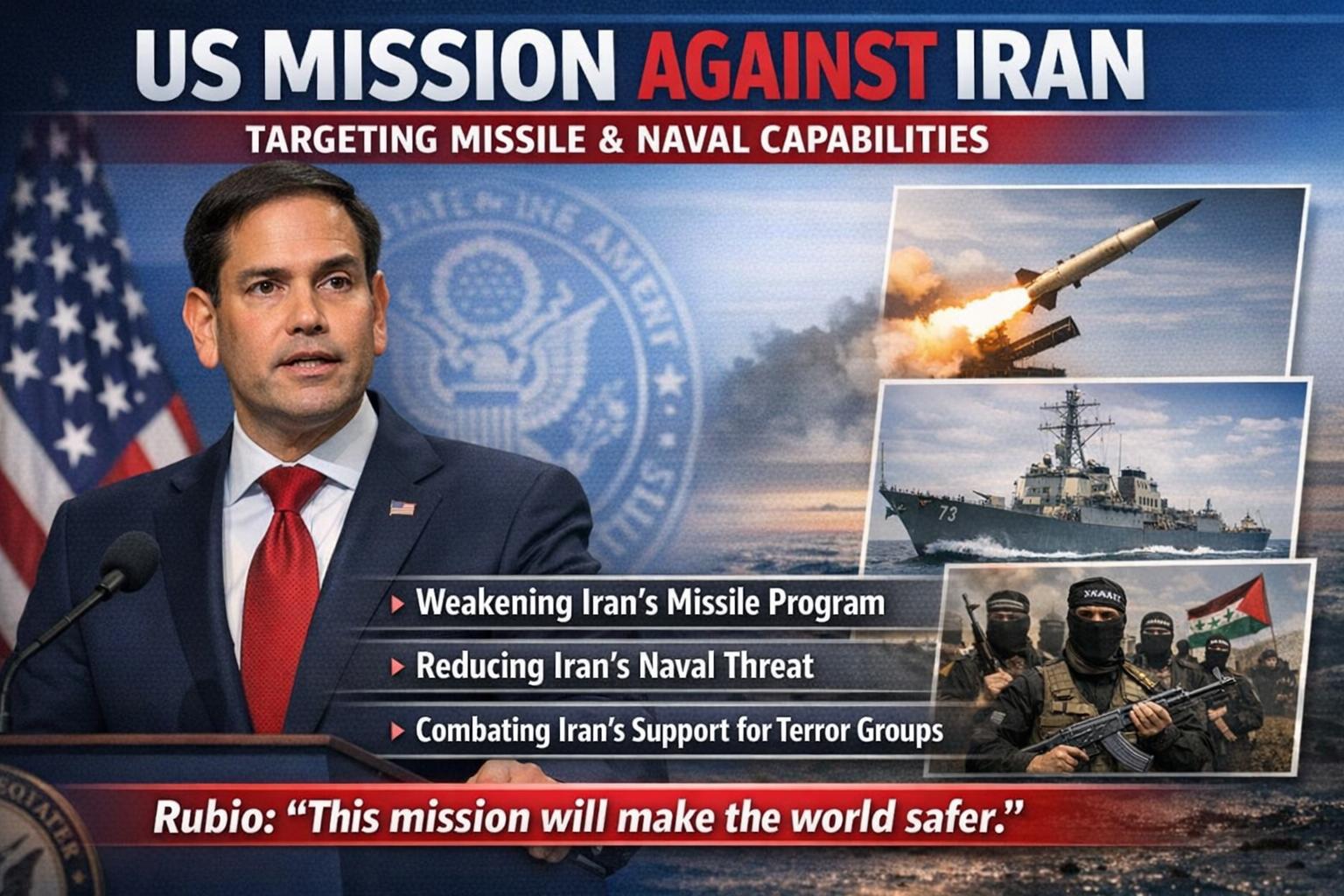
US Secretary of State Marco Rubio on Monday described Iran as the world’s leading sponsor of terrorism and said the ongoing American mission against the country’s ruling clerical regime is aimed at making the world safer once its objectives are achieved. Speaking at an event at the US State Department, Rubio said the goals of the mission are clearly defined and focus on dismantling Iran’s ability to threaten the region and the wider international community through its military capabilities
US Secretary of State Marco Rubio on Monday described Iran as the world’s leading sponsor of terrorism and said the ongoing American mission against the country’s ruling clerical regime is aimed at making the world safer once its objectives are achieved. Speaking at an event at the US State Department, Rubio said the goals of the mission are clearly defined and focus on dismantling Iran’s ability to threaten the region and the wider international community through its military capabilities
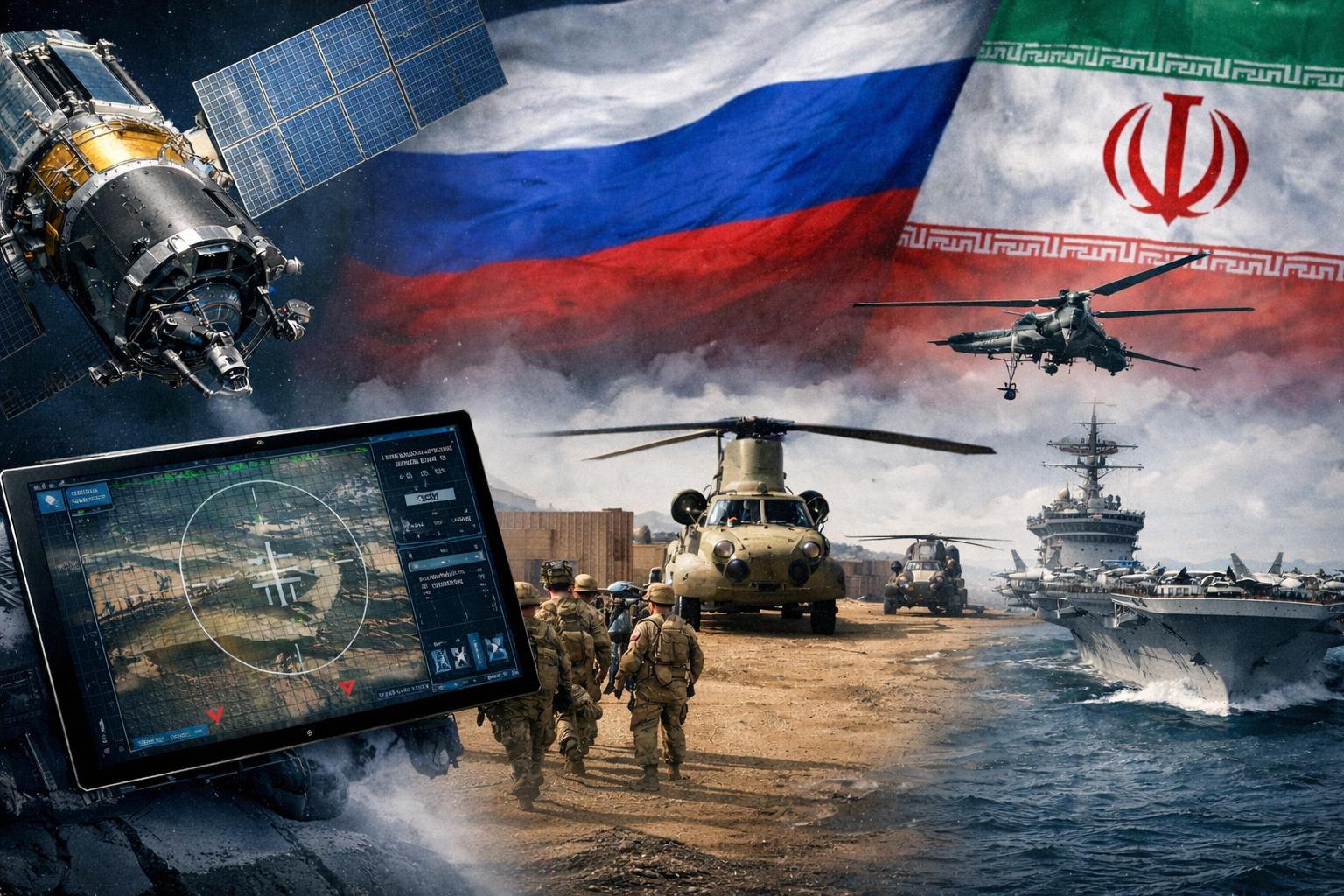
Russia has reportedly provided Iran with intelligence regarding the locations of United States military forces, according to people familiar with US intelligence assessments. The information is said to include satellite imagery showing the positions and movements of American troops, ships, and aircraft across parts of the region. Officials briefed on the matter indicated that much of the data came from Russia’s network of overhead surveillance satellites, marking the first indication that M
Russia has reportedly provided Iran with intelligence regarding the locations of United States military forces, according to people familiar with US intelligence assessments. The information is said to include satellite imagery showing the positions and movements of American troops, ships, and aircraft across parts of the region. Officials briefed on the matter indicated that much of the data came from Russia’s network of overhead surveillance satellites, marking the first indication that M
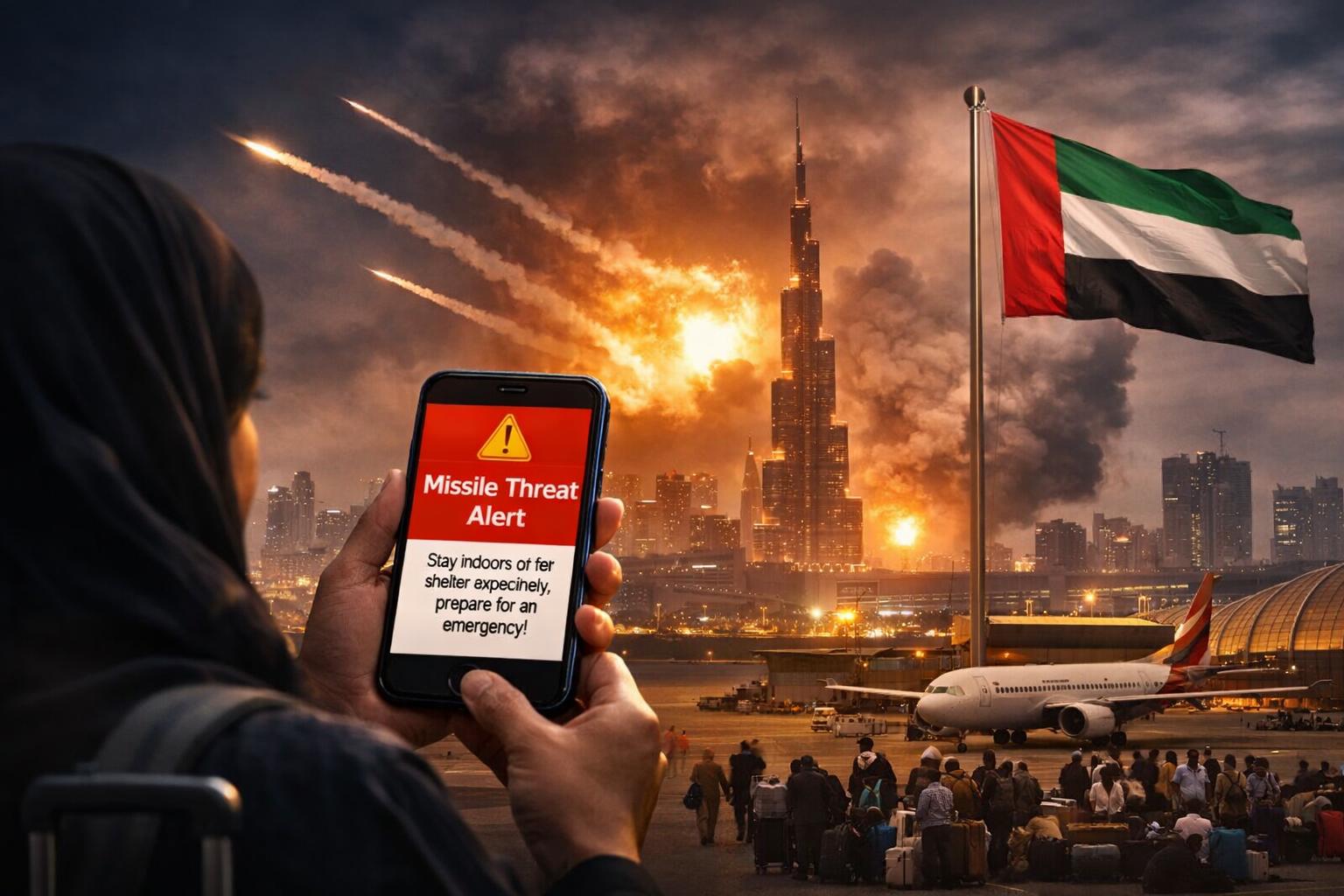
Residents across Dubai experienced widespread panic after receiving emergency alerts on their mobile phones warning of a possible missile threat on Friday. The alerts were issued amid escalating tensions in the Middle East, where Iran has launched missile and drone attacks targeting United States military installations across several Gulf countries during the past week.
According to the notification sent to residents, people were advised to remain cautious, avoid unnecessary outdoor movement
Residents across Dubai experienced widespread panic after receiving emergency alerts on their mobile phones warning of a possible missile threat on Friday. The alerts were issued amid escalating tensions in the Middle East, where Iran has launched missile and drone attacks targeting United States military installations across several Gulf countries during the past week.
According to the notification sent to residents, people were advised to remain cautious, avoid unnecessary outdoor movement
Wealthy residents and business travelers are reportedly paying as much as £260,000, or about $350,000, to leave Gulf countries after a series of Iranian missile and drone strikes targeted locations in the United Arab Emirates, Qatar, and Bahrain over the weekend. The attacks struck areas that had long been considered secure for residents, tourists, and international business visitors, prompting a sudden rush to exit the region.
Riyadh has emerged as a major transit point for those
Wealthy residents and business travelers are reportedly paying as much as £260,000, or about $350,000, to leave Gulf countries after a series of Iranian missile and drone strikes targeted locations in the United Arab Emirates, Qatar, and Bahrain over the weekend. The attacks struck areas that had long been considered secure for residents, tourists, and international business visitors, prompting a sudden rush to exit the region.
Riyadh has emerged as a major transit point for those
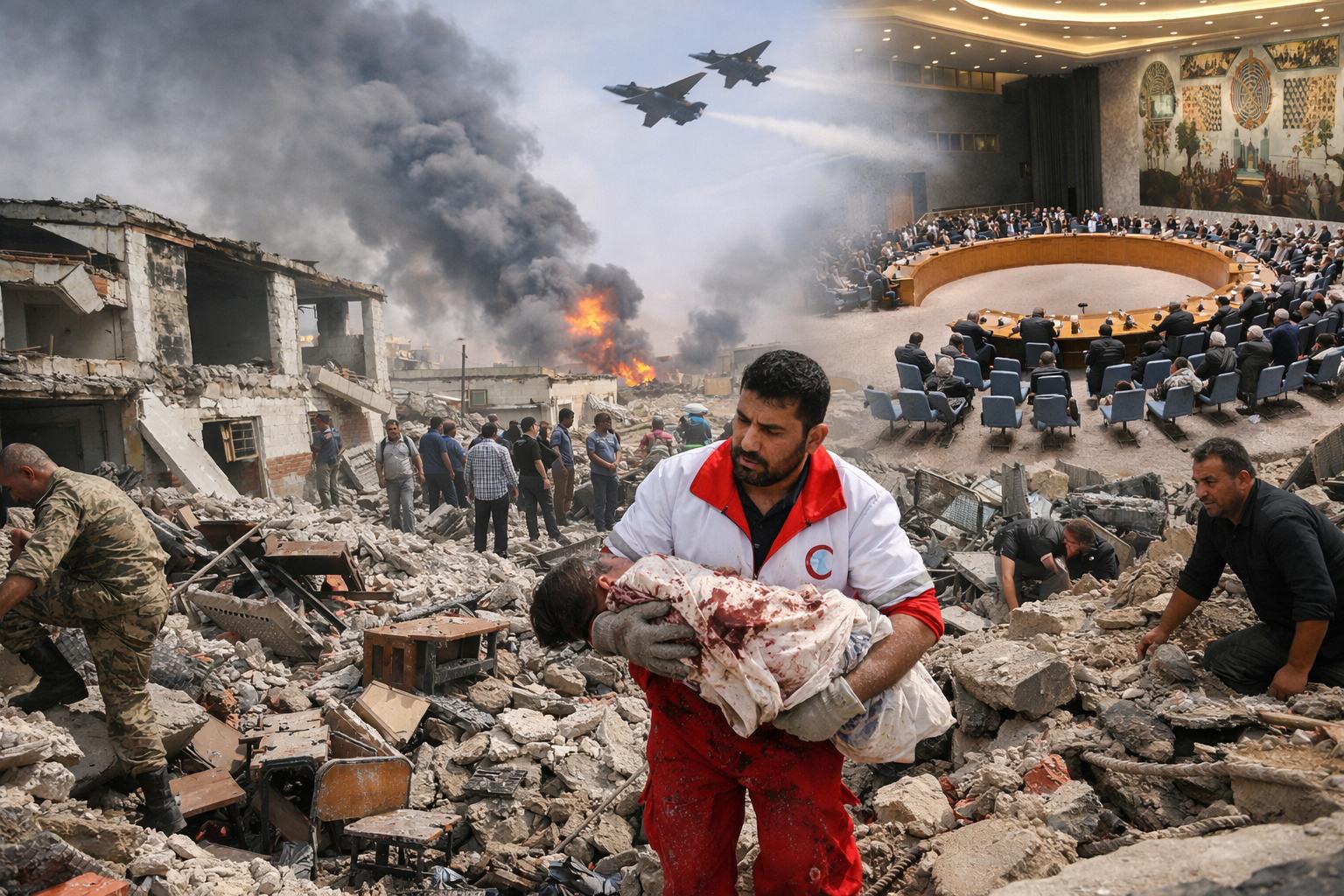
Iranian President Masoud Pezeshkian strongly condemned what he described as a barbaric attack on a school in southern Iran on Saturday, following a series of strikes carried out by the United States and Israel that have intensified the ongoing conflict in the Middle East. In an official statement, Pezeshkian said the incident marked another dark chapter in what he called a pattern of aggression against the country, and warned that the violence could further destabilize the region. According to Iranian authorities, at least 63 people were killed in the attack, with dozens more injured, making it one of the deadliest incidents reported since the latest escalation began.
Israeli officials stated that the strikes were aimed at high-level targets connected to Iran’s leadership and military planning. A military spokesperson said multiple locations where senior Iranian figures had gathered were hit simultaneously, resulting in the elimination of individuals considered critical to the country’s campaign management and governance. The strikes were described as part of a broader effort to weaken Iran’s operational capabilities, though details about those killed were not immediately confirmed by independent sources.
The developments prompted urgent diplomatic activity at the United Nations, where the security council scheduled an emergency session in New York to address the growing crisis. Diplomats said the meeting was requested by several member states, including Russia and China, who described the strikes as an act of armed aggression and called for immediate international discussion. France, Bahrain, and Colombia also supported the request, reflecting widespread concern over the risk of a wider regional war.
United Nations Secretary-General Antonio Guterres is expected to address the council and has already urged all sides to halt military actions. In a statement issued earlier, he warned that continued use of force could undermine international peace and security and lead to severe consequences for civilians across the Middle East. Guterres called for an immediate ceasefire and a return to diplomatic negotiations, stressing that only dialogue could prevent the conflict from expanding further and threatening global stability.
Iranian President Masoud Pezeshkian strongly condemned what he described as a barbaric attack on a school in southern Iran on Saturday, following a series of strikes carried out by the United States and Israel that have intensified the ongoing conflict in the Middle East. In an official statement, Pezeshkian said the incident marked another dark chapter in what he called a pattern of aggression against the country, and warned that the violence could further destabilize the region. According to Iranian authorities, at least 63 people were killed in the attack, with dozens more injured, making it one of the deadliest incidents reported since the latest escalation began.
Israeli officials stated that the strikes were aimed at high-level targets connected to Iran’s leadership and military planning. A military spokesperson said multiple locations where senior Iranian figures had gathered were hit simultaneously, resulting in the elimination of individuals considered critical to the country’s campaign management and governance. The strikes were described as part of a broader effort to weaken Iran’s operational capabilities, though details about those killed were not immediately confirmed by independent sources.
The developments prompted urgent diplomatic activity at the United Nations, where the security council scheduled an emergency session in New York to address the growing crisis. Diplomats said the meeting was requested by several member states, including Russia and China, who described the strikes as an act of armed aggression and called for immediate international discussion. France, Bahrain, and Colombia also supported the request, reflecting widespread concern over the risk of a wider regional war.
United Nations Secretary-General Antonio Guterres is expected to address the council and has already urged all sides to halt military actions. In a statement issued earlier, he warned that continued use of force could undermine international peace and security and lead to severe consequences for civilians across the Middle East. Guterres called for an immediate ceasefire and a return to diplomatic negotiations, stressing that only dialogue could prevent the conflict from expanding further and threatening global stability.
The United States and Israel have launched large-scale military strikes on Iran, triggering a rapid escalation that has pushed West Asia toward a wider conflict. US President Donald Trump announced the start of major combat operations, while calling on the Iranian public to oppose their leadership. Within hours, Iran responded with missile attacks targeting Israeli positions and US military facilities across the region, raising fears of a prolonged confrontation.
Explosions were reported in
The United States and Israel have launched large-scale military strikes on Iran, triggering a rapid escalation that has pushed West Asia toward a wider conflict. US President Donald Trump announced the start of major combat operations, while calling on the Iranian public to oppose their leadership. Within hours, Iran responded with missile attacks targeting Israeli positions and US military facilities across the region, raising fears of a prolonged confrontation.
Explosions were reported in
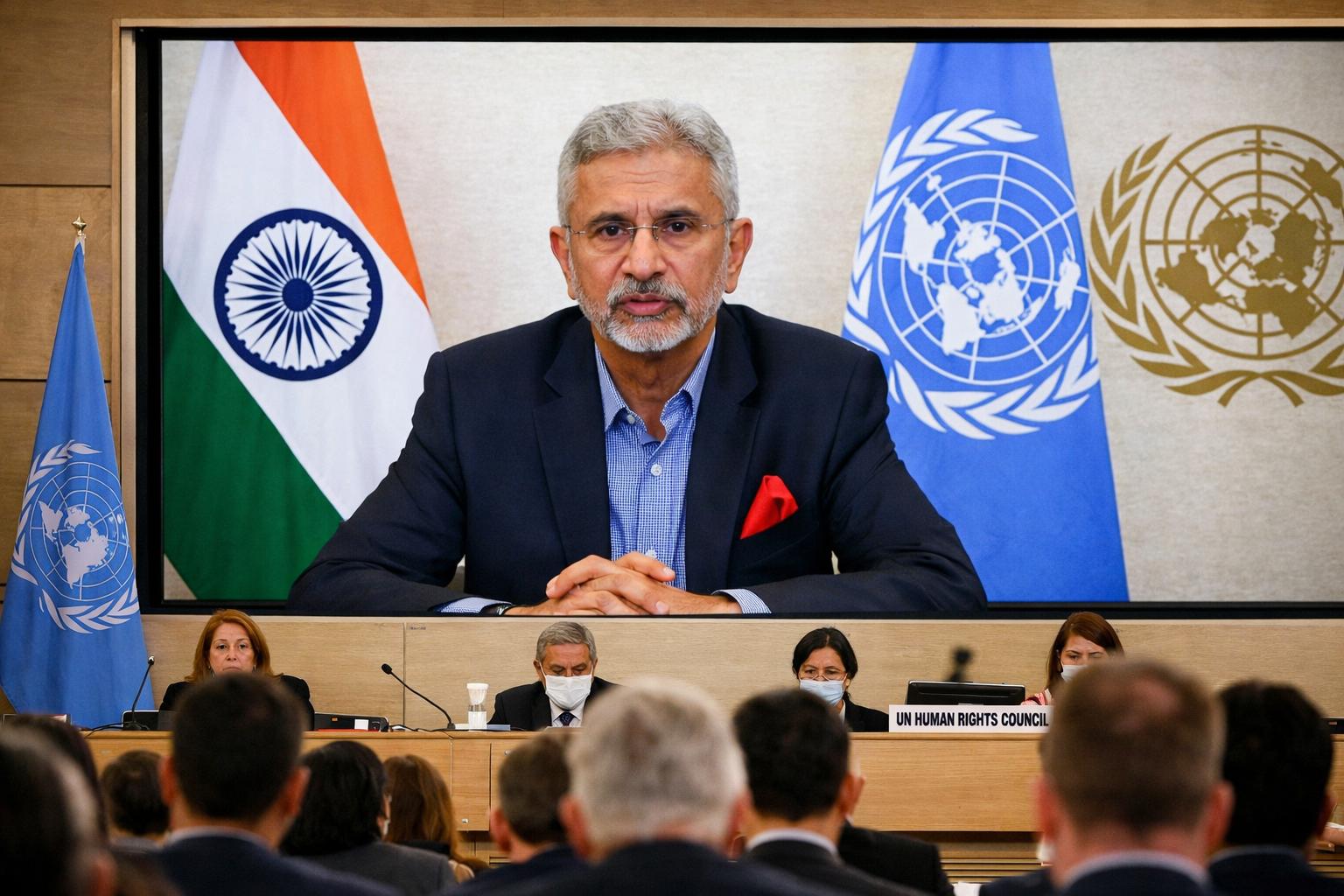
India remains steadfast in its fight against terrorism in all its forms, External Affairs Minister S. Jaishankar said while addressing the High-Level Segment of the 61st session of the United Nations Human Rights Council virtually on Wednesday. He asserted that attacks on innocent civilians can never be justified under any circumstances and called for a unified global response rooted in a zero tolerance approach to terrorism.
Speaking at the UNHRC session, Jaishankar urged the Unite
India remains steadfast in its fight against terrorism in all its forms, External Affairs Minister S. Jaishankar said while addressing the High-Level Segment of the 61st session of the United Nations Human Rights Council virtually on Wednesday. He asserted that attacks on innocent civilians can never be justified under any circumstances and called for a unified global response rooted in a zero tolerance approach to terrorism.
Speaking at the UNHRC session, Jaishankar urged the Unite
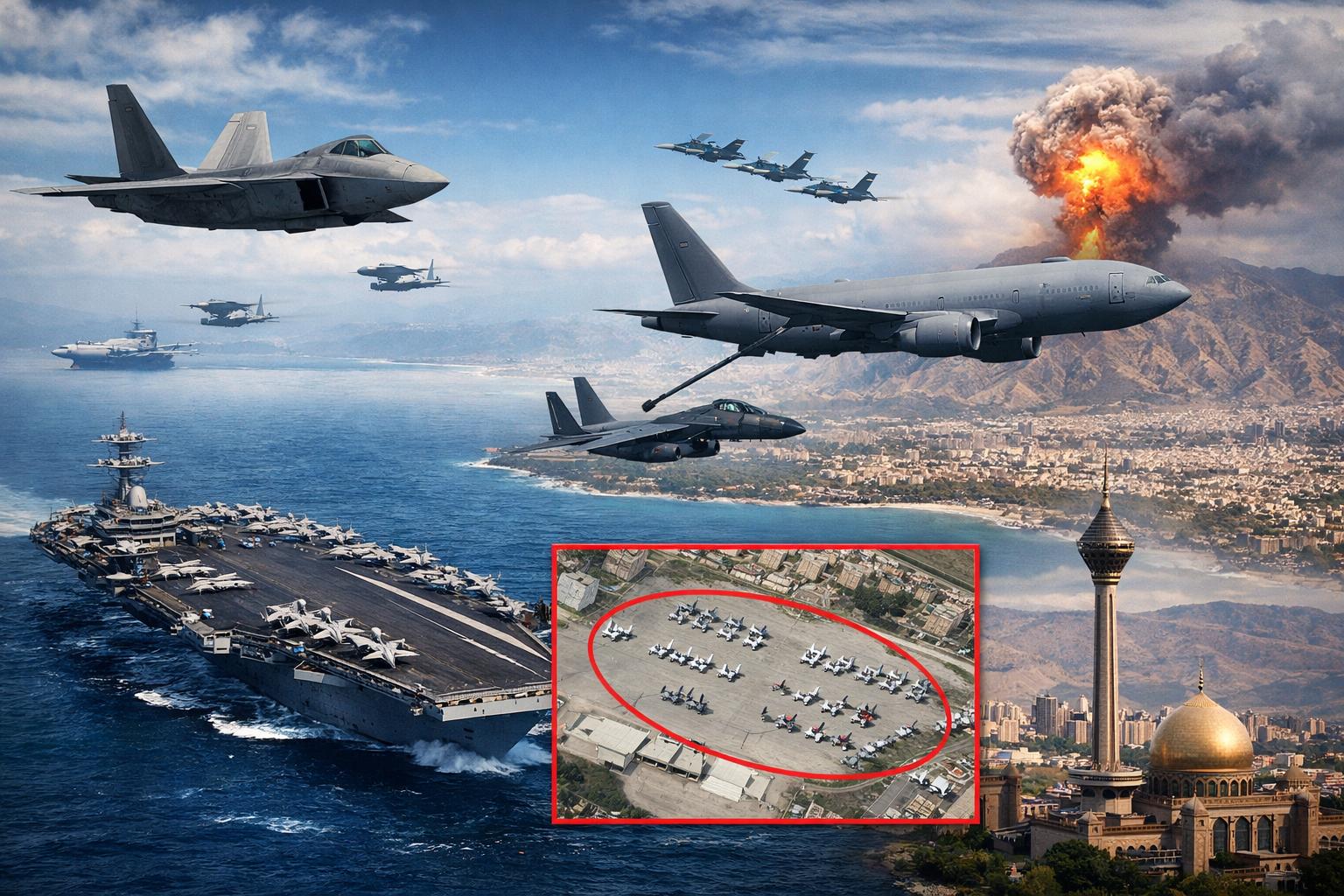
Satellite imagery and open-source flight tracking data indicate that the United States has significantly expanded its military presence across Europe and the Middle East as tensions with Iran intensify over Tehran’s nuclear programme. More than 150 American military aircraft have reportedly been repositioned to forward operating bases in what analysts describe as one of the largest regional force deployments in over two decades. The aircraft include heavy cargo planes, aerial refuelling tanker
Satellite imagery and open-source flight tracking data indicate that the United States has significantly expanded its military presence across Europe and the Middle East as tensions with Iran intensify over Tehran’s nuclear programme. More than 150 American military aircraft have reportedly been repositioned to forward operating bases in what analysts describe as one of the largest regional force deployments in over two decades. The aircraft include heavy cargo planes, aerial refuelling tanker
The head of the International Atomic Energy Agency (IAEA), Rafael Grossi, has issued a stark warning about the narrowing window for diplomacy between the United States and Iran, emphasizing the urgent need for an agreement to prevent further military escalation. His remarks come as concerns grow over Iran’s enriched nuclear material, which he said remains largely intact despite US strikes on key facilities last year.
Speaking in an interview with French broadcaster TF1, Grossi stressed tha
The head of the International Atomic Energy Agency (IAEA), Rafael Grossi, has issued a stark warning about the narrowing window for diplomacy between the United States and Iran, emphasizing the urgent need for an agreement to prevent further military escalation. His remarks come as concerns grow over Iran’s enriched nuclear material, which he said remains largely intact despite US strikes on key facilities last year.
Speaking in an interview with French broadcaster TF1, Grossi stressed tha