President Donald Trump said he would pursue legal action against journalists and media organizations involved in reporting that a second U.S. airman was missing following the downing of an American fighter jet in Iran last week, calling the leak a threat to national security.
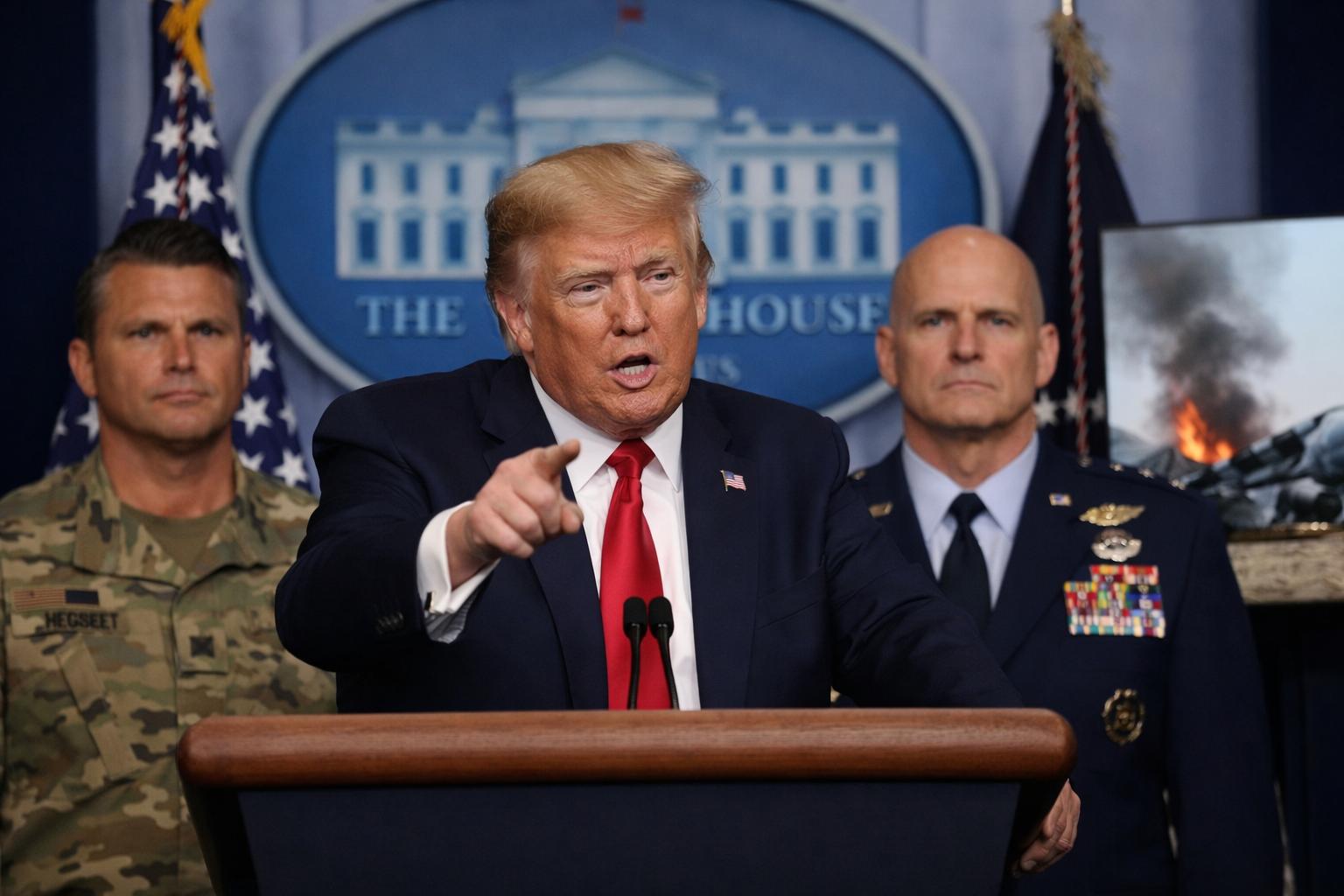
Speaking during a White House press conference held on Monday, April 6, 2026, alongside Defense Secretary Pete Hegseth and Joint Chiefs Chairman Dan Caine, Trump confirmed that both crew members had been successfully recovered in separate operations conducted by U.S. forces. The pilot was rescued within hours of the incident, while the second airman remained stranded inside Iranian territory until early Sunday, April 5, 2026, when a rescue team secured his extraction.
Trump strongly criticized the disclosure of the second airman’s status, stating that the information had been intentionally withheld by the U.S. government to protect the individual from capture or harm. He warned that his administration would attempt to identify the source of the leak and could compel cooperation from the media outlet that first reported the information.
“We are going to find out who leaked it,” Trump said during the briefing. “We will go to the media company and say, ‘This is national security. Provide the information or face legal consequences.’”
Officials emphasized that operational secrecy was critical during the mission, as public knowledge of the stranded airman could have increased the risk of interception by Iranian forces. Trump claimed that Iranian authorities had issued a reward for information leading to the capture of the missing servicemember, further complicating rescue efforts.
The White House did not specify which media organization initially reported the second airman’s status. The incident has raised renewed concerns about the balance between press freedom and national security, particularly in situations involving active military operations in hostile territory.
President Donald Trump said he would pursue legal action against journalists and media organizations involved in reporting that a second U.S. airman was missing following the downing of an American fighter jet in Iran last week, calling the leak a threat to national security.
Speaking during a White House press conference held on Monday, April 6, 2026, alongside Defense Secretary Pete Hegseth and Joint Chiefs Chairman Dan Caine, Trump confirmed that both crew members had been successfully recovered in separate operations conducted by U.S. forces. The pilot was rescued within hours of the incident, while the second airman remained stranded inside Iranian territory until early Sunday, April 5, 2026, when a rescue team secured his extraction.
Trump strongly criticized the disclosure of the second airman’s status, stating that the information had been intentionally withheld by the U.S. government to protect the individual from capture or harm. He warned that his administration would attempt to identify the source of the leak and could compel cooperation from the media outlet that first reported the information.
“We are going to find out who leaked it,” Trump said during the briefing. “We will go to the media company and say, ‘This is national security. Provide the information or face legal consequences.’”
Officials emphasized that operational secrecy was critical during the mission, as public knowledge of the stranded airman could have increased the risk of interception by Iranian forces. Trump claimed that Iranian authorities had issued a reward for information leading to the capture of the missing servicemember, further complicating rescue efforts.
The White House did not specify which media organization initially reported the second airman’s status. The incident has raised renewed concerns about the balance between press freedom and national security, particularly in situations involving active military operations in hostile territory.
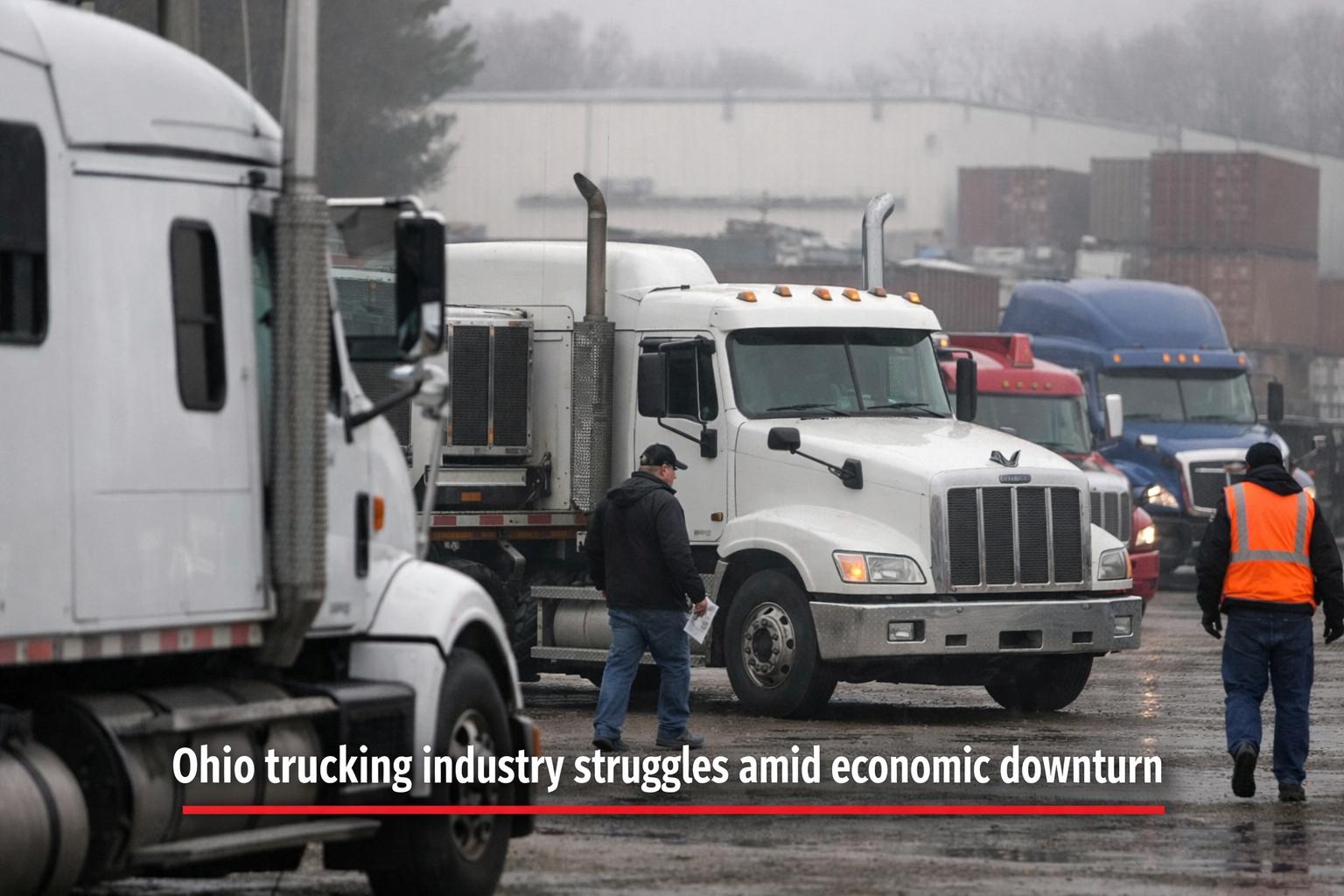
COLUMBUS, Ohio — Ohio’s central geographic position has long made it a cornerstone of the U.S. logistics network, with industry data indicating that nearly one in 14 jobs in the state is tied to trucking. More than 43,000 trucking companies operate across Ohio, reinforcing its role as a critical hub for freight movement and supply chain activity nationwide.
Industry leaders describe trucking as a demanding and highly competitive field, with relatively low barriers to entry allowin
COLUMBUS, Ohio — Ohio’s central geographic position has long made it a cornerstone of the U.S. logistics network, with industry data indicating that nearly one in 14 jobs in the state is tied to trucking. More than 43,000 trucking companies operate across Ohio, reinforcing its role as a critical hub for freight movement and supply chain activity nationwide.
Industry leaders describe trucking as a demanding and highly competitive field, with relatively low barriers to entry allowin
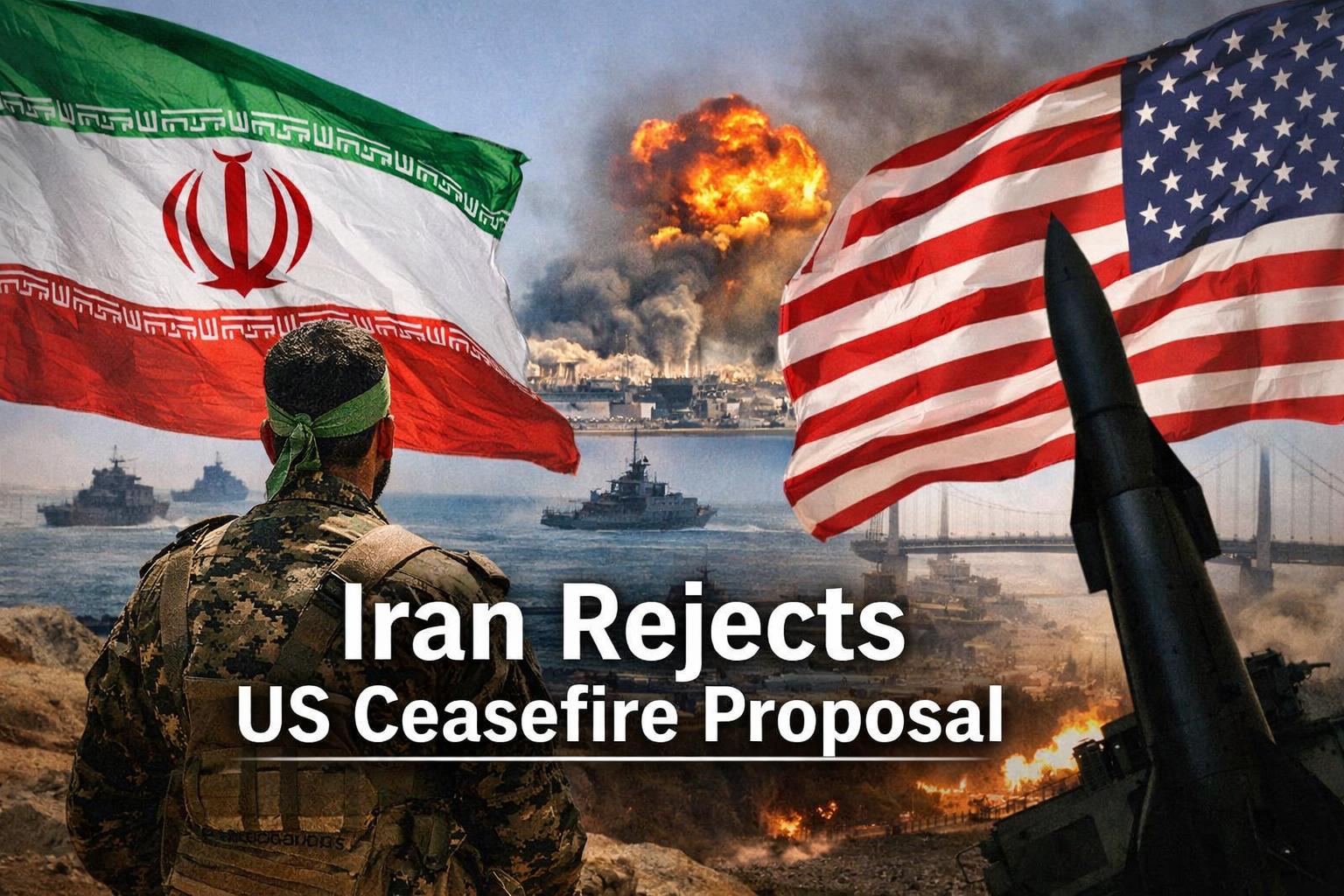
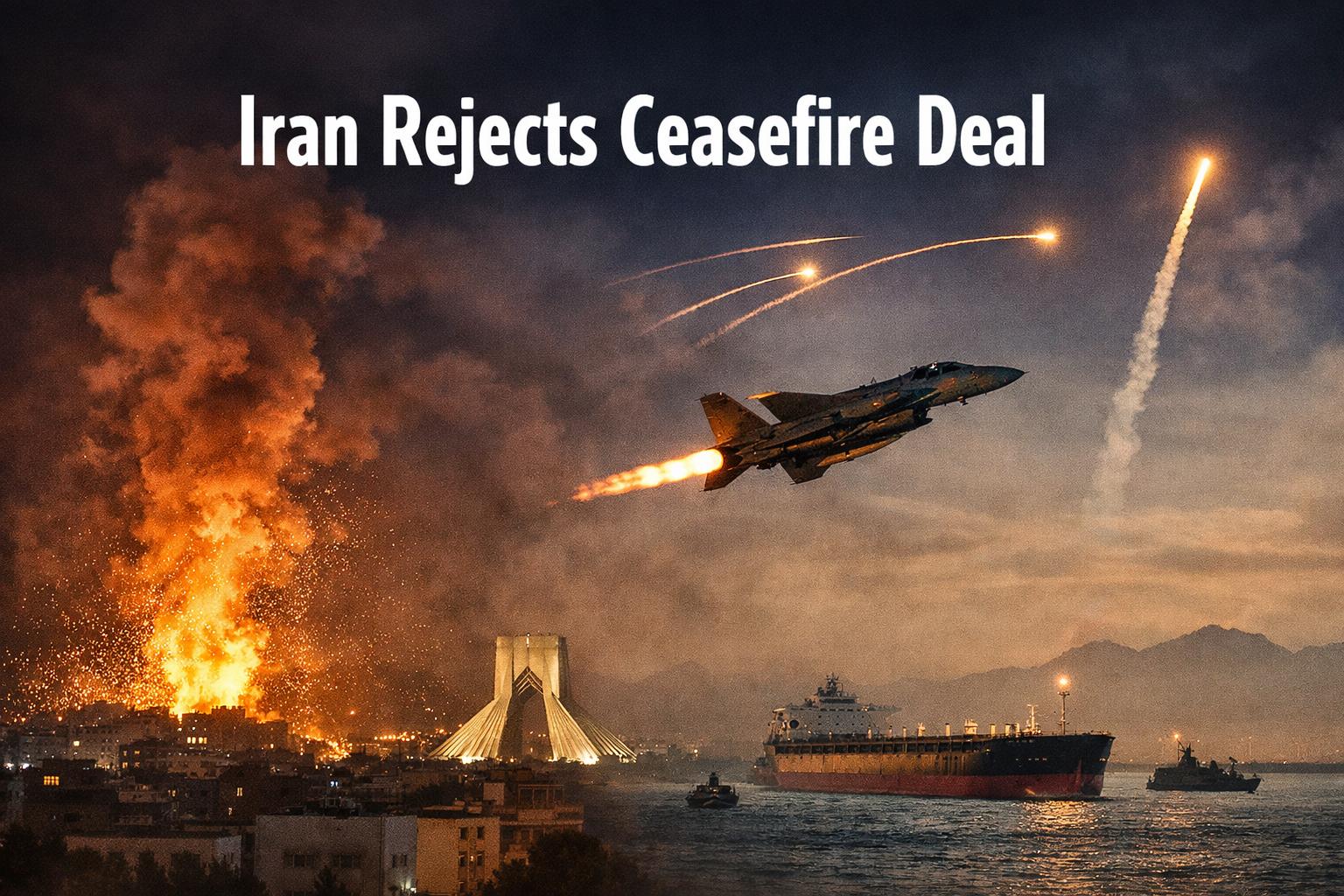
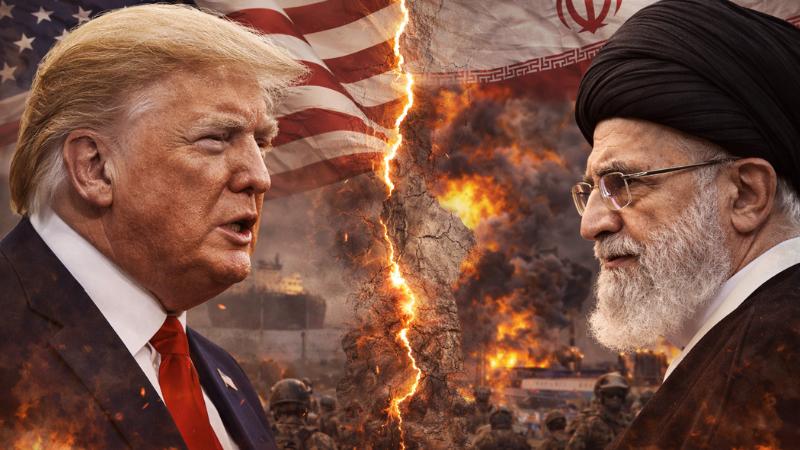
Iran has formally rejected a United States-backed proposal for a temporary ceasefire, instead presenting a structured response that calls for a permanent resolution to the ongoing conflict, according to statements from its state news agency. The move highlights Tehran’s position that a short-term truce would not address the broader geopolitical tensions shaping the crisis.
The response was conveyed to Washington through Pakistan, which has been serving as an intermediary in diplom
Iran has formally rejected a United States-backed proposal for a temporary ceasefire, instead presenting a structured response that calls for a permanent resolution to the ongoing conflict, according to statements from its state news agency. The move highlights Tehran’s position that a short-term truce would not address the broader geopolitical tensions shaping the crisis.
The response was conveyed to Washington through Pakistan, which has been serving as an intermediary in diplom
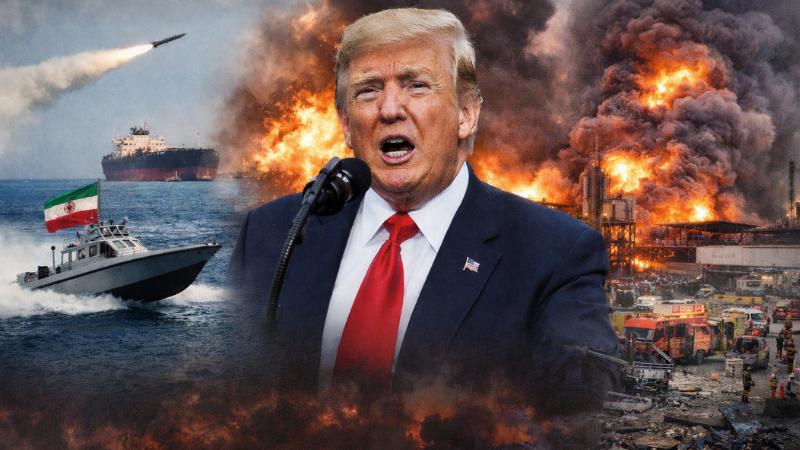
U.S. President Donald Trump on Monday, April 6, 2026, warned that the United States has a plan to destroy critical infrastructure in Iran if ongoing ceasefire efforts fail, signaling a potential escalation in already heightened tensions between the two countries. Speaking publicly, Trump described a scenario in which “every bridge, every power plant in Iran will be out of business,” adding that such an operation would result in “complete demolition by 12:00,” though he did not specify a time zone for that reference.
The president emphasized that he does not want to pursue such action, noting the long-term consequences for Iran’s recovery. He stated that rebuilding could take “100 years,” underscoring the scale of destruction implied in his remarks. His comments come at a critical moment in the broader Middle East crisis, where diplomatic efforts and military posturing continue simultaneously.
Trump also introduced a proposal involving the Strait of Hormuz, a vital global shipping route through which a significant portion of the world’s oil supply passes. He suggested that the United States, rather than Iran, should collect tolls from vessels transiting the waterway. “What about us charging tolls?” he said, positioning the idea as an alternative to allowing Iran to control revenue from the route. Iran recently announced its own toll system for tankers, asserting authority over the strategically important passage.
Addressing the status of negotiations, Trump declined to provide a definitive assessment of whether tensions are easing or intensifying. “I can’t tell you, it depends on what they do. This is a critical period,” he said. He also referenced a deadline related to reopening the waterway, stating that Iran had “’til tomorrow at 8:00” following an extension he granted, though further details were not disclosed.
Despite the strong rhetoric, Trump indicated that diplomatic engagement remains ongoing. He described Iran as an “active, willing participant” in negotiations and suggested that both sides may be exploring a potential agreement. However, he stopped short of confirming any progress toward a ceasefire, leaving the situation uncertain as global markets and policymakers continue to monitor developments closely.
U.S. President Donald Trump on Monday, April 6, 2026, warned that the United States has a plan to destroy critical infrastructure in Iran if ongoing ceasefire efforts fail, signaling a potential escalation in already heightened tensions between the two countries. Speaking publicly, Trump described a scenario in which “every bridge, every power plant in Iran will be out of business,” adding that such an operation would result in “complete demolition by 12:00,” though he did not specify a time zone for that reference.
The president emphasized that he does not want to pursue such action, noting the long-term consequences for Iran’s recovery. He stated that rebuilding could take “100 years,” underscoring the scale of destruction implied in his remarks. His comments come at a critical moment in the broader Middle East crisis, where diplomatic efforts and military posturing continue simultaneously.
Trump also introduced a proposal involving the Strait of Hormuz, a vital global shipping route through which a significant portion of the world’s oil supply passes. He suggested that the United States, rather than Iran, should collect tolls from vessels transiting the waterway. “What about us charging tolls?” he said, positioning the idea as an alternative to allowing Iran to control revenue from the route. Iran recently announced its own toll system for tankers, asserting authority over the strategically important passage.
Addressing the status of negotiations, Trump declined to provide a definitive assessment of whether tensions are easing or intensifying. “I can’t tell you, it depends on what they do. This is a critical period,” he said. He also referenced a deadline related to reopening the waterway, stating that Iran had “’til tomorrow at 8:00” following an extension he granted, though further details were not disclosed.
Despite the strong rhetoric, Trump indicated that diplomatic engagement remains ongoing. He described Iran as an “active, willing participant” in negotiations and suggested that both sides may be exploring a potential agreement. However, he stopped short of confirming any progress toward a ceasefire, leaving the situation uncertain as global markets and policymakers continue to monitor developments closely.
A new pilot program by Chicago’s commuter rail system, Metra, is set to change how passengers present tickets at select downtown stations, marking a shift in boarding procedures aimed at improving efficiency. The initiative began after the morning rush hour on Monday, though officials did not specify the exact start date in the announcement.
Under the pilot, passengers traveling during off-peak hours at Millennium Station, Union Station, and Ogilvie Transportation Center will be req
A new pilot program by Chicago’s commuter rail system, Metra, is set to change how passengers present tickets at select downtown stations, marking a shift in boarding procedures aimed at improving efficiency. The initiative began after the morning rush hour on Monday, though officials did not specify the exact start date in the announcement.
Under the pilot, passengers traveling during off-peak hours at Millennium Station, Union Station, and Ogilvie Transportation Center will be req
U.S. President Donald Trump on Sunday (exact date not specified in the source) dismissed concerns that potential strikes on Iran’s power plants and civilian infrastructure could constitute a war crime, delivering a series of controversial remarks that further escalated tensions between Washington and Tehran. Speaking to reporters during a public event at the White House, Trump defended his position, stating he was “not worried” about such concerns and using inflammatory language to describ
U.S. President Donald Trump on Sunday (exact date not specified in the source) dismissed concerns that potential strikes on Iran’s power plants and civilian infrastructure could constitute a war crime, delivering a series of controversial remarks that further escalated tensions between Washington and Tehran. Speaking to reporters during a public event at the White House, Trump defended his position, stating he was “not worried” about such concerns and using inflammatory language to describ
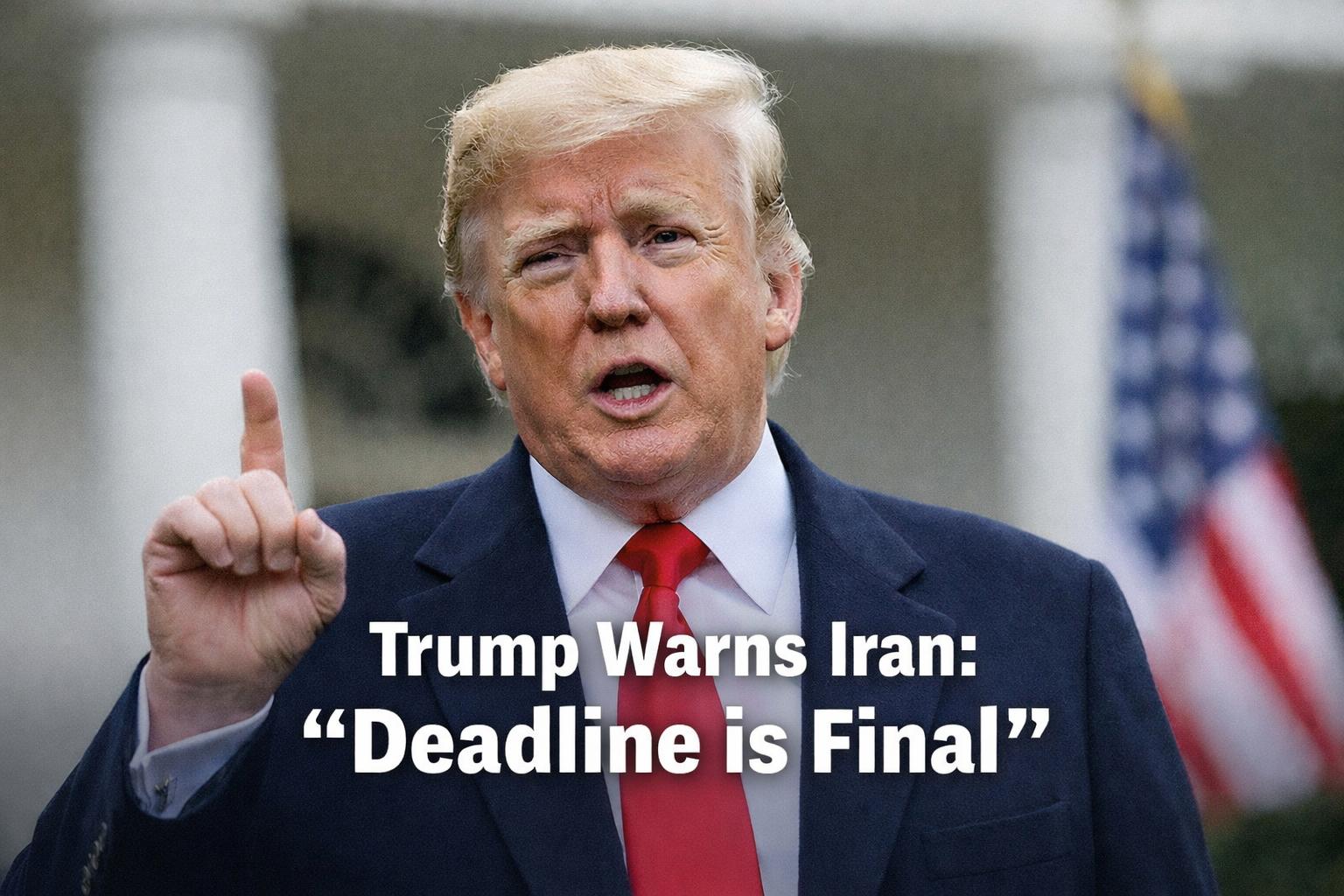
US President Donald Trump stated on Monday April 6, 2026, that the deadline he set for Iran to reach a negotiated agreement remains final, signaling increased pressure on Tehran amid ongoing diplomatic efforts. Speaking during a public event on the White House South Lawn, Trump described Iran’s latest proposal as a meaningful step forward but emphasized that it falls short of US expectations.
According to his remarks, the proposal reflects progress in negotiations, yet does not meet the conditions the United States considers necessary for a resolution. Trump indicated that Iranian officials are aware of the specific requirements being sought, suggesting that discussions have been conducted in what he characterized as good faith.
The president also reiterated his warning that failure to meet the Tuesday deadline could result in significant military consequences. He stated that US forces are prepared to carry out broad attacks targeting Iranian infrastructure if an agreement is not reached within the specified timeframe. This position underscores a sharp escalation in rhetoric as diplomatic channels remain active but uncertain.
Iran has rejected the imposed deadline, maintaining its stance against external pressure in the negotiation process. The divergence highlights ongoing challenges in reaching consensus, as both sides continue to navigate complex political and strategic considerations.
Trump added that a resolution could be achieved quickly if Iran complies with the outlined demands, suggesting that the situation remains fluid despite the firm deadline. The developments reflect heightened geopolitical tensions, with global observers closely monitoring whether diplomacy or confrontation will shape the next phase of US-Iran relations.
US President Donald Trump stated on Monday April 6, 2026, that the deadline he set for Iran to reach a negotiated agreement remains final, signaling increased pressure on Tehran amid ongoing diplomatic efforts. Speaking during a public event on the White House South Lawn, Trump described Iran’s latest proposal as a meaningful step forward but emphasized that it falls short of US expectations.
According to his remarks, the proposal reflects progress in negotiations, yet does not meet the conditions the United States considers necessary for a resolution. Trump indicated that Iranian officials are aware of the specific requirements being sought, suggesting that discussions have been conducted in what he characterized as good faith.
The president also reiterated his warning that failure to meet the Tuesday deadline could result in significant military consequences. He stated that US forces are prepared to carry out broad attacks targeting Iranian infrastructure if an agreement is not reached within the specified timeframe. This position underscores a sharp escalation in rhetoric as diplomatic channels remain active but uncertain.
Iran has rejected the imposed deadline, maintaining its stance against external pressure in the negotiation process. The divergence highlights ongoing challenges in reaching consensus, as both sides continue to navigate complex political and strategic considerations.
Trump added that a resolution could be achieved quickly if Iran complies with the outlined demands, suggesting that the situation remains fluid despite the firm deadline. The developments reflect heightened geopolitical tensions, with global observers closely monitoring whether diplomacy or confrontation will shape the next phase of US-Iran relations.
TEHRAN, Iran — Iran has rejected a proposed ceasefire agreement and is instead calling for a permanent end to hostilities, intensifying an already volatile situation in the Middle East. The development was reported on Monday, April 6, 2026, local time in Iran, amid rising pressure from the United States and escalating military actions involving Israel.
Mojtaba Ferdousi Pour, head of Iran’s diplomatic mission in Cairo, stated that Tehran would not agree to a temporary truce without guarantees of long-term security. He emphasized that Iran seeks a definitive end to the conflict with assurances that future attacks would not occur. According to Iranian officials, the country conveyed its position through Pakistan, which has been acting as a key mediator in ongoing diplomatic efforts.
The rejection comes as U.S. President Donald Trump has imposed a deadline tied to the reopening of the Strait of Hormuz, a critical global shipping route through which roughly 20% of the world’s oil supply passes during peacetime. Iranian and Omani officials are reportedly working on a mechanism to manage traffic through the strategic waterway. Disruptions in the strait have already contributed to rising oil prices and heightened concerns about the global economy.
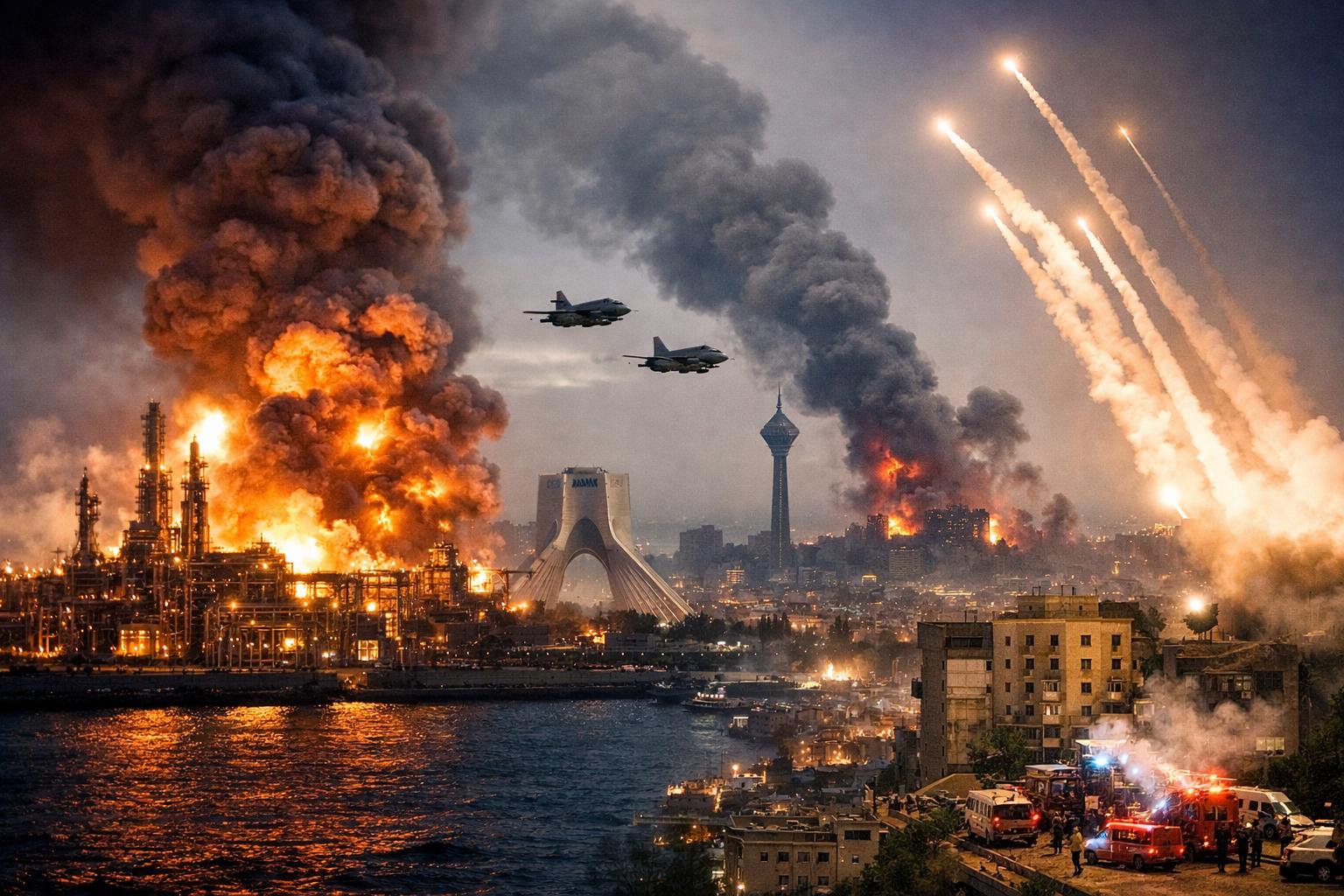
Tensions further escalated following Israeli strikes on Iran’s South Pars natural gas field, a major energy hub shared with Qatar and vital to Iran’s electricity production. The strikes also reportedly killed senior figures within Iran’s Revolutionary Guard, including intelligence chief Maj. Gen. Majid Khademi and a commander linked to the Quds Force. Israeli officials indicated that targeting Iran’s economic and military infrastructure remains a priority.
Simultaneously, explosions were reported across Tehran, with residents describing sustained aerial activity, including drones and low-flying aircraft. Israeli forces also claimed to have struck multiple airports in the Iranian capital, damaging military assets.
Efforts by mediators from Egypt, Pakistan, and Turkey to broker a 45-day ceasefire and reopen the Strait of Hormuz are ongoing, though progress appears uncertain. Iranian officials have reiterated that negotiations cannot proceed under threats or ultimatums.
Regional tensions have also spread to neighboring Gulf countries, with Kuwait, the United Arab Emirates, and Saudi Arabia activating air defenses in response to Iranian missile and drone activity. In Israel, missile strikes reportedly hit residential areas in Haifa, resulting in civilian casualties. The situation continues to evolve, with significant implications for global energy markets and regional stability.
TEHRAN, Iran — Iran has rejected a proposed ceasefire agreement and is instead calling for a permanent end to hostilities, intensifying an already volatile situation in the Middle East. The development was reported on Monday, April 6, 2026, local time in Iran, amid rising pressure from the United States and escalating military actions involving Israel.
Mojtaba Ferdousi Pour, head of Iran’s diplomatic mission in Cairo, stated that Tehran would not agree to a temporary truce without guarantees of long-term security. He emphasized that Iran seeks a definitive end to the conflict with assurances that future attacks would not occur. According to Iranian officials, the country conveyed its position through Pakistan, which has been acting as a key mediator in ongoing diplomatic efforts.
The rejection comes as U.S. President Donald Trump has imposed a deadline tied to the reopening of the Strait of Hormuz, a critical global shipping route through which roughly 20% of the world’s oil supply passes during peacetime. Iranian and Omani officials are reportedly working on a mechanism to manage traffic through the strategic waterway. Disruptions in the strait have already contributed to rising oil prices and heightened concerns about the global economy.
Tensions further escalated following Israeli strikes on Iran’s South Pars natural gas field, a major energy hub shared with Qatar and vital to Iran’s electricity production. The strikes also reportedly killed senior figures within Iran’s Revolutionary Guard, including intelligence chief Maj. Gen. Majid Khademi and a commander linked to the Quds Force. Israeli officials indicated that targeting Iran’s economic and military infrastructure remains a priority.
Simultaneously, explosions were reported across Tehran, with residents describing sustained aerial activity, including drones and low-flying aircraft. Israeli forces also claimed to have struck multiple airports in the Iranian capital, damaging military assets.
Efforts by mediators from Egypt, Pakistan, and Turkey to broker a 45-day ceasefire and reopen the Strait of Hormuz are ongoing, though progress appears uncertain. Iranian officials have reiterated that negotiations cannot proceed under threats or ultimatums.
Regional tensions have also spread to neighboring Gulf countries, with Kuwait, the United Arab Emirates, and Saudi Arabia activating air defenses in response to Iranian missile and drone activity. In Israel, missile strikes reportedly hit residential areas in Haifa, resulting in civilian casualties. The situation continues to evolve, with significant implications for global energy markets and regional stability.
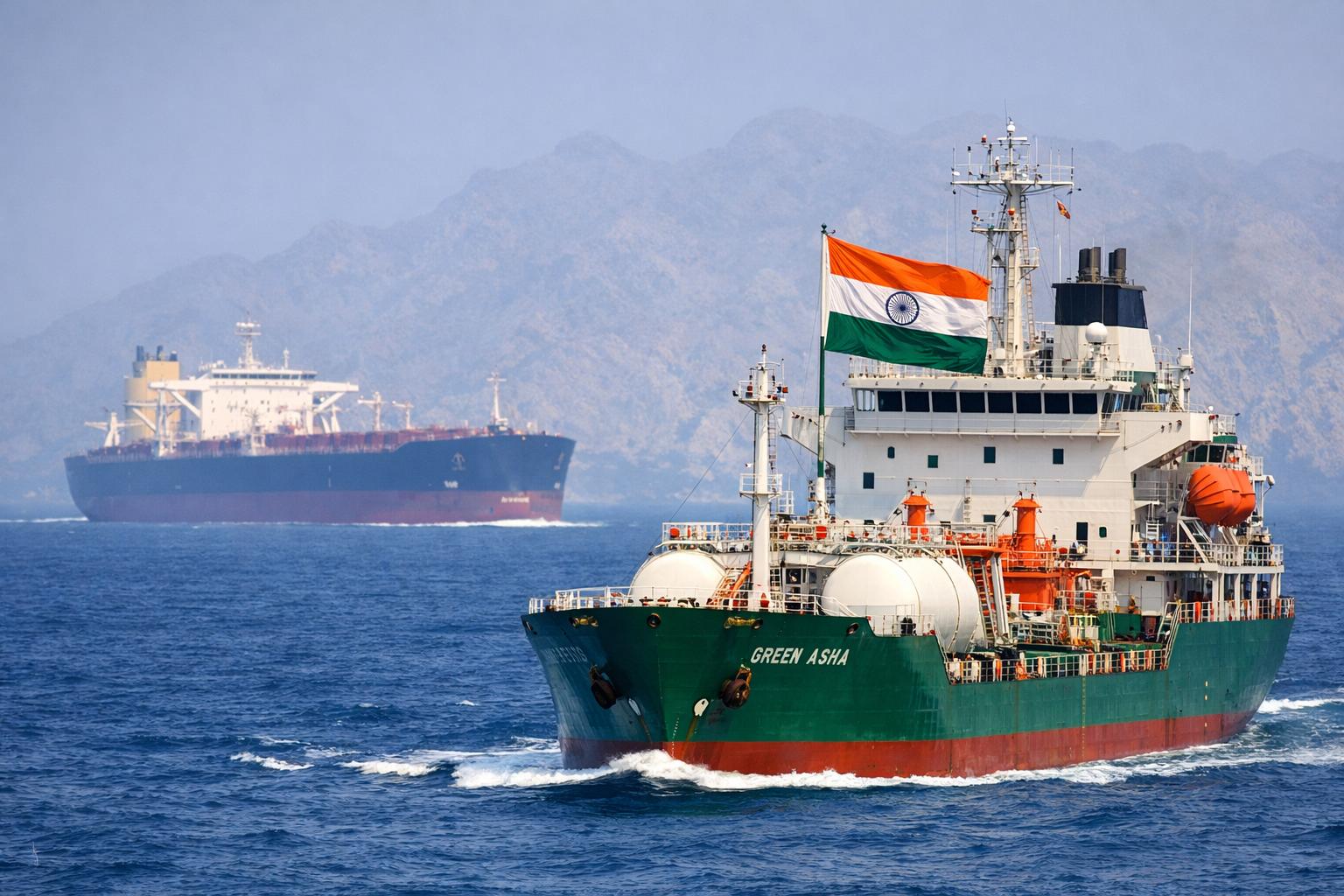
At an inter-ministerial press conference held on Monday, April 6, 2026, in India (IST), Mukesh Mangal, Secretary in the Ministry of Ports, Shipping and Waterways, confirmed that Indian seafarers operating in the conflict-affected West Asia region remain safe, even as escalating geopolitical tensions continue to disrupt global energy markets.
Mangal stated that no incidents involving Indian-flagged vessels had been reported in the preceding 24 hours, underscoring the government’s ong
At an inter-ministerial press conference held on Monday, April 6, 2026, in India (IST), Mukesh Mangal, Secretary in the Ministry of Ports, Shipping and Waterways, confirmed that Indian seafarers operating in the conflict-affected West Asia region remain safe, even as escalating geopolitical tensions continue to disrupt global energy markets.
Mangal stated that no incidents involving Indian-flagged vessels had been reported in the preceding 24 hours, underscoring the government’s ong
DUBAI, United Arab Emirates — Israel carried out a major strike on Iran’s South Pars natural gas field, targeting a key petrochemical facility that accounts for a significant portion of the country’s production, in an escalation that threatens ongoing efforts to broker a ceasefire between Tehran and Washington. Israeli officials confirmed the operation, describing it as a decisive blow to Iran’s energy infrastructure, while warning that further actions could follow despite diplomatic neg
DUBAI, United Arab Emirates — Israel carried out a major strike on Iran’s South Pars natural gas field, targeting a key petrochemical facility that accounts for a significant portion of the country’s production, in an escalation that threatens ongoing efforts to broker a ceasefire between Tehran and Washington. Israeli officials confirmed the operation, describing it as a decisive blow to Iran’s energy infrastructure, while warning that further actions could follow despite diplomatic neg
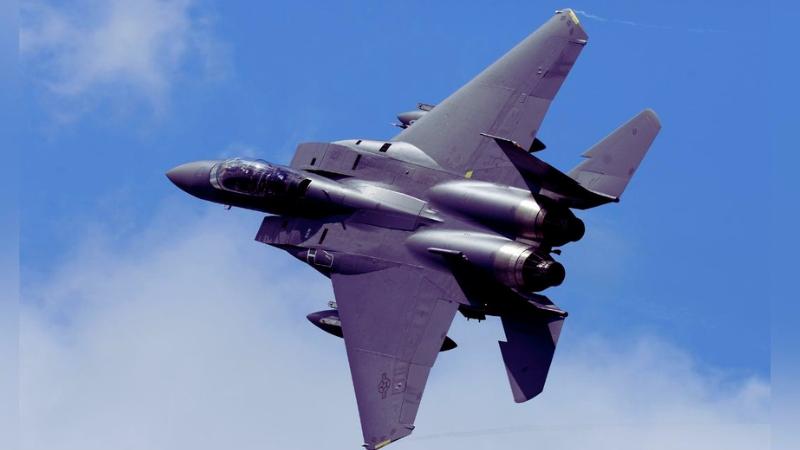
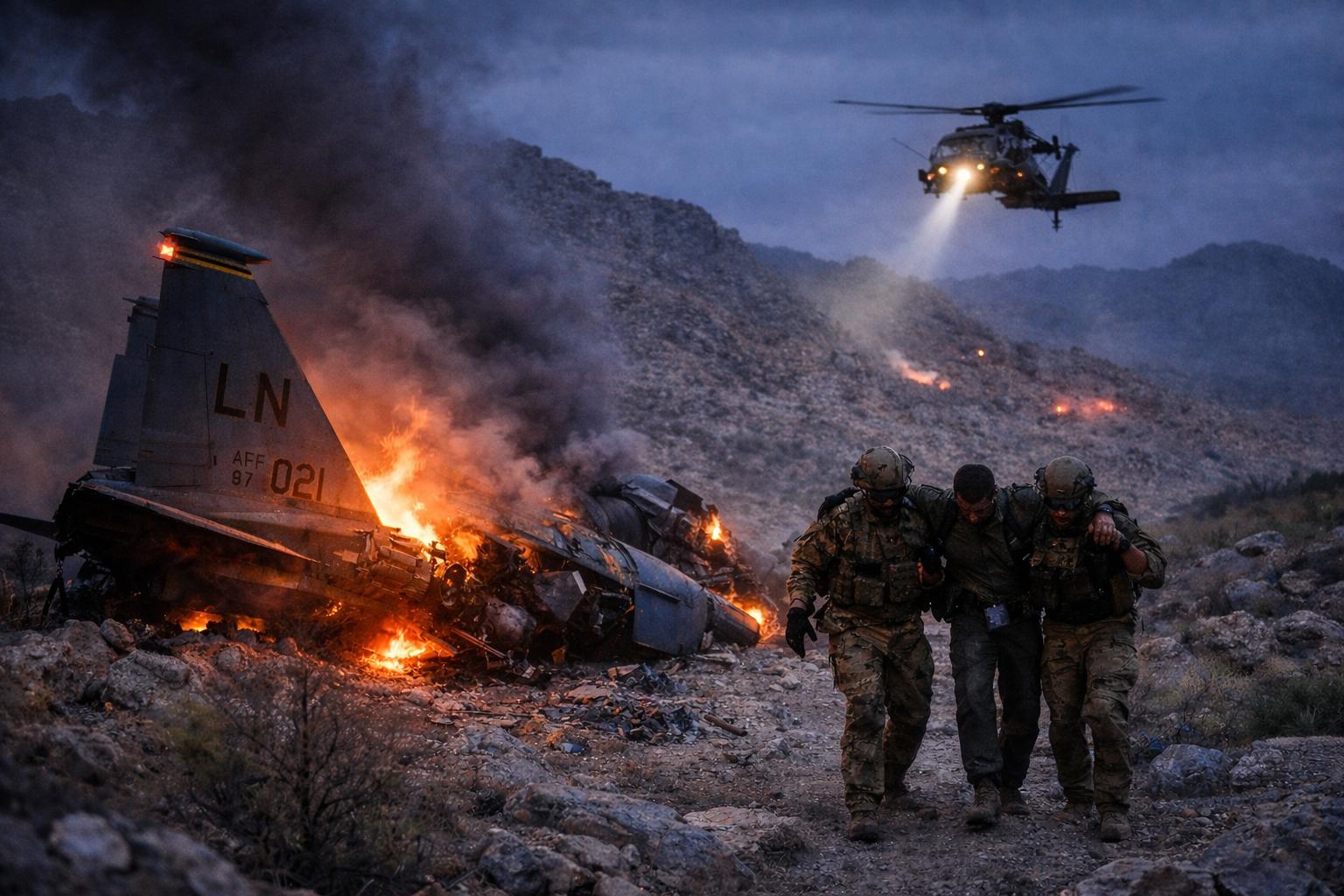
US President Donald Trump recently revealed the three-word radio message sent by a US pilot trapped in Iran, which initially sparked fears of an Iranian trap. The pilot, a weapons system officer, had ejected from his downed F-15E Strike Eagle over southern Iran on April 3, 2026, during the ongoing conflict. After his aircraft was shot down, the first pilot was rescued, but the second remained missing, and both US and Iranian forces raced to locate him.
During the search, Trump expla
US President Donald Trump recently revealed the three-word radio message sent by a US pilot trapped in Iran, which initially sparked fears of an Iranian trap. The pilot, a weapons system officer, had ejected from his downed F-15E Strike Eagle over southern Iran on April 3, 2026, during the ongoing conflict. After his aircraft was shot down, the first pilot was rescued, but the second remained missing, and both US and Iranian forces raced to locate him.
During the search, Trump expla
The ongoing conflict between the United States and Iran has reached a critical juncture, with efforts to negotiate a 45-day ceasefire pushing towards a narrow window for a breakthrough. Sources involved in the discussions reveal that while negotiations continue, the chances of a deal within the next 48 hours are slim. This ceasefire is seen as a last-ditch effort to avoid large-scale military strikes on Iranian infrastructure, which could trigger retaliatory attacks on vital energy and water
The ongoing conflict between the United States and Iran has reached a critical juncture, with efforts to negotiate a 45-day ceasefire pushing towards a narrow window for a breakthrough. Sources involved in the discussions reveal that while negotiations continue, the chances of a deal within the next 48 hours are slim. This ceasefire is seen as a last-ditch effort to avoid large-scale military strikes on Iranian infrastructure, which could trigger retaliatory attacks on vital energy and water
The Gulf region is facing rising tensions, with a series of drone attacks, fires, and infrastructure damage being reported across multiple countries, including Kuwait, Bahrain, and the UAE. The situation has been exacerbated by a warning from U.S. President Donald Trump, who set a deadline for Iran to reopen the Strait of Hormuz by 7th April 2026 evening. If Iran fails to comply, Trump has indicated that the U.S. will target critical infrastructure in retaliation. This escalation is of global
The Gulf region is facing rising tensions, with a series of drone attacks, fires, and infrastructure damage being reported across multiple countries, including Kuwait, Bahrain, and the UAE. The situation has been exacerbated by a warning from U.S. President Donald Trump, who set a deadline for Iran to reopen the Strait of Hormuz by 7th April 2026 evening. If Iran fails to comply, Trump has indicated that the U.S. will target critical infrastructure in retaliation. This escalation is of global
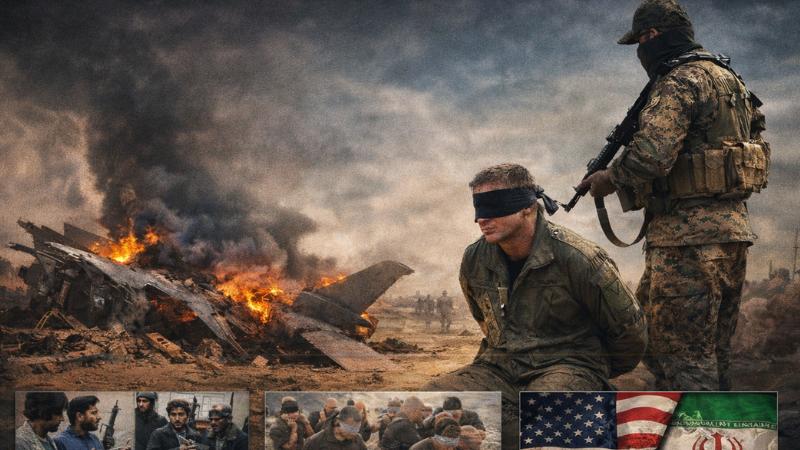
A missing United States airman whose F-15E fighter jet was shot down inside Iranian territory was recovered by American forces on Saturday, April 4, 2026, according to official statements, marking a significant development in an escalating military confrontation.
Earlier reports had indicated that the rescue mission was still underway and that the second crew member remained unaccounted for behind enemy lines. The aircraft’s downing represents the first such incident involving a US
A missing United States airman whose F-15E fighter jet was shot down inside Iranian territory was recovered by American forces on Saturday, April 4, 2026, according to official statements, marking a significant development in an escalating military confrontation.
Earlier reports had indicated that the rescue mission was still underway and that the second crew member remained unaccounted for behind enemy lines. The aircraft’s downing represents the first such incident involving a US
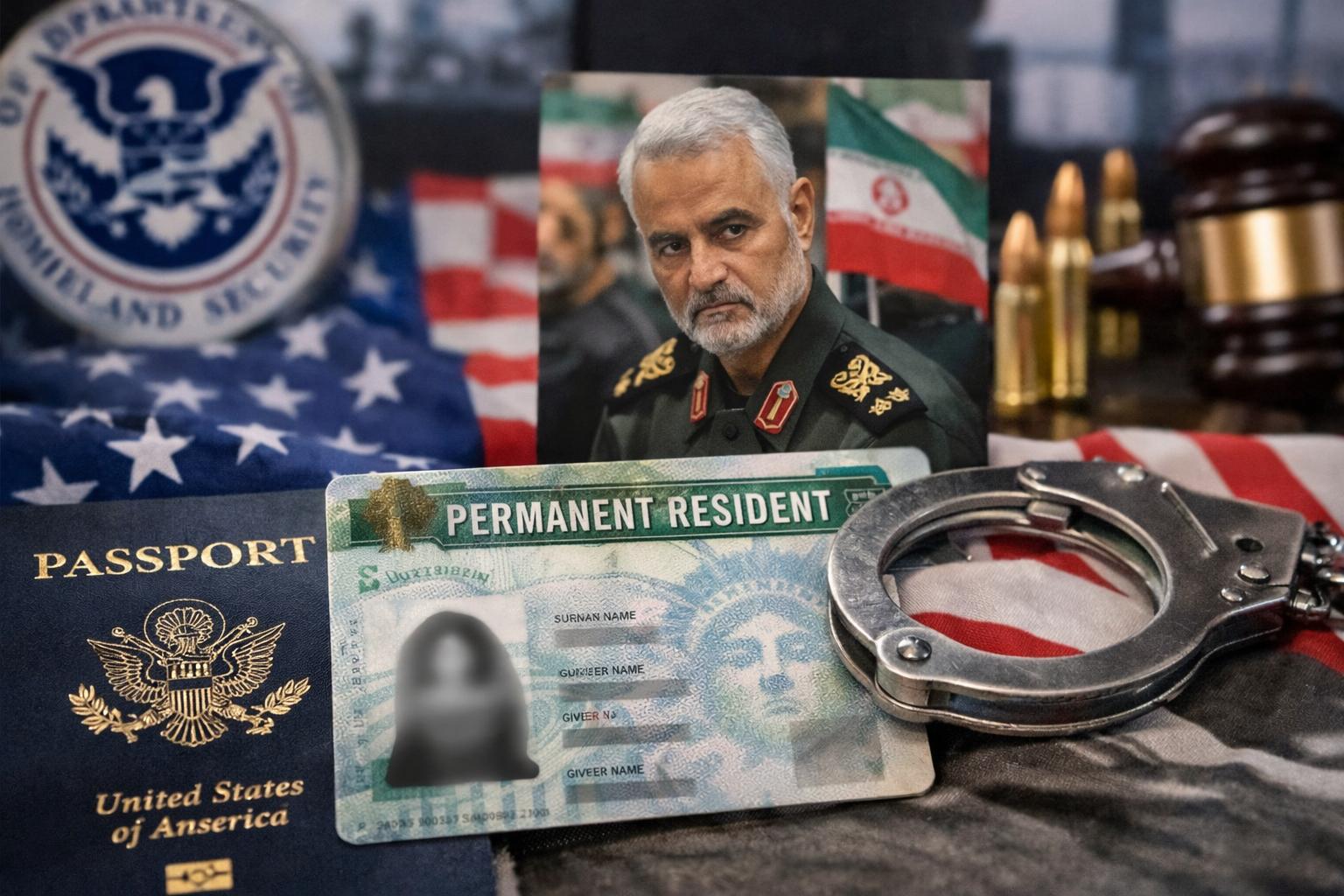
United States authorities have revoked green cards and detained several individuals allegedly linked to Iran, including relatives of former Iranian military commander Qassem Soleimani, in a move reflecting heightened national security scrutiny. According to Reuters, the arrests were carried out on Friday, April 3, 2026 (local US time), with officials publicly confirming the action on Saturday, April 4, 2026.
The enforcement actions were conducted under existing immigration and nati
United States authorities have revoked green cards and detained several individuals allegedly linked to Iran, including relatives of former Iranian military commander Qassem Soleimani, in a move reflecting heightened national security scrutiny. According to Reuters, the arrests were carried out on Friday, April 3, 2026 (local US time), with officials publicly confirming the action on Saturday, April 4, 2026.
The enforcement actions were conducted under existing immigration and nati
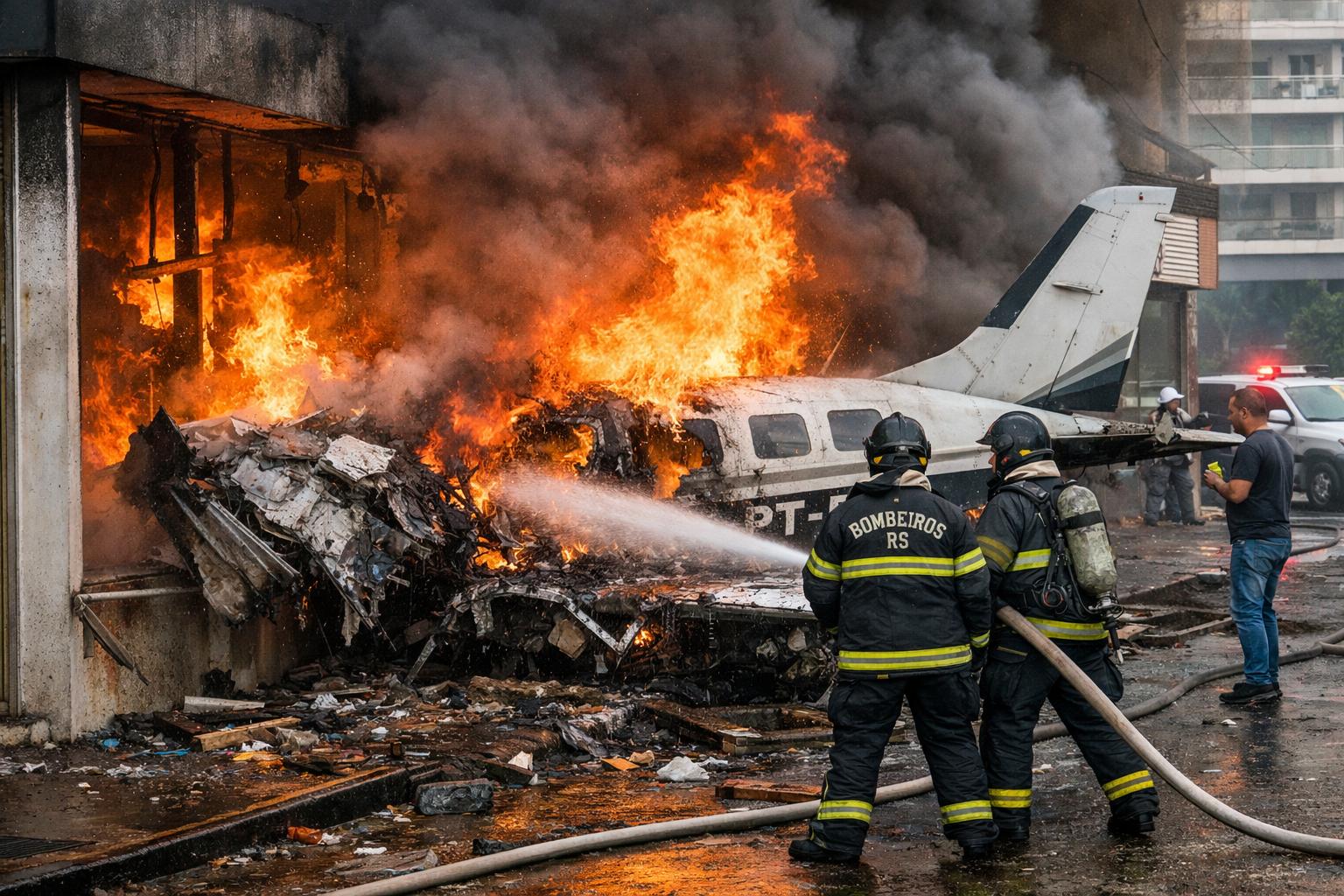
A small aircraft crashed into a restaurant in southern Brazil on Friday, April 3, 2026, resulting in the deaths of all four people on board, according to local authorities. The incident occurred in the coastal city of Capão da Canoa, located in the state of Rio Grande do Sul, shortly after the plane took off.
Officials reported that the aircraft, identified as a Piper Malibu, experienced a loss of altitude moments after departure. The plane subsequently struck a building that house
A small aircraft crashed into a restaurant in southern Brazil on Friday, April 3, 2026, resulting in the deaths of all four people on board, according to local authorities. The incident occurred in the coastal city of Capão da Canoa, located in the state of Rio Grande do Sul, shortly after the plane took off.
Officials reported that the aircraft, identified as a Piper Malibu, experienced a loss of altitude moments after departure. The plane subsequently struck a building that house
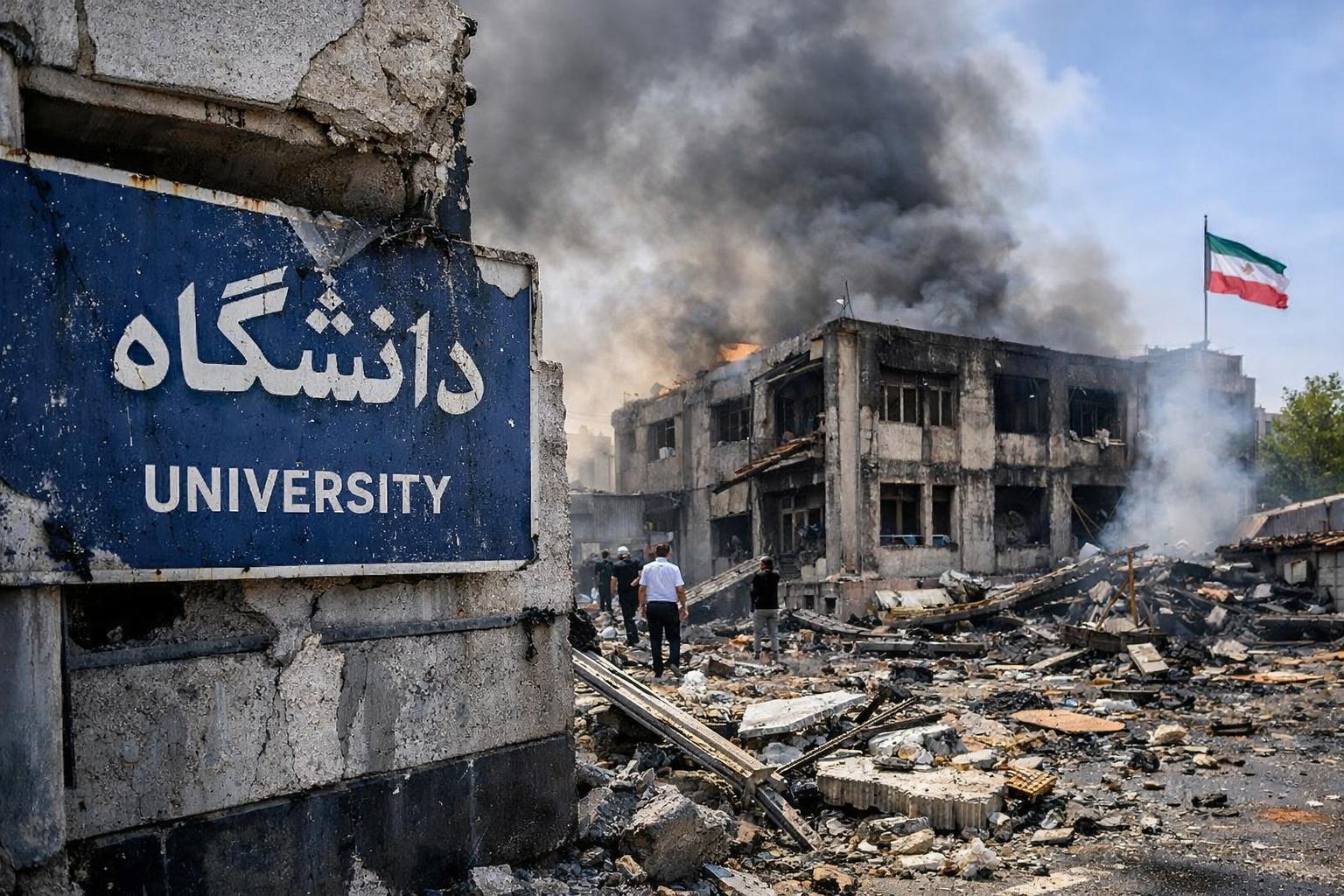
Iranian authorities have stated that at least 30 universities across the country have been damaged since the start of ongoing military strikes involving the United States and Israel, highlighting the widening impact of the conflict on civilian infrastructure.
Officials in Tehran reported that multiple higher education institutions were affected during a series of attacks that have intensified in recent weeks. The strikes, which Iran attributes to coordinated US-Israel military operati
Iranian authorities have stated that at least 30 universities across the country have been damaged since the start of ongoing military strikes involving the United States and Israel, highlighting the widening impact of the conflict on civilian infrastructure.
Officials in Tehran reported that multiple higher education institutions were affected during a series of attacks that have intensified in recent weeks. The strikes, which Iran attributes to coordinated US-Israel military operati
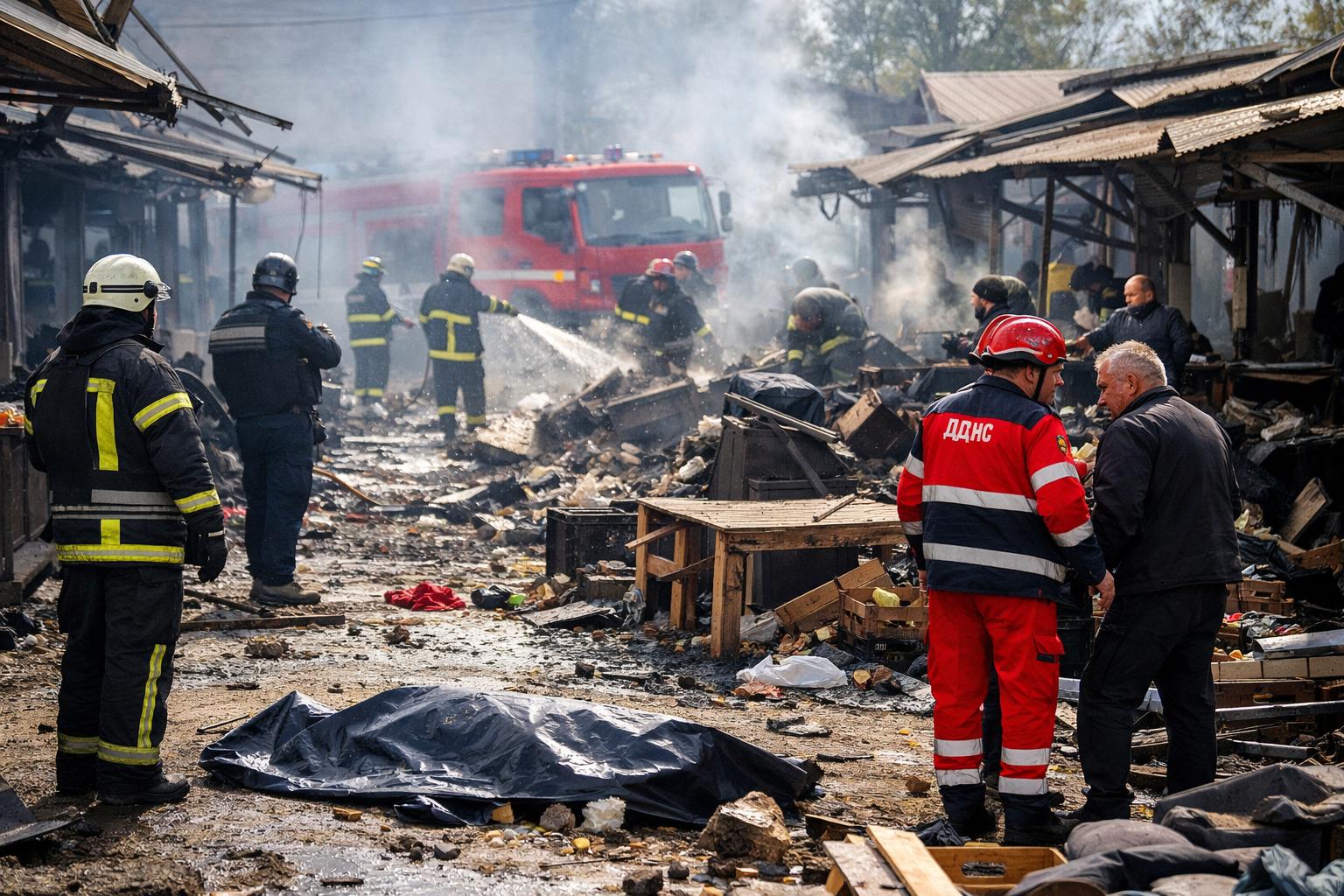
A Russian drone strike targeted a market area in the Ukrainian city of Nikopol on Saturday, April 4, 2026, in the morning local time, resulting in at least five fatalities and leaving 19 others injured, according to local authorities. The attack marks another escalation in the ongoing Russia-Ukraine war, with civilian areas increasingly affected by aerial assaults.
Officials reported that the strike hit a busy marketplace during daytime hours, causing significant destruction to surrounding infrastructure and disrupting daily life for residents. Emergency services were deployed immediately after the attack to assist the injured and assess damage, while rescue operations continued in the aftermath.
Nikopol, located in southeastern Ukraine, has been frequently subjected to shelling and drone attacks due to its proximity to contested regions. The latest incident highlights the persistent risks faced by civilians living near active conflict zones, where strikes have repeatedly impacted residential and commercial areas.
Ukrainian authorities condemned the attack, describing it as a deliberate strike on civilian infrastructure. They emphasized the growing humanitarian toll of the conflict, noting that marketplaces and public gathering areas remain particularly vulnerable to such incidents.
The Russia-Ukraine conflict, now in a prolonged phase, continues to see the use of drone warfare as a key tactic. These unmanned aerial systems have been deployed across multiple regions, contributing to rising civilian casualties and widespread damage.
International observers have expressed concern over the continued targeting of populated areas, urging restraint and adherence to international humanitarian laws. As the conflict persists, attacks like the one in Nikopol underscore the ongoing instability in the region and the enduring impact on civilian populations.
A Russian drone strike targeted a market area in the Ukrainian city of Nikopol on Saturday, April 4, 2026, in the morning local time, resulting in at least five fatalities and leaving 19 others injured, according to local authorities. The attack marks another escalation in the ongoing Russia-Ukraine war, with civilian areas increasingly affected by aerial assaults.
Officials reported that the strike hit a busy marketplace during daytime hours, causing significant destruction to surrounding infrastructure and disrupting daily life for residents. Emergency services were deployed immediately after the attack to assist the injured and assess damage, while rescue operations continued in the aftermath.
Nikopol, located in southeastern Ukraine, has been frequently subjected to shelling and drone attacks due to its proximity to contested regions. The latest incident highlights the persistent risks faced by civilians living near active conflict zones, where strikes have repeatedly impacted residential and commercial areas.
Ukrainian authorities condemned the attack, describing it as a deliberate strike on civilian infrastructure. They emphasized the growing humanitarian toll of the conflict, noting that marketplaces and public gathering areas remain particularly vulnerable to such incidents.
The Russia-Ukraine conflict, now in a prolonged phase, continues to see the use of drone warfare as a key tactic. These unmanned aerial systems have been deployed across multiple regions, contributing to rising civilian casualties and widespread damage.
International observers have expressed concern over the continued targeting of populated areas, urging restraint and adherence to international humanitarian laws. As the conflict persists, attacks like the one in Nikopol underscore the ongoing instability in the region and the enduring impact on civilian populations.
On Saturday, April 4, 2026, a significant event unfolded when Iran shot down a US F-15E fighter jet, marking the first confirmed loss of an American aircraft inside Iranian territory since the war began on February 28, 2026. The downing of the F-15E came as a shocking turn of events in the ongoing tensions between the two nations. The aircraft, which was operated by a two-member crew, resulted in one of the crew members being rescued by US forces, while the other remains missing. The incident
On Saturday, April 4, 2026, a significant event unfolded when Iran shot down a US F-15E fighter jet, marking the first confirmed loss of an American aircraft inside Iranian territory since the war began on February 28, 2026. The downing of the F-15E came as a shocking turn of events in the ongoing tensions between the two nations. The aircraft, which was operated by a two-member crew, resulted in one of the crew members being rescued by US forces, while the other remains missing. The incident