Zohran Mamdani Calls for Kohinoor Diamond Return Ahead of Royal Visit
Zohran Mamdani has renewed debate over colonial history by suggesting that any future meeting with King Charles III should include a discussion about the return of the Kohinoor diamond. Speaking at a press conference in New York, Mamdani said he would encourage the British monarch to consider returning the historic gemstone, widely regarded in India as a symbol of colonial-era exploitation. His remarks come ahead of King Charles and Queen Camilla’s planned visit to the One World Trade Center to mark the 25th anniversary of the September 11 attacks, an event Mamdani is expected to attend. The Kohinoor diamond, originally mined in southern India, passed through several South Asian empires before being taken by the British East India Company in 1849 after the Second Anglo-Sikh War. It was formally transferred under the Treaty of Lahore, signed by Maharaja Duleep Singh, and later became part of the British Crown Jewels. Today, the 105.6-carat diamond remains displayed in the Tower of London, continuing to draw attention as a contested artifact. Mamdani’s comments place the issue within a broader international movement seeking the return of cultural heritage objects held in Western institutions. Similar demands have been made by Greece for the Elgin Marbles and by Nigeria for the Benin Bronzes. While British authorities maintain the Kohinoor was acquired legally, critics argue the agreement occurred under coercive conditions. By raising the issue in a diplomatic context, Mamdani has shifted the conversation beyond ceremony, highlighting ongoing questions of historical accountability and the legacy of empire.
Zohran Mamdani Calls for Kohinoor Diamond Return Ahead of Royal Visit
Zohran Mamdani has renewed debate over colonial history by suggesting that any future meeting with King Charles III should include a discussion about the return of the Kohinoor diamond. Speaking at a press conference in New York, Mamdani said he would encourage the British monarch to consider returning the historic gemstone, widely regarded in India as a symbol of colonial-era exploitation. His remarks come ahead of King Charles and Queen Camilla’s planned visit to the One World Trade Center to mark the 25th anniversary of the September 11 attacks, an event Mamdani is expected to attend. The Kohinoor diamond, originally mined in southern India, passed through several South Asian empires before being taken by the British East India Company in 1849 after the Second Anglo-Sikh War. It was formally transferred under the Treaty of Lahore, signed by Maharaja Duleep Singh, and later became part of the British Crown Jewels. Today, the 105.6-carat diamond remains displayed in the Tower of London, continuing to draw attention as a contested artifact. Mamdani’s comments place the issue within a broader international movement seeking the return of cultural heritage objects held in Western institutions. Similar demands have been made by Greece for the Elgin Marbles and by Nigeria for the Benin Bronzes. While British authorities maintain the Kohinoor was acquired legally, critics argue the agreement occurred under coercive conditions. By raising the issue in a diplomatic context, Mamdani has shifted the conversation beyond ceremony, highlighting ongoing questions of historical accountability and the legacy of empire.
India, Iran discuss ceasefire stability and Strait of Hormuz security
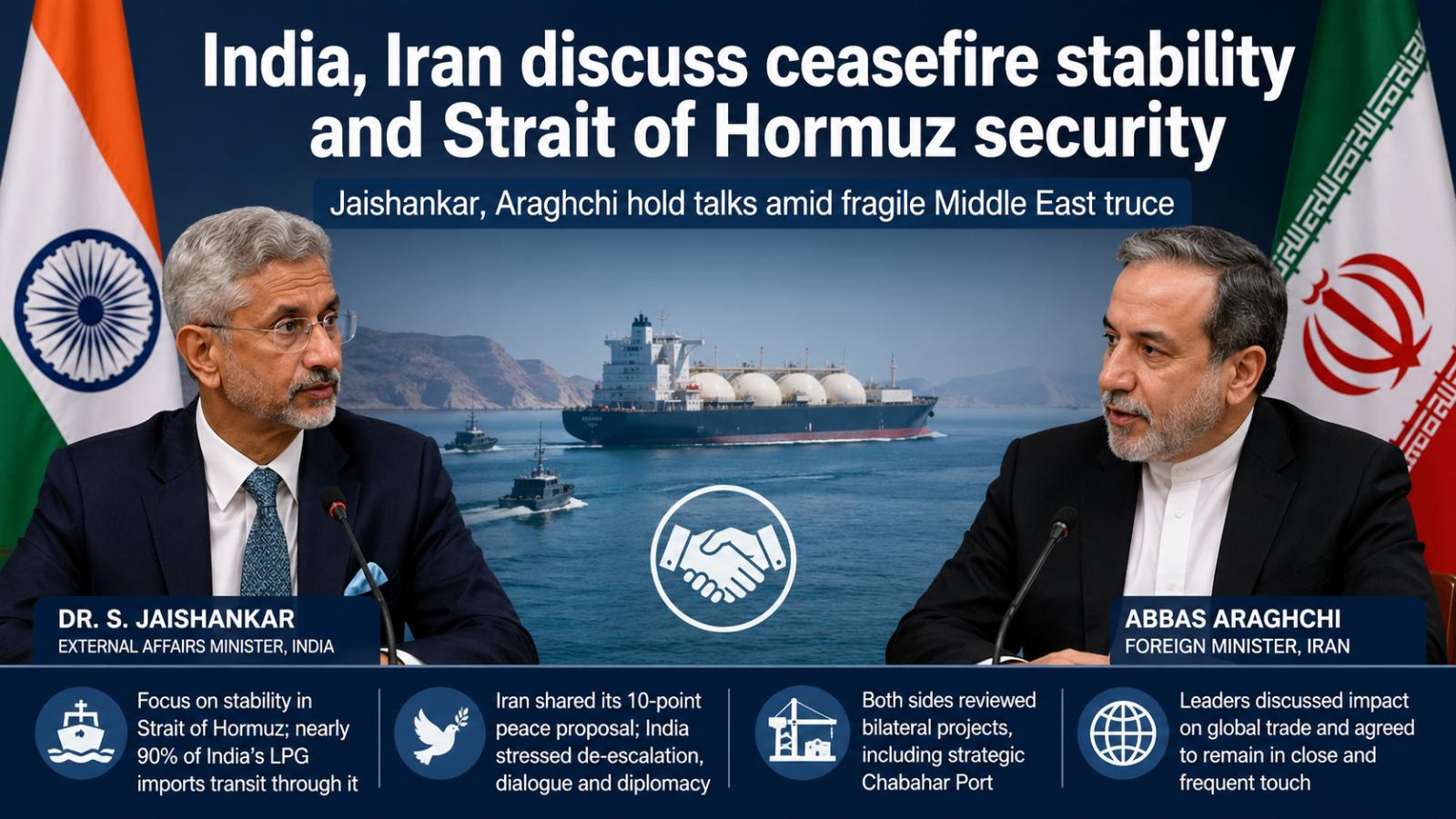
India and Iran held talks on April 29, 2026, on ceasefire stability, Strait of Hormuz security, and trade impact. Both stressed diplomacy and continued coordination as regional tensions remain high despite the fragile truce. India, Iran discuss ceasefire stability and Strait of Hormuz security as External Affairs Minister Dr. S. Jaishankar and Iranian Foreign Minister Abbas Araghchi held talks on Wednesday, April 29, 2026, focusing on the evolving security situation in Tehran and across the region. The discussion comes at a critical moment as the international community monitors a fragile two-week ceasefire involving Iran and a U.S.-Israel coalition, brokered earlier in April. According to an official statement, both leaders exchanged views on recent developments related to the ceasefire while also reviewing bilateral relations and broader regional security concerns. A central issue in the dialogue was the stability of the Strait of Hormuz, a key global shipping route through which nearly 90% of India’s liquefied petroleum gas imports pass, underscoring its economic significance for New Delhi. Officials familiar with the talks indicated that both sides emphasized the need to ensure uninterrupted freedom of navigation in the region. Iran reportedly shared updates on its proposed 10-point peace framework, while India reiterated its longstanding position that de-escalation, sustained dialogue, and diplomatic engagement remain essential to achieving lasting stability in West Asia. Beyond immediate security concerns, the ministers also reviewed ongoing bilateral initiatives, including the development of Chabahar Port. The project remains strategically important for India as it provides access to Central Asian markets, even as regional tensions pose logistical and security challenges. The conversation also addressed the broader impact of the conflict on global trade networks. Jaishankar highlighted concerns over prolonged instability, noting its disruptive effects on supply chains and economic activity. He emphasized that India continues to engage with multiple stakeholders in an effort to prevent escalation and support regional stability. The diplomatic exchange follows a period of heightened pressure from the administration of Donald Trump, which had issued strong warnings to Tehran over maritime disruptions. Although a ceasefire was implemented on Tuesday, April 8, 2026, tensions persist, with continued rhetoric from various factions raising concerns about its durability. As the ceasefire enters a sensitive phase, both ministers agreed to remain in close and frequent contact to monitor developments. For India, maintaining stability in the region is not only a strategic priority but also a critical economic necessity tied to energy security and trade continuity.
India, Iran discuss ceasefire stability and Strait of Hormuz security
India and Iran held talks on April 29, 2026, on ceasefire stability, Strait of Hormuz security, and trade impact. Both stressed diplomacy and continued coordination as regional tensions remain high despite the fragile truce. India, Iran discuss ceasefire stability and Strait of Hormuz security as External Affairs Minister Dr. S. Jaishankar and Iranian Foreign Minister Abbas Araghchi held talks on Wednesday, April 29, 2026, focusing on the evolving security situation in Tehran and across the region. The discussion comes at a critical moment as the international community monitors a fragile two-week ceasefire involving Iran and a U.S.-Israel coalition, brokered earlier in April. According to an official statement, both leaders exchanged views on recent developments related to the ceasefire while also reviewing bilateral relations and broader regional security concerns. A central issue in the dialogue was the stability of the Strait of Hormuz, a key global shipping route through which nearly 90% of India’s liquefied petroleum gas imports pass, underscoring its economic significance for New Delhi. Officials familiar with the talks indicated that both sides emphasized the need to ensure uninterrupted freedom of navigation in the region. Iran reportedly shared updates on its proposed 10-point peace framework, while India reiterated its longstanding position that de-escalation, sustained dialogue, and diplomatic engagement remain essential to achieving lasting stability in West Asia. Beyond immediate security concerns, the ministers also reviewed ongoing bilateral initiatives, including the development of Chabahar Port. The project remains strategically important for India as it provides access to Central Asian markets, even as regional tensions pose logistical and security challenges. The conversation also addressed the broader impact of the conflict on global trade networks. Jaishankar highlighted concerns over prolonged instability, noting its disruptive effects on supply chains and economic activity. He emphasized that India continues to engage with multiple stakeholders in an effort to prevent escalation and support regional stability. The diplomatic exchange follows a period of heightened pressure from the administration of Donald Trump, which had issued strong warnings to Tehran over maritime disruptions. Although a ceasefire was implemented on Tuesday, April 8, 2026, tensions persist, with continued rhetoric from various factions raising concerns about its durability. As the ceasefire enters a sensitive phase, both ministers agreed to remain in close and frequent contact to monitor developments. For India, maintaining stability in the region is not only a strategic priority but also a critical economic necessity tied to energy security and trade continuity.
How has the West Asia war disrupted South Asia? Supply chains strained across region
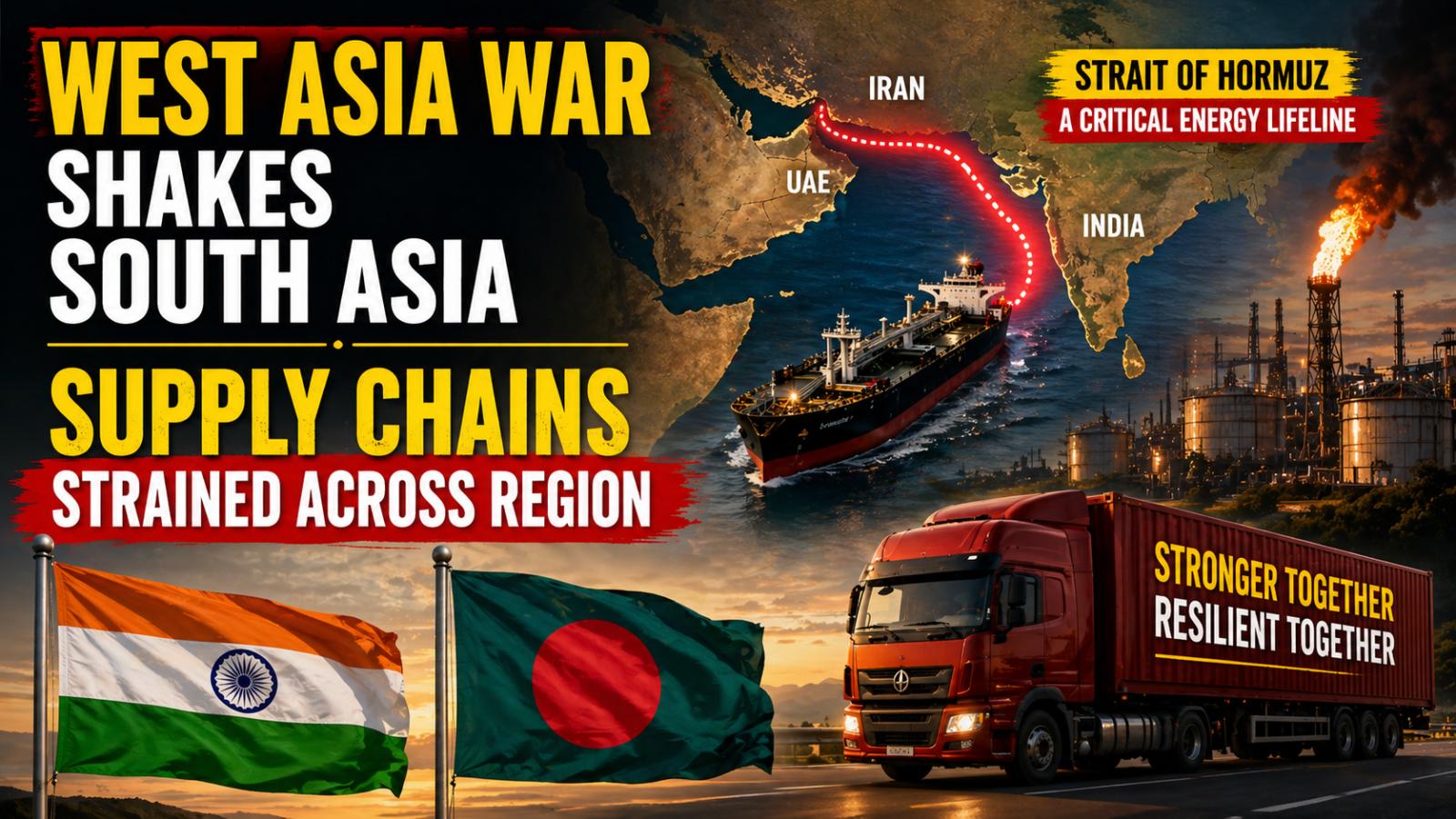
The war in West Asia and disruptions in the Strait of Hormuz have triggered widespread supply chain instability across South Asia, affecting energy security, economic stability, and regional cooperation. Countries across the subcontinent, heavily reliant on hydrocarbon imports from West Asia, are facing rising costs, reduced industrial competitiveness, and increased household expenditures as critical supply routes remain constrained. Fuel shortages and economic strain acros
How has the West Asia war disrupted South Asia? Supply chains strained across region
The war in West Asia and disruptions in the Strait of Hormuz have triggered widespread supply chain instability across South Asia, affecting energy security, economic stability, and regional cooperation. Countries across the subcontinent, heavily reliant on hydrocarbon imports from West Asia, are facing rising costs, reduced industrial competitiveness, and increased household expenditures as critical supply routes remain constrained. Fuel shortages and economic strain acros
Assam Exit Poll 2026 NDA Set For Hat Trick With 88 To 100 Seats
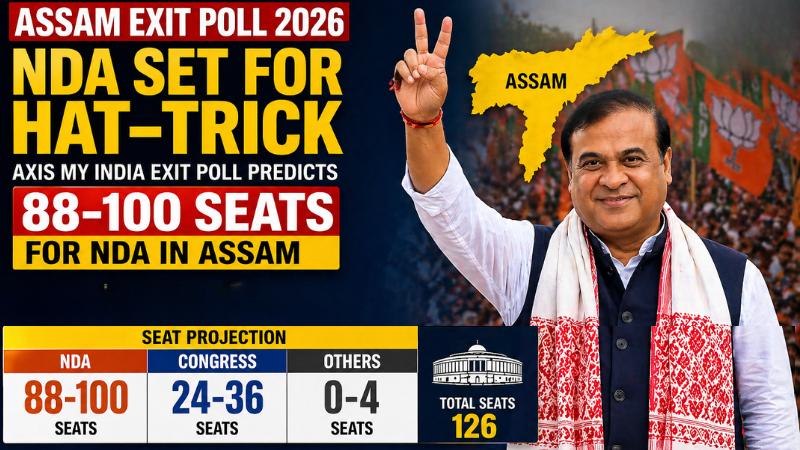
Exit poll predicts NDA sweeping Assam with 88 to 100 seats in Assembly elections. BJP-led alliance likely to secure third consecutive term with strong vote share lead. The Bharatiya Janata Party-led National Democratic Alliance is poised for a decisive victory in the Assam Assemb
Assam Exit Poll 2026 NDA Set For Hat Trick With 88 To 100 Seats
Exit poll predicts NDA sweeping Assam with 88 to 100 seats in Assembly elections. BJP-led alliance likely to secure third consecutive term with strong vote share lead. The Bharatiya Janata Party-led National Democratic Alliance is poised for a decisive victory in the Assam Assemb
West Bengal Phase 2 Records 89.99 Percent Turnout Surpasses 2021 Voting
Voting in Phase 2 of West Bengal elections saw 89.99 percent turnout till 5 pm, crossing 2021 levels. High voter participation across districts signals intense political contest and strong public engagement. The second phase of the West Bengal Assembly elections 2026 witnessed an impressive voter turnout of 89.99 percent by 5 pm, already exceeding the 80.4 percent recorded in the 2021 elections for the same 142 c
West Bengal Phase 2 Records 89.99 Percent Turnout Surpasses 2021 Voting
Voting in Phase 2 of West Bengal elections saw 89.99 percent turnout till 5 pm, crossing 2021 levels. High voter participation across districts signals intense political contest and strong public engagement. The second phase of the West Bengal Assembly elections 2026 witnessed an impressive voter turnout of 89.99 percent by 5 pm, already exceeding the 80.4 percent recorded in the 2021 elections for the same 142 c
From Nephew to Power Center: Abhishek Banerjee’s Rise in Bengal Politics
Abhishek Banerjee has steadily evolved into one of the most prominent faces of West Bengal politics, marking a significant transition within the Trinamool Congress. While he formally entered politics in 2011, his early exposure to political life came much earlier through his aunt,
From Nephew to Power Center: Abhishek Banerjee’s Rise in Bengal Politics
Abhishek Banerjee has steadily evolved into one of the most prominent faces of West Bengal politics, marking a significant transition within the Trinamool Congress. While he formally entered politics in 2011, his early exposure to political life came much earlier through his aunt,
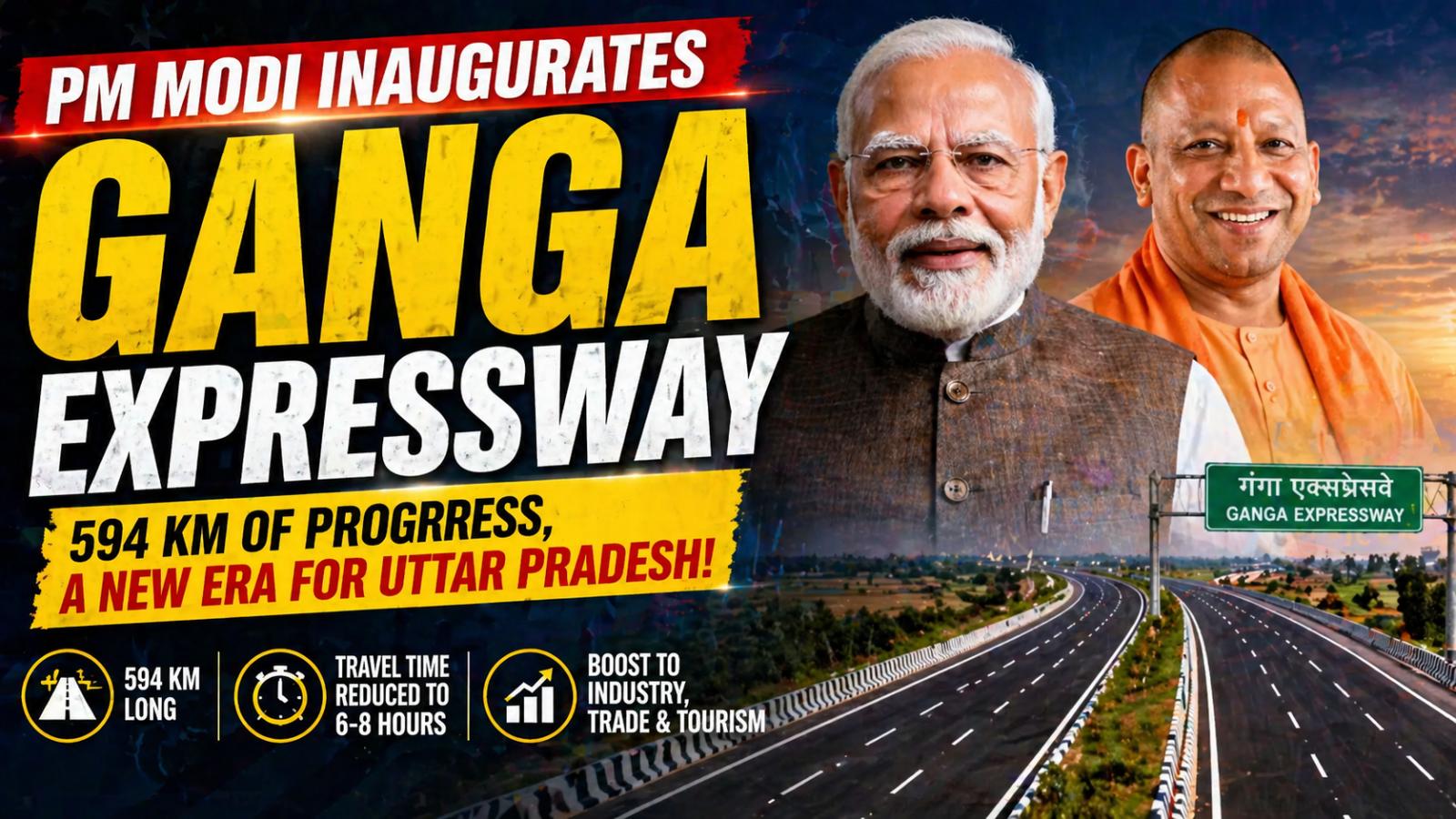
PM Modi Inaugurates Ganga Expressway, India’s Mega Infrastructure Push
Prime Minister Narendra Modi inaugurated the 594-km-long Ganga Expressway on April 29, 2026, marking a major milestone in India’s infrastructure development. Uttar Pradesh Chief Minister Yogi Adityanath was also present at the event, which highlighted the state’s push toward becoming an infrastructure-driven economic hub. Built at an estimated cost of ₹36,230 crore, the Ganga Expressway is the longest expressway in Uttar Pradesh and one of the country’s largest greenfield ro
PM Modi Inaugurates Ganga Expressway, India’s Mega Infrastructure Push
Prime Minister Narendra Modi inaugurated the 594-km-long Ganga Expressway on April 29, 2026, marking a major milestone in India’s infrastructure development. Uttar Pradesh Chief Minister Yogi Adityanath was also present at the event, which highlighted the state’s push toward becoming an infrastructure-driven economic hub. Built at an estimated cost of ₹36,230 crore, the Ganga Expressway is the longest expressway in Uttar Pradesh and one of the country’s largest greenfield ro
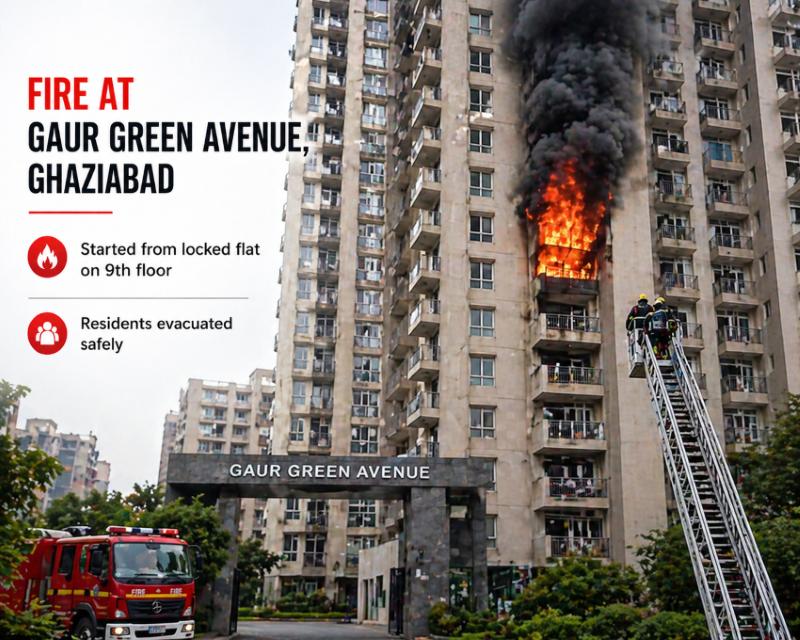
Massive Fire Breaks Out at Gaur Green Avenue in Ghaziabad, Residents Evacuated
A major fire broke out at Gaur Green Avenue, a residential society in Indirapuram, Ghaziabad, on Tuesday morning. The incident caused panic among residents, but timely evacuation helped prevent casualties.According to reports, the fire started around 9:00 AM in a locked apartment on the ninth floor of one of the towers. Thick smoke quickly spread to nearby floors, forcing residents to rush out of their homes. Fire department teams arrived at the spot soon after receiving the alert.
Massive Fire Breaks Out at Gaur Green Avenue in Ghaziabad, Residents Evacuated
A major fire broke out at Gaur Green Avenue, a residential society in Indirapuram, Ghaziabad, on Tuesday morning. The incident caused panic among residents, but timely evacuation helped prevent casualties.According to reports, the fire started around 9:00 AM in a locked apartment on the ninth floor of one of the towers. Thick smoke quickly spread to nearby floors, forcing residents to rush out of their homes. Fire department teams arrived at the spot soon after receiving the alert.
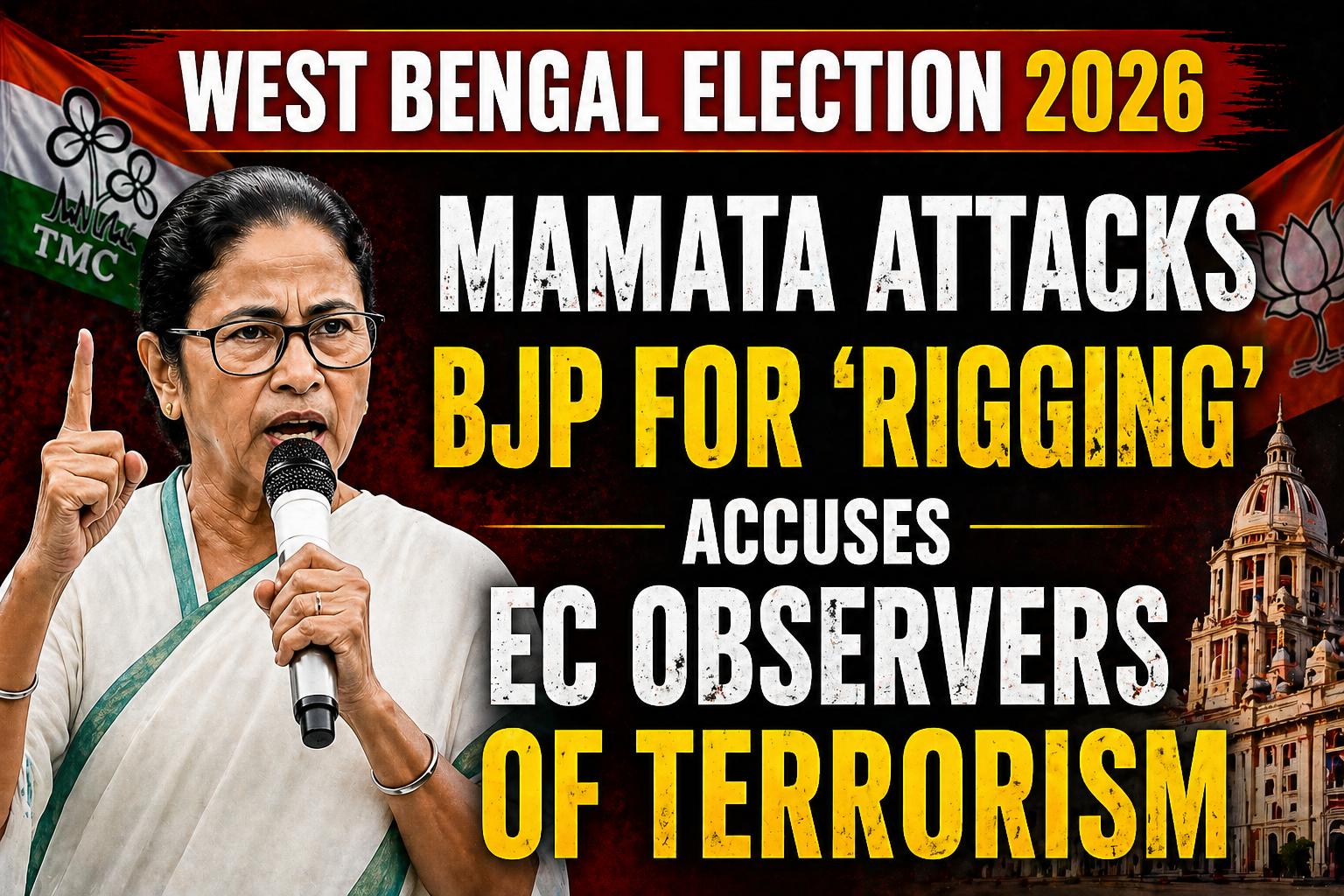
Mamata Banerjee Alleges Election Rigging in Bengal Phase 2 Slams EC Observers
April 29, 2026 | Kolkata, West Bengal Election 2026 Controversy Mamata Banerjee on Wednesday intensified the political temperature in West Bengal by accusing the Bharatiya Janata Party of attempting to rig the ongoing Assembly elections. Speaking during the crucial second an
Mamata Banerjee Alleges Election Rigging in Bengal Phase 2 Slams EC Observers
April 29, 2026 | Kolkata, West Bengal Election 2026 Controversy Mamata Banerjee on Wednesday intensified the political temperature in West Bengal by accusing the Bharatiya Janata Party of attempting to rig the ongoing Assembly elections. Speaking during the crucial second an
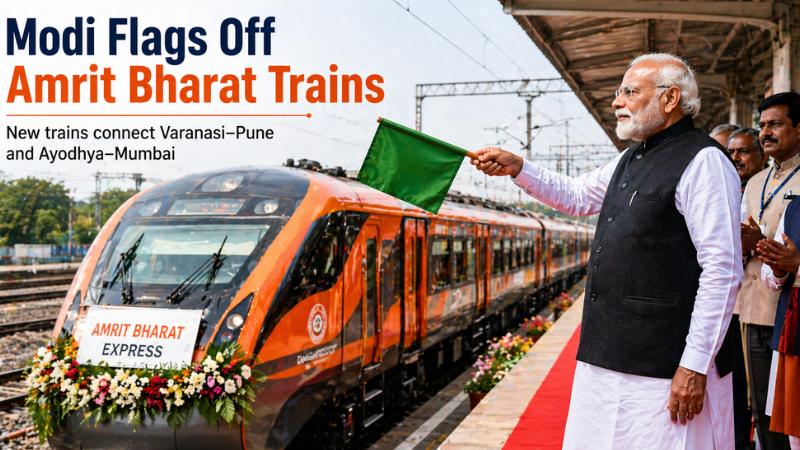
Direct Trains From UP To Mumbai And Pune Flagged Off By PM Modi
PM Narendra Modi launches new Amrit Bharat Express trains, providing direct rail connectivity between Varanasi–Pune and Ayodhya–Mumbai to boost travel and tourism. Marking a major boost to India’s rail infrastructure, Prime Minister Narendra Modi on Tuesday, April 28, 2026, flagged off two new Amrit Bharat Express trains from Varanasi, Uttar Pradesh, strengthening d
Direct Trains From UP To Mumbai And Pune Flagged Off By PM Modi
PM Narendra Modi launches new Amrit Bharat Express trains, providing direct rail connectivity between Varanasi–Pune and Ayodhya–Mumbai to boost travel and tourism. Marking a major boost to India’s rail infrastructure, Prime Minister Narendra Modi on Tuesday, April 28, 2026, flagged off two new Amrit Bharat Express trains from Varanasi, Uttar Pradesh, strengthening d
West Bengal Election 2026 Live Phase 2 Mamata Banerjee vs BJP Led by Narendra Modi
April 29, 2026 | Kolkata, West Bengal Election Phase 2 Voting for the second and final phase of the West Bengal Assembly Elections 2026 is currently underway across 142 constituencies in the southern region of the state. The polling, which began at 7 am and will continue until 6 pm, is being closely watched due to its political significance. Key districts such as Kolkata, Howrah, North and South 24 Parganas, Nadia, Hooghly, and Purba Bardhaman are part of this
West Bengal Election 2026 Live Phase 2 Mamata Banerjee vs BJP Led by Narendra Modi
April 29, 2026 | Kolkata, West Bengal Election Phase 2 Voting for the second and final phase of the West Bengal Assembly Elections 2026 is currently underway across 142 constituencies in the southern region of the state. The polling, which began at 7 am and will continue until 6 pm, is being closely watched due to its political significance. Key districts such as Kolkata, Howrah, North and South 24 Parganas, Nadia, Hooghly, and Purba Bardhaman are part of this
BRS Alleges CCTV and Phone Hacking by Revanth Reddy Government
April 28, 2026 | Hyderabad — BRS alleges CCTV and phone hacking by Revanth Reddy government. Harish Rao claims surveillance on leaders, says evidence will be revealed later Political tensions have surfaced in Telangana as leaders from the Bharat Rashtra Samithi have accused the
BRS Alleges CCTV and Phone Hacking by Revanth Reddy Government
April 28, 2026 | Hyderabad — BRS alleges CCTV and phone hacking by Revanth Reddy government. Harish Rao claims surveillance on leaders, says evidence will be revealed later Political tensions have surfaced in Telangana as leaders from the Bharat Rashtra Samithi have accused the
BJP Sweeps Gujarat Local Polls, Congress and AAP Suffer Major Defeat
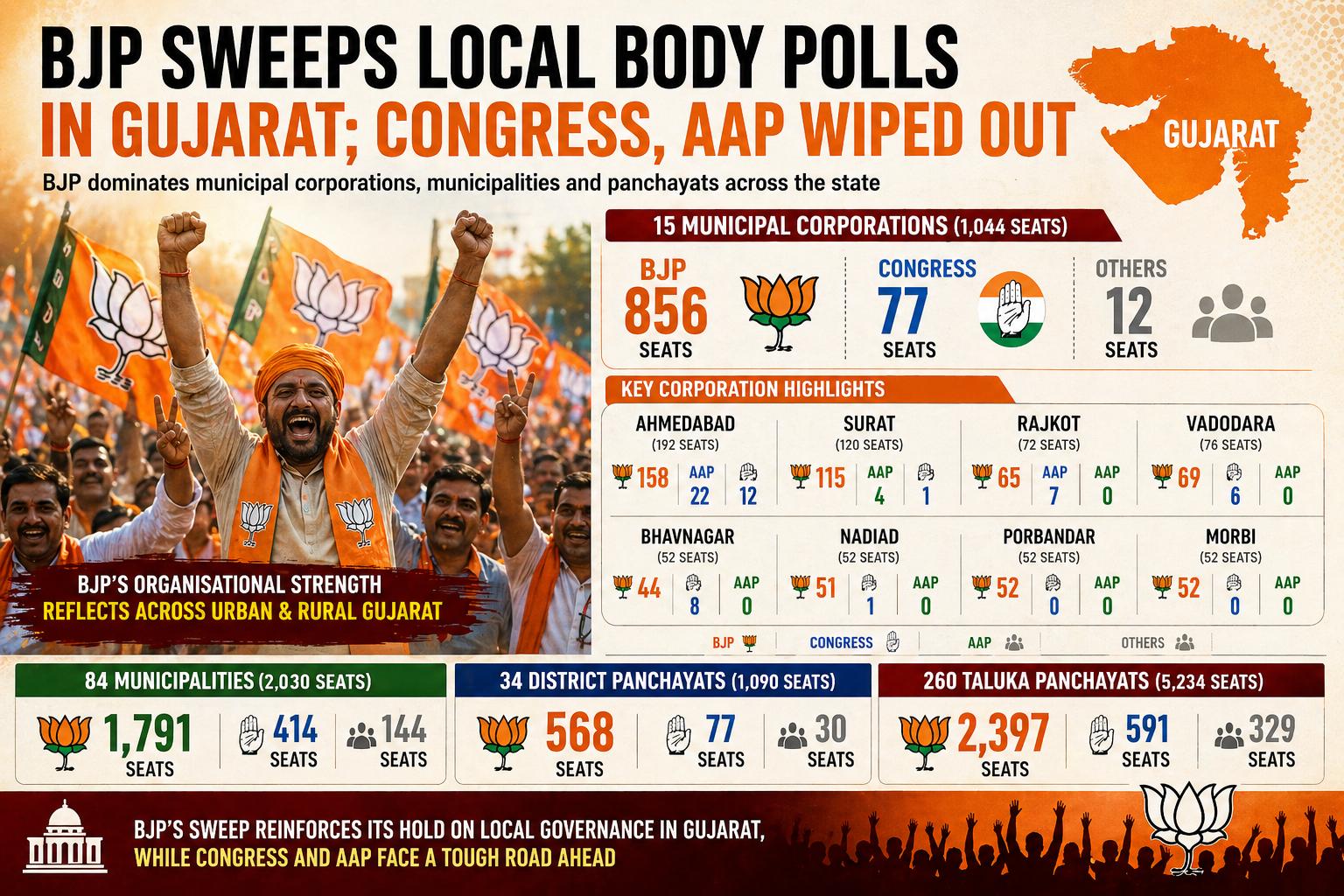
April 28, 2026 | Gujarat — BJP sweeps local body elections with massive wins across cities and panchayats. Congress and AAP trail far behind, highlighting BJP’s strong organisational dominance statewide The Bharatiya Janata Party has delivered a commanding performance in the Gujarat local body elections, securing an overwhelming majority across municipal corporation
BJP Sweeps Gujarat Local Polls, Congress and AAP Suffer Major Defeat
April 28, 2026 | Gujarat — BJP sweeps local body elections with massive wins across cities and panchayats. Congress and AAP trail far behind, highlighting BJP’s strong organisational dominance statewide The Bharatiya Janata Party has delivered a commanding performance in the Gujarat local body elections, securing an overwhelming majority across municipal corporation
Gujarat Local Body Election Result 2026 Live: BJP Wins Big Across Urban and Rural Areas
The results of the Gujarat Local Body Elections 2026 show a strong victory for the Bharatiya Janata Party (BJP). The party has secured a large number of seats across both urban and rural areas, clearly dominating the elections.In major cities and municipal corporations, BJP candidates won by comfortable margins. The party also performed very well in municipalities and panchayats, showing strong support from rural voters. Opposition parties like Congress and Aam Aadmi Party (AAP) str
Gujarat Local Body Election Result 2026 Live: BJP Wins Big Across Urban and Rural Areas
The results of the Gujarat Local Body Elections 2026 show a strong victory for the Bharatiya Janata Party (BJP). The party has secured a large number of seats across both urban and rural areas, clearly dominating the elections.In major cities and municipal corporations, BJP candidates won by comfortable margins. The party also performed very well in municipalities and panchayats, showing strong support from rural voters. Opposition parties like Congress and Aam Aadmi Party (AAP) str
IC 814 hijacking case: inside India’s high-stakes Kandahar negotiations
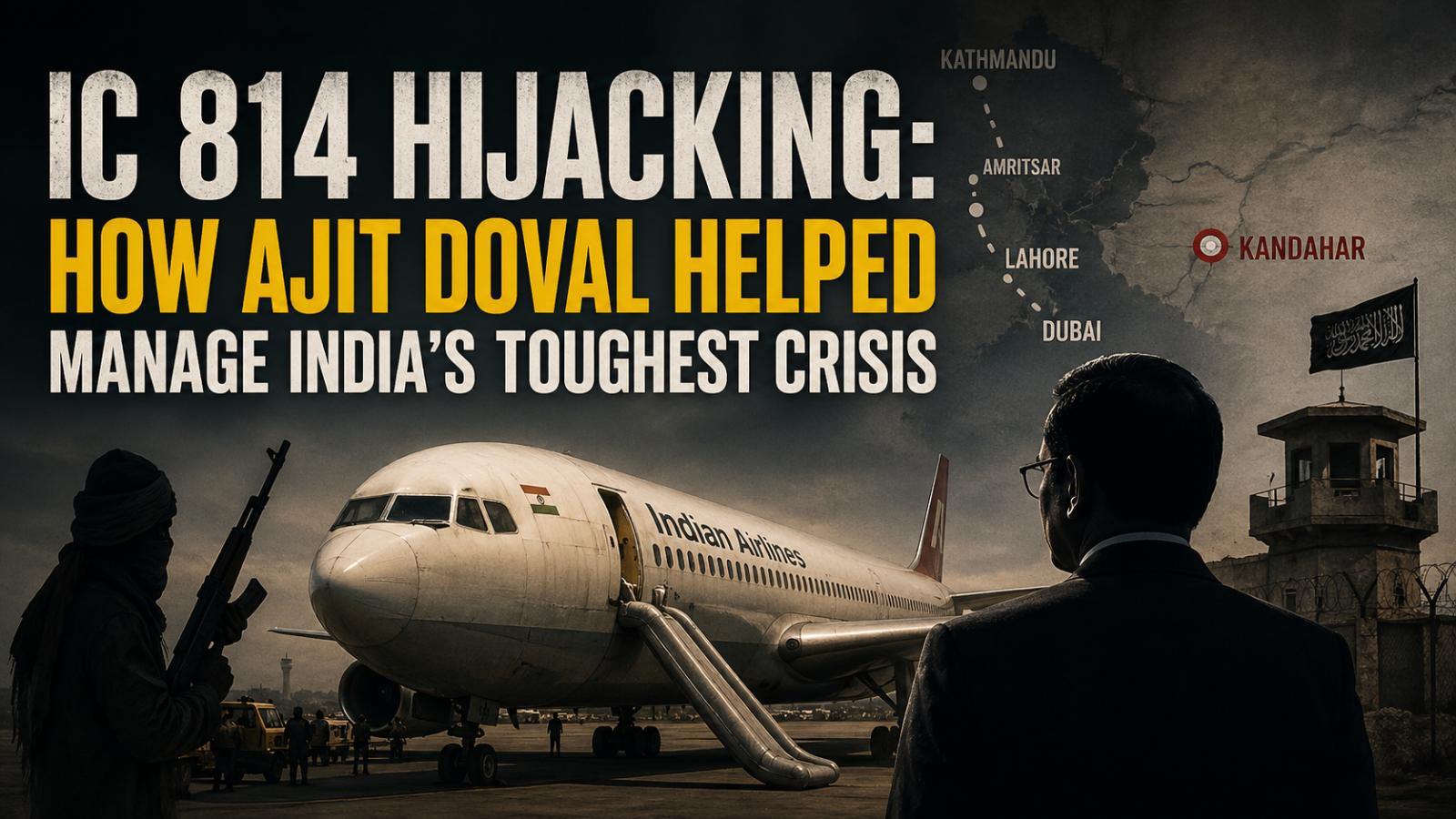
The IC 814 hijacking remains one of India’s most serious aviation crises, and the role of Ajit Doval in managing the situation from behind the scenes highlights the complexity of decisions taken under extreme pressure. The hijacking of Indian Airlines Flight IC-814 on December 24, 1999, forced India into a difficult choice between saving hostages and long-term security concerns. The flig
IC 814 hijacking case: inside India’s high-stakes Kandahar negotiations
The IC 814 hijacking remains one of India’s most serious aviation crises, and the role of Ajit Doval in managing the situation from behind the scenes highlights the complexity of decisions taken under extreme pressure. The hijacking of Indian Airlines Flight IC-814 on December 24, 1999, forced India into a difficult choice between saving hostages and long-term security concerns. The flig
India Enters Top Five as Global Defense Spending Surge
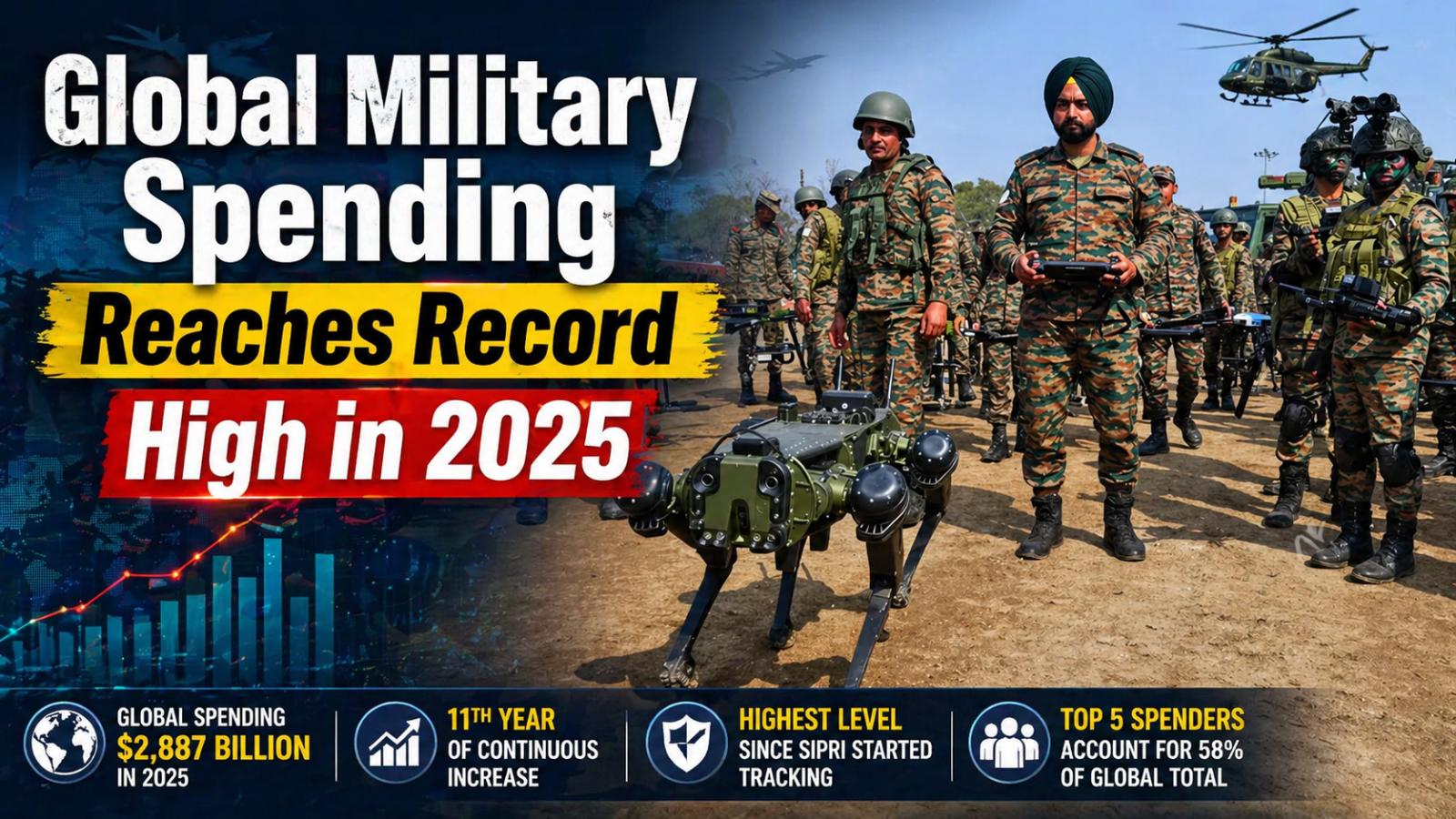
Global military spending reached a record $2,887 billion in 2025, marking the eleventh consecutive year of growth and the highest level ever recorded. According to the latest SIPRI report, the increase reflects rising geopolitical tensions, ongoing conflicts, and a shifting global security environment that has prompted governments to expand their defense budgets. India emerged as one of the world’s top military spenders, entering the top five for the first time with total expenditure of $92.1 billion. The country’s defense spending rose by 8.9 percent, reflecting heightened security concerns and operational demands. The report noted that this increase coincided with armed tensions involving Pakistan in May 2025, during which India deployed a range of military assets including aircraft, drones, and missile systems. The five largest spenders—the United States, China, Russia, Germany, and India—collectively accounted for 58 percent of global military expenditure, totaling $1,686 billion. Pakistan also increased its defense budget by 11 percent to $11.9 billion, driven largely by procurement activities and ongoing modernization efforts following regional tensions. Europe was identified as the primary contributor to the global rise in military spending, with a 14 percent increase bringing the region’s total to $864 billion. This marked the fastest growth in Central and Western Europe since the Cold War, as countries accelerated rearmament programs in response to security concerns, particularly the ongoing conflict involving Russia and Ukraine. The United States remained the largest military spender globally, allocating $954 billion in 2025. However, this represented a 7.5 percent decline compared to the previous year. The decrease was attributed mainly to reduced financial assistance to Ukraine, contrasting with higher levels of support in earlier years. Overall, the data highlights a continued global trend toward increased defense investment, driven by evolving security challenges and shifting geopolitical dynamics.
India Enters Top Five as Global Defense Spending Surge
Global military spending reached a record $2,887 billion in 2025, marking the eleventh consecutive year of growth and the highest level ever recorded. According to the latest SIPRI report, the increase reflects rising geopolitical tensions, ongoing conflicts, and a shifting global security environment that has prompted governments to expand their defense budgets. India emerged as one of the world’s top military spenders, entering the top five for the first time with total expenditure of $92.1 billion. The country’s defense spending rose by 8.9 percent, reflecting heightened security concerns and operational demands. The report noted that this increase coincided with armed tensions involving Pakistan in May 2025, during which India deployed a range of military assets including aircraft, drones, and missile systems. The five largest spenders—the United States, China, Russia, Germany, and India—collectively accounted for 58 percent of global military expenditure, totaling $1,686 billion. Pakistan also increased its defense budget by 11 percent to $11.9 billion, driven largely by procurement activities and ongoing modernization efforts following regional tensions. Europe was identified as the primary contributor to the global rise in military spending, with a 14 percent increase bringing the region’s total to $864 billion. This marked the fastest growth in Central and Western Europe since the Cold War, as countries accelerated rearmament programs in response to security concerns, particularly the ongoing conflict involving Russia and Ukraine. The United States remained the largest military spender globally, allocating $954 billion in 2025. However, this represented a 7.5 percent decline compared to the previous year. The decrease was attributed mainly to reduced financial assistance to Ukraine, contrasting with higher levels of support in earlier years. Overall, the data highlights a continued global trend toward increased defense investment, driven by evolving security challenges and shifting geopolitical dynamics.
Statewide Kerala Protest After Nithin Raj Death Affects Buses, Patients And Students
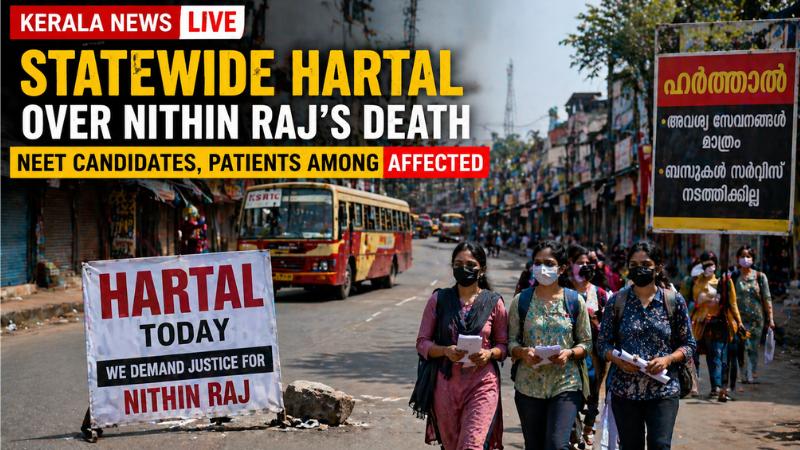
A statewide hartal called in Kerala on April 28, 2026, has significantly disrupted daily life, with public transport services coming to a near standstill and thousands of commuters stranded across the state. The protest was triggered by the death of Nithin Raj, which has sparked widespread outrage and led to demonstrations in multiple districts. According to reports, private buses, taxis, and auto-rickshaws largely stayed off the roads as protestors enforced the hartal. Shops, comme
Statewide Kerala Protest After Nithin Raj Death Affects Buses, Patients And Students
A statewide hartal called in Kerala on April 28, 2026, has significantly disrupted daily life, with public transport services coming to a near standstill and thousands of commuters stranded across the state. The protest was triggered by the death of Nithin Raj, which has sparked widespread outrage and led to demonstrations in multiple districts. According to reports, private buses, taxis, and auto-rickshaws largely stayed off the roads as protestors enforced the hartal. Shops, comme
Ajit Doval’s covert operations reveal the discipline behind intelligence work
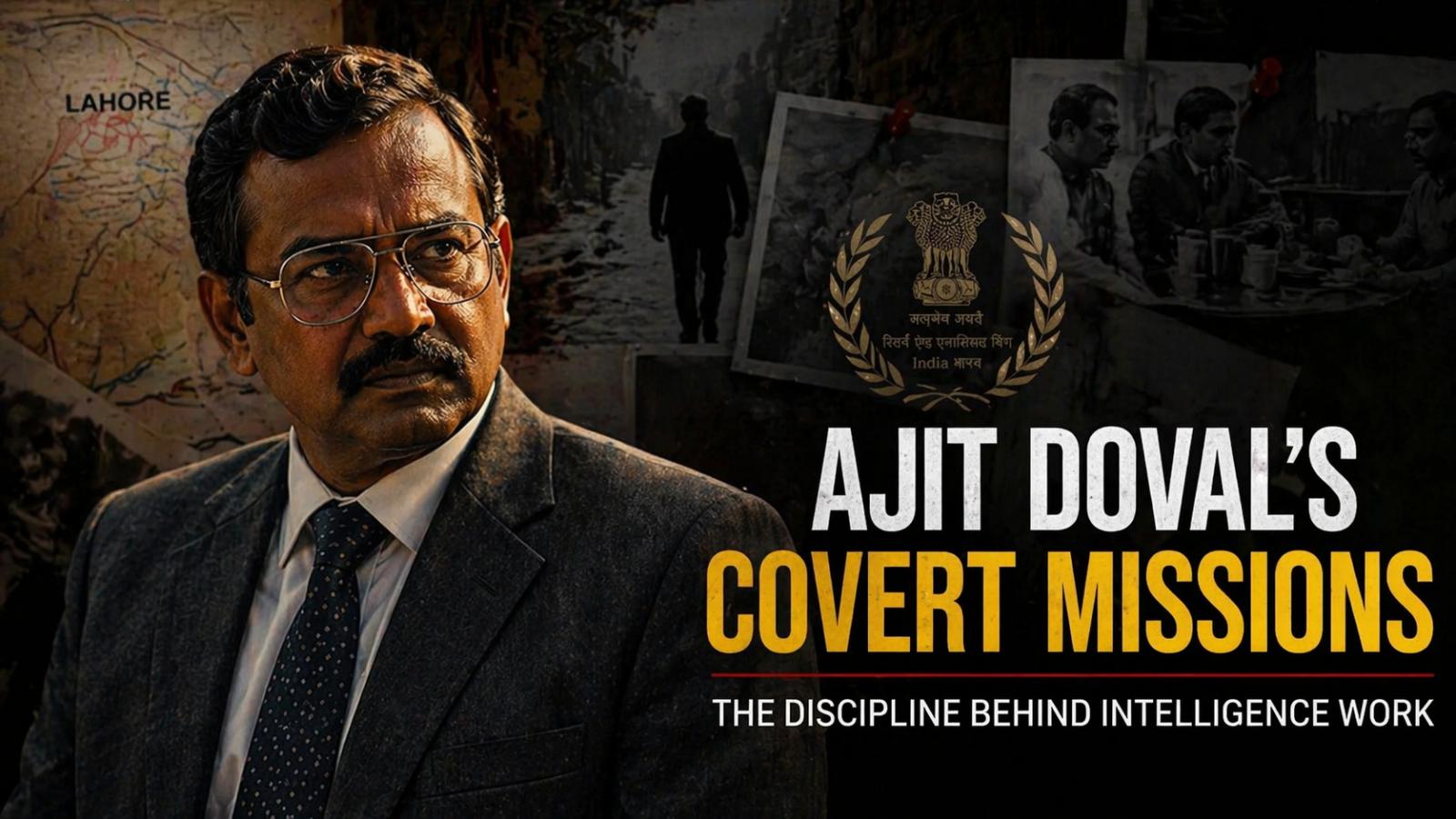
Ajit Doval’s reported deep-cover operations are widely regarded as a study in psychological resilience rather than physical confrontation. Operating within hostile environments, including extended periods in Pakistan, his work required a high degree of composure, adaptability, and continuous situational awareness. Public discussions often reference cities such as Lahore, though specific operational details remain classified. The available accounts suggest that Doval functioned under an assu
Ajit Doval’s covert operations reveal the discipline behind intelligence work
Ajit Doval’s reported deep-cover operations are widely regarded as a study in psychological resilience rather than physical confrontation. Operating within hostile environments, including extended periods in Pakistan, his work required a high degree of composure, adaptability, and continuous situational awareness. Public discussions often reference cities such as Lahore, though specific operational details remain classified. The available accounts suggest that Doval functioned under an assu
Global military spending hits $2.9 trillion in 2025 amid rising tensions
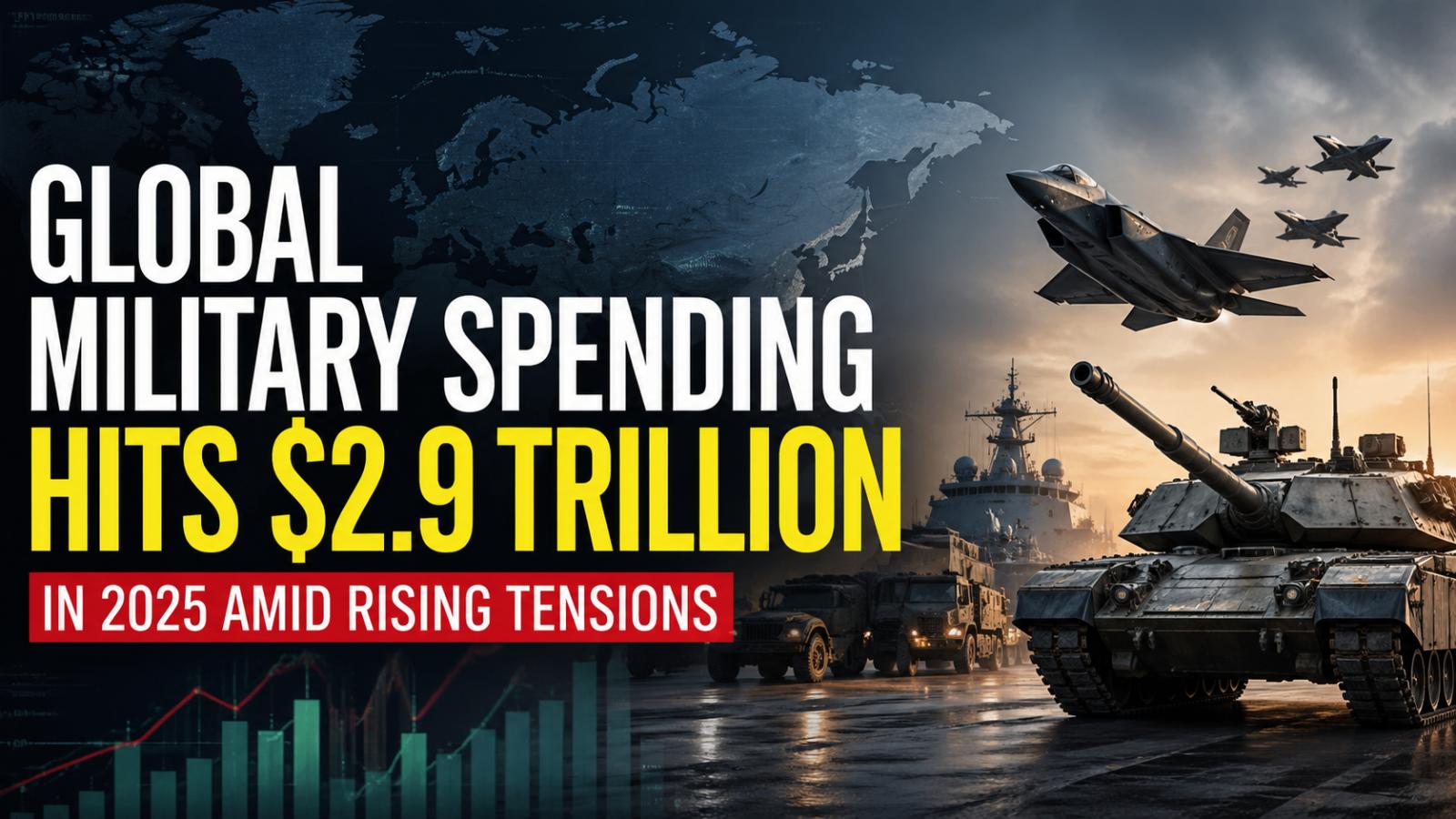
Global military spending 2025 overview Global military spending in 2025 has reached nearly $2.9 trillion, clearly showing how countries are increasing defence budgets as global tensions continue to rise. The total spending stood at $2887 billion in 2025, marking a 2.9 per cent increase from 2024, highlighting a steady rise in military expenditure trends worldwide. This reflects a world becoming less secure, with nations investing more in defence to protect themselves. The United States, Russia, and China remained the top three military spenders, with a combined total of $1.48 trillion. These nations continue to dominate global defence spending, shaping international security dynamics. Experts say this rise in defence budget growth shows that countries are preparing for both current conflicts and future uncertainties. Europe witnessed a major surge, with military spending increasing by 14 per cent to $864 billion in 2025. This sharp rise is mainly driven by the ongoing Russia-Ukraine war and reduced dependence on the United States for security. Countries like Germany increased spending by 24 per cent to $114 billion, while Spain recorded a significant 50 per cent jump to $40.2 billion, crossing two per cent of GDP for the first time in decades. The United States remained the largest spender despite a decline of 7.5 per cent, bringing its total to $954 billion in 2025. The decrease is linked to reduced financial aid approvals for Ukraine, although future budgets suggest spending could exceed $1 trillion in 2026, indicating a possible rebound. In Eastern Europe, Russia increased its military expenditure by 5.9 per cent to $190 billion, while Ukraine saw a sharp rise of 20 per cent to $84.1 billion. Ukraine’s defence spending now accounts for a large share of its GDP, showing the intensity of the ongoing conflict. Asia and Oceania recorded one of the fastest growth rates, with spending reaching $681 billion in 2025, an 8.5 per cent increase. China led the region with $336 billion, followed by Japan and India. India increased its defence budget by 8.9 per cent to $92.1 billion, making it the fifth-largest military spender globally. This growth highlights rising security concerns across the region. In the Middle East, spending patterns were mixed. Iran’s defence expenditure fell by 5.6 per cent to $7.4 billion, mainly due to high inflation. Israel also saw a decline of 4.9 per cent to $48.3 billion after reducing military operations following a ceasefire in early 2025, although its spending remains significantly higher compared to earlier years. Regional tensions continue to influence defence strategies across the Middle East. Overall, the SIPRI report shows that global military spending is steadily increasing as countries respond to rising geopolitical tensions and conflicts. The trend highlights a shift toward stronger military preparedness, reflecting uncertainty in the global security environment.

Global military spending hits $2.9 trillion in 2025 amid rising tensions
Global military spending 2025 overview Global military spending in 2025 has reached nearly $2.9 trillion, clearly showing how countries are increasing defence budgets as global tensions continue to rise. The total spending stood at $2887 billion in 2025, marking a 2.9 per cent increase from 2024, highlighting a steady rise in military expenditure trends worldwide. This reflects a world becoming less secure, with nations investing more in defence to protect themselves. The United States, Russia, and China remained the top three military spenders, with a combined total of $1.48 trillion. These nations continue to dominate global defence spending, shaping international security dynamics. Experts say this rise in defence budget growth shows that countries are preparing for both current conflicts and future uncertainties. Europe witnessed a major surge, with military spending increasing by 14 per cent to $864 billion in 2025. This sharp rise is mainly driven by the ongoing Russia-Ukraine war and reduced dependence on the United States for security. Countries like Germany increased spending by 24 per cent to $114 billion, while Spain recorded a significant 50 per cent jump to $40.2 billion, crossing two per cent of GDP for the first time in decades. The United States remained the largest spender despite a decline of 7.5 per cent, bringing its total to $954 billion in 2025. The decrease is linked to reduced financial aid approvals for Ukraine, although future budgets suggest spending could exceed $1 trillion in 2026, indicating a possible rebound. In Eastern Europe, Russia increased its military expenditure by 5.9 per cent to $190 billion, while Ukraine saw a sharp rise of 20 per cent to $84.1 billion. Ukraine’s defence spending now accounts for a large share of its GDP, showing the intensity of the ongoing conflict. Asia and Oceania recorded one of the fastest growth rates, with spending reaching $681 billion in 2025, an 8.5 per cent increase. China led the region with $336 billion, followed by Japan and India. India increased its defence budget by 8.9 per cent to $92.1 billion, making it the fifth-largest military spender globally. This growth highlights rising security concerns across the region. In the Middle East, spending patterns were mixed. Iran’s defence expenditure fell by 5.6 per cent to $7.4 billion, mainly due to high inflation. Israel also saw a decline of 4.9 per cent to $48.3 billion after reducing military operations following a ceasefire in early 2025, although its spending remains significantly higher compared to earlier years. Regional tensions continue to influence defence strategies across the Middle East. Overall, the SIPRI report shows that global military spending is steadily increasing as countries respond to rising geopolitical tensions and conflicts. The trend highlights a shift toward stronger military preparedness, reflecting uncertainty in the global security environment.



India economy faces slowdown risks amid rising crude oil prices
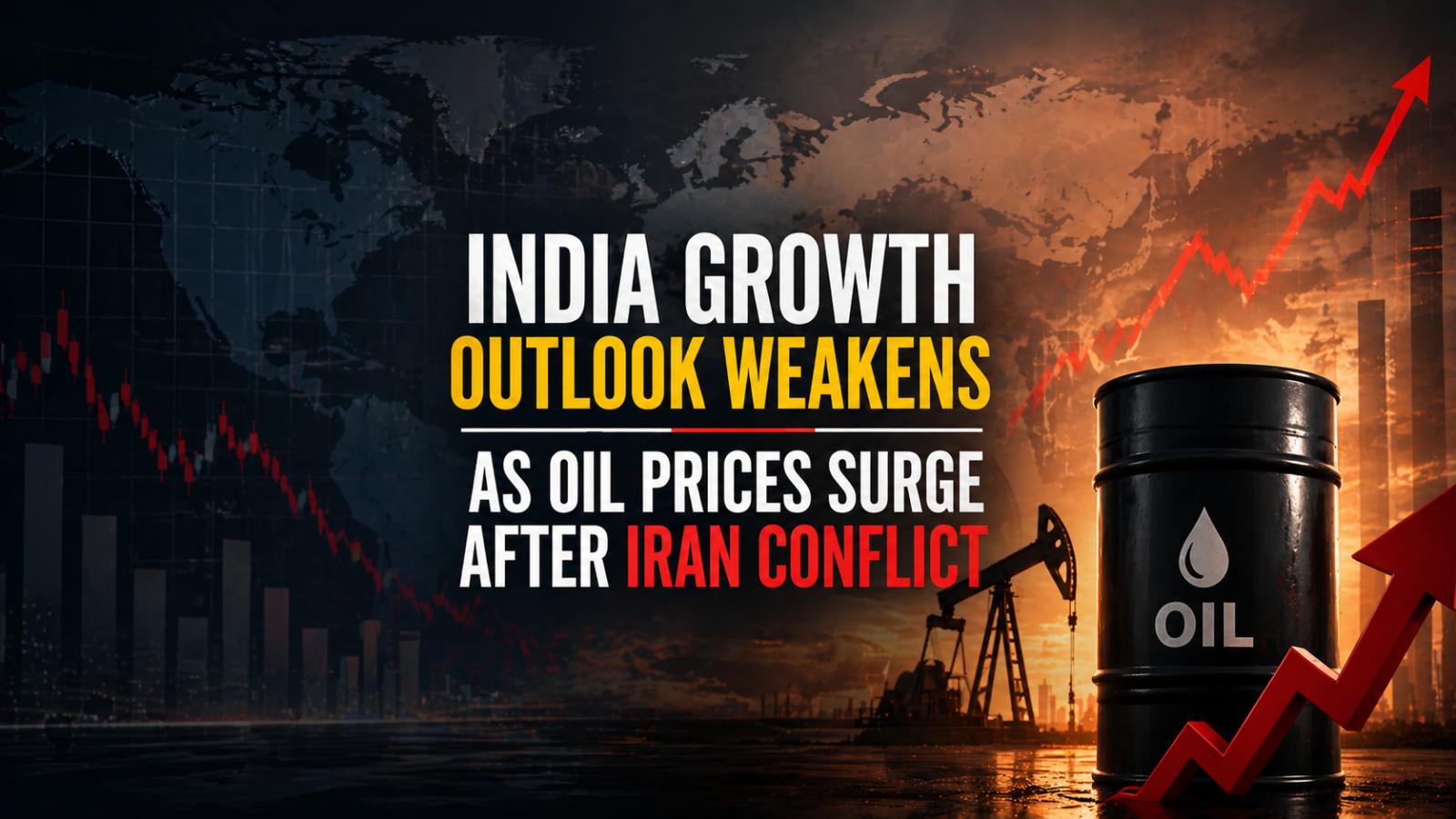
India growth slowdown: oil price surge impacts economy India growth slowdown has become a major concern after crude oil prices crossed $100 per barrel following tensions linked to the Iran conflict. The sharp increase in energy costs is already affecting corporate earnings and is expected to impact the FY27 outlook, according to analysts tracking the India economy slowdown. The rising oil price surge is not seen as a short-term issue. Higher crude oil prices are likely to continue putting pressure on multiple sectors including consumer, auto, and financial industries. JP Morgan has warned that supply disruptions and elevated energy costs India could persist for months, even after a ceasefire, delaying full normalization. The firm has reduced its FY27 earnings forecast by 2–10 percent across major sectors, highlighting the growing risks to corporate earnings India. Experts point out that the impact will be visible in different ways. Companies may face margin compression, reduced demand, and operational challenges, while consumers may experience the effects through higher prices and inflation India. These combined factors are expected to slow overall economic momentum. Market estimates show that Nifty EPS growth could drop sharply from earlier expectations of around 15 percent to nearly 7–8 percent if crude oil prices remain high. Key industries such as automobiles, oil and gas, and airlines are likely to be the most affected due to their heavy dependence on fuel. Despite these pressures, India Inc revenue growth remains stable, but the growth pattern is shifting from volume-driven to price-led expansion. This means companies are increasing prices to maintain revenues, a strategy that may not be sustainable if inflation continues to rise. West Asia continues to play a crucial role in India’s economy. The region accounts for a significant share of exports and remittances, making India highly sensitive to disruptions in West Asia trade and income flows. Any prolonged instability could further deepen the India growth slowdown. Investor sentiment has also weakened amid global uncertainty. Foreign portfolio investors have turned net sellers, with total FPI outflows reaching nearly ₹1.68 trillion since early 2026, reflecting concerns over geopolitical risks and economic stability.
India economy faces slowdown risks amid rising crude oil prices
India growth slowdown: oil price surge impacts economy India growth slowdown has become a major concern after crude oil prices crossed $100 per barrel following tensions linked to the Iran conflict. The sharp increase in energy costs is already affecting corporate earnings and is expected to impact the FY27 outlook, according to analysts tracking the India economy slowdown. The rising oil price surge is not seen as a short-term issue. Higher crude oil prices are likely to continue putting pressure on multiple sectors including consumer, auto, and financial industries. JP Morgan has warned that supply disruptions and elevated energy costs India could persist for months, even after a ceasefire, delaying full normalization. The firm has reduced its FY27 earnings forecast by 2–10 percent across major sectors, highlighting the growing risks to corporate earnings India. Experts point out that the impact will be visible in different ways. Companies may face margin compression, reduced demand, and operational challenges, while consumers may experience the effects through higher prices and inflation India. These combined factors are expected to slow overall economic momentum. Market estimates show that Nifty EPS growth could drop sharply from earlier expectations of around 15 percent to nearly 7–8 percent if crude oil prices remain high. Key industries such as automobiles, oil and gas, and airlines are likely to be the most affected due to their heavy dependence on fuel. Despite these pressures, India Inc revenue growth remains stable, but the growth pattern is shifting from volume-driven to price-led expansion. This means companies are increasing prices to maintain revenues, a strategy that may not be sustainable if inflation continues to rise. West Asia continues to play a crucial role in India’s economy. The region accounts for a significant share of exports and remittances, making India highly sensitive to disruptions in West Asia trade and income flows. Any prolonged instability could further deepen the India growth slowdown. Investor sentiment has also weakened amid global uncertainty. Foreign portfolio investors have turned net sellers, with total FPI outflows reaching nearly ₹1.68 trillion since early 2026, reflecting concerns over geopolitical risks and economic stability.