



















Indian Student Makkena Prasanna Dies in New Jersey Crash
Indian student Makkena Prasanna, 27, died in a New Jersey crash while traveling with friends. The Andhra Pradesh native had completed a master’s degree in the United States, and her family is seeking government help to return her remains to India Indian student Makkena Prasanna, 27, died in a car crash in New Jersey on Tuesday, July 14, 2026, according to reports from India. Three friends traveling with her were reportedly
Indian Student Makkena Prasanna Dies in New Jersey Crash
Indian student Makkena Prasanna, 27, died in a New Jersey crash while traveling with friends. The Andhra Pradesh native had completed a master’s degree in the United States, and her family is seeking government help to return her remains to India Indian student Makkena Prasanna, 27, died in a car crash in New Jersey on Tuesday, July 14, 2026, according to reports from India. Three friends traveling with her were reportedly
Indian-American Student Leads 300 NJROTC Cadets in New York
Indian-American student Riddhi Chauhan, 17, leads nearly 300 NJROTC cadets at Benjamin N. Cardozo High School in Queens. Her command experience and admission to the Naval Academy Preparatory School mark major steps toward her goal of becoming a U.S. Navy officer. Indian-American student Riddhi Chauhan leads nearly 300 NJROTC cadets at Benjamin N. Cardozo High School in Queens, New York, while preparing to pursue a future c
Indian-American Student Leads 300 NJROTC Cadets in New York
Indian-American student Riddhi Chauhan, 17, leads nearly 300 NJROTC cadets at Benjamin N. Cardozo High School in Queens. Her command experience and admission to the Naval Academy Preparatory School mark major steps toward her goal of becoming a U.S. Navy officer. Indian-American student Riddhi Chauhan leads nearly 300 NJROTC cadets at Benjamin N. Cardozo High School in Queens, New York, while preparing to pursue a future c
Sydney Maitri Grant Builds New India-Australia Music Alliance
The University of Sydney has received a $180,000 Maitri Grant to create a three-year music partnership with India’s Subramaniam Academy of Performing Arts. The project will support student travel, staff exchanges, curriculum development and community programs across Sydney and Bengaluru. Sydney Maitri Grant supports three-year partnership The University??
Sydney Maitri Grant Builds New India-Australia Music Alliance
The University of Sydney has received a $180,000 Maitri Grant to create a three-year music partnership with India’s Subramaniam Academy of Performing Arts. The project will support student travel, staff exchanges, curriculum development and community programs across Sydney and Bengaluru. Sydney Maitri Grant supports three-year partnership The University??
Australia Assures Indian Students of Fair Study Opportunities
Australia has assured India that opportunities for Indian students in Australia will remain open and fair despite visa delays and stricter assessments. The MEA also rejected reports of broad application restrictions and highlighted expanding university partnerships. Australia Assures Indian Students of Fair Study Opportunities Australia has assured India that genuine India
Australia Assures Indian Students of Fair Study Opportunities
Australia has assured India that opportunities for Indian students in Australia will remain open and fair despite visa delays and stricter assessments. The MEA also rejected reports of broad application restrictions and highlighted expanding university partnerships. Australia Assures Indian Students of Fair Study Opportunities Australia has assured India that genuine India
Indian Student Dies in North Carolina in Reported Carbon Monoxide Case
An Indian student dies in North Carolina after a reported carbon monoxide poisoning incident inside a parked car, according to details shared in a social media post. Rathan Kishore, who reportedly moved to the United States in 2024 to pursue his Master’s degree, died on Sunday, June 28, 2026, after allegedly sleeping inside a parked vehicle with the engine running. Indian Student Dies in North Carolina After Reported Car I
Indian Student Dies in North Carolina in Reported Carbon Monoxide Case
An Indian student dies in North Carolina after a reported carbon monoxide poisoning incident inside a parked car, according to details shared in a social media post. Rathan Kishore, who reportedly moved to the United States in 2024 to pursue his Master’s degree, died on Sunday, June 28, 2026, after allegedly sleeping inside a parked vehicle with the engine running. Indian Student Dies in North Carolina After Reported Car I
Telangana Student Found Dead In London, Family Seeks Govt Help
Telangana student Srinath Reddy, 25, from Kamareddy district, was found dead in England on June 23, leaving his family seeking government help to bring his body back to India. Srinath Reddy was a native of Talamadla village in Rajampet mandal of Kamareddy district. He had gone to England around 14 months ago for higher studies and was pursuing his MS at Leicester University. Telangana Student Found Dea
Telangana Student Found Dead In London, Family Seeks Govt Help
Telangana student Srinath Reddy, 25, from Kamareddy district, was found dead in England on June 23, leaving his family seeking government help to bring his body back to India. Srinath Reddy was a native of Talamadla village in Rajampet mandal of Kamareddy district. He had gone to England around 14 months ago for higher studies and was pursuing his MS at Leicester University. Telangana Student Found Dea
Indian Student Injured in Montgomery Crash Remains Unconscious
An Indian student injured in a Montgomery crash remains unconscious in an Alabama intensive care unit as friends seek help with treatment and rehabilitation costs. Sai Teja, 27, is receiving care at Baptist Medical Center South after suffering a severe brain injury, a fractured jaw and a fractured left leg, according to a fundraiser organized by his friend Akhil. Indian student injured in Montgomery crash faces long recovery The fundraiser says
Indian Student Injured in Montgomery Crash Remains Unconscious
An Indian student injured in a Montgomery crash remains unconscious in an Alabama intensive care unit as friends seek help with treatment and rehabilitation costs. Sai Teja, 27, is receiving care at Baptist Medical Center South after suffering a severe brain injury, a fractured jaw and a fractured left leg, according to a fundraiser organized by his friend Akhil. Indian student injured in Montgomery crash faces long recovery The fundraiser says
Federal Judge Blocks $100,000 H-1B Fee, Easing Indian Student Concerns
The H-1B visa fee ruling has eased concerns for Indian students, skilled workers and US employers after a federal judge in Boston blocked the Trump administration’s proposed $100,000 fee on new H-1B visa petitions. US District Judge Leo Sorokin ruled on Monday, June 8, 2026, that the fee was unlawful because it effectively operated as a tax on H-1B petitions without approval from Congress. The policy, announced on Friday, September 19, 2025, had raised immediate concern among stud
Federal Judge Blocks $100,000 H-1B Fee, Easing Indian Student Concerns
The H-1B visa fee ruling has eased concerns for Indian students, skilled workers and US employers after a federal judge in Boston blocked the Trump administration’s proposed $100,000 fee on new H-1B visa petitions. US District Judge Leo Sorokin ruled on Monday, June 8, 2026, that the fee was unlawful because it effectively operated as a tax on H-1B petitions without approval from Congress. The policy, announced on Friday, September 19, 2025, had raised immediate concern among stud
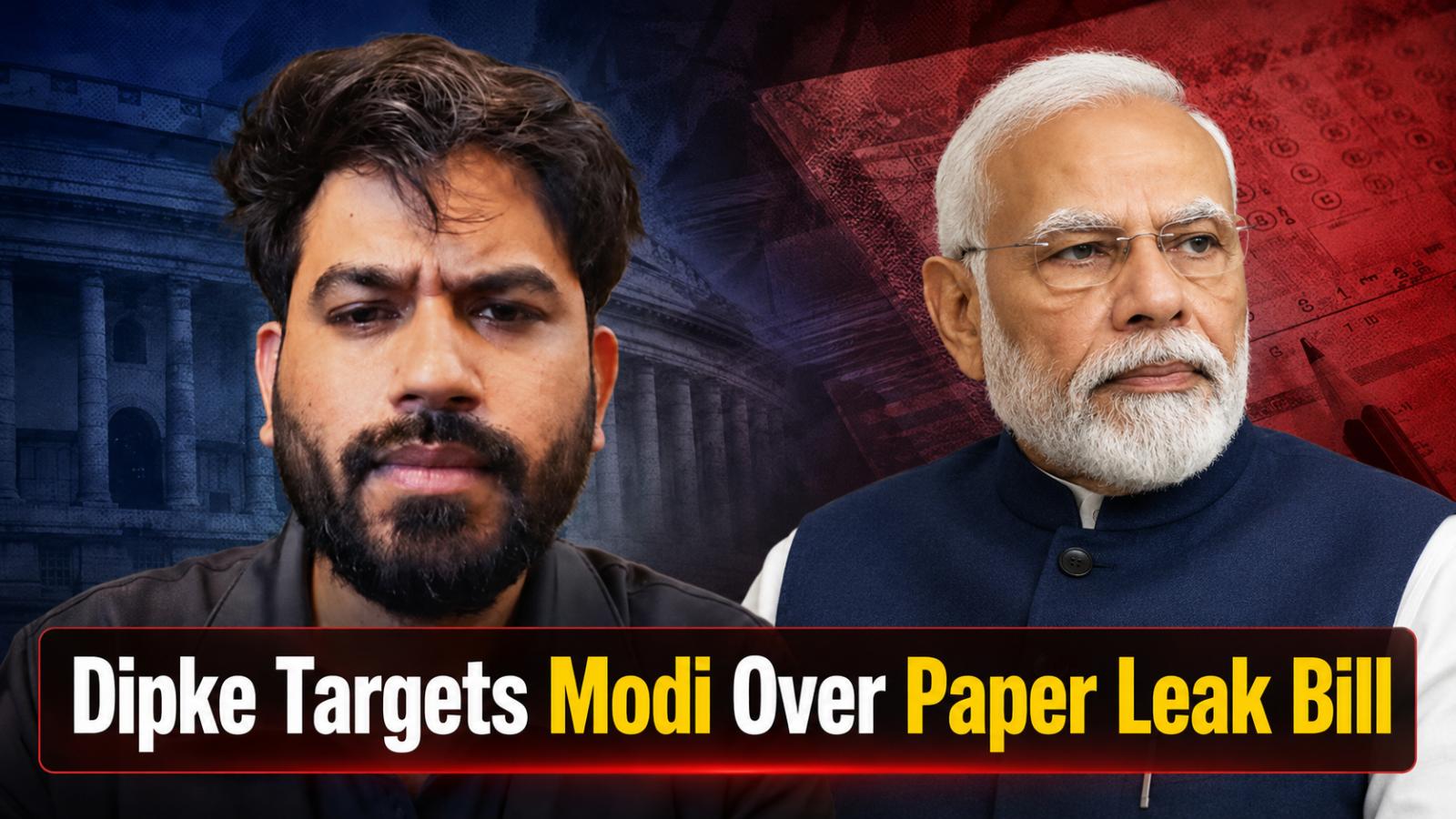
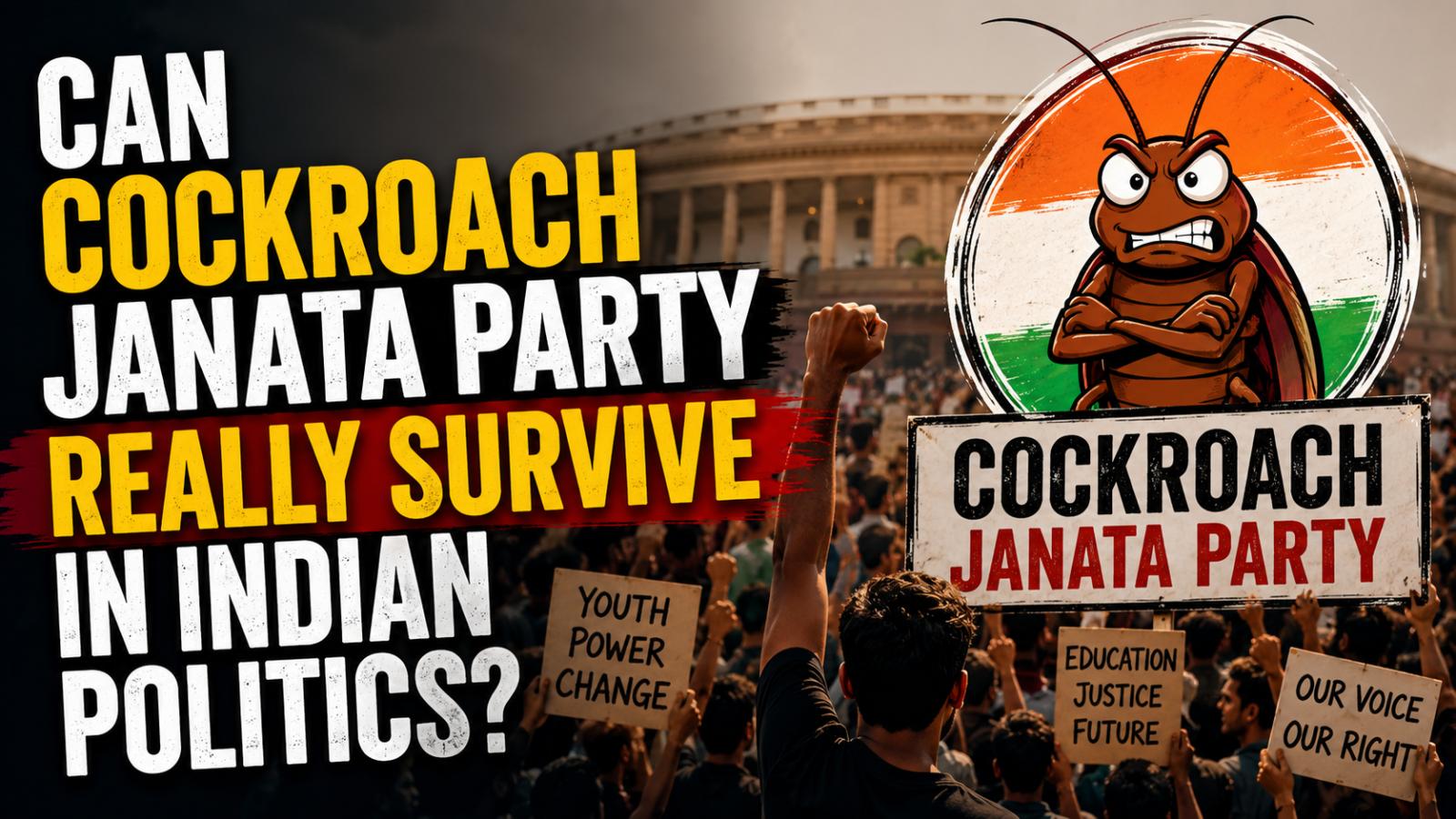
Cockroach Janta Party Sparks Youth Protest Over Exam Leaks in India
Cockroach Janta Party Founder Reaches Delhi as Youth Anger Over Exams and Jobs Grows After years of exam controversies, paper leak allegations, high unemployment, and shrinking opportunities, frustration among India’s youth is turning into open anger both online and on the streets. A growing number of young Indians are now demanding accountability from the system. Abhijeet Dipke, a 30-year-old Boston University graduate and founder of the satirical Cockroach Ja
Cockroach Janta Party Sparks Youth Protest Over Exam Leaks in India
Cockroach Janta Party Founder Reaches Delhi as Youth Anger Over Exams and Jobs Grows After years of exam controversies, paper leak allegations, high unemployment, and shrinking opportunities, frustration among India’s youth is turning into open anger both online and on the streets. A growing number of young Indians are now demanding accountability from the system. Abhijeet Dipke, a 30-year-old Boston University graduate and founder of the satirical Cockroach Ja
Trump Immigration Curbs Blocked by US Court
A recent US federal court ruling has brought temporary relief to many immigrants affected by strict immigration restrictions introduced by President Donald Trump’s administration. The court blocked immigration curbs that had slowed or paused several applications, including asylum cases, work permits, green cards and citizenship-related processes for people from 39 countries. India was not part of the restricted country list. So, Indian citizens do not receive direct relief from th
Trump Immigration Curbs Blocked by US Court
A recent US federal court ruling has brought temporary relief to many immigrants affected by strict immigration restrictions introduced by President Donald Trump’s administration. The court blocked immigration curbs that had slowed or paused several applications, including asylum cases, work permits, green cards and citizenship-related processes for people from 39 countries. India was not part of the restricted country list. So, Indian citizens do not receive direct relief from th
Indian-Origin Jersey City Boy Ishaan Gupta Finishes Second at Scripps Bee
Indian-origin Jersey City speller Ishaan Gupta finished second at the 2026 Scripps National Spelling Bee after a tense 90-second spell-off in Washington, D.C. The 12-year-old seventh-grader from Jersey City, New Jersey, earned national attention with a runner-up finish and a $25,000 prize. Who Is Ishaan Gupta, the Indian-Origin Jersey City Speller? Gupta represented Hudson County on the national stage after adv
Indian-Origin Jersey City Boy Ishaan Gupta Finishes Second at Scripps Bee
Indian-origin Jersey City speller Ishaan Gupta finished second at the 2026 Scripps National Spelling Bee after a tense 90-second spell-off in Washington, D.C. The 12-year-old seventh-grader from Jersey City, New Jersey, earned national attention with a runner-up finish and a $25,000 prize. Who Is Ishaan Gupta, the Indian-Origin Jersey City Speller? Gupta represented Hudson County on the national stage after adv
Cockroach Janta Party Founder’s Parents Fear Arrest After Viral Rise
Cockroach Janta Party’s sudden viral rise has made founder Abhijeet Dipke a social media sensation, but his parents fear the political satire platform may land him in trouble. The sudden rise of the satirical digital platform Cockroach Janta Party has turned its founder Abhijeet Dipke into a social media talking point, but back home in Maharashtra, his parents are losing sleep over what this unexpected fame could bring next. The platform, popularly known as CJP,
Cockroach Janta Party Founder’s Parents Fear Arrest After Viral Rise
Cockroach Janta Party’s sudden viral rise has made founder Abhijeet Dipke a social media sensation, but his parents fear the political satire platform may land him in trouble. The sudden rise of the satirical digital platform Cockroach Janta Party has turned its founder Abhijeet Dipke into a social media talking point, but back home in Maharashtra, his parents are losing sleep over what this unexpected fame could bring next. The platform, popularly known as CJP,
India to Dallas Student Packing Checklist
Traveling from India to Dallas for university is exciting, but packing for the first time can feel confusing. Many students worry about what to carry, what to avoid, how much grocery to pack and which items should go in cabin baggage. This guide gives a practical packing checklist for Indian students moving to Dallas. The goal is simple: carry what helps you during the first few weeks and buy heavy, common items after reaching the United States. Check Your Baggage
India to Dallas Student Packing Checklist
Traveling from India to Dallas for university is exciting, but packing for the first time can feel confusing. Many students worry about what to carry, what to avoid, how much grocery to pack and which items should go in cabin baggage. This guide gives a practical packing checklist for Indian students moving to Dallas. The goal is simple: carry what helps you during the first few weeks and buy heavy, common items after reaching the United States. Check Your Baggage
Indian Student Grocery Packing Guide for Dallas
For Indian students traveling to Dallas for the first time, grocery packing can be confusing. Many students wonder whether they should carry rice, dal, atta, masalas, snacks, ready-to-eat packets or other food items from India. The simple answer is this: carry only a small grocery starter kit for the first one or two weeks. Dallas has a large Indian community and good Indian grocery availability, so students do not need to fill their luggage with food. For most students, grocery packing should be about first-week comfort, not long-term storage. How Much Grocery Should Indian Students Carry to Dallas? For most Indian students, 3 kg to 4 kg of groceries is enough. Even if a student has around 44 kg to 46 kg of check-in luggage, groceries should take only a small part of that space. The remaining luggage is more useful for clothes, winter wear, documents, medicines, laptop items, shoes and student essentials. A practical grocery weight plan looks like this: Spices and masalas: 500g to 700g Ready-to-eat food: 1 kg to 1.5 kg Instant mixes: 500g to 800g Snacks and biscuits: 500g to 800g Tea, coffee or small pickle: 300g to 500g Total ideal grocery weight: 2.5 kg to 3.5 kg Maximum suggested grocery weight: 4 kg Why Carry Groceries From India? Indian students should carry groceries mainly for convenience during the first few days after landing. After reaching Dallas, students may be busy with airport travel, housing setup, university formalities, SIM card, bank account work and transportation. During this time, a few ready-to-eat packets, instant mixes and familiar snacks can be helpful. Some students may also prefer carrying their favorite regional masalas, chutney powder, sambar powder, rasam powder or tea brand because the exact taste may not be immediately available near their apartment. However, students should not treat groceries as the main part of their luggage. Best Grocery Items to Carry From India Students should carry only sealed, branded and commercially packed food items. Good options include: Ready-to-eat vegetarian packets Carry 4 to 6 packets. These are useful during the first few days when cooking may not be possible. Instant breakfast mixes Carry 2 to 3 packets of poha, upma, idli mix, dosa mix or similar items. Small masala packets Carry limited quantities of turmeric powder, chilli powder, garam masala, sambar powder, rasam powder or biryani masala. Regional taste items Students can carry chutney powder, special spice mix or a favorite regional masala if it is properly sealed and labelled. Tea or coffee Carry one small pack if you prefer a specific Indian brand. Snacks Carry 3 to 5 small packets of biscuits, namkeen, khakhra, chikki or dry snacks for travel and the first week. Pickle Carry only one small sealed branded bottle if needed. Pack it carefully in check-in baggage to avoid leakage. What Not to Carry From India: Buy These in Dallas Instead Indian students traveling to Dallas should avoid carrying heavy daily groceries such as rice, dal, atta, oil, ghee, sugar and salt. These items are easily available in Indian grocery stores across the Dallas-Fort Worth area and can be bought after arrival. Carrying these items from India usually does not help much because they take up luggage space, add weight quickly and are not difficult to find in Dallas. A student’s check-in baggage is better used for clothes, winter wear, documents, medicines, personal items and first-week essentials. Students should also avoid carrying fresh fruits, fresh vegetables, curry leaves, coriander leaves, mint leaves, seeds, plants, soil, homemade pickles, homemade chutneys, meat products, egg-based food items and loose masala powders without original labels. These items may create problems during U.S. customs inspection. For regular cooking after arrival, students can buy rice, dal, atta, oil, ghee, vegetables, paneer, frozen chapati, dosa batter, snacks and larger masala packs from local Indian grocery stores in Dallas. The best approach is simple: carry only 3 kg to 4 kg of sealed, dry, branded food items from India and buy heavy regular groceries after reaching Dallas. Should Groceries Go in Check-In or Cabin Baggage? Students should keep almost all groceries in check-in baggage. Check-in baggage is better for: Masala powders Sambar powder Rasam powder Chutney powder Ready-to-eat packets Instant mixes Pickle bottles Tea or coffee Snacks in larger quantities Cabin baggage should carry only small travel snacks such as biscuits, dry fruits, chocolate, protein bars or one small namkeen packet. Avoid keeping pickle, chutney, liquid food, large masala packets or too many powders in cabin baggage. This can create extra security checking during travel. How to Pack Groceries Safely Students should keep grocery packing simple and clean. Use original sealed packets. Do not open and repack masalas into plain covers. Keep all food items together in one transparent plastic bag or pouch inside checked baggage. Double-wrap pickle or liquid-based items. Avoid glass bottles if possible. Keep food away from clothes. Do not carry anything that smells strongly or leaks easily. Keep total grocery weight below 4 kg. U.S. Customs Rule: Declare Food Items Students should declare all food items when entering the United States. If asked at the airport, students can clearly say: “I have sealed Indian dry spices, vegetarian ready-to-eat packets, tea and snacks. I am not carrying fresh fruits, vegetables, meat, seeds or plants.” Declaring food is safer than hiding it. If an officer decides that an item is not allowed, it may be removed, but proper declaration helps avoid bigger problems. What to Buy After Reaching Dallas After arrival, students can buy regular cooking items locally. See our guide to Indian grocery stores in Dallas-Fort Worth for nearby stores, timings and shopping options. After reaching Dallas, students can buy regular Indian groceries locally instead of carrying heavy items from India. Indian grocery stores in the Dallas-Fort Worth area usually sell daily cooking items, Indian snacks, masalas, frozen foods, fresh vegetables and other student-friendly groceries. After arrival, students can use local Indian grocery stores for regular purchases. For store options, read our guide to Indian grocery stores in Dallas-Fort Worth. Final Grocery Packing Checklist Carry from India: 4 to 6 ready-to-eat vegetarian packets 2 to 3 instant breakfast mixes Small masala packets Sambar powder or rasam powder Chutney powder or regional spice mix Tea or coffee A few snacks One small sealed pickle bottle, optional Keep grocery weight around 3 kg to 4 kg maximum. Final Advice for Indian Students Students planning their complete luggage can also read our full India to Dallas student packing checklist for documents, clothes, toiletries, medicines, cabin bag items and first-week essentials For Indian students traveling to Dallas, groceries should be a small comfort kit, not a major part of luggage. The smartest plan is to carry a few sealed food items for the first week and buy regular groceries after reaching Dallas. This keeps luggage lighter, reduces customs risk and gives students more space for important items. Students planning their complete luggage can also read our full India to Dallas student packing checklist.
Indian Student Grocery Packing Guide for Dallas
For Indian students traveling to Dallas for the first time, grocery packing can be confusing. Many students wonder whether they should carry rice, dal, atta, masalas, snacks, ready-to-eat packets or other food items from India. The simple answer is this: carry only a small grocery starter kit for the first one or two weeks. Dallas has a large Indian community and good Indian grocery availability, so students do not need to fill their luggage with food. For most students, grocery packing should be about first-week comfort, not long-term storage. How Much Grocery Should Indian Students Carry to Dallas? For most Indian students, 3 kg to 4 kg of groceries is enough. Even if a student has around 44 kg to 46 kg of check-in luggage, groceries should take only a small part of that space. The remaining luggage is more useful for clothes, winter wear, documents, medicines, laptop items, shoes and student essentials. A practical grocery weight plan looks like this: Spices and masalas: 500g to 700g Ready-to-eat food: 1 kg to 1.5 kg Instant mixes: 500g to 800g Snacks and biscuits: 500g to 800g Tea, coffee or small pickle: 300g to 500g Total ideal grocery weight: 2.5 kg to 3.5 kg Maximum suggested grocery weight: 4 kg Why Carry Groceries From India? Indian students should carry groceries mainly for convenience during the first few days after landing. After reaching Dallas, students may be busy with airport travel, housing setup, university formalities, SIM card, bank account work and transportation. During this time, a few ready-to-eat packets, instant mixes and familiar snacks can be helpful. Some students may also prefer carrying their favorite regional masalas, chutney powder, sambar powder, rasam powder or tea brand because the exact taste may not be immediately available near their apartment. However, students should not treat groceries as the main part of their luggage. Best Grocery Items to Carry From India Students should carry only sealed, branded and commercially packed food items. Good options include: Ready-to-eat vegetarian packets Carry 4 to 6 packets. These are useful during the first few days when cooking may not be possible. Instant breakfast mixes Carry 2 to 3 packets of poha, upma, idli mix, dosa mix or similar items. Small masala packets Carry limited quantities of turmeric powder, chilli powder, garam masala, sambar powder, rasam powder or biryani masala. Regional taste items Students can carry chutney powder, special spice mix or a favorite regional masala if it is properly sealed and labelled. Tea or coffee Carry one small pack if you prefer a specific Indian brand. Snacks Carry 3 to 5 small packets of biscuits, namkeen, khakhra, chikki or dry snacks for travel and the first week. Pickle Carry only one small sealed branded bottle if needed. Pack it carefully in check-in baggage to avoid leakage. What Not to Carry From India: Buy These in Dallas Instead Indian students traveling to Dallas should avoid carrying heavy daily groceries such as rice, dal, atta, oil, ghee, sugar and salt. These items are easily available in Indian grocery stores across the Dallas-Fort Worth area and can be bought after arrival. Carrying these items from India usually does not help much because they take up luggage space, add weight quickly and are not difficult to find in Dallas. A student’s check-in baggage is better used for clothes, winter wear, documents, medicines, personal items and first-week essentials. Students should also avoid carrying fresh fruits, fresh vegetables, curry leaves, coriander leaves, mint leaves, seeds, plants, soil, homemade pickles, homemade chutneys, meat products, egg-based food items and loose masala powders without original labels. These items may create problems during U.S. customs inspection. For regular cooking after arrival, students can buy rice, dal, atta, oil, ghee, vegetables, paneer, frozen chapati, dosa batter, snacks and larger masala packs from local Indian grocery stores in Dallas. The best approach is simple: carry only 3 kg to 4 kg of sealed, dry, branded food items from India and buy heavy regular groceries after reaching Dallas. Should Groceries Go in Check-In or Cabin Baggage? Students should keep almost all groceries in check-in baggage. Check-in baggage is better for: Masala powders Sambar powder Rasam powder Chutney powder Ready-to-eat packets Instant mixes Pickle bottles Tea or coffee Snacks in larger quantities Cabin baggage should carry only small travel snacks such as biscuits, dry fruits, chocolate, protein bars or one small namkeen packet. Avoid keeping pickle, chutney, liquid food, large masala packets or too many powders in cabin baggage. This can create extra security checking during travel. How to Pack Groceries Safely Students should keep grocery packing simple and clean. Use original sealed packets. Do not open and repack masalas into plain covers. Keep all food items together in one transparent plastic bag or pouch inside checked baggage. Double-wrap pickle or liquid-based items. Avoid glass bottles if possible. Keep food away from clothes. Do not carry anything that smells strongly or leaks easily. Keep total grocery weight below 4 kg. U.S. Customs Rule: Declare Food Items Students should declare all food items when entering the United States. If asked at the airport, students can clearly say: “I have sealed Indian dry spices, vegetarian ready-to-eat packets, tea and snacks. I am not carrying fresh fruits, vegetables, meat, seeds or plants.” Declaring food is safer than hiding it. If an officer decides that an item is not allowed, it may be removed, but proper declaration helps avoid bigger problems. What to Buy After Reaching Dallas After arrival, students can buy regular cooking items locally. See our guide to Indian grocery stores in Dallas-Fort Worth for nearby stores, timings and shopping options. After reaching Dallas, students can buy regular Indian groceries locally instead of carrying heavy items from India. Indian grocery stores in the Dallas-Fort Worth area usually sell daily cooking items, Indian snacks, masalas, frozen foods, fresh vegetables and other student-friendly groceries. After arrival, students can use local Indian grocery stores for regular purchases. For store options, read our guide to Indian grocery stores in Dallas-Fort Worth. Final Grocery Packing Checklist Carry from India: 4 to 6 ready-to-eat vegetarian packets 2 to 3 instant breakfast mixes Small masala packets Sambar powder or rasam powder Chutney powder or regional spice mix Tea or coffee A few snacks One small sealed pickle bottle, optional Keep grocery weight around 3 kg to 4 kg maximum. Final Advice for Indian Students Students planning their complete luggage can also read our full India to Dallas student packing checklist for documents, clothes, toiletries, medicines, cabin bag items and first-week essentials For Indian students traveling to Dallas, groceries should be a small comfort kit, not a major part of luggage. The smartest plan is to carry a few sealed food items for the first week and buy regular groceries after reaching Dallas. This keeps luggage lighter, reduces customs risk and gives students more space for important items. Students planning their complete luggage can also read our full India to Dallas student packing checklist.
NEET UG 2026 Paper Leak Confirmed Re-Exam Scheduled June 21 Admit Cards June 14
The NEET UG 2026 exam was canceled after a confirmed paper leak, and a re-examination is scheduled for June 21 with admit cards available from June 14. Students can choose their exam city to reduce travel and ensure a fair testing process. NEET 2026 Paper Leak Confirmed Union Education Minister Dharmendra Pradhan confirmed that the NEET UG 2026 exam conducted on May 3 was compromised due to a leak facilitated through circulating guess papers. Complaints received by May 7 prompted the National Testing Agency to coordinate with central and state authorities for an immediate investigation. By May 12, officials confirmed that the original question paper had indeed been leaked. Pradhan acknowledged a “breach in the chain of command” and stated that the government is taking full responsibility for the lapse. To protect honest candidates from the effects of an organized network of fraudsters, referred to as the “education mafia,” the May 3 exam was canceled. Re-Examination Scheduled and Exam City Choice The NEET UG 2026 re-examination has been scheduled for June 21, 2026. Students will be allowed to select their preferred exam city to reduce travel burdens and ensure smoother logistics for lakhs of candidates. Admit cards will be released on June 14, and candidates can download them using their existing application credentials. Officials clarified that no fresh registration or additional fee is required, and all previous application data and exam center selections remain valid. The decision ensures fairness while maintaining the integrity of the national testing system. Transition to Computer-Based Testing From next year, NEET will shift to a computer-based test (CBT) format. This move aims to enhance exam security, reduce the risk of paper leaks, and align the test with other major competitive examinations. Students will need to adapt to digital testing methods, which will affect MBBS, BDS, and allied medical course aspirants. Investigation and Future Measures The government has ordered a CBI probe into the paper leak. Investigators are examining possible breaches at the printing and distribution stages, as well as circulation through WhatsApp and other channels. Over 22 lakh students had appeared for the original NEET UG 2026 exam. The Education Ministry emphasized that the re-exam and future digital testing reforms are designed to restore confidence in the competitive examination system and protect the interests of students nationwide. Candidates and parents are advised to monitor official NTA notifications for updates on exam schedules and guidelines.
NEET UG 2026 Paper Leak Confirmed Re-Exam Scheduled June 21 Admit Cards June 14
The NEET UG 2026 exam was canceled after a confirmed paper leak, and a re-examination is scheduled for June 21 with admit cards available from June 14. Students can choose their exam city to reduce travel and ensure a fair testing process. NEET 2026 Paper Leak Confirmed Union Education Minister Dharmendra Pradhan confirmed that the NEET UG 2026 exam conducted on May 3 was compromised due to a leak facilitated through circulating guess papers. Complaints received by May 7 prompted the National Testing Agency to coordinate with central and state authorities for an immediate investigation. By May 12, officials confirmed that the original question paper had indeed been leaked. Pradhan acknowledged a “breach in the chain of command” and stated that the government is taking full responsibility for the lapse. To protect honest candidates from the effects of an organized network of fraudsters, referred to as the “education mafia,” the May 3 exam was canceled. Re-Examination Scheduled and Exam City Choice The NEET UG 2026 re-examination has been scheduled for June 21, 2026. Students will be allowed to select their preferred exam city to reduce travel burdens and ensure smoother logistics for lakhs of candidates. Admit cards will be released on June 14, and candidates can download them using their existing application credentials. Officials clarified that no fresh registration or additional fee is required, and all previous application data and exam center selections remain valid. The decision ensures fairness while maintaining the integrity of the national testing system. Transition to Computer-Based Testing From next year, NEET will shift to a computer-based test (CBT) format. This move aims to enhance exam security, reduce the risk of paper leaks, and align the test with other major competitive examinations. Students will need to adapt to digital testing methods, which will affect MBBS, BDS, and allied medical course aspirants. Investigation and Future Measures The government has ordered a CBI probe into the paper leak. Investigators are examining possible breaches at the printing and distribution stages, as well as circulation through WhatsApp and other channels. Over 22 lakh students had appeared for the original NEET UG 2026 exam. The Education Ministry emphasized that the re-exam and future digital testing reforms are designed to restore confidence in the competitive examination system and protect the interests of students nationwide. Candidates and parents are advised to monitor official NTA notifications for updates on exam schedules and guidelines.
Cape Breton University Signs 3 India MoUs to Boost Student Pathways
Cape Breton University Expands India Push With 3 New MoUs Cape Breton University has signed three MoUs in India to expand student exchange, faculty mobility, research collaboration and Canada-linked education pathways for Indian learners. The Nova Scotia-based university’s India outreach was led by President and Vice-Chancellor David C. Dingwall, who visited New Delhi, Gurugram, Noida, Vadodara and Ahmedabad between April 27 and May 2. What Th
Cape Breton University Signs 3 India MoUs to Boost Student Pathways
Cape Breton University Expands India Push With 3 New MoUs Cape Breton University has signed three MoUs in India to expand student exchange, faculty mobility, research collaboration and Canada-linked education pathways for Indian learners. The Nova Scotia-based university’s India outreach was led by President and Vice-Chancellor David C. Dingwall, who visited New Delhi, Gurugram, Noida, Vadodara and Ahmedabad between April 27 and May 2. What Th
Texas Arrest Raises Questions Over Visa Status and Prior Charges
United States Immigration and Customs Enforcement has confirmed the arrest of a 24-year-old Indian national in Texas in connection with an alleged assault involving a woman and her young daughter. The individual, identified as Atharva Vyas, was taken into custody on April 18 in San Antonio, according to a statement released by the agency. Officials from the Department of Homeland Security stated that Vyas entered the United States in August 2023 on an F-1 student visa. Authorities allege that the incident occurred in a public park, where local law enforcement reported that the suspect forcibly grabbed a woman, causing her child to fall. The child reportedly sustained injuries, including facial trauma. The case is currently under investigation, and formal legal proceedings are expected to follow. ICE officials also referenced a prior arrest in 2023 at the University of Texas campus, where Vyas was charged with felony assault. According to the statement, he was released at the time, and no immediate immigration enforcement action was taken. Authorities further noted that his student visa was later revoked in 2025 following the earlier incident. In its remarks, the agency criticized previous enforcement decisions related to the case, stating that earlier action could have altered the course of events. Officials emphasized the importance of immigration compliance and coordination between law enforcement agencies when addressing criminal allegations involving non-citizens. The arrest has drawn attention to broader issues surrounding immigration enforcement and visa oversight in the United States. Authorities have reiterated that the investigation remains ongoing and that all individuals are entitled to due process under the law as the case proceeds through the judicial system
Texas Arrest Raises Questions Over Visa Status and Prior Charges
United States Immigration and Customs Enforcement has confirmed the arrest of a 24-year-old Indian national in Texas in connection with an alleged assault involving a woman and her young daughter. The individual, identified as Atharva Vyas, was taken into custody on April 18 in San Antonio, according to a statement released by the agency. Officials from the Department of Homeland Security stated that Vyas entered the United States in August 2023 on an F-1 student visa. Authorities allege that the incident occurred in a public park, where local law enforcement reported that the suspect forcibly grabbed a woman, causing her child to fall. The child reportedly sustained injuries, including facial trauma. The case is currently under investigation, and formal legal proceedings are expected to follow. ICE officials also referenced a prior arrest in 2023 at the University of Texas campus, where Vyas was charged with felony assault. According to the statement, he was released at the time, and no immediate immigration enforcement action was taken. Authorities further noted that his student visa was later revoked in 2025 following the earlier incident. In its remarks, the agency criticized previous enforcement decisions related to the case, stating that earlier action could have altered the course of events. Officials emphasized the importance of immigration compliance and coordination between law enforcement agencies when addressing criminal allegations involving non-citizens. The arrest has drawn attention to broader issues surrounding immigration enforcement and visa oversight in the United States. Authorities have reiterated that the investigation remains ongoing and that all individuals are entitled to due process under the law as the case proceeds through the judicial system
Mumbai BCom Question Paper Leak: Authorities Trace Source
The University of Mumbai has launched an inquiry into the alleged leak of three question papers from its third-year BCom examinations conducted between April 10 and 15. University officials confirmed that the investigation is ongoing and details are being kept confidential. They stated that strict action will be taken in accordance with rules if any individual is found guilty of involvement in the leak. The issue came to light after students approached the Akhil Bharatiya Vidyarthi
Mumbai BCom Question Paper Leak: Authorities Trace Source
The University of Mumbai has launched an inquiry into the alleged leak of three question papers from its third-year BCom examinations conducted between April 10 and 15. University officials confirmed that the investigation is ongoing and details are being kept confidential. They stated that strict action will be taken in accordance with rules if any individual is found guilty of involvement in the leak. The issue came to light after students approached the Akhil Bharatiya Vidyarthi
Karnataka High Court Directs Marks System for SSLC Third Language This Year
The Karnataka High Court has clarified that SSLC students will be awarded marks, not grades, for the third language in the current academic year. The court emphasised that any changes to examination rules, including the introduction of a grading system, can only be implemented from the next academic session and not midway through an ongoing year. The court further directed the state government to evaluate the recently concluded Senior School Leaving Certificate (SSLC) examinations s
Karnataka High Court Directs Marks System for SSLC Third Language This Year
The Karnataka High Court has clarified that SSLC students will be awarded marks, not grades, for the third language in the current academic year. The court emphasised that any changes to examination rules, including the introduction of a grading system, can only be implemented from the next academic session and not midway through an ongoing year. The court further directed the state government to evaluate the recently concluded Senior School Leaving Certificate (SSLC) examinations s
CBSE Expands Curriculum With Early AI Education From Class 3
The Central Board of Secondary Education (CBSE) has taken a significant step towards modernizing India’s education system by introducing artificial intelligence learning for students starting from Class 3. This move reflects the growing importance of digital literacy and emerging technologies in shaping the future workforce. By incorporating AI concepts at an early stage, CBSE aims to ensure that students are not just consumers of technology but also understand its fundamentals and applications. The initiative is part of a broader effort to align school education with global technological trends and prepare students for a rapidly evolving digital world. Under this new curriculum, young learners will be introduced to basic concepts of artificial intelligence through interactive and activity-based learning methods. Instead of complex coding, the focus will be on developing logical thinking, problem-solving skills, and an understanding of how AI impacts everyday life. Students will engage in simple exercises, games, and real-life examples to grasp how machines can learn and make decisions. This foundational approach ensures that children build curiosity and confidence in technology without feeling overwhelmed. Curriculum Focus and Implementation The AI curriculum for primary classes is designed to be age-appropriate and engaging. CBSE has collaborated with education experts and technology partners to create content that is both informative and easy to understand. Teachers will also receive specialized training to effectively deliver AI-related lessons in classrooms. The board plans to integrate AI topics with existing subjects, making learning more interdisciplinary and practical. This approach will help students connect theoretical knowledge with real-world applications, enhancing their overall learning experience. Impact on Students and Future Education Introducing AI learning at an early stage is expected to have a long-term impact on students’ academic and career paths. As industries increasingly rely on automation and data-driven technologies, early exposure to AI will give students a competitive edge. It will also encourage innovation and creativity among young minds, enabling them to think beyond traditional career options. Parents and educators have largely welcomed this move, seeing it as a progressive step toward building a tech-savvy generation. With this initiative, CBSE reinforces its commitment to evolving education standards and preparing students for the challenges of the future. The inclusion of artificial intelligence in the curriculum marks a shift from rote learning to skill-based education, ensuring that students are better equipped to navigate and contribute to a technology-driven world.
CBSE Expands Curriculum With Early AI Education From Class 3
The Central Board of Secondary Education (CBSE) has taken a significant step towards modernizing India’s education system by introducing artificial intelligence learning for students starting from Class 3. This move reflects the growing importance of digital literacy and emerging technologies in shaping the future workforce. By incorporating AI concepts at an early stage, CBSE aims to ensure that students are not just consumers of technology but also understand its fundamentals and applications. The initiative is part of a broader effort to align school education with global technological trends and prepare students for a rapidly evolving digital world. Under this new curriculum, young learners will be introduced to basic concepts of artificial intelligence through interactive and activity-based learning methods. Instead of complex coding, the focus will be on developing logical thinking, problem-solving skills, and an understanding of how AI impacts everyday life. Students will engage in simple exercises, games, and real-life examples to grasp how machines can learn and make decisions. This foundational approach ensures that children build curiosity and confidence in technology without feeling overwhelmed. Curriculum Focus and Implementation The AI curriculum for primary classes is designed to be age-appropriate and engaging. CBSE has collaborated with education experts and technology partners to create content that is both informative and easy to understand. Teachers will also receive specialized training to effectively deliver AI-related lessons in classrooms. The board plans to integrate AI topics with existing subjects, making learning more interdisciplinary and practical. This approach will help students connect theoretical knowledge with real-world applications, enhancing their overall learning experience. Impact on Students and Future Education Introducing AI learning at an early stage is expected to have a long-term impact on students’ academic and career paths. As industries increasingly rely on automation and data-driven technologies, early exposure to AI will give students a competitive edge. It will also encourage innovation and creativity among young minds, enabling them to think beyond traditional career options. Parents and educators have largely welcomed this move, seeing it as a progressive step toward building a tech-savvy generation. With this initiative, CBSE reinforces its commitment to evolving education standards and preparing students for the challenges of the future. The inclusion of artificial intelligence in the curriculum marks a shift from rote learning to skill-based education, ensuring that students are better equipped to navigate and contribute to a technology-driven world.


