







Finn Allen’s Explosive 100 Guides KKR to Easy Victory Over DC
Finn Allen played a blistering knock of 100* off just 47 balls to guide Kolkata Knight Riders (KKR) to a comfortable eight-wicket victory over Delhi Capitals (DC) in their IPL 2026 match at the Arun Jaitley Stadium on Friday. Chasing a modest target of 143, KKR achieved the target with 34 balls to spare, thanks to Allen’s explosive performance that included 10 sixes and five fours. Cameron Green supported with an unbeaten 33 from 27 balls, ensuring that KKR never looked in trouble.
Finn Allen’s Explosive 100 Guides KKR to Easy Victory Over DC
Finn Allen played a blistering knock of 100* off just 47 balls to guide Kolkata Knight Riders (KKR) to a comfortable eight-wicket victory over Delhi Capitals (DC) in their IPL 2026 match at the Arun Jaitley Stadium on Friday. Chasing a modest target of 143, KKR achieved the target with 34 balls to spare, thanks to Allen’s explosive performance that included 10 sixes and five fours. Cameron Green supported with an unbeaten 33 from 27 balls, ensuring that KKR never looked in trouble.

Global Survey Reveals Declining Perception of U.S. Due to Soft Power Loss
The United States’ global perception has seen a dramatic shift in recent years, with a new survey revealing that more people worldwide now view China and Russia more positively than the U.S. The annual survey, conducted by the Alliance of Democracies Foundation, polled over 94,000 people in 85 countries. This year’s results underline the growing dissatisfaction with U.S. foreign policy, with 82 of the surveyed countries holding negative views of America. One of the key themes hi
Global Survey Reveals Declining Perception of U.S. Due to Soft Power Loss
The United States’ global perception has seen a dramatic shift in recent years, with a new survey revealing that more people worldwide now view China and Russia more positively than the U.S. The annual survey, conducted by the Alliance of Democracies Foundation, polled over 94,000 people in 85 countries. This year’s results underline the growing dissatisfaction with U.S. foreign policy, with 82 of the surveyed countries holding negative views of America. One of the key themes hi

Israel Envoy Highlights Deep India-Israel Ties at Delhi Event
India-Israel Ties Take Cultural Spotlight In New Delhi India-Israel ties were in focus in New Delhi as Israeli Ambassador Reuven Azar highlighted India’s Jewish heritage, cultural openness and growing people-to-people connection during a mural event linked to Zubin Mehta and the Israel Philharmonic Orchestra. The newly commissioned mural at the Israeli Embassy celebrates Mehta’s long association with the Israel Philharmonic, which is marking its 90th
Israel Envoy Highlights Deep India-Israel Ties at Delhi Event
India-Israel Ties Take Cultural Spotlight In New Delhi India-Israel ties were in focus in New Delhi as Israeli Ambassador Reuven Azar highlighted India’s Jewish heritage, cultural openness and growing people-to-people connection during a mural event linked to Zubin Mehta and the Israel Philharmonic Orchestra. The newly commissioned mural at the Israeli Embassy celebrates Mehta’s long association with the Israel Philharmonic, which is marking its 90th

IPL 2026 Rules Shock: BCCI Cracks Down on Team Hotels, Unauthorized Access Sparks Security Alert
The Board of Control for Cricket in India has announced stricter IPL 2026 rules after multiple security breaches involving unauthorized access to players and team hotels. Why BCCI Is Tightening IPL 2026 Rules Officials confirmed that non-accredited individuals were repeatedly seen inside restricted zones—team hotels, travel groups, and even player rooms. This
IPL 2026 Rules Shock: BCCI Cracks Down on Team Hotels, Unauthorized Access Sparks Security Alert
The Board of Control for Cricket in India has announced stricter IPL 2026 rules after multiple security breaches involving unauthorized access to players and team hotels. Why BCCI Is Tightening IPL 2026 Rules Officials confirmed that non-accredited individuals were repeatedly seen inside restricted zones—team hotels, travel groups, and even player rooms. This
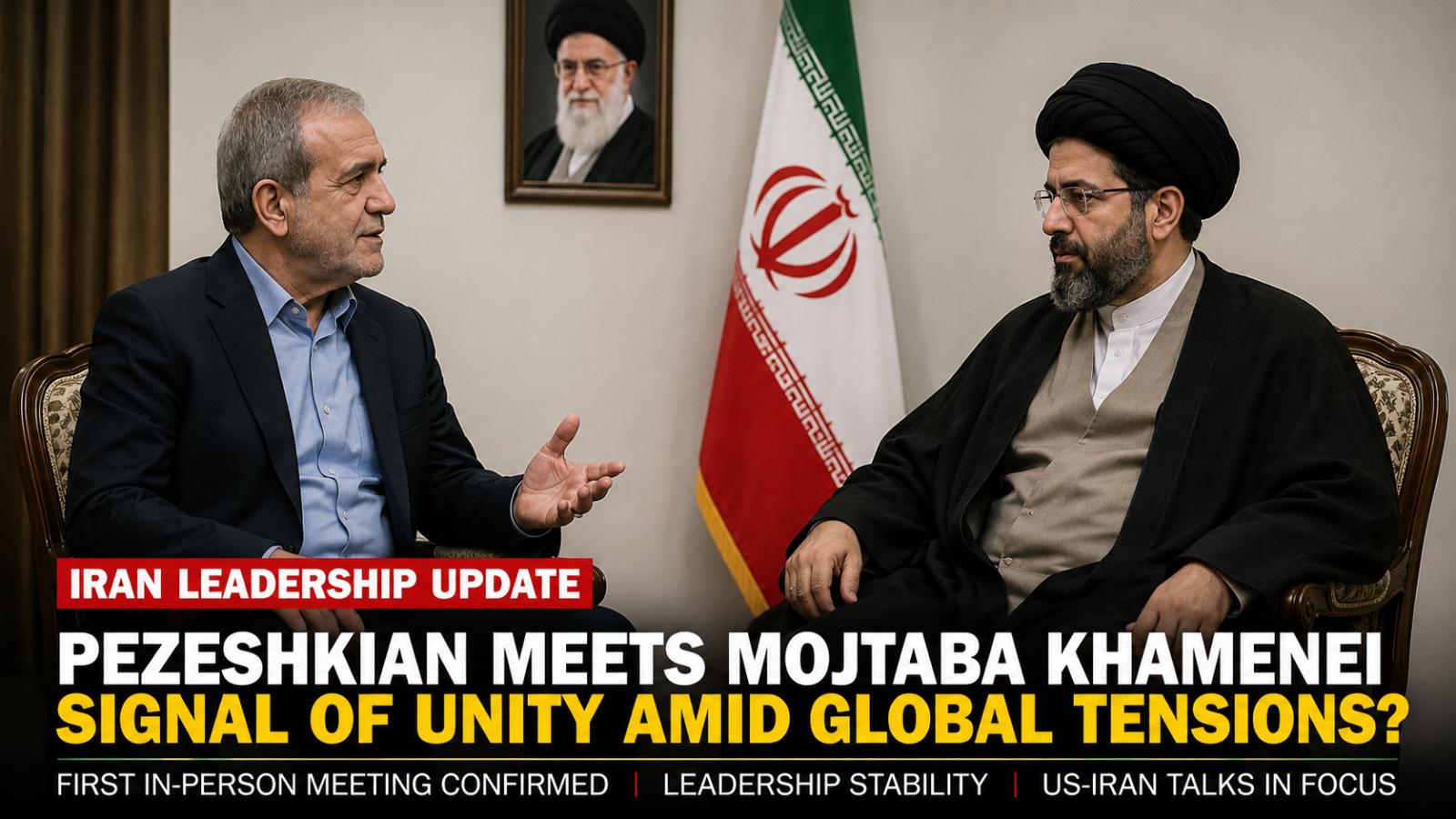
Iran Supreme Leader Mojtaba Khamenei Meets President Pezeshkian for First Time — What It Reveals About Iran’s Power Shift
Iran Leadership Transition: First Meeting Confirmed Iran’s new supreme leader Mojtaba Khamenei has held his first known in-person meeting with President Masoud Pezeshkian, signaling stability in Iran’s leadership transition. Pezeshkian confirmed the two-and-a-half-hour discussion, describing it as “constructive and based on trust,” offering the clearest sign yet of internal unity after months of uncertainty.
Iran Supreme Leader Mojtaba Khamenei Meets President Pezeshkian for First Time — What It Reveals About Iran’s Power Shift
Iran Leadership Transition: First Meeting Confirmed Iran’s new supreme leader Mojtaba Khamenei has held his first known in-person meeting with President Masoud Pezeshkian, signaling stability in Iran’s leadership transition. Pezeshkian confirmed the two-and-a-half-hour discussion, describing it as “constructive and based on trust,” offering the clearest sign yet of internal unity after months of uncertainty.
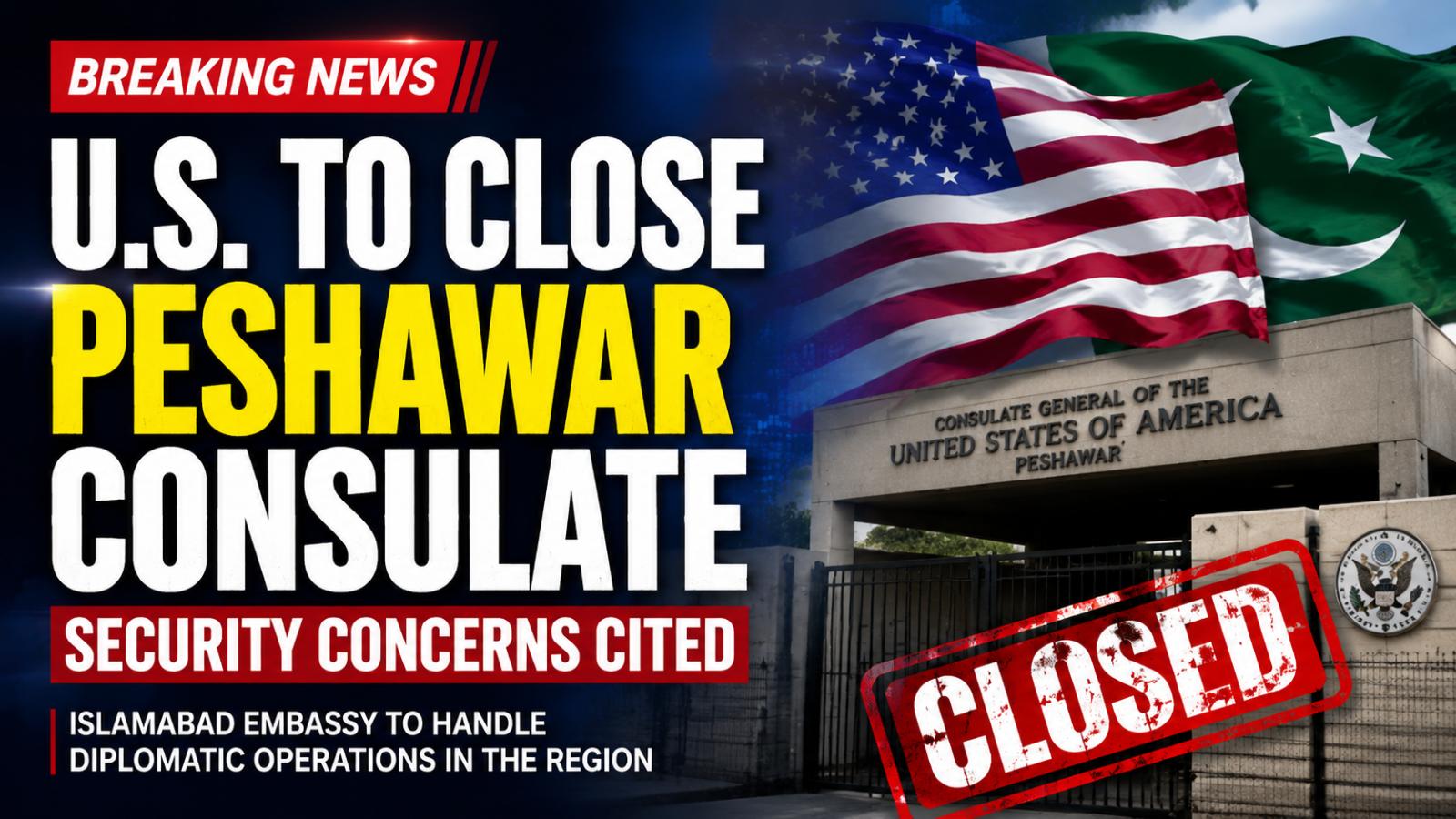
US Closes Consulate in Peshawar, Prioritizes Diplomatic Safety in Pakistan
The United States announced on May 6 that it will close its consulate in Peshawar, Pakistan, citing safety concerns for its diplomats. The U.S. State Department released a notice explaining that the decision was made in response to the region's security conditions. The embassy in Islamabad will now handle all diplomatic engagements with Khyber Pakhtunkhwa province, where Peshawar is the capital. This shift reflects the United States' commitment to the safety of its diplomatic personnel while optimizing resources. The State Department clarified that the closure is only related to the physical presence in Peshawar. U.S. policy priorities in Pakistan, however, remain unchanged. The U.S. will continue to engage with the people and officials of Khyber Pakhtunkhwa to enhance economic ties, promote regional security, and advance American interests in the region. Despite the consulate closure, the U.S. Mission to Pakistan will maintain a strong presence and continue to foster relations through its remaining diplomatic posts in Islamabad, Karachi, and Lahore. Khyber Pakhtunkhwa, which borders Afghanistan, has seen numerous security incidents due to ongoing conflicts between Pakistan's military forces and Afghan-backed militants. These tensions have heightened security concerns in the area. Additionally, protests occurred outside the U.S. consulate in Karachi following the death of Iranian Supreme Leader Ayatollah Ali Khamenei in U.S.-Israeli airstrikes. The incident led to the deaths of at least ten people in Pakistan, prompting President Asif Ali Zardari to express Pakistan's solidarity with Iran in this time of grief. Despite this, Pakistan has taken on the role of mediator in the ongoing conflict between Iran and the United States. The shift in U.S. diplomatic presence in Pakistan is part of a broader strategy to ensure safety while continuing to support strategic relationships in the region.
US Closes Consulate in Peshawar, Prioritizes Diplomatic Safety in Pakistan
The United States announced on May 6 that it will close its consulate in Peshawar, Pakistan, citing safety concerns for its diplomats. The U.S. State Department released a notice explaining that the decision was made in response to the region's security conditions. The embassy in Islamabad will now handle all diplomatic engagements with Khyber Pakhtunkhwa province, where Peshawar is the capital. This shift reflects the United States' commitment to the safety of its diplomatic personnel while optimizing resources. The State Department clarified that the closure is only related to the physical presence in Peshawar. U.S. policy priorities in Pakistan, however, remain unchanged. The U.S. will continue to engage with the people and officials of Khyber Pakhtunkhwa to enhance economic ties, promote regional security, and advance American interests in the region. Despite the consulate closure, the U.S. Mission to Pakistan will maintain a strong presence and continue to foster relations through its remaining diplomatic posts in Islamabad, Karachi, and Lahore. Khyber Pakhtunkhwa, which borders Afghanistan, has seen numerous security incidents due to ongoing conflicts between Pakistan's military forces and Afghan-backed militants. These tensions have heightened security concerns in the area. Additionally, protests occurred outside the U.S. consulate in Karachi following the death of Iranian Supreme Leader Ayatollah Ali Khamenei in U.S.-Israeli airstrikes. The incident led to the deaths of at least ten people in Pakistan, prompting President Asif Ali Zardari to express Pakistan's solidarity with Iran in this time of grief. Despite this, Pakistan has taken on the role of mediator in the ongoing conflict between Iran and the United States. The shift in U.S. diplomatic presence in Pakistan is part of a broader strategy to ensure safety while continuing to support strategic relationships in the region.

SunRisers Hyderabad beat Punjab Kings by 33 runs in IPL 2026
SunRisers Hyderabad (SRH) defeated Punjab Kings (PBKS) by 33 runs in an exciting IPL 2026 match on Wednesday, May 6, at Hyderabad. Batting first, SRH posted an impressive total of 235/4, with contributions from their top-order batsmen. In response, PBKS could only manage 202/7 despite a valiant knock by Cooper Connolly, who remained unbeaten on 107 off 59 balls. With this victory, SRH climbed to the top of the IPL 2026 points table. The team now has 14 points from 7 wins and 4 losses in 11 matches. On the other hand, PBKS, who had been leading the table for a majority of the season, now sits in second place with 13 points from 6 wins, 1 no result, and 3 losses in 10 matches. This marks PBKS's third consecutive loss, which is concerning as the playoffs approach. The team will need to regroup and find their winning form once again. SRH Dominates With Batting Prowess Batting first, SRH showed why they are a formidable team in the 2026 season of the IPL. The team's openers gave them a strong start, and with middle-order contributions, they were able to set a daunting target of 236 runs. The top-order batsmen played with aggression and precision, ensuring the team could capitalize on the early momentum. The SRH batting unit's depth proved crucial in posting such a competitive total. Cooper Connolly's Heroic Knock Falls Short In response, PBKS needed a solid partnership to chase down the target, and it seemed like Connolly could be the one to lead his team to victory. His brilliant 107 not out was the highlight of PBKS’s chase, but it wasn’t enough to take them over the line. Despite Connolly’s resilience and power hitting, PBKS fell short, ultimately ending their innings at 202/7. The team’s inability to find support for Connolly in the latter stages of the game was a significant factor in their defeat. SRH's Continued Push for Playoff Spot SRH's win not only put them at the top of the IPL 2026 table but also demonstrated their strength heading into the playoff stage. The team has now become a serious contender for the title. Their all-round performance, with both bat and ball, has been consistent and dominant in the tournament so far. As the playoffs approach, SRH will look to maintain their form and push for a strong finish to the league phase. PBKS Faces Growing Challenges For PBKS, the loss is a blow to their playoff aspirations. With three consecutive losses now, the team must quickly analyze their weaknesses and find solutions before the crucial matches that could determine their fate. The team's early season dominance has been overshadowed by their recent slump, and they will need to turn things around to stay in the top half of the table and secure a playoff spot. As the IPL 2026 season progresses, both SRH and PBKS will be looking to fine-tune their strategies and finish strong in the race for the playoffs. With intense competition and tight matches ahead, every point matters as teams battle for a spot in the final stages of the tournament.
SunRisers Hyderabad beat Punjab Kings by 33 runs in IPL 2026
SunRisers Hyderabad (SRH) defeated Punjab Kings (PBKS) by 33 runs in an exciting IPL 2026 match on Wednesday, May 6, at Hyderabad. Batting first, SRH posted an impressive total of 235/4, with contributions from their top-order batsmen. In response, PBKS could only manage 202/7 despite a valiant knock by Cooper Connolly, who remained unbeaten on 107 off 59 balls. With this victory, SRH climbed to the top of the IPL 2026 points table. The team now has 14 points from 7 wins and 4 losses in 11 matches. On the other hand, PBKS, who had been leading the table for a majority of the season, now sits in second place with 13 points from 6 wins, 1 no result, and 3 losses in 10 matches. This marks PBKS's third consecutive loss, which is concerning as the playoffs approach. The team will need to regroup and find their winning form once again. SRH Dominates With Batting Prowess Batting first, SRH showed why they are a formidable team in the 2026 season of the IPL. The team's openers gave them a strong start, and with middle-order contributions, they were able to set a daunting target of 236 runs. The top-order batsmen played with aggression and precision, ensuring the team could capitalize on the early momentum. The SRH batting unit's depth proved crucial in posting such a competitive total. Cooper Connolly's Heroic Knock Falls Short In response, PBKS needed a solid partnership to chase down the target, and it seemed like Connolly could be the one to lead his team to victory. His brilliant 107 not out was the highlight of PBKS’s chase, but it wasn’t enough to take them over the line. Despite Connolly’s resilience and power hitting, PBKS fell short, ultimately ending their innings at 202/7. The team’s inability to find support for Connolly in the latter stages of the game was a significant factor in their defeat. SRH's Continued Push for Playoff Spot SRH's win not only put them at the top of the IPL 2026 table but also demonstrated their strength heading into the playoff stage. The team has now become a serious contender for the title. Their all-round performance, with both bat and ball, has been consistent and dominant in the tournament so far. As the playoffs approach, SRH will look to maintain their form and push for a strong finish to the league phase. PBKS Faces Growing Challenges For PBKS, the loss is a blow to their playoff aspirations. With three consecutive losses now, the team must quickly analyze their weaknesses and find solutions before the crucial matches that could determine their fate. The team's early season dominance has been overshadowed by their recent slump, and they will need to turn things around to stay in the top half of the table and secure a playoff spot. As the IPL 2026 season progresses, both SRH and PBKS will be looking to fine-tune their strategies and finish strong in the race for the playoffs. With intense competition and tight matches ahead, every point matters as teams battle for a spot in the final stages of the tournament.
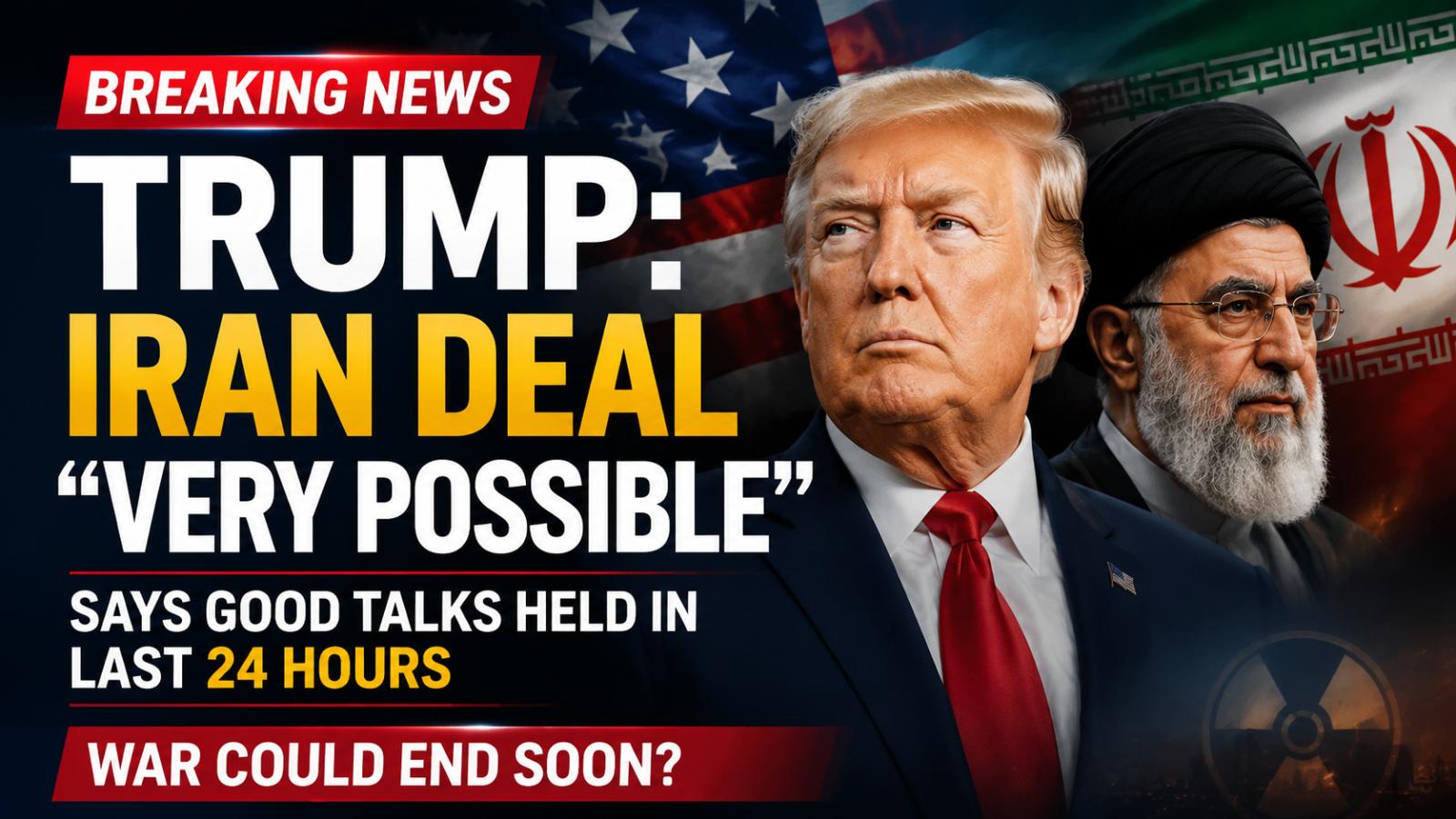
Trump confident of deal with Iran to end war, nuclear weapon discussions ongoing
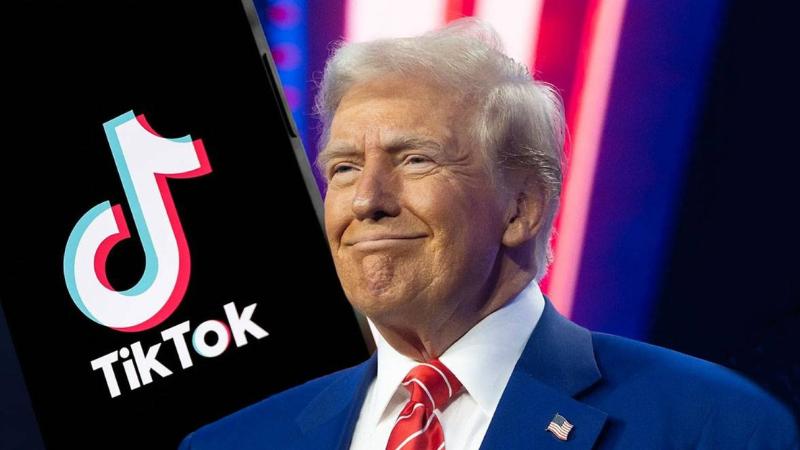
President Donald Trump stated on May 6 that he has been involved in "good talks" with Iran over the past 24 hours and suggested that a deal to end the ongoing war between the two countries is "very possible." Trump emphasized that the discussions centered on Iran's nuclear program, which remains a critical point of concern for the United States. The president stated, “Iran cannot have a nuclear weapon, and they won’t.” He added that this is a point the Iranian government has already agreed to, alongside other key terms. Trump's statements come after a recent warning to Iran that the United States would escalate its military action if a deal is not reached. "If they don’t agree, the bombing starts, and it will be, sadly, at a much higher level and intensity than it was before,” Trump wrote in a post on Truth Social on May 6. This aggressive stance reflects the president’s resolve to prevent Iran from advancing its nuclear capabilities. In the wake of these talks, Israeli political officials have indicated that there are signs of progress in negotiations between Trump and Iranian Foreign Minister Abbas Araghchi. According to sources, Israel sees this as an opportunity for diplomatic progress. However, the Israeli officials also warned that internal divisions within Iran’s leadership could potentially jeopardize the long-term stability of any agreement. As of now, the future of US-Iran relations remains uncertain, but Trump’s recent comments suggest that both sides are exploring avenues for negotiation. If a deal is reached, it could have significant implications for regional stability, particularly regarding the security of the Strait of Hormuz. This strategic waterway has long been a focal point of tensions in the Middle East due to its role in global oil shipments. The president’s assurance that the Hormuz Strait would be “OPEN TO ALL, including Iran” if an agreement is reached suggests that economic and geopolitical interests are also being considered alongside security concerns. While the talks between Trump and Iran hold promise, the situation remains volatile. Both the US and Iranian governments face internal and external pressures that could complicate efforts to reach a lasting peace agreement. With the threat of military action still on the table, the world watches closely as the two nations navigate these delicate negotiations.
Trump confident of deal with Iran to end war, nuclear weapon discussions ongoing
President Donald Trump stated on May 6 that he has been involved in "good talks" with Iran over the past 24 hours and suggested that a deal to end the ongoing war between the two countries is "very possible." Trump emphasized that the discussions centered on Iran's nuclear program, which remains a critical point of concern for the United States. The president stated, “Iran cannot have a nuclear weapon, and they won’t.” He added that this is a point the Iranian government has already agreed to, alongside other key terms. Trump's statements come after a recent warning to Iran that the United States would escalate its military action if a deal is not reached. "If they don’t agree, the bombing starts, and it will be, sadly, at a much higher level and intensity than it was before,” Trump wrote in a post on Truth Social on May 6. This aggressive stance reflects the president’s resolve to prevent Iran from advancing its nuclear capabilities. In the wake of these talks, Israeli political officials have indicated that there are signs of progress in negotiations between Trump and Iranian Foreign Minister Abbas Araghchi. According to sources, Israel sees this as an opportunity for diplomatic progress. However, the Israeli officials also warned that internal divisions within Iran’s leadership could potentially jeopardize the long-term stability of any agreement. As of now, the future of US-Iran relations remains uncertain, but Trump’s recent comments suggest that both sides are exploring avenues for negotiation. If a deal is reached, it could have significant implications for regional stability, particularly regarding the security of the Strait of Hormuz. This strategic waterway has long been a focal point of tensions in the Middle East due to its role in global oil shipments. The president’s assurance that the Hormuz Strait would be “OPEN TO ALL, including Iran” if an agreement is reached suggests that economic and geopolitical interests are also being considered alongside security concerns. While the talks between Trump and Iran hold promise, the situation remains volatile. Both the US and Iranian governments face internal and external pressures that could complicate efforts to reach a lasting peace agreement. With the threat of military action still on the table, the world watches closely as the two nations navigate these delicate negotiations.
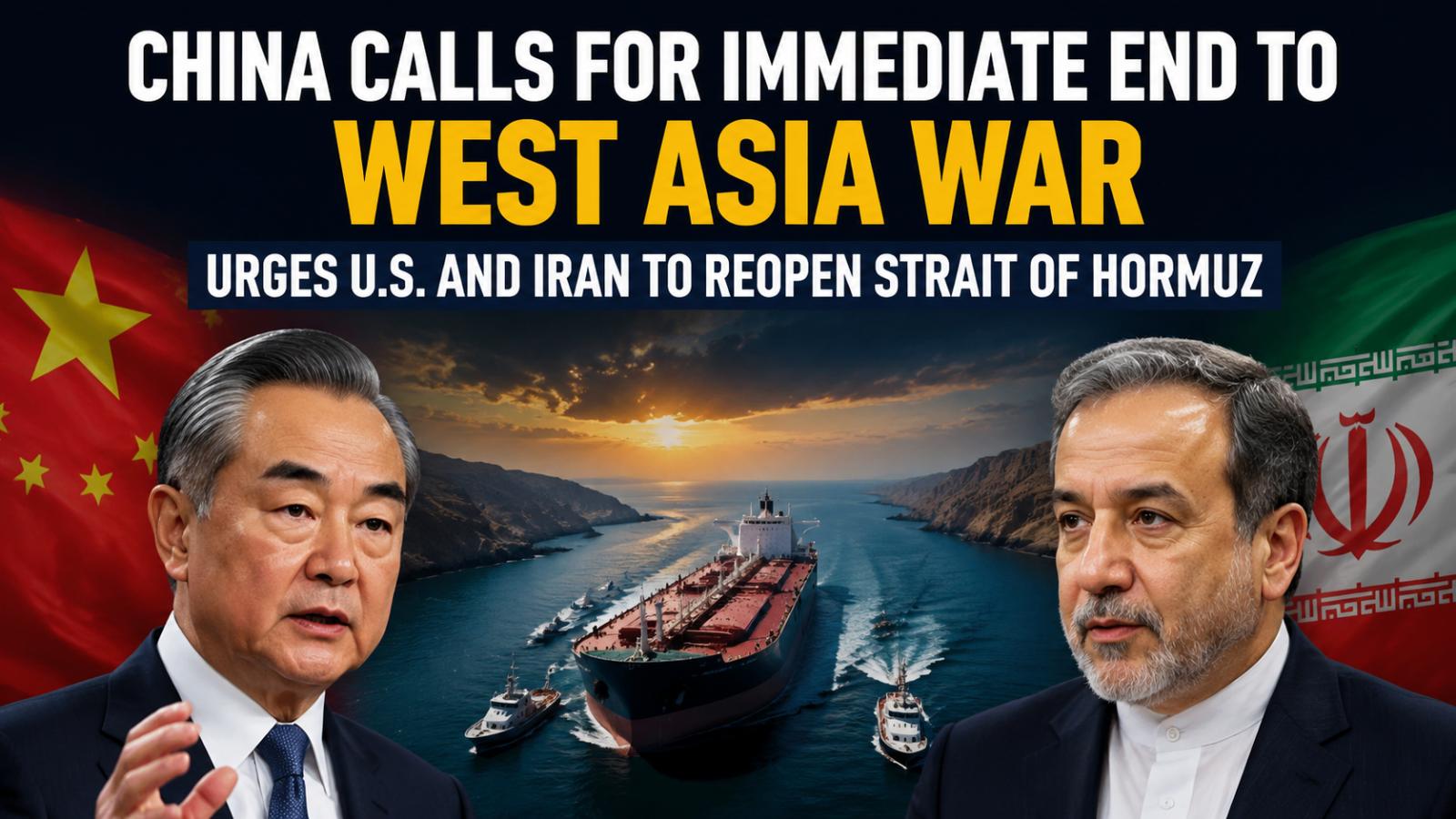
China calls for ceasefire in West Asia, urges reopening of Strait of Hormuz
Chinese Foreign Minister Wang Yi has called for an immediate and complete end to the ongoing conflict in West Asia. During a high-level meeting with Iran’s Foreign Minister Seyed Abbas Araghchi in Beijing, Wang stressed the importance of achieving a comprehensive ceasefire without any delay. He also urged both the United States and Iran to reopen the Strait of Hormuz "as soon as possible" to help stabilize global energy markets, which have been severely impacted by the conflict. A
China calls for ceasefire in West Asia, urges reopening of Strait of Hormuz
Chinese Foreign Minister Wang Yi has called for an immediate and complete end to the ongoing conflict in West Asia. During a high-level meeting with Iran’s Foreign Minister Seyed Abbas Araghchi in Beijing, Wang stressed the importance of achieving a comprehensive ceasefire without any delay. He also urged both the United States and Iran to reopen the Strait of Hormuz "as soon as possible" to help stabilize global energy markets, which have been severely impacted by the conflict. A
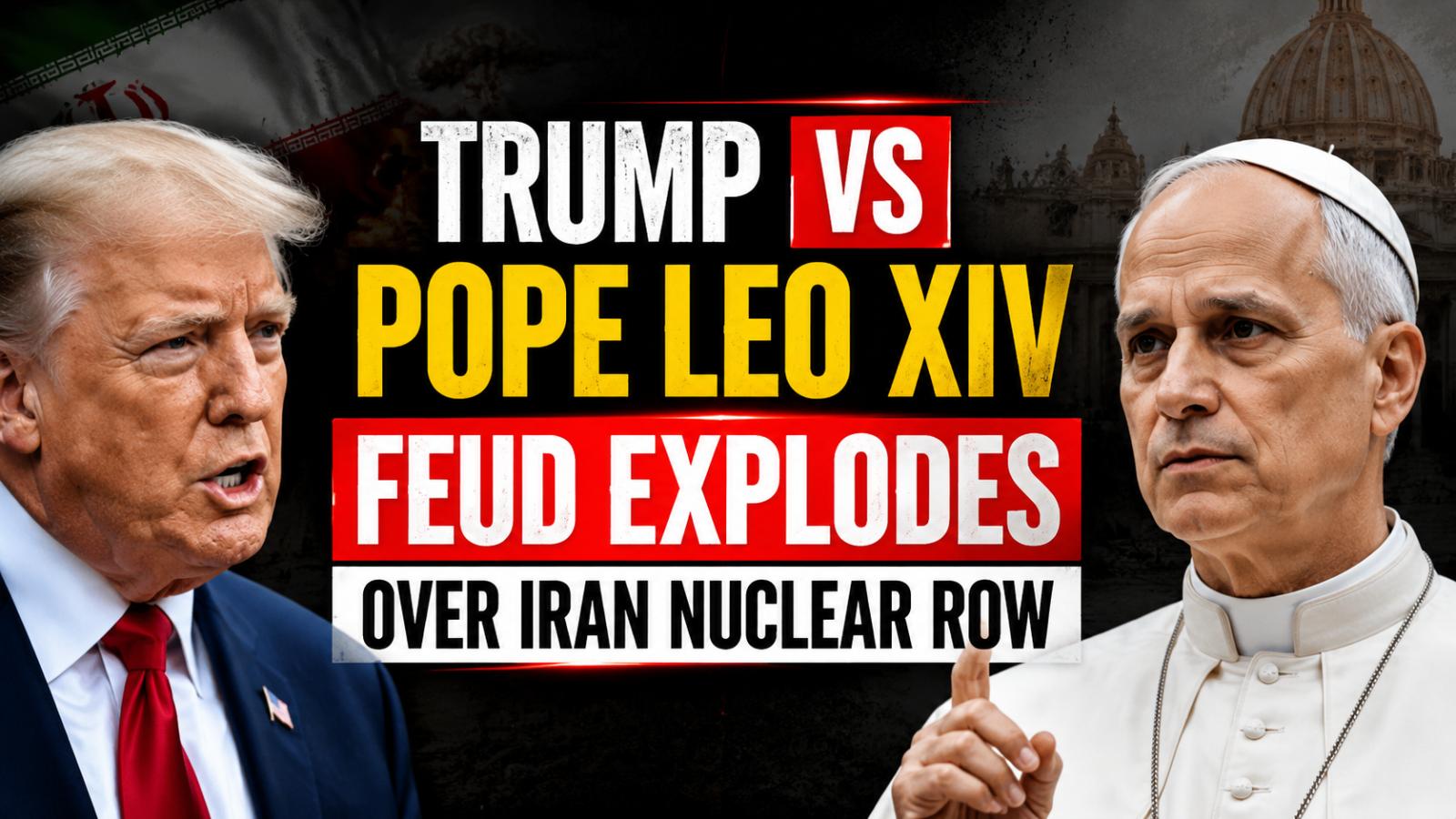
Trump and Pope Leo XIV clash again over Iran’s nuclear stance
The feud between US President Donald Trump and Pope Leo XIV has flared up once again. The latest clash revolves around Trump’s repeated claims that the Pope supports Iran’s right to develop nuclear weapons. This accusation has been vigorously denied by the Vatican, with Pope Leo XIV offering a sharp rebuke. The Pope emphasized his long-standing position on nuclear disarmament and global peace, making it clear that his message remains consistent despite the President's accusations. Trump’s Accusations Against the Pope In an interview with Hugh Hewitt of Salem News Channel, President Trump reiterated his controversial claim that Pope Leo XIV condones Iran's nuclear ambitions. Trump said, "The pope would rather talk about the fact that it’s OK for Iran to have a nuclear weapon, and I don’t think that’s very good." He continued, "I think he's endangering a lot of Catholics, and a lot of people, but I guess if it’s up to the pope, he thinks it’s just fine for Iran to have a nuclear weapon." This repeated assertion has been a part of Trump's rhetoric, even though the Pope has never publicly supported such a view. Pope Leo XIV's Rejection of the Claim Without directly naming Trump, Pope Leo XIV responded firmly, rejecting the accusations. "If anyone wants to criticise me for proclaiming the Gospel, let them do so truthfully," he said in a statement. The Pope's message was unequivocal: the mission of the Church is to preach peace, and it has always opposed the proliferation of nuclear weapons. He reminded the world that the Catholic Church has long advocated for a world free from nuclear threats. The Pope has been vocal about the need for diplomacy over conflict, urging political leaders to engage in dialogue rather than pursue rearmament. The Pope’s remarks were a clear message to those who misinterpret his calls for peace. The Catholic Church has continuously voiced its opposition to nuclear weapons, and Pope Leo XIV reaffirmed that stance, urging global leaders to focus on peaceful solutions to international conflicts. A Notable Timing: Rubio’s Visit to the Vatican The timing of this ongoing dispute is particularly interesting, as US Secretary of State Marco Rubio is scheduled to visit Rome this week. Rubio will meet with Pope Leo XIV on Thursday to discuss a range of topics, including the situation in the Middle East. The State Department has positioned this visit as an opportunity to explore mutual interests and discuss pressing global issues. However, with the current tensions surrounding Iran and nuclear weapons, this meeting is likely to be complicated by the feud between Trump and the Pope. Pope Leo XIV's Message for Global Peace Despite the political tensions, Pope Leo XIV has remained focused on his core message: peace. The Pope has consistently called for a world free from the threat of nuclear weapons, advocating for leaders to sit at the table of dialogue and diplomacy. His call for peace was reiterated during a recent gathering at St. Peter’s Basilica, where he urged Catholics to prioritize dialogue over violence. In his remarks, Pope Leo XIV urged global leaders to focus on diplomacy and avoid the path of rearmament. He emphasized the importance of peaceful negotiations, saying, "It is time for peace! Sit at the table of dialogue and mediation, not at the table where rearmament is planned, and deadly actions are decided." This sentiment reflects the Pope’s long-standing commitment to nuclear disarmament and peaceful resolutions to international disputes. As the tension between Trump and the Pope continues to unfold, the world will be watching closely. The clash underscores the ongoing challenges in navigating political and religious divides, especially when it comes to sensitive issues like nuclear weapons and international peace. However, Pope Leo XIV’s commitment to peace and diplomacy remains unwavering, and his stance continues to influence global discussions on nuclear disarmament.
Trump and Pope Leo XIV clash again over Iran’s nuclear stance
The feud between US President Donald Trump and Pope Leo XIV has flared up once again. The latest clash revolves around Trump’s repeated claims that the Pope supports Iran’s right to develop nuclear weapons. This accusation has been vigorously denied by the Vatican, with Pope Leo XIV offering a sharp rebuke. The Pope emphasized his long-standing position on nuclear disarmament and global peace, making it clear that his message remains consistent despite the President's accusations. Trump’s Accusations Against the Pope In an interview with Hugh Hewitt of Salem News Channel, President Trump reiterated his controversial claim that Pope Leo XIV condones Iran's nuclear ambitions. Trump said, "The pope would rather talk about the fact that it’s OK for Iran to have a nuclear weapon, and I don’t think that’s very good." He continued, "I think he's endangering a lot of Catholics, and a lot of people, but I guess if it’s up to the pope, he thinks it’s just fine for Iran to have a nuclear weapon." This repeated assertion has been a part of Trump's rhetoric, even though the Pope has never publicly supported such a view. Pope Leo XIV's Rejection of the Claim Without directly naming Trump, Pope Leo XIV responded firmly, rejecting the accusations. "If anyone wants to criticise me for proclaiming the Gospel, let them do so truthfully," he said in a statement. The Pope's message was unequivocal: the mission of the Church is to preach peace, and it has always opposed the proliferation of nuclear weapons. He reminded the world that the Catholic Church has long advocated for a world free from nuclear threats. The Pope has been vocal about the need for diplomacy over conflict, urging political leaders to engage in dialogue rather than pursue rearmament. The Pope’s remarks were a clear message to those who misinterpret his calls for peace. The Catholic Church has continuously voiced its opposition to nuclear weapons, and Pope Leo XIV reaffirmed that stance, urging global leaders to focus on peaceful solutions to international conflicts. A Notable Timing: Rubio’s Visit to the Vatican The timing of this ongoing dispute is particularly interesting, as US Secretary of State Marco Rubio is scheduled to visit Rome this week. Rubio will meet with Pope Leo XIV on Thursday to discuss a range of topics, including the situation in the Middle East. The State Department has positioned this visit as an opportunity to explore mutual interests and discuss pressing global issues. However, with the current tensions surrounding Iran and nuclear weapons, this meeting is likely to be complicated by the feud between Trump and the Pope. Pope Leo XIV's Message for Global Peace Despite the political tensions, Pope Leo XIV has remained focused on his core message: peace. The Pope has consistently called for a world free from the threat of nuclear weapons, advocating for leaders to sit at the table of dialogue and diplomacy. His call for peace was reiterated during a recent gathering at St. Peter’s Basilica, where he urged Catholics to prioritize dialogue over violence. In his remarks, Pope Leo XIV urged global leaders to focus on diplomacy and avoid the path of rearmament. He emphasized the importance of peaceful negotiations, saying, "It is time for peace! Sit at the table of dialogue and mediation, not at the table where rearmament is planned, and deadly actions are decided." This sentiment reflects the Pope’s long-standing commitment to nuclear disarmament and peaceful resolutions to international disputes. As the tension between Trump and the Pope continues to unfold, the world will be watching closely. The clash underscores the ongoing challenges in navigating political and religious divides, especially when it comes to sensitive issues like nuclear weapons and international peace. However, Pope Leo XIV’s commitment to peace and diplomacy remains unwavering, and his stance continues to influence global discussions on nuclear disarmament.
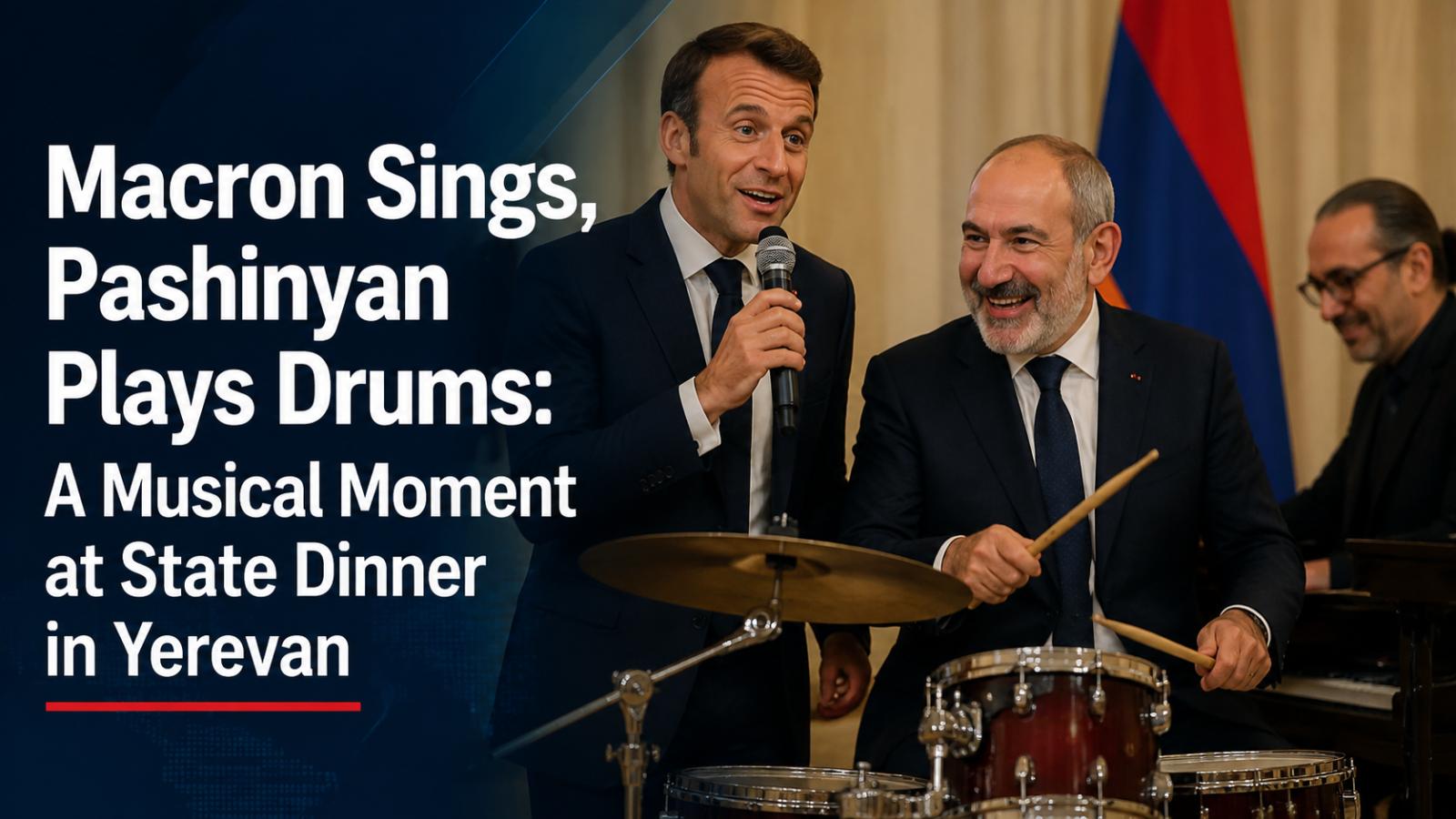
French President Macron performs with Armenian Prime Minister at state dinner
At the state dinner in Armenia’s capital, Yerevan, French President Emmanuel Macron and Armenian Prime Minister Nikol Pashinyan captured the world’s attention with an impromptu musical duet. The performance took place on Monday at Armenia’s presidential residence, where Macron’s heartfelt renditions of classic French songs, including "La Bohème" and "Les Feuilles Mortes," were accompanied by Pashinyan on drums and jazz pianist Vahagn Hayrapetyan. The crowd was captivated as Macron no
French President Macron performs with Armenian Prime Minister at state dinner
At the state dinner in Armenia’s capital, Yerevan, French President Emmanuel Macron and Armenian Prime Minister Nikol Pashinyan captured the world’s attention with an impromptu musical duet. The performance took place on Monday at Armenia’s presidential residence, where Macron’s heartfelt renditions of classic French songs, including "La Bohème" and "Les Feuilles Mortes," were accompanied by Pashinyan on drums and jazz pianist Vahagn Hayrapetyan. The crowd was captivated as Macron no

CSK Beat DC by Eight Wickets in IPL 2026, Samson’s Unbeaten 87 Guides Victory
Chennai Super Kings (CSK) registered an eight-wicket victory over Delhi Capitals (DC) in an IPL 2026 match on Tuesday, May 5, at the Arun Jaitley stadium in Delhi. Chasing a modest target of 156, CSK reached their goal in 17.3 overs, thanks to an outstanding performance from Sanju Samson, who remained unbeaten on 87 off 52 balls, and Kartik Sharma, who contributed with a solid 41 from 31 balls. With the win, CSK moved ahead of DC on the points table. The five-time IPL champions now occupy the si
CSK Beat DC by Eight Wickets in IPL 2026, Samson’s Unbeaten 87 Guides Victory
Chennai Super Kings (CSK) registered an eight-wicket victory over Delhi Capitals (DC) in an IPL 2026 match on Tuesday, May 5, at the Arun Jaitley stadium in Delhi. Chasing a modest target of 156, CSK reached their goal in 17.3 overs, thanks to an outstanding performance from Sanju Samson, who remained unbeaten on 87 off 52 balls, and Kartik Sharma, who contributed with a solid 41 from 31 balls. With the win, CSK moved ahead of DC on the points table. The five-time IPL champions now occupy the si

Mumbai Indians Win Thrilling IPL 2026 Match Against Lucknow Super Giants
Mumbai Indians (MI) kept their hopes alive in the IPL 2026 playoff race with a thrilling six-wicket victory over Lucknow Super Giants (LSG) at Wankhede Stadium on Monday (May 4). Chasing a daunting target of 229, MI made history by completing their highest successful 200-plus run chase in the tournament. With their third win of the season, the team, led by Suryakumar Yadav in the absence of regular captain Hardik Pandya, proved their resilience in a high-stakes match. LSG, who won t
Mumbai Indians Win Thrilling IPL 2026 Match Against Lucknow Super Giants
Mumbai Indians (MI) kept their hopes alive in the IPL 2026 playoff race with a thrilling six-wicket victory over Lucknow Super Giants (LSG) at Wankhede Stadium on Monday (May 4). Chasing a daunting target of 229, MI made history by completing their highest successful 200-plus run chase in the tournament. With their third win of the season, the team, led by Suryakumar Yadav in the absence of regular captain Hardik Pandya, proved their resilience in a high-stakes match. LSG, who won t
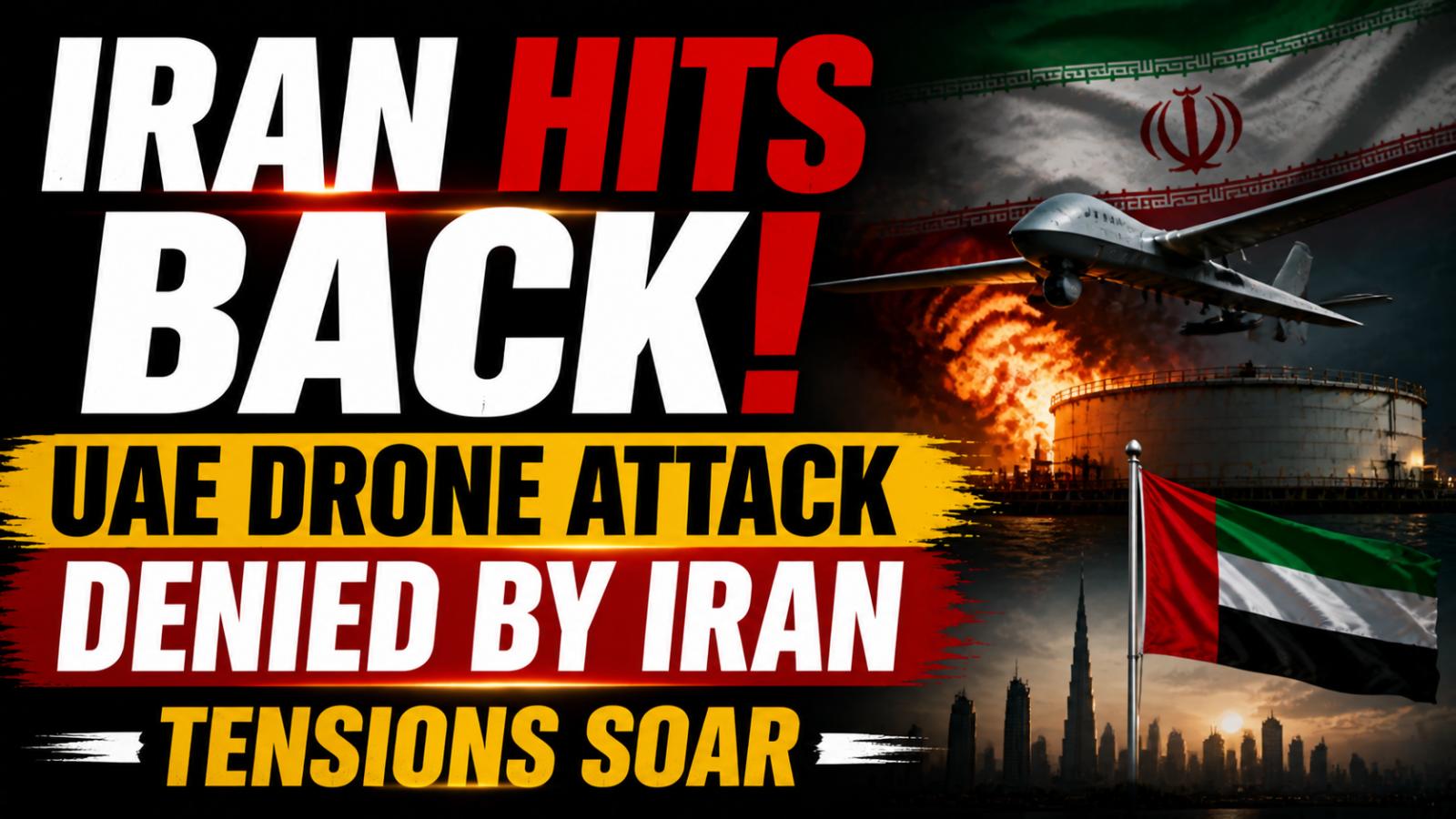
Iran Rejects UAE Drone Strike Accusations, Points to US Adventurism
Iran has strongly denied accusations from the United Arab Emirates that it was behind a drone strike targeting oil facilities in Fujairah, calling the attack a product of US military adventurism. UAE authorities reported the attack on Monday, saying that three Indian nationals were injured in the strike and were hospitalized. The UAE also described the attack as a “dangerous escalation” amid growing tensions in the region. Iran's military officials, speaking on state television, insisted that the Islamic Republic had no plans to target UAE oil infrastructure. They argued that the attack was part of a broader geopolitical game in which the US was attempting to create a passage for ships to unlawfully pass through the Strait of Hormuz, a key oil shipping lane. Iranian officials called on the US to cease its military actions in the region, accusing Washington of destabilizing the area and holding the US accountable for the escalation. In the aftermath of the strike, US President Donald Trump announced a new maritime operation, Project Freedom, aimed at guiding neutral ships safely through the Gulf. The initiative, which Trump described as a humanitarian effort, is seen as a response to the increasing number of incidents in the Strait of Hormuz. US officials reported engaging with Iranian small boats in the Gulf, claiming that US forces had destroyed several Iranian vessels. Iran, however, denied these claims, stating that none of its boats had been sunk. Iran's Foreign Minister, Seyed Abbas Araghchi, emphasized the need for a political resolution to the ongoing tensions, cautioning against further military action. He called for greater diplomatic efforts, including mediation by countries like Pakistan, to prevent a deeper conflict. Araghchi also warned the UAE and other regional actors against further escalation, urging them to avoid external interference that could destabilize the region further. As the situation continues to develop, both Iran and the US remain at odds over their military presence in the vital Strait of Hormuz.
Iran Rejects UAE Drone Strike Accusations, Points to US Adventurism
Iran has strongly denied accusations from the United Arab Emirates that it was behind a drone strike targeting oil facilities in Fujairah, calling the attack a product of US military adventurism. UAE authorities reported the attack on Monday, saying that three Indian nationals were injured in the strike and were hospitalized. The UAE also described the attack as a “dangerous escalation” amid growing tensions in the region. Iran's military officials, speaking on state television, insisted that the Islamic Republic had no plans to target UAE oil infrastructure. They argued that the attack was part of a broader geopolitical game in which the US was attempting to create a passage for ships to unlawfully pass through the Strait of Hormuz, a key oil shipping lane. Iranian officials called on the US to cease its military actions in the region, accusing Washington of destabilizing the area and holding the US accountable for the escalation. In the aftermath of the strike, US President Donald Trump announced a new maritime operation, Project Freedom, aimed at guiding neutral ships safely through the Gulf. The initiative, which Trump described as a humanitarian effort, is seen as a response to the increasing number of incidents in the Strait of Hormuz. US officials reported engaging with Iranian small boats in the Gulf, claiming that US forces had destroyed several Iranian vessels. Iran, however, denied these claims, stating that none of its boats had been sunk. Iran's Foreign Minister, Seyed Abbas Araghchi, emphasized the need for a political resolution to the ongoing tensions, cautioning against further military action. He called for greater diplomatic efforts, including mediation by countries like Pakistan, to prevent a deeper conflict. Araghchi also warned the UAE and other regional actors against further escalation, urging them to avoid external interference that could destabilize the region further. As the situation continues to develop, both Iran and the US remain at odds over their military presence in the vital Strait of Hormuz.

John Sterling Death News: Legendary Yankees Voice Dies at 87
John Sterling Death News: What Happened? John Sterling, the legendary Yankees radio voice, has died at 87, officials confirmed Monday. The iconic broadcaster had recently undergone heart bypass surgery and was recovering at his New Jersey home when he passed away. Cause of Death and Health Update While the official cause of death has not been fully disclosed, sources indicate Sterling faced complications following surgery ear
John Sterling Death News: Legendary Yankees Voice Dies at 87
John Sterling Death News: What Happened? John Sterling, the legendary Yankees radio voice, has died at 87, officials confirmed Monday. The iconic broadcaster had recently undergone heart bypass surgery and was recovering at his New Jersey home when he passed away. Cause of Death and Health Update While the official cause of death has not been fully disclosed, sources indicate Sterling faced complications following surgery ear
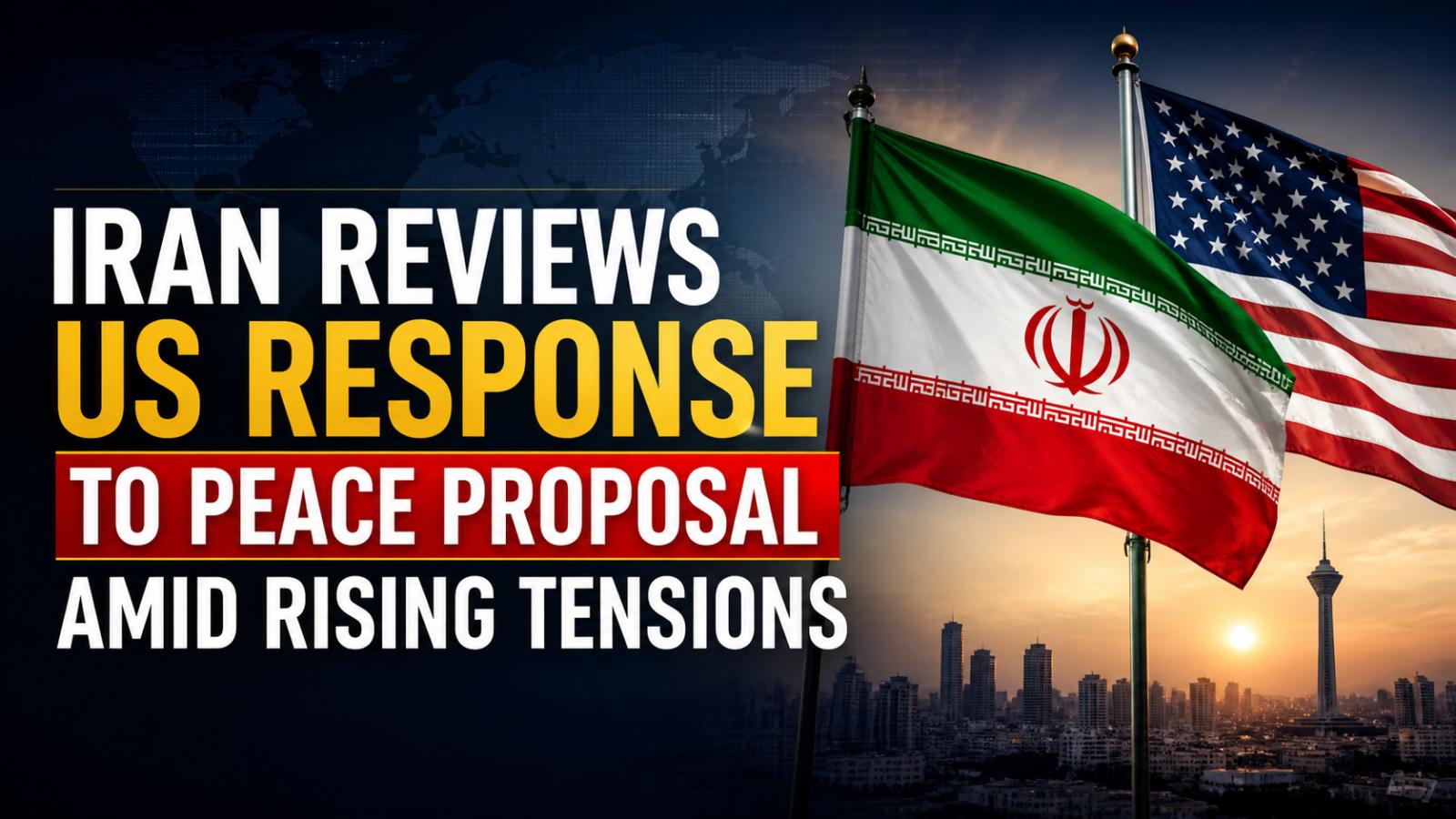
Iran says US demands hinder progress on 14-point peace plan
Iran reviews US response to peace proposal as tensions with Washington continue to shape the future of diplomacy and conflict in the region. In a recent press briefing, Iran’s Foreign Ministry confirmed that it has received Washington’s reply to a 14-point peace proposal, but officials say the response includes demands that could complicate progress. The development highlights key areas such as peace negotiations, diplomatic efforts, and the ongoing conflict resolution process.
Iran says US demands hinder progress on 14-point peace plan
Iran reviews US response to peace proposal as tensions with Washington continue to shape the future of diplomacy and conflict in the region. In a recent press briefing, Iran’s Foreign Ministry confirmed that it has received Washington’s reply to a 14-point peace proposal, but officials say the response includes demands that could complicate progress. The development highlights key areas such as peace negotiations, diplomatic efforts, and the ongoing conflict resolution process.

Nepal Objects to India-China Kailash Yatra Route via Lipulekh
Nepal has formally raised objections to the planned Kailash Mansarovar Yatra route through Lipulekh Pass, stating that the area falls within its territory and that it was not consulted on the decision. The government reiterated its longstanding claim that Limpiyadhura, Lipulekh, and Kalapani, located east of the Mahakali River, are integral parts of Nepal based on the Treaty of 1816. The issue resurfaced after India announced that this year’s pilgrimage would take place between Ju
Nepal Objects to India-China Kailash Yatra Route via Lipulekh
Nepal has formally raised objections to the planned Kailash Mansarovar Yatra route through Lipulekh Pass, stating that the area falls within its territory and that it was not consulted on the decision. The government reiterated its longstanding claim that Limpiyadhura, Lipulekh, and Kalapani, located east of the Mahakali River, are integral parts of Nepal based on the Treaty of 1816. The issue resurfaced after India announced that this year’s pilgrimage would take place between Ju
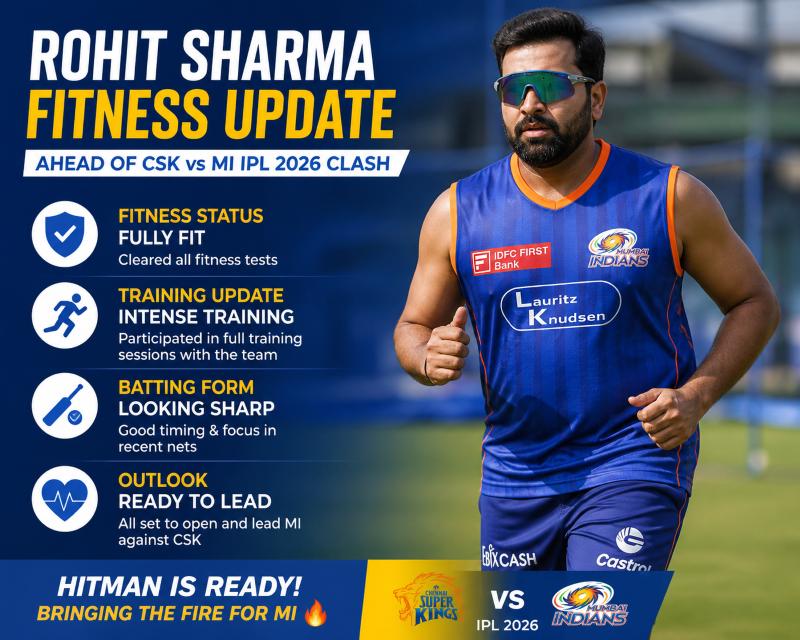
Rohit Sharma Fitness Update Ahead Of CSK vs MI IPL 2026 Clash
Date & Time: May 2, 2026, 04:00 PM IST The upcoming IPL 2026 clash between Chennai Super Kings and Mumbai Indians has generated immense anticipation, not only because of the rivalry between the two franchises but also due to the uncertainty surrounding the availability of their star players. Fans are eagerly waiting for confirmation on whether MS Dhoni and Rohit Sharma will feature in the match, as both players are currentl
Rohit Sharma Fitness Update Ahead Of CSK vs MI IPL 2026 Clash
Date & Time: May 2, 2026, 04:00 PM IST The upcoming IPL 2026 clash between Chennai Super Kings and Mumbai Indians has generated immense anticipation, not only because of the rivalry between the two franchises but also due to the uncertainty surrounding the availability of their star players. Fans are eagerly waiting for confirmation on whether MS Dhoni and Rohit Sharma will feature in the match, as both players are currentl
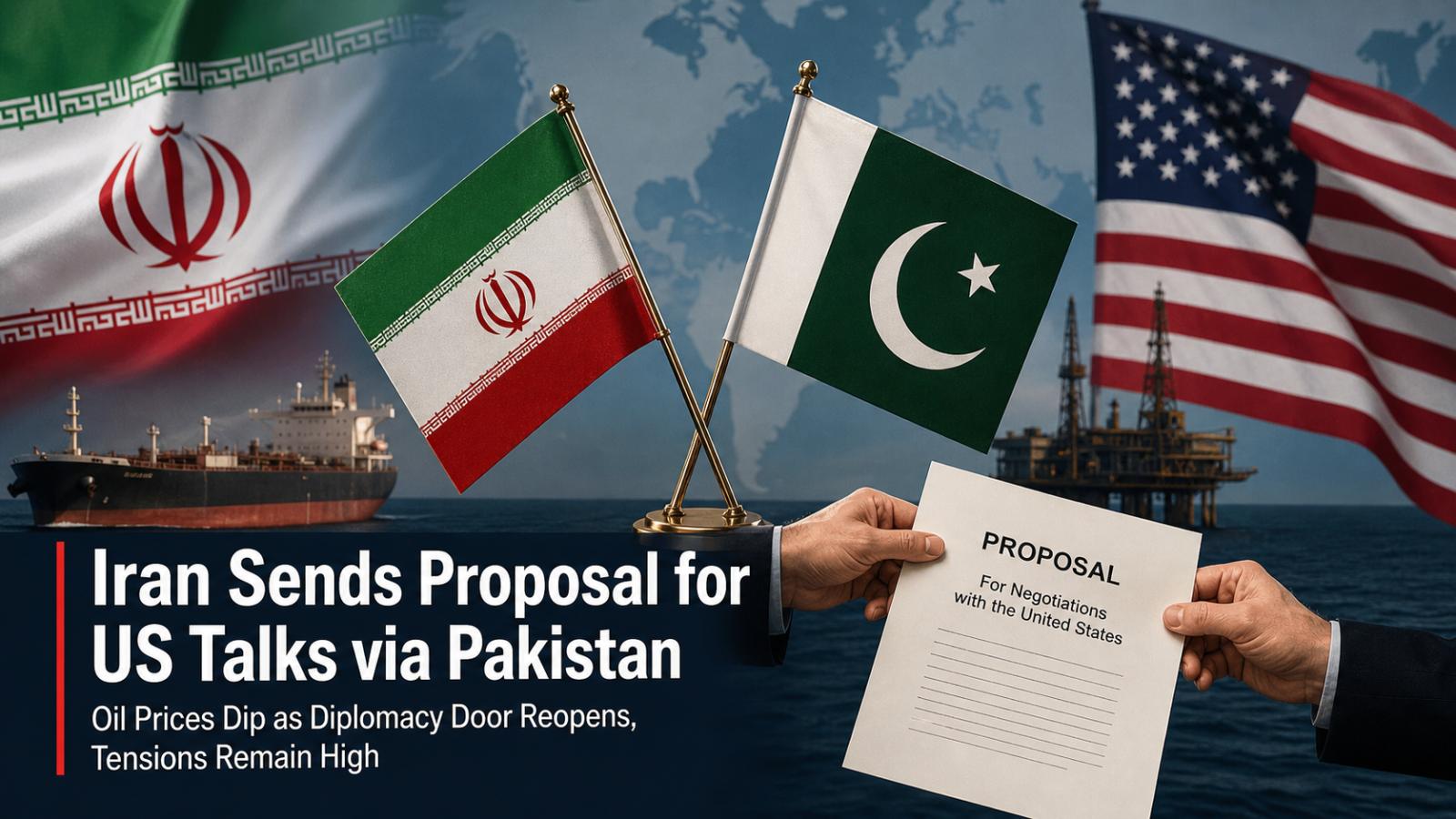
What did Iran propose to the U.S.? New talks plan sent via Pakistan signals diplomacy
Iran has delivered a new proposal for negotiations with the United States through Pakistan, signaling a potential diplomatic opening amid heightened regional tensions. According to IRNA, the proposal was formally
What did Iran propose to the U.S.? New talks plan sent via Pakistan signals diplomacy
Iran has delivered a new proposal for negotiations with the United States through Pakistan, signaling a potential diplomatic opening amid heightened regional tensions. According to IRNA, the proposal was formally
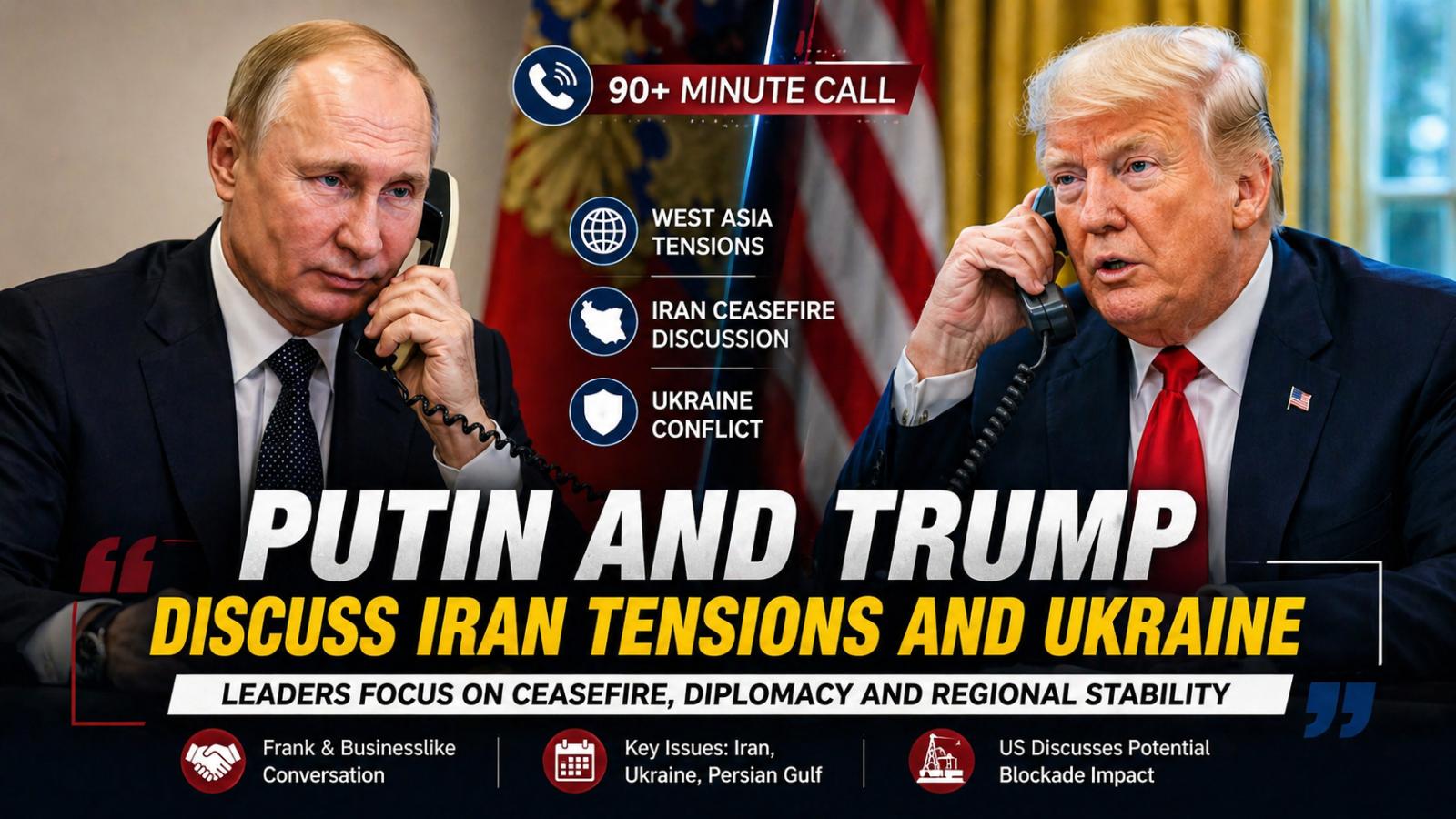
Putin and Trump discuss Iran tensions and Ukraine in lengthy phone call
Russian President Vladimir Putin and US President Donald Trump held a 90-minute call on Iran, Ukraine, and Gulf tensions, discussing ceasefire efforts, diplomacy, and possible US actions on Iranian ports. Putin and Trump discuss Iran tensions and Ukraine in lengthy phone call as Vladimir Putin held a phone conversation with Donald Trump addressing ongoing conflicts in West Asia and Ukraine, according to statements from the Kremlin. The discussion, confirmed by aide Yuri Ushakov on Wednesday, lasted more than 90 minutes and was described as both “frank” and “businesslike,” reflecting the seriousness of the geopolitical issues involved. A central topic of the conversation was the situation in Iran and the broader Persian Gulf. Putin reportedly welcomed Trump’s decision to extend a ceasefire involving Iran, emphasizing that the move could provide critical time for diplomatic negotiations and help reduce escalating tensions across the region. The call highlighted mutual concerns about stability in key global energy corridors and the potential consequences of prolonged conflict. According to a White House official, Trump also discussed strategies with U.S. oil companies to mitigate the economic and logistical impact of a possible long-term U.S. blockade targeting Iranian ports. The potential blockade, which could last for months, is part of broader efforts to pressure Tehran amid ongoing disputes over regional security and nuclear negotiations. During the conversation, Trump urged Iranian leadership to act swiftly, signaling that diplomatic opportunities remain open but limited. His remarks underscored Washington’s push for a negotiated agreement while maintaining pressure through economic and strategic measures. The exchange between the two leaders reflects continued engagement between the United States and Russia on key international crises, even amid broader tensions in bilateral relations.
Putin and Trump discuss Iran tensions and Ukraine in lengthy phone call
Russian President Vladimir Putin and US President Donald Trump held a 90-minute call on Iran, Ukraine, and Gulf tensions, discussing ceasefire efforts, diplomacy, and possible US actions on Iranian ports. Putin and Trump discuss Iran tensions and Ukraine in lengthy phone call as Vladimir Putin held a phone conversation with Donald Trump addressing ongoing conflicts in West Asia and Ukraine, according to statements from the Kremlin. The discussion, confirmed by aide Yuri Ushakov on Wednesday, lasted more than 90 minutes and was described as both “frank” and “businesslike,” reflecting the seriousness of the geopolitical issues involved. A central topic of the conversation was the situation in Iran and the broader Persian Gulf. Putin reportedly welcomed Trump’s decision to extend a ceasefire involving Iran, emphasizing that the move could provide critical time for diplomatic negotiations and help reduce escalating tensions across the region. The call highlighted mutual concerns about stability in key global energy corridors and the potential consequences of prolonged conflict. According to a White House official, Trump also discussed strategies with U.S. oil companies to mitigate the economic and logistical impact of a possible long-term U.S. blockade targeting Iranian ports. The potential blockade, which could last for months, is part of broader efforts to pressure Tehran amid ongoing disputes over regional security and nuclear negotiations. During the conversation, Trump urged Iranian leadership to act swiftly, signaling that diplomatic opportunities remain open but limited. His remarks underscored Washington’s push for a negotiated agreement while maintaining pressure through economic and strategic measures. The exchange between the two leaders reflects continued engagement between the United States and Russia on key international crises, even amid broader tensions in bilateral relations.










