Actor-turned-politician Vijay has secured his place as the Chief Minister of Tamil Nadu for the first time, leading his new party, the Tamil Maanila Congress (TVK), to victory. However, his government’s stability may depend on a delicate balancing act. Despite being sworn in, Vijay's fragile majority in the Tamil Nadu Assembly relies heavily on the support of parties and factions previously aligned with the Dravida Munnetra Kazhagam (DMK), led by MK Stalin.
Vijay’s TVK government now holds the support of 120 MLAs, just above the majority mark of 118. However, the coalition is propped up by the Congress, VCK, IUML, and the Left, most of which still have strong ties to Stalin’s DMK. This leaves the door open for Stalin to pull strings in the background, with his allies in the assembly potentially exerting significant influence over the TVK’s decision-making processes.
Despite this, Vijay appears to have a backup plan. The AIADMK, Tamil Nadu’s principal opposition party, has seen internal rifts, and one faction led by senior MLAs SP Velumani and Shanmugam has pledged support for Vijay’s TVK. This move gives Vijay a potential lifeline, increasing his backing to 150 MLAs, provided the faction secures the necessary numbers to avoid disqualification under anti-defection laws.
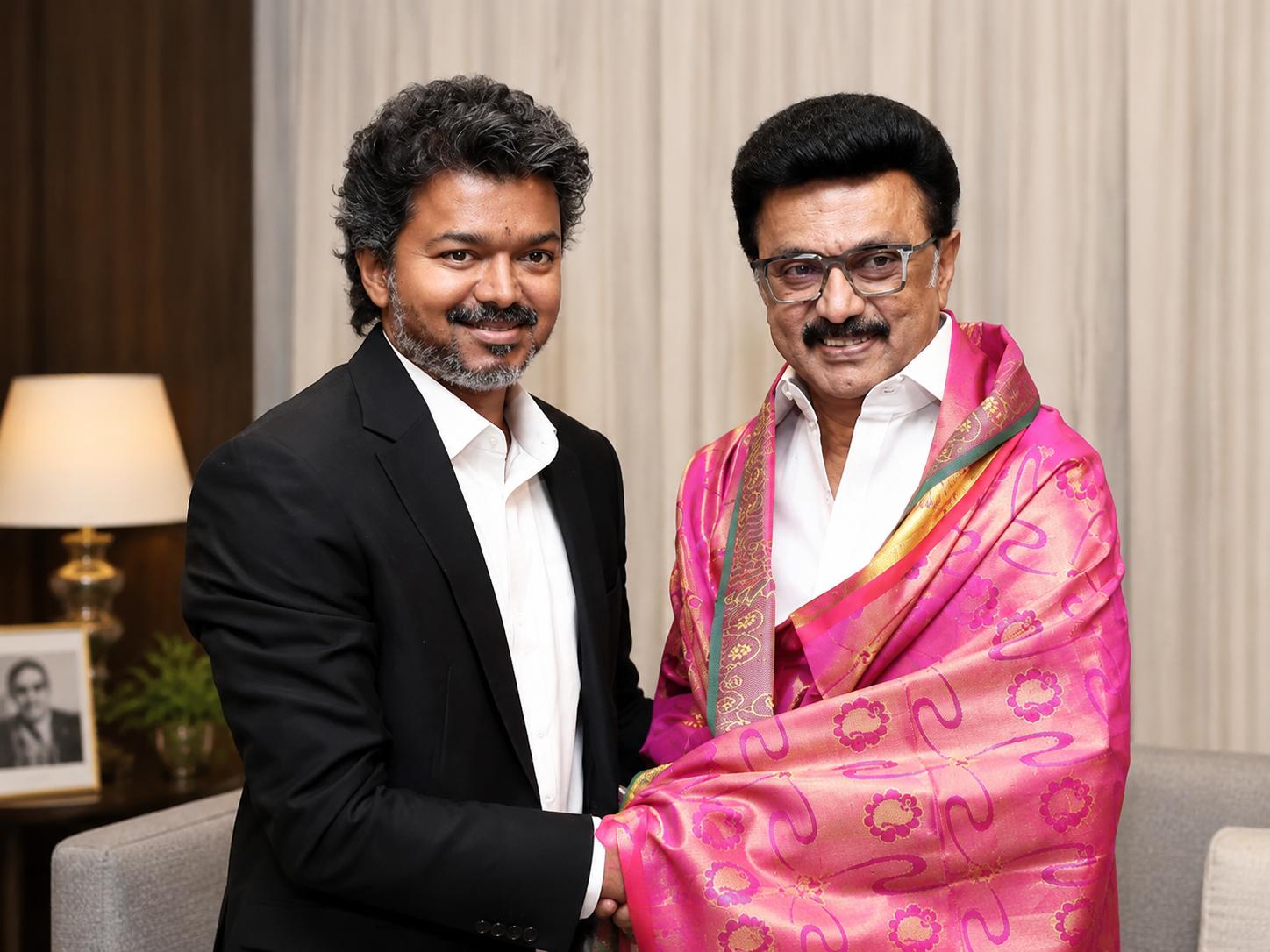
Vijay's decision to meet Stalin following his oath-taking was seen as a sign of political maturity, acknowledging Stalin's influence while maintaining a delicate balance with his own supporters. The political dynamics surrounding Vijay’s government reflect the challenges he faces, relying on support from both Stalin’s allies and AIADMK factions to stay in power.
While the immediate future of Vijay's government appears secured with these arrangements, the optics of his reliance on former political adversaries could pose long-term challenges. As the political situation in Tamil Nadu continues to evolve, the success of Vijay’s tenure will depend on his ability to navigate these complex alliances and avoid potential pitfalls in the coming years.
Actor-turned-politician Vijay has secured his place as the Chief Minister of Tamil Nadu for the first time, leading his new party, the Tamil Maanila Congress (TVK), to victory. However, his government’s stability may depend on a delicate balancing act. Despite being sworn in, Vijay's fragile majority in the Tamil Nadu Assembly relies heavily on the support of parties and factions previously aligned with the Dravida Munnetra Kazhagam (DMK), led by MK Stalin.
Vijay’s TVK government now holds the support of 120 MLAs, just above the majority mark of 118. However, the coalition is propped up by the Congress, VCK, IUML, and the Left, most of which still have strong ties to Stalin’s DMK. This leaves the door open for Stalin to pull strings in the background, with his allies in the assembly potentially exerting significant influence over the TVK’s decision-making processes.
Despite this, Vijay appears to have a backup plan. The AIADMK, Tamil Nadu’s principal opposition party, has seen internal rifts, and one faction led by senior MLAs SP Velumani and Shanmugam has pledged support for Vijay’s TVK. This move gives Vijay a potential lifeline, increasing his backing to 150 MLAs, provided the faction secures the necessary numbers to avoid disqualification under anti-defection laws.
Vijay's decision to meet Stalin following his oath-taking was seen as a sign of political maturity, acknowledging Stalin's influence while maintaining a delicate balance with his own supporters. The political dynamics surrounding Vijay’s government reflect the challenges he faces, relying on support from both Stalin’s allies and AIADMK factions to stay in power.
While the immediate future of Vijay's government appears secured with these arrangements, the optics of his reliance on former political adversaries could pose long-term challenges. As the political situation in Tamil Nadu continues to evolve, the success of Vijay’s tenure will depend on his ability to navigate these complex alliances and avoid potential pitfalls in the coming years.
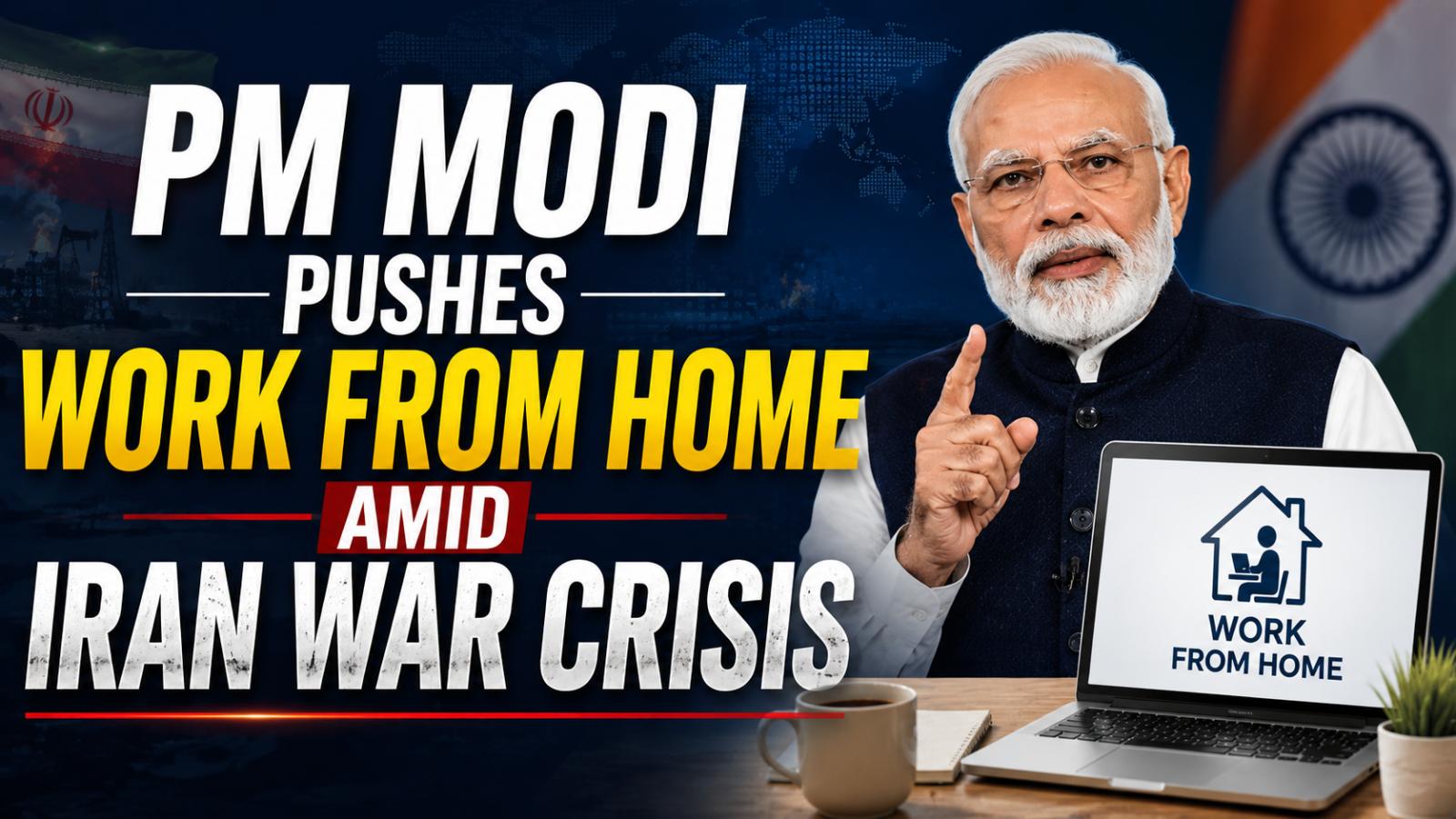
May 11: Prime Minister Narendra Modi has called on companies to adopt work-from-home policies and reduce unnecessary travel as the Iran war continues to affect global fuel supplies and economic stability. Following the Prime Minister’s appeal, IT employee body NITES has written to the labour ministry seeking an official advisory for remote work in the IT and IT-enabled services sector. The request
May 11: Prime Minister Narendra Modi has called on companies to adopt work-from-home policies and reduce unnecessary travel as the Iran war continues to affect global fuel supplies and economic stability. Following the Prime Minister’s appeal, IT employee body NITES has written to the labour ministry seeking an official advisory for remote work in the IT and IT-enabled services sector. The request
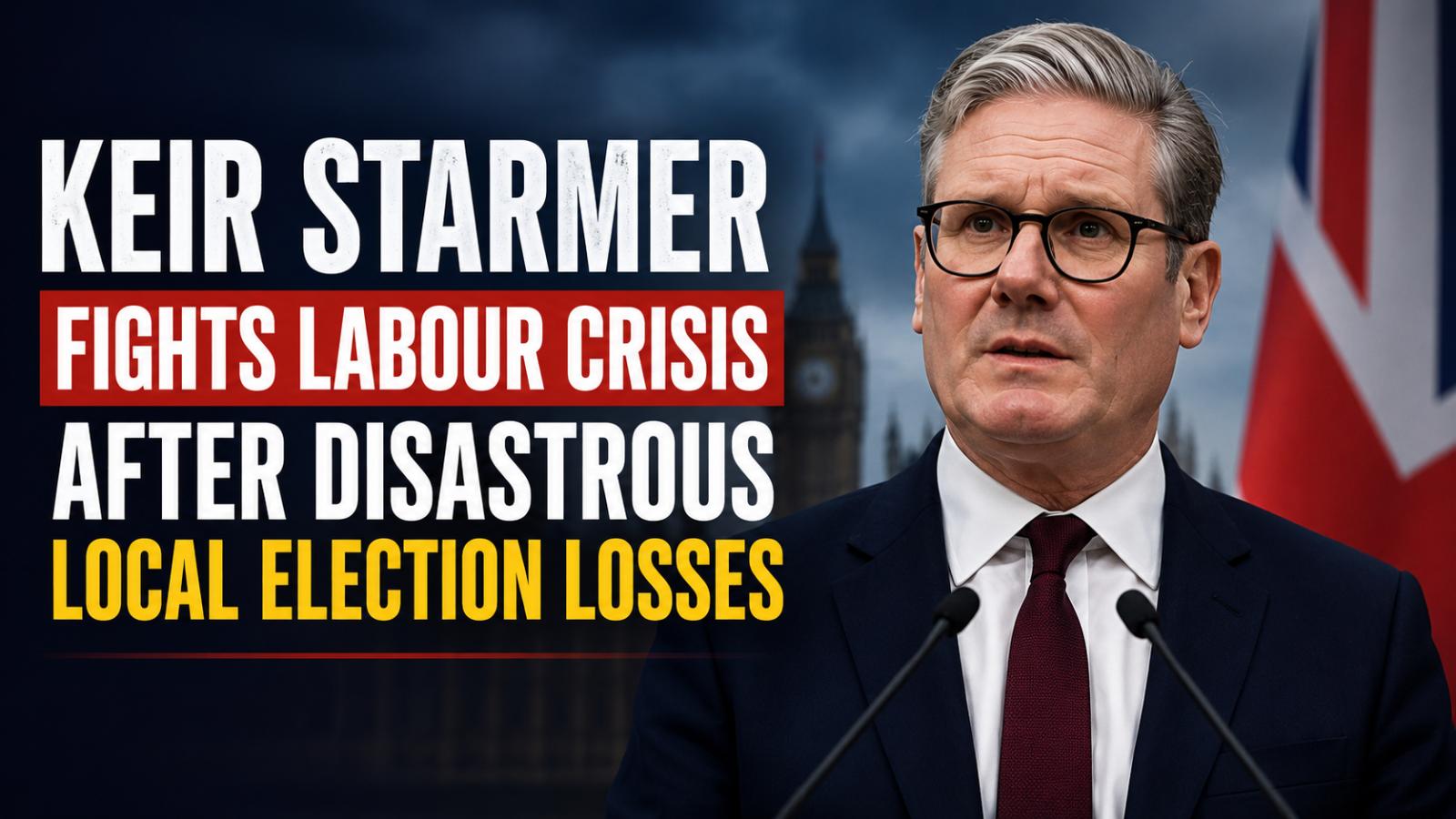
United Kingdom Prime Minister Keir Starmer is facing one of the toughest moments of his political career after Labour suffered major defeats in local elections across England and Wales. In a major speech aimed at calming angry Labour MPs, Starmer admitted the election results were “tough” and accepted responsibility for the setback. At the same time, he promised to rebuild trust, strengthen the UK economy, improve ties with Europe, and protect Britain from being pulled into a war with Ira
United Kingdom Prime Minister Keir Starmer is facing one of the toughest moments of his political career after Labour suffered major defeats in local elections across England and Wales. In a major speech aimed at calming angry Labour MPs, Starmer admitted the election results were “tough” and accepted responsibility for the setback. At the same time, he promised to rebuild trust, strengthen the UK economy, improve ties with Europe, and protect Britain from being pulled into a war with Ira
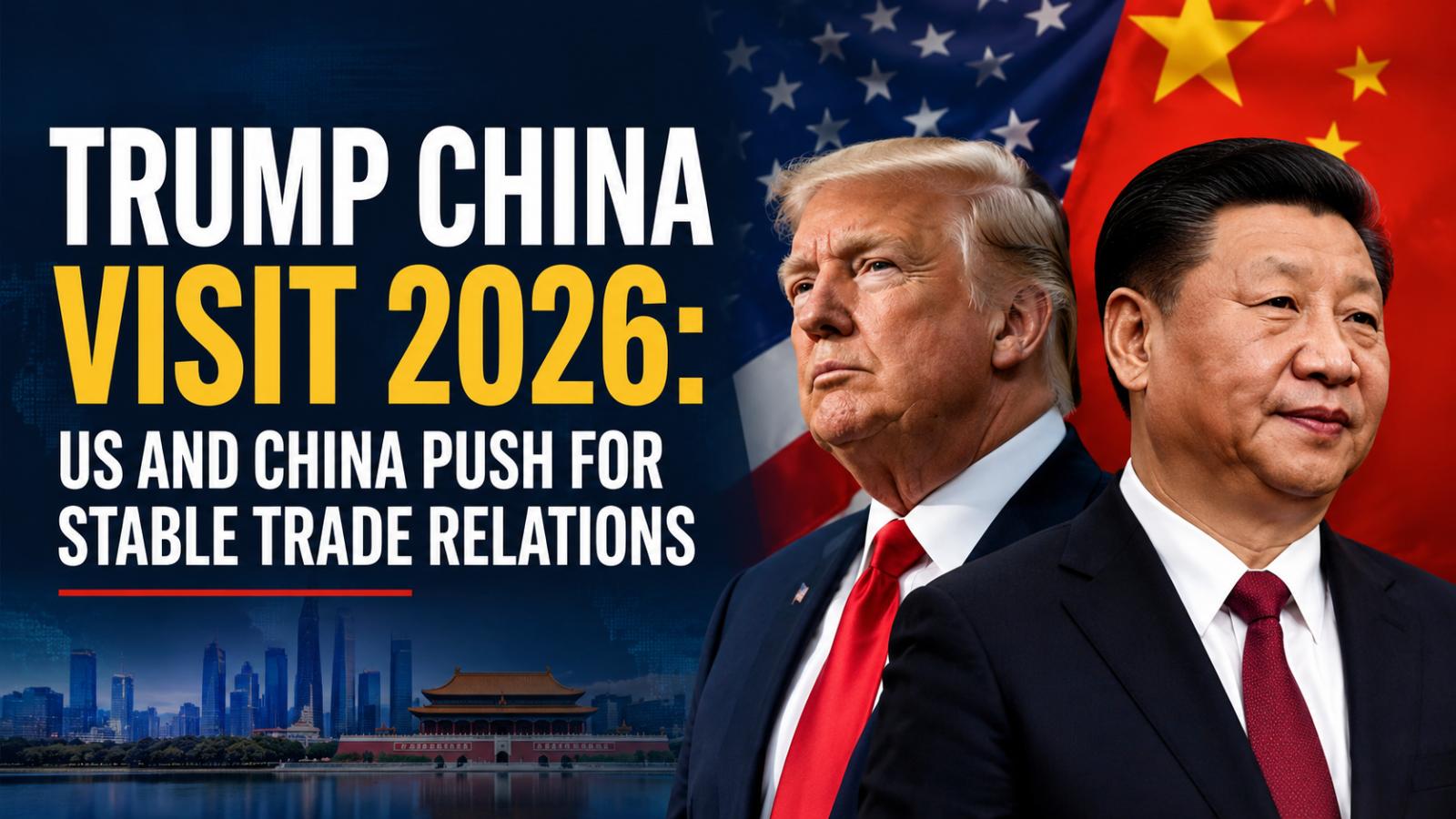
China on Monday confirmed that US President Donald Trump will visit Beijing from May 13 to May 15 for high-level talks with Chinese President Xi Jinping. The Trump China visit will be the first trip to China during Trump’s second term and is expected to focus on improving strained trade relations between the world’s two largest economies. The meeting comes at a time when global tensions, tariff disputes and concerns over economic stability continue to affect international markets and poli
China on Monday confirmed that US President Donald Trump will visit Beijing from May 13 to May 15 for high-level talks with Chinese President Xi Jinping. The Trump China visit will be the first trip to China during Trump’s second term and is expected to focus on improving strained trade relations between the world’s two largest economies. The meeting comes at a time when global tensions, tariff disputes and concerns over economic stability continue to affect international markets and poli
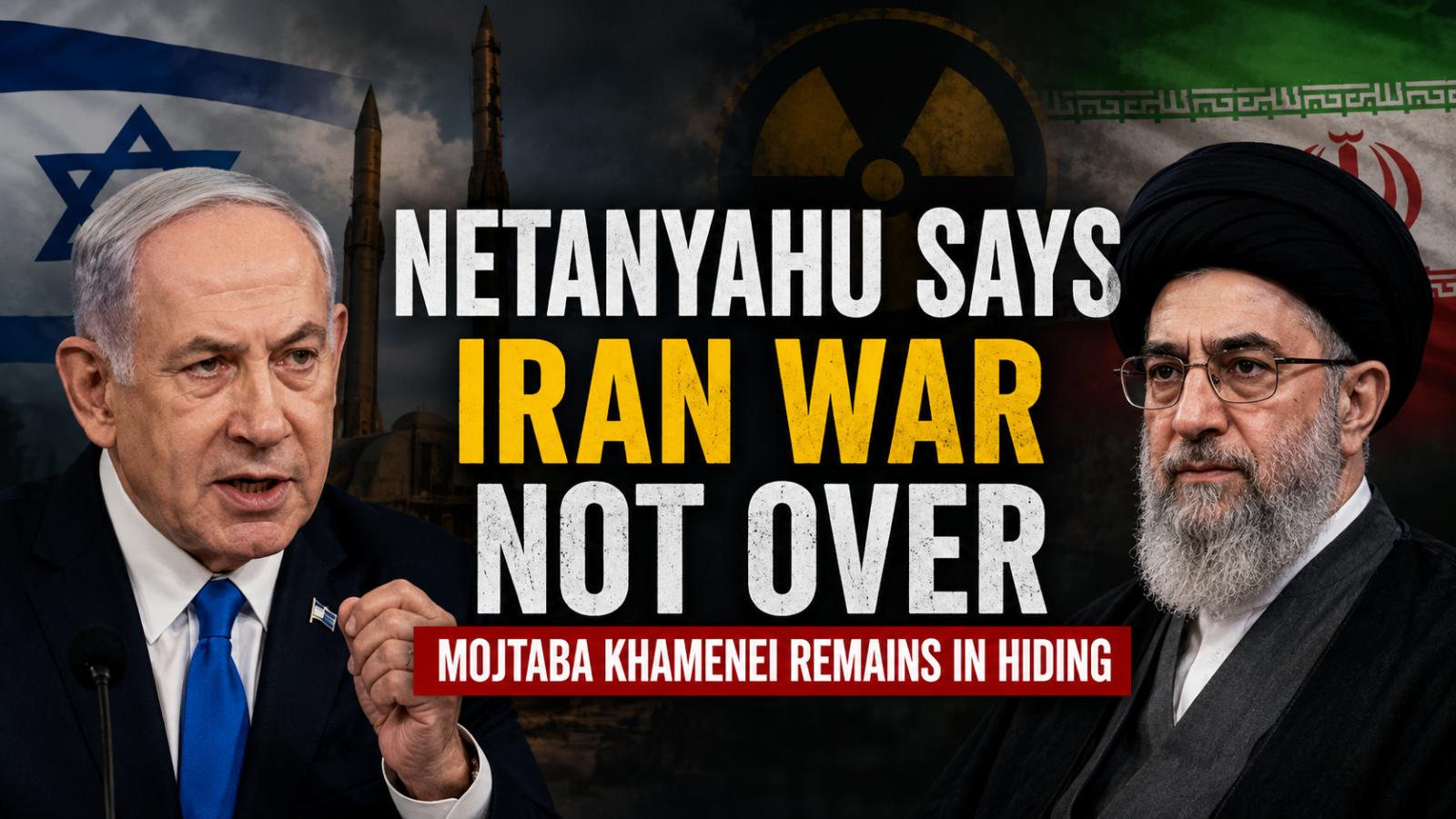
Israeli Prime Minister Benjamin Netanyahu said Iran’s conflict with Israel is still ongoing and warned that Tehran’s nuclear program continues to remain a major concern. Netanyahu also claimed that Iran’s Supreme Leader Mojtaba Khamenei is alive and believed to be hiding in a secret bunker after taking power following the reported death of Ali Khamenei during a US-Israeli airstrike. Netanyahu said Iran still possesses enriched uranium and nuclear facilities that must be dismantled befor
Israeli Prime Minister Benjamin Netanyahu said Iran’s conflict with Israel is still ongoing and warned that Tehran’s nuclear program continues to remain a major concern. Netanyahu also claimed that Iran’s Supreme Leader Mojtaba Khamenei is alive and believed to be hiding in a secret bunker after taking power following the reported death of Ali Khamenei during a US-Israeli airstrike. Netanyahu said Iran still possesses enriched uranium and nuclear facilities that must be dismantled befor
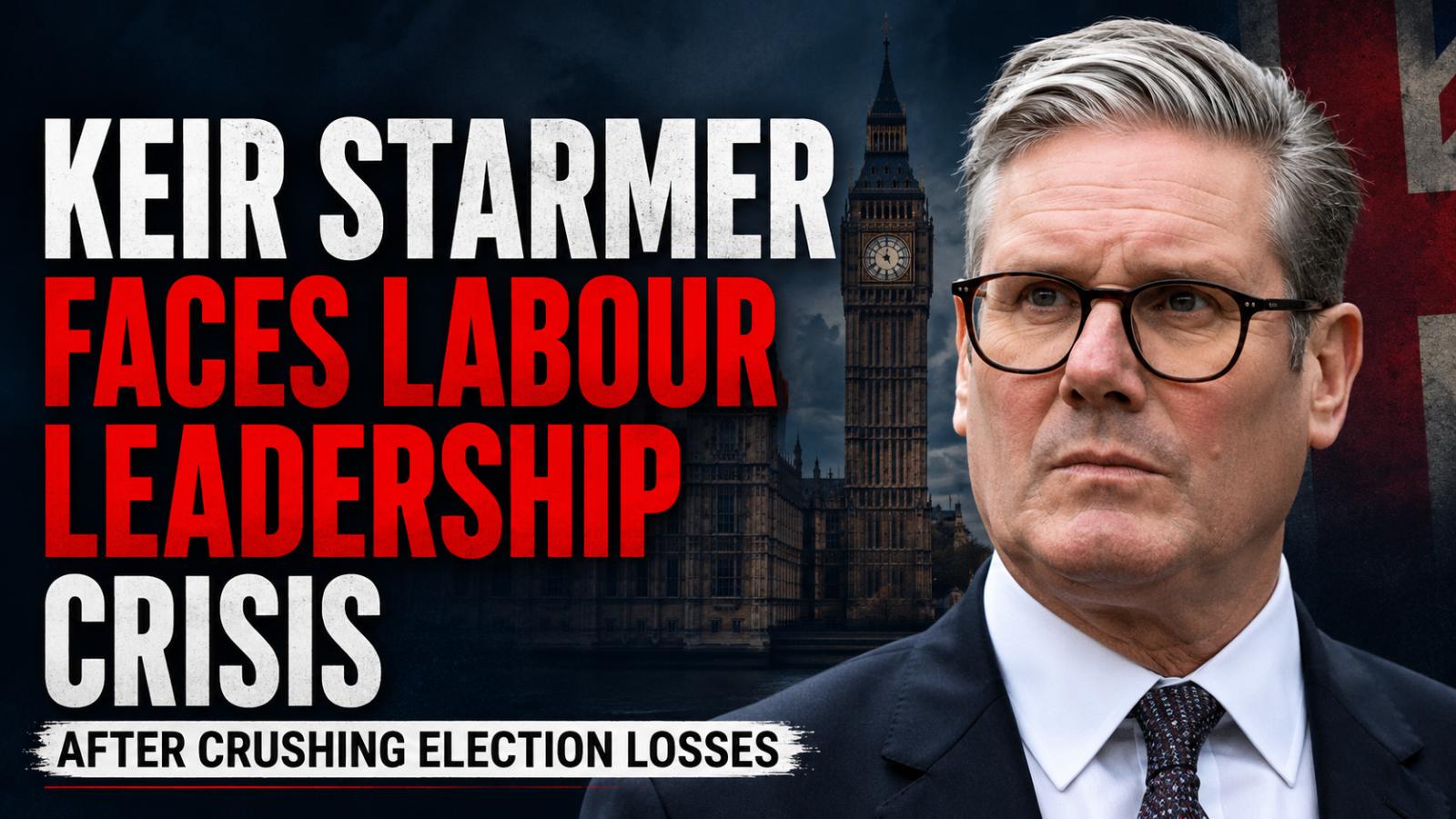
United Kingdom Prime Minister Keir Starmer is facing a serious Labour leadership crisis after the party suffered heavy losses in the 2026 local elections across England and Wales. The poor election performance has triggered anger among Labour MPs, with Catherine West warning cabinet ministers that she may begin gathering support for a leadership contest if no one challenges Starmer by Monday. The growing rebellion has raised fresh questions about Starmer’s future as leader of the Labour Par
United Kingdom Prime Minister Keir Starmer is facing a serious Labour leadership crisis after the party suffered heavy losses in the 2026 local elections across England and Wales. The poor election performance has triggered anger among Labour MPs, with Catherine West warning cabinet ministers that she may begin gathering support for a leadership contest if no one challenges Starmer by Monday. The growing rebellion has raised fresh questions about Starmer’s future as leader of the Labour Par
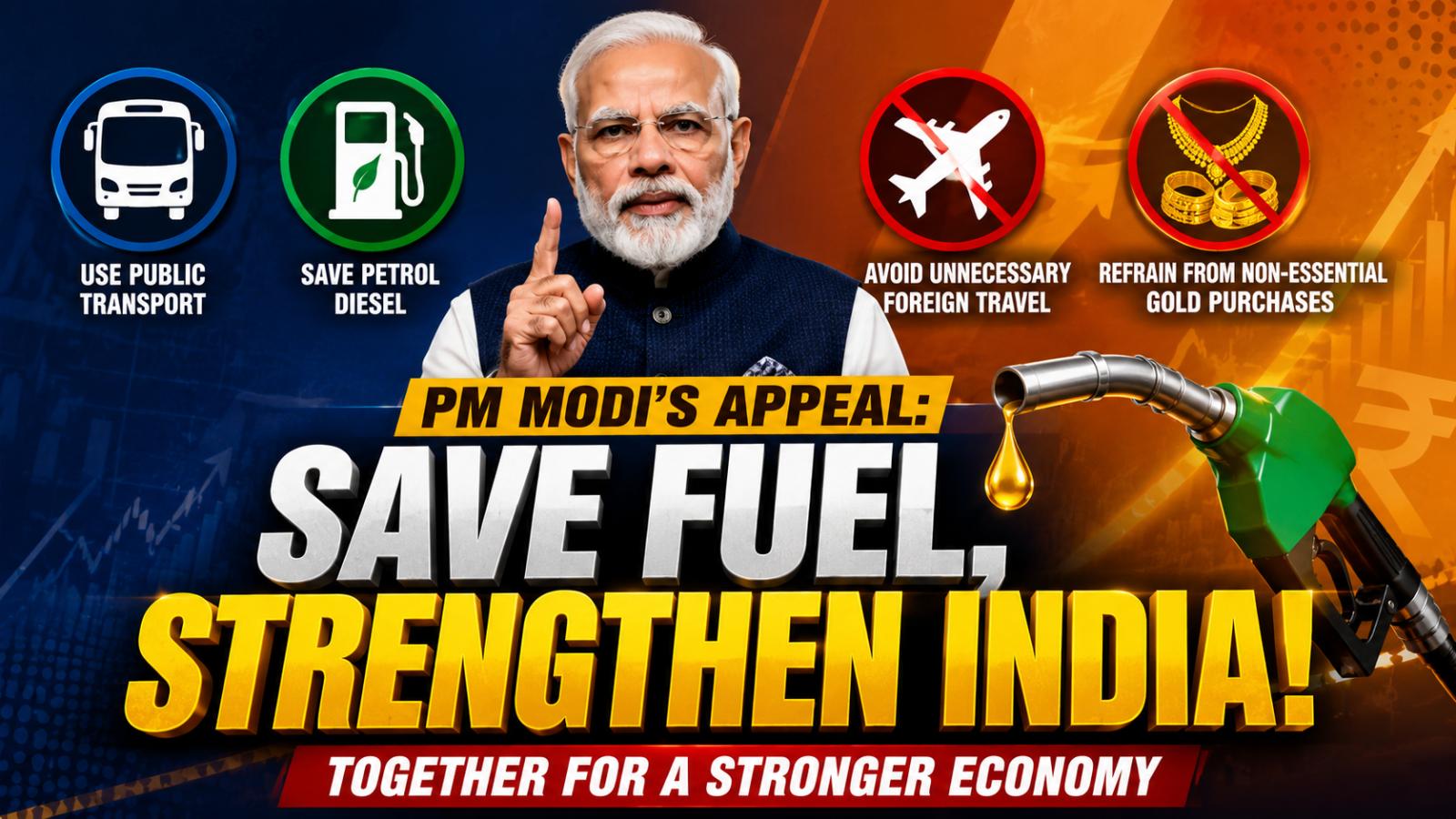
Prime Minister Narendra Modi on Sunday urged citizens to adopt responsible economic habits to help India manage the impact of rising global oil prices and supply chain disruptions linked to tensions in the Middle East. Addressing a gathering in Hyderabad, the prime minister appealed to the public to reduce petrol and diesel consumption, avoid unnecessary foreign travel, and limit non-essential gold purchases in order to protect the nation’s foreign exchange reserves and economic stability.
Prime Minister Narendra Modi on Sunday urged citizens to adopt responsible economic habits to help India manage the impact of rising global oil prices and supply chain disruptions linked to tensions in the Middle East. Addressing a gathering in Hyderabad, the prime minister appealed to the public to reduce petrol and diesel consumption, avoid unnecessary foreign travel, and limit non-essential gold purchases in order to protect the nation’s foreign exchange reserves and economic stability.
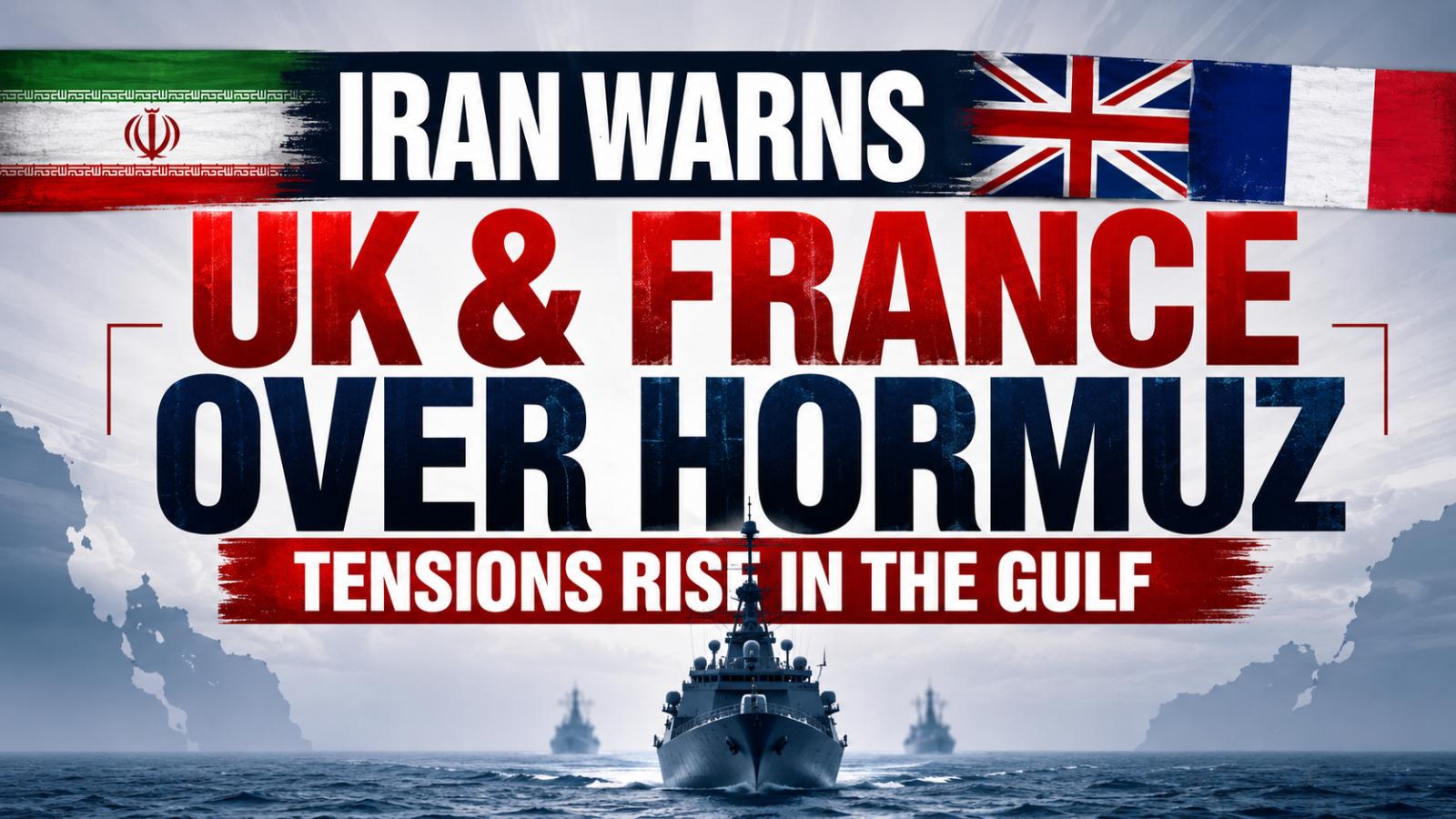
Iran on Sunday warned Britain and France against deploying warships to the Strait of Hormuz, escalating tensions around one of the world’s most critical maritime trade routes. Iranian Deputy Foreign Minister Kazem Gharibabadi said Tehran would respond immediately and decisively if foreign powers attempted to interfere in the security of the strategic waterway. His remarks came after reports that both Britain and France had sent vessels toward the Gulf region amid ongoing concerns over marit
Iran on Sunday warned Britain and France against deploying warships to the Strait of Hormuz, escalating tensions around one of the world’s most critical maritime trade routes. Iranian Deputy Foreign Minister Kazem Gharibabadi said Tehran would respond immediately and decisively if foreign powers attempted to interfere in the security of the strategic waterway. His remarks came after reports that both Britain and France had sent vessels toward the Gulf region amid ongoing concerns over marit
Chinese Tanker Attack Near Strait of Hormuz Raises Global Oil Fears
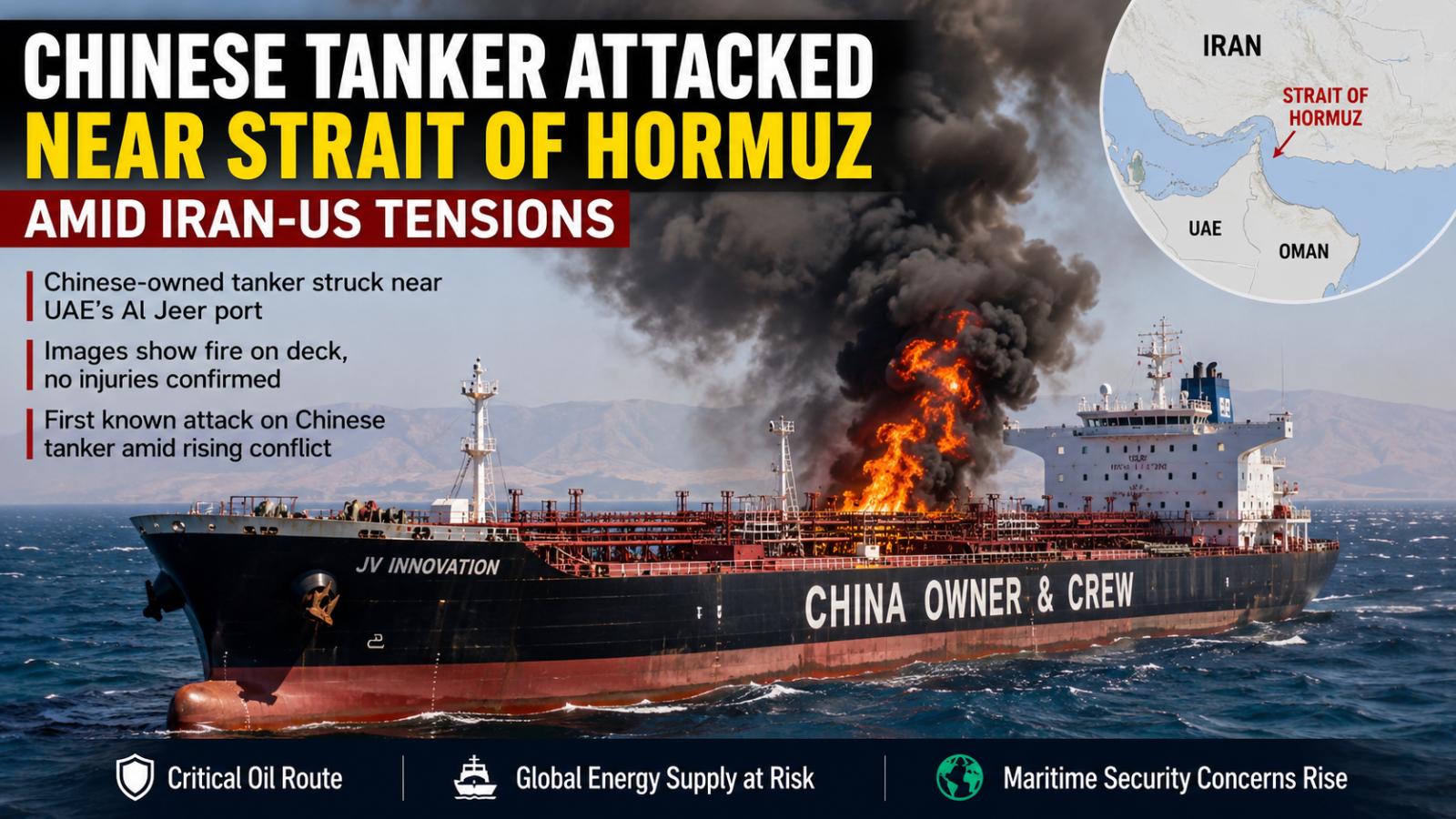
A Chinese-owned oil tanker was attacked near the Strait of Hormuz, intensifying fears over oil shipping safety as Iran-US tensions deepen across Gulf waters.
The vessel, identified in reports as JV Innovation, was reportedly hit off UAE’s Al Jeer port on May 4, with images showing flames on deck and markings reading “CHINA OWNER & CREW.”
Chinese Tanker Attack Near Strait of Hormuz Raises Global Oil Fears
A Chinese-owned oil tanker was attacked near the Strait of Hormuz, intensifying fears over oil shipping safety as Iran-US tensions deepen across Gulf waters.
The vessel, identified in reports as JV Innovation, was reportedly hit off UAE’s Al Jeer port on May 4, with images showing flames on deck and markings reading “CHINA OWNER & CREW.”
Shell Profits Rise as Oil Prices Surge
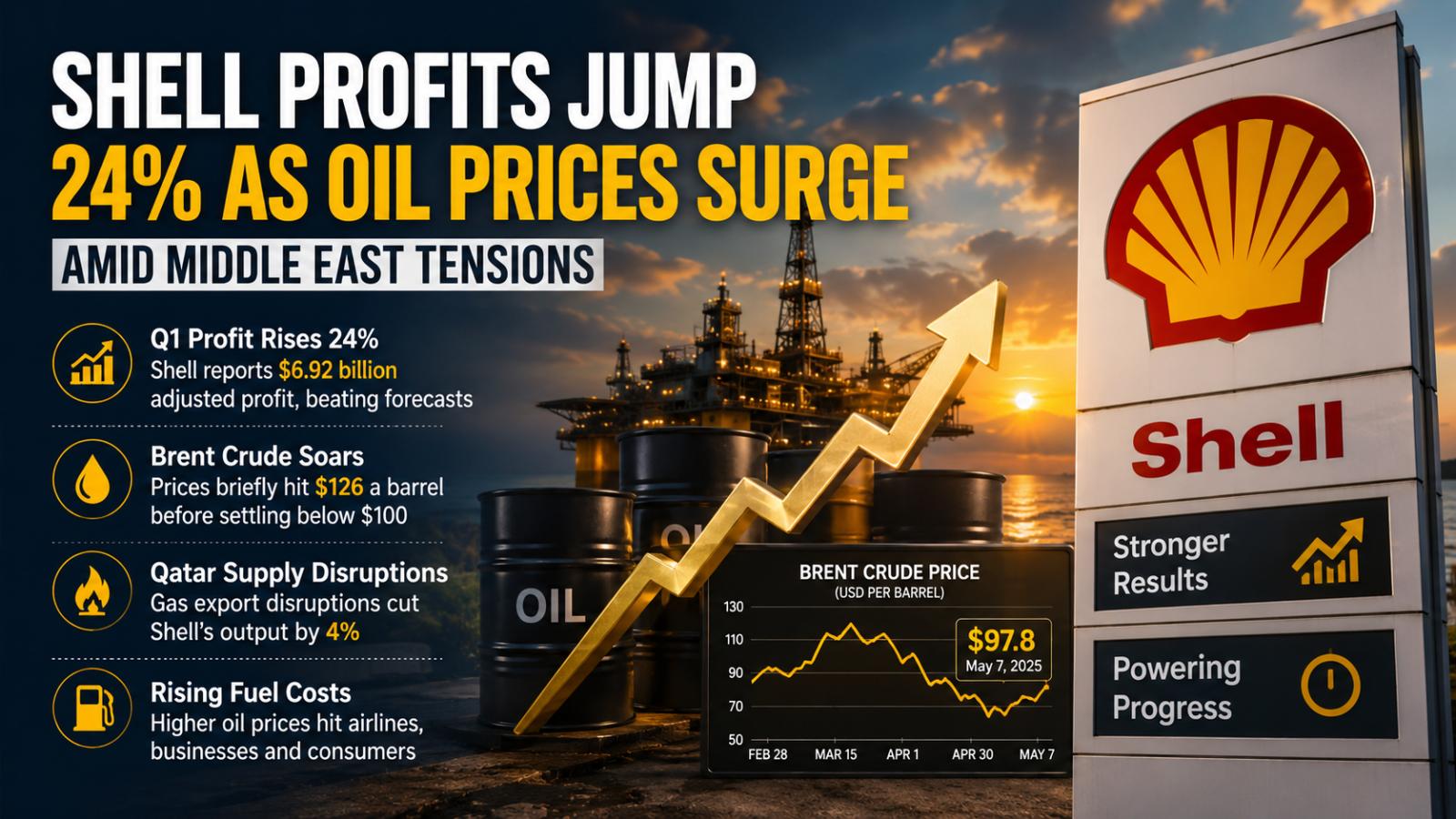
Shell profits climbed sharply in the first quarter as oil prices surged during the Middle East conflict, helping the energy giant beat market expectations.
The London-based company reported adjusted earnings of $6.92 billion, up 24% from a year earlier, as Brent crude volatility boosted oil trading, refining margins and energy market returns.
Middle East Conflict Drives Energy Volatility
Shell Profits Rise as Oil Prices Surge
Shell profits climbed sharply in the first quarter as oil prices surged during the Middle East conflict, helping the energy giant beat market expectations.
The London-based company reported adjusted earnings of $6.92 billion, up 24% from a year earlier, as Brent crude volatility boosted oil trading, refining margins and energy market returns.
Middle East Conflict Drives Energy Volatility
Los Angeles Mayoral Debate 2026: Key Takeaways
The Los Angeles mayoral debate 2026 revealed sharp divisions on homelessness, crime, and leadership—issues dominating the June 2 primary.
Incumbent Karen Bass, Spencer Pratt, and Nithya Raman faced off in a tense exchange that highlighted contrasting visions for the city’s future.
Homelessness Crisis and Inside Safe Under Fire
A major flashpoint was the Insi
Los Angeles Mayoral Debate 2026: Key Takeaways
The Los Angeles mayoral debate 2026 revealed sharp divisions on homelessness, crime, and leadership—issues dominating the June 2 primary.
Incumbent Karen Bass, Spencer Pratt, and Nithya Raman faced off in a tense exchange that highlighted contrasting visions for the city’s future.
Homelessness Crisis and Inside Safe Under Fire
A major flashpoint was the Insi
A terminally ill 18-year-old from Chicago is seeking a final reunion with his parents, who are being held in U.S. immigration custody in Arizona, family members and officials said this week.
Kevin Gonzalez, a U.S. citizen receiving end-of-life care in Durango, has stage four colon cancer and has asked authorities to allow his parents’ release so he can see them before he dies.
His parents were detained earlier this year after attempting to reenter the United States without authorization, according to federal officials. Their prior visa applications had been denied due to earlier immigration violations.
The family said they sought humanitarian consideration following Kevin’s diagnosis, but their request was not approved. His condition has since worsened, with the cancer spreading to multiple organs, and doctors have shifted to palliative care.
Kevin had lived in Chicago with relatives after his parents were deported in 2011, the family said. His mother briefly returned to the United States in 2024 before being deported again.
The case has drawn attention from the Mexican consulate and U.S. lawmakers, who have urged authorities to weigh humanitarian factors. The parents are scheduled to appear before an immigration judge in Arizona on Thursday.
Officials said the outcome could determine whether the parents are deported and allowed to reunite with their son in Mexico, or remain in custody pending further proceedings.
Kevin’s request remains under review as his condition continues to deteriorate, relatives said.
A terminally ill 18-year-old from Chicago is seeking a final reunion with his parents, who are being held in U.S. immigration custody in Arizona, family members and officials said this week.
Kevin Gonzalez, a U.S. citizen receiving end-of-life care in Durango, has stage four colon cancer and has asked authorities to allow his parents’ release so he can see them before he dies.
His parents were detained earlier this year after attempting to reenter the United States without authorization, according to federal officials. Their prior visa applications had been denied due to earlier immigration violations.
The family said they sought humanitarian consideration following Kevin’s diagnosis, but their request was not approved. His condition has since worsened, with the cancer spreading to multiple organs, and doctors have shifted to palliative care.
Kevin had lived in Chicago with relatives after his parents were deported in 2011, the family said. His mother briefly returned to the United States in 2024 before being deported again.
The case has drawn attention from the Mexican consulate and U.S. lawmakers, who have urged authorities to weigh humanitarian factors. The parents are scheduled to appear before an immigration judge in Arizona on Thursday.
Officials said the outcome could determine whether the parents are deported and allowed to reunite with their son in Mexico, or remain in custody pending further proceedings.
Kevin’s request remains under review as his condition continues to deteriorate, relatives said.
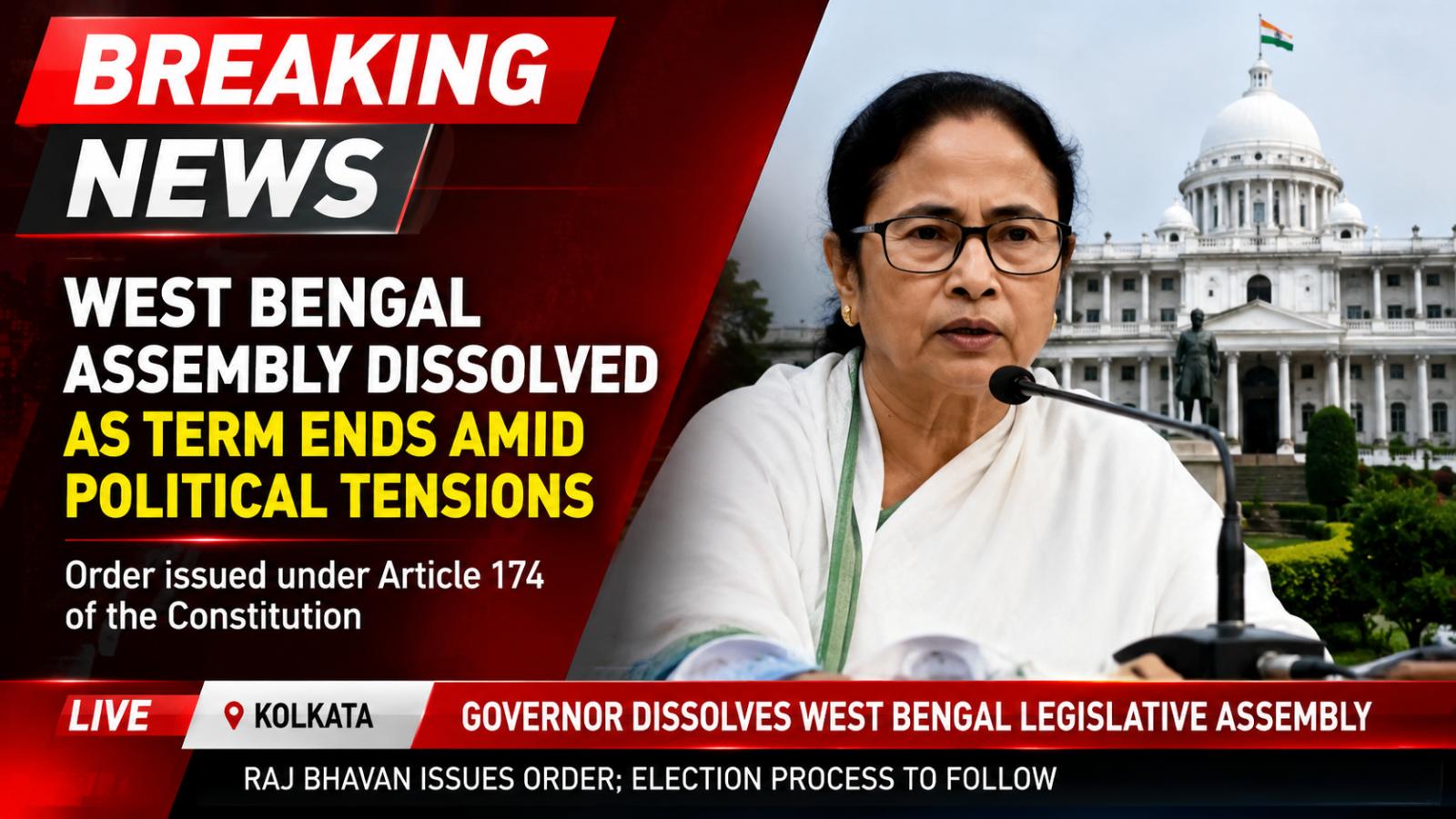
The legislative assembly of West Bengal was dissolved on Thursday, May 7, 2026, after completing its term, officials said, marking the end of a politically charged period in the state.
The dissolution order was issued under Article 174 of the Constitution and made public by Raj Bhavan. Authorities confirmed the move coincided with the scheduled expiry of the assembly’s tenure.
The development follows recent remarks by Chief Minister Mamata Banerjee, who earlier this week rejected claims of electoral defeat and alleged irregularities in the mandate.
Her comments drew criticism from leaders of the Bharatiya Janata Party, who questioned her position and called for accountability.
Officials, however, did not link the dissolution directly to the political dispute, stating it was a routine constitutional step at the end of the assembly’s term.
The dissolution formally concludes the current legislative cycle in the state, with further steps expected as part of the electoral transition process.
The legislative assembly of West Bengal was dissolved on Thursday, May 7, 2026, after completing its term, officials said, marking the end of a politically charged period in the state.
The dissolution order was issued under Article 174 of the Constitution and made public by Raj Bhavan. Authorities confirmed the move coincided with the scheduled expiry of the assembly’s tenure.
The development follows recent remarks by Chief Minister Mamata Banerjee, who earlier this week rejected claims of electoral defeat and alleged irregularities in the mandate.
Her comments drew criticism from leaders of the Bharatiya Janata Party, who questioned her position and called for accountability.
Officials, however, did not link the dissolution directly to the political dispute, stating it was a routine constitutional step at the end of the assembly’s term.
The dissolution formally concludes the current legislative cycle in the state, with further steps expected as part of the electoral transition process.
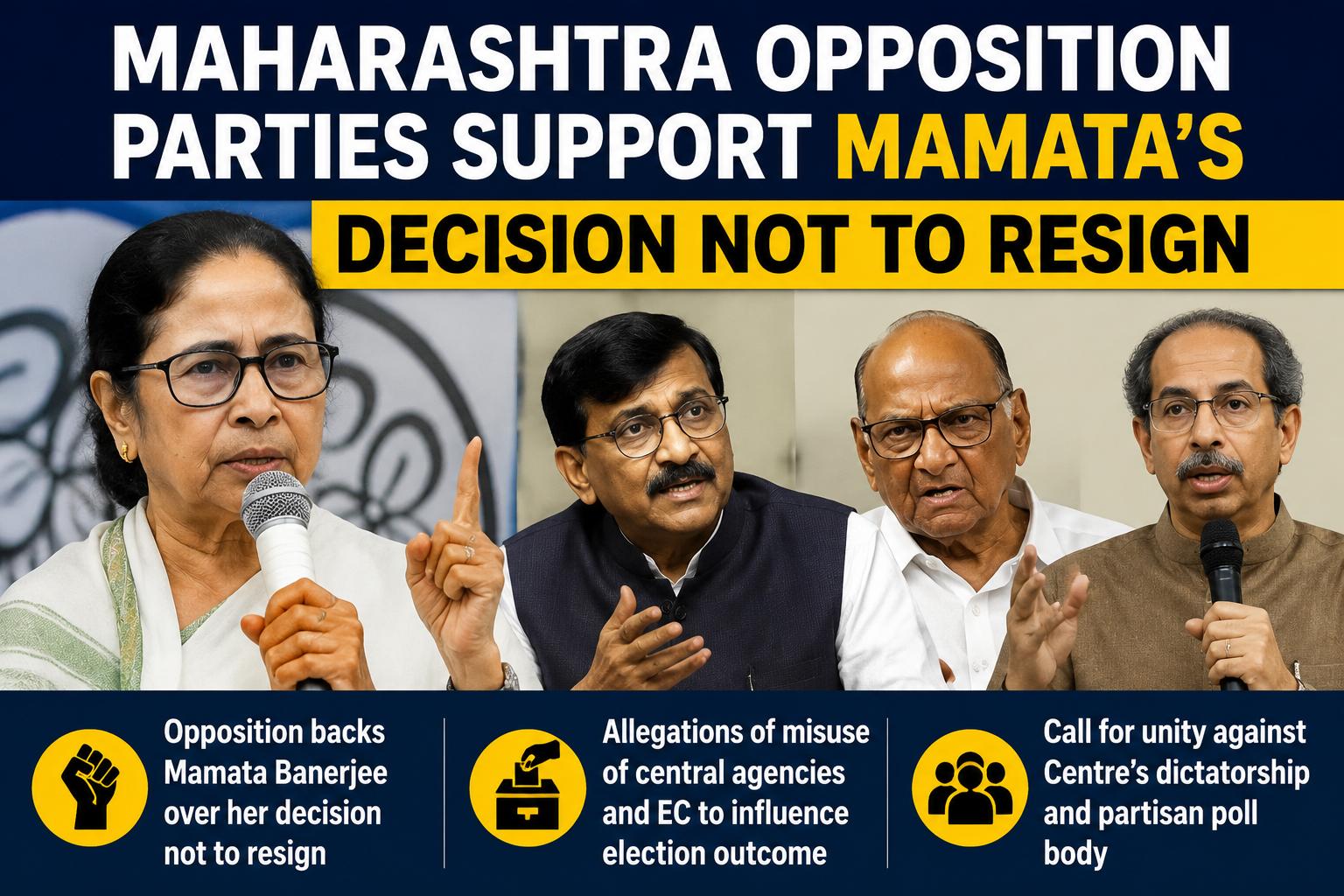
The opposition parties in Maharashtra have come out strongly in support of Trinamool Congress (TMC) chief Mamata Banerjee, who has decided not to resign as the Chief Minister of West Bengal following her party's defeat in the assembly elections. Banerjee’s decision to stay in office has sparked significant political debate, with opposition leaders alleging that democratic processes were undermined during the polls and that central agencies were misused to influence the outcome.
The opposition parties in Maharashtra have come out strongly in support of Trinamool Congress (TMC) chief Mamata Banerjee, who has decided not to resign as the Chief Minister of West Bengal following her party's defeat in the assembly elections. Banerjee’s decision to stay in office has sparked significant political debate, with opposition leaders alleging that democratic processes were undermined during the polls and that central agencies were misused to influence the outcome.
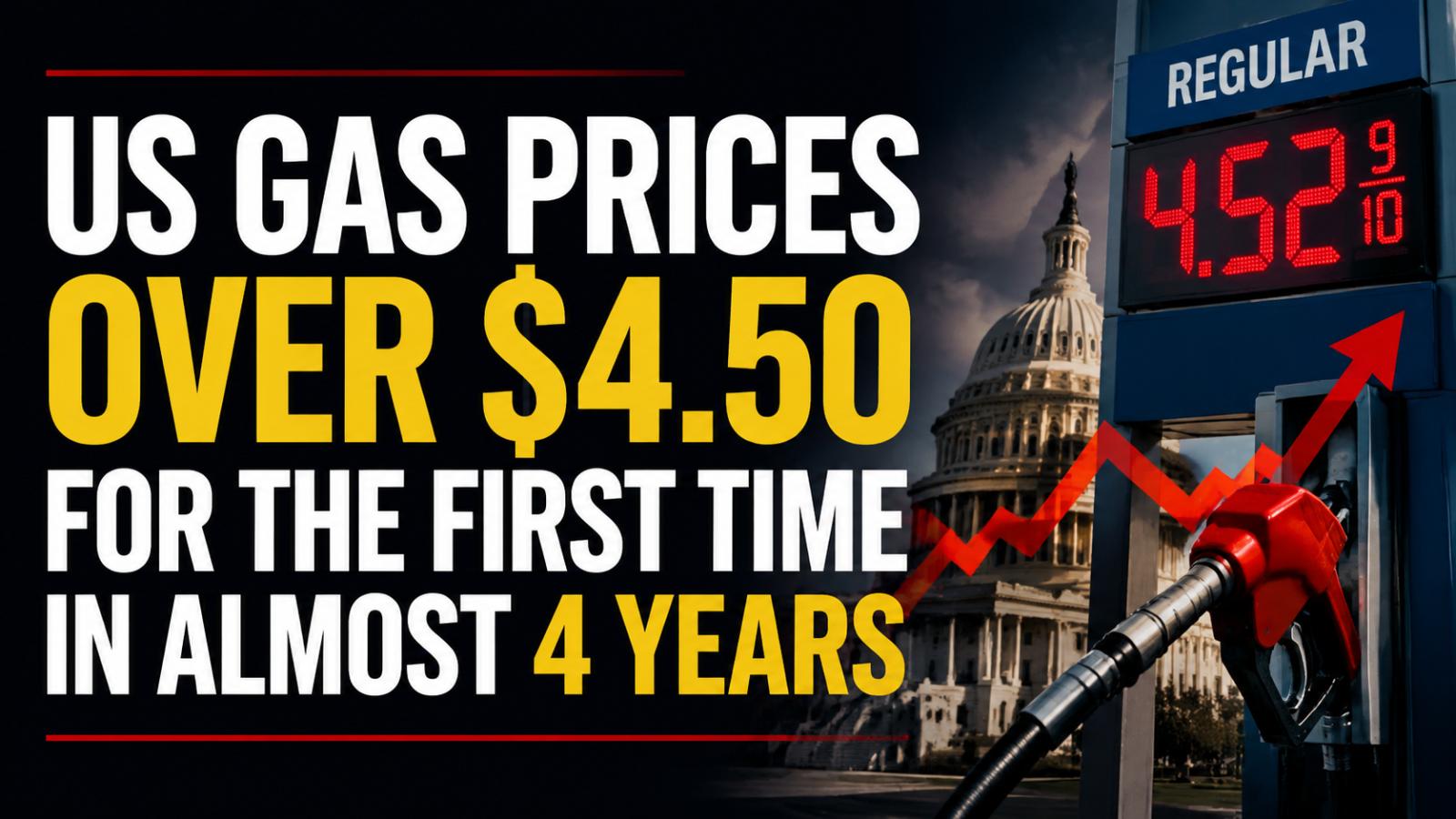
For the first time since July 2022, Americans are facing gas prices above $4.50 a gallon, with the national average hitting $4.52 as of May 6. This surge in fuel prices is placing significant political pressure on President Donald Trump, just five months before the 2024 US Midterm elections. Rising gas prices, coupled with low approval ratings, are adding to the growing dissatisfaction over his handling of key issues such as the economy, inflation, and international conflicts.
For the first time since July 2022, Americans are facing gas prices above $4.50 a gallon, with the national average hitting $4.52 as of May 6. This surge in fuel prices is placing significant political pressure on President Donald Trump, just five months before the 2024 US Midterm elections. Rising gas prices, coupled with low approval ratings, are adding to the growing dissatisfaction over his handling of key issues such as the economy, inflation, and international conflicts.
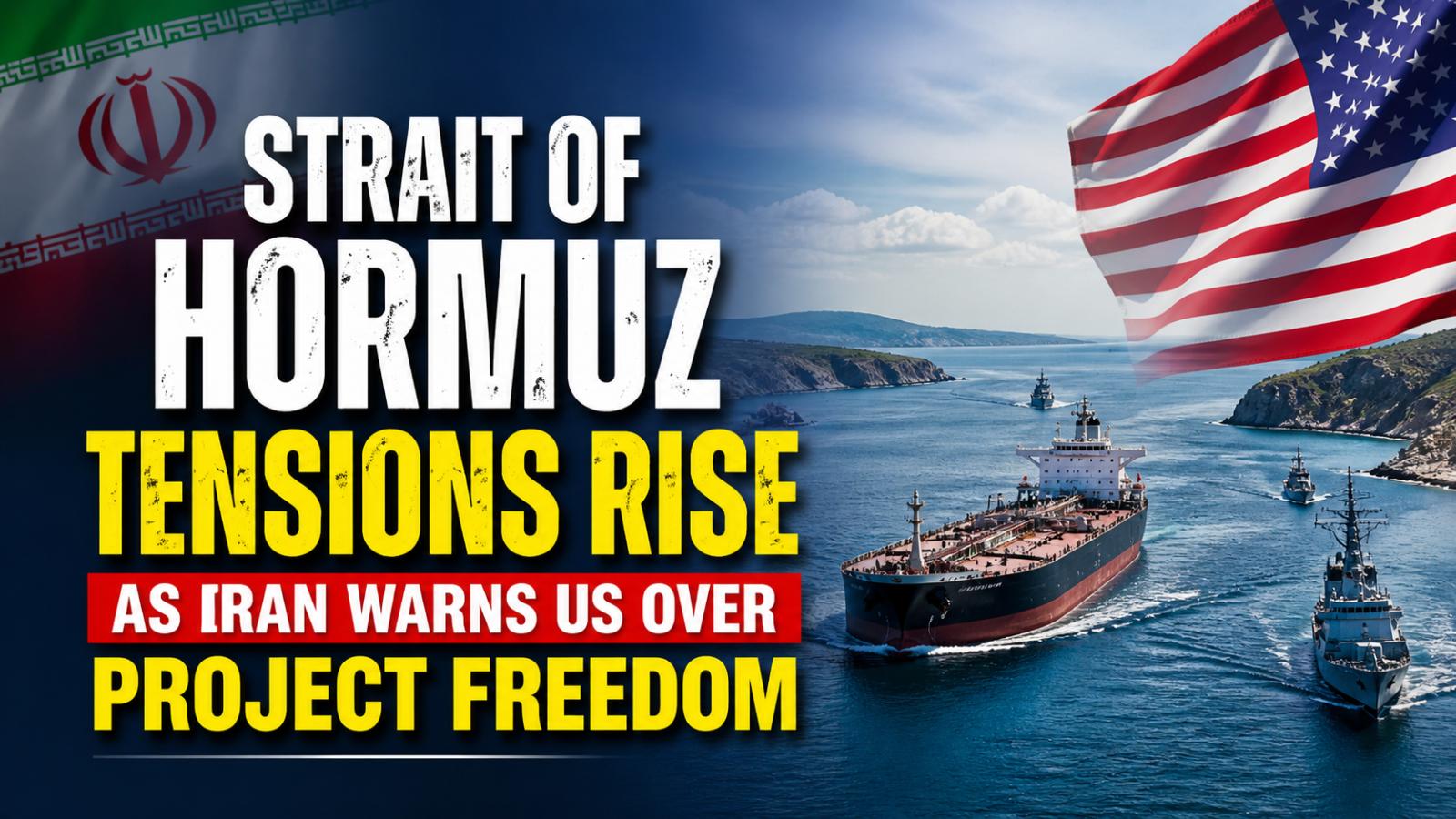
The Strait of Hormuz crisis has intensified after Ebrahim Azizi warned that any US intervention would be treated as a ceasefire violation. His remarks came in response to Donald Trump’s announcement of Project Freedom, a naval initiative aimed at guiding merchant vessels through the strategically vital w
The Strait of Hormuz crisis has intensified after Ebrahim Azizi warned that any US intervention would be treated as a ceasefire violation. His remarks came in response to Donald Trump’s announcement of Project Freedom, a naval initiative aimed at guiding merchant vessels through the strategically vital w
The United States has announced a new maritime initiative aimed at assisting commercial vessels stranded in the Strait of Hormuz, a critical global shipping route impacted by ongoing tensions. The operation, referred to as Project Freedom, is intended to guide ships safely through restricted waters as part of what officials described as a humanitarian effort to stabilize maritime activity in the region.
According to statements from US leadership, the initiative will focus on escorti
The United States has announced a new maritime initiative aimed at assisting commercial vessels stranded in the Strait of Hormuz, a critical global shipping route impacted by ongoing tensions. The operation, referred to as Project Freedom, is intended to guide ships safely through restricted waters as part of what officials described as a humanitarian effort to stabilize maritime activity in the region.
According to statements from US leadership, the initiative will focus on escorti
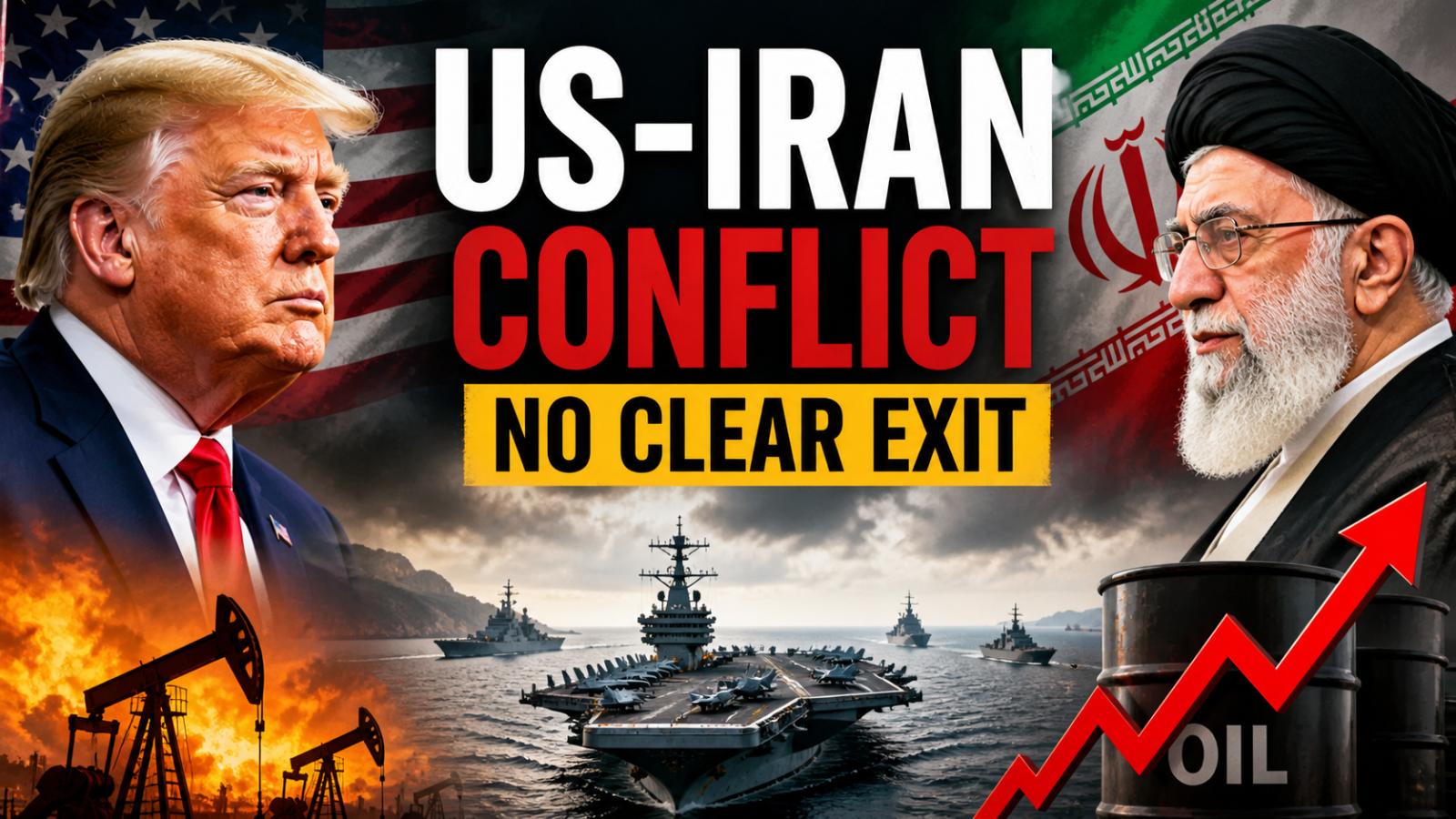
More than two months into military action against Iran, Donald Trump is facing a difficult reality: the conflict is far from over—and there’s no clear way out.
What began as a show of strength has turned into a prolonged standoff, with rising global consequences.
Military Gains, But No Strategic Victory
The United States, alongside Israeli forces, has carried out multiple strikes targeting Iran’s
More than two months into military action against Iran, Donald Trump is facing a difficult reality: the conflict is far from over—and there’s no clear way out.
What began as a show of strength has turned into a prolonged standoff, with rising global consequences.
Military Gains, But No Strategic Victory
The United States, alongside Israeli forces, has carried out multiple strikes targeting Iran’s
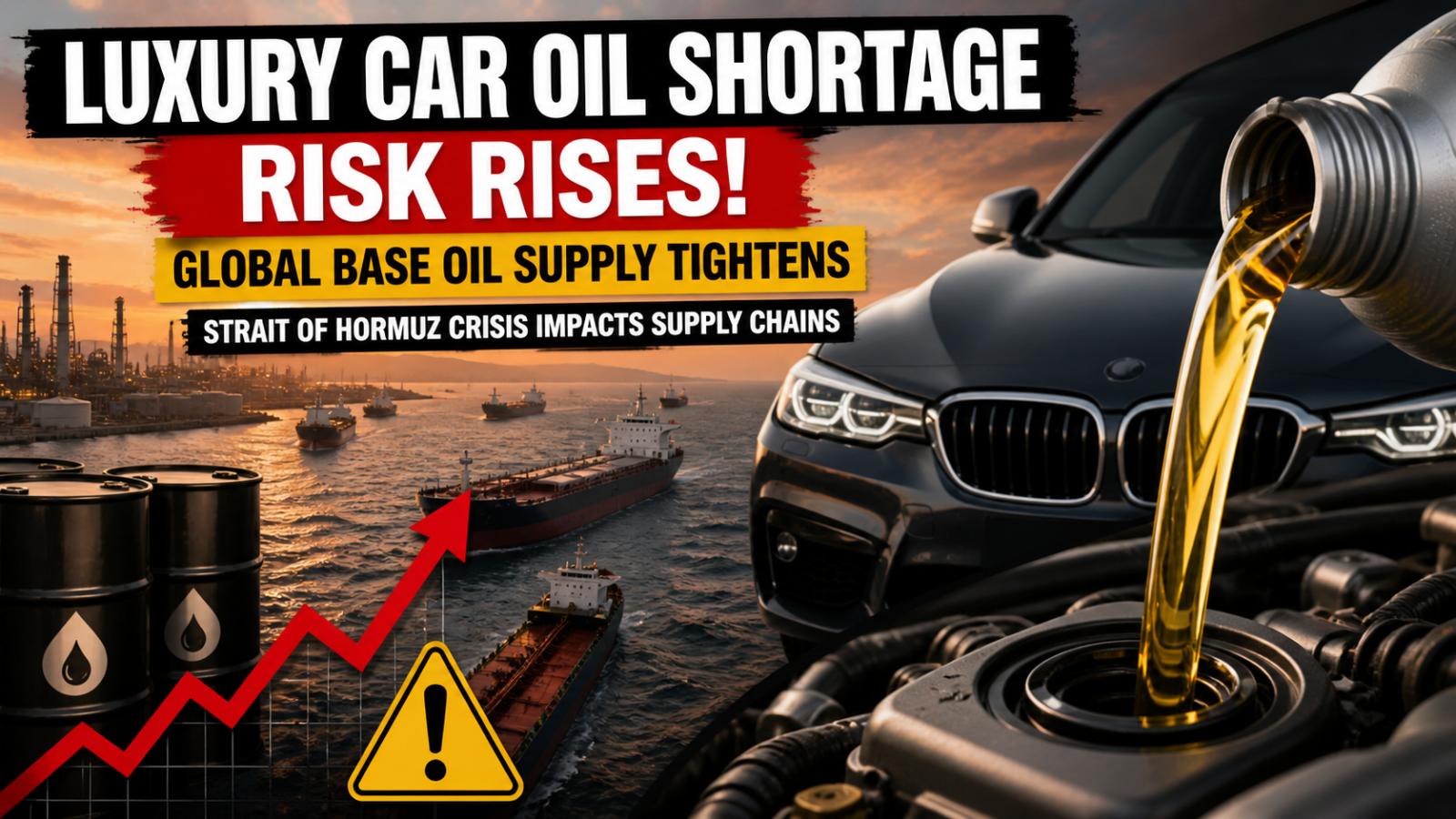
The global base oil shortage is no longer just an industry headline—it’s becoming a real concern for luxury car owners worldwide. As supply chains tighten due to geopolitical tensions around the Strait of Hormuz, the availability of high-performance engine oils used in premium vehicles is under pressure.
For owners of brands like BMW, Mercedes-Benz, and Audi, this could soon translate into higher maintenance costs, limited oil availability, and delayed servicing.
What’s Causing the Global Base Oil Shortage?
At the heart of the issue is the ongoing instability linked to tensions involving Iran and critical oil transit routes. The Strait of Hormuz handles a significant portion of the world’s petroleum shipments—not just crude oil, but also refined products like base oils, which are essential for lubricant production.
Base oils form the foundation of:
Synthetic engine oils
Industrial lubricants
High-performance automotive fluids
With shipping disruptions, delayed tankers, and rising insurance risks, the supply of these materials has tightened globally.
Why Luxury Cars Are Hit Harder
Not all vehicles are affected equally. Luxury and high-performance cars rely heavily on Group III and Group IV base oils, including advanced formulations like polyalphaolefins (PAO). These oils are designed to:
Handle extreme temperatures
Protect high-speed engines
Maintain performance under pressure
Unlike regular vehicles, luxury cars cannot easily switch to cheaper alternatives without risking engine damage or reduced efficiency. That’s why this shortage hits premium segments first—and hardest.
Rising Prices and Supply Pressure
The numbers already show stress in the system:
The Gulf region contributes around 20% of global Group III base oil production
It accounted for nearly half of U.S. imports in recent periods
Prices in some markets have nearly doubled since the crisis began
With inventories shrinking and delivery times increasing, lubricant manufacturers are struggling to keep up.
If disruptions continue, experts warn that:
Oil prices could rise further
Service costs for luxury vehicles may spike
Availability could become inconsistent in certain regions
What This Means for Luxury Car Owners
If you own a premium vehicle, here’s what you might notice in the coming weeks or months:
Higher Maintenance Costs
Synthetic oil changes could become significantly more expensive.
Service Delays
Workshops may face shortages or longer wait times for specific oil grades.
Risk of Substitutes
Some service centers might use alternative oils—potentially affecting performance if not approved.
Should You Be Worried Right Now?
Not immediately—but it’s something to watch closely.
There’s no need to panic or stockpile engine oil. However:
Stick to authorized service centers
Ensure correct oil specifications are used
Avoid delaying essential maintenance
Being proactive now can help you avoid bigger issues later.
A Bigger Energy and Supply Chain Problem
This isn’t just about cars—it reflects a deeper issue in the global energy ecosystem.
Heavy reliance on specific regions like the Persian Gulf makes supply chains vulnerable. Alongside geopolitical tensions, factors like:
Refinery disruptions
Export restrictions
Seasonal risks (like hurricanes in U.S. Gulf Coast)
are amplifying the pressure.
Industry experts see this as a warning sign of long-term structural risks in the oil and automotive sectors.
What Happens Next?
If shipping routes stabilize and production resumes, the situation could ease within months. But if disruptions persist:
Prices may remain elevated
Supply chains could tighten further
Luxury vehicle ownership costs may rise globally
For now, both manufacturers and consumers are bracing for continued uncertainty.
Final Takeaway
The global base oil shortage is quietly building into a significant challenge—especially for luxury car owners. While it may not yet be visible at every service center, the signs are clear: tightening supply, rising costs, and growing dependence on fragile global networks.
Staying informed—and maintaining your vehicle responsibly—will be key in navigating what could become one of the most overlooked automotive disruptions of the year.
The global base oil shortage is no longer just an industry headline—it’s becoming a real concern for luxury car owners worldwide. As supply chains tighten due to geopolitical tensions around the Strait of Hormuz, the availability of high-performance engine oils used in premium vehicles is under pressure.
For owners of brands like BMW, Mercedes-Benz, and Audi, this could soon translate into higher maintenance costs, limited oil availability, and delayed servicing.
What’s Causing the Global Base Oil Shortage?
At the heart of the issue is the ongoing instability linked to tensions involving Iran and critical oil transit routes. The Strait of Hormuz handles a significant portion of the world’s petroleum shipments—not just crude oil, but also refined products like base oils, which are essential for lubricant production.
Base oils form the foundation of:
Synthetic engine oils
Industrial lubricants
High-performance automotive fluids
With shipping disruptions, delayed tankers, and rising insurance risks, the supply of these materials has tightened globally.
Why Luxury Cars Are Hit Harder
Not all vehicles are affected equally. Luxury and high-performance cars rely heavily on Group III and Group IV base oils, including advanced formulations like polyalphaolefins (PAO). These oils are designed to:
Handle extreme temperatures
Protect high-speed engines
Maintain performance under pressure
Unlike regular vehicles, luxury cars cannot easily switch to cheaper alternatives without risking engine damage or reduced efficiency. That’s why this shortage hits premium segments first—and hardest.
Rising Prices and Supply Pressure
The numbers already show stress in the system:
The Gulf region contributes around 20% of global Group III base oil production
It accounted for nearly half of U.S. imports in recent periods
Prices in some markets have nearly doubled since the crisis began
With inventories shrinking and delivery times increasing, lubricant manufacturers are struggling to keep up.
If disruptions continue, experts warn that:
Oil prices could rise further
Service costs for luxury vehicles may spike
Availability could become inconsistent in certain regions
What This Means for Luxury Car Owners
If you own a premium vehicle, here’s what you might notice in the coming weeks or months:
Higher Maintenance Costs
Synthetic oil changes could become significantly more expensive.
Service Delays
Workshops may face shortages or longer wait times for specific oil grades.
Risk of Substitutes
Some service centers might use alternative oils—potentially affecting performance if not approved.
Should You Be Worried Right Now?
Not immediately—but it’s something to watch closely.
There’s no need to panic or stockpile engine oil. However:
Stick to authorized service centers
Ensure correct oil specifications are used
Avoid delaying essential maintenance
Being proactive now can help you avoid bigger issues later.
A Bigger Energy and Supply Chain Problem
This isn’t just about cars—it reflects a deeper issue in the global energy ecosystem.
Heavy reliance on specific regions like the Persian Gulf makes supply chains vulnerable. Alongside geopolitical tensions, factors like:
Refinery disruptions
Export restrictions
Seasonal risks (like hurricanes in U.S. Gulf Coast)
are amplifying the pressure.
Industry experts see this as a warning sign of long-term structural risks in the oil and automotive sectors.
What Happens Next?
If shipping routes stabilize and production resumes, the situation could ease within months. But if disruptions persist:
Prices may remain elevated
Supply chains could tighten further
Luxury vehicle ownership costs may rise globally
For now, both manufacturers and consumers are bracing for continued uncertainty.
Final Takeaway
The global base oil shortage is quietly building into a significant challenge—especially for luxury car owners. While it may not yet be visible at every service center, the signs are clear: tightening supply, rising costs, and growing dependence on fragile global networks.
Staying informed—and maintaining your vehicle responsibly—will be key in navigating what could become one of the most overlooked automotive disruptions of the year.
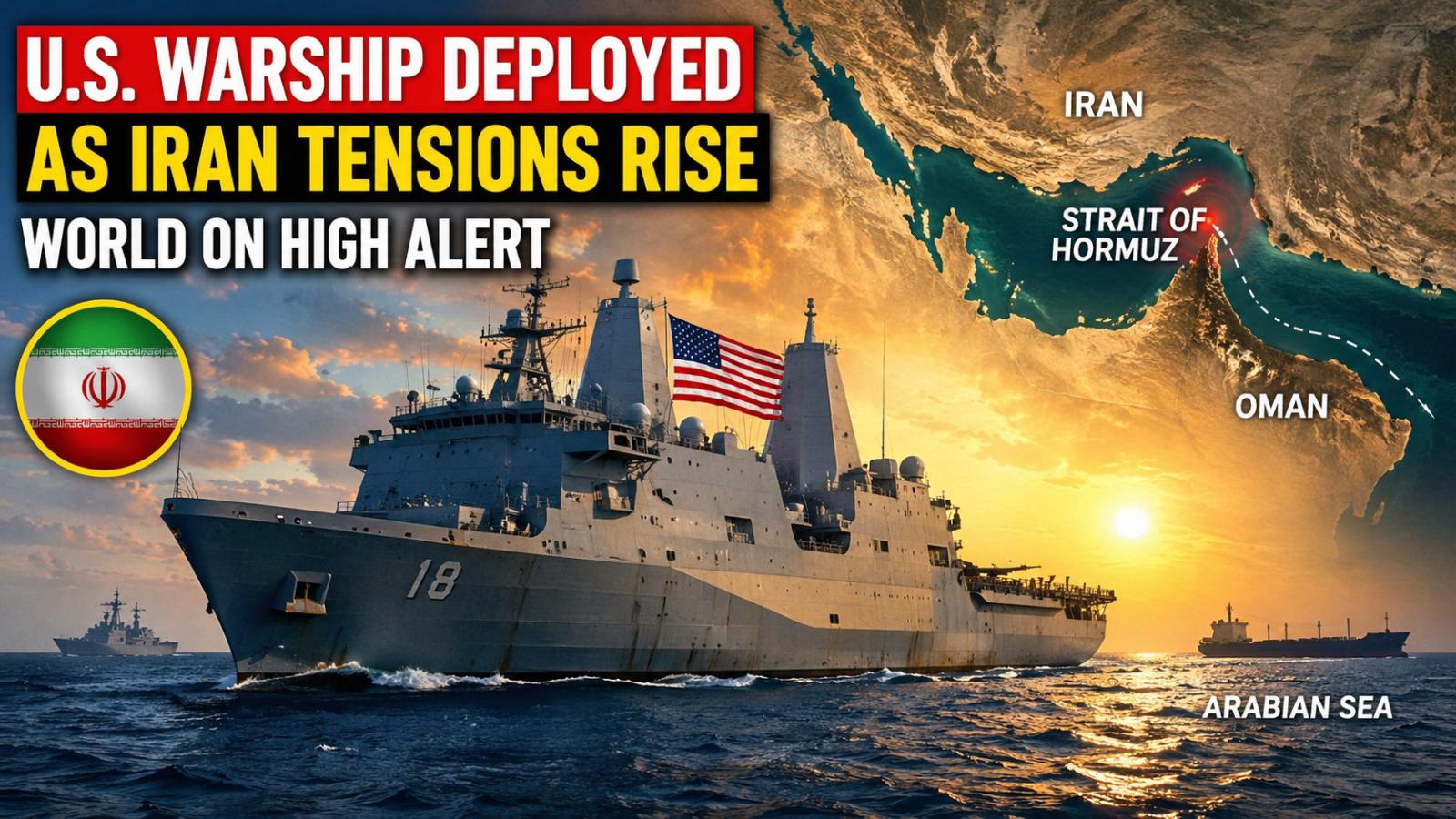
The deployment of the USS New Orleans (LPD-18) in the Arabian Sea is drawing global attention as tensions between the United States and Iran continue to escalate.
According to the U.S. Central Command, the warship has been actively involved in maritime patrol operations aimed at enforcing restrictions linked to Iran. Images released on May 2, 2026, show the vessel operatin
The deployment of the USS New Orleans (LPD-18) in the Arabian Sea is drawing global attention as tensions between the United States and Iran continue to escalate.
According to the U.S. Central Command, the warship has been actively involved in maritime patrol operations aimed at enforcing restrictions linked to Iran. Images released on May 2, 2026, show the vessel operatin