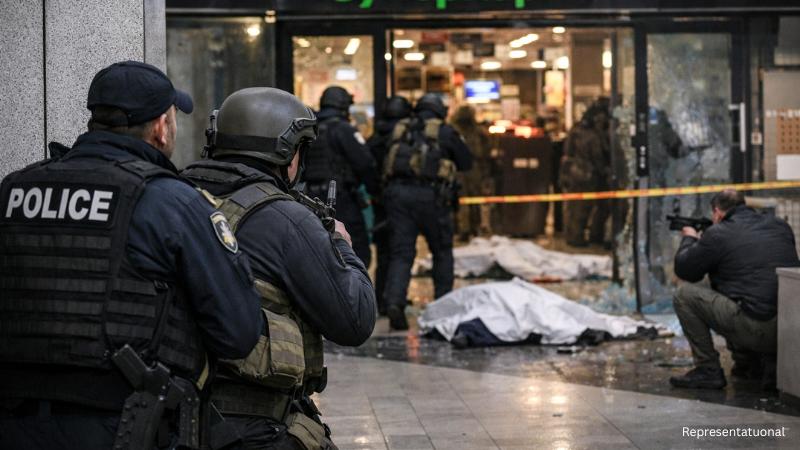
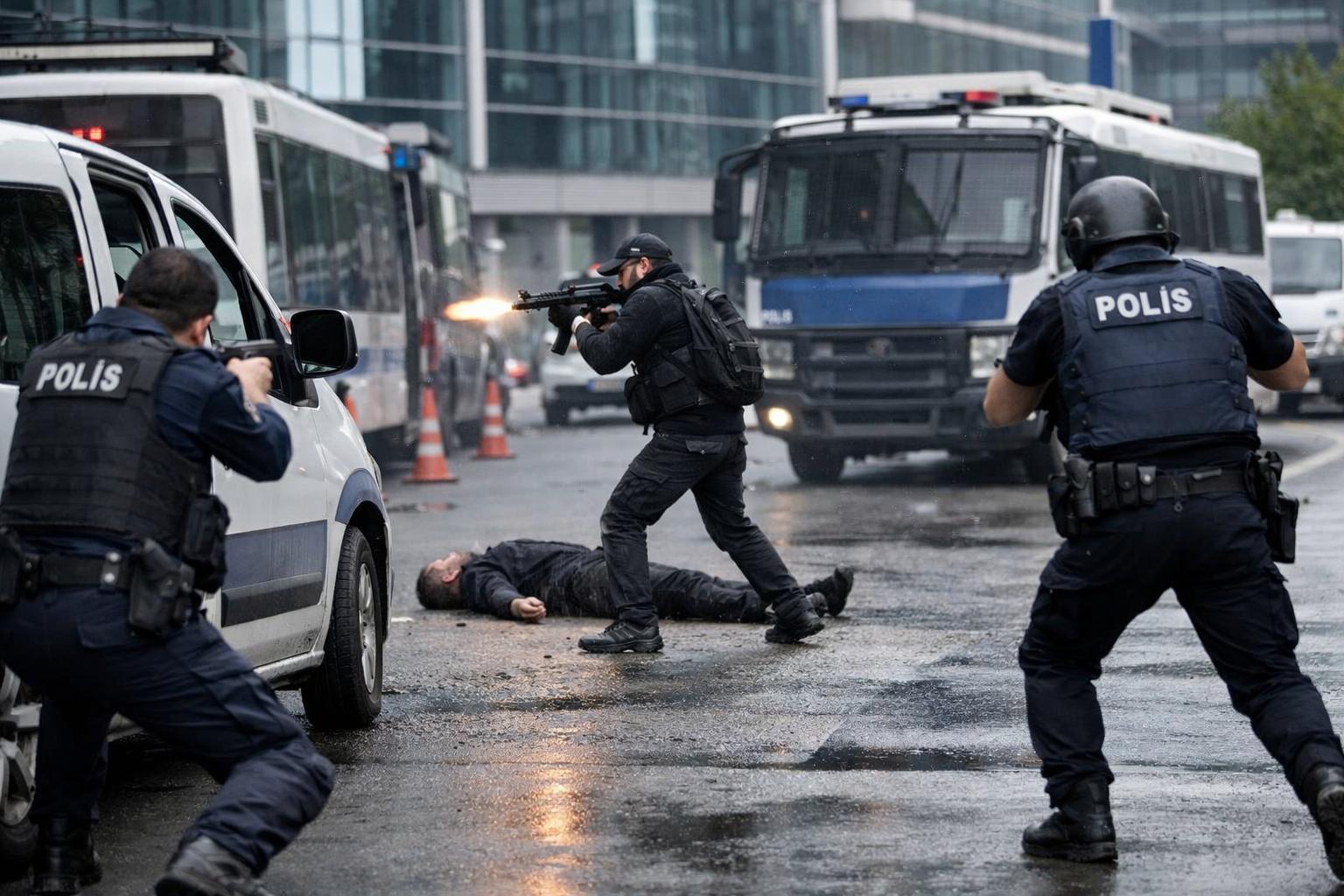
A prolonged gun battle outside a high-rise building housing the Israeli consulate in Istanbul left one attacker dead and two others wounded on Tuesday, April 7, 2026, Turkish authorities said. The exchange of gunfire, which lasted approximately 10 minutes, unfolded just after midday local time (IST equivalent), in a densely populated financial district marked by office towers and heavy security presence.
According to officials and eyewitness accounts, police stationed at a permanent c
A prolonged gun battle outside a high-rise building housing the Israeli consulate in Istanbul left one attacker dead and two others wounded on Tuesday, April 7, 2026, Turkish authorities said. The exchange of gunfire, which lasted approximately 10 minutes, unfolded just after midday local time (IST equivalent), in a densely populated financial district marked by office towers and heavy security presence.
According to officials and eyewitness accounts, police stationed at a permanent c
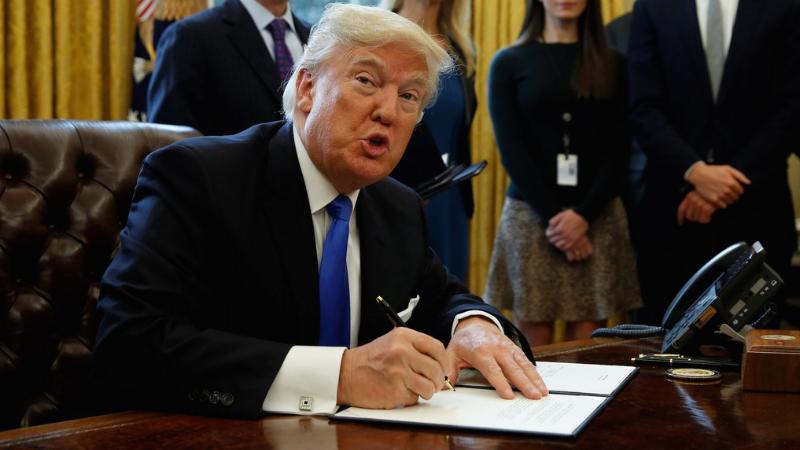
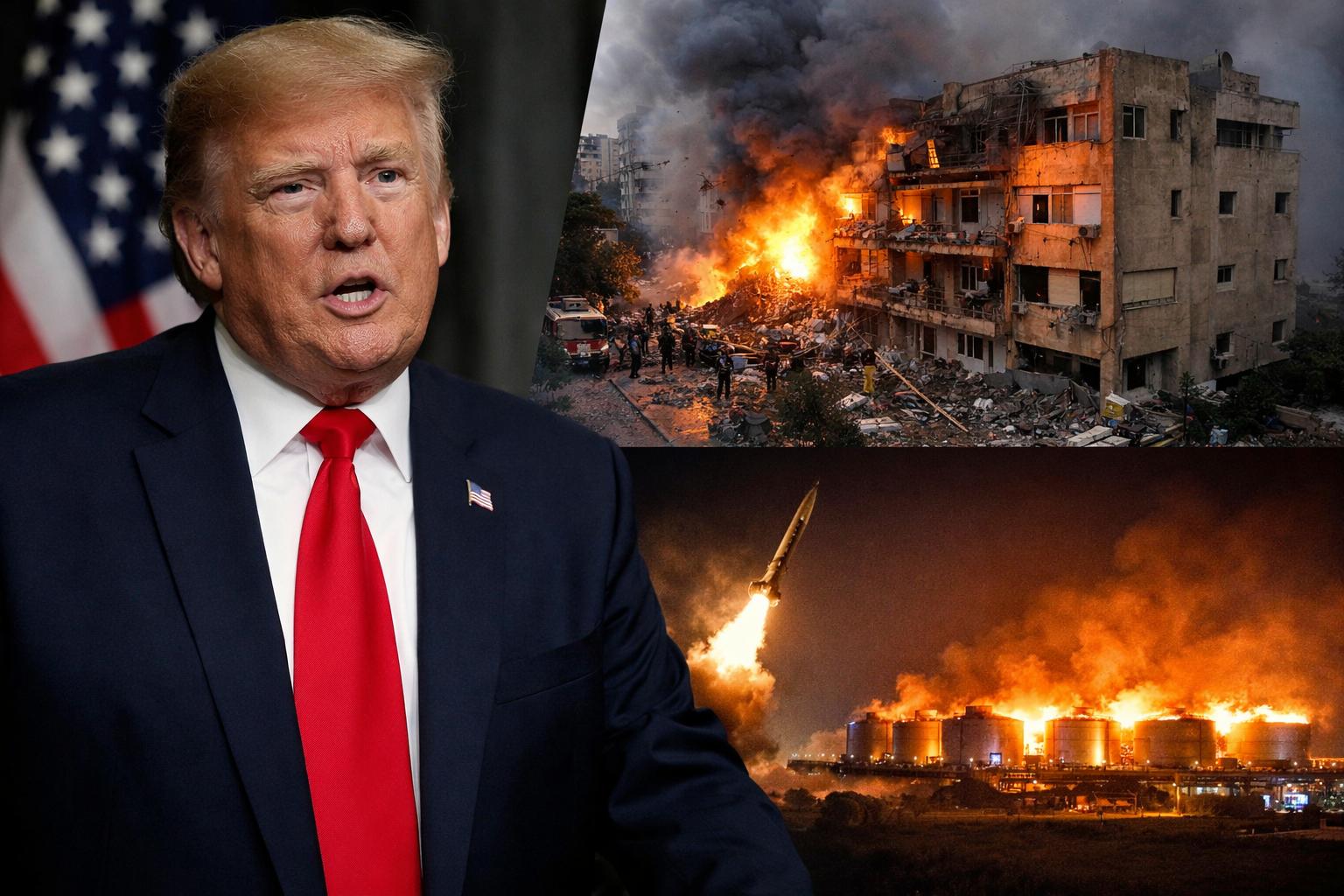
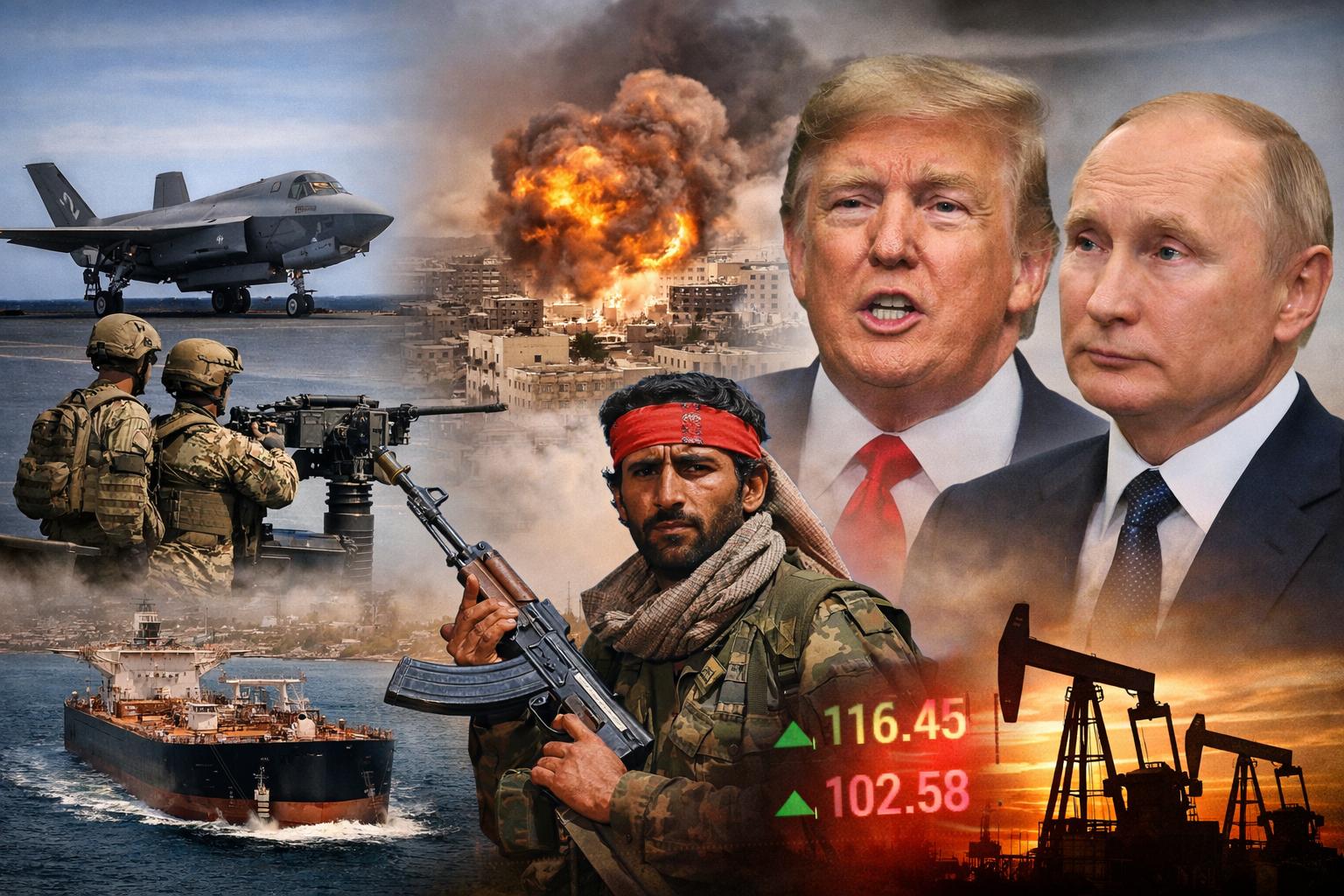
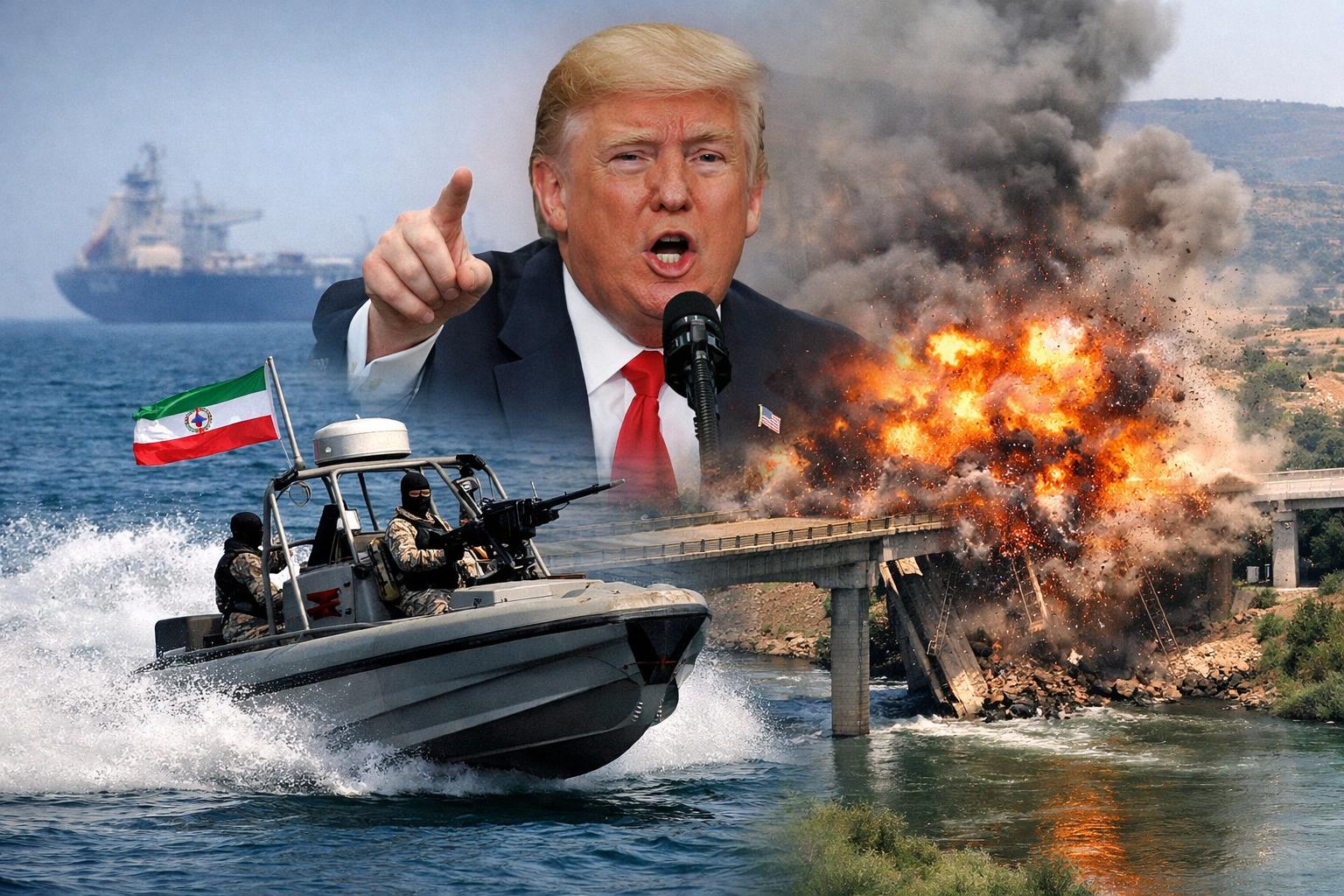
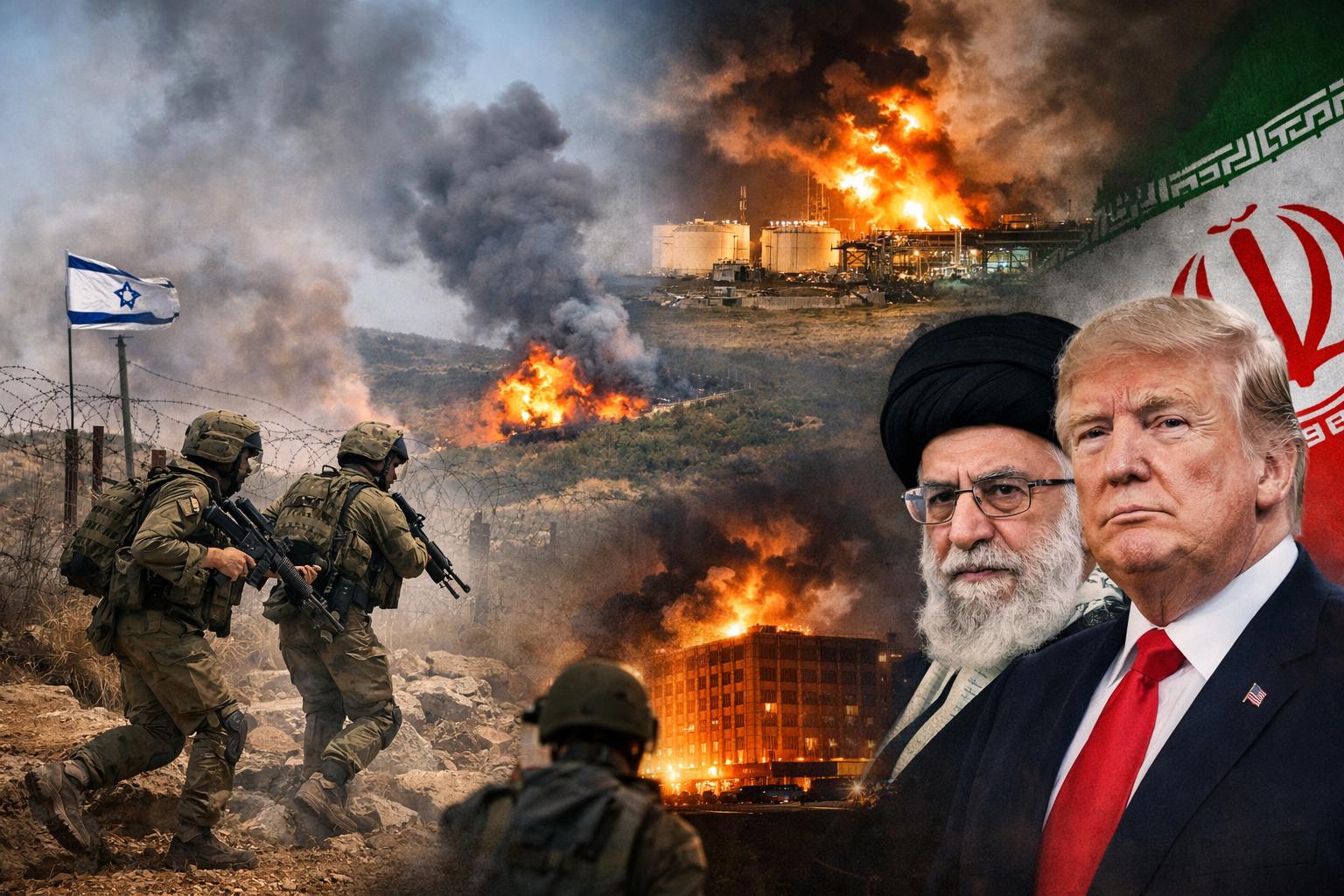
Escalating tensions across the Middle East intensified after US President Donald Trump said Iran’s response to a proposed ceasefire was “substantial” but ultimately “not good enough,” signaling continued diplomatic strain as military exchanges widened across the region.
The remarks came as at least 34 people, including six children, were reported killed in coordinated US-Israeli strikes across Iran. The attacks mark a significant escalation in the ongoing conflict, raisin
Escalating tensions across the Middle East intensified after US President Donald Trump said Iran’s response to a proposed ceasefire was “substantial” but ultimately “not good enough,” signaling continued diplomatic strain as military exchanges widened across the region.
The remarks came as at least 34 people, including six children, were reported killed in coordinated US-Israeli strikes across Iran. The attacks mark a significant escalation in the ongoing conflict, raisin
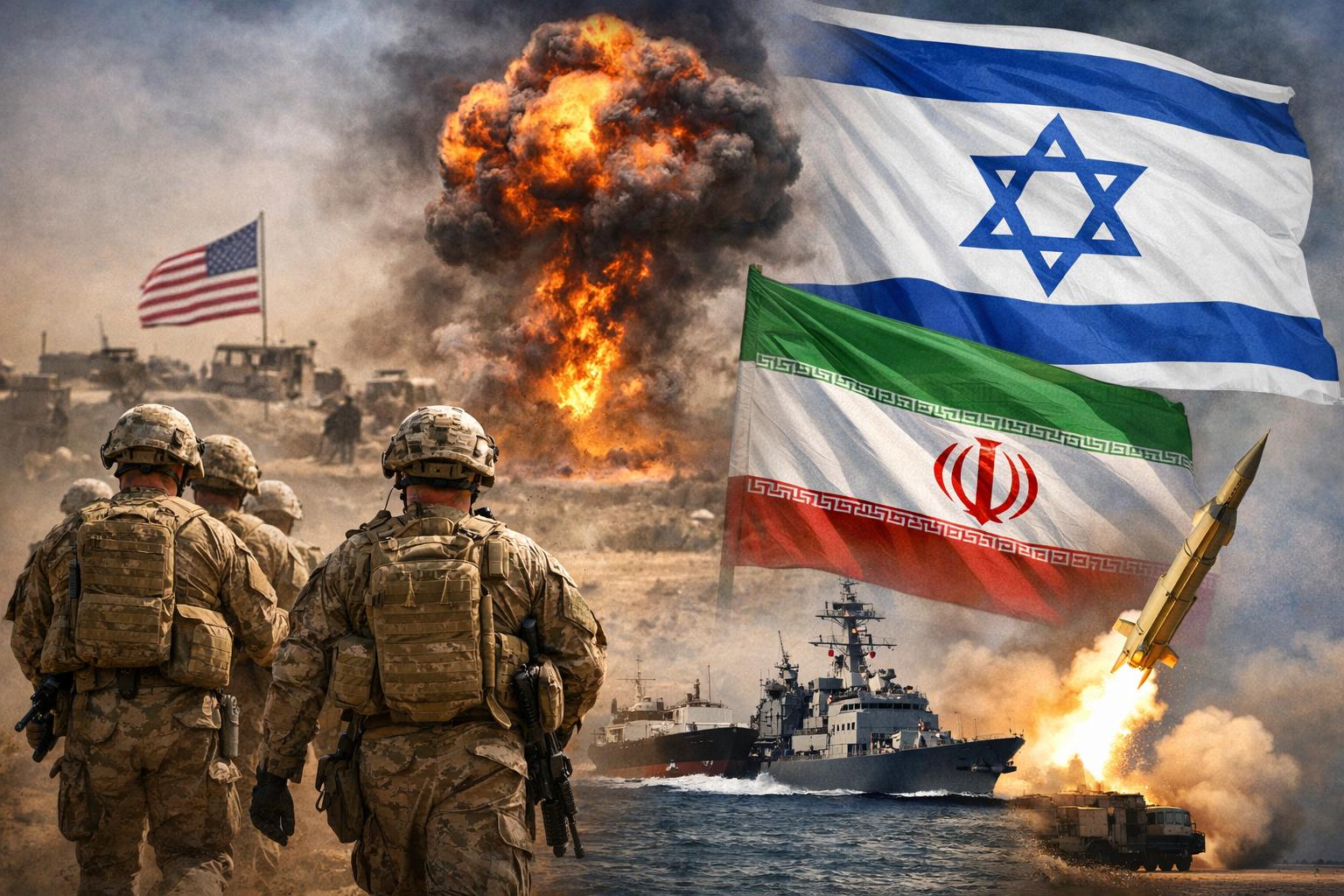
The ongoing conflict between the US, Israel, and Iran continues to escalate as the war in the Middle East enters its second month with no sign of abating. Tensions have been rising ever since US President Donald Trump’s ultimatum for Iran to engage in negotiations was issued, but Tehran remains defiant and continues its aggressive stance.
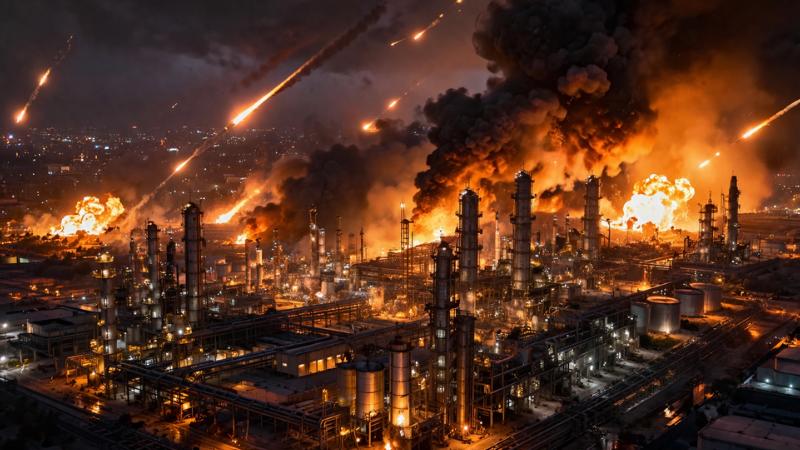
Israel has intensified its military operations in the region, striking Iran’s largest petrochemical complex, which it claims serves as a centr
The ongoing conflict between the US, Israel, and Iran continues to escalate as the war in the Middle East enters its second month with no sign of abating. Tensions have been rising ever since US President Donald Trump’s ultimatum for Iran to engage in negotiations was issued, but Tehran remains defiant and continues its aggressive stance.
Israel has intensified its military operations in the region, striking Iran’s largest petrochemical complex, which it claims serves as a centr
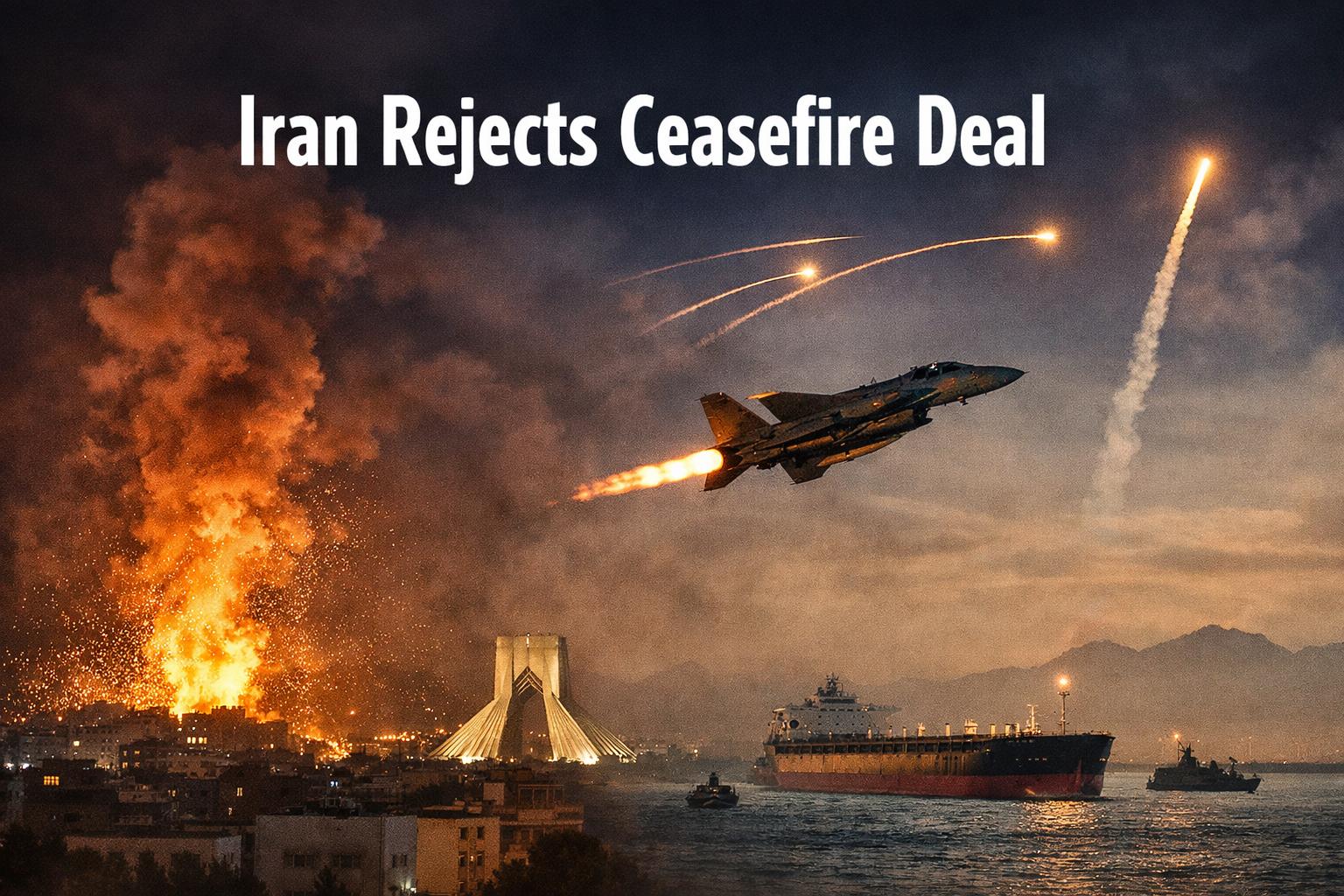
TEHRAN, Iran — Iran has rejected a proposed ceasefire agreement and is instead calling for a permanent end to hostilities, intensifying an already volatile situation in the Middle East. The development was reported on Monday, April 6, 2026, local time in Iran, amid rising pressure from the United States and escalating military actions involving Israel.
Mojtaba Ferdousi Pour, head of Iran’s diplomatic mission in Cairo, stated that Tehran would not agree to a temporary truce without guarantees of long-term security. He emphasized that Iran seeks a definitive end to the conflict with assurances that future attacks would not occur. According to Iranian officials, the country conveyed its position through Pakistan, which has been acting as a key mediator in ongoing diplomatic efforts.
The rejection comes as U.S. President Donald Trump has imposed a deadline tied to the reopening of the Strait of Hormuz, a critical global shipping route through which roughly 20% of the world’s oil supply passes during peacetime. Iranian and Omani officials are reportedly working on a mechanism to manage traffic through the strategic waterway. Disruptions in the strait have already contributed to rising oil prices and heightened concerns about the global economy.
Tensions further escalated following Israeli strikes on Iran’s South Pars natural gas field, a major energy hub shared with Qatar and vital to Iran’s electricity production. The strikes also reportedly killed senior figures within Iran’s Revolutionary Guard, including intelligence chief Maj. Gen. Majid Khademi and a commander linked to the Quds Force. Israeli officials indicated that targeting Iran’s economic and military infrastructure remains a priority.
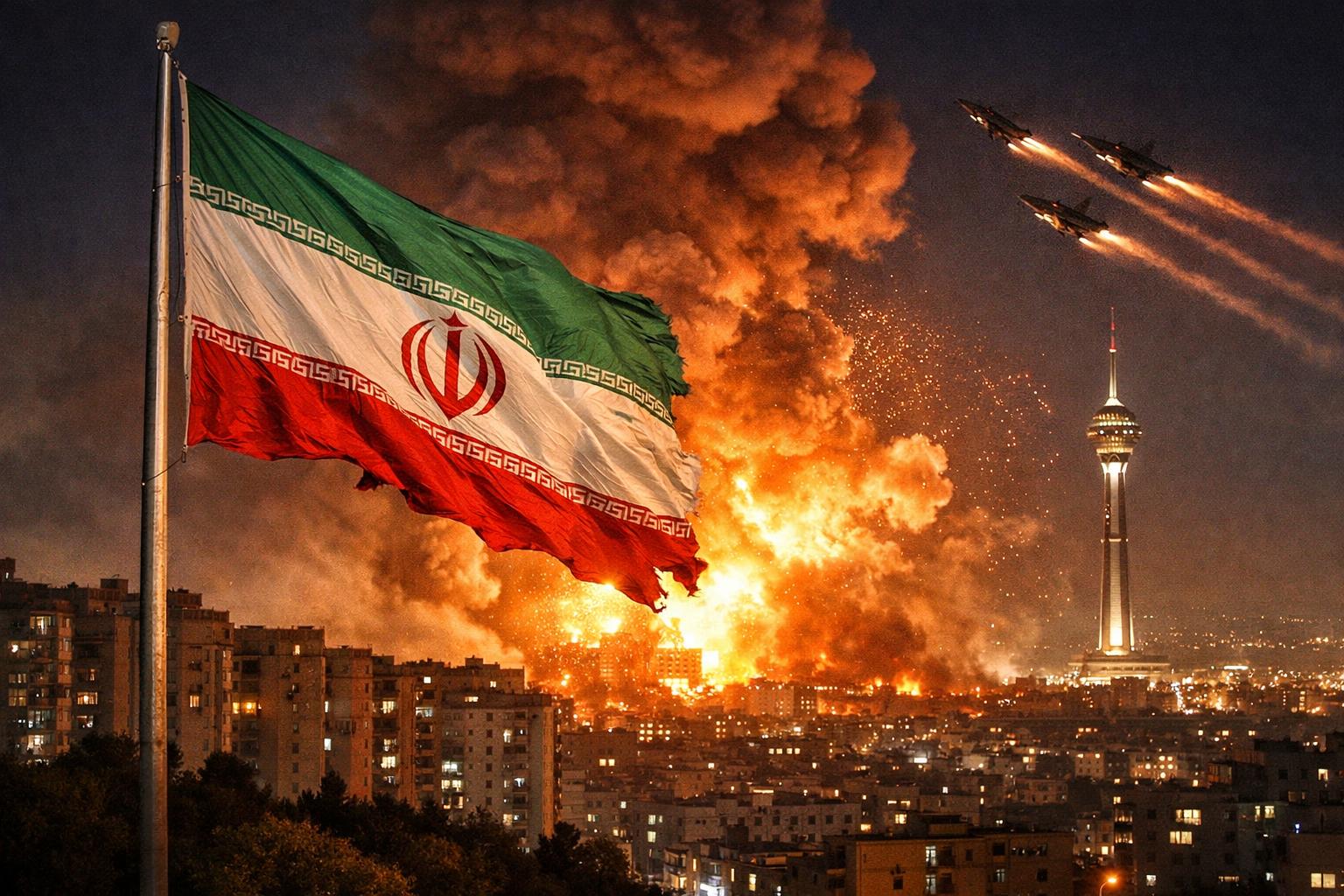
Simultaneously, explosions were reported across Tehran, with residents describing sustained aerial activity, including drones and low-flying aircraft. Israeli forces also claimed to have struck multiple airports in the Iranian capital, damaging military assets.
Efforts by mediators from Egypt, Pakistan, and Turkey to broker a 45-day ceasefire and reopen the Strait of Hormuz are ongoing, though progress appears uncertain. Iranian officials have reiterated that negotiations cannot proceed under threats or ultimatums.
Regional tensions have also spread to neighboring Gulf countries, with Kuwait, the United Arab Emirates, and Saudi Arabia activating air defenses in response to Iranian missile and drone activity. In Israel, missile strikes reportedly hit residential areas in Haifa, resulting in civilian casualties. The situation continues to evolve, with significant implications for global energy markets and regional stability.
TEHRAN, Iran — Iran has rejected a proposed ceasefire agreement and is instead calling for a permanent end to hostilities, intensifying an already volatile situation in the Middle East. The development was reported on Monday, April 6, 2026, local time in Iran, amid rising pressure from the United States and escalating military actions involving Israel.
Mojtaba Ferdousi Pour, head of Iran’s diplomatic mission in Cairo, stated that Tehran would not agree to a temporary truce without guarantees of long-term security. He emphasized that Iran seeks a definitive end to the conflict with assurances that future attacks would not occur. According to Iranian officials, the country conveyed its position through Pakistan, which has been acting as a key mediator in ongoing diplomatic efforts.
The rejection comes as U.S. President Donald Trump has imposed a deadline tied to the reopening of the Strait of Hormuz, a critical global shipping route through which roughly 20% of the world’s oil supply passes during peacetime. Iranian and Omani officials are reportedly working on a mechanism to manage traffic through the strategic waterway. Disruptions in the strait have already contributed to rising oil prices and heightened concerns about the global economy.
Tensions further escalated following Israeli strikes on Iran’s South Pars natural gas field, a major energy hub shared with Qatar and vital to Iran’s electricity production. The strikes also reportedly killed senior figures within Iran’s Revolutionary Guard, including intelligence chief Maj. Gen. Majid Khademi and a commander linked to the Quds Force. Israeli officials indicated that targeting Iran’s economic and military infrastructure remains a priority.
Simultaneously, explosions were reported across Tehran, with residents describing sustained aerial activity, including drones and low-flying aircraft. Israeli forces also claimed to have struck multiple airports in the Iranian capital, damaging military assets.
Efforts by mediators from Egypt, Pakistan, and Turkey to broker a 45-day ceasefire and reopen the Strait of Hormuz are ongoing, though progress appears uncertain. Iranian officials have reiterated that negotiations cannot proceed under threats or ultimatums.
Regional tensions have also spread to neighboring Gulf countries, with Kuwait, the United Arab Emirates, and Saudi Arabia activating air defenses in response to Iranian missile and drone activity. In Israel, missile strikes reportedly hit residential areas in Haifa, resulting in civilian casualties. The situation continues to evolve, with significant implications for global energy markets and regional stability.
DUBAI, United Arab Emirates — Israel carried out a major strike on Iran’s South Pars natural gas field, targeting a key petrochemical facility that accounts for a significant portion of the country’s production, in an escalation that threatens ongoing efforts to broker a ceasefire between Tehran and Washington. Israeli officials confirmed the operation, describing it as a decisive blow to Iran’s energy infrastructure, while warning that further actions could follow despite diplomatic neg
DUBAI, United Arab Emirates — Israel carried out a major strike on Iran’s South Pars natural gas field, targeting a key petrochemical facility that accounts for a significant portion of the country’s production, in an escalation that threatens ongoing efforts to broker a ceasefire between Tehran and Washington. Israeli officials confirmed the operation, describing it as a decisive blow to Iran’s energy infrastructure, while warning that further actions could follow despite diplomatic neg
DUBAI, United Arab Emirates — Iran launched coordinated attacks across the Middle East on Friday, April 3, 2026, targeting energy infrastructure and escalating tensions as U.S. and Israeli forces carried out strikes inside Iran. The conflict has now entered its fifth week with no signs of slowing, raising concerns over global energy security and regional stability.
Iranian drone strikes hit Kuwait’s Mina al-Ahmadi oil refinery early Friday, April 3, 2026 (local time in the Midd
DUBAI, United Arab Emirates — Iran launched coordinated attacks across the Middle East on Friday, April 3, 2026, targeting energy infrastructure and escalating tensions as U.S. and Israeli forces carried out strikes inside Iran. The conflict has now entered its fifth week with no signs of slowing, raising concerns over global energy security and regional stability.
Iranian drone strikes hit Kuwait’s Mina al-Ahmadi oil refinery early Friday, April 3, 2026 (local time in the Midd
The Israeli military said it has killed approximately 1,000 Hezbollah operatives in Lebanon as hostilities intensify in parallel with escalating tensions involving Iran. The Israel Defense Forces (IDF) stated that the casualties include hundreds of members from Hezbollah’s elite Radwan Force, a key unit within the Iran-backed group.
The announcement was made as cross-border exchanges between Israel and Hezbollah continue to increase in frequency and intensity. According to the IDF, Hezbollah launched around 130 rockets into Israeli territory over the previous 24-hour period. Israeli defense systems intercepted the majority of the projectiles, while others landed in open areas. However, several rockets struck populated areas, causing property damage and leaving multiple individuals with minor injuries.
The developments were reported at 8:59 PM IST on Thursday, April 2, 2026. The situation reflects a broader escalation across the Middle East, with tensions extending beyond Israel and Lebanon.
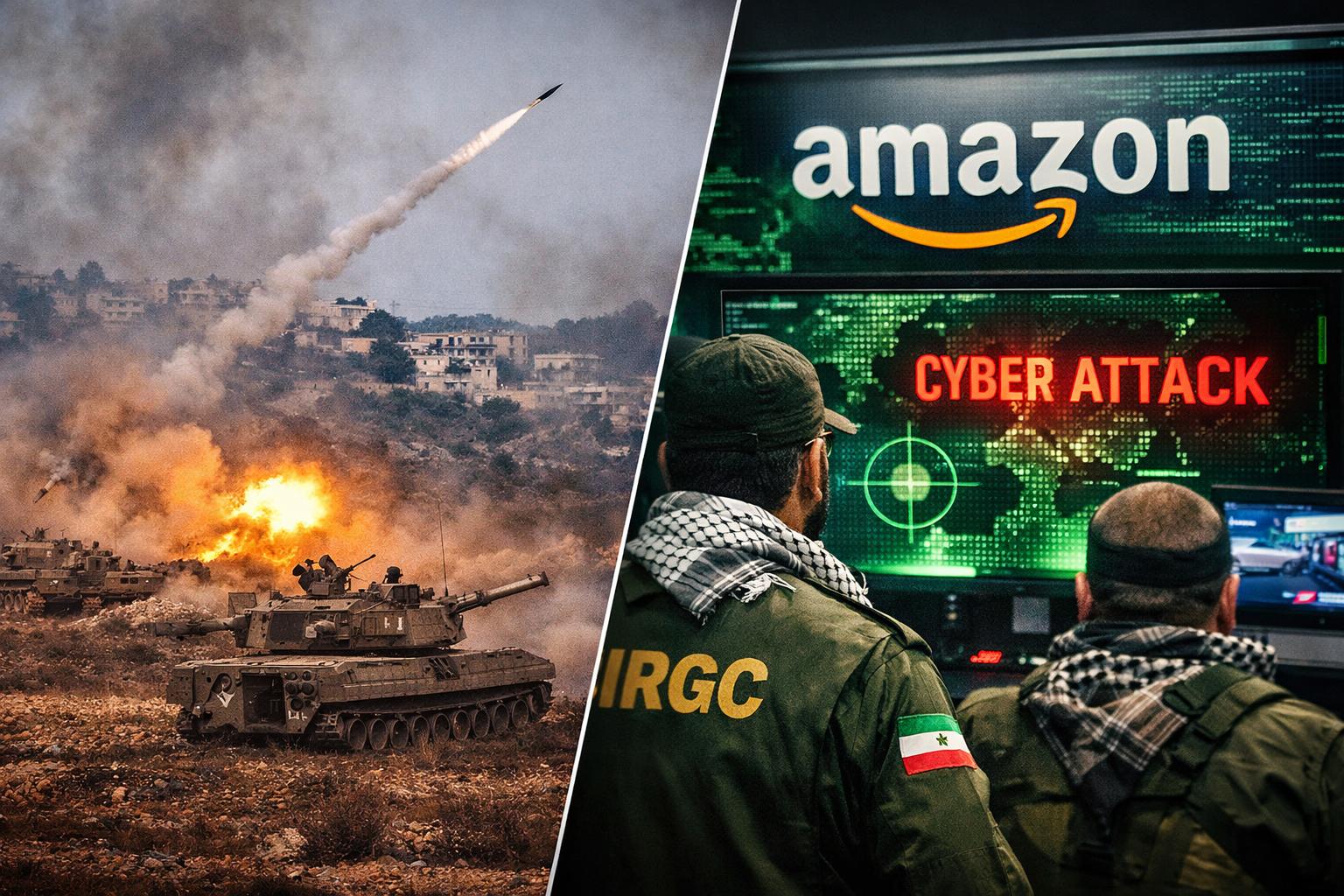
In a separate development, Iran’s Islamic Revolutionary Guard Corps (IRGC) claimed responsibility for an attack targeting an Amazon cloud computing facility in Bahrain. The claim was reported by Iranian state-affiliated media, which described the operation as part of the third phase of what it called the “90th wave” of Operation True Promise 4.
The reported cyber or infrastructure-related strike comes amid heightened rhetoric from Iran. On Wednesday, April 1, 2026, the IRGC warned that it could target multiple major international companies, including Microsoft, Google, Apple, Intel, IBM, Tesla, and Boeing, citing their regional presence.
These overlapping developments underscore the widening scope of the conflict, raising concerns about regional stability and the potential for broader international implications. While Israel continues military operations against Hezbollah, Iran’s actions and warnings suggest an expanding dimension that could involve both conventional and cyber domains.
The Israeli military said it has killed approximately 1,000 Hezbollah operatives in Lebanon as hostilities intensify in parallel with escalating tensions involving Iran. The Israel Defense Forces (IDF) stated that the casualties include hundreds of members from Hezbollah’s elite Radwan Force, a key unit within the Iran-backed group.
The announcement was made as cross-border exchanges between Israel and Hezbollah continue to increase in frequency and intensity. According to the IDF, Hezbollah launched around 130 rockets into Israeli territory over the previous 24-hour period. Israeli defense systems intercepted the majority of the projectiles, while others landed in open areas. However, several rockets struck populated areas, causing property damage and leaving multiple individuals with minor injuries.
The developments were reported at 8:59 PM IST on Thursday, April 2, 2026. The situation reflects a broader escalation across the Middle East, with tensions extending beyond Israel and Lebanon.
In a separate development, Iran’s Islamic Revolutionary Guard Corps (IRGC) claimed responsibility for an attack targeting an Amazon cloud computing facility in Bahrain. The claim was reported by Iranian state-affiliated media, which described the operation as part of the third phase of what it called the “90th wave” of Operation True Promise 4.
The reported cyber or infrastructure-related strike comes amid heightened rhetoric from Iran. On Wednesday, April 1, 2026, the IRGC warned that it could target multiple major international companies, including Microsoft, Google, Apple, Intel, IBM, Tesla, and Boeing, citing their regional presence.
These overlapping developments underscore the widening scope of the conflict, raising concerns about regional stability and the potential for broader international implications. While Israel continues military operations against Hezbollah, Iran’s actions and warnings suggest an expanding dimension that could involve both conventional and cyber domains.
The ongoing conflict involving the United States, Israel, and Iran has extended beyond a month, intensifying geopolitical tensions and significantly impacting global energy markets. As of Tuesday, March 31, 2026, the situation shows few signs of de-escalation, with escalating military activity and limited diplomatic progress raising concerns across international observers.
The conflict widened further over the weekend when Yemen’s Houthi rebels entered the fray, adding a new dimension to a
The ongoing conflict involving the United States, Israel, and Iran has extended beyond a month, intensifying geopolitical tensions and significantly impacting global energy markets. As of Tuesday, March 31, 2026, the situation shows few signs of de-escalation, with escalating military activity and limited diplomatic progress raising concerns across international observers.
The conflict widened further over the weekend when Yemen’s Houthi rebels entered the fray, adding a new dimension to a
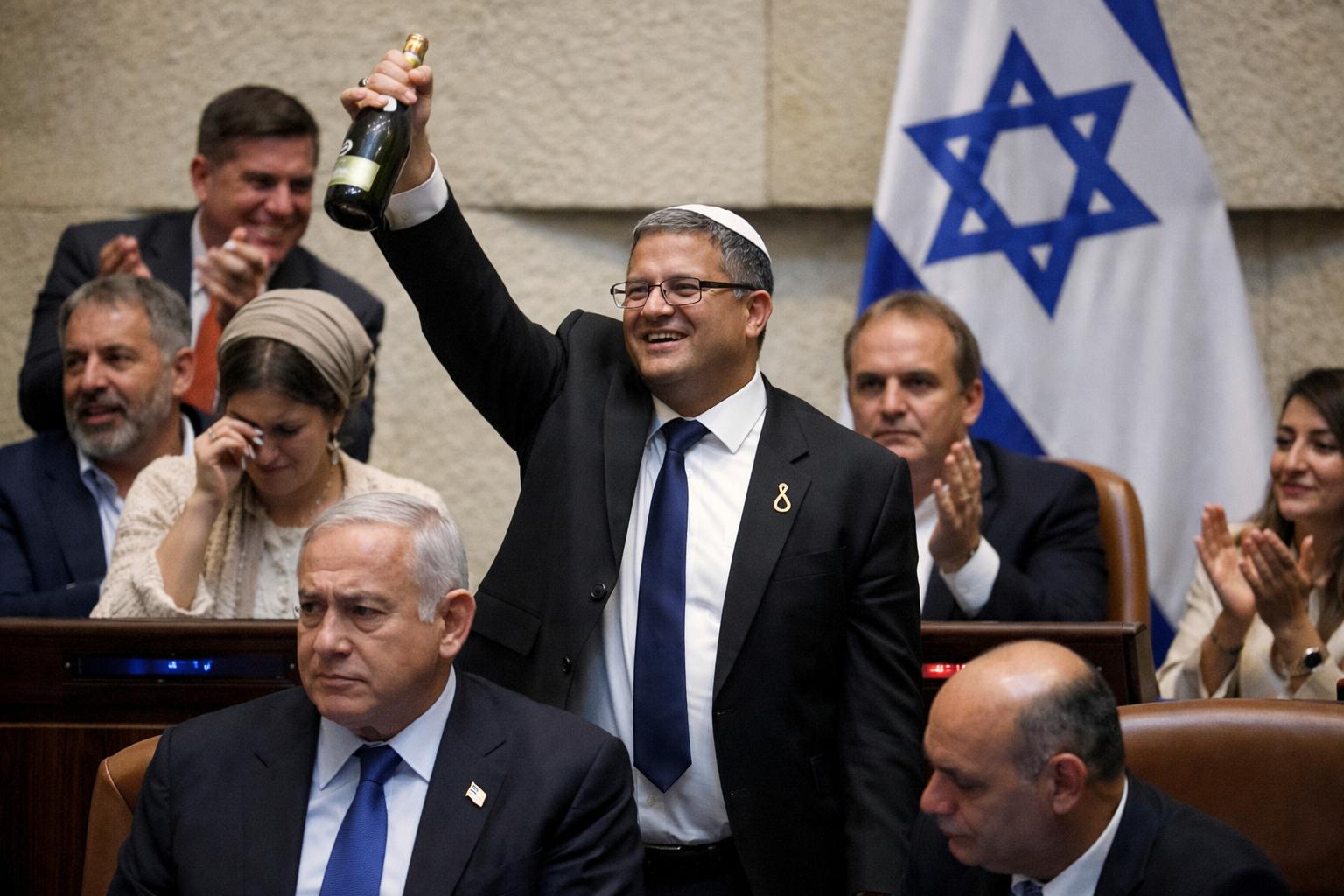
Israel’s parliament approved a controversial law introducing the death penalty for certain Palestinians convicted of killing Israelis during a session held in Jerusalem on Monday, March 30, 2026. The legislation marks a significant shift in Israel’s legal framework for handling security-related offenses and reflects a long-standing push by far-right leaders to impose stricter punishments for attacks described as terrorism.
Prime Minister Benjamin Netanyahu attended the vote in person and
Israel’s parliament approved a controversial law introducing the death penalty for certain Palestinians convicted of killing Israelis during a session held in Jerusalem on Monday, March 30, 2026. The legislation marks a significant shift in Israel’s legal framework for handling security-related offenses and reflects a long-standing push by far-right leaders to impose stricter punishments for attacks described as terrorism.
Prime Minister Benjamin Netanyahu attended the vote in person and
Tensions between the United States, Israel, and Iran are intensifying, with multiple developments across the Middle East signaling a potentially dangerous escalation in the ongoing conflict. The situation has drawn increased global attention as military activity expands and diplomatic efforts continue behind the scenes.
Hundreds of US Special Operations forces have recently been deployed to the region, pushing total American troop levels beyond 50,000. The expanded presence reflects growing concerns in Washington over regional stability and the need to safeguard critical maritime routes, including the strategically vital Strait of Hormuz. US officials are also weighing a range of military and strategic options, including potential actions targeting Iran’s nuclear capabilities and energy infrastructure.
Amid these developments, discussions have reportedly included the possibility of securing or seizing Iranian oil facilities and enriched uranium assets. At the same time, diplomatic channels remain active, with regional intermediaries attempting to ease tensions and prevent further escalation.
Uncertainty surrounding Iran’s leadership has added another layer of complexity. Supreme Leader Mojtaba Khamenei has not appeared publicly in recent days, fueling speculation about his health and control over internal decision-making during a critical period.
The conflict is also beginning to extend beyond traditional battle zones. A recent Iranian strike in Kuwait resulted in the death of an Indian worker, underscoring the growing risks to civilians and foreign nationals in the region. Analysts warn that such incidents highlight the vulnerability of critical infrastructure and the potential for unintended consequences as hostilities widen.
Security experts caution that the situation remains highly volatile, with the possibility of broader regional fallout if tensions continue to rise. As military posturing increases alongside fragile diplomatic efforts, the coming days are expected to be crucial in determining whether the conflict can be contained or escalates further.
Tensions between the United States, Israel, and Iran are intensifying, with multiple developments across the Middle East signaling a potentially dangerous escalation in the ongoing conflict. The situation has drawn increased global attention as military activity expands and diplomatic efforts continue behind the scenes.
Hundreds of US Special Operations forces have recently been deployed to the region, pushing total American troop levels beyond 50,000. The expanded presence reflects growing concerns in Washington over regional stability and the need to safeguard critical maritime routes, including the strategically vital Strait of Hormuz. US officials are also weighing a range of military and strategic options, including potential actions targeting Iran’s nuclear capabilities and energy infrastructure.
Amid these developments, discussions have reportedly included the possibility of securing or seizing Iranian oil facilities and enriched uranium assets. At the same time, diplomatic channels remain active, with regional intermediaries attempting to ease tensions and prevent further escalation.
Uncertainty surrounding Iran’s leadership has added another layer of complexity. Supreme Leader Mojtaba Khamenei has not appeared publicly in recent days, fueling speculation about his health and control over internal decision-making during a critical period.
The conflict is also beginning to extend beyond traditional battle zones. A recent Iranian strike in Kuwait resulted in the death of an Indian worker, underscoring the growing risks to civilians and foreign nationals in the region. Analysts warn that such incidents highlight the vulnerability of critical infrastructure and the potential for unintended consequences as hostilities widen.
Security experts caution that the situation remains highly volatile, with the possibility of broader regional fallout if tensions continue to rise. As military posturing increases alongside fragile diplomatic efforts, the coming days are expected to be crucial in determining whether the conflict can be contained or escalates further.
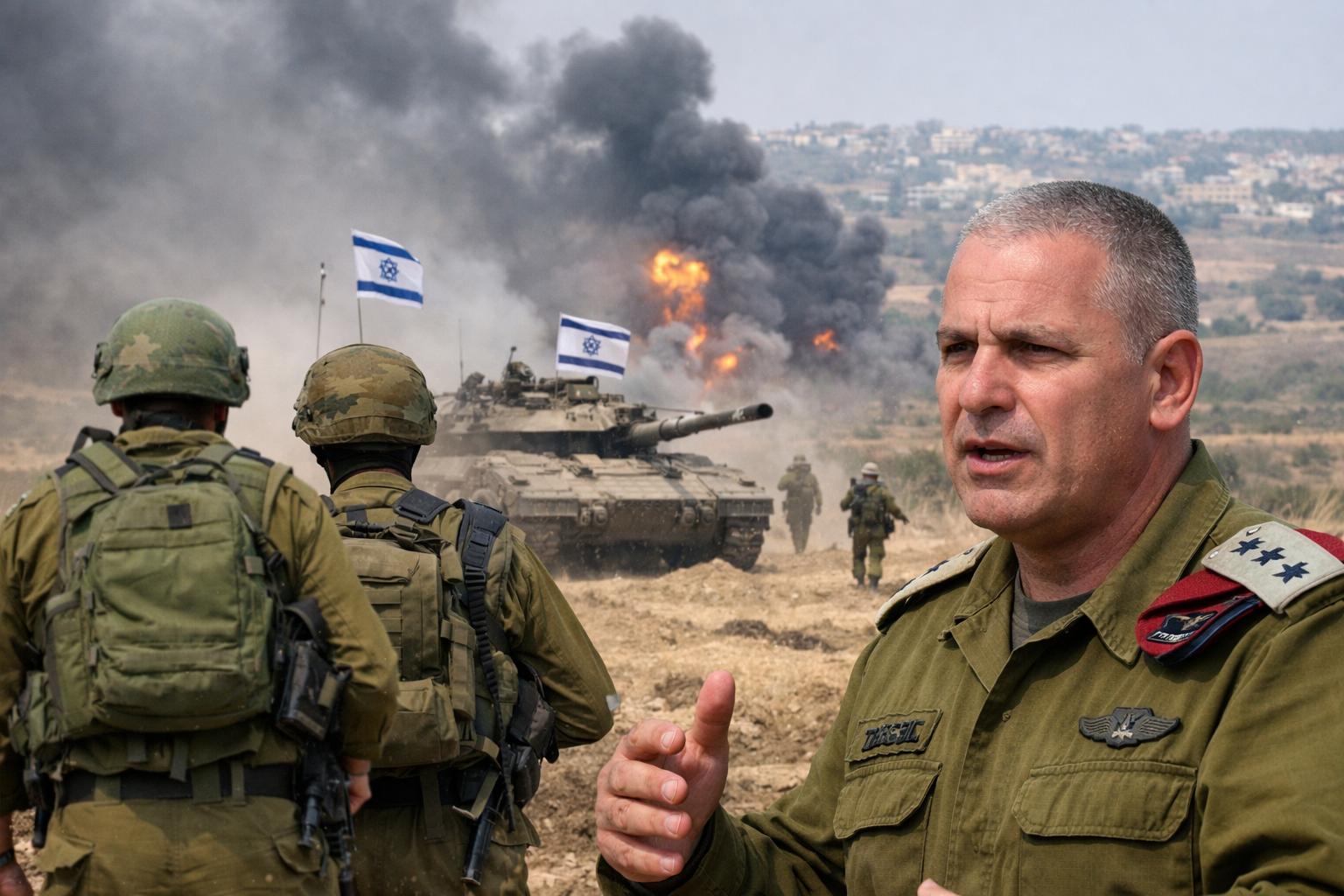
Israel’s top military official has issued a stark warning about the country’s operational readiness, citing severe manpower shortages as conflict across multiple fronts continues to intensify. Eyal Zamir, Chief of the General Staff of the Israel Defense Forces, told senior ministers that the military risks “collapsing on itself” if current staffing gaps are not addressed.
The warning came
Israel’s top military official has issued a stark warning about the country’s operational readiness, citing severe manpower shortages as conflict across multiple fronts continues to intensify. Eyal Zamir, Chief of the General Staff of the Israel Defense Forces, told senior ministers that the military risks “collapsing on itself” if current staffing gaps are not addressed.
The warning came
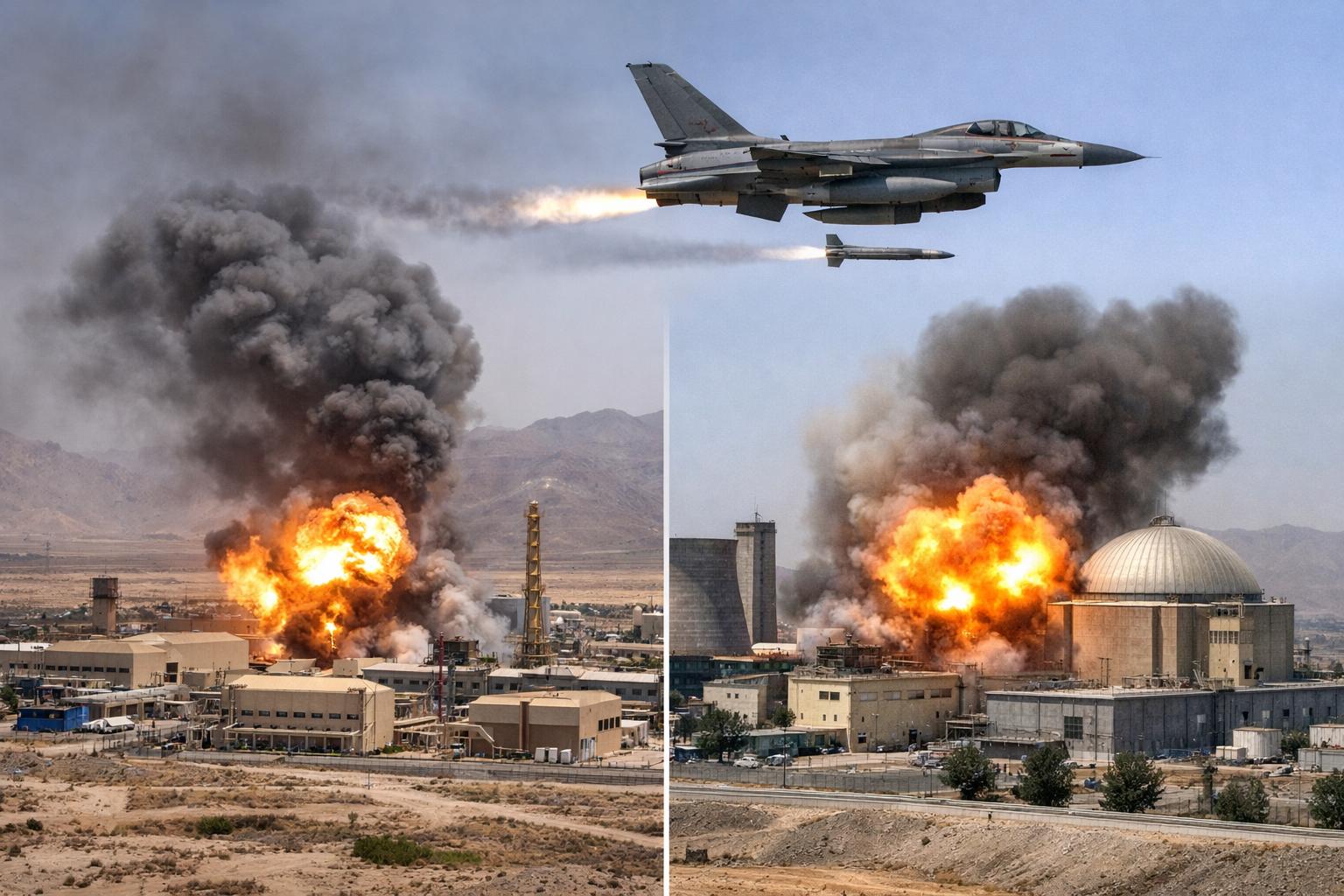
Israel confirmed it carried out coordinated airstrikes on nuclear-related facilities in central Iran on Friday, March 27, 2026, targeting a uranium processing site in Yazd and a heavy water plant in Arak, according to official military statements. The strikes mark a significant escalation in ongoing efforts to disrupt Iran’s nuclear program amid heightened regional tensions.
The Israel Defense Forces (IDF) said the operation in Yazd focused on a uranium extraction facility described as cri
Israel confirmed it carried out coordinated airstrikes on nuclear-related facilities in central Iran on Friday, March 27, 2026, targeting a uranium processing site in Yazd and a heavy water plant in Arak, according to official military statements. The strikes mark a significant escalation in ongoing efforts to disrupt Iran’s nuclear program amid heightened regional tensions.
The Israel Defense Forces (IDF) said the operation in Yazd focused on a uranium extraction facility described as cri
Washington: Tensions across West Asia have escalated sharply, with the United States issuing a strong warning to Iran to accept defeat or face significantly intensified military consequences. US officials indicated that further retaliation from Tehran could trigger a broader response, signaling a potential widening of the conflict. Iran, however, has dismissed the possibility of negotiations, reaffirming its intent to continue retaliatory strikes amid ongoing hostilities.
Military exchang
Washington: Tensions across West Asia have escalated sharply, with the United States issuing a strong warning to Iran to accept defeat or face significantly intensified military consequences. US officials indicated that further retaliation from Tehran could trigger a broader response, signaling a potential widening of the conflict. Iran, however, has dismissed the possibility of negotiations, reaffirming its intent to continue retaliatory strikes amid ongoing hostilities.
Military exchang
The ongoing conflict involving the United States, Israel, and Iran is nearing the one-month mark, with hostilities continuing to escalate across multiple fronts. Despite renewed claims of diplomatic engagement, military operations remain active, contributing to rising casualties and increasing uncertainty across the region.
US President Donald Trump recently stated that discussions with Iran are ongoing, suggesting the possibility of a diplomatic breakthrough. However, Iranian authorities have dismissed such claims, describing reports of negotiations as misleading and intended to influence global oil and financial markets. The conflicting narratives have further complicated the geopolitical landscape, as both sides continue to pursue military strategies alongside public statements on diplomacy.
Recent strikes have intensified within Iran, including an attack in southern Tehran that resulted in at least 12 fatalities and left 28 others injured. These developments underscore the continued volatility within Iranian territory, as Israeli and US operations target strategic locations amid the broader confrontation.
In response, Iran and its ally Hezbollah have launched a fresh wave of missile attacks targeting Israeli cities, including Tel Aviv and areas in the north. The strikes have caused civilian casualties, with at least one reported death and multiple injuries. Israel has simultaneously expanded its military operations in southern Lebanon, following indications of a plan to establish control up to the Litani River. Reports indicate that at least 33 people have been killed in recent bombardments in the region.
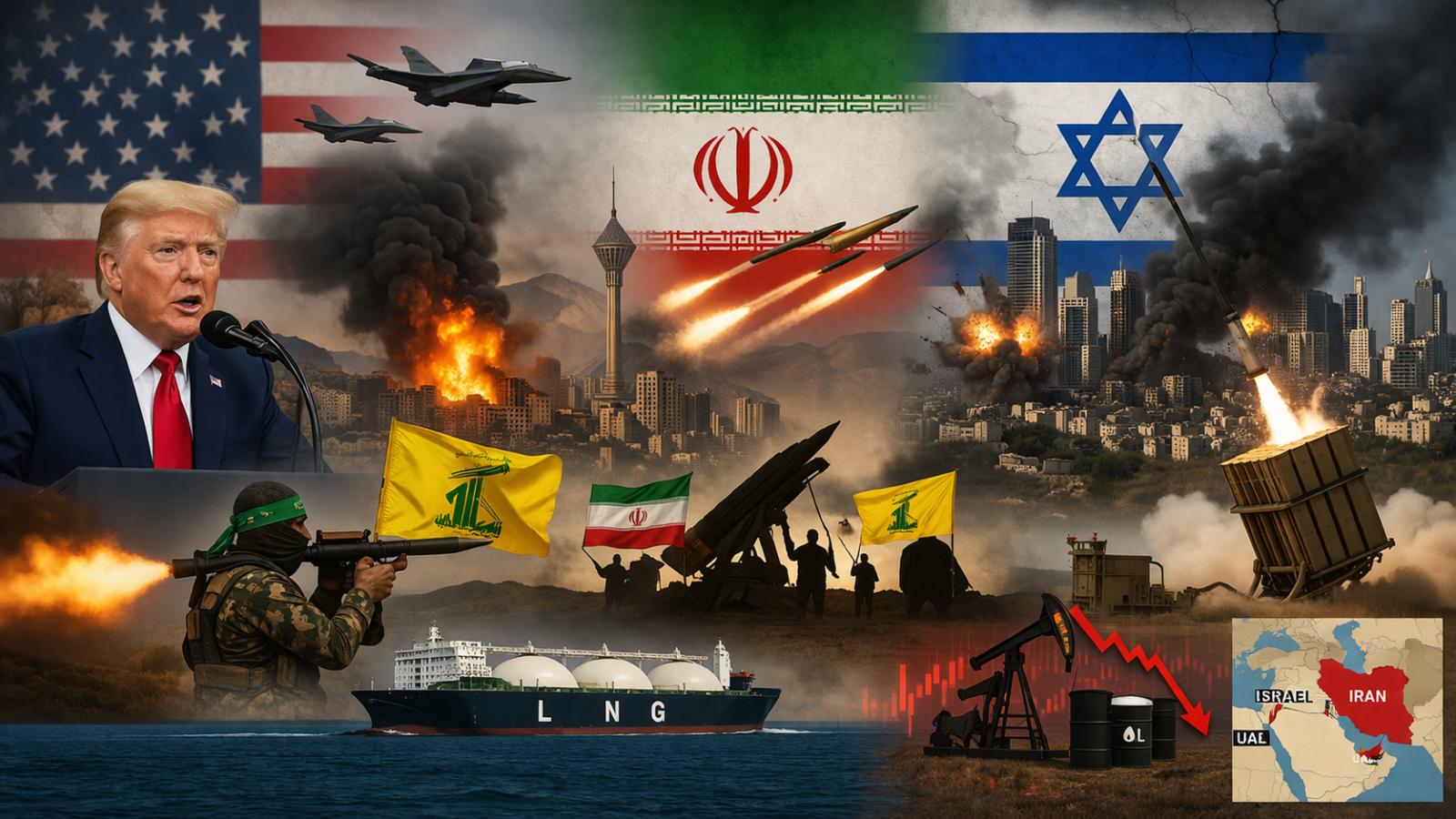
The conflict has also extended beyond immediate battle zones, affecting regional stability and international economic interests. The United Arab Emirates confirmed that a Moroccan national working with its armed forces in Bahrain was killed during an Iranian attack, with additional personnel reported injured. Meanwhile, QatarEnergy has declared force majeure on several liquefied natural gas contracts, impacting supply agreements with countries including Italy, Belgium, South Korea, and China.
As military actions continue alongside disputed diplomatic signals, the conflict is increasingly influencing global energy markets and geopolitical dynamics, raising concerns about further escalation and broader economic consequences.
The ongoing conflict involving the United States, Israel, and Iran is nearing the one-month mark, with hostilities continuing to escalate across multiple fronts. Despite renewed claims of diplomatic engagement, military operations remain active, contributing to rising casualties and increasing uncertainty across the region.
US President Donald Trump recently stated that discussions with Iran are ongoing, suggesting the possibility of a diplomatic breakthrough. However, Iranian authorities have dismissed such claims, describing reports of negotiations as misleading and intended to influence global oil and financial markets. The conflicting narratives have further complicated the geopolitical landscape, as both sides continue to pursue military strategies alongside public statements on diplomacy.
Recent strikes have intensified within Iran, including an attack in southern Tehran that resulted in at least 12 fatalities and left 28 others injured. These developments underscore the continued volatility within Iranian territory, as Israeli and US operations target strategic locations amid the broader confrontation.
In response, Iran and its ally Hezbollah have launched a fresh wave of missile attacks targeting Israeli cities, including Tel Aviv and areas in the north. The strikes have caused civilian casualties, with at least one reported death and multiple injuries. Israel has simultaneously expanded its military operations in southern Lebanon, following indications of a plan to establish control up to the Litani River. Reports indicate that at least 33 people have been killed in recent bombardments in the region.
The conflict has also extended beyond immediate battle zones, affecting regional stability and international economic interests. The United Arab Emirates confirmed that a Moroccan national working with its armed forces in Bahrain was killed during an Iranian attack, with additional personnel reported injured. Meanwhile, QatarEnergy has declared force majeure on several liquefied natural gas contracts, impacting supply agreements with countries including Italy, Belgium, South Korea, and China.
As military actions continue alongside disputed diplomatic signals, the conflict is increasingly influencing global energy markets and geopolitical dynamics, raising concerns about further escalation and broader economic consequences.
Iran has rejected a United States-backed proposal to pause the ongoing conflict in the Middle East, instead presenting its own set of conditions for ending hostilities, according to statements broadcast by the country’s state-run English-language network. The development comes amid continued military escalation, with Tehran reportedly launching further attacks targeting Israel and parts of the Gulf region.
An unnamed Iranian official was quoted as confirming that Tehran had formally declin
Iran has rejected a United States-backed proposal to pause the ongoing conflict in the Middle East, instead presenting its own set of conditions for ending hostilities, according to statements broadcast by the country’s state-run English-language network. The development comes amid continued military escalation, with Tehran reportedly launching further attacks targeting Israel and parts of the Gulf region.
An unnamed Iranian official was quoted as confirming that Tehran had formally declin
As the conflict in the Middle East enters its fourth week, Iran has firmly denied engaging in any negotiations or discussions with the United States since the hostilities began, contradicting recent remarks by US President Donald Trump. The Iranian government’s statement comes after Trump publicly claimed that Washington and Tehran had held “very good and productive conversations” aimed at achieving a comprehensive resolution to the ongoing crisis. Iranian officials dismissed the assertion
As the conflict in the Middle East enters its fourth week, Iran has firmly denied engaging in any negotiations or discussions with the United States since the hostilities began, contradicting recent remarks by US President Donald Trump. The Iranian government’s statement comes after Trump publicly claimed that Washington and Tehran had held “very good and productive conversations” aimed at achieving a comprehensive resolution to the ongoing crisis. Iranian officials dismissed the assertion
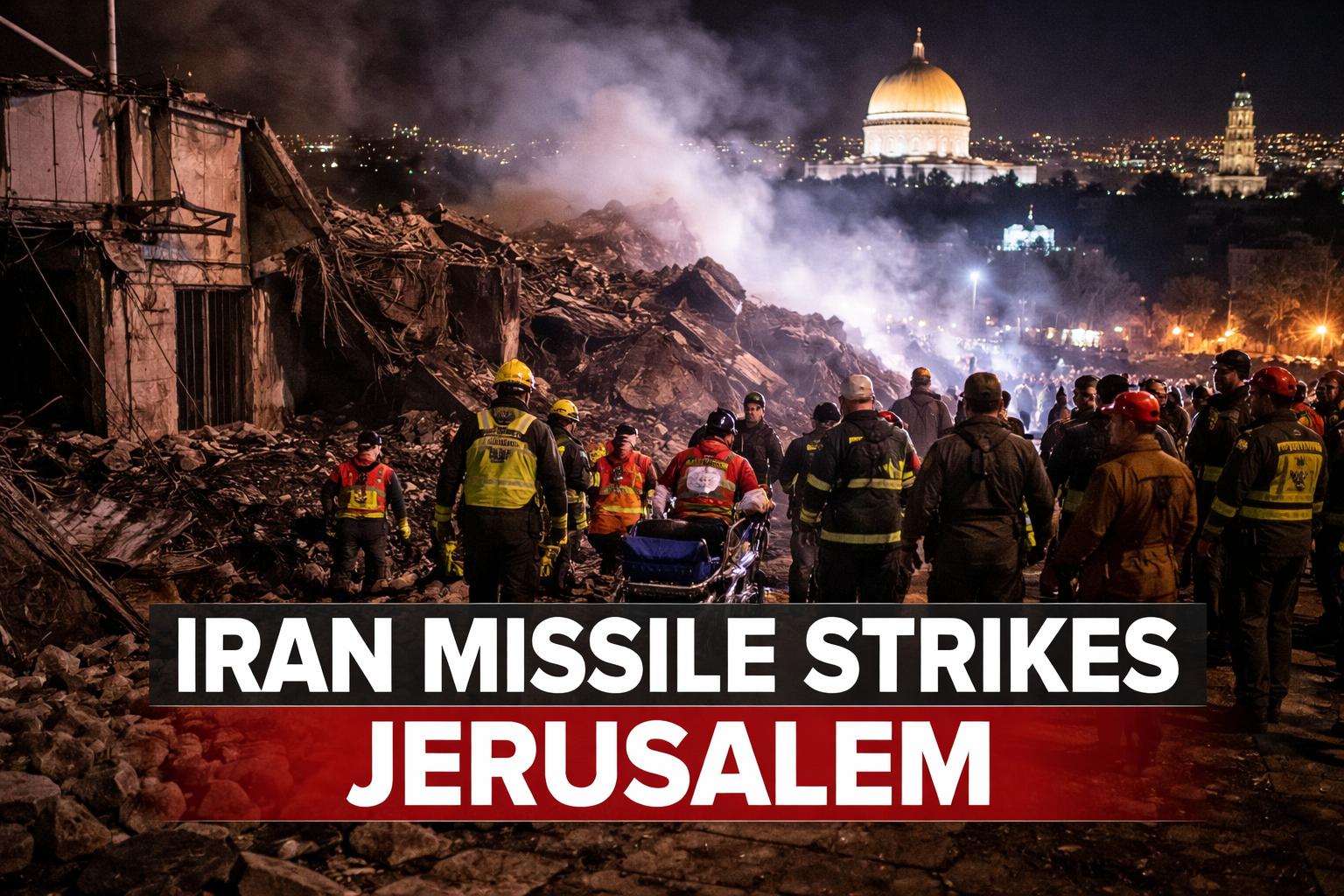
A loud explosion was reported over Jerusalem early Tuesday following two rounds of missile launches from Iran, heightening tensions in the already volatile Middle East region. Israeli authorities confirmed that air raid alerts were triggered across several areas, prompting residents to take shelter as defense systems responded to the incoming threats.
According to the Israeli military, the missile launches occurred within a short interval, with the second wave followed by an audible
A loud explosion was reported over Jerusalem early Tuesday following two rounds of missile launches from Iran, heightening tensions in the already volatile Middle East region. Israeli authorities confirmed that air raid alerts were triggered across several areas, prompting residents to take shelter as defense systems responded to the incoming threats.
According to the Israeli military, the missile launches occurred within a short interval, with the second wave followed by an audible
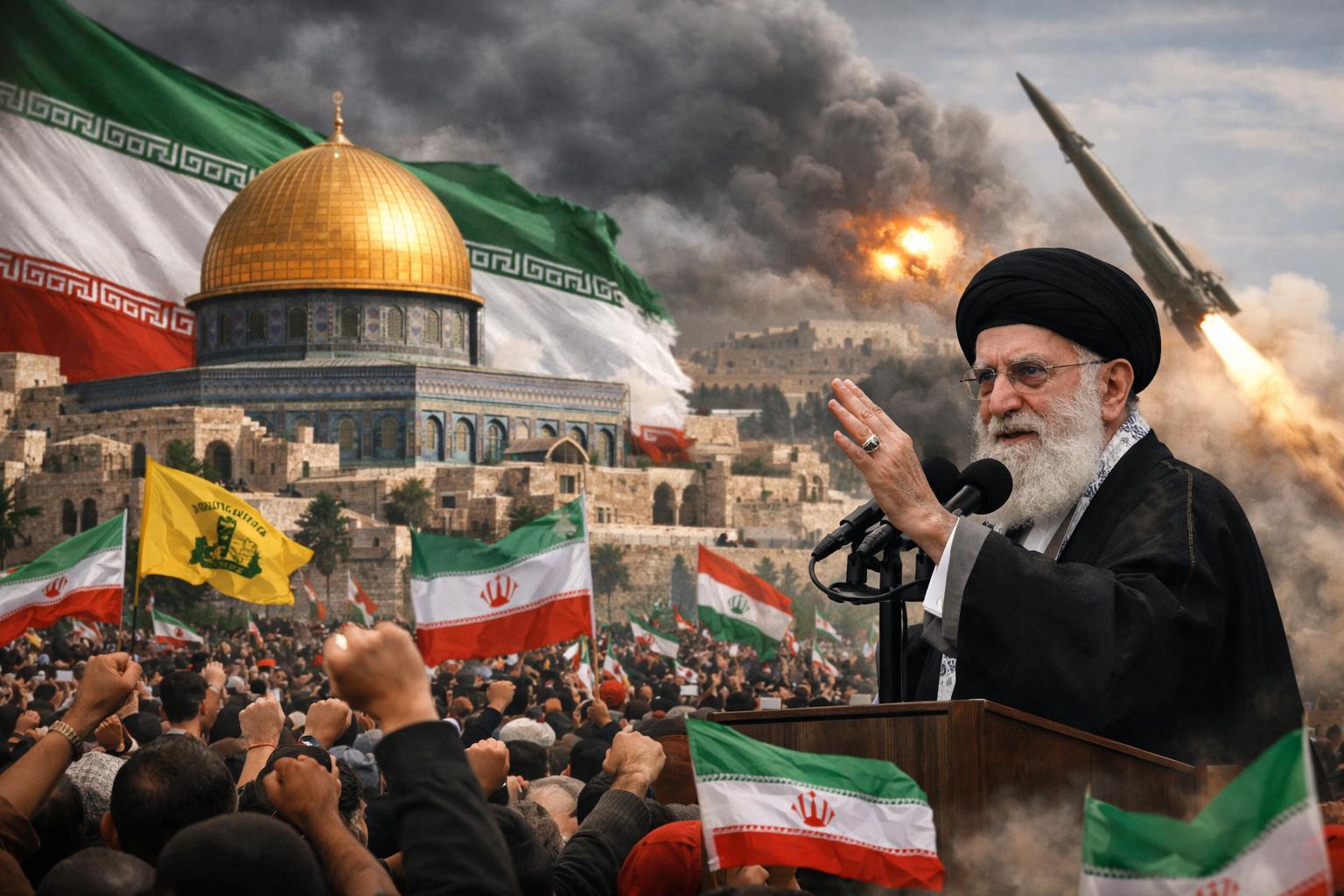
Iran’s Supreme Leader Mojtaba Khamenei has asserted that the country has delivered a significant strategic setback to its adversaries amid the ongoing conflict involving Israel and the United States. In a written message released on Friday to mark the Persian New Year, Khamenei emphasized that national unity and resilience among Iranians had played a decisive role in shifting the balance in the confrontation.
The statement comes at a time when the conflict has entered its fourth week, casting a shadow over Nowruz celebrations across the country. Despite the subdued atmosphere, Khamenei highlighted what he described as unprecedented solidarity among citizens from diverse religious, cultural, and political backgrounds. He stated that this unity had left Iran’s opponents disoriented, leading them to issue what he characterized as inconsistent and contradictory statements.
Tensions escalated further following a blast in Jerusalem’s Old City, which created a crater near several significant religious landmarks, including the Al-Aqsa Mosque, the Western Wall, and the Church of the Holy Sepulchre. Israeli authorities accused Tehran of being linked to what they described as an attack on sacred sites, intensifying already strained relations in the region.
Khamenei rejected these allegations, firmly denying any involvement by Iran or its regional allies in reported incidents in Oman and Turkey during the conflict. He attributed such claims to what he called deliberate misinformation by Israel, referring to it as a “Zionist enemy” engaged in deceptive tactics.
The current situation marks a period of heightened geopolitical tension, with both rhetoric and military developments continuing to evolve. Adding to the symbolic shift within Iran, large banners marking Nowruz have replaced images of former leader Ali Khamenei, who was reportedly killed at the outset of the conflict on February 28.
As the crisis unfolds, Iran’s leadership continues to project confidence and defiance, framing the ongoing developments as a demonstration of national strength and unity in the face of external pressure.
Iran’s Supreme Leader Mojtaba Khamenei has asserted that the country has delivered a significant strategic setback to its adversaries amid the ongoing conflict involving Israel and the United States. In a written message released on Friday to mark the Persian New Year, Khamenei emphasized that national unity and resilience among Iranians had played a decisive role in shifting the balance in the confrontation.
The statement comes at a time when the conflict has entered its fourth week, casting a shadow over Nowruz celebrations across the country. Despite the subdued atmosphere, Khamenei highlighted what he described as unprecedented solidarity among citizens from diverse religious, cultural, and political backgrounds. He stated that this unity had left Iran’s opponents disoriented, leading them to issue what he characterized as inconsistent and contradictory statements.
Tensions escalated further following a blast in Jerusalem’s Old City, which created a crater near several significant religious landmarks, including the Al-Aqsa Mosque, the Western Wall, and the Church of the Holy Sepulchre. Israeli authorities accused Tehran of being linked to what they described as an attack on sacred sites, intensifying already strained relations in the region.
Khamenei rejected these allegations, firmly denying any involvement by Iran or its regional allies in reported incidents in Oman and Turkey during the conflict. He attributed such claims to what he called deliberate misinformation by Israel, referring to it as a “Zionist enemy” engaged in deceptive tactics.
The current situation marks a period of heightened geopolitical tension, with both rhetoric and military developments continuing to evolve. Adding to the symbolic shift within Iran, large banners marking Nowruz have replaced images of former leader Ali Khamenei, who was reportedly killed at the outset of the conflict on February 28.
As the crisis unfolds, Iran’s leadership continues to project confidence and defiance, framing the ongoing developments as a demonstration of national strength and unity in the face of external pressure.
Iranian President Masoud Pezeshkian has confirmed the death of Intelligence Minister Esmail Khatib following an Israeli airstrike in Tehran, describing the incident as a “cowardly assassination” that has intensified tensions in an already volatile Middle East conflict. The confirmation came on Wednesday,
Iranian President Masoud Pezeshkian has confirmed the death of Intelligence Minister Esmail Khatib following an Israeli airstrike in Tehran, describing the incident as a “cowardly assassination” that has intensified tensions in an already volatile Middle East conflict. The confirmation came on Wednesday,
The conflict in West Asia has entered its third week, with hostilities intensifying across multiple fronts and raising concerns about a broader regional escalation. Israeli President Isaac Herzog called on European nations to support Israel’s ongoing campaign against Hezbollah, as Israeli forces continued ground operations in southern Lebanon. The situation in Lebanon deteriorated further after Hezbollah launched attacks on Israel earlier this month, following the reported killing of Iran’s
The conflict in West Asia has entered its third week, with hostilities intensifying across multiple fronts and raising concerns about a broader regional escalation. Israeli President Isaac Herzog called on European nations to support Israel’s ongoing campaign against Hezbollah, as Israeli forces continued ground operations in southern Lebanon. The situation in Lebanon deteriorated further after Hezbollah launched attacks on Israel earlier this month, following the reported killing of Iran’s